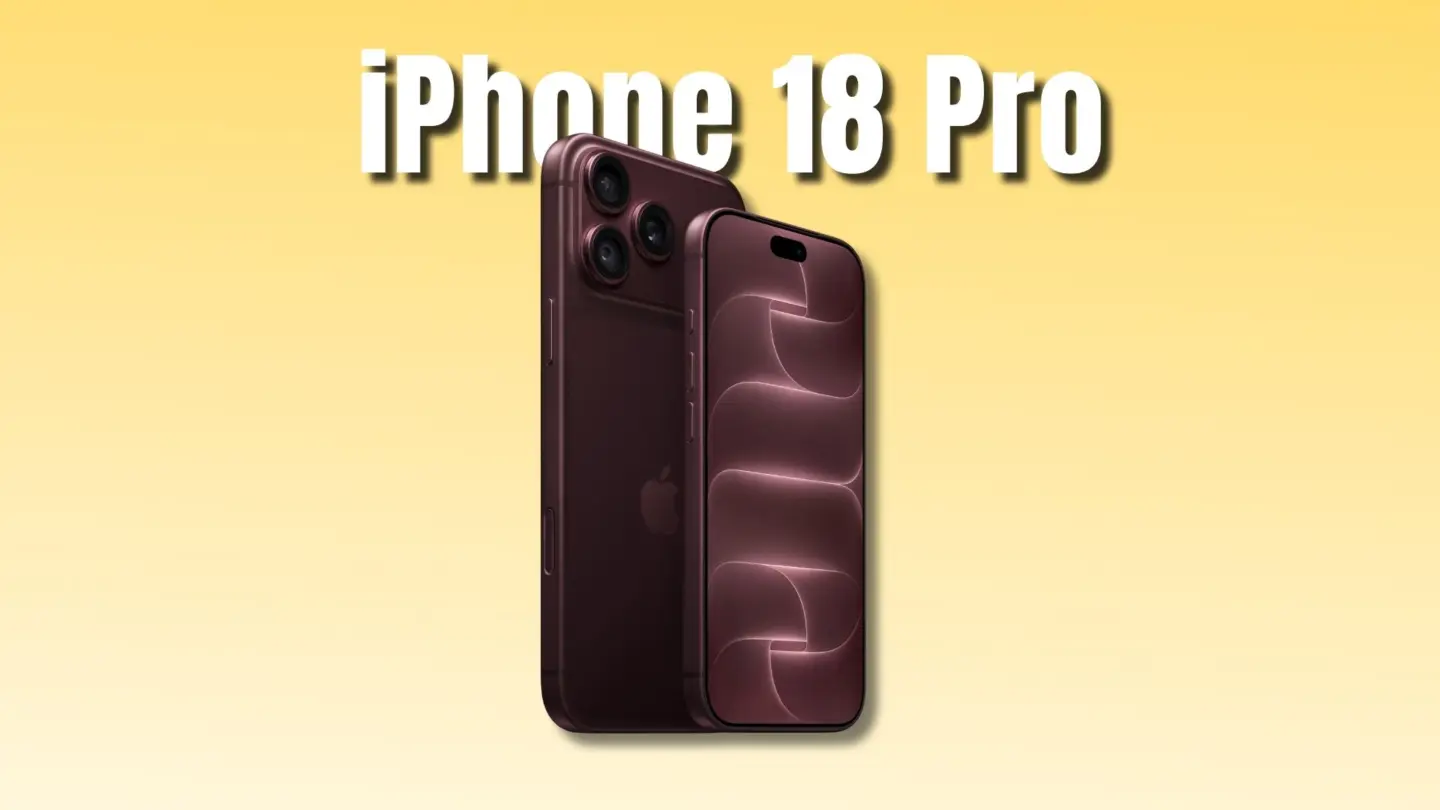
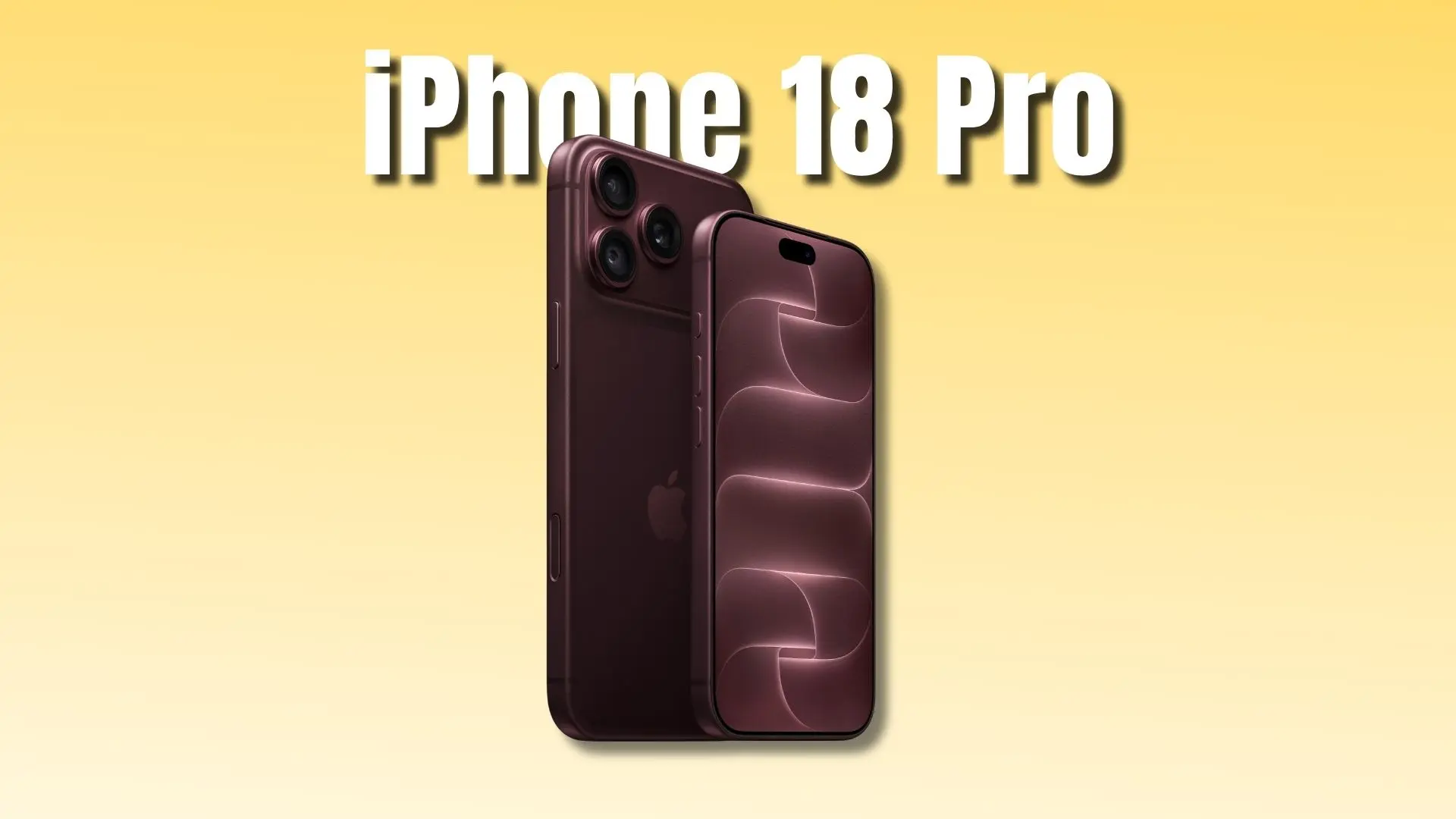
❌

Reading view

The head of HBO just dropped a big clue about Lanterns season 2 — and his 'not right now' comments have worried me about the popular DC comic-book show's future

  • The People v Gorilla Grodd is the only DCU TV show in active development
  • HBO's boss recently confirmed as much at the 2026 Emmys
  • His comments have got me fearing for Lanterns' future

The boss of HBO has revealed that only one DC Universe (DCU) TV show is officially in the works — and now I'm afraid for the future of Lanterns.

Speaking to Deadline, Casey Bloys confirmed that The People v Gorilla Grodd (TPvGG), aka the recently announced Superman TV spin-off, is the only TV series in active development at DC Studios.

Asked for a status update on DC's myriad television productions, Bloys replied: "People read about development, and they assume that those are greenlit shows and they're [already in] development. And everybody knows that development is just that — you're trying things, you take big swings, [and] not everything comes through.

"I would say our track record in DC, from Watchmen to Peacemaker to Penguin and now Lanterns, is pretty good. We're very selective. We're careful about what we do, nothing has changed. You'll read about development, but focus on what we're greenlighting."

Pressed on whether any other show was in active development, Bloys added: "No, not right now, obviously you've got [The People v] Gorilla Grodd, which I'm very happy about, [they're] doing something different, and I think it's a really fun idea. They just started shooting."

Why I'm fearing the worst for the fate of HBO's Green Lantern TV show

Hal Jordan wearing glasses and holding up his fist with his Green Lantern ring activated in Lanterns

Fans have fallen in love with the abrasive Hal Jordan since Lanterns premiered in mid-August (Image credit: DC Studios/HBO Max)

For fans who've immersed themselves in the DCU since day one, Bloys' comments will be of concern.

Indeed, when DC Studios co-head James Gunn revealed the official lineup for DCU Chapter One in January 2023, six small-screen projects were unveiled as part of the rebooted cinematic franchise's initial slate.

Since then, four more series have been added to the list of potential TV candidates, but only one — The People v Gorilla Grodd — has been greenlit. Meanwhile, some shows that were named as part of Gunn's initial announcement, including Waller and Paradise Lost, have reportedly been shelved. Others, such as Booster Gold, have been trapped in development hell.

John Stewart carrying a rucksack and Green Lantern in Lanterns

John Stewart has also won a whole new army of fans in HBO's Green Lanterns TV show (Image credit: HBO)

With Bloys outright confirming TPvGG is all that DC Studios' TV division is actively working on, it's not surprising that fans — myself included — are fearing for Lanterns' future.

The Aaron Pierre and Kyle Chandler-led sci-fi crime drama, which has seen its audience share seemingly grow week-on-week amid positive word of mouth, is one of the most popular shows on television right now. With three more episodes of its debut season yet to air (at the time of publication, anyway), I'm convinced that its viewership will increase in the weeks to come, too.

Considering that HBO's Green Lantern TV show has been such a hit, it's inevitable that a second season will be made, right? Not if we believe Bloys. After all, there are numerous examples of hugely successful shows — on HBO, HBO Max, and otherwise — that haven't returned for another round. There's no guarantee, then, that Lanterns season 2 will be a thing.

That said, DC Studios has assembled a writers room for Lanterns season 2 to kick around potential story ideas. That doesn't mean DC and HBO have pledged to make another season of the DCU Chapter One program, but it does offer hope that, if the right story angle can be found, another eight-part installment might be *ahem* constructed.

As I said at the start of this article, though, I am worried for Lanterns' fate. Bloys is likely playing it coy, but I'm of the opinion that he would've had something positive to say about Lanterns' future if a sophomore season was more likely to happen than not. Right now, then, I'm reluctantly confident that it'll be a one and done scenario.

Mind you, that doesn't mean we won't see Pierre's John Stewart — and, potentially, Chandler's Hal Jordan — again in the DCU. Pierre's Stewart is already set to play a role in Man of Tomorrow, aka next July's follow-up to Gunn's Superman sequel. Meanwhile, there are unsubstantiated rumors floating around that a DCU Green Lantern movie might be fast-tracked because of how popular Lanterns has proven to be.

If, and it's a big if, we get a big-screen Lanterns follow-up to the hit comic book-inspired show, you certainly won't hear me complaining about the decision not to make a second season.

For now, find out everything we know so far about Man of Tomorrow, get the full lowdown on The People v Gorilla Grodd, and learn all there is to know about Clayface.

  •  

ZLL SG616 PRO/MAX Review: A 1:24 4WD RC Car Built for Fast Off-Road Runs

Small RC cars often have to make a compromise between portability and driving performance. The ZLL SG616 PRO/MAX takes a different approach, packing four-wheel drive, proportional controls and a relatively aggressive power system into a 1:24-scale chassis.

1:24 scale also changes where the car makes the most sense. Rather than requiring a large dedicated driving area, its compact dimensions make it easier to use on driveways, compact outdoor spaces and other locations where a larger 4WD RC car would be inconvenient.

What makes this model particularly interesting is that buyers can choose between a brushed version and a brushless version. The brushed model is rated for up to 30 km/h, while the brushless configuration raises the claimed top speed to 38 km/h.

A Compact RC Car With Serious Speed

At 208 × 113 × 80 mm, the SG616 is small enough to transport easily, but its specifications are closer to what enthusiasts expect from a performance-oriented RC vehicle than a basic toy-grade car.

The 1:24 scale also changes where the car makes the most sense. Rather than requiring a large dedicated driving area, its compact dimensions make it easier to use on driveways, compact outdoor spaces and other locations where a larger RC truck would be inconvenient.

The 12 mm ground clearance is modest, so the SG616 is not designed to behave like a full-size crawler. Its appeal is instead centered on quick acceleration, directional control and short off-road runs.

Brushed or Brushless: The Important Buying Decision

The biggest difference between the SG616 PRO and MAX configurations is the power system.

The brushed version uses an RC180 motor and has a claimed maximum speed of 30 km/h. The brushless version moves to a 2030 4500KV motor and is rated for up to 38 km/h. Both configurations use an integrated 35A ESC.

That distinction matters because the brushless model is not simply a cosmetic upgrade. Its higher claimed speed makes it more suitable for users who want a faster RC driving experience, while the brushed version may make more sense for someone who values a simpler setup.

The brushless configuration also gets an all-metal driveshaft, giving it a mechanical upgrade beyond the motor itself.

Four-Wheel Drive and Independent Suspension

The SG616 uses a 4WD drivetrain with planetary differential gearing and independent suspension. Combined with a 45-degree steering angle, these features are intended to give the small chassis more flexibility when changing direction or dealing with uneven surfaces.

The car also uses ball bearings throughout, while an aluminum motor heatsink helps manage heat around the power system.

This combination is more important than the headline speed. A fast RC car is only enjoyable when the chassis can translate that power into controllable movement. The SG616’s proportional throttle and four-wheel-drive layout are therefore two of its more meaningful features.

Full-Proportional Control Makes a Difference

The included 2.4GHz transmitter provides four control channels and a claimed control distance of around 80 to 100 meters, depending on the configuration or listing specification.

More importantly, the car supports full-proportional control. Instead of limiting the vehicle to simple forward, reverse and steering commands, proportional control allows the driver to vary throttle input more precisely.

That is useful when moving through tighter spaces. It also gives the SG616 a more controllable feel when approaching corners or transitioning between slower technical driving and high-speed runs.

Battery Life Is Designed Around Short Sessions

The SG616 uses a 7.4V Li-ion battery, with the brushed and brushless versions using 500mAh and 800mAh capacities respectively according to the current listing. Charging takes approximately 1.5 hours, while the advertised running time is around 30 to 40 minutes.

These numbers suggest that the car is better suited to several relatively short driving sessions than continuous long-distance running.

The included USB charging cable also keeps the package straightforward. Buyers receive the car, battery, transmitter, charging cable, manual, spare R-clips and screwdriver, so there is no need to assemble a separate basic control system before getting started.

Designed for Outdoor Driving

The SG616 has several details aimed at reducing the limitations of a compact RC chassis.

Its circuit board and steering servo are listed as waterproof, while the front bumper integrates LED lights for a more distinctive appearance during low-light driving. The 47 mm tires and independent suspension also help the car deal with surfaces that are less predictable than a smooth indoor floor.

However, waterproof electronics should not automatically be interpreted as a license for deep-water driving. The practical advantage is better resistance to splashes and wet conditions rather than treating the car as a fully submersible vehicle.

What Kind of RC Driver Is It For?

The ZLL SG616 PRO/MAX occupies an interesting middle ground.

It is substantially more performance-focused than a basic toy RC car, yet its 1:24 scale keeps it much easier to carry and deploy than a larger hobby-grade truck. The brushless version is particularly notable for its claimed 38 km/h maximum speed, while the proportional controls and 4WD system give the driver more control than a simple entry-level model.

For buyers deciding between the two versions, the choice largely comes down to driving priorities. The brushed model provides a lower-speed configuration, while the brushless model targets users who specifically want more speed and the additional mechanical hardware that comes with that configuration.

Final Takeaway

ZLL SG616 PRO/MAX is interesting because it does not rely on one headline specification. Its appeal comes from how several features work together: a compact 1:24 chassis, 4WD, independent suspension, proportional throttle, 2.4GHz control and two different motor configurations.

The brushless version’s 38 km/h claim is certainly the attention-grabbing number, but the proportional controls, drivetrain design and compact dimensions may ultimately have a greater impact on everyday usability.

For shoppers comparing small off-road RC cars, the SG616 is therefore worth looking at as a performance-focused compact model rather than simply another inexpensive remote-control toy.

The post ZLL SG616 PRO/MAX Review: A 1:24 4WD RC Car Built for Fast Off-Road Runs appeared first on IGeeKphone China Phone, Tablet PC, VR, RC Drone News, Reviews.

  •  

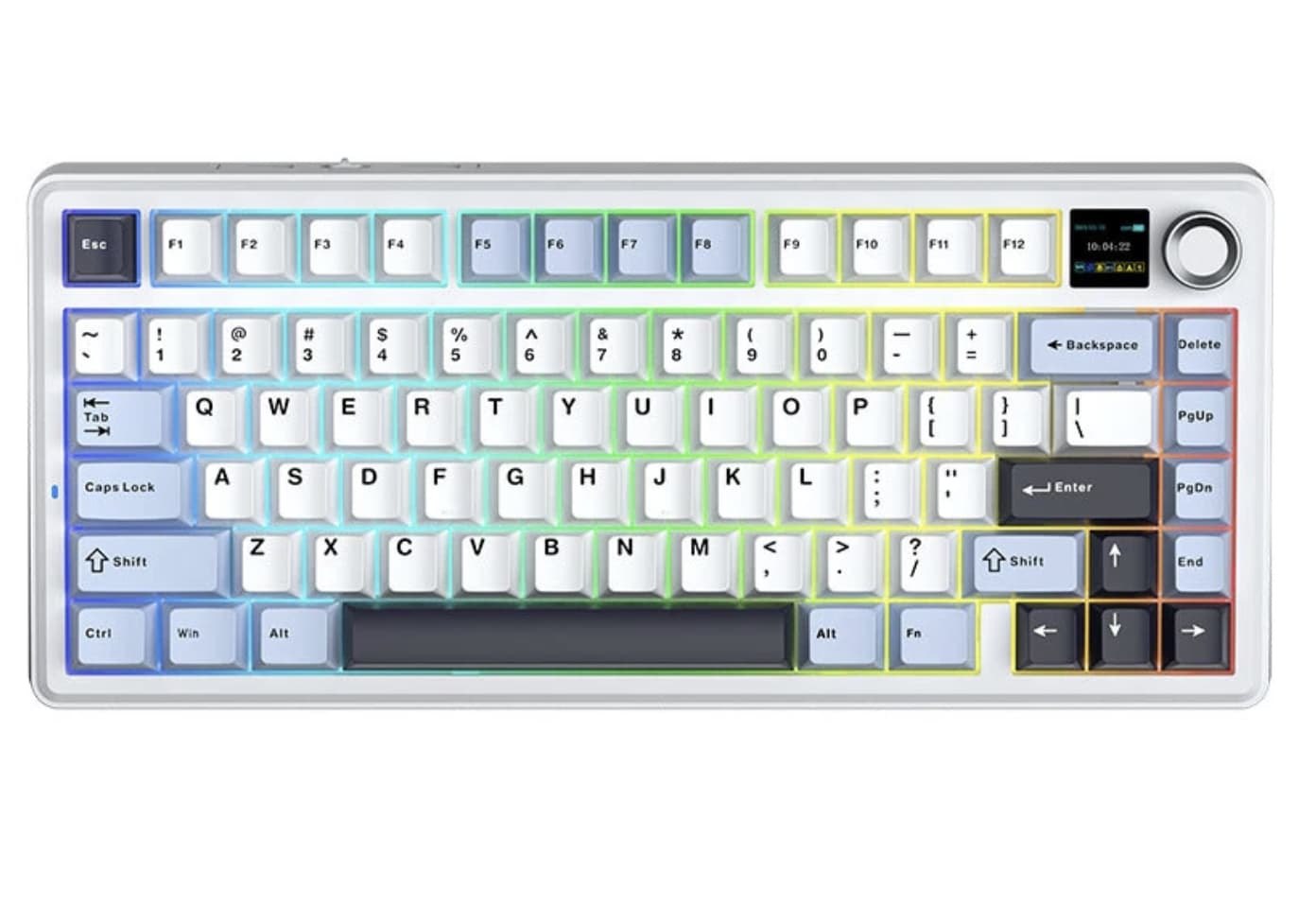
AULA F75 MAX Review: A 75% Mechanical Keyboard With TFT Screen and Tri-Mode Wireless

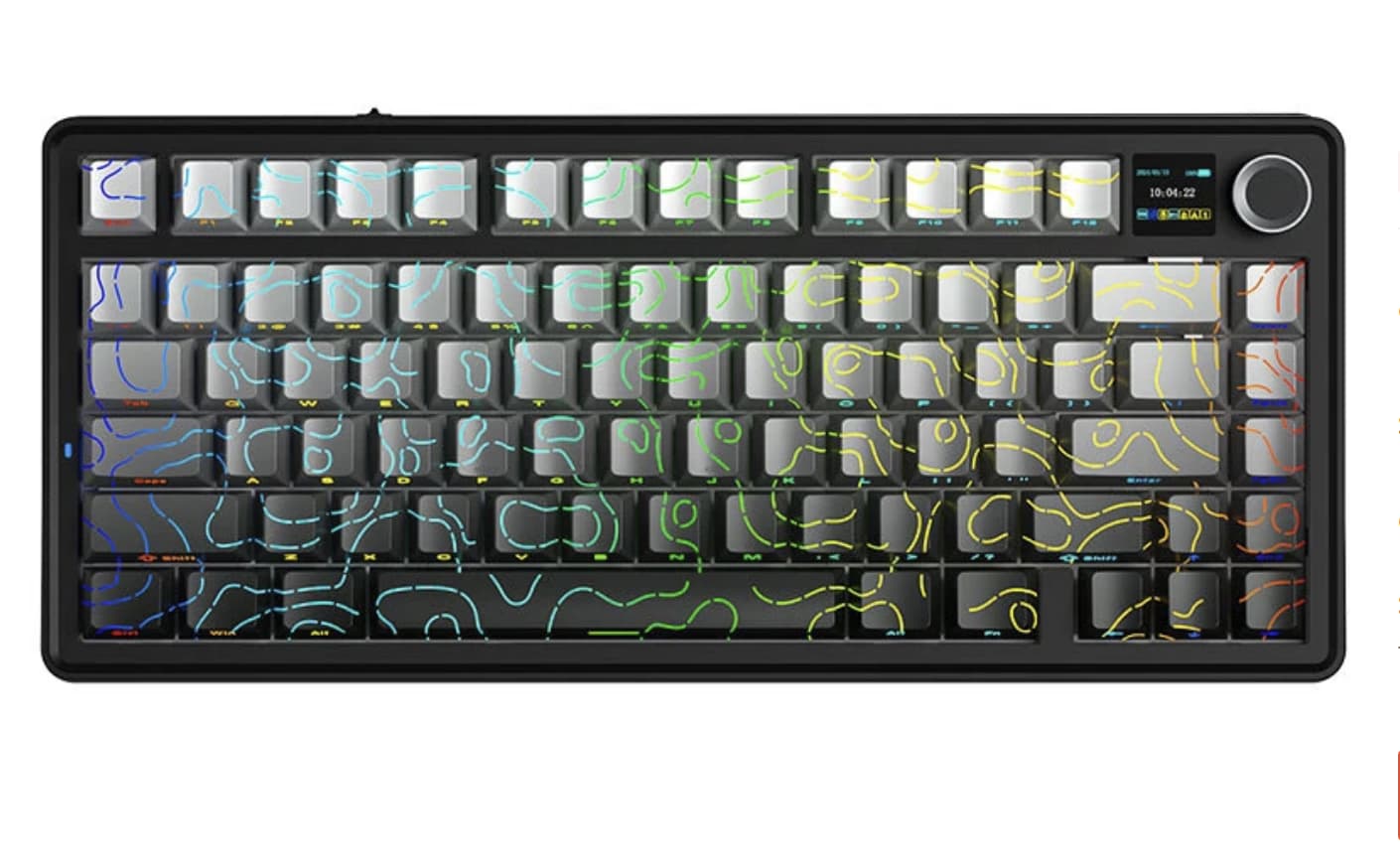
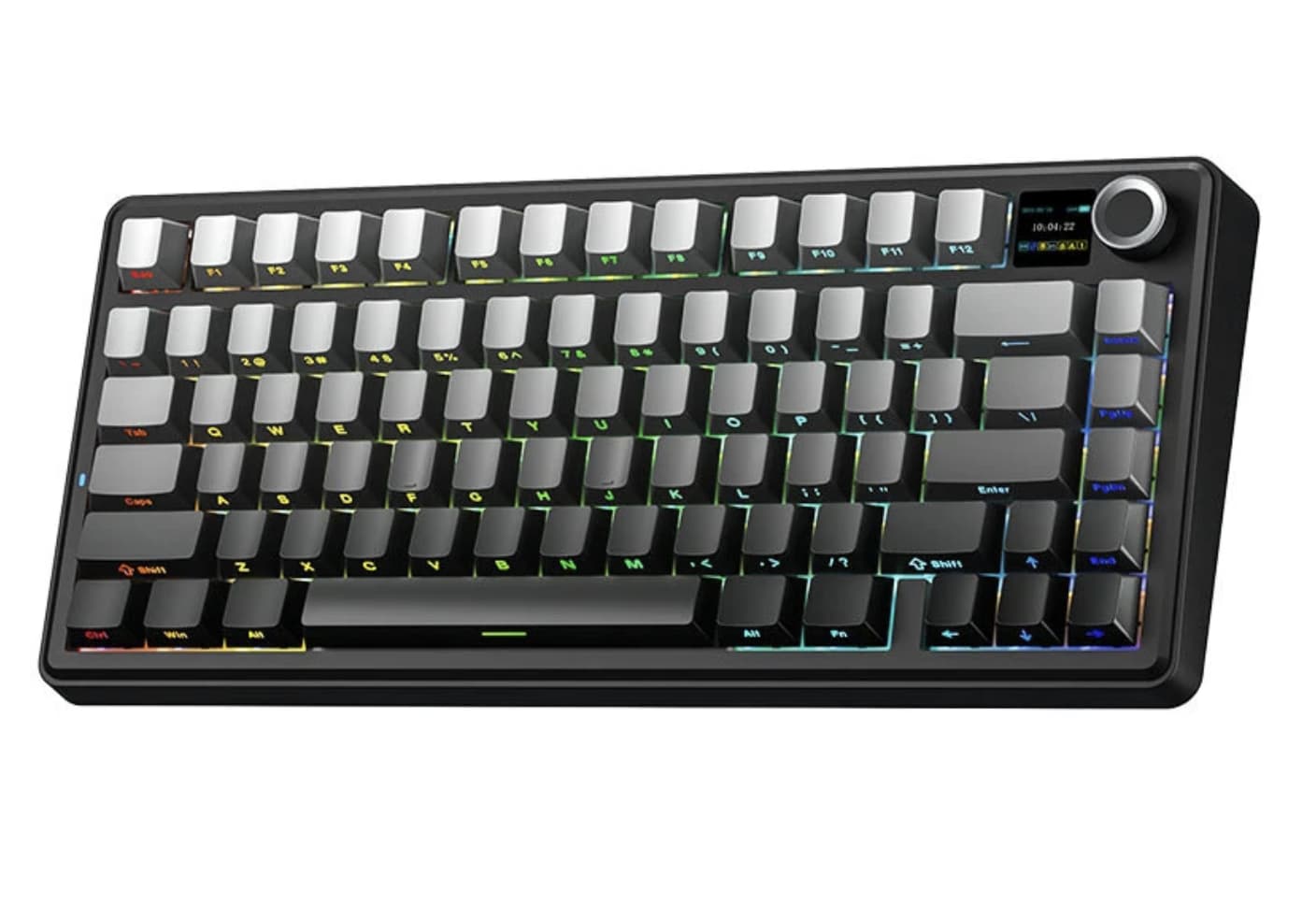
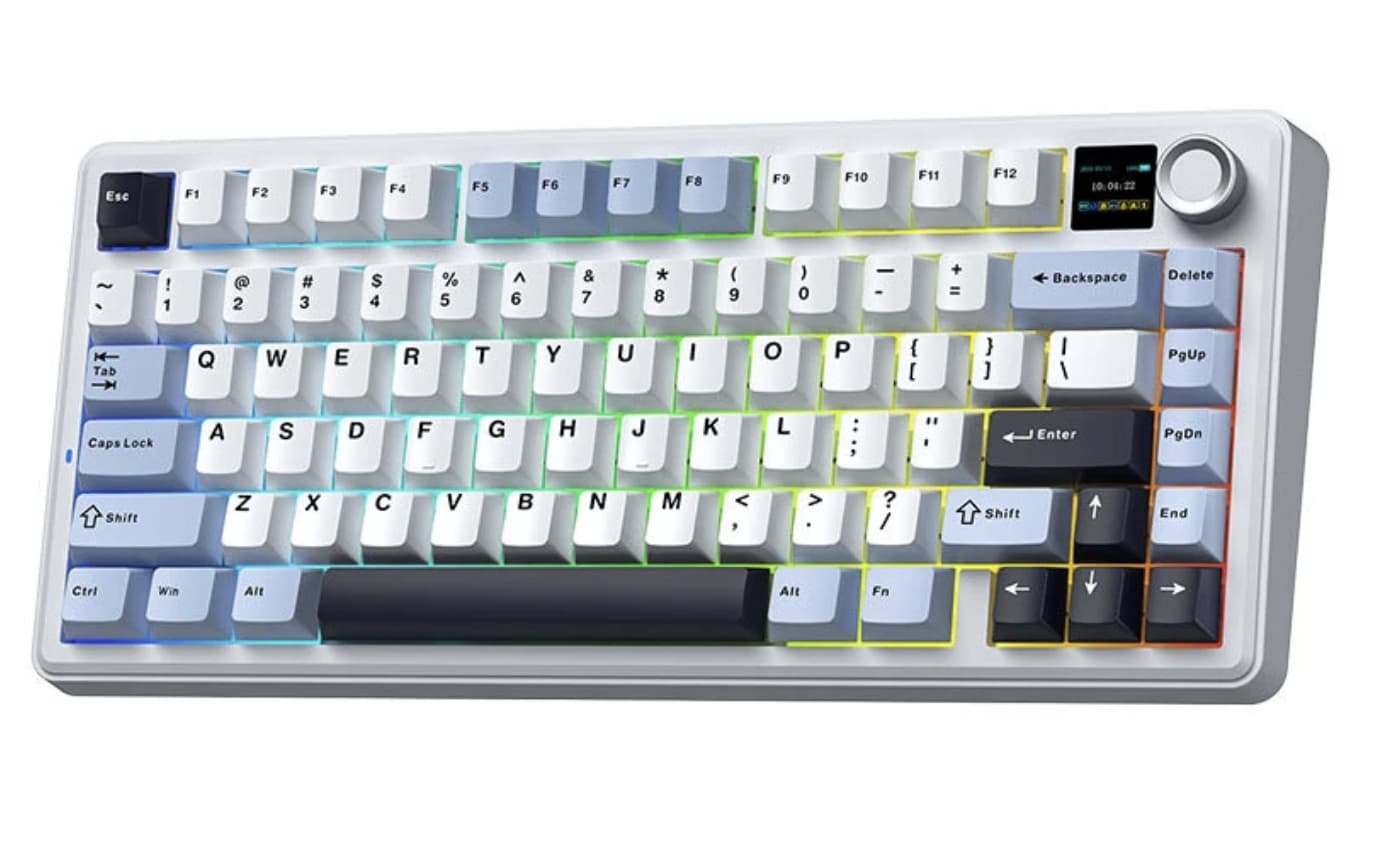
AULA F75 MAX keyboard is designed for users who want more than a basic compact mechanical gaming keyboard. Instead of focusing on a single headline feature, it combines a space-saving 75% layout with a dedicated TFT screen, rotary knob, hot-swappable switches, gasket mounting and three connection modes.

That combination makes the F75 MAX interesting for both gaming and everyday desktop use. Its design also reflects a broader trend in mechanical keyboards: smaller layouts are becoming more feature-rich without completely sacrificing the controls that PC users rely on.

Why the 75% Layout Makes Sense

The F75 MAX uses an 80-key 75% layout, keeping the function row and arrow-key cluster while removing the large gaps and dedicated number pad found on full-size keyboards.

For a gaming setup, this layout can free up more desk space for mouse movement. At the same time, it remains practical for productivity because users do not have to give up the dedicated arrow keys and function row.

The trade-off is the missing number pad. Anyone who regularly enters large amounts of numerical data may still prefer a full-size keyboard, but for gaming, general typing and compact workstations, the 75% format is a useful middle ground.

The TFT Screen Is More Than Decoration

One of the F75 MAX’s most noticeable design elements is its built-in TFT screen. Instead of relying entirely on RGB lighting for visual customization, the keyboard adds a small display that gives the top section a more personalized appearance. Banggood specifically lists a GIF-capable TFT screen interface.

This feature does not fundamentally change typing performance, but it gives the keyboard a distinct identity. For users who enjoy customizing their desktop setup, the screen can make the F75 MAX feel more like a configurable gadget than a conventional mechanical keyboard.

The separate metal knob also adds a practical control point, giving users a physical way to interact with supported functions instead of relying entirely on keyboard shortcuts.

Gasket Mounting Targets a Softer Typing Feel

The keyboard uses a gasket-mounted structure with multiple layers of sound-dampening material. AULA lists five layers of dampening, while the product listing describes a six-layer sound-absorbing structure, so the exact terminology varies between listings.

The important part is what this construction is intended to achieve. A gasket-mounted keyboard isolates the plate from parts of the case, allowing slightly more flex while reducing some of the direct vibration transferred through the chassis.

Combined with the F75 MAX’s foam and silicone layers, the design is aimed at producing a deeper and less harsh typing sound than a basic rigid keyboard.

That makes the keyboard potentially more appealing to people who care about typing acoustics as well as gaming performance.

Hot-Swappable Switches Make Future Upgrades Easier

Another useful feature is the hot-swappable PCB, which supports 3-pin and 5-pin mechanical switches according to AULA’s specifications.

This means owners are not necessarily locked into the factory switch configuration. Users who prefer a lighter linear feel, a different actuation characteristic or another sound profile can experiment with compatible switches without replacing the entire keyboard.

The F75 MAX comes with LEOBOG Reaper linear switches. AULA lists them as factory-lubed, while EPOMAKER’s specifications give the switch a 45±3gf trigger force and 3.6±0.3mm total travel.

For someone buying a mechanical keyboard as a long-term platform, this upgradeability may be more meaningful than RGB effects alone.

Tri-Mode Connectivity Covers Different Setups

The F75 MAX supports USB-C wired, 2.4GHz wireless and Bluetooth 5.0 connections.

That gives the keyboard three distinct use cases. Wired mode is suitable for a desktop gaming setup, 2.4GHz wireless keeps the desk cleaner while maintaining a low-latency connection, and Bluetooth is convenient when switching between compatible computers or mobile devices.

AULA rates the keyboard at up to 1000Hz polling through USB and 2.4GHz, while Bluetooth is listed at 125Hz. The manufacturer also lists latency of around 3ms over USB, 7ms via 2.4GHz and 18ms through Bluetooth.

For competitive gaming, the wired and 2.4GHz modes are therefore the more relevant choices.

4000mAh Battery Gives Wireless Mode Some Flexibility

The built-in 4000mAh battery is another reason the F75 MAX works well as a wireless desktop keyboard. AULA rates battery life at approximately 30.5 hours with the RGB backlight enabled and up to 80 hours with the lighting switched off.

Actual endurance will depend on lighting brightness, connection mode and usage patterns, so these figures should be treated as manufacturer ratings rather than guaranteed real-world results.

Still, the option to turn off RGB lighting when maximum battery life matters gives users more control over how they use the keyboard.

PBT Keycaps and South-Facing RGB

The F75 MAX uses double-shot PBT keycaps and south-facing per-key RGB lighting.

PBT is commonly chosen for mechanical keyboards because it generally resists the glossy wear that can develop on frequently used ABS keycaps. The south-facing RGB arrangement also works well with the keyboard’s overall enthusiast-oriented design.

AULA lists support for more than 16 million RGB colors and multiple lighting effects, although the visual customization is ultimately secondary to the keyboard’s typing and connectivity features.

A Compact Keyboard With Room to Experiment

AULA F75 MAX is best understood as a feature-rich 75% mechanical keyboard rather than simply another RGB gaming board.

Its strongest combination is the compact layout, gasket construction, hot-swappable PCB and tri-mode connectivity. The TFT display and rotary knob then add a layer of customization that separates it from more conventional 75% keyboards.

For gamers, the 2.4GHz connection and 1000Hz polling rate give the keyboard a performance-oriented side. For enthusiasts, the hot-swap PCB and gasket structure leave room for future customization. And for everyday users, the 75% layout provides a useful balance between desk space and functionality.

The main compromise is straightforward: users who need a dedicated number pad will need a larger keyboard. But for anyone comfortable with the 75% format, the AULA F75 MAX offers a combination of customization, wireless flexibility and enthusiast-style construction that makes it worth considering.

For the latest specifications and software information, buyers should also check the official AULA product page before ordering, since configurations and regional listings can vary.

The post AULA F75 MAX Review: A 75% Mechanical Keyboard With TFT Screen and Tri-Mode Wireless appeared first on IGeeKphone China Phone, Tablet PC, VR, RC Drone News, Reviews.

  •  

Rising iPhone 18 Pro lead times point to solid early demand – Gene Munster

iPhone 18 Pro will be available in four elegant finishes: black, silver, glacier, and burgundy.
iPhone 18 Pro and Pro Max will be available in four elegant finishes: black, silver, glacier, and burgundy.

Average wait times for Apple’s new iPhone 18 Pro models have lengthened to 2.6 weeks across eight countries just three days into pre-orders, a jump that veteran Apple watcher Gene Munster called a historically favorable sign for demand.

Munster, managing partner at Deepwater Asset Management, posted his latest tracker Monday. Lead times rose from 1.6 weeks the day before to 2.6 weeks, matching where last year’s Pro models stood at the same point in the cycle. Part of the one-day surge, he noted, came from buyers returning to their computers after pre-orders opened on Saturday rather than the usual Friday. The more important takeaway, he said, is that wait times are moving higher.

Gene Munster via X:
‎

iPhone Lead Time Tracker 3 days into Pre-Orders: We’re seeing average lead times of 2.6 weeks across 8 countries. That’s in line with where the Pro models were last year.

My take: Most importantly, the lead times jumped from 1.6 weeks yesterday to 2.6 weeks today. Part of that jump is people are back in front of their computers (pre-orders started on Saturday). The important part is lead times are going up, which has historically been a favorable sign for demand.

Pre-orders for the iPhone 18 Pro and iPhone 18 Pro Max began September 12. The phones go on sale Friday, September 18. This year’s launch is unusually narrow: Apple skipped the standard iPhone 18 and iPhone Air, delaying those models until 2027 amid memory and chip shortages, and scheduled its first foldable, the iPhone Duo, for pre-order on October 16 and availability October 23. Only the two Pro models are available now, at starting prices of $1,199 and $1,299.

Some configurations, especially popular Pro Max storage and color combinations, already show delivery windows stretching into early October. That tightening inventory is what Munster’s tracker is capturing. Rising lead times have often preceded stronger-than-expected iPhone units in past cycles, which is why he flagged the move as constructive for Apple.

Not every analyst reads the same data the same way. Bank of America and JPMorgan have noted that some year-over-year comparisons look shorter than last year’s iPhone 17 Pro cycle, and GF Securities’ Jeff Pu described initial demand as “lukewarm,” citing limited spec upgrades, higher prices, and buyers who may be waiting for the Duo. Munster’s point is narrower and more sequential: the fact that waits lengthened from one day to the next still matters.

The Duo, starting at $1,999, is expected to siphon some high-end buyers who would otherwise have chosen a Pro Max. How large that substitution effect becomes will only become clear after October 16. For now, Munster’s tracker suggests the phones that are on sale are finding buyers quickly enough to push delivery dates later.
‎
MacDailyNews Take: Munster’s data showing lengthening wait times is meaningful. The other analysts’ looking just at YoY lead times do not have enoguh data to draw any meaningful conclusions.

You cannot measure demand based on shipping times without knowing how much supply Apple has in hand… and where and how those supplies are allocated in each geographic area. – MacDailyNews, September 17, 2024


‎
Please help support MacDailyNews — and enjoy subscriber-only articles, comments, chat, and more — by subscribing to our Substack: macdailynews.substack.com. Thank you!

Support MacDailyNews at no extra cost to you by using this link to shop at Amazon.

The post Rising iPhone 18 Pro lead times point to solid early demand – Gene Munster appeared first on MacDailyNews.

  •  

iPhone 18 Pro adds variable aperture, A20 Pro, and longer battery life

iPhone 18 Pro arrives with Apple concentrating its biggest changes in three areas: camera control, sustained performance, and battery life. The new Pro models retain familiar 6.3-inch and 6.9-inch display sizes, but introduce a variable-aperture main camera, the 2-nanometer A20 Pro chip, redesigned thermal hardware, and a smaller Dynamic Island.

The lineup consists of iPhone 18 Pro and iPhone 18 Pro Max, starting at $1,199 and $1,299 in the U.S., respectively. Both begin with 256GB of storage and are available in black, silver, glacier, and a new burgundy finish. Preorders opened September 12, with retail availability beginning September 18 in more than 65 countries and regions.

Rather than treating the Pro models as a cosmetic update, Apple has focused on changes that become more noticeable during demanding use, particularly photography, video work, gaming, AI processing, and long sessions away from a charger.

iPhone 18 Pro brings variable aperture to the main camera

The centerpiece is a new 48MP Fusion Main camera with a physical variable aperture, a first for the iPhone.

Six laser-cut aperture blades can adjust the amount of light reaching the sensor while also changing depth of field. The camera supports four aperture settings: ƒ/1.48, ƒ/1.8, ƒ/2.8, and ƒ/4.0.

At the wider end, the camera can gather more light in darker scenes. A narrower aperture can keep more people or background detail in focus, giving photographers another tool beyond computational depth effects and Portrait mode.

Apple also gives users direct access to those settings through new Pro controls in the Camera app. Aperture, shutter speed, and white balance can be adjusted manually, while a histogram provides a more conventional way to monitor exposure.

The feature is paired with a new main-camera sensor and updated computational imaging pipeline. Apple says the combination improves low-light performance and detail, while Photographic Styles gain texture and grain controls for additional control over an image’s appearance.

Video receives several additions as well. Cinematic effects can now be applied after recording to footage captured at up to 60 frames per second, while Time-lapse can record in 4K with Dolby Vision HDR. Audio Mix has also been updated with improved voice processing and the ability to isolate music.

For photographers who want more evidence of how an image originated, Apple is introducing Apple Reference Image. In Reference mode, the main camera signs sensor data, which Private Cloud Compute uses to create an unalterable reference version that can be compared with an edited image in Photos. Apple is also preparing support for the SynthID standard as another way of identifying AI-generated or altered content.

Close-up of a camera lens with visible aperture blades, surrounded by a maroon-colored body—reminiscent of the sophisticated design seen on the iPhone 18 Pro Max. Subtle reflections are visible on the lens surface.
Image Credit: Apple Inc.

iPhone 18 Pro uses A20 Pro and a redesigned vapor chamber

A20 Pro is built using a 2-nanometer manufacturing process and contains a six-core CPU, seven-core GPU, and dual 16-core Neural Engine.

Apple says memory bandwidth is 50% higher than on A19 Pro, while GPU performance can be up to 40% faster. The Neural Engine provides 32 cores in total, doubling the AI processing capability of the previous Pro chip.

The silicon change is closely tied to a redesigned cooling system. Apple has rearranged the chip package so that the silicon die sits beside the memory rather than beneath it in the thermal path, allowing A20 Pro to connect more directly to a next-generation vapor chamber.

That vapor chamber has three times the surface area of the previous generation and uses new materials to move heat away from the processor more effectively. Apple claims the design can deliver up to a 40% gain in sustained performance compared with iPhone 17 Pro.

That distinction is more relevant than peak benchmark numbers for workloads such as extended gaming sessions, video editing, computational photography, and local AI models, where heat can force a phone to reduce performance over time.

Connectivity has also moved further toward Apple-designed silicon. The N1 wireless chip supports Wi-Fi 7, Bluetooth 6, and Thread, while the new C2 modem succeeds C1X. Apple says C2 uses 15% less energy while offering faster uploads and adds mmWave support in the U.S.

A metallic chip with the Apple logo and text “A20 PRO” in bold, centered on a dark background with a subtle multicolored glow around the edges—designed to power the next-generation iPhone 18 Pro and iPhone 18 Pro Max.
Image Credit: Apple Inc.

iPhone 18 Pro Max reaches 45 hours of video playback

Battery improvements are another major part of the new hardware.

Apple rates eSIM-only versions of iPhone 18 Pro for up to 36 hours of video playback, while iPhone 18 Pro Max reaches as much as 45 hours. Apple says Pro Max receives the largest battery-life increase ever delivered in an iPhone.

Some of that gain comes from using the space previously occupied by a physical SIM tray. In markets receiving eSIM-only models, including the U.S., Canada, Japan, Mexico, Saudi Arabia, and the UAE, the larger internal battery provides an additional two hours of rated video playback.

Charging has accelerated as well. iPhone 18 Pro can reach 50% charge in approximately 15 minutes using a supported wired setup, while wireless charging reaches 50% in around 30 minutes. Apple says five minutes of wired charging on iPhone 18 Pro Max can provide roughly seven hours of video playback.

Both devices use aluminum unibody construction with Ceramic Shield 2 on the front and Ceramic Shield on the back. Storage options run from 256GB through 2TB.

The iPhone 18 Pro weighs 211 grams, while iPhone 18 Pro Max weighs 249 grams. Display sizes remain 6.3 inches and 6.9 inches, respectively.

Four iPhones—featuring the iPhone 18 Pro and iPhone 18 Pro Max—in black, white, blue, and deep red colors are displayed upright in a row against a black background, showing their backs and triple camera arrays.
Image Credit: Apple Inc.

iOS 27 brings Siri AI and new Apple Intelligence tools

The hardware launches alongside iOS 27, which places Apple Intelligence and the new Siri AI more prominently across the system.

Siri AI can use personal context from information stored across apps, respond to onscreen content, perform actions in supported apps, and handle more open-ended questions. A new Siri mode in Camera lets users ask questions and take action based on objects or information visible through the viewfinder.

Photo tools include Spatial Reframing, Extend, and an upgraded Clean Up feature, while Safari can monitor selected webpages for changes such as a product restock or price adjustment.

The Dynamic Island has also been physically reduced and redesigned. It can display up to three Live Activities simultaneously while continuing to support Face ID.

Apple released iOS 27 on September 14, while Siri AI is rolling out initially as a beta in English, with additional language support planned. iPhone 18 Pro and iPhone 18 Pro Max reach stores September 18, giving Apple a Pro lineup whose most substantial additions are less about a new exterior shape and more about physical camera control, heat management, and how long the hardware can sustain demanding workloads.

The post iPhone 18 Pro adds variable aperture, A20 Pro, and longer battery life appeared first on AppleMagazine.

  •  

Compre os novos iPhones nos EUA e ganhe até 5% de cashback com a Nomad!

Esteja você de olho nos recém-anunciados iPhones 18 Pro e 18 Pro Max ou no badalado iPhone Duo, é bem provável que já tenha pensado em maneiras de economizar na hora de comprar um desses novos aparelhos. Como sempre, uma das melhores alternativas é optar por fazer isso nos Estados Unidos, com um cartão internacional da Nomad!

Parceira de longa data do MacMagazine, a Nomad está oferecendo 5% de cashback (limitado a US$100) para quem abrir uma conta até 30 de setembro com o cupom MAC26 e converter pelo menos R$3.500 (aproximadamente US$700/600€) — assim, você consegue adquirir seu iPhone novinho em folha com uma economia extra. 💵

Vamos usar como exemplo o iPhone 18 Pro de 256GB, que sai por US$1.200 nos EUA e por R$12.000 no Brasil. No momento da redação desta matéria, a cotação do dólar gira em torno de R$5,14, o que significa que, considerando encargos de 3,5% e uma taxa de serviço de 1,9%, o mais novo flagship da Maçã pode acabar saindo por ~R$6.504 — valor que cai para cerca de R$6.178 com cashback supracitado!

Vendido oficialmente por US$1.300/R$13.000, o iPhone 18 Pro Max pode acabar saindo por apenas ~R$6.693, enquanto o atual queridinho da galera, o iPhone Duo (preço tabelado de US$2.000/R$22.000), tem o potencial de lhe custar algo em torno de R$10.840!

Em outras palavras, caso você esteja planejando trocar de iPhone por agora, uma compra internacional com o cartão da Nomad torna-se uma das melhores opções — principalmente considerando que os preços no varejo nacional continuarão bem altos por um tempo.

Abra sua conta Nomad e ganhe até 5% de cashback!

Como dito, para aproveitar essa oferta, basta abrir sua conta internacional na Nomad até 30 de setembro e converter pelo menos R$3.500.

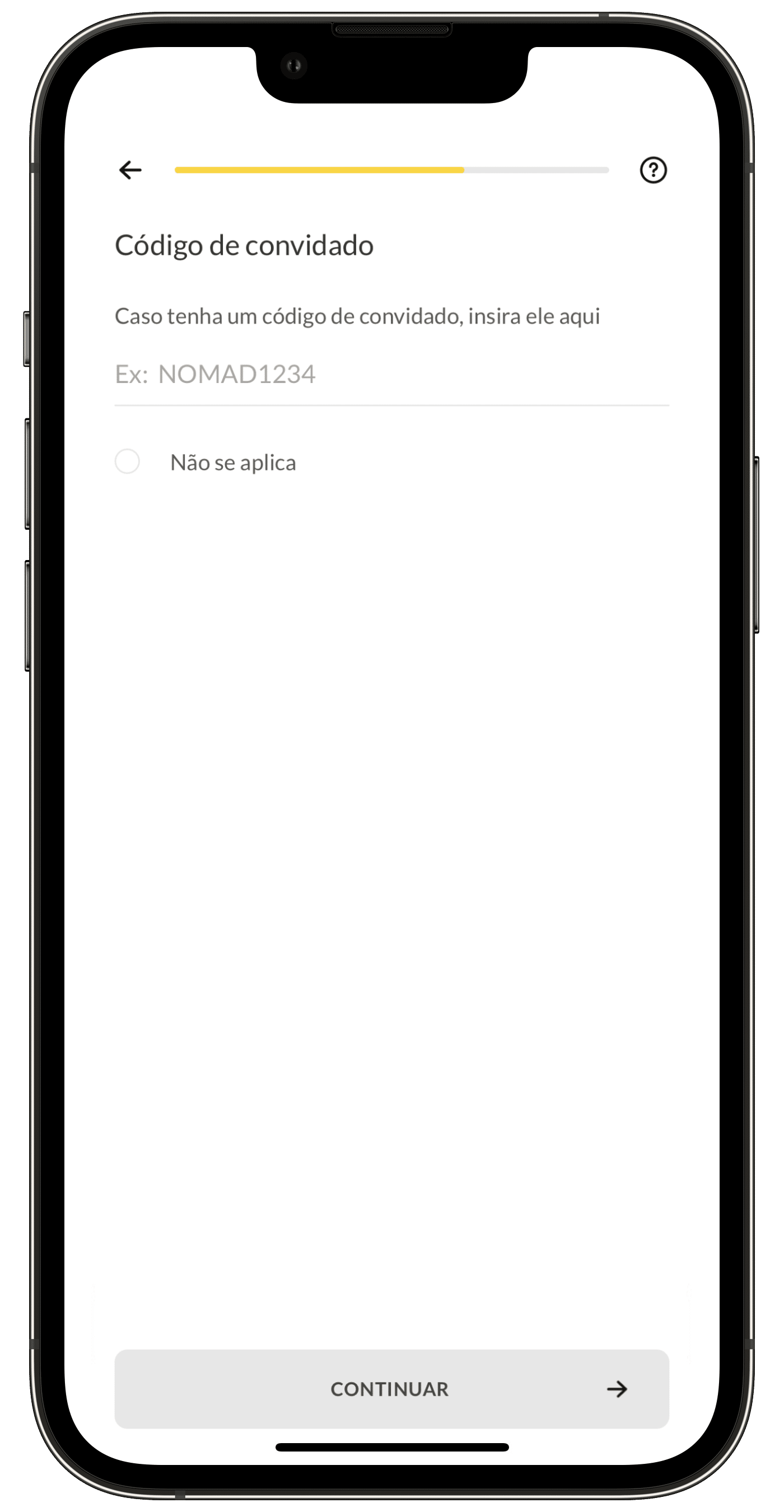
Para tal, baixe o app da Nomad e cadastre-se usando o código MAC26 no campo “Código de convidado”:

Cupom de convidado na Nomad
Nesta tela, digite o cupom MAC26 para ganhar 5% de cashback!

Sobre a Nomad

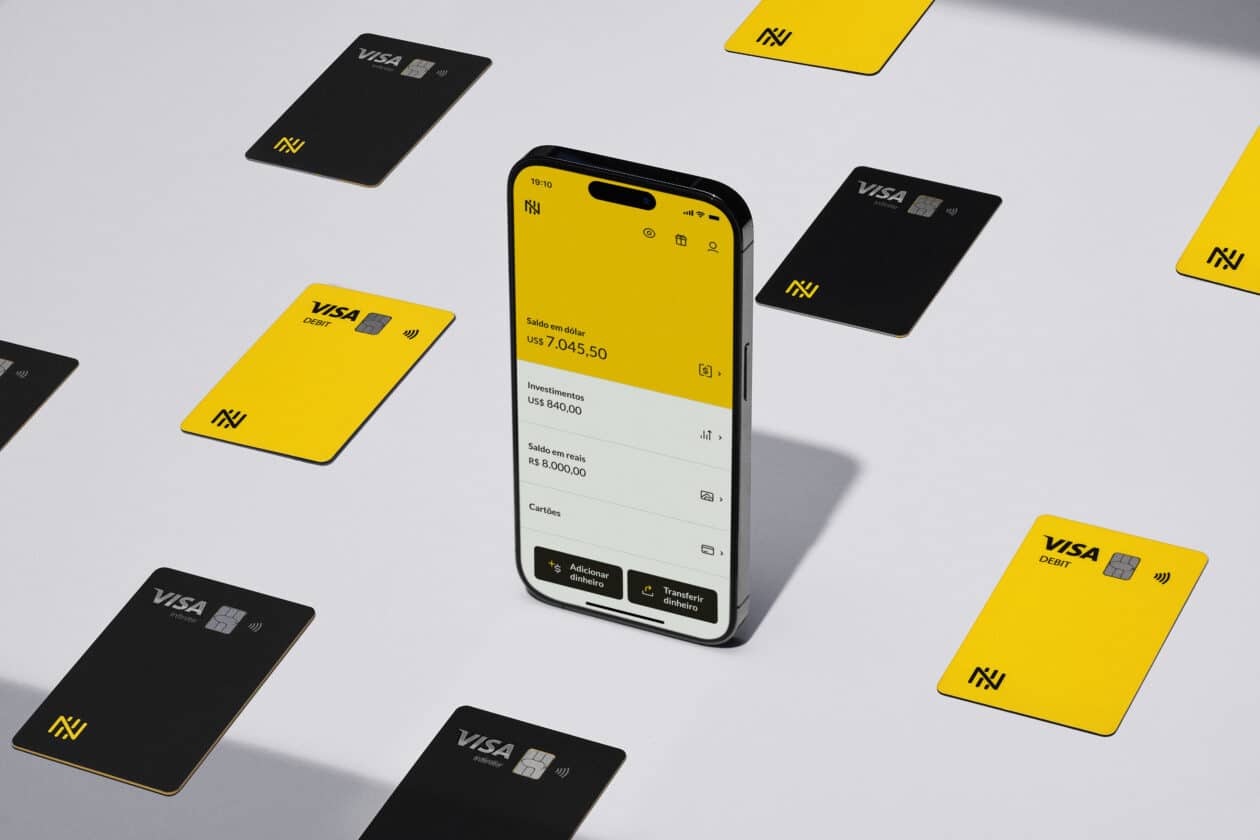
A Nomad foi a primeira a oferecer uma conta em dólar hospedada nos Estados Unidos, sem nenhuma taxa de abertura, anuidade ou manutenção. O cartão da empresa é aceito em mais de 180 países, oferecendo taxas bastante menores que as dos cartões de crédito internacionais.

A conta bancária da Nomad é assegurada em até US$250 mil pelo Community Federal Savings Bank, membro do fundo garantidor dos EUA (FDIC), para cada tipo de conta por titular, e permite que você faça/receba transferências de outras contas da Nomad sem nenhum custo, além de transferências para contas americanas (via Wire Transfer) e outras pagando bem menos do que as taxas cobradas nos EUA.

E não para por aí: com a sua conta Nomad você tem acesso a descontos em lojas parceiras e ainda pode aproveitar o Nomad Lounge, que concede acesso a uma das melhores salas VIP do Terminal 3 do Aeroporto Internacional de Guarulhos (SP).

Só na Nomad você tem uma conta internacional sem taxas mensais de manutenção, além de poder desfrutar de toda a praticidade e segurança que ela oferece!

NOTA DE TRANSPARÊNCIA: O MacMagazine recebe uma pequena comissão sobre vendas concluídas por meio de links deste post, mas você, como consumidor, não paga nada mais pelos produtos/serviços usando os nossos links de afiliado.

  •  

L’iPhone 18 est là, mais ce 17 Pro Max contre-attaque avec 170 € de remise

L’iPhone 18 vient de pointer le bout de son écran, mais l’iPhone 17 Pro Max n’a pas rangé les armes. Toujours aussi musclé côté performances et photo, le smartphone Apple profite désormais d’une promotion séduisante chez Amazon.

  •  

AirPods firmware update adds long-requested equalizer

how to update airpods

Here's how to see if you have the latest AirPods firmware, which brings an equalizer to some models. Plus how to force an update if needed.

(via Cult of Mac - Your source for the latest Apple news, rumors, analysis, reviews, how-tos and deals.)

  •  

Apple’s next foldable could be an ‘iPhone Duo Max’ with larger displays

Apple's revolutionary iPhone Duo
Apple’s revolutionary iPhone Duo

Apple may not stop at one book-style foldable. According to Bloomberg News‘ Mark Gurman, the company already has room in its naming system — and its product roadmap — for a larger follow-on model that he calls an iPhone Duo Max.

In his latest Power On newsletter, Gurman wrote that Apple chose the three-letter “Duo” suffix in part because it lines up with names such as Air and Pro and leaves space for extra labels that a name like “Ultra” would have blocked. That, he said, makes a future Duo Max a natural next step: a bigger-display version of the book-style foldable, with additional variants such as a lower-cost Duo SE or a smaller Duo mini also possible.

Gurman’s point is less about a single flagship and more about a family. He argued that Apple is unlikely to treat the first foldable as a one-off experiment. Instead, he sees a lineup that could stretch across sizes and price points, much as Samsung has done with its Galaxy Z series — a large Max model, a cheaper stripped-down version, or even a clamshell-style mini.

The Max idea matters because of what Gurman thinks foldables are about to become. He expects the category to move from a niche — still only a sliver of global smartphone shipments — toward the majority of new phone sales within a decade, as people get used to carrying a larger screen that can stand in for a tablet or laptop for many tasks. A larger Duo Max would be the most direct expression of that bet: more canvas for video, gaming, side-by-side apps, and stylus work, without abandoning the pocketable fold.

Price is still the issue. Gurman has been clear that the first book-style iPhone starts at $1,999, more than two conventional iPhones, and that this will slow the shift even if the hardware and software are strong. He expects that barrier to ease over time as component costs fall and leasing becomes a bigger part of how Apple sells high-end devices. A Max model would almost certainly sit at the top of that pricing ladder; a future SE or Mini would be how Apple tries to pull the format down-market.

Gurman framed the Duo Max as a foreseeable product, not an imminent one, and tied it to the same logic that produced “Duo” in the first place: a short name that can grow. If he is right, the first foldable iPhone is not the end of Apple’s foldable plan. It is the base of a stack, and the Max is the model meant to make the larger screen the default.

MacDailyNews Take: If a Duo Max were available today alongside the iPhone Duo, we’d choose the Max every time – same as we’ve always done with iPhone Pro Max.


‎
Please help support MacDailyNews — and enjoy subscriber-only articles, comments, chat, and more — by subscribing to our Substack: macdailynews.substack.com. Thank you!

Support MacDailyNews at no extra cost to you by using this link to shop at Amazon.

The post Apple’s next foldable could be an ‘iPhone Duo Max’ with larger displays appeared first on MacDailyNews.

  •  

Tonight’s the cutoff: Get ready now for iPhone 18 Pro pre-orders

iPhone 18 Pro will be available in four elegant finishes: black, silver, glacier, and burgundy.
iPhone 18 Pro and Pro Max will be available in four elegant finishes: black, silver, glacier, and burgundy.

Apple’s iPhone 18 Pro and iPhone 18 Pro Max pre-orders open Saturday, September 12 at 5 a.m. Pacific Time. Shoppers who want a faster checkout can finish most of the work tonight.

Apple’s “Get Ready” option is live on the Shop iPhone page and in the Apple Store app. Use it to pick your iPhone 18 Pro model, add accessories, and complete financing or lease pre-approval before the morning rush of pre-orders. Apple is leaving that window open until 9pm PDT / 12am EDT tonight, Friday, September 11th. After that, you’ll still be able to order on Saturday — it will may take longer at checkout.

MacDailyNews Take: If you already know which configuration you want, do your setup now. It’s the simplest way to avoid delays when pre-orders go live. If you’re still deciding, Saturday morning remains the official start, but we highly recommend getting ready ahead of pre-orders going live.

Beloved interns, amass now and Tap That Keg™! Prost, everyone! 🍻🍻🍻🍻🍻


‎
Please help support MacDailyNews — and enjoy subscriber-only articles, comments, chat, and more — by subscribing to our Substack: macdailynews.substack.com. Thank you!

Support MacDailyNews at no extra cost to you by using this link to shop at Amazon.

The post Tonight’s the cutoff: Get ready now for iPhone 18 Pro pre-orders appeared first on MacDailyNews.

  •  

Xiaomi Pad 9 Pro Max Review: 13.3-Inch Display Explained

The Xiaomi Pad 9 Pro Max makes an immediate impression with its 13.3-inch display and 3:2 aspect ratio. The larger screen provides noticeably more workspace, yet the tablet remains surprisingly portable at just 5.67mm thick and 653g. Despite its size, it does not feel like a device that needs to stay on a desk.

The model tested here is the Soft Light Edition. Unlike a standard display designed to deliver higher brightness and more vivid colors, the soft light panel is better suited to extended viewing. This gives the 13.3-inch tablet a clearer focus on productivity, reading, and long sessions.

However, the large display is not necessarily the most interesting part of the Xiaomi Pad 9 Pro Max. The bigger question is how Xiaomi intends users to take advantage of such a large tablet.

Flagship Performance in a Slim Body

The Xiaomi Pad 9 Pro Max is the first tablet to feature the Xiaomi Xring O3 chip, bringing the company’s flagship-level processor to a tablet form factor. Fitting such a powerful chip into a body measuring only 5.67mm thick makes the device particularly interesting from a hardware perspective.

However, the Xring O3 is not simply about achieving higher benchmark scores or faster gaming performance. Its real value becomes more apparent when combined with the tablet’s large display and software features.

The HyperOS 4 experience introduces large-screen features such as improved multitasking and multi-window functionality. When paired with the floating keyboard and touchpad, the Pad 9 Pro Max starts to feel less like a traditional tablet and more like a flexible productivity device.

Apps such as WPS Office and CapCut also benefit from the additional screen space, giving users more room to work with documents, timelines, and multiple applications. The inclusion of DP-in video input further expands the tablet’s potential use cases, allowing the large display to serve purposes beyond conventional tablet tasks.

This is what makes the Xiaomi Pad 9 Pro Max particularly interesting. Its appeal is not simply based on having a 13.3-inch screen or a powerful processor. Instead, Xiaomi appears to be exploring how hardware, software, and accessories can work together to make a large tablet genuinely useful.

During my experience with the Xiaomi Pad 9 Pro Max, the main question was not how powerful the Xring O3 could be. Instead, I wanted to see whether the combination of the Xiaomi Xring O3, 13.3-inch display, HyperOS 4, keyboard, touchpad, and other accessories could unlock the full potential of a large-screen tablet.

That approach makes the Pad 9 Pro Max more than simply a bigger tablet. It is an attempt to create a device that can adapt to productivity, entertainment, creative work, and other everyday scenarios. The rest of the review will explore whether Xiaomi has successfully achieved that goal.

Design and Screen

The Xiaomi Pad 9 Pro Max features a large 13.3-inch LCD display with a 3408 × 2272 resolution, delivering a sharp 3.4K viewing experience at 308 PPI. It also supports a 144Hz refresh rate, making scrolling, animations, and everyday navigation feel noticeably smoother.

One of the display’s standout features is its 3:2 aspect ratio. Compared with the more common 16:10 format, the taller screen provides additional vertical space, which is particularly useful for browsing websites, reading documents, and working with productivity apps. The panel also supports the P3 wide color gamut, HDR10, and Dolby Vision, while its peak brightness reaches 1,000 nits. As a result, the display is well suited to both office tasks and multimedia consumption.

The model featured in this review comes in a deep wine-red finish inspired by the Burgundy wine region of France. Its color sits between bright and dark red, giving the tablet a distinctive appearance without looking overly flashy. The overall finish feels refined and premium.

At just 653g, the tablet made an immediate impression with its relatively light weight. Considering its 13.3-inch display, it feels considerably easier to carry than a typical laptop of a similar screen size.

Flip the tablet over and you’ll find an all-metal unibody construction that gives it a sturdy and premium feel. The Xiaomi logo sits in the center, while the camera module is positioned toward the upper-right corner. Three metal contact points can be found near the opposite side for connecting the optional floating keyboard.

These three circular contacts allow the keyboard to attach directly to the tablet. Once the magnetic connection is made, the keyboard is ready to use without requiring additional pairing or complicated setup. It’s a simple but practical design for users who frequently switch between tablet and laptop-style workflows.

The rear camera module uses a rounded rectangular design and houses a 50MP main camera. The upper portion of the module also carries the “XRING” branding, highlighting Xiaomi’s in-house Xuanjie chip platform and giving the rear design a distinctive touch.

Along one side of the tablet, you’ll find the speakers and a USB Type-C 3.2 Gen 2 port. The port supports DP-in video input and can handle output of up to 3.4K at 120Hz. This expands the tablet’s versatility, allowing it to work as a secondary display when connected to a laptop or as a larger gaming screen when paired with devices such as a Nintendo Switch.

The opposite edge houses the power button, another speaker, and microphone openings. Xiaomi has also added a “Dolby Vision · Atmos” marking to the chassis, reflecting support for Dolby Vision and Dolby Atmos technologies.

Floating Keyboard

The accompanying Xiaomi Pad 9 Pro Max floating keyboard attaches magnetically and holds the tablet securely in place. Once connected, it is immediately ready for use, allowing the tablet to transition quickly from a traditional touchscreen device into a laptop-style workstation.

With the 13.3-inch display paired with a physical keyboard, tasks such as writing documents, responding to messages, and handling other productivity work become much more comfortable. The setup gives the tablet a laptop-like experience while retaining the flexibility of a detachable design.

The keyboard uses large 16mm keycaps with approximately 1mm of key travel. During typing, the keys provide clear feedback and a relatively crisp response, making the layout more familiar to users accustomed to conventional laptop or desktop keyboards.

The integrated touchpad uses a linear motor to provide tactile feedback and supports multiple gesture shortcuts. This makes navigation more convenient when the tablet is being used in laptop mode without relying heavily on the touchscreen.

The rear of the keyboard cover follows the tablet’s overall material and color scheme, creating a cohesive look when the two are attached. When closed, the cover sits firmly against the tablet and maintains a clean, integrated appearance.

Slim Design and Battery

At only 5.67mm thick, the Xiaomi Pad 9 Pro Max has an exceptionally slim profile for a device of this size. From the side, its thin body gives it an almost plate-like appearance. More impressively, Xiaomi has managed to fit a large 12,000mAh battery and its flagship Xring O3 chip into this slim chassis.

The tablet also comes with a 120W fast-charging adapter. According to Xiaomi’s official figures, the 12,000mAh battery can reach a full 100% charge in approximately 53 minutes. We will put that claim to the test later in the review to see how the real-world charging performance compares with the manufacturer’s specifications.

Hardware and Performance

The Xiaomi Pad 9 Pro Max is the first Xiaomi tablet to feature the company’s third-generation self-developed Xring O3 chipset. The processor uses a 10-core all-big-core CPU architecture and a 16-core Mali G2-Ultra NX GPU, giving it hardware specifications that are closer to desktop-class performance.

As Xiaomi’s most powerful tablet chipset to date, the Xring O3 achieved more than 5.22 million points in AnTuTu V11 under low-temperature laboratory conditions. In our own testing, we used the latest version of AnTuTu in a 25°C environment, where the Xiaomi Pad 9 Pro Max reached 5.53 million points. This puts the tablet firmly among the highest-performing Android tablets.

Thermal Performance and Cooling

To maintain sustained performance, Xiaomi has equipped the Pad 9 Pro Max with a 3,038 mm² vapor chamber (VC) cooling plate and a massive 10,112 mm² graphite heat-spreading layer. The tablet’s 13.3-inch chassis also provides additional internal space for its cooling hardware.

The key question is whether this thermal design can prevent performance from dropping during extended gaming sessions. To find out, we tested three demanding mainstream games under high-performance settings.

1. Honor of Kings

For Honor of Kings, we enabled Performance Mode and selected the highest available graphics quality and frame-rate settings.

During a standard 5v5 match, the Xiaomi Pad 9 Pro Max delivered an average frame rate of 144.22 fps, while the 1% Low frame rate reached 134.3 fps. The frame-rate curve remained remarkably stable throughout the test.

The large 13.3-inch display provides a clear advantage for MOBA games. The wider screen gives players more room to view the battlefield, while the larger interface makes controls and on-screen information easier to see. However, the tablet’s size also makes it less comfortable to hold for extended gaming sessions.

For longer gaming sessions, placing the tablet on a stand is a more practical solution. This is one of the main compromises of using a large-screen tablet for gaming.

Average power consumption during the test was 4.6W, with power consumption per frame measured at 31.9mW.

The highest surface temperature reached 31.9°C on the front and 31.5°C on the rear, showing that the cooling system kept temperatures under control.

2. Genshin Impact

For Genshin Impact, we enabled Performance Mode and frame interpolation. We then ran through Sumeru City for 10 minutes using the highest graphics settings.

Sumeru City is a demanding area because of its dense combination of NPCs, buildings, vegetation, and other environmental elements. This makes it a useful scenario for evaluating sustained GPU performance.

After 10 minutes of gameplay, the Xiaomi Pad 9 Pro Max achieved an average frame rate of 119.7 fps, while the 1% Low figure reached 94.9 fps. Overall, the tablet maintained performance close to a consistent 120 fps.

Average power consumption was 5.98W, while power consumption per frame was 49.98mW.

The highest temperature recorded on the front was 35°C, while the rear reached 33.6°C.

One of the more interesting features of the Xring O3 is its integrated AI rendering capability. The GPU includes eight AI rendering acceleration units that support 3.2K super-resolution and 120fps frame interpolation at the same time.

In practical terms, this allows the tablet to improve image sharpness and frame-rate smoothness without relying on a separate discrete graphics processor.

We also tested the feature directly in Genshin Impact. After opening the game toolbox, enabling Display Enhancement, and turning on super resolution, the visual quality became noticeably sharper. Fine details such as Keqing’s hair, clothing patterns, and textures on the stone walls appeared clearer, while distant building edges looked less blurred.

3. Honkai: Star Rail

For Honkai: Star Rail, we again enabled Performance Mode and frame interpolation. The game was tested for 10 minutes at the highest graphics settings while exploring the Golden Hour area.

After the 10-minute test, the average frame rate reached 119.27 fps, while the 1% Low frame rate was 74.1 fps. Performance remained generally stable, although frame-rate fluctuations became more noticeable during the second half of the test. Even so, the overall result remained within a reasonable range for demanding gameplay.

Average power consumption was 7.92W, with power consumption per frame reaching 66.37mW.

The highest temperature measured on the front was 34.9°C, while the rear reached 33.6°C.

The Xiaomi Pad 9 Pro Max demonstrates strong sustained gaming performance across all three tests. Its Xring O3 chipset, large cooling system, and spacious 13.3-inch chassis work together to maintain high frame rates without excessive surface temperatures.

The tablet is particularly well suited to players who prefer a large display and high refresh-rate gaming. Its main limitation is physical size: while the 13.3-inch panel improves visibility and immersion, holding such a large tablet for long gaming sessions can become uncomfortable.

For users who primarily game with the tablet supported on a desk or stand, however, the Xiaomi Pad 9 Pro Max offers a compelling combination of large-screen immersion, high frame rates, and strong thermal performance.

Productivity Experience

The Xring O3 showed impressive results in gaming, but raw performance is only part of what makes a premium tablet useful. For a device positioned as a large-screen productivity flagship, the more important question is whether its processor, 13.3-inch display, and Surge OS 4 can make everyday work faster and more convenient.

After spending time with the Xiaomi Pad 9 Pro Max, its productivity features make a stronger impression than benchmark numbers alone.

A 13.3-Inch Display Designed for Productivity

The Xiaomi Pad 9 Pro Max features a 13.3-inch display with a 3408 × 2272 resolution and a 3:2 aspect ratio. While the specifications are impressive, the real advantage becomes clear during office work.

When using WPS to write documents, the taller 3:2 screen shows more vertical content than a typical 16:10 tablet display. This means less scrolling when reading or editing long documents.

The Soft Light Edition is particularly useful outdoors. Its anti-glare treatment noticeably reduces reflections under strong lighting, making the display more comfortable to view during extended work sessions.

1. Six Apps Can Run at the Same Time

The Xiaomi Pad 9 Pro Max supports up to six application windows simultaneously. A four-finger pinch gesture opens the panoramic view, allowing all active windows to be displayed together and resized or repositioned as needed.

I tested this feature while planning a weekend trip to Shanghai Disneyland. I used Xiaohongshu to browse travel recommendations, Gaode Maps to check the route from Zhengzhou to Shanghai, Flightradar24 to compare flight information, QQ to communicate with my friend, the Disney store to check ticket prices, and the calculator to work out the overall budget.

With all six applications open, switching between them remained responsive, with no obvious stuttering. This is where the multi-core capability of the Xring O3 becomes useful in everyday productivity rather than simply in benchmarks.

For normal work, four windows feel more comfortable. Six windows are better when you need to compare several sources at once, such as when researching, shopping, planning a trip, or managing multiple work tasks.

2. Full-Featured WPS Brings a Desktop-Like Office Experience

Android tablets have traditionally offered a more limited WPS experience compared with desktop computers. Large spreadsheets could become sluggish when scrolling, while long documents sometimes suffered from delays when zooming or navigating.

The Xiaomi Pad 9 Pro Max takes a different approach with a full-featured version of WPS designed for the tablet. Xiaomi states that its performance is more than 20% higher than the previous container-based version, while scrolling through large spreadsheets, scaling lengthy documents, and rendering complex presentations have also been optimized.

In practical use, large Excel spreadsheets containing tens of thousands of rows remained smooth while scrolling. The brief delays that can occur on less powerful tablets were much less noticeable.

Adding the floating keyboard and touchpad makes the experience even closer to using a traditional computer. Document editing, navigation, and text input feel familiar enough for extended office sessions.

The built-in Lingxi AI features add another layer of convenience. Users can generate presentations, analyze Excel data, and create text content with AI-assisted commands, reducing the amount of repetitive work required for common office tasks.

3. CapCut Pro Makes Large-Screen Video Editing More Practical

The Xiaomi Pad 9 Pro Max comes with CapCut Pro pre-installed. Its interface provides a familiar editing environment, while the 13.3-inch display gives the timeline, media library, preview window, and editing controls more room than a smartphone.

The larger canvas makes dragging clips, adjusting effects, and managing multiple layers considerably easier.

Even with several video tracks, filters, transitions, and effects active, playback remained smooth during testing. This highlights one of the biggest advantages of combining a powerful processor with a large display: the goal is not simply achieving a high benchmark score, but maintaining a responsive experience during real work.

I also tested video export performance. A 30-second 4K video file measuring 113MB took less than 15 seconds to export from the moment the process was started. That makes the tablet particularly useful for creators who need to edit and share footage quickly while traveling or working away from a desk.

4. AI Features: Super Xiao Ai and Cross-Device File Management

Surge OS 4 introduces an expert mode for Super Xiao Ai that goes beyond basic question-and-answer functions. It can understand more complicated instructions, divide them into multiple tasks, and perform operations across different applications.

4.1 Cross-Device AI File Management

One of the more useful AI features is the ability to access files across tablets, smartphones, and computers using natural-language commands.

Instead of manually opening a file manager and transferring documents, users can simply tell Xiao Ai what they need. During testing, a request to send an order-data spreadsheet from a computer to the tablet prompted the system to locate the relevant file and transfer it to the Pad.

The process took only a few seconds and removed several manual steps from the workflow.

4.2 Super Xiao Ai Expert Mode

Expert Mode becomes more interesting when handling multi-step tasks. For testing, a six-minute meeting recording was used with a simple instruction: organize the latest recording, create notes, and prepare a PowerPoint presentation.

Super Xiao Ai automatically processed the recording, created structured meeting minutes, identified the main ideas, and summarized the advantages and risks of the five startup plans discussed during the meeting.

It then generated an 11-page business-style presentation containing a cover page, meeting overview, plan details, comparison information, and an action flow. After reviewing the generated content, the presentation could be created with a confirmation. The system can also generate interactive web pages, data dashboards, and other structured office content from basic instructions.

4.3 AI Notes Turn Recordings Into Structured Summaries

The AI Notes feature can automatically transcribe meeting recordings and turn them into organized summaries.

In one test, a six-minute recording was converted into approximately 660 words of structured notes. The result included the key discussion points, the five solutions mentioned during the meeting, and the final conclusion.

Different processing modes, including key-point summaries, meeting minutes, proofreading, and simplified content, provide additional flexibility.

AI can also answer questions about previously recorded meetings, making it easier to find information without manually searching through every note.

5. DP-In Could Be One of the Tablet’s Most Useful Features

DP-In is arguably one of the most interesting features of the Xiaomi Pad 9 Pro Max. Using a full-featured USB-C cable, the tablet can function as an external display and portable second monitor, supporting input of up to 3.4K at 120Hz.

Because the connection does not depend on Wi-Fi, it can also be useful in environments where wireless connectivity is unreliable.

5.1 Use the Pad as a Portable Second Monitor

I connected the Xiaomi Pad 9 Pro Max to a laptop and used it as a secondary display. Text remained sharp, and moving application windows between the two screens felt responsive.

A dual-screen setup is particularly useful for office work. For example, the laptop can display the main document while the Pad shows reference materials, communication apps, or meeting information.

The tablet also works with Mac devices and supports multiple HiDPI display modes, making it more flexible for different desktop setups.

5.2 Turn a Handheld Console Into a Larger Gaming Setup

DP-In can also expand the display of a handheld gaming device.

After connecting a handheld console, the 13.3-inch screen provided a much larger viewing area than the console’s built-in display. During testing with the SFC version of Chrono Trigger, the larger panel made the pixel graphics easier to appreciate and the dialogue easier to read.

This setup offers a portable alternative to carrying a separate desktop monitor when you want a larger gaming screen.

5.3 Use the Pad as a Portable Drawing Display

When connected to a PC and paired with the Xiaomi Focus Stylus Pro, the Pad can also function as a digital drawing display.

The stylus supports up to 16,384 levels of pressure sensitivity. Its gesture controls can be used to access the color palette, adjust brush settings, and change brush thickness, making common drawing operations easier to access.

I tested the setup with Drawing World Pro. The pen response was responsive, while the 13.3-inch canvas provided enough space for drawing and annotation work. For users who regularly create illustrations or annotate documents while traveling, this setup can be more convenient than carrying a dedicated graphics tablet.

The Xiaomi Pad 9 Pro Max can also connect directly to mainstream cameras. With compatible photo-editing software, photos can be transferred to the tablet for quick editing and output without first moving them to another computer.

Beyond traditional productivity, the tablet can also serve as a rear entertainment and control screen in supported Xiaomi vehicles, including the SU7 and YU7. Depending on the vehicle configuration, users can access functions such as air conditioning, seat controls, music, and navigation. Child-space and anti-motion-sickness features further expand its potential for passengers.

Battery Life and Charging

Battery life is an important consideration for any large-screen tablet, especially a 13.3-inch flagship model. A bigger display and powerful hardware can consume more power, making battery capacity and charging speed key factors in the overall user experience.

The Xiaomi Pad 9 Pro Max addresses this with a large 12,000mAh battery and support for 120W fast charging. While these specifications look impressive, real-world battery performance is a better measure of how well the tablet handles demanding tasks.

Battery Life Test

To evaluate the Xiaomi Pad 9 Pro Max’s endurance, we used BatteryDog, a battery testing tool developed by Fast Technology. The test combines several demanding scenarios to simulate typical daily use, including CPU-intensive workloads, multi-threaded processing, AI recognition, image browsing, video playback, and web browsing.

For consistency, the display brightness was set to 50%, automatic brightness was disabled, and the volume was fixed at 30% throughout the test. These settings help reduce external variables and provide more reliable results.

The test results provide a clearer picture of how the 12,000mAh battery performs under a mixed workload. For a tablet with a 13.3-inch display and flagship-level hardware, endurance under sustained use is particularly important, as it determines how long users can work, stream videos, browse the web, or handle demanding applications before needing to recharge.

Battery Life and Charging

Battery life is an important consideration for a large-screen tablet, especially when it combines a high-resolution display with flagship-level performance. The larger display and more powerful hardware can naturally lead to higher power consumption.

The Xiaomi Pad 9 Pro Max addresses this with a 12,000mAh battery and 120W fast charging. While these specifications are impressive, real-world performance is more important. Here is how the tablet performed in our battery and charging tests.

1. Battery Life Test

We used BatteryDog, a testing tool from Fast Technology, to evaluate the Xiaomi Pad 9 Pro Max under a range of simulated everyday workloads. The test included CPU-intensive tasks, multi-threaded processing, AI recognition, image browsing, video playback, and web browsing.

To maintain consistent testing conditions, the display brightness was fixed at 50%, automatic brightness was disabled, and the volume was set to 30%.

The Xiaomi Pad 9 Pro Max lasted 11 hours and 2 minutes, dropping from 100% to 20% battery capacity during the test. Based on this result, the tablet’s estimated full battery endurance is approximately 13 hours and 47 minutes.

The tablet also maintained a relatively low peak temperature of 35.3°C throughout the test, indicating good control over both heat and power consumption.

For a device featuring the Xring O3 flagship chipset and a 13.3-inch 3.4K high-refresh-rate display, this is a strong result. The combination of a large 12,000mAh battery and the chipset’s power-efficiency optimizations allows the Xiaomi Pad 9 Pro Max to provide enough endurance for a full day of typical use.

2. Charging Test

The Xiaomi Pad 9 Pro Max was also tested with its included 120W fast charger. We performed the test with the screen turned off to measure the charging performance under controlled conditions.

The results were impressive. The tablet charged from 1% to 25% in just 10 minutes, reached 63% after 30 minutes, and completed a full charge in approximately 57 minutes.

Considering the tablet’s large 12,000mAh battery, reaching a full charge in under an hour is particularly useful for users who need to quickly prepare the device before heading out.

The Xiaomi Pad 9 Pro Max also supports 27W wired reverse charging, allowing it to provide emergency power to a smartphone or other compatible device. Although 27W is considerably lower than the tablet’s own 120W charging speed, the feature can still be useful when another device needs a quick power boost.

Overall, the combination of a 12,000mAh battery, nearly 14 hours of estimated endurance, and 120W fast charging makes the Xiaomi Pad 9 Pro Max well suited to users who want both long battery life and fast recharge times from a large-screen flagship tablet.

Verdict

The Xiaomi Pad 9 Pro Max shows that a larger tablet display can offer more than simply extra screen space. After using the device, it becomes clear that the real advantage of its 13.3-inch panel comes from how Xiaomi integrates the display with the hardware and software.

A bigger screen alone does not necessarily make a tablet more useful. However, when the additional space is combined with productivity features, multitasking, creative tools, and support for external devices, the experience becomes significantly more practical.

This is where the Xiaomi Pad 9 Pro Max stands out.

The Xring O3 chip provides a strong performance foundation, but Xiaomi has designed the tablet around more than gaming and everyday performance. The 13.3-inch display works alongside Surge OS 4, a keyboard, and a range of software features to create a more desktop-like experience.

Features such as multi-window support, full-featured WPS, CapCut, AI tools, and DP-in make better use of the large display. Instead of simply showing larger versions of the same content, the screen provides additional room for office tasks, creative projects, and multitasking.

DP-In Adds Another Dimension

One of the most useful features is DP-in, which expands how the tablet can be used. The Xiaomi Pad 9 Pro Max can connect to a computer and serve as a secondary display. It can also work with gaming devices or be used as a digital display when paired with a stylus.

This makes the 13.3-inch screen more than a tablet display. It can become a portable workspace, secondary monitor, or entertainment screen depending on the situation.

For users who frequently switch between a laptop, desktop, gaming device, and tablet, this flexibility could be one of the tablet’s biggest advantages.

Is the Large Size a Problem?

The 13.3-inch form factor does have one obvious drawback: portability in the traditional tablet sense. Its larger body makes it less comfortable to hold for extended periods, particularly when using it without a stand.

For gaming, reading, or watching videos for a long time, placing the tablet on a desk or stand is likely to be more comfortable. However, this limitation matters less for users who primarily want a large workspace for office tasks, creative work, or multitasking.

In other words, the Xiaomi Pad 9 Pro Max is not designed to compete with smaller tablets purely on portability. Its strength lies in providing a much larger working area while retaining the flexibility of a tablet.

The Xiaomi Pad 9 Pro Max is not aimed at users who simply want the biggest tablet possible. Instead, it makes more sense for people who can take advantage of a large display and want one device that can combine tablet functionality, productivity features, creative tools, and secondary-screen capabilities.

Its 13.3-inch display is therefore more than a size upgrade. Combined with the Xring O3 chip, Surge OS 4, multitasking features, and DP-in, it gives the tablet a broader range of practical uses.

That is what makes the Xiaomi Pad 9 Pro Max interesting: it is not just a tablet with enough power to handle work. It is a tablet designed to become a more capable part of a user’s everyday workspace.

Read Also: Xiaomi 18 Pro Max Appears on Geekbench With Snapdragon 8 Super Gen 6

The post Xiaomi Pad 9 Pro Max Review: 13.3-Inch Display Explained appeared first on IGeeKphone China Phone, Tablet PC, VR, RC Drone News, Reviews.

  •  

AirPods 5, AirPods Pro 3 or AirPods Max 2: Apple’s Three Sets, Decided by What You Do

Apple’s headphone range is down to three names and four prices, and the choice comes apart cleanly by what you do rather than what you spend. AirPods 5 at $129 or $149 are the open-ear pick for anyone who wants to hear the room, AirPods Pro 3 at $249 are the only model with a […]

The post AirPods 5, AirPods Pro 3 or AirPods Max 2: Apple’s Three Sets, Decided by What You Do appeared first on The Mac Observer.

  •  

iPhone 18 Pro Is eSIM Only in 12 Markets: What Happens the First Time You Switch It On

In 12 countries and regions on Apple’s list, iPhone 18 Pro and iPhone 18 Pro Max arrive with no SIM tray at all, so the first thing the phone asks for when it is unboxed on Friday, September 18 is an eSIM. Apple’s list is Bahrain, Canada, Guam, Japan, Kuwait, Mexico, Oman, Qatar, Saudi Arabia, […]

The post iPhone 18 Pro Is eSIM Only in 12 Markets: What Happens the First Time You Switch It On appeared first on The Mac Observer.

  •  

Quanto mais vão custar os smartphones da Apple? “Escalada” dos preços vai para lá do iPhone 18 Pro e Pro Max

A Apple está a apostar numa nova estratégia de lançamentos, dividindo a família iPhone 18 para gerir melhor a procura e a cadeia de abastecimento. Mas os desafios da crise das memórias refletem-se também nos preços, tanto nos novos modelos Pro e Pro Max como nos que ainda estão disponíveis da gama anterior.

The post Quanto mais vão custar os smartphones da Apple? “Escalada” dos preços vai para lá do iPhone 18 Pro e Pro Max appeared first on Tek Notícias.

  •  

iPhones 18 Pro/18 Pro Max têm suporte a recarga rápida de até 60W

Não foram somente as baterias que aumentaram nos iPhones 18 Pro/18 Pro Max: a Apple também expandiu a velocidade de carregamento dos novos modelos, que agora podem ser recarregados a uma potência de até 60W a partir da entrada USB-C.

Tanto é que a empresa indica o seu carregador dinâmico de 40W com potência máxima de 60W para os usuários que quiserem fazer uso total da potência de carregamento dos lançamentos.

Graças a essa melhoria, os novos dispositivos podem ser recarregados do 0 até 50% em apenas 15 minutos (cerca de 33% mais rápido em relação aos 20 minutos necessários na geração anterior), enquanto 5 minutos são suficientes para fornecer até 6 horas de reprodução de vídeo.

Na hora de adquirir carregadores de terceiros, vale checar se os requisitos batem com os exigidos pela Apple para obter esse tempo de recarga nos iPhones 18 Pro — entre eles, é necessário um adaptador de energia de 60W com USB-C Power Delivery 3.1 e que seja compatível com fornecimento de tensão ajustável.

Nesse caso, mesmo o carregador de um MacBook, com maior potência — como um modelo de 96W ou 140W — não ajudariam a obter a velocidade máxima de recarga devido a ausência do suporte às tecnologias supracitadas. Portanto, um carregador com mais potência não garante, por si só, o carregamento mais rápido.

Já para carregamento sem fio, para recarregar do 0 até 50% em 30 minutos, basta utilizar o Carregador MagSafe com um adaptador de energia de 35W — ou outro modelo que forneça essa mesma potência.

via 9to5Mac

  •  

iPhone 18 Pro Gets A20 Pro and Variable Aperture Camera

Apple’s iPhone 18 Pro and Pro Max pair the faster A20 Pro chip with a variable-aperture Fusion Main camera, a smaller, more capable Dynamic Island, longer battery life, and higher prices, while otherwise changing surprisingly little from last year.

macOS Hidden Treasures: Copy and Paste

  •  

iPhones 18 Pro têm 12GB de memória; novos Apple Watches agora têm 4GB

Aos poucos, informações sobre os novos produtos da Apple — que geralmente não são detalhadas pela empresa — vão sendo reveladas. Ontem, por exemplo, comentamos por aqui as capacidades oficiais das baterias dos iPhones 18 Pro/18 Pro Max.

Agora, essas informações abordam as quantidades de RAM 1Random access memory, ou memória de acesso aleatório. que os novos dispositivos possuem — não só dos iPhones, mas também dos Apple Watches Series 12 e Ultra 4.

No caso dos iPhones 18 Pro/18 Pro Max, temos a mesma quantidade de memória que os iPhones 17 Pro/17 Pro Max — conforme informações vistas pelo MacRumors na versão mais recente do Xcode 27.

  • iPhone 18 Pro: 12GB
  • iPhone 18 Pro Max: 12GB

Ainda segundo a reportagem, o Xcode ainda não oferece suporte ao iPhone Duo, mas como o dobrável utiliza o mesmo chip A20 Pro dos iPhones 18 Pro, é provável que ele também possua 12GB de memória.

Eles também confirmaram que os novos Watches têm uma quantidade maior memória do que os seus respectivos antecessores.

  • Apple Watch Series 12: 4GB
  • Apple Watch Ultra 4: 4GB

Os Apple Watches Series 11 e Ultra 3, cabe lembrar, possuem 2GB de RAM — portanto, os novos modelos contam com o dobro de memória.

Apesar da grave escassez de chips de memória — que levou a Apple a aumentar os preços de iPhones, iPads, Macs e outros produtos nos últimos meses —, as linhas Series 12 e Ultra 4 mantiveram os mesmos preços iniciais das linhas Series 11 e Ultra 3.

Notas de rodapé

  • 1
    Random access memory, ou memória de acesso aleatório.

  •  
❌