Piddington, a village in Oxfordshire, has voted to leave the UK by 91.6% to 8.4% on a turnout of 92%, in a symbolic referendum called in response to plans to house 1,200 migrants in a converted army camp nearby.
A village fightback against migrant camps is set to spread across the country as Piddington in Oxfordshire today holds a symbolic referendum on leaving the UK in protest against the arrival of 1,250 male asylum seekers.
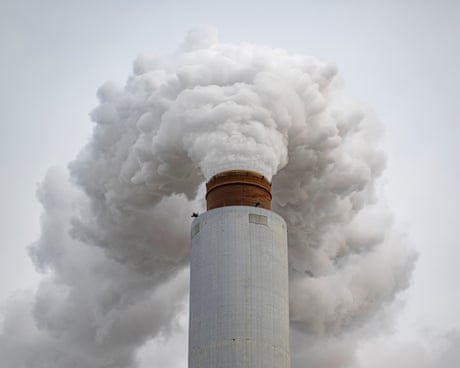
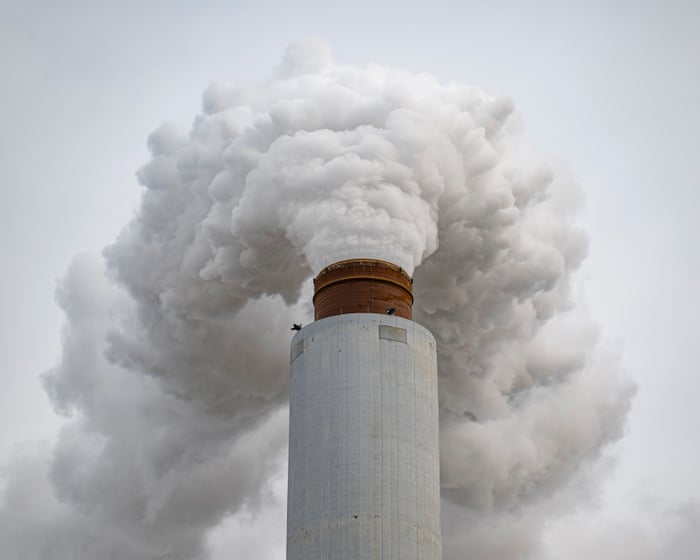
Trump’s EPA strips itself of regulating ability, gutting Clean Air Act in what experts say is a gift to planet polluters
On the heels of the hottest summer ever recorded in the US, the Trump administration has said it will erase any limits on emissions from coal and gas plants that are dangerously heating up our planet.
The US Environmental Protection Agency said it will strip itself of its ability to regulate greenhouse gas emissions coming from power plants under the Clean Air Act, removing a key tool to address the climate crisis.
Energy Transfer, whose CEO is a major Trump donor, named as biggest single methane producer in new rankings
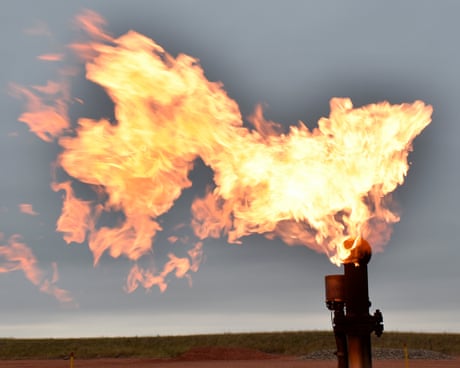
Down a short gravel track in a largely nondescript corner of Louisiana sits a gas processing facility, operated by a company whose chief executive is a major donor to Donald Trump. It may be the largest emitter of methane in the US.
The Energy Transfer site, located near the city of Shreveport,is named as the biggest single “super-emitter” in new rankings of US oil and gas operations for the largest releases of methane, a powerful greenhouse gas that is rapidly overheating our planet, according to a new UCLA study, which is based on satellite data.
Businesses, charities and other groups sign letter calling for levies to be paid by the government
More than 120 organisations including big businesses and charities have called for the removal of “hidden taxes” added to energy bills to help reduce costs for consumers and prevent businesses closing.
In a letter to the chancellor the signatories – including Energy UK, business trade body the CBI, End Fuel Poverty and Age UK – called for levies amounting to 10% of energy bills that fund policies to be paid for by the government. John Healey is to present his first budget on 28 October.
Sickness and disability benefits should be made as "easy as possible" to claim as the current system is too "stressful", the long-awaited Government review by Sir Stephen Timms has said.
Emissions of planet-heating methane and CO2 from natural sources are worsening the climate crisis, paper says
Rising global temperatures caused by the burning of fossil fuels are transforming the world’s forests, wetlands and tundra to the point they are releasing emissions that could further worsen global heating by as much as 30%, a new study has found.
As the world heats up, permafrost in the high latitudes is thawing, fiercer wildfires are burning in drying forests and wetlands and lakes are warming. All of these changes are themselves causing the release of planet-heating methane and carbon dioxide locked in trees and soils, therefore worsening the climate crisis, the paper states.
With 62,000 people arrested for speech crimes in five years, the UK can no longer claim to be a free society, says Paul Birch. The state has learned to fear its people and will no longer tolerate them speaking freely.
Climate catastrophe is on our doorstep – yet Labour’s impending approval of further drilling will bring more pain for negligible gains
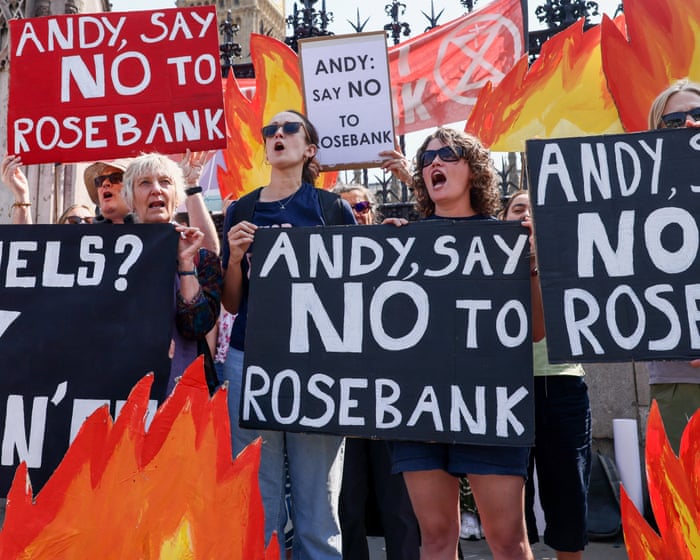
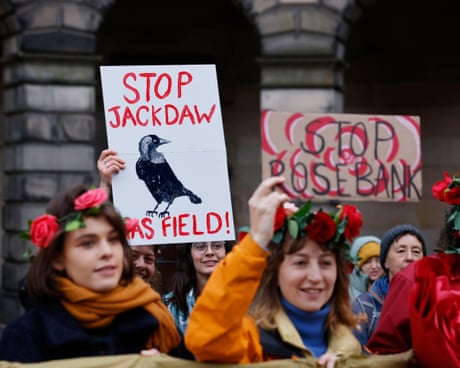
Pinch yourself, it’s happening again. Here is a Labour government spending a vast amount of political capital to earn tiny material gains while risking huge political losses. It occurred repeatedly under Keir Starmer, and now – with the impending decision to approve further gas and oil drilling in the North Sea – it is happening under Andy Burnham. You rack your brains to explain it, but no rational explanation comes.
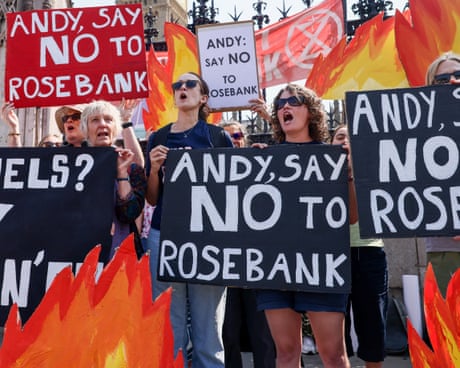
Burnham is studiously cryptic about his reasons. His clearest statement to date goes as follows: “There is a resource there. When people are struggling, we can’t ignore that.” Does he mean that oil and gas workers are struggling? If so, this decision will be of little use to them. The Jackdaw gasfield, likely to be approved this week, will generate a grand total of 27 direct full-time jobs. The Rosebank oilfield, whose approval is likely to follow soon, will support 450 UK-based jobs during its lifetime. Yet the UK’s net zero economy directly employs 300,000 people, and a further 400,000 jobs are planned. The rest of the green economy employs more than 600,000. A just transition for fossil fuel workers, securing jobs in the green economy, is better for everyone.
Australian researchers have identified a promising new approach that could help stop one of the most aggressive forms of breast cancer from spreading. Triple-negative breast cancer becomes especially dangerous once tumor cells escape the breast and establish themselves elsewhere in the body. Australian researchers have now identified a molecular weakness that could eventually help determine [...]
RNLI lifeboats carrying 140 Channel migrants were denied entry to two ports before docking near Portsmouth, where they were met by hundreds of masked protesters.
Researchers urge governments to help worst afflicted countries, such as Nigeria and Algeria, which rely on oil revenues for public services
Conflict, migration and economic upheaval will accompany the global move away from oil, unless governments act urgently to help the worst afflicted countries to cope, research has found.
Nigeria, Iran, Angola and Algeria are among the countries that will be severely affected, as they rely strongly on oil revenues for their government and provision of public services, but have little diversification and too little capital to cushion the blow.
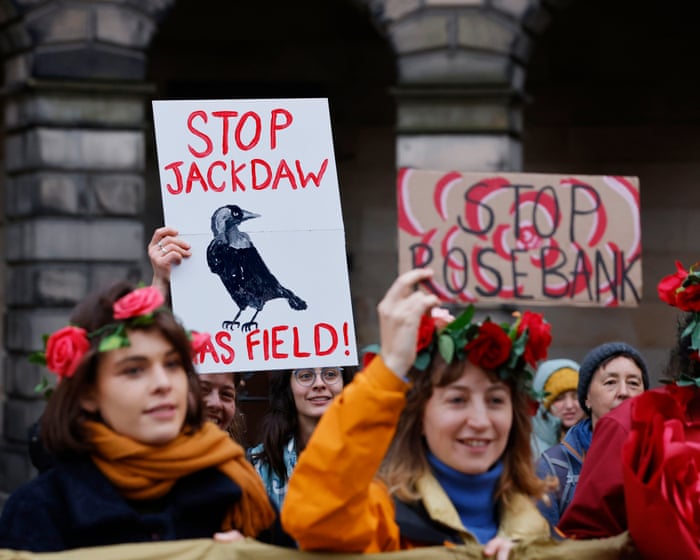
Energy secretary could recommend new North Sea drilling next week, as ministers also consider approval for Rosebank oilfield
Ministers are poised to approve a controversial new gasfield in the North Sea this month, according to government sources, and are considering approving a major oilfield later this year.
Miatta Fahnbulleh, the energy secretary, will give her recommendation to approve the Jackdaw field off the coast of Aberdeen as soon as next week, according to people close to the decision, and the formal approval could follow a week after.
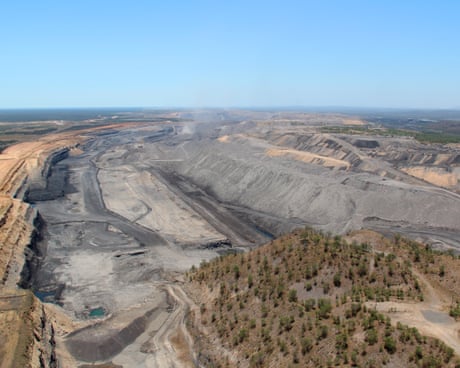
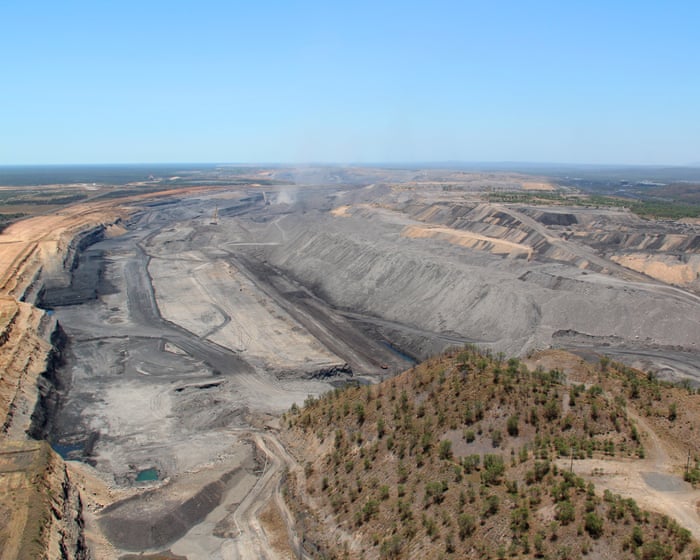
Australia’s new national agency for environmental protection has approved its first coal project, allowing a Queensland open-cut mine to keep digging until 2055 while clearing threatened woodland and koala habitat.
The confirmation of the extension of the Saraji mine, which digs and exports coal for steel making, comes after the prime minister, Anthony Albanese, denied this week there was tension over Australia’s fossil fuel exports during talks with Pacific leaders.
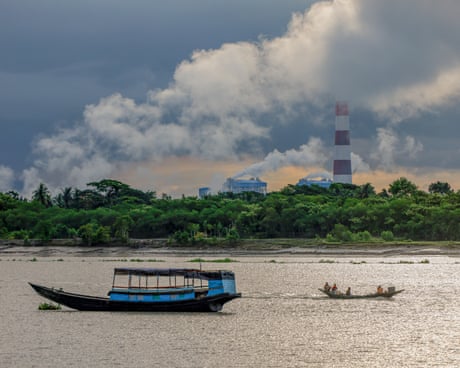
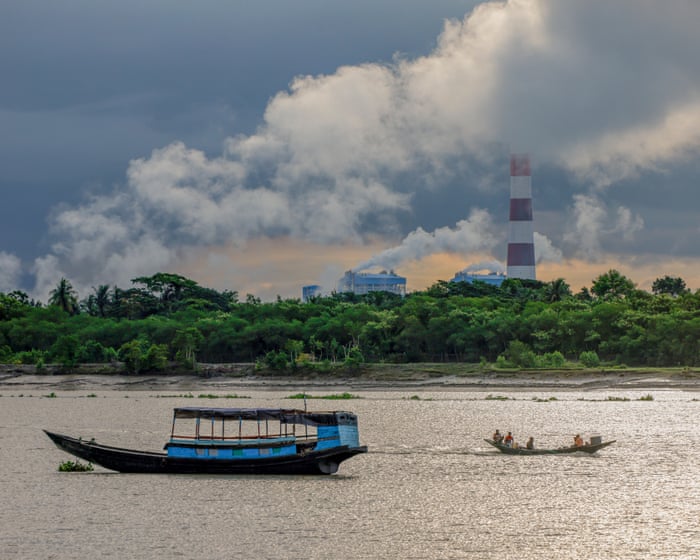
Bangladeshi complainants allege Rampal power station’s pollution and climate risks threaten the Sunderbans, a world heritage site
Barclays Bank is facing a formal complaint over its financial links to a coal-fired power station near the Sundarbans, the world’s largest mangrove forest and home to millions of people in Bangladesh and India.
Three complainants from the region have submitted a case to the UK government’s Office for Responsible Business Conduct, alleging that the British bank breached international guidelines by underwriting companies involved in the emission-heavy Maitree super thermal power project, also known as the Rampal power plant.
Secretive state begins repairs on ageing facilities after being revealed as worst country for leaks of potent greenhouse gas
Turkmenistan has started plugging the mega-leaks of methane that spew from its ageing oil and gas facilities, the latest UN data shows, in a move hailed as a breakthrough.
Methane, also called natural or fossil gas, is a potent greenhouse gas. It traps 80 times more heat than carbon dioxide and causes 25% of global heating today. Stopping leaks can be quick and cheap and, because methane breaks down in the atmosphere far quicker than CO2, this has a rapid impact, with some experts calling it the climate “emergency brake”.
Soaring prices are plunging struggling families into debt. The government must support them in the short term as it invests in a clean energy future
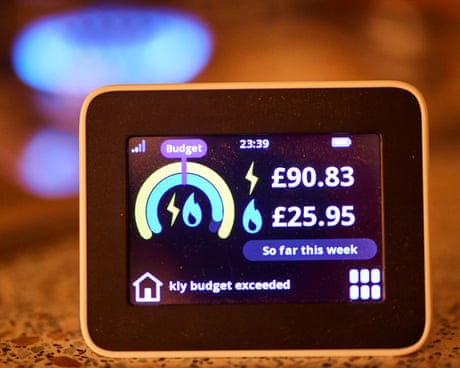
Fuelled by the consequences of Donald Trump’s disastrous war on Iran, household energy debt in Britain is continuing to soar, rising to a record £6bn by the end of June. That figure is set to hit £7bn by the end of the year, as the government’s cap on gas and electricity prices goes up to a three-year high in October. The human cost among the less well off will be more people regularly choosing whether to skip meals, ignore other bills or stay cold this winter.
Such is life at the sharp end of the cost of living crisis, which Andy Burnham has made it his priority to address since arriving in Downing Street. The day after he became prime minister, Mr Burnham announced that VAT would be removed from electricity bills from the beginning of October. But the Middle East-related rise in the price cap, announced on Wednesday, more than wipes out the effect of his cut. In an era of geopolitical volatility, high energy costs have become the new normal.
Do you have an opinion on the issues raised in this article? If you would like to submit a response of up to 300 words by email to be considered for publication in our letters section, please click here.
Colin Hines says Andy Burnham’s focus should be on drastically cutting fossil fuel use in a way that reduces bills and generates secure jobs
It is hardly surprising that many who were optimistic and supportive of Andy Burnham becoming prime minister, but who also prioritised tackling climate chaos, are becoming increasingly unsure about him, given his tardiness in emphasising this threat as an overriding policy objective (Labour ‘could lose up to 50 seats’ to Greens if new drilling in North Sea approved, 19 August).
One of the problems he faces is that the political debate around energy is obsessed with relatively short-term fossil fuel supplies. Instead, the focus should be on drastically and rapidly cutting fossil fuel use in a way that reduces bills and generates secure jobs through a devolved energy programme for every postcode.
It’s simple, says the SpaceX boss – according to something called the ‘Kardashev scale’, we just have to move energy production ‘off-planet’
Next time the weather gives the UK 61 days without rain and we wonder idly if this is the end, there is a term we may whistle up to soothe us. Like murmuring the rosary, or putting our fingers in our ears and humming, this phrase is to be mumbled on repeat – “the Kardashev scale, the Kardashev scale” – a buzzy concept in tech, much favoured by Elon Musk, and precisely the thing we’ve been waiting for. The Kardashev scale is the answer both to our impending doom and our anxiety around it – and if we decide to believe in it, we won’t have to give the climate crisis a single thought until the last drip falls from the tap.
This is the idea and it’s a familiar one to anyone who has watched tech billionaires take intractable, commonplace crises and decide that, among the measures and proposals in play, the vital missing ingredient so far has been them. Do you remember when Jeff Bezos, rather than doing something quotidian and loserish like funding public education by ensuring Amazon pays the same tax rate as regular Americans, decided instead to reinvent preschools?
Last week reporters Jillian Ambrose and Damian Carrington published a piece which revealed that biggest oil firms made $93bn in profits in three months amid the war in Iran and the climate crisis. They’re online now to to discuss their story and any other questions you might have
StanEthel asks: Does anyone in the fossil fuel industry accept responsibility for climate change? If they don’t, how is their denial structured: it’s not happening, it’s someone else’s fault, it’s not our fault?
Damian:
The short answer is no, and a rising tide of lawsuits against fossil fuel companies for their role in the climate crisis means that is unlikely to change anytime soon. The science is ever clearer though. An analysis published last September showed for the first time that carbon emissions from the world’s biggest fossil fuel firms were directly linked to fatal spells of hot weather.
The big oil companies were among the first to realise the dangers of global warming half a century ago. But decades of denial then followed. As the reality of climate crisis has become undeniable, the arguments of the fossil fuel industry have shifted. Gas was cleaner than coal, for example, or that carbon credits from new forests could offset emissions. Today, the industry likes to tout carbon capture and storage (CCS) as a solution. But just this week, one of CCS’s loudest cheerleaders, ExxonMobil, has started a process to sue the European Union which wants to make the company actually store a small amount of CO2.
In the first weeks of the conflict, some predicted that the government’s taxes on North Sea oil and gas would yield a £20bn tax windfall for the Treasury if surging oil and gas prices remained high over the whole year. This is because the government’s windfall tax on North Sea oil and gas, known as the Energy Profits Levy, imposes an effective headline tax rate on North Sea profits of 78%, and the Treasury collects VAT from petrol and diesel sales too.
But prices have not climbed by as much as first feared. So what can we reasonably expect? Before the war, the Office for Budget Responsibility forecast that oil and gas revenues would raise £2.7bn in the 2025/26 financial year. It also suggests that for every $10 increase to the benchmark oil price, the Exchequer can expect an extra £900m in revenue. Meanwhile, every 1p increase in the price of gas hands the Treasury an extra £55m.

 Login