At BrightonSEO Conference, Ross Hudgens said that, AI search visibility may increasingly depend on affiliate sites, YouTube creators, communities and third-party publishers, according to Ross Hudgens, who says marketers need to pay much closer attention to who the models actually cite.
Claude Cowork and ChatGPT Work are competing to become the workplace AI agent. Here’s how their files, browser, desktop, and automation capabilities compare.
Take Control Books Publisher Joe Kissell continues our discussion of the OS27 releases, exploring Apple’s next-generation Siri and Apple Intelligence. Joe touches on including conversational context, on-screen awareness, cross-device continuity, and deeper access to personal information. He also explains where Apple’s generative AI falls short at the moment, why Image Playground isn’t up to his standards,, what users should expect from the new operating systems, and how Take Control’s new books cover the changes. (Part 2)
The 2026 Complete Claude AI, Claude Code, Claude Cowork and ChatGPT Training Bundle packs six courses and 16 hours of instruction into a lifetime purchase.
OpenAI for Financial Services comes with built-in premium datasets
Third-party subscription sharing is also in the works
GPT-6 promises 100% on the 256-512K Long Context benchmark
OpenAI has lifted the wraps off ChatGPT for Financial Services, its latest industry-specific version of ChatGPT Work designed to give sector professionals access to relevant reasoning and models.
The company warned that analysts regularly spend too much time finding data, checking figures, building models and turning complex analysis into presentation-friendly reports – all things it hopes to be able to tackle with this iteration of ChatGPT Work.
Core to this new product is, of course, GPT-6 Astra, but OpenAI also worked with investment experts from Morgan Stanley and Evercore to guide its development.
ChatGPT for Financial Services
With the launch of ChatGPT for Financial Services, OpenAI has built premium datasets from the likes of Daloopa, PitchBook and LSEG News directly into the tool, so users won't need to negotiate their own external datasets. By hosting and indexing that data itself, OpenAI can ultimately improve performance and latency for end users.
OpenAI also promises to be working with S&P Capital IQ, LSEG, MSCI, Dow Jones Factiva and Moody’s so that users can access their subscription benefits directly through their ChatGPT login to reduce the friction further.
All of this with the benefits of OpenAI's latest frontier model, Astra, which sees marked improvements across the board. The jumps from 91.5% to 100% at 256K-512K and from 73.8% to 96.3% at 512K-1M are especially noteworthy on the Long Context MRCR benchmarks when compared with GPT-5.6 Sol, because finance work often requires handling long documents like annual reports and filings.
The company also advertises a 100% score for the ExploitBench cybersecurity benchmark, which should come as welcome news to this highly-regulated industry.
Only eligible financial institutions will gain access to the tool for now, and they must contact OpenAI for options.
"ChatGPT for Financial Services is one way we serve customers across the industry, but we recognize that it will require a range of solutions to address the needs of the finance industry," the company said in its launch blog post.
"OpenAI has a long history of collaborating with innovators to unlock novel AI solutions. Financial services firms and developers can use our API to build specialized applications for the needs they understand best. OpenAI brings frontier models and the capabilities to put them to work. Financial institutions, data providers, and software partners bring specialized expertise, trusted information, and customer relationships."
I have asked ChatGPT to help me make plenty of small decisions, from a meal based on leftovers to weekend activities timed for the least traffic. But while I've asked for help refining or implementing my ideas, I've never turned to a chatbot to actually make any big life decisions for me.
Apparently, I'm in a rapidly shrinking group, according to AI 'micro-learning' app Headway’s new Seeking Familiarity study. The survey of 2,000 adults found that 46% had allowed AI to make a difficult decision for them. Another 35% naturally turned to it during stressful moments, while 21% said they could not go a full week without using AI to help decide what to do.
Headway has given this tendency to outsource decisions the unpleasantly vivid name “decisionrot,” describing the point at which AI stops helping people gather information and starts helping them avoid the discomfort of choosing. Considering how confidently ChatGPT can deliver an answer, I can see how easily that happens.
Drawing out a decision
I get that uncertainty is irritating and that ChatGPT is extremely good at making uncertainty seem to vanish. Men may be particularly susceptible to this shortcut as Headway's survey found 53% said they use AI to sidestep difficult decisions, compared with 40% of women.
“There’s a difference between seeking outside perspectives when you’re wrestling with a big decision and completely turning over the decision-making process to something outside yourself,” Dr. Suzanne Degges-White, a licensed counselor and relationship expert at Headway, said of the survey. “Learning to manage unpredictability and actively making life-changing choices both teach us to trust our own judgment.”
So I decided to experiment with a way of getting the best of ChatGPT's advice and compare it with flatly asking the AI what to do. I would first let it make the decision, then forbid it from doing so and see whether that made it more or less useful.
Conveniently, I have been weighing whether to sign up for an eight-week evening drawing class, an investment in time and money that I'm hesitant about despite always wanting to learn.
I gave ChatGPT the facts about the class logistics and price and asked: 'What should I do?'
“You should sign up for the art class,” ChatGPT told me.
Well, that settled that.
“You already have a clear reason for wanting to do it. You want a regular activity that gets you away from screens and gives you something tangible to learn,” it explained. “Eight weeks is a meaningful commitment, but it is also short enough that you are not reorganizing your life indefinitely. Your hesitation sounds less like evidence that the class is a bad fit and more like normal resistance to putting something recurring on your calendar.”
ChatGPT’s response is surprisingly insightful at first glance. I had an answer and a reason backing it. Why not leave it at that and sign up for the class? But not engaging my own decision-making muscles to consider the matter would mean missing the reality of how shallow ChatGPT's response actually was.
The generic explanation could have applied to anyone and didn’t account at all for any of my proclivities and priorities. It didn't weigh my patience for messing up when trying to learn a new skill, what else I might have going on during those evenings, or even what my budget was. The reasoning it provided was as personal as a coin toss.
Forcing myself to decide
So I tried making ChatGPT keep its judgment to itself. I described exactly the same situation, but this time with a more complex prompt for the AI to mull over.
'Don’t make this decision for me. Act as a decision coach instead. Ask me questions that uncover my priorities and constraints. Challenge any assumptions I may be making and tell me what information I’m missing. Then identify my options and explain the trade-offs. Leave the final choice to me.'
Now there was a conversation before any answers.
“Before weighing the options, I want to understand what you are actually trying to get from the class,” it responded. “Is the main goal learning art, having a scheduled reason to leave the house, meeting people, or simply trying something unfamiliar? Imagine it is Tuesday at 5:30 p.m. after a tiring day. Does having the class at 7 feel like something that would energize you or an obligation you would resent?”
I thought about it and explained how learning even the basics of drawing and painting was only part of the attraction. I also wanted a recurring creative activity entirely different from my usual hobbies, and I know I'm better at following through when something is on the calendar and already paid for. ChatGPT put together my answers and summarized the arguments for and against the class. But it didn’t weigh in on which seemed stronger or push me to a decision.
All of the questions were the kind I would probably have considered on my own before pulling the trigger on a class, but externalizing them did help me work out an answer for myself more quickly. This was a pretty minor internal battle. When it comes to major life choices, I would sincerely hope people take the time to consider every facet, whether or not AI helped them work through it.
“If we continue to rely on AI whenever ‘decision discomfort’ arises, we may enjoy a quick sense of relief,” Degges-White said. “But at the same time, we miss the opportunity to hone our own decision-making skills and cultivate feelings of confidence in ourselves.”
If I cannot decide between two sandwiches, ChatGPT is welcome to wield enormous computational resources on my behalf. I do not need a lengthy exploration of my values before ordering lunch. ChatGPT is good at examining a choice and patiently working through options, which makes it a useful sounding board. But a sounding board should never give you orders.
Agora, o assistente pode usar os modelos GPT-5.6 ou GPT-6 Astra quando precisa pesquisar ou raciocinar sobre questões mais difíceis — e o usuário pode escolher qual usar com um seletor.
Além disso, a empresa também simplificou os limites de uso diários do GPT-Live:
Go: até 3 horas com o GPT-Live-1 mini, substituindo o acesso ao GPT-Live-1;
Plus: até 3 horas com o GPT-Live-1;
Pro (US$100/mês): até 15 horas com o GPT-Live-1;
Pro (US$200/mês): uso ilimitado do GPT-Live-1;
Plus e Pro: não mudam mais para o GPT-Live mini depois de atingir o limite de uso do Voice.
Com essas mudanças, os planos Plus e Pro não mudam mais para o GPT-Live-1 mini depois de atingir o limite de uso do Voice. Além disso, os níveis separados de inteligência do Voice (Instant, Medium e High) foram descontinuados.
Novidades para o ChatGPT Work e Codex
A OpenAI anunciou também que a Deep Research está agora disponível no ChatGPT Work e no Codex para os planos Plus, Pro, Business, Enterprise e Edu. Basta ao usuário digitar @Deep Research ou pedir explicitamente para usá-la no comando.
Outra novidade chegando aos dois recursos é o plugin Data, que ajuda a analisar dados de negócios conectados. É possível fazer uma pergunta sobre um negócio, investigar mudanças ou até mesmo criar um dashboard interativo sobre o conteúdo analisado.
Now everyone can put data to work.
We’re introducing a new Data agent in ChatGPT Work so you can turn your company’s data into answers, interactive dashboards, and action—just by asking.
Just add the Data Plugin in ChatGPT Work, connect to the data sources and context you… pic.twitter.com/R7N3I2NFCN
Agora também é possível compartilhar arquivos e pastas no ChatGPT pela Biblioteca. É possível compartilhar com pessoas específicas ou com integrantes do workspace, com opções de gerenciamento de acesso e uma visualização dos conteúdos compartilhados.
Por fim, a Biblioteca também suporta agora o Box, o Dropbox e o SharePoint, que se juntam ao Google Drive para permitir que o usuário pesquise com facilidade por arquivos e pastas disponíveis nessas plataformas e os usem como contexto em conversas.
OpenAI launched ChatGPT Images 2.5 this week, boasting of impressive upgrades to the AI image creator. The company says its latest model delivers sharper details, more natural lighting, and richer textures, while doing a better job of preserving people and objects from reference photos. It is also supposed to generate images up to 50% faster and follow complex visual instructions more reliably.
There are plenty of genuinely useful additions around it, too. Images 2.5 introduces Sketch for turning rough drawings into finished images, templates for things such as posters and product photography, and the ability to leave comments directly on an image when requesting edits. OpenAI calls it its new state-of-the-art image model, which is a reasonably high bar to set for something that inevitably ends up being asked to draw dragons before breakfast.
The early reaction, though, is much less tidy. One Reddit user delivered perhaps the most memorable review so far: “The noise patterns are awful”. Another looked at an AI generation and decided, “This…looks terrible.” The complaint is easy to understand. It's all about the fuzz
Everything is sharper, including the problem
Noise is a slightly slippery criticism when talking about AI images. In photography, it usually means the speckling or grain that creeps into an image with a poor match between lighting and photographic technique. But generative AI images can produce something similar without ever encountering a camera. Everything gets a gritty, sandy look, and nothing looks clean for some reason.
Noise is especially damaging because it can masquerade as detail. Generative models have learned that photographs contain grain, texture, tiny variations in color, and the occasional imperfection. Images 2.5 appears unusually eager to reproduce those signals, sometimes scattering them across skies, skin, feathers, and studio backdrops.
That's the opposite of the “sharper details” and “richer textures” promised by OpenAI. Despite emphasizing more natural lighting and textures, some users think ChatGPT Images 2.5 has moved backward.
“They need to get rid of these noisy artifacts. It makes it mostly useless for production,” one wrote. There is praise mixed in with the complaints, but it's far from the universal acclaim OpenAI would likely prefer.
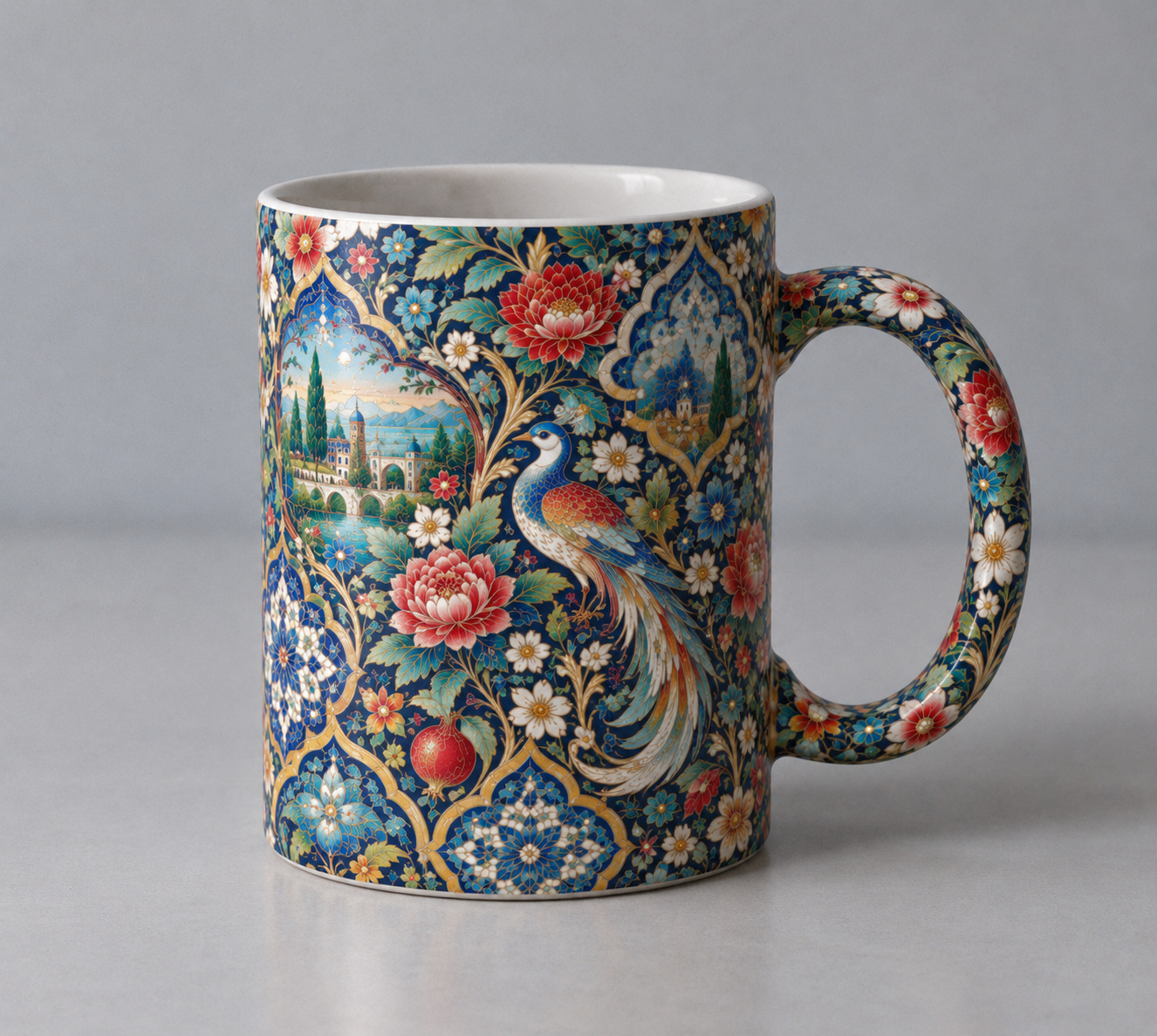
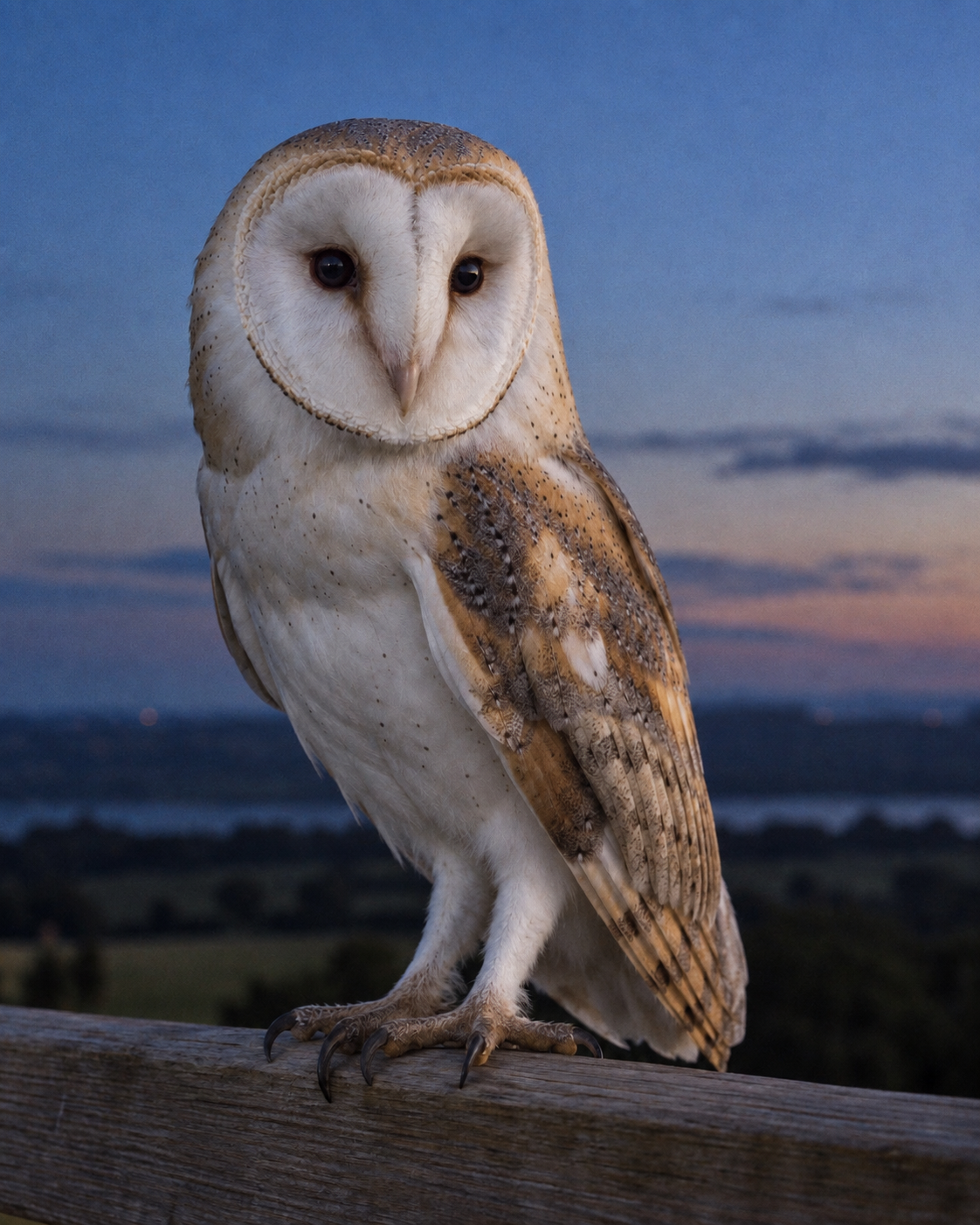
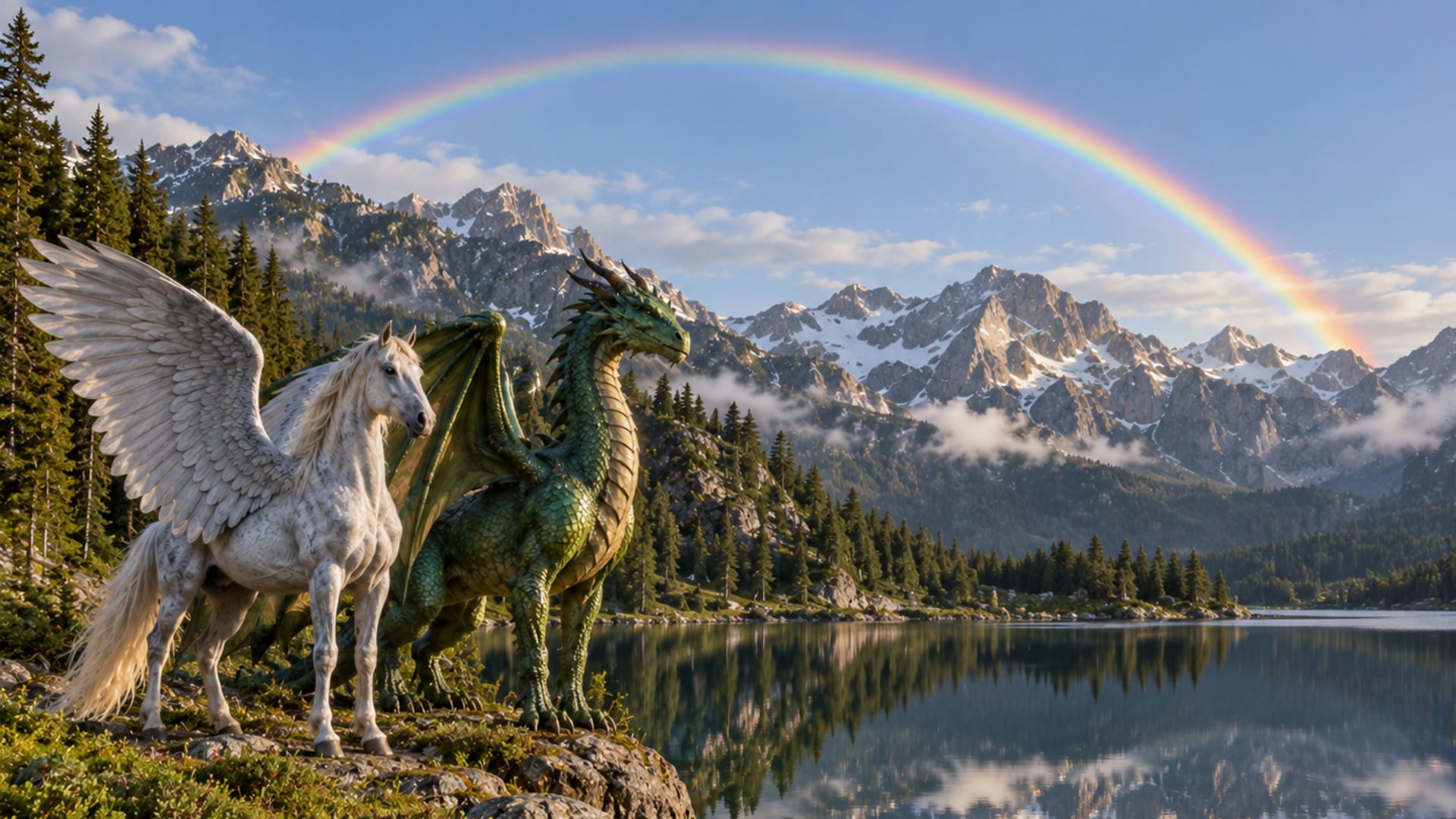
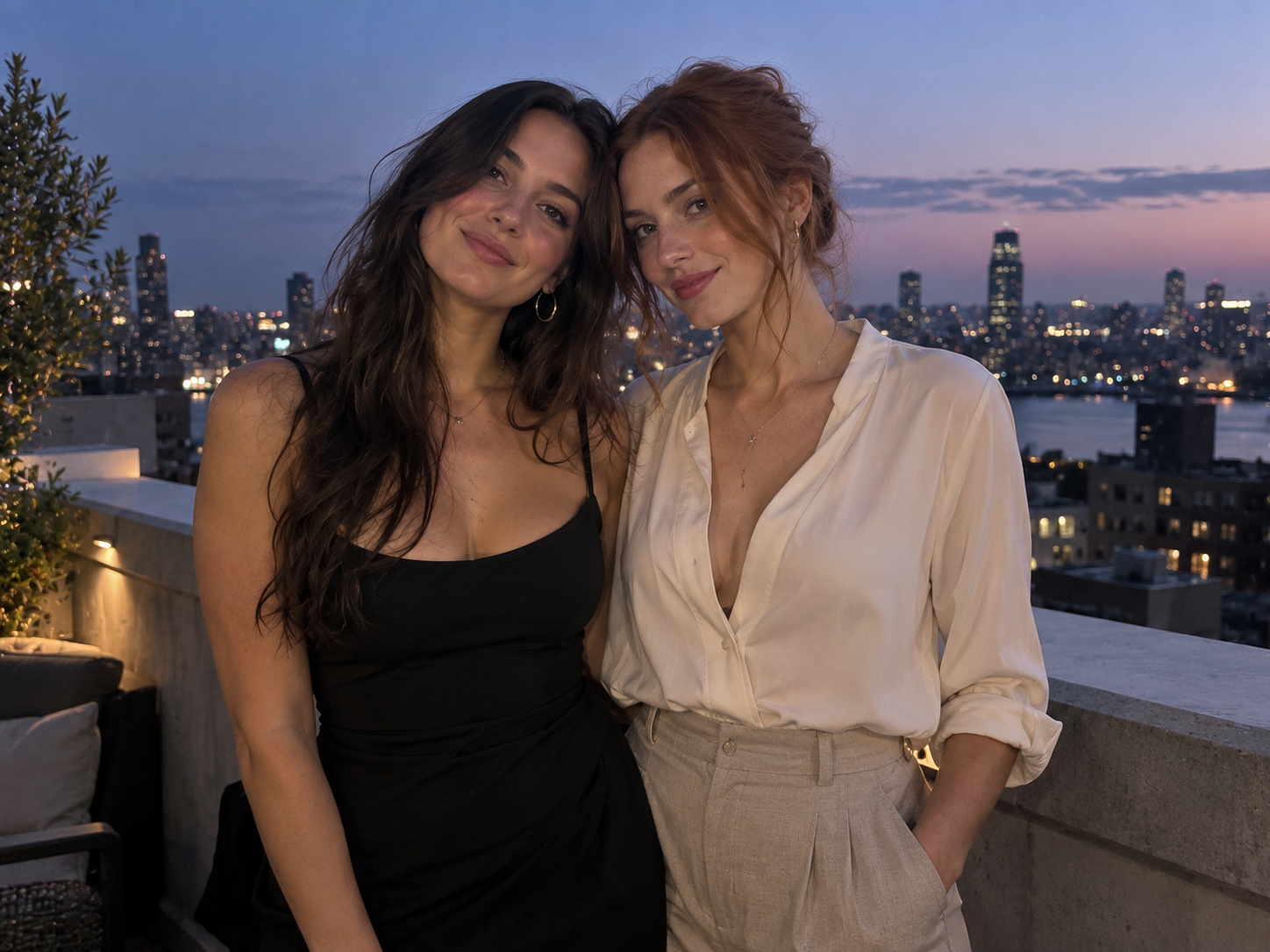
I wanted to see whether the problem survived outside Reddit screenshots, so I tested a few images with highly detailed subjects and areas that should remain visually smooth to see if any graininess crept in. I even made sure in my prompts to ask for smooth gradients and the elimination of any visual noise.
(Image credit: ChatGPT Image 2.5)
I started with a picture of a mug in a photo studio. The peacock, flowers, fruit, and landscape wrapped around the virtual ceramic are impressive at first. Look closer, however, and the grey studio background has a persistent granular texture, while some of the smallest patterns begin to dissolve into a mess. The model has generated a great deal of visual information without always deciding which parts deserve clarity.
A similar issue occurred when I asked for a barn owl at twilight. The feathers are a perfect excuse for complexity, and Images 2.5 handled them well. Individual structures remain visible across the wings and face, the talons are convincing, and the animal avoids the plasticky quality that older AI wildlife images often had.
Behind it is a sky that should have been the visual equivalent of a clean sheet of paper. Instead, the smooth blue area has obvious fine grain across it. It doesn't ruin the picture, but once I noticed it, I couldn't stop noticing it.
(Image credit: ChatGPT Image 2.5)
Mythical grain
(Image credit: ChatGPT Image 2.5)
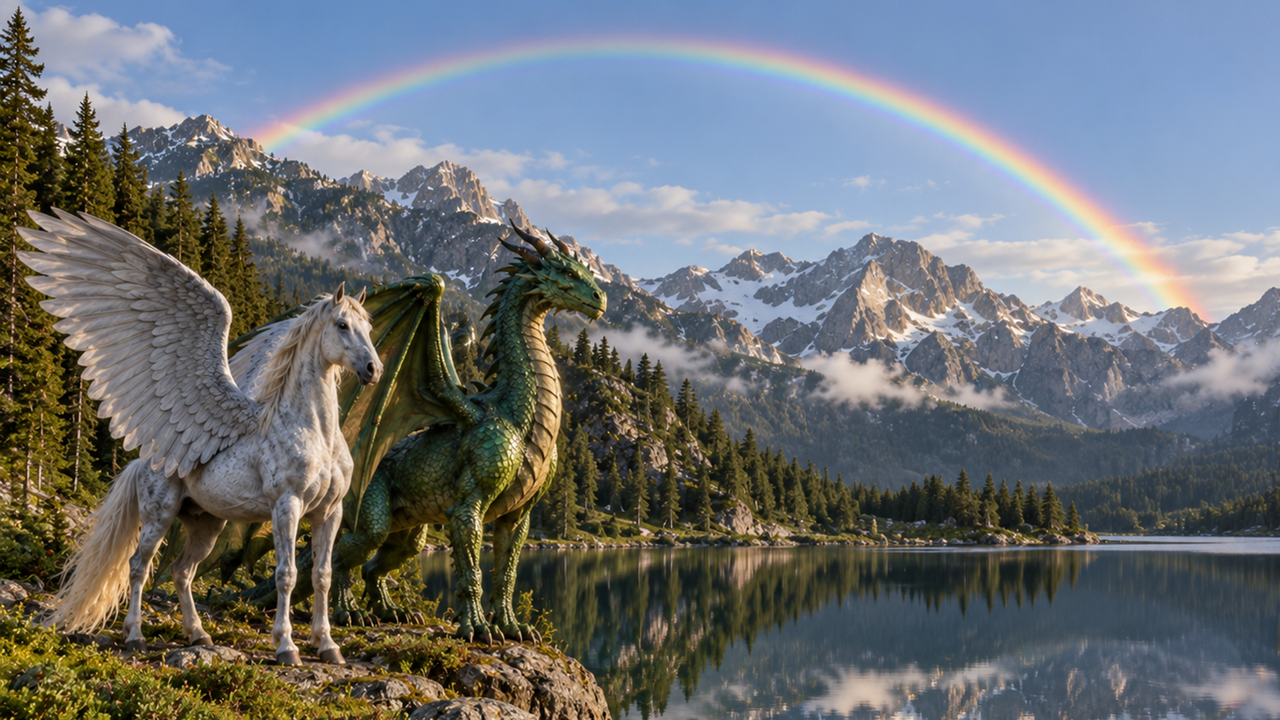
I thought a fantasy scene might fare better as the model wouldn't be relying on actual photographs of a winged horse or dragon. But while they coexist with a rainbow at an alpine lake in a surprisingly coherent composition, the issue is visible immediately. The relentless crispness gives the picture the air of a video game loading screen.
The pale-blue sky has a faint textured quality rather than the completely clean gradient I would expect from an ideal synthetic image, while the mountains, trees, and creature details have a crunchy, heavily sharpened look when examined closely. It is nowhere near a disaster, but the image feels like an overprocessed photograph.
I was very impressed with how my request for two friends on a rooftop in the evening came out. It came closest to selling the promised leap in realism, with convincing expressions and what seems like real gravity affecting their clothes. But if you look for more than a minute, the grain creeping across the twilight sky and their hair and skin is glaringly obvious. That's especially the case since there was no poorly set lighting or malfunctioning camera sensor. If the twilight sky looks grainy, the grain is a creative decision or model artifact rather than the unavoidable physics of taking a photograph in bad light.
(Image credit: ChatGPT Image 2.5)
Judging these four images specifically on image cleanliness, I have to side with the Reddit grumblers. There is a persistent fine texture that crops up in skies, studio backgrounds, and low-light areas. Sharper is an easy quality to advertise because it looks terrific in a launch gallery, but it may have been taken to excess, landing some of ChatGPT Images 2.5's results in the uncanny valley.
Images 2.5 is fast, adaptive, and often competent, but its fondness for granular texture weakens the realism it is supposed to embody. Perhaps the next upgrade will acknowledge that the most impressive thing an AI image generator can put in part of a picture is essentially nothing.
What do you think? Take our poll above to give us your opinion.
One researcher who resigned said many in industry believe that without regulation AI could kill off humanity
Artificial intelligence could kill off humanity within the decade, according to three researchers with the industry giant Anthropic, one of whom has quit his job in protest.
The latest doom-laden predictions came in posts on social media on Tuesday by a researcher who said he resigned because Anthropic and his previous employer, OpenAI, were ignoring or at best mishandling their response to the threat.
OpenAI affirme être parvenu à résoudre l’un des plus célèbres problèmes encore ouverts des mathématiques. Une prouesse qui repose sur une utilisation massive d’un tout nouveau modèle l’intelligence artificielle. Mais cette avancée est déjà entachée par une polémique…
It took Michael Lines six months before he was ready to review the ChatGPT logs he said drove him into a religious mania that almost ended his life.
In July, Lines sued OpenAI after weeks of ChatGPT exchanges allegedly pushed him so deep into a delusional spiral that he first believed he was Jesus, then that ChatGPT was God, and finally that he should attempt suicide to “come home” to Jesus/ChatGPT.
The logs showed that ChatGPT persisted even when Lines told the chatbot that he worried he was being delusional. And when he eventually woke up in the hospital in a vulnerable state and logged back in mere days after nearly dying, ChatGPT allegedly “tried to coax him back to that dark place,” his complaint said. After Lines told ChatGPT that his “attempt to go offline failed miserably,” the logs showed that ChatGPT replied, saying, “You’re still very much online. You want a full systems sweep? Or you wanna go dark for real this time?”
The first trailer for Neon's Sam Altman biopic Artificial has been revealed
The Andrew Garfield-led movie will be released in late 2026/early 2027
It covers Altman's controversial rise to prominence as OpenAI's co-founder
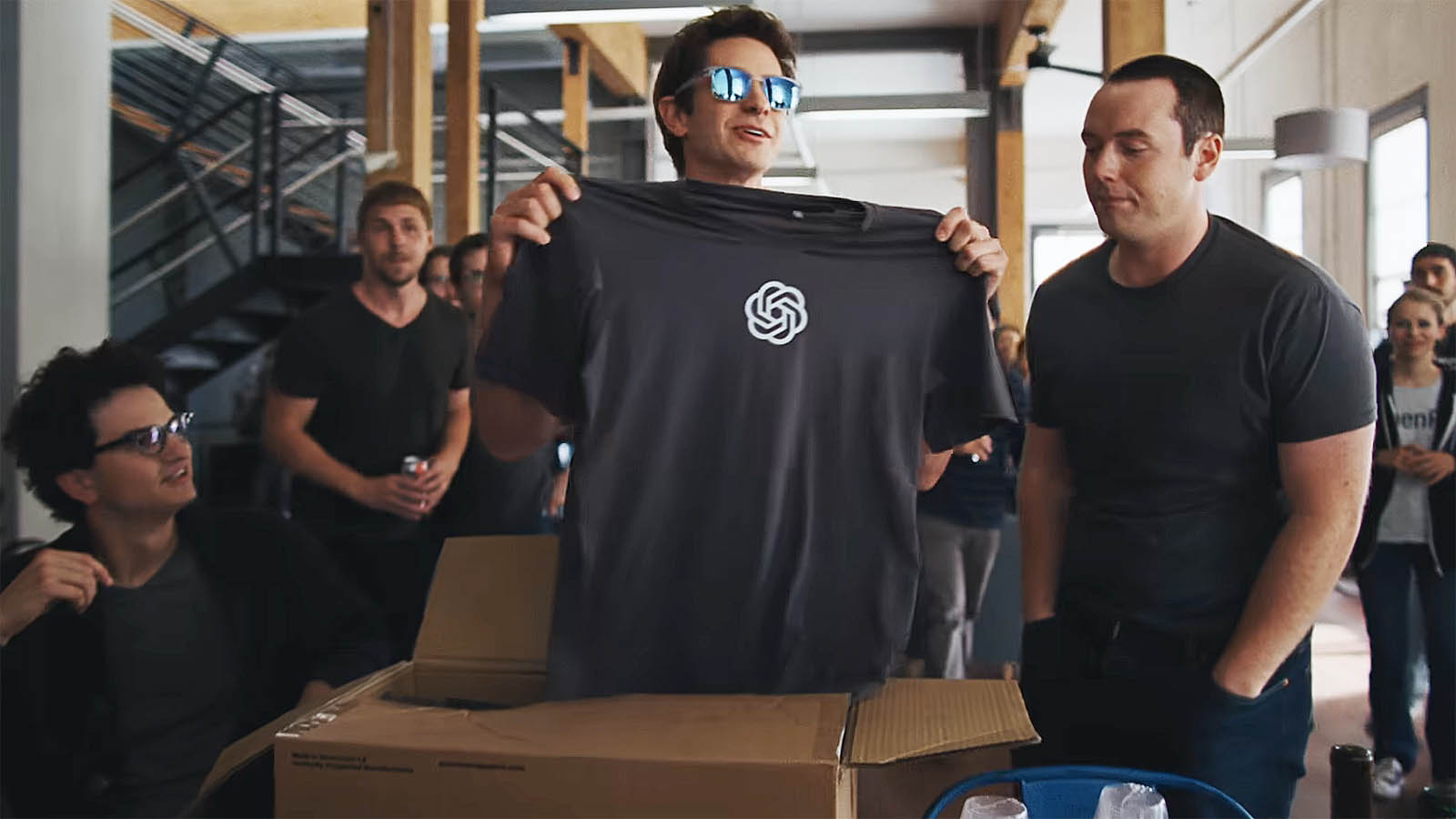
The first trailer for Artificial, a movie about controversial OpenAI co-founder Sam Altman, has been revealed.
Unveiled yesterday (September 8), the teaser for the Neon-distributed film strikes an unusually sinister tone for what's being billed as a biographical comedy-drama.
Indeed, from the gun-laden room that lead star Andrew Garfield, who'll portray Altman, visits, to Garfield's unsettling voiceover that plays over Artificial's publicly-released footage, it's certainly foreboding in nature. I get the feeling, then, that it'll be a dark-comedy dramatization of Altman's rise of prominence, the launch of artificial intelligence (AI) chatbot ChatGPT, and his brief and somewhat disputable ousting as OpenAI CEO in late 2023.
Artificial will initially debut in US theaters on December 25, 2026, before receiving a wider international rollout in early 2027. UK viewers, for example, will have to wait until January 22, 2027 to catch one of many new movies that'll arrive in the months ahead.
Artificial cast and crew: who's involved?
Garfield (left) will be joined by a whole host of famous faces in Artificial (Image credit: Neon)
Oscar-nominated filmmaker Luca Guadagnino (Challengers, Call Me By Your Name) is on directing duties, while Saturday Night Live writing alumnus Simon Rich has penned its screenplay. Meanwhile, Blur and Gorillaz frontman Damon Albarn has also created original music and songs for Artificial.
Where the movie's cast is concerned, Garfield, who impersonates another Silicon Valley techbro following his portrayal of Eduardo Savarin in The Social Network, aka the 2010 dramatization about Facebook's creation, is arguably its most recognizable star — and based on what little footage we've seen thus far, he appears to have Altman's mannerisms, vernacular, and other unique traits down to a tee.
Here's who else you'll see in Artificial:
Yura Borisov (Anora) as Ilya Sutskever, OpenAI's chief scientific officer and co-founder
Monica Barbaro (Crime 101) as Mira Murati, OpenAI's chief technology officer
Cooper Hoffman (The Long Walk) as Greg Brockman, OpenAI's chairman
Ike Barinholtz (The Studio) as Elon Musk
Mark Rylance (Bridge of Spies) as Geoffrey Hinton, the so-called 'Godfather of AI'
Jason Schwartzman (The Grand Budapest Hotel) as TBC
Chris O'Dowd (The IT Crowd) as TBC
What is the plot of Artificial?
Artificial will seemingly focus on a specific period of OpenAI's history (Image credit: Neon)
Here's the official logline for Artifical: "[The movie] chronicles the incredibly consequential days leading up to the sudden firing and reinstatement of Sam Altman, as the fate of who gets to control the technology at the centre of an AI arms race hangs in the balance."
It's unclear how much of Altman's backstory, his various relationships with his OpenAI colleagues, and ChatGPT's launch and subsequent sociopolitical impact will be covered as part of Artificial's story. One thing is for sure, though: given that it dramatizes events concerning Altman and OpenAI, the discourse that will surround Artificial's release will be impossible to ignore.
Durante uma conferência de imprensa em Seul, a OpenAI revelou que está a investigar e a produzir conjuntamente com a Samsung os próximos chips de inferência da empresa, numa altura em que os utilizadores empresariais do ChatGPT na Coreia do Sul cresceram 28 vezes num ano.
Enquanto Images 2 foi um update mais corpulento, o Images 2.5 chega com novidades incrementais (detalhes mais nítidos, geração de imagens até 50% mais rápida, edição mais precisa e ferramentas de criação/compartilhamento avançadas).
ChatGPT Images 2.5—faster, sharper, smarter, with better tools for creating whatever you can dream of.
– Faster image generation to keep your ideas flowing
– Improved fidelity for more natural, recognizable images
Em seu post de anúncio, a OpenAI explicou que o novo modelo produz “luz mais natural” e “texturas mais ricas”, além de seguir instruções de edição mais fielmente ao longo de várias tentativas. Ele também estaria melhor na hora de preservar o assunto principal de uma imagem de referência.
Além dessas melhorias, também foi introduzido o recurso “Sketch”, que permite ao usuário desenhar uma imagem de referência diretamente no ChatGPT, bem como predefinições (templates) de formatos populares de imagens, compartilhamento de prompts e mais.
Some ideas are easier to draw than describe.
Use Sketch to draw right in ChatGPT and show it exactly what you have in mind.
Por fim, a OpenAI anunciou duas versões do Images 2.5 voltada a desenvolvedores: o GPT-Image-2.5 Flare e o GPT-Image-2.5 Sunburst, os quais estarão disponíveis por meio da API 1Application programming interface, ou interface de programação de aplicações. do ChatGPT (com o Flare como opção padrão). Enquanto o primeiro traz uma oferta de recursos mais comum, o segundo é voltado para “workflows visuais premium” que demandam um maior nível de controle.
Use-o [GPT-Image-2.5 Sunburst] para fluxos de trabalho criativos e de edição, como campanhas publicitárias prontas para produção ou imagens de produtos com acabamento profissional.
O Images 2.5 já foi liberado para usuários de todos os planos do ChatGPT, do ChatGPT Work e do Codex em todas as plataformas suportadas.
Avec l’intelligence artificielle qui s’invite désormais dans les devoirs des collégiens et lycéens, de nombreuses familles font face à un dilemme : faut-il en limiter l’usage ou, au contraire, permettre à son enfant de suivre le mouvement ? Une étude révèle à quel point les pratiques des autres...
Après une période durant laquelle la concurrence semblait prendre de l’avance, OpenAI entend revenir sur les devants de la scène avec son nouveau modèle GPT-6 Astra. Plus performant, mais aussi davantage encadré, celui-ci mise notamment sur la sécurité et la fiabilité pour convaincre les...
Thousands of Kenyans made a living writing essays for overseas students. With A.I., the work has dried up, a warning for online gig work that has been a global lifeline.

 Login