 Login
 Like a cushion cover.
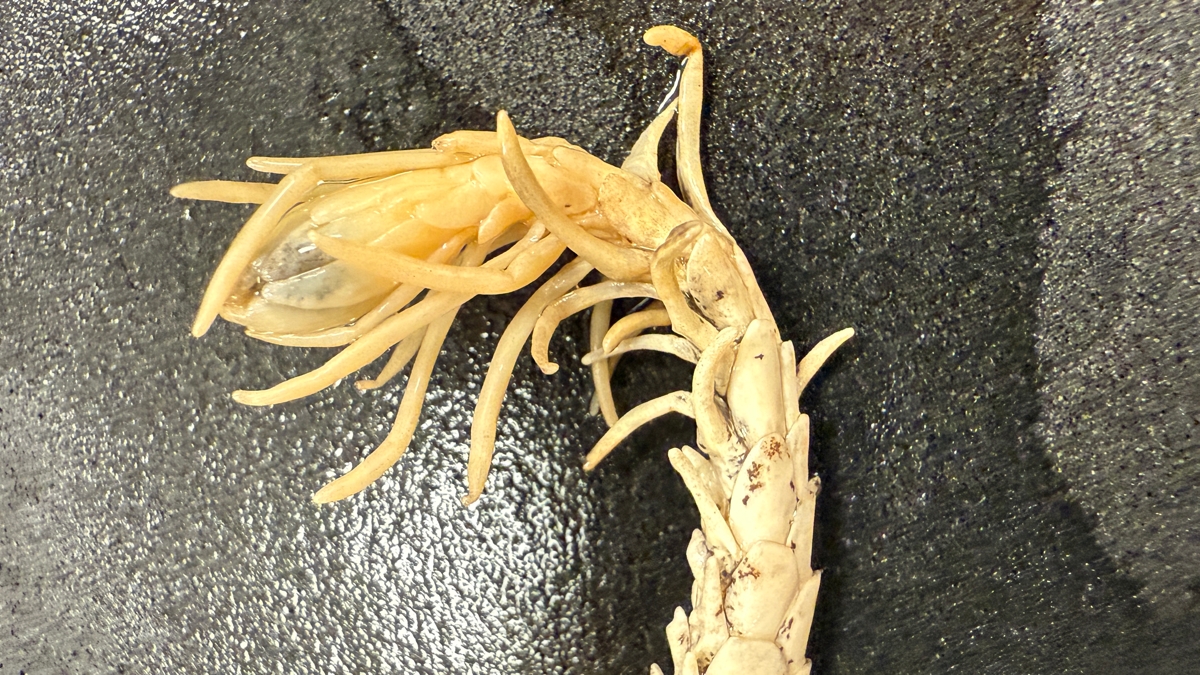 Evolution is nightmare fuel.


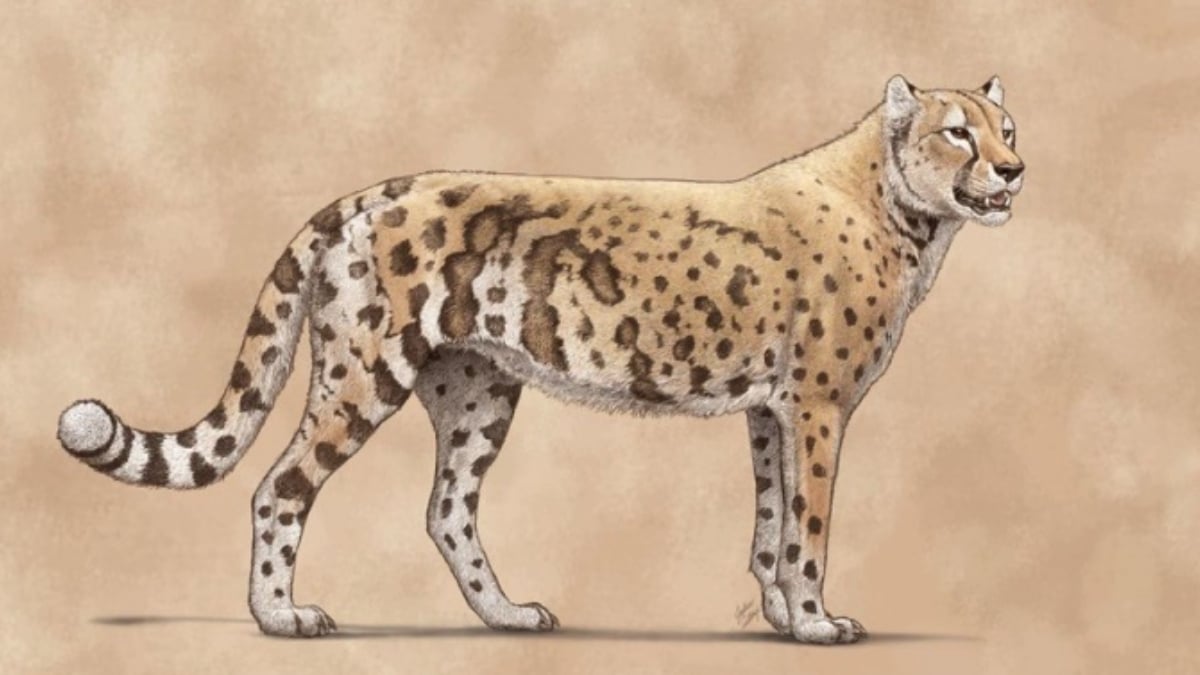 A mind-blowing rethink of an awe-inspiring animal.
A Nature editorial on the Jason Arday affair, blaming everyone except Arday himself, chooses progressive ideology over basic honesty and scientific integrity, says Jerry A. Coyne in the Chronicle of Higher Education.
The post Jason Arday and the Corruption of Science appeared first on The Daily Sceptic.

A cubic meter of lunar soil might be one of our best bets for finding physical proof that another advanced civilization once existed somewhere in the Milky Way, according to a new paper to be published in the International Journal of Astrobiology.
The post Could Scoop of Moon Dust Reveal Alien Technology? appeared first on Sci.News: Breaking Science News.

 Challenge your eyes to start the week right.


A remarkable discovery has been made in East Africa’s Lake Malawi, one of the deepest bodies of water on the African continent.
Africa’s impressive lakes have long remained a focus of speculation for naturalists, involving folklore about strange creatures—including supposed holdovers from prehistoric times—alleged to inhabit some of their waters.
However, a much smaller discovery made by a team of researchers with the Department of Zoology at the University of British Columbia (UBC) at Vancouver, Canada, is nonetheless challenging our past thinking on what kinds of life forms can be found lurking in the depths of some of Africa’s storied lakes.
In a remarkable discovery, a variety of lake fly larvae have been found descending into the very oxygen-deprived depths of Lake Malawi, where they hide more than 650 feet below the surface to avoid predators.
After spending their days in this deep-water “dead zone,” the larvae reemerge at night and feed—or at least some of them do, if they are lucky enough to escape the fish searching for a dinner of their own, while these tiny insects are commuting back to the surface.
To chart the unusual daily cycle of these larvae, UBC researchers Dr. Philip Matthews and Dr. Evan McKenzie used sonar technologies, which were positioned deep within the lake.
While this provided an idea about where these tiny insects were going, it was dissecting the larvae that revealed how these remarkable little creatures have somehow evolved a respiratory system that contains two pairs of small air sacs, which function like ballast tanks, allowing the larvae to control their buoyancy.

Within these sacs, they discovered the presence of resilin, a material that can either expand or contract in proportion to changes in the pH of the sac’s walls. As a result, the larvae can change the volume of these unique air sacs, thereby controlling their buoyancy.
It is an unusual capability these creatures display, to say the least. Curious about how deep they might be able to go, the researchers placed several of the larvae within small pressure chambers to simulate the depths they might travel to before the sacs imploded.
Much to the team’s surprise, these natural buoyancy systems held out under conditions that would match depths of 400 meters (1,312 feet), which is much deeper than what the sonar data reveals about the larvae’s daily descents into Lake Malawi.
While it has long been assumed that insects, which often thrive in freshwater environments, do not live in open oceans due to such pressures associated with the depths of the world’s largest bodies of water, these African insect larvae reveal that such creatures can survive under such conditions.
Based on their findings, the UBC researchers hope to work on finding ways of simulating such capabilities, perhaps by creating pH-powered resilin smart materials, or even artificial systems that emulate the way muscles operate.
The team’s findings appeared in the new study, “Crush-resistant air sacs allow insect larvae to exploit aquatic habitats at extreme depth,” published in the journal Science.
Micah Hanks is the Editor-in-Chief and Co-Founder of The Debrief. A longtime reporter on science, defense, and technology with a focus on space and astronomy, he can be reached at micah@thedebrief.org. Follow him on X @MicahHanks, and at micahhanks.com.

 It starts by activating a lazy co-worker.
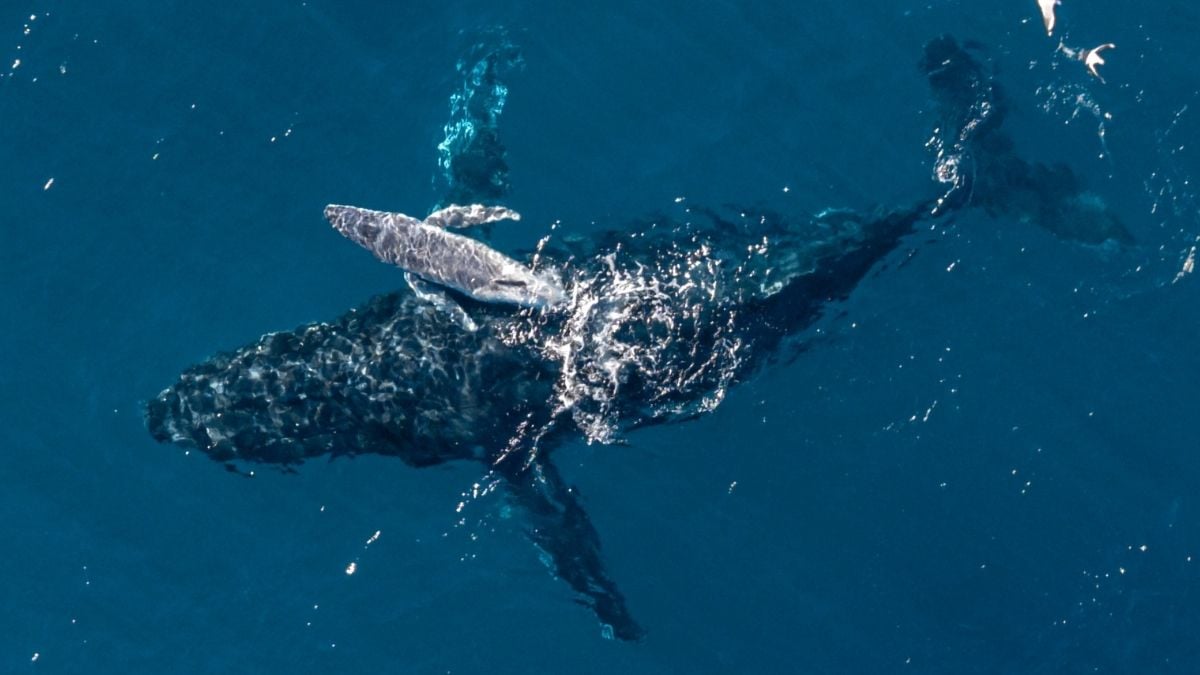 Welcome to the world, little whale!
 OK, but hear us out...
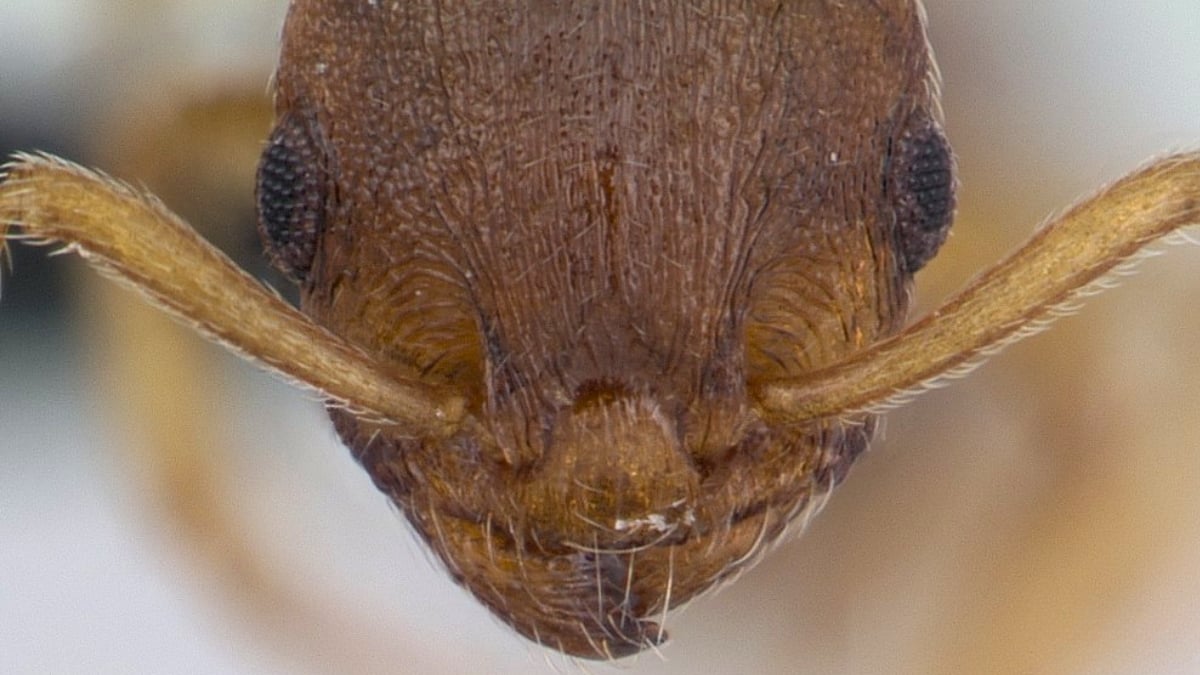 How do we get one of these?