For decades, one of the biggest problems in pain medicine has been surprisingly simple: the strongest medicines often come with the greatest risks. Opioids can make severe pain manageable, but they can also cause dependence, addiction, overdose and troublesome side effects. A new drug called LTG-001 is being developed to see whether powerful pain relief […]
Diabetes can slowly damage nerves throughout the body, leaving some people with pain, burning, tingling, or numbness that can become difficult to manage. Now, scientists at UTHealth Houston have developed an experimental treatment that slowed and even reversed this type of nerve damage in mice. The research was published in Science Translational Medicine. Although the […]
A study has found a possible link between vitamin B12 and inflammation in the body. People with higher levels of vitamin B12 in their blood tended to have lower levels of two important signs of inflammation. The research was published in the Journal of the Science of Food and Agriculture. The findings add to growing […]
A sweeping new narrative review published in the Journal of Translational Medicine is pulling back the curtain on one of the most overlooked aspects of chronic obstructive pulmonary disease: the devastating toll the disease takes on the body’s muscles, and the crucial — but complicated — role that exercise plays in fighting back. Led by Domenico Di Raimondo and colleagues at the University of Palermo, the review synthesizes decades of mechanistic research into how COPD reshapes both limb and respiratory muscles, how systemic inflammation may or may not be driving that damage, and why rehabilitation remains the most powerful non-drug therapy available despite nagging scientific uncertainties.
COPD has long been framed as a lung disease, defined by airway obstruction, chronic bronchitis, and emphysematous destruction of lung tissue. But clinicians have increasingly recognized that its most disabling features extend far beyond the chest. Patients with COPD frequently suffer from profound muscle wasting, particularly in the quadriceps, and this skeletal muscle dysfunction has emerged as a clinically relevant systemic manifestation of the disease. It contributes directly to the breathlessness that defines daily life for patients, reduces exercise tolerance, erodes quality of life, and — perhaps most tellingly — predicts mortality. A patient’s ability to stand from a chair or climb a flight of stairs, the review argues, may reveal as much about their prognosis as any spirometry reading.
The muscle changes in COPD are not simply the result of disuse, though physical inactivity certainly plays a role. Under the microscope, the peripheral muscles of these patients tell a story of deep biological remodeling. Muscle fibers shift in type, favoring fast-twitch, glycolytic fibers over the oxidative, fatigue-resistant fibers that sustain everyday activity. The oxidative capacity of the muscle falls, undermining the tissue’s ability to generate adenosine triphosphate efficiently and causing lactic acid to accumulate early during exertion — a process that patients experience as overwhelming leg fatigue long before their lungs reach their limits. Capillarization is impaired, reducing the delivery of oxygen and nutrients to working fibers. Mitochondria, the cellular power plants, show structural and functional dysfunction. Oxidative stress, driven by an excess of reactive oxygen species, damages proteins and membranes. And catabolic pathways, including the ubiquitin-proteasome system, are activated, actively breaking down muscle protein faster than the body can rebuild it.
One of the review’s central arguments is that not all muscle in COPD suffers equally, or in the same way. The quadriceps and other limb muscles typically show the destructive changes described above, but the diaphragm follows a different trajectory. The diaphragm in COPD patients is caught in a double bind: it is subject to intrinsic remodeling driven by chronic overload, yet it also works under a severe mechanical disadvantage caused by lung hyperinflation. As the lungs overinflate, the diaphragm flattens, shortens, and loses its mechanical leverage, making every breath more costly. In response, the diaphragm adapts in ways that differ from limb muscles — sometimes showing adaptive, rather than purely destructive, features as it struggles to meet the relentless demands of breathing through compromised lungs. This distinction between limb and respiratory muscle biology, the authors emphasize, matters enormously for understanding why patients with severe airflow obstruction can still have relatively preserved diaphragm function even as their legs waste away.
If the muscle pathology is the crime scene, systemic inflammation has long stood as the prime suspect. Elevated levels of inflammatory mediators such as tumor necrosis factor-alpha, interleukin-6, and C-reactive protein are commonly detected in COPD patients, and these signaling molecules are known to promote muscle protein breakdown, suppress anabolic signaling, and activate catabolic cascades. The review details the molecular routes by which inflammation can sabotage muscle: activation of nuclear factor-kappa B, engagement of the ubiquitin-proteasome system, interference with insulin-like growth factor-1 signaling, and disruption of insulin receptor substrate pathways that normally support muscle growth and glucose uptake. Yet the authors are refreshingly candid about the limits of this story. The true source of systemic inflammation in COPD is still debated — is it the lungs themselves, comorbid conditions, altered gut microbiota, or something else? — and, crucially, the causal contribution of systemic inflammation to muscle loss and dysfunction in COPD patients remains incompletely proven. Inflammation may be an amplifier rather than the sole architect of muscle decline.
Indeed, the review paints muscle wasting in COPD as a multifactorial process in which inflammation is only one ingredient. Ageing naturally erodes muscle mass and regenerative capacity. Multimorbidity — the coexistence of heart failure, chronic kidney disease, and other chronic conditions — compounds the burden. Malnutrition and inadequate caloric intake starve muscle tissue of the building blocks it needs. Hypoxemia, the low blood oxygen characteristic of advanced disease, impairs mitochondrial function and pushes muscle fibers toward glycolytic metabolism. Corticosteroid exposure, a frequent feature of COPD treatment during exacerbations, can further promote protein breakdown and impair anabolic signaling, a process partly mediated by enzymes such as 11 beta-hydroxysteroid dehydrogenase 1 that amplify glucocorticoid activity within muscle tissue. And physical inactivity, both a cause and a consequence of muscle decline, completes a vicious circle in which weakness breeds inactivity, which in turn breeds further weakness. Acute exacerbations of COPD accelerate this cycle dramatically, with each hospitalization potentially stripping away months of hard-won muscle mass and function.
Against this grim mechanistic backdrop, the review delivers its most clinically significant message: exercise training works. Pulmonary rehabilitation, built around structured exercise programs, is firmly supported as a cornerstone of non-pharmacological COPD management. The evidence base shows that exercise training improves muscle function, increases exercise capacity, alleviates symptoms, and restores functional autonomy — the ability of patients to manage their own daily lives. The mechanisms behind these gains are well understood from exercise physiology. Endurance and resistance training stimulate mitochondrial biogenesis through pathways involving peroxisome proliferator-activated receptor-gamma coactivator 1-alpha, the master regulator of oxidative metabolism. Training restores capillary density, shifts muscle fiber types back toward oxidative phenotypes, strengthens the antioxidant defense system against reactive oxygen species, and tips the balance between protein synthesis and breakdown back toward growth. Resistance training in particular offers a direct counterweight to catabolic signaling, mechanically stimulating muscle protein synthesis even in the presence of inflammatory stress.
But the review does not let exercise off the hook without scrutiny. One of its most provocative observations concerns inflammation. If exercise is so beneficial, and if inflammation is a key driver of muscle damage, one might expect training to measurably reduce circulating inflammatory biomarkers such as C-reactive protein, tumor necrosis factor-alpha, or interleukin-6. Yet the current evidence, the authors find, does not consistently demonstrate such a parallel reduction after training programs. Patients get stronger and more functional, but their blood inflammatory profiles often remain stubbornly unchanged. This disconnect raises a fundamental question about how exercise exerts its benefits in COPD: are the improvements driven by chronic adaptations within the cardiac, respiratory, and muscular systems themselves — local remodeling of muscle fibers, capillaries, and mitochondria — or do they also depend on systemic anti-inflammatory effects that clinical trials have so far failed to detect reliably?
The authors frame the resolution of this question as the field’s main unresolved challenge. Beyond the inflammation puzzle, the review identifies a set of pressing practical questions that clinicians and researchers have yet to answer definitively. What is the optimal training modality — endurance, resistance, interval training, or some combination? What intensity and duration produce the greatest and most durable muscle outcomes? And how should rehabilitation be tailored to the phenotype of the individual patient, given that a cachectic, hypoxemic patient with severe hyperinflation may need a fundamentally different program from a breathless but well-nourished patient with preserved muscle mass? The notion of phenotype-specific rehabilitation — matching the training prescription to the patient’s muscle biology, nutritional status, and inflammatory profile — emerges as a promising but still untested frontier.
The review also situates these findings within the broader translational landscape. Many of the molecular pathways it describes — the ubiquitin-proteasome system, the NOD-like receptor pyrin domain-containing protein 3 inflammasome, myostatin-related signaling, and the interplay between hypoxia-inducible factor 1 alpha and mitochondrial function — are potential drug targets. But the authors’ implicit conclusion is that no pharmacological shortcut will soon replace the accumulated, adaptive power of regular physical training. Muscle is plastic tissue, and the review suggests that the therapeutic leverage lies precisely in that plasticity, harnessed through carefully dosed and progressive exercise.
What makes the review timely is its honesty. Rather than inflating the anti-inflammatory credentials of exercise or overselling any single mechanism, it maps the terrain as it actually stands: muscle dysfunction in COPD is real, multifactorial, and deadly serious; exercise is genuinely effective; and the causal chain linking inflammation to muscle loss remains, frustratingly, an open question. For the millions of patients living with COPD worldwide, the practical takeaway is clear. Rehabilitation is not an optional add-on to inhaler therapy — it is a biological intervention that works at the level of the muscle fiber, the mitochondrion, and the capillary, even when the exact systemic chemistry of its benefits remains to be fully explained.
For researchers, the review is a call to arms. Future studies must disentangle the contribution of inflammation from the many other forces eroding muscle in COPD, identify biomarkers that predict who will respond best to which training modality, and design trials that test phenotype-matched rehabilitation strategies rather than one-size-fits-all programs. Until then, the message for clinical practice stands on remarkably firm ground: in COPD, what the lungs cannot fix, the muscles — given the right training — may yet do.
Subject of Research: Mechanisms linking COPD to skeletal and respiratory muscle dysfunction, systemic inflammation, and the effects of exercise-based rehabilitation
Article Title: Muscle dysfunction, systemic inflammation and exercise in COPD – a narrative review
Article References: Di Raimondo, D., Siragusa, P., Pirera, E., Romito, G., Calcullo, D., Scaglione, S., Daidone, M., Ferrantelli, S., Siscaro, G., & Tuttolomondo, A. (2026). Muscle dysfunction, systemic inflammation and exercise in COPD – a narrative review. Journal of Translational Medicine. https://doi.org/10.1186/s12967-026-08961-x
Researchers in Brazil have demonstrated that a hybrid advanced oxidation process can transform pharmaceutical-laden wastewater into an effluent that is dramatically safer for plants, earthworms, onion root cells, and beneficial microorganisms, offering a rigorous ecotoxicological case for reusing treated sewage in agriculture. The study, published in Environmental Science and Pollution Research, addresses a long-standing blind spot in water treatment: proving that a chemically “clean” effluent is also biologically compatible.
Conventional wastewater treatment plants were never designed to strip out recalcitrant organic micropollutants such as pharmaceuticals, and trace amounts routinely slip through into receiving waters. Advanced oxidation processes (AOPs) attack these stubborn compounds by generating highly reactive free radicals that fragment contaminant molecules. But chemical degradation alone does not guarantee safety. As contaminants break down, they spawn transformation products (TPs) that can, in some cases, be as toxic as—or more toxic than—the parent compounds. The research team, led by Lucas Gustavo da Costa and Alam Gustavo Trovó of the Federal University of Uberlândia, together with collaborators at the Oswaldo Cruz Institute, set out to answer a deceptively simple question: does measurable chemical removal of micropollutants actually translate into reduced biological harm?
The centerpiece of their work is the H₂O₂/S₂O₈²⁻/UVC process, a hybrid system that combines hydrogen peroxide and persulfate with short-wave ultraviolet C radiation. UVC photons cleave both oxidants simultaneously, generating hydroxyl radicals (HO•) and sulfate radicals (SO₄•⁻) in the same reaction volume. This dual-radical strategy outperforms systems relying on either oxidant alone, or on peroxymonosulfate (HSO₅⁻), which is costlier and demands more energy for activation. The hybrid route also resists interference from inorganic species commonly found in real effluents, making it an economically attractive candidate for deployment at full-scale treatment plants. The process had already been chemically optimized in the team’s earlier work using multivariate mixture design and rotatable central composite design experiments; the new study is its first integrated biological stress test.
The experiments used real municipal effluent from a wastewater treatment plant in Uberlândia, Minas Gerais, sampled after the plant’s final tertiary treatment stage of coagulation-flocculation with ferric chloride and flotation. The effluent was enriched with three pharmaceuticals representing different therapeutic classes: colchicine (COL, an antimitotic agent), nitazoxanide (NTZ, an antiparasitic), and sulfamethoxazole (SMX, a widely detected antibiotic), each at 325 nmol L⁻¹—equivalent to 130, 100, and 82 micrograms per liter, respectively. That concentration was deliberately chosen as high enough for direct HPLC–DAD analysis without preconcentration, yet low enough to be environmentally representative. Treatment was carried out in an amber glass reactor irradiated by two 8-watt UVC mercury lamps emitting at 254 nm, with a measured irradiance of 4.9 W m⁻². Residual oxidants were neutralized with sodium thiosulfate before any biological testing, ensuring that observed effects could not be attributed to leftover peroxide chemistry.
The ecotoxicological battery spanned multiple trophic levels and levels of biological organization. Oxidative stress was assessed in the earthworm Eisenia andrei by measuring malondialdehyde (MDA), a marker of lipid peroxidation, and protein carbonylation, an irreversible oxidative modification of proteins. Phytotoxicity was evaluated using lettuce (Lactuca sativa) seeds and a growth index combining germination rate and root elongation. Cytotoxicity and genotoxicity were quantified in onion (Allium cepa) root meristems through the mitotic index and the frequency of chromosomal and nuclear aberrations—micronuclei, chromosome breaks, stickiness, bridges, and nuclear buds—across 5,000 cells per sample. Finally, growth inhibition was tested in two environmentally relevant microbes: Azospirillum brasilense, a plant growth-promoting bacterium used in soybean cultivation, and Saccharomyces cerevisiae, a yeast that persists in soils and fermentative niches.
The untreated enriched effluent told a worrying story. It exhibited substantial genotoxicity in onion cells—21%, approaching the 24% seen with the positive control, methyl methanesulfonate—and severe phytotoxicity, with lettuce growth indices far below the 80% threshold that signals absence of toxicity. Even the unspiked effluent itself suppressed lettuce growth, achieving a growth index of only 47%, evidence that bioactive compounds survive conventional treatment. In earthworms, individual aqueous solutions of NTZ and SMX raised MDA levels by 37.2% and 23.5% respectively, while the three-compound mixture increased lipid peroxidation by 38.0%, pointing to additive or synergistic oxidative stress mechanisms involving reactive oxygen species and Fenton-type chemistry within cells.
The picture changed decisively after oxidation. Following 10 minutes of UVC-driven treatment—the point at which 80% chemical degradation had been achieved, matching the minimum removal target proposed in the European Union’s COM(2022)541 directive—genotoxicity fell to 10%, and after 20 minutes, corresponding to the limit of quantification for the parent compounds, it dropped further to 6%, a statistically significant reduction. The plant growth index climbed above 80%, crossing from toxic territory into biocompatibility. The mitotic index in onion cells remained statistically indistinguishable from the deionized-water control (around 39–40% versus 40%), demonstrating that the process generated no cytotoxic byproducts capable of arresting cell division. And crucially for agricultural applications, neither the treated effluent nor its transformation products inhibited growth of A. brasilense or S. cerevisiae.
The mechanistic details are instructive. In the untreated enriched effluent, micronuclei—membrane-bound DNA fragments expelled from the nucleus during flawed cell division—were among the most frequent aberrations, indicating clastogenic and aneugenic damage. Colchicine exposure predictably produced C-metaphase accumulation, a signature of its tubulin-binding, spindle-disrupting mechanism first described in Allium nearly a century ago. SMX depressed the mitotic index and induced chromosomal damage, consistent with prior findings in Vicia faba. NTZ, whose genotoxicity had never before been reported, produced chromosome breaks, stickiness, and nuclear buds. After oxidation, the overall aberration burden fell sharply, particularly micronuclei and stickiness, although a few bridges and polyploid cells persisted even at 20 minutes—a reminder that some transformation products or resistant residuals may linger.
The microbial results came with a subtlety. Reduced A. brasilense growth after treatment initially looked like a red flag, but the team attributes it to depletion of assimilable organic matter, which serves as radical scavenger during oxidation and as a nutrient source afterward—not to toxicity. The negative control likewise grew slowly. This distinction matters because AOPs are designed to mineralize organic carbon, and a nutrient-poorer medium should not be misread as a more toxic one. For S. cerevisiae, no inhibition occurred at any stage of treatment, although NTZ alone significantly depressed yeast optical density, reinforcing the compound’s cell-cycle interference potential even at nanomolar-scale exposures.
The study’s broader significance lies in its methodological stance. By adopting an “effect-driven approach,” the team evaluated the toxicity of whole reaction mixtures without needing to isolate and identify individual transformation products—an impractical task given that many degradation byproducts are not commercially available. Their findings align with a growing consensus that treatment efficacy must be judged not merely by parent-compound removal but by the nature and reactivity of the resulting transformation products. Biochemical biomarkers such as MDA and protein carbonylation detected sublethal disturbances that mortality-based endpoints would have missed entirely, providing early warnings of cellular distress at environmentally relevant concentrations.
One caveat deserves attention: while lipid peroxidation declined after treatment, protein carbonylation rose slightly—1.05-fold above control—suggesting some transformation products may still provoke protein oxidation even as lipid damage subsides. The authors flag this discrepancy and call for future identification of the specific TPs responsible, alongside expanded organism panels, longer-term exposure studies, and pilot-scale validation across different environmental matrices.
The regulatory context sharpens the urgency. The EU’s proposed urban wastewater treatment directive mandates at least 80% removal of specified organic micropollutants and microbiological control for agricultural reuse, yet it conspicuously omits eco-compatibility assessment of the treated water itself. This study supplies exactly that missing dimension, showing that a process satisfying the chemical benchmark also delivers measurable biological benefit—lower genotoxicity, restored plant growth, intact cell division, and unharmed beneficial microbes. As water scarcity intensifies globally and reuse becomes less optional, the Brazilian team’s integrated bioassay framework offers a template for ensuring that the water farmers irrigate with is not merely chemically compliant, but genuinely ecologically safe.
Subject of Research: Mitigation of micropollutant toxicity in treated wastewater using the H₂O₂/S₂O₈²⁻/UVC advanced oxidation process, assessed through integrated ecotoxicological bioassays for potential agricultural reuse.
Article Title: Mitigation of micropollutant toxicity in treated wastewater using the H2O2/S2O82−/UVC process: An ecotoxicological perspective for agricultural reuse
Article References: da Costa, L. G., dos Santos, G. M., Marson, E. O., de Lima, M. G. F., de Souza Bessa, M. A., Scarafiz, G., Junior, S. F. S., Saggioro, E. M., de Carvalho, S. R., de Siqueira Ferreira, A., Nilin, J., Neto, W. B., & Trovó, A. G. (2026). Mitigation of micropollutant toxicity in treated wastewater using the H2O2/S2O82−/UVC process: An ecotoxicological perspective for agricultural reuse. Environmental Science and Pollution Research. https://doi.org/10.1007/s11356-026-38218-5
Low back pain is something most people experience at some point in life. Long hours at a desk, repeated lifting, reduced activity and many other factors can contribute, but in most cases doctors cannot identify one specific injury or disease that explains the pain. This common form is called nonspecific low back pain. It accounts […]
When surgeons remove a portion of a cancerous lung, one of the most frustrating complications they can face is air. A persistent leak from the lung’s cut surface or staple lines — known as prolonged air leak — keeps chest tubes in place far longer than anyone would like, extends hospital stays, inflates costs, and elevates the risk of infection and other downstream problems. Now, a research team in China has developed a machine learning tool that predicts, with striking accuracy, which older lung cancer patients are most likely to develop this complication before it ever occurs. The study, published in BMC Cancer, combines cardiopulmonary exercise testing data with an interpretable artificial intelligence model and could reshape how thoracic surgical teams prepare for and manage one of the most common postoperative challenges in lung surgery.
The research was led by Zixiao Wang, Jiabao Ding, Huagang Liang and colleagues at the First Hospital of Qinhuangdao, in collaboration with Kai Wang of Tianjin Chest Hospital. It addressed a well-recognized gap in thoracic surgical practice. While prolonged air leak — typically defined as air leaking from the chest drainage system for more than five days after surgery — is among the most frequent complications following video-assisted thoracoscopic anatomical lung resection, the prediction models available to clinicians have historically lacked rigorous external validation and, critically, interpretability. Surgeons have been asked to trust risk scores without understanding where those risks come from, a barrier that has limited clinical uptake of computational tools in the operating room planning process.
To build their model, the investigators enrolled patients aged 60 and older with lung cancer who underwent thoracoscopic anatomical lung resection — either lobectomy, the removal of an entire lung lobe, or segmentectomy, the removal of a smaller anatomical segment. The study was designed as a dual-centre cohort investigation with both retrospective and prospective components. A total of 471 patients treated at Qinhuangdao First Hospital between January 2024 and June 2025 formed the model development cohort. A separate group of 140 patients from Tianjin Chest Hospital, enrolled prospectively between June and August 2025, provided the external validation set — a crucial test of whether the model generalized beyond the institution where it was built.
The methodology followed the emerging best-practice playbook for clinical machine learning. After preliminary data processing, the development cohort was randomly split into a training set containing 70 percent of patients and an internal validation set holding the remaining 30 percent. Because prolonged air leak affects only a minority of surgical patients, the training data were inherently imbalanced, with far more non-leak cases than leak cases — a condition that can fool machine learning algorithms into simply predicting that no one is at risk. The researchers countered this with SMOTE, the Synthetic Minority Over-sampling Technique, which generates synthetic examples of the underrepresented class to rebalance the dataset and force the algorithms to learn the genuine signature of risk.
Feature selection was performed using LASSO regression — least absolute shrinkage and selection operator — a statistical technique that penalizes model complexity and drives the coefficients of irrelevant variables to zero, effectively filtering a large panel of candidate variables down to the most predictive few. From this process, four predictors of prolonged air leak emerged: a history of emphysema, the smoking index, a previous history of thoracic surgery or chest trauma, and the ventilatory equivalent for carbon dioxide, abbreviated VE/VCO₂. This last variable is drawn directly from cardiopulmonary exercise testing, a stress test performed on a bicycle or treadmill that measures how the heart, lungs, and circulatory system respond together to increasing exertion. VE/VCO₂ reflects the efficiency of ventilation during exercise — how much air a patient must move to eliminate a given amount of carbon dioxide — and elevated values signal impaired pulmonary gas exchange and often underlying parenchymal lung disease.
With the four features in hand, the team constructed six competing machine learning models: logistic regression, support vector machine, decision tree, extreme gradient boosting, and artificial neural networks, among others. Each was evaluated using a battery of metrics including the area under the receiver operating characteristic curve, or AUC, the F1 score, and the Brier score, which measures the accuracy of probabilistic predictions. The winner was XGBoost, an ensemble method that builds a sequence of decision trees, with each new tree trained to correct the residual errors of its predecessors. In internal validation, XGBoost achieved an AUC of 0.903 (95 percent confidence interval, 0.834 to 0.960) — well within the range conventionally considered excellent discrimination — along with the highest F1 score of 0.717 and the lowest Brier score of 0.092 among all six candidates.
The external validation was arguably the study’s most important test. A model can memorize the quirks of its home institution’s patient population, equipment, and surgical practices, only to falter elsewhere. Yet when applied to the 140 previously unseen patients from Tianjin Chest Hospital, the XGBoost model maintained an AUC of 0.800 (95 percent confidence interval, 0.656 to 0.913), with a sensitivity of 0.700, a specificity of 0.833, and a Brier score of 0.133. In practical terms, the model correctly flagged seven out of ten patients who went on to develop prolonged air leak while correctly reassuring more than eight out of ten of those who did not — performance that, if replicated in routine practice, would give surgeons a meaningful window to intervene preemptively.
Interpretability was treated not as an afterthought but as a core design requirement. The researchers applied SHAP — Shapley Additive Explanations — a technique borrowed from cooperative game theory that assigns each feature a contribution value for every individual prediction. Rather than presenting clinicians with an opaque probability, SHAP reveals how much each of the four variables pushed a given patient’s risk up or down, and in which direction. Through this analysis, VE/VCO₂ emerged as the single most influential feature, followed by the other three predictors ranked by correlation. The finding is physiologically plausible: patients whose lungs ventilate inefficiently under the stress of exercise are precisely those whose lung tissue is most fragile and least likely to seal spontaneously after surgical manipulation. A history of emphysema, a heavy smoking history, and prior chest surgery or trauma each independently compound this tissue vulnerability.
The clinical utility of the work extends beyond prediction to prevention. Armed with a preoperative risk estimate, surgical teams can tailor their approach for high-risk patients. Options include more meticulous staple-line reinforcement, the use of sealants or pledgeted sutures on fragile lung tissue, choosing segmentectomy over lobectomy where oncologically appropriate, planning for ambulatory drainage systems on discharge, or scheduling earlier follow-up to catch and manage leaks before they become complicated. To lower the barrier to bedside use, the team built a web-based risk calculator that allows clinicians to enter a patient’s four variables and receive an individualized probability of prolonged air leak — no programming expertise required.
The significance of incorporating cardiopulmonary exercise testing into a surgical prediction model deserves particular emphasis. Traditional preoperative pulmonary assessment in lung cancer surgery has relied on static spirometric measures such as forced expiratory volume in one second, or FEV1, and the diffusing capacity for carbon monoxide, DLCO. These tests measure lung function at rest and provide only a partial picture of cardiopulmonary reserve. CPET, by contrast, captures the integrated response of multiple organ systems under physiological stress, and the VE/VCO₂ slope in particular has gained recognition as a sensitive marker of ventilatory inefficiency in chronic obstructive pulmonary disease and heart failure. The present study suggests that this dynamic measure carries prognostic information for surgical outcomes that static tests do not fully capture — a finding with implications well beyond air leak prediction.
Several caveats frame the work appropriately. The study population was limited to Chinese patients aged 60 and above undergoing video-assisted thoracoscopic resection, and generalization to younger patients, other surgical techniques such as robotic-assisted resection, or different health care systems remains to be demonstrated. The external validation cohort, while methodologically essential, comprised 140 patients, and wider multicenter prospective trials would strengthen confidence in the model’s performance. The published article is an accepted, peer-reviewed author manuscript shared early ahead of the final version of record. The study was funded by the Beijing Kechuang Medical Development Foundation, with the funder playing no role in study design, analysis, or manuscript preparation, and the authors declare no competing interests.
Even so, the study stands as a compelling example of where predictive medicine is heading. By pairing a rigorous dual-centre validation strategy with explainable artificial intelligence and a physiologically grounded predictor, the researchers have moved machine learning in thoracic surgery closer to genuine clinical utility rather than proof-of-concept novelty. For the growing population of older patients facing lung cancer surgery, a simple preoperative test and a few clicks in a web calculator may soon determine who needs extra surgical vigilance — and spare many of them the days of tethered chest drainage that have long been an accepted, if unwelcome, part of recovery.
Subject of Research: Machine learning-based prediction of prolonged air leak after video-assisted thoracoscopic anatomical lung resection in older lung cancer patients using cardiopulmonary exercise testing
Article Title: Machine learning-based prediction of prolonged air leak after video-assisted thoracoscopic anatomical lung resection in older patients using cardiopulmonary exercise testing: a dual-centre development and validation study
Article References: Wang, Z., Wang, K., Zhu, N., liu, H., Li, J., Liang, H., & Ding, J. (2026). Machine learning-based prediction of prolonged air leak after video-assisted thoracoscopic anatomical lung resection in older patients using cardiopulmonary exercise testing: a dual-centre development and validation study. BMC Cancer. https://doi.org/10.1186/s12885-026-16933-z
John Ternus has entered one of the most visible positions in global business without trying to turn his first days into a personal media event. The new CEO arrived with a remarkably discreet public profile, a newly opened social presence and decades of work completed mostly behind Apple’s products.
His X account, @johnternus, appeared publicly on September 1, the day he officially succeeded Tim Cook. Its biography contained only the company logo and his new title. The first post was even shorter: “hello.”
The simplicity felt consistent with an executive who has spent most of his career explaining materials, engineering decisions and manufacturing improvements rather than building a public personality. It also created a sharp contrast with the scale of the position he now occupies.
Ternus can remain personally reserved, but the CEO role will repeatedly place him before customers, employees, investors, governments and developers. His first social post may have been quiet. The responsibilities arriving behind it are anything but.
John Ternus Arrives Without a Personal Media Machine
Ternus did not maintain a prominent public social account during his years leading hardware engineering. Most customers encountered him through carefully produced product presentations, occasional interviews or appearances focused on a particular device.
Even within those settings, his style remained technical and controlled. He usually spoke about engineering choices, durability, materials, performance and the work required to turn a design into a product that could be manufactured at enormous scale.
His new X account does not immediately change that character. Opening a channel is different from revealing a private life or becoming a daily commentator. The minimal introduction suggests a place for official communication rather than an invitation into every passing thought.
That would follow an established pattern for senior leadership. Tim Cook used his public account to acknowledge product launches, employees, social causes, environmental initiatives, community visits and major events. His posts rarely became extended personal debates.
Ternus may adopt a similar rhythm, although the account is too new to define its purpose. One word and a short biography cannot tell us how frequently he will post, which subjects he will address or whether he will write directly during moments of controversy.
The restrained opening still served one practical purpose. It established an authenticated public identity before unofficial profiles, impersonators and parody accounts could occupy the space around a newly appointed CEO.
John Ternus | Image Credit: Apple Inc.
A Career Built Behind the Hardware
The limited public profile should not be mistaken for limited influence inside the company.
Ternus joined the product design team in 2001 and became a vice president of hardware engineering in 2013. He entered the executive team as senior vice president in 2021, eventually overseeing engineering work across iPhone, iPad, Mac, AirPods and Apple Watch.
His official biography credits him with an instrumental role in the introduction of iPad and AirPods, along with work across multiple generations of the company’s largest product lines. It also connects his leadership to improvements in reliability, durability, materials, repairability and environmental performance.
This background gives Ternus a different starting point from a CEO recruited principally through finance, sales, software or public policy. He arrives from the part of the organization responsible for making difficult designs function consistently outside a laboratory.
Hardware engineering at this scale reaches far beyond choosing a processor or shaping an enclosure. It requires coordinating displays, batteries, cameras, radios, thermal systems, structural materials, manufacturing equipment, repair procedures and supplier capacity. A small change can affect production across millions of units.
That experience may explain part of his measured communication style. Engineering organizations reward details that survive testing. Public attention often rewards immediate confidence. Ternus has spent his career in an environment where confidence eventually meets a drop test, production line or repair bench.
His public appearances have often carried the same discipline. He tends to explain what a product team accomplished without placing himself at the center of the accomplishment.
The CEO Role Changes the Audience
Leading hardware engineering allowed Ternus to speak after a product decision had passed through years of development. As CEO, he will also need to speak while difficult questions remain unresolved.
Investors will expect him to explain spending, growth and long-term priorities. Governments will want answers about manufacturing, competition, privacy and platform control. Employees will look for direction as artificial intelligence, robotics, home technology, augmented reality and satellite communications create new opportunities across the company.
Customers will judge him through products, but they will also hear his response when a launch disappoints, a service fails or a policy creates frustration.
This is where a discreet profile can become either an advantage or a limitation.
A CEO who does not comment constantly preserves the weight of the moments when he chooses to speak. Fewer posts also reduce the chance that a hurried reaction becomes the story instead of the company’s work.
Silence becomes harder to maintain when people expect reassurance. Product defects, security incidents, employee concerns and political disputes can create situations in which a carefully prepared statement feels too distant. Ternus will have to decide when restraint protects the company and when it begins to look like avoidance.
Cook will remain involved as executive chairman and is expected to assist with areas including engagement with policymakers. That arrangement gives Ternus continuity during the transition without removing the need to develop his own public authority.
The distinction between their roles will become more visible with time. Cook can offer experience and institutional relationships, but employees and customers need to recognize which priorities belong to the new CEO.
A More Technical Public Voice Could Work
Ternus does not need to imitate Steve Jobs’ stage presence or Cook’s diplomatic style. A convincing public identity can grow from the expertise that brought him to the position.
The most natural version would be an engineering-minded CEO who explains trade-offs without turning every decision into a slogan. Product design is full of compromises involving battery life, weight, cost, durability, repairability and production capacity. Carefully explaining some of those decisions could make corporate communication more informative.
His 2024 commencement appearance at Penn Engineering offered a rare view outside a product presentation. Ternus returned to the university where he earned his mechanical engineering degree and addressed students as an experienced engineer rather than a celebrity executive.
That type of setting allows more personality to appear without requiring constant social posting. Longer interviews, engineering discussions, employee conversations and educational appearances may suit him better than trying to manufacture spontaneity several times a day.
A restrained profile could also reinforce collaboration. The products reaching customers are built by large teams, and Ternus has generally presented himself as a representative of that work. Maintaining that tone as CEO would keep attention on the organization rather than turning every announcement into a personal performance.
The difficulty will be preserving technical depth while discussing areas beyond hardware. Services, entertainment, artificial intelligence, software platforms and international policy cannot always be explained through materials and manufacturing. The CEO must connect them into one recognizable direction.
His First Major Appearances Will Define the Account
The opening “hello” gives Ternus room to decide how visible he wants to become.
Upcoming product events will offer an early test. A social account can distribute announcements and photographs, but the stage will reveal more: which subjects he chooses to introduce, how much technical detail he includes and whether he remains present throughout the presentation or delegates most of it to other executives.
Earnings calls will create a different test. Product videos are rehearsed around finished work; financial discussions require direct answers about demand, margins, investment and risks. His language in those conversations will begin shaping how investors understand the new administration.
Internal communication may prove equally influential even when the public sees only fragments. Employees will listen for signals about decision-making speed, tolerance for experimentation and the relationship between engineering ambition and commercial discipline.
The X account can support that work, but it cannot substitute for it. A polished stream of product announcements would tell customers what has shipped. Occasional direct messages during difficult moments would reveal more about how Ternus intends to lead.
For now, the empty space around his first post is part of the story. The next useful signal may not be how often John Ternus speaks, but which moment persuades this notably private engineer that the CEO should speak in his own voice.
Entrusting mission-critical workloads in the cloud puts a lot of pressure on IT operations to build resilience into data infrastructure they don’t even own — to make sure that when an incident happens elsewhere, the lights stay on at home. Fortunately, savvy CIOs are learning they can architect their systems for resilience and high availability to keep mission-critical cloud workloads running when disaster strikes.
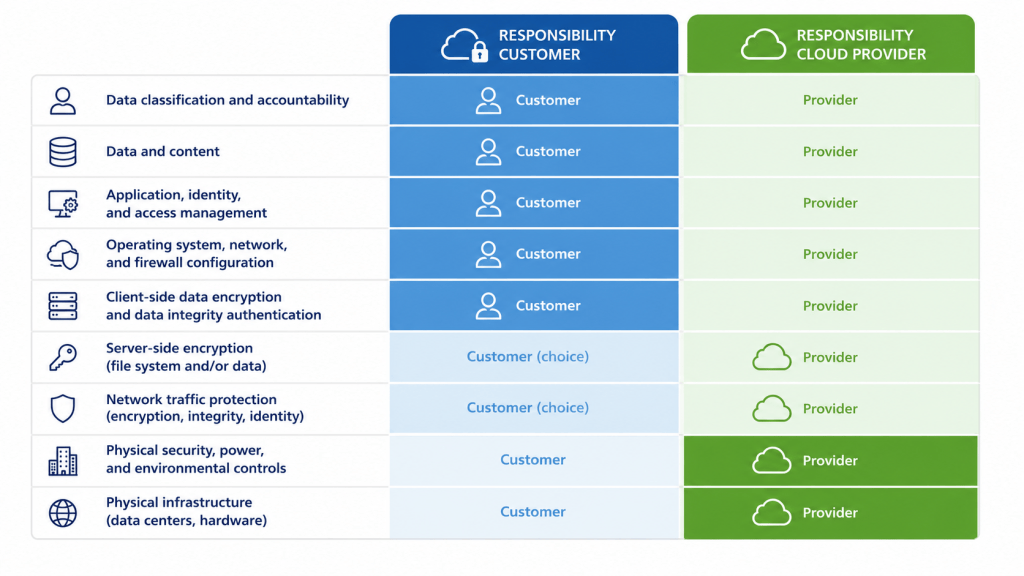
When designing for resilient, highly available cloud workloads it is critical to understand the details of your cloud provider’s service level agreement (SLA) and recognize that providers operate on a shared responsibility model. That means there are many things the provider is responsible for, but the workloads you’ve got running on their infrastructure are not among them. With that in mind, we’ll need to focus on three core goals essential to building and maintaining highly available, resilient cloud workloads:
Identify and eliminate single points of failure
Close or mitigate conditions leading to recovery gaps, and
Overcome operational complexity.
Remember, everything fails
Designing for application-level resilience and high availability is predicated on recognizing that everything fails. That’s not pessimism, but realism, and embracing this fact gives you a leg up in architecting resilient IT. Hardware breaks down, disasters occur, mistakes are made, software incompatibilities are common, and limits are exceeded that result in loss of service. There are four categories of failure that need to be taken into consideration when designing for resilience and high availability:
Single point of failure: As the term suggests, this describes a non-redundant device, route, or point of connectivity that results in zero fault tolerance in the event of an incident involving that choke point.
Excessive load: Exceeding the throughput or memory limits of a device or service can result in latency, service degradation, or failure affecting service level agreements (SLA) and service level objectives (SLO).
Misconfigurations and bugs: Perhaps the most common source of failure, these breakdowns often occur during installation, maintenance, and patching leading to the incorrect execution of code.
Shared fate: This type of failure is like non-redundant connectivity. When you rely on third-party services and there is an incident beyond your control affecting a partner, it can result in downtime or service degradation.
Having identified the primary challenges to maintaining service uptime and continuity, let’s explore an approach to achieving resilience through high availability, disaster recovery, and the process of continuous improvement.
Working toward continuous improvement
High availability is often thought of as measured by “X Nines,” representing the percentage of time a service is operational over the course of a specified time frame, usually a year. Six nines of availability, for example, means that a service can be expected to run 99.9999% of the time, or 8759.99 hours out of 8760 in a year. That sounds good until a disaster happens. Then we shift to disaster recovery, or the ability to restore a service and its associated data quickly and correctly when things go wrong. Disaster recovery is often measured and evaluated by a recovery point objective (RPO), which is the maximum acceptable amount of data loss, and a recovery time objective (RTO), which is the maximum acceptable amount of time a service can be down.
By learning from our mistakes, incidents, and the ongoing process of testing, observing, and evaluating IT operations, we apply new information in the goal of continuous improvement to get peak performance out of our investments in IT. But because we’re addressing resilience and high availability in the context of workloads operating in the cloud, we should understand the shared responsibility model that most cloud service providers use. Details may differ from provider to provider, but the shared responsibility model of cloud services is your vendor’s statement of responsibility for maintaining its infrastructure and ability to deliver storage and compute capacity in a region and availability zone where you have a need. In return, you accept responsibility for the configuration, maintenance, availability and operation of the workloads you choose to run on your vendor’s cloud.
SIOS Technology
A cloud service provider will typically operate and maintain physical infrastructure in different areas around the world, with multiple availability zones in each area. Each availability zone will have one or more data centers with its own power, cooling, and other operational support. Data centers are typically located far enough from each other to minimize the chance that a natural or regional disaster will affect multiple data centers, but close enough that they can operate as a single, logical data center — thereby maximizing bandwidth and throughput, while minimizing latency. This is redundancy at scale that eliminates a single point of data center failure.
Designing for application high availability and disaster recovery
To build out or retrofit your infrastructure for application-level resilience and high availability, there are four things you must have: clustering, data replication, failover, and disaster recovery. Let’s look at each and how to architect for them.
Clustering
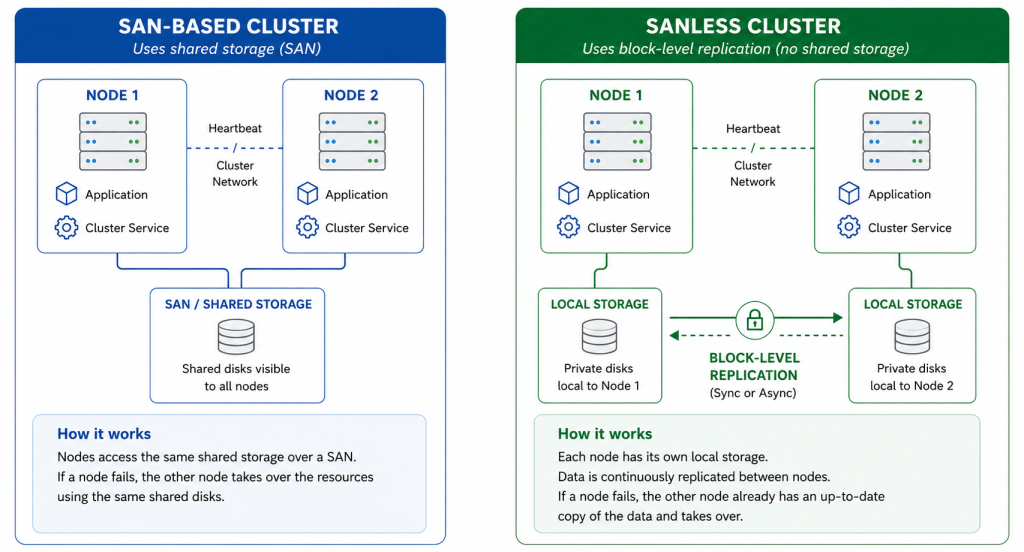
Clustering is the practice of connecting like and complementary systems to improve availability and reliability. Think of it as putting into practice the maxim “the whole is greater than the sum of its parts.” Traditionally, clustering was achieved using hardware, specifically storage area networks (SAN), to connect and support systems in a physical data center. However, in the cloud age, hardware-based clustering has proven to be expensive and inflexible. Software-based SANless clustering with products such as SIOS LifeKeeper delivers all the benefits of the traditional approach while also working better in cloud and hybrid environments.
SIOS Technology
SANless clusters enable the configuration of nodes based on the organization’s operational priorities and work easily for enterprises running geographically distributed data centers or cloud availability zones. Because SIOS LifeKeeper supports single-site, multi-site, cloud, or mixed environments, and affords real-time access to operational data during incidents requiring failover, it is ideal when mission-critical workloads are distributed across multiple providers. LifeKeeper clusters create redundancy and eliminate single points of failure, both of which are necessary for achieving high availability. For enterprises operating hybrid or multi-cloud infrastructure, this enables you to shift to secondary resources should your primary service experience an outage.
Data replication
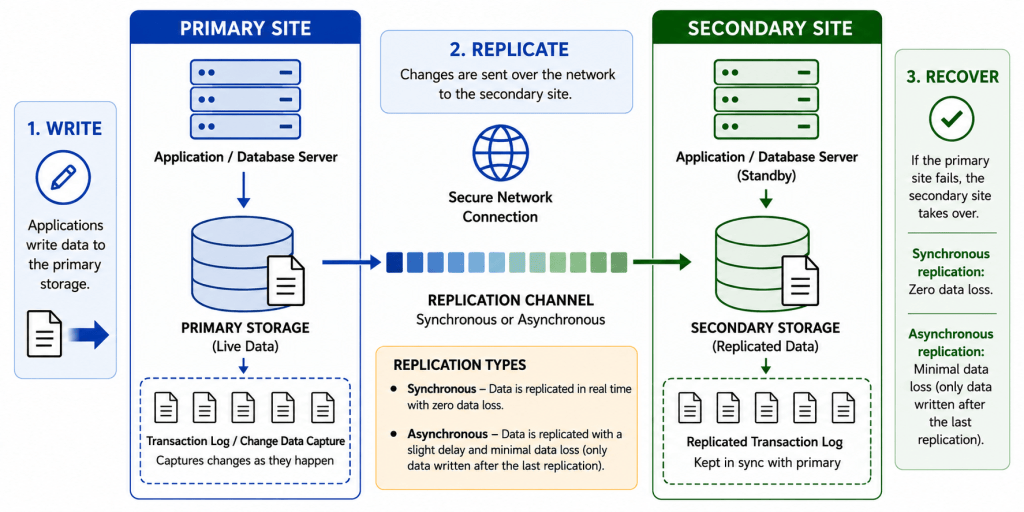
IT operations and your mission-critical applications rely on data, so it’s vital to keep data in sync between nodes in real time, whether synchronously or asynchronously, depending on the application. When working to achieve high availability, it’s important to monitor the health of infrastructure elements and the applications you’re running. This ensures that downtime affecting the application and any downstream dependencies is detected so that failover and recovery to a standby node can occur automatically. When everything is in sync and data replication is happening, this ensures complete readiness; there’s no need to rebuild a database or for any manual operations. And with SANless clusters using SIOS DataKeeper, this will happen across availability zones, regions, and to or from on-premises, cloud, or multi-cloud resources in hybrid environments.
SIOS Technology
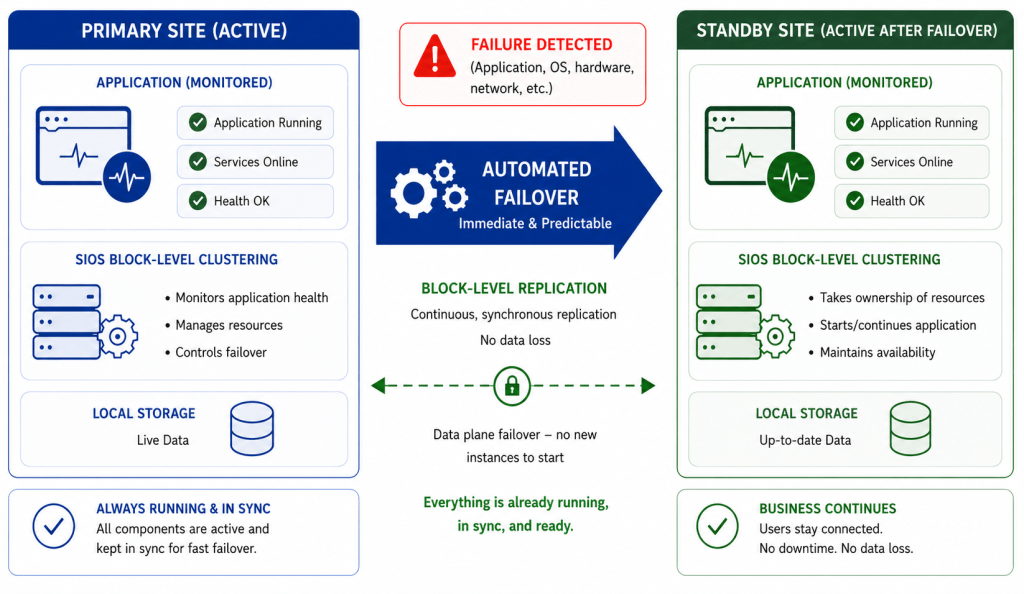
What’s important here is that the software you use for SANless clustering be application aware. That’s SIOS LifeKeeper. Because high availability and resilience mean not just failing over to standby infrastructure resources, but for properly failing over mission-critical workloads (think SQL Server, SAP, Postgres, or industry-specific applications like Meditech), the software needs to understand how those applications work so that they can recover and restart cleanly. Otherwise, when failover occurs, there’s a good chance that workload is not going to be available, or it could be out of sync. When your software is application-aware, failover and recovery is fast and predictable with no API dependencies or last-minute provisioning.
Failover
With SIOS SANless application-aware clustering and replication in place, you can automate real-time failover and achieve the goal of high availability and resilience. Because we’ve chosen a software-based approach, failover occurs in the data plane, so there’s no need to spin up a new instance following an incident. Everything is already running, in sync, and ready. Furthermore, failover is immediate and it’s predictable. That is what you need when dealing with mission-critical workloads. Consider that many of the mission-critical applications you use were not designed to operate in the cloud, so even if your infrastructure is resilient, the application itself represents a single point of failure. Without replication, application monitoring, and real-time failover automation, you risk loss of revenue, security degradation, or worse.
SIOS Technology
Depending on the size of your enterprise and the industry in which it operates, an hour of downtime can cost $1 million or more, and 90% of organizations report costs of at least $300,000 per hour. Beyond that simple loss of revenue are soft costs associated with reputation damage, lost productivity, missed transactions, and more. Revenue protection is only part of the equation; it is about protecting the business.
Disaster recovery
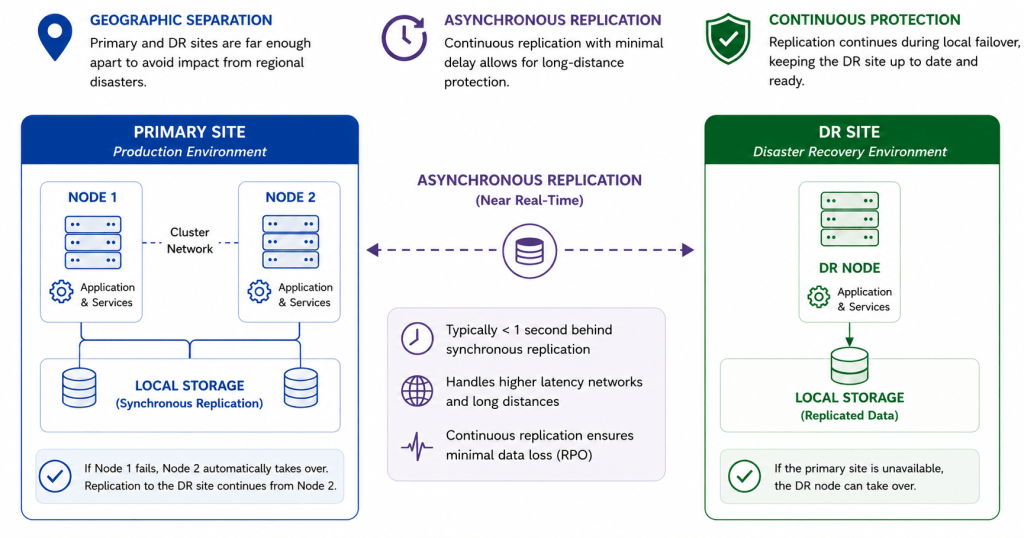
Any design for high availability and resilience must also take into consideration the risk of a non-IT disaster that disrupts operations. Natural disasters like fires, earthquakes, and floods, or disasters caused by humans like the accidental severing of a trunkline or an act of sabotage conspire to bring operations to a sudden halt. Clustering, replication, and failover all play into disaster recovery, but there are additional considerations that must be addressed. For disaster recovery (DR), you’re going to want geographic distance between your primary site and your DR site to minimize the risk that a regional event doesn’t affect both. That means you’re going to want asynchronous (or near real-time) data replication.
SIOS Technology
Asynchronous replication is typically only a second or less behind synchronous replication, so it is de facto real-time, but that delay allows you to replicate across higher-latency networks and across longer distances. And because replication is happening continuously, even if you have a local failover between node one and node two, replication to the DR node doesn’t stop. Instead, when node two comes online it becomes the source of the mirror replicating to the DR site and back to node one once it is restored.
Patching and planned maintenance
Beyond the simplicity and cost advantages that come from taking a software-based approach to designing your cloud and hybrid infrastructure for high availability there is another big benefit. You are also better prepared to respond to the increased pressure on rapid implementation of software updates and security patches. No one wants to be the person responsible for taking too long to patch for a vulnerability, but every time you touch a system, you’re introducing the risk of error. That risk is greater when dealing with the cloud where you have less control over the underlying infrastructure, more abstraction, and a lot more moving parts.
In short, patches can break things as well as fix them. They have thus become a significant contributing factor as a cause of downtime. With SANless clusters you’re able to minimize that risk by enabling rolling updates, meaning you can patch a secondary server, verify that the patch didn’t break anything, and then patch the original server where the primary application is still running. If something does break on the secondary server, the primary is unaffected and you can quickly recover to the previous state while you figure out what went wrong. This simplifies the process of executing ad hoc patches and performing planned maintenance, mitigating the associated risks.
An investment in cloud and hybrid infrastructure and services doesn’t have to put IT operations at the mercy of a third party. With the right approach, you can design for high availability and resilience and keep your mission-critical workloads running in the cloud even when things outside of your control go wrong.
—
New Tech Forum provides a venue for technology leaders—including vendors and other outside contributors—to explore and discuss emerging enterprise technology in unprecedented depth and breadth. The selection is subjective, based on our pick of the technologies we believe to be important and of greatest interest to InfoWorld readers. InfoWorld does not accept marketing collateral for publication and reserves the right to edit all contributed content. Send all inquiries to doug_dineley@foundryco.com.
New in Swift 6.4 […] is a warning which is emitted when a nested closure performs a weak capture while the parent closure implicitly captures that object as a strong reference.
At first glance, that new diagnostic could be a bit puzzling, since it might seem unnecessary to have to specify such a weak capture twice (or, alternatively, move it to the parent closure’s capture list), but it turns out that it’s an incredibly useful new warning that can help us avoid a quite common kind of memory management bug.
[…]
Finally, in situations where capturing self strongly doesn’t actually lead to a retain cycle, we can silence the new warning for nested weak captures by explicitly adding self to the outer closure’s capture list, such as when creating a Task within the following example[…]
Document and information manager updated with AI assistant and Markdown enhancements. ($99 new for standard and $199 for Pro, free update, 94.9 MB, macOS 13+)
The University of Houston has launched UH Health, a cross-disciplinary academic health enterprise intended to reshape how healthcare professionals are educated, how medical research is conducted and how care reaches communities across Texas. The initiative brings together medicine, nursing, pharmacy, optometry, psychology, social work, population health, biomedical research and health systems science under a single interprofessional framework. University leaders say the model is designed to confront a rapidly intensifying combination of population growth, healthcare worker shortages, chronic disease and unequal access to medical services.
Rather than treating healthcare disciplines as separate academic and clinical systems, UH Health is built around team-based care. In this approach, physicians, nurses, pharmacists, optometrists, behavioral health specialists, social workers and public health experts contribute to a shared understanding of each patient’s needs. The model reflects the growing recognition that health outcomes are shaped not only by disease biology, but also by mental health, housing, income, nutrition, transportation and access to preventive services. By training students to work across professional boundaries, the University hopes to prepare graduates for a healthcare system increasingly focused on coordinated and personalized care.
“Healthcare is no longer delivered in isolation, and complex health challenges require coordinated solutions,” said Jonathan McCullers, vice president for health affairs at UH and dean of the Tilman J. Fertitta Family College of Medicine. The university’s academic health strategy is intended to place students in an environment where clinical reasoning, behavioral science, population health and scientific discovery interact. Such integration can help future clinicians identify the underlying drivers of illness, select more appropriate interventions and communicate more effectively with specialists and community organizations.
The launch comes as Texas faces a widening gap between healthcare demand and workforce capacity. Rapid population growth, an aging population and shortages of trained professionals have placed pressure on hospitals and clinics throughout the state. The Texas Hospital Association has reported that 64% of hospitals were operating with fewer beds or reduced services because of staffing shortages. UH Health aims to expand the pipeline of physicians, nurses, pharmacists, optometrists, social workers and other professionals while emphasizing workforce readiness, collaborative practice and the ability to manage complex cases.
UH’s location near the Texas Medical Center gives the initiative access to one of the world’s largest concentrations of hospitals, research institutes and specialized clinical programs. Partnerships with organizations including HCA Healthcare, Memorial Hermann Hospital, Baylor College of Medicine and MD Anderson Cancer Center are expected to provide students and researchers with expanded opportunities for clinical training, translational research and collaboration. Translational research—the process of moving discoveries from laboratories into diagnostics, treatments and public health programs—depends heavily on this type of interaction between universities, hospitals and industry.
The university is also positioning UH Health as a platform for research that reaches beyond traditional medical departments. Scientists in chemistry, physics and biomedical engineering are working alongside health researchers on problems ranging from cancer and infectious disease to substance-use disorders and neurodegeneration. UH researchers have received more than $11 million from the Cancer Prevention and Research Institute of Texas for work involving cancer prevention, diagnosis and treatment. A fentanyl vaccine developed at the university is advancing toward human trials, although its clinical effectiveness and safety will need to be established through carefully controlled studies.
Brain health is another major focus. Texas ranks fourth nationally in the number of Alzheimer’s cases and second in Alzheimer’s-related deaths, according to the Texas Department of State Health Services. More than 100 faculty members across 12 of UH’s 16 colleges are involved in research related to prevention, early detection, caregiving and treatment, supported by $62.5 million in active grants. Their work may involve diverse technologies and methods, including biological markers, computational analysis, behavioral interventions, biomedical engineering and the study of social factors that influence cognitive decline and caregiver health.
To strengthen this research ecosystem, UH is investing $77 million in a new 55,000-square-foot medical research building. The facility is expected to support interdisciplinary laboratories and shared scientific infrastructure, allowing investigators from different fields to exchange data, equipment and expertise more efficiently. In modern biomedical science, discoveries often emerge at the boundaries between disciplines—for example, when engineering approaches are applied to drug delivery, physical sciences are used to study disease mechanisms or data science improves early diagnosis.
UH Health’s community programs are intended to connect these academic and research activities with practical healthcare needs. The UH Health Family Care Center provides primary care and mental health services to the university and surrounding communities, including Third Ward, East End and South Houston. The Household-Centered Care program gives students experience through home visits with community caregivers, while the 3rd Ward Place of Wellness offers screenings, preventive services and health education. The College of Optometry extends access to vision care through community clinics and outreach programs serving children and families.
The enterprise is also expanding beyond Houston through a partnership with DHR Health in the Rio Grande Valley, a rapidly growing region that continues to face significant medical access challenges. University officials say the collaboration could support healthcare education, workforce development and research tailored to local needs. By linking professional training, scientific discovery and community partnerships, UH Health is presenting an academic health model designed for a state where medical demands are growing faster than conventional systems can respond.
Subject of Research: Academic healthcare education, biomedical research, healthcare workforce development and community health access
Article Title: University of Houston Launches UH Health to Integrate Education, Research and Community Care
Web References: https://mediasvc.eurekalert.org/Api/v1/Multimedia/ed42117d-36c9-45cf-b2e3-443e4e08b680/Rendition/low-res/Content/Public
References: Texas Hospital Association; Texas Department of State Health Services; University of Houston
Image Credits: University of Houston and UH Health
Keywords: UH Health, University of Houston, healthcare workforce shortage, academic health, team-based care, biomedical research, cancer research, fentanyl vaccine, Alzheimer’s disease, community healthcare, nursing, optometry, pharmacy, medical education, Texas Medical Center
Many of the recent supply-chain attacks could have been caught earlier if defenders looked closely at the telemetry GitHub already provides, researchers said.
At their Black Hat USA 2026 presentation, researchers Yossi Weizman of Microsoft and Mor Weinberger of Echo argued the case, saying, “GitHub can tell you’re being hacked. You’re just not listening.”
The duo described an EDR-style detection approach built from GitHub’s own event stream rather than relying solely on conventional endpoint or network telemetry.
After studying recent supply-chain attacks, including Shai-Hulud, Trivy, and Megalodon, the researchers found that seemingly different incidents repeatedly used the same techniques, from forged commit identities and poisoned tags to workflow abuse, OpenID Connect (OIDC) theft, and attempts to erase evidence.
They said they turned those recurring techniques into behavioral detections, combining GitHub webhooks, API data, and Git repository inspection to build a historical view of activity.
Their new open-source tool, dubbed “GitHub Threat Detector,” reportedly includes 22 production detection rules and 12 beta rules, with compound detections designed to correlate individually weaker signals into high-confidence alerts.
Everything leaves evidence on GitHub
The central observation in Weizman and Weinberger’s research is that supply-chain attacks often repeat the same patterns even when the targeted projects are unrelated.
A compromised identity, for example, may not be obvious from the commit itself because Git metadata can be forged. An attacker can set the author name, email, timestamp, parent, and other metadata to make a malicious commit appear legitimate.
But GitHub separately records the authenticated user who pushed the commit.
When the commit author does not match the authenticated pusher, defenders have something worth investigating, they explained. Added to this, their analysis revealed that attackers sometimes reuse the same forged identities across multiple victims. Searching GitHub for the same author’s email can therefore help connect seemingly unrelated incidents into a broader campaign.
“Forged identities in the repo which appear in other repos as well-is a strong indication of compromise,” they said.
Another detection pitched on the same principle included tracking “Mass tag poisoning.” Mass tag poisoning involves force-moving numerous release tags onto a malicious commit so that workflows using a version such as @v1 execute attacker-controlled code. Researchers recommended adding tracking GitHub tag history through the GitHub API and comparing old and new commit references to catch this out.
OIDC offers another signal. Attackers can modify workflows to generate short-lived identities for cloud or package registries instead of stealing long-lived credentials. Watching for new or modified workflows that enable OIDC token issuance can help, the researchers said.
Correlating weak signals for stronger detection
GitHub Threat Detector follows an EDR-like pipeline: collect activity, enrich it with context, detect suspicious behavior, and then investigate or respond. The signals it ingests include live GitHub webhooks, API events, commits, tags, and Actions activity, while Git inspection provides additional context such as tag provenance.
Additionally, a PostgreSQL-backed activity store keeps the history needed to correlate events over time.
The tool took over 30 detection rules and tested them against 52 attack simulations, including reproduction of Trivy, TanStack, Megalodon, and Bitwarden CLI incidents. A separate “noise lab” helped researchers measure detection prevalence and recall, while tuning rules through allowlisting and severity adjustments.
The system, however, is not without drawbacks. Some of the trade-offs it carries include possibly disabled webhooks, rate-limited APIs, and Git inspection not being real-time.
My current model-selection strategy is embarrassingly simple… and wrong: I choose the most capable (expensive) model because I’m worried the cheaper one might get something wrong. That makes me spend too much, of course, which is why I (like you, perhaps?) continue to struggle with one of the most fundamental challenges in AI: How can I know when a cheaper model is sufficient for a task? Or, really, which model should I use at all?
I asked a friend, Leo Zheng, who leads marketing for Fireworks AI, an AI infrastructure company that runs and improves open-weight models. Surely it was his job to know? His answer surprised me. I thought the answer would come down to models, but it doesn’t. Fireworks, he said, wants to “enable every company to own the continual learning loop within their four walls.” The idea is to abstract away model updates while companies feed the system new signals as customer behavior changes.
That’s when it clicked. I was asking how to automate model choice, but the harder problem is building a feedback loop that tells a company what worked. Model choice then becomes simply one important action the system can take, not the be-all and end-all decision a developer must get right in advance. Arguably, the more important component is integrating enterprise data into that continual learning loop that Zheng describes.
I’ve made that argument before, and I was right. Sort of. Proprietary data doesn’t automatically guarantee AI success. Neither does dumping that data into a retrieval-augmented generation (RAG) system. Your competitors can do the same. The more durable advantage comes from outcome data: traces that connect what the system saw, what it did, and whether the business result was acceptable. Those traces become valuable when a company uses them to improve the system and carry the learning to the next model.
Make the data earn its keep
Public benchmarks are useful, but they only tell you how a model performed on someone else’s test. They can’t tell a bank whether a fraud alert was correct, inform a retailer whether an AI agent resolved a return, or tell a software company whether AI-generated code survived review. Enterprises already have pieces of those answers buried in support transcripts, accepted patches, abandoned carts, etc. The trick is turning that mess into something a system can learn from.
Think about a software company. It already collects product analytics to improve its product. AI can extend that flywheel. Application signals can improve the system powering the product. How? By capturing user intent, engagement, and preferences.
This isn’t foolproof, however. A fast learning loop built on a weak proxy is simply a fast way to make the system worse. For example, suppose Toni in customer support accepts a suggested response. Was it good? Maybe. But what if Toni was rushing (as she is prone to do) and the customer reopened the ticket the next day? It’s not enough to act on inputs alone; a company needs to connect the suggestion to the eventual outcome or risk rewarding the wrong behavior.
Acceptable or ideal outcomes must be defined by the enterprise. A platform like Fireworks can optimize through learning loops, but only if desired outcomes are defined. This changes the cost calculation. After all, the cheapest model by token can be the most expensive model by outcome if people must review, retry, and repair its work. A company can be hemorrhaging money on AI failures while congratulating itself for lowering inference costs.
Open weights get useful
None of this requires open weights, of course. A company can own its evaluations, improve prompts and retrieval, and route among closed APIs and open models without changing a single parameter. For many workloads, that will be enough.
This generally won’t start with reinforcement learning, either. It starts by picking one workflow with an observable outcome and logging the request, model, cost, answer, and what happened next. Do that for a quarter and patterns should emerge. A cheaper model will be good enough for some work, while a proprietary frontier model will earn its price elsewhere. However, in a third category, every model may fail in the same repeatable way, and it’s this last category that makes the serious case for changing the weights.
A few years ago, I argued that open source succeeds when it makes developers’ lives easier, not when it wins an ideological purity contest. The same applies to open weights. The importance of open weights isn’t that they’re a cheaper facsimile of whatever OpenAI and Anthropic are shipping. Instead, they matter because they shift leverage away from the models and toward users with proprietary outcome data. They let enterprises turn what they learn into something they can shape, keep, and carry forward as models change.
Open weights turn model renters into model owners. That’s a very big deal.
For Cursor’s Composer 2, the company started with the open-weight Kimi K2.5 model, then specialized it through continued pretraining and reinforcement learning in environments built to resemble Cursor itself. The interesting thing isn’t that Cursor picked the “right” model, but rather that Cursor can use what it learns from developers to keep making that model more “right” for them. In this case, Fireworks ran the reinforcement learning inference, while Cursor supplied what only Cursor could: its product environment and definition of good. Cursor subsequently built Composer 2.5 on the same Kimi K2.5 checkpoint and says 85% of its compute went into additional training and reinforcement learning.
The base model was the starting point, not the finished product.
This is why open weights matter. They turn the model from a finished product into raw material. The foundation labs have broad knowledge, far more than any normal company could hope to collect. What they don’t know is whether your patch shipped, your fraud was stopped, your customer stayed, or Toni’s response made matters worse. You do.
RAG lets a model consult your data. A learning loop lets the system learn from it. One helps answer today’s question, but the other helps the company answer tomorrow’s question better.
Control must be convenient
Raw weights alone won’t deliver that control. Open source didn’t take over the enterprise because CIOs wanted tarballs. It won because Red Hat, and especially cloud providers, turned theoretical control into everyday convenience. Open-weight AI needs the same translation.
Enterprises want the convenience of a closed API without surrendering control over the intelligence their data creates. That’s the real Fireworks opportunity. Not faster tokens, but a shorter distance between learning something about your customers and making the product smarter because of it. Fireworks CEO Lin Qiao calls this “application-specific intelligence,” and that’s exactly right. Enterprises don’t need to outbuild OpenAI or Anthropic. Even if they wanted to, they couldn’t. Instead, they need to turn what they know about their customers and workflows into intelligence those labs can’t supply.
So, back to the question I was asking Zheng: How do I pick the right model in advance? By now it’s clear: I can’t. Neither can you, and that’s fine, because it’s not really the right question.
Once the enterprise owns the test, it no longer has to trust a vendor’s benchmark or brand. New models must prove themselves against the work that matters to that company, then be promoted, specialized, or discarded accordingly. Model choice becomes a consequence of learning, not an act of faith. In effect, the models audition for the enterprise, not the other way around.
No one can predict whether OpenAI, Anthropic, Google, or the open-weight community will lead six months from now. The sensible response is to stop making that prediction central to the strategy. The enterprise’s own data should decide which model to pick. That’s the bet I find compelling in Fireworks: Make open-weight models as easy to improve as APIs are to call, so enterprises can stop treating their data as context for somebody else’s model and start using it to build intelligence they control.

 Login