❌

Reading view

Exceptionally Preserved Bird Feathers Found in 66-Million-Year-Old Dinosaur Coprolite

While some dinosaurs are thought to have had ‘fuzzy’ or ‘downy’ feathers (shown in this illustration as the yellow spikes on a Nanotyrannus’ neck), ancient birds (such as the one in the Nanotyrannus’ mouth) were more likely to have had feathers that look similar to the birds of today. Image credit: Andrey Atuchin.

Paleontologists in Montana have discovered remarkably preserved feathers of an ancient aquatic bird inside a fossilized dinosaur dropping, offering rare insight into why certain birds survived the asteroid strike that wiped out the dinosaurs 66 million years ago.

The post Exceptionally Preserved Bird Feathers Found in 66-Million-Year-Old Dinosaur Coprolite appeared first on Sci.News: Breaking Science News.

  •  

Backwards-walking fish caught on video in the South China Sea

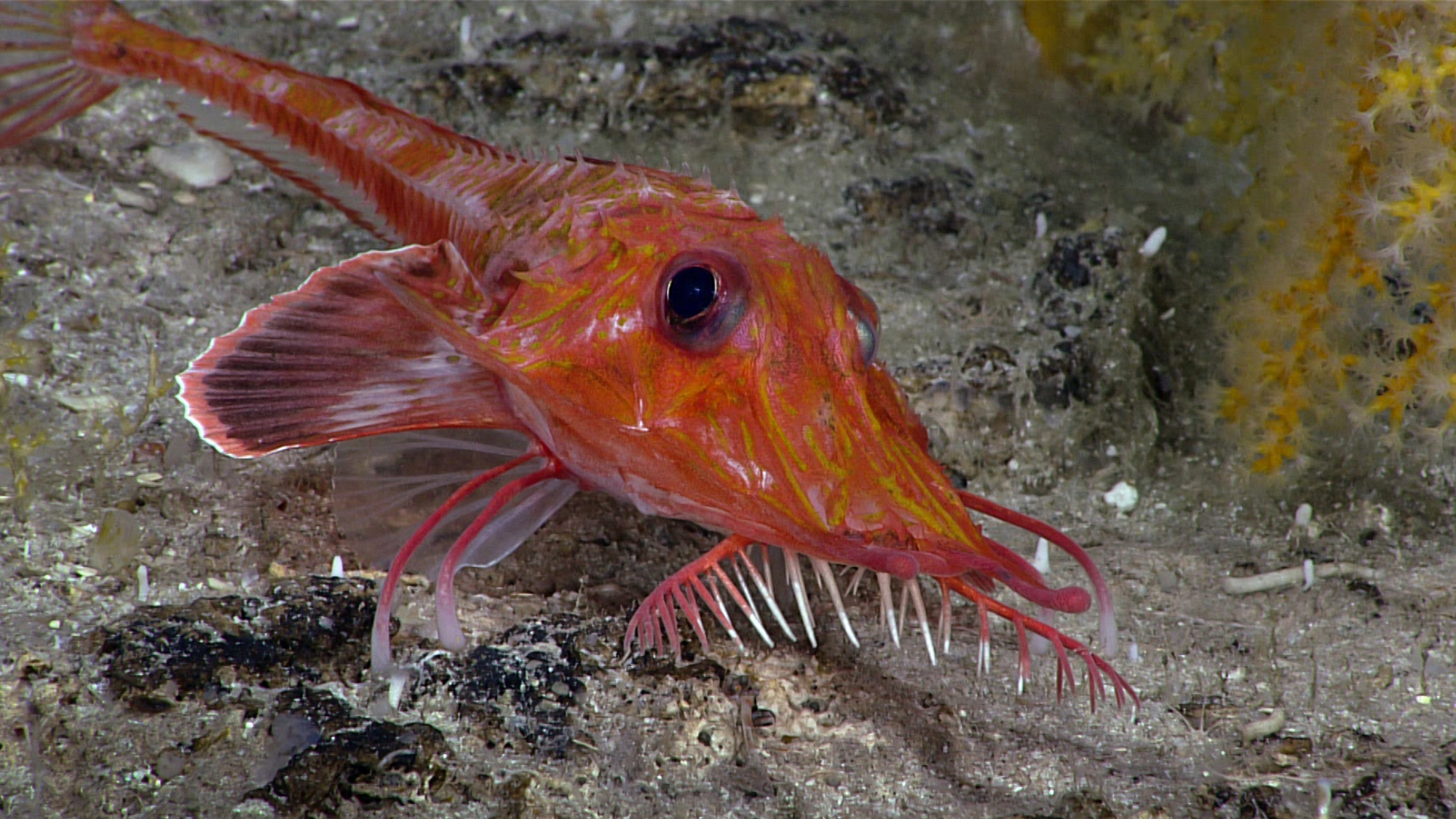
The deep-sea is filled with weird creatures: goblin sharks (Mitsukurina owstoni), vampire squid (Vampyroteuthis infernalis), and… walking fish? For the first known time, a team of scientists in China filmed a strange, shrimp-like fish walking backward along the seafloor. 

The fish, Scalicus engyceros, is a species of armored searobin, a group of fish known for  weird anatomy. Their bodies are  covered in bony plates, while stiff free fin rays stick out of its pectoral rays like tiny legs it can use to “walk.” 

The new study, published in the journal Ocean-Land-Atmosphere Research, not only provides video evidence of the animal’s sea-floor strolls, but it also marks the first time backwards locomotion has been described in fish. 

“[Our] study delivers a paradigm-shifting revelation: the deep-sea fish Scalicus engyceros, a representative of fishes characterized by highly specialized free pectoral-fin rays, is among the few fish species known to walk,” said Han Tian, a postdoctoral researcher at Sun Yat-sen University in Guangzhou, in a statement. 

The video was taken from a deep-sea diving vehicle in the northern South China Sea that also helped the researchers observe the fish’s other unique traits. It has outward-extending barbels that resemble a farmer’s rake. While the barbel makes it awkward for the fish to walk, it provides “an advantage in probing, digging, or hunting for food buried in the sediment,” according to the team. 

Like other deep-sea creatures, Scalicus engyceros also has large eyes. The researchers note that the fish did not seem to react to the approaching vehicle, but it did appear to react to its light beam before swimming away. This suggests its eyes have at least some sensitivity to light, perhaps pointing to the fish not having lived in this habitat for very long. 

While there’s still much to learn about this mysterious creature, advancements in technology are helping scientists better understand the life way beneath our oceans’ surface. 

“Modern deep-sea diving vehicles allow not only discovery of new species but also add a new in situ, functional dimension to the study of species based solely on the morphology of preserved specimens,” said Tian. 

“By observing deep sea animals alive in their surrounding environment, we can gain insight into the adaptation and evolution of the species. These walking fish harbor far more novel behavioral and evolutionary adaptations than previously assumed.”

The post Backwards-walking fish caught on video in the South China Sea appeared first on Popular Science.

  •  

Nearly 500 animals rescued from trafficking arrive at a California aquarium

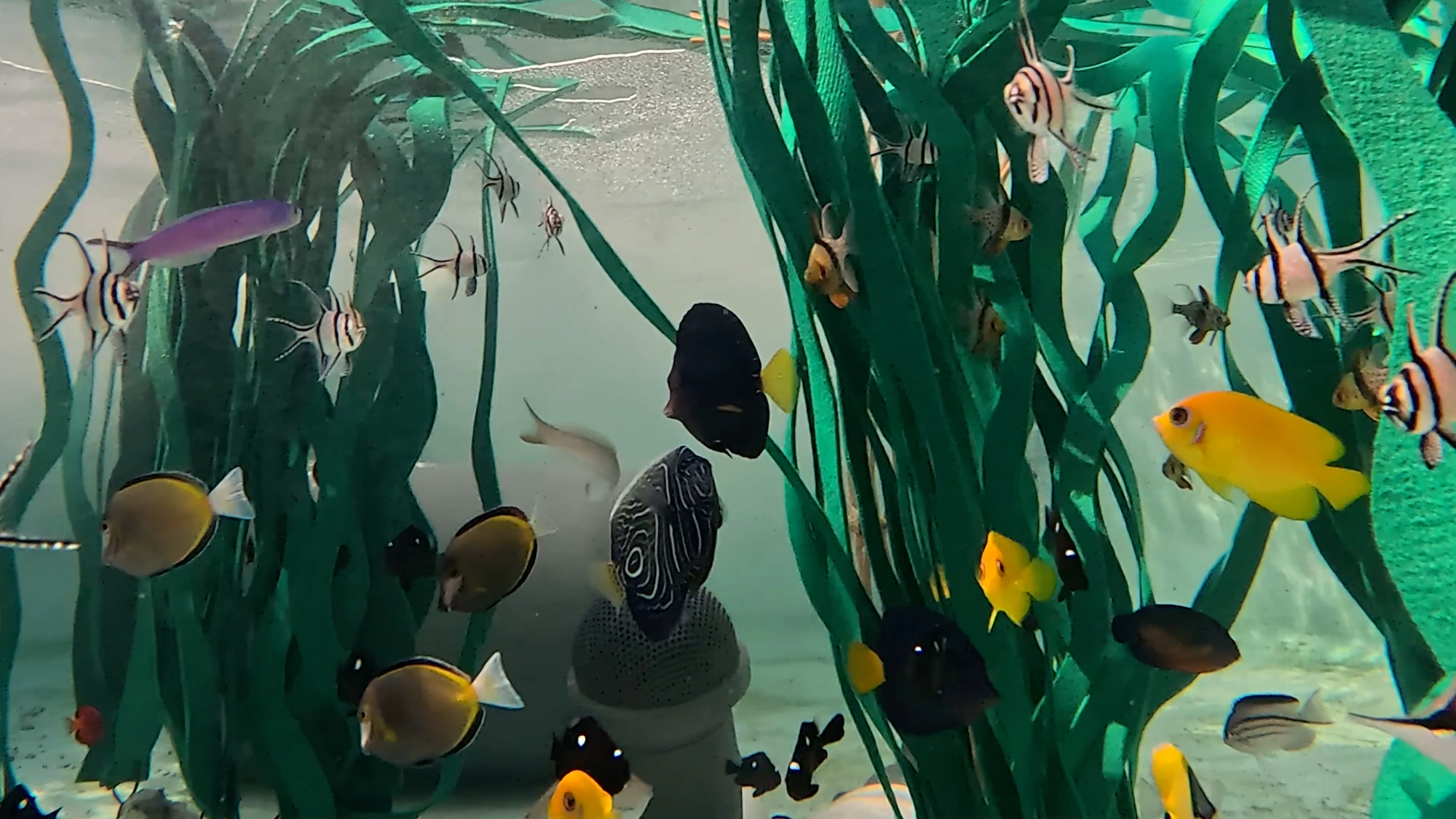
On June 19, the Aquarium of the Pacific took in almost 500 animals in one go. Fish, marine invertebrates, and sharks were all brought into the facility in Long Beach, California, but the aquarium hadn’t just gone on some big marine shopping spree. 

These animals were rescued from animal trafficking, and were in urgent need of a home. At the aquarium, the staff worked through the night to stabilize and care for them. 

“Every animal that arrives at the Aquarium, whether through a carefully planned acquisition or a last-minute confiscation, receives the same high standard of care. What can differ is the condition in which those animals arrive,” Johnathan Casey, Aquarium of the Pacific curator of fish and invertebrates, tells Popular Science. 

Many trafficked animals have been traveling in stressful or poor conditions, so the aquarium’s experts immediately check their physical condition, water quality, and individual needs. They usually know little about an animal’s origin or history, so the team needs to be prepared for anything. The rescued animals are also quarantined to avoid the potential spread of diseases, according to Alyssa Tillman, the assistant curator of fish and invertebrates. 

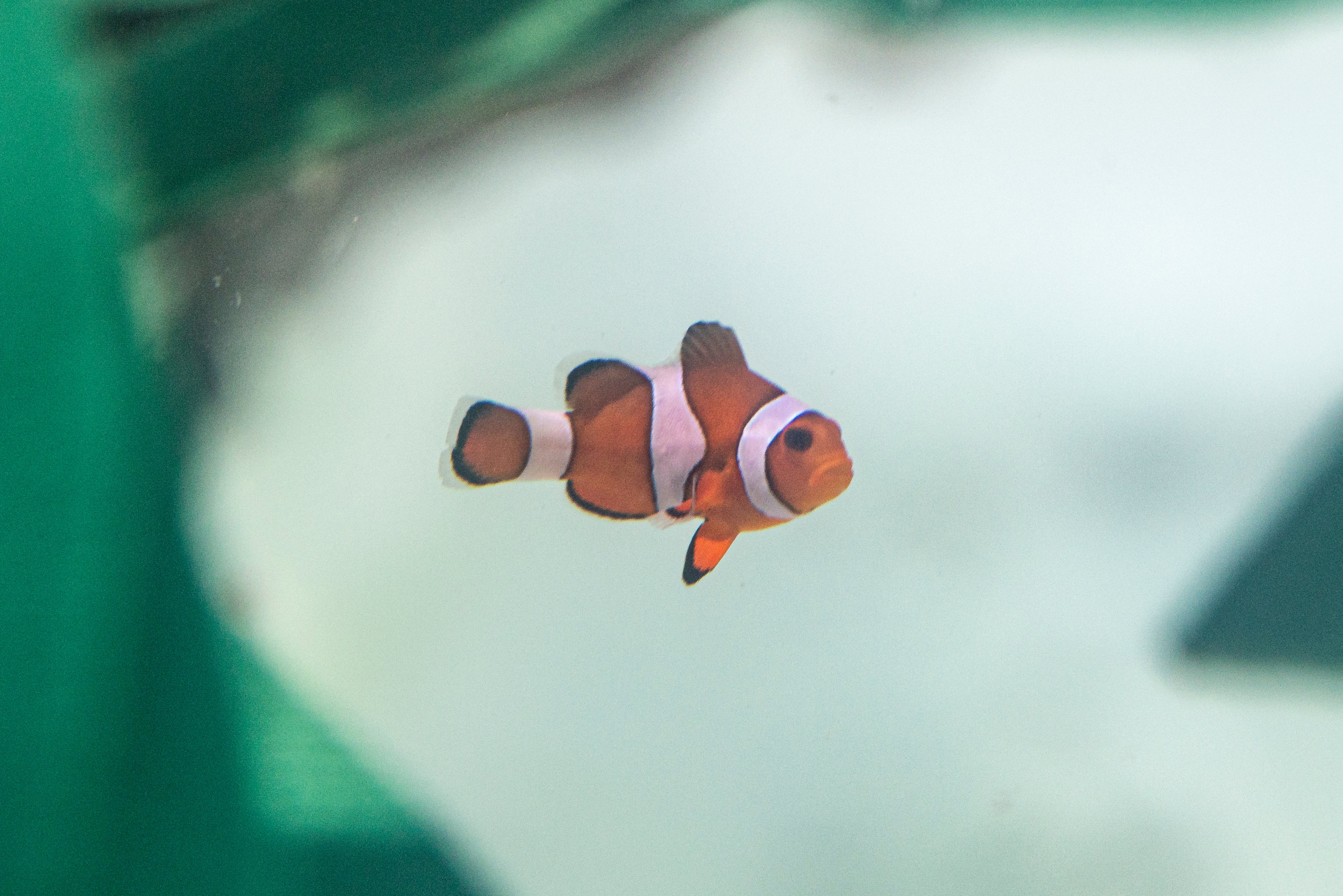
a rescued clownfish swims in a holding tank
Confiscated animals like this clownfish were kept in holding tanks at the Aquarium of the Pacific on Long Beach, California. Image: Josh Barber/Aquarium of the Pacific. Josh Barber

The species included brownbanded bamboo sharks (Chiloscyllium punctatum), ocellaris clownfish (Amphiprion ocellaris), and Banggai cardinalfish (Pterapogon kauderni). The IUCN Red List classifies brownbanded bamboo sharks as Near Threatened and Banggai cardinalfish as Endangered. 

While the arrival of almost 500 animals was a standout event, the Aquarium of the Pacific has received rescued animals from over 30 confiscation events since September 2024.  This means they saw one confiscation event every three weeks, though the first eight months of 2026 have already seen over a dozen cases. Overall, the aquarium has taken in over 3,600 rescued trafficked animals in the past two years. 

The Aquarium encourages “the public to become informed consumers to help avoid wildlife trafficking of exotic pets. This includes researching the protected status of the species and ensuring purchases are through a reputable vendor,” Casey explains. “If the vendor cannot provide proof of where the animal came from, refraining from purchasing it is a way to help.” 

The post Nearly 500 animals rescued from trafficking arrive at a California aquarium appeared first on Popular Science.

  •  

11 vibrant deep-sea creatures shine in new Caribbean expedition

Marine biologists from Trinidad and Tobago recently completed the first locally helmed and most expansive survey of the deep-sea waters around the Caribbean islands. The month-long project aboard Schmidt Ocean Institute’s research vessel (R/V) Falkor (too) documented around 13 percent of the nation’s marine territory, and described 20 potential new species. Researchers also collected over 700 specimens for the University of the West Indies, St. Augustine. Once catalogued, the additions will increase the size of the university’s Zoology Museum deep ocean collection by 12 times.

“Every new discovery we make, whether ecosystem, species or behavior, deepens our understanding of what’s at stake and strengthens our ability to be true stewards of this largely unseen but critical part of our country,” said expedition chief scientist Diva Amon.

Check out some of the stunning, rarely seen creatures below. (Click to expand images to full screen.)

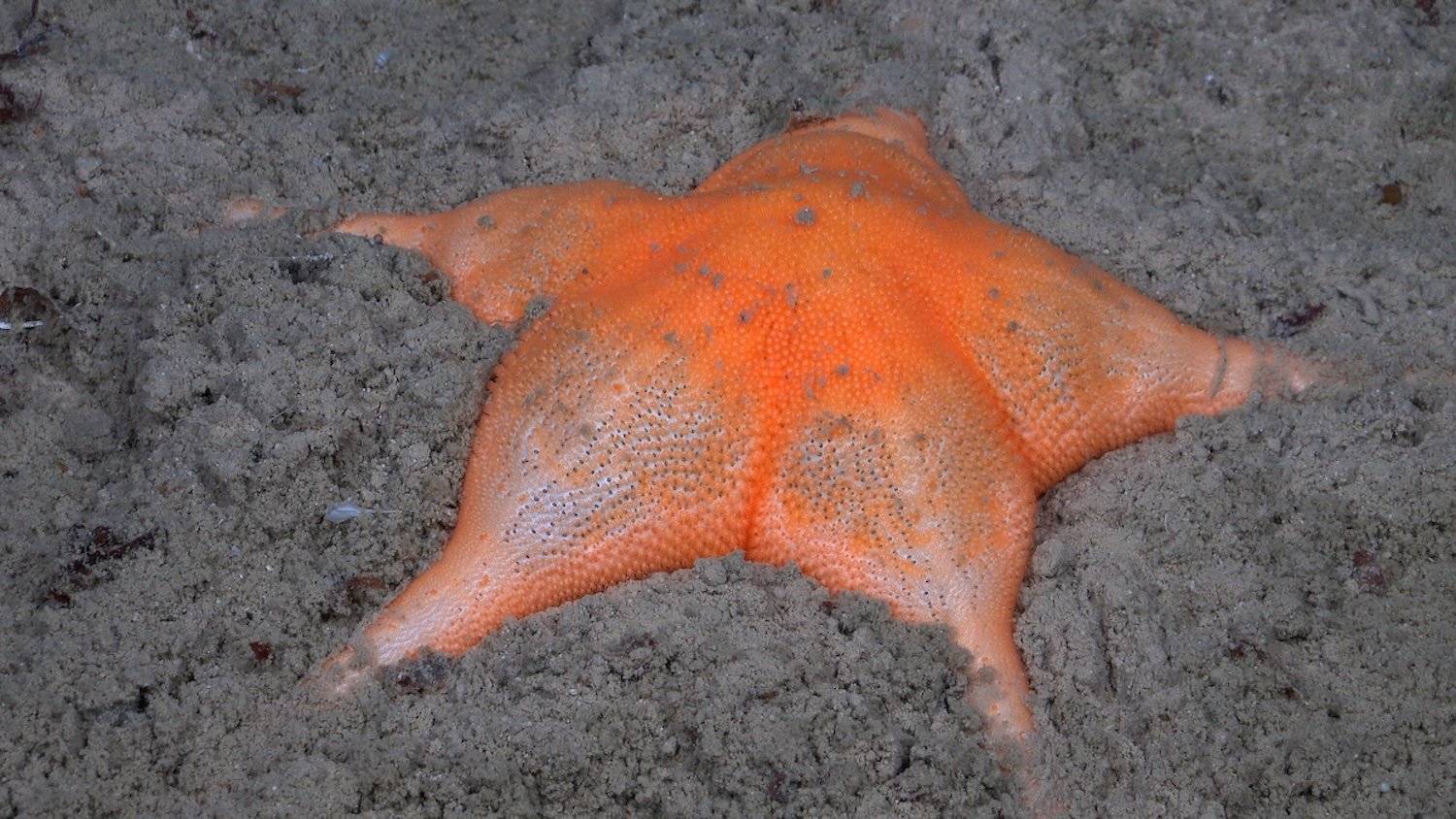
Suspected new sea star

A suspected new species of sea star (Porcellanasteridae) rests on the seafloor at a depth of 3,961 meters. Researchers collected the specimen while making dozens of other discoveries during the expedition, including at least 20 suspected new species. Photo credit: ROV SuBastian / Schmidt Ocean Institute Usage: Available via creative commons Attribution-NonCommercial-ShareAlike CC BY-NC-SA https://creativecommons.org/licenses/by-nc-sa/4.0/
A suspected new species of sea star (Porcellanasteridae) rests on the seafloor at a depth of 3,961 meters. Researchers collected the specimen while making dozens of other discoveries during the expedition, including at least 20 suspected new species. Credit: ROV SuBastian / Schmidt Ocean Institute

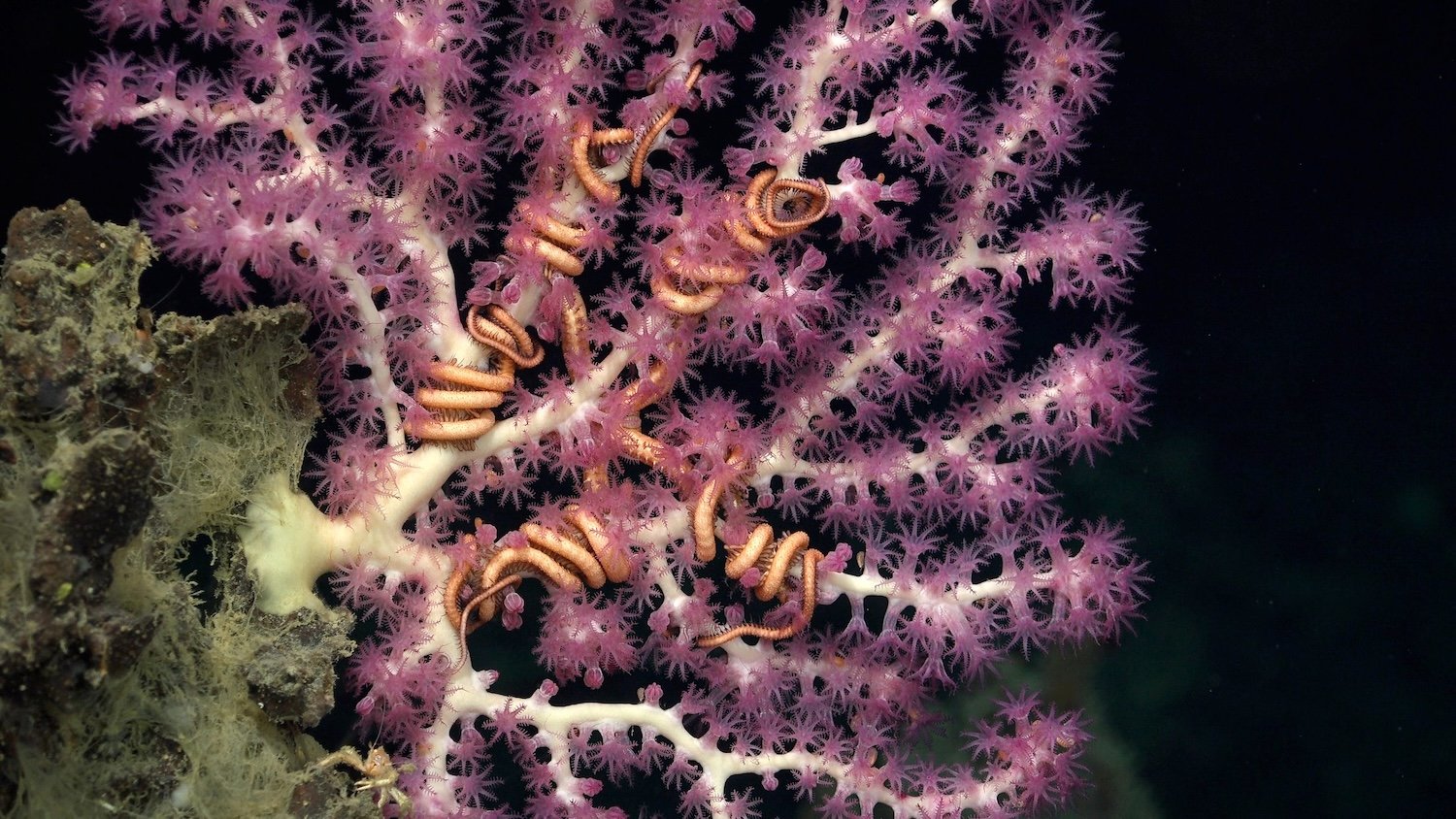
Symbiotic coral

Symbiotic brittle stars cling to a deep-sea coral off the coast of Trinidad and Tobago. A research team led by marine biologist Dr. Diva Amon (SpeSeas), composed largely of Trinbagonian scientists, surveyed the island nation's deep-water territory to document rare ecosystems and guide local conservation efforts.
Symbiotic brittle stars cling to a deep-sea coral off the coast of Trinidad and Tobago. A research team led by marine biologist Dr. Diva Amon (SpeSeas), composed largely of Trinbagonian scientists, surveyed the island nation’s deep-water territory to document rare ecosystems and guide local conservation efforts. Credit: ROV SuBastian / Schmidt Ocean Institute

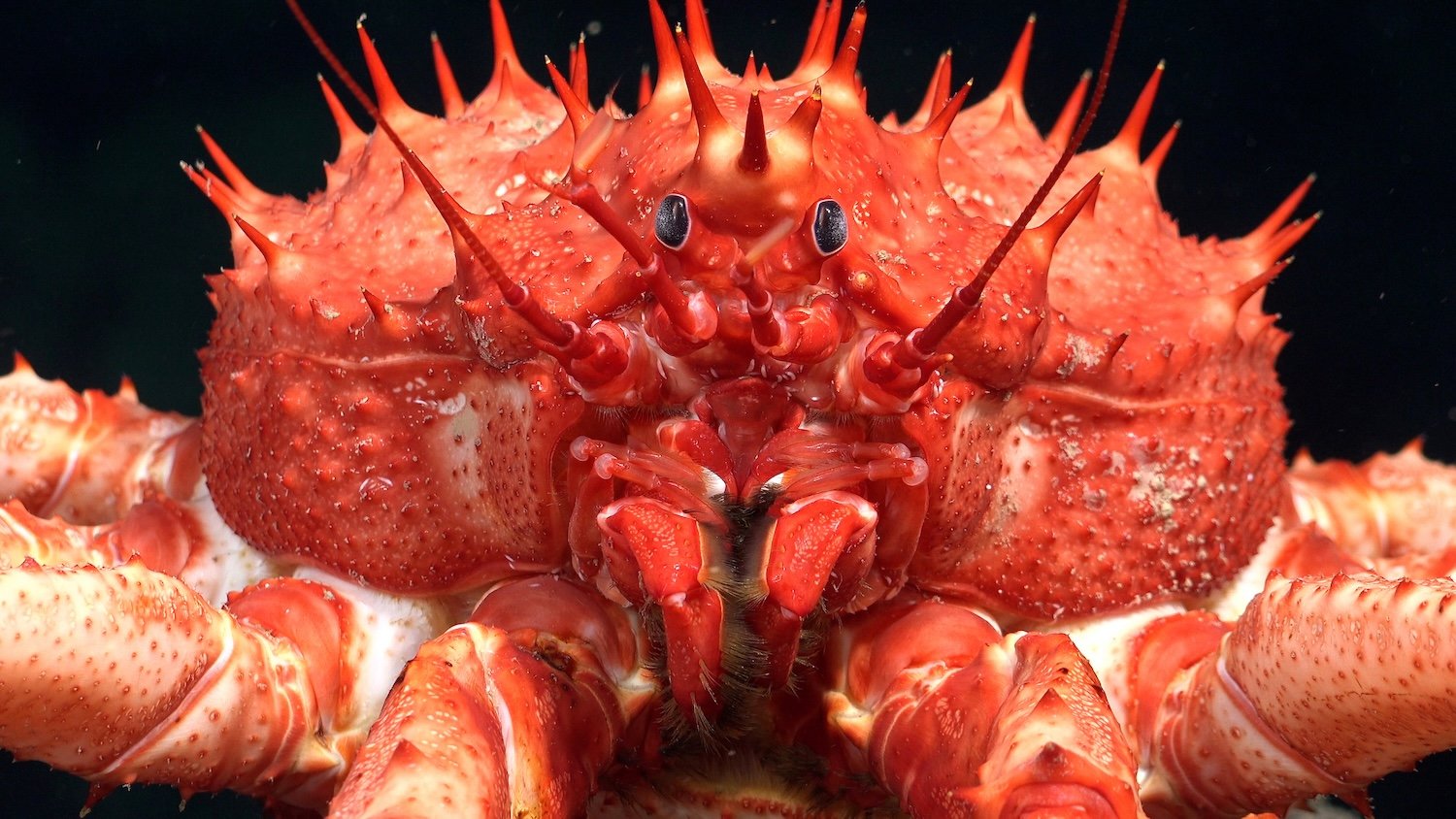
King crab

A king crab (Lithodes genus) crawls across the seafloor at a depth of 1,083 meters. Top predators in deep-sea environments, researchers documented these crabs while searching for bubble streams associated with unexplored cold seeps. Photo credit: ROV SuBastian / Schmidt Ocean Institute Usage: Available via creative commons Attribution-NonCommercial-ShareAlike CC BY-NC-SA https://creativecommons.org/licenses/by-nc-sa/4.0/
A king crab (Lithodes genus) crawls across the seafloor at a depth of 1,083 meters. Top predators in deep-sea environments, researchers documented these crabs while searching for bubble streams associated with unexplored cold seeps. Credit: ROV SuBastian / Schmidt Ocean Institute

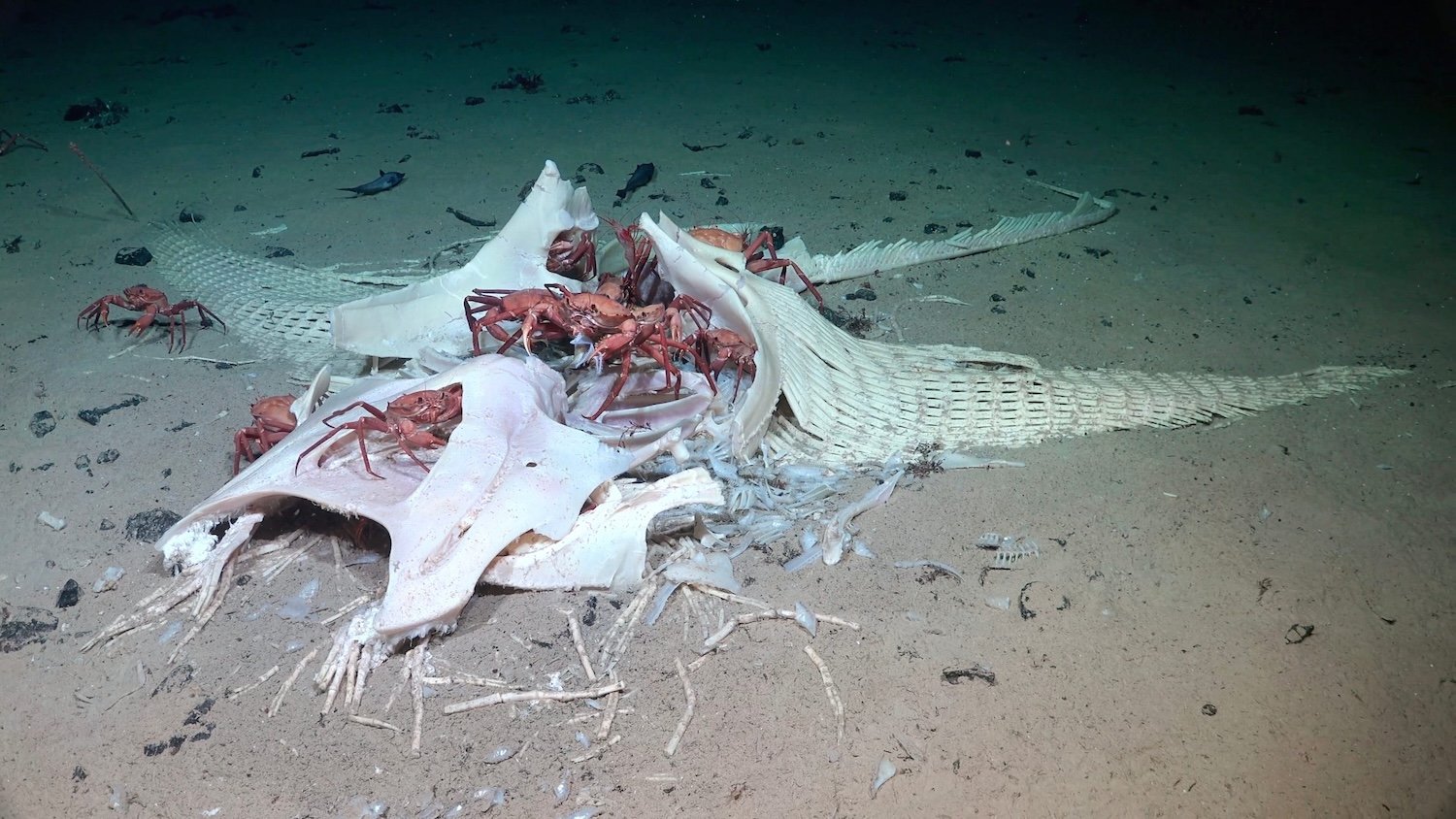
Rare manta ray fall

The science team encountered this rare manta ray (Mobula) fall at 1,025 meters depth off the coast of Trinidad and Tobago. When animals die in the Ocean, their bodies often sink to the seafloor, creating a rich food buffet that feeds hundreds of deep-sea species in an often food-scarce environment.
The science team encountered this rare manta ray (Mobula) fall at 1,025 meters depth off the coast of Trinidad and Tobago. When animals die in the ocean, their bodies often sink to the seafloor, creating a rich food buffet that feeds hundreds of deep-sea species in an often food-scarce environment. Credit: ROV SuBastian / Schmidt Ocean Institute

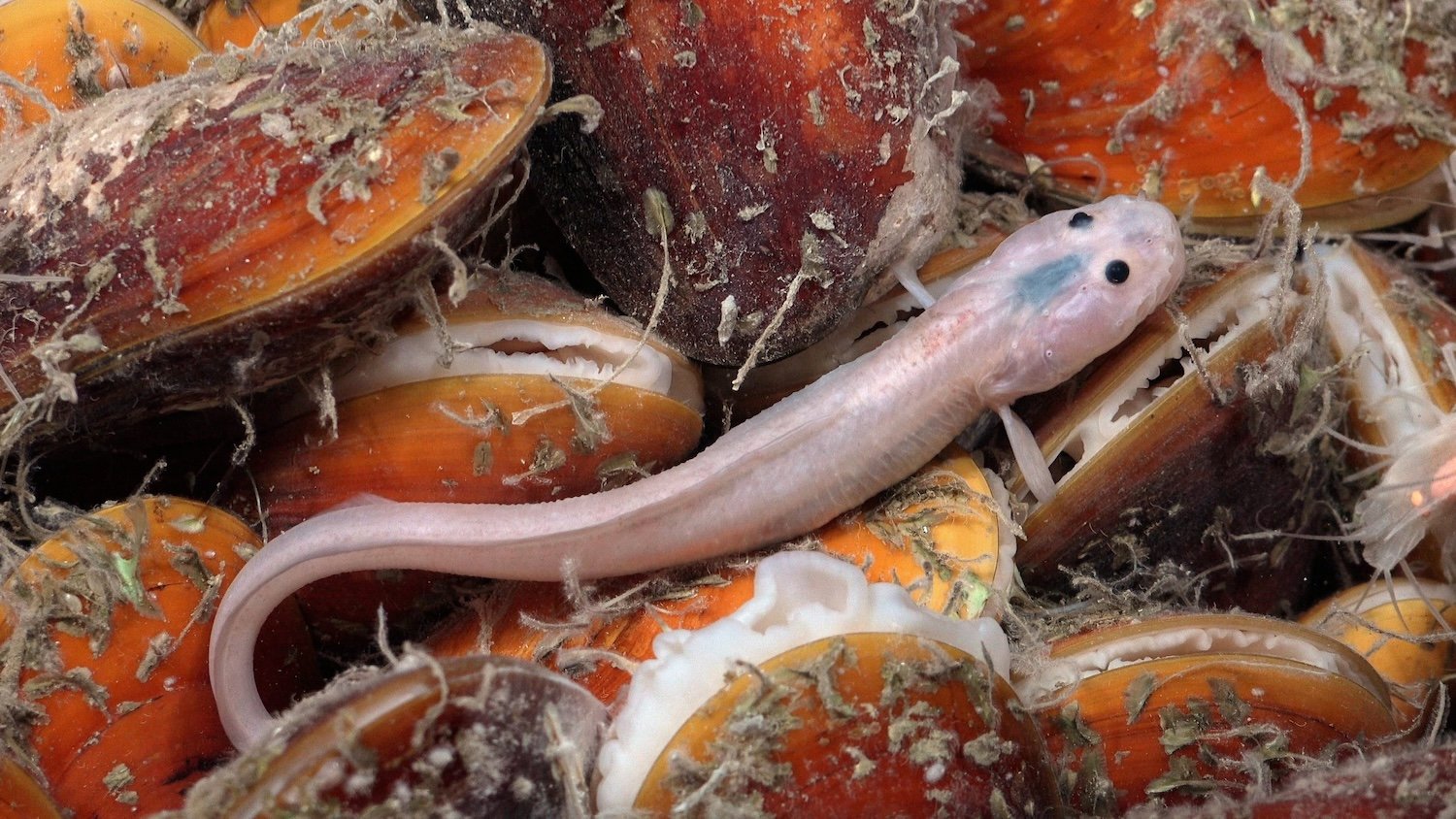
Eelpout

An eelpout (Pachycara caribbaeum) lies on a bed of chemosynthetic mussels (Gigantidas childressi) off the coast of Trinidad and Tobago. Ninety-three percent of Trinidad and Tobago lies below recreational scuba depths, placing its largest ecosystems in the mesophotic zone (between 30 and 199 meters) and the deep ocean. The geological setting of the two islands is ideal for supporting chemosynthetic habitats.
An eelpout (Pachycara caribbaeum) lies on a bed of chemosynthetic mussels (Gigantidas childressi) off the coast of Trinidad and Tobago. Ninety-three percent of Trinidad and Tobago lies below recreational scuba depths, placing its largest ecosystems in the mesophotic zone (between 30 and 199 meters) and the deep ocean. The geological setting of the two islands is ideal for supporting chemosynthetic habitats. Credit: ROV SuBastian / Schmidt Ocean Institute

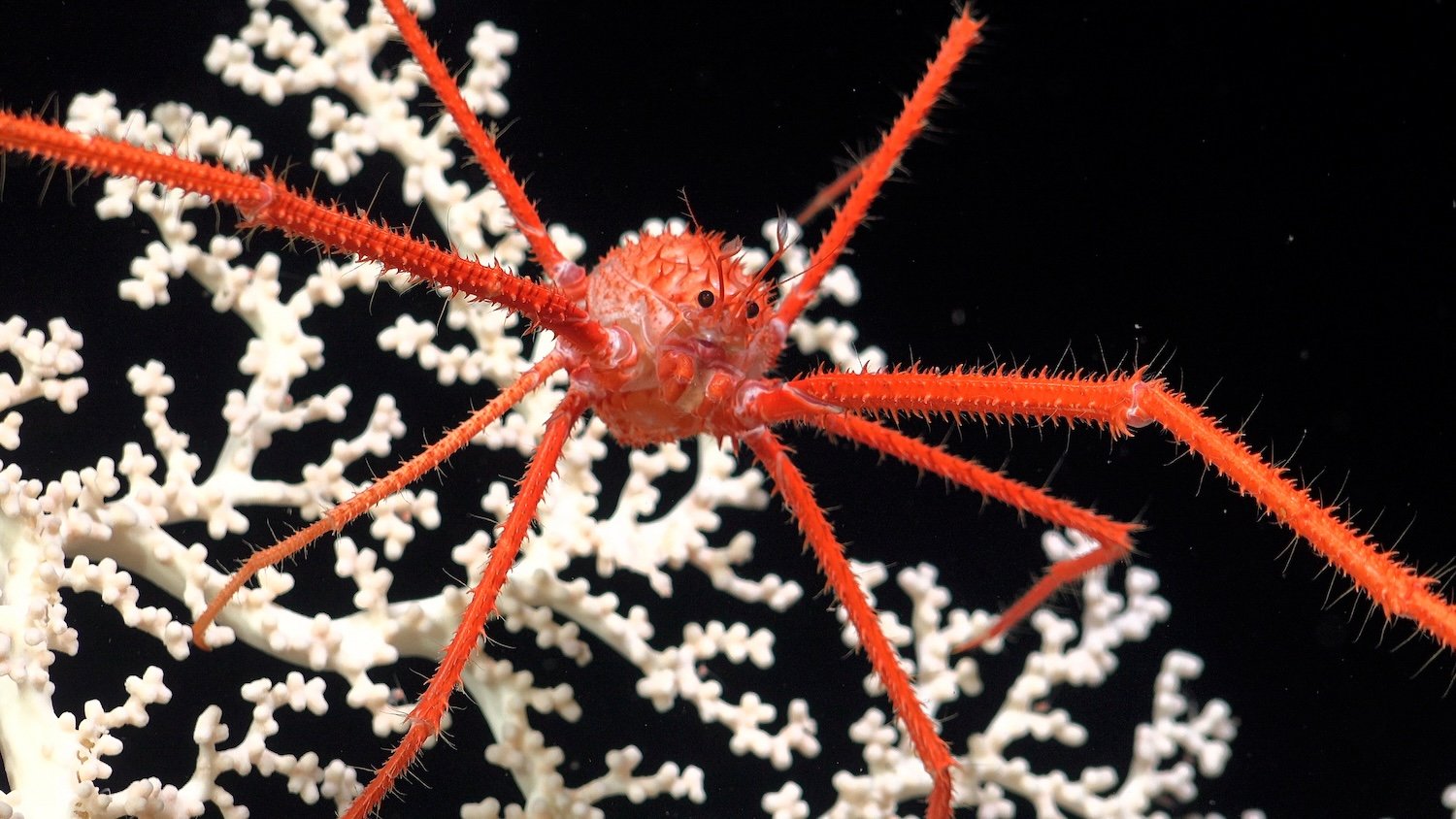
Squat lobster

A cold-water coral recorded at a depth of 1,055 meters (3,461 feet) provides habitat for marine life on the seafloor. While warm-water coral reefs at shallow recreational depths are widely known, deep-sea cold-water corals are far more abundant yet remain understudied. These complex ecosystems support diverse marine species, including squat lobsters, as pictured here. Photo credit: ROV SuBastian / Schmidt Ocean Institute Usage: Available via creative commons Attribution-NonCommercial-ShareAlike CC BY-NC-SA https://creativecommons.org/licenses/by-nc-sa/4.0/
A cold-water coral recorded at a depth of 1,055 meters (3,461 feet) provides habitat for marine life on the seafloor. While warm-water coral reefs at shallow recreational depths are widely known, deep-sea cold-water corals are far more abundant yet remain understudied. These complex ecosystems support diverse marine species, including squat lobsters, as pictured here. Credit: ROV SuBastian / Schmidt Ocean Institute

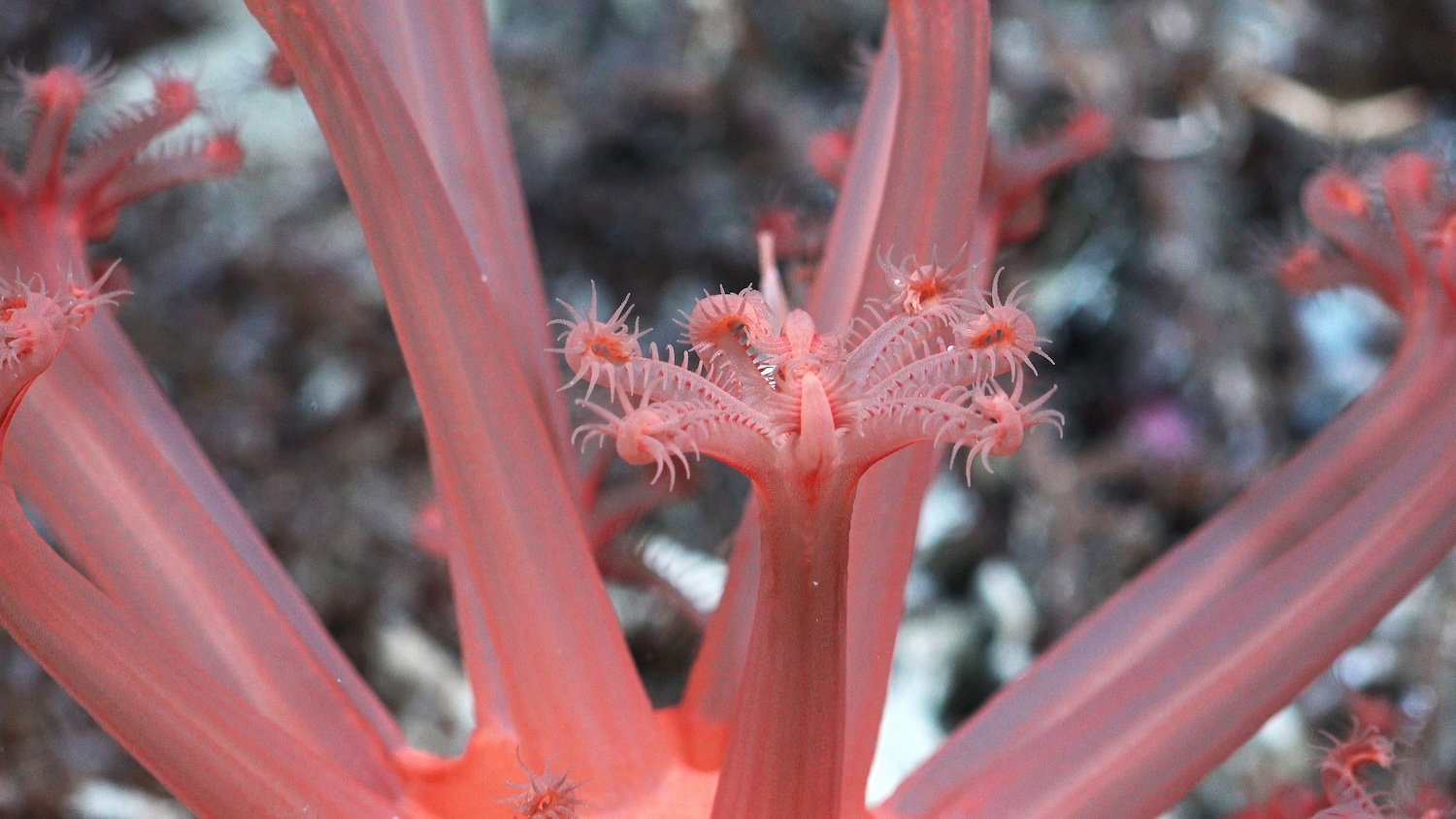
Mushroom coral

A mushroom coral rests on the seafloor at a depth of 1,277 meters off Trinidad and Tobago. Less than 0.001% of the island nation's deep-ocean territory has been explored due to technological constraints, leaving significant knowledge gaps about deep-water marine life in the region. Photo credit: ROV SuBastian / Schmidt Ocean Institute Usage: Available via creative commons Attribution-NonCommercial-ShareAlike CC BY-NC-SA https://creativecommons.org/licenses/by-nc-sa/4.0/
A mushroom coral rests on the seafloor at a depth of 1,277 meters off Trinidad and Tobago. Less than 0.001% of the island nation’s deep-ocean territory has been explored due to technological constraints, leaving significant knowledge gaps about deep-water marine life in the region. Credit: ROV SuBastian / Schmidt Ocean Institute

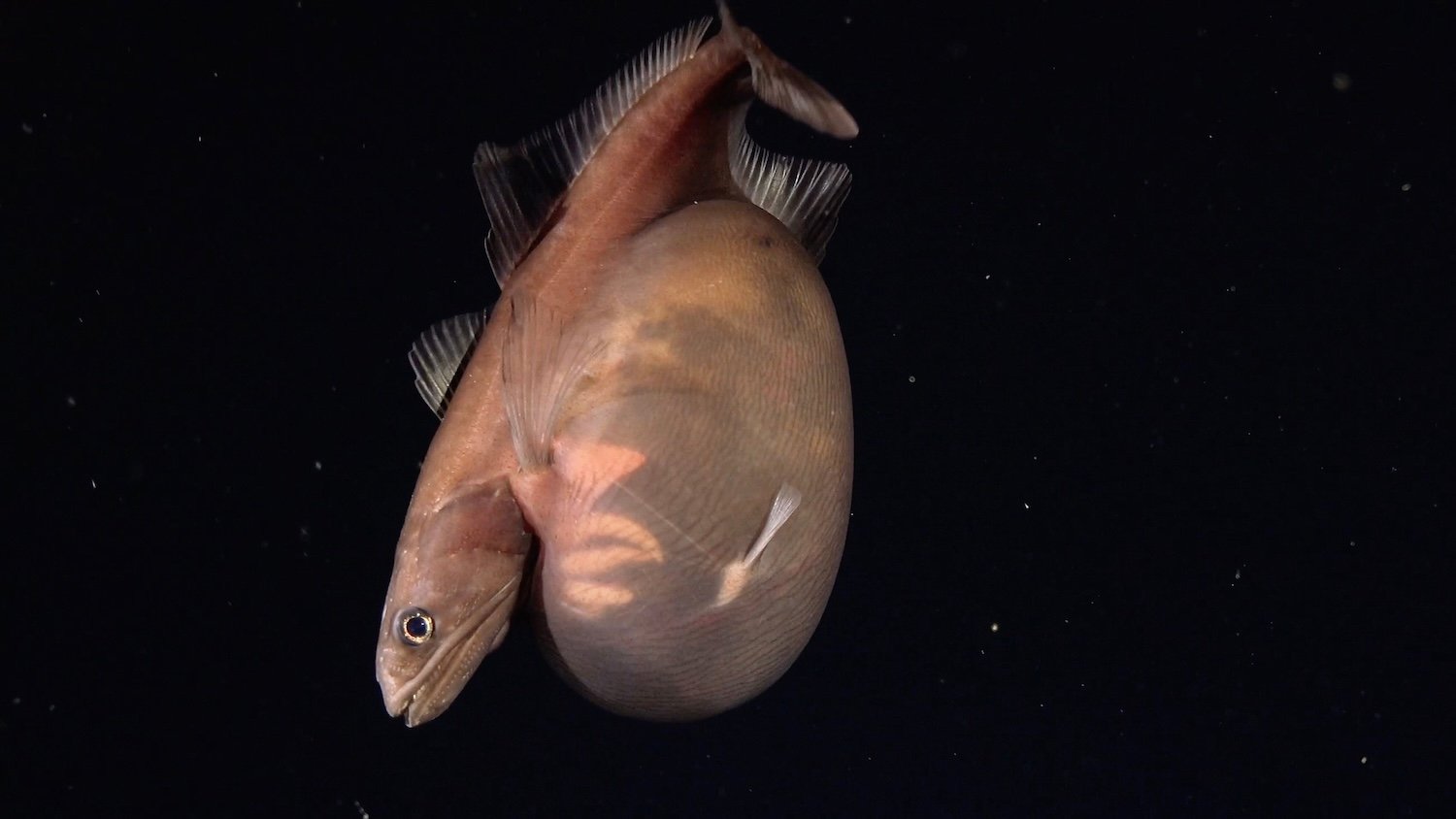
Black swallower fish

A black swallower fish (Chiasmodon niger) swims at a depth of 1,259 meters during a remotely operated vehicle dive off Trinidad and Tobago. Known for their expandable stomachs and dislocating jaws, these rare deep-sea fish can swallow prey larger than themselves. This specimen's translucent belly reveals a recent meal. A research team led by marine biologist Diva Amon conducted the first comprehensive deep-water survey of the nation's ocean territory, where more than 93% of the waters lie below recreational diving depths. Restricted usage: For editorial and news usage only Credit: ROV SuBastian / Schmidt Ocean Institute
A black swallower fish (Chiasmodon niger) swims at a depth of 1,259 meters during a remotely operated vehicle dive off Trinidad and Tobago. Known for their expandable stomachs and dislocating jaws, these rare deep-sea fish can swallow prey larger than themselves. This specimen’s translucent belly reveals a recent meal. A research team led by marine biologist Diva Amon conducted the first comprehensive deep-water survey of the nation’s ocean territory, where more than 93% of the waters lie below recreational diving depths. Credit: ROV SuBastian / Schmidt Ocean Institute

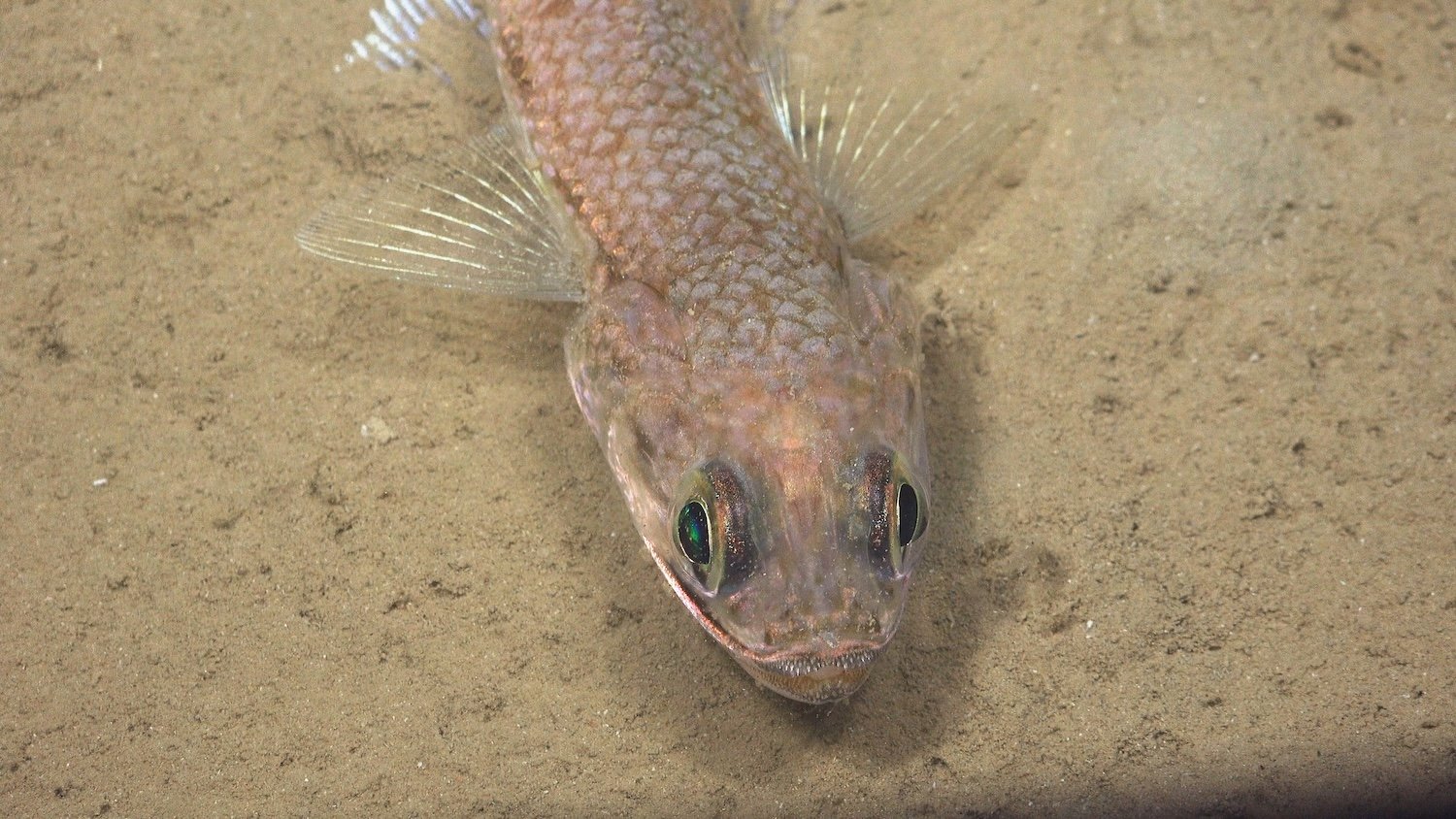
Lizard fish

Scientists observed this lizardfish at a depth of 148 meters while exploring a slope off the coast of Trinidad and Tobago in a UNESCO Biosphere Reserve. Photo credit: ROV SuBastian / Schmidt Ocean Institute Usage: Available via creative commons Attribution-NonCommercial-ShareAlike CC BY-NC-SA https://creativecommons.org/licenses/by-nc-sa/4.0/
Scientists observed this lizardfish at a depth of 148 meters while exploring a slope off the coast of Trinidad and Tobago in a UNESCO Biosphere Reserve. Credit: ROV SuBastian / Schmidt Ocean Institute

Ghost shark

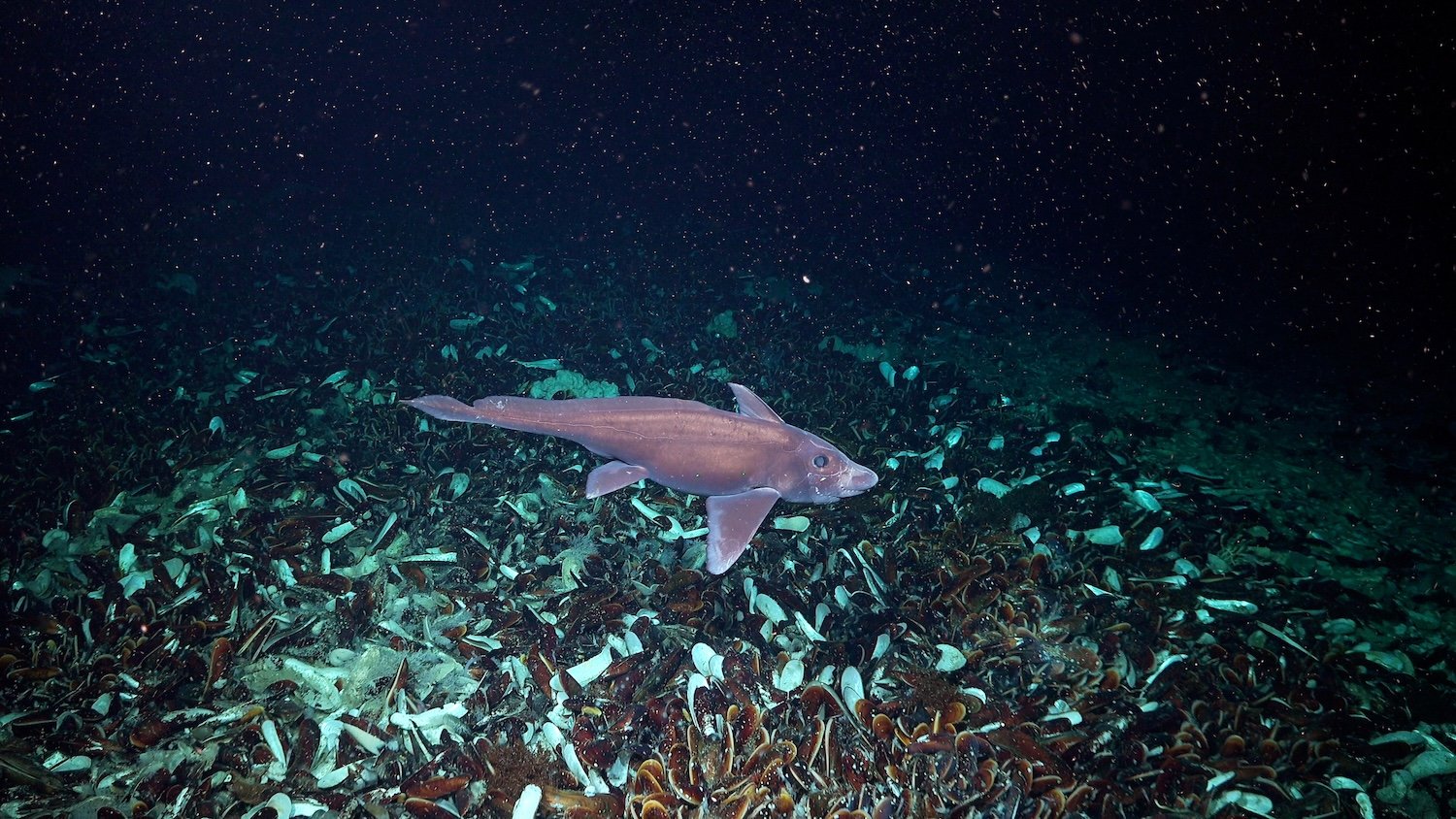
A chimaera, or ghost shark, swims near a cold seep at a depth of 2,355 meters. Scientists discovered 25 cold seeps during the recent deep-sea expedition. Unlike sunlight-dependent ecosystems, marine life near these seafloor fissures relies on chemosynthetic energy generated by gas escaping from the Earth's surface. Photo credit: ROV SuBastian / Schmidt Ocean Institute Usage: Available via creative commons Attribution-NonCommercial-ShareAlike CC BY-NC-SA https://creativecommons.org/licenses/by-nc-sa/4.0/
A chimaera, or ghost shark, swims near a cold seep at a depth of 2,355 meters. Scientists discovered 25 cold seeps during the recent deep-sea expedition. Unlike sunlight-dependent ecosystems, marine life near these seafloor fissures relies on chemosynthetic energy generated by gas escaping from the Earth’s surface. Credit: ROV SuBastian / Schmidt Ocean Institute

The post 11 vibrant deep-sea creatures shine in new Caribbean expedition appeared first on Popular Science.

  •  

These fish rely on teamwork to find food in murky water

Just like 20-somethings yelling or waving in a crowded, strobe light-filled club, three-spined sticklebacks (Gasterosteus aculeatus) can change their social behavior for the benefit of the group. These small fish will change how they swim to help find food when they are in cloudy water. The findings are detailed in a study published today in the journal Proceedings of the Royal Society B.

There are eight known species of sticklebacks (order Gasterosteiformes). These small fish live in fresh, brackish, and marine waters all over the Northern Hemisphere and as far north as the Arctic Ocean. They can grow to a maximum length of roughly seven inches and are known for a row of two to 16 spines on their backs.

Since they live in everything from salty seas to fresh lakes, their habitats can range from crystal clear to densely clouded. Turbidity is when small particles like mud, algae, or silt make water cloudy. While it is a natural process, farming, mining, construction, and other pollutants are increasing turbidity and reducing visibility in rivers and coastal waters around the world. This can make it more difficult for aquatic animals like sticklebacks to see their food, friends, or enemies.

“At the moment, we’re seeing our weather flipping between hot, dry periods to heavy rains, which mean[s] our rivers and streams experience sudden surges of muddy, highly turbid water,” 

Dr. Sean Rands, a study co-author and behavioral ecologist at the University of Bristol, said in a statement. “It is good to know that the fish can respond to these big changes.”

For this study, the team observed how three-spined sticklebacks responded to their water becoming cloudier and noted their directions when food suddenly appeared in the water. 

In murkier water, the fish took longer to swim towards the food than those in clear water. However, individuals in larger groups responded more quickly in both clear and cloudy water. 

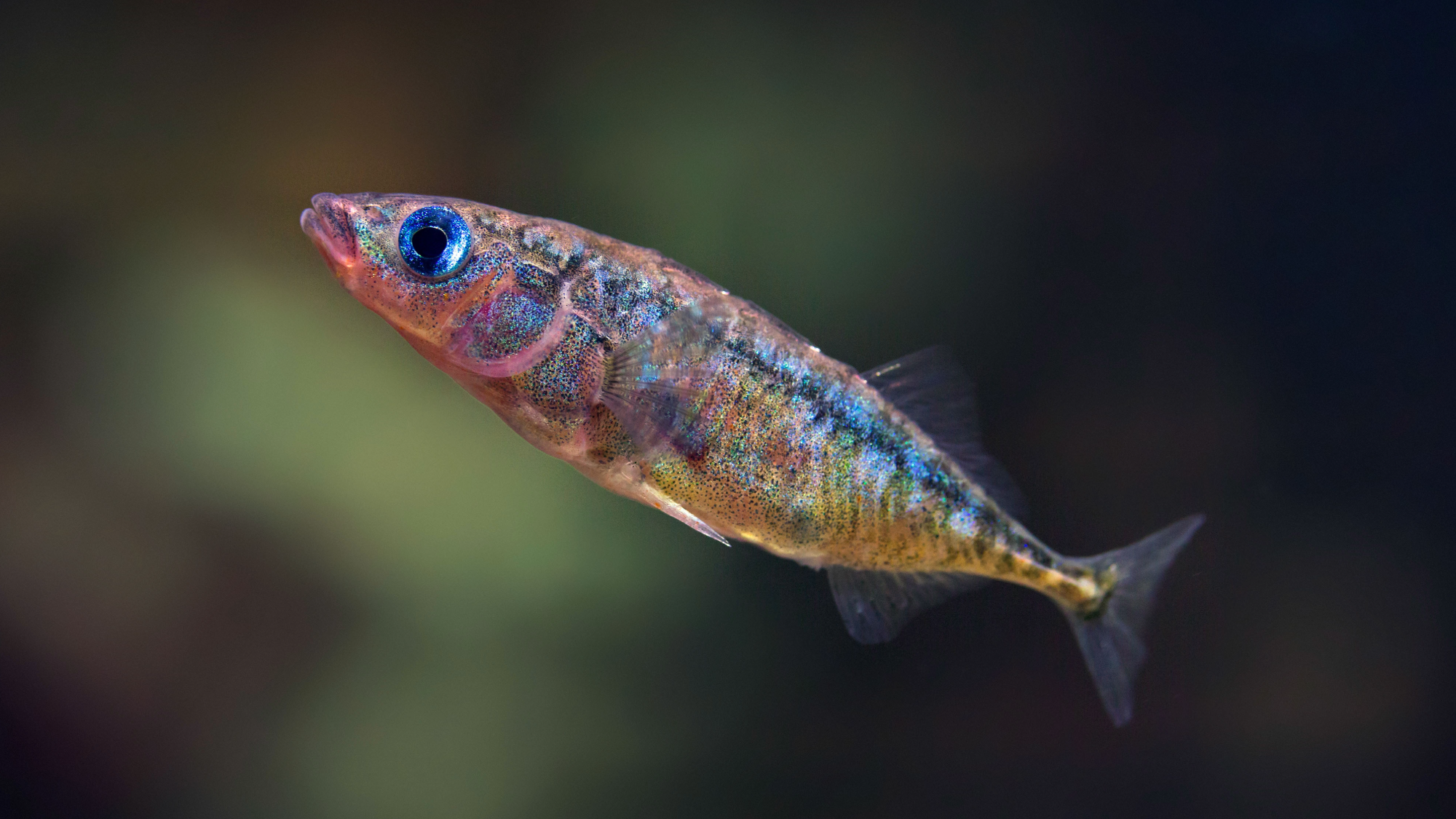
fish swimming in murky water
The study found in murkier water fish took longer to move towards the food than those in clear water, but individuals in larger groups responded more quickly overall. Image: Christos Ioannou.

The way that the sticklebacks moved together also influenced their response to the food. The smaller groups living in murky water got to the food more quickly when they swam close together in the same direction. By contrast, tighter coordination slowed the group’s response for larger groups of fish in clear water.

Before the food was introduced, fish in murky water tended to stick closer together, align their movements more closely, and respond more eagerly to the behavior of group members that were nearby.

According to the team, these results suggest that sticklebacks can compensate for reduced visibility in the water by increasing cooperation and coordination with one another. 

“When we put an unexpected piece of food in the water, it took the fish longer to find it when the water was cloudier. This makes sense and has been shown before in different water-living species,” added study co-author and behavioral ecologist Christos Ioannou. “However, we were excited to see that the sticklebacks were able to compensate for this challenge by changing their shoaling behaviour. Their shoals became more coordinated, with the fish moving and aligning themselves together much more closely in poor conditions. This in turn meant the fish were able to find the food faster than if they weren’t coordinating.” 

This enhanced social behavior may help them overcome the challenges of living in murky environments and respond better when there is an opportunity to find a meal. 

“Finding that these rules are able to change in response to the challenges animals experience is reassuring, as it shows that these little fish have some extra tricks for the changes that humans are causing to their homes,” said Rands. 

The post These fish rely on teamwork to find food in murky water appeared first on Popular Science.

  •  
  •  

Thawing permafrost is affecting fish health

Temperatures in the Arctic are increasing at a rate 4 times faster than the average global temperature. Scientists have documented the global effects of climate change, but there are still regions where these effects are less well known. This is the case for freshwater ecosystems in the Arctic.  

When the ground has been permanently frozen for 2 years, scientists call it permafrost. Permafrost contains soil, sand, rocks, and organic matter held together by ice. As temperatures rise, permafrost thaws, which can change groundwater flow paths. It can also alter a stream’s temperature, flow patterns, and nutrient loads by introducing new material from the permafrost.  

To determine how thawing permafrost affects Arctic ecosystems, scientists from the U.S. Geological Survey recently studied 10 headwater streams within the Brooks Range in the Noatak National Preserve of Alaska. The scientists studied streams with different amounts of permafrost and ice to test whether connections exist between permafrost, food webs, and populations of fish called the Dolly Varden and Arctic Graylings. They focused on these 2 species of fish because their migrations often indicate ecological shifts in the area.    

The scientists collected fish from the streams by temporarily stunning them, using a method called electrofishing, or by catching them in minnow traps. They manually identified each species they collected, then froze the fish and shipped them to a lab. Once in the lab, the scientists measured the length of each fish and used documented growth patterns to estimate its biomass. To calculate fish abundances, they divided their total biomass by the time spent electrofishing or trapping. Finally, they measured the energy density of each fish by burning it in a device called a bomb calorimeter. 

At each stream, the scientists took manual temperature measurements and deployed loggers that recorded the temperature every 15 minutes. They also deployed equipment at the bottom of each stream to record water pressure in 15-minute intervals and converted the data to depth, since pressure increases with depth. Then, they used wading rods to measure how much water was flowing through each stream at a given spot. 

They combined the depth and wading rod data to determine the flow rate of water in the streams over time. They used these data to identify unstable streams where water rose and fell rapidly. They also collected water samples from each stream and measured their nutrient concentrations, including dissolved organic carbon, nitrogen, and phosphorus, to determine water quality.   

Finally, they measured 2 types of smaller organisms that allow energy to flow through the food web to the fish, called microbial biofilms and macroinvertebrates. They used a hand-held device to estimate the types and amounts of biofilms, and nets to collect macroinvertebrates.

Once they had compiled these data, the team conducted a statistical analysis to compare the studied parameters and fish populations to the extent of permafrost in each area. They found that streams with more permafrost in the area had warmer temperatures, because the permafrost prevented water from infiltrating the soil to cool off. The streams with warmer temperatures, in turn, had lower abundances and biomass of Dolly Varden fish and Arctic Grayling with lower energy densities. They suggested that these results meant that the high temperatures had pushed the fish above their optimum temperature range. 

They also learned that the limited infiltration in permafrost areas caused rainfall to flow straight into the stream. This process created instability as the stream levels rose and fell rapidly. Fish in these unstable streams had lower energy densities, likely due to the harsher environment. 

Areas with greater permafrost also had higher concentrations of dissolved organic carbon and phosphorus, which stimulated the formation of biofilms at the bottom of the food chain. They noted that areas with more biofilms also had more macroinvertebrates and more Dolly Varden biomass. Since the Dolly Varden eats macroinvertebrates, this finding suggested that the lowest levels of the food web shape the health of species higher up. This is called the bottom-up effect, and means that areas with more biofilms and macroinvertebrates will likely have healthier and larger fish populations.  

The scientists explained that knowing how these factors influence Arctic fish populations can help researchers understand how thawing permafrost might affect Arctic ecosystems in the future. They anticipated that their data could help future researchers predict how these and other ecosystems will be impacted by changing landscape dynamics caused by global warming. 

The post Thawing permafrost is affecting fish health appeared first on Sciworthy.

  •  

How to watch 'Secrets of the Great White Kill' – stream 'Shark Week' 2026 from anywhere

Surfer, spear-fisher and free-diver Riley Elliott and marine biologist, shark diver and underwater photographer Kori Burkhardt put themselves in harm's way in don't-try-this-at-home "Shark Week" 2026 special "Secrets of the Great White Kill", and Live Science is here with all the TV and streaming details.

How to watch "Secrets of the Great White Kill" — Quick Guide

► Date: Friday, July 31 at 8 p.m. ET/PT

► TV: Discovery (US)

► Stream: YouTube TV / DirecTV / Hulu + Live TV / HBO Max

► Watch anywhere: Get 85% off Surfshark

It doesn't always go to plan, as this seal uprising and vengeful turtle demonstrate, but great white sharks (Carcharodon carcharias) are known for attacking prey from below with such frightening speed and power it can propel their enormous bodies clear out of the water and stun or even kill their prey upon impact.

However, closer inspection has revealed that they can be a little more subtle when the need arises

In "Secrets of the Great White Kill," Eliott and Burkhardt aim to capture and unpack the full range of great white hunting techniques, including one or two surprising methods, the nuances of which have never been fully appreciated before.

How to watch "Secrets of the Great White Kill" in the U.S.

"Secrets of the Great White Kill" airs on Discovery at 8 p.m. ET/PT on Friday, July 31.

If you don't have the Discovery channel on cable, it's available on a streaming basis from several cable alternatives. Best of all, many of the services offer a free trial to new customers.

YouTube TV usually costs $82.99 per month but comes with a free trial and $15 off each of your first five months.

The DirecTV MyEntertainment genre pack costs $42.99 per month after a 5-day free trial, and Hulu + Live TV costs $89.99 per month after a 3-day free trial.

Alternatively, the HBO Max streaming service starts at $10.99 per month.

Can you watch "Secrets of the Great White Kill" in the U.K.?

"Shark Week" programming typically airs on Discovery+ in the U.K. at a later date.

At the time of publication, plans for "Secrets of the Great White Kill" and the other 2026 specials are still firmly under wraps.

If you're currently in the U.K. for work or on vacation from the U.S., you can still catch "Secrets of the Great White Kill" by using a VPN, such as Surfshark.

Watch "Secrets of the Great White Kill" from anywhere

If you're travelling abroad you can access your usual streaming services from anywhere with a good VPN.

A VPN, or virtual private network, is a piece of internet security software that can alter your device's digital location, unlocking the geo-restrictions on most streaming platforms.

Our expert colleagues at TechRadar rate Surfshark as one of the best VPNs. Not only is it great for unblocking streaming services, it has top-level security features, a reasonable price tag and, right now, a big discount.

Save 85% off Surfshark VPN

Live Science x Surfshark Exclusive "Shark Week" Deal

Whether you're tuning into Discovery's Shark Week or diving deep into the web, privacy matters. Surfshark keeps your connection encrypted and your data out of sight – no matter what waters you're navigating.

Protect unlimited devices for just $2.39/mo + 4 Extra Months. Save 85%! Shark Week Special runs from July 26 to August 1, 2026.

🥇 From $2.39 per month
✅ Block ads, trackers, scams, and malware
🤝 30-day money-back guarantee
🏆 4 Extra monthsView Deal

We test and review VPN services in the context of legal recreational uses. For example: 1. Accessing a service from another country (subject to the terms and conditions of that service). 2. Protecting your online security and strengthening your online privacy when abroad. We do not support or condone the illegal or malicious use of VPN services. Consuming pirated content that is paid-for is neither endorsed nor approved by Future Publishing.

  •  

Scientists put cameras on whale sharks for the first time and saw something they'd never seen before

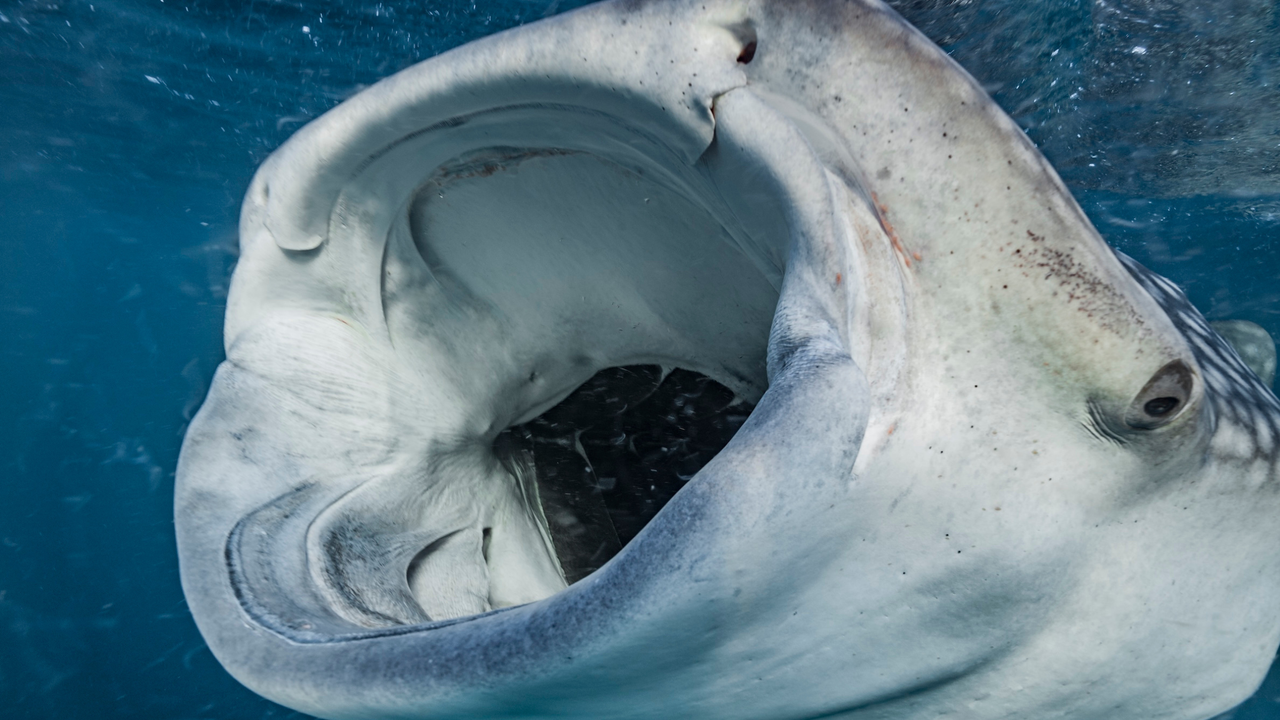
Whale sharks may be the biggest fish in the ocean, but their feeding habits have remained mysterious. Now, new camera footage from the backs of these gentle giants has captured them doing something scientists rarely get to see: hunting for food far below the surface.

The footage reveals that whale sharks (Rhincodon typus) spend far more time feeding underwater than scientists realized and that they use a surprising variety of foraging techniques that had never been documented before.

The videos show whale sharks filtering food while cruising through open water, gliding downward as they feed during dives, climbing back toward the surface with their mouths still open, and cruising just above the seafloor to feed. Slow, steady underwater feeding turned out to be one of the sharks' most common activities.

Philip Motta, a professor emeritus of biology at the University of South Florida who was not involved in the study, said the videos provide "very valuable" new information on the variability of whale shark feeding behaviors, which have been poorly documented to date.

Cameras reveal whale shark feeding

Before this study, whale sharks had been studied from boats, from planes and by divers swimming alongside them. But those methods shared a blind spot: They could only follow the sharks when they were near the surface.

Earlier research had hinted that whale sharks spend a lot of time feeding out of view, at varying depths. In a 2020 study, researchers estimated that whale sharks may forage at these depths for up to 20% of the day and feed at the surface for less than 1% of their time.

In the new study, scientists strapped cameras directly onto the whale sharks, offering a rare shark's-eye view beneath the waves.

They deployed camera tags on 10 whale sharks at Ningaloo Reef in Western Australia and gathered more than 22 hours of footage from the sharks' own perspective. They combined that footage with a review of 106 previously published studies to build the most comprehensive catalog of whale shark behavior to date. Ultimately, they cataloged 36 distinct behaviors ‪—‬ 12 were related to feeding, and of those, six had never been recorded before. The findings were published July 21 in the journal Marine Biology.

Whale sharks can grow to 60 feet (18 meters) in length. And yet, this enormous fish survives on tiny prey ‪—‬ like krill, fish eggs and plankton ‪—‬ in tropical waters that are notoriously poor in nutrients. The ability to switch between so many feeding techniques may help to explain the long-standing puzzle of how such a large species can survive in these nutrient-poor waters.

However, even with a shark's-eye view, the cameras captured only part of the story. Whale sharks are known to dive hundreds of feet below the surface, where sunlight disappears and conventional cameras can no longer record.

"The most important new discoveries could be what these gentle giants are doing when they perform really deep dives," Motta said.

Shark quiz: How much do you know about these iconic ocean superstars?

  •  

How to watch 'Expedition X: Atomic Sharks' – stream 'Shark Week' 2026 from anywhere

"Expedition X: Atomic Sharks" – a "Shark Week" 2026 special – sees biologist Phil Torres and "Expedition X" host Heather Amaro explore the islands' waters, including Troy's Coral Head, to establish if nuclear fallout could be behind reports of sharks displaying unusual and highly aggressive behaviors.

How to watch "Expedition X: Atomic Sharks" — Quick Guide

► Date: Wednesday, July 29 at 8 p.m. ET/PT

► TV: Discovery (US)

► US stream: YouTube TV / DirecTV / Hulu + Live TV / HBO Max

► Watch anywhere: Get 85% off Surfshark VPN

The U.S. military detonated 67 nuclear bombs at Bikini Atoll and Enewetak Atoll over 12 years from 1946 to 1958, which inflicted catastrophic and irreversible harm on the local populace and environment. Cancer rates among residents increased significantly, and local produce was rendered unfit for consumption.

Half a century later, however, the Marshall Islands became the site of the world's largest shark sanctuary.

How to watch "Expedition X: Atomic Sharks" in the U.S.

"Expedition X: Atomic Sharks" airs on Discovery at 8 p.m. ET/PT on Wednesday, July 29.

If you don't have the Discovery channel on cable, it's available on a streaming basis from several cable alternatives. Best of all, many of the services offer a free trial to new customers.

YouTube TV usually costs $82.99 per month but comes with a free trial and $15 off each of your first five months.

The DirecTV MyEntertainment genre pack costs $42.99 per month after a 5-day free trial, and Hulu + Live TV costs $89.99 per month after a 3-day free trial.

Alternatively, the HBO Max streaming service starts at $10.99 per month.

Can you watch "Expedition X: Atomic Sharks" in the U.K.?

"Shark Week" programming typically airs on Discovery+ in the U.K. at a later date.

At the time of publication, plans for "Expedition X: Atomic Sharks" and the other 2026 specials are still firmly under wraps.

If you're currently in the U.K. for work or on vacation from the U.S., you can still catch "Expedition X: Atomic Sharks" by using a VPN, such as Surfshark.

Watch "Expedition X: Atomic Sharks" from anywhere

If you're traveling abroad you can access your usual streaming services from anywhere with a good VPN.

A VPN, or virtual private network, is a piece of internet security software that can alter your device's digital location, unlocking the geo-restrictions on most streaming platforms.

Our expert colleagues at TechRadar rate Surfshark as one of the best VPNs. Not only is it great for unblocking streaming services, it has top-level security features, a reasonable price tag and, right now, a big discount.

Save 85% off Surfshark VPN

Live Science x Surfshark Exclusive "Shark Week" Deal

Whether you're tuning into Discovery's Shark Week or diving deep into the web, privacy matters. Surfshark keeps your connection encrypted and your data out of sight – no matter what waters you're navigating.

Protect unlimited devices for just $2.39/mo + 4 Extra Months. Save 85%! Shark Week Special runs from July 26 to August 1, 2026.

🥇 From $2.39 per month
✅ Block ads, trackers, scams, and malware
🤝 30-day money-back guarantee
🏆 4 Extra monthsView Deal

We test and review VPN services in the context of legal recreational uses. For example: 1. Accessing a service from another country (subject to the terms and conditions of that service). 2. Protecting your online security and strengthening your online privacy when abroad. We do not support or condone the illegal or malicious use of VPN services. Consuming pirated content that is paid-for is neither endorsed nor approved by Future Publishing.

  •  

'Demon cavefish' discovered under WWII chemical weapons facility in Alabama

"Demon cavefish" have been discovered lurking in caverns beneath a contaminated U.S. Army base in Alabama, a new study has found.

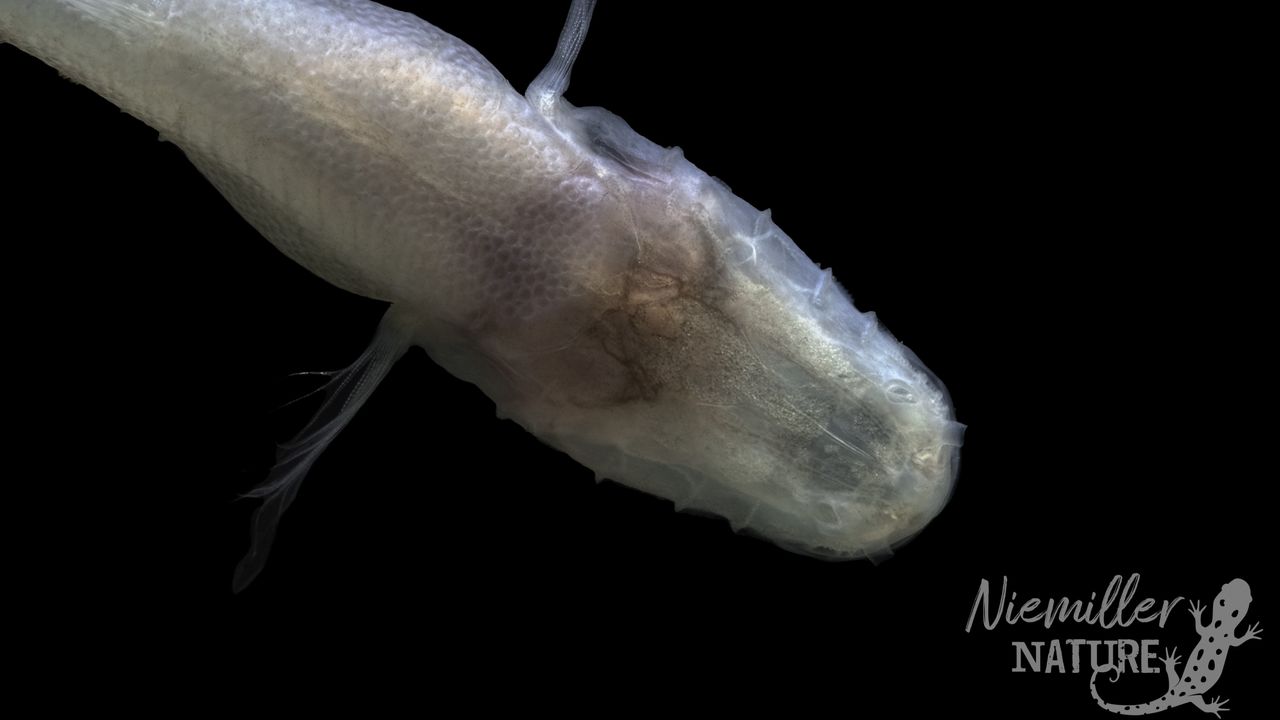
Biologists have named the pale, eyeless creatures Demogorgonichthys arcanus, after the monstrous Demogorgons from Netflix's "Stranger Things" and the underworld demon of Greek mythology from which the Demogorgon name derives. They are likely among the rarest fishes in the world.

The find came as a shock to scientists because the cavefish's home, Bobcat Cave, has been extensively studied in recent decades. The subterranean system is part of U.S. Army site Redstone Arsenal, which was historically a center for chemical weapons production. Bobcat Cave is regularly subject to water quality monitoring and part of efforts to save endangered Alabama Cave Shrimp (Palaemonias alabamae), which also call the cave home.

In a new study, published July 6 in the journal Scientific Reports, researchers described the cavefish find as a "discovery in plain sight." Study lead author Matthew Niemiller, who directs the cave biology lab at The University of Alabama in Huntsville, encountered the cavefish by chance during a routine survey of Bobcat Cave's largest chamber, known as the Shrimp Room, in early 2025.

"I slipped in the mud at the back of the Shrimp Room and fell into a deeper pool," Niemiller told Live Science in an email. "During my graceful plummet, I disturbed a cavefish and crayfish underneath a rock ledge."

Niemiller quickly snapped photos of the animals using an underwater camera before silt clouded his view of them. It wasn't until several days later, when he checked the photos, that he noticed the cavefish looked different from southern cavefish (Typhlichthys subterraneus), a known species within the cave.

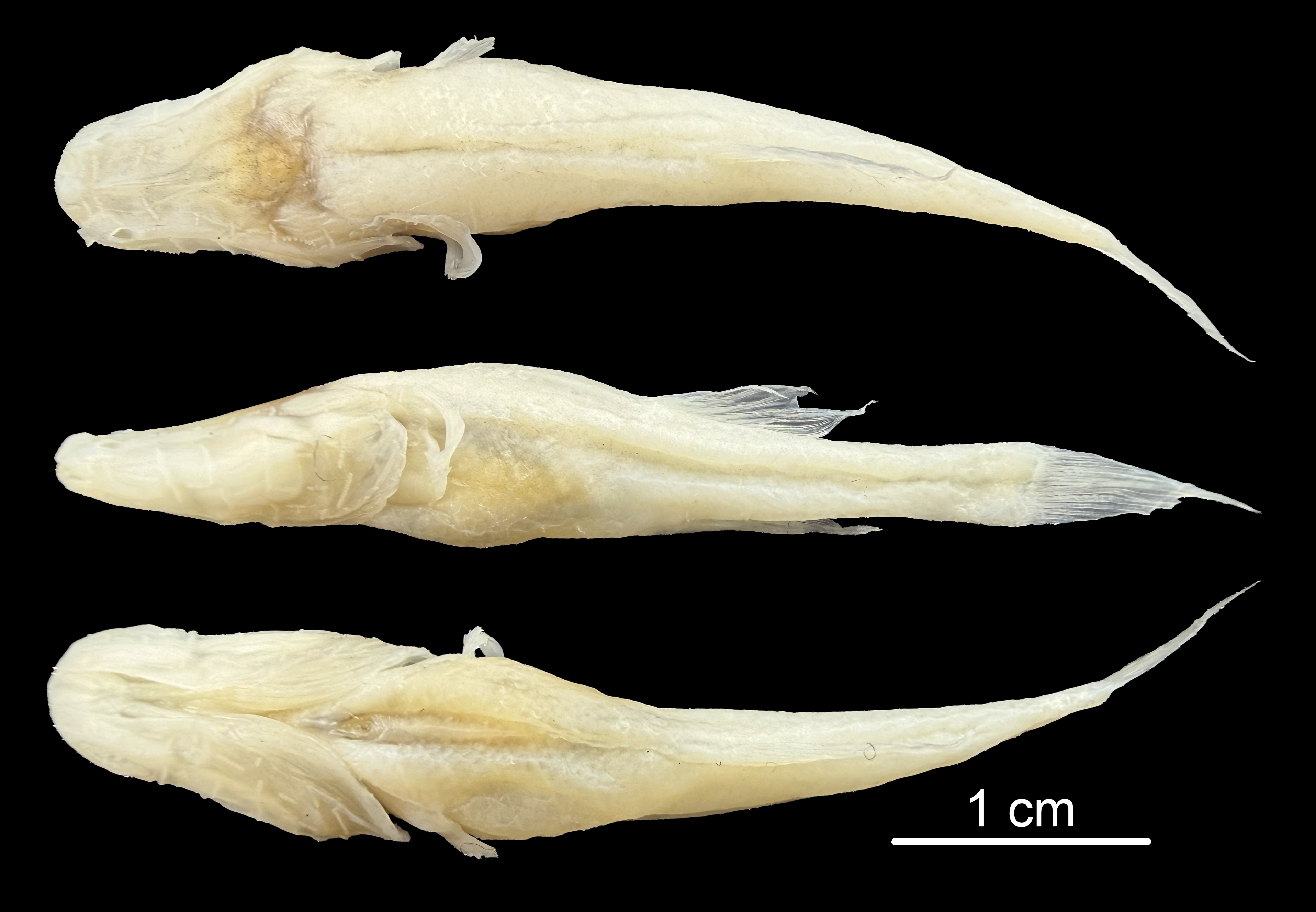
"The new cavefish had a pronounced hump behind the head, a longer, flatter snout, and unbranched fin rays," Niemiller said. "We returned a few days later, before a storm system forecasted to dump several inches of rain moved into the area. On the next trip, we confirmed that nearly half of the cavefish we observed were this new species."

Niemiller studied the cavefish with colleagues at Auburn University, The University of Alabama and Mississippi State University, with students performing much of the lab work. Genetic analysis revealed that demon cavefish didn't fit within any known cavefish group. Notably, demon cavefish carry unique disabling mutations for rhodopsin, a light-sensitive protein that would otherwise support dim light vision. Niemiller noted that this mattered for two reasons.

"First, it's a great example of 'use it or lose it' at the molecular level," he said. "In total darkness, vision is useless, so natural selection stops maintaining the gene, and mutations simply accumulate. Second, and more importantly, the specific way this fish's rhodopsin is broken is different from how it's broken in the related cavefish it lives alongside. That's strong evidence they lost their vision independently."

Demon cavefish and southern cavefish seemingly losing the ability to see independently is an example of how evolution can lead different species to converge on the same physical characteristics when they're suitable for an environment.

Three photographs of a demon cavefish, showing the top, side, and bottom of the fish.

Demon cavefish have a combination of physical traits that set them apart from other cavefish, including a long and flat snout. (Image credit: Matthew L. Niemiller, Niemiller Nature LLC.)

The conditions in Bobcat Cave have likely been influenced by the history of the military base above it. Redstone Arsenal made various chemical weapons during World War II. At the end of the war, vast quantities of chemical munitions were buried at the site, along with chemical weapons from overseas, like British mustard gas and nerve agents and other toxic weapons recovered from Nazi Germany. The site is the subject of ongoing investigations, clean-ups and storage.

Researchers have found that the cave contains elevated levels of trace metals compared to what would normally be found in such a habitat. However, Niemiller noted that the restricted-access status of the military installation does limit disturbance in the cave.

A bigger concern for the demon cavefish is that surface water connects to the cave's groundwater, so the life in the cave is also exposed to runoff, sediment and contaminants linked to the nearby city of Huntsville. As demon cavefish are, as far as we know, restricted to a single cave, they are very vulnerable to extinction.

The researchers concluded that demon cavefish would meet the criteria for becoming a "critically endangered" species, under the International Union for Conservation of Nature (IUCN) Red List — a framework for determining a species' conservation status. It's unknown how many demon cavefish live within the cave, and it's likely that many of them will be in places that are inaccessible to researchers.

"Like other cavefish, these animals probably spend much of their lives down in the water-filled aquifer below the cave, beyond where we can observe them, so any single survey is a snapshot, not a census," Niemiller said. "What we can say with some confidence is that it's known from just one cave system, it's rarely encountered, and by every measure we use, it qualifies as critically imperiled."

Fortunately for the cavefish, Bobcat Cave is already known for being a home for endangered Alabama Cave Shrimp. Since 1990, the cave has been a focus for water quality monitoring, shrimp surveys, and other biological investigations that should also help the newfound species.

"What protects the shrimp's water protects the fish's water too," Niemiller said.

  •  

An Unexpected Transmissible Cancer Is Appearing in North American Waterways—Where Did It Come From?

An unexpected transmissible cancer has been detected in North American waterways, prompting new concerns about how the disease developed.

Beginning with discoveries in Lake Memphremagog, a glacial lake spanning both Quebec and Vermont, researchers have found strange black cancerous lesions on fish in the waterways of New England and Canada, revealing an environmental mystery.

University of Vermont researchers announced the startling cancer discovery in a recent paper published in Nature, describing how the cells act similarly to a parasite, transmitting between hosts.

This discovery marks the first time a freshwater species has been identified as afflicted with a transmissible cancer, whose long-term population effects are a major concern.

Fish Cancer

Many questions swirl around this discovery, which go far beyond the specific locations and even species affected—such as how cancer operates and how this transmissible form could have originated.

The first indications that something was amiss came from anglers and biologists who both noticed more brown bullhead catfish with raised black patches coming out of Lake Memphremagog. From their first identifications in 2012 to 2014, the prevalence of the disease increased to one in three of these fish.

These particular catfish are often used as a barometer for environmental health, leading the University of Vermont team to consider a pollution-related pathogen after they had ruled out a viral one. Yet under close examination, they discerned the lesions were something even less expected: a type of skin cancer called melanoma, typically caused by sunlight, and therefore, exceedingly rare in bottom-dwelling fish.

Genetic Research

The melanoma finding set the team on a research course looking to identify whether a genetic mutation had left this catfish population particularly susceptible to skin cancer. What they found was surprising: these cancer cells were more closely related to one another than to their host fish’s healthy cells, suggesting transmission.

These transmissible cancers are extremely unusual, with only three types having been discovered previously. None have been found in freshwater or fish species before this; they have been relegated to Tasmanian devils, dogs, and mollusks.

So far, researchers have only identified the malady in larger, spawning-age fish, leading the team to suspect that transmission occurs during spawning behavior. These events do appear to be a likely candidate, as the fish cluster tightly together in shallow water, providing ample opportunity for physical contact among many fish. Furthermore, due to their lack of scales and bottom-dwelling nature, they are more susceptible to the sediment, which could harbor free-floating cancer cells.

In other species, these transmissible cancers may or may not have devastating population-scale effects. Currently, how the Lake Memphremagog catfish population will fare is unknown, although some fish appear to survive years after the infection is first noted.

The University of Vermont team says that the cancer cannot affect humans, and the lake’s drinking water is safe, but they would caution against eating the cancerous fish.

The Root of Cancer

While the Coventry Landfill is in close proximity to the lake, the cancer is spread evenly along the 32-mile-long lake, instead of concentrating near the landfill. Additionally, water tests show that contamination levels are no higher than those of similar North American waterbodies such as Lake Champlain.

Instead, more concerning than a single source of pollution, the team says they have now discovered this cancer in fish located in other ponds and lakes in this region, none of which were close to pollution sources and had pristine water quality.

The one correlation identified so far is that the cancer cells have high arsenic levels, an element naturally found in the region’s soil in high concentrations. Along with this possible link to a natural cause, the researchers are beginning to suspect that the cancer has existed for quite some time, but has simply gone unrecognized. A potential line of evidence for this hypothesis comes from the journals of Henry David Thoreau, who noted a catfish with a similar condition back in the summer of 1852. He even noted that he had come across the fish disease previously, and again wrote of it in 1858.

“By studying how cancers survive and spread outside their original host, we can learn a great deal about what keeps cancers contained—and what happens when those boundaries break down,” co-author Julie Dragon concluded. “These fish provide an opportunity to look at the evolution of cancer.”

The paper, “Brown Bullhead Catfish Melanoma Represents a Novel Transmissible Cancer,” appeared in Nature on July 22, 2026.

Ryan Whalen covers science and technology for The Debrief. He holds an MA in History and a Master of Library and Information Science with a certificate in Data Science. He can be contacted at ryan@thedebrief.org, and follow him on Twitter @mdntwvlf.

  •  

How to watch 'Jurassic Sharks' online – stream 'Shark Week' 2026 from anywhere

We've all heard of the fearsome megalodon, the largest known shark to have ever lived, but how about its predecessors, contemporaries and successors? Shark Week premiere "Jurassic Sharks" uses CGI to flesh out the fossils of ancient cartilaginous fish, and Live Science is here with all the TV and streaming details.

How to watch "Jurassic Sharks" — Quick Guide

► Date: Tuesday, July 28 at 8 p.m. ET/PT

► TV: Discovery (US)

► US stream: YouTube TV / DirecTV / Hulu + Live TV / HBO Max

► Watch anywhere: Get 85% off Surfshark VPN

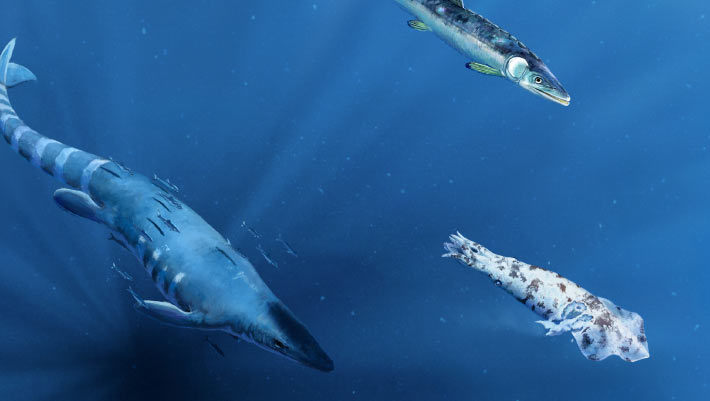
Using fossil records and "cutting-edge" visual effects, "Jurassic Sharks" will attempt to trace the ancestry of modern-day species back through millions of years, and build a picture of the prehistoric ocean, complete with superpredators that are both weird and awe-inspiring.

It's a must-watch for budding palaeontologists and animal fans alike.

How to watch "Jurassic Sharks" in the U.S.

"Jurassic Sharks" airs on Discovery at 8 p.m. ET/PT on Tuesday, July 28.

If you don't have the Discovery channel on cable, it's available on a streaming basis from several cable alternatives. Best of all, many of the services offer a free trial to new customers.

YouTube TV usually costs $82.99 per month but comes with a free trial and $15 off each of your first five months.

The DirecTV MyEntertainment genre pack costs $42.99 per month after a 5-day free trial, and Hulu + Live TV costs $89.99 per month after a 3-day free trial.

Alternatively, the HBO Max streaming service starts at $10.99 per month.

Can you watch "Jurassic Sharks" in the U.K.?

"Shark Week" programming typically airs on Discovery+ in the U.K. at a later date.

At the time of publication, plans for "Jurassic Sharks" and the other 2026 "Shark Week" specials are still firmly under wraps.

If you're currently in the U.K. for work or on vacation from the U.S., you can still catch "Jurassic Sharks" by using a VPN, such as Surfshark.

Watch "Jurassic Sharks" from anywhere

If you're traveling abroad you can access your usual streaming services from anywhere with a good VPN.

A VPN, or virtual private network, is a piece of internet security software that can alter your device's digital location, unlocking the geo-restrictions on most streaming platforms.

Our expert colleagues at TechRadar rate Surfshark as one of the best VPNs. Not only is it great for unblocking streaming services, it has top-level security features, a reasonable price tag and, right now, a big discount.

Save 85% off Surfshark VPN

Live Science x Surfshark Exclusive Shark Week Deal

Whether you're tuning into Discovery's Shark Week or diving deep into the web, privacy matters. Surfshark keeps your connection encrypted and your data out of sight – no matter what waters you're navigating.

Protect unlimited devices for just $2.39/mo + 4 Extra Months. Save 85%! Shark Week Special runs from July 26 to August 1, 2026.

🥇 From $2.39 per month
✅ Block ads, trackers, scams, and malware
🤝 30-day money-back guarantee
🏆 4 Extra monthsView Deal

We test and review VPN services in the context of legal recreational uses. For example: 1. Accessing a service from another country (subject to the terms and conditions of that service). 2. Protecting your online security and strengthening your online privacy when abroad. We do not support or condone the illegal or malicious use of VPN services. Consuming pirated content that is paid-for is neither endorsed nor approved by Future Publishing.

  •  

How to watch 'Air Jaws: Red, White and Breach' – stream 'Shark Week' 2026 from anywhere

Great white sharks can launch themselves clear out of the ocean, but why they breach so dramatically remains one of marine biology's biggest mysteries. "Air Jaws: Red, White and Breach", premiering during "Shark Week" 2026, follows a team of filmmakers and scientists as they investigate the shark's behavior.

How to watch "Air Jaws: Red, White and Breach" — Quick Guide

► Date: Sunday, July 26 at 9 p.m. ET/PT

► TV: Discovery (US)

► Stream: YouTube TV / DirecTV / Hulu + Live TV / HBO Max

► Watch anywhere: Get 85% off Surfshark VPN

"Shark Week" is now in its 25th year, and to mark this milestone, Jeff Kurr and marine biologist Alison Towner head to the Californian coast, which has seen an unexpected surge of great whites (Carcharodon carcharias) breaching the surface.

With cinematographer Andy Casagrande in tow, "Air Jaws: Red, White and Breach" aims to capture this behavior in full glory, and to establish why breaching great whites have entered American waters.

How to watch "Air Jaws: Red, White and Breach" in the U.S.

"Air Jaws: Red, White and Breach" airs on Discovery at 9 p.m. ET/PT on Sunday, July 26.

If you don't have the Discovery channel on cable, it's available on a streaming basis from several cable alternatives. Best of all, many of the services offer a free trial to new customers.

YouTube TV usually costs $82.99 per month but comes with a free trial and $15 off each of your first five months.

The DirecTV MyEntertainment genre pack costs $42.99 per month after a 5-day free trial, and Hulu + Live TV costs $89.99 per month after a 3-day free trial.

Alternatively, the HBO Max streaming service starts at $10.99 per month.

Can you watch "Air Jaws: Red, White and Breach" in the U.K.?

"Shark Week" programming typically airs on Discovery+ in the U.K. at a later date.

At the time of publication, plans for "Air Jaws: Red, White and Breach" and the other 2026 specials are still firmly under wraps.

If you're currently in the U.K. for work or on vacation from the U.S., you can still catch "Air Jaws: Red, White and Breach" by using a VPN, such as Surfshark.

Watch "Air Jaws: Red, White and Breach" from anywhere

If you're traveling abroad you can access your usual streaming services from anywhere with a good VPN.

A VPN, or virtual private network, is a piece of internet security software that can alter your device's digital location, unlocking the geo-restrictions on most streaming platforms.

Our expert colleagues at TechRadar rate Surfshark as one of the best VPNs. Not only is it great for unblocking streaming services, it has top-level security features, a reasonable price tag and, right now, a big discount.

Save 85% off Surfshark VPN

Live Science x Surfshark Exclusive "Shark Week" Deal

Whether you're tuning into Discovery's Shark Week or diving deep into the web, privacy matters. Surfshark keeps your connection encrypted and your data out of sight – no matter what waters you're navigating.

Protect unlimited devices for just $2.39/mo + 4 Extra Months. Save 85%! Shark Week Special runs from July 26 to August 1, 2026.

🥇 From $2.39 per month
✅ Block ads, trackers, scams, and malware
🤝 30-day money-back guarantee
🏆 4 Extra monthsView Deal

We test and review VPN services in the context of legal recreational uses. For example: 1. Accessing a service from another country (subject to the terms and conditions of that service). 2. Protecting your online security and strengthening your online privacy when abroad. We do not support or condone the illegal or malicious use of VPN services. Consuming pirated content that is paid-for is neither endorsed nor approved by Future Publishing.

  •  

How Jellyfish Can ‘Miraculously’ Heal Without Scars Has Long Remained a Mystery—Scientists Now Know Their Secret

A jellyfish can close a wound in real time, without stitches, scabs, or scars, a fascinating—and borderline miraculous—healing ability that has long perplexed scientists. 

Now, a new study in Molecular Biology of the Cell has finally revealed the secrets behind this process, identifying two cellular structures that act in a specific sequence.

Jocelyn Malamy, an associate professor at the University of Chicago, first observed this process a decade ago at the Marine Biological Laboratory. Using transparent, dime-sized jellyfish called Clytia hemisphaerica, she watched individual cells move toward each other to close a gap in the tissue.

Now, with colleagues Maxwell Sassaman and Manjula P. Mony, she has mapped the steps of this process and explored its broader significance.

A Flower That Never Stops Blooming

The free-swimming medusa most people picture when they hear “jellyfish” is only one phase of Clytia‘s life. It spends most of its life as a polyp colony attached to rocks, docks, or leaves, and it periodically produces medusae, much like a shrub produces flowers. While medusae live for only a few months, the polyp colonies can persist for much longer.

Clytia medusae are known for their ability to heal quickly. Small wounds close in minutes, and even larger injuries seal in under an hour, all without forming scar tissue. Malamy notes that this type of healing is similar to the scar-free repair seen in embryos.

Since Clytia are transparent, heal rapidly, and lack the immune-mediated inflammation that complicates wound healing in mammals, they serve as an excellent model organism. Scientists can watch epithelial cells close wounds in real time, without interference from scarring or immune reactions. The mechanisms uncovered in Clytia are likely relevant across many animals.

“A lot of the processes that we see in Clytia‘s wound healing are really similar to what you see in all other systems, including mammalian systems,” Malamy explains. “When you’re staring at these epithelial cells, you wouldn’t know this was a jellyfish.”

Two Structures, One Decision Tree

Epithelial cells form the surfaces of the body, including skin, the gut, and internal membranes, and must repair themselves after injury. Malamy previously described Clytia’s wound repair in 2017 and 2018. The new study addresses a longstanding question in epithelial wound healing: do wounds close by cells moving over the gap, or by an actin cable contracting to seal it? The findings show that both mechanisms operate in a specific sequence, with the basement membrane beneath the cells coordinating the transition between them.

The initial response involves lamellipodia, actin-rich extensions that move across the basement membrane, the protein layer beneath all epithelial tissues. These structures pull their parent cells forward to close the wound. Malamy’s team observed lamellipodia forming even in very small wounds within a single cell, a previously undocumented detail.

After the lamellipodia advance, an actomyosin cable forms and contracts after it covers the basement membrane. If damage or debris blocks the membrane, the cable closes the wound and removes debris that lamellipodia cannot cross.

For larger wounds, a third response occurs. When the gap is too wide for lamellipodia to bridge, regardless of how far the cells extend, the entire epithelial sheet lifts and migrates as a unit. Once lamellipodia from opposing edges meet, the same closing sequence resumes.

“This is a truly elegant mechanism where the system can rapidly adapt to heal all the kinds of wounds that might occur in nature,” Malamy says.

What’s Still Unrepaired

If epithelial repair mechanisms are conserved across animal evolution, as current evidence suggests, studies of jellyfish could reveal wound-healing processes that inflammation and scar formation obscure in mammals, making those processes difficult to observe directly.

Researchers have not yet fully understood the basement membrane, which coordinates these processes, and it remains the least understood aspect of wound repair. Scientists still do not know how organisms repair the basement membrane itself.

“It’s great that you can heal a wound by dragging the cells over it,” Malamy says, “but at some point, a damaged basement membrane has to get fixed.” That’s her next target.

Austin Burgess is a writer and researcher with a background in sales, marketing, and data analytics. He holds an MBA, a Bachelor of Science in Business Administration, and a data analytics certification. His work focuses on breaking scientific developments, with an emphasis on emerging biology, cognitive neuroscience, and archaeological discoveries.

  •  

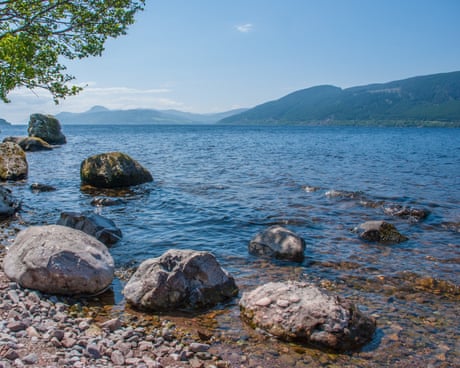
Loch Ness hydropower project will damage shoreline and ancient woodland | Letter

Neil Mackenzie on the environmental impact of the Loch Kemp project

Your article (First major hydropower projects in Great Britain in 40 years given go-ahead, 26 June) describes the proposal to build three pumped storage schemes in the Scottish Highlands. But it does not mention the huge environmental cost.

One scheme, the Loch Kemp project, will draw water from Loch Ness and pump it into the upper reservoir created by enlarging Loch Kemp. A giant power station is to be built in protected ancient woodland on the shores of Loch Ness. This woodland is a special area of conservation, an internationally recognised site, and will be partly destroyed by the power station and access road.

Continue reading...

© Photograph: By Eve Livesey/Getty Images

© Photograph: By Eve Livesey/Getty Images

© Photograph: By Eve Livesey/Getty Images

  •  

From Darkness to Light: How Blind Mexican Cavefish Reveal Brain Evolution

Deep within the labyrinthine caves of northeastern Mexico dwells a remarkable species of fish, the blind Mexican cavefish (Astyanax mexicanus), whose evolutionary journey over hundreds of thousands of years has led it to adapt to a life shrouded in perpetual darkness. This fish has lost its eyes and pigmentation, hallmark traits of cave-dwelling organisms, while simultaneously acquiring a suite of physiological and behavioral adaptations tailored to survive in nutrient-scarce subterranean environments. Its dual existence as both a sighted surface fish and numerous independently evolved cave forms presents a unique biological system for examining how extreme environments drive evolutionary changes in brain structure, sensory processing, and behavior.

Researchers from Florida Atlantic University, collaborating with experts from institutions across the United States, have leveraged cutting-edge genetic and imaging technologies to decipher the neural underpinnings that distinguish cavefish from their surface relatives. By employing genetically engineered lines of this species that express fluorescent markers in their neurons, the scientists conducted real-time, whole-brain imaging at cellular resolution, unveiling intricate patterns of neural activity in response to sensory stimuli. This approach allowed direct comparison of neural circuitry when fish were exposed to alternating light and dark conditions, providing profound insights into how evolution recalibrates brain function to orchestrate behavior appropriate for radically different environments.

The study, recently published in Science Advances, reveals an astonishing reversal in sensorimotor behavior between the two ecotypes. Whereas surface fish exhibit increased locomotor activity upon sudden darkness—presumably an adaptive mechanism to enhance exploration for light sources—the cavefish respond inversely, with heightened activity triggered by light exposure. This counterintuitive response is theorized to serve as an adaptive avoidance strategy, steering cavefish away from illuminated cave entrances where predation risk and environmental fluctuations are higher. Such behavioral rewiring exemplifies how neural circuits can be evolutionarily repurposed rather than completely reinvented.

Central to this behavioral dichotomy is the alteration of activity within the posterior tuberculum, a brain region long implicated in sensorimotor integration and motivational states. The researchers identified not only region-specific shifts in activity patterns but also characterized a previously undescribed neuronal cell type that appears to play a pivotal role in mediating light-evoked responses. Intriguingly, neurons that in surface fish were activated by darkness exhibited robust activation in cavefish under light stimulus, underscoring the concept of evolutionary neural circuit reutilization. This finding challenges conventional assumptions that new behaviors necessitate de novo neural architectures and instead supports a model where existing circuits are modified to generate novel functional outputs.

Further mechanistic insights emerged from the investigation of dopaminergic signaling pathways. Dopamine, a neurotransmitter extensively involved in motor control, reward processing, and sensory modulation across vertebrates, was found to be centrally implicated in mediating these light-driven behavioral shifts. The study demonstrates that evolutionary tuning of dopamine circuits underlies the behavioral adaptation in cavefish, representing a conserved neurochemical axis modified through natural selection. This work sheds light on the plasticity and evolutionary potential of neuromodulatory systems in shaping species-specific behaviors.

These findings have significant implications beyond the realm of evolutionary biology. Since dopaminergic circuits are highly conserved from fish to mammals, understanding how these systems adapt to environmental pressures provides a window into fundamental brain functions relevant to health and disease. For example, alterations in dopamine signaling underlie numerous neurodevelopmental and neurodegenerative disorders in humans, including Parkinson’s disease, schizophrenia, autism spectrum disorders, and attention deficit hyperactivity disorder (ADHD). By elucidating natural mechanisms of dopamine circuit modification, this research may inform therapeutic strategies targeting related pathologies characterized by dysregulated sensory processing and motor responses.

The genetically controlled inheritance of photokinetic behavior further underscores the robustness of these adaptations. Crossbreeding experiments between surface fish and cavefish yielded hybrid offspring exhibiting a spectrum of activity responses to light and dark, confirming that these sensorimotor traits are encoded within the genome. Dissecting the genetic loci and developmental pathways responsible for remodeling neural circuits remains a crucial next step. Such investigations promise to unravel molecular drivers of behavioral evolution and highlight how genetic variation translates into neural and behavioral diversity.

The blind Mexican cavefish stands as an exemplary model system to probe how sensory systems are sculpted by evolutionary forces and how brains dynamically reconfigure to interpret environmental signals. By disentangling the neural rewiring that facilitates survival in total darkness, researchers gain a clearer picture of how sensory inputs are transformed into adaptive motor outputs. This contributes to a broader understanding of brain evolution applicable across vertebrates and illustrates nature’s ingenuity in leveraging existing neural frameworks to solve complex ecological challenges.

Through advanced imaging and behavioral quantification, the Florida Atlantic University team has carved new ground in charting the neural circuit modifications that underpin a dramatic shift from dark-evoked to light-evoked photokinesis. This work provides a compelling paradigm illustrating that evolution does not invariably mandate the invention of novel structures but can preferentially repurpose and recalibrate pre-existing neural substrates to generate behavioral novelty.

The evolutionary narrative of the blind Mexican cavefish enriches our comprehension of neuroecology—the study of how nervous systems evolve in response to environmental variables. It reveals that sensory deprivation, far from being a mere loss, can instigate intricate neural and behavioral innovations that confer selective advantages. Such insights deepen our appreciation for the complexity and flexibility inherent in neural systems when confronted with extreme ecological niches.

Finally, this research exemplifies the power of integrative methodologies combining genetics, neurobiology, and behavioral science to unravel the enigma of brain evolution. It paves the way for future interdisciplinary studies to identify specific genes orchestrating neural circuit plasticity, decode developmental mechanisms driving neuronal subtype specification, and ultimately connect genotype to phenotype in a context of evolutionary adaptation.


Subject of Research: Animals

Article Title: Evolution of a central dopamine circuit underlies adaptation of a light-evoked sensorimotor response in the blind cavefish

News Publication Date: 22-May-2026

Web References:
DOI: 10.1126/sciadv.adv3770

Image Credits: Florida Atlantic University

Keywords: Evolutionary biology, Brain, Neurons, Sensory neurons, Photoreceptors, Neurological disorders, Neurodegenerative diseases, Parkinson’s disease, Schizophrenia, Fish, Brain activity maps, Behavioral ecology, Ecological adaptation, Neural pathways, Dopamine pathways

  •  

Never-before-seen shark that 'walks' on land discovered off Papua New Guinea

Researchers have identified a new species of "walking shark," a rare group of small carpet sharks that use their fins to "walk" along shallow reefs.

A team of divers spotted the newfound shark, which they named Hemiscyllium dudgeonae, in the dark waters around the reefs of southeastern Papua New Guinea. Gliding along the rocks was a small, brown-spotted shark that they didn't recognize.

"I was so excited. … I didn't look very closely at the pattern and quickly caught it and took it back to the boat," Christine Dudgeon, a senior research fellow at the University of the Sunshine Coast in Australia, told Live Science in an email.

Dudgeon handed the shark to Jess Blakeway, a doctoral student and first author of a new study describing the shark. Blakeway "noticed that the shark had a different pattern to the one that we were looking for and called out to me: 'Chris, it's different.'"

The new shark is named the Dudgeon's walking shark after Dudgeon, in recognition of her 20 years of researching the Hemiscyllium genus.

The new find, described June 15 in the Journal of the Ocean Science Foundation, brings the number of known walking shark species to 10, each with their own unique body pattern.

"This discovery is exciting because a lot of new fishes, and in particular, new shark and ray species, tend to be deep sea, so finding something in very shallow [less than 3 feet, or 1 meter] of water is unusual and highlights that there is potentially a lot of biodiversity that we really don't know about," Dudgeon said.

Encountering a new species

The team had been searching for another walking shark species, called Michael's walking shark (Hemiscyllium michaeli), when they encountered the unusual shark.

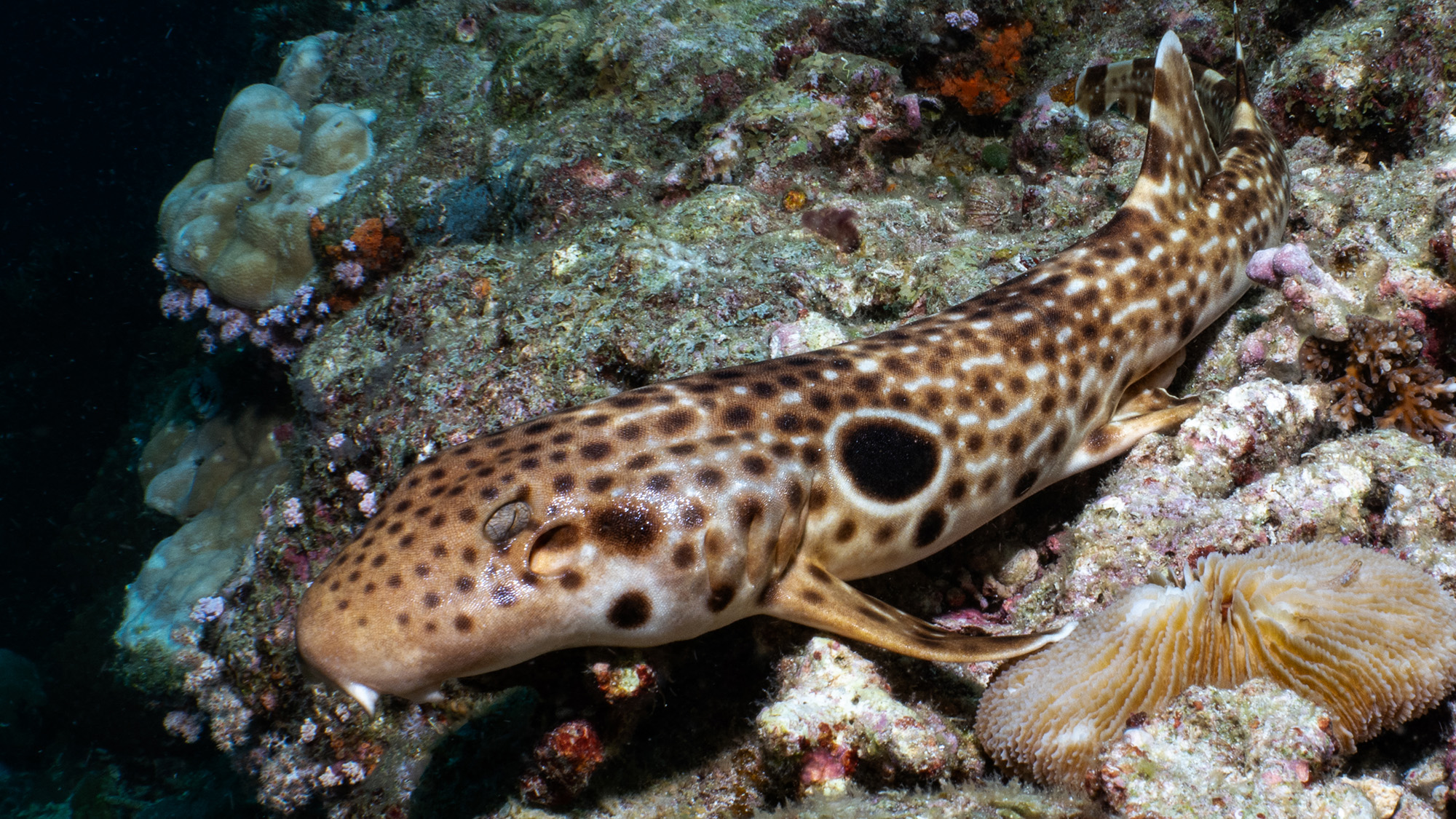
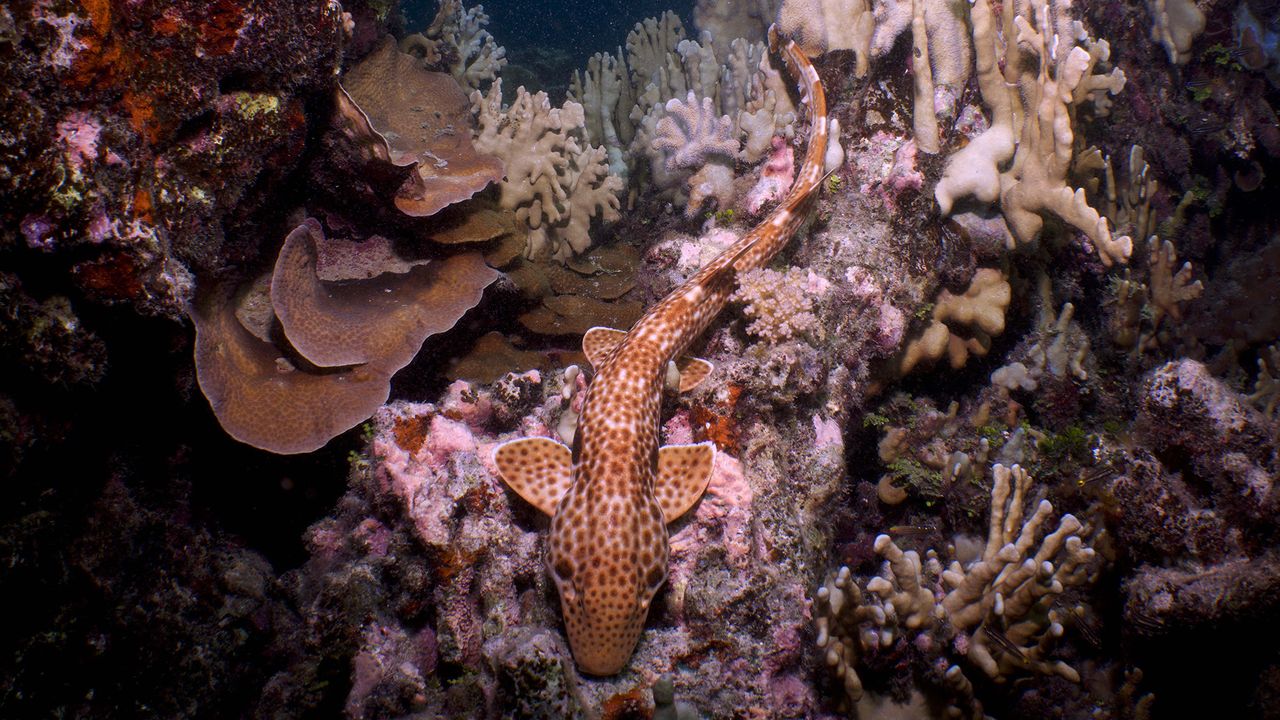
"Michael's walking shark has leopard prints and Dudgeon's walking shark has small white dashes and brown dots all over its body," Dudgeon said. "But with only one specimen we were not sure if this was an anomaly or a true difference."

The researchers continued surveying nearby reefs, and within two days, they had located 11 additional Dudgeon's walking sharks across three sites. These included males and females, both juveniles and adults, with all displaying the distinctive body pattern. That consistency convinced the team that they were likely looking at an undescribed species.

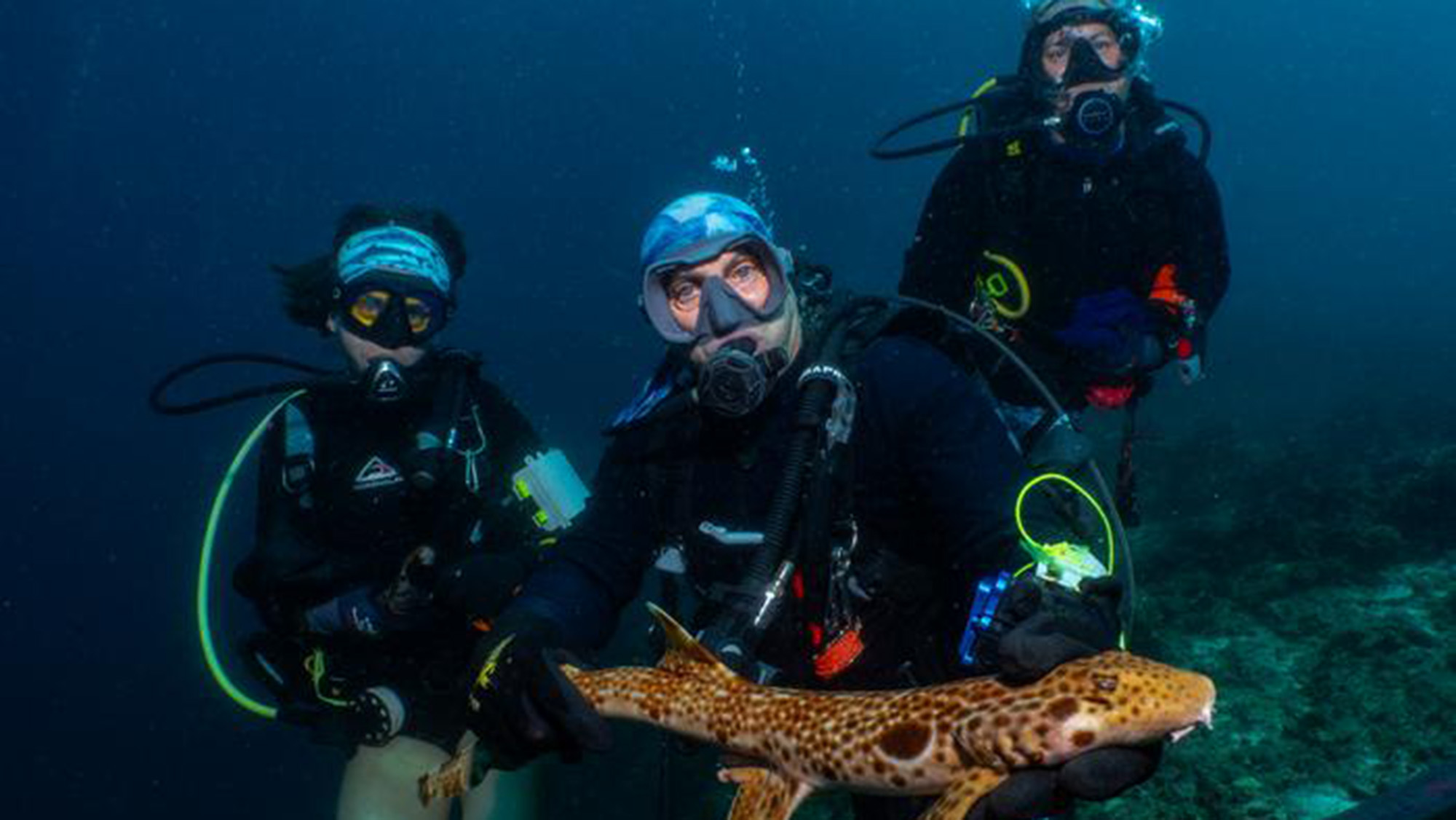
Three divers float with a brown and white shark in the ocean

Left to right: researchers Jess Blakeway, Mark Erdmann and Christine Dudgeon pose with the newly identified shark species H. dudgeonae. (Image credit: Nesha Ichida)

Dudgeon and Blakeway used genetic data to test this hypothesis at their laboratory in Australia. By comparing DNA from the newly discovered sharks with genetic samples from the other nine walking shark species, they confirmed that the population represented a new species.

Walking on land

Walking sharks are notable for their unusual biology. Unlike larger, open-ocean shark species, walking sharks spend their lives near coral reefs. Their ability to "walk" across the seafloor using their pectoral and pelvic fins is particularly useful during low tide, when parts of the reef become isolated from deeper waters. "Walking" helps the animals remain active when oxygen levels drop so that they can continue hunting prey across reef flats.

A close up of a brown and white spotted shark amidst rocks and corals

The new shark species H. dudgeonae was found in Watota, Milne Bay, off southeastern Papua New Guinea. (Image credit: Mark Erdmann)

Scientists think this ability evolved as a response to the challenging environment of tropical reef flats, where oxygen levels can shift dramatically as the tides rise and fall.

Studies indicate that some walking sharks can survive in low oxygen environments for hours, though more research is needed to understand how the sharks are able to do this, Dudgeon said.

So far, Dudgeon's walking shark has been documented at only three locations in Papua New Guinea. If future research confirms that the species has a highly restricted range, H. dudgeonae could be vulnerable to habitat degradation, climate change or overfishing.

Many walking shark species appear to stay close to the reefs where they were born, which limits their ability to recolonize damaged habitats. Species with small geographic ranges are often more susceptible to population declines because local disturbances can affect a larger portion of the total local population.

The discovery also shows how new shark species are still being found in regions that have received relatively little scientific attention. Dudgeon and her team plan to continue doing surveys in Papua New Guinea to study the new species in its home environment.

"I think many people are not aware of the wonderful diversity of sharks and their relatives, the rays, skates and chimeras," Dudgeon said. "Very few species are dangerous to humans and they are a wonderfully broad and eclectic group of animals. They continue to surprise and fascinate us."

How much of a shark fan are you? Find out with our shark quiz!

  •  
❌