Login

Un hongo intestinal que "protege" de la radiación: qué dice realmente el estudio
¿Puede un hongo intestinal ayudar a tu cuerpo a resistir la radiación? Descubre qué sugieren estudios preclínicos sobre mucor y microbiota.

Chief of nuclear watchdog says secret Assad-era facility would have been able to produce fissile material
A nearly complete nuclear reactor built secretly during the rule of the toppled Syrian leader Bashar al-Assad would have been able to produce fissile material for possible use in nuclear weapons, the chief of the UN nuclear watchdog has revealed.
Inspectors from the International Atomic Energy Agency (IAEA) last month visited two sites, one in Deir ez-Zor and a second in an undisclosed location identified to them by Syrian authorities.
Continue reading...
© Photograph: Mahmoud Hassano/Reuters

© Photograph: Mahmoud Hassano/Reuters

© Photograph: Mahmoud Hassano/Reuters

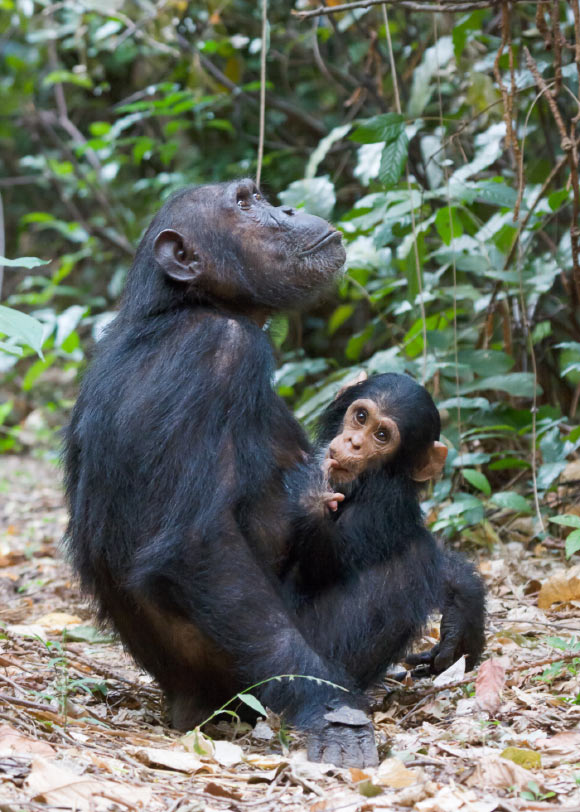
Researchers tracking grunts, whimpers and laughter across two geographically separated chimpanzee populations found that vocal differences sharpen with age.
The post Young Chimps Develop Their Own Accents, New Study Finds appeared first on Sci.News: Breaking Science News.
It’s very much a real-life doco version of ‘The Lion King’, with Jon Favreau executive producing, and music from Hans Zimmer echoing themes from the Disney classic. It took Disney+ and BBC Studios’...
The post ‘LION’ – new TV series chronicles four-year journey of lion cub Kio first appeared on Science Illustrated.

© Asim Hafeez for The New York Times

Thula Solutions’ new electric safari vehicles aren’t repurposed diesels – they were engineered from the ground up as purpose-built electric safari vehicles designed to get curious tourists, scientists, and park workers closer to the action than ever before.
Senior MTN Group executives promoted the potential pan-African economic benefits of digitalisation during a meeting with the International Monetary Fund (IMF), moves they inevitably argued are boosted by the operator’s broad footprint.
MTN president and CEO Ralph Mupita (pictured, third from right) emphasised the importance of the operator group’s scale and global clout during the meeting with IMF first deputy MD Dan Katz (pictured, centre) and various of their staff.
The conflab formed part of broader talks Katz is holding with South African authorities and private sector players.
Mupita said wide-reaching collaborations can speed “Africa’s digital transformation” and Katz’ visit is an “opportunity to engage constructively with the IMF leadership”.
The executive explained “the discussion centred on the macroeconomic outlook across our key markets of South Africa, Nigeria and Ghana”.
“In particular, we discussed the power of the digital economy to drive sustainable growth across the continent.”
MTN highlighted it is working to boost digitalisation through its Ambition 2030 programme, which includes goals of broadening consumer and business access to connectivity, expanding fintech services, and extending the reach of fibre and availability of AI data centres.
The post MTN deposits digital economy knowledge with IMF appeared first on Mobile World Live.

New research led by the University of California, Berkeley reveals that beyond Neanderthals and Denisovans, humans interbred with two mysterious ‘ghost’ lineages: one in Africa more than 50,000 years ago, another in Eurasia over 1.7 million years ago.
The post Scientists Find Traces of Two Unknown Archaic Hominins in Human DNA appeared first on Sci.News: Breaking Science News.
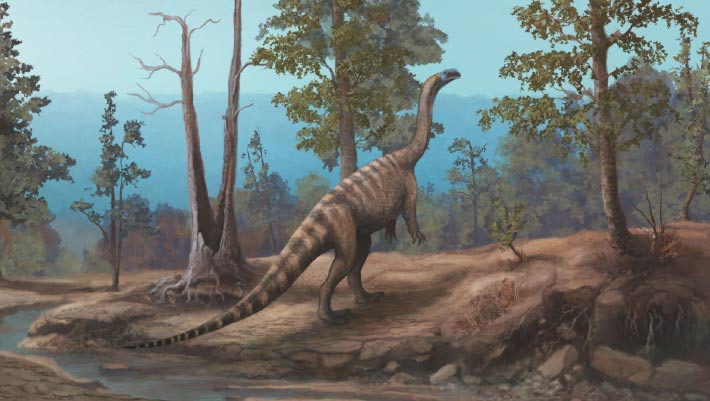
An international team of paleontologists has identified a new species of early sauropodomorph dinosaur in Zimbabwe, adding to growing evidence that southern Africa hosted a richer diversity of dinosaurs during the Late Triassic epoch than previously recognized.
The post New Species of Triassic Dinosaur Discovered on Shores of Zimbabwe’s Lake Kariba appeared first on Sci.News: Breaking Science News.

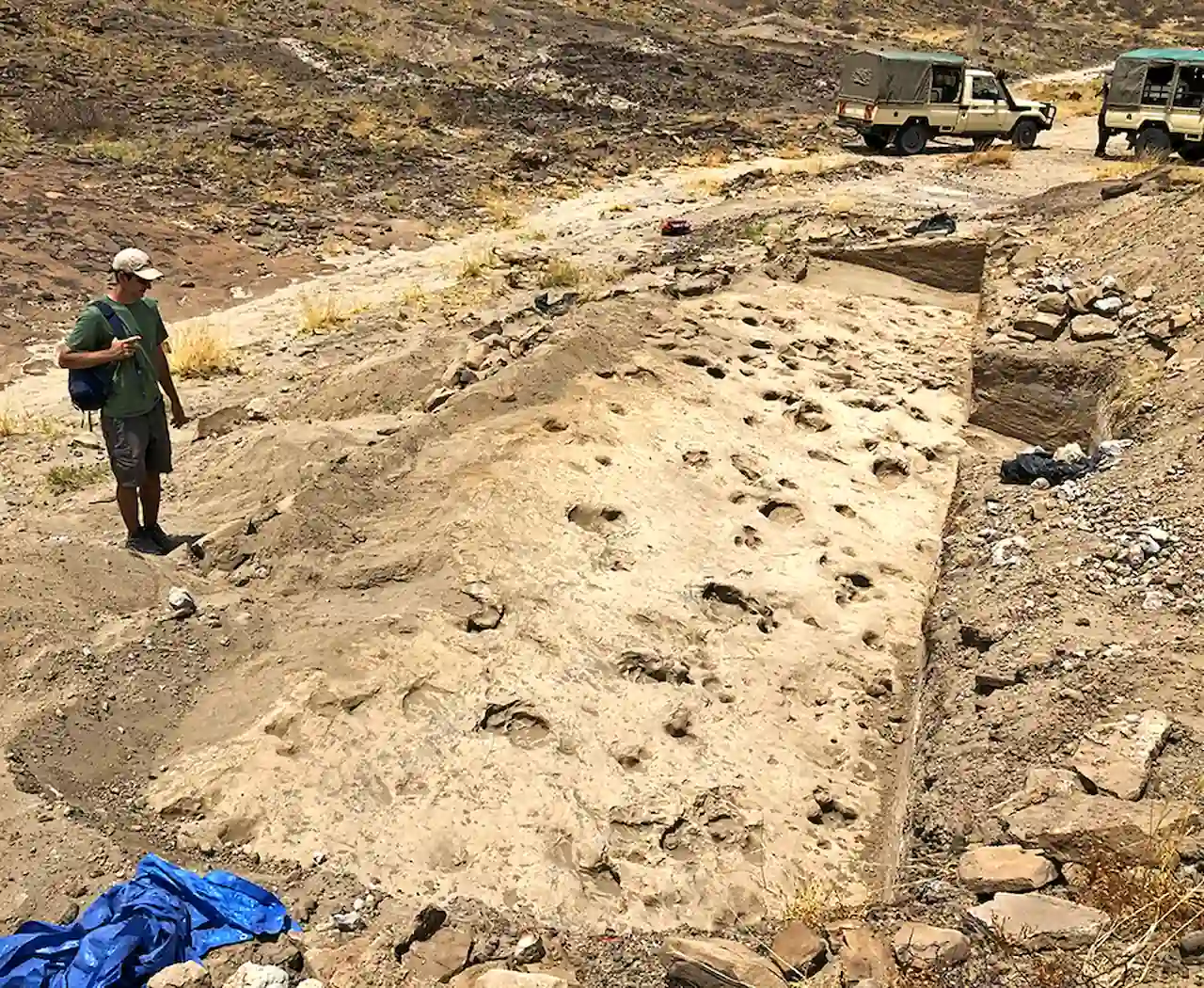
A set of 1.43-million-year-old fossil footprints preserved along the margin of an ancient lake in northern Kenya is offering paleoanthropologists new evidence about the size, gait and social lives of the beings who made them and reopening questions about which species they belonged to.
The post Ancient Footprints in Kenya Hint at Bigger Bodies and Group Behavior among Early Human Relatives appeared first on Sci.News: Breaking Science News.