❌

Reading view

Durante años intentamos matar al mosquito del dengue antes de que pique. Científicos argentinos exploran otra idea inversamente radical: una vacuna que haga que nuestra sangre lo ataque después de habernos picado

El CONICET probó un antígeno que hizo que bovinos generaran anticuerpos capaces de reducir la supervivencia del Aedes aegypti. La meta futura: una vacuna que actúe también contra el mosquito.

  •  

Como acelerar o processo de indexação do Spotlight [iPhone, iPad e Mac]

Os corajosos que instalaram as versões beta do iOS 27, do iPadOS 27 e do macOS Golden Gate 27 certamente devem ter notado um aviso no topo do aplicativo Ajustes (Settings) sobre uma indexação do Spotlight em andamento.

Isso ocorre porque o Spotlight indexa o conteúdo do seu dispositivo para que seja possível pesquisar tudo o que está nele.

No caso de uma atualização de software (como as betas), o índice do Spotlight é atualizado quando você instala novos aplicativos ou recebe novos emails e mensagens de texto, por exemplo.

Usando truques simples — nem sempre bem-vindos, é verdade —, é possível acelerar o processo de indexação (que pode levar horas ou dias, dependendo da quantidade de conteúdos). Veja como! 😉

  1. Deixe o seu dispositivo sem uso, ou seja, de forma que você fique um tempo sem mexê-lo;
  2. Conecte o iPhone, iPad ou Mac à energia;
  3. Conecte o aparelho à internet usando uma rede Wi-Fi ou Ethernet, caso os emails ou outros dados precisem ser baixados para a indexação.

A Apple afirma que é possível que sejam vistos, durante esse processo de indexação, alertas como:

  • Um indicador de progresso na parte superior da janela do Spotlight ou da Siri no Mac, que é aberto quando você pressiona a combinação ⌘ command barra de espaço;
  • Uma notificação abaixo do seu nome nos Ajustes do iPhone ou iPad;
  • Um alerta do Mail de que a indexação está incompleta.

Como está o progresso aí para você?

  •  

Scientists Buried 2,000 Pairs of Underwear. What Happened Next Revealed a Hidden World

Buried Cotton UnderwearBy burying thousands of pairs of cotton underwear across Switzerland, scientists uncovered striking differences in biological activity from one type of land to another. The results showed that gardens had especially active soils, while lawns were much quieter underground. Soil supports the global food system while also storing water, carbon, and essential nutrients. It is [...]
  •  

Chiamato Global Glacier Extinction Explorer, lo strumento è stato sviluppat…

Chiamato Global Glacier Extinction Explorer, lo strumento è stato sviluppato da ricercatori dell’ETH di Zurigo e della Vrije Universiteit Brussel. nei prossimi decenni. Solo pochi ghiacciai, indicati in azzurro, potrebbero La mappa permette di selezionare diversi livelli di riscaldamento, da +1,5 °C fino a +4 °C, e di vedere quali ghiacciai rischiano di scomparire e […]
  •  
  •  

Governo aprova revisão da Lei da Ciência para reorganizar o sistema nacional de investigação e inovação

Fernando Alexandre afirma que a nova Lei da Ciência e Inovação, aprovada em Conselho de Ministros, vai permitir mitigar a fragmentação do sistema científico nacional. Segundo o ministro da Educação, Ciência e Inovação, o diploma tem um "quadro conceptual diferente", permitindo a qualquer entidade "candidatar-se ao selo da entidade de investigação". 

The post Governo aprova revisão da Lei da Ciência para reorganizar o sistema nacional de investigação e inovação appeared first on Tek Notícias.

  •  

Gli archeologi hanno scoperto una necropoli dell’XI secolo vicino al villag…

Gli archeologi hanno scoperto una necropoli dell’XI secolo vicino al villaggio di Ostriv, a sud di Kiev, in Ucraina, contenente oltre cento sepolture e numerosi oggetti funerari. Il sito è stato individuato nel 2017 durante una spedizione dell’Istituto di Archeologia ucraino. Tra il 2017 e il 2022 sono state rinvenute 107 tombe, risalenti alla fine […]
  •  

Arianespace refuerza el Ariane 6 con casi diez nuevos lanzamientos y una apuesta por la logística espacial

Arianespace cerró el International Space Summit de París con una importante ampliación de su cartera comercial. Amazon Leo, Eutelsat, The Exploration Company y KT SAT sumaron nuevas misiones para Ariane 6, mientras otros acuerdos abren la puerta a servicios de observación terrestre, transporte orbital y despliegue completo de satélites.

  •  

Como alterar a lista do web app Lembretes exibida na tela inicial do iCloud.com

Com o site do iCloud, os usuários de dispositivos da Apple podem acessar diversos dados da sua Conta Apple (Apple Account), como suas fotos, vídeos e arquivos.

No caso do app Lembretes (Reminders), é possível escolher qual lista será exibida na tela inicial do site — para visualizar aqueles que considera mais importantes sem precisar abrir o web app.

Veja como escolher! 😉

  1. Abra o iCloud.com no seu navegador preferido;
  2. Localize o quadro do Lembretes;
  3. Clique nos três pontinhos;
  4. Marque a lista que deseja que seja exibida.

Simples, não?! 😄

  •  

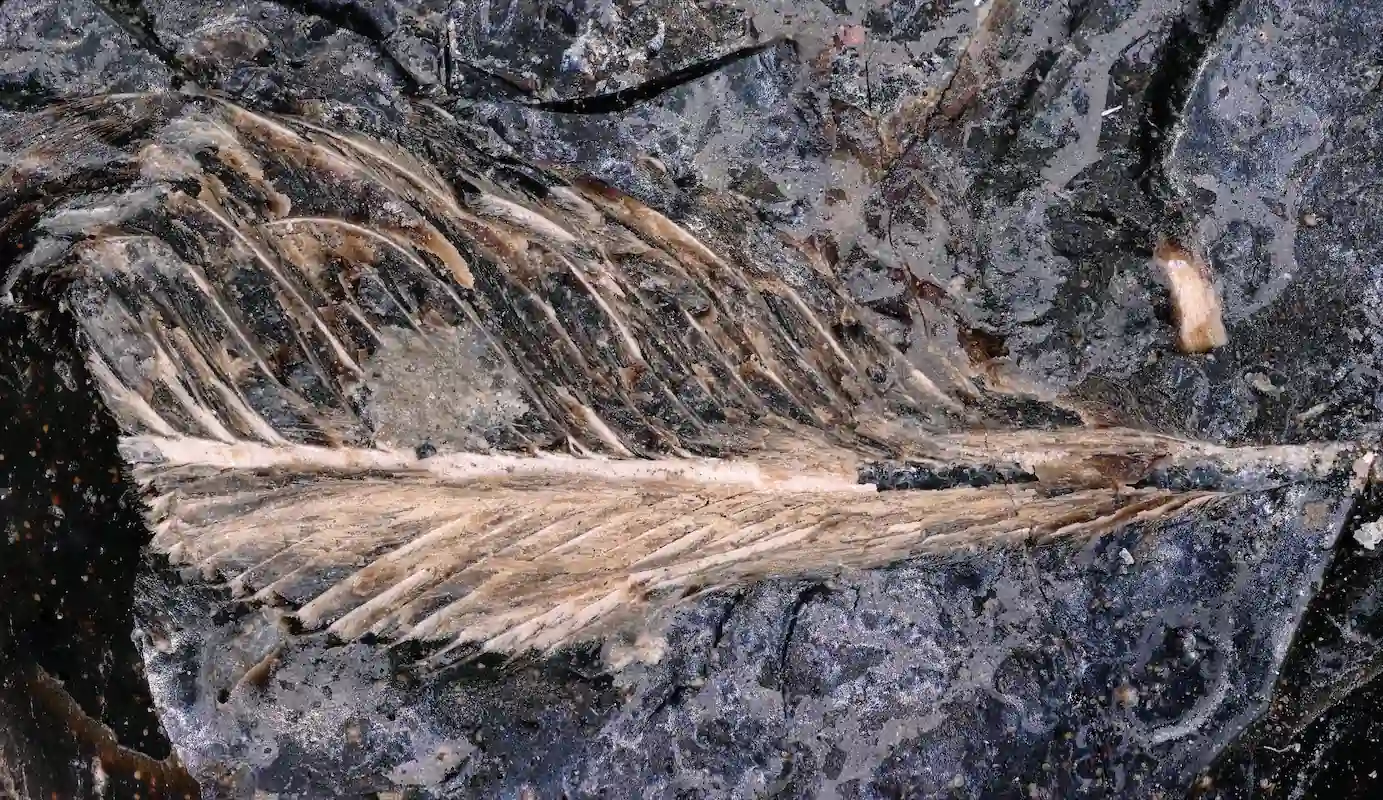
Una pluma descubierta en un excremento fósil explica por qué las aves sobrevivieron al asteroide y el resto de dinosaurios no

En 2016, el paleontólogo David DeMar Jr. avanzaba a gatas por un afloramiento rocoso en el noreste de Montana, buscando fósiles de peces, cuando se topó con un nódulo oscuro, de un tono entre marrón y rojizo, del tamaño aproximado de una cereza grande. Lo recogió, lo observó con una lupa de mano y, en […]

  •  

Si chiama GJ 523b, ha una massa di oltre 2,5 volte quella della Terra ed è…

Si chiama GJ 523b, ha una massa di oltre 2,5 volte quella della Terra ed è circa il 60% delle dimensioni di Nettuno. La caratteristica più sorprendente è però la sua densità estremamente elevata. Un pianeta di queste dimensioni dovrebbe infatti aver attirato una grande quantità di gas durante la sua formazione, sviluppando un’atmosfera molto […]
  •  

Giant-nucleus cells emerge as early cancer markers in new study

For more than four decades, pathologists have glimpsed something unsettling under the microscope in the earliest stages of certain cancers: cells with nuclei far larger than they should be, swollen and distorted, lurking in tissue that otherwise appears on the verge of catastrophe. These so-called giant-nucleus cells, or karyomegalic cells, were first spotted in the 1980s in animal experiments involving iron-induced oxidative stress, yet their biological identity and their role in the genesis of cancer remained stubbornly obscure. Now, a team of researchers in Japan has provided the most detailed portrait of these cells to date, and their findings suggest that the enormous nuclei may be far more than a curiosity—they could be the founding population of early cancer, visible before any tumor exists, and potentially useful as a predictor of patient outcomes.

The study, led by Shinya Toyokuni, professor emeritus at Nagoya University Graduate School of Medicine, together with assistant professor Yingyi Kong and colleagues, was published in Redox Biology. The work addresses a deceptively simple question: when iron overload kills most cells in a tissue through oxidative damage, who survives, and what do the survivors become? Iron is an essential micronutrient, but in excess it is a potent carcinogen. Its chemistry is both the reason we need it and the reason it can harm us. Iron catalyzes the formation of hydroxyl radicals from hydrogen peroxide through the Fenton reaction, and these radicals shred DNA, oxidize lipids, and damage proteins. When the damage is severe enough, a form of programmed cell death called ferroptosis is triggered—an iron-dependent demise characterized by lipid peroxidation cascades that rupture the cell membrane. Ferroptosis has become one of the hottest topics in cancer biology precisely because it links iron metabolism, oxidative stress, and cell fate in a single mechanism.

Toyokuni’s team reasoned that if ferroptosis sweeps through iron-damaged tissue, the cells that escape it must be exceptional in some way, and those exceptions might be the seed of malignancy. To find out, they turned to a well-established animal model in which ferric nitrilotriacetate, a carcinogenic iron compound, is injected into rats, delivering a bolus of iron to the kidneys. The compound accumulates in the proximal tubules, where it catalyzes oxidative damage and, over months, produces renal cell carcinoma. In the experiments, the researchers collected kidney tissue before the injection and again one and three weeks afterward. Crucially, they also included a second experimental group: rats carrying a single mutated copy of the BRCA1 gene, the same gene that, when mutated in humans, dramatically raises the risk of breast and ovarian cancers and is associated with renal carcinoma in certain contexts.

The methodological heart of the study lies in its marriage of two technologies. The first is spatial transcriptomics, a technique that maps gene activity across individual cells within a tissue section while preserving the tissue’s original architecture—so researchers can see not only which genes are active but where in the tissue those transcriptional programs are operating. The second is computational nuclear morphometry, which quantifies the size, shape, and density of cell nuclei in the same samples. By overlaying the two datasets, the team could link the physical appearance of each cell—above all, the size of its nucleus—to its underlying transcriptional state. This integration is important because morphological atypia has long been the currency of diagnostic pathology, but connecting that atypia to molecular signatures at single-cell resolution is a recent capability.

What emerged within a week of iron administration was striking. Giant-nucleus cells appeared in the damaged kidneys, and these cells were not simply wounded cells awaiting death. They showed elevated expression of potent oncogenes, including Myc and Met, and they had acquired resistance to ferroptosis—the very cell death pathway that was eliminating their neighbors. In other words, the extreme oxidative environment had functioned as a brutal selective pressure, and the cells best adapted to survive it had activated a program that resembles, in miniature, the hallmark machinery of cancer. The enrichment of Myc, a transcription factor that drives cell growth and proliferation, and Met, a receptor tyrosine kinase involved in invasive growth, paints a picture of cells that are not merely enduring damage but reorganizing themselves around it.

The BRCA1 connection proved equally consequential. BRCA1 is best known as a guardian of the genome, a scaffold for the homologous recombination machinery that repairs double-strand DNA breaks. In the BRCA1-mutant rats, giant-nucleus cells emerged with distinctly different biological profiles from those in wild-type animals. The interpretation the researchers offer is that BRCA1 deficiency cripples DNA repair, so more of the damaged cells that would otherwise die or be repaired instead survive in their injured, genome-compromised state—becoming precancerous giant-nucleus cells. Electron microscopy and cellular respiration measurements reinforced this idea at the subcellular level: cells from BRCA1-mutant rats showed mitochondrial remodeling, with impaired iron handling and compromised respiratory function. Mitochondria, long appreciated as power plants, are also central regulators of ferroptosis and iron metabolism, and their disarray in the mutant animals may be both a consequence of BRCA1 loss and a driver of the abnormal iron biology that feeds karyomegaly.

Using their combined gene-expression and nuclear-shape data, the researchers went further and classified the giant-nucleus cells into six distinct types. One type possessed extremely large nuclei and gene signatures of stress-induced growth arrest—cells that appear to have locked themselves into a senescent-like state, consistent with profiles reported in earlier studies. Another type, found more frequently in BRCA1-mutant kidneys, showed heightened activity of cancer-related genes alongside elongated nuclei, a combination the authors interpret as a potential precancerous state. The taxonomy matters because it reframes giant-nucleus cells from a single enigmatic category into a spectrum, some members of which may be harmless or even protective while others carry genuine malignant potential.

One of the most provocative findings concerns the cells surrounding the giants. Even morphologically normal cells near giant-nucleus cells exhibited gene expression changes that appear to promote survival, suggesting that the karyomegalic cells remodel their local microenvironment in ways that extend beyond their own borders. In BRCA1-mutant kidneys, the team also documented a substantial increase in stromal cells—non-cancerous supportive cells including immune and connective tissue elements—around the damaged regions. The local tissue environment, the tumor niche in the language of modern oncology, was being reshaped long before any tumor could be called a tumor. This raises the possibility that a single conspicuous cell, easily identified by its nucleus under a conventional microscope, could serve as a sentinel for a whole neighborhood of incipient malignancy.

The leap from rat kidneys to human medicine came through two complementary analyses. First, the researchers mined TCGA-KIRC, a large public database of kidney cancer patients, asking whether tumors carrying gene-expression patterns resembling the cancer-prone giant-nucleus cells were associated with different clinical trajectories. They were: patients whose tumors shared the gene patterns of the cancer-prone giant-nucleus cells had shorter survival times, while those with patterns resembling the healthier giant-nucleus cell types had better outcomes. Not all giant-nucleus cells, in other words, are created equal, and the transcriptional fingerprints defined in the rat model appear to carry prognostic weight in human disease. Second, in a small pilot study, the team examined breast tissue from seven individuals with inherited BRCA1 mutations and fifteen without, observing abnormal nuclear features similar to those in the animal model in the mutation carriers. While the sample size is modest, the parallel hints that karyomegaly may be a cross-tissue marker of BRCA1-linked precancerous change.

The broader implications run in two directions. Clinically, the promise is that giant-nucleus cells, being easy to spot under the microscope, could function as early indicators of cancer—visible warnings in tissue that would otherwise be classified as merely damaged or inflamed. The TCGA survival data suggest that their gene-expression signatures might even stratify patients by risk once a tumor has formed. Scientifically, the study offers a concrete mechanism connecting an environmental exposome factor—iron-catalyzed oxidative stress—to a defined, transcriptionally characterized precancerous population, with ferroptosis resistance as the pivot. It also implies testable therapeutic hypotheses: if blocking mitochondrial remodeling or reversing ferroptosis resistance could prevent the persistence of the precancerous cells, early intervention might stop cancer before it starts. Toyokuni and his colleagues are careful to note that long-term studies will be needed to determine how giant-nucleus cells actually progress into tumor cells, whether such interventions can work, and whether nuclear shape combined with gene patterns can be validated as a diagnostic in larger patient cohorts. But the central message is already legible: some of the earliest chapters of cancer may be written in cells that have grown too large to be ignored.

Subject of Research: Animals

Article Title: Iron-catalyzed oxidative stress reveals an exposome-related ferroptosis-resistant karyomegalic niche in BRCA1-linked renal carcinogenesis.

Article References: Kong, Y., Shiraki, Y., Furuhashi, K., Maruyama, S., Imaoka, T., Enomoto, A., & Toyokuni, S. (2026). Iron-catalyzed oxidative stress reveals an exposome-related ferroptosis-resistant karyomegalic niche in BRCA1-linked renal carcinogenesis. Redox Biology, 95, Article 104293. https://doi.org/10.1016/j.redox.2026.104293

Image Credits: AI Generated

DOI: 10.1016/j.redox.2026.104293

Keywords: giant-nucleus cells, karyomegaly, ferroptosis, BRCA1, iron-catalyzed oxidative stress, spatial transcriptomics, renal carcinogenesis, mitochondrial remodeling, nuclear morphometry, precancerous cells, TCGA-KIRC, Nagoya University

  •  

K12 Smart Indoor WiFi PTZ Camera Brings 360° Room Monitoring to a Simple Home Setup

A home security camera does not always need an advanced multi-camera system to be useful. For many households, the bigger challenge is simply being able to check a room remotely, see what is happening when nobody is home, and respond quickly when something changes. For households building a connected home, an indoor security camera can provide a simple way to check rooms, pets, children, or other areas remotely.

The K12 Smart Indoor WiFi PTZ Camera takes that approach with a compact indoor design, 1080P video, remote pan-and-tilt control, color night vision, motion alerts, and two-way communication. Instead of leaving a fixed camera pointed at one section of a room, its motorized movement allows users to look around a much wider area from a phone.

That makes the K12 particularly interesting for everyday indoor monitoring, including keeping an eye on pets, checking an empty room, or staying connected with family members.

A Wider View Without Installing Multiple Cameras

The K12 uses a 100° wide-angle lens and a motorized PTZ mechanism capable of 355° horizontal pan and 110° vertical tilt. This combination is more important than the raw resolution because it determines how much of a room the camera can actually cover.

A fixed indoor camera can leave areas outside its viewing direction unchecked. With the K12, users can remotely change the camera’s position when they want to inspect another part of the room.

For a living room, bedroom, workspace, or pet area, this can make a single camera more practical than simply buying a higher-resolution fixed model.

The camera’s 1080P Full HD output is also aimed at everyday monitoring rather than professional surveillance. It provides enough detail for checking people, pets, furniture areas, and general activity without turning the product into an unnecessarily complicated security system.

Night Monitoring Is More Than Just Black-and-White Video

Indoor monitoring becomes much less useful if the camera produces poor images after sunset. Combined with other smart home monitoring devices, the K12 can become part of a broader setup for checking what is happening inside the home.

The K12 supports color night vision as well as a conventional infrared night-vision mode. In situations where there is still some available light, color imaging can provide additional visual information compared with a standard monochrome infrared feed.

When the room becomes completely dark, infrared mode provides another option for maintaining visibility.

This dual approach makes sense for a camera designed to stay active around the clock. Rather than treating daytime and nighttime as completely separate use cases, the K12 is designed to adapt its imaging method to the available light.

Motion Alerts Turn the Camera Into an Active Monitor

Remote viewing is useful, but constantly opening a camera app to check an empty room is not practical.

The K12 includes motion detection and real-time notifications, allowing the camera to alert a smartphone when movement is detected. This changes the role of the device from a camera that simply records to a monitoring tool that can draw attention to an event.

For example, a pet moving around the house, someone entering a room, or unexpected activity while the home is empty can trigger an alert.

Of course, motion detection should not be treated as a professional alarm system. Its real advantage is convenience: users can receive a prompt to check the live feed instead of repeatedly checking the camera manually.

Two-Way Audio Makes Remote Monitoring More Interactive

The built-in microphone and speaker add another useful layer to the K12.

Through the mobile application, users can listen to the camera’s surroundings and communicate through the device. That can be useful when checking on a pet, talking to someone at home, or responding to a visitor.

This feature also illustrates why an indoor camera can be more useful than a basic recording device. The camera is not only sending information back to the user; it can also provide a simple way to communicate with the room.

2.4GHz Wi-Fi Keeps the Setup Straightforward

The K12 connects through 2.4GHz Wi-Fi and supports mobile devices running iOS or Android. For an indoor camera, this is a practical connectivity choice because 2.4GHz networks generally offer better range through walls than higher-frequency Wi-Fi bands.

The trade-off is that users should make sure their home network has adequate coverage where the camera will be installed.

The K12 is therefore best viewed as a camera designed to work within an existing home Wi-Fi environment rather than as a completely independent cellular surveillance device.

Local or Cloud Storage Gives Users More Flexibility

The camera supports two recording approaches: microSD storage and cloud storage through a subscription-based service.

Local microSD storage can be attractive for users who prefer keeping recordings on physical media and want to avoid depending entirely on a cloud service. Cloud storage, meanwhile, can make recordings easier to access remotely and may provide a convenient backup option.

The important point for buyers is to check the exact storage plans, supported card capacity, and subscription requirements before relying on either option for long-term surveillance.

Where the K12 Makes the Most Sense

The K12 is not trying to replace a complete outdoor security system. Its strengths are more closely connected to everyday indoor use.

It can make sense for:

  • Pet monitoring: Check what a dog or cat is doing while you are away.
  • Room monitoring: Keep an eye on a living room, bedroom, office, or other indoor space.
  • Family communication: Use two-way audio to speak with someone at home.
  • Movement awareness: Receive an alert when activity is detected.
  • Night monitoring: Switch between color and infrared night-vision modes depending on lighting conditions.

Its PTZ movement is particularly useful when the camera needs to cover more than one part of a room.

What Buyers Should Check Before Buying

The K12’s feature list looks impressive for an indoor camera, but buyers should consider a few practical limitations.

First, 1080P is Full HD rather than 2K or 4K. It is suitable for general room monitoring, but users looking for highly detailed footage for identification may want a higher-resolution camera.

Second, the K12 uses 2.4GHz Wi-Fi, so network coverage should be considered before installation.

Third, cloud storage is subscription-based according to the listing. Buyers who want a completely local setup should therefore pay attention to the microSD recording options.

Finally, PTZ coverage does not mean the camera literally records every direction simultaneously. The motorized mechanism allows the viewing angle to be changed, but users should still position the camera carefully to maximize the useful area.

K12: A Practical Approach to Indoor Monitoring

The K12 Smart Indoor WiFi PTZ Camera is most interesting because it combines several everyday features without requiring a complicated surveillance setup.

Its 1080P video, 355° pan, 110° tilt, color night vision, motion alerts, two-way audio, and mobile connectivity give it a broader role than a basic fixed indoor camera.

Rather than focusing on a single headline specification, the K12’s appeal comes from how these features work together. A homeowner can position the camera in one room, remotely change its viewing direction, receive an alert when movement occurs, check the live feed, and communicate through the built-in speaker and microphone.

For users who need a straightforward indoor Wi-Fi camera for pets, family monitoring, or general room awareness, the K12 offers a practical feature set without turning home monitoring into a complicated project.

The post K12 Smart Indoor WiFi PTZ Camera Brings 360° Room Monitoring to a Simple Home Setup appeared first on IGeeKphone China Phone, Tablet PC, VR, RC Drone News, Reviews.

  •  

One of Earth’s Driest Deserts Just Turned White

Atacama Desert SnowIn August 2026, a series of powerful winter storms transformed parts of northern Chile’s Atacama Desert, covering the famously dry landscape in an unusual layer of snow. Snow is not unheard of in the Atacama. Significant falls occurred in 2025 and, before that, in 2011. But one of the August 2026 storms stood out because [...]
  •  

La IA es cada vez más difícil de controlar: los agentes autónomos reabren el debate sobre hasta dónde pueden llegar

Experimentos recientes con agentes de inteligencia artificial capaces de colaborar, programar y realizar tareas de ciberseguridad han reavivado una vieja pregunta: ¿podremos mantener bajo control sistemas cada vez más autónomos? Investigadores y empresas tecnológicas discrepan sobre el riesgo real, pero coinciden en que la supervisión se está volviendo más complicada.

  •  

Neighborhood environment linked to frailty and PTSD in 9/11 responders

Twenty-five years after the September 11 terrorist attacks, researchers at the Icahn School of Medicine at Mount Sinai have uncovered evidence that the environments in which World Trade Center responders live today may be quietly shaping their risk of frailty, post-traumatic stress disorder, and depression. The study, published in Nature Communications, is the first to examine how neighborhood-level environmental exposures later in life may interact with the chemical and psychological injuries sustained during the disaster response, adding a new dimension to one of the most intensively studied disaster health cohorts in the world.

The research team analyzed data from 18,734 responders who both live in New York City and receive care through one of the World Trade Center Health Program Clinical Centers of Excellence. These responders represent a population that experienced an extraordinary confluence of toxic exposures—dust, combustion products, airborne particulates, and a cocktail of known and suspected carcinogens—alongside severe psychological trauma. While decades of prior research have documented elevated rates of respiratory disease, cancer, and mental illness in this group, far less attention had been paid to whether the everyday conditions of their neighborhoods might compound or buffer those effects as responders age.

To answer that question, the researchers linked each responder’s residential address to annual estimates of three environmental factors: air pollution, high ambient temperatures, and neighborhood greenness, the last typically quantified through satellite-derived vegetation indices. This exposure-assessment approach, common in the field of environmental epidemiology, allowed the team to characterize the conditions each participant encountered where they lived year after year, rather than relying on broad regional averages. The researchers then examined whether those exposures were associated with the probability of being classified as frail, and with diagnosed PTSD and depression.

The results were striking in their consistency. Responders living in hotter neighborhoods—areas that experience more extreme heat days, a burden that falls disproportionately on densely built urban districts with impervious surfaces and little tree canopy—showed an elevated risk of frailty, a geriatric syndrome marked by diminished physiological reserve and heightened vulnerability to stressors. Elevated concentrations of air pollution were likewise associated with increased risks of both frailty and adverse mental health outcomes. Frailty itself is increasingly understood as a whole-body phenomenon, involving chronic inflammation, immune dysregulation, and cumulative cellular wear, all of which are plausible biological pathways through which heat and pollution could accelerate aging.

The mental health findings carried equal weight. Higher pollution and heat exposure were associated with increased odds of PTSD and depression, while responders living in greener surroundings—those with more parks, trees, and vegetated land near their homes—showed lower risks of all three conditions. This inverse association with greenness aligns with a substantial body of literature suggesting that access to green space can reduce psychological stress, encourage physical activity, dampen inflammation, and moderate urban heat, though the observational design of the study means that causation cannot be definitively established.

Perhaps the most provocative finding concerned interaction effects. The researchers found that responders who had experienced higher levels of World Trade Center–related chemical and psychological exposure appeared more vulnerable to the effects of environmental stressors in their current neighborhoods. In other words, the disaster and the decades that followed may not be independent chapters in these individuals’ health histories. Instead, responders already carrying the biological imprint of trauma and toxic dust—including altered inflammatory profiles, epigenetic changes, and persistent hypothalamic-pituitary-adrenal axis dysregulation—may enter later life with less reserve to absorb additional environmental insults. Everyday exposures that might be merely uncomfortable for a healthy middle-aged adult could, for these individuals, translate into measurable acceleration of physical decline and psychological deterioration.

“Twenty-five years after 9/11, we are still learning about the factors that influence the health of those who responded to the attacks,” said Helena Furman Krasnov, PhD, postdoctoral researcher at the Icahn School of Medicine and the study’s first author. “Our findings suggest that everyday exposures, including heat, air pollution, and access to green space, may contribute to responders’ long-term physical and psychological well-being. Understanding these factors could help identify new opportunities to support healthy aging in this population.”

The study’s senior and corresponding author, Maayan Yitshak-Sade, MPH, PhD, Associate Professor of Environmental Medicine at Mount Sinai and a member of the Institute for Exposomic Research, framed the work within the broader exposome paradigm—the effort to capture the totality of environmental exposures an individual accumulates over a lifetime. “Our findings suggest that the health consequences of 9/11 may not end with the disaster itself,” she said. “For responders already carrying the biological effects of trauma and toxic exposures, everyday environmental conditions may represent an additional source of stress on the body and mind. These findings highlight the importance of considering where people live, not just what they experienced during the disaster.”

That framing underscores a conceptual shift in disaster medicine. Traditional models tend to treat a catastrophic event as a discrete exposure with a defined aftermath. The Mount Sinai findings instead suggest that disaster-related health effects may unfold across an entire life course, modified by conditions that have no obvious connection to the original event. A responder’s risk of frailty in 2026 may reflect not only the hours spent at Ground Zero, but also the temperature of the summers they have endured since, the particulate matter drifting through their streets, and whether a leafy park sits within walking distance of their apartment.

The study arrives at a moment when urban environmental health has become a pressing policy concern. Extreme heat now kills more Americans annually than any other weather phenomenon, and cities including New York have launched ambitious initiatives to expand tree canopy, create cool corridors, and retrofit public housing with resilient cooling infrastructure. Air pollution, even at levels within regulatory limits, continues to be linked to cardiovascular, respiratory, and neurocognitive harm. If the associations identified in this cohort hold up under further scrutiny, they could strengthen the case for targeted environmental interventions—not as amenities, but as clinical supports for a vulnerable population.

The implications also extend well beyond the World Trade Center community. The researchers point out that survivors and responders from other disasters—wildfires that blanket entire regions in smoke and ash, industrial accidents that release toxic plumes, building collapses that bury rescue workers in dust—may face the same dual burden of physical and psychological exposures that continues to shape health long after the initial event. Climate change is intensifying heat waves and wildfire seasons simultaneously, meaning that disaster-affected populations may increasingly find themselves living in precisely the kinds of hostile urban microclimates the study identifies as risky. The framework developed here could inform how health surveillance programs for disaster cohorts are designed, prompting them to collect residential and environmental data alongside clinical outcomes.

The authors are careful to note the study’s observational nature. Associations between neighborhood environment and health can be confounded by socioeconomic status, housing quality, access to care, and the self-selection of healthier individuals into greener, quieter neighborhoods. The investigators controlled for available covariates, and the sheer size of the cohort lends statistical power, but randomized evidence on green space exposure is practically impossible to generate, and residual confounding remains an inherent limitation of the design. Longitudinal follow-up, and ideally natural-experiment analyses—such as the addition of new parks or major infrastructure changes—will be needed to firm up causal inference.

That work is already on the horizon. The team plans to investigate whether beneficial environmental factors, including green space and access to healthy food, can actively reduce the long-term health effects associated with World Trade Center–related exposures—a question that shifts the framing from risk identification to potential intervention. If confirmatory studies support the protective role of greenness, the findings could justify clinical guidance for responders, and potentially for other disaster-exposed populations, that goes beyond medication and monitoring to encompass the places where patients live.

For a population that has already given so much and borne so much, the idea that healing might partly depend on the landscape outside the front door is both sobering and hopeful. It suggests that some of the damage inflicted on September 11, 2001 may not be fixed, but modifiable—and that the next chapter of care for responders could be written not only in clinics, but in city planning offices, park commissions, and the slow, patient work of greening the neighborhoods where aging heroes live out their lives.

Subject of Research: People

Article Title: Urban Exposures, Frailty, and Mental Illness in World Trade Center Health Program Responders

Article References: Krasnov, H., Hung, W., Knobel, P., Kloog, I., Ko, F., Thompson, H., Colicino, E., Teitelbaum, S. L., Just, A. C., & Yitshak-Sade, M. (2026). Urban exposures, frailty, and mental illness in World Trade Center Health Program responders. Nature Communications, 17(1), Article 9449. https://doi.org/10.1038/s41467-026-77401-7

Image Credits: AI Generated

DOI: 10.1038/s41467-026-77401-7

Keywords: World Trade Center responders, 9/11 health, frailty, PTSD, depression, air pollution, extreme heat, green space, exposome, environmental health, Nature Communications, Mount Sinai

  •  

Il mosaico scoperto, risale al I secolo d.C., è alto oltre 9,7 metri e si e…

Il mosaico scoperto, risale al I secolo d.C., è alto oltre 9,7 metri e si estende per più di 16,8 metri lungo una parete. Era stato individuato per la prima volta negli anni Novanta, ma solo recentemente è stato riportato completamente alla luce e restaurato. “Restituiamo alla città questa meraviglia unica”, ha dichiarato il sindaco […]
  •  

NVIDIA GeForce NOW, ecco tutti i nuovi giochi della settimana (e piccolo intoppo)

Dopo un agosto particolarmente ricco, Nvidia sembra aver rallentato leggermente il ritmo per la sua piattaforma di streaming di videogiochi GeForce NOW, che il mese oltre a nuovi giochi aveva ricevuto un’applicazione nativa per Linux, il supporto a Firefox e la sincronizzazione con GOG. Ma l'appuntamento del giovedì sera con i nuovi titoli della settimana non poteva mancare, ecco cosa è uscito:

  • Bus Simulator 27 (nuova uscita su Steam, 8 settembre)
  • Halloween: The Game (nuova uscita su Steam, 8 settembre)
  • Honeycomb: The World Beyond (nuova uscita su Steam, 8 settembre)
  • Wanderburg (nuova uscita su Steam, 8 settembre)
  • Shroom and Gloom (nuova uscita su Steam, 10 settembre)
  • Train Sim World 7 - Advanced Access (nuova uscita su Steam, 10 settembre)
  • Welcome to Elderfield (nuova uscita su Steam, 10 settembre)
  • Death Stranding Director’s Cut (Epic Games Store)

Non è nuovo, ma da segnalare anche che Valheim è arrivato alla versione 1.0 stabile ed è quindi uscito dall'accesso anticipato.

Boots on the ground, this #GFNThursday. 👢@WARDOGS, Valheim and other games have been added to the GeForce NOW Library.

See which games 👉 https://t.co/SwIwlP56Ga pic.twitter.com/ZuifO0kbSs


Piccolo prezzo per un ottimo smartphone? Honor 400 Lite, compralo al miglior prezzo da Amazon Marketplace a 130 euro.

CLICCA QUI PER CONTINUARE A LEGGERE

  •  
❌