❌

Reading view

Extreme weather reshapes how soils store and release carbon

Beneath every step we take, soils hold one of the planet’s largest reservoirs of carbon, a vast, slow-moving bank of organic matter that quietly regulates how much of the world’s carbon stays locked away and how much escapes into the atmosphere as greenhouse gas. Now a sweeping new review warns that climate-driven extremes, droughts, floods, and wildfires, are rewriting the rules of that subterranean economy in ways that conventional models and land-management practices have not yet caught up with. The analysis, led by environmental scientist Nanthi Bolan of the University of Western Australia and colleagues, including a corresponding authorship by Bolan himself, synthesizes a substantial body of global evidence on how extreme weather reshapes carbon inputs to soil, microbial processing, erosion, and the sequestration of carbon that underpins soil health, water retention, nutrient cycling, and agricultural productivity.

The work, published in the journal Carbon Research, is notable for the scale of its underlying evidence base. On 14 January 2026, the authors searched Google Scholar, PubMed, and Web of Science using terms spanning climate change, extreme weather, soil carbon, microbial activity, decomposition, erosion, dissolved organic matter, and leaching. The initial sweep returned 14,218 records; after removing duplicates and screening for eligibility, 3,754 articles remained for bibliometric and qualitative analysis. From those, 187 publications were selected for detailed synthesis based on relevance, methodological rigor, and the substantive quality of their findings. Keyword co-occurrence patterns were mapped with VOSviewer, a bibliometric tool that reveals the intellectual architecture of a research field. The result is a critical review grounded in structured literature screening rather than new experimental data, but its synthesis offers one of the most comprehensive maps yet of how extremes rearrange the soil carbon cycle.

The review’s central finding is that no two extremes act alike. Drought, the most widespread disturbance, operates largely through the plant side of the equation. When rainfall fails, photosynthesis slows, plant biomass production falls, and the total flux of carbon entering soils through roots, residues, and litter declines. There is a nuance here: under moderate water stress, plants may temporarily shift a greater proportion of their fixed carbon belowground, investing in roots to chase moisture. But prolonged drought overwhelms that compensatory response. Microbial biomass shrinks, litter decomposition stalls, and the living engine of the soil carbon cycle idles. Then comes the deceptive twist: when rain finally returns, rewetting triggers a rapid pulse of carbon dioxide as starved soil microbes seize upon the accumulated substrates left behind by months of suspended activity. That post-drought CO₂ flush, the review emphasizes, can erase much of the apparent “savings” that accumulated during the dry period. Across the assembled evidence, repeated and multi-year drought was consistently associated with declining soil organic carbon, with grasslands and arable croplands showing particularly pronounced losses, ecosystems that happen to anchor much of the world’s food production.

Flooding tells the opposite story, but it ends in many of the same places. Water saturation chokes off oxygen diffusion through soil pores, forcing microbial metabolism into anaerobic pathways. That shift changes everything downstream. Prolonged waterlogging can drive the chemical reduction of iron oxyhydroxides, minerals that in oxygenated conditions act as microscopic glues binding organic carbon to soil particles. When those minerals dissolve, the carbon they held is released as dissolved organic carbon, which can then be stripped away by erosion and leaching and exported to rivers, lakes, and ultimately the ocean. The review stresses, however, that flooding is not unambiguously a carbon loss story. Wetlands and other periodically inundated ecosystems can accumulate and retain enormous carbon stocks precisely because water constrains decomposition. Whether a flood event releases carbon or banks it depends on the interplay between plant inputs, oxygen availability, and hydrological transport, a delicate balance that shifting rainfall regimes are actively destabilizing.

Wildfire is the most dramatic and immediately visible of the three forces, and its effects cascade on multiple timescales. Combustion directly strips vegetation, litter, and soil organic matter, transferring carbon to the atmosphere in hours. But fire also rearranges the physical and biological landscape of the soil in subtler ways: it can increase erosion by removing protective ground cover, alter soil wettability in ways that change hydrological behavior, restructure microbial communities, and expose previously protected carbon, once shielded inside aggregates or mineral associations, to fresh decomposition. There is a paradoxical bright spot. Pyrogenic carbon, the charcoal-like residue of incomplete combustion, is chemically recalcitrant and can persist in soils for centuries or millennia, functioning as a long-term carbon sink. Whether a fire leaves a landscape as a net carbon source or stabilizes some of its carbon in pyrogenic form depends on fire severity, soil moisture, fuel load, ecosystem type, and the trajectory of post-fire recovery. The review is clear that this balance cannot be predicted from fire alone; it is contingent, site by site, on conditions that vary widely across the globe.

Perhaps the most consequential theme running through the synthesis is that carbon responses cannot be inferred from the type of extreme event alone. Land use, soil mineralogy, hydrology, salinity, vegetation composition, microbial community makeup, and the timing of events within a season all determine whether carbon ends up stored, mobilized, or released. Iron and aluminum oxyhydroxides and clay minerals, for instance, provide mineral protection that can shield organic matter even under stress, while sandy or low-clay soils offer little such refuge. Managed croplands respond differently from native grasslands; saline coastal soils behave differently from acidic forest soils. And compound events, drought followed by wildfire, or alternating drought and flooding in rapid succession, may produce effects that are qualitatively different from those of isolated disturbances, as when a dried landscape burns more intensely, or when post-fire soils, stripped of vegetation, wash away in the first heavy rain. The review argues that the climate science and soil science communities have largely studied these disturbances one at a time, while the real world increasingly delivers them in combination.

The implications for climate mitigation and adaptation are substantial. Soil organic carbon is frequently invoked in national climate pledges and voluntary carbon markets as a bankable sink, yet the review suggests that the security of that bank depends heavily on how often and how severely extremes strike. If multi-year droughts steadily drain carbon from grasslands and croplands, or if fires repeatedly reset accumulation cycles, the effective permanence of soil carbon storage becomes far more fragile than many accounting frameworks assume. Conversely, protecting and rebuilding soil carbon delivers benefits well beyond climate: it improves water retention in drought-prone regions, supports nutrient cycling, stabilizes soil structure against erosion, and sustains the microbial diversity on which fertility depends. Carbon stewardship, in other words, is not separable from food security or ecosystem resilience; it is the same problem viewed from different angles.

The authors are candid about the limits of the current evidence base. The article does not report newly generated datasets and does not present a dedicated limitations section, and its conclusions rest on a qualitative synthesis of selected publications. Consequently, they call for improved and more consistent evidence across soil types, land uses, and both terrestrial and aquatic environments, and across multiple temporal scales, from the instantaneous CO₂ pulse after rewetting to the multi-decadal trajectory of carbon storage. Standardizing measurements of carbon pools, microbial functions, and event intensity, they argue, would make results comparable across ecosystems and enable more confident generalization, something the field currently struggles to achieve given heterogeneous methods and site-specific reporting.

Looking forward, the review sketches a research agenda that is as technologically ambitious as it is mechanistically focused. The authors recommend integrating high-resolution remote sensing with ground observations, advanced spectroscopy, molecular analyses, and integrated modeling to track carbon as it moves through soils and into waterways. They single out several priorities: characterizing microbial genomic and functional diversity as it responds to stress, quantifying carbon stoichiometry, probing the interactions between organic matter and iron and aluminum oxyhydroxides, understanding clay-mineral protection mechanisms, tracking long-term storage outcomes, and systematically studying the sequencing of compound extreme events. Each of these threads addresses a gap in the mechanistic chain that links a weather event in the atmosphere to a molecule of carbon, stabilized or released, in the soil.

What emerges from the review is a picture of the soil carbon cycle not as a stable background process but as a dynamic, contested system whose behavior under climate extremes is far less predictable than once assumed. The same storm that floods a rice paddy and exports carbon to a river delta may, a few hundred kilometers away, end a drought and briefly green a grassland, with opposite consequences for the atmosphere. As extremes grow more frequent and more compound, the review makes the case that understanding, and safeguarding, the carbon held beneath our feet will require science that is as interconnected and as restless as the weather itself.

Keywords

soil organic carbon, extreme weather, drought, flooding, wildfire, carbon sequestration, microbial activity, dissolved organic carbon, erosion, pyrogenic carbon, climate change, soil health

Subject of Research: Impacts of climate change-induced extreme weather events (drought, flooding, wildfire) on carbon dynamics in soil

Article Title: Impacts of climate change-induced extreme weather events on carbon dynamics in soil

Article References: Bolan, N., Messiga, A. J., Sharma, S., Mukherjee, S., Bolan, S., Salehin, S. M. U., Rupngam, T., Rajan, N., Zhang, T., Yang, Y., Jagadesh, M., & Siddique, K. H. M. (2026). Impacts of climate change-induced extreme weather events on carbon dynamics in soil. Carbon Research, 5(1), Article 58. https://doi.org/10.1007/s44246-026-00300-5

Image Credits: AI Generated

DOI: 10.1007/s44246-026-00300-5

Keywords: adaptation of land management practices to climate extremes, challenges to conventional soil carbon models, Climate change impacts on soil carbon storage, effects of droughts and floods on soil microbial activity, global evidence on soil carbon dynamics, implications for greenhouse gas emissions, influence of extreme weather on nutrient cycling and water retention, resilience of soil carbon reservoirs to climate, review of climate-driven soil carbon processes, soil erosion and carbon loss due to extreme weather, soil health and agricultural productivity under climate stress, wildfire influence on soil organic matter

  •  

How far ahead can we predict the weather?

What will the weather be like tomorrow, or next week or, indeed, in a month’s time? Today’s numerical weather predictions can easily answer the first two parts of this question, but they fall short beyond about 14 days. New work on predictability limits by scientists at the University of Miami and the NOAA Cooperative Institute for Marine and Atmospheric Studies (CIMAS) say that this maximum could be extended to around 129 days – but probably no further. Whether this limit can be reached in practice, however, will depend on future improvements in forecasting technologies, they say.

Numerical weather prediction was developed in the late 1940s. Indeed, it was one of the first major applications of electronic computers. As these have advanced, so have the predictions. Indeed, thanks to ever more sophisticated mathematical models capable of analysing increasing amounts of observational data, we can now predict, for example, when hurricanes will occur as far as eight days in advance – something that was deemed impossible even a few decades ago. But how far ahead can such predictions be made?

Previous attempts to determine this predictability limit have largely relied on analysing the behaviour of very small perturbations in the atmosphere. These tiny errors, however, are inaccessible either observationally or via numerical modelling, explains Zoltan Toth of the NOAA who led this new study together with his colleague Wei Zhang. “These past studies therefore had to make some assumptions about the behaviour of the small errors, and these assumptions are necessarily somewhat arbitrary.”

Analysing the energetic balance of the atmosphere

The method developed by Toth, Zhang and their colleagues makes no reference to this error behaviour and instead goes back to analysing the energetic balance of the atmosphere, which continually absorbs solar radiation on the molecular level. In their approach, the researchers began by considering how our planet’s atmosphere would behave as a closed system, the deterministic dynamics of which preserves information about its initial state, assumed to be perfectly known. In theory, such a hypothesis would allow forecasts of the atmosphere’s behaviour right out to infinity. This is not possible in reality, they explain, because the atmosphere is obviously not a closed system: it receives and emits radiation. In the real atmosphere, the phases of photons in sunlight are completely random and cannot be determined, injecting quantum-scale uncertainty into the atmosphere.

These unknown quantum characteristics act as noise and destroy any retained information, beginning first of all on the smallest scales, explain the researchers. As these scales become bigger, noise eventually affects all parts of the system. When the total energy in the atmosphere is entirely replaced, the ability to make any prediction is completely lost.

“Using the relatively well-measured quantities of total energy in the atmosphere and the incoming and outgoing solar radiation fluxes at its upper boundary, we estimate that the range of skilful forecasts could potentially be extended from 14 days as at present to 129 (±7) days at the most,” explains Toth.

Very different from the mainstream discourse

“This result is very different from the mainstream discourse about atmospheric predictability, which to this day is strongly influenced by early publications in the field,” adds Toth. “More recently even, the authors of a 2018 article in the Bulletin of the American Meteorological Society speculated on whether current forecast systems are reaching their limits for when it comes to predicting tropical cyclones. In 2020, we argued that this limit is at least decades, if not much farther away.”

The theoretical foundation for the new methodology to determine the time limit of predictability is rather simple, he says. “At its core is a conceptual realization, which came to us intuitively. This is that the energy turnover time (that is, the time it takes for all energy in the atmosphere to be replaced by incoming solar radiation) is equivalent to the upper limit of predictability.”

While there is no complex mathematics involved, Toth notes that he and his colleagues had to find a way to describe the technique in a readily understandable way – something that was not easy, he admits, given the complexity of the subject.

Looking ahead, the researchers, who detail their present work in Advances in Atmospheric Sciences, are now looking into several other independent ways to estimate the limit of predictability. “There is no doubt, this limit has a theoretical feel to it,” Toth tells Physics World. “Yet there are a number of very practical implications for both traditional equation- and AI-based modelling of the atmosphere following on from the theory of predictability that we are also exploring in a series of ongoing studies.”

The post How far ahead can we predict the weather? appeared first on Physics World.

  •  

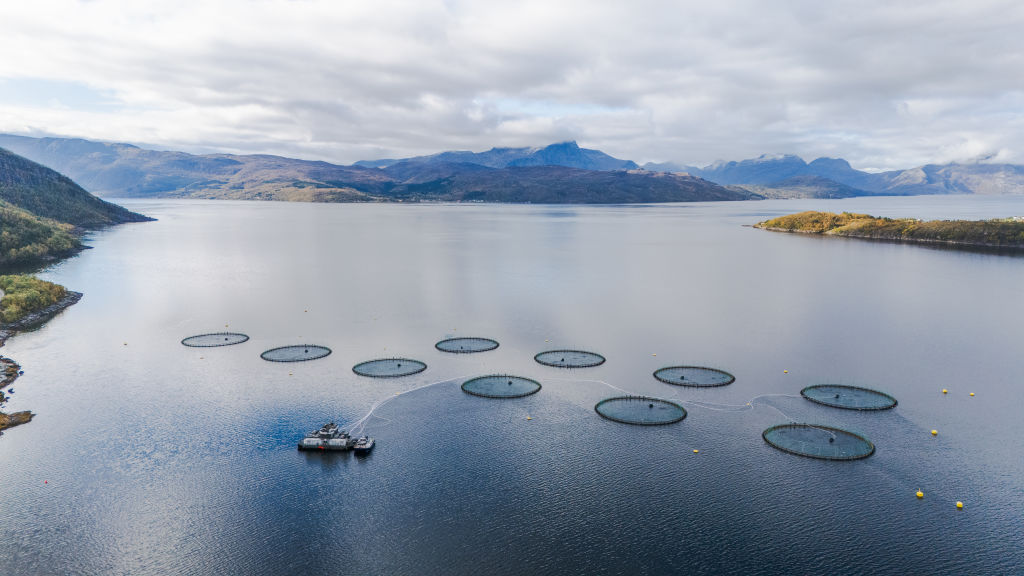
Farmed salmon may not be as nutritious as it once was, new research suggests

Eat more fatty fish.

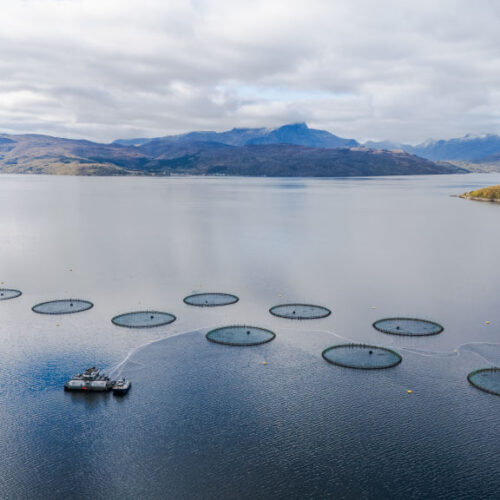
That dietary advice has changed the way the world consumes salmon, pushing consumer demand ever upward and production to higher and higher levels. Most of that demand is being met with farmed salmon: Today, nearly 70 percent of the salmon consumed on the planet are raised in pens and cages.

The US Department of Agriculture’s Dietary Guidelines for Americans recommend eating at least 8 ounces of fish a week and urges people to choose salmon or other species that are similarly high in “heart-healthy” Omega-3 fatty acids. But new research led by USDA scientists finds that levels of these fatty acids in farmed salmon have dropped considerably, potentially making the agency’s own advice, and similar recommendations, including from the American Heart Association, outdated and insufficient.

Read full article

Comments

© Manuel Romano/NurPhoto

  •  

Ancient DNA Rewrites Story of Enigmatic ‘American Cheetah’

Miracinonyx trumani and the ecosystem this species lived in. Image credit: Julius Csotonyi.

For several decades, paleontologists have described Miracinonyx trumani -- an extinct species of cheetah-like felid that roamed the North American prairies and steppe terrains more than 13,000 years ago -- as North America’s answer to the African cheetah (Acinonyx jubatus).

The post Ancient DNA Rewrites Story of Enigmatic ‘American Cheetah’ appeared first on Sci.News: Breaking Science News.

  •  

Wild Chimpanzees Keep Hurling Rocks at the Same Trees—Now Scientists Are Trying to Figure Out Why

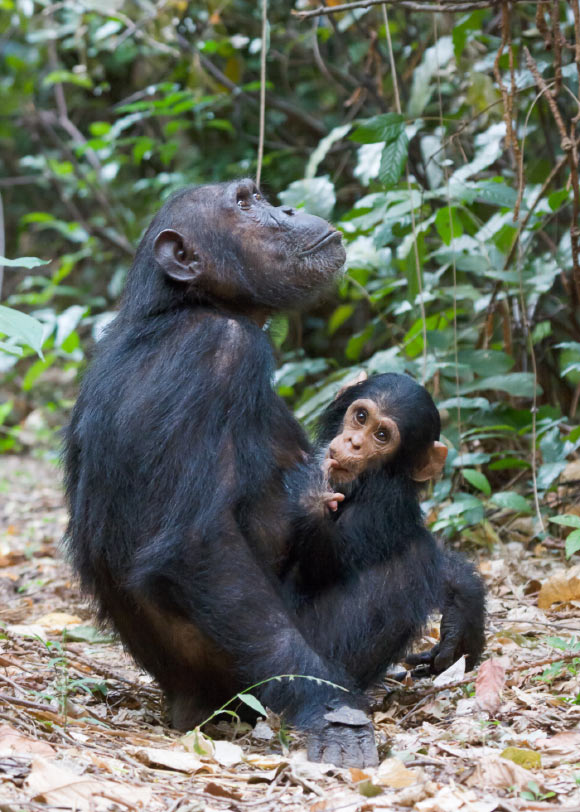
In Boé National Park, researchers have repeatedly encountered a small number of trees marked by gouged bark and piles of stones at their bases. These signs suggest that wild chimpanzees have returned to the same trees for years to throw rocks. According to a recent field account by University of Victoria researchers Robyn Nakano and Ammie Kalan, some of these sites have remained in use for over a decade.

This behavior, called accumulative stone throwing, has been observed in only four chimpanzee populations in West Africa. While rocks and trees are widespread in chimpanzee habitats, piling stones at specific trees is rare. Nakano, Kalan, and other researchers suggest this may be a cultural practice within certain groups rather than arising from environmental factors alone.

What the Behavior Looks Like

Video recordings collected through the Pan African Programme and analyzed in a 2016 Scientific Reports study led by Hjalmar Kühl show that mostly adult male chimpanzees throw rocks at particular trees and repeatedly return to the same trunks. During these events, the chimpanzees pant-hoot, a loud call used for long-distance communication, and sometimes perform buttress drumming by repeatedly striking the tree’s buttressed base with their hands and feet.

Pant-hooting and buttress drumming are typical features of displays put on by male chimpanzees. The fact that these behaviors occur alongside stone throwing suggests that accumulative stone throwing may have developed as a variation of these existing social displays.

A Ritualized Behavior, Not a Coincidence

Researchers suspect this behavior may be cultural rather than simply a response to environmental conditions because it occurs only in certain areas, even though appropriate rocks and trees are common throughout chimpanzees’ habitats. Within one population, only particular trees are used as throwing sites. Earlier studies have suggested that the behavior might function as a form of communication or could indicate places of symbolic significance within a community’s territory.

The behavior could also offer archaeologists a rare example of how repeated stone use and accumulation can create material traces that persist after the animals that made them have moved on.

Some primates use stones as tools, including populations that use rocks to open nuts for food. Accumulative stone throwing differs because the behavior occurs in a social context rather than during extractive foraging. The purpose of this behavior for the chimpanzees remains unclear.

Into the Boé Wilderness

Nakano and Kalan conducted their fieldwork from Béli, a village where the Dutch nonprofit Chimbo operates a solar-powered research compound with local partners. The team traveled 22 kilometers by bicycle and on foot into the savanna-woodland to establish a camp, working with field assistants Djei Baldé, Balu Séra, and master’s student Taylor Tippett from the Great Ape Behaviour Lab.

The Boé chimpanzees are not used to humans and tend to avoid them, making direct observation impossible. The team instead set up two video cameras at each known stone-throwing site and placed audio recorders nearby to monitor the area.

Each day began at 6:30 a.m. with visits to two to five sites to replace SD cards and batteries, check equipment, measure trees, and create 3D scans of rocks thrown at the trees for later analysis. The team also recorded chimpanzee nests, feeding traces, and vocalizations along the trails. Their camp was located beside the Fefine River, which continues flowing through the dry season and provides an important water source for wildlife.

A Decade of Stone Throwing

The team found that most sites first identified by the Pan African Programme and revisited in 2017 remained active when Nakano and Kalan’s team returned in 2026. Chimpanzees have returned to these same trees to throw rocks for more than ten years.

The video and audio collected during this trip will allow the team to identify the age and sex of individual stone-throwers and observe how nearby chimpanzees respond to these events. This data could help the researchers determine the purpose of this behavior.

A Landscape Under Threat

Chimpanzees’ habitat in Guinea-Bissau is becoming increasingly threatened by industrial mining. During fieldwork, the researchers discovered boreholes dug to explore bauxite, the ore used to produce aluminum. Although bauxite mining might help promote economic development, comparable operations in neighboring Guinea have caused habitat loss and pollution, with negative effects on both wildlife and local communities. The country’s political instability also presents challenges for environmental oversight.

Nakano and Kalan emphasize that losing these stone-throwing sites would be both a cultural and ecological loss, erasing a documented example of primate material culture.

What’s Still Unknown

Nakano and Kalan are still analyzing the footage from this field season, but the main question of why chimpanzees throw stones at these specific trees remains unanswered. Still, the evidence collected by the cameras and recorders could help determine whether the behavior functions as territorial signaling, long-distance communication, or something else entirely.

Austin Burgess is a writer and researcher with a background in sales, marketing, and data analytics. He holds an MBA, a Bachelor of Science in Business Administration, and a data analytics certification. His work focuses on breaking scientific developments, with an emphasis on emerging biology, cognitive neuroscience, and archaeological discoveries.

  •  

NASA’s PREFIRE Satellites Show How the Poles Trade Heat With Space

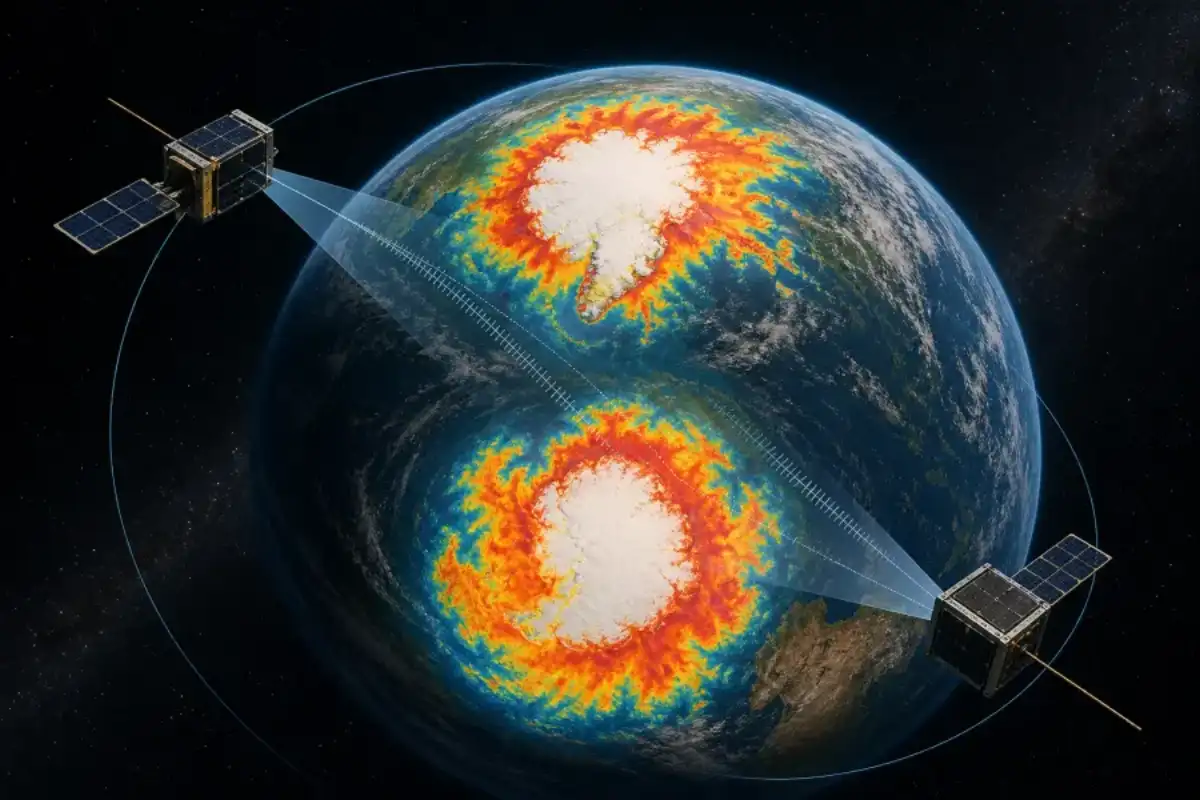
At Earth’s poles, much of the heat leaving the planet is invisible to human eyes. NASA’s two PREFIRE CubeSats are measuring that far-infrared energy directly, and a new animation built from two complete seasonal cycles shows just how differently the Arctic and Antarctic warm and cool. The Polar Radiant Energy in the Far-InfraRed Experiment began […]

The post NASA’s PREFIRE Satellites Show How the Poles Trade Heat With Space appeared first on Curiosmos.

  •  

The long-term fate of Earth’s biosphere

The economist John Maynard Keynes once remarked, “In the long run we are all dead.” From an astronomical standpoint, this is true for the Earth itself. In roughly 5 billion years, the Sun will exhaust the hydrogen at its core and enter the next phase of its life as a Red Giant, where it will swell up large enough to engulf and destroy the Earth.

Currently, the Sun is still in its main-sequence phase, where it fuses hydrogen into helium in its core. Although it remains relatively stable during this phase, it will gradually grow brighter with time. As the Sun shines brighter, the increased heat and radiation will raise Earth’s surface temperature, potentially pushing it past the threshold for life to survive. 

One of Earth’s geological processes that helps regulate its surface temperature is the carbon cycle. Over millions of years, carbon moves from the Earth’s interior into the atmosphere as carbon dioxide or CO2, where it functions as a greenhouse gas that traps heat. Plants take in this CO2 through photosynthesis and move carbon through the biosphere. 

Meanwhile, rain and rock weathering draw carbon into the oceans and rocks. By pulling CO2 out of the atmosphere, the carbon cycle could mitigate Earth’s warming as the Sun brightens over time. Today, human activities are increasing atmospheric CO2 and warming the planet. However, over billions of years, the carbon cycle could gradually remove enough CO2 from the atmosphere that eventually too little would remain to support photosynthesis. 

With these challenges to life on Earth in mind, the researchers Jacob Haqq‐Misra and Eric Wolf investigated how long Earth’s biosphere could last in the distant future. The team used computer models to calculate the balance of energy that Earth would receive and emit over time, accounting for the effects of increasing sunlight and changing atmospheric CO2 concentrations. They followed this up with calculations using the ExoCAM model to determine the temperature and atmospheric conditions of future Earth across different latitudes. They related these conditions to a habitability metric to determine their impact on the biosphere.

To estimate the biosphere’s maximum possible lifespan, the team conducted 29 simulations representing the planet’s conditions over the next 2 billion years. In one set of simulations, the Earth’s carbon cycle contributed little to regulating surface temperature, with the atmosphere’s CO2 concentration fixed at approximately modern levels of 400 parts per million (ppm) and surface temperatures continuing to increase. In another, the carbon cycle worked to keep Earth’s average surface temperature fixed at the modern average of approximately 59℉ (15℃), no matter how much it had to reduce CO2 in the atmosphere. 

In the scenario with a fixed CO2 concentration, the team found that in 1.7 billion years, Earth’s surface reached an average of 122°F (50°C), which is too hot for most land plants. After 1.9 billion years, it reached 149°F (65°), becoming too hot for all land plants to survive as temperatures continued to rise. 

They also found that in the fixed average surface temperature scenario, atmospheric CO2 dropped below the 150 ppm level that most plants require for photosynthesis within 500 million years. After 1.4 billion years, CO2 levels fell below 10 ppm, leaving only a few land photosynthesizers and aquatic plants alive. After about 1.8 billion years, atmospheric CO2 dropped to 1 ppm, leaving only microbes capable of photosynthesis.

The researchers’ findings generally extend the estimated lifetime of Earth’s future biosphere compared with earlier, simpler models that suggested maximum lifespans of 100 million to 1.5 billion years. However, they clarified that other scientists should verify their results by running tests with other models, especially under extreme conditions of high incoming solar radiation and low atmospheric CO2. 

Lastly, Haqq‐Misra and Wolf noted that their model did not account for major evolutionary changes that could help life adapt to future conditions. Over time, plants could evolve to tolerate higher temperatures or lower atmospheric CO2 levels. Future humans or another intelligent species might also engage in large-scale geoengineering projects to prevent the end of life on Earth. If life on Earth proves adaptable enough, the biosphere may endure until a Red Giant fills the daytime sky.

The post The long-term fate of Earth’s biosphere appeared first on Sciworthy.

  •  

Apple Raises Trade-In Values for Most iPhone, iPad, Mac, & Watch Models

Apple has increased its estimated trade-in values for most current iPhone, iPad, Mac, and Apple Watch models in the United States. The adjustments give customers slightly more credit toward a new device, although some older Apple hardware and several Android phones have moved in the opposite direction.

The updated values are maximum estimates rather than guaranteed payments. Apple calculates the final credit after confirming the model and inspecting its condition. A damaged display, enclosure problems, missing functionality, or an inaccurate description can reduce the amount offered.

Most of the increases are modest, but they arrive across several of Apple’s largest product categories at the same time. Recent iPhones receive between $10 and $25 more, every iPad category listed in Apple’s summary gains value, and several popular Macs receive larger increases.

The revisions also reinforce the role of trade-ins within Apple’s retail operation. Credit can reduce the cost of a regular purchase, be delivered through an Apple Gift Card, or lower payments at the beginning of an eligible Apple Upgrade lease.

Trade-in values - A lavender iPhone in Apple Low Power Mode displays a purple abstract flower pattern beside an Apple Watch with a blue strap and blue-themed face, both set against a crisp white background.
Image Credit: Apple Inc.

Trade-In Values Rise Across iPhone and iPad

Every iPhone 16 model included in the update receives a higher maximum estimate. The iPhone 16 Pro Max moves from $685 to $695, retaining the highest listed value among the affected iPhones.

The iPhone 16 Pro increases from $550 to $560, while the iPhone 16 Plus moves from $455 to $465. The standard iPhone 16 receives the largest increase within the family, rising by $25 from $435 to $460.

These changes narrow the difference between the standard iPhone 16 and the larger Plus model. The Pro models retain substantially higher estimates, reflecting their higher original prices and stronger position in the used-device market.

An additional $10 or $25 will not transform the cost of an upgrade, but it can offset part of a case, charger, AppleCare plan, or storage upgrade. The difference also becomes more relevant for customers comparing Apple’s direct program with a third-party reseller offering a similar amount.

Apple’s iPad adjustments are more consistent. The maximum estimate for an iPad Pro rises from $670 to $690, an increase of $20. The iPad Air moves from $445 to $460, while the standard iPad rises from $220 to $235.

The iPad mini also gains $15, moving from a maximum of $250 to $265. That means every current iPad category displayed in Apple’s trade-in summary receives a higher estimate.

Apple’s direct trade-in values are generally lower than the prices an owner might obtain through a private sale. The program instead emphasizes convenience: the device can be returned at an Apple Store or sent using Apple’s online process, with the credit connected directly to a new purchase.

A private sale can produce a better return, especially for a recent device in excellent condition. It also requires the owner to set a price, find a buyer, manage payment, and handle the transfer independently. Apple’s program trades some resale value for a simpler exchange.

Mac and Apple Watch Changes Are Less Consistent

Mac trade-in values receive some of the largest increases, but the category also includes notable reductions.

The MacBook Air rises from a maximum of $485 to $520, adding $35. The Mac mini receives the same increase, moving from $340 to $375. The MacBook Pro changes only slightly, increasing from $685 to $690.

Apple leaves the current iMac estimate unchanged at $355. The Mac Studio receives a larger increase from $975 to $1,045, reflecting the higher value retained by recent desktop configurations.

Older professional desktops move in the other direction. The iMac Pro falls from $325 to $315, while the top Mac Pro estimate declines from $2,090 to $2,045.

That $45 reduction at the top of the Mac range means Apple’s maximum Mac trade-in offer decreases even though several mainstream models receive more credit. The changes appear more closely connected to the resale position of individual product families than to a uniform increase across every computer.

Mac estimates can vary considerably because one model name can cover different years, processors, memory configurations, storage capacities, and physical designs. Apple asks for a serial number before producing a more specific estimate for a Mac.

The Apple Watch adjustments are similarly mixed. Apple Watch Ultra 2 rises from $295 to $305, while Apple Watch Series 9 increases from $120 to $130.

Apple Watch Series 10 remains unchanged at a maximum of $150. The original Apple Watch Ultra falls from $215 to $205, losing $10.

Wearable trade-in values can decline quickly because watches receive frequent updates and are exposed to greater physical wear than many computers or tablets. Battery condition, display damage, case wear, and working buttons can influence whether the device receives the estimated credit.

Apple also accepts devices that no longer qualify for monetary value. Those products can be returned for recycling, including older hardware and accessories that would otherwise remain unused.

An iPhone, MacBook, and iPad display the same digital document about cacti and succulents, highlighting cross-device compatibility and various Pages export formats. The screens show green and beige pages with plant images and text.
Image Credit: Apple Inc.

Android Offers Face Several Reductions

Apple accepts selected smartphones from Samsung, Google, and other manufacturers when customers move to an iPhone. The latest revisions are less favorable to several Android devices.

The maximum Android estimate across Apple’s displayed range decreases from $370 to $360. Individual changes vary by model.

The Samsung Galaxy S23 Ultra drops from $230 to $200, a $30 reduction. Google’s Pixel 8 Pro declines from $170 to $165.

Other devices remain unchanged. The standard Galaxy S23 continues to carry an estimated value of up to $125, while the OnePlus 12 remains at up to $200.

Apple’s Android offers are primarily designed to remove friction for people moving to the iPhone. They do not necessarily match the amount available from the manufacturer, a carrier promotion, or a private buyer.

Carrier promotions can advertise considerably higher trade-in credits than Apple, particularly around a new iPhone launch. Those offers commonly require an eligible unlimited plan, a new line, monthly bill credits, or a commitment lasting two or three years.

Apple’s direct credit is easier to understand because it is tied to the assessed value of the device rather than a long carrier agreement. The best choice depends on whether the customer values flexibility, immediate credit, or the largest possible promotional discount.

A Higher Estimate Is Not the Final Offer

Apple’s published figures represent the maximum available for qualifying devices in suitable condition. The online estimate is based on the answers supplied before the product is inspected.

After receiving the device, Apple or its trade-in partner verifies its identity and checks whether it powers on, functions properly, and matches the reported condition. A difference can produce a revised offer.

Customers can accept or reject a lower revised value. Rejecting it cancels the trade-in and returns the device, although the payment arrangement for the accompanying purchase may also be adjusted. If the inspected value is higher than the original estimate, Apple says it automatically increases the credit.

The way the credit is delivered depends on the purchase. When a customer pays in full for a new iPhone, iPad, Mac, or Apple Watch, the confirmed value can be returned to the original payment method up to the price of the new product. Any remaining amount can be issued through an Apple Gift Card.

With an eligible monthly payment arrangement, the estimated credit can be applied directly to the new device’s purchase price. Under Apple Upgrade, a qualifying trade-in owned by the customer can reduce payments across the initial lease term. Another device cannot be traded in each time the customer exercises the lease’s upgrade option.

Values also differ between countries and can change without a product announcement. The revised dollar amounts apply to Apple’s United States program, while local market prices, available models, currencies, and trade-in partners determine estimates elsewhere.

Anyone considering an exchange should obtain a fresh estimate shortly before purchasing. Apple requires the trade-in device to arrive within the specified return period and says an online estimate is generally protected for 14 days after the customer receives the new product.

The post Apple Raises Trade-In Values for Most iPhone, iPad, Mac, & Watch Models appeared first on AppleMagazine.

  •  

Tiny New Primate Species Emerges from 50-Million-Year-Old Wyoming Sandstone

Tetonius homunculus (colorized) by R. Bruce Horsfall from W.B. Scott’s History of Land Mammals in the Western Hemisphere.

Paleontologists working in southern Wyoming have identified a previously unknown species of omomyid primate, adding a new chapter to the story of one of the best-studied fossil lineages in North America.

The post Tiny New Primate Species Emerges from 50-Million-Year-Old Wyoming Sandstone appeared first on Sci.News: Breaking Science News.

  •  

Compact urban high-rises intensify humid heat from vegetation transpiration

A new study is challenging one of the most comforting assumptions in urban climate design: that adding vegetation to dense cities always makes hot weather safer. Research published in npj Urban Sustainability reports that compact, high-rise urban forms can amplify humid heat risks associated with vegetation transpiration—a process usually considered an essential cooling service. The finding does not suggest that trees and plants should be removed from cities. Instead, it reveals that the success of green infrastructure depends heavily on building geometry, airflow, humidity, and the way heat and moisture move through the urban atmosphere.

Vegetation transpiration occurs when plants release water vapor through microscopic openings in their leaves. This process consumes energy and can lower leaf and surrounding air temperatures, much like evaporation from human skin. In a well-ventilated environment, the added moisture may be dispersed efficiently, allowing evaporative cooling to provide a net thermal benefit. But in tightly packed high-rise districts, the same moisture can become trapped between buildings. The result is a more humid microclimate in which the body’s ability to cool itself through sweating is weakened.

That distinction matters because humid heat is more dangerous than air temperature alone suggests. The human body relies on evaporation to transfer heat away from the skin. When atmospheric moisture is already high, sweat evaporates more slowly, forcing the body to work harder to maintain a stable internal temperature. Heat-stress indicators such as wet-bulb temperature and the Wet-Bulb Globe Temperature account for this interaction between heat and humidity. A neighborhood with slightly lower temperatures but substantially higher humidity can therefore feel more oppressive—and pose greater health risks—than a drier location with hotter air.

The study focuses on the urban “canyon” effect created by tall buildings arranged close together. These structures can obstruct wind, reduce the exchange of air with the atmosphere above, and alter the amount of sunlight reaching streets and façades. When vegetation in such spaces transpires, the released water vapor may accumulate rather than disperse. The compact geometry can also create complex circulation patterns, with warm and moist air repeatedly moving through pedestrian-level spaces. In this setting, greenery may cool surfaces while simultaneously increasing the moisture burden experienced by people outdoors.

This is a crucial refinement of the popular idea that urban greening is universally beneficial. Plants perform several valuable functions: they provide shade, intercept solar radiation, reduce surface temperatures, store carbon, and improve the visual and psychological quality of public space. Yet their cooling performance is not fixed. It changes with species, soil moisture, canopy density, irrigation, wind conditions, building height, street width, and background humidity. The new research emphasizes that these factors must be evaluated together rather than treating vegetation as an isolated solution to urban heat.

The implications are particularly significant for rapidly growing cities where vertical development is being used to accommodate rising populations. High-rise construction can reduce land consumption, but dense towers may produce localized atmospheric conditions that differ dramatically from those in surrounding neighborhoods. A cooling strategy designed for an open suburban street may behave differently in a narrow urban canyon surrounded by tall façades. Planners could therefore face a difficult balancing act: maximizing shade and ecological benefits without creating stagnant pockets where moisture and heat combine into dangerous conditions.

The findings also raise questions about how cities measure the success of climate adaptation projects. A street may record a lower surface temperature after trees are planted, yet still expose pedestrians to greater physiological stress if humidity increases and air movement declines. This means future assessments should include multiple variables, including air temperature, relative humidity, wind speed, radiant heat, and human thermal response. Satellite observations and conventional weather stations may not fully capture conditions at street level, where building walls, tree canopies, pavement, and human activity interact within a few meters.

The research is likely to intensify debate over “smart” urban greening rather than green infrastructure in general. Possible responses include selecting vegetation according to local humidity and wind conditions, designing wider or better-connected ventilation corridors, combining trees with reflective or permeable surfaces, and ensuring that shaded areas do not become poorly ventilated enclosures. Building orientation and spacing may be as important as the number of trees planted. Irrigation practices could also matter, since additional water supplied to vegetation may increase transpiration during precisely the periods when atmospheric moisture is already high.

For residents, the message is both cautionary and practical. A leafy street can still be healthier than an exposed one, particularly when shade reduces direct solar radiation. But during extreme heat, people should not assume that every green space offers the same level of protection. Dense, humid, windless areas may require additional measures such as cooling centers, drinking-water access, timed outdoor activities, and heat alerts that account for humidity. The study’s central contribution is to show that urban climate risk is not determined by temperature alone—or by the presence of greenery alone—but by the interaction between city form, plant physiology, and human vulnerability.

As climate change increases the frequency and intensity of heat extremes, these interactions could become more consequential. The research presents cities with a deceptively simple lesson: cooling the urban environment is not just a matter of adding more plants. It requires understanding where the water released by vegetation goes, how buildings control its movement, and how the resulting air feels to a human body. In the race to make cities greener, the next generation of design may need to be equally focused on keeping them breathable.

Subject of Research: The relationship between compact high-rise urban form, vegetation transpiration, humidity, and humid heat risk.

Article Title: Urban high-rise compact form amplifies humid heat risk from vegetation transpiration.

Article References: Zhang, Y., Yang, K., Zhu, Y. et al. “Urban high-rise compact form amplifies humid heat risk from vegetation transpiration.” npj Urban Sustainability (2026). https://doi.org/10.1038/s42949-026-00459-1

Image Credits: AI Generated

DOI: 10.1038/s42949-026-00459-1

  •  

Environmental Research: Climate, fireside chat

ERC, fireside chat webinar image


Environmental Research: Climate was launched in 2022, with the aim of uniting multidisciplinary communities. With a scope that is intentionally broad, the mission of the journal is to publish innovative research examining the causes, consequences, and solutions of climate variability and change. Since our launch, we have published more than 270 articles covering physical and biogeochemical processes that shape Earth’s climate across spatial and temporal scales; the human and ecological dimensions that shape climate-related risks and impacts; and the design, analysis and evaluation of climate mitigation, adaptation, and risk-management strategies and solutions. This webinar will explore the current state of climate research, including changes in the field over the last five years since the launch of the journal, and direct us toward the future.

Left to right: Noah Diffenbaugh, Katharine Mach, Andrew Pershing, Inês Azevedo

Moderator: Noah Diffenbaugh, Stanford University
Noah Diffenbaugh is the William Wrigley Professor and Kimmelman Family Senior Fellow in Stanford’s Doerr School of Sustainability, and the Olivier Nomellini Family University Fellow in Undergraduate Education. His research is focused on understanding what aspects of the climate system most directly and acutely impact people and ecosystems. Noah has served as a Lead Author for the Intergovernmental Panel on Climate Change (IPCC), and as editor-in-chief of the peer-review journals Geophysical Research Letters and Environmental Research: Climate. He has provided testimony and scientific expertise to federal, state and local officials. Noah is an elected Fellow of the American Geophysical Union (AGU), a recipient of the James R. Holton Award and William Kaula Award from the AGU, and has been recognized as a Kavli Fellow by the U.S. National Academy of Sciences.

Katharine Mach, University of Miami
Katharine Mach is professor and chair of the Department of Environmental Science and Policy at the University of Miami Rosenstiel School of Marine, Atmospheric, & Earth Science. During spring 2025, she was the Coleman P. Burke Distinguished Visiting Professor at the Yale School of Environment. Her research assesses climate-related risks and response options to address increased flooding, extreme heat, wildfire and other hazards. Through innovative approaches to integrating evidence, she informs effective adaptations to the risks.

Katharine was the 2020 recipient of the Piers Sellers Prize for world-leading contribution to solution-focused climate research. She has served as a chapter author or lead in the Fourth through Sixth US National Climate Assessments and the IPCC Sixth Assessment Report and as a member of the National Academies Climate Security Roundtable. She serves as co-editor-in-chief for Climate Risk Management, an editorial board member for Oxford Open Climate Change and Environmental Research: Climate, and an advisory committee member for the Aspen Global Change Institute. Across all of her research projects, she engages in relevant policy processes and explores and discusses climate risk and adaptation with the media, the private sector, nongovernmental organizations and communities.

Andrew Pershing, Climate Central
As chief programme officer, Andrew Pershing, PhD, leads Climate Central’s climate science activity. His role includes bridging primary research and media analysis to amplify critical work on climate change and climate impacts and make it accessible to audiences around the world. As the director of attribution science and climate fingerprinting, Andrew is developing tools like the Climate Shift Index to quantify how climate change has increased the likelihood or severity of conditions in the atmosphere and ocean. He works closely with communications experts at Climate Central and our partners to help the media and others to incorporate this information into their content.

Andrew has led interdisciplinary research teams to study the impact of global warming on marine ecosystems in the northwest Atlantic. More recently, his work has focused on how climate trends interact with decisions that people make and on how marine ecosystems store and process carbon. As a communicator, Andrew has deep experience working with journalists to present climate science on air and in print.

Inês Azevedo, Stanford University
Inês M Lima Azevedo is a professor in the Energy Science & Engineering department at Stanford University. She is a senior fellow at both Stanford Woods Institute for the Environment and for Precourt Institute for Energy. She has a BSc in environmental engineering (2004) and a MSc in engineering policy and management of technology from IST-Portugal, and a PhD in engineering and public policy from Carnegie Mellon University (2009). Inês is passionate about solving problems that include environmental, technical, economic and policy issues, where traditional engineering approaches play an important role but cannot provide a complete answer. In particular, she is interested in assessing how energy systems are likely to evolve, which requires comprehensive knowledge of the technologies that can address future energy needs and the decision-making process followed by various agents in the economy.

About this journal
ERC journal cover

Environmental Research: Climate explores the causes, consequences, and solutions of climate variability and change, by uniting research communities across the entire spectrum of the climate system.

Editor-in-chief: Noah Diffenbaugh Stanford University, USA


The post Environmental Research: Climate, fireside chat appeared first on Physics World.

  •  
❌