When going abroad, the right plugs are essential to keep your gadgets charged. These are my favorite travel adapters and chargers that I’ve tested myself.
When going abroad, the right plugs are essential to keep your gadgets charged. These are my favorite travel adapters and chargers that I’ve tested myself.
“Coffee” made with functional mushrooms like lion’s mane and chaga is all the rage. We tried the most popular brands to find which were the most palatable.
“Coffee” made with functional mushrooms like lion’s mane and chaga is all the rage. We tried the most popular brands to find which were the most palatable.
If your iPhone is one of the 15 models on Apple’s Apple Intelligence device list, the cheapest way in costs nothing: iOS 27 arrives free on Monday, September 14. If it is not, the least expensive route Apple sells is the $699 iPhone 17e, and the same model was listed at $599 before September 9. […]
Apple’s headphone range is down to three names and four prices, and the choice comes apart cleanly by what you do rather than what you spend. AirPods 5 at $129 or $149 are the open-ear pick for anyone who wants to hear the room, AirPods Pro 3 at $249 are the only model with a […]
Apple now sells three Apple Watches, and for most sports the answer is the middle one. The Apple Watch Series 12 at $399 covers running, swimming and everyday health tracking on Apple’s own numbers, the Ultra 4 at $799 earns its price only if your day runs past 10 hours of workout tracking or your […]
Apple sells seven iPhones this week, from the $699 iPhone 17e to the $1,999 iPhone Duo, and only two of them carry a dedicated telephoto lens. That makes the decision simpler than the size of the lineup suggests: the iPhone 18 Pro at $1,199 is the cheapest iPhone Apple sells with a real zoom lens, […]
Apple has published no walk-in policy for 18 September, and it has published no stock figures for any store, anywhere. If you want a straight answer to whether you can turn up on launch day without a pre-order and leave with a phone, Apple has not given one, and nobody else is in a position […]
On May 11, 2026, the School of Science hosted the inaugural 1932 Award Dinner to honor Marilyn Simons and the late Jim Simons as philanthropists and as trusted partners of fundamental scientific researchers at MIT. The 1932 Award recognizes philanthropy that ignites new pathways of curiosity throughout the School of Science and celebrates its impact on basic science. Faculty, students, and friends of MIT gathered to commend Jim and Marilyn Simons and the Simons Foundation as visionary partners of the School of Science, who have advanced discovery across mathematics, neuroscience, and the physical sciences for three decades.
The Simons’s generosity reflects a deep and enduring partnership grounded in curiosity, collaboration, and a shared commitment to advancing fundamental science for the benefit of humanity. By recognizing their achievements with the 1932 Award, Dean Nergis Mavalvala and the School of Science community expressed gratitude to exceptional generosity that drives forward the scientific enterprise.
In one of the most comprehensive investigations of its kind, researchers have taken a major step toward untangling the biology underlying suicide risk, moving the field beyond long-standing debates about whether suicidal behavior is simply a consequence of psychiatric illness. By integrating large-scale genetic data with cutting-edge approaches that map how genes act in specific brain cells and circuits, an international team has identified shared genetic liability that cuts across psychiatric diagnoses while also pinpointing druggable biological pathways that could one day inform prevention strategies. The study, published in Translational Psychiatry, offers a sweeping synthesis of how inherited risk factors may translate into molecular vulnerabilities, and it does so with a level of resolution that previous candidate-gene approaches could never achieve.
Suicide remains one of the leading causes of death worldwide, claiming more than 700,000 lives each year according to global health estimates. Despite decades of research, clinical prediction remains stubbornly imprecise, and biological models of suicidal behavior have historically been hampered by small sample sizes, inconsistent findings, and a tendency to conflate suicide risk with the psychiatric disorders with which it so often co-occurs. Major depression, bipolar disorder, schizophrenia, and substance use disorders all carry elevated suicide risk, yet most people with these conditions never attempt suicide, while some individuals who die by suicide have no diagnosed psychiatric illness at all. This paradox has long suggested to researchers that suicidal behavior may possess partially distinct biological underpinnings, and the new study set out to test that hypothesis with unprecedented statistical power.
At the heart of the work lies genome-wide association study methodology, or GWAS, which scans hundreds of thousands to millions of genetic variants spread across the entire genome in very large groups of people, comparing individuals who have experienced suicidal thoughts or behaviors with those who have not. Each variant is tested for statistical association with the outcome, and the results can be combined into polygenic risk scores, numerical summaries of a person’s inherited liability based on the cumulative small effects of thousands of variants. Because no single common variant exerts a large effect, the field depends on aggregating data across massive biobanks and cohorts, a strategy that has only become feasible in the past decade as datasets containing hundreds of thousands of individuals became available.
The research team took particular care to address a central confound: psychiatric disorders themselves are highly heritable, and any genetic signal linked to suicide could simply reflect inherited liability to depression or schizophrenia rather than to suicide specifically. To disentangle this, the investigators applied sophisticated statistical techniques, including genetic correlation analysis and conditional modeling, which allow researchers to ask how much genetic overlap remains between suicidal behavior and psychiatric conditions after accounting for their shared heritability. Their findings revealed a complex architecture. Substantial genetic correlations confirmed that suicide risk shares a meaningful fraction of its inherited basis with major psychiatric disorders, supporting the idea of a common pool of genetic liability. Yet the analyses also uncovered signals that persisted beyond what could be explained by those disorders, pointing to biological mechanisms that may be more specific to the emergence of suicidal thoughts and actions.
A key conceptual innovation of the study is its framing of “shared genetic liability” as a bridge between diagnoses. Rather than treating suicide as an epiphenomenon of any single disorder, the researchers modeled it as a transdiagnostic phenomenon, one whose risk emerges partly from inherited vulnerabilities that cut across diagnostic categories. This perspective aligns with a growing movement in biological psychiatry that emphasizes symptom dimensions and mechanisms over traditional diagnostic boundaries. From this vantage point, the genetic variants that raise risk for depression, PTSD, and schizophrenia may do so partly because they converge on shared molecular pathways, and those same pathways may govern an individual’s threshold for suicidal crises regardless of which diagnosis they carry.
Identifying genetic variants, however, is only the first step. A GWAS signal typically points to a genomic region rather than a specific causal gene or mechanism, since many associated variants fall in non-coding stretches of DNA that regulate gene activity from a distance. To translate statistical associations into biological insight, the team deployed a battery of functional genomics approaches. Transcriptome-wide association studies, known as TWAS, integrate gene expression data to identify genes whose genetically predicted expression levels are linked to suicide risk. Tissue and cell-type enrichment analyses then ask whether the implicated genes are unusually active in particular organs or cell populations. The results converged strikingly on brain tissue, and more specifically on neuronal populations, providing support for the idea that inherited suicide risk is mediated largely through gene regulation within the central nervous system.
The study’s most clinically provocative findings concern druggable biology. Using databases that catalog the protein targets of approved and investigational medications, the researchers examined whether genes implicated in suicide risk were over-represented among known drug targets. The analysis identified several classes of candidate targets, including components of neurotransmitter signaling systems, ion channels, and intracellular signaling cascades that are already the focus of pharmacological development for other conditions. This “druggable genome” approach, which has gained traction in genetics research across many diseases, offers a pragmatic shortcut for translational science: rather than waiting decades for entirely new therapeutic classes to be invented, researchers can prioritize existing or in-development compounds whose molecular targets intersect with genetically implicated pathways.
Among the pathways receiving attention in the analysis were those involving glutamatergic and GABAergic neurotransmission, the primary excitatory and inhibitory systems of the brain, which have repeatedly surfaced in studies of mood disorders and stress response. The endocannabinoid system and inflammatory signaling pathways also appeared in the convergent analyses, consistent with a broader literature linking immune dysregulation and allostatic load to suicidal ideation. Importantly, the authors emphasize that these findings identify hypotheses rather than ready-made treatments. Genetic association with a drug target does not guarantee that modulating that target will reduce suicide risk, and any therapeutic application would require extensive preclinical validation and carefully designed clinical trials. Nevertheless, the work provides a principled, data-driven map for where to look, replacing decades of largely failed candidate-gene speculation with a genome-wide evidence base.
The methodological rigor underpinning the study deserves emphasis, because the genetics of suicidal behavior has a troubled history. Early candidate-gene studies, which typically examined a handful of variants in genes related to serotonin signaling, produced findings that largely failed to replicate and in some cases were later shown to reflect statistical artifacts, small samples, and publication bias. The field has since undergone a reckoning, and modern efforts adhere to far stricter standards: preregistered analyses, very large and ancestrally diverse cohorts, replication in independent samples, and conservative multiple-testing corrections that demand genome-wide significance thresholds on the order of five times ten to the negative eighth power. The new study reflects these lessons, applying sensitivity analyses to guard against confounding from psychiatric comorbidity and examining whether findings generalize across ancestral groups, an issue of considerable importance given that most genetic discovery to date has been conducted in populations of European ancestry.
The implications for clinical practice, while still distant, are worth considering. Polygenic risk scores for suicide-related outcomes currently explain only a small fraction of individual differences in risk, far too little to be used as stand-alone screening tools, and their predictive performance is degraded in populations not represented in the discovery data. Researchers in the field are careful to stress that genetic risk is not destiny: suicidal behavior arises from an intricate interplay of inherited vulnerability, mental illness, trauma, substance use, social isolation, access to lethal means, and the availability of support. What genetics offers is not a crystal ball but a window into mechanism, and mechanistic knowledge is the raw material from which better biomarkers, risk stratification tools, and ultimately targeted interventions are built. In the near term, the druggable pathway findings are most valuable as a guide for laboratory science, directing neurobiologists toward molecular systems whose manipulation might alter suicide-relevant phenotypes in animal models and cellular assays.
Looking forward, the study signals where the field must go next. Sample sizes for suicide-specific genetic analyses remain smaller than those for major psychiatric disorders, and expanding representation across ancestries is essential if the benefits of this research are to be shared equitably. Integrating genetic data with longitudinal measures of life stress, neural imaging, and digital phenotyping may eventually allow researchers to model how inherited liability interacts with environmental triggers across the lifespan. Functional experiments in induced pluripotent stem cell-derived neurons and brain organoids could test whether the implicated genes genuinely alter stress-response circuitry or resilience. And randomized trials in patients carrying high genetic liability, though ethically and logistically complex, represent the logical endpoint of the druggable-target approach.
What the study ultimately delivers is a reframe. Suicide risk, in this analysis, is not an amorphous clinical outcome but a measurable, partly heritable trait whose genetic architecture is now being resolved with the same tools that have transformed our understanding of heart disease, diabetes, and schizophrenia. By demonstrating that shared genetic liability links suicide risk across diagnostic boundaries and by mapping that liability onto specific, pharmacologically tractable biology, the researchers have converted a long-standing clinical puzzle into a concrete research agenda. The path from genetic correlation to effective prevention is long, and no genetic finding will soon replace the human work of crisis intervention, connection, and care. But for a problem that has defied biological explanation for generations, the identification of shared, druggable mechanisms represents a genuine and hard-won advance, one that may shape suicide research for years to come.
Subject of Research: Shared genetic liability and druggable biological pathways underlying suicide risk across psychiatric disorders
Article Title: From shared genetic liability to druggable biology in suicide risk
Article References: Yao, K., Zhuo, C., Chen, X., Li, C., Song, H., Zou, J., & Tian, H. (2026). From shared genetic liability to druggable biology in suicide risk. Translational Psychiatry. https://doi.org/10.1038/s41398-026-04428-1
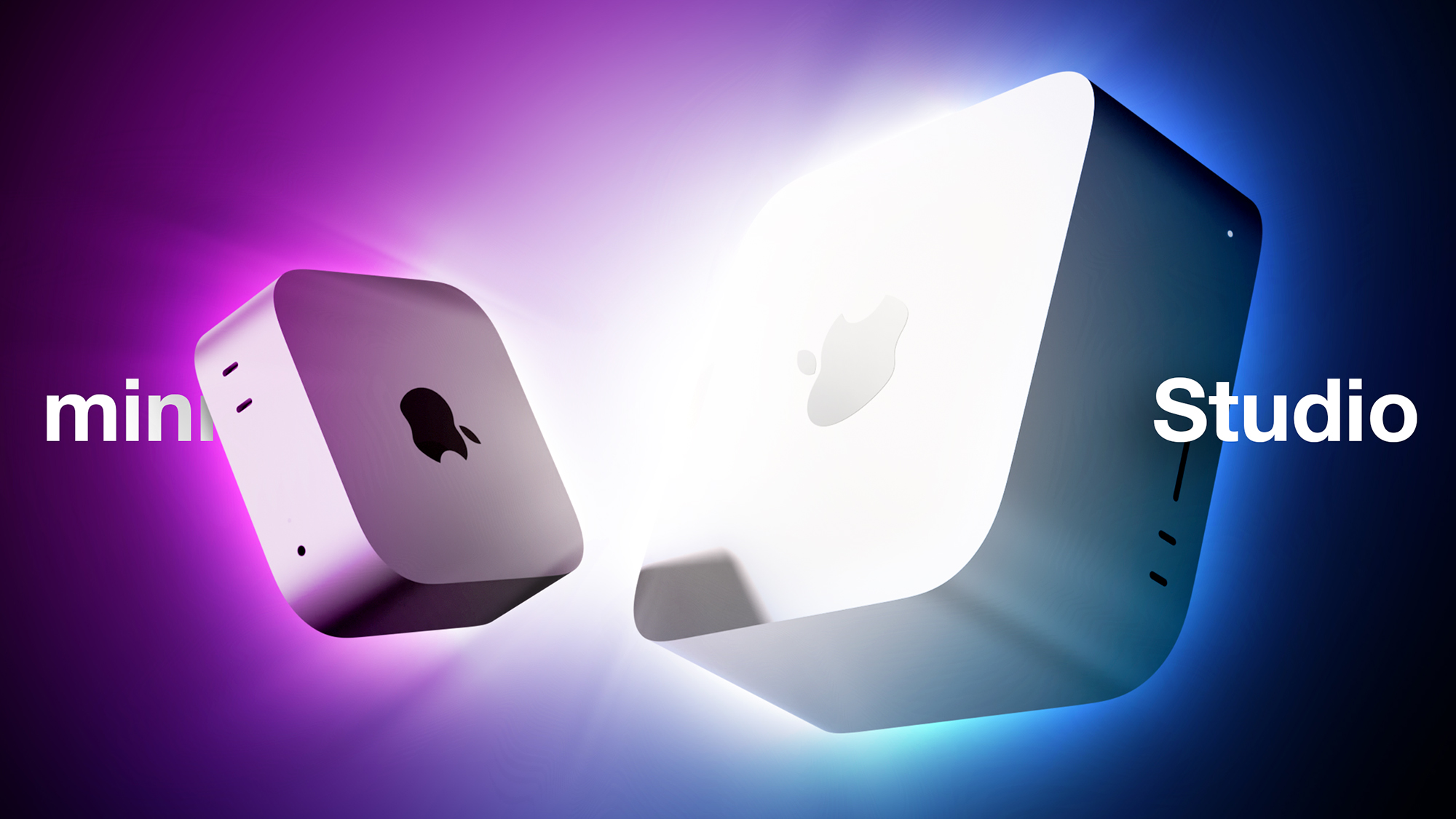
Apple announced new Mac mini and Mac Studio models last month, with both available to pre-order now. It is the first time in years that Apple has revised its two desktop Macs simultaneously, so which should you choose?
There are now two desktop Macs to choose from following the discontinuation of the Mac Pro, but the prices have moved sharply. The Mac Studio starts at $2,499 and rises to $5,499 for the M5 Ultra model, while the Mac mini starts at $899 with the M6 chip and $1,699 with the M5 Pro.
Those prices come on top of the across-the-board Mac and iPad increases Apple made in June, which took the Mac mini from $599 to $799, the M4 Pro configuration from $1,399 to $1,599, and the Mac Studio from $1,999 to $2,499. The M5 Ultra adds a further $200 to the post-June M3 Ultra price, putting it $1,500 above what the M3 Ultra cost at launch.
Our guide helps to answer the question of how to decide which of these two desktop Macs is best for you. The two machines now share a large number of key features, including:
A boxy silver aluminum enclosure with no color options
Apple's N1 chip, bringing Wi-Fi 7 and Bluetooth 6 to both machines for the first time
Neural Accelerators built into every GPU core
Hardware-accelerated ray tracing
A Media Engine with hardware-accelerated H.264, HEVC, ProRes, and ProRes RAW, plus AV1 decode
A next-generation SSD architecture that Apple says is up to twice as fast as before
64-core GPU: 96GB or 256GB unified memory
80-core GPU: 96GB, 256GB, or 512GB unified memory
256GB, 512GB, 1TB, or 2TB storage
512GB, 1TB, 2TB, 4TB, or 8TB storage
512GB, 1TB, 2TB, 4TB, or 8TB storage
1TB, 2TB, 4TB, 8TB, or 16TB storage
Video decode engine
Video decode engine
Video decode engine
Two video decode engines
Video encode engine
Video encode engine
Two video encode engines
Four video encode engines
ProRes encode and decode engine
ProRes encode and decode engine
Two ProRes encode and decode engines
Four ProRes encode and decode engines
Support for up to three displays: two at 6K 60Hz or 4K 165Hz, plus a third at 5K 60Hz over Thunderbolt or 4K 60Hz over HDMI
Support for up to three displays, all at 6K 60Hz or 4K 165Hz
Support for up to five 4K displays, four 6K displays, or two 8K displays
Support for up to eight 4K displays, eight 6K displays, or four 8K displays
Two displays per Thunderbolt port
All three displays through a single Thunderbolt port
Three rear Thunderbolt 4 ports
Three rear Thunderbolt 5 ports
Four rear Thunderbolt 5 ports
Four rear Thunderbolt 5 ports
Two front USB-C ports
Two front USB-C ports
Two front USB-C ports
Two front Thunderbolt 5 ports
Two rear USB-A ports
Two rear USB-A ports
2.5Gb Ethernet or 10Gb Ethernet port
2.5Gb Ethernet or 10Gb Ethernet port
10Gb Ethernet port
10Gb Ethernet port
SDXC card slot (UHS-II)
SDXC card slot (UHS-II)
Bottom power button
Bottom power button
Rear power button
Rear power button
Starts at $899
Starts at $1,699
Starts at $2,499
Starts at $5,499
Both enclosures carry over unchanged, so the dimensions of the two devices remain radically different, with the Mac Studio dwarfing the Mac mini in every way.
Mac mini
Mac Studio
Height
2.0 inches (5.0 cm)
3.7 inches (9.5 cm)
Width
5.0 inches (12.7 cm)
7.7 inches (19.7 cm)
Depth
5.0 inches (12.7 cm)
7.7 inches (19.7 cm)
Weight
M6: 1.5 pounds (0.67 kg)
M5 Pro: 1.6 pounds (0.73 kg)
M5 Max: 6.0 pounds (2.7 kg)
M5 Ultra: 8.0 pounds (3.6 kg)
Most customers should choose the M5 Pro Mac mini over the M5 Max Mac Studio, saving $800 on the base models. The gap widens across custom configurations, since the Mac Studio's memory and storage tiers start higher and climb further.
There is an unusual situation at the bottom of the lineup this year. The $899 Mac mini is the only machine of the four with a latest-generation chip, and the M6 is Apple's first 2nm chip. Its Dual 16-core Neural Engine, which Apple says system frameworks can drive simultaneously, is also more Neural Engine hardware than either the M5 Pro or the M5 Max provides. If your workload leans on on-device machine learning rather than sustained CPU or GPU throughput, the cheapest Mac in this comparison is not obviously the weakest one for the task. The trade-offs are Thunderbolt 4 rather than Thunderbolt 5, a 32GB memory and 2TB storage ceiling, and a single video encode engine.
You should only consider the Mac Studio if you have a professional workflow that can genuinely leverage the M5 Max or the M5 Ultra, along with the additional ports, display outputs, and memory capacity. If you need the Mac Studio, you will likely already know that you are looking for a highly powerful machine capable of supporting a specific intense workload. The M5 Ultra is Apple's first quad-die M-series chip, and its four ProRes engines, four video encode engines, and 1.2TB/s of memory bandwidth are aimed squarely at multi-stream video work and large local AI models. The 512GB memory ceiling has no equivalent anywhere else in the Mac lineup, and it is what allows models with hundreds of billions of parameters to run entirely on device.
The Mac Studio still has a superior selection of ports, with four rear Thunderbolt 5 ports on the M5 Max and six in total on the M5 Ultra, plus an SDXC card slot, USB-A, and 10Gb Ethernet as standard. This makes a practical difference for anyone working off fast external storage or camera media. The Mac mini has closed part of the distance by moving to 2.5Gb Ethernet as standard, up from Gigabit.
Clustering over Thunderbolt 5 and RDMA is not a point of difference between the two machines, since it arrived in macOS 26.2 last December and works on any Mac with Thunderbolt 5, including the M5 Pro Mac mini and the previous-generation Mac Studio. The exception is the M6 Mac mini, which has Thunderbolt 4 and cannot take part.
Both Mac mini models still cap out at three external displays, but they now reach 165Hz at 4K, up from 144Hz on the M4 generation, and the M5 Pro model drives all three through a single Thunderbolt port. For a three-display desk setup at high refresh rates, the M5 Pro Mac mini is sufficient. It is only above three displays, or at 6K and 8K, that the Mac Studio becomes necessary.
A notable exception arises at the top of the Mac mini lineup. An M5 Pro Mac mini configured with additional memory and storage moves close enough to the $2,499 Mac Studio that the comparison changes somewhat. For an increment of a few hundred dollars, the Mac Studio substitutes a chip with roughly twice the memory bandwidth, a second video encode engine, far greater display support, and headroom to 128GB of unified memory. If you are already spending heavily on a Mac mini, price the Mac Studio before committing.
If you plan to keep the machine for many years, the Mac Studio's ceiling matters more than its starting price, because it is the only one of the two that can be configured beyond 64GB of unified memory. Buyers weighing the M6 Mac mini against the M5 Pro Mac mini should note that the newer chip generation and the newer process node both sit in the cheaper machine, and that the M5 Pro's advantages are concentrated in multi-core and graphics performance rather than in longevity.
To some extent, purchasing decisions should be driven by budget, but any savings on the computer itself can be put toward a good external display such as Apple's Studio Display, which starts from $1,599 and was one of the few products spared June's price rises. An M6 Mac mini paired with a Studio Display comes to $2,498, a dollar less than a bare M5 Max Mac Studio with nothing to plug into. An M5 Pro Mac mini and a Studio Display together come to $3,298, which is $799 more than the base Mac Studio and $2,201 less than the M5 Ultra Mac Studio with no display at all.
Both machines are available to pre-order now and arrive on Tuesday, September 22, with education pricing of $799 and $1,599 on the two Mac mini models and $2,299 and $5,099 on the two Mac Studio models. Mac Studio configurations with 512GB of unified memory are not due until late October.
Un'analisi condotta dal professor Mark Taylor su quasi quindicimila pazienti svedesi ha associato l'uso di semaglutide a una riduzione del 21% dei ricoveri psichiatrici nei casi di disturbo bipolare. L'effetto, non riscontrato con altri farmaci GLP-1 come liraglutide, sembra legato alla capacità della molecola di ridurre l'infiammazione e lo stress cellulare nel cervello.
A provocative new paper suggests consciousness may not be unique to Earth and could arise in alien life forms far stranger than we can imagine. A new philosophical paper argues that consciousness may not be exclusive to life as we know it. According to Eric Schwitzgebel, a distinguished professor of philosophy at the University of [...]
A biodegradable wash may help remove surface pesticide residues and keep fruit fresh longer, though more testing is needed before real-world use. Many shoppers follow the same pattern after buying produce: they bring fruits and vegetables home, wash them, dry them, and hope they stay good long enough to eat. Fresh produce, however, can deteriorate [...]
Nearly twenty-five years ago I registered neil.fraser.name to provide a stable presence on the Internet. It has been the home of this website, my email address, and a server for APIs.
One of my original reasons for choosing ‘.name’ was that it was run by Global Name Registry -- more specifically, it was not run by Verisign. I had history with Verisign and did not trust them. Unfortunately, Verisign acquired Global Name Registry a few years later.
He’s going to lose his site and e-mail address, and someone else could potentially register the domain and hijack his accounts.
 Login





 A provocative new paper suggests consciousness may not be unique to Earth and could arise in alien life forms far stranger than we can imagine. A new philosophical paper argues that consciousness may not be exclusive to life as we know it. According to Eric Schwitzgebel, a distinguished professor of philosophy at the University of [...]
 A biodegradable wash may help remove surface pesticide residues and keep fruit fresh longer, though more testing is needed before real-world use. Many shoppers follow the same pattern after buying produce: they bring fruits and vegetables home, wash them, dry them, and hope they stay good long enough to eat. Fresh produce, however, can deteriorate [...]


