❌

Reading view

Exceptionally Preserved Bird Feathers Found in 66-Million-Year-Old Dinosaur Coprolite

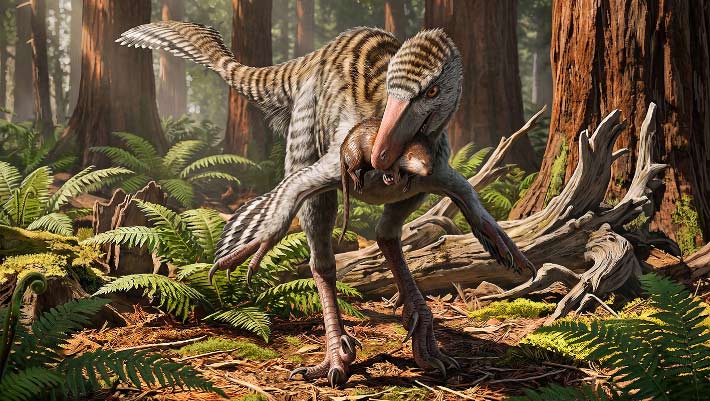
While some dinosaurs are thought to have had β€˜fuzzy’ or β€˜downy’ feathers (shown in this illustration as the yellow spikes on a Nanotyrannus’ neck), ancient birds (such as the one in the Nanotyrannus’ mouth) were more likely to have had feathers that look similar to the birds of today. Image credit: Andrey Atuchin.

Paleontologists in Montana have discovered remarkably preserved feathers of an ancient aquatic bird inside a fossilized dinosaur dropping, offering rare insight into why certain birds survived the asteroid strike that wiped out the dinosaurs 66 million years ago.

The post Exceptionally Preserved Bird Feathers Found in 66-Million-Year-Old Dinosaur Coprolite appeared first on Sci.News: Breaking Science News.

  •  

Denisovans Once Roamed Southwest China, New Fossils Reveal

An artist’s concept of a Penghu Denisovan walking under the bright Sun during the Pleistocene of Taiwan. Image credit: Cheng-Han Sun.

Paleoanthropologists have identified a trove of Denisovan fossils from a cave in China’s Yunnan province, extending the known range of the elusive human relative and providing the first-ever direct evidence of what its forearm bones looked like.

The post Denisovans Once Roamed Southwest China, New Fossils Reveal appeared first on Sci.News: Breaking Science News.
  •  

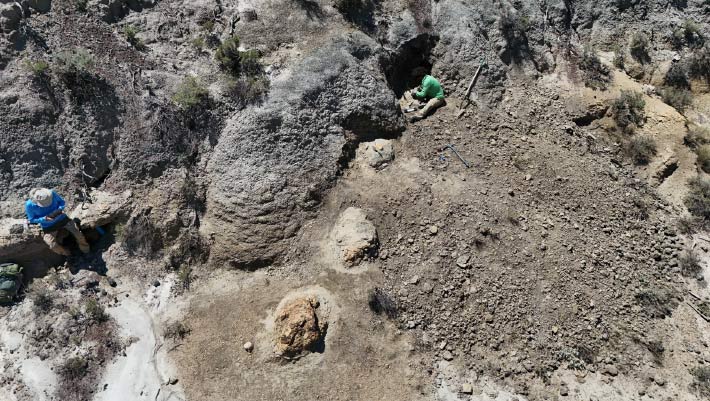
Paleontologists Discover First-Ever Adult Tyrannosaurus rex Trackway

The Tyrannosaurus rex trackway in the Hell Creek Formation in North Dakota, the United States. Image credit: Kent Hups.

Paleontologists in North Dakota have unearthed a set of 66.5-million-year-old fossilized footprints that can be confidently attributed to a full-grown Tyrannosaurus rex.

The post Paleontologists Discover First-Ever Adult Tyrannosaurus rex Trackway appeared first on Sci.News: Breaking Science News.
  •  

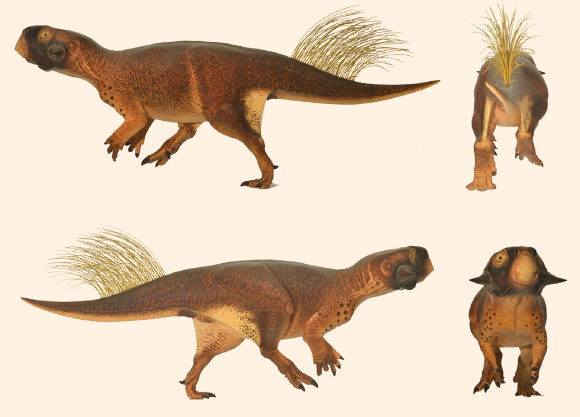
115-Million-Year-Old Dinosaur Fossil Recovered from Deep Drill Core in China

Model of Psittacosaurus sp. based on skin and pigmentation patterns on the specimen from the Senckenberg Museum, Germany. Image credit: Jakob Vinther et al.

Scientists have identified the first dinosaur fossil from a remote western section of the Bayan Gobi Formation in China’s Inner Mongolia, extending the known geographic range of dinosaur fossils in this important Early Cretaceous rock unit.

The post 115-Million-Year-Old Dinosaur Fossil Recovered from Deep Drill Core in China appeared first on Sci.News: Breaking Science News.
  •  

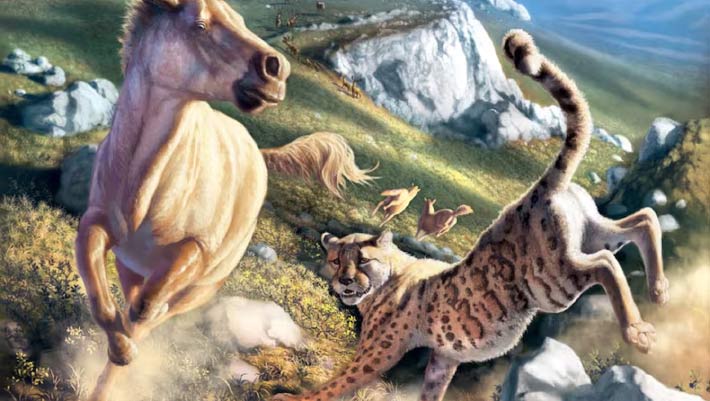
Ancient DNA Rewrites Story of Enigmatic β€˜American Cheetah’

Miracinonyx trumani and the ecosystem this species lived in. Image credit: Julius Csotonyi.

For several decades, paleontologists have described Miracinonyx trumani -- an extinct species of cheetah-like felid that roamed the North American prairies and steppe terrains more than 13,000 years ago -- as North America’s answer to the African cheetah (Acinonyx jubatus).

The post Ancient DNA Rewrites Story of Enigmatic β€˜American Cheetah’ appeared first on Sci.News: Breaking Science News.
  •  

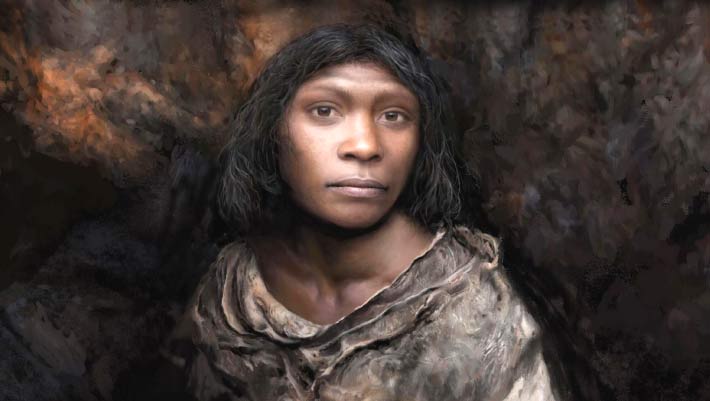
Homo antecessor Had Surprisingly Modern Skull, New Fossils Suggest

An artist’s rendering of a Homo antecessor individual known as the Girl of Gran Dolina. Image credit: Tom BjΓΆrklund.

A new analysis of three skull fragments unearthed at the Gran Dolina cave site in Spain indicates that Homo antecessor had bone thickness closer to that of Neanderthals and modern people than to more archaic hominins.

The post Homo antecessor Had Surprisingly Modern Skull, New Fossils Suggest appeared first on Sci.News: Breaking Science News.
  •  

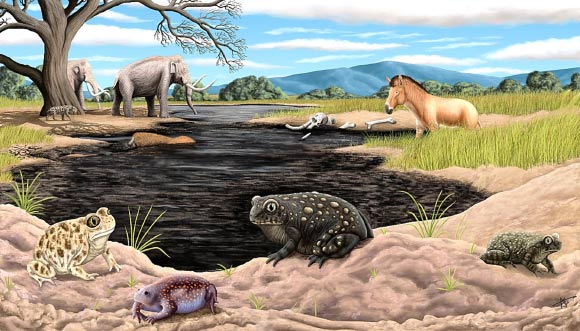
La Brea Tar Pits Yield New Species of Ice Age Toad

Reconstruction of Spea labreae (center and right) in La Brea Tar Pits compared with Spea hammondii (left), the species currently present in the area, and the presence of the Mexican burrowing toad (bottom). Image credit: Arturo DΓ‘valos.

Paleontologists studying the La Brea Tar Pits, one of the world’s richest Ice Age fossil sites, have identified a previously unknown species of spadefoot toad that lived in what is now California during the latest Ice Age.

The post La Brea Tar Pits Yield New Species of Ice Age Toad appeared first on Sci.News: Breaking Science News.
  •  

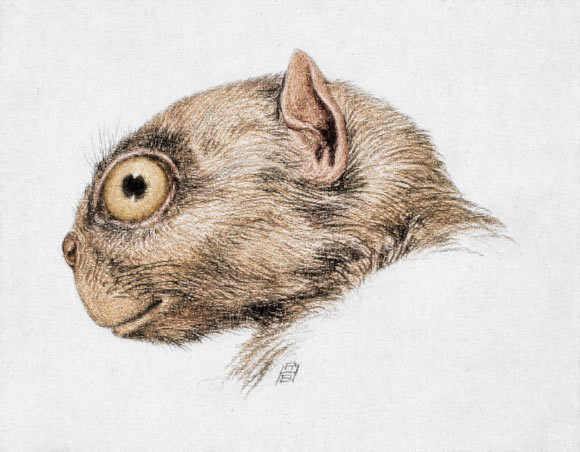
Tiny New Primate Species Emerges from 50-Million-Year-Old Wyoming Sandstone

Tetonius homunculus (colorized) by R. Bruce Horsfall from W.B. Scott’s History of Land Mammals in the Western Hemisphere.

Paleontologists working in southern Wyoming have identified a previously unknown species of omomyid primate, adding a new chapter to the story of one of the best-studied fossil lineages in North America.

The post Tiny New Primate Species Emerges from 50-Million-Year-Old Wyoming Sandstone appeared first on Sci.News: Breaking Science News.
  •  
  •  

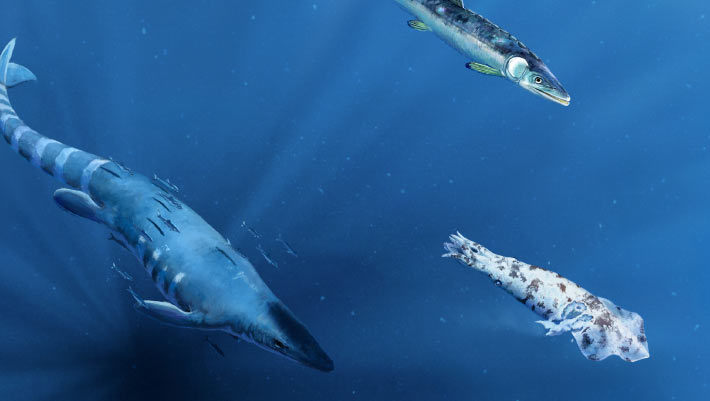
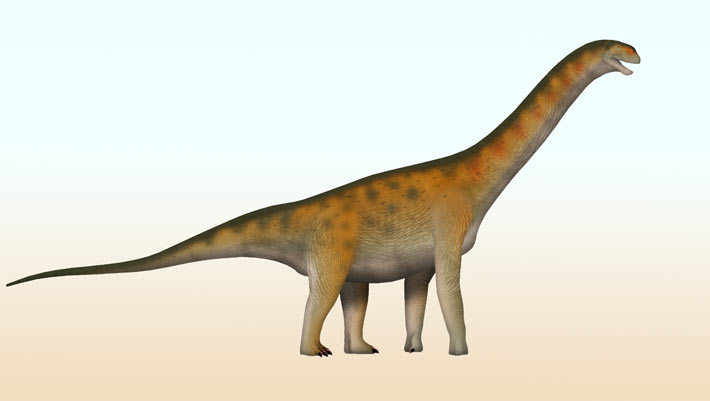
244-Million-Year-Old Fossil Preserves Earliest Reptilian Digestive System

Life reconstruction of Austronaga minuta. Image credit: Gabriel Ugueto.

An exquisitely preserved specimen of Austronaga minuta, a small, long-necked marine reptile from the Triassic of China, contains a fossilized stomach, liver and intestines, offering paleontologists their oldest detailed glimpse yet of how early reptiles digested food.

The post 244-Million-Year-Old Fossil Preserves Earliest Reptilian Digestive System appeared first on Sci.News: Breaking Science News.
  •  

224,000-Year-Old Homo Skull Fragment Adds New Mystery to Human Origins

A Homo heidelbergensis, a Neanderthal and a Cro-Magnon. Image credit: SINC / JosΓ© Antonio PeΓ±as.

A fossilized skull fragment of Homo sp. unearthed in central Spain offers paleoanthropologists a fresh window into the story of ancient humans who lived in Europe hundreds of thousands of years ago.

The post 224,000-Year-Old Homo Skull Fragment Adds New Mystery to Human Origins appeared first on Sci.News: Breaking Science News.
  •  

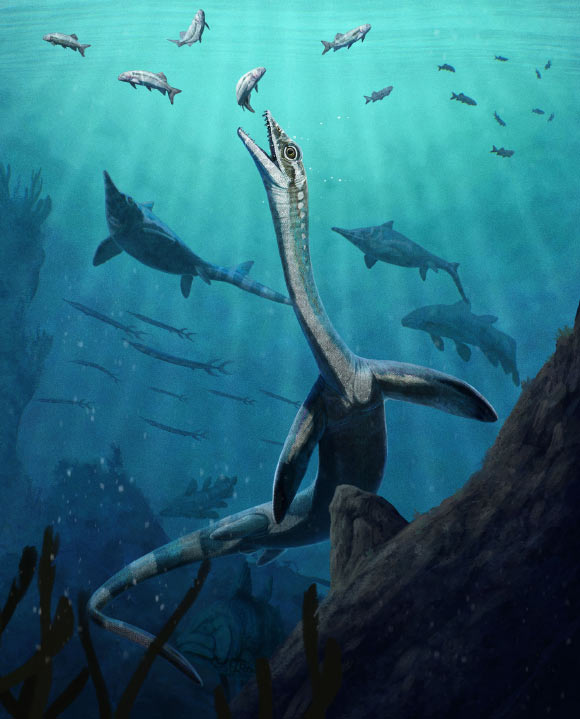
520-Million-Year-Old Fossil from China Fills Gap in Evolutionary History of Cephalopods

Life reconstruction of Eoceras shaanxiense. Image credit: Dinghua Yang.

Paleontologists have identified the earliest-known cephalopod equipped with a siphuncle -- a tubular extension of the mantle found in shelled cephalopods -- pushing back the fossil record of this key evolutionary feature to the Early Cambrian, roughly 520 million years ago.

The post 520-Million-Year-Old Fossil from China Fills Gap in Evolutionary History of Cephalopods appeared first on Sci.News: Breaking Science News.

  •  

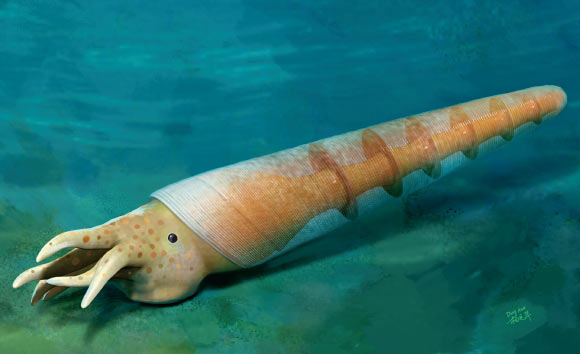
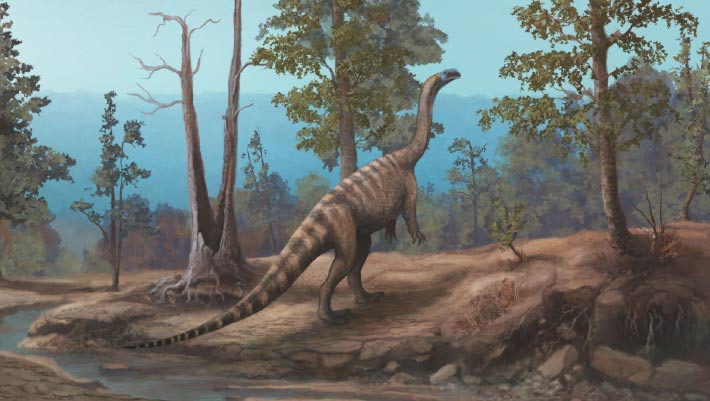
New Species of Triassic Dinosaur Discovered on Shores of Zimbabwe’s Lake Kariba

Life reconstruction of Musango matusadonaensis. Image credit: Mark Witton.

An international team of paleontologists has identified a new species of early sauropodomorph dinosaur in Zimbabwe, adding to growing evidence that southern Africa hosted a richer diversity of dinosaurs during the Late Triassic epoch than previously recognized.

The post New Species of Triassic Dinosaur Discovered on Shores of Zimbabwe’s Lake Kariba appeared first on Sci.News: Breaking Science News.
  •  

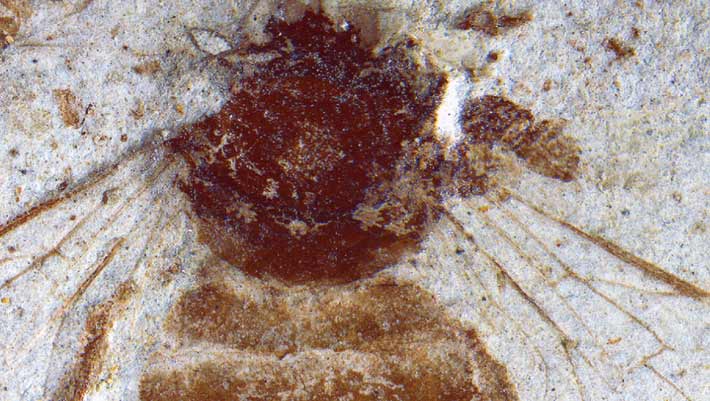
Japanese Fossil Bee Fills Two-Million-Year Gap in Honeybee History

Apis aibai. Image credit: Y. Takahashi & J-ichi Takahashi, doi: 10.3897/zookeys.1255.162389.

Paleontologists have announced the discovery of a new fossil honeybee species that fills a long-standing gap in the evolutionary record of the genus Apis.

The post Japanese Fossil Bee Fills Two-Million-Year Gap in Honeybee History appeared first on Sci.News: Breaking Science News.
  •  

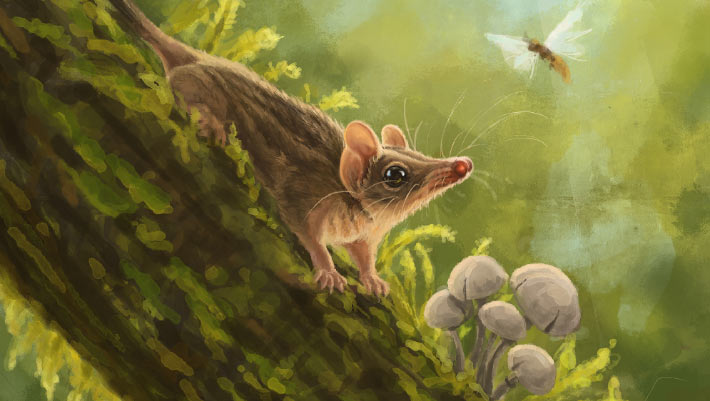
Early Miocene Fossil Rewrites Family Tree of Little Carnivorous Marsupials

An artist’s reconstruction of Miyumba chrisdickmani in the Early Miocene rainforests of northern Australia. Image credit: Nellie Pease.

Paleontologists at the University of New South Wales have described a new genus and species of dasyurid marsupial from the Early Miocene of Australia, offering the first solid evidence that the family Dasyuridae -- which today includes quolls, Tasmanian devils and tiny antechinuses -- existed long before scientists had proof of it in the fossil record.

The post Early Miocene Fossil Rewrites Family Tree of Little Carnivorous Marsupials appeared first on Sci.News: Breaking Science News.
  •  

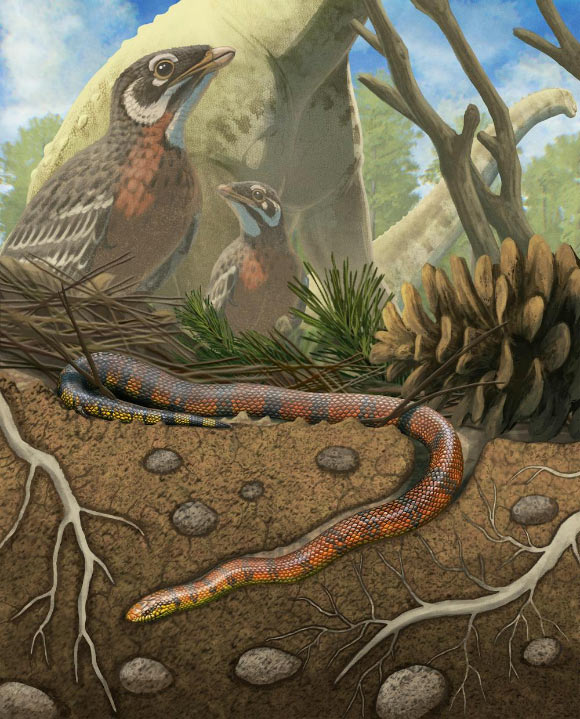
Did Early Snakes Burrow, Swim or Crawl? 80‑Million‑Year‑Old Fossil Suggests: All Three

Life reconstruction of Tametara mirim. Image credit: Gabriel Ugueto.

Paleontologists have unearthed a remarkably preserved fossil snake in Brazil that is reshaping ideas about how the earliest snakes lived and complicating the long-running debate over whether their ancestors burrowed underground, swam in the sea or crawled the surface.

The post Did Early Snakes Burrow, Swim or Crawl? 80‑Million‑Year‑Old Fossil Suggests: All Three appeared first on Sci.News: Breaking Science News.
  •  
  •  
  •  
❌