❌

Reading view

K12 Smart Indoor WiFi PTZ Camera Brings 360° Room Monitoring to a Simple Home Setup

A home security camera does not always need an advanced multi-camera system to be useful. For many households, the bigger challenge is simply being able to check a room remotely, see what is happening when nobody is home, and respond quickly when something changes. For households building a connected home, an indoor security camera can provide a simple way to check rooms, pets, children, or other areas remotely.

The K12 Smart Indoor WiFi PTZ Camera takes that approach with a compact indoor design, 1080P video, remote pan-and-tilt control, color night vision, motion alerts, and two-way communication. Instead of leaving a fixed camera pointed at one section of a room, its motorized movement allows users to look around a much wider area from a phone.

That makes the K12 particularly interesting for everyday indoor monitoring, including keeping an eye on pets, checking an empty room, or staying connected with family members.

A Wider View Without Installing Multiple Cameras

The K12 uses a 100° wide-angle lens and a motorized PTZ mechanism capable of 355° horizontal pan and 110° vertical tilt. This combination is more important than the raw resolution because it determines how much of a room the camera can actually cover.

A fixed indoor camera can leave areas outside its viewing direction unchecked. With the K12, users can remotely change the camera’s position when they want to inspect another part of the room.

For a living room, bedroom, workspace, or pet area, this can make a single camera more practical than simply buying a higher-resolution fixed model.

The camera’s 1080P Full HD output is also aimed at everyday monitoring rather than professional surveillance. It provides enough detail for checking people, pets, furniture areas, and general activity without turning the product into an unnecessarily complicated security system.

Night Monitoring Is More Than Just Black-and-White Video

Indoor monitoring becomes much less useful if the camera produces poor images after sunset. Combined with other smart home monitoring devices, the K12 can become part of a broader setup for checking what is happening inside the home.

The K12 supports color night vision as well as a conventional infrared night-vision mode. In situations where there is still some available light, color imaging can provide additional visual information compared with a standard monochrome infrared feed.

When the room becomes completely dark, infrared mode provides another option for maintaining visibility.

This dual approach makes sense for a camera designed to stay active around the clock. Rather than treating daytime and nighttime as completely separate use cases, the K12 is designed to adapt its imaging method to the available light.

Motion Alerts Turn the Camera Into an Active Monitor

Remote viewing is useful, but constantly opening a camera app to check an empty room is not practical.

The K12 includes motion detection and real-time notifications, allowing the camera to alert a smartphone when movement is detected. This changes the role of the device from a camera that simply records to a monitoring tool that can draw attention to an event.

For example, a pet moving around the house, someone entering a room, or unexpected activity while the home is empty can trigger an alert.

Of course, motion detection should not be treated as a professional alarm system. Its real advantage is convenience: users can receive a prompt to check the live feed instead of repeatedly checking the camera manually.

Two-Way Audio Makes Remote Monitoring More Interactive

The built-in microphone and speaker add another useful layer to the K12.

Through the mobile application, users can listen to the camera’s surroundings and communicate through the device. That can be useful when checking on a pet, talking to someone at home, or responding to a visitor.

This feature also illustrates why an indoor camera can be more useful than a basic recording device. The camera is not only sending information back to the user; it can also provide a simple way to communicate with the room.

2.4GHz Wi-Fi Keeps the Setup Straightforward

The K12 connects through 2.4GHz Wi-Fi and supports mobile devices running iOS or Android. For an indoor camera, this is a practical connectivity choice because 2.4GHz networks generally offer better range through walls than higher-frequency Wi-Fi bands.

The trade-off is that users should make sure their home network has adequate coverage where the camera will be installed.

The K12 is therefore best viewed as a camera designed to work within an existing home Wi-Fi environment rather than as a completely independent cellular surveillance device.

Local or Cloud Storage Gives Users More Flexibility

The camera supports two recording approaches: microSD storage and cloud storage through a subscription-based service.

Local microSD storage can be attractive for users who prefer keeping recordings on physical media and want to avoid depending entirely on a cloud service. Cloud storage, meanwhile, can make recordings easier to access remotely and may provide a convenient backup option.

The important point for buyers is to check the exact storage plans, supported card capacity, and subscription requirements before relying on either option for long-term surveillance.

Where the K12 Makes the Most Sense

The K12 is not trying to replace a complete outdoor security system. Its strengths are more closely connected to everyday indoor use.

It can make sense for:

  • Pet monitoring: Check what a dog or cat is doing while you are away.
  • Room monitoring: Keep an eye on a living room, bedroom, office, or other indoor space.
  • Family communication: Use two-way audio to speak with someone at home.
  • Movement awareness: Receive an alert when activity is detected.
  • Night monitoring: Switch between color and infrared night-vision modes depending on lighting conditions.

Its PTZ movement is particularly useful when the camera needs to cover more than one part of a room.

What Buyers Should Check Before Buying

The K12’s feature list looks impressive for an indoor camera, but buyers should consider a few practical limitations.

First, 1080P is Full HD rather than 2K or 4K. It is suitable for general room monitoring, but users looking for highly detailed footage for identification may want a higher-resolution camera.

Second, the K12 uses 2.4GHz Wi-Fi, so network coverage should be considered before installation.

Third, cloud storage is subscription-based according to the listing. Buyers who want a completely local setup should therefore pay attention to the microSD recording options.

Finally, PTZ coverage does not mean the camera literally records every direction simultaneously. The motorized mechanism allows the viewing angle to be changed, but users should still position the camera carefully to maximize the useful area.

K12: A Practical Approach to Indoor Monitoring

The K12 Smart Indoor WiFi PTZ Camera is most interesting because it combines several everyday features without requiring a complicated surveillance setup.

Its 1080P video, 355° pan, 110° tilt, color night vision, motion alerts, two-way audio, and mobile connectivity give it a broader role than a basic fixed indoor camera.

Rather than focusing on a single headline specification, the K12’s appeal comes from how these features work together. A homeowner can position the camera in one room, remotely change its viewing direction, receive an alert when movement occurs, check the live feed, and communicate through the built-in speaker and microphone.

For users who need a straightforward indoor Wi-Fi camera for pets, family monitoring, or general room awareness, the K12 offers a practical feature set without turning home monitoring into a complicated project.

The post K12 Smart Indoor WiFi PTZ Camera Brings 360° Room Monitoring to a Simple Home Setup appeared first on IGeeKphone China Phone, Tablet PC, VR, RC Drone News, Reviews.

  •  

BlitzWill BW-CLT2 Smart Ceiling Light Combines Everyday Illumination With RGB Ambience

Ceiling lights are usually one of those home products that disappear into the background once they are installed. BlitzWill BW-CLT2, however, takes a different approach by combining a conventional main ceiling light with a separate RGB ambient-lighting effect.

The result is a fixture designed to handle two different jobs: providing practical illumination for everyday activities while also giving a room a more customizable atmosphere when bright white lighting is not what you want. The BlitzWill BW-CLT2 is designed to replace a conventional ceiling fixture with a more flexible smart home lighting setup.

The 40cm BlitzWill BW-CLT2 supports adjustable color temperature from 2700K to 6500K and can be controlled through an app, voice commands, or a remote control. It also supports DIY scene settings, giving users more control than a basic on/off ceiling lamp.

One Ceiling Light, Two Different Lighting Roles

The combination of adjustable white light and RGB effects also makes the BW-CLT2 more versatile than a basic smart LED ceiling light.

For normal use, the primary light can provide the room’s everyday illumination. The adjustable 2700K–6500K range gives users the flexibility to move between warmer and cooler-looking white light depending on the time of day or the atmosphere they want.

The RGB section serves a different purpose. Instead of replacing the main light, it can be used to add color around the room and create a softer background effect.

That separation makes the design more practical than an RGB-only lamp. You can keep the main light focused on visibility while using the colored lighting to change the mood.

2700K to 6500K Gives More Control Over the Room

A fixed-color ceiling lamp can work perfectly well, but it gives you little flexibility once the fixture is installed.

The BW-CLT2 takes a more adaptable approach with a 2700K–6500K adjustable color-temperature range. Warmer settings can suit relaxed evening use, while cooler white light can be more appropriate when you need a brighter, more functional environment.

This makes the light suitable for spaces that serve multiple purposes. A bedroom, study, living room, or gaming area can all require different lighting at different times.

Rather than buying separate lights for different situations, the BW-CLT2 puts those adjustments into one ceiling fixture.

Smart Controls Make Daily Adjustments Easier

Another advantage is that the BW-CLT2 is not limited to a physical wall switch.

The product supports app control, voice control and a dedicated remote, giving users several ways to change the lighting.

App-based control is particularly useful for people who prefer adjusting lighting from a phone, while the remote provides a more traditional option for quick changes.

The combination also means the light does not have to be treated as a purely decorative smart-home gadget. It can still be operated in a straightforward way when you simply want to change the lighting without opening an app.

DIY Scenes Are More Useful Than They Sound

The BW-CLT2 also includes a DIY scene mode, which is one of the features that separates it from a basic adjustable LED ceiling lamp.

Instead of repeatedly changing brightness, color temperature, or RGB effects manually, users can create lighting combinations suited to particular situations.

For example, one setup could prioritize a brighter white light for working, while another could use warmer illumination with RGB ambience for watching movies or relaxing.

The important point is not simply that the lamp has RGB lighting. It is that the different lighting elements can be used as part of a more personalized room setup.

Is the 40cm Size a Good Fit?

At 40cm, the BW-CLT2 occupies a middle ground between small decorative fixtures and larger ceiling panels.

That makes it potentially suitable for bedrooms, smaller living spaces, studies, gaming rooms, and other areas where a large ceiling fixture may look excessive.

However, buyers should consider the dimensions of their room before choosing it. A 40cm fixture may be a sensible fit for a compact or medium-sized space, while a much larger room could require additional lighting.

What Buyers Should Consider

The BW-CLT2 makes the most sense for people who want more than basic ceiling illumination.

Its strongest feature is arguably the combination of practical white lighting and RGB ambience. The adjustable 2700K–6500K range handles everyday lighting needs, while the RGB system and DIY scenes add a more decorative element.

It is also worth remembering that smart-lighting features are most valuable when you actually plan to use them. If you only need a simple ceiling lamp that stays at one brightness and color, a conventional LED fixture may be enough.

For users who want to experiment with room lighting, however, the BW-CLT2 offers considerably more flexibility in a single fixture.

BlitzWill BW-CLT2: A Flexible Upgrade for a Smart Home

BlitzWill BW-CLT2 Smart Ceiling Light is less about adding another colorful gadget to a room and more about combining several lighting functions into one ceiling fixture.

Its 40cm form factor, adjustable 2700K–6500K white lighting, RGB ambience, multiple control methods, and DIY scene support give it a broader role than a standard ceiling lamp.

Banggood’s EU-direct listing currently shows the BW-CLT2 at around $52.99, although the final price can change with promotions, region, taxes, and availability.

For shoppers looking to make a room more adaptable without filling the ceiling with multiple lighting fixtures, the BW-CLT2 is an interesting option worth considering.

The post BlitzWill BW-CLT2 Smart Ceiling Light Combines Everyday Illumination With RGB Ambience appeared first on IGeeKphone China Phone, Tablet PC, VR, RC Drone News, Reviews.

  •  

Open-Ear Earphones With Bluetooth 6.0: 14mm Drivers, Battery Life and Everyday Use

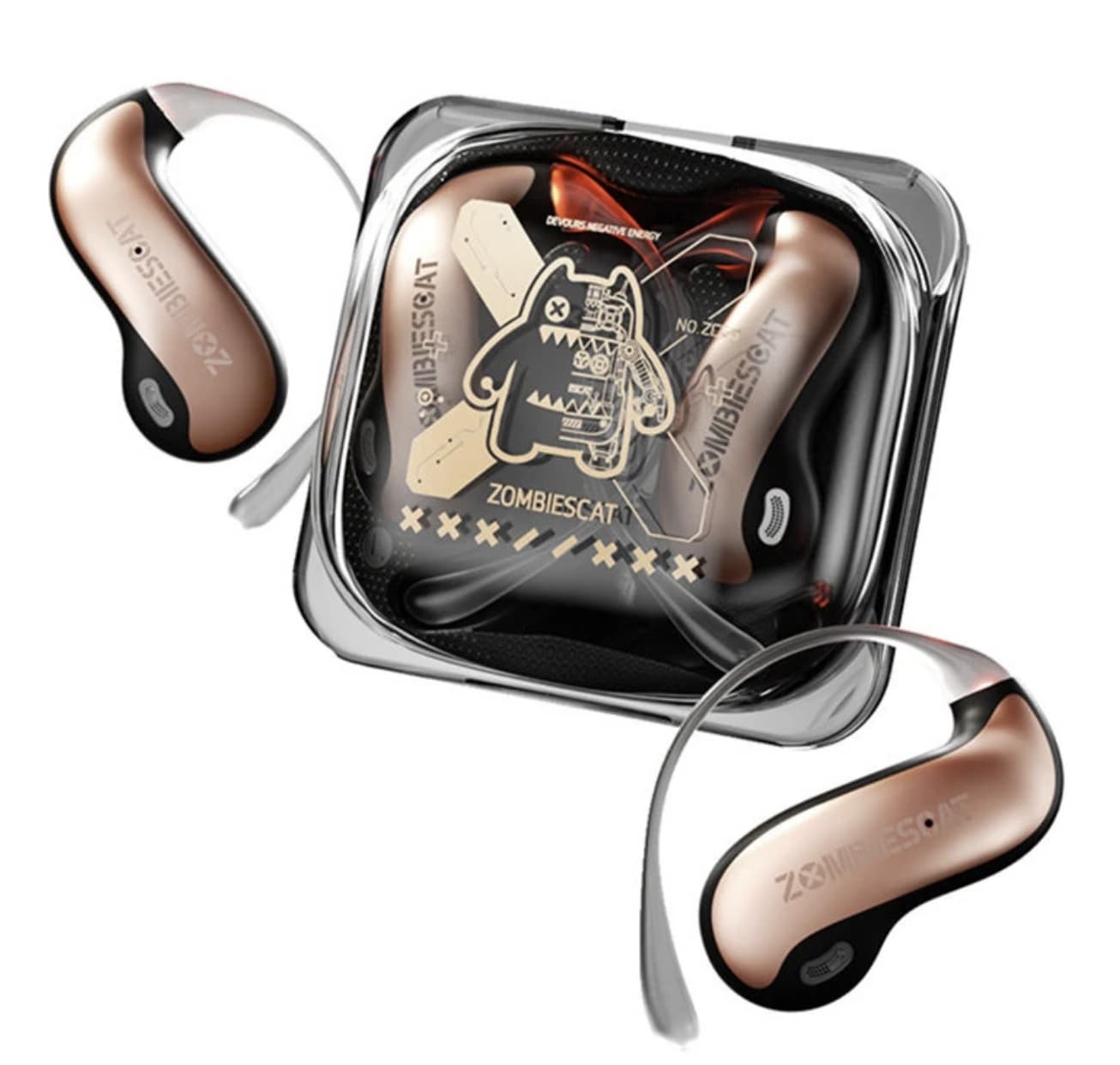
As wireless earbuds continue to get smaller, comfort and awareness of your surroundings can become just as important as compact size. The Zombies Cat B22 takes a different route with an open-ear earclip design that rests around the ear instead of blocking the ear canal. Combined with Bluetooth 6.0 and large 14mm drivers, the B22 is designed for users who want wireless audio while staying more connected to their surroundings during everyday activities and workouts.

That design is paired with Bluetooth 6.0, 14mm dynamic drivers, claimed 720° panoramic sound, a built-in microphone, and a small warm-colored safety light. Instead of trying to compete purely on conventional earbuds specifications, the B22 is designed around the idea of keeping music available while maintaining a more open connection with the surrounding environment.

According to the Banggood listing, the B22 supports Bluetooth 6.0, uses 14mm speakers, offers up to 4.5 hours of playback from the earbuds themselves and up to 20 hours when combined with the charging case.

The B22’s biggest idea is its open-ear design

The most interesting part of the Zombies Cat B22 is not actually Bluetooth 6.0. It is the way the earphones are worn.

Rather than pushing an earbud into the ear canal, the B22 uses an earclip-style open-ear structure. This can be appealing to people who dislike the plugged-in sensation of traditional in-ear headphones or want to remain more aware of their surroundings while listening.

That makes the B22 sports headphones particularly relevant to walking, commuting, cycling and other situations where completely isolating yourself from environmental sound may not be desirable.

It also changes the way the headphones should be evaluated. The goal is not simply maximum isolation. Instead, the B22 is built around a balance between personal audio and environmental awareness.

14mm drivers give the B22 a larger audio foundation

Inside the compact earphones are 14mm dynamic drivers.

A larger driver does not automatically guarantee better sound, but it gives the B22 a substantial hardware foundation for producing bass, vocals and higher-frequency details. For an open-ear design, that can be particularly important because there is no sealed ear canal to create the same acoustic conditions as conventional in-ear headphones.

The product listing describes the 14mm drivers as being designed for a broad soundstage with stronger bass and clear treble.

The stated frequency response is 20Hz–20kHz, covering the commonly specified range for consumer headphones.

What does “720° surround sound” mean here?

The B22 also promotes 720° panoramic sound, which is one of its more unusual specifications.

This should be understood as a spatial-audio presentation rather than literally having sound physically travel in every direction around the listener. The idea is to create a wider and more immersive sense of positioning than conventional stereo playback.

That could make movies, games and music feel more spacious, although the real-world effect will depend on the recording, device and listening environment.

For buyers, the more meaningful takeaway is that Zombies Cat is positioning the B22 as an immersive open-ear headphone, rather than a basic wireless sports earbud.

Bluetooth 6.0 focuses on connection and responsiveness

The B22 uses Bluetooth 6.0 and supports HSP, HFP, A2DP and AVRCP profiles. The listed transmission distance is up to 10 meters.

For everyday users, the important part is less about the Bluetooth version number itself and more about how the headphones fit into daily use.

Bluetooth 6.0 is intended to provide a modern wireless connection, while the supported profiles cover common functions such as music playback, hands-free communication and remote media control.

The listing also highlights low latency for gaming and video. That makes the B22 potentially more versatile than headphones designed exclusively for music listening, although actual latency can vary depending on the connected phone, computer or game system.

The built-in warm light is more than decoration

One of the B22’s most distinctive physical features is its integrated warm safety light.

The light is positioned as a visibility feature for activities such as night running and cycling. Rather than functioning purely as an RGB-style visual effect, the concept is to make the wearer easier to notice in darker surroundings.

This is a clever addition because open-ear headphones are already aimed at active users. A small visibility feature gives the design another practical purpose.

However, the light should be considered an additional visibility aid rather than a replacement for proper cycling or running safety equipment.

Battery life is designed around shorter daily sessions

The B22 uses a 40mAh battery in each earphone and a 300mAh charging case.

Banggood lists approximately 4.5 hours of playback from the earbuds alone and up to 20 hours with the charging case. Charging the case and earbuds is listed at around one hour.

That makes the B22 better suited to several shorter listening sessions than extremely long continuous use.

For example, a commute, workout, walk or evening gaming session can fit comfortably within the stated earbud runtime. Once the earbuds are returned to the case, the additional battery capacity extends the overall listening time.

As always, actual runtime can vary with volume, connection conditions and other usage factors.

The earclip format makes the B22 a sports-oriented headphone

The B22 weighs approximately 43 grams as listed for the product, with dimensions of 60 × 28 × 52mm.

Its physical design is clearly aimed at people who want something different from conventional TWS earbuds.

The earclip structure avoids the need for a traditional silicone ear tip, while the open-ear configuration can make the headphones more suitable for users who prefer a less enclosed listening experience.

That said, fit is highly personal. An earclip that feels secure for one person may not feel identical for another, so the B22’s design should be viewed as an alternative to conventional earbuds rather than a universal replacement.

A microphone makes it useful beyond music

The B22 includes a built-in microphone and supports the standard Bluetooth calling profiles listed by Banggood.

This means the headphones can also be used for calls and voice communication rather than functioning only as a music player.

For people who frequently switch between podcasts, music, phone calls and video content, that makes the B22 a more practical everyday accessory.

Who should consider the Zombies Cat B22?

The B22 makes the most sense for users who specifically want an open-ear Bluetooth headphone rather than a conventional sealed earbud.

It could be particularly interesting for:

  • Runners and walkers who prefer an open listening style
  • Cyclists looking for headphones with an additional visibility feature
  • Commuters who dislike the pressure of in-ear tips
  • Users who want larger drivers in an open-ear design
  • People interested in Bluetooth 6.0 headphones
  • Gamers and video viewers looking for a more spacious audio presentation

It may be less suitable for someone whose first priority is strong passive isolation or deep noise blocking, because the open-ear concept is fundamentally designed around a different listening experience.

Zombies Cat B22 specifications

Feature Zombies Cat B22
Wearing style Open-ear earclip
Bluetooth Bluetooth 6.0
Driver 14mm dynamic driver
Frequency response 20Hz–20kHz
Claimed audio feature 720° panoramic sound
Bluetooth profiles HSP / HFP / A2DP / AVRCP
Transmission distance Up to 10m
Earbud battery 40mAh
Charging case 300mAh
Earbud playback Up to 4.5 hours
Total playback with case Up to 20 hours
Charging time About 1 hour
Microphone Yes
Product weight About 43g
Product dimensions 60 × 28 × 52mm
Colors Black, Red, Beige

The specifications above are based on the product information currently published by Banggood.

Final thoughts

Zombies Cat B22 earphone is interesting because it does not try to be another ordinary pair of TWS earbuds.

Its combination of an open-ear earclip structure, 14mm dynamic drivers, Bluetooth 6.0 and built-in warm safety lighting gives it a clearly defined identity. The claimed 720° panoramic sound is another attempt to make the listening experience more immersive without returning to a conventional closed-in design.

The real appeal of the Zombies Cat B22 is not simply its specifications, but the way its open-ear design fits into everyday listening. By leaving the ear canal open, the B22 can be a useful alternative for running, commuting, walking or casual listening when staying aware of nearby sounds is important. For users who prefer a less isolated listening experience than traditional in-ear earbuds provide, the B22 offers a distinctive combination of comfort, situational awareness and wireless convenience.

The post Open-Ear Earphones With Bluetooth 6.0: 14mm Drivers, Battery Life and Everyday Use appeared first on IGeeKphone China Phone, Tablet PC, VR, RC Drone News, Reviews.

  •  

Budget Smartwatch with Bluetooth Calling and 1.50-Inch Display: What to Know

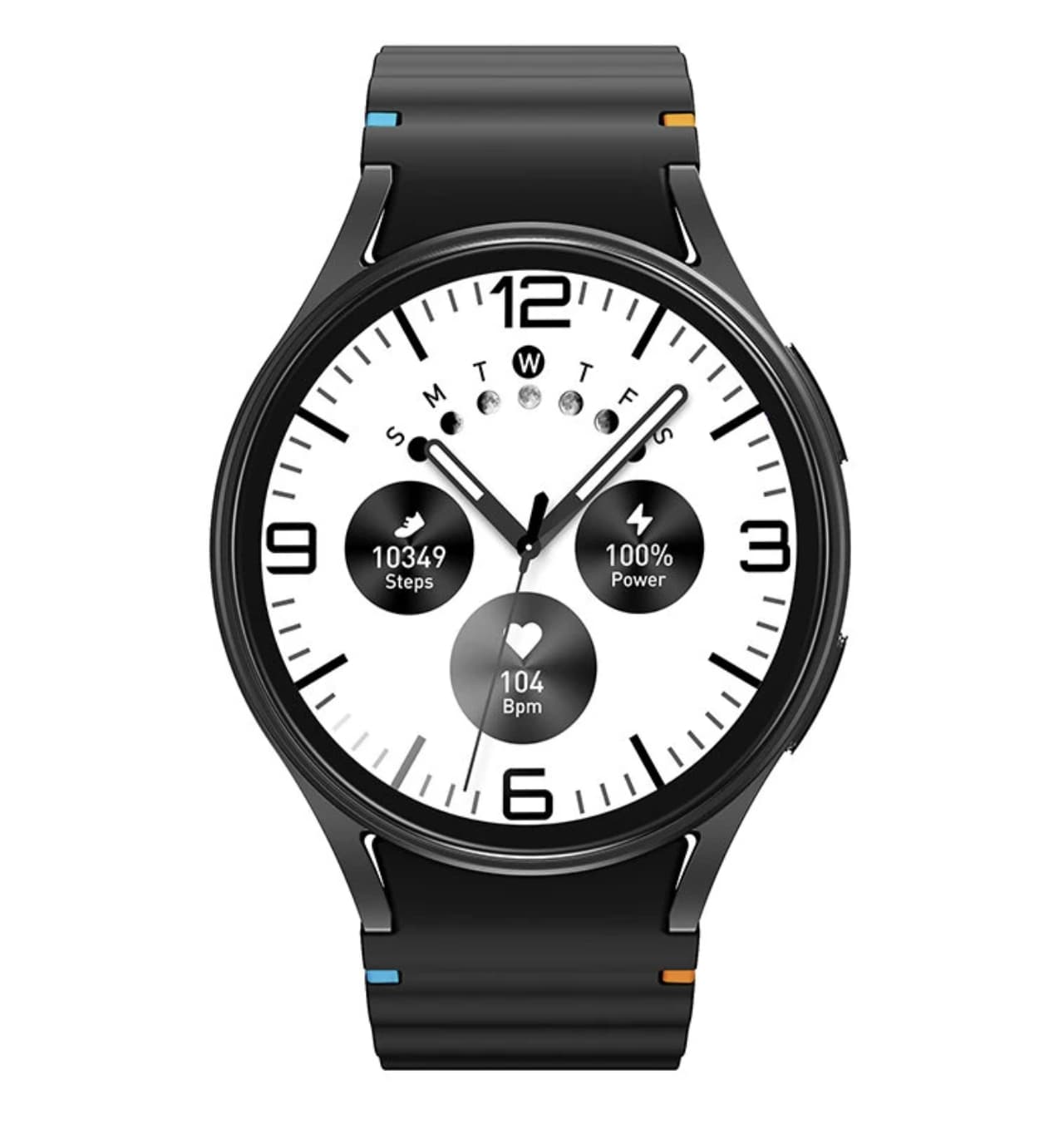
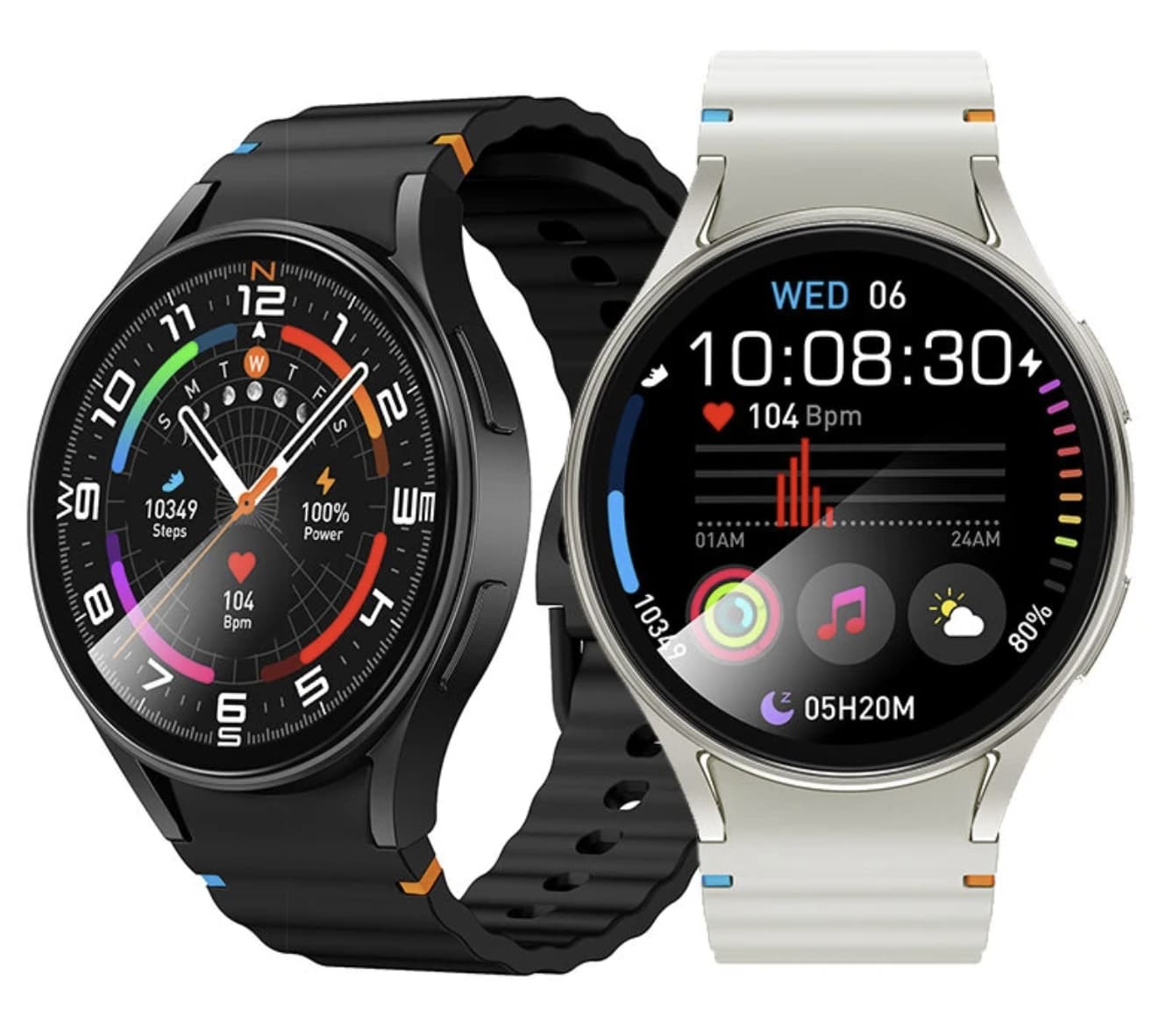
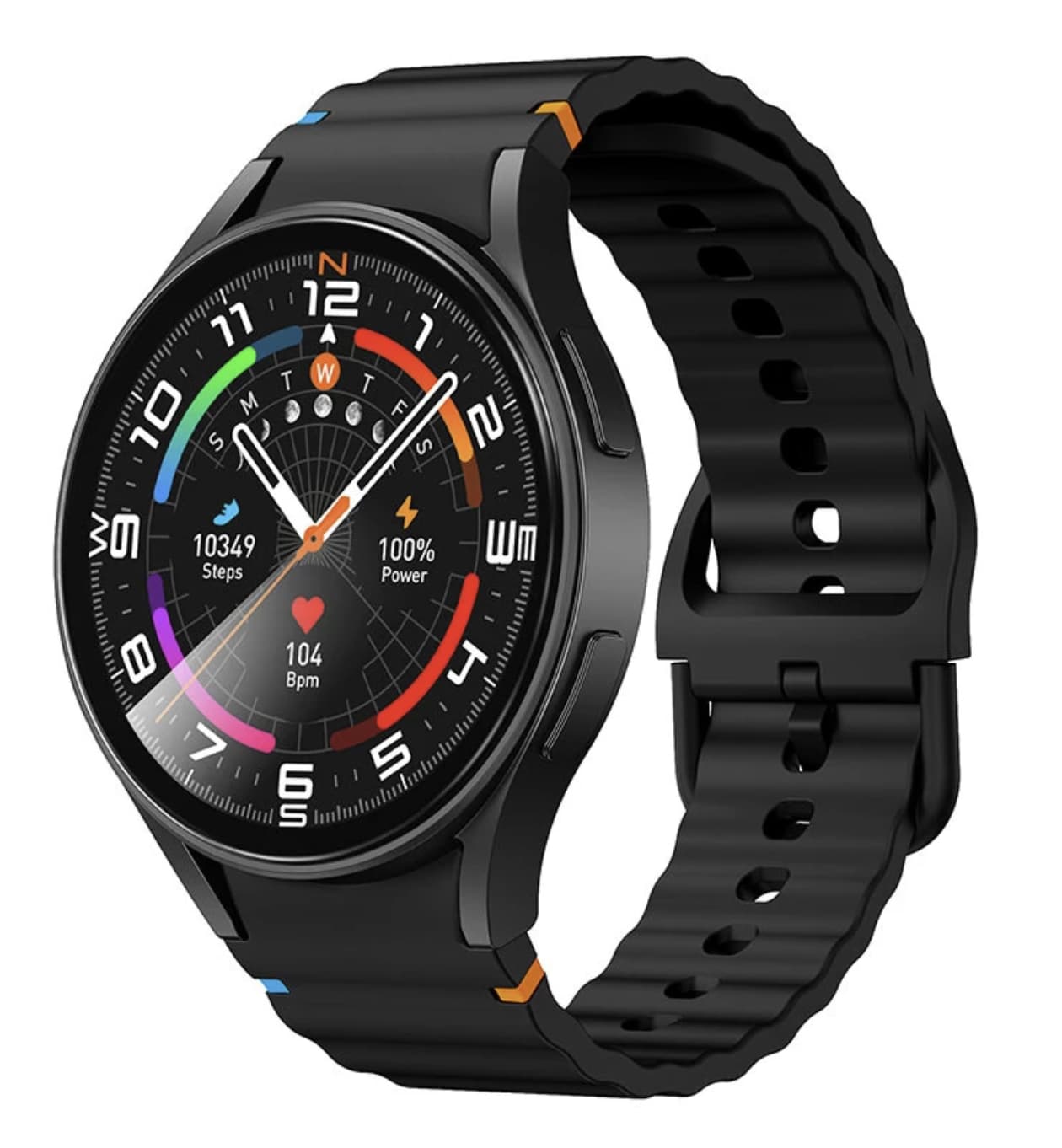
Affordable smartwatch are no longer limited to step counting and basic notifications. The S2 Smartwatch takes a broader approach, combining a 1.50-inch touchscreen, Bluetooth calling, activity tracking, sleep monitoring and several everyday phone-control features in one wearable.

Its specifications are clearly aimed at users who want a smartwatch that can handle common daily tasks without moving into the price range of premium models. Instead of competing with advanced sports watches, the S2 focuses on convenience: seeing notifications, answering calls, checking activity data and keeping basic wellness information on the wrist.

That positioning makes the S2 more interesting to evaluate as an everyday wearable than as a high-end fitness device.

The S2’s 1.50-Inch Screen Is Designed for Everyday Interaction

The S2 uses a 1.50-inch smartwatch display with a 360 × 360 resolution.

Screen size matters more on a smartwatch than the numbers alone suggest. A larger panel gives notifications, menus and activity information more room, which can make the interface easier to read without immediately reaching for a smartphone.

The S2 uses an IPS display rather than AMOLED. That distinction is important for buyers comparing it with more expensive smartwatches. An AMOLED panel generally offers stronger contrast and deeper blacks, while the S2 takes a more cost-conscious approach.

For its intended market, however, the 1.50-inch screen is one of the more practical aspects of the design. Users who mainly want to read notifications, navigate menus and check fitness information may benefit more from the larger viewing area than from having premium display technology.

Bluetooth Calling Makes the S2 More Than a Fitness Tracker

One of the S2’s most useful features is Bluetooth calling.

After connecting the watch to a compatible smartphone, users can handle calls from the wrist instead of taking the phone out every time a call arrives. The watch also supports call reminders and notifications, giving it a more active role in everyday communication.

Bluetooth 5.3 provides the wireless connection, while compatibility with Android and iOS makes the S2 suitable for users across the two major mobile platforms.

The calling function is particularly useful in situations where pulling out a phone is inconvenient. At the same time, buyers should remember that this is Bluetooth-based calling rather than a fully independent cellular smartwatch. The phone remains an important part of the experience.

Health Features Are Better Viewed as Daily Wellness Tools

The S2 includes several health-oriented functions, including heart-rate monitoring, blood-oxygen readings, blood-pressure readings and sleep tracking.

These features give the watch a broader role than a simple activity tracker. Instead of checking only steps and exercise, users can use the watch to observe different aspects of their daily routine.

There is an important limitation, however.

The health measurements should be treated as general wellness information rather than medical results. The product information states that these functions are intended for reference and are not a substitute for professional medical equipment.

That makes the S2 more suitable for users who want to observe general trends over time. Someone who needs clinically accurate measurements should continue to rely on appropriate medical devices and professional advice.

Sleep Tracking Gives the Watch a 24-Hour Role

The S2 also tracks sleep, which changes how the watch can be used outside exercise.

A smartwatch that only records workouts has limited value for people who want to wear it throughout the day. Sleep monitoring, step counting, calorie information and sedentary reminders allow the S2 to collect a wider range of everyday activity data.

The benefit is not necessarily advanced sleep analysis. Instead, the S2 provides a simple way to build a longer-term picture of daily habits.

For casual users, that can be more useful than having a large collection of specialist sports measurements they may never use.

Multiple Sports Modes Focus on General Fitness

The S2 supports multiple sports modes as well as step, distance and calorie tracking.

This gives the watch enough flexibility for common activities and casual workouts. Users can switch between different exercise categories while keeping their activity information connected to the rest of the watch’s health data.

However, the number of sports modes should not be confused with professional sports tracking.

The S2 does not appear to be designed as a replacement for a dedicated training watch with advanced GPS, recovery analysis, detailed performance metrics and specialist workout tools. Its advantage is simplicity.

If the goal is to record basic exercise and stay aware of daily movement, the S2 covers the essentials without adding unnecessary complexity.

FitCloudPro Is an Important Part of the Experience

The S2 works with the FitCloudPro companion application.

The app provides the connection between the watch and smartphone and supports functions such as notifications, watch-face management and related settings.

This is worth considering before buying the watch because some of its smart functions depend on the phone connection. The S2 is not intended to operate as a completely independent device.

For users who are comfortable pairing a smartwatch with a phone, this is a relatively straightforward setup. The connected approach also allows the watch to provide features such as smartphone camera control and music controls.

IP67 Protection Is Useful, But It Does Not Make the S2 a Swimming Watch

The S2 has an IP67 rating.

For everyday use, that provides useful protection against dust and limited water exposure. It can therefore be more reassuring during normal activities where the watch may encounter sweat or occasional splashes.

But IP67 should not be interpreted as a license to use the watch for swimming.

The product information specifically advises against swimming with the S2. Buyers who regularly participate in water sports should therefore look for a smartwatch designed and rated specifically for those conditions.

This is an example of where understanding the actual use case is more important than simply looking at the IP rating.

280mAh Battery: Enough for Several Days of Typical Use

The S2 uses a 280mAh battery and is rated for approximately 3–5 days of use, depending on usage conditions.

That estimate should be viewed as a general guideline rather than a guarantee. Bluetooth calling, frequent notifications, screen brightness and continuous health monitoring can all increase power consumption.

The watch also supports magnetic charging, which avoids having to insert a conventional charging connector directly into the watch.

For someone who wants a smartwatch that can remain on the wrist for several days between charges, the S2’s battery capacity is reasonable for its feature set.

The Design Favors Everyday Wear

The S2 uses a zinc-alloy case with a silicone strap.

Its listed dimensions are approximately 54.2 × 47.3 × 12.8mm, while the strap is around 210mm long with a 22mm band width.

This is not an ultra-thin fitness band. The relatively substantial case gives it a more traditional smartwatch presence, while the silicone strap keeps the design practical for casual exercise and everyday wear.

The result is a watch aimed more at versatility than at minimalist styling.

Where the S2 Makes Sense

The most interesting aspect of the S2 is not any single specification.

Its value comes from how several basic features work together.

A user can receive notifications during the day, answer a Bluetooth call, check steps, review sleep information, record a workout, control music and use the watch as a remote camera controller.

None of those functions is particularly unusual by itself. The appeal is having them combined in one relatively affordable wearable.

This also explains why the S2 should not be judged against premium smartwatches solely on specifications. It does not offer the same level of display technology, sports analysis or ecosystem integration. Instead, it targets people who want a broad set of useful functions without paying for advanced features they may never use.

Who Should Buy the S2 Smartwatch?

The S2 is a reasonable choice for users who prioritize practical everyday functions.

It makes the most sense for someone looking for:

  • A large 1.50-inch smartwatch display
  • Bluetooth calling
  • Smartphone notifications
  • Basic activity tracking
  • Sleep monitoring
  • Heart-rate and SpO2 information
  • General blood-pressure readings
  • Multiple sports modes
  • Music and camera controls
  • Several days of typical battery life
  • Basic protection against dust and everyday water exposure

On the other hand, users who specifically need advanced GPS tracking, professional training analytics, medical-grade measurements, swimming-focused protection or a premium AMOLED display should consider a more specialized smartwatch.

S2 Smartwatch vs. a Typical Budget Fitness Band

The S2’s biggest advantage over a simple fitness band is the communication layer.

A fitness band can be excellent for steps, sleep and basic activity monitoring, but the S2 adds Bluetooth calling, broader notification support, music control and camera control.

That makes it closer to a general-purpose smartwatch than a dedicated fitness tracker.

The trade-off is size. The S2 is a more substantial wearable, so buyers who prefer a lightweight band that disappears on the wrist may prefer a smaller fitness tracker.

Final Verdict

The S2 Smartwatch is best understood as an affordable all-round wearable rather than a specialist sports watch.

Its 1.50-inch display gives everyday interactions plenty of room, while Bluetooth calling adds a feature that can genuinely reduce the need to reach for a smartphone. Health and activity functions cover the basics, and the 280mAh battery is designed to provide several days of typical use.

Its limitations are equally clear. The IPS display is not aimed at competing with premium AMOLED watches, the fitness functions are primarily for everyday tracking, and the health measurements should not be treated as medical results.

For buyers who want a straightforward smartwatch that combines communication, activity tracking and everyday convenience, the S2’s broad feature set is its main selling point. It is less about having the most advanced technology and more about putting a useful collection of smartwatch functions on the wrist at an accessible price.

The post Budget Smartwatch with Bluetooth Calling and 1.50-Inch Display: What to Know appeared first on IGeeKphone China Phone, Tablet PC, VR, RC Drone News, Reviews.

  •  

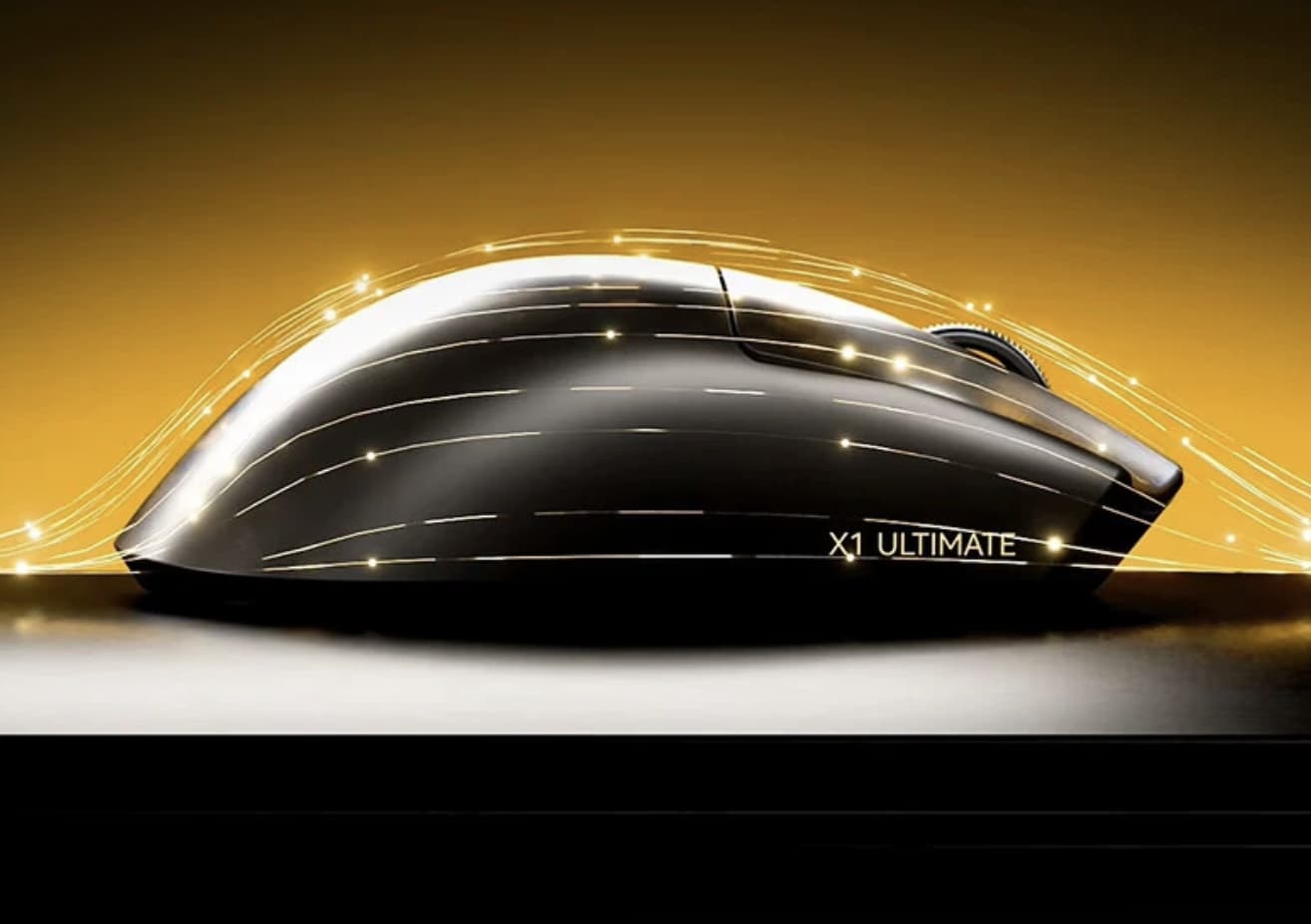
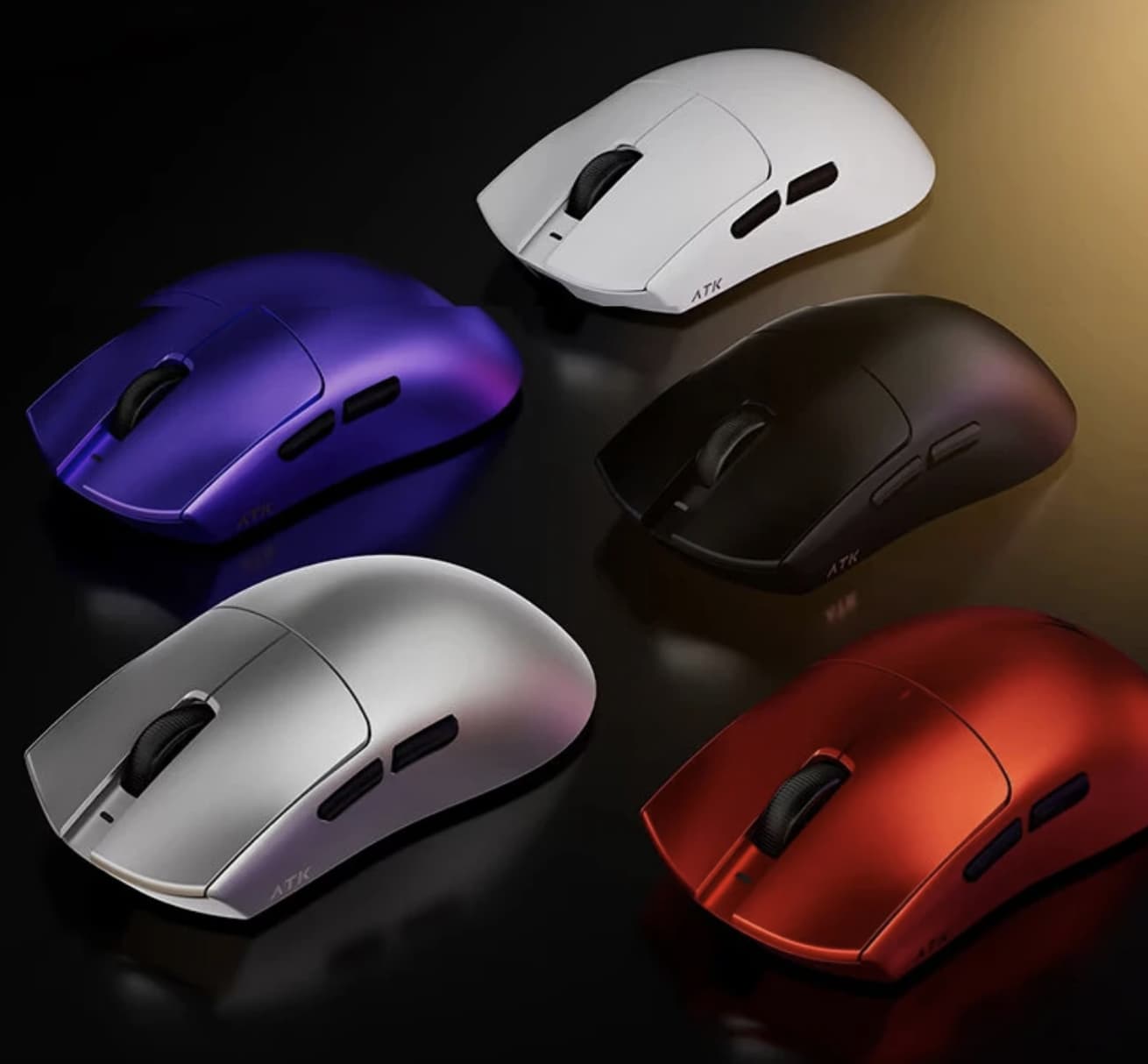
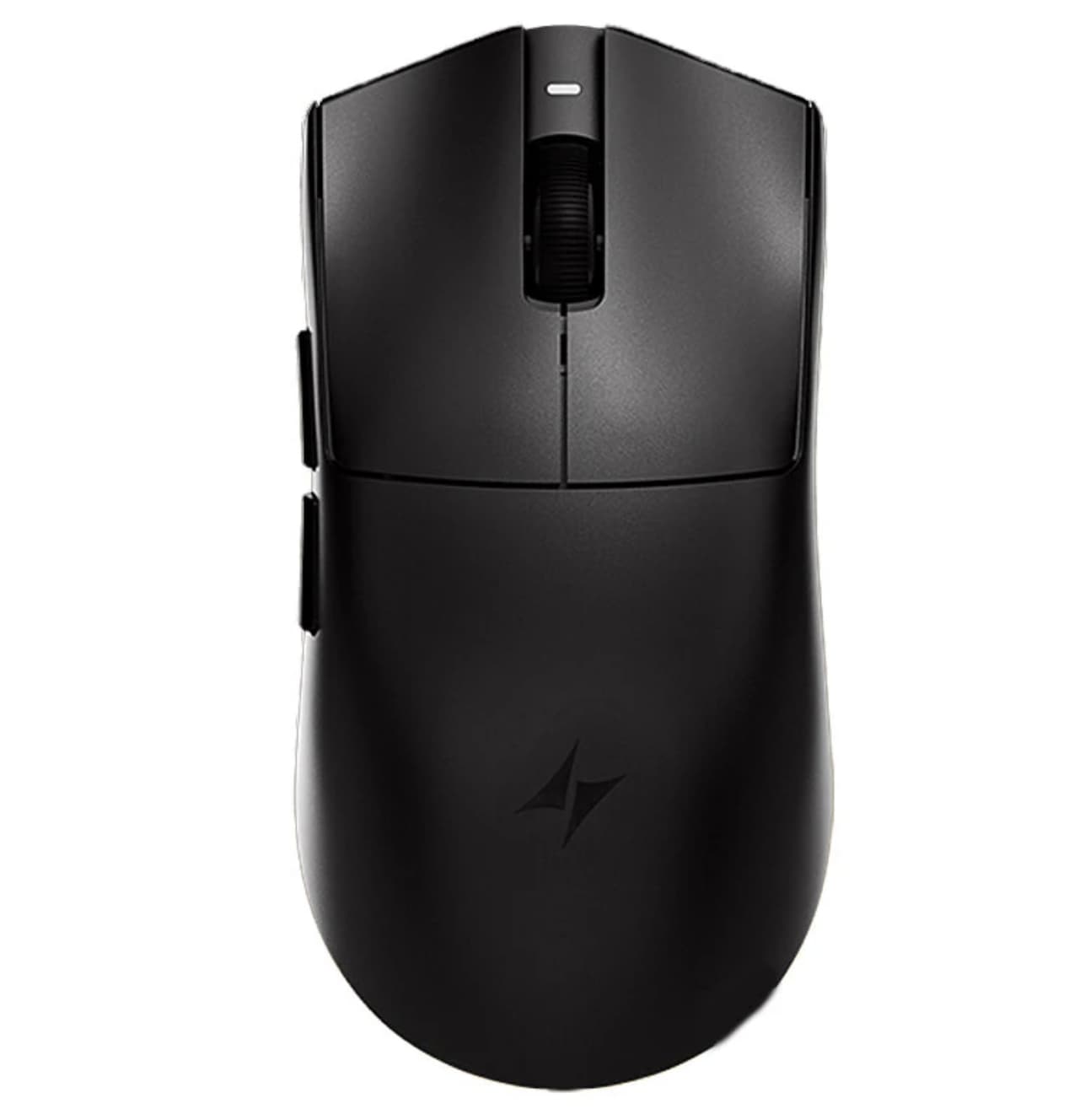
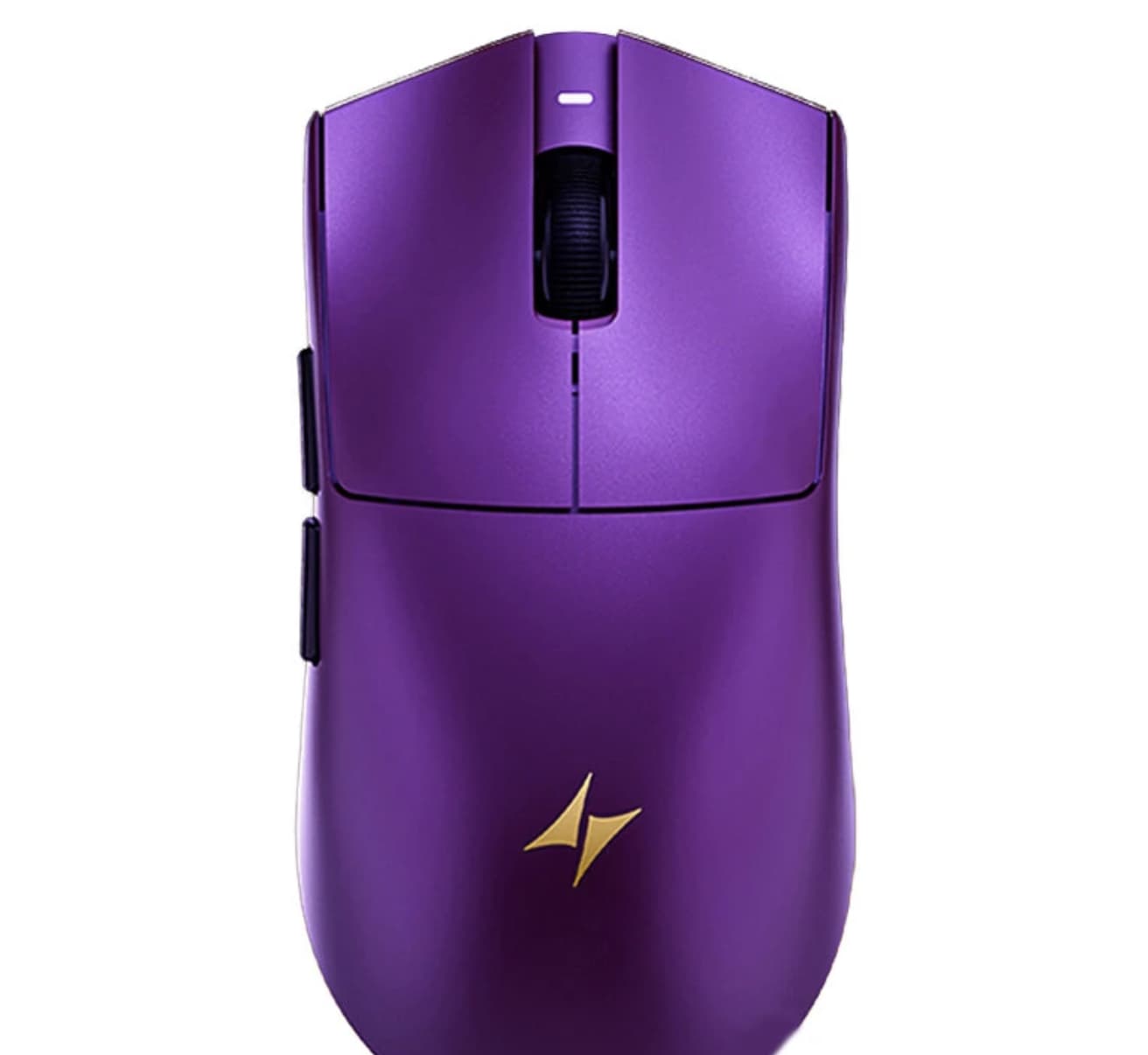
AULA V1 Gaming Mouse Combines Lightweight Design With Competitive-Level Features

Gaming mice have changed significantly in recent years. Instead of simply adding more buttons or aggressive designs, many modern players are looking for a better balance between speed, precision, comfort and wireless flexibility.

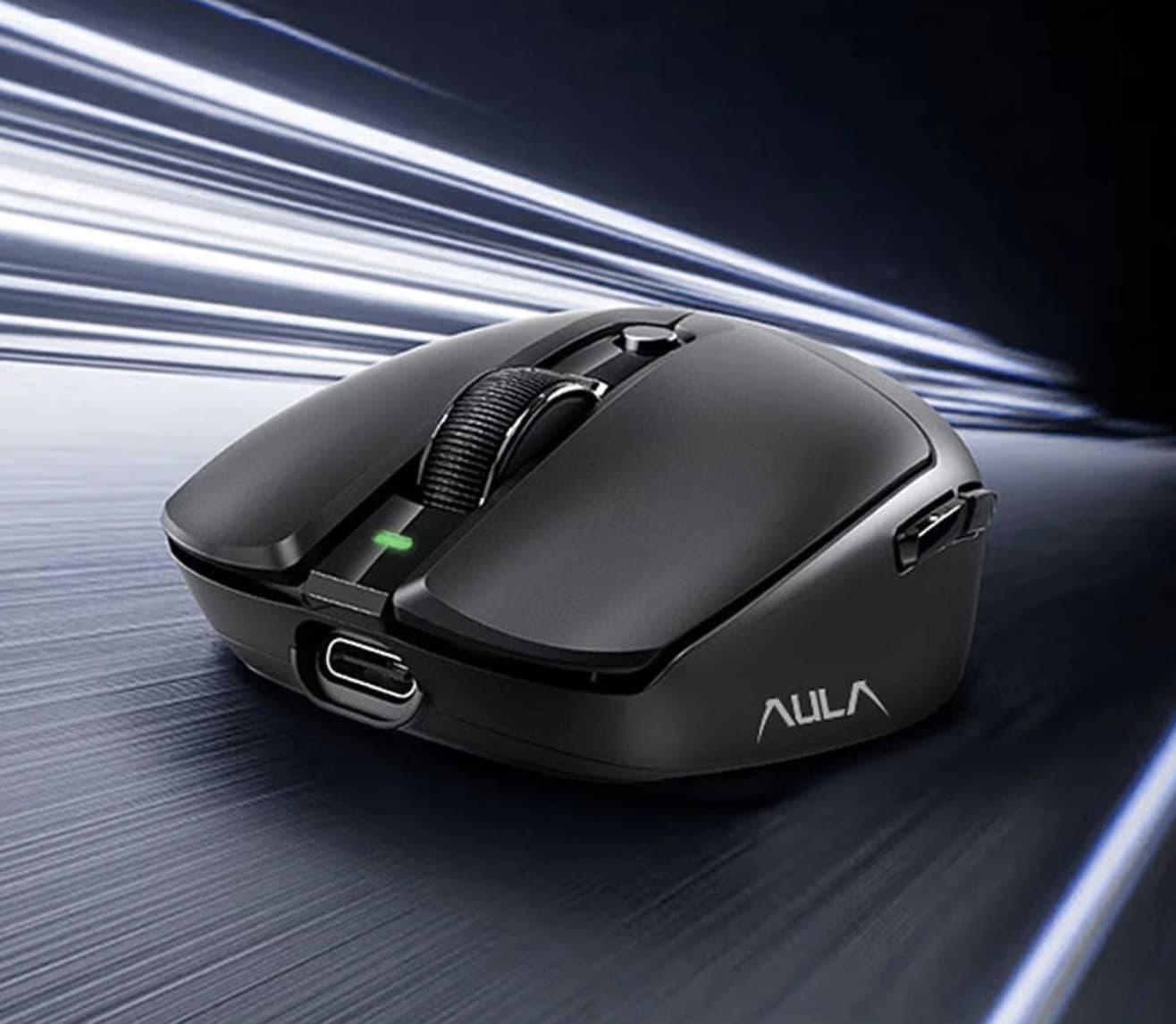
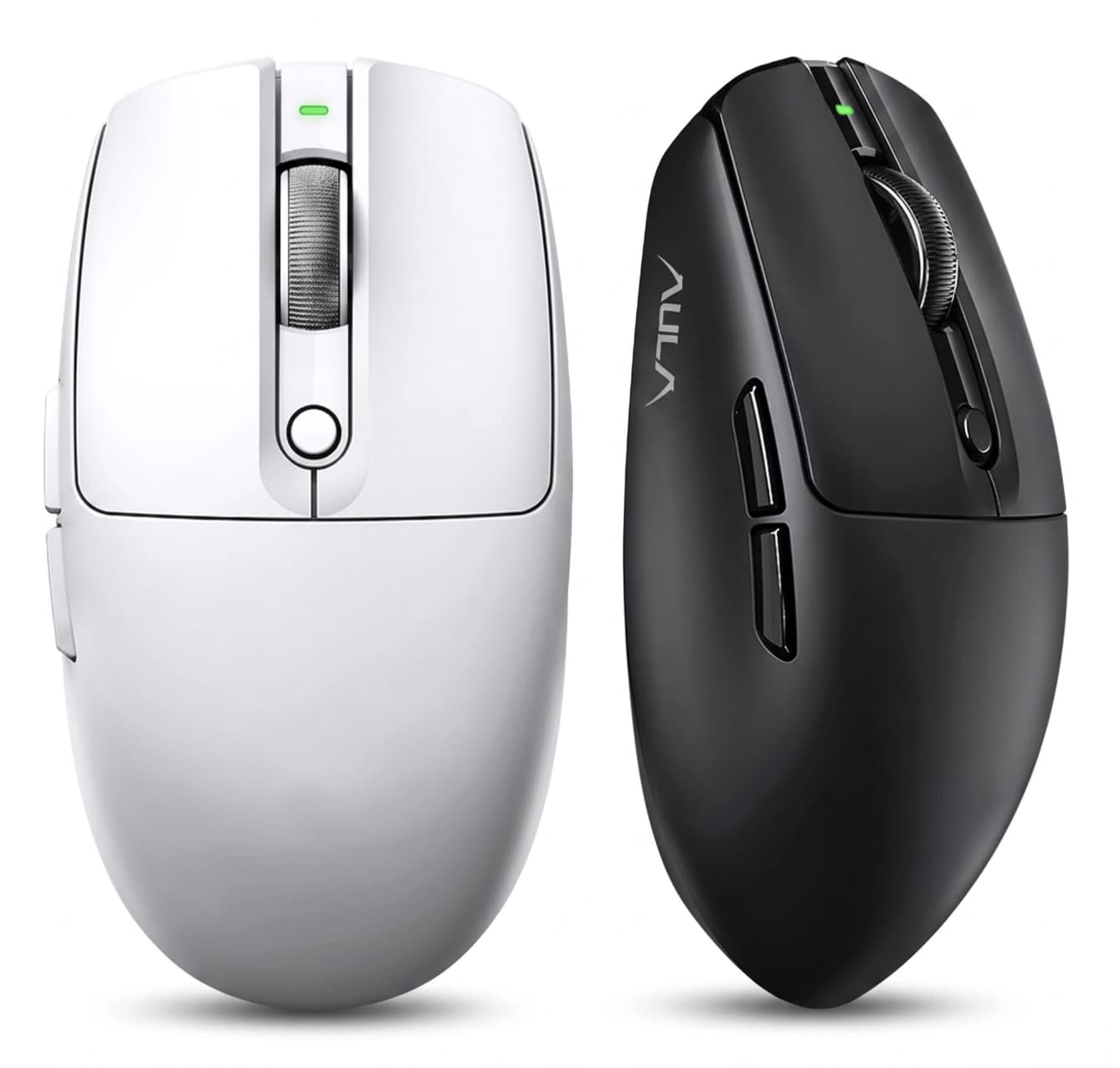
The AULA V1 gaming mouse follows this trend with a lightweight 55g body, a PAW3311 optical sensor, dual 1000Hz polling support and three connection modes. Designed for PC and laptop gamers, the mouse aims to deliver a responsive experience while remaining comfortable during long gaming sessions.

Rather than targeting only professional esports players, the AULA V1 focuses on a broader group of users who want a fast and reliable gaming mouse without dealing with excessive weight or unnecessary complexity.

Lightweight 55g Design Focuses on Faster Movement

Weight has become one of the most important factors in gaming mouse design.

The AULA V1 weighs approximately 55g, placing it in the lightweight gaming mouse category. A lower weight can make quick movements easier, especially in fast-paced FPS games where players frequently perform rapid aiming adjustments.

A lighter mouse also reduces the amount of physical effort needed during extended sessions. For gamers who use low sensitivity settings and rely on larger arm movements, reducing unnecessary weight can improve overall control and comfort.

However, lightweight design is not only about reducing numbers. The shape, balance and grip style also determine whether a mouse feels comfortable.

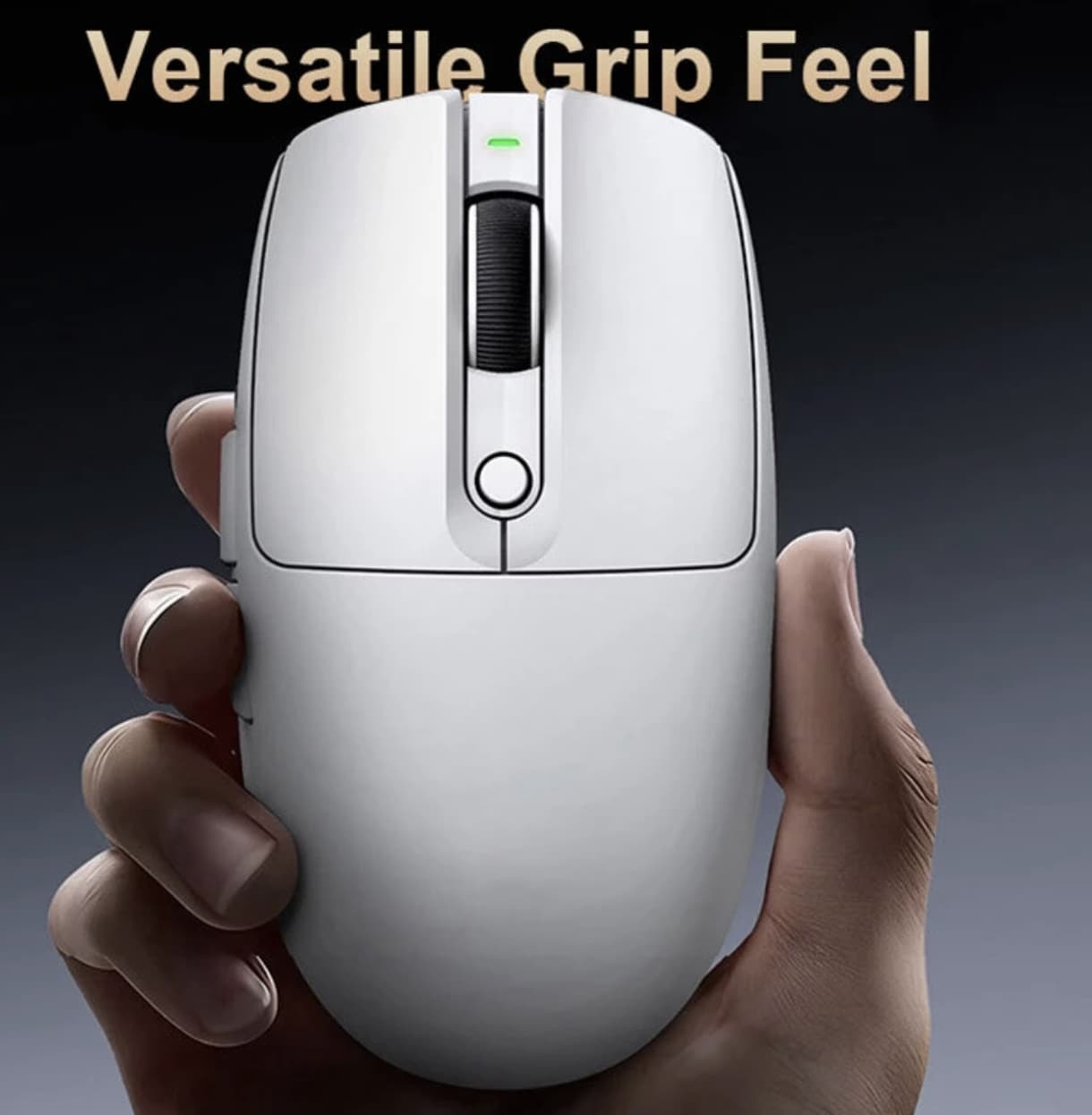
The AULA V1 uses a versatile ergonomic shape designed for different grip methods, including palm grip, claw grip and fingertip grip. It is recommended for small to medium-sized hands, making it more suitable for users who prefer a compact gaming mouse design.

PAW3311 Sensor Delivers Accurate Tracking

At the center of the AULA V1 is the PixArt PAW3311 optical sensor.

The sensor supports up to 12,000 DPI, with tracking performance reaching up to 300 IPS and acceleration up to 35G. These specifications provide enough adjustment range for different gaming styles, from precise aiming in competitive shooters to faster cursor movement in everyday applications.

DPI flexibility is especially useful because different games require different sensitivity settings.

A competitive FPS player may prefer a lower DPI setting for accuracy, while strategy games, productivity tasks or large-resolution displays may benefit from higher sensitivity.

Instead of forcing users into one performance profile, the AULA V1 gives players more freedom to customize the mouse according to their preferences.

Dual 1000Hz Polling Rate Keeps Wireless Performance Competitive

Wireless gaming accessories have improved significantly, and many players no longer want to sacrifice performance for convenience.

The AULA V1 supports a 1000Hz polling rate in both wired and 2.4GHz wireless modes. This means the mouse can report its position frequently, helping maintain a responsive connection during gameplay.

For competitive gaming, consistency is often more important than simply chasing the highest specification number.

A stable 1000Hz polling rate combined with a lightweight body and accurate sensor creates a balanced setup for players who want a fast response without being restricted by a cable.

Tri-Mode Connectivity Makes It More Versatile

One of the biggest advantages of the AULA V1 is its tri-mode connection system.

The mouse supports:

  • USB-C wired connection
  • 2.4GHz wireless connection
  • Bluetooth connection

This allows users to switch between different scenarios more easily.

For gaming desktops, the 2.4GHz wireless mode provides a cleaner setup without the limitations of a cable. When battery charging is needed or maximum stability is preferred, users can switch to wired mode.

Bluetooth connectivity expands compatibility with laptops and other devices, making the AULA V1 more practical than a mouse designed only for gaming PCs.

Built for Long Gaming Sessions

A gaming mouse is not only judged by performance numbers. Comfort becomes increasingly important when users spend several hours playing or working.

The AULA V1 combines its lightweight construction with an ergonomic body design to reduce fatigue during extended use.

Its compact dimensions of approximately 94mm × 62.7mm × 38.5mm make it easier to control for users who prefer smaller mice.

The design is especially suitable for players who prefer quick movements rather than the heavier, larger shapes often found on traditional gaming mice.

Reliable Switches and Custom Control Software

The AULA V1 uses AULA’s custom MCU system and gaming switches rated for approximately 10 million clicks.

While click lifespan does not directly determine gaming performance, durability is important for users who frequently play competitive games where thousands of clicks can accumulate over time.

The mouse also supports AULA’s proprietary HUB driver software, allowing users to adjust settings and customize the experience according to their needs.

Battery and Everyday Wireless Convenience

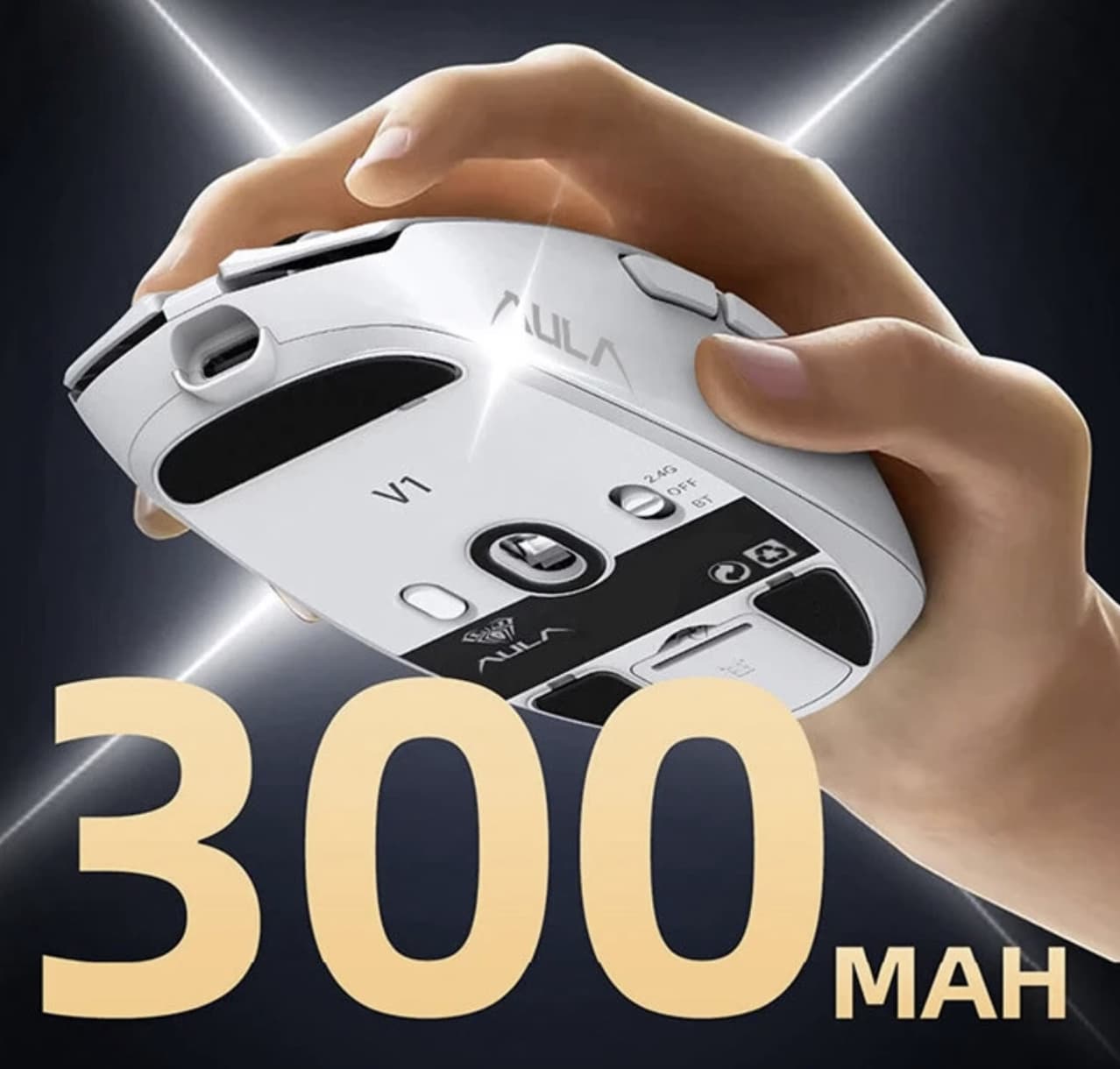
The AULA V1 includes a built-in 300mAh battery, allowing it to operate as a wireless gaming mouse without requiring constant cable connection.

Battery capacity is only one part of wireless mouse performance. Actual usage time depends on factors such as connection mode, polling rate and lighting settings.

For users who switch between gaming and everyday computer use, the combination of wireless freedom and USB-C charging provides a more flexible experience.

AULA V1 Specifications

Feature Details
Model AULA V1
Sensor PAW3311 Optical Sensor
Maximum DPI 12,000 DPI
Tracking Speed 300 IPS
Acceleration 35G
Polling Rate 1000Hz wired / 1000Hz wireless
Weight About 55g
Battery 300mAh
Connection USB-C wired / 2.4GHz wireless / Bluetooth
Switch Lifespan 10 million clicks
Driver AULA HUB Driver
Size 94 × 62.7 × 38.5mm
Recommended Hand Size Small to medium

Specifications are based on the current product listing and may vary depending on regional versions.

Who Should Buy the AULA V1 Gaming Mouse?

The AULA V1 is a good match for users who want:

  • A lightweight mouse for FPS and competitive gaming
  • Wireless freedom without giving up 1000Hz polling
  • A compact ergonomic design
  • Multiple connection options for PC and laptop use
  • A balance between gaming performance and daily productivity

It may not be the ideal choice for users who prefer large ergonomic mice designed for bigger hands or those looking for advanced features such as adjustable weights, many programmable buttons or premium flagship sensors.

Final Thoughts

AULA V1 gaming mouse focuses on the areas that matter most for modern gaming: low weight, accurate tracking and flexible connectivity.

Its 55g design makes fast movements easier, while the PAW3311 sensor and dual 1000Hz polling rate provide the responsiveness expected from a modern gaming peripheral. The addition of wired, 2.4GHz wireless and Bluetooth modes also makes it practical beyond a single gaming setup.

For gamers looking for a lightweight, versatile and affordable gaming mouse, the AULA V1 offers a balanced combination of performance and everyday convenience.

The post AULA V1 Gaming Mouse Combines Lightweight Design With Competitive-Level Features appeared first on IGeeKphone China Phone, Tablet PC, VR, RC Drone News, Reviews.

  •  

SolarPlay Q3600 Brings 3840Wh Capacity and 3600W Output to Portable Backup Power

Portable power stations have moved beyond simply charging phones and laptops. As more people look for backup power for home appliances, RVs, outdoor equipment and emergency situations, the useful question is no longer just how many USB ports a power station has. It is whether the system has enough capacity, output power and charging flexibility to handle demanding equipment without becoming impractical to move.

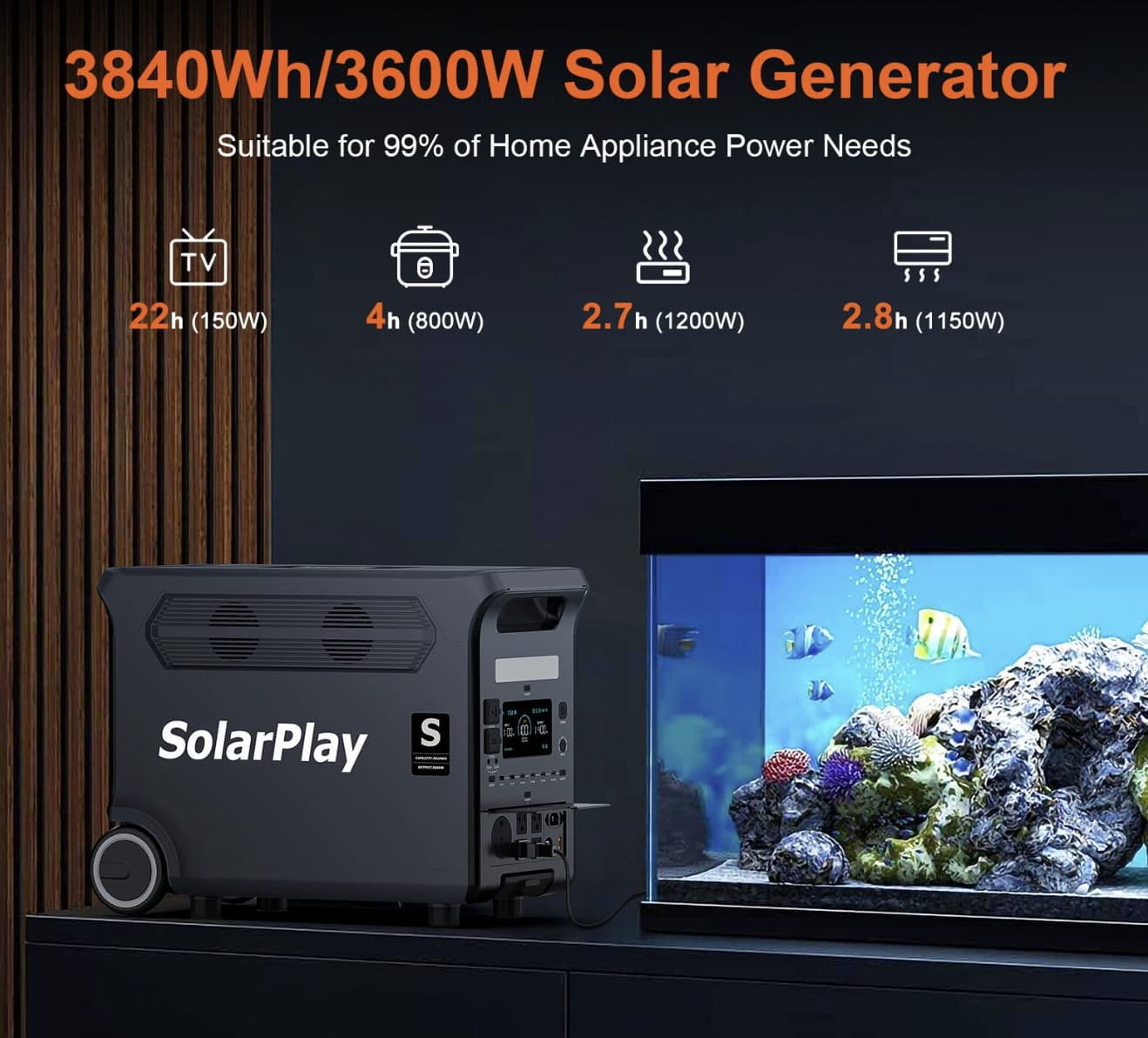
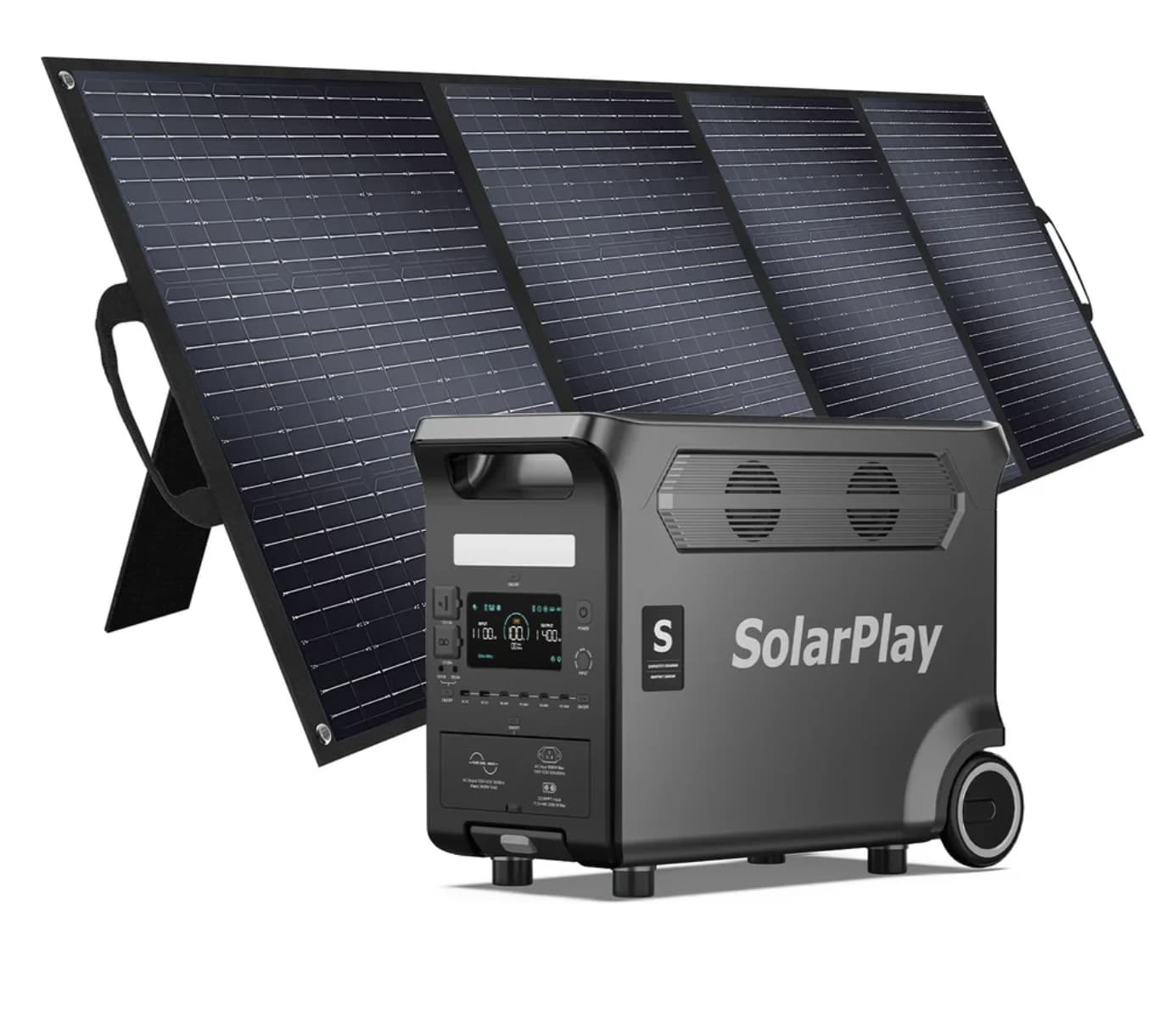
The SolarPlay Q3600 is designed around that idea. It combines a 3,840Wh LiFePO4 battery with up to 3,600W of AC output, 2,000W solar input and multiple charging interfaces. The result is a large-format power station aimed at users who need considerably more than a conventional portable battery can provide.

A 3,840Wh Battery Changes What a Portable Power Station Can Do

The Q3600’s biggest selling point is its 3,840Wh battery capacity.

That amount of stored energy gives the unit a very different role from smaller power banks or compact camping batteries. Instead of being primarily a device for keeping phones and laptops alive, the Q3600 is intended to support a wider range of equipment, including household appliances, workshop tools, RV equipment and other higher-power loads.

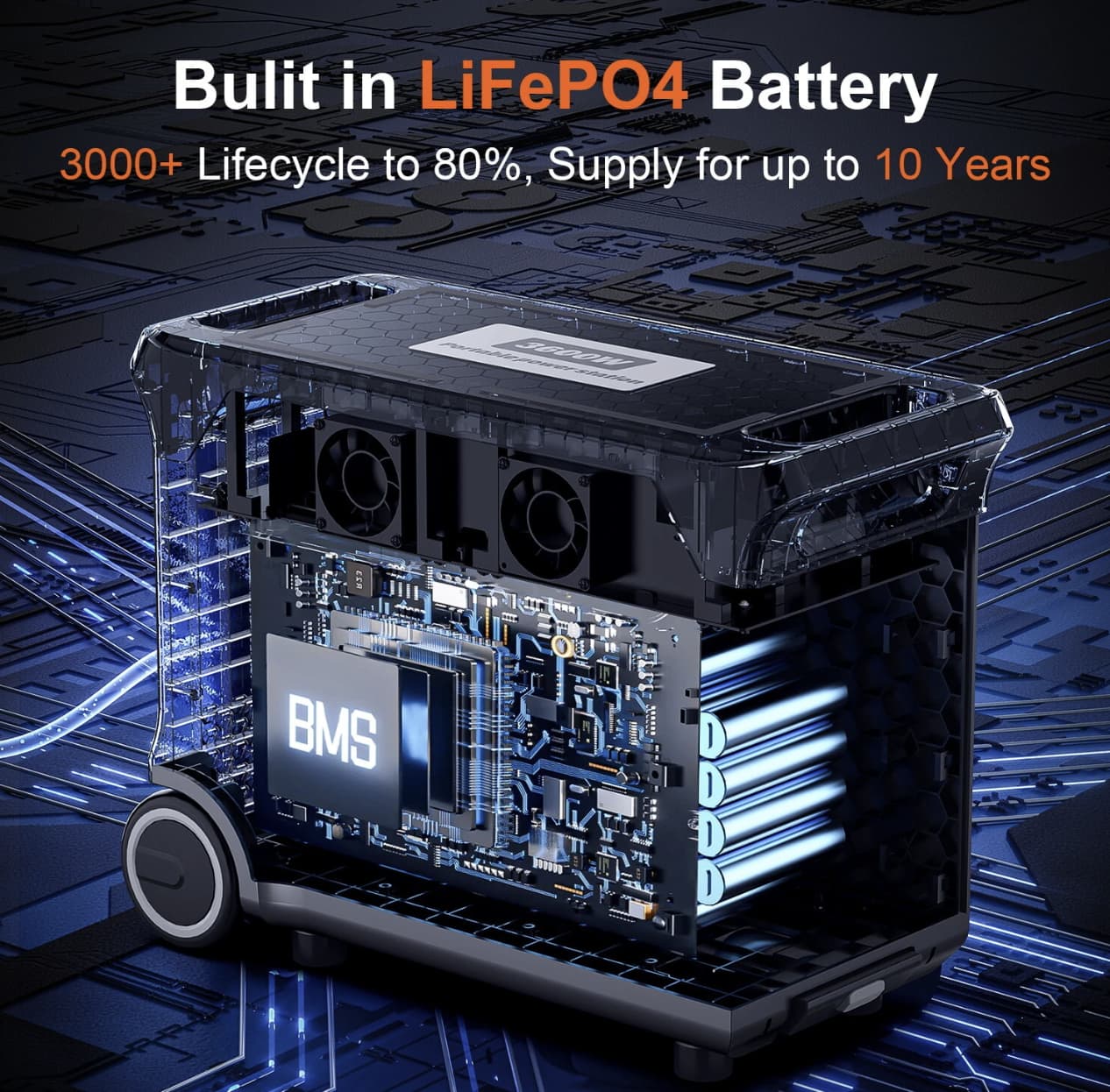
SolarPlay uses a LiFePO4 battery architecture for the Q3600. The manufacturer’s specifications list more than 4,000 charge cycles while retaining 80% of the original capacity, although real-world battery longevity will naturally depend on charging habits, temperature and load conditions.

For users considering a power station as an emergency backup, this distinction matters. A large capacity does not automatically mean unlimited runtime, because actual operating time depends heavily on the wattage of the connected equipment. A 3,840Wh battery can therefore be thought of as a substantial energy reserve rather than a guarantee of a specific number of hours.

3,600W of AC Output Makes It Suitable for More Demanding Loads

The Q3600 is rated for 3,600W continuous AC output and uses a pure sine wave inverter. The European version provides 220–240V AC output at 50Hz/60Hz.

This is one of the areas where the Q3600 separates itself from smaller portable power stations.

A 3,600W output ceiling gives users considerably more room for equipment with higher power requirements. That can be useful for appliances and tools that would simply be outside the practical range of a compact 1,000W-class station.

However, the sensible approach is still to check the rated and startup power of each appliance before connecting it. Motors, compressors and heating appliances can behave differently from their advertised average consumption, so the station’s maximum output should not be treated as a universal guarantee for every device.

Solar Charging Is One of the Q3600’s Most Interesting Features

The Q3600 is not limited to wall charging. Its solar input can accept up to 2,000W, giving the system a much stronger off-grid charging capability than many smaller portable power stations.

SolarPlay states that the Q3600 can reach a full charge in approximately 1.5 hours when AC and solar charging are combined, rather than implying that a 3,840Wh battery can always be fully recharged from solar alone in that time.

The European model also provides adjustable AC charging levels of 400W, 800W, 1,200W, 1,600W and 2,200W. This gives users more control over charging speed and power demand depending on the situation.

That flexibility could be particularly useful during longer outdoor trips. Instead of treating the battery as a one-time energy source, users can recharge it during the day and use the stored energy later when solar production falls.

Multiple Output Types Make It More Versatile

Another strength of the Q3600 is the range of connection options.

The specification includes AC outlets alongside a 12V cigarette-lighter output, an XT60 port, DC outputs, USB-A ports and several USB-C connections. One USB-C port supports up to 100W PD output, making it suitable for higher-powered compatible devices such as laptops.

The Banggood listing describes the product as having 17 outputs, while SolarPlay’s current product page lists 15 output ports. Because the two sources present the port count differently, buyers should check the exact configuration of the package and regional version before ordering.

More importantly, the variety of outputs means the Q3600 can serve several types of equipment at the same time rather than functioning as a single-purpose AC battery.

UPS Support Adds a Practical Home-Backup Role

The Q3600 also supports a UPS function, which makes it more interesting for use around the home.

According to the listed specifications, the system can switch to battery power in less than 20 milliseconds under its specified UPS conditions. This is intended to reduce interruption when mains power disappears.

That feature can be useful for equipment that needs a more consistent power source, such as networking hardware, computers or selected electronic devices.

It should not, however, be confused with a dedicated enterprise-grade UPS system. Users with particularly sensitive equipment should check the manufacturer’s UPS specifications and the equipment’s own power requirements before relying on the Q3600 as their only backup solution.

Large Capacity Comes With a Real Weight Trade-Off

The Q3600 is portable, but it is not lightweight.

The listed bare-device weight is approximately 42.2kg, with dimensions of about 608 × 289 × 456mm.

That makes the built-in wheels and telescopic handle particularly important. The Q3600 is better understood as a movable power station rather than something most users will casually carry by hand over a long distance.

For an RV, garage, workshop, campsite or home backup location, this design makes sense. Users can position the unit where it is needed and roll it into place instead of repeatedly lifting the entire 42kg system.

Designed for Home Backup, RVs and Off-Grid Use

The Q3600’s specifications suggest several practical use cases.

For home backup, the large battery and high AC output provide a way to keep selected appliances and electronics operating during outages.

For RV use, the combination of AC, 12V and other DC outputs can reduce the need to carry separate power solutions for different types of equipment.

For off-grid applications, the 2,000W solar input becomes especially important because it allows the Q3600 to function as part of a rechargeable solar-based power system rather than relying entirely on the electrical grid.

Outdoor users should still consider the unit’s 42.2kg weight and physical size when planning transportation. Its wheels make movement easier, but this is not a lightweight backpacking power station.

What About Noise and Protection?

SolarPlay lists the Q3600 with multiple battery-management protections covering conditions such as overcharging, over-discharging, over-current and short circuits. The Banggood specifications also list a working temperature range of approximately -10°C to 45°C for the Q3600.

The product is also listed with safety and transport-related certifications including CE, FCC, RoHS, PSE, UN38.3 and MSDS documentation.

These features do not eliminate the need to use the power station within its operating limits, but they show that the Q3600 is designed as a substantial energy-storage system rather than simply a large battery pack.

SolarPlay Q3600 Specifications

Specification SolarPlay Q3600
Battery capacity 3,840Wh
Battery type LiFePO4 / LFP
AC output 3,600W
AC voltage 220–240V
AC waveform Pure sine wave
Solar input Up to 2,000W
AC charging Up to 2,200W
UPS Less than 20ms under specified conditions
USB-C Up to 100W on dedicated PD port
DC output 12V options
Weight About 42.2kg
Dimensions About 608 × 289 × 456mm
Operating temperature Approximately -10°C to 45°C

Specifications can vary by regional version or package, so buyers should verify the configuration before purchase.

Is the SolarPlay Q3600 Worth Considering?

SolarPlay Q3600 power station is not trying to win the portability contest by being small and light. Its appeal comes from the opposite direction.

The 3,840Wh battery, 3,600W AC output and 2,000W solar input give it the kind of electrical capacity that makes sense for home backup, RV trips, workshops and longer off-grid use. The multiple output types and UPS function further expand its potential applications.

The biggest compromise is its size and 42.2kg weight. That means the Q3600 works best when it can be rolled into position rather than carried frequently.

For buyers who prioritize large energy storage, high output power and solar recharge capability over lightweight portability, the Q3600 offers a much more capable alternative to smaller portable power stations.

Before purchasing, users should also confirm the exact regional version, output configuration and included accessories, particularly because the current Banggood listing and SolarPlay’s own product page differ in how they describe the number of output ports.

The post SolarPlay Q3600 Brings 3840Wh Capacity and 3600W Output to Portable Backup Power appeared first on IGeeKphone China Phone, Tablet PC, VR, RC Drone News, Reviews.

  •  

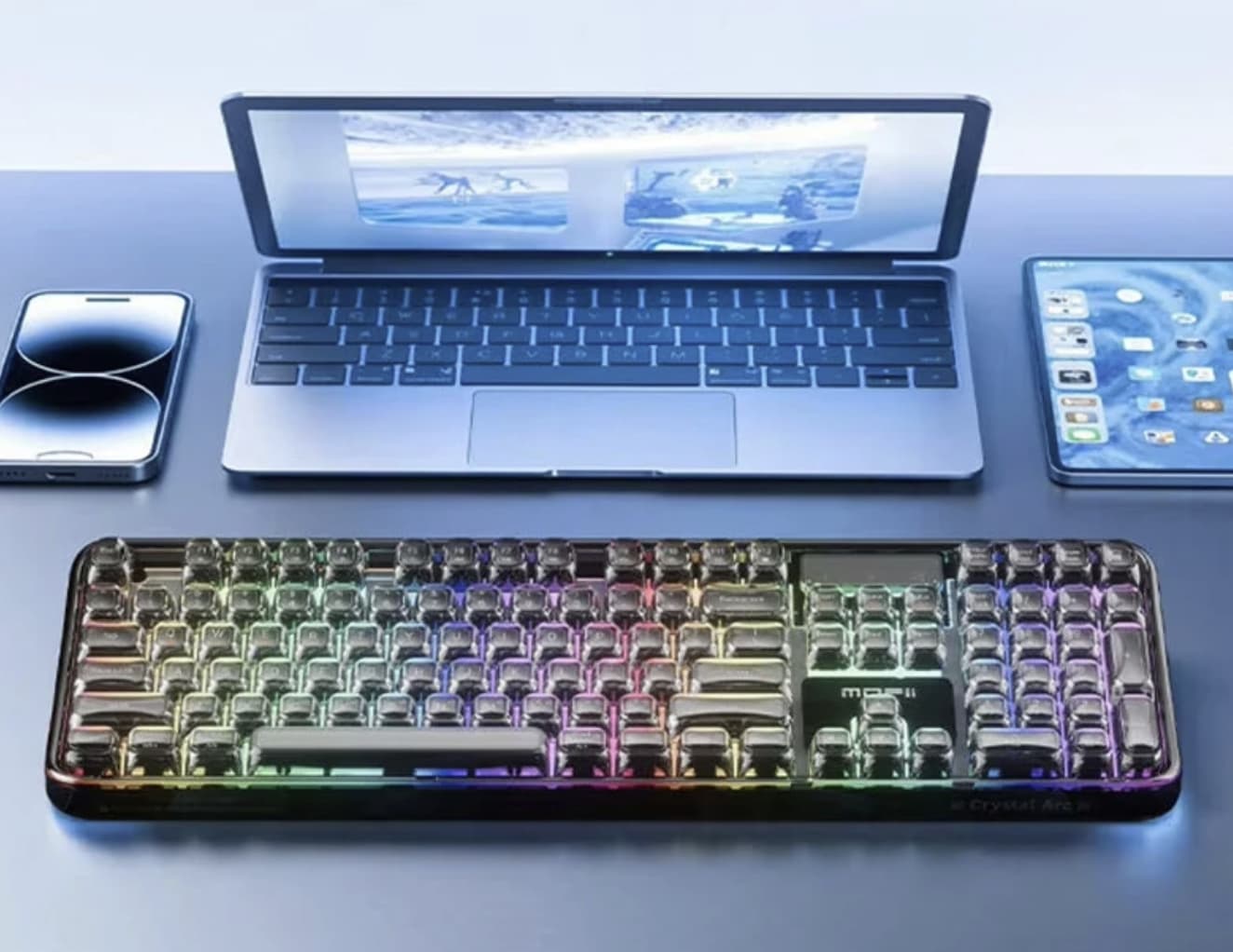
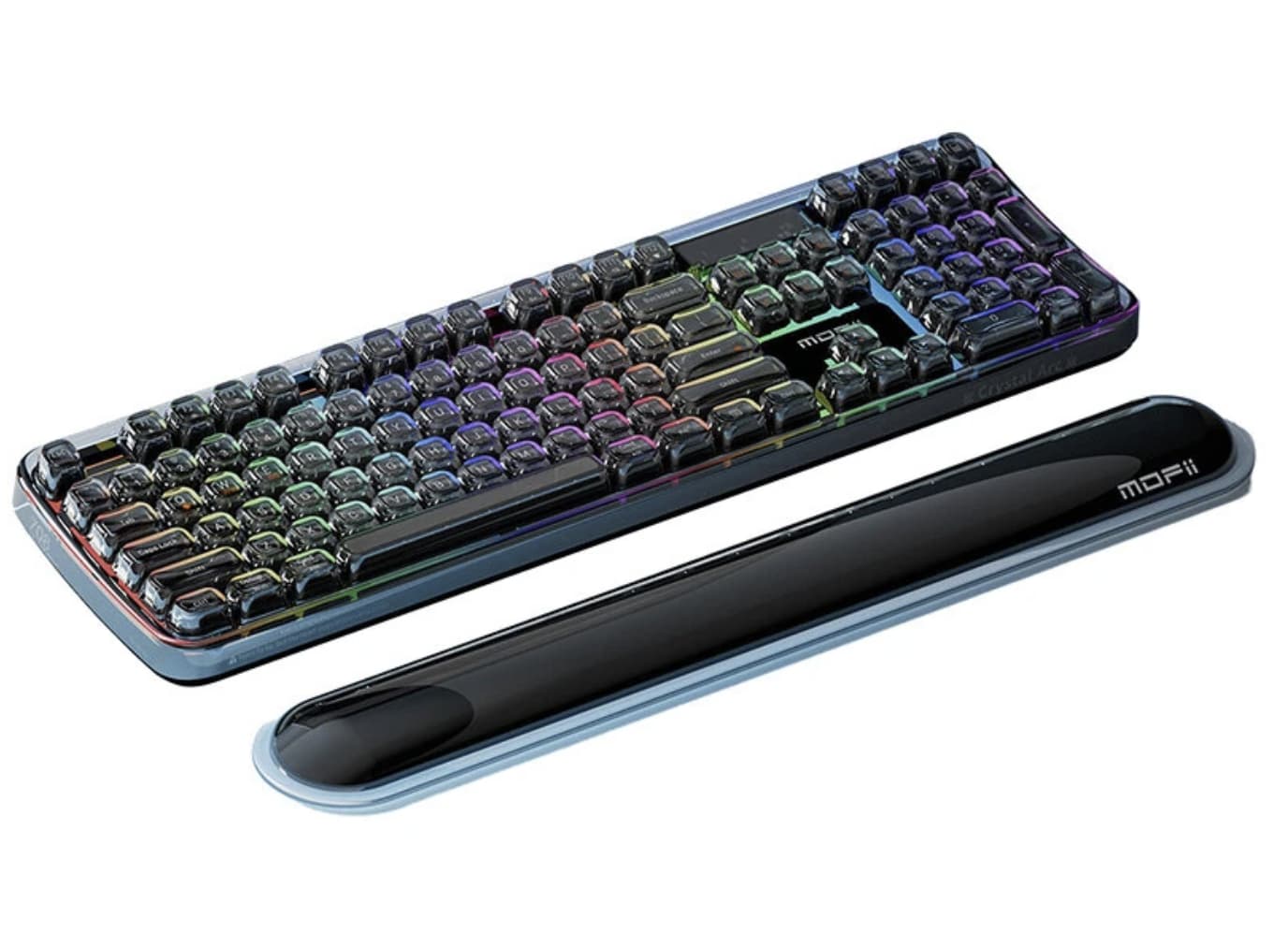
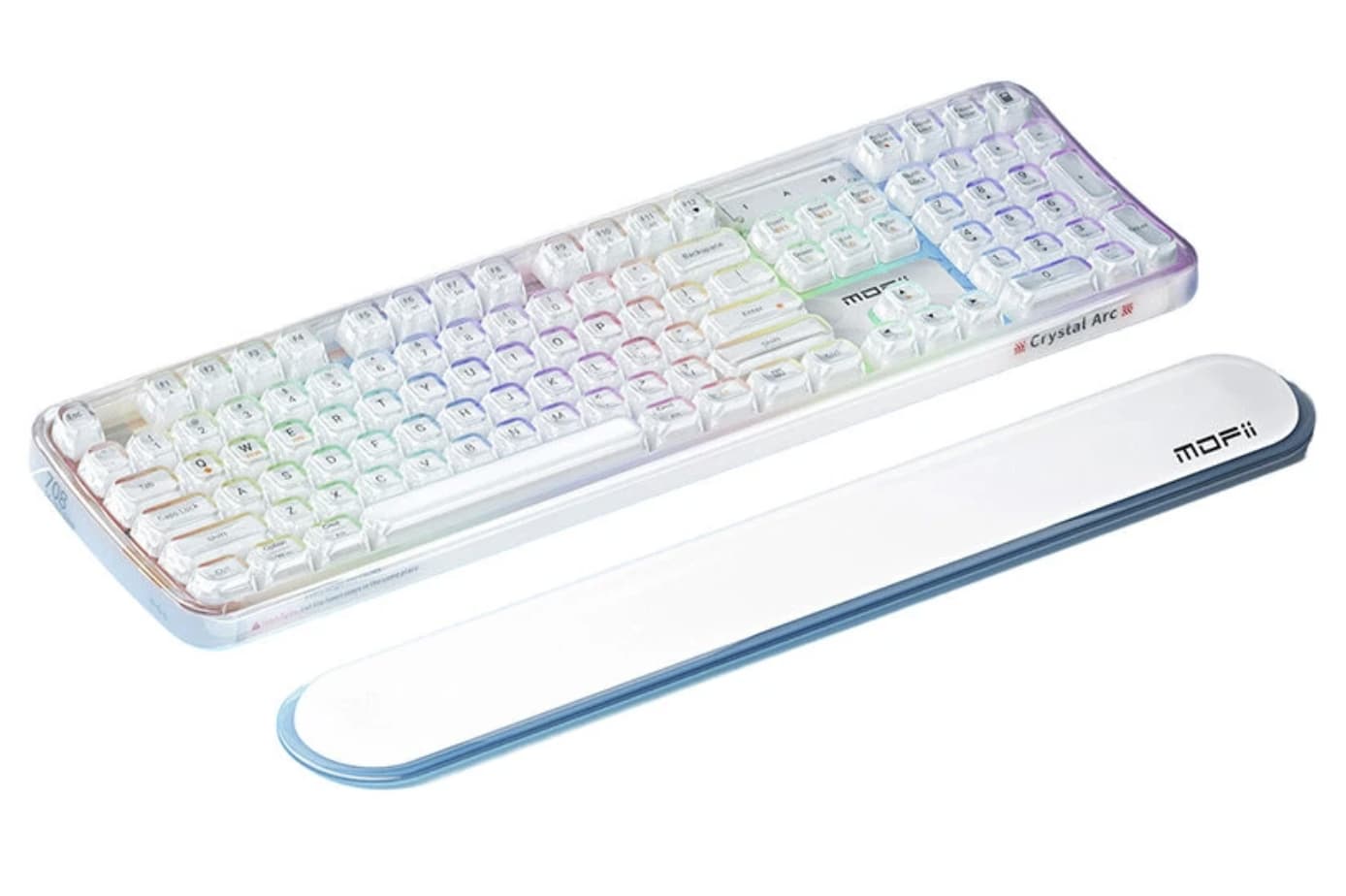
MOFii 708 Transparent Keyboard Combines Tri-Mode Connectivity With a Crystal-Inspired Design

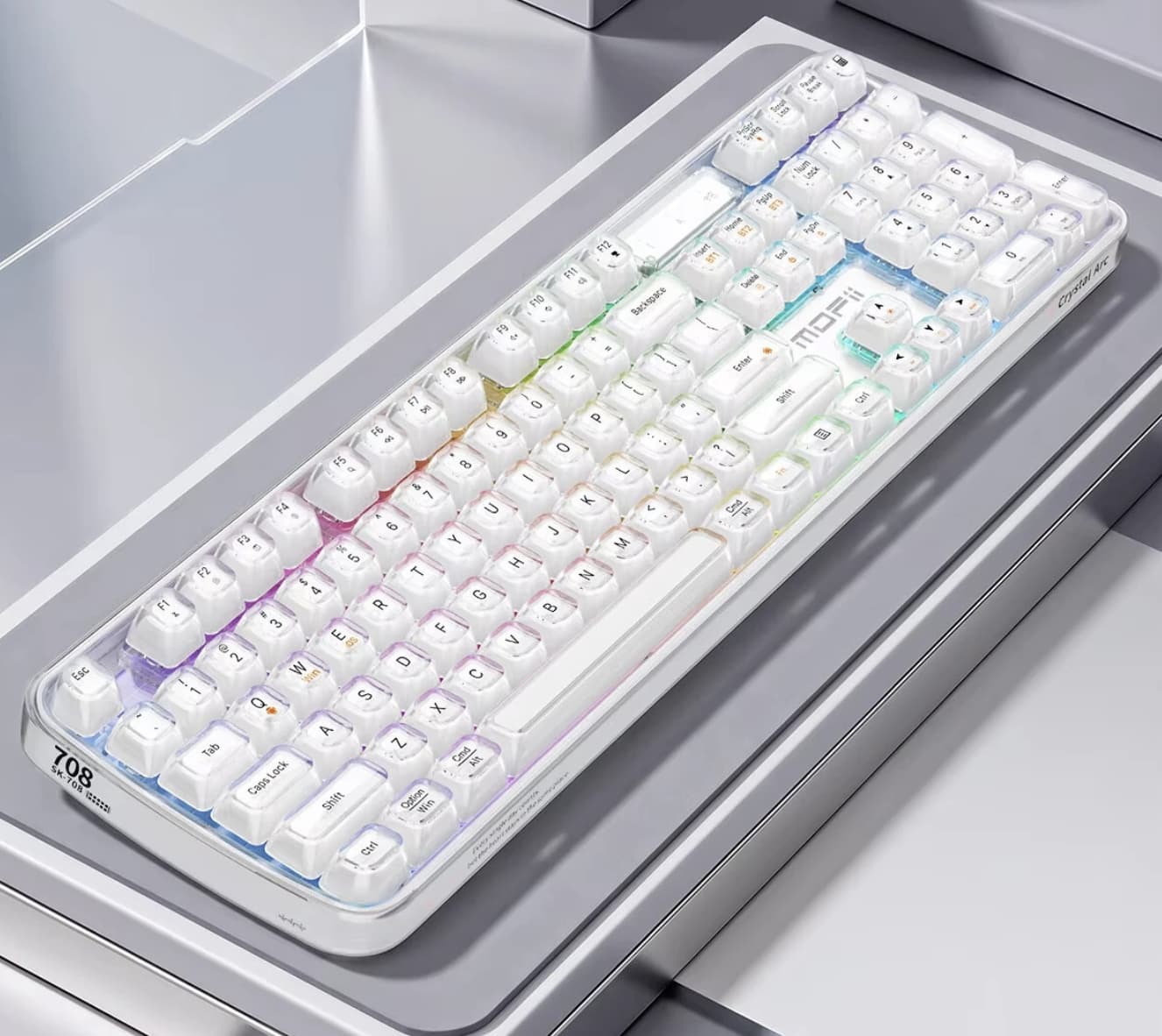
MOFii 708 is designed for users who want their gaming keyboard to stand out visually without giving up the practicality of a full-function layout. Its transparent “crystal” styling gives it a distinctive appearance, while a 105-key membrane layout, RGB lighting and three connection options make it suitable for both gaming setups and everyday desktop use.

Rather than competing directly with enthusiast mechanical keyboards, the MOFii 708 takes a more accessible approach. It focuses on a combination of visual design, flexible connectivity and comfortable long-session typing, making it an interesting option for users who move between gaming, work and general computing.

A Transparent Design That Changes the Look of a Desktop Setup

The first thing that separates the MOFii 708 from conventional keyboards is its transparent construction.

The keyboard uses a clear outer design together with semi-transparent double-shot “crystal” keycaps. When the RGB lighting is active, light can pass through the keycaps and create a more pronounced visual effect than a standard opaque keyboard.

This makes the MOFii 708 particularly suitable for gaming desks where the keyboard is part of the overall setup rather than simply a functional peripheral.

There are two listed finishes, Crystal White and Crystal Black, allowing users to choose between a lighter or darker aesthetic.

105 Keys Keep the Layout Practical

Compact keyboards are popular because they save desk space, but reducing the number of keys can become inconvenient when switching between gaming and productivity.

The MOFii 708 takes a different route with a 105-key layout. It retains a numeric keypad while keeping the overall footprint more compact than some conventional full-size designs.

That makes the keyboard more versatile for users who regularly work with spreadsheets, numbers or other applications that benefit from dedicated number keys.

For gaming, the additional keys also mean users do not have to sacrifice familiar desktop functionality simply to achieve a cleaner setup.

Three Connection Modes Make It Easier to Switch Devices

Connectivity is arguably one of the MOFii 708’s most practical features.

The keyboard supports Bluetooth, 2.4GHz wireless and wired USB-C connections. Instead of locking the keyboard to one particular setup, users can choose the connection method based on what they are doing.

Bluetooth is useful when connecting to compatible laptops, tablets or phones. The 2.4GHz mode provides a dedicated wireless connection for a desktop or gaming environment, while USB-C offers a direct wired option and can also be used for charging.

This three-mode approach is especially useful for people who use more than one computer or frequently switch between a desktop and mobile device.

It also means the keyboard does not have to be treated as a gaming-only accessory. The same device can move between a work desk, gaming PC and portable setup without requiring a separate keyboard for each.

RGB Lighting Is Part of the Design, Not Just Decoration

RGB backlighting is common on gaming keyboards, but the transparent construction of the MOFii 708 gives the lighting a different role.

Because the keycaps use a translucent design, the illumination becomes part of the keyboard’s overall appearance. Multiple lighting modes can be selected to match a gaming setup or simply make the keyboard more visible in a darker room.

For users who care about desktop aesthetics, this is arguably more important than having an unusually high polling rate or specialized mechanical switches.

The MOFii 708 is therefore better understood as a style-focused gaming and productivity keyboard rather than a competitive esports keyboard built around extreme response-time specifications.

A Membrane Keyboard With a Different Priority

The MOFii 708 uses a membrane key mechanism, which is worth highlighting because many current gaming keyboards emphasize mechanical or magnetic switches.

That choice changes the intended audience.

A membrane keyboard can be a sensible option for someone who wants a familiar, quieter typing experience without getting into the customization and maintenance associated with enthusiast mechanical keyboards.

The MOFii 708 therefore makes more sense for users who value comfortable general-purpose typing and an attractive design than for buyers specifically searching for hot-swappable switches, rapid-trigger functions or adjustable actuation.

Ergonomic Angling Targets Longer Sessions

The keyboard is designed with a natural incline intended to create a more comfortable hand position during extended use.

This matters because the MOFii 708 is not positioned exclusively as a gaming peripheral. Its 105-key layout and multi-device connectivity also make it suitable for office work, browsing and everyday typing.

The integrated hand-support design further reinforces this approach. Instead of focusing entirely on gaming specifications, MOFii has attempted to make the physical interaction with the keyboard more comfortable over longer sessions.

Of course, ergonomics are highly personal. The ideal keyboard angle and hand position depend on desk height, chair position and individual typing habits, so buyers should view the design as a comfort-oriented feature rather than a guarantee of reduced wrist strain.

Rechargeable Power Adds Wireless Convenience

Wireless keyboards are only convenient when users do not have to constantly think about replacing batteries.

The MOFii 708 uses a rechargeable battery and includes a smart sleep function designed to reduce unnecessary power consumption when the keyboard is not being used.

The product listing does not provide a specific runtime figure, so it would be better not to judge the keyboard by an estimated number of hours. Actual battery life can vary significantly depending on the connection mode, RGB brightness and usage pattern.

For buyers, the more important point is that the keyboard supports both wireless operation and USB-C, giving them a fallback wired connection when needed.

Designed for More Than a Gaming PC

MOFii lists compatibility with laptops, desktop computers, tablets and smartphones, which fits the keyboard’s multi-mode design.

This broader compatibility makes the MOFii 708 more interesting as a general-purpose peripheral. A user could keep it connected to a desktop through 2.4GHz while using Bluetooth for another compatible device.

That flexibility can be more valuable in a mixed-device workspace than a keyboard with a more specialized gaming feature set.

MOFii 708 Specifications

Feature Details
Model MOFii 708
Layout 105 keys
Key Type Membrane
Connection Bluetooth / 2.4GHz wireless / USB-C wired
Backlight RGB
Keycaps Semi-transparent crystal-style design
Colors Crystal White / Crystal Black
Design Transparent, ergonomic angled layout
Compatibility Laptop, desktop, tablet and phone
Battery Rechargeable
Charging USB-C
Weight Listed at about 794g
Dimensions About 444 × 133 × 43mm

Specifications are based on the current Banggood product listing and may change with product revisions or regional availability.

Who Should Consider the MOFii 708?

The MOFii 708 is best suited to users who want a keyboard that balances appearance and versatility.

It makes particular sense for:

  • Gamers building a visually distinctive RGB setup
  • Users who prefer a membrane keyboard over mechanical switches
  • People who regularly switch between multiple devices
  • Office users who still want gaming-style RGB lighting
  • Buyers who need a numeric keypad without choosing a traditional full-size keyboard
  • Anyone attracted to transparent or retro-futuristic desktop accessories

It is less compelling for enthusiasts who specifically want mechanical switches, hot-swapping, rapid-trigger technology or highly adjustable gaming performance.

Final Thoughts

MOFii 708 keyboard stands out because it is not trying to be another conventional mechanical gaming keyboard. Its appeal comes from combining a transparent crystal-inspired appearance with features that are useful beyond gaming.

The 105-key layout preserves everyday functionality, while Bluetooth, 2.4GHz and USB-C connections make the keyboard flexible enough for multi-device setups. RGB lighting complements the transparent construction, and the ergonomic angle and rechargeable battery make it more suitable for longer everyday sessions.

For users who want a keyboard that adds personality to a desktop while remaining practical for gaming, work and general typing, the MOFii 708 offers a more style-oriented alternative to the crowded mechanical gaming keyboard market.

The post MOFii 708 Transparent Keyboard Combines Tri-Mode Connectivity With a Crystal-Inspired Design appeared first on IGeeKphone China Phone, Tablet PC, VR, RC Drone News, Reviews.

  •  

LDRC 1297 PRO Brings a Brushless 4WD Setup to a 1/14 Mitsubishi Pajero RC Car

LDRC 1297 PRO takes a different approach to the typical toy-style RC car. Instead of focusing only on speed or aggressive styling, it combines a detailed 1/14-scale Mitsubishi Pajero V24WG replica with a more serious mechanical setup aimed at drivers who want both scale realism and usable off-road performance.

The model is officially licensed as a reproduction of the 1992 Mitsubishi Pajero V24WG, giving it a stronger appeal to collectors and enthusiasts who care about the vehicle being represented. At the same time, its 4WD drivetrain, brushless motor, dual-speed gearbox and upgraded suspension components make it more than a display model.

A Classic Pajero Body With a More Capable Chassis

The most obvious feature of the LDRC 1297 PRO is its classic Pajero-inspired body. At 1/14 scale, the RC car measures approximately 33 × 15 × 15 cm, with a 19.5cm wheelbase and 12.5cm track width.

That size gives the model a useful middle ground. It is large enough to show off the proportions and exterior details of the original Pajero, while remaining compact enough for backyard trails, parks and other outdoor driving areas.

The body uses ABS construction, while the chassis combines ABS, nylon and electronic components. This combination keeps the model practical for regular driving without turning it into an excessively heavy crawler.

The official licensing is also important for collectors. The 1297 PRO is designed to reproduce the appearance of the 1992 Mitsubishi Pajero V24WG rather than simply borrowing the general shape of an off-road SUV.

Brushless Power Meets Four-Wheel Drive

Underneath the scale body, the LDRC 1297 PRO has a 2319 3000KV brushless motor and a 4WD drivetrain.

A brushless motor is a significant step above the basic brushed systems commonly found in entry-level RC vehicles. The main advantage here is not simply a higher top speed. The combination of brushless power and four-wheel drive can give the car a more responsive feel when accelerating over loose or uneven surfaces.

The model is rated for a top speed of around 15 km/h, so the 1297 PRO is not positioned as an all-out racing machine. Instead, its setup makes more sense for controlled trail driving and climbing, where traction, throttle response and drivetrain consistency are often more useful than maximum speed.

This positioning is one of the more interesting aspects of the vehicle: LDRC appears to be targeting drivers who want a scale off-road experience rather than a pure speed run.

Two-Speed Transmission Adds More Control

The dual-speed gearbox is another feature that separates the 1297 PRO from simpler RC cars.

Having two speed ranges allows the drivetrain to be better suited to different driving conditions. A lower-speed setting can be useful when negotiating obstacles or climbing, where smooth throttle control matters more than outright speed. The higher range is better suited to open sections where the car can stretch its legs.

This approach also complements the four-wheel-drive system. Instead of treating the Pajero as a fast RC car with an off-road body, the 1297 PRO is built around the idea of adapting its power delivery to the terrain.

Metal Drivetrain Components and Oil-Filled Shocks

The PRO designation is particularly relevant to the chassis hardware.

LDRC lists metal drive shafts, CNC-machined components, front CVD axles and ball bearings, along with genuine oil-filled shock absorbers. These upgrades are aimed at improving mechanical durability and keeping the suspension more controlled when the vehicle is driven across uneven ground.

Oil-filled shocks are especially useful on an off-road RC platform because the suspension has to deal with repeated changes in terrain. Instead of simply absorbing impacts, properly tuned dampers can help keep the wheels in contact with the ground and reduce excessive bouncing.

The upgraded drivetrain hardware should also be useful for drivers who intend to run the car regularly rather than treating it purely as a collectible.

Proportional Control Makes the Car Easier to Drive Smoothly

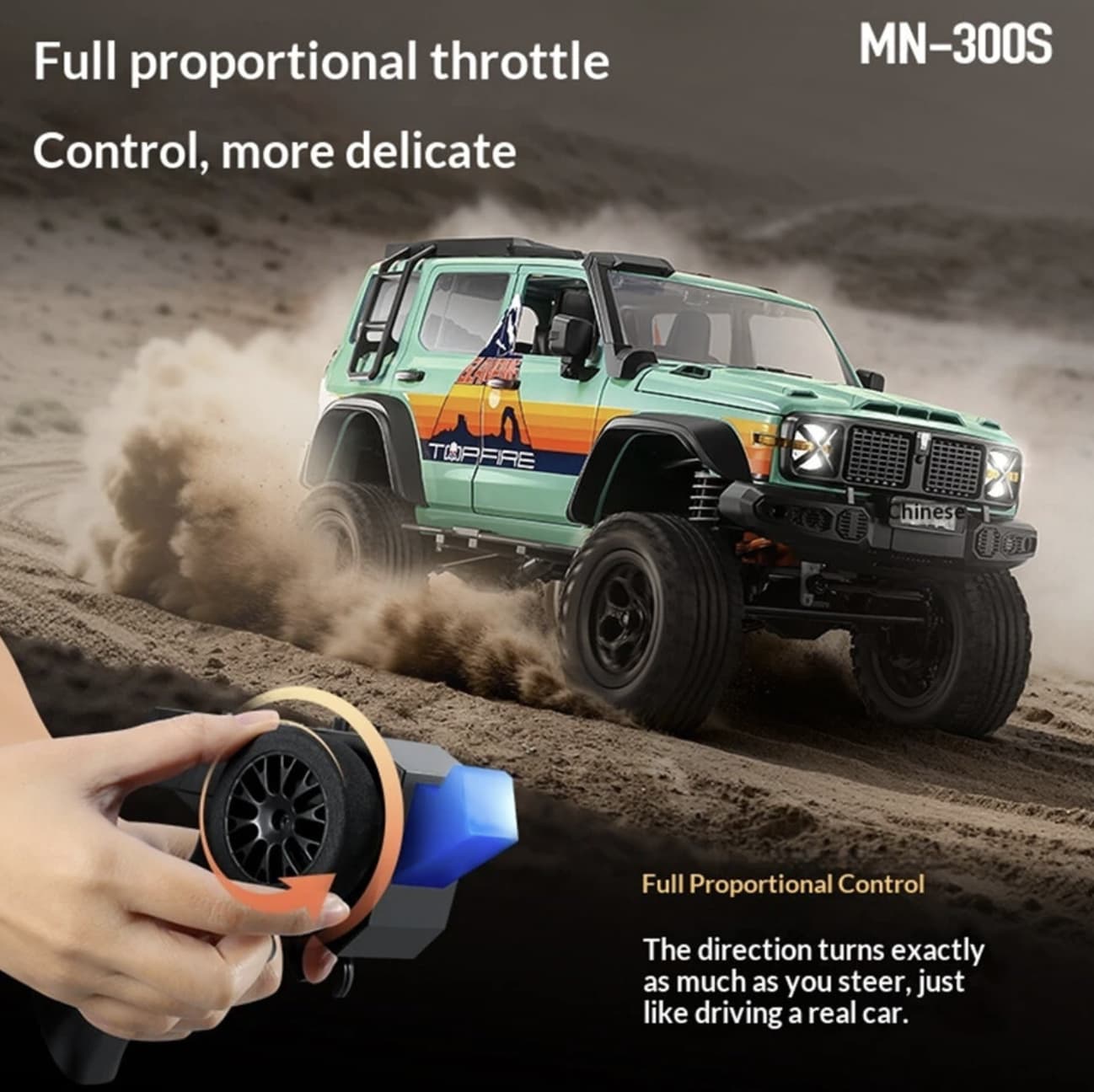
The LDRC 1297 PRO uses a 2.4GHz three-channel radio system with a claimed control distance of about 20 meters. It also uses proportional steering and throttle control.

That matters more than it may initially appear. Proportional control allows the driver to make smaller steering and throttle adjustments instead of relying on simple full-left, full-right or full-throttle commands.

For a scale off-road vehicle, this is particularly valuable. Slow climbs, narrow trails and uneven surfaces generally reward precise inputs rather than sudden movements.

The PRO version also uses a dedicated one-to-one pairing system between the transmitter and receiver, according to the product specifications.

Battery Life Is Designed Around Trail Sessions

Power comes from an included 7.4V 1200mAh battery, while the transmitter requires two AA batteries separately.

Banggood lists approximately 20 to 30 minutes of driving time, with a charging time of around three hours.

That runtime is reasonable for a compact brushless RC car, although actual results will depend on driving style, terrain and how frequently the motor is operating under load.

For buyers planning longer outdoor sessions, carrying a second compatible battery would make more sense than expecting one charge to cover an entire afternoon.

LED Headlights Add More Than Just Styling

The controllable headlights help reinforce the Pajero’s scale appearance while also making the vehicle easier to see in lower-light conditions.

This is a relatively small feature compared with the drivetrain, but it contributes to the overall character of the model. The LDRC 1297 PRO is clearly designed to work as both a functional RC vehicle and a scale-inspired model that looks convincing when parked.

That dual-purpose approach is arguably one of its strongest selling points.

Who Is the LDRC 1297 PRO For?

The LDRC 1297 PRO makes the most sense for adult RC enthusiasts, Pajero fans and collectors who want a model that can actually be driven.

It is not the obvious choice for someone whose only priority is maximum speed. Its 15 km/h top speed puts the emphasis on controlled off-road driving rather than racing.

Instead, the combination of a licensed classic SUV body, 4WD, brushless power, two-speed gearing, metal drivetrain components and oil-filled shocks gives it a more balanced personality.

For collectors, the 1992 Pajero styling provides the visual appeal. For hobbyists, the upgraded mechanical package provides a reason to take the model outside and use it.

LDRC 1297 PRO Specifications

Feature Details
Model LDRC 1297 PRO / LD1297Pro
Scale 1:14
Vehicle Mitsubishi Pajero V24WG (1992)
Drive 4WD
Motor 2319 3000KV brushless
ESC 20A two-in-one ESC
Transmission Dual-speed gearbox
Steering Servo 17g
Radio 2.4GHz, 3-channel
Claimed Range About 20m
Max Speed About 15 km/h
Battery 7.4V 1200mAh
Claimed Runtime About 20–30 minutes
Charging Time About 3 hours
Body Material ABS
Dimensions About 33 × 15 × 15cm
Wheelbase 19.5cm
Track Width 12.5cm

The specifications above are based on the current Banggood product listing.

Final Thoughts

LDRC 1297 PRO rc truck is interesting because it does not try to win attention with a huge speed number. Instead, it combines the appeal of a classic Mitsubishi Pajero model with hardware that is better suited to actual off-road driving.

The brushless 4WD system provides the power, the two-speed gearbox adds flexibility, while the metal drivetrain components, CVD axles and oil-filled shocks address the mechanical demands of uneven terrain. Meanwhile, proportional controls and the scale-focused body keep the driving experience closer to a hobby-grade model than a basic RC toy.

For anyone looking for a 1/14 Mitsubishi Pajero RC car that balances scale detail with practical off-road hardware, the LDRC 1297 PRO is a model worth considering.

The post LDRC 1297 PRO Brings a Brushless 4WD Setup to a 1/14 Mitsubishi Pajero RC Car appeared first on IGeeKphone China Phone, Tablet PC, VR, RC Drone News, Reviews.

  •  

iScooter EB8 Review: A Torque-Sensor Fat-Tire E-Bike With Long Range

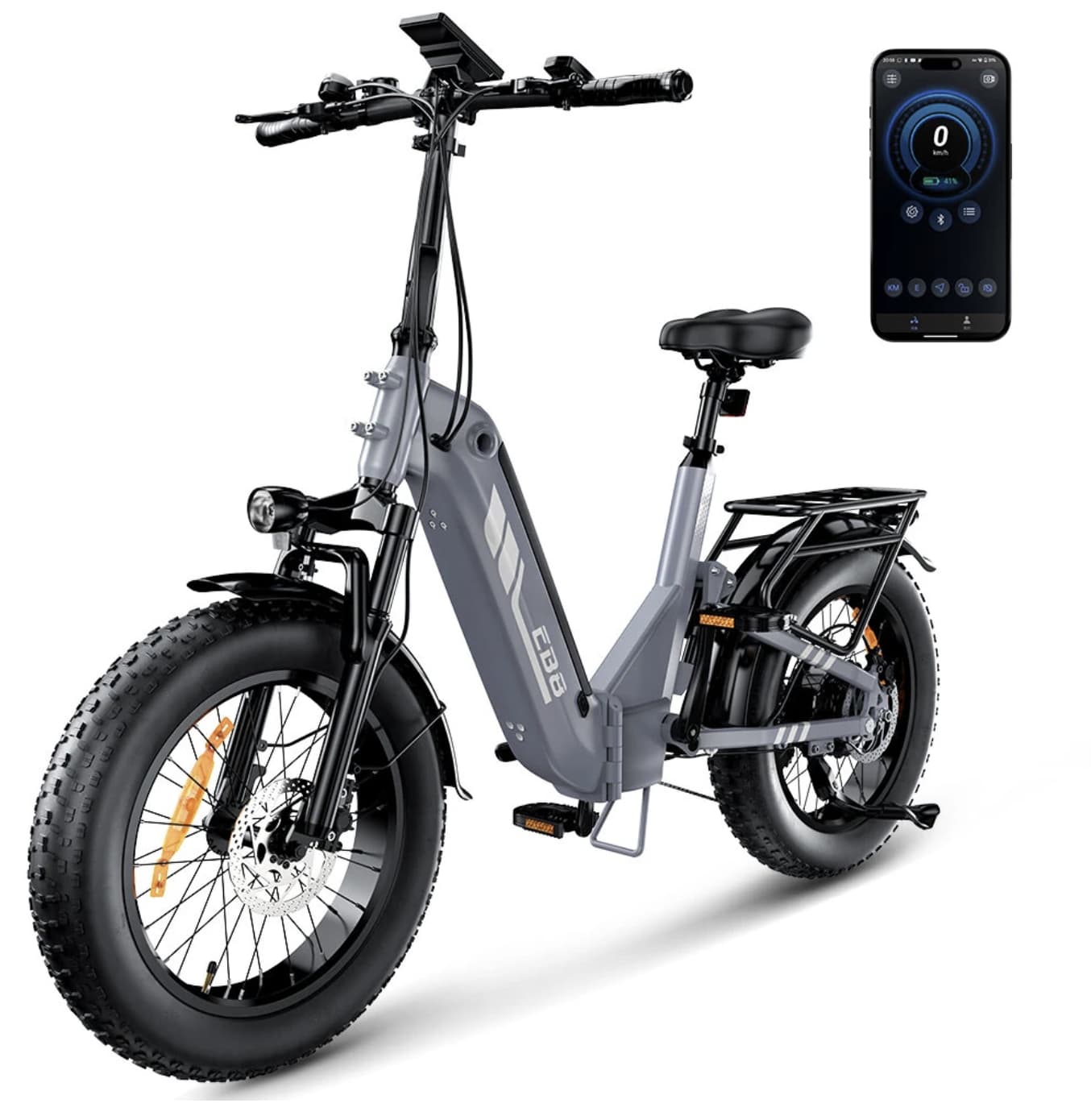
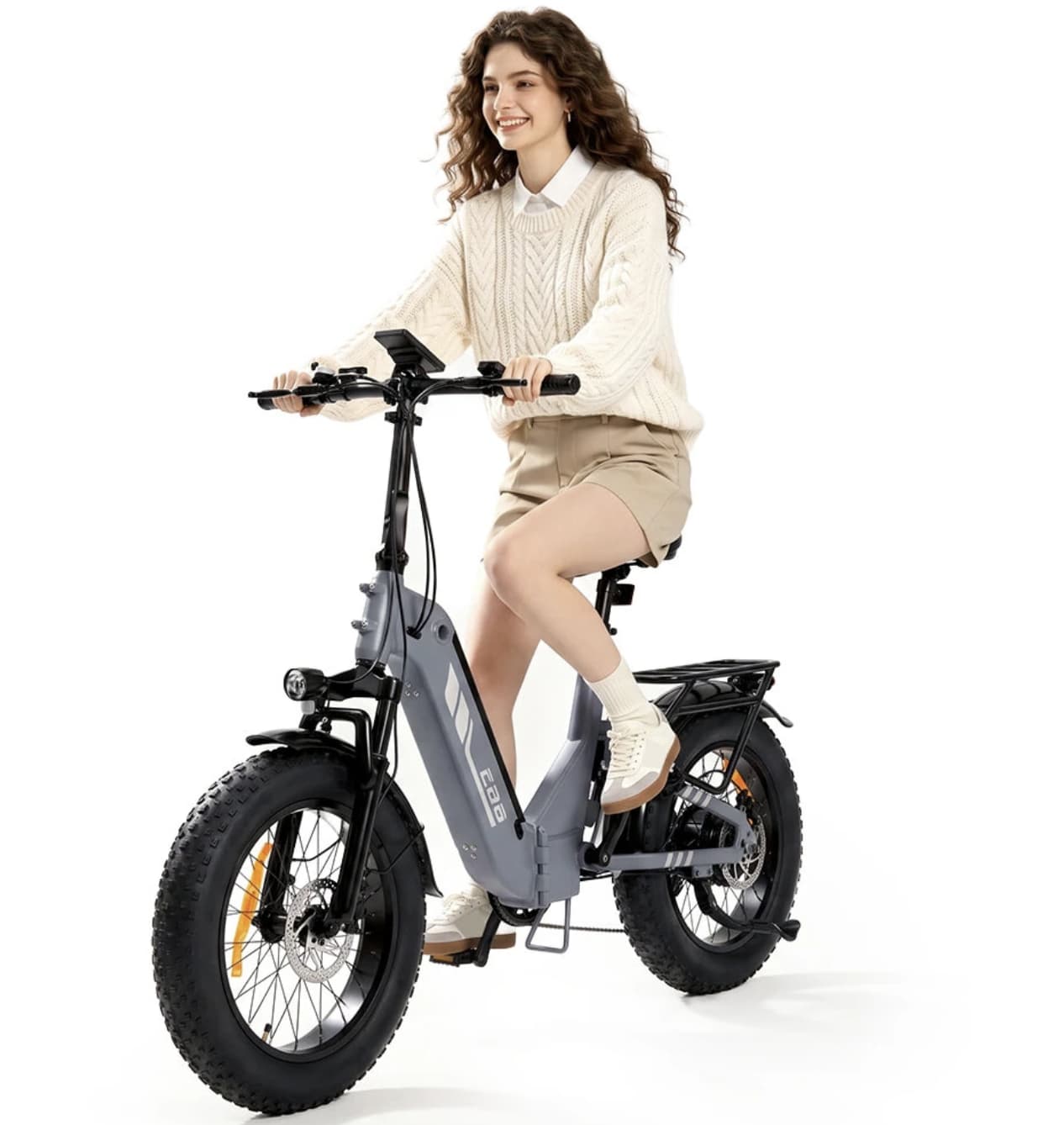
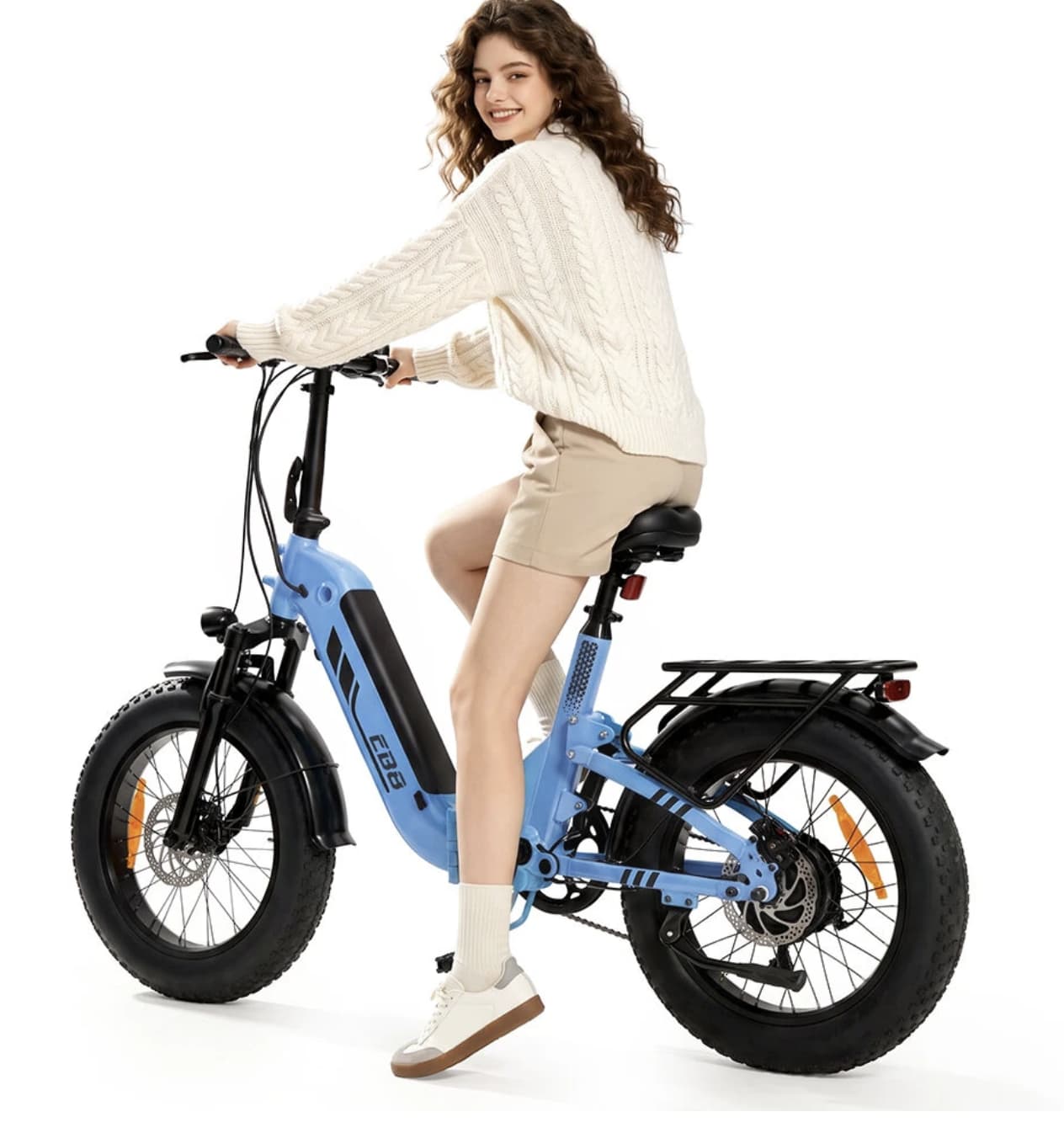
iScooter EB8 scooter takes a different approach from lightweight urban e-bikes that are designed mainly around portability. Its priorities are easier to understand once you look beyond the motor rating: a large 48V battery, 20-inch fat tires, front suspension, torque sensing, a folding frame, and a high maximum load are combined into one practical package.

The result is an electric bike aimed at riders who want more stability and range than a small commuter bike can provide. The EB8 is particularly interesting for longer daily trips, mixed road surfaces, leisure riding, and routes where comfort matters as much as outright speed.

According to the current Banggood listing, the EB8 uses a 48V 15Ah battery, a 250W motor with up to 1000W peak output, a torque sensor, 20×4.0-inch tires, and a claimed range of 90–144 km. Its listed maximum speed is 25 km/h, while the maximum load is 150 kg.

The Torque Sensor Is One of the EB8’s Most Important Features

Many entry-level electric bikes rely mainly on cadence sensing. In simple terms, the motor detects that the pedals are turning and then provides assistance.

The EB8 torque sensor electric bike uses a torque sensor instead.

That distinction matters because a torque sensor can respond to how much force the rider is putting through the pedals. Light pedaling can result in a more restrained assistance response, while stronger input can request more support.

For everyday riding, this can make the bike feel more connected to the rider. Instead of feeling like the motor simply switches on when the pedals rotate, the assistance can feel more natural and predictable.

This is particularly useful when starting from a stop, climbing a gradual hill, or adjusting your effort during a longer ride.

The torque sensor therefore gives the EB8 a more sophisticated riding character than its basic 250W rating might suggest.

48V 15Ah: The Battery Is Designed for Distance

Battery capacity is one of the biggest reasons to consider the EB8.

The bike combines a 48V electrical bike battery with a 15Ah battery, giving it considerably more energy capacity than many compact commuter e-bikes. Banggood lists a claimed range of approximately 90–144 km, although actual distance will depend heavily on rider weight, terrain, temperature, assist level, tire pressure, wind, and riding style.

That range figure should therefore be treated as a manufacturer’s claim rather than a guarantee for every ride.

More importantly, the larger battery gives the EB8 room to work as a genuine long-distance commuter. A rider who does not want to recharge after every short trip can benefit from having more battery capacity available.

The listed charging time is approximately 5–6 hours, so the most sensible approach is to recharge overnight or during another period when the bike is not being used.

Why the 20×4.0-Inch Fat Tires Matter

The EB8’s 20×4.0-inch fat tires are not simply a visual design choice.

Wide tires create a much larger contact area with the riding surface, which can help the bike feel more planted on loose or uneven ground. The combination of wide tires and front suspension is particularly relevant when moving between smooth pavement and less predictable surfaces.

For city riding, the setup can help absorb some of the harshness created by broken pavement, rough sidewalks, or uneven streets.

For recreational riding, the wider tires also make the EB8 better suited to surfaces where a narrow commuter tire might feel less confident.

However, fat tires also add weight and rolling resistance. This is not a lightweight bicycle designed primarily for carrying upstairs or accelerating like a road-oriented e-bike. The EB8 is better understood as a stability-focused electric bike.

Front Suspension Adds Another Layer of Comfort

The front fork suspension works together with the wide tires rather than replacing them.

The tires provide the first layer of cushioning, while the suspension helps manage larger impacts reaching the front of the bike. This combination should be useful for riders who regularly encounter cracked pavement, gravel paths, cobblestones, or other imperfect surfaces.

Banggood lists the EB8 with front fork suspension and dual oil-disc brakes.

That brake setup is especially relevant on a heavier fat-tire e-bike. When the bike is carrying a rider and additional cargo, predictable braking becomes more important than simply having a high motor output.

The 250W Motor Has More to the Story

At first glance, a 250W motor may not sound particularly aggressive compared with some high-powered e-bikes.

The EB8’s specifications, however, list a peak output of up to 1000W.

The important point is that rated power and peak power describe different parts of the motor’s behavior. The 250W figure represents the rated motor power, while the higher peak figure describes short-duration output under demanding conditions.

That extra headroom can be useful when accelerating, climbing, or dealing with changing terrain.

The EB8 is also listed with a maximum incline of 15 degrees. Real-world hill performance will depend on rider weight, battery level, surface conditions, and riding mode, so the specification should not be interpreted as a universal guarantee for every hill.

Folding Design Without Pretending It Is a Lightweight Bike

The EB8 folds, but portability is not its main selling point.

Banggood lists the bike at approximately 32.3 kg, with unfolded dimensions of 174.5 × 68.5 × 131 cm and folded dimensions of 107 × 56 × 78.5 cm.

That weight is important to understand before buying.

The folding mechanism is useful for reducing the bike’s footprint when storing it at home, in an office, or in a suitable vehicle. It does not turn the EB8 into something most people will want to carry for long distances.

In other words, the folding frame is primarily a storage and transportation advantage, not a lightweight-cycling advantage.

That distinction makes the product positioning clearer.

A 150 kg Maximum Load Opens Up More Practical Use Cases

The EB8 is rated for a maximum load of 150 kg.

A higher load rating can make an e-bike more practical for riders who are not well served by smaller commuter models. It also provides additional flexibility when carrying everyday items.

The bike comes with a rear rack, according to the listing, making it possible to use panniers, bags, or other compatible cargo accessories for commuting and errands.

For someone using an e-bike as transportation rather than simply recreation, this can be more valuable than another increase in top speed.

App Connectivity Makes the EB8 More Modern

The EB8 is listed with Volotix app support.

The app connection is designed to add functions such as smart unlocking and access to riding information.

This gives the bike a more connected experience than a traditional bicycle. Smartphone integration can also be useful for riders who want to keep track of basic ride information rather than relying only on the bike’s display.

The central horizontal LCD display provides another way to monitor the bike while riding, keeping key information visible without requiring a phone to be mounted on the handlebars.

A Better Match for Commuters Than Speed Seekers

The listed 25 km/h maximum speed tells you quite a lot about the EB8’s intended character.

This is not primarily an e-bike for riders chasing high top speeds.

Instead, the design puts more emphasis on:

  • stable handling
  • long-distance battery capacity
  • comfortable riding
  • hill assistance
  • cargo practicality
  • fat-tire traction
  • controlled acceleration
  • everyday usability

That makes the EB8 more interesting as a transportation tool than as a performance machine.

For commuting, grocery trips, recreational rides, and mixed-surface routes, those priorities make sense.

Where the iScooter EB8 Makes the Most Sense

The EB8’s specification sheet becomes more convincing when viewed as a complete system.

A large battery alone does not create a good long-distance e-bike. The rider also needs a comfortable chassis, stable tires, usable braking, sensible motor assistance, and enough carrying capacity.

The EB8 brings these elements together.

Its strongest use cases are likely to be:

Long commutes: The 48V 15Ah battery provides substantial energy capacity for riders who regularly cover longer distances.

Mixed surfaces: The 20×4.0-inch fat tires and front suspension make the bike better suited to rougher surfaces than a narrow-tire city bicycle.

Errands and utility riding: The rear rack and 150 kg maximum load make it more practical for carrying everyday items.

Leisure riding: The combination of fat tires, suspension, and electric assistance creates a comfortable setup for casual exploration.

Storage-conscious owners: The folding frame can reduce the bike’s footprint when it is parked or transported.

What You Should Consider Before Buying

The EB8 is not perfect for every rider.

Its approximately 32.3 kg weight is significant. If your main requirement is carrying an e-bike up several flights of stairs, a smaller and lighter model would be easier to live with.

The fat tires also make more sense for stability and comfort than for maximum efficiency on smooth roads.

The advertised 90–144 km range should be interpreted carefully as well. Maximum range figures are normally achieved under favorable conditions. A heavier rider, frequent hills, high assistance levels, cold weather, low tire pressure, or strong wind can reduce actual range.

There is also an important product-listing detail worth checking before ordering: the current Banggood page states that the EB8 is manufactured by iScooter but that the shipped bike may not carry the iScooter logo. Buyers who care about the branding should verify this point before purchase.

iScooter EB8 Specifications

Specification iScooter EB8
Bike Type Folding fat-tire electric bike
Battery 48V 15Ah
Rated Motor Power 250W
Peak Motor Power Up to 1000W
Sensor Torque sensor
Maximum Listed Speed 25 km/h
Claimed Range 90–144 km
Tires 20 × 4.0 inches
Suspension Front fork suspension
Brakes Dual oil-disc brakes
Maximum Load 150 kg
Maximum Incline 15°
Weight Approx. 32.3 kg
Charging Time About 5–6 hours
Display Central horizontal LCD
App Volotix
Unfolded Size 174.5 × 68.5 × 131 cm
Folded Size 107 × 56 × 78.5 cm

Specifications are based on the current Banggood product listing and may vary with market, configuration, or future listing updates.

Final Verdict

iScooter EB8 is most interesting when viewed as a long-range utility e-bike rather than a lightweight city bicycle.

Its combination of a 48V 15Ah battery, torque sensor, 20×4.0-inch fat tires, front suspension, dual oil-disc brakes, folding frame, rear rack, and 150 kg load rating gives it a clear purpose.

The torque sensor is arguably one of its most meaningful features because it changes how the motor assistance interacts with the rider. Meanwhile, the large battery and wide tires address two of the biggest concerns for longer recreational and commuting rides: range and comfort.

The trade-off is size and weight. At around 32.3 kg, this is a substantial e-bike, and the folding mechanism should be viewed as a storage convenience rather than a promise of easy carrying.

For riders who prioritize range, stability, comfort and practical carrying ability, the EB8 has a much more convincing proposition than a specification list alone might suggest.

The post iScooter EB8 Review: A Torque-Sensor Fat-Tire E-Bike With Long Range appeared first on IGeeKphone China Phone, Tablet PC, VR, RC Drone News, Reviews.

  •  

ATK Blazing Sky X1 V2 Review: Lightweight 8K Wireless Gaming Mouse

Gaming mice have become increasingly focused on three things: lower weight, faster communication and more accurate tracking. The ATK Blazing Sky X1 V2 series brings all three ideas together in a compact wireless design, while adding an unusually large battery for a mouse in this weight class.

Depending on the version, the X1 V2 family combines a high-performance sensor, an 8,000Hz polling rate, Nordic 54-series hardware, lightweight construction and 2.4GHz wireless connectivity. The Banggood listing identifies the Ultra Max version with a PAW3395 Ultra sensor, an 800mAh battery and a weight of around 55g, while the other versions use different sensor and switch configurations.

That makes the X1 V2 more interesting than a mouse that simply advertises a high DPI number. Its real appeal is the balance between movement, wireless responsiveness and long-term usability.

A Mouse Built Around Low Weight

A gaming mouse does not need to be extremely small to feel fast.

The X1 V2 measures approximately 127 × 64 × 40mm and uses a symmetrical body shape. Depending on the version, its listed weight is around 54–55g, putting it firmly in the lightweight gaming mouse category.

The advantage becomes particularly noticeable when a game requires frequent large movements, which is where lightweight gaming mice can make a difference.

In competitive shooters, players using relatively low sensitivity often move the mouse across a large section of the desk to make a turn or correct their aim. A lighter mouse reduces the amount of physical effort required for those repeated movements.

The X1 V2 therefore makes more sense as a precision-oriented gaming tool than as a general office mouse. Its shape and weight are designed around quick repositioning rather than adding unnecessary mass.

8,000Hz Polling Is About More Than a Bigger Number

One of the headline specifications is the 8,000Hz polling rate, a feature increasingly found on high-end competitive gaming mice.

A 1,000Hz mouse reports its position to the computer roughly every 1 millisecond. At 8,000Hz, that interval is reduced to approximately 0.125 milliseconds.

The practical difference is not that an 8K mouse suddenly makes someone a better player. Instead, a higher polling rate can provide more frequent position updates, particularly on a sufficiently powerful gaming PC and high-refresh-rate display.

The X1 V2 is designed to support 8,000Hz polling in both wired and wireless modes. ATK also lists button latency around 0.181ms for several X1 V2 configurations.

For everyday desktop work, the difference may be difficult to notice. In fast competitive games, however, players who already use high-refresh-rate monitors and low-latency peripherals are more likely to appreciate the additional responsiveness.

The Sensor Choice Depends on the Version

One detail buyers should pay attention to is that the X1 V2 is a series, not a single configuration.

The Banggood listing identifies three versions: X1 V2 Ultras Max, X1 V2 Ultimate and X1 V2 Extreme. The listing associates the Ultra Max with the PAW3395 Ultra sensor, while the other versions use different sensor configurations.

This distinction matters because shoppers should not assume that every X1 V2 carries exactly the same internal hardware.

ATK’s current official X1 V2 product page also shows that the broader X1 V2 lineup has evolved across several configurations, including models using PAW3950 Ultra and PAW3955 Master sensors.

For anyone purchasing the mouse, checking the exact version is therefore more useful than simply searching for “X1 V2.”

Why an 800mAh Battery Is Significant

Wireless gaming mice usually have to make a compromise between weight and battery capacity.

A larger battery can extend runtime, but it also adds weight. The X1 V2 takes a different approach by pairing an 800mAh battery with a lightweight body.

The Banggood listing advertises more than 800 hours of battery life at 1,000Hz for the 800mAh configuration.

That figure should be treated as a manufacturer-rated condition rather than a guaranteed runtime during continuous 8K wireless gaming. Higher polling rates, lighting, wireless conditions and other usage variables can affect actual battery life.

Even so, the battery capacity is one of the more practical reasons to consider this mouse. A wireless mouse that needs to be charged frequently can become frustrating, especially for people who use it for work during the day and gaming at night.

Wireless Freedom Without Giving Up Wired Mode

The X1 V2 supports wired and 2.4GHz wireless connectivity, giving users two different ways to use the mouse.

That flexibility is useful because different situations call for different setups.

A wired connection can make sense when charging the mouse or when someone wants the simplest possible competitive setup. Wireless operation, meanwhile, removes the cable from the desk and allows the mouse to move more freely, which is one of the main advantages of a wireless gaming mouse.

The included 8K receiver and cable are part of the package listed by Banggood, so the high-polling-rate setup is not dependent on purchasing a separate basic receiver.

The Shape May Matter More Than the Specifications

Specifications are easy to compare. Mouse shape is not.

The X1 V2 uses a symmetrical 127mm-long body and is positioned by ATK for medium-to-large hands, with claw and palm grips listed as suitable grip styles.

This suggests that the mouse is aimed at users who want a relatively substantial body without moving into the heavier designs commonly associated with large gaming mice.

For claw-grip users, the rear portion of the shell can provide support while still leaving enough freedom for quick fingertip adjustments. Palm-grip players may also appreciate the larger overall footprint.

However, grip preference is highly personal. A lightweight mouse can have excellent specifications and still feel wrong if its hump, width or button position does not match the user’s hand.

PTFE Feet Complete the Lightweight Approach

Weight alone does not determine how quickly a mouse moves.

The contact surface between the mouse and mousepad also has a major effect on the feeling of movement. The X1 V2 uses high-purity PTFE mouse feet, with ATK describing the design as focused on smooth and stable gliding.

This becomes particularly relevant when the mouse is used with a low sensitivity setting.

A lightweight shell combined with low-friction feet can make broad movements feel less demanding. At the same time, players who prefer more stopping resistance may want to consider their mousepad surface before deciding whether this setup matches their preferences.

A Nordic 54-Series Platform

Inside the X1 V2 is ATK’s Nordic 54-series platform.

The manufacturer describes its ApexShark MAX solution as a combination of hardware and firmware optimization, with high-speed wireless transmission and low button latency.

The important point for buyers is that the mouse is not relying on the polling rate alone. The controller, wireless system, sensor and firmware all contribute to the overall response chain.

This is also why looking only at DPI can be misleading when comparing gaming mice. A high maximum DPI number does not automatically translate into better real-world aiming.

For most players, sensor tracking quality, consistent wireless communication, shape and the ability to control the mouse comfortably are more meaningful factors.

Who Is the ATK Blazing Sky X1 V2 For?

The X1 V2 makes the most sense for several types of users.

Competitive FPS players may benefit from the lightweight body and high polling rate, particularly when paired with a high-refresh-rate monitor.

Low-sensitivity gamers can take advantage of the reduced weight when making repeated wide movements.

Wireless enthusiasts get 2.4GHz connectivity without having to accept a heavy mouse.

Users who dislike frequent charging may find the 800mAh configuration particularly attractive because of its large battery capacity.

It is less compelling for someone who mainly wants a basic office mouse. An 8K polling rate and esports-focused sensor platform are unnecessary for browsing, documents and casual desktop use.

What Makes the X1 V2 Different?

The strongest part of the X1 V2 concept is not one individual specification.

There are plenty of gaming mice with high polling rates. There are also many lightweight wireless mice and plenty of models with high-end optical sensors.

The more interesting combination here is the attempt to bring these characteristics together without turning the mouse into an ultra-small design or sacrificing battery capacity.

The result is a peripheral aimed at players who want a fast, light and flexible setup but still care about endurance.

ATK Blazing Sky X1 V2 Specifications

Feature Details
Product ATK Blazing Sky X1 V2 Series
Dimensions 127 × 64 × 40mm
Shape Symmetrical
Weight About 54–55g depending on version
Sensor PAW3395 Ultra / other sensor options depending on version
Polling Rate Up to 8,000Hz
Battery 800mAh on the Ultra Max configuration
Battery Life 800+ hours at 1,000Hz, manufacturer rated
Connectivity Wired / 2.4GHz wireless
MCU Nordic 54-series
Button Latency About 0.181ms on listed configurations
Mouse Feet PTFE
Intended Use Competitive gaming and esports

Specifications can vary between X1 V2 versions, so buyers should verify the exact configuration before ordering.

Final Thoughts

ATK Blazing Sky X1 V2 is best understood as a performance-focused wireless mouse rather than another accessory chasing impressive numbers.

Its lightweight construction can make large movements easier, while 8,000Hz polling targets users who want a highly responsive setup. The 2.4GHz connection keeps the desk cable-free, and the 800mAh battery on the Ultra Max configuration addresses one of the biggest disadvantages of lightweight wireless mice: charging interruptions.

The biggest buying consideration is the specific X1 V2 version. Sensor, switch, weight and battery specifications can differ across the range, so the exact configuration matters.

For gamers who already have a high-refresh-rate monitor and care about low-latency peripherals, the X1 V2 offers a well-balanced collection of hardware features. For casual users, many of those advantages will be difficult to notice—and a simpler mouse may make more sense.

The post ATK Blazing Sky X1 V2 Review: Lightweight 8K Wireless Gaming Mouse appeared first on IGeeKphone China Phone, Tablet PC, VR, RC Drone News, Reviews.
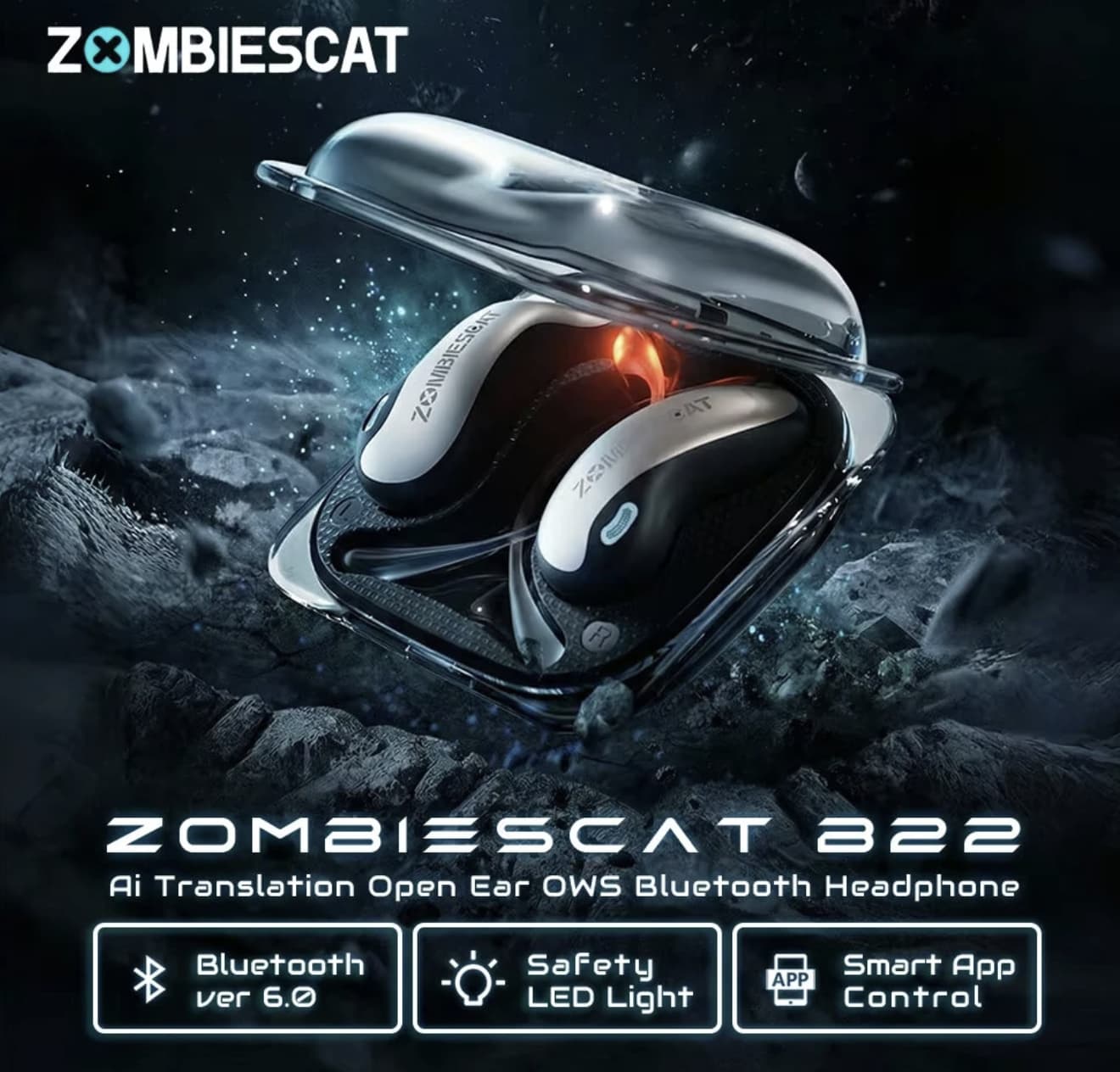
  •  

MNRC MN300S Review: 1:12 4WD RC Crawler With Proportional Control

Not every remote-control vehicle is designed to be fast. Some are more interesting when the terrain becomes difficult.

MNRC MN300S rc truck takes that approach. Rather than focusing on high top speed, this 1:12 4WD RC crawler combines four-wheel drive, proportional rc controls, a two-speed transmission and a relatively large body to create a platform aimed at climbing, trail driving and technical off-road play.

Its specifications suggest a vehicle intended for users who enjoy controlling an RC crawler through uneven ground rather than simply racing it across a flat surface. The manufacturer lists a maximum speed of 8 km/h, a climbing capability of up to 45 degrees, a control distance of around 50 meters and approximately 45 minutes of driving time from its included 7.4V 1200mAh lithium-ion battery.

The MN300S Is More About Control Than Speed

The first thing to understand about the MN300S is its character.

With a claimed top speed of 8 km/h, this is not positioned as a speed-focused RC truck. Instead, the combination of 4WD and proportional control gives the vehicle a more deliberate operating style.

Proportional control matters when navigating obstacles. Instead of treating steering and throttle as simple on/off commands, the controller allows the driver to make smaller adjustments. That is particularly useful when the vehicle is approaching a rock, climbing a slope or trying to keep its wheels positioned on a narrow section of trail.

For casual driving, this can make the MN300S feel more predictable. For hobbyists, it also creates more room to develop driving technique.

1:12 Scale Gives It a Substantial Trail Presence

The MN300S measures approximately 38.78 × 16.84 × 18.5 cm, putting it firmly into the larger end of casual RC toys while remaining manageable for outdoor use.

Its 1:12 scale is also important from a visual perspective. The body is designed around an officially licensed, high-simulation appearance, so the vehicle is intended to work in two different ways: as something to drive and as a model that can be displayed when it is not being used.

That combination should appeal to hobbyists who care about the appearance of their RC vehicles as much as the driving experience.

4WD Is the Key to Its Off-Road Personality

The MN300S uses a four-wheel-drive system designed for uneven outdoor terrain.

On a smooth floor, the difference between 2WD and 4WD may not be especially important. On loose soil, grass, stones and other irregular surfaces, however, maintaining traction across multiple wheels becomes much more relevant. It comes with 4WD RC cars for off-road driving.

The listing gives the vehicle a maximum climbing angle of 45 degrees. This figure should be viewed as a manufacturer specification rather than a guarantee that the vehicle will climb every 45-degree surface, because actual performance depends on terrain, tire grip, battery condition, surface material and driving technique.

Still, the specification clearly shows where MNRC expects the MN300S to be used: on terrain where traction and controlled wheel movement matter more than outright speed.

Two-Speed Transmission Adds Another Layer of Control

Another interesting feature is the two-speed transmission.

A crawler benefits from having different driving characteristics for different situations. A lower-speed setting can be useful when negotiating obstacles that require careful throttle control, while a faster setting makes ordinary trail movement less tedious.

This is one of the details that separates the MN300S from very basic RC cars. The vehicle is not simply designed around maximum acceleration. Its controls are intended to give the driver more influence over how the truck responds to the terrain.

A 7.4V Battery Provides Around 45 Minutes of Claimed Runtime

Power comes from a 7.4V 1200mAh lithium-ion battery, which is included with the vehicle. Banggood lists approximately 45 minutes of playtime and around 210 minutes of charging time.

The real runtime will naturally vary according to driving conditions. Continuous climbing and frequent throttle changes can consume more energy than relaxed driving on relatively flat ground.

The roughly three-and-a-half-hour charging time also means owners should plan charging before an outdoor session rather than expecting a quick top-up between short drives.

The transmitter itself requires two AA batteries, which are not included.

LED Lighting Makes the Vehicle More Than a Daytime Toy

The MN300S includes a remotely controllable lighting system with front lights, turn signals and rear lights.

That is more than a cosmetic detail. Lighting gives the vehicle a more realistic appearance and makes it easier to distinguish the front and rear of the model when driving at a distance.

For hobbyists who enjoy filming RC rock crawler or creating miniature trail scenes, the lighting system can also add visual interest without requiring additional accessories.

Built for Hobbyists Who Like to Modify Their Vehicles

One of the more interesting aspects of the MN300S is its stated support for customization and upgrades.

That makes the platform potentially more attractive to hobbyists than a completely closed RC toy. Owners who enjoy changing components, experimenting with setup or gradually improving a vehicle have more reason to keep working with the same chassis.

The product listing also describes the vehicle as using a combination of PA, alloy and electronic components, while the body is described separately as a sturdy ABS structure.

This suggests a design that tries to balance visual detail with the demands of outdoor driving.

50-Meter Control Range Is Enough for Trail Driving

The included 2.4GHz transmitter operates across four channels and has a listed control distance of approximately 50 meters.

For a crawler, that is a sensible range. Unlike a fast RC racer, the MN300S does not need to travel huge distances before reaching its intended driving environment.

A 50-meter range gives the driver enough room to send the vehicle along a garden path, park trail or open outdoor area while maintaining a practical distance for observing obstacles.

What the MNRC MN300S Is Actually Good At

The specifications point toward a particular type of RC experience.

The MN300S makes the most sense for:

  • Technical off-road driving
  • Rock and trail crawling
  • Outdoor RC sessions
  • Hobbyists who enjoy proportional controls
  • Drivers interested in customization
  • Collectors who want a realistic 1:12 model
  • Users who prefer controlled driving over high speed

It is less compelling if the main goal is racing. An 8 km/h maximum speed places it firmly in the crawler-oriented category rather than the high-speed RC category.

MNRC MN300S Specifications

Feature Details
Model MN300S
Brand MNRC / MNR/C
Scale 1:12
Drive 4WD
Frequency 2.4GHz
Channels 4CH
Motor 280 brushed motor
Steering servo 17g
Maximum speed Up to 8 km/h
Control distance About 50m
Car battery 7.4V 1200mAh Li-ion
Claimed runtime Approx. 45 minutes
Charging time Approx. 210 minutes
Climbing angle Up to 45°
Steering angle Up to 28°
Load weight Up to 3kg
Traction weight Up to 5kg
Vehicle size 38.78 × 16.84 × 18.5cm
Transmission Two-speed
Lighting Front lights, turn signals and rear lights
Control Proportional
Recommended age 15+

Specifications are based on the current product listing and should be treated as manufacturer/retailer claims rather than independent performance measurements.

Final Take

MNRC MN300S is interesting because it does not try to compete with RC vehicles by chasing an impressive top-speed number. Its appeal comes from a different combination: 1:12 scale, four-wheel drive, proportional control, two-speed gearing and a design intended for climbing and outdoor terrain.

The included battery and transmitter also mean the package is relatively straightforward for someone who wants to start driving without assembling a complete RC system from individual components. The addition of controllable lighting and upgrade potential gives the platform more personality than a basic entry-level RC car.

For someone looking for a realistic RC crawler to take onto trails, grass, dirt and moderate obstacles, the MN300S has a specification sheet that makes sense as a hobby-oriented off-road platform. Its relatively modest speed is not necessarily a weakness—it is part of the reason the vehicle is better understood as a technical crawler rather than a racing truck.

The post MNRC MN300S Review: 1:12 4WD RC Crawler With Proportional Control appeared first on IGeeKphone China Phone, Tablet PC, VR, RC Drone News, Reviews.
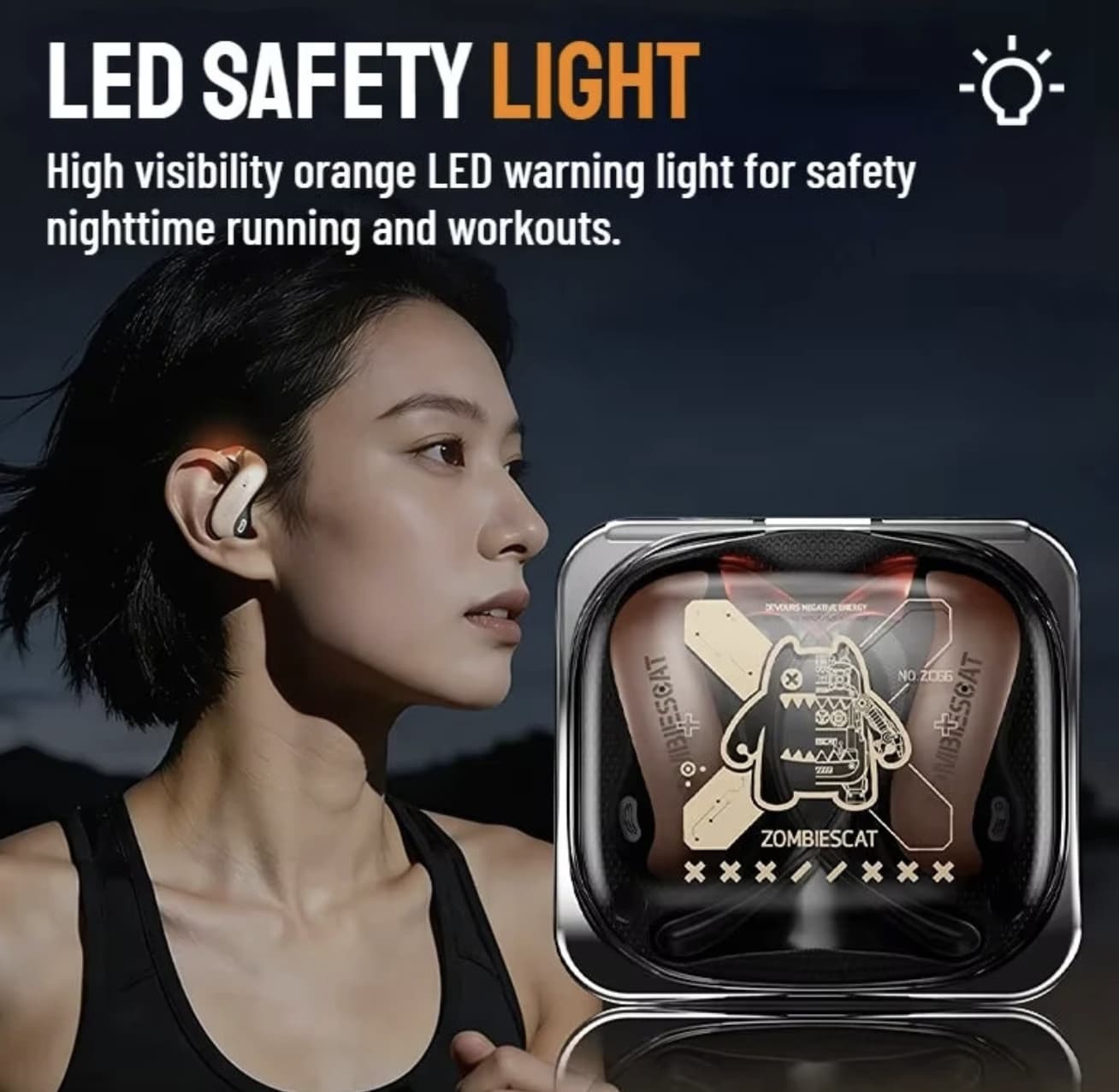
  •  

Monster MH22282: A Lightweight Open-Ear Headset Built for Swimming and Active Use

Wireless headphones are convenient for everyday listening, but they are not always designed for demanding environments. Swimming, outdoor running, heavy workouts, and rainy conditions can quickly expose the limitations of ordinary earbuds. The Monster MH22282 takes a different approach by combining an open-ear neckband design with IPX8 water resistance, built-in storage, Bluetooth 6.0 and a lightweight frame.

Rather than depending entirely on a smartphone, the MH22282 can also operate as a standalone music player through its integrated 32GB memory. That makes it particularly interesting for people who want to exercise without carrying a phone.

Open-Ear Design With a Focus on Active Use

The Monster MH22282, open-ear headphones uses a neckband-style construction that sits around the back of the head and keeps the ears open. This design can be useful during outdoor activities because users can continue to hear music while remaining aware of sounds around them.

The headset weighs just 23.5 grams, according to the product specifications, so it is designed to avoid the heavier feeling associated with some over-ear sports headphones. Its frame uses a flexible titanium memory alloy, while the ear-hook structure is intended to keep the headset stable during movement.

That combination makes the MH22282 better suited to activities such as running, cycling, gym sessions and other situations where a secure fit matters more than a traditional sealed earbud design.

IPX8 Waterproofing Makes Swimming the Main Attraction

One of the most distinctive features of the MH22282 is its IPX8 waterproof rating. Monster’s product listing positions the headset for swimming, workouts, rainy conditions and other situations where exposure to water could be a problem for conventional wireless headphones.

However, there is an important distinction between waterproof hardware and underwater wireless connectivity.

Bluetooth signals do not work reliably underwater, so the MH22282 is designed to use its internal memory when swimming. In other words, users can load music onto the headset before entering the pool and listen without maintaining a Bluetooth connection to a smartphone.

This is arguably more useful than simply calling the headset waterproof. The combination of water resistance and local music storage addresses one of the biggest practical problems with using wireless headphones in waterproof headphones for swimming.

32GB Storage Turns It Into a Standalone Music Player

The built-in 32GB memory is another feature that separates the MH22282 from many conventional Bluetooth headsets.

When the headset is being used for running or swimming, carrying a smartphone can be inconvenient. With headphones with built-in storage, music can be transferred to the headset beforehand, allowing users to leave their phone behind.

The product listing claims that the 32GB storage can hold more than 4,000 songs, although the actual number will depend on file format, bitrate and the size of the individual audio files.

The headset also supports switching between Bluetooth and memory modes, giving users two different ways to listen depending on where they are using it.

For pool workouts, this local-storage approach is particularly important because it removes the need for an underwater Bluetooth connection.

Bluetooth 6.0 for Everyday Wireless Listening

Outside the pool, the Monster MH22282 works as a conventional wireless headset through Bluetooth 6.0.

The specifications list support for HSP, HFP, A2DP and AVRCP profiles, with a stated transmission distance of up to 10 meters. It also supports AAC and SBC audio codecs.

This makes the headset suitable for more than sports. It can be paired with a phone for music, podcasts and calls, or connected to another compatible device for everyday listening.

Bluetooth is therefore the more convenient mode for commuting and general use, while the internal memory becomes more valuable when users are swimming or exercising without a phone.

11.2mm Drivers and Open-Ear Audio

The MH22282 features 11.2mm dynamic drivers. Monster’s listing says the drivers are tuned to provide stronger bass, detailed midrange and clear high frequencies while keeping the ears open to the surrounding environment.

The open-ear approach comes with a different listening experience from sealed in-ear headphones. It does not aim to completely isolate the listener from the outside world. Instead, it provides audio while allowing environmental sounds to remain part of the listening experience. So open-ear vs in-ear headphones are very different.

That can be useful when running outdoors or exercising in shared spaces, although people looking for strong passive isolation or deep noise blocking may prefer a conventional in-ear design.

ENC Is Mainly Useful for Calls

For voice communication, the MH22282 includes microphones and environmental noise cancellation technology.

Monster says its ENC system uses dual microphones to help identify the user’s voice and reduce surrounding noise during calls.

This feature is more relevant to phone calls than music playback. It can be useful when taking calls in places with background noise, although real-world call performance will naturally depend on the environment, wind conditions and the connected phone.

Up to 16 Hours of Playback

Battery life is rated at up to 16 hours of continuous playback, while the listed charging time is approximately two hours. Monster also claims that a 10-minute quick charge can provide around 90 minutes of listening.

Actual battery life will vary according to volume, connection conditions, call usage and other factors, but the claimed 16-hour figure gives the headset enough endurance for extended workouts and daily listening.

For someone who runs regularly or spends several hours at the gym, avoiding daily charging can be a meaningful advantage.

Monster MH22282 Specifications

Feature Monster MH22282
Design Open-ear neckband
Model MH22282
Bluetooth 6.0
Audio codecs AAC / SBC
Speaker 11.2mm
Internal storage 32GB
Waterproof rating IPX8
Frequency response 20Hz–20kHz
Bluetooth profiles HSP / HFP / A2DP / AVRCP
Transmission distance Up to 10m
Playback time Up to 16 hours
Charging time About 2 hours
Microphone Yes
Noise cancellation ENC
Weight 23.5g
Dimensions 128 × 98 × 48mm
Color Black/Orange

Specifications are based on the current product listing and should be treated as manufacturer/merchant-provided figures rather than independent laboratory measurements.

Who Is the Monster MH22282 For?

The MH22282 makes the most sense for users who need more than a standard pair of Bluetooth earbuds.

Swimmers are the clearest target group because the combination of IPX8 protection and onboard storage solves the problem of maintaining a wireless connection underwater.

Runners and outdoor athletes may also appreciate the open-ear design, which avoids completely blocking the ears and keeps the headset lightweight.

Gym users can use Bluetooth for normal smartphone playback or switch to internal storage when they want to exercise without carrying their phone.

It may be less attractive for listeners who prioritize strong passive isolation, compact true-wireless earbuds or a traditional sealed listening experience.

What Makes the MH22282 Different?

Many sports headphones focus on only one major feature, such as water resistance, long battery life or a secure fit. The Monster MH22282 combines several of these ideas into one device.

Its most interesting combination is not Bluetooth 6.0 alone or the 16-hour battery rating. Instead, it is the relationship between IPX8 protection and 32GB internal storage. Bluetooth remains useful for everyday listening, while local storage provides a practical solution when wireless connectivity becomes unreliable underwater.

The 23.5-gram open-ear construction also gives the headset a clear fitness-oriented identity.

Final Thoughts

Monster MH22282 headphone is designed around a simple idea: a sports headset should remain useful when a smartphone or conventional wireless earbuds are no longer convenient.

Its open-ear neckband design, 23.5g weight, Bluetooth 6.0 connectivity and 16-hour claimed playback make it suitable for everyday exercise and wireless listening. More importantly, the combination of IPX8 waterproofing and 32GB internal storage gives it a specific advantage for swimming.

The biggest point to remember is that IPX8 does not mean Bluetooth will work normally underwater. The headset’s built-in memory mode is the practical solution for swimming, allowing music to be stored locally before entering the water.

For athletes who want one lightweight headset for running, gym sessions, outdoor activities and pool workouts, the Monster MH22282 offers a more specialized feature set than a typical Bluetooth headset.

The post Monster MH22282: A Lightweight Open-Ear Headset Built for Swimming and Active Use appeared first on IGeeKphone China Phone, Tablet PC, VR, RC Drone News, Reviews.
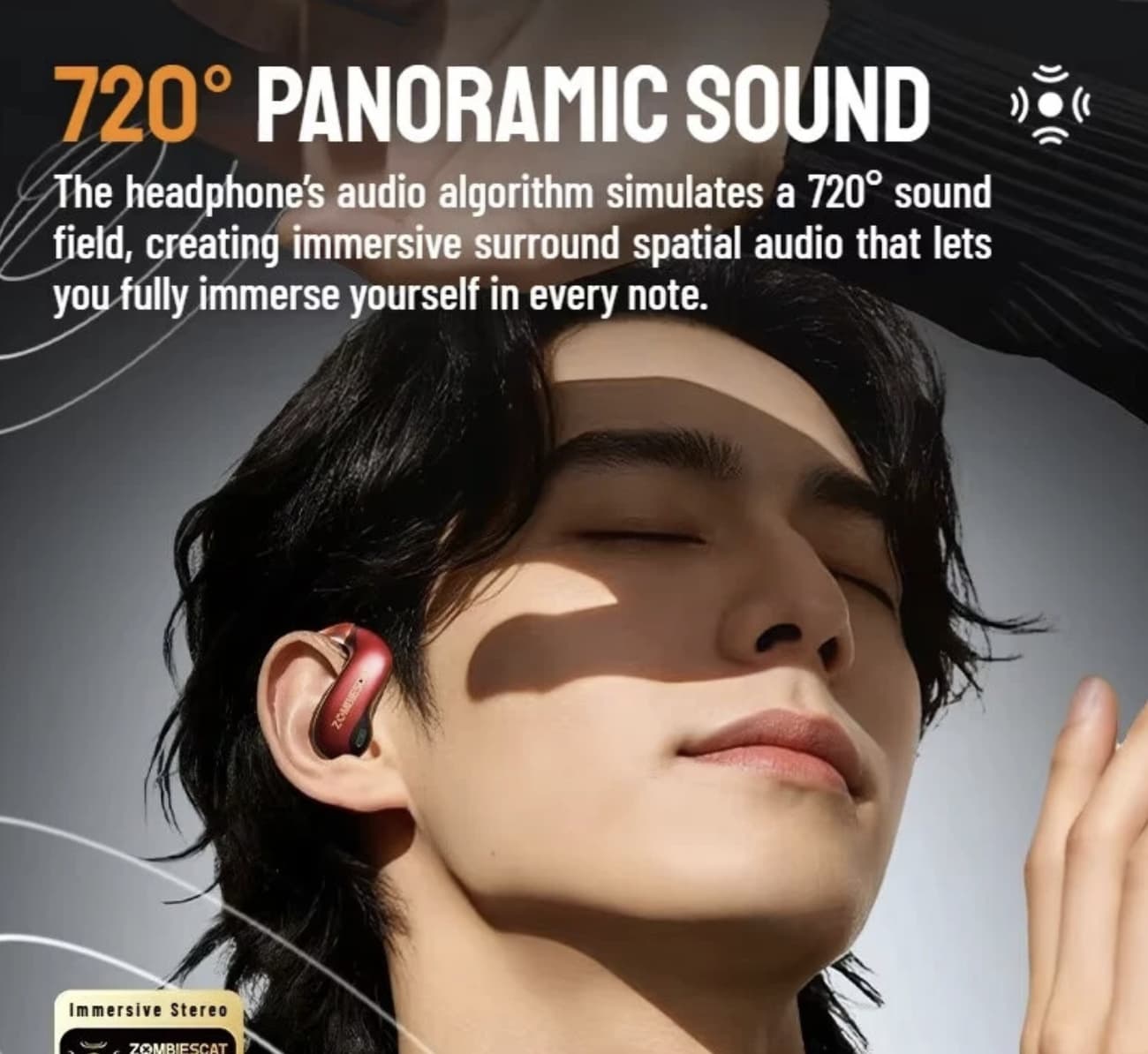
  •  
❌