 Login

California Just Changed the Rules for Replacement Tires and It Could Save Drivers $1 Billion a Year
 The nation’s first tire efficiency standards target an overlooked drag on fuel economy that can cost drivers more at the pump.
 The nation’s first tire efficiency standards target an overlooked drag on fuel economy that can cost drivers more at the pump.

The passport-size iPhone Duo serves as the first big test for John Ternus, who took over from Tim Cook last week
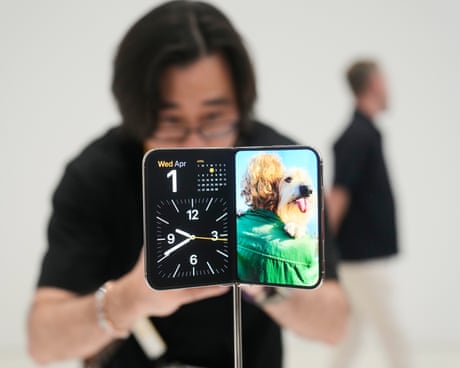
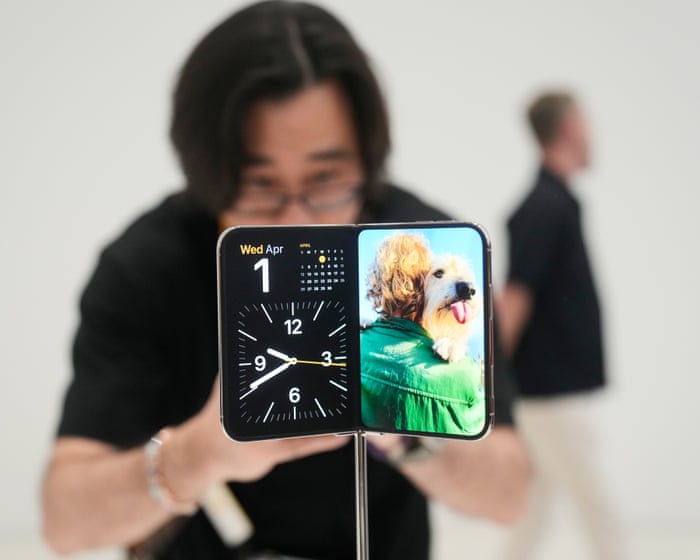
Apple has unveiled the iPhone Duo, the company’s first foldable phone and the most significant change to the iPhone since the smartphone’s introduction in 2007.
The nearly $2,000 device takes inspiration from iPads’ wide screens and combines them with the portability and camera features of iPhones. When opened, it is the company’s largest phone display and thinnest phone. The Duo opens and closes like a passport to double its screen size.
Continue reading...
© Photograph: Jeff Chiu/AP
© Photograph: Jeff Chiu/AP
© Photograph: Jeff Chiu/AP

© Jonathan Nackstrand/Agence France-Presse — Getty Images
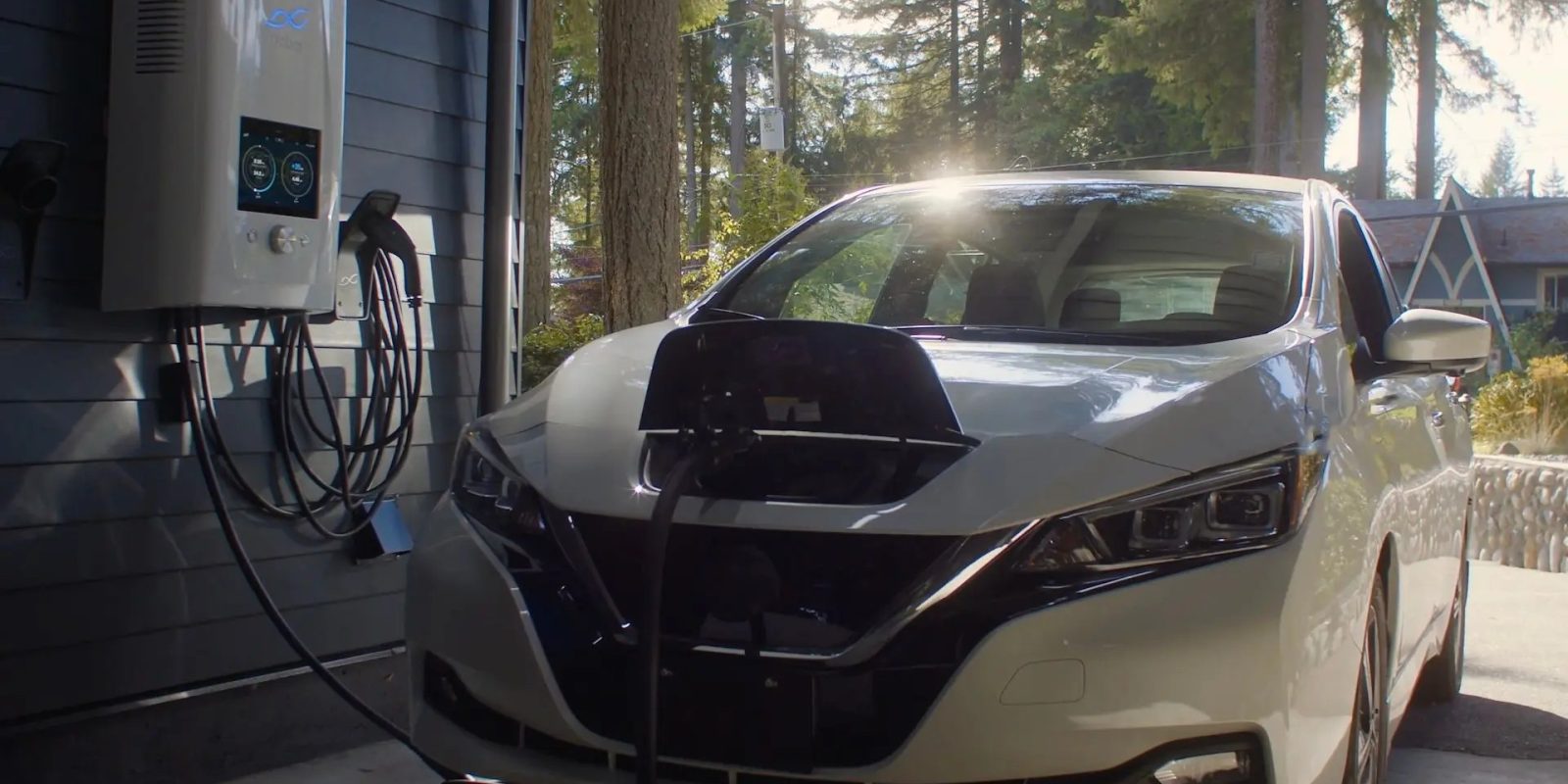
PG&E just expanded its Vehicle-to-Everything (V2X) program, adding EVs from Tesla, Kia, Volvo, Polestar, and Nissan and opening up as much as $17,000 in incentives to turn a car into home backup power.
The California utility brought in Bidirectional Energy and PowerFlex as approved partners, and drivers now have until June 30, 2027 to enroll.
more…

© Poppy Lynch for The New York Times
Also: OpenAI CEO Sam Altman expressed his surprising sympathy over the construction of datacenters across the country
Hello, and welcome to TechScape. I’m Blake Montgomery, US tech editor at the Guardian, writing to you from a sunny park in New York City, which was supposed to endure rain all weekend but in fact delivered the best weather of the year.
‘We are hitting a different chapter’: OpenAI leader warns of threat of ‘persistent’ AI cyber-attacks
OpenAI announces slowing pace of development after hack by rogue agent
OpenAI launches ChatGPT for Teens with stronger safeguards
‘Digging the grave of my profession’: the Hollywood creatives training AI to do their jobs
Will AI give you the job? Automated hiring tools spark discrimination and secrecy lawsuits
After more than 15 years of laptops in the classroom, do Australian schools need a rethink?
Did someone wearing Meta Glasses film you today? Are you sure?
Continue reading...
© Photograph: Vicki Behringer/Reuters
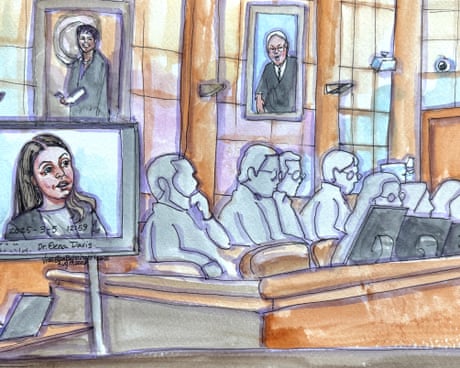
© Photograph: Vicki Behringer/Reuters
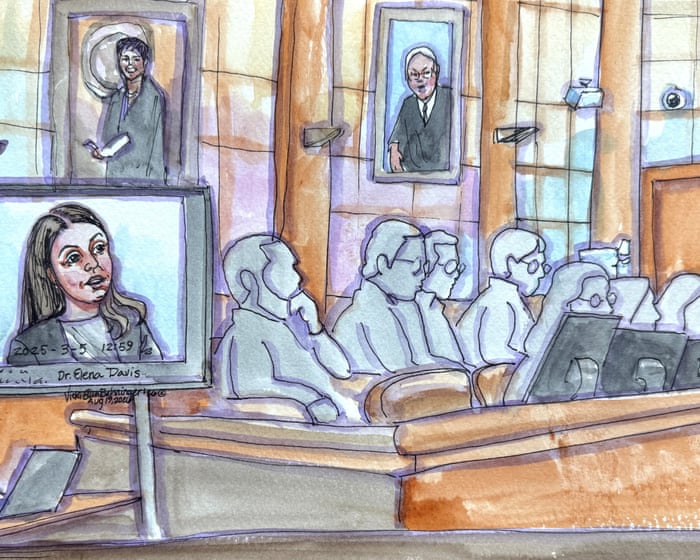
© Photograph: Vicki Behringer/Reuters
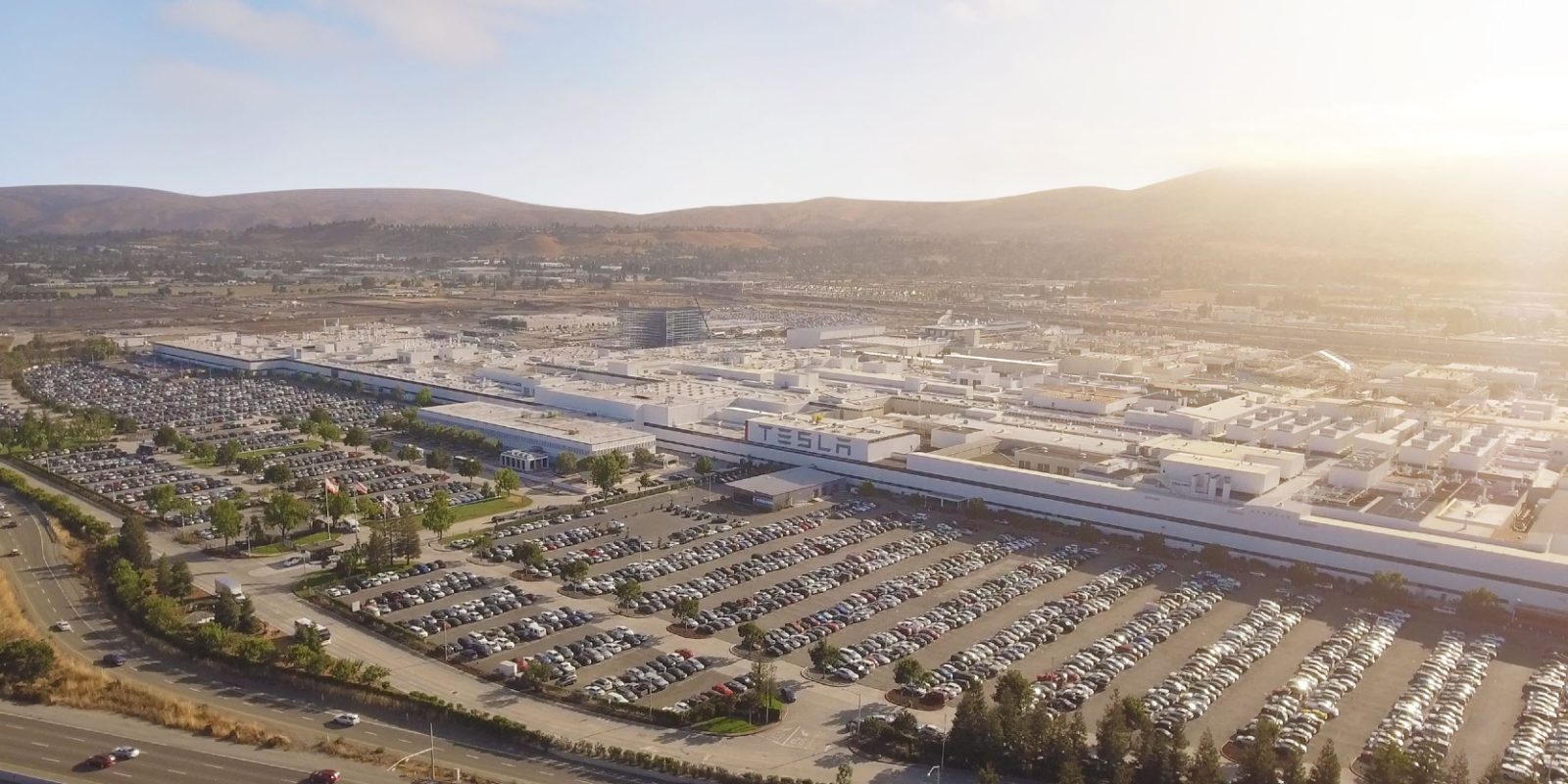
Tesla ran through its entire share of California’s new MyFirstEV rebate program in just five days.. The rebate only went live for Tesla buyers on August 3.
Buyers claimed roughly half of Tesla’s allocation in the first three days and drained the rest by August 8, spending an estimated $18 million in state and matching rebates on Tesla vehicles alone.
 A new study suggests the secret to healthier aging may not be eating less but eating the right balance of protein and amino acids. Could healthier aging depend less on cutting calories and more on getting the right balance of protein and amino acids? A new USC study, published in Cell Metabolism, suggests that possibility. [...]
The mission of the Flock app is quietly subversive: to encourage users to ditch their screens and explore the wonderful world of birding
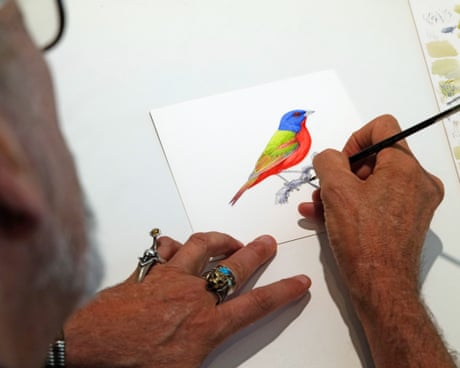
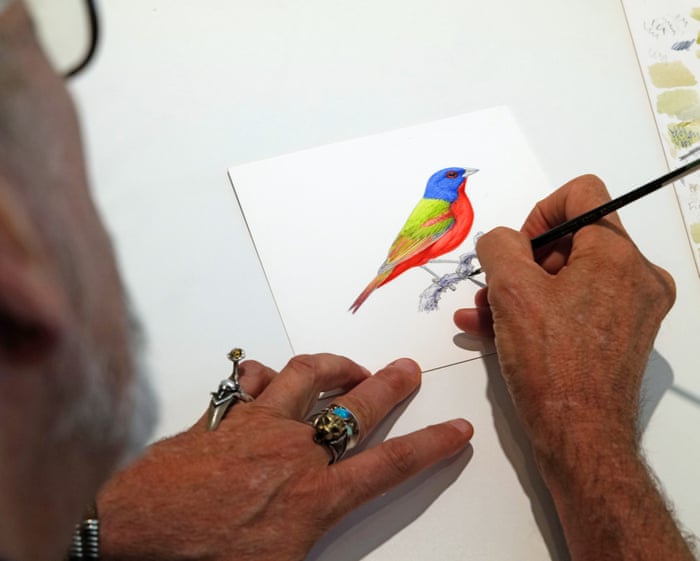
On a brilliantly bright afternoon in his gallery and studio in Bolinas, a small town on the northern California coast, Keith Hansen was putting the finishing touches on a watercolor of an almost improbably flamboyant painted bunting.
With an ultra-fine sable brush, he made a few intricate additions to the cobalt blue plumage on the bunting’s head, and, satisfied with his work, slipped the watercolor into a stout binder that every few days welcomes a new addition.
Continue reading...
© Photograph: Nick Czap
© Photograph: Nick Czap
© Photograph: Nick Czap

© Joshua A. Bickel/Associated Press
Apple lawsuit against OpenAI has reached its first major procedural challenge, with the ChatGPT developer asking a US federal judge to dismiss allegations that it acquired or used trade secrets taken by former Apple employees.
OpenAI submitted its 31-page dismissal motion on Wednesday in the US District Court for the Northern District of California. The filing argues that Apple has not adequately identified protectable trade secrets or alleged facts showing that OpenAI misappropriated confidential information.
Apple filed the case on July 10 against OpenAI, its io Products hardware operation, former Apple Vice President Tang Yew Tan, and former electrical engineer Chang Liu. The complaint accuses the defendants of obtaining information connected to Apple’s product development, manufacturing, components, testing, and supply chain operations.
The allegations have not been proven, and OpenAI denies possessing or seeking Apple’s trade secrets. US District Judge Edward Davila must now decide whether Apple’s complaint contains enough factual detail for the litigation to continue.
OpenAI’s motion focuses initially on how Apple described the information it claims was stolen. According to OpenAI, the complaint relies on generalized product-development categories without identifying the protected information with enough precision.
Trade secret plaintiffs face a difficult balance at the beginning of litigation. Apple must describe the protected material sufficiently to establish a plausible legal claim, but revealing the material publicly could expose the same information it is trying to protect.
Sensitive details can later be handled under seal or through a protective order. At the dismissal stage, however, Apple must still provide enough information for the court to distinguish genuine trade secrets from general engineering knowledge, employee experience, or skills acquired through years of work.
OpenAI argues that Apple has not crossed that threshold. Its motion says the complaint fails to establish ownership of a protectable trade secret and does not plausibly allege that OpenAI acquired, disclosed, or used such information.
The filing also disputes the commercial premise behind Apple’s accusations. OpenAI says it is developing products that are different from Apple’s hardware and has no need or desire to use the iPhone maker’s confidential material.
That position does not settle whether information was taken. A company can potentially misappropriate trade secrets even when its eventual product has a different design. The court’s immediate task is narrower: determining whether Apple has alleged facts that could support its claims if those facts are later proven.
Apple’s complaint centers partly on Chang Liu, who spent eight years working as a senior system electrical engineer at the company before joining OpenAI in January 2026.
Apple alleges that Liu retained an Apple-issued computer and accessed confidential technical information after leaving. It claims he exploited residual authentication access on multiple occasions to obtain internal documents while already working for OpenAI.
OpenAI presents a different explanation. It says Apple employees contacted Liu after his departure and asked him to help locate files needed for ongoing Apple work. The company published redacted messages that it says support this account.
OpenAI argues that Apple’s systems and policies allowed personal and corporate information to become intermingled through iCloud accounts. Former employees, it says, could retain access to Apple files without requesting it or realizing that access remained active.
The motion maintains that Apple cannot treat the foreseeable effects of its own access-management practices as proof that former employees intentionally stole data. Apple, in contrast, alleges that its records document repeated access to restricted information rather than an accidental discovery of lingering permissions.
These competing accounts are likely to become central if the case enters discovery. Authentication logs, downloaded files, device records, internal communications, and employment timelines could establish whether access was deliberate, what information was obtained, and whether it reached anyone working on OpenAI products.
A dismissal motion normally tests whether the complaint states a legally sufficient claim. It is not a trial, and the judge is not expected to resolve every factual disagreement using competing evidence at this point.
Apple separately accuses Tang Tan, OpenAI’s chief hardware officer, of seeking confidential information from Apple employees during recruiting conversations.
Tan spent more than 24 years at Apple and worked on products including the iPhone, Apple Watch, AirPods, and iPod. He later helped establish io Products with former Apple design chief Jony Ive and other collaborators. OpenAI acquired the hardware company as part of its effort to create a family of devices built around artificial intelligence.
Apple alleges that Tan used confidential project names, retained internal materials, and encouraged job candidates to discuss unreleased components or bring physical parts to interviews. OpenAI rejects the claim that these interactions formed a coordinated effort to collect Apple secrets.
OpenAI says Tan repeatedly instructed employees that confidential information from previous employers could not be brought into its organization. It also offers an alternative explanation for an Apple offboarding document found in his possession, arguing that Tan retained it to help incoming employees comply with Apple’s departure procedures.
Apple’s position is that the document and recruiting communications must be examined alongside the other alleged conduct. It describes the events as part of a connected campaign rather than isolated employment or administrative issues.
The dispute comes during intense competition for engineers capable of developing consumer AI hardware. Apple alleges that more than 400 former employees have moved to OpenAI, although hiring people from a competitor does not by itself establish trade secret misappropriation.
A company must generally connect recruitment to the acquisition, disclosure, or use of protected information. OpenAI is relying heavily on that distinction, presenting Apple’s lawsuit as an attempt to respond to employee departures and its difficulties competing for AI talent.
OpenAI’s dismissal request arrives shortly after Apple asked the court for a preliminary injunction. Apple wants restrictions imposed while the lawsuit proceeds, arguing that it could suffer harm if its confidential information is used during OpenAI’s hardware development.
The requested relief would prevent OpenAI and the individual defendants from acquiring, accessing, using, or disclosing the alleged trade secrets. Apple has also requested expedited discovery and forensic examination of relevant devices and accounts.
OpenAI says those restrictions are unnecessary because it does not possess or want Apple’s protected information. It has described Apple’s request as based on false information and has offered to cooperate in addressing specific concerns.
The two companies also disagree over their communications before the lawsuit. Apple initially said its concerns had been raised with OpenAI months earlier. OpenAI responded that Apple’s outside lawyers contacted the wrong person after confusing names and incorrectly described a conversation with OpenAI’s general counsel.
OpenAI says Apple did not present the specific accusations before filing the case and that the companies had previously discussed resolving any access issues. Apple has since provided additional information in support of its injunction request, including allegations involving other former employees.
These disputes have moved beyond ordinary court filings. OpenAI published messages and emails on its website to support its version of events, calling Apple’s lawsuit aggressive and poorly investigated. Apple has primarily presented its account through formal legal submissions.
Judge Davila could dismiss some or all of Apple’s claims, deny the motion, or allow Apple to amend its complaint with more specific allegations. Even a dismissal would not necessarily end the case if permission to revise the complaint is granted.
The next scheduled public test is an October 1 hearing covering Apple’s preliminary injunction and request for early discovery. That proceeding may determine whether OpenAI faces immediate limits on its hardware work before the underlying trade secret claims receive a full evidentiary review.
The post Apple Lawsuit: OpenAI Seeks Dismissal of Trade Secrets Case appeared first on AppleMagazine.
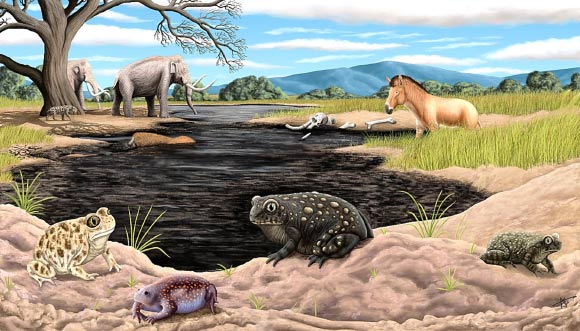
Paleontologists studying the La Brea Tar Pits, one of the world’s richest Ice Age fossil sites, have identified a previously unknown species of spadefoot toad that lived in what is now California during the latest Ice Age.
The post La Brea Tar Pits Yield New Species of Ice Age Toad appeared first on Sci.News: Breaking Science News.

The mood was celebratory at the ribbon-cutting for Muon Space’s San Jose, California, manufacturing facility in June. State, local, United States Space Force and Pentagon representatives lauded the startup and, […]
The post Satellite manufacturing thrives in California despite cost and regulatory pressures appeared first on SpaceNews.
