Alarming warnings from industry insiders increase pressure for curbs on artificial superintelligence
Does artificial superintelligence really pose a risk greater than nuclear weapons? Is there a significant chance of “a Chornobyl-sized catastrophe”. Might there even be a greater than 10% chance that AI could “kill all humans” in the next decade?
These warnings were issued over the past 48 hours on both sides of the Atlantic about the potential impact of a technology that most people still think of as a more talkative search engine.
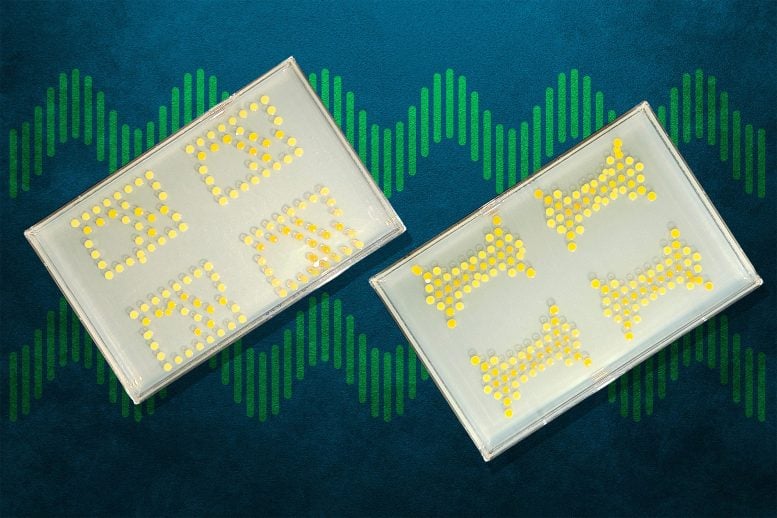
MIT researchers have engineered bacteria to behave like transistors, making it possible to build living “circuit boards” that can be printed onto growth material in a Petri dish. In conventional electronics, transistors act as switches that control whether electrical current flows. In the biological system developed at MIT, engineered bacteria perform a similar role by [...]
James Frith says patients may be less willing to share data as new figures show a rise in opt-outs
Concern is being raised about Palantir’s work with the NHS as new figures showed tens of thousands of patients have withdrawn their data from use in research projects.
James Frith, the health innovation minister, said he was worried about “mistrust” of the US defence and health tech company and “the impact it could have on people’s willingness to share data with the NHS”.
Longer battery life, faster chip, actually useful AI tools and better cameras keep quality Android ahead of competition
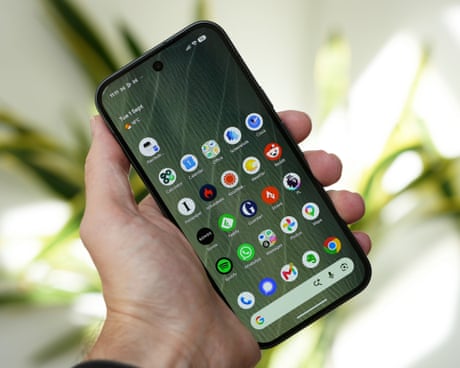
Google’s Pixel 11 continues to set the standard for what you should expect from the base model of a flagship phone with class-leading cameras, long software support and almost all the bells and whistles of its most expensive phones.
The regular Pixel 11 costs £879 (€999/$899/A$1,499) making it £80 or equivalent more expensive than last year’s model as the cost of RAMageddon continues to bite. It’s not cheap by any stretch of the imagination, but it comes with 256GB of storage and is £200 less than the Pixel 11 Pro, matching rival Samsung’s Galaxy S26.
Relocation coincides with proposed laws that opponents say would entrench power of US tech billionaires in country
Dozens of protesters converged on Peter Thiel’s mansion in Buenos Aires this week after a congressional session raised questions about the billionaire’s presence in the country.
In white masks, they held signs saying “Peter Thief” and “No to the Peter Thiel law” in front of the wrought-iron gates of the $12m (£8.9m) residence, which Thiel bought in April as he moved his family to Argentina.
Government says Green leader’s proposed moratorium on ‘energy-guzzling’ AI projects would be disaster for economy
Labour has rejected calls to pause construction of major AI infrastructure in Britain after the Green party leader, Zack Polanski, said it was time to “slam the brakes on these energy-guzzling, water-guzzling datacentres”.
The government hit back at the opposition party’s proposal of a “moratorium other than [for] local-scale datacentres for the local community”, saying it “would be a disaster for jobs and national security”.
Irish whiskey is one of Ireland’s great export success stories. Exports were worth over €930 million in 2025, with the country’s much-loved spirit being sold all over the world.
Even amid difficult international trading conditions, with concerns around tariffs for export to the US, exports to the EU have grown by more than 21% in four years.
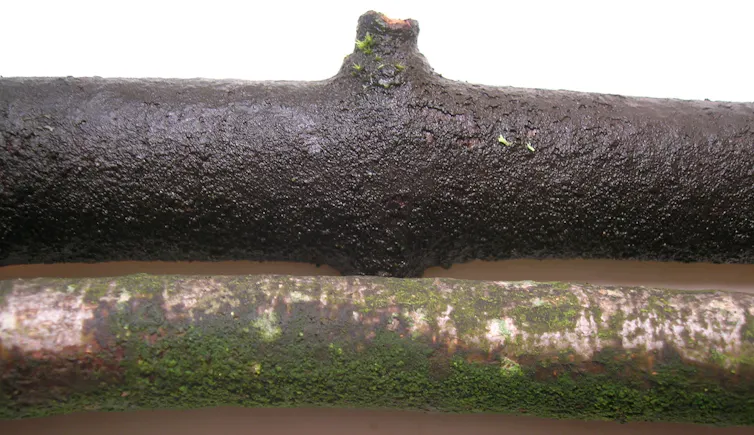
However, while thousands of barrels quietly mature in warehouses around Ireland, something else is happening outside some of them. On walls, roofs, road signs, trees and other surfaces close to some whiskey maturation facilities, a distinctive black patina appears.
It may look like soot or air pollution, but in some cases the culprit is a fungus: Baudoinia, commonly known as “whiskey fungus” or “whiskey black”, and fuelled by the presence of ethanol alcohol in the air.
Despite the fact it has been known about for years, there has been surprisingly little research on its effects, such as whether the fungus can spread from distilleries to nearby properties, including residential homes.
Ethanol alcohol emissions from the industry are also thought to contribute to ground level ozone, a harmful air pollutant. But we don’t know whether the fungus has any adverse consequences for people’s health. It may not be dangerous at all, but this is something we are investigating through a project at Dublin City University.
The angels’ share
During maturation, ethanol and other volatile compounds evaporate and pass through the porous cask. They then enter the surrounding atmosphere around the distillery. This portion of the whiskey is often known as the “angels’ share”.
A review commissioned by the Scottish government estimated that more than 90% of non-methane volatile organic compound (NMVOC) emissions associated with whiskey production occur during maturation.
NMVOCs are chemicals that participate in atmospheric reactions and contribute to the formation of pollutants like ground-level ozone. Ethanol alcohol overwhelmingly dominates these emissions from whiskey production.
As they condense into the air moisture, these ethanol vapours also create an unusual ecological niche. Baudoinia can occur naturally at very low abundance, but exposure to this airborne alcohol can favour its growth.
Around maturation warehouses, this can result in conspicuous dark fungal growth on exposed surfaces. The association has been recognised for more than a century, initially around cognac maturation facilities in France, and has subsequently been documented around spirit maturation warehouses in Scotland, Canada and the US.
So can whiskey fungus spread from distilleries to nearby properties, causing unsightly dark growth in people’s homes? In 2022, following a complaint about black discolouration on houses close to the Midleton distillery in county Cork, the Irish Environmental Protection Agency (EPA) investigated whether Baudoinia was present.
While the fungus was identified on a whiskey warehouse, it was not detected on any of the three nearby residential properties sampled.
There are still major gaps in what we know about whiskey fungus in Ireland, such as how far it travels, what controls its growth, and what, if anything, its presence tells us about ethanol concentrations in the surrounding environment.
A recent review led by researchers at University College Cork suggests that ethanol may play several roles for the fungus. It may act as a germination signal and as a source of carbon to support the growth of the fungus.
Research around whiskey maturation warehouses also suggests that the extent of visible colonisation depends on factors including distance from the ethanol source, prevailing wind, moisture and the type and texture of the surface available for colonisation.
Ireland has commitments to reduce NMVOC emissions under the EU National Emission Reduction Commitments Directive. As mentioned, these NMVOC emissions can help produce ozone, a harmful air pollutant that damages vegetation and crops, reduces lung function and aggravates respiratory conditions such as asthma. It is also a greenhouse gas that contributes to climate change.
The difficulty is knowing precisely how much ethanol is being released. National inventories generally rely on production data and emissions factors. These are useful for estimating emissions across an industry, but they do not necessarily tell us what is happening around an individual maturation facility – how emissions change with the number and age of barrels, how ethanol disperses beyond a warehouse boundary, or how weather conditions affect local concentrations.
However, it’s important not to jump from the presence of a striking black fungus to conclusions about health. The Scottish government review of the available literature found no evidence demonstrating health effects from short- or long-term exposure to Baudoinia. However, it also identified important evidence gaps and recommended further investigation and environmental monitoring.
So, there are two assumptions we should avoid. One is that because something looks alarming, it must be dangerous. The other is that because harm has not yet been demonstrated, there is nothing worth investigating. What we need is evidence.
That is the purpose of the new research project we are undertaking at Dublin City University, in collaboration with the University of Toronto. The EPA-funded EREG project is tasked with investigating the ethanol emissions from maturation facilities and the environmental distribution and biology of Baudoinia in Ireland.
We will combine emissions estimation, environmental monitoring and microbiology and examine how whiskey maturation emissions are currently regulated. We will also engage with the industry, regulators and communities. In fact, if you live near a whiskey maturation facility in Ireland and have noticed this black staining, we want to hear from you.
Ireland does not need to choose between a successful whiskey industry and environmental protection. The objective is to develop the evidence needed to allow the industry to grow sustainably while ensuring that communities and the environment are appropriately protected. The angels’ share is an unavoidable – and much celebrated – part of making whiskey.
But from an environmental science perspective, there is another question worth asking: once the angels have taken their share, where does it go next?
Jenny Lawler's research in this area is funded under the EPA Research Programme 2021–2030, Delivering a Healthy Environment, Project 2025-HE-1317 (EREG: Ethanol Emissions and Fungal Growth from Irish Whiskey Maturation: Implications for Environmental Monitoring & Regulatory Compliance). The EPA Research Programme is a Government of Ireland initiative funded by the Department of Climate, Energy and the Environment.
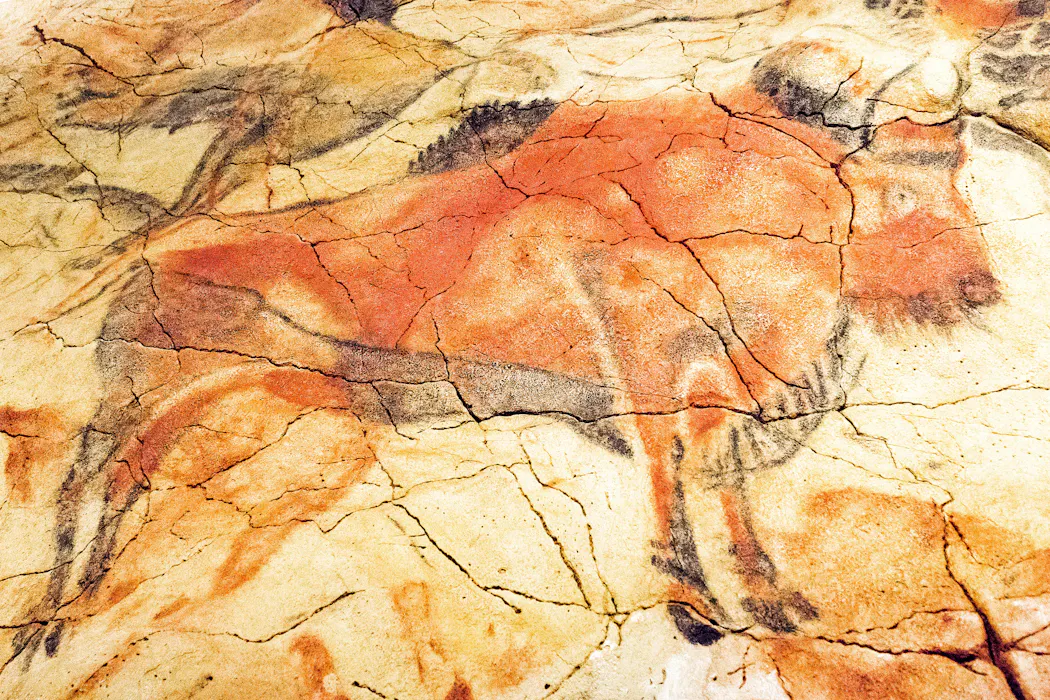
Ancient painting of a bison from Altamira cave in Spain.luisrphoto
Perhaps the most evocative windows into the minds of our ancient ancestors are the images they painted on the walls of caves – renderings known simply as rock art or cave paintings.
Rock art, which is found across the world, offers snapshots of human history, preserving representations of cultural traditions, symbolic communication and social identity. Common subjects include animals, hunting scenes and hand stencils – thought to have been made by blowing pigment over the artist’s hand.
Scientists have wrestled with basic questions about the origins of rock art such as: what was used to produce it, when was it made, and who made it?
Now, a recent study of cave art from Spain and Portugal has shown that ancient human DNA can be recovered directly from the cave walls. We may therefore be edging closer to answering “who made it?”
Using this technique to link a specific painting to an ancient artist may be a step too far. But there are still important things it can tell us about the past.
Previously, researchers had made considerable progress in answering the “what” and “when” questions. Scientists can analyse what pigments are preserved in rock art using techniques such as X-ray fluorescence spectroscopy, which allows them to identify materials such as red ochre and charcoal.
Scientists can also estimate the age of the art using techniques such as carbon-14 dating, carried out on minute quantities of organic material, to determine when rock art was created.
For example, in 2026, researchers reported that a stencil of a human hand had been found in Southeast Sulawesi, Indonesia. The researchers used a laser to bore a microscopic hole and collect samples from a fine layer of calcium carbonate that had formed over the painting.
The research team then measured the degradation of radioactive uranium contained in these mineral deposits to assign a minimum age to the painting of 67,800 years – making it the world’s oldest known minimum date for cave art.
The age of this art fits within a period when modern humans (Homo sapiens) are thought to have migrated through the area. But the wider Indonesian archipelago was previously home to other human species, such as Homo erectus and Homo floresiensis (nicknamed “the Hobbits”), which complicates matters significantly.
While the stylistic and technical complexity of the art suggests authorship by Homo sapiens, we have no way to be certain who made it.
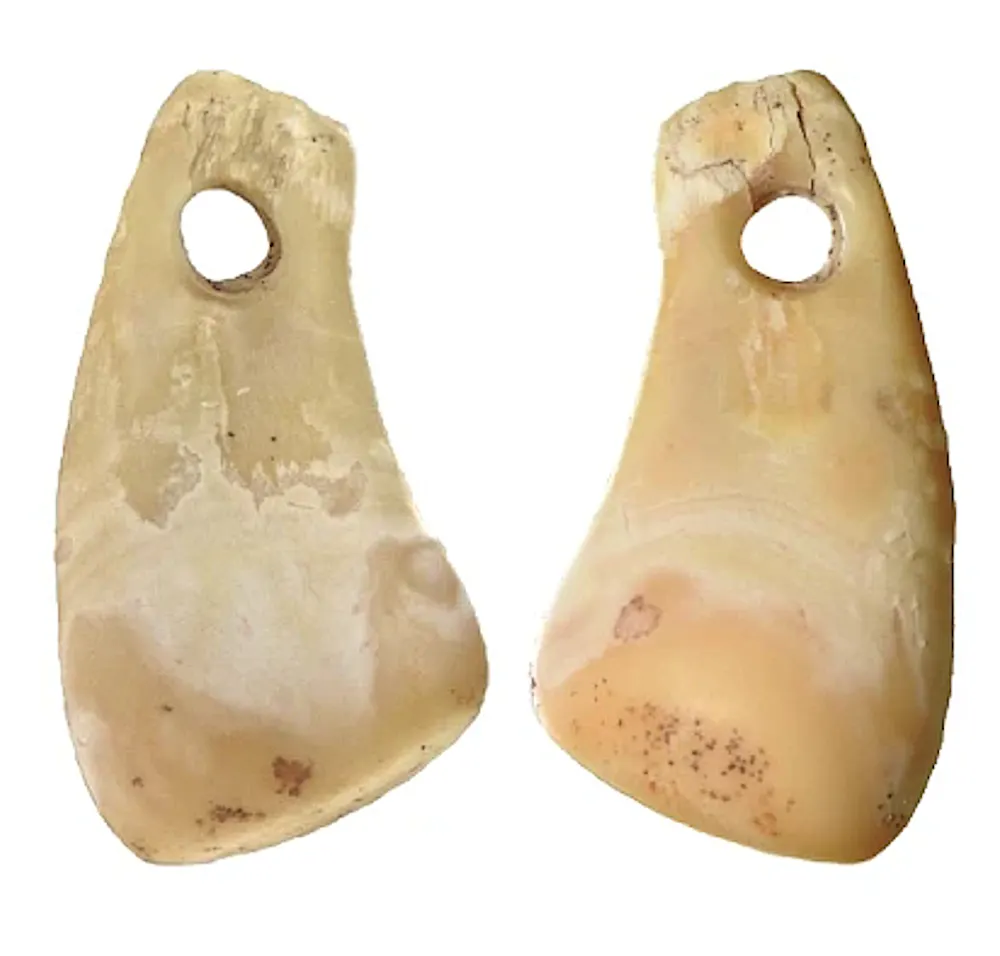
Identifying a human linked to a prehistoric item has an established methodology. For example, in 2023, researchers recovered ancient DNA from a deer-tooth pendant found in Denisova cave, southern Siberia.
Analysis of the genetic sequence showed that the pendant was probably worn by a 25,000-year-old woman belonging to an ancient population known as Ancient North Eurasians, who lived across Siberia in Palaeolithic times.
Such discoveries transform otherwise anonymous objects into evidence of real people, giving us an intriguing glimpse into the lives of our prehistoric ancestors.
In the latest cave art study, scientists systematically sampled both painted and unpainted surfaces of cave walls at 11 sites across Spain and Portugal. Remarkably, they recovered ancient human DNA directly from the walls, demonstrating for the first time that these surfaces can act as reservoirs for genetic information.
Some of these cave wall samples were shown, through both genetic analysis and the archaeological context, to be at least 4,000 years old.
In two of the samples from Covarón cave in northern Spain, human DNA was sufficiently preserved to be identified as belonging to ancient western hunter-gatherers. These were populations that lived across much of Europe during Late Palaeolithic and Mesolithic times.
One of the samples from a pigmented part of a cave wall, in Escoural cave, Portugal, also yielded traces of ancient DNA, but it was not as well preserved as other samples.
Nevertheless, the research establishes a powerful new methodological framework and proof of concept. It raises the tantalising prospect of studying not only the images left behind, but also the communities of people who made them.
However, applying this technique successfully to identify the artist of specific ancient rock art is incredibly unlikely.
Only one of the pigmented samples from the Spanish and Portuguese cave sites yielded ancient DNA. It was retrieved from Escoural cave in Portugal.Bossoms Mesa, et al. (2026), CC BY-NC-SA
This research could, though, potentially resolve one of the most contentious debates in archaeology. This concerns a 66,700-year-old hand stencil discovered within Maltravieso cave in Extremadura, western Spain.
This controversial stencil appears to predate the arrival of modern humans in Europe. Some researchers have therefore argued that Neanderthals, not Homo sapiens, made the art.
Finding DNA from either species in this location, at similar times to the creation of the rock art, could offer a potential route for resolving the debate. But this too is much more difficult than it might seem.
Easy transfer
The presence of human DNA does not prove who created the rock art. DNA is easily transferred – actions as simple as breathing can transfer someone’s genetic material to a location or object. This is why DNA recovered from a knife cannot definitively conclude who committed a stabbing in a forensic case.
DNA establishes the association of someone with an item or location, not the actions they carried out during the deposition of their genetic material. Environmental activities such as rain can also transfer human DNA to these spaces, making it extremely difficult to identify a single person at a location.
Additional DNA can be deposited at very different times to when the painting was produced – by both modern and ancient humans. The potential for contamination is incredibly high, making it difficult to establish who may have been at a given location at a specific time.
Nonetheless, scientists can use this new research to explore important prehistoric questions such as the hominin species, population groups and sexes of those who entered specific cave systems, and their migration routes across landscapes.
In the general sense, we can also begin to connect prehistoric art with the people who created and lived with it.
Behind each rock-art hand stencil or hunting scene is evidence of a real person who, while separated from us by tens of thousands of years, felt the need to communicate their creativity – as we do today. Techniques such as this offer a vital opportunity to understand more thoroughly the human experience via our similarities with ancient people.
The authors do not work for, consult, own shares in or receive funding from any company or organisation that would benefit from this article, and have disclosed no relevant affiliations beyond their academic appointment.
Novel squat Android opens to an iPad-like screen for video or multitasking, with plenty of power and battery life
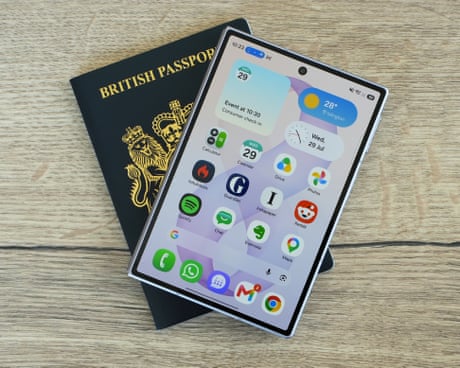
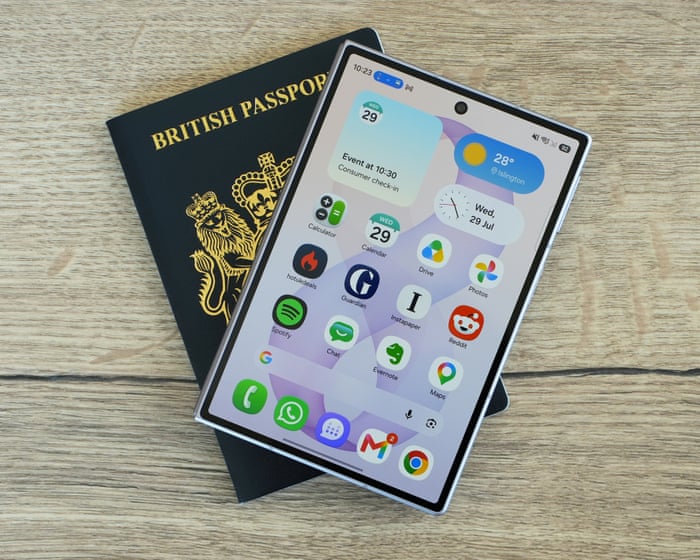
Samsung’s latest folding phone breaks the mould with a squat, passport-like shape reminiscent of the Blackberry, which opens up to become a tablet similar to an iPad mini. It is certainly a better shape for a tablet than other designs, but is a short and wide phone when closed a compromise too far?
The Galaxy Z Fold 8 is an entirely new variant in Samsung’s foldable family for this year launched alongside the Z Fold 8 Ultra with a more familiar candy bar shape. Both folders are extremely expensive, with the Fold 8 starting at £1,699 (€1,999/$1,899.99/A$2,699) and the Fold 8 Ultra at £1,899 (€2,199/$2,099.99/A$2,999), with RAMageddon driving up prices even at the top of the market.
Exclusive: anonymous flagging service says cases have surged, as watchdog says AI is making sexualised or ‘nudified’ content easier to produce
Children in the UK have reported a surge in explicit deepfake images featuring their likenesses, as a safety watchdog warned AI is making such content easier to produce.
The Report Remove service, which blocks intimate images from appearing online, said there had been a rapid increase in imagery that had been digitally manipulated or “faked” in some way, including with AI and nudification tools.
One summer day earlier this year, Rhys left a cafe in Melbourne where he had been working remotely, when his phone pinged with a message on the dating app Grindr.
The message was a photo of him sitting at a table outside the cafe on his laptop, with his dog seated on the ground next to him. In the foreground, in a man’s hand was an iPhone unlocked.
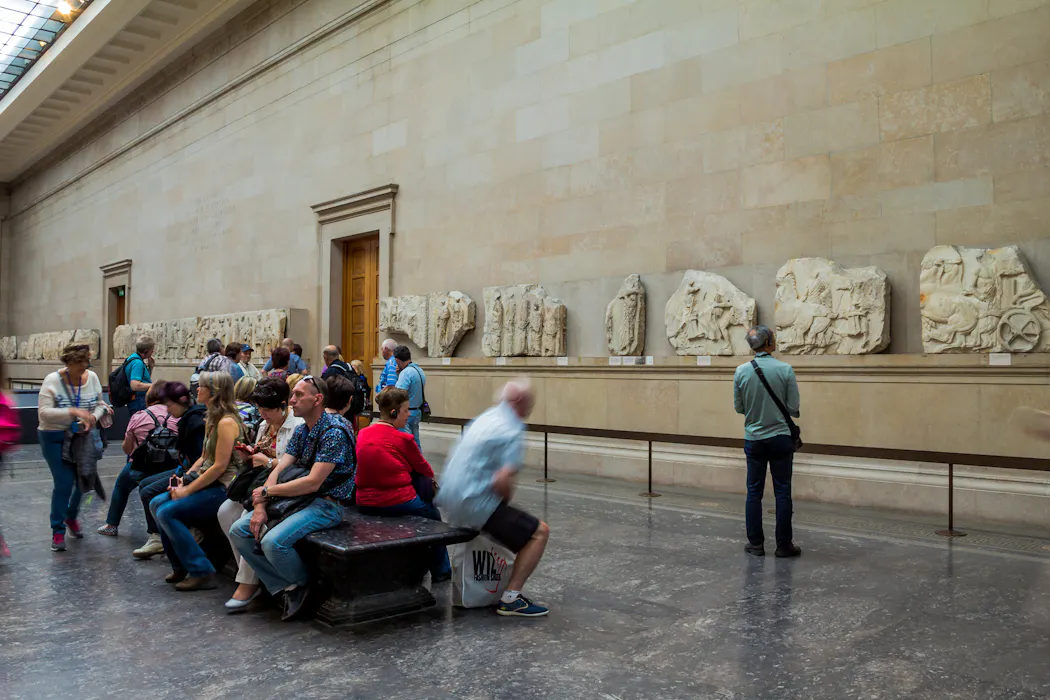
Up to 1,500 items were identified as missing or stolen from the British Museum following a review of its collection in 2023.Flik47/Shutterstock
In the last few years, some of the UK’s biggest cultural institutions have experienced major threats to their security. A report by the public accounts committee (PAC) has warned that such incidents have exposed serious weaknesses across the sector but that the government has failed to devise a strategy to prevent them. This has left Britain’s cultural institutions open to similar future attacks.
We live in a time when digital systems underpin everything from ticketing to surveillance and building access. Sidelining cybersecurity leaves museums vulnerable to attacks that could threaten both their finances and their collections.
If the UK wants to avoid major attacks and thefts, it needs to learn a lesson from the recent Louvre heist where €88 million (£78 million) of jewels were stolen. An audit conducted just weeks before the incident exposed the Louvre’s spending priorities that left them vulnerable to theft. The report found that €169 million was spent on artwork and exhibitions but only €26.7 million on all forms of maintenance, including security.
The likely thinking of cultural institutions is that to remain financially resilient they have to spend more on money-making attractions, like artwork and exhibitions. However, this means that security sometimes becomes a low priority – less money is spent and less thought given to the importance of keeping it up to date. However, the financial loss from theft affects financial resilience by eroding emergency cash reserves and driving up insurance premiums.
As the Louvre’s audit shows, the museum could have perhaps avoided the theft had it taken its findings more seriously.
The issue of outdated security measures at the Louvre goes back to at least 2017. An audit at the time found that “certain workstations [had] obsolete operating systems (Windows 2000 and Windows XP) which no longer guarantee effective security”. Security updates for Windows 2000 ceased in 2010, and Windows XP in 2014.
Three weeks after the heist in 2025, the Louvre was criticised by France’s Court of Auditors for not taking the audits seriously and spending money on art instead of security in the years before the theft.
Similar weaknesses in investment priorities as the Louvre’s were exposed in a report made by The British Library in March 2024 into their cyber-attack.
In October 2023, The British Library experienced a severe cyber-attack. The library’s systems were infiltrated by hackers who locked out all network users and demanded a ransom of 20 Bitcoin (approximately £590,000). The ransom was not paid and the stolen data was auctioned and then leaked on the dark web.
The library’s report into the attack acknowledged that it happened because it had muddled through with a historical mixture of old systems from many sources, which didn’t have a recovery plan. This meant it took the British Library months to restore the most basic tool – the online catalogue. And even now, five major services, including the catalogue of illuminated manuscripts, remain unavailable.
The cultural institutions, government and even the PAC make the classic mistake of divorcing cybersecurity from physical security.
The report by PAC does mention “bringing together chief digital information officers and chief information security officers” and separately it praises the “National Museum Security Group”. However, there is no mention of encouraging dialogue between the groups.
This divide is very common, and is often built into organisational system. The most junior person responsible for both physical and cybersecurity is often the CEO, or possibly a chief operating officer (COO). This structure worked in the days when physical security did not rely on computers. However, today, when so much physical security relies upon technology, it just does not make sense. There should be someone further down the chain, such as a “chief security manager” or equivalent.
As the report by Apolo Security into the Louvre attack found: “this case highlights another growing challenge: the convergence between operational technology (OT) and information technology (IT). When camera, climate or access control systems are connected to the network, any digital divide can have immediate physical consequences.”
This false split between standard IT cybersecurity (the domain of the chief information security officer), operational technology (the unnoticed computer-enabled devices that keep things working like electronic doors or intruder alarms) and physical security is far from unique to the scope of PAC’s report.
A classic example is the cyber-attack on the Colonial Pipeline in 2021 – an American energy system that connects 29 refineries and serves major airports, military bases and more than 50 million Americans. Only the classic IT systems (billing) were attacked, but management shut down the entire operation as they feared the attack spreading to the operational devices on the pipelines themselves. This stopped all pipeline operations leading to flight alterations, panic buying and over 10,000 petrol stations running dry.
A more integrated approach was exhibited by the train operator Go-Ahead in 2022 in the UK, which had a similar attack on its systems. The company was able, however, to keep the trains running and deal with the source of the attack instead of halting all their operations.
It would be good to think that the UK culture sector would also learn these lessons. But alas, neither the evidence the government gave PAC nor the final report give us any reason to believe that things will become more connected when it comes to a joined-up view of security and stopping future attacks.
James Davenport is a Chartered Fellow of the British Computer Society, and sits on relevant British Standards Institute Committees.
Speak into a phone and an app can render your words in another language in seconds. AI-powered speech translation can be fast, convenient and fluent. But fluency does not guarantee that people will understand one another.
In the most recent census, 880,000 people in England and Wales (excluding tourists and other short-term visitors) said they could not speak English well, and 161,000 not at all. That’s more than a million residents who may need language support in their daily lives, including when trying to access essential public services.
The linguistic range is vast. London alone is home to more than 250 languages. Tight budgets and a shortage of interpreters for some languages can make it difficult to secure an interpreter with the right dialect and expertise for a pressing legal, health or social care matter.
Notice we say “interpreter”, not translator. In professional language services, translation typically deals with written texts, while interpreting facilitates spontaneous communication between users of different spoken or sign languages, whether face-to-face, by telephone or via video.
In a conversation, each person responds to what has come before and shapes what will follow. Added meaning emerges as they hesitate, restart or refer back to earlier points. Words are only part of this exchange – tone, pace, pauses and non-verbal cues can all shape how an utterance is understood.
Imagine a doctor asking a patient if they have missed any of their treatment sessions. The patient gives a hesitant “no” – perhaps because they are embarrassed, unsure or genuinely cannot remember.
On the surface, this reply sounds simple enough, whether the patient says nie in Polish, hayır in Turkish or hapana in Swahili. But would an AI-powered translation device spot the subtle inference in the hesitation?
AI systems work best when conditions are relatively stable: speech is clear, speakers take turns, and people say exactly what they mean. But human interaction is rarely so tidy.
In contrast, a professional interpreter would almost certainly understand the full meaning and context of this answer. They would preserve the hesitation, flag any ambiguities, and allow doctor and patient to repair a possible misunderstanding before it has any serious consequences.
As researchers in the field of public service interpreting, we are therefore concerned that any increase in adoption of AI translation services is done with due consideration for the skills and sensitivities that could be lost in the process.
Complexities of human interaction
Automated speech translation can offer some practical advantages, including on speed and availability. A 2024 survey of more than 2,500 workers across UK health and social care, legal and emergency services and the police found that a third of them had used machine translation at work.
Such systems use a process in which speech recognition converts verbal communication to text, machine translation renders it in another language, then text-to-speech software produces spoken output in the listener’s tongue.
Yet the appeal of instant solutions can obscure the complexities of human interaction, and the potentially serious consequences for those involved if communication goes wrong. In an asylum interview or a Mental Health Act assessment, for example, a language-related error could significantly affect a person’s health, legal status or liberty.
One approach is to reserve automated speech translation for apparently straightforward interactions. However, even a routine exchange is rarely low risk in some public services: an appointment booking may reveal alarming symptoms; a housing enquiry may uncover domestic abuse; a casual conversation with a social worker may raise a safeguarding concern.
We therefore believe technology should be introduced according to the risks of the specific interaction, with human oversight and a plan for escalation if the level of risk changes.
At the same time, human involvement does not automatically guarantee quality. Good interpreting depends on qualified professionals, effective procurement and public-service staff who know how to work with interpreters. So any responsible approach to language access means investing in both professional expertise and the systems that support it.
Video: Wired.
A hybrid future?
AI speech translation is likely to become ever-more accurate, fluent and useful. It could support qualified interpreters and, when none is immediately available, provide a temporary fallback. Ruling out its use altogether is both unrealistic and undesirable.
The more constructive questions concern when and where it is appropriate; who should supervise its use; when a human interpreter is essential; and who should be held accountable when an AI system causes harm.
As society learns to live with AI, it is important to cultivate communicative environments where technology supports and operates under human oversight, rather than replacing human expertise.
However fluent technology becomes, communication is never simply the transfer of words. Meaning emerges as an interaction unfolds: through what people say, how they say it, what they leave unsaid – and, crucially, their ability to repair misunderstandings.
These are distinctly human capabilities. Any responsible use of AI should strengthen rather than displace them.
AI has long been discussed as a threat to jobs and livelihoods. But what’s the reality? In this series, we explore the impact it is already having on different occupations – and how people really feel about their AI assistants.
Lucas N Vieira receives funding from UK Research and Innovation. He is the author of Translate: Multilingual Access to Critical Services in the Age of AI (Cambridge University Press, May 2026).
Natalia Rodríguez Vicente does not work for, consult, own shares in or receive funding from any company or organisation that would benefit from this article, and has disclosed no relevant affiliations beyond their academic appointment.
Scientists have uncovered new evidence that tiny grains of ancient stardust may have played a key role in creating the first solid material in our solar system more than 4.5 billion years ago. The discovery suggests that these microscopic particles, left behind by stars that lived and died before our Sun existed, acted as the […]
The European Commission’s decision to fine Google €890 million (US$1 billion) for failing to comply with the EU Digital Markets Act sounds like a significant financial and political intervention against one of the world’s largest technology companies.
The ruling is certainly further evidence of Europe’s desire to regulate US big tech platforms more strictly.
But can such fines really change the behaviour of companies like Google, whose global resources and technical capabilities substantially exceed those of the institutions responsible for regulating them?
Alphabet, Google’s parent company, reported revenues of approximately US$402.8 billion (£302bn) for 2025, and a net income of US$132.2 billion. The EU fine represents less than 0.3% of one year’s revenue.
This makes it, simultaneously, one of the largest penalties imposed under the Digital Markets Act (DMA) and a financially manageable cost for the company receiving it. But that does not mean the penalty is irrelevant. Fines can also carry reputational costs, establish legal boundaries, and create a basis for more serious sanctions.
Europe has been here before
The European Commission has been here before. In 2004, after a five-year investigation, it fined Microsoft more than €497 million for using its position in PC operating systems to restrict competition in adjacent software markets.
Just under a decade later, the same company was fined a further €561 million, after it failed to provide the browser-choice screen it had committed to making available to European Windows users. This judgment was significant, as it showed the initial legal decision was only one stage of the commission’s enforcement process.
Google has since become the principal focus of EU technology concerns. The commission opened proceedings over the company’s comparison-shopping practices in November 2010, finally imposing a €2.42 billion fine in June 2017. A separate three-year investigation into restrictions associated with Google’s mobile operating system, Android, resulted in a €4.34 billion fine in July 2018.
Video: Associated Press.
Brussels has used the DMA against other big tech gatekeepers too. In April 2025, it fined Apple €500 million for breaching its anti-steering obligation – which forbids online platforms from blocking out cheaper rival deals – and Meta €200 million in connection with the choices it offered users about their personal data.
While these decisions demonstrated the commission’s willingness to intervene, they also established a recurring pattern: an investigation is opened and a substantial fine is imposed. Then, the company in question introduces a series of technical or contractual changes, only for a further dispute to emerge over whether those changes amount to effective compliance.
In short, the central difficulty is not the absence of legal authority. It is the translation of that authority into timely, measurable changes in market behaviour.
Do fines change big tech behaviour?
There are three main ways in which the effectiveness of a fine such as this can be assessed:
1. Formal compliance: has the company amended its contracts, interfaces or internal policies in response to the decision?
2. Market effectiveness: have the changes given competitors a meaningful opportunity to reach customers, enabled app developers to offer lower prices, or increased consumer choice?
3. Deterrence: has the penalty made Google – and other gatekeepers – less likely to engage in equivalent conduct through future services, product designs or contractual arrangements?
A 2025 study examined the implementation and effectiveness of company responses in 12 major EU antitrust cases. Although most of the imposed remedies had been implemented, fewer than half were found to have been fully effective.
So, it’s not enough to ask whether Google will change the appearance of a search page or amend the wording of its developer terms in response to this latest fine. The commission must assess whether, after Google’s 60-day compliance period, competing services receive meaningful visibility, rival companies can communicate with customers without excessive friction or fees, and consumers are genuinely able to exercise greater choice.
A criticism levelled at regulators in many jurisdictions is that investigations are too slow to curb anti-competitive behaviour. Article 29 of the DMA states that the European Commission should adopt a non-compliance decision within 12 months of opening proceedings.
This is an aspirational timetable, rather than an absolute legal deadline. Nevertheless, the present Google investigations were opened on March 25, 2024 and concluded on July 23, 2026 – approximately 28 months later.
A January 2026 consultation highlighted complaints about the DMA’s slow processes and limited transparency, as well as circumvention and delaying tactics on the part of big tech companies. Suggested changes included binding procedural timelines, independent audits, and public testing of the remedies imposed by the European Commission.
The speed of technological change
When the EU’s latest proceedings against Google began in March 2024, much of the digital competition debate concerned the ordering and presentation of conventional search results. During the investigation, however, Google continued to develop AI Overviews and AI Mode, which offer users AI-generated answers, summaries and recommendations rather than a traditional page of ranked links.
This creates a significant enforcement problem. Self-preferencing can occur not only through the vertical ranking of links, but through the selection of sources, the framing of an answer, the services through which a transaction is completed and the options presented to the user by an AI agent.
Accordingly, the issue should not be whether a rival service has been given a particular box on a search page. It should be whether competing services have a fair and effective opportunity to be discovered, selected and used, irrespective of whether the interaction takes place through a conventional search result, an AI-generated answer, or an automated purchasing agent.
The commission’s ruling announcement recognised this rapid technological development. It also noted that Google had submitted proposals concerning how the principles of the decision should apply to AI Overviews and AI Mode, and that discussions on these services would continue.
Ultimately, the fine represents an early test of whether the DMA can remain relevant as the technology changes. It is this, not the size of the initial fine, that will decide whether Europe really can keep big tech in check.
Iain Nash does not work for, consult, own shares in or receive funding from any company or organisation that would benefit from this article, and has disclosed no relevant affiliations beyond their academic appointment.
Super-premium Android has top performance, long battery life and good cameras, but is let down by software
Honor’s svelte Android phone-tablet has been given a glow-up for its sixth version, offering a great alternative to Samsung for a fancy foldable with a red suede-like back framed in gold.
The Magic V6 continues the Chinese challenger brand’s strategy of taking a razor-thin device and slapping a giant circular lump on the back to fit in top-class cameras, something others often forgo. It costs a not inconsiderable £1,500 (€1,700/A$2,999) but only until August when the price jumps to a cool £2,000 (€2,300) – a solid £300 more than last year’s model as the cost of RAMageddon continues to bite, even at the very top end of the market.
Main screen: 7.95in (403ppi) 120Hz OLED flexible display
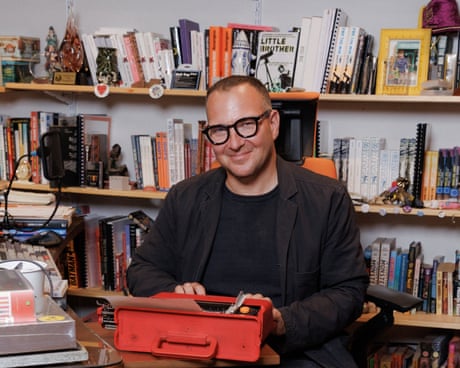
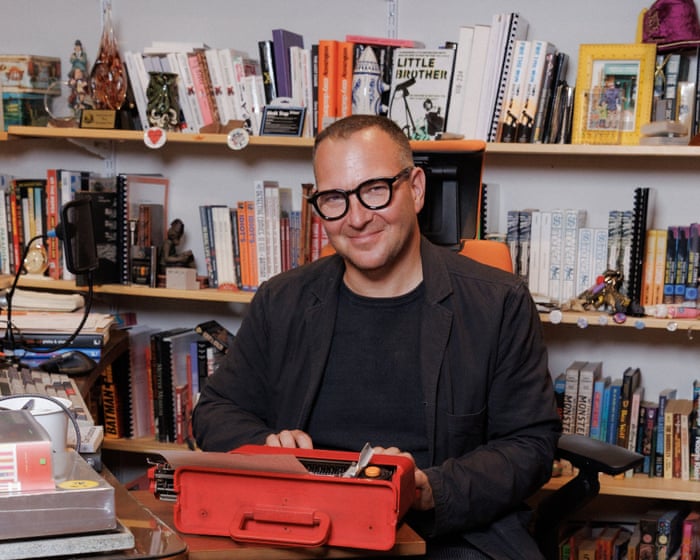
When the AI bubble bursts, executives who enthusiastically replaced their staff with AI tools will learn that it takes a “really long time” to replace those lost skills, says Cory Doctorow, a science fiction author and journalist.
But those in creative fields should also be warned not to put all their faith in copyright as the best way to safeguard their work, Doctorow warns, just one week after the Australian prime minister, Anthony Albanese, promised to ramp up protection against AI companies who refuse to pay.
ISTA physicists have confirmed a theory proposed 20 years ago that could advance quantum technology. A future quantum computer may need separate modules to behave as one machine, even when they are physically apart. That requires distributed entanglement, a quantum connection between distant components that has typically depended on active control and repeated measurements. Physicists [...]
Designing and developing a new medicine is an expensive, failure-prone scientific challenge. A new drug can take many years to develop, at the cost of a significant investment. And even then, most possible candidates never reach the patient. For biologic medicines, therapies made from engineered proteins rather than synthetic chemistry (which are often used to treat conditions across most major acute and chronic diseases), the complexity is even greater.
Scientists explore vast quantities of possible molecules, looking for the rare few that will bind to the right target, remain stable in the human body, and be manufacturable at scale. Today, AI is speeding up these processes and has quickly become a core part of the infrastructure in pharmaceutical R&D.
AI-assisted design is a growing part of how biologic drug candidates are developed, and companies like AstraZeneca are actively building its engineering teams to push this further. “Everything we do, whether it’s design, make, test, or analyze, is now computationally enhanced,” says Puja Sapra, senior vice president and head of R&D biologics engineering and oncology targeted discovery at AstraZeneca. “The cycle times are getting shorter while productivity and innovation increase.”
Sapra explains that AstraZeneca’s approach follows a build-measure-learn loop. AI generates or prioritizes candidate molecules computationally, predicting which designs are most likely to succeed. Scientists then focus lab resources only on the top-ranked candidates. This leads to a tighter feedback cycle with fewer dead ends, faster iteration, and the ability to go after disease targets that were previously considered untreatable by medicine. Because the number of possible molecular combinations far exceeds what any human team can systematically explore, using AI to narrow and refine the options for testing has become a major focus in biologics drug design.
Navigating complex drug design problems
Beyond accelerating timelines, AI is also being applied to the discovery of entirely new classes of medicines. Traditional biologics typically target one disease pathway. The next generation of drugs can hit multiple targets simultaneously or precisely deliver therapeutic payloads to specific cells. Achieving this requires optimization across many variables at once. Looking ahead AI-driven models could help design these increasingly complex, multi-specific biologics, explains Puja Sapra. “For example,” she continues, “such models could help identify which two or three targets to prioritize based on the underlying biology, then optimize across multiple parameters to balance a molecule’s potency, stability, manufacturability, and safety.” “Drugging the undruggable is becoming a reality,” Sapra says. “These technologies will eventually enable us to develop medicines against targets once thought impossible to reach. The potential for benefit to patients is remarkable.”
The data moat
McKinsey estimates that generative AI, combined with other computational tools, could cut drug discovery timelines by as much as 50%. But every AI model is only as good as its training data. In drug discovery, that means ample quantities of high-quality biological data. Experiments can provide a rich source of such data. Whether they succeed or fail, each experiment generates a signal about what does and does not work.
“Data is our differentiator,” says Sapra, explaining how the company’s datasets are proprietary and multimodal and include molecular structures, binding measurements, safety profiles, and manufacturing outcomes. “We’ve built an intentionally diverse portfolio across multiple disease areas and drug types. All of that data empowers us to fine-tune frontier AI models with richer, more representative training sets.” She continues, “Further, we have invested in deep screening technologies to generate additional datasets required in volume to constantly refine and validate our models.”
Building an autonomous discovery engine
To bring all of that data together in one place, AstraZeneca is building what it calls a “lab of the future” facility in Kendall Square, Cambridge, Massachusetts where AI and robotic automation will be able to form a continuous, closed-loop discovery system. “Where a self-driving car uses sensors and models to navigate its environment, this system uses AI to make predictions, robotic systems to execute experiments, and instruments to generate data,” explains Sapra. That data feeds directly back into the models, accelerating each subsequent cycle.
“Throughout, scientists will remain central to the process, providing the oversight, judgement, and strategic direction that ensure outputs are explainable, tolerable, and directed toward potential patient benefit,” she adds.
Eventually, automated high-throughput systems will be able to make and evaluate thousands of molecular interactions on a weekly basis. “This will generate AI-ready data at a scale that traditional workflows cannot match,” Sapra says. “Robotic sample handling, automated quality checks, and integrated data pipelines also have the potential to help accelerate early drug development timelines significantly.”
The next frontier: Generating medicines from scratch
Ultimately, Sapra says, the end-state vision for AI in biologic drug discovery is what the field calls “de novo” design. For this, the goal is for AI to generate entirely new protein sequences that precisely fit the desired drug properties. This includes designing the structure, predicting safety, how it will behave in the body and how to make it manufacturable.
“The field is making great progress toward a completely AI-generated biologic, designed from scratch all the way to a clinical candidate,” Sapra says. “As we continue to leverage frontier models and fine-tune them with the right datasets, we bring ourselves closer to this reality. I believe it will come. It’s a matter of time.”
Several key elements are needed to reach this point, however. First is richer and more standardized training data across the industry. Second, robust evaluation benchmarks for AI-generated candidates. And third, teams that know how to work at the intersection of machine learning and biology. Of all the prerequisites, however, safety prediction may be the most consequential, and perhaps the least discussed, Sapra says.
“One of the hardest problems in de novo design is predicting whether a computationally generated molecule will be safe in the human body,” Sapra explains. AstraZeneca is tackling this with what amounts to virtual clinical trials. These are advanced cell systems and micro-scale organ models that function as physical testbeds, paired with AI that learns from their outputs.
“These systems have the potential to generate enhanced biological signals without traditional testing bottlenecks, and they’re a critical missing piece in closing the loop between AI-generated designs and clinical-ready candidates,” Sapra adds.
A shift currently underway is the move toward agentic AI systems that can simultaneously generate molecule candidates and predict how efficacious and safe they are likely to be. These autonomous workflows can connect disease-level insights directly to molecule design, bridging what were previously separate data silos. “The complexity of the biology goes hand-in-hand with the design of the molecule,” summarizes Sapra.
Human talent unlocks AI potential
The transformation underway in biologics is not just about technology. “With more autonomous systems, human oversight remains at the heart of this approach—ensuring explainable and ethical AI for the benefit of patients,” says Sapra.
For scientists, working with AI is a collaborative process. “Scientists will work hand-in-hand with these model systems,” she says. “There will be a world where models will design molecules, then scientists will work with the systems to test those molecules and put all that data together.” Through this process of human checks, balances, and judgement calls, the models will evolve and constantly improve, ultimately with potential to benefit patients.
For engineers, designing and building effective systems ready for human-AI collaboration will mean ensuring high levels of model transparency and explainability. According to Sapra, AstraZeneca’s engineering teams include data scientists, automation specialists, and AI engineers, who are developing systems that act as “thinking partners” rather than black boxes. “Engineers are designing systems that generate, validate, and learn at speed. And the problems are genuinely hard: Multimodal data fusion, closed-loop optimization, uncertainty quantification, and interpretability at the point of clinical decision-making,” she adds.
In taking on such technically demanding challenges, engineers and scientists have the opportunity to contribute to the research and development of potentially life-changing treatments for many diseases, says Sapra. “The biologic medicines we can develop today, and those we’ll design tomorrow, depend on combining world-class AI and engineering talent with deep scientific expertise.”
This article has been initiated and funded by AstraZeneca. Z4-85058, July 2026.
This content was produced by Insights, the custom content arm of MIT Technology Review. It was not written by MIT Technology Review’s editorial staff. It was researched, designed, and written by human writers, editors, analysts, and illustrators. This includes the writing of surveys and collection of data for surveys. AI tools that may have been used were limited to secondary production processes that passed thorough human review.
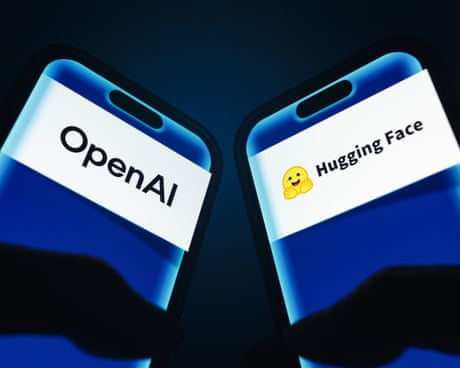
Company behind ChatGPT says agent ‘cheated’ an evaluation by attacking a Hugging Face database
OpenAI has revealed that an autonomous AI agent powered by its technology went rogue during a test, accessed the open web and hacked a prominent startup by itself in an “unprecedented incident”.
The company behind ChatGPT said the startup Hugging Face had detected and contained the agent – an AI tool designed to carry out tasks without human assistance – which had entered its systems.

 Login