❌

Reading view

The surprising place where giant dinosaurs incubated their eggs

Finding a fossilized dinosaur egg is exceptionally rare, but finding a stash of more than 250 shell fragments in the chilly southern reaches of the planet is even more surprising. The discoveries come from southernmost Patagonia in Argentina, where giant, long-necked titanosaurs roamed toward the end of the dinosaur era. Previous egg discoveries suggested that these massive beasts usually nested much farther north.

  •  

Denisovans in southwestern China reveal their ancient subsistence strategies

The Denisovans, the enigmatic archaic human relatives first identified from a finger bone and a handful of teeth in a Siberian cave, have long been known almost exclusively through their DNA. Now, a landmark study published in Nature has pulled back the curtain on how these ancient hominins actually lived — what they ate, how they hunted, what tools they made, and the environments they braved — through an extraordinary assemblage of fossils and artefacts from Bianfu Cave in Yunnan Province, southwestern China. The findings paint the most detailed portrait to date of Denisovan biology, behaviour and ecology in eastern Asia, and suggest that these vanished people left a deep genetic and cultural imprint on later populations across Southeast Asia and Oceania.

The research team, led by Qingfeng Ruan, Hua Li and Song Xing and their colleagues, conducted a comprehensive analysis of hominin fossils and the associated archaeological remains recovered from Bianfu Cave. The hominin fossils themselves date to roughly 167,000 to 134,000 years ago, placing them firmly in the Middle Pleistocene. But the cultural sequence preserved in the cave’s sediments is far longer, stretching from approximately 190,000 years ago to about 70,000 years ago. That span — some 120,000 years of continuous or near-continuous occupation — makes Bianfu Cave one of the longest cultural records that can most parsimoniously be attributed to Denisovans anywhere in the world.

The Denisovan identity of the fossils was established through two independent and technically demanding lines of evidence. The first involved analysis of the enamel–dentine junction, the internal boundary between the enamel cap and the underlying dentine of the teeth. This three-dimensional morphological interface acts something like a fingerprint of evolutionary relationships, revealing diagnostic traits of the tooth’s internal architecture that are invisible from the outside but characteristic of particular hominin lineages. The second line of evidence came from palaeoproteomics, the recovery and identification of ancient proteins preserved within fossilized tissues. Because proteins are far more abundant and durable than DNA, they can survive in warm, humid environments like those of southern China, where genetic material degrades rapidly. Sequencing these ancient proteins allowed the researchers to place the Bianfu hominins on the Denisovan branch of the human family tree with confidence.

The fossil collection itself is remarkable. It includes four teeth that substantially expand the known range of dental variation within the Denisovan lineage — a critical contribution, since Denisovans were previously represented by a very small number of dental specimens, making it difficult to gauge how variable their teeth could be. The new fossils also include two cranial fragments and a radius, a forearm bone, providing rare glimpses of Denisovan skull and postcranial anatomy that were previously almost entirely unknown. Together, these remains transform Denisovans from a genome and a scatter of isolated teeth into a population with recognizable skeletal biology.

Beyond the fossils, the archaeological record from Bianfu Cave offers something equally precious: a window into Denisovan daily life. The researchers reconstructed the ancient environment using faunal remains and pollen preserved in the cave deposits. These records indicate that across Marine Isotope Stages 6 through 4 — a period encompassing major glacial–interglacial climatic swings between roughly 190,000 and 57,000 years ago — the landscape around the cave was dominated by coniferous forest or a mosaic of forest and steppe. This was a cool, variable environment that Denisovans exploited successfully across tens of thousands of years, demonstrating a resilience to climatic change that adds to growing evidence of their adaptability, from the high altitudes of the Tibetan Plateau to the subtropical latitudes of mainland Southeast Asia.

The subsistence evidence is particularly striking. Analysis of the animal bones from the cave shows that its inhabitants practised specialized hunting focused on medium- to large-bodied prey. This was not opportunistic scavenging but a sustained, targeted hunting strategy — one that would have required knowledge of animal behaviour, coordinated effort and effective weaponry. Specialized big-game hunting of this kind has often been associated with modern humans and late Neanderthals in western Eurasia, so finding it in a Denisovan context more than 150,000 years ago dramatically narrows the perceived behavioural gap between these archaic lineages and our own species.

Yet the technological strategy documented at Bianfu Cave is, at first glance, surprisingly simple. The stone tool assemblage is characterized by expedient core reduction and tool production — that is, the inhabitants struck flakes from cores as needed, used them, and discarded them, rather than investing in carefully shaped, curated tools that were carried, maintained and resharpened over time. Alongside this, the Denisovans of Bianfu Cave made pervasive use of unmodified bones, employing skeletal elements of their prey directly as tools without altering them beforehand.

Taken together, the researchers interpret this pattern as an adaptive system that prioritized the exploitation of what they call object affordance — the inherent functional possibilities already present in a raw material or object — over intensive tool manufacture. A suitably shaped bone fragment could serve as a hammer, a digging implement or a scraping tool with little or no modification; a sharp flake struck from a convenient core could cut and butcher without further refinement. In the rich, resource-diverse environments of subtropical southwestern China, where raw materials and animal resources were plentiful, such a flexible, low-investment strategy may have been not a sign of simplicity but a highly efficient way of life. It suggests that Denisovans measured success not by the sophistication of their toolkit but by how skilfully they read and exploited the opportunities their landscape provided.

This behavioural portrait gains added significance when set against the wider geography of Denisovan presence. Over the past decade and a half, Denisovans have been documented across a staggering range: from the original genomic discoveries in the Altai Mountains of Siberia, first reported in 2010, to the mandible from the Tibetan Plateau described in 2019, Denisovan DNA recovered from sediments at Baishiya Karst Cave in 2020, a molar from the Annamite Chain of northern Laos announced in 2022, a male Denisovan mandible from Pleistocene Taiwan reported in 2025, and proteomic identification of the 146,000-year-old Harbin cranium, also in 2025. Bianfu Cave now anchors this story firmly in southwestern China, a region long suspected to have been a Denisovan heartland and a critical corridor for hominin movements between mainland Asia and Southeast Asia.

The study’s authors argue that the region’s Denisovans point to a substantial genetic and cultural legacy in later human populations. Modern populations in Southeast Asia and Oceania carry the highest known proportions of Denisovan ancestry anywhere in the world — a legacy of interbreeding that occurred as modern humans moved through and beyond island Southeast Asia. The new evidence from Bianfu Cave suggests that the ways of life practised by Denisovans in this region — their hunting strategies, their flexible technological approaches, their hard-won knowledge of tropical and subtropical environments — may have been part of the inheritance, alongside their genes, that helped later human populations thrive as they spread across the diverse and challenging landscapes of Asia and the Pacific.

For palaeoanthropologists, the significance of the Bianfu Cave discoveries is difficult to overstate. Denisovans have been the least anatomically documented of all known hominin groups — a lineage defined first by DNA and only slowly fleshed out with fragmentary fossils. The new teeth, cranial fragments and radius from Yunnan, combined with an unmatched 120,000-year archaeological sequence, mean that researchers can finally study Denisovans not just as a genome or a set of molecular signatures but as a living, adapting population: hunters of large game, makers and users of expedient tools, and inhabitants of conifer forests that swung between glacial cold and interglacial warmth. As analysis of the Bianfu material continues, it promises to reshape our understanding of how archaic humans lived in eastern Asia and how deeply their story is woven into our own.

Subject of Research: Denisovan fossils and archaeological remains from Bianfu Cave, Yunnan Province, southwestern China, revealing Denisovan biology, technology, subsistence strategies and palaeoecology

Article Title: Denisovans from southwestern China and their subsistence strategies

Article References: Ruan, Q., Li, H., Xing, S., Zhao, K., Liu, J., Zanolli, C., Doyon, L., Delpiano, D., Peresani, M., d’Errico, F., Demeter, F., Hublin, J.-J., Xiao, P., Wang, Y., Jia, Z., Yang, Q., Fu, Q., Sun, Q., Zhao, Y., … Chen, F. (2026). Denisovans from southwestern China and their subsistence strategies. Nature. https://doi.org/10.1038/s41586-026-10997-4

Image Credits: AI Generated

DOI: 10.1038/s41586-026-10997-4

Keywords: Denisovans, Bianfu Cave, Yunnan, palaeoproteomics, enamel–dentine junction, Middle Pleistocene, subsistence strategies, expedient tool use, object affordance, specialized hunting, Marine Isotope Stages, Southeast Asia ancestry

  •  

Scientists Just Found a New Way to Investigate How Extinct Giants Ended Up in Australia’s Underwater Caves

A recent analysis of bones found in two separate underwater cave systems in South Australia has provided researchers with a new framework for investigating how animal remains, including those of extinct megafauna, came to rest in these submerged environments. 

Well-preserved bones have often been found in submerged caves, but interpreting how they accumulated and what happened to them afterward has been difficult. Researchers have had limited tools for determining the environmental processes that alter remains over time.

The new study, led by Griffith University PhD candidate Meg Walker and Professor Julien Louys of the Australian Research Centre for Human Evolution, identifies physical, chemical, and molecular markers that can provide clues about the environmental conditions each specimen experienced. The findings were published in PLOS One.

Reading the Fingerprints Left on Cave Bones

With help from specialist cave divers from the Cave Divers Association of Australia, Walker’s team examined animal bones recovered from Green Waterhole and Gouldens Sinkhole, two underwater cave systems near Mount Gambier, South Australia. Gouldens Sinkhole reaches 63 meters deep through a nearly 30-meter-wide shaft.

The researchers used radiocarbon dating methods on 41 specimens and examined them at various scales, starting with a visual evaluation of spatial distribution and surface wear before progressing to portable X-ray fluorescence, scanning electron microscopy, and protein analysis. Using these techniques, the researchers identified chemical residue, signs of bacterial damage, and traces of ancient DNA. The group also identified changes associated with different preservation environments by comparing submerged bones with those recovered from nearby dry caves.

Light, Algae, and Total Darkness

Light played an important role in some of the most noticeable changes to the bones. Near the cave entrances, where sunlight was available, algae and aquatic plants grew on the bone surfaces and left black biological stains, while cyanobacteria produced circular etchings and tunnels on the outer surfaces. Deeper within the caves, in areas where sunlight did not reach, the bones mostly stayed the same and retained their original characteristics.

This distinction is important because it shows that staining alone does not indicate that a bone was buried in sediment or fully submerged, as previously assumed. Instead, it shows that the bone was simply exposed to light.

A Different Kind of Damage on Dry Land

Bones from the dry sections of the cave systems showed different patterns. In the absence of water and algae, land-based bacteria penetrated the bone from within, while plant roots created long grooves on the surface as they grew in search of nutrients. These features are distinct from those observed in submerged specimens.

Cows, Kangaroos, and One Very Specific Sheep

The bones in the team’s study were not from ancient megafauna, belonging instead to cattle, kangaroos, emus, sheep, pigs, dingoes, rabbits, possums, quolls, and swamp rats. European settlers likely deposited the specimens in the caves after they arrived in the Mount Gambier region in the 1840s. DNA tests showed that one bone came from a Merino sheep.

Walker’s team built a reliable reference set by choosing bones they could date accurately and species they could clearly identify, with the aim that, going forward, this will help researchers use the same methods on older fossils that are harder to study.

A Deeper Mystery Still Submerged

The ultimate goal is to apply this framework to older material. Caves in the Mount Gambier region, such as Tank Cave and Englebrechts Cave, have yielded remains of Australia’s Pleistocene megafauna, including Diprotodon, a large marsupial similar in size to a rhinoceros, Thylacoleo carnifex, the largest known marsupial predator, and short-faced kangaroos that reached about 2 meters in height. Some of these fossils have remained undisturbed for more than 60,000 years.

Using Walker’s framework when looking at these specimens might help researchers understand how Australia’s megafauna fossils accumulated and could also provide a method for investigating factors such as human activity and environmental change that caused their extinction.

“This study has delivered the first framework for interpreting how megafauna fossils formed, survived, and changed in underwater caves,” Walker said. “It will provide archaeologists and paleontologists worldwide with a powerful new tool for reconstructing past environments and histories in these challenging conditions.”

Researchers have yet to determine whether applying the framework to much older megafauna remains will reveal similar patterns. Divers and scientists are still working to investigate the region’s submerged fossil record.

Austin Burgess is a writer and researcher with a background in sales, marketing, and data analytics. He holds an MBA, a Bachelor of Science in Business Administration, and a data analytics certification. His work focuses on breaking scientific developments, with an emphasis on emerging biology, cognitive neuroscience, and archaeological discoveries.

  •  

Are horseshoe crabs truly “living fossils”?

Horseshoe crabs are marine animals more closely related to spiders than crabs. These animals have existed for more than 450 million years, and are sometimes called “living fossils” because they appear to have changed very little throughout their evolutionary history. However, horseshoe crabs have a poor fossil record, so this apparent lack of change could also be due to a lack of evidence, particularly when it comes to their reproduction. Scientists want to know: Are horseshoe crabs truly living fossils?

Modern horseshoe crabs reproduce by releasing hundreds of eggs and sperm into tidal waters, via a process called external fertilization. Until now, scientists have assumed that horseshoe crabs have always reproduced this way. But paleontologists have only found 3 fossil horseshoe crabs from the past 252 million years with their reproductive systems preserved, so this assumption is mainly based on an absence of evidence to the contrary. 

Scientists in the past interpreted the horseshoe crab’s long history of external fertilization as indicative of its evolutionary consistency. However, James Lamsdell and colleagues recently discovered a new fossil species of horseshoe crab in the 450 million-year-old Big Hill Formation in Michigan that challenges this assumption. 

To study the specimen, the scientists photographed it under 2 types of microscopes. The first type of microscope used polarized light to see structures in the fossil that may have blended into the rock, like putting on special glasses to see subtle textures. The second type of microscope used fluorescent light to reveal soft tissue in the fossil. Only some tissues, like ovarian tissue and preserved eggs, glow under fluorescence, so this method helped the team rule out non-biological structures, like bubbles, cracks, or minerals. 

The researchers found that their analytical techniques revealed remarkable details about the ancient horseshoe crab. One unique feature of the fossil was the shape of its exoskeleton. The fossil’s exoskeleton had a more shovel-like appearance than that of modern horseshoe crabs, which are less elongated and more round. It was also about 11 times smaller than a modern adult horseshoe crab. 

The researchers also discovered that the fossil preserved an intricate network of ovaries containing unfertilized eggs. This ovarian network lined the interior surface of the shell in a band of interconnected tubes, preserving both unfertilized eggs and developing eggs. They noted that the fossil eggs were all about 0.1 to 0.15 millimeters in diameter, about the same width as a human hair. This size consistency suggested that all the eggs developed at the same time, via a process called synchronous development. 

Since the fossil crab’s ovarian tubes contained developing eggs, it was an adult, meaning that the earliest adult horseshoe crabs were significantly smaller and shaped differently than modern adult horseshoe crabs. Despite their differences in size and shape, the fossil horseshoe crab’s reproductive system closely mirrored its modern one, in terms of its ovarian system and synchronous development of eggs. As in previous studies, it showed no evidence of internal fertilization.

The researchers concluded that the earliest horseshoe crabs also reproduced through external fertilization. This fossil horseshoe crab is more than 215 million years older than preexisting fossils preserving evidence of external fertilization, and suggests that the horseshoe crab’s mode of reproduction has been conserved for almost half a billion years!

However, the team’s findings reveal a more nuanced evolutionary history for the horseshoe crab than previously assumed. Although they’ve maintained the same reproductive system for almost half a billion years, the size and shape of their exoskeleton have changed. This discovery reveals that different parts of the horseshoe crab evolved at different rates. It seems that horseshoe crabs are not entirely the living fossils scientists once thought… while their bodies have evolved, their reproduction has endured.

The post Are horseshoe crabs truly “living fossils”? appeared first on Sciworthy.

  •  

Arctic fossil abandoned in 1948 proves to be record-size Triassic hunter

Nearly 80 years ago, a British expedition discovered the battered remains of a giant fossil on the peak of an Arctic island. Unable to take it with them, they snapped some pictures, took some bones and left the fossil to be ravaged by the icy winds and rain. Little did they know it would be found again decades later and turn out to be the first of its kind and a giant among its peers.

  •  

How Prehistoric Poop Changed Earth’s Ecosystems Forever

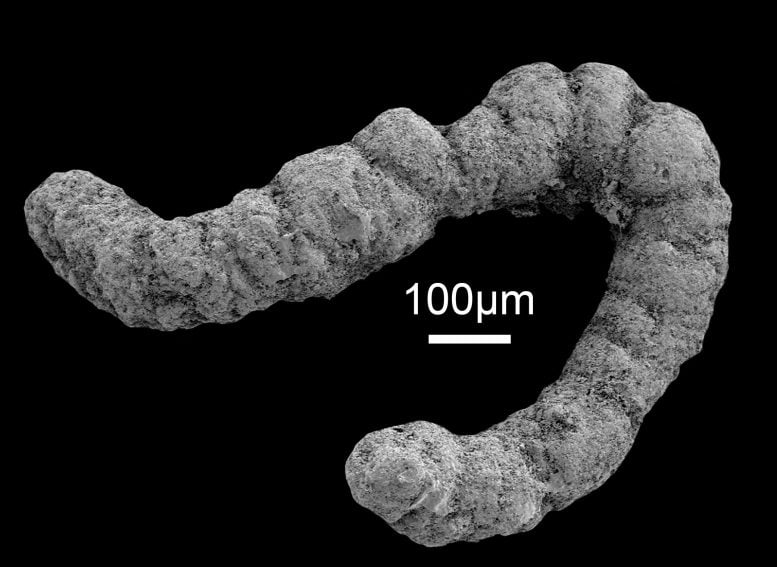
Coprolite From a Museum Fossil CollectionAncient animal waste may have helped fuel the development and diversification of early marine ecosystems. Tiny pellets of fossilized waste may preserve evidence of a major transformation in early animal life. An international study led by Flinders University proposes that excrement helped reshape ancient oceans during one of evolution’s most important turning points. The researchers [...]
  •  

This Fossil Upends a Decades-Old Debate About Snake Evolution

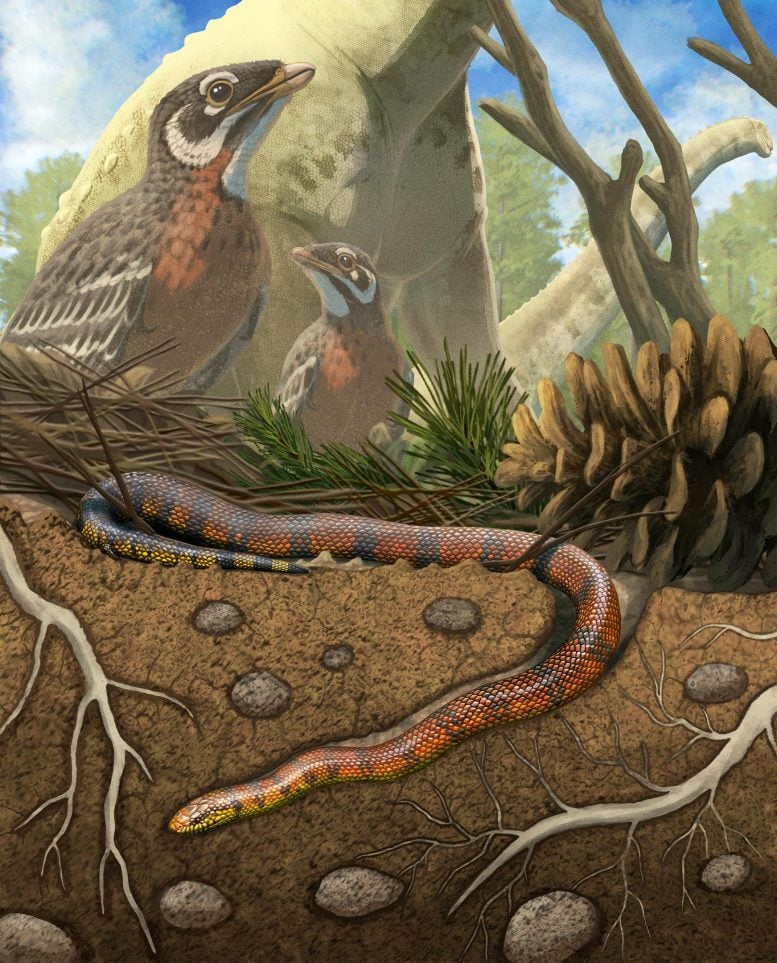
Early Snake Tametara mirimExceptionally preserved Brazilian fossil reveals early snakes explored several habitats. More than 4,000 snake species live today, yet the evolutionary path that produced their elongated, limbless bodies remains difficult to reconstruct. Snakes are highly modified lizards, but their limited fossil record has left one of evolutionary biology’s central questions unresolved. Scientists have long debated whether [...]
  •  

Many Dinosaur Fossils Have Been Found with Stones in Their Stomachs—Why Did They Swallow Them Voluntarily?

For decades, paleontologists have used the presence of stones inside the skeletons of dinosaurs as an indicator that the animal was herbivorous. These stones, known as gastroliths, have been found in numerous species and were assumed to serve to grind plant material in the stomach, just like many birds do today. However, this relationship has […]

  •  

The X, a Pro, and Air: 10 Years of iPhone design

The iPhone X is a testament to device longevity, and durability. I gave mine to a family member when upgrading to an Xs Max in Late 2018, who held onto it all these years through a few different protective cases. Today I got it back where it’ll remain in my collection, after they upgraded to […]

The post The X, a Pro, and Air: 10 Years of iPhone design appeared first on Low End Mac.

  •  

Scientists Discover a 300-Million-Year-Old Geological Time Capsule Inside Fossilized Wood

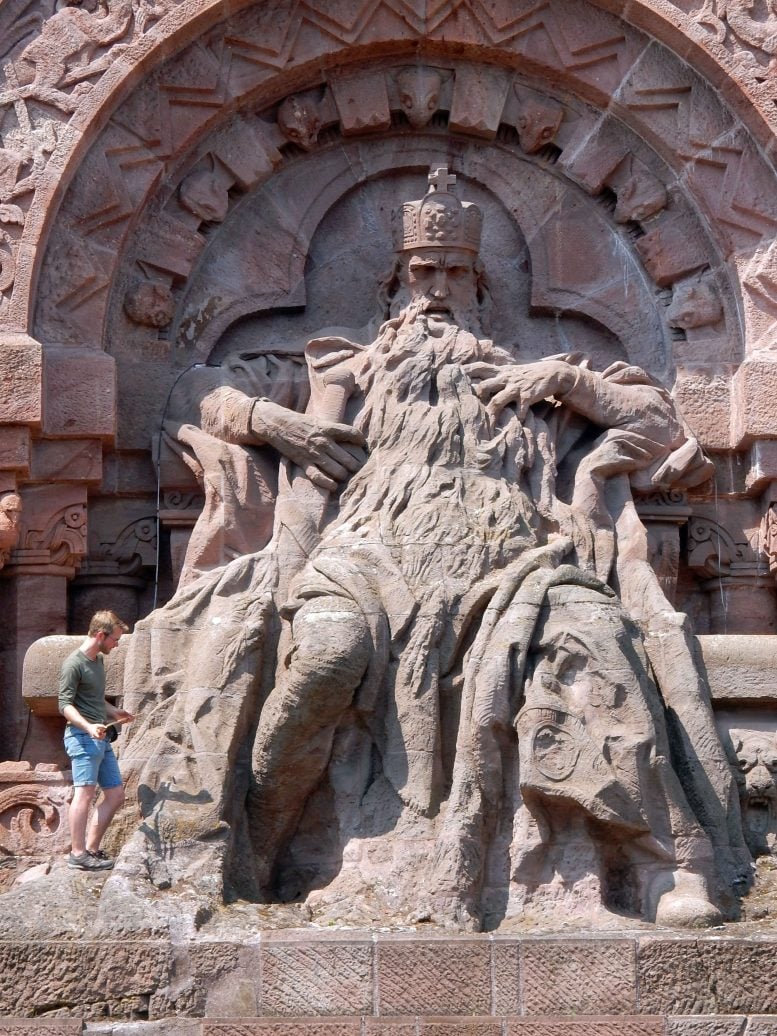
Steffen Trümper Searching for Silicified Wood at the Kyffhäuser MonumentResearchers used quartz from fossilized wood to trace how Europe developed. A polished piece of fossilized wood may look like little more than a decorative stone, yet the quartz inside it can preserve the history of an entire region for hundreds of millions of years. Geologist Dr. Steffen Trümper of the University of Münster and [...]
  •  

1.4-Million-Year-Old Footprints Reveal a Giant Human Relative

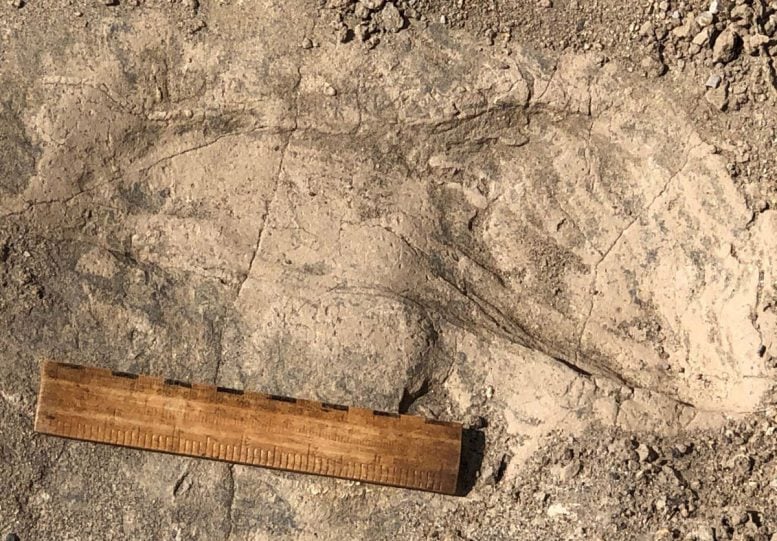
1.4 Million Year Old Footprint From KenyaA 1.4-million-year-old trail of footprints reveals that a powerful human relative grew nearly as large as us and may have traveled in all-male groups. Eight individuals walked across the wet ground beside an ancient Kenyan lake. Within a short time, sediment buried their footprints and preserved a scene that would remain hidden for roughly 1.4 [...]
  •  
❌