❌

Reading view

Indian fraud office recommends Xiaomi probe

Xiaomi could reportedly face more heat in India after the country’s Serious Fraud Investigation Office (SFIO) called for a probe into the Chinese manufacturer over its business model and compliance with investment law.

Reuters reported the SFIO released a document recommending authorities look into the movement of funds and whether Xiaomi secured mandatory investment approvals, after India turned the screw on Chinese companies following political tensions in 2020.

Xiaomi is already facing a tax bill in the country and had some banking assets frozen in 2022 for illegal remittances, an allegation it denies.

Reuters reported the government is reviewing the SFIO recommendations and action could be taken.

The SFIO reportedly stated in the document: “The most important part of the proposed investigation should be examination of the beneficial ownership of foreign investors and group entities.”

It added any investigation “should verify whether any direct or indirect beneficial ownership, control or change in control was disclosed and approved as required”.

The SFIO did not specify what it wants investigated. Reuters explained the agency is tasked with looking into corporate fraud, and has the power to arrest and prosecute offenders.

Xiaomi’s smartphone share in India has reduced significantly in recent years.

Counterpoint Research figures indicate the vendor holds fourth-place, with a 13% share.

The post Indian fraud office recommends Xiaomi probe appeared first on Mobile World Live.

  •  

Vendas de Apple Watches cresceram 14% no segundo trimestre de 2026

Seguindo uma tendência oposta à do mercado, a Apple foi a empresa que mais cresceu com a venda de smartwatches no segundo trimestre de 2026 — embora ainda esteja em segundo lugar no ranking das maiores companhias no setor.

Com crescimento recorde em todas as regiões, a Maçã conta agora com 20,1% de market share, graças a um crescimento de 14% nas vendas em relação ao ano passado, quando ocupava uma fatia de 17% no mercado.

Segundo a Counterpoint Research, o bom resultado se deve à adoção contínua da linha de Apple Watches lançada no ano passado. O Series 11 e o SE 3, juntos, representam mais de 80% das vendas da empresa no período.

Trata-se de um movimento bastante positivo para a empresa — e pode ser considerado também uma recuperação em relação ao mesmo trimestre de 2025, quando a Maçã observou uma queda na venda de Apple Watches.

Counterpoint Research

A Apple também diminuiu sua diferença em participação em relação à primeira colocada HUAWEI, que agora é responsável pela venda de 21,8% dos smartwatches globalmente — um ponto percentual a mais que no ano passado.

Ao todo, o mercado viu suas vendas diminuírem 4% após um ano. Além das duas empresas supracitadas, completam o Top 5 a imoo (7,8%), a Xiaomi (6,1%) e a Garmin (5,6%).

Apple Watch Ultra 3

Cores: natural ou preto
Pulseiras: loop Alpina, loop Trail, Oceano ou estilo milanês de titânio
R$ 8.050,47
R$ 10.499,00

Apple Watch Series 11

Material: alumínio ou titânio
Cores: cinza-espacial, prateado, ouro rosa, preto brilhante, natural, dourado ou ardósia
Tamanho: 42mm ou 46mm
Conectividade: GPS ou GPS + Cellular
Pulseiras: esportiva ou estilo milanês
R$ 4.222,21
R$ 5.499,00

Apple Watch SE 3

Cores: meia-noite ou estelar
Tamanhos: 40mm ou 44mm
Conectividade: GPS ou GPS + Cellular
Pulseira: esportiva
R$ 2.399,00
R$ 3.299,00

NOTA DE TRANSPARÊNCIA: O MacMagazine recebe uma pequena comissão sobre vendas concluídas por meio de links deste post, mas você, como consumidor, não paga nada mais pelos produtos/serviços usando os nossos links de afiliado.

  •  

Forget the iPhone Ultra — I went hands-on with the Xiaomi 18 Fold, and it might be the best mid-size foldable you can't buy

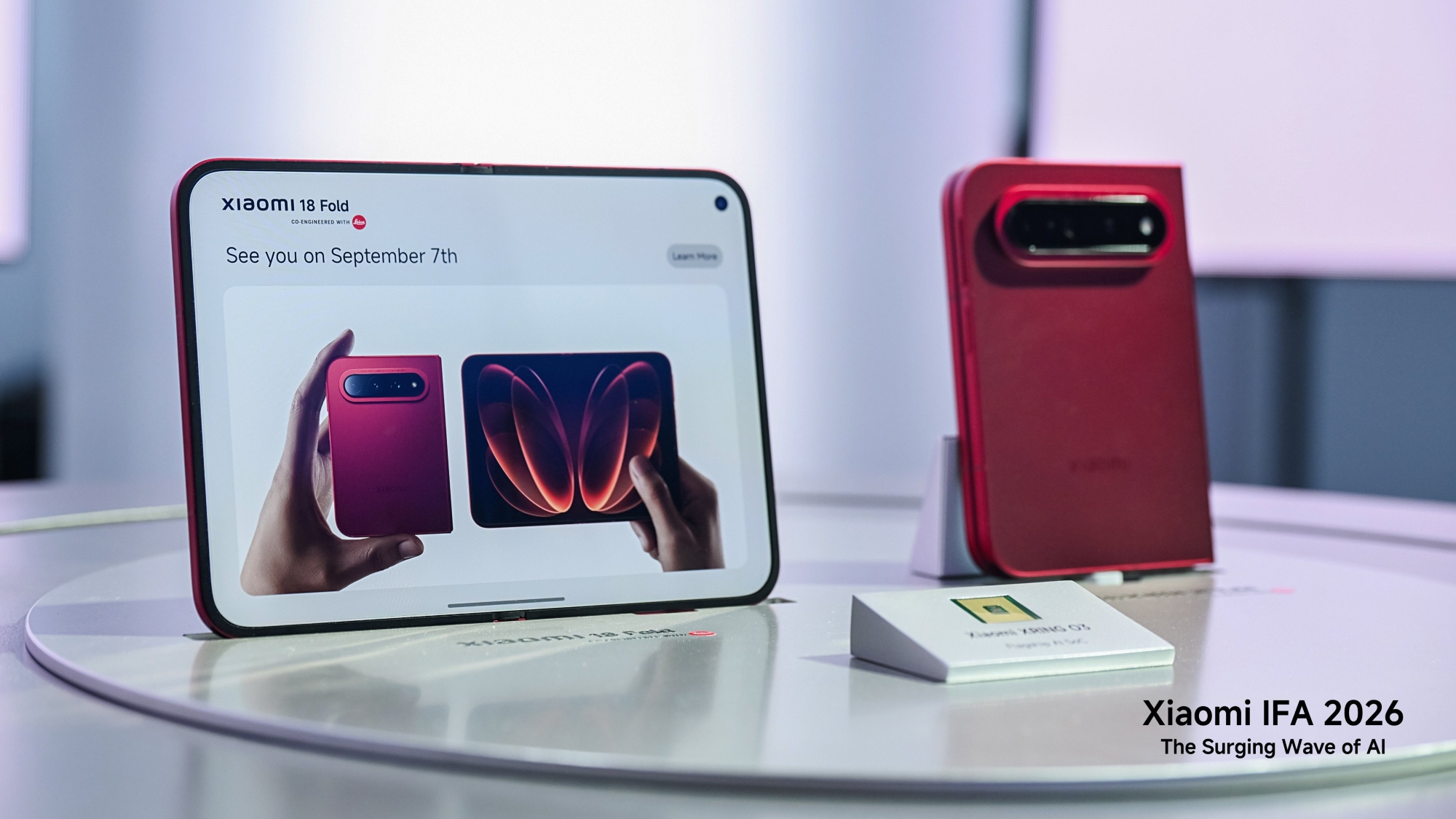
Apple's foldable iPhone Ultra is expected to launch this week, but Xiaomi is stealing a bit of its thunder by announcing its own mid-size foldable phone first. The Xiaomi 18 Fold was shown off at IFA 2026, but it was secured behind glass, so the general public could only see it (but not touch it).

I was fortunate enough to get some hands-on time with the Xiaomi 18 Fold behind closed doors, and after coming from the high of reviewing the Galaxy Z Fold 8, I was quite impressed with what's on offer here. However, limited availability will hinder its success, and Xiaomi will have to prove that its new in-house XRING 03 chip can keep up with other flagships

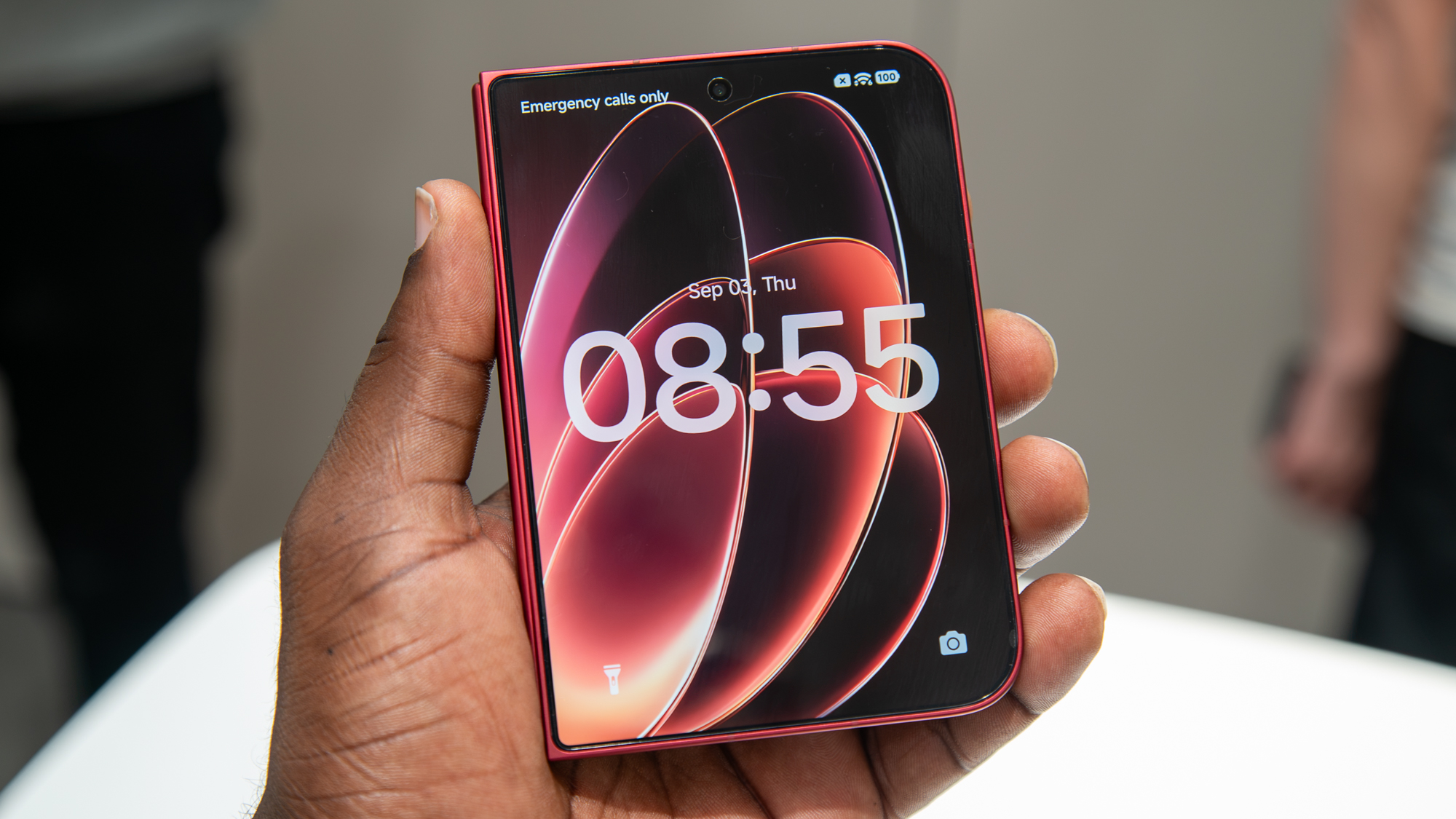
The Xiaomi 18 Fold external display
Derrek Lee / Android Central
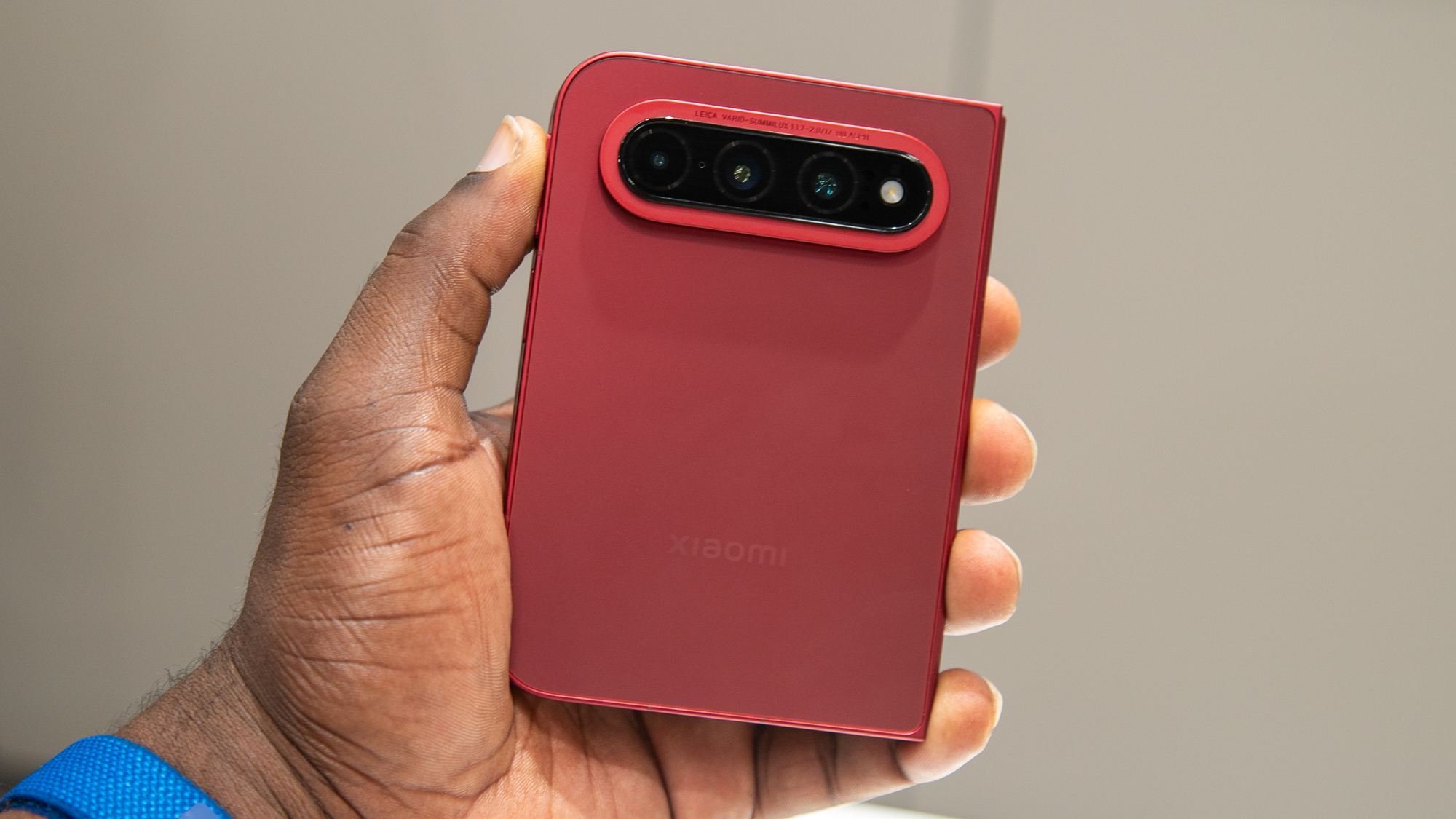
The Xiaomi 18 Fold
Derrek Lee / Android Central
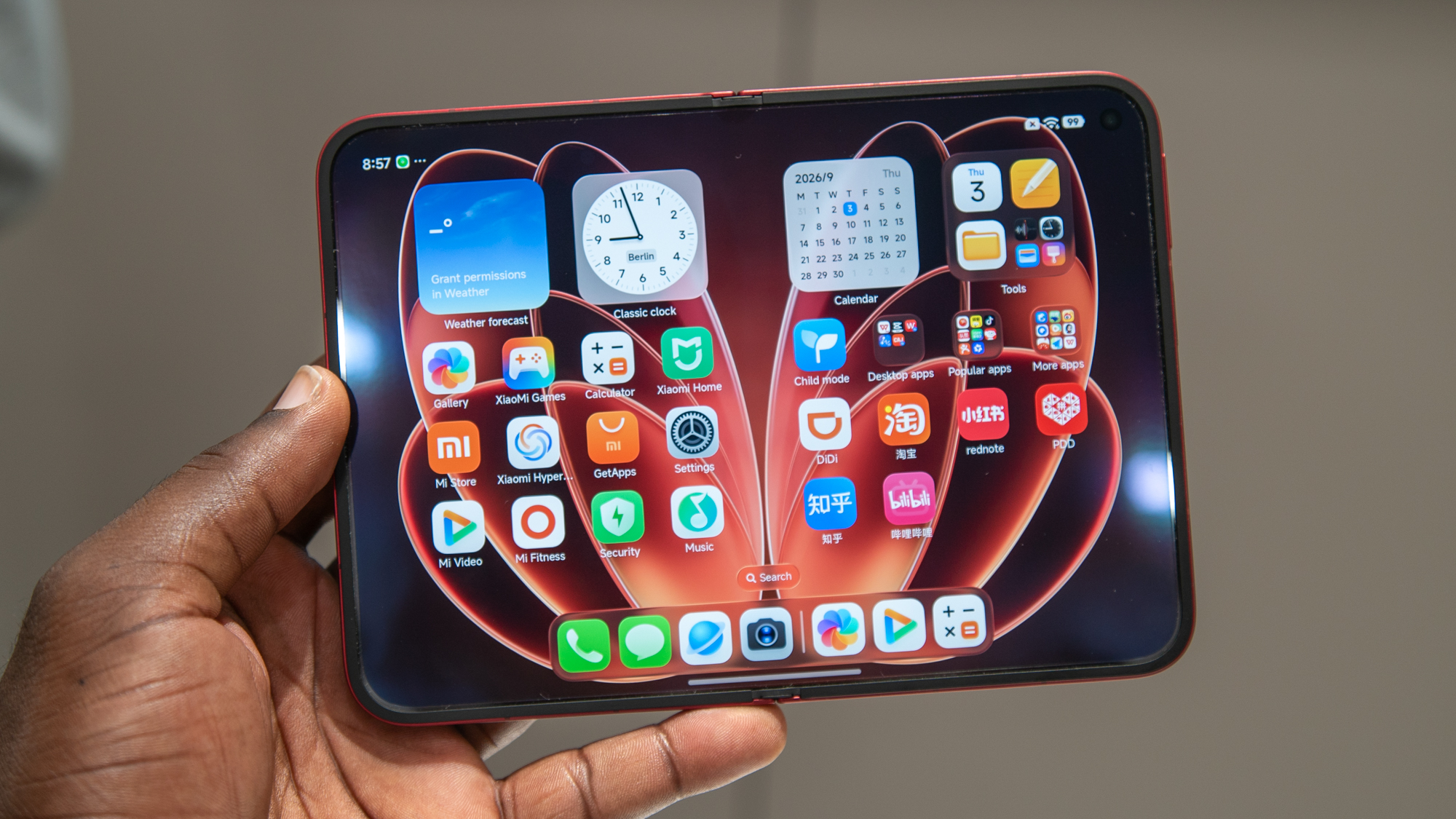
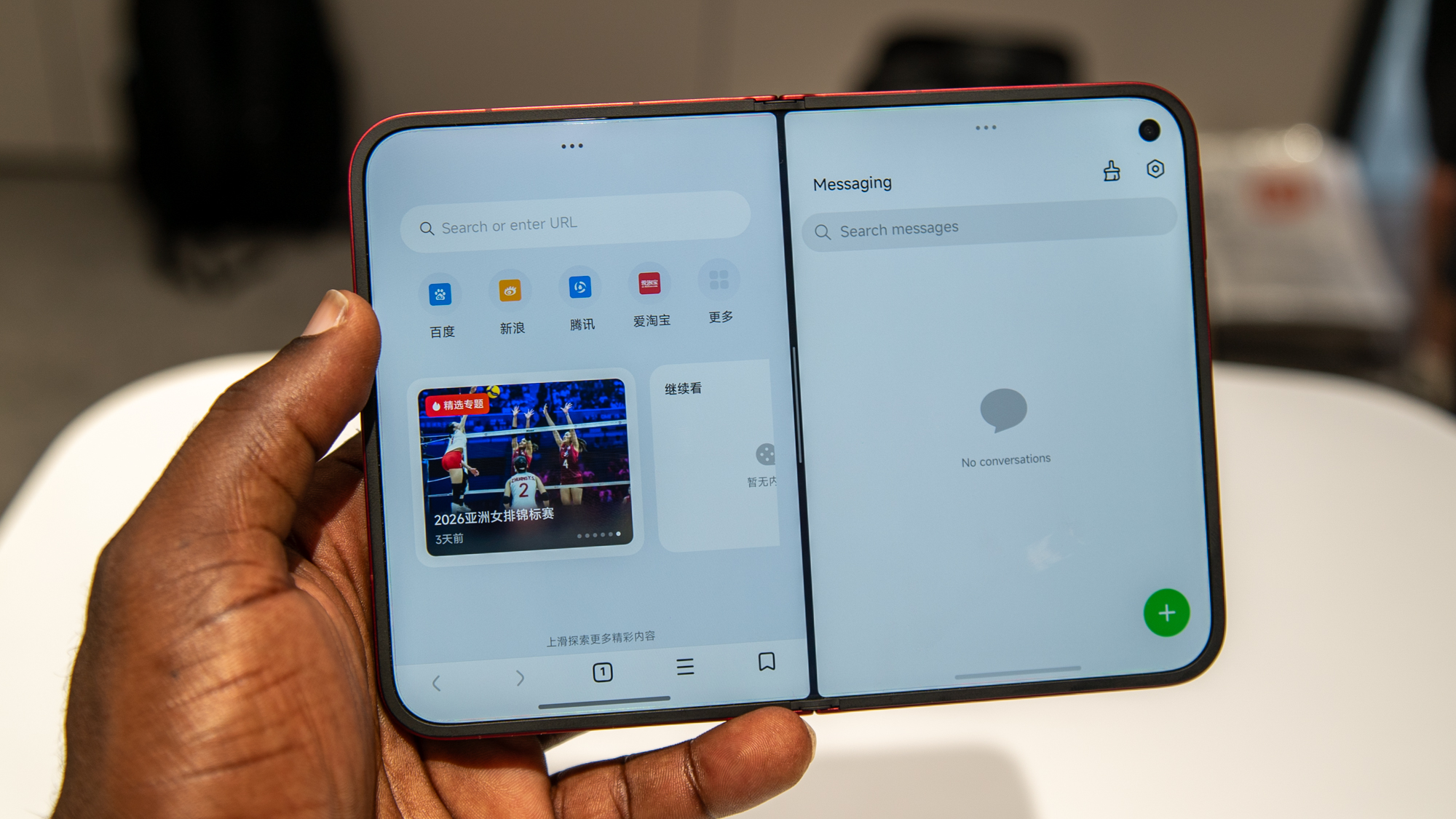
The Xiaomi 18 Fold inner display
Derrek Lee / Android Central
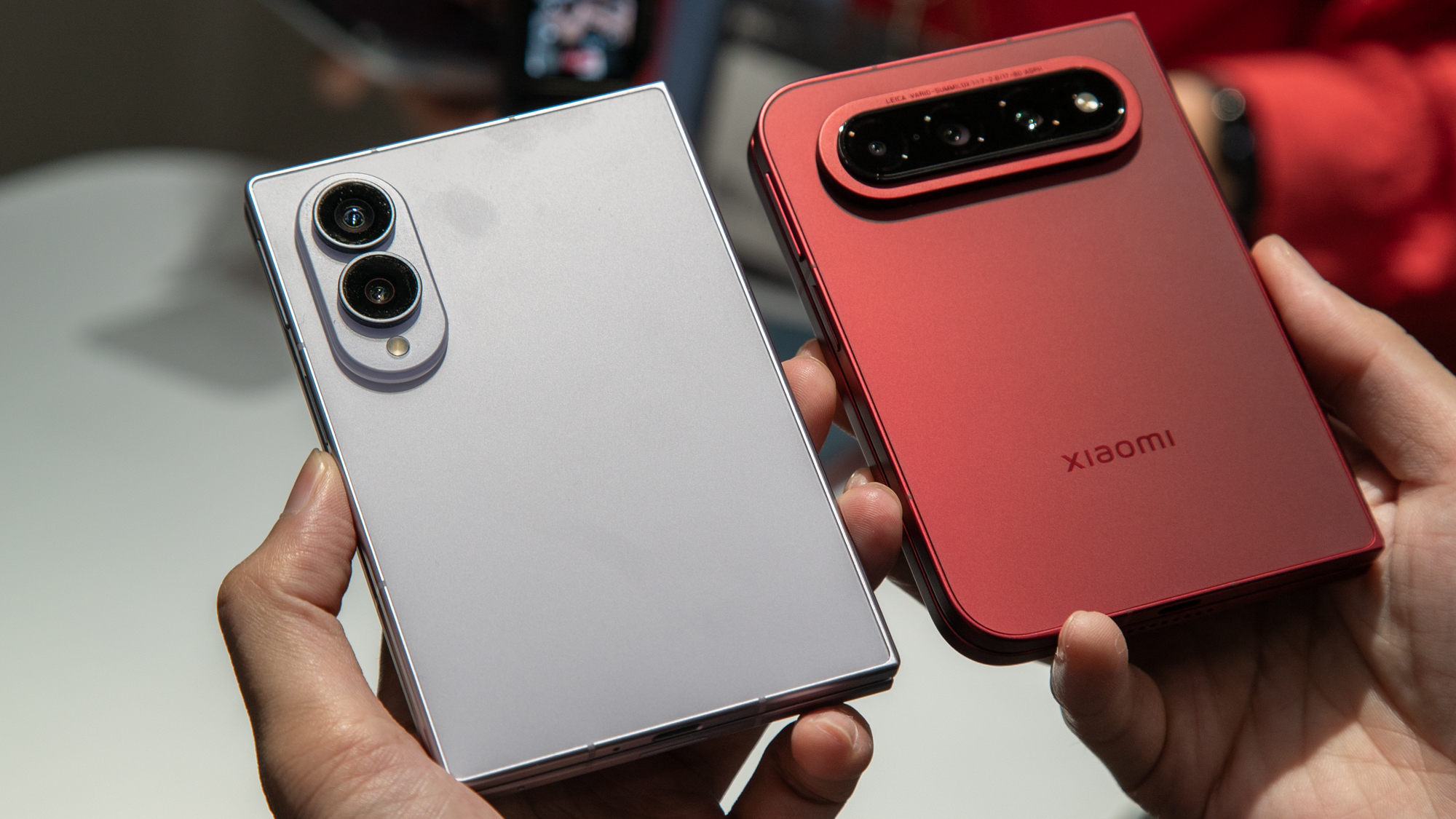
The Xiaomi 18 Fold next to the Galaxy Z Fold 8
Derrek Lee / Android Central
The Xiaomi 18 Fold next to the Galaxy Z Fold 8
Derrek Lee / Android Central
The Xiaomi 18 Fold next to the Galaxy Z Fold 8
Derrek Lee / Android Central

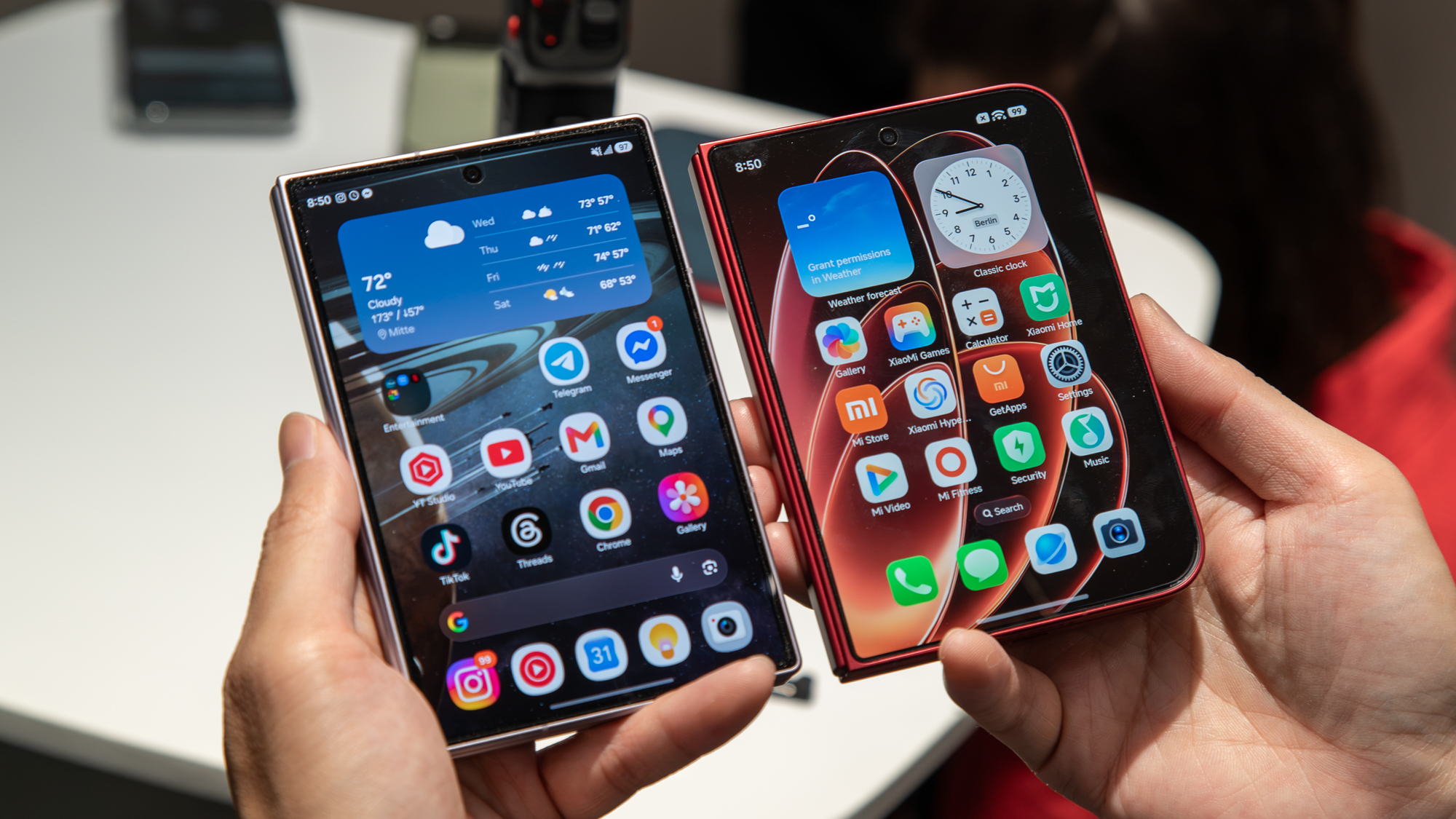
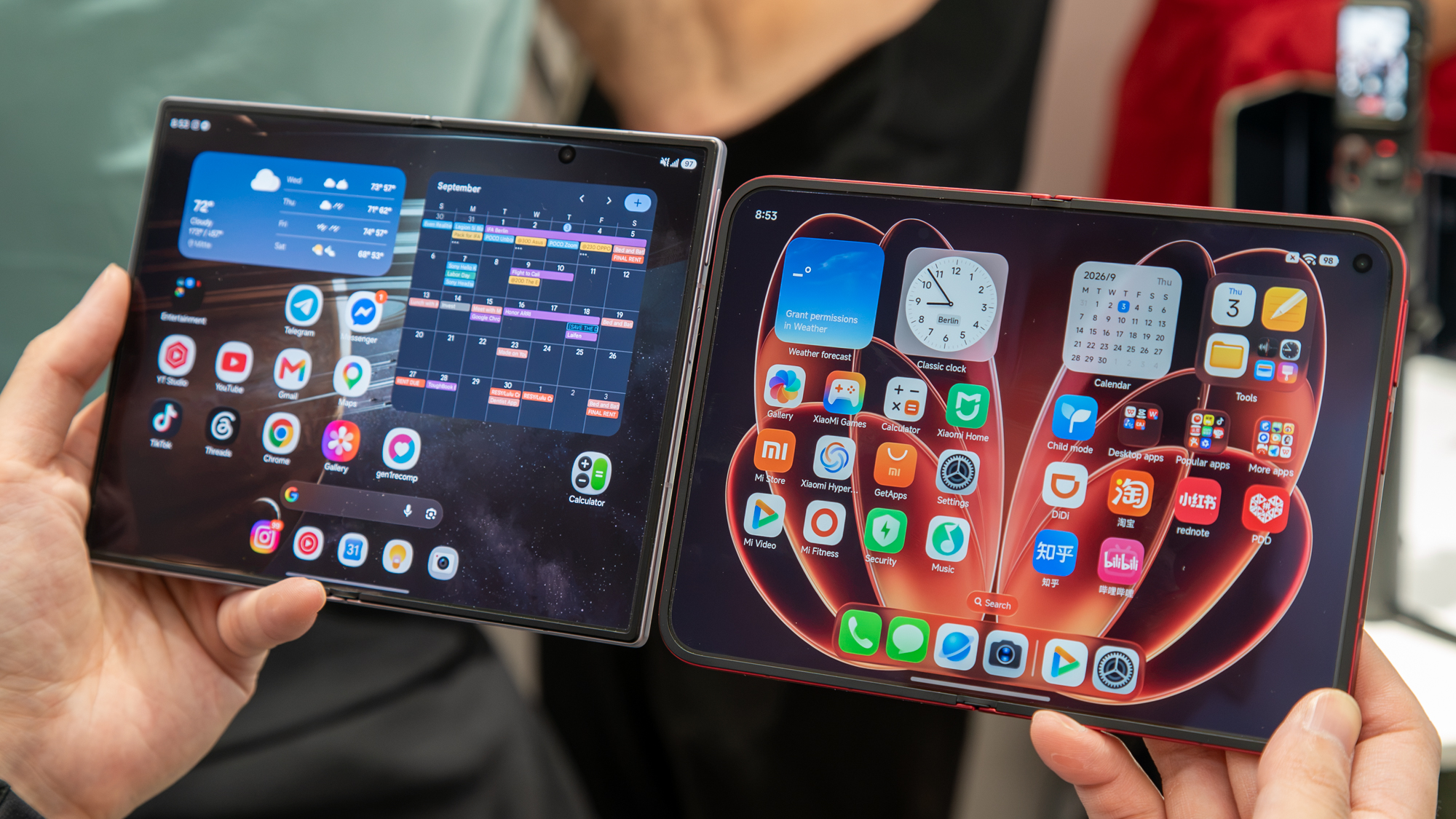
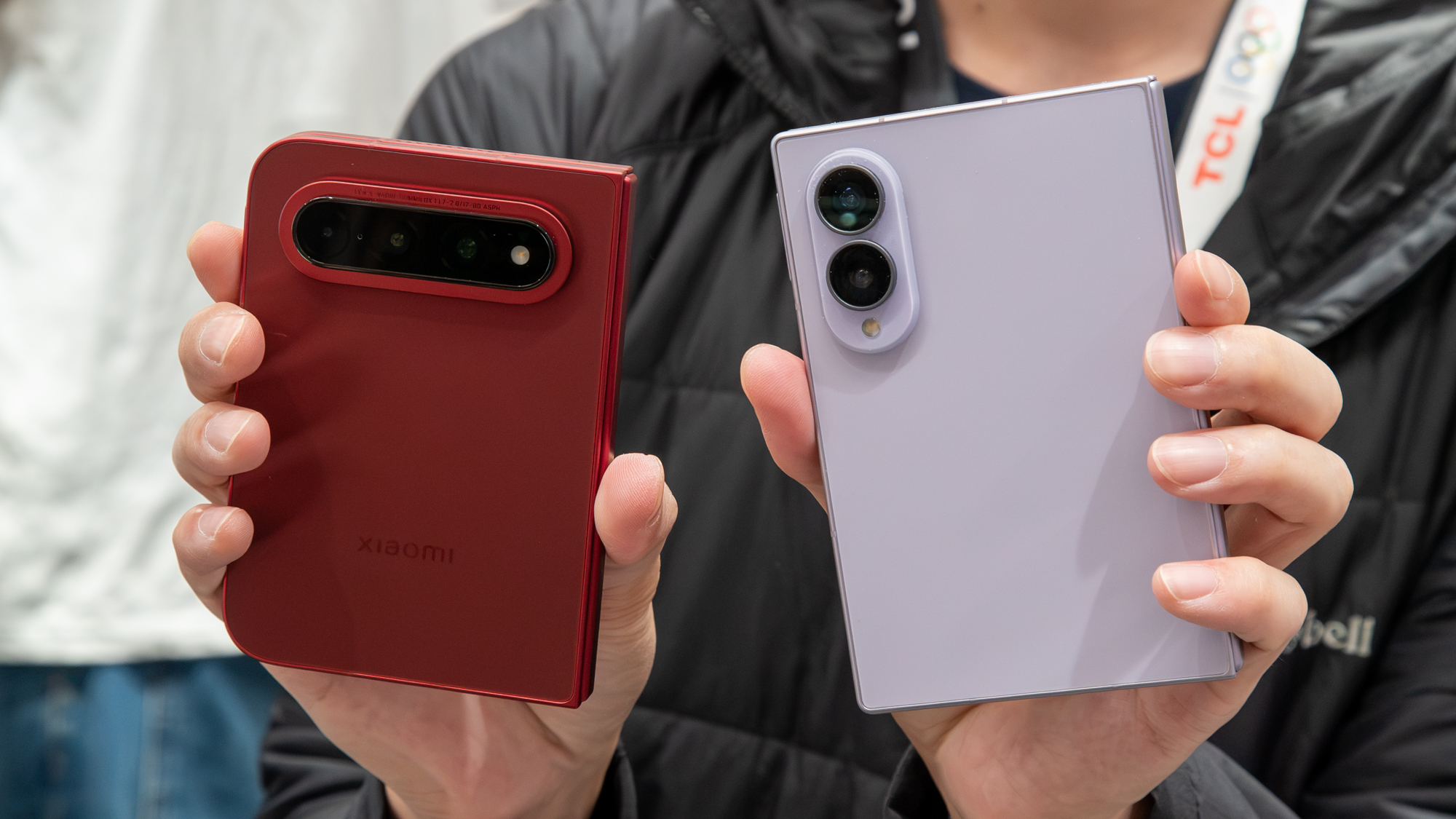
The Xiaomi 18 Fold is a wider foldable, similar to the popular Galaxy Z Fold 8, though it has notable design differences. It's shorter and wider than the Z Fold 8, and its corners are much rounder, with a design that looks a lot like the iPhone Ultra leaks.

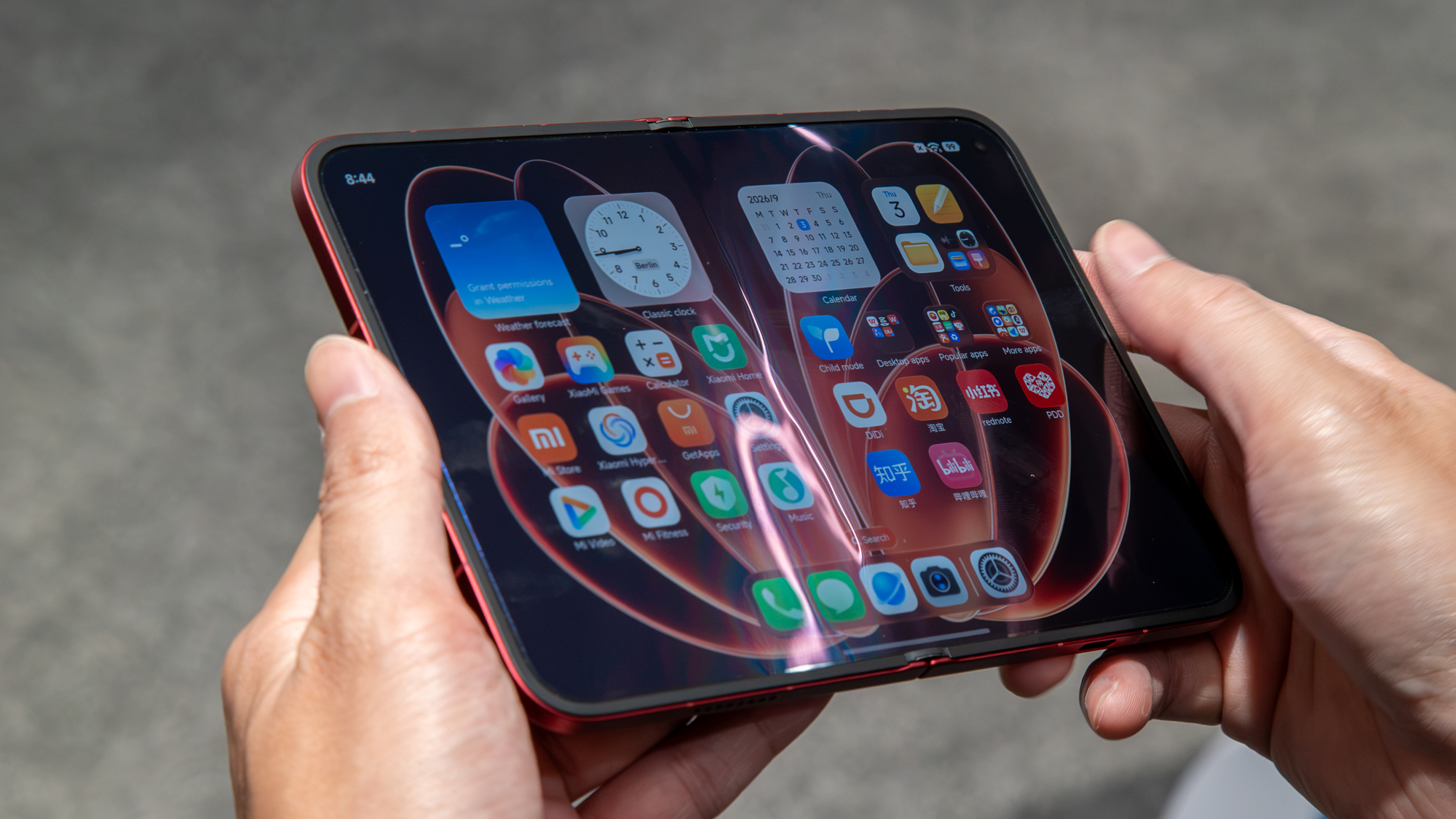
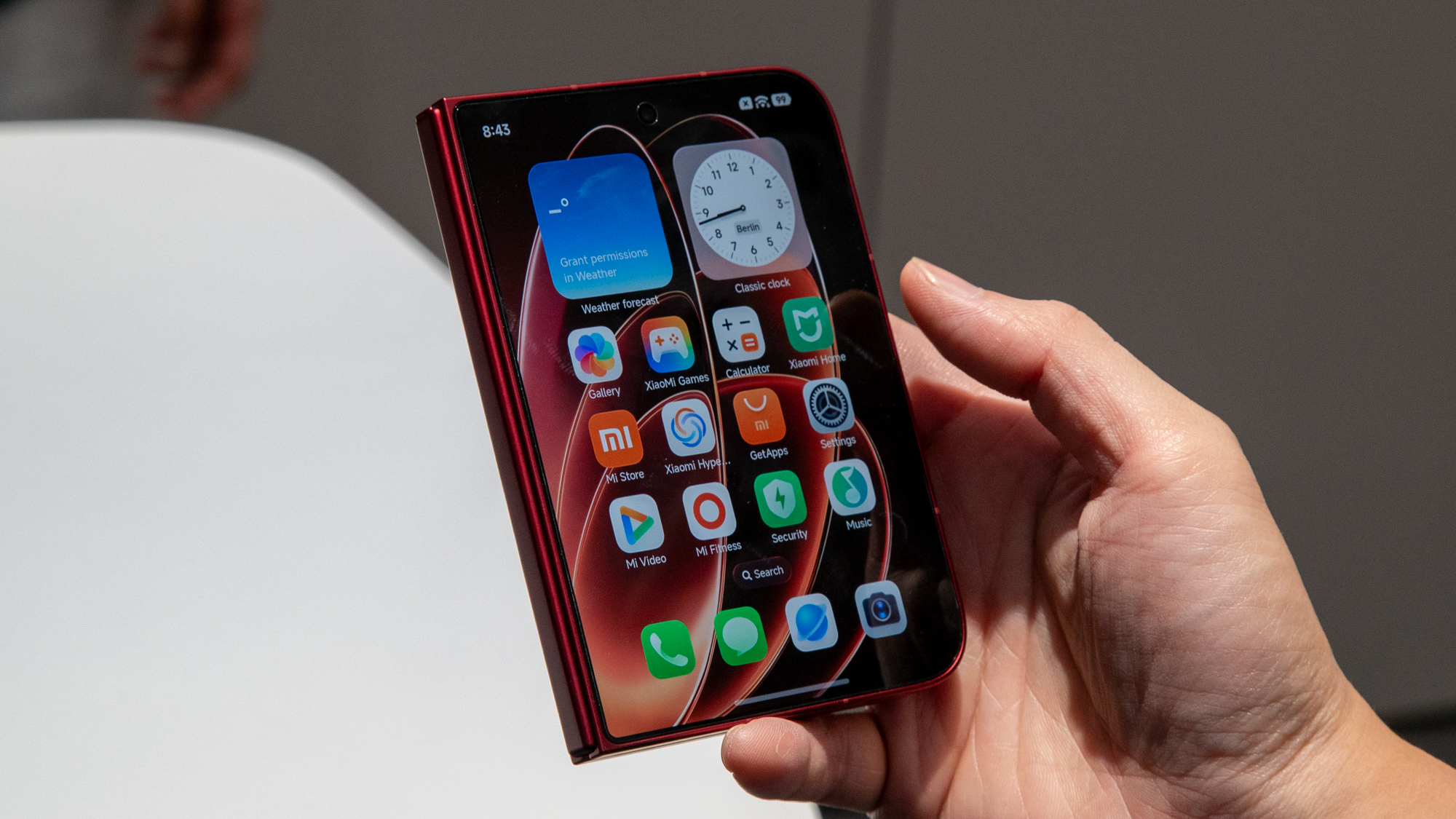
In my hand, it feels just as compelling as the Galaxy Z Fold 8, with a passport-like size when folded, making the 5.4-inch screen very easy to reach. Unfolded, the Xiaomi 18 Fold looks and feels like a small tablet, with a 7.5-inch display. Both displays have a √2:1 aspect ratio similar to A4 paper, which Xiaomi says is ideal for viewing content in both 16:9 and 4:3, meaning videos and photos, respectively.

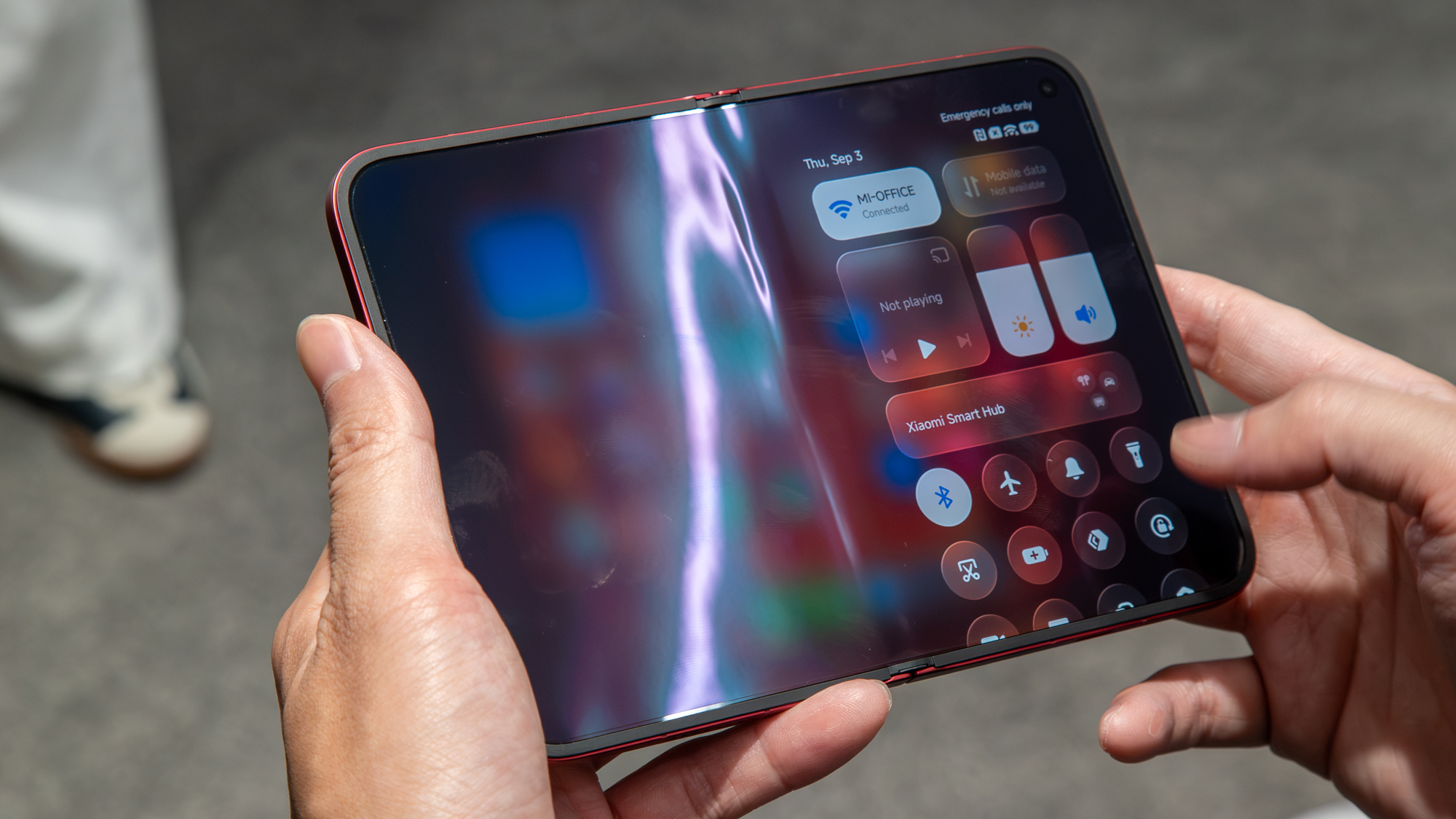
The crease is fairly visible, as the display is fairly reflective, but I can hardly feel it when running my fingers across it. Xiaomi says it uses a dual-layer Ultra Thin Glass (UTG) structure for enhanced protection.

The Xiaomi 18 Fold crease
Derrek Lee / Android Central
The Xiaomi 18 Fold quick settings
Derrek Lee / Android Central
The Xiaomi 18 Fold split screen apps
Derrek Lee / Android Central
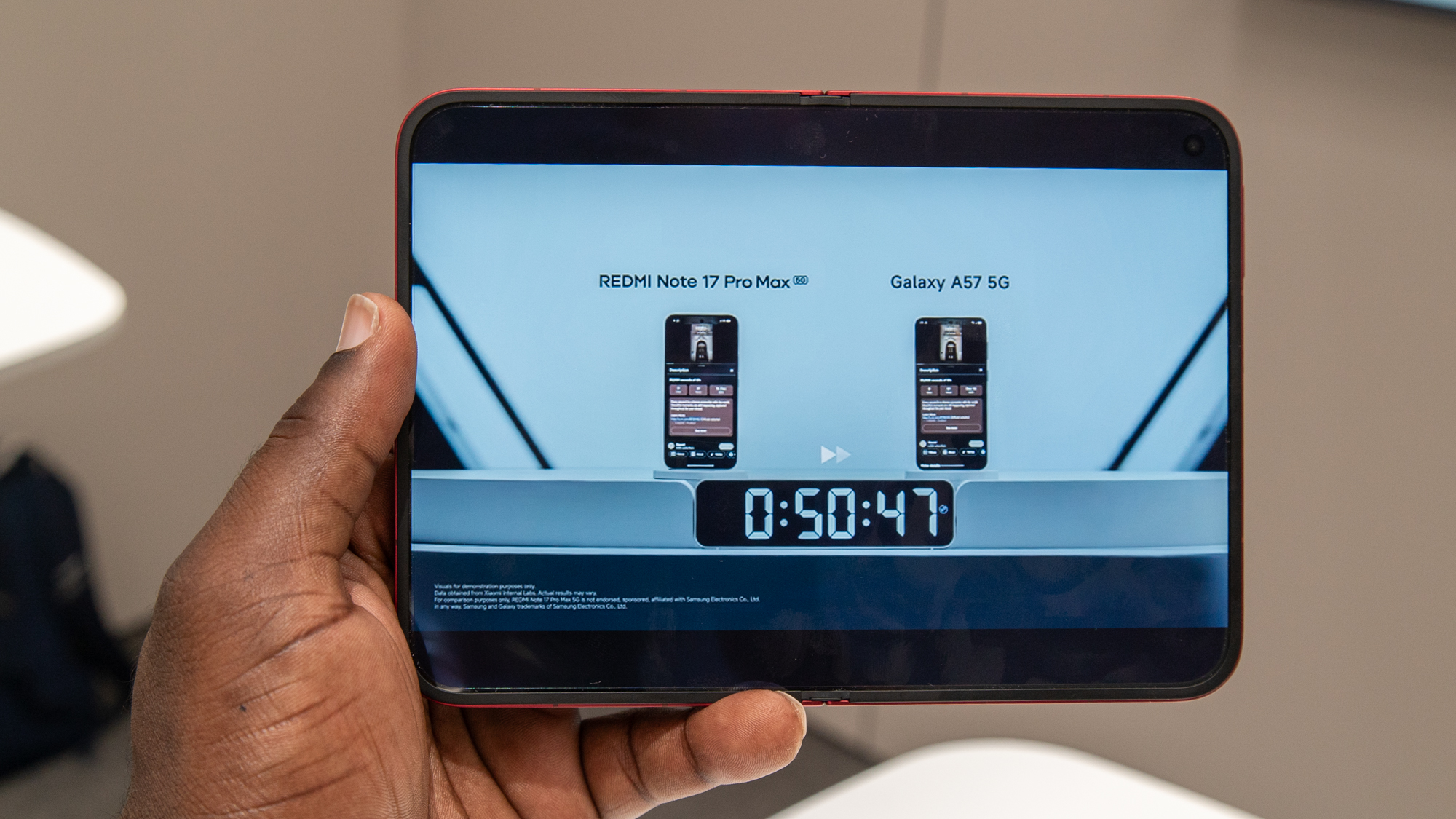
A video playing on the Xiaomi 18 Fold
Derrek Lee / Android Central

The Xiaomi 18 Fold is slightly heavier than the Galaxy Z Fold 8, but when I held them side by side, I couldn't really tell the difference. It's also a bit thicker, but that's due to the 6,000mAh silicon-carbon battery Xiaomi stuffed into this phone. Compared to the 4,800mAh unit in the Z Fold 8, Xiaomi already has the upper hand, especially when you account for the faster 67W wired charging and 50W wireless charging.

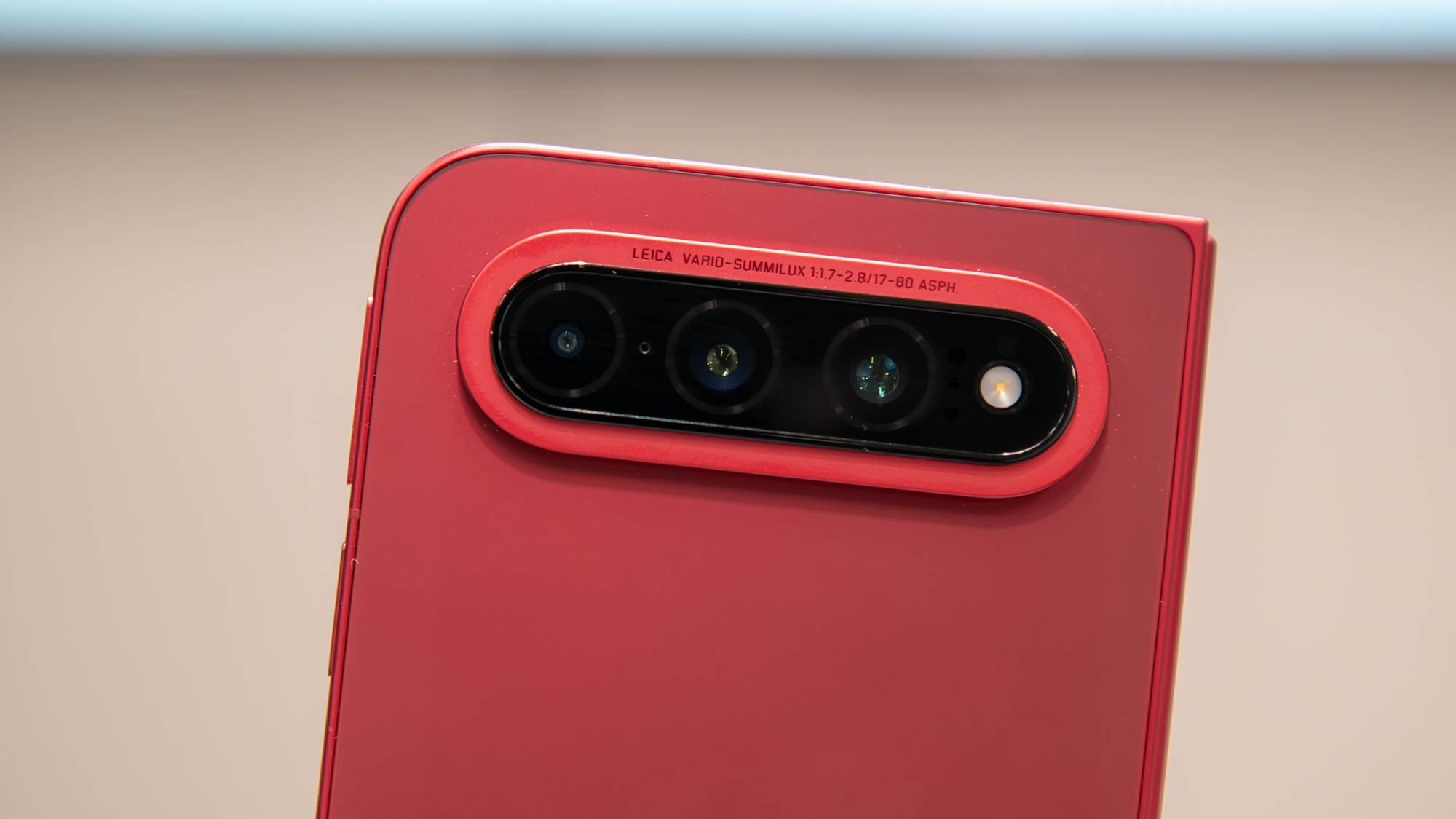
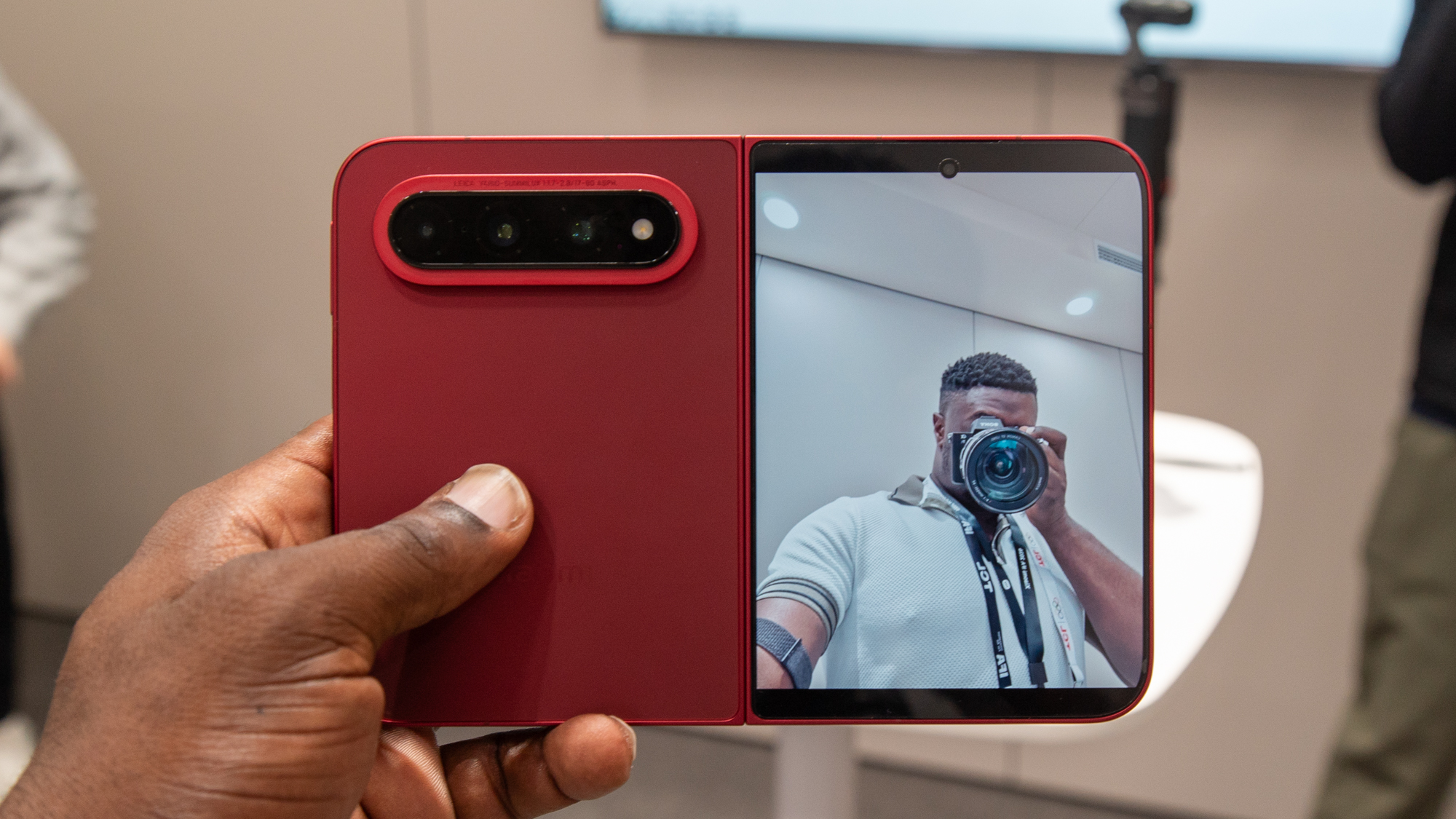
Turn the phone around, and you'll see where else Xiaomi comes ahead. The phone comes with a triple camera system, with the highlight being the primary 200MP sensor. There is also a 50MP periscope telephoto camera, something that's missing from the Z Fold 8.

I didn't get to capture any camera samples, but I expect good things from the Leica-powered camera system, as we've seen from other recent Xiaomi phones, which produce very natural-looking bokeh and great color reproduction.

The Xiaomi 18 Fold cameras
Derrek Lee / Android Central
The Xiaomi 18 Fold external camera preview
Derrek Lee / Android Central
The Xiaomi 18 Fold next to the Galaxy Z Fold 8
Derrek Lee / Android Central

The phone is powered by Xiaomi's all-new XRING 03 chipset, an in-house 3nm chip that promises high performance and powerful on-device AI capabilities. According to Xiaomi, the 10-core CPU comprises two Ultra cores, four Premium cores, and four Pro cores for 60% higher performance and 25% lower power consumption compared to the XRING 01.

I could not run any benchmark tests during my time with the phone, so we'll have to take Xiaomi's word for it, at least until we can thoroughly test it ourselves. The Galaxy Z Fold 8 is already a powerhouse thanks to the Snapdragon 8 Elite Gen 5, and we can expect the chip in the iPhone Ultra to be quite powerful as well, which puts Xiaomi in a bit of the spotlight, since this is its first flagship with the XRING chip.

Meanwhile, the 16-core GPU "sets a new standard for graphics performance on a smartphone," while the NPU promises "200 TOPS of tensor performance" for "45% faster on-device decoding performance."

Paired with 12 or 16GB of LPDDR6 RAM and HyperOS, the Xiaomi 18 Fold is primed to showcase the best that Xiaomi has to offer within its Human x Car x Home smart ecosystem, which promises to seamlessly connect its various smart devices.

The Xiaomi 18 Fold home screen

(Image credit: Derrek Lee / Android Central)

Unfortunately, not everyone will have the opportunity to experience what the XRING 03 is like on the Xiaomi 18 Fold, and that's where my excitement fizzles out a bit. The phone is only launching in China for now, with no word on a global release. The Xiaomi Mix Fold 4 from 2024 was China-exclusive, which isn't very promising, but Xiaomi has also been focusing on expanding its product line in Europe, so there's some hope.

Pricing starts at 10999 yuan (~$1,638.88), which is definitely on the pricier side, especially compared to other foldables. I got to handle the red model, which I really like, although it also comes in black and white. There's also a ceramic version of the phone, which comes in a single configuration (16GB + 1TB) and costs 15999 yuan (~$2,383).

  •  

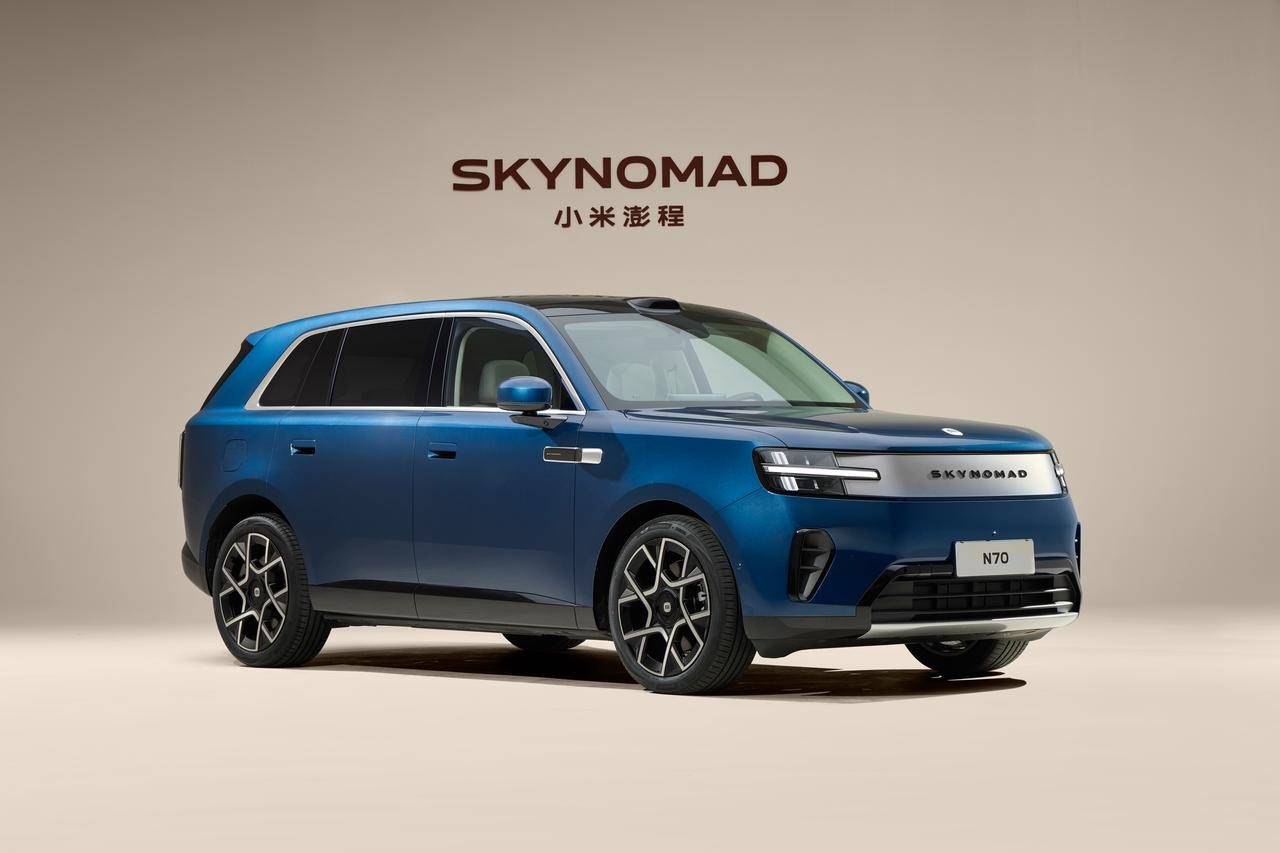
Xiaomi launches four SkyNomad SUVs in China from $31,275

Xiaomi launched its SkyNomad SUV family in China today, a lineup of four extended-range models that starts at RMB 209,900, or about $31,275.

It’s Xiaomi’s first move into extended-range vehicles, and the entry price lands below China’s established EREV flagships from Li Auto and Huawei-backed AITO.

more…
  •  

Xiaomi confirms 2027 Europe EV launch with 8 German dealer groups

Xiaomi Auto confirmed it will start selling electric vehicles in Europe, including Germany, in 2027, and it’s already lining up the dealers to sell them.

At IFA Berlin today, the Chinese automaker signed memoranda of understanding with eight of Germany’s largest dealer groups. They’re its first retail partners on the continent.

more…
  •  

Xiaomi makes a huge splash at IFA, shows off upcoming Galaxy Z Fold 8 competitor and futuristic AI capabilities

What you need to know

  • Xiaomi is making its debut at IFA, with its first major presence at the trade show and the largest event space it's held overseas.
  • Xiaomi is highlighting its Human x Car x Home portfolio, which includes more than 300 devices, from smart home appliances to cars.
  • The company also showcased the upcoming Xiaomi 18 Fold, a wide foldable that will rival the Galaxy Z Fold 8.

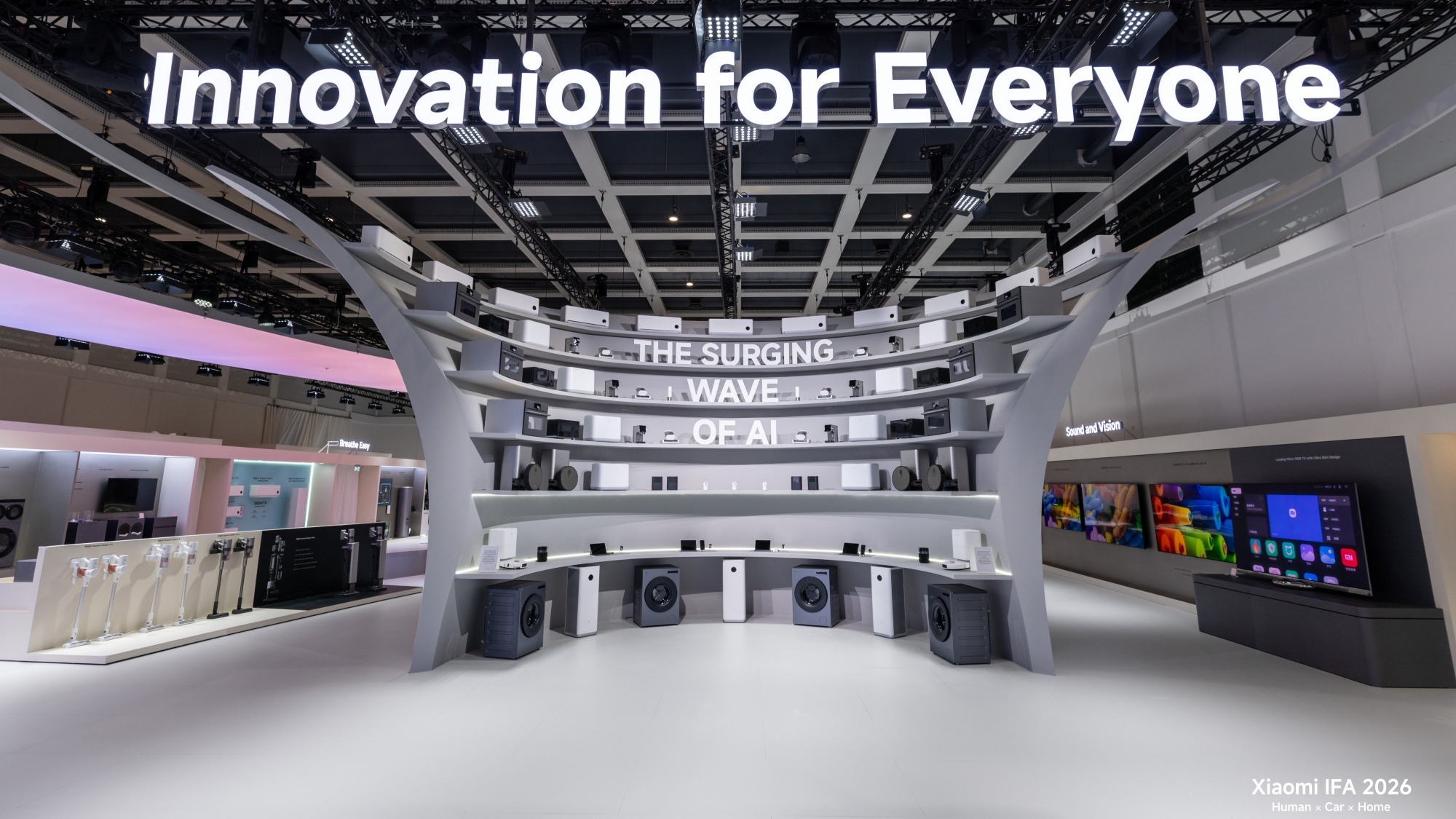
Xiaomi is making its debut at IFA with an exhibition space that is its largest overseas space to date. The company is using up a whopping 3,300 square meters to showcase hundreds of products in its Human x Car x Home portfolio, from concepts to devices available today, with a focus on how these devices will connect with you throughout your life, both at home and in your car.

Curiously, the upcoming Xiaomi 18 Fold is among those devices showcased at IFA, with the official launch already set for September 7.

Xiaomi IFA 2026 exhibition space

(Image credit: Xiaomi)

"This year's IFA marks a significant milestone in Xiaomi's global journey," says Xiaomi CMO Xu Fei in a statement.

"Over the years, we have expanded from smartphones into smart home and smart vehicles, while investing deeply in foundational technologies including AI, operating systems, chips and smart manufacturing.

Today, these businesses and capabilities are coming together through our 'Human × Car × Home' smart ecosystem, which we are presenting at scale to a global audience at IFA."

Xiaomi IFA 2026 exhibition space

(Image credit: Xiaomi)

If you're familiar with Xiaomi and its smartphones, you may already know that the company also produces a line of home appliances and smart home devices, including TVs, smart lights, cameras, and more. What you may not know is that Xiaomi also builds cars, like the SU7 Max and YU7, and the groundwork for a wholly interconnected smart home ecosystem lies behind many of these products.

The Human x Car x Home ecosystem is powered by HyperOS, the backbone of Xiaomi's product portfolio, which lets Xiaomi lay the foundation for a seamless AI experience across devices, which it is showing off at IFA through future concepts and today's use cases.

For example, while you're driving home, AI can gather contextual weather information to ensure your home's lighting and air conditioning are set before you arrive. And this interconnectivity doesn't stop there, with Xiaomi showcasing many ways its ecosystem can work across devices for whatever you need.

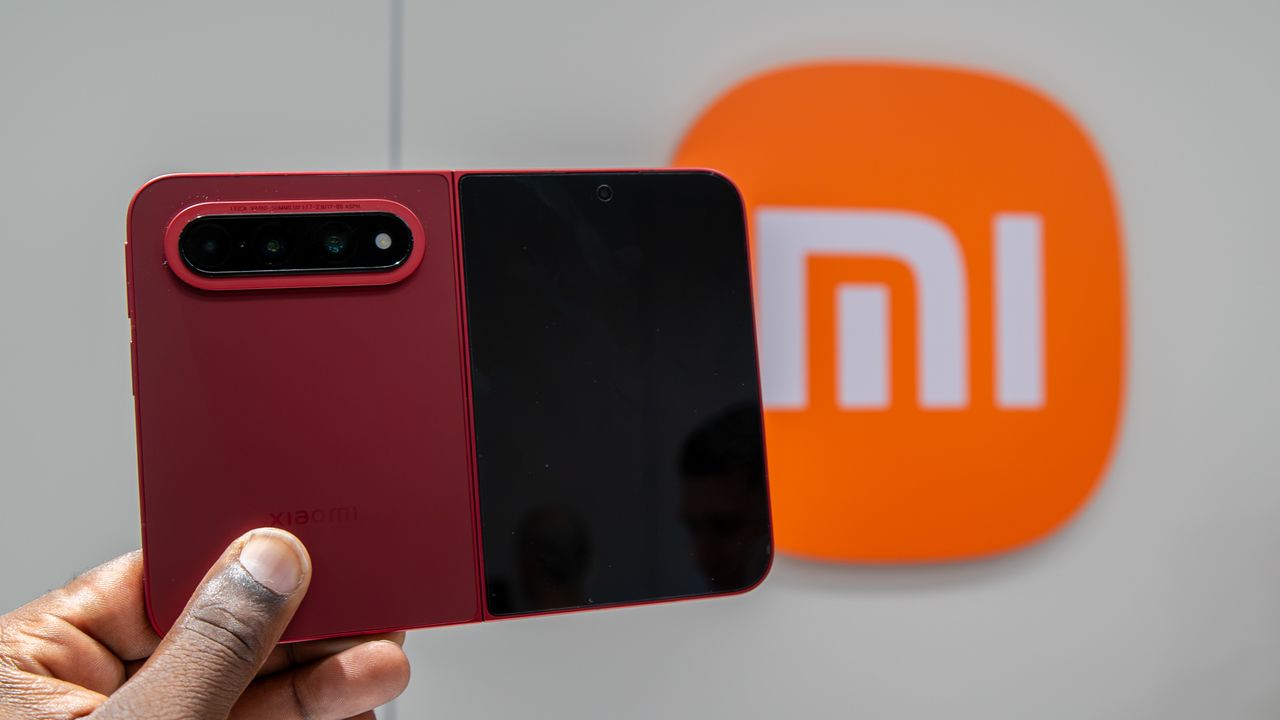
Xiaomi 18 Fold open and closed at IFA

(Image credit: Xiaomi)

This includes its Android smartphones, such as the Xiaomi 17 Ultra and the upcoming Xiaomi 18 Fold, a wide foldable that closely follows in the footsteps of the popular Galaxy Z Fold 8 and is powered by the company's in-house XRING 03 chipset, enhanced for on-device AI.

Xiaomi hasn't revealed much about this new phone (yet), though it has a triple-camera system on the back and a striking deep red color. It also promises to be very performant, thanks to Xiaomi's new chip, which could rival the Snapdragon 8 Elite Gen 5 and Apple's latest silicon.

Still, we don't have to wait too long for answers, with the launch just days away.

Android Central's take

I'm on the ground at IFA 2026, and Xiaomi's event space is truly a sight to behold. There's a lot to do and see, but perhaps the thing I'm most interested in is the Xiaomi 18 Fold. For one, it looks like Xiaomi is simplifying its foldable naming convention. However, the Fold is coming at a time when Samsung is reinvigorating the foldable space with its own wide foldable.

Samsung's Galaxy Z Fold 8 appears to be incredibly popular, and I understand why. I was shocked by how much I liked it during my hands-on time, and that feeling remained throughout my review, where I've even begun to question my allegiance to flip phones.

The Xiaomi 18 Fold already appears to have a leg up over Samsung, sporting three rear cameras instead of two, although it will be important to see how Xiaomi prices it. We also don't know if or when it will be available globally.

  •  

Xiaomi TV A 32 : une TV HD efficace qui s'affiche sous les 125 € sur AliExpress avec une double remise

Un téléviseur de 32 pouces peut être particulièrement pratique dans une chambre, un bureau, un petit salon pour même une cuisine, où un modèle plus imposant serait inutilement encombrant. Le Xiaomi TV A 32 associe ce format compact à Google TV, à une compatibilité Dolby Audio et DTS:X ainsi qu’à...

  •  

Dos modelos premium aos mais “económicos”: 12 smartphones com as melhores câmaras que pode comprar em Portugal

Fomos procurar quais os smartphones com as melhores câmaras à venda em Portugal, dividindo-os em duas categorias, sem limite de preço e até 500 euros. Explicamos também quais os critérios que deve ter em contra na hora de escolher.

The post Dos modelos premium aos mais “económicos”: 12 smartphones com as melhores câmaras que pode comprar em Portugal appeared first on Tek Notícias.

  •  

La soundbar low cost di Xiaomi oggi costa 39,99 euro: affare su eBay

Questa soundbar Xiaomi da 2 canali e 30W di potenza è la classica soluzione a basso costo per migliorare l'audio della tua TV o del PC senza spendere cifre troppo elevate. Oggi su eBay la prendi a soli 39,99 euro invece di 64,99 con garanzia cliente eBay e servizio Premium che ti assicura acquisti e spedizioni in totale serenità, grazie al supporto di un venditore professionale.

Nota: Prezzo rilevato in data 11 agosto alle ore 13.59 direttamente sulla pagina prodotto eBay. I prezzi su eBay sono soggetti a frequenti variazioni da parte del venditore.

La soundbar firmata Xiaomi si presenta con un sistema audio a 2.0 canali alimentato da due altoparlanti full-range di tipo racetrack capaci di erogare una potenza massima di 30W ideale per un ascolto ricco, nitido e bilanciato. L'estetica si sposa con qualsiasi ambiente domestico grazie al suo design minimalista ed elegante in colore nero opaco, dal corpo sottile e da una copertura anteriore in rete metallica monopezzo che previene l'accumulo di polvere.


Lo Smartphone piccolo che va bene a tutti? Motorola Edge 50 Neo, compralo al miglior prezzo da Unieuro a 239 euro.

CLICCA QUI PER CONTINUARE A LEGGERE

  •  

Quais são os smartphones com a melhor relação entre preço e desempenho? Veja os modelos que se destacam

Serão realmente os smartphones topo de gama que oferecem o melhor valor-desempenho? Ou existem equipamentos a preços mais acessíveis que acabam por se destacar? O ranking da AnTuTu foca-se exatamente neste tema.

The post Quais são os smartphones com a melhor relação entre preço e desempenho? Veja os modelos que se destacam appeared first on Tek Notícias.

  •  

Xiaomi Reportedly Developing Custom 200MP 1-Inch Camera Sensor for Future Ultra Flagship

Igeekphone News August 8, 2026 — Xiaomi is reportedly developing a custom 200-megapixel 1-inch camera sensor for its next-generation flagship smartphones, potentially setting the stage for another major leap in mobile photography.

According to information shared by a Chinese tech blogger, Xiaomi has customized a new 200MP sensor with a 1-inch optical format. Interestingly, the sensor is said to use an aspect ratio different from the traditional 4:3 format commonly found on smartphone image sensors.

The blogger also suggested that Xiaomi could potentially skip the rumored Xiaomi 18 Ultra, meaning the new sensor may not debut until the Xiaomi 19 Ultra.

If the report proves accurate, Xiaomi could once again be preparing to push the boundaries of smartphone camera hardware, particularly in the increasingly competitive ultra-premium flagship segment.
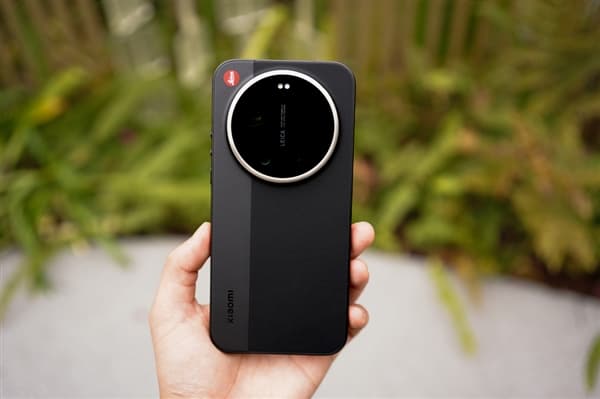
Xiaomi Could Be Preparing Another 1-Inch Camera Breakthrough

Xiaomi has a strong history with large-format smartphone camera sensors.

In July 2022, the company introduced the Xiaomi 12S Ultra, which became the first commercially available smartphone to use Sony’s IMX989 1-inch mobile image sensor.

The sensor was jointly developed by Xiaomi and Sony, with the two companies reportedly sharing the development costs equally.

At the time, Xiaomi founder and CEO Lei Jun said the company would make the sensor available to other smartphone manufacturers after its own launch. The move helped accelerate the adoption of large-format camera sensors throughout the smartphone industry.

Why Does a 1-Inch Smartphone Sensor Matter?

The main advantage of a larger image sensor is its ability to capture more light.

In general, a larger photosensitive area can collect more light during an exposure, which can improve image quality, particularly in challenging lighting conditions.

The Sony IMX989 used in the Xiaomi 12S Ultra featured a Quad Bayer pixel architecture with individual pixels measuring approximately 1.6 microns. Through pixel binning, four adjacent pixels can be combined to produce an effective pixel size of around 3.2 microns.

This design allows the sensor to gather significantly more light while maintaining strong image detail.

Compared with the sensor used in the iPhone 13 Pro Max, the IMX989 was reported to provide a substantially larger photosensitive area and improved light-gathering capability.

The difference becomes particularly noticeable in low-light photography, where larger sensors can help produce cleaner images with less noise and improved dynamic range.

Xiaomi Continues to Bet on Large Sensors

The 1-inch sensor strategy has remained an important part of Xiaomi’s Ultra-series photography philosophy.

Last year, Xiaomi introduced the Xiaomi 17 Ultra, which reportedly continued the company’s use of a 1-inch-class main camera sensor.

This made it unusual among Android flagship smartphones in the same premium category, as several competing manufacturers moved toward other sensor formats and multi-camera configurations rather than continuing with a 1-inch main sensor.

Xiaomi’s willingness to maintain the large-sensor approach suggests that the company sees sensor size as an important differentiator in the premium smartphone market.

200MP Could Take the Concept Further

The rumored new sensor could represent an even more ambitious approach.

A 200MP resolution combined with a 1-inch sensor would provide Xiaomi with a significantly higher native pixel count while retaining the light-gathering advantages associated with a large sensor.

However, resolution and sensor size alone do not determine image quality.

The final results would also depend on the sensor’s pixel architecture, pixel size, readout technology, lens design, image signal processor, computational photography algorithms, autofocus system, and image-processing software.

A 200MP sensor could nevertheless offer several potential advantages.

At native resolution, it could capture a large amount of image information. Through pixel binning, it could also generate lower-resolution images with larger effective pixels, potentially improving low-light performance while maintaining sufficient detail.

The combination could give Xiaomi greater flexibility between high-resolution photography and computationally enhanced low-light shooting.

Unusual Aspect Ratio Could Be Significant

Another intriguing detail from the leak is that the rumored sensor reportedly does not use the traditional 4:3 aspect ratio.

Most smartphone camera sensors are designed around a 4:3 native imaging format, although manufacturers can crop images into other aspect ratios.

A different native aspect ratio could indicate that Xiaomi is pursuing a customized sensor architecture designed specifically around its imaging system.

At this stage, however, there is not enough information to determine exactly how the unusual aspect ratio would affect the camera experience.

It could be related to image composition, sensor utilization, cropping flexibility, or integration with a particular lens and camera module.

Xiaomi 19 Ultra Could Be the First Device

The timing of the rumored sensor is also noteworthy.

The blogger reportedly hinted that the Xiaomi 18 Ultra may not launch, which would potentially push the debut of the new 200MP 1-inch sensor to a future Xiaomi 19 Ultra.

That means the rumored sensor could be several product cycles away from commercial availability.

As with other unconfirmed smartphone leaks, the final product name, launch schedule, sensor specifications, and camera configuration could all change before an official announcement.

Xiaomi has not publicly confirmed the existence of the rumored 200MP 1-inch sensor.

From IMX989 to a Custom 200MP Sensor

Xiaomi’s progression in large-format mobile photography is worth watching.

The Xiaomi 12S Ultra demonstrated that a 1-inch sensor could be successfully integrated into a mass-market smartphone. Since then, large camera sensors have become increasingly common among premium Android devices.

A move to a customized 200MP 1-inch sensor would represent another step in that evolution.

Rather than simply adopting an off-the-shelf component, Xiaomi could be moving toward more extensive control over sensor design and imaging hardware.

That approach could become increasingly important as smartphone camera competition shifts from simply increasing megapixel counts to optimizing the entire imaging pipeline.

What a 200MP 1-Inch Sensor Could Mean for Smartphone Photography

If Xiaomi successfully commercializes the rumored sensor, it could potentially offer several advantages:

  • Higher native resolution for detailed photography
  • Large light-gathering area from the 1-inch sensor format
  • Improved low-light performance
  • Greater cropping flexibility
  • Advanced pixel-binning capabilities
  • More computational photography possibilities
  • Potentially stronger dynamic range and image quality

However, the real-world performance will depend heavily on Xiaomi’s lens, image processing, autofocus technology, and software tuning.

Final Thoughts

Xiaomi has already played a significant role in bringing 1-inch camera sensors into mainstream smartphones, and the reported development of a custom 200MP 1-inch sensor suggests that the company may be preparing another ambitious move in mobile imaging.

If the rumors surrounding the Xiaomi 18 Ultra’s absence prove correct, the sensor could eventually debut with the Xiaomi 19 Ultra, potentially giving the company’s next Ultra flagship a major camera advantage.

The most interesting aspect may not be the 200MP resolution itself, but the combination of very high resolution, a 1-inch sensor format, and a customized aspect ratio.

For now, the technology remains unconfirmed. But if Xiaomi can successfully bring such a sensor to market and pair it with strong optics and computational photography, the Xiaomi 19 Ultra could become one of the most ambitious camera phones in its generation.

The post Xiaomi Reportedly Developing Custom 200MP 1-Inch Camera Sensor for Future Ultra Flagship appeared first on IGeeKphone China Phone, Tablet PC, VR, RC Drone News, Reviews.

  •  

Xiaomi Mix Fold 5, un leak conferma il design a passaporto e HyperOS 4

È l'anno dei pieghevoli a "passaporto". Perché dopo Huawei col suo Pura X Max e Samsung col suo Galaxy Z Fold 8 (ve ne abbiamo parlato nella nostra recensione), e prima di Apple che a breve svelerà iPhone Ultra, anche Xiaomi sembra aver scelto questo formato per la sua nuova generazione di foldable a libretto.

Il primo indizio in questo senso è arrivato a luglio, quando è filtrata una presunta immagine reale di Xiaomi Mix Fold 5 che lo mostrava da chiuso. E ora ne arriva un altro da un nuovo leak che mostra per la prima volta il pannello interno dello smartphone, lasciando intravedere alcune delle scelte estetiche che lo caratterizzeranno.

Le immagini, pubblicate su Weibo dal leaker cinese Panda is Bald e successivamente rimosse, mostrano un formato con più sviluppo orizzontale, con pannello interno caratterizzato da angoli decisamente più arrotondati rispetto alle precedenti generazioni della famiglia Mix Fold.


Il miglior smartphone pieghevole del momento? Samsung Galaxy Z Flip 7, compralo al miglior prezzo da Amazon Marketplace a 854 euro.

CLICCA QUI PER CONTINUARE A LEGGERE

  •  

Os 9 smartphones com maior bateria que pode comprar em Portugal

Da Xiaomi à Realme, reunimos os smartphones com as maiores baterias à venda no mercado português, todos equipados com a tecnologia de silício-carbono que tem vindo a redefinir a autonomia da última geração de smartphones.

The post Os 9 smartphones com maior bateria que pode comprar em Portugal appeared first on Tek Notícias.

  •  

Fabricante chinesa rejeitou vender RAM a preços menores para a Apple

Parece que a tentativa da Apple de colaborar com a fabricante chinesa de memória CXMT encontrou mais um empecilho no caminho: supostamente, a possível fornecedora demandou os mesmos valores (ou até maiores) pagos pela Maçã à Samsung Electronics e à SK Hynix. A informação veio do site sul-coreano Digital Daily.

O desgaste ocorreu após a Maçã tentar negociar os preços das memórias, tendo seu pedido de redução de preço rejeitado pela CXMT, que manteve preços semelhantes ou até mesmo superiores aos das demais fornecedoras da Apple.

Do lado da chinesa, há alguns motivos para essa postura: a barganha de uma empresa americana com uma série de exigências quanto aos processos de certificação de qualidade contrasta com o conforto do seu domínio do mercado doméstico, já que a fabricante possui contratos de longo prazo sob preços elevados com empresas como a HUAWEI e a Xiaomi.

Os desafios

Mesmo sob forte pressão da Micron e do Senado americano, a negociação com a CXMT (presente na lista de restrições comerciais do Pentágono como uma empresa militar da China, vale lembrar) foi uma alternativa encontrada por Tim Cook para mitigar os efeitos da crise de memória.

De acordo com um executivo da indústria de semicondutores consultado pelo veículo sul-coreano, a postura da CXMT ajudou a estabelecer um piso para os preços praticados com a DRAM 1Dynamic random access memory, ou memória dinâmica de acesso aleatório. convencional, suficiente para que a Samsung e a SK Hynix cobrassem um valor consideravelmente mais alto. Esse conforto mercadológico quanto às fornecedoras ocidentais também diz respeito ao foco de produção para memórias de alto desempenho destinadas a data centers de inteligência artificial (IA), deixando a produção para eletrônicos de consumo em segundo plano — o que naturalmente provoca escassez.

Segundo o analista Tim Culpan, a Apple e seus fornecedores estão correndo contra o relógio para obter chips de memória a tempo do lançamento da próxima geração de iPhones, prevista para ser anunciada no mês que vem. Esse cenário fez com que a Maçã recorresse especialmente à Micron, à Samsung e à SK Hynix. A escassez poderá afetar a disponibilidade do “iPhone 18 Pro” e do “iPhone 18 Pro Max”, embora ainda exista alguma confiança de que a demanda inicial poderá ser suprida.

Resta a dúvida se a Apple seguirá em suas tratativas com a CXMT ou se dará o braço a torcer aos interlocutores estadunidenses dessa história. Em ambos os cenários, infelizmente, parece que a conta irá chegar mais alta ao consumidor final.

via Wccftech, MacRumors

Notas de rodapé

  • 1
    Dynamic random access memory, ou memória dinâmica de acesso aleatório.

  •  
  •  

Novos SUV híbridos da Xiaomi reconfiguram habitáculo para ganhar mais espaço e desafiam concorrência

Depois de semanas de teasers, a Xiaomi mostrou finalmente os seus primeiros veículos elétricos de autonomia estendida (EREV), construídos sobre uma nova plataforma, pensada de raiz para maximizar o espaço interior. Os preços de pré-venda arrancam nos 259.900 yuans (cerca de 33 mil euros), bem abaixo da concorrência.

The post Novos SUV híbridos da Xiaomi reconfiguram habitáculo para ganhar mais espaço e desafiam concorrência appeared first on Tek Notícias.

  •  
  •  

Xiaomi’s Next Flagship Clears Certification: In-House Chip, HyperOS 4, and AI Models Expected to Debut Together

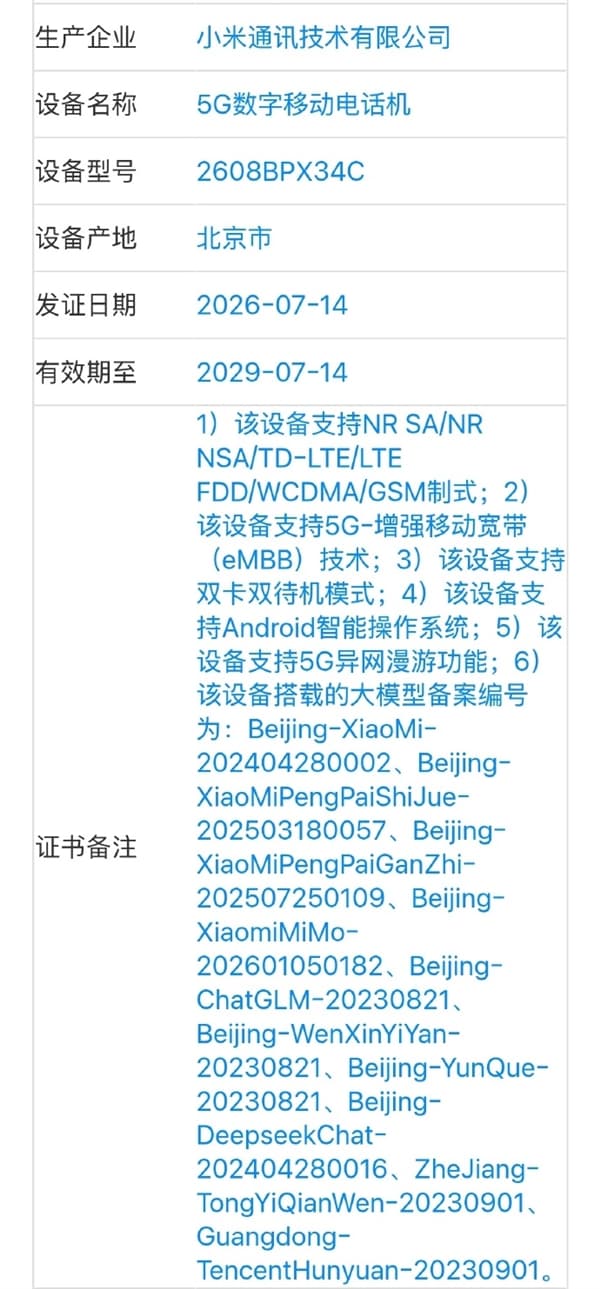
Xiaomi is reportedly preparing to unveil a new flagship device that could represent a major milestone in the company’s long-term technology strategy. According to information shared by well-known tipster Digital Chat Station, a Xiaomi smartphone bearing the model number 2608BPX34C has completed all required regulatory certifications and is now awaiting its official launch, which is expected as early as next month.

The upcoming device is widely believed to be the first Xiaomi smartphone to fully integrate the company’s self-developed processor, operating system, and AI large language models into a single product.

Certified With UWB, 5G, and AI Capabilities

Certification documents reportedly reveal several key hardware features, including:

  • 67W wired fast charging
  • UWB (Ultra-Wideband) support
  • 5G compatibility, including the n79 frequency band
  • Certification for Xiaomi’s proprietary AI large model platform

Although Xiaomi has yet to officially identify the device, the combination of these features suggests it will be positioned as a premium flagship.

Xiaomi’s Vision of a Fully Self-Developed Ecosystem

Earlier this year, Xiaomi founder and CEO Lei Jun stated that the company aims to achieve the convergence of three core technologies on a single device in 2026:

  • Self-developed silicon
  • Self-developed operating system
  • Self-developed AI large models

The newly certified flagship is widely expected to become the first commercial product to realize that vision, highlighting Xiaomi’s growing emphasis on vertical integration across hardware and software.

Expected to Be the Next MIX Fold

Despite earlier speculation surrounding the Xiaomi 17S Pro, recent reports indicate that this new flagship will instead belong to Xiaomi’s MIX series.

Industry sources suggest it could debut as the next-generation MIX Fold, possibly under the name MIX Fold 5, featuring a redesigned large foldable form factor with a new wide-fold architecture.

While Xiaomi has not confirmed the product name, the device is expected to serve as the company’s next premium foldable flagship.

Powered by the New Xuanjie O3 Chip

The upcoming device is rumored to feature Xiaomi’s next-generation Xuanjie O3 flagship system-on-chip (SoC), succeeding the Xuanjie O1 while reportedly skipping an O2 generation.

According to previous leaks, the chipset is manufactured using TSMC’s 3nm process and features a high-performance CPU architecture that includes:

  • One ultra-large core clocked at 4.05GHz
  • Performance cores operating at 3.42GHz
  • Efficiency cores running at 3.02GHz

The integrated GPU is reportedly clocked at 1.49GHz and paired with memory supporting bandwidths of up to 9,600MT/s, promising significant gains in graphics performance, AI processing, and overall system responsiveness.

HyperOS 4 Brings a Rebuilt Foundation

On the software side, the flagship is expected to debut with HyperOS 4, Xiaomi’s next-generation operating system.

According to previous reports, HyperOS 4 has undergone a comprehensive redesign at the system level. Xiaomi is said to have removed years of accumulated legacy code and rebuilt major portions of the underlying architecture, with the goal of delivering:

  • Improved system responsiveness
  • Better power efficiency
  • Enhanced multitasking
  • Deeper AI integration throughout the operating system

Broad AI Model Support

The certification information also references an extensive range of AI models that may be supported on the device, including:

  • Xiaomi Large Model
  • Xiaomi Leaps Vision Model
  • Xiaomi Leaps Perception Model
  • Xiaomi MiMo Model
  • Zhipu AI
  • ERNIE (Wenxin Yiyan)
  • Doubao
  • DeepSeek
  • Tongyi Qianwen
  • Hengyuan

The broad compatibility suggests Xiaomi is building a more open AI ecosystem capable of leveraging both proprietary and third-party large language models for different applications and user scenarios.

67W Charging Raises Questions

One specification that has surprised industry observers is the reported 67W wired fast charging support.

In recent years, Xiaomi’s premium flagship smartphones have commonly offered 90W, 100W, or even higher charging speeds. If the certification information proves accurate, the reduced charging wattage may reflect engineering trade-offs associated with the device’s foldable design, battery longevity, thermal management, or internal space constraints.

Outlook

Although Xiaomi has not officially confirmed the device, multiple leaks point to an ambitious flagship designed to showcase the company’s expanding technological independence. By combining an in-house Xuanjie processor, HyperOS 4, and Xiaomi’s growing portfolio of AI models, the upcoming smartphone could become the clearest demonstration yet of Xiaomi’s vertically integrated ecosystem.

More details—including the official product name, pricing, complete specifications, and launch date—are expected to be revealed when Xiaomi announces the device in the coming weeks.

The post Xiaomi’s Next Flagship Clears Certification: In-House Chip, HyperOS 4, and AI Models Expected to Debut Together appeared first on IGeeKphone China Phone, Tablet PC, VR, RC Drone News, Reviews.

  •  
❌