❌

Reading view

Fetal brain models show IL-17A disrupts cortical development after maternal immune activation

A new study has brought scientists closer to observing how inflammation during pregnancy may alter the earliest stages of human brain development. Using three-dimensional tissue models made from human fetal brain samples, researchers modeled maternal immune activation and identified the signaling molecule interleukin-17A, or IL-17A, as a major driver of abnormal cortical development. The findings, published in Nature Neuroscience, offer a human-based experimental system for investigating how immune signals outside the brain can influence the formation of neural circuits before birth.

Maternal immune activation refers to the biological response triggered when a pregnant individual experiences infection or significant inflammation. Epidemiological studies have associated certain prenatal inflammatory exposures with an increased likelihood of neurodevelopmental conditions, including autism spectrum disorder, schizophrenia, and intellectual disability. Yet the mechanisms behind these associations have remained difficult to study. Animal models have provided important clues, but differences between species can limit their ability to reproduce the timing, cellular organization, and molecular environment of the developing human cortex.

The researchers addressed this challenge with “brain cerebroids,” three-dimensional, ex vivo models that preserve features of developing human fetal brain tissue. Unlike simplified cultures composed of a single cell type, these structures retain a more complex arrangement of neural progenitors, immature neurons, and supporting cells. Their three-dimensional architecture allows cells to communicate and organize in ways that more closely resemble the fetal cortex, including the production and movement of neurons that ultimately establish the layered structure of the brain’s outer region.

To recreate aspects of maternal immune activation, the team exposed the fetal brain cerebroids to inflammatory conditions associated with immune signaling during pregnancy. The central focus was IL-17A, a cytokine produced primarily by activated immune cells, particularly a subset of T cells known as T helper 17 cells. Cytokines are small signaling proteins that coordinate immune responses, but they can also affect tissues beyond the immune system. In the developing brain, inappropriate or excessive exposure to such signals may influence cell proliferation, migration, differentiation, and the formation of connections between neurons.

The study found that IL-17A exposure was linked to disruptions in cortical development within the human cerebroids. These effects are described as “IL-17A-driven,” indicating that the cytokine was not merely associated with the developmental changes but played a functionally important role in producing them. The disturbances affected the organization and behavior of developing neural cells, processes that are essential for building the cortex. During normal development, neural progenitor cells generate new neurons in tightly regulated sequences, while young neurons migrate to their appropriate positions. Interference with either process can alter the structure and connectivity of later-forming brain tissue.

The results are especially significant because they were observed in human fetal brain material rather than inferred only from animal studies. Previous research in mice has implicated maternal immune activation and IL-17A in changes to cortical organization and behavior in offspring. However, the human cerebroid model provides an opportunity to examine whether similar immune mechanisms operate in human tissue, where the timing of neurogenesis, cell-type composition, and cortical architecture differ from those of rodents. The approach may also help reveal human-specific responses that conventional laboratory animals cannot capture.

The findings do not mean that IL-17A exposure during pregnancy inevitably causes a neurodevelopmental condition, nor do they establish that prenatal inflammation is a single explanation for such conditions. Brain development is shaped by a combination of genetic factors, immune signals, environmental influences, and developmental timing. The experiments also took place in an ex vivo model, outside the full physiological environment of a living pregnancy. Cerebroids cannot reproduce the placenta, maternal circulation, hormonal changes, or the complete immune system, all of which influence how inflammatory signals reach the fetus and how long they remain active.

Nevertheless, the model could become a powerful platform for testing mechanisms and potential interventions. Researchers may use it to determine how IL-17A changes gene activity in neural progenitors, whether it alters communication between neurons and glial cells, and which molecular pathways make some developing cells more vulnerable than others. Because the tissue is human and three-dimensional, it may also support studies of patient-specific genetic risk, allowing investigators to compare how different backgrounds respond to the same inflammatory signal.

The work also highlights a broader shift in neuroscience toward experimental systems that combine human tissue with controlled laboratory manipulation. Understanding prenatal inflammation is difficult in clinical studies because immune exposure cannot be ethically assigned or precisely timed in pregnant people. Brain cerebroids offer a way to isolate individual components of that complex biology while preserving more of the developing tissue’s natural organization than conventional two-dimensional cell cultures. As these models improve, they may help distinguish temporary developmental changes from persistent alterations in cortical circuitry and identify when immune signaling is most consequential.

By showing that IL-17A can disrupt human cortical development in a three-dimensional ex vivo system, the study gives researchers a clearer biological target in the search for links between prenatal inflammation and later neurodevelopment. Its most immediate contribution is not a new diagnosis or treatment, but a more precise experimental framework: one that connects maternal immune signaling to cellular events in the developing human cortex. That connection could guide future work on prevention, therapeutic timing, and the complex origins of developmental differences long before the first symptoms become visible.

Subject of Research: Maternal immune activation and IL-17A-driven disruption of human fetal cortical development in 3D ex vivo brain cerebroids.

Article Title: Modeling maternal immune activation in 3D ex vivo human fetal brain cerebroids reveals IL-17A-driven disruption of cortical development.

Article References: Assir, M.Z.K., Yanakiev, M., Gim, D.H. et al. Modeling maternal immune activation in 3D ex vivo human fetal brain cerebroids reveals IL-17A-driven disruption of cortical development. Nature Neuroscience (2026). https://doi.org/10.1038/s41593-026-02400-2

Image Credits: AI Generated

DOI: https://doi.org/10.1038/s41593-026-02400-2

Keywords: maternal immune activation, IL-17A, fetal brain development, cortical development, brain cerebroids, neurodevelopment, prenatal inflammation, human brain models, cytokines, neuroscience

  •  

Culturally Tailored Maternity Care Boosts First Nations Birth Health

A recent groundbreaking study published in The Lancet’s eClinical Medicine reveals that a culturally tailored continuity of midwifery care model significantly improves perinatal outcomes for First Nations families in Victoria, Australia. This innovative approach, known as the Baggarrook Yurrongi or “Women’s Journey” model, ensures that women expecting First Nations babies receive consistent care from a known midwife throughout pregnancy, birth, and the early postnatal period.

Developed collaboratively with First Nations health organizations and maternity services, the Baggarrook Yurrongi model addresses the unique cultural needs of Aboriginal and Torres Strait Islander families. The study analyzed over 164,000 births from three major hospitals, including outcomes for more than 2,000 First Nations babies. Researchers utilized a prospective, non-randomized design, comparing data before (2012–2017) and after (2017–2022) the model’s implementation to assess its real-world efficacy.

The findings demonstrated monumental improvements: there was a 45% increase in the rate of healthy births among First Nations babies. Additionally, the likelihood of low birthweight decreased by 33%, preterm births by 36%, and neonatal intensive care admissions by 30%. Mothers were also 86% more likely to initiate breastfeeding, underscoring enhanced postnatal engagement and infant health support.

Lead researcher Professor Della Forster emphasized the significance of culturally informed midwifery continuity care, highlighting its role in bridging healthcare disparities. By fostering trust and cultural safety, the model encourages better health practices and outcomes, marking a notable stride toward closing the persistent gap in Indigenous perinatal health.

Key to the success of this approach is the trusted relationship a known midwife builds with expectant mothers—crucial for communities historically wary of healthcare systems. Programs like Mercy Hospital for Women’s Nangnak Baban Murrup and Joan Kirner Women’s and Children’s Hospital’s Galinjera have demonstrated both high uptake and satisfaction levels among clients and midwives alike, indicating sustainable integration into standard maternity care.

Clinical Midwife Specialist Evelyn Burns remarked that this continuity of care model profoundly impacts women’s confidence and connection during pregnancy. The study’s robust dataset and positive qualitative feedback from both families and clinicians provide compelling evidence for broader adoption across Australian maternity services.

This research not only validates the efficacy of culturally tailored care models but advocates for their expansion nationwide to ensure equitable and effective maternity healthcare for all First Nations families. The findings represent a pivotal shift in perinatal care paradigms, blending cultural competence with clinical excellence to improve long-term maternal and infant health outcomes.


Subject of Research: People
Article Title: The effect of culturally tailored continuity of midwifery care on perinatal outcomes for women having a first Nations baby in Victoria, Australia: a prospective non-randomised translational study
News Publication Date: 24-Jun-2026
Web References: https://www.thelancet.com/journals/eclinm/article/PIIS2589-5370(26)00281-6/fulltext
References: 10.1016/j.eclinm.2026.104028
Image Credits: La Trobe University
Keywords: Health care, First Nations, midwifery continuity, perinatal outcomes, culturally tailored care

  •  

Birth Control Pills Linked to a Higher Risk of Binge Eating

Combined oral contraceptives, often called birth control pills, are among the most widely used medications for women around the world. Millions of women take them to prevent pregnancy, regulate menstrual cycles, reduce painful periods, improve acne, and manage hormone-related conditions. For many women, these medications are safe and effective and can significantly improve quality of […]

The post Birth Control Pills Linked to a Higher Risk of Binge Eating appeared first on Knowridge Science Report.

  •  

Impact of Prenatal Exposure to 10 Key Chemical Classes on Birth Outcomes: Insights from the ECHO Cohort

A comprehensive new study published in JAMA Network Open has revealed pervasive exposure among pregnant individuals in the United States to multiple classes of environmental chemicals, highlighting critical concerns about their impact on fetal development. This groundbreaking longitudinal cohort investigation evaluated a large and ethnically diverse sample of U.S. pregnancies, systematically analyzing exposures to ten distinct categories of environmental pollutants. Many of these chemicals showed significant associations with measurable shifts in gestational age and reductions in birth weight-for-gestational age z-scores, parameters essential for assessing neonatal health and predicting long-term outcomes.

The research employed advanced biomonitoring techniques to quantify the presence of environmental toxicants including phthalates, alternative plasticizers, and polycyclic aromatic hydrocarbons (PAHs) in maternal biological samples during gestation. Phthalates and plasticizers are commonly used in consumer products and medical devices, yet their biochemical interactions during crucial windows of fetal development remain underappreciated. The study’s detailed exposure profiling allowed for unprecedented insights into how these compounds may disrupt endocrine functions or trigger inflammatory processes, potentially precipitating premature labor or impaired fetal growth.

One of the most striking findings was the widespread detection of phthalates and substitute plasticizers within this population, indicating ubiquitous contact despite regulatory efforts to limit their use. These chemicals, integral to plastics and personal care products, demonstrated compelling correlations with shortened gestation periods. Such alterations in gestational length can increase risks for adverse neonatal outcomes, including respiratory complications and neurodevelopmental disorders, underpinning the urgency to reassess public health policies concerning these ubiquitous agents.

Likewise, exposure to polycyclic aromatic hydrocarbons, a class of organic compounds generated through the incomplete combustion of organic matter including fossil fuels and tobacco, was found to be significantly linked with lower birth weight-for-gestational age z-scores. Lower birth weight relative to gestational age is a well-established risk factor for morbidity and mortality in infancy and has been implicated in chronic diseases later in life, such as cardiovascular disorders and diabetes. This association reaffirms concerns about air pollution-related health disparities during pregnancy.

The study’s robust methodology involved careful adjustment for confounding factors, such as maternal age, socioeconomic status, preexisting health conditions, and lifestyle habits, ensuring that the observed effects were primarily attributable to chemical exposures. Such meticulous analytical rigor strengthens causal inferences and enhances the generalizability of findings across the heterogeneous U.S. population.

Beyond the immediate neonatal impacts, the findings underscore the broader implication that gestational exposure to environmental chemicals may foreshadow developmental trajectories affecting cognitive function, metabolic programming, and immune competence. The data suggest a pressing need to incorporate environmental risk assessments into prenatal care and to advocate for more stringent regulation and replacement of harmful chemical additives in manufacturing and consumer goods.

Experts involved in the study emphasize the translational significance of these findings. Reducing prenatal exposure to harmful environmental agents, particularly those involved in plastic manufacturing and combustion byproducts, could be a modifiable risk factor to optimize pregnancy outcomes and subsequent child health. The research calls for collaborative efforts between scientists, clinicians, policymakers, and industry stakeholders to develop safer alternatives and to implement public health strategies aimed at exposure mitigation.

In addition to environmental monitoring, the study highlights the potential of biomarker-driven surveillance in clinical settings to identify at-risk pregnancies earlier. The adoption of such precision health approaches could enable timely interventions designed to minimize chemical-induced developmental insults and promote resilience in vulnerable populations.

Overall, this research project represents a pivotal contribution to reproductive environmental epidemiology, providing compelling evidence on how everyday chemical exposures reverberate at the earliest stages of human life. Such insights fuel the momentum toward integrating environmental considerations into obstetric practice and public health frameworks, ultimately aiming to safeguard the next generation from preventable neurodevelopmental and somatic diseases linked to toxic exposures.

The detailed chemical classes examined in this investigation span commonly encountered substances with diverse structural and functional properties, illuminating the pervasive nature of industrial and urban pollutants. The interdisciplinary approach combining toxicology, epidemiology, and molecular biology sets a new standard for environmental health research, encouraging future explorations into underlying biological mechanisms and potential gene-environment interactions.

As global urbanization and chemical manufacturing continue to expand, the relevance of these findings grows, underscoring an urgent collective responsibility to address environmental determinants of health from conception onwards. By spotlighting the critical window of gestation as vulnerable to chemical insults, this study not only informs clinical guidelines but also energizes advocacy for environmental justice, particularly in frequently marginalized communities disproportionately burdened by pollution exposure.

In summary, the research establishes a clear and compelling connection between gestational exposure to multiple classes of environmental chemicals—including phthalates, plasticizers, and hydrocarbons—and adverse birth outcomes such as shortened gestation and reduced fetal growth metrics. Addressing these exposures presents a tangible opportunity to improve neonatal health indicators and foster lifelong wellbeing, heralding a paradigm shift in how society approaches prenatal environmental risk.

Subject of Research: Gestational exposure to environmental chemicals and its impact on birth outcomes in U.S. pregnancies
Article Title: [Not provided]
News Publication Date: [Not provided]
Web References: [Not provided]
References: doi:10.1001/jamanetworkopen.2026.18883
Image Credits: [Not provided]

Keywords: Chemical pollution, Gestational age, Birth rates, Cohort studies, Pregnancy, United States population, Body weight, Hydrocarbons, Environmental health, Plastics, Human health, Obstetrics

  •  

Breakthrough Ultrasound Patch Tracks Blood Flow and Fetal Health in Real Time

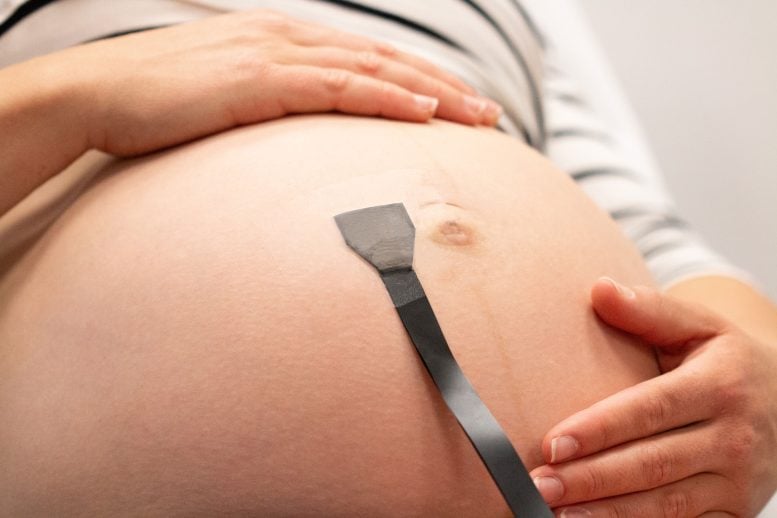
Wearable Ultrasound Patch on Pregnant StomachA new soft ultrasound patch is designed to provide long-term, hands-free monitoring of fetal health in real time. Engineers at the University of California, San Diego, have developed a soft, wearable ultrasound patch that can continuously monitor a fetus for hours at a time while maintaining reliable performance even as the fetus and umbilical cord [...]
  •  

Scientists Recommend Doing This To Reduce Anxiety During Pregnancy

Pregnant Woman DepressionA new study suggests that sleep loss during pregnancy and the postpartum period may be an early driver of anxiety symptoms. Lack of sleep is often treated as an unavoidable part of pregnancy and new parenthood. But what if those restless nights are doing more than leaving parents exhausted? New research suggests sleep loss may [...]
  •  
❌