The discussion of communication communication technologies continues as the panel of Chuck Joiner, Jeff Gamet, and Marty Jencius make the jump from telegraphs and long-distance calls to texting, smartwatches, satellite connectivity, and possible implanted devices. How science fiction anticipated so many of today’s modern communications questions such as convenience, safety, privacy, tracking, and social change wrap […]
The federal government is ending its contract with a Kentucky nonprofit that it says pressured medical workers to remove organs from patients who were getting better.
Botanists are still proving Charles Darwin right with their recent identification of a new carnivorous plant growing in China’s mountainous forests.
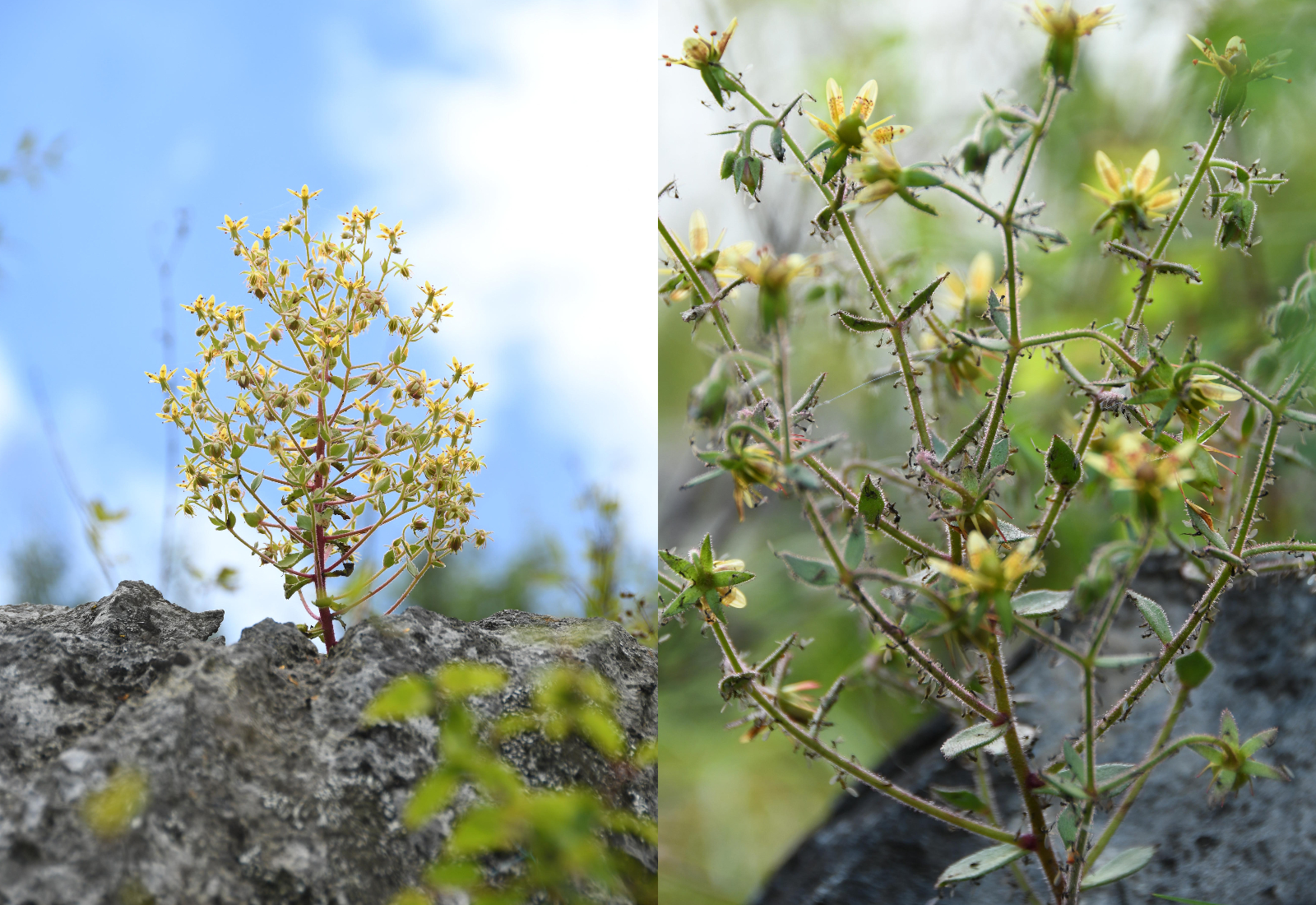
Saxifraga candelabrum is a small, yellow flower with a taste for flesh that may one day help protect endangered crops, and researchers have revealed their detailed analysis of the carnivorous plant, conducted both in the field and the laboratory, in a recent paper published in Nature Communications.
The carnivorous plant attracts, traps, and finally digests prey, typically consisting of fruit flies and other small insects, breaking them down with a caustic enzyme that it produces.
Charles Darwin and Carnivorous Plants
Although it was philosopher Herbert Spencer who actually coined the phrase “survival of the fittest,” it was Charles Darwin who developed the concept behind it in his work on natural selection. With an eye towards survival in a harsh natural world, Darwin suggested in 1875 that some plants in the genus Saxifraga may be more than just beautiful flowers—they may also be very patient hunters.
Darwin’s suspicion centered on Saxifraga species other than S. candelabrum, the plant examined in the new study. However, the basis for his hypothesis holds true: the father of evolutionary biology focused on the microscopic hairs covering the plants’ surfaces, a feature shared by both the species he studied and the newly confirmed carnivorous plant.
Darwin suggested these hairs acted as a trap, capturing insects drawn to the flowers and holding them in place as the plants slowly absorbed nutrients from them. He was right.
A New Take on Carnivorous Plants
Most carnivorous plants rely on highly specialized structures to capture prey. The iconic clamping leaves of Dionaea muscipula, better known as the Venus flytrap, are one example. Another is Low’s pitcher plant, which lures insects into its pitcher-shaped trap before digesting them.
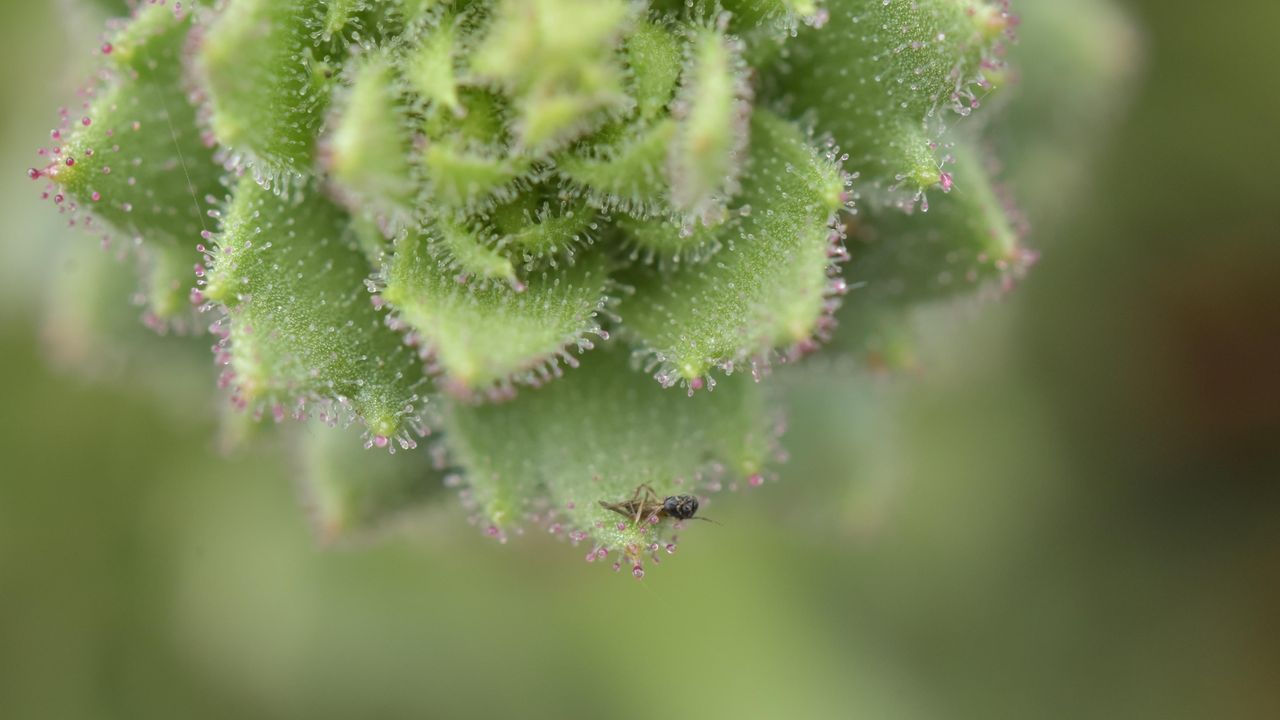
S. candelabrum, however, employs a far subtler strategy. Rather than relying on elaborate trapping structures, it uses innocuous-looking hairs covering its flowers and stems. Once insects land on them, they discover the bristles are exceptionally sticky, trapping them until the plant can digest them.
“The discovery of Saxifraga candelabrum reminds us that many inconspicuous carnivorous plants, or plants with partial carnivorous traits, may still exist in nature,” said lead author Hang Sun, a botanist at the Kunming Institute of Botany at the Chinese Academy of Sciences.
Investigating a Hidden Hunter
The team’s research involved a great deal of fieldwork, observing S. candelabrum consuming insects in the mountain forests of China. However, it was their detailed genetic analysis in the lab that later showed how similar the plant was to other carnivorous species, despite its unusually benign appearance.
As part of their laboratory experiments, the researchers fed the plants fruit flies while closely monitoring their behavior. These observations allowed the team to identify digestive enzymes secreted by the plant to break down nitrogen-rich nutrients from its prey.
Identifying a new carnivorous plant species is an uncommon achievement for botanists, with the last such discovery occurring only five years ago. Even more remarkable is that the finding so closely aligns with Charles Darwin’s century-old prediction.
The researchers say the discovery is more than a botanical curiosity. A better understanding of how carnivorous plants digest insects could eventually aid the development of natural pesticides and other agricultural tools, potentially transforming these tiny predators into allies for protecting the world’s food supply.
Ryan Whalen covers science and technology for The Debrief. He holds an MA in History and a Master of Library and Information Science with a certificate in Data Science. He can be contacted at ryan@thedebrief.org.
Scientists have confirmed that a flowering plant native to the mountains in southwest China is carnivorous, supporting a prediction made by Charles Darwin more than 150 years ago.
The species, Saxifraga candelabrum, grows at elevations above 8,200 feet (2,500 meters) in the Hengduan Mountains, which connect the southeast portions of the Tibetan Plateau to the Yunnan-Guizhou Plateau.
The plant has stems and branches covered in sticky hairs that can trap small insects, predominantly nonbiting midges. However, scientists were unsure if these insects were being ingested by the plant. In a new study, researchers showed that S. candelabrum can digest and absorb nutrients from insects after capturing them, proving that the plant is carnivorous. The scientists published their findings Tuesday (Aug. 4) in the journal Nature Communications.
This is the first demonstrated case of carnivory in the saxifrage plant group, said study co-author Douglas Soltis, a distinguished professor of biology at the Florida Museum of Natural History.
Other carnivorous plants typically grow in moist, boggy soils, but S. candelabrum is found in dry alpine areas, Soltis told Live Science in an email. "These are all nitrate poor soils — that's why this carnivorous habit has evolved a number of times" to supplement the plants in vital nutrients, he said.
In 1875, Darwin theorized that two species closely related to S. candelabrum that also have sticky hairs — S. rotundifolia and S. umbrosa — may be carnivorous, based on their ability to catch insects. But the 19th-century naturalist couldn't show that the plants digested their prey or reused the nutrients in insect tissues — two conditions that are key to confirming carnivory in plants. Without these conditions, a species is considered simply "protocarnivorous," meaning it catches and kills insects or other small animals but doesn't digest or absorb them, according to the study.
"Although untested at the time, Darwin’s hypothesis provided an important inspiration for our study," study co-author Hang Sun, a researcher in the Chinese Academy of Sciences' Kunming Institute of Botany, told Live Science in an email.
The researchers conducted field observations and herbarium surveys of S. candelabrum, which revealed that mature plants with more numerous and longer branches had an average of 71 trapped insects on them. In the herbarium surveys, the team found that 43 out of 45 specimens had caught insects, suggesting that insect-trapping is a widespread phenomenon in this species.
Next, the study's authors showed that S. candelabrum possesses phosphatase, a digestive enzyme commonly found in carnivorous plants. They did this by labeling the phosphatase enzymes with fluorescent molecules to visualize them under a specialized microscope, a technique known as fluorescence tagging.
S. candelabrum secretes a viscous substance that coats its hairs, meaning insects get stuck on the stem and branches if they fly too close. (Image credit: Xin-Jian Zhang)
To determine if S. candelabrum digests and absorbs nutrients from insects, the researchers labeled fruit flies with a stable form of nitrogen before feeding them to the plants. This led to a marked rise in stable nitrogen in S. candelabrum and in a different, known carnivorous species, which the team used as a control group. By contrast, a non-carnivorous plant that formed a second control group did not show an increase in stable nitrogen, indicating that S. candelabrum is carnivorous.
Finally, the researchers performed a genetic analysis, which revealed that S. candelabrum has genes in common with known carnivorous plants that are linked to prey attraction, digestion and nutrient absorption. Together, the results showed that S. candelabrum evolved carnivorous traits to cope with its nutrient-poor environment, adapting its hairs — which were initially used for herbivore defense — into insect traps, according to the study.
Larger insects, which S. candelabrum requires for pollination, rarely get stuck to the hairs, the researchers noted in the study, suggesting that the species has perfectly balanced its needs through evolution.
Other Saxifraga species and plants belonging to the same lineage could turn out to be carnivorous, too.
"Many members of the Saxifragaceae, which includes genera other than Saxifraga, have sticky glandular hairs and are often covered with insects," Soltis said. "I would not be surprised if other members of the family are also carnivorous — as Darwin predicted."
The study broadens the scope of carnivorous plant research, Sun said. "Carnivory may therefore be far more widespread among flowering plants than previously recognized," he said.
Aspen trees could provide a natural buffer against wildfires, as new research shows that areas of forest where these trees dominate burn less intensely than those made of conifers.
The findings suggest that planting more of the right kinds of trees, such as trembling aspen (Populus tremuloides, also known as quaking aspen), could be an effective strategy for protecting communities as devastating wildfires become more common and intense in a warming world, researchers reported June 15 in the journal Forest Ecology and Management.
Individual aspen trees burn easily because of their thin bark, but large "stands" — contiguous communities of trees that are uniform in species, age and structure — of them are more resistant to fire than stands of conifers and can act like a firebreak.
The reasons for aspen stands' resilience are not certain. However, researchers think it likely stems from a combination of factors, including the high moisture content in the aspens' leaves and the undergrowth, the trees' lack of highly flammable resin, and the leaves' height, which makes it harder for fire to spread to the canopy and leap from tree to tree.
Flavie Pelletier, who conducted the research as part of her doctorate at McGill University in Montreal, wanted to see whether aspen stands have been able to maintain their fire-resistant properties as climate change makes fire seasons more intense and destructive.
She combined new maps of dominant tree species in forests across Canada with satellite maps of wildfires from three recent years, including 2023, which was the country's most destructive wildfire season ever recorded. She noted which tree species tended to be inside the fire zone and which were more common at the edges. She found that aspen trees were more than twice as common at the perimeters of fires than inside them, while conifers like spruce and pine were equally present in both locations.
Having more aspen trees in a particular area also decreased the amount of forest that burned each day during a fire, so it also appears to help slow the spread of the fire. Notably, the trees still resisted fire spread even in the spring, before their leaves had fully sprouted.
"This is proof that aspen has an impact on fire perimeter formation and can slow fire progression," she told Live Science.
Anthony Taylor, a forest management specialist at the University of New Brunswick, said the study, with its use of large datasets on real fires, does a good job of analyzing and quantifying a phenomenon that Indigenous peoples and foresters have understood for a long time.
"The idea that deciduous trees burn less has been known for millennia, but knowing something through experience is different than testing it," he told Live Science.
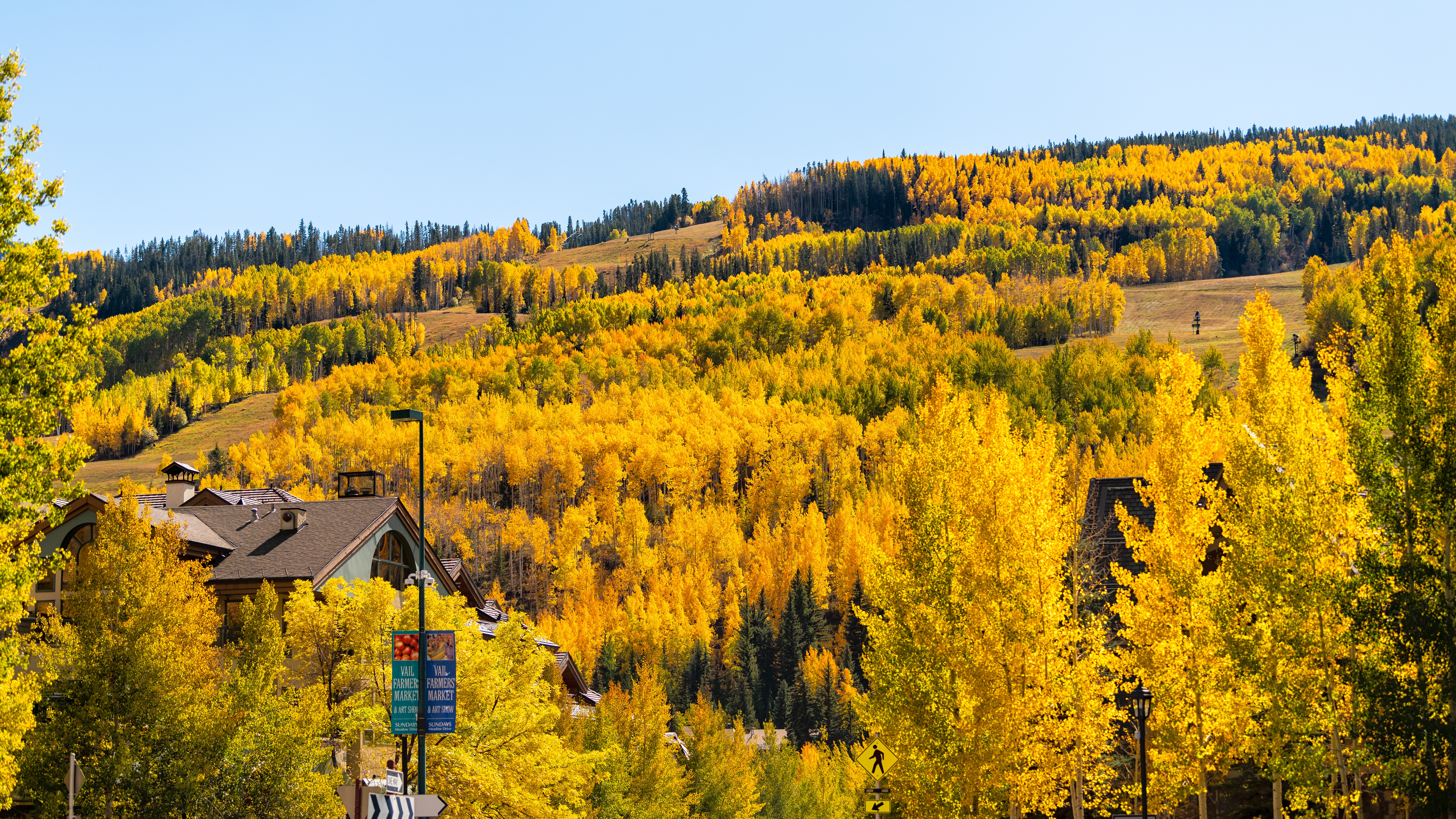
Aspen trees in Vail Colorado. (Image credit: Getty Images)
Changing practices
The research supports the idea that planting aspen or other deciduous trees around vulnerable communities can help protect them from fires. Taylor said this buffer strategy is being considered or implemented in many areas.
A single line of trees will not do the trick. The stands must be deep enough to stop the flames from blowing over the top — probably 300 to 1,000 feet (100 to 300 meters), Taylor said.
Aspens can also play a role in fire control at larger scales. Pelletier first became interested in this topic when she learned that forestry companies often spray the forests they manage with the herbicide glyphosate to kill deciduous trees like aspen so they can grow monocultures of more economically valuable conifers, leaving those forests at much higher risk of fires. She hopes her work will help convince the companies and regulators to change their practices.
"There needs to be less of a war on aspen in commercial forests," she said. In the long term, it would actually benefit the companies, because it would reduce the risk of losing large numbers of trees to fire, even if it slightly reduces the value of the forest in the short term.
Taylor agrees that in places like New Brunswick, a province with a large forestry sector, officials should be promoting more mixed and hardwood forests, and less of the softwood monocultures that the forestry industry relies on.
"That would go a long way to making our landscape more resilient to wildfire," he said. "And that's what would have been here anyway, before we started converting the forests to a more industrial forest."
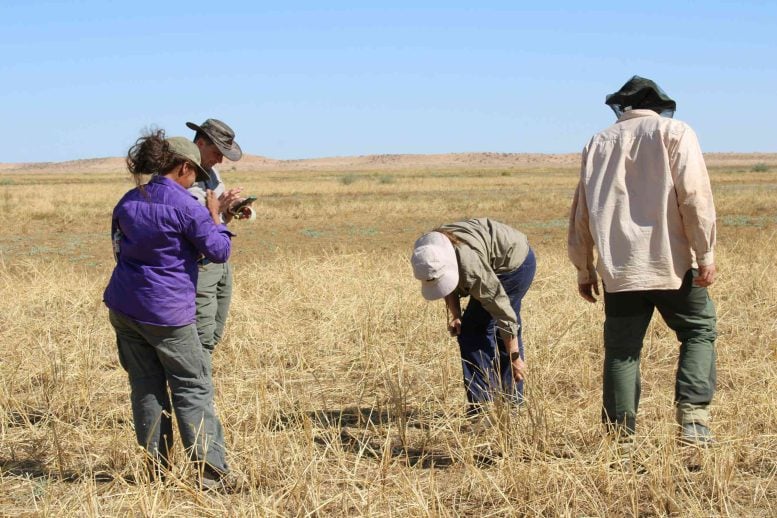
A native Australian millet may carry the genetic fingerprints of thousands of years of Aboriginal harvesting, storage, and plant management. Seen from the air, Channel Country resembles a vibrant and vast tapestry, with a network of waterways crisscrossing the land. Spread across more than 280,000 square kilometers in outback Australia, it is one of the [...]
A common houseplant hides a splendid geometric pattern.
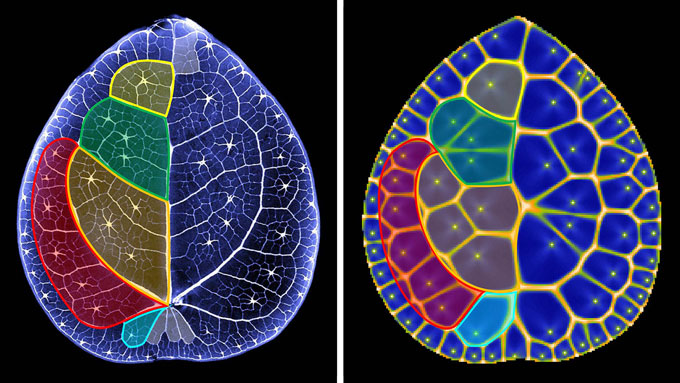
This design, called a Voronoi diagram, appears on the leaves of the Chinese money plant. The layout may arise as waves of a plant hormone spread across a leaf during its development. A similar process may shape the vein patterns in leaves of other plants, too.
Researchers shared these findings May 12 in Nature Communications.
This is a “beautiful” showcase of how plant veins develop to move water across leaves most efficiently, says Lawren Sack. He did not take part in the research. But he does study plant biology at the University of California, Los Angeles. Veins of leaves “have so much to tell us” about how to get resources where they need to go, he says.
Lurking in leaves
Leaves of the Chinese money plant (Pilea peperomioides) are speckled with pores. Called hydathodes, these pores release water. Each one is fenced in by veins to form a mosaic.
While in high school, Elijah Blum discovered a curious pattern in those leaf veins. He noticed it while plant-sitting for his sister. At the time, Blum was an intern at Cold Spring Harbor Laboratory in New York. (He’s now in college at New York University.) He shared what he’d found with his internship supervisor, computer scientist Saket Navlakha.
“He showed the plant to me, and he said, ‘Look, the veins look kind of interesting here,’” Navlakha says. “We sort of held it up to the light — and we saw that … Voronoi diagram.”
The layout of veins and pores on a Chinese money plant leaf (left, in false color) closely matches a computer model of a Voronoi diagram (right). Scientists made the computer model using the leaf’s pore positions as an array of dots. Colors show the regions on the actual leaf that correspond to regions in the computer model.Navlakha lab/CSHL
In a Voronoi diagram, a surface is split up into zones. Each zone contains a designated point. And every spot within a zone must be closer to that zone’s point than any other.
Urban planners use the same idea to decide which fire department a house should be assigned to. This helps each house in a city or town be closer to the fire station in its zone than any other station.
Patterns that look similar to Voronoi diagrams appear elsewhere in nature. The tiles on giraffe fur look like this type of design. So do the scales of dragonfly wings. But in a true Voronoi diagram, the mosaic must form around a set of points. In the Chinese money plant, the water-oozing pores serve as those points.
Making the mosaic
Blum and the others were curious how this pattern might develop.
Similar leaf veins are thought to form through canalization. In this process, a hormone involved in plant development — auxin — branches out across leaves. As it does, it creates a treelike network of channels that become veins.
But that wouldn’t produce a Voronoi diagram around a leaf’s pores, the team found. Computer models instead showed that as Pilea leaves develop, waves of auxin spread out from each pore. Those waves collide to form ridges. Eventually, they become a leaf’s major veins.
More research is needed to find out why Pilea leaves follow this pattern, says team member CiCi Zheng. She studies the math of living things at the Allen Institute in Seattle, Wash.
The Voronoi diagram layout might be useful for plants, she says. This pattern keeps a leaf’s major veins — which transport water — as far as possible from its water-leaking pores. “You might want to place the veins not directly close to any of those locations where water evaporates super-fast,” Zheng says.
Sack at UCLA is excited about what new tech this finding might inspire. Past studies of leaf veins, he says, have helped engineers reimagine how to distribute resources such as water and energy. Such insights have improved solar panels, electronic circuits and irrigation systems.
“The more we know about leaf veins,” Sack says, “the more we can build functional and beautiful systems around us.”
What it means: In Latin, "Pando" means "I spread." And boy, does it. Pando is a clonal stand of aspen trees in Utah that weighs about 13 million pounds (6 million kilograms), making it the world's heaviest living organism ever found. Its 40,000 trees cover 106 acres (43 hectares) in Fishlake National Forest, and they're all connected by a single, sprawling root system. Some DNA analysis suggests that this many-fingered megatree is tens of thousands of years old.
How to use it in a sentence: When you walk through Pando, what seems like a normal stroll through an aspen grove is actually a trip through a single, ancient living being.
Can you crack our science word of the day puzzle, Chain Word?
An eye implant that can help blind people see again is poised to hit the market — in Europe, at least.
On Wednesday, the US-based Science Corporation announced that it had received approval from the European Union to treat patients with its vision-restoring bionic eye device, called Prima, in a huge step towards the commercialization of the technology.
“We have a cochlear implant for vision now,” CEO Max Hodak told Stat News.
Science Corp’s device is designed to treat advanced macular degeneration, a condition in the eye which causes central vision loss. It’s the leading cause of vision loss in older adults, with severe forms of it accounting for nearly 90 percent of legal blindness in the US, according to one estimate.
To restore vision, the Prima device uses a wireless chip that’s surgically implanted under the retina. This connects with a pair of camera-equipped glasses, which transmits video in the form of near-infrared light that the chip turns into electrical signals interpreted by the brain.
“One of our patients in France finished a 300-page novel a little while ago, and sent us the book,” Hodak recently told TechCrunch. “We have a sketch on the wall [that] one of our patients drew of the Sydney Opera House. There are videos of patients playing crossword puzzles and filling in Sudoku.”
But Hodak — who cofounded Neuralink with Elon Musk before leaving to start Science Corp — was candid that his tech still has a lot of room for improvement.
“This is an early version. It’s kind of like looking through a straw in the centre of their vision,” he told the Financial Times, saying it was “powerful proof” that the company was on the right track.
“We see in the future how to get to colour pretty close to native acuity,” he added.
Each Prima device is expected to cost hundreds of thousands of dollars, but Science Corp says it’s working with healthcare providers to cover some of the cost, per TechCrunch. It’s most likely to first start treating patients in Germany, where it conducted its clinical trials.
It’s not the only company making moves in this space. Neuralink is also working on a vision implant called Blindsight, but it hasn’t begun human trials yet.
Most products made for pets are designed entirely by humans. But what if animals could help design the things they use? A new project suggests they can. Researchers worked with a pet parakeet named Shiso to create a wearable perch based on the bird’s own preferences, turning the design process into a true collaboration between […]
In Homer’s epic, Odysseus’s men eat something so powerful that they forget about home. Which plants could have produced such a soporific, narcotic and amnesiac effect?
A study suggests that severe pollinator losses may have sharply slowed plant adaptation. A morning glory facing a warmer climate may benefit from blooming earlier. But if pollinators are becoming harder to attract, producing larger flowers may matter more. New research suggests that these competing pressures have become linked in a way that sharply limits [...]
Nitrogen is an essential building block of proteins, amino acids, and DNA. Without nitrogen, cells can’t function or reproduce. Nitrogen is abundant in the atmosphere as dinitrogen gas, but plants and animals can’t access atmospheric nitrogen. Instead, we rely on biologically available forms like ammonia and nitrate.
Specialized microbes can transform atmospheric nitrogen into ammonia via a process called biological nitrogen fixation. Nitrogen-fixing soil bacteria have a unique protein complex, the nitrogenase complex, that facilitates this nitrogen transformation. The nitrogenase complex is activated by a group of genes known as nif genes.
Legume plants like peanuts, peas, and beans have nitrogen-fixing bacteria in the soil zone around their roots, called the rhizosphere. The symbiotic relationship between nitrogen-fixing soil bacteria and legume plants supplies most of the biologically available nitrogen to life on Earth.
Bacteria attached to plant roots “feed” nitrogen to plants through the soil, and in turn receive organic acids for energy from plants performing photosynthesis. Source: Wikimedia Commons
However, one piece of the puzzle remains unexplored: the role of soil viruses in these nitrogen transformations, referred to as the nitrogen cycle. Viruses are microscopic particles made up of genetic material and proteins, but they can’t reproduce without a host cell. Scientists consider viruses to be biological entities that are halfway between living and non-living.
To reproduce, viruses contact a host cell and inject their genetic material into it. The virus’s genetic material takes over the host cell’s genome and forces the cell to produce proteins that assemble into new viruses. As new viruses are created, they can incorporate genes from the host cell into their own genetic material. Genes that are transferred from a host cell to a virus are known as auxiliary metabolic genes (AMGs). Viruses can carry AMGs and pass them to other hosts or use them to increase their own ecological fitness.
Scientists from China, Spain, and the Czech Republic set out to investigate whether viruses from legume roots could increase local soil nitrogen fixation by expressing nif AMGs or by transferring nif genes to other bacteria. First, they determined the global distribution of viral nitrogen-fixing genes by analyzing about 8.6 million viral genomes from the Integrated Microbial Genomes/Virus database. They looked for the DNA sequences of known nitrogen-fixing genes and the locations where the viruses were sampled. They found that only 0.003% of the viruses in the database had at least 1 nitrogen-fixing gene, but they clustered in the same locations as nitrogen-fixing bacteria.
The team also found 3 types of viruses that most commonly carried nitrogen-fixing genes: Kyanoviridae, Nudiviridae, and Bronfenbrennervirinae. Kyanoviridae viruses carried a nif gene called nifU. The researchers used a computer program called DRAM-v to confirm that nifU was a fully functional gene and a real tool that viruses could use.
Next, the team collected soil samples from a cowpea field in Nanjing, China, to test whether the cowpea roots influenced the abundance of viruses using nitrogen-fixing genes. They collected soil from the cowpea rhizospheres and soil away from the plants. They analyzed both viral and bacterial RNA in the soil samples to identify active genes, using a sequencing process called metatranscriptomics. They found that the viral nifU gene was actively expressed in the cowpea rhizosphere samples more than in the non-crop soil. Although about 96% of nifU genes were being expressed by bacteria, viruses contributed about 4%.
The researchers then assessed whether rhizospheric viruses changed the amount of nitrogen being fixed in these soils. They set up small, enclosed containers of sterile soil and added either bacteria or a mixture of bacteria and viruses extracted from the cowpea rhizospheres. They found that soil with viruses had higher total nitrogen (36 milligrams per kilogram, or mg/kg) than soil without viruses (17 mg/kg).
Finally, they adjusted the air in each container to have a different form of dinitrogen gas. Atoms of the same element that have different atomic masses are known as isotopes. Nitrogen has 2 stable isotopes: lighter nitrogen-14 and heavier nitrogen-15. Bacteria or viruses that fix nitrogen at natural isotope abundances will take up nitrogen-14. But scientists can track who in the population fixes nitrogen by adding nitrogen-15 to the air, a process called nitrogen-15 stable isotope probing. Nitrogen-fixers will incorporate the heavy nitrogen-15 into their biomass over time and increase their weight, allowing researchers to separate and identify them.
The team grew the bacteria and viruses with nitrogen-15 for 35 days, then used stable isotope probing to separate the nitrogen fixers. They detected viral nifU AMGs among the heavier biomass, confirming that rhizospheric viruses were fixing nitrogen.
The team concluded that rhizospheric viruses and the viral nifU AMG can increase nitrogen fixation in cowpea soils. The team suggested that although viruses with nitrogen-fixing genes are rare, they can influence the soil nitrogen cycle. They recommended that future researchers further test the contribution of viral nifU genes to plant nitrogen fixation with controlled infection experiments.
For decades, cities have been designed around "gray infrastructure." Roads move people. Bridges connect communities. Water systems protect public health. These systems are governed by engineering standards because society recognizes that safety cannot depend on good intentions alone.
Urban nature deserves the same recognition.
In June, a heat wave gripped Europe, breaking temperature records across the continent. In France, officials reported over 2,000 excess deaths. In the U.K., hospitals declared critical incidents and machinery and IT systems failed. In the U.S., a heat dome over the Midwest and East Coast disrupted Fourth of July celebrations, with at least 25 heat-related deaths over Independence Day weekend.
Cities are being tested by a warming climate. Yet one of our most effective forms of climate infrastructure is being lost — not because it does not work but because we still do not treat it as infrastructure.
My view is simple: Urban nature — including street trees, parks, wetlands and other urban green spaces — should be categorized and managed as essential infrastructure, with minimum standards for its protection, quality and long-term maintenance. Just as we regulate roads, bridges and drinking water, we need standards that ensure all urban residents benefit from healthy and thriving urban nature. Without such standards, cities will become hotter, less resilient and increasingly unequal as climate change accelerates.
A cafe in the city of Nice during the heat wave that saw temperatures in France reach a record-breaking average of 98.4 degrees Fahrenheit (36.9 degrees Celsius). (Image credit: Valery Hache/Getty Images)
Scientific research shows that urban trees and green spacescool cities during heat waves, reduce flooding by absorbing stormwater, improve air quality, store carbon, support biodiversity, and improve both physical and mental health. During extreme heat, neighborhoods with mature tree canopies can be several degrees cooler than nearby streets dominated by concrete and asphalt. Those few degrees can mean the difference between manageable discomfort and dangerous heat exposure, particularly for older adults, children and people with existing health conditions.
But while the science is strong, our governance is not.
Cities enthusiastically announce ambitious tree-planting campaigns, biodiversity strategies and new greening targets. These initiatives are valuable, but they often focus on what is easy to count rather than what truly matters. Planting a tree is not the same as growing a healthy urban forest. Creating a park does not guarantee biodiversity. A green roof delivers little value if it fails during drought.
The real measure of success is whether urban nature continues providing benefits decades after trees are planted and established.
This is where cities are still falling short.
That is not simply an environmental issue. It is a public health issue, a climate adaptation issue, and an issue of social equity.
Unlike buildings or transport systems, urban nature rarely operates under consistent minimum standards. Many cities have no requirements for minimum tree canopy cover, adequate rooting space, soil quality, biodiversity targets, long-term maintenance or even whether newly planted trees survive. As a result, access to nature depends heavily on where people live. Wealthier neighborhoods often enjoy mature tree canopy and high-quality parks, while disadvantaged communities experience hotter streets, fewer green spaces and greater exposure to climate risks.
That is not simply an environmental issue. It is a public health issue, a climate adaptation issue, and an issue of social equity.
The solution is not simply to plant more trees. It is to establish urban nature standards that recognize nature as essential infrastructure.
These standards would not prescribe the same solution for every city. Instead, they would establish minimum expectations based on scientific evidence. They could include targets for accessible green space, minimum tree canopy cover, sufficient soil volume for healthy tree growth, biodiversity outcomes, long-term maintenance funding and routine monitoring to ensure that urban nature continues delivering benefits to communities.
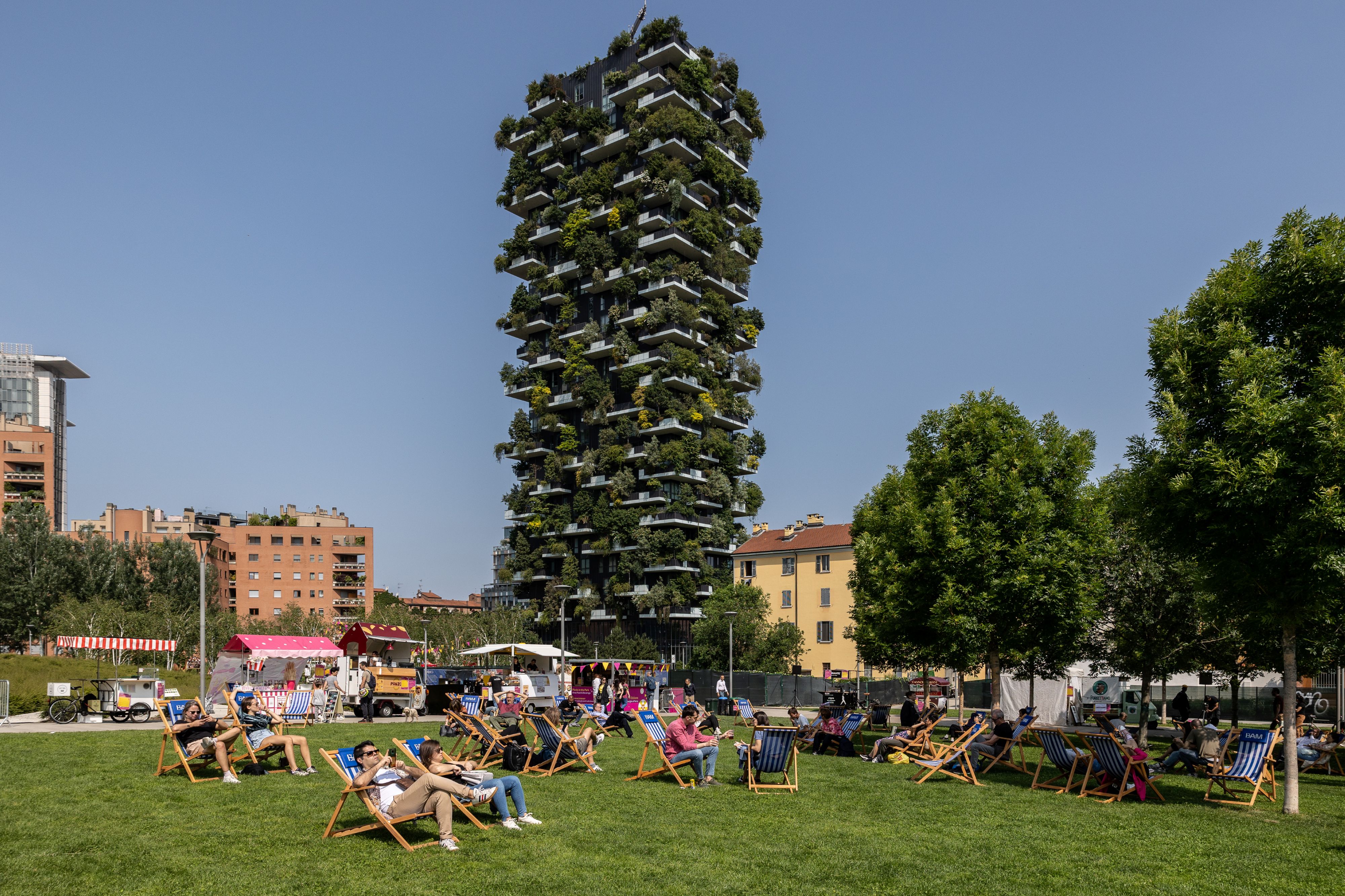
The Bosco Verticale in Milan house around 800 trees and 20,000 plants. City officials have been expanding the green infrastructure with multiple high impact projects to address climate change. (Image credit: Emanuele Cremaschi/Getty Images)
Importantly, these standards should focus on outcomes rather than simple planting targets. Counting how many trees are planted tells us little about whether cities are becoming more resilient. Measuring survival, canopy development, ecosystem health and equitable access provides a much better picture of whether investments in urban nature are actually returning dividends.
Some critics argue that cities cannot afford stronger standards for urban nature. Municipal budgets are already stretched by housing, transport and aging infrastructure. But this argument overlooks a fundamental reality: We already spend enormous sums responding to the consequences of extreme heat, flooding, poor air quality and declining public health. Healthy urban ecosystems help reduce these costs while delivering multiple benefits simultaneously.
As climate change accelerates, the distinction between gray and green infrastructure becomes increasingly blurred. Trees cool buildings and reduce energy demand. Wetlands decrease flood damage. Parks improve public health and strengthen communities. These are not optional amenities. They are functioning components of urban infrastructure that deserve the same level of planning, investment and accountability as any engineered system.
Building codes transformed the safety of our cities because they established minimum standards that every development had to meet. Climate resilience now demands a similar transformation for urban nature.
The next generation of resilient cities will not be defined simply by how many trees they plant but by the standards they adopt to protect, restore and sustain the living infrastructure urban life depends on.
The real question is not whether cities can afford to invest in urban nature; it is whether they can afford not to.
Opinion on Live Science gives you insight on the most important issues in science that affect you and the world around you today, written by experts and leading scientists in their field.
More than 85% of land plants form relationships with fungi that exchange soil nutrients for sugars, and approximately 75% of these plants specifically associate with arbuscular mycorrhizal fungi, or AMF, which require a host to survive. Moss was considered the exception. All 10,000 known species were believed to exist without such fungal partnerships.
“That’s been the model,” said Jason Stajich, a UCR professor of microbiology and plant pathology and co-author of the study, published in New Phytologist. Mosses, he explained, simply didn’t need fungi. Recent findings now challenge that assumption.
Chasing Moss Through 100-Degree Heat
To investigate this, UCR doctoral researcher Kian Kelly collected samples from the Mojave and Sonoran deserts, focusing on biological soil crusts. These crusts contain complex communities of fungi, bacteria, algae, moss, and microscopic animals that stabilize desert soils. The team wanted to know whether desert mosses host different fungal communities than mosses in milder environments. “Sometimes I couldn’t find the same species of moss,” Kelly said of the search.
The team then processed moss samples and sequenced their DNA in the laboratory. They identified fungal genetic material, including AMF, which are typically unable to survive without a host plant. Furthermore, the fungal species present in desert moss differed from those found in moss from less extreme climates and from fungi in the surrounding soil. “We suspect that certain fungi are more helpful for surviving hotter, drier climates,” Kelly noted.
This mismatch made simpler explanations, such as contamination or fungi decomposing dead tissue, less likely. The evidence suggested a more specific association.
Unexpected Structures Inside Moss
Since DNA evidence alone could not confirm that fungi were living within moss tissue, Kelly stained samples with a dye that binds specifically to fungal cells and examined them under a microscope. He observed branching structures located inside the moss. “As soon as I saw that, I knew we had something really interesting,” Kelly said.
The structures resembled arbuscules, small, tree-shaped structures that fungi typically form within plant roots to facilitate nutrient exchange. Since moss lacks traditional roots, these structures were observed in the moss leaves. The researchers therefore refer to them as “arbuscule-like” rather than identifying them as true arbuscules. Whether nutrient exchange actually occurs between fungus and moss remains unconfirmed and will be the subject of future investigation.
Potential Implications
If this relationship is confirmed, its significance extends beyond desert ecology. Mosses belong to one of the oldest surviving lineages of land plants, which first colonized terrestrial environments approximately 470 million years ago. A fungal partnership present in moss tissue today could represent a remnant of the original alliance that enabled plants to adapt to life on land.
There are also more immediate implications. Biological soil crusts are fragile, and even small disturbances can take decades to heal. These ecosystems are increasingly threatened by rising temperatures and human activity. If fungi help desert moss survive heat and drought, understanding this relationship could guide future efforts to restore degraded soil crusts rather than merely documenting their decline. For now, the main conclusion is that moss, once thought to be independent of fungal associations, may have been getting help the entire time.
“The desert is full of things people overlook. Sometimes, the biggest surprises are the ones growing quietly beneath our feet,” Kelly concludes.
Austin Burgess is a writer and researcher with a background in sales, marketing, and data analytics. He holds an MBA, a Bachelor of Science in Business Administration, and a data analytics certification. His work focuses on breaking scientific developments, with an emphasis on emerging biology, cognitive neuroscience, and archaeological discoveries.
A groundbreaking imaging technology developed by researchers at the University of Oklahoma promises to revolutionize liver transplant evaluations by enabling more comprehensive and rapid assessments of donor organ health. With thousands of patients awaiting liver transplants nationwide, transplant teams urgently need tools that can deliver swift, accurate insights without invasive procedures. The team, led by Dr. Qinggong Tang, has adapted polarization-sensitive optical coherence tomography (PS-OCT)—an advanced imaging modality originally utilized in retinal scans—to noninvasively evaluate donor livers at high resolution.
Traditional liver assessments rely heavily on biopsies, where small tissue samples are extracted and examined for signs of disease or damage. While considered the gold standard, biopsies are inherently limited, providing only a microscopic snapshot of a vast organ that may vary in condition. This narrow sampling can cause uncertainty, sometimes leading to the discard of viable organs. The OU team sought to overcome these limitations by employing PS-OCT, which not only captures detailed cross-sectional images of liver tissue but also measures its polarization properties, revealing subtle structural and biochemical features linked to liver health.
The engineers designed a portable PS-OCT system optimized for clinical and operating room environments, allowing transplant teams to scan liver surfaces quickly and noninvasively. The imaging data are then analyzed using advanced artificial intelligence algorithms, co-developed with Dr. Chongle Pan’s computer science lab. These AI tools quantify critical parameters indicative of hepatic steatosis (fat accumulation) and inflammation, two primary factors influencing liver viability. By training their models on datasets from over thirty clinical cases—comparing PS-OCT results with biopsy outcomes and post-transplant organ function—the researchers demonstrated strong correlations between imaging biomarkers and actual clinical metrics.
Beyond providing a more holistic view of donor liver condition, PS-OCT could enhance decision-making speed, potentially expanding the pool of organs deemed suitable for transplantation by identifying healthy tissue regions missed by biopsy. Such improvements may reduce organ discard rates and improve transplant success. Encouraged by initial findings, the OU team plans a large multisite clinical trial involving institutions like UT Southwestern and the Cleveland Clinic to validate and refine this approach across diverse patient populations.
This work exemplifies OU’s interdisciplinary innovation platform that integrates optical bioimaging, machine learning, pathology, and organ perfusion technology to translate engineering advances directly into clinical practice. The researchers also intend to extend PS-OCT evaluation methods to other organs, including kidneys and lungs, widening the impact of this technology.
Supported by National Science Foundation grants and institutional partnerships, the team’s efforts mark a significant step toward redefining how transplanted organs are assessed. Dr. Tang emphasizes that this is just the beginning, envisioning a future where noninvasive, AI-enhanced imaging facilitates safer, faster, and more effective organ transplantation worldwide.
Subject of Research: Donor liver evaluation using advanced imaging techniques Article Title: Human donor liver viability evaluation with polarization-sensitive optical coherence tomography News Publication Date: 24-Jun-2026 Web References: http://dx.doi.org/10.1126/scitranslmed.adv7124 Image Credits: University of Oklahoma / Ellie Pinter
Keywords
Organ transplantation, Optical coherence tomography, Polarization-sensitive imaging, Liver viability, Artificial intelligence, Biomedical imaging, Noninvasive diagnostics, Medical innovation

 Login