 Login

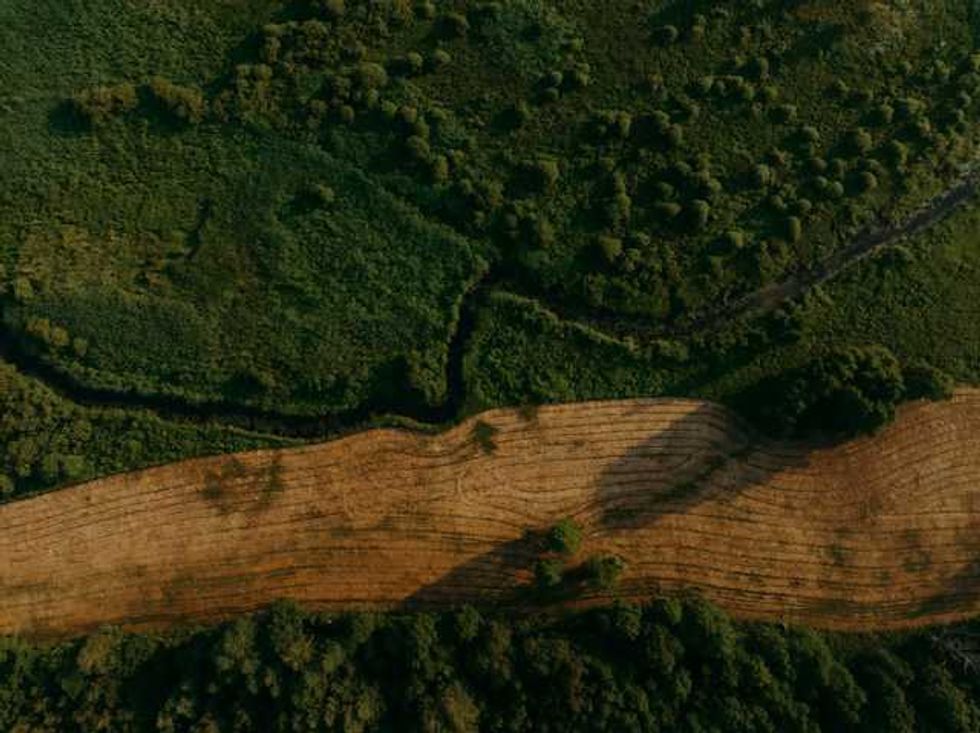
Deforestation is on the ballot in Brazil’s presidential election
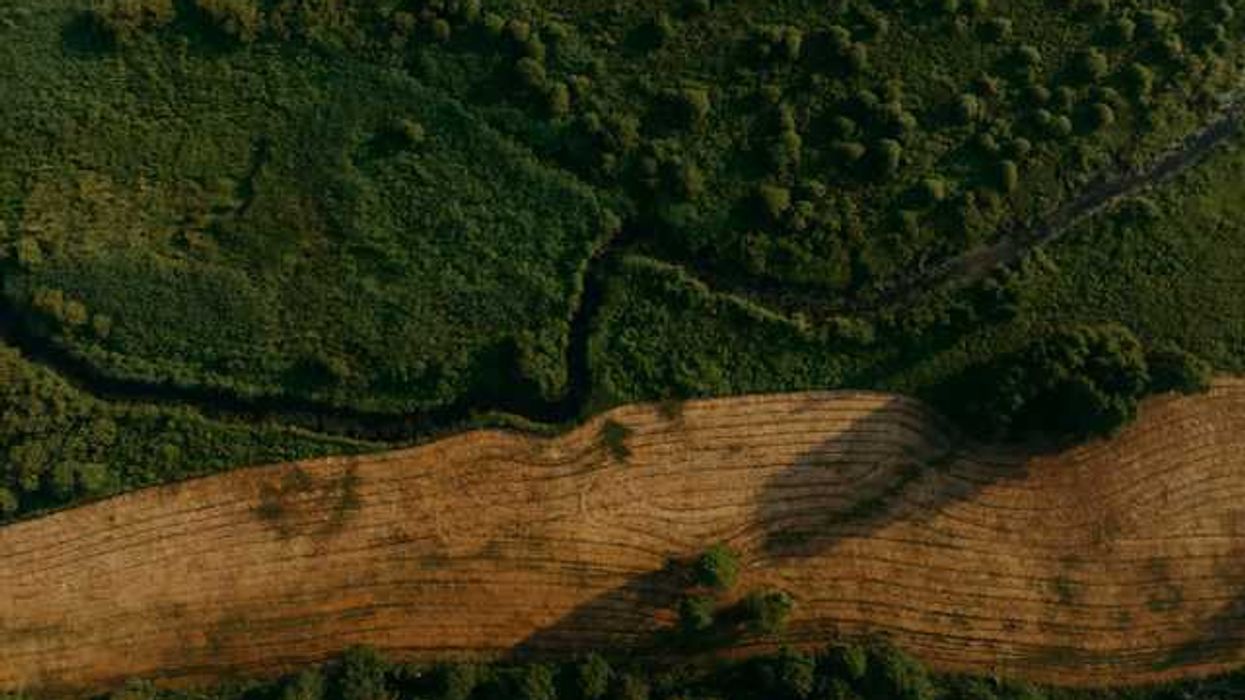
Are four years of pro-environment policies about to come to an end?

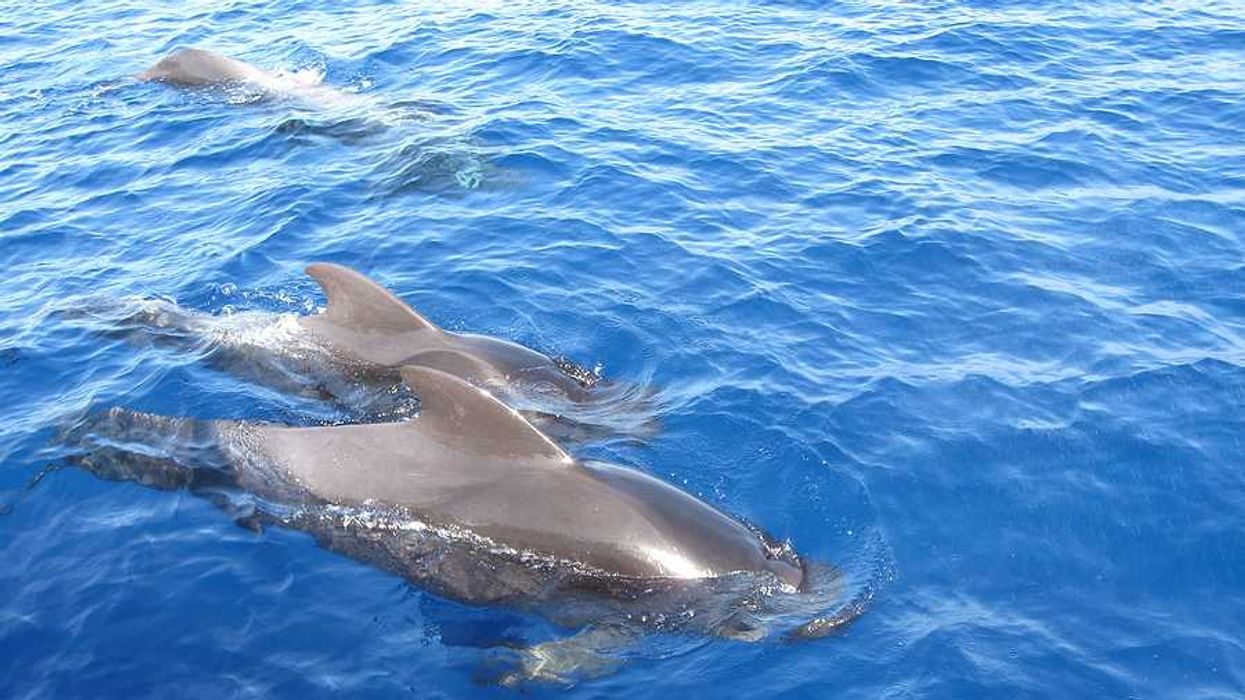
Kristi West, a lead researcher from the University of Hawaiʻi at Mānoa's Health and Stranding Lab, found that 23% of the pilot whales she examined over a 13-year period had plastic in their stomachs.

Across the stories today, a common thread emerges: the gap between what protects us on paper and what protects us in practice. Again and again, communities are discovering that designations, promises, and permits only matter when someone is willing to enforce them — and that when systems fail, it’s ordinary people, and often the most vulnerable, who absorb the shock.
Nowhere is that clearer than in Jackson, Mississippi, where a federal appeals court ruled this week that the Constitution guarantees no right to clean water. For residents who have lived through years of contaminated taps and boil-water notices, the decision lands as a gut-punch reminder that legal frameworks haven’t caught up to environmental reality. A similar tension runs through the Guardian’s reporting on datacenter wastewater in Wyoming, where testing turned up a rare, potentially hazardous bacterium, and on English golf clubs, where one in twelve have quietly broken water extraction rules amid growing drought stress. Behind the numbers are real communities adapting in real time — often without knowing what’s actually flowing through their pipes or being pulled from their aquifers.
That same gap between promise and delivery surfaces in the UK’s datacentre boom, which new analysis suggests will produce only a quarter of the jobs once advertised, even as it strains the national grid. It echoes in Georgia, where a once-booming EV manufacturing corridor is hitting turbulence under shifting federal policy — a reminder that industrial transitions built on incentives can be as fragile as the politics that fund them.
Yet the day’s coverage also points to growing momentum around care, restoration, and reckoning. Hurricane Lowell’s damage across Hawaii’s western islands — toppled trees, flooded roads, thousands without power — sits alongside quieter stories of renewal: Gloucestershire’s proposal to reintroduce beavers as a defense against drought and flooding, Douglas Head’s new conservation status on the Isle of Man, and Coventry’s investment in Longford Nature Park. These are small, deliberate acts of stewardship, the kind Wendell Berry spent his life advocating for. His death last week, at 92, feels newly resonant this week — a farmer-poet who insisted that loving a place well was itself a form of environmental action, long before it became policy language.
Farther afield, the human cost of extraction runs deep. In Peru and Brazil, mercury from illegal gold mining is showing up in children’s blood and in fish that families have eaten for generations, forcing painful dietary changes in communities that did little to cause the contamination. In Indonesia, El Niño-fueled fires are pushing orangutans out of burning forests, while in Uttarakhand, India, women — who gather firewood and fodder — are bearing the brunt of increasingly long fire seasons. In Colombia, the Wiwa community’s decision to relocate their village down the mountain is less retreat than adaptation, a recognition that sacred land is changing faster than tradition can hold still.
It’s a reminder that progress and pressure often arrive together — a new spaceport investment in Shetland, a badger vaccination program under scientific scrutiny, a push for a Natural History GCSE to reconnect children with the outdoors. Each represents a small bet on the future, even as larger systems strain under climate and economic pressure.
As the week unfolds, watch whether the Jackson ruling prompts congressional attention, whether Britain’s Green Party succeeds in forcing transparency around ecosystem collapse risks, and whether Gloucestershire’s beavers get their chance to prove that sometimes the oldest solutions are still the best ones.
The post Hurricane Lowell Floods Western Hawaii, New Forest Wildfire Threatens Woodland — Today’s Environmental Briefing for Wed, Sep 9 2026 first appeared on EnviroLink Network.

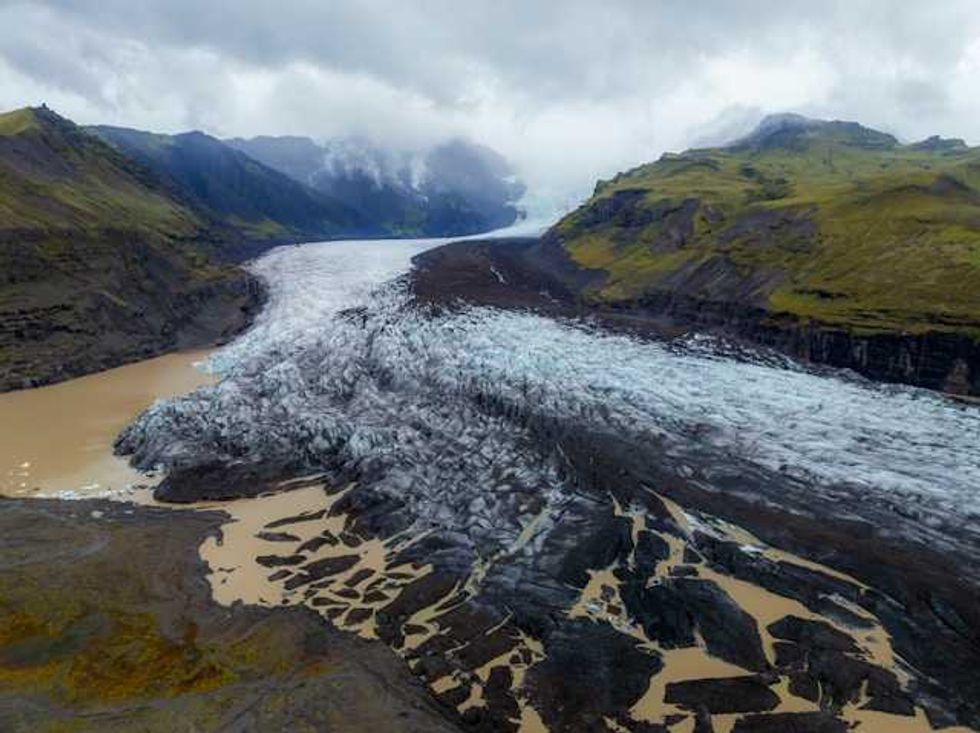

© Jason Gulley for The New York Times

The Mediterranean coast faces rising microplastic contamination as researchers trace pollution to waste processing, runoff, and record rainfall.
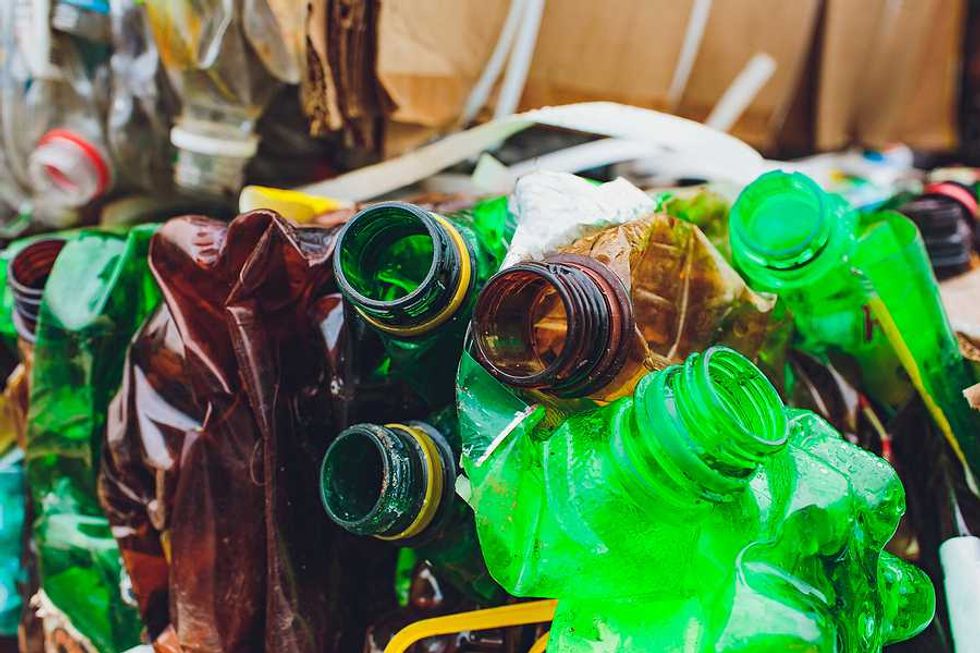


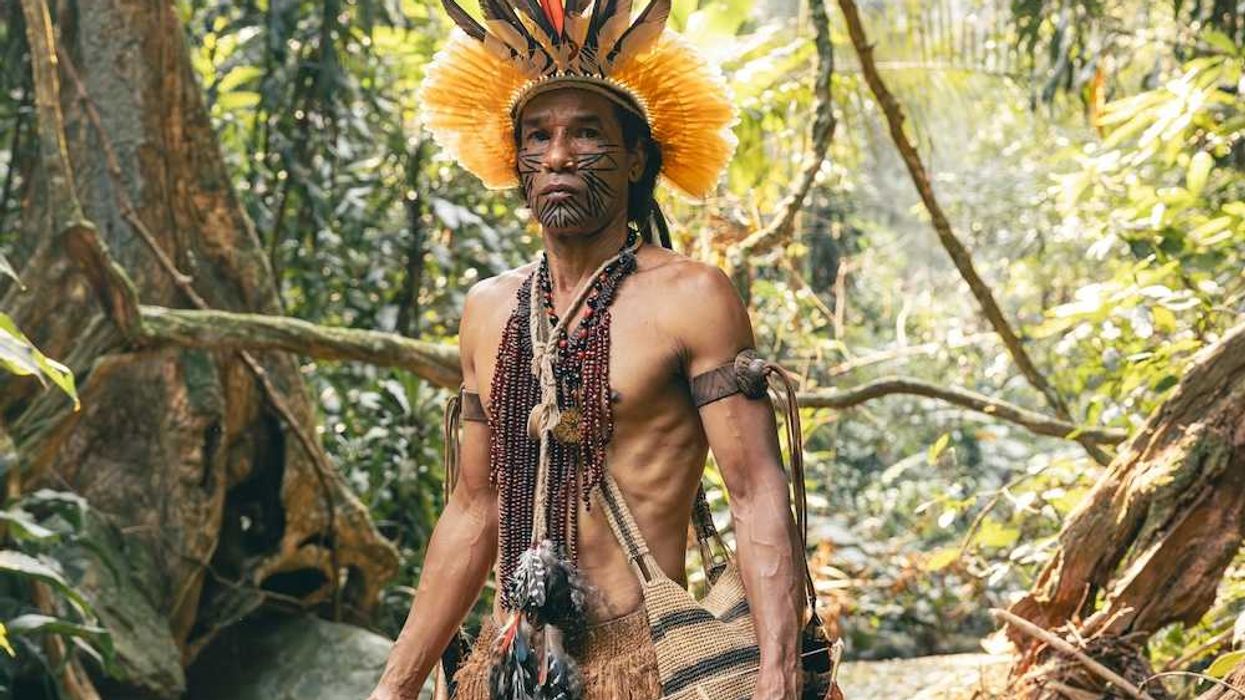

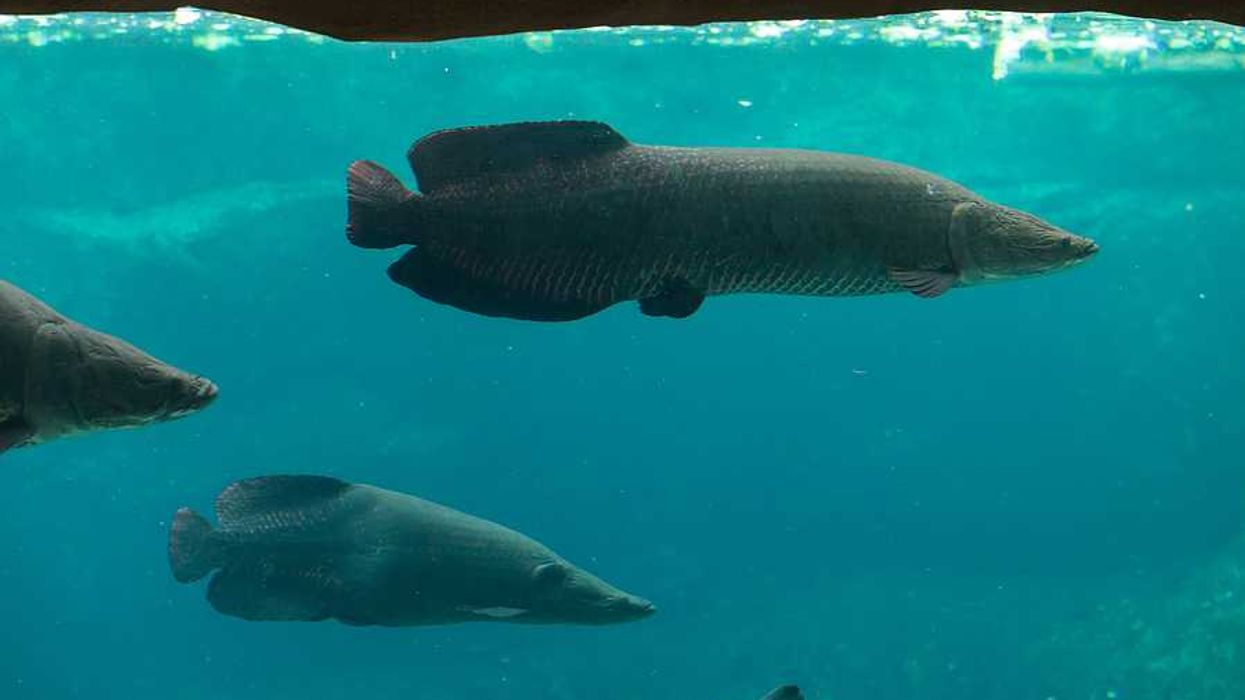

One year after negotiations for a global plastics treaty collapsed in Geneva, a new document has been released to revive the process.

Conservationists have created a ‘coastal corridor’ of ocean-based projects designed to preserve and nourish vulnerable marine life.
Ebola vaccine research has taken a step toward broader protection against one of the most persistent challenges in filovirus medicine: the existence of multiple Ebola virus species that can cause severe human disease. In a study published in Nature Communications, Weidle, Brunette, Wrenn and colleagues report that a pan-Ebolavirus nanoparticle vaccine protected rodents from lethal infection with both Zaire ebolavirus and Sudan ebolavirus. The finding is significant because vaccines designed around a single viral species may not provide reliable protection against genetically distinct Ebola viruses, particularly those responsible for separate outbreaks in different regions of Africa.
Ebola viruses belong to the filovirus family, a group of filament-shaped, enveloped viruses capable of causing hemorrhagic fever. Zaire ebolavirus is the species most closely associated with the large West African epidemic of 2014–2016 and remains the primary target of licensed Ebola vaccines. Sudan ebolavirus, however, is sufficiently different at the molecular level to present a separate immunological challenge. Outbreaks caused by Sudan virus have repeatedly demonstrated the need for countermeasures that are not limited to one viral lineage. A vaccine capable of recognizing shared features across several Ebola viruses could therefore simplify outbreak preparedness and improve the speed of emergency responses.
The strategy described in the study is based on nanoparticle vaccine technology. Nanoparticles can be engineered to present viral antigens in a highly organized, repetitive arrangement that resembles the dense surface of an actual virus. This geometry can improve the activation of B cells, the immune cells responsible for producing antibodies, by efficiently cross-linking B-cell receptors. Nanoparticles may also enhance the delivery of antigens to lymphoid tissues, where immune responses are initiated and refined. Rather than presenting a soluble protein in a relatively dispersed form, the platform is designed to display Ebola-related molecular targets in a configuration that can stimulate a stronger and more coordinated response.
A central challenge in creating a pan-Ebolavirus vaccine is selecting antigens that are both accessible to the immune system and sufficiently conserved among viral species. Ebola viruses share a broad structural organization, but their surface glycoproteins contain regions that vary in sequence and shape. The glycoprotein is especially important because it enables the virus to attach to host cells and enter them. Antibodies that bind to vulnerable regions of this protein can block infection, interfere with membrane fusion or mark viral particles for destruction by immune cells. A broadly protective vaccine must therefore encourage immunity against sites that remain functionally important even as the virus evolves.
In the rodent experiments, the vaccine was evaluated against lethal challenge with viruses representing the Zaire and Sudan species. Such challenge studies are designed to test whether vaccination-induced immunity can prevent severe disease after exposure to a high-risk pathogen. Protection in this setting reflects the combined activity of several immune mechanisms, including neutralizing antibodies, antibody-dependent cellular functions and virus-specific T-cell responses. Antibodies can prevent viral entry into cells, while T cells and other immune components help eliminate infected cells and limit the spread of infection. The reported protection across both virus species indicates that the nanoparticle formulation generated immune recognition broad enough to cross an important species barrier.
The result does not mean that the viruses are identical, nor does it establish that the vaccine will perform in humans in the same way. Rodent immune systems, dosing schedules and routes of exposure can differ substantially from human conditions. Animal challenge models are nevertheless a crucial stage in vaccine development because they reveal whether an immune response is capable of controlling infection under stringent circumstances. They also allow researchers to examine how quickly protection develops, how long it persists and whether vaccination reduces viral replication and tissue damage. Further studies will be needed to determine which immune markers best predict protection and whether the platform can be adapted for use against additional Ebola species.
The broad scope of the vaccine could have practical implications for epidemic preparedness. Existing Ebola vaccination strategies have demonstrated that immunization can protect against severe disease, but the need to match a vaccine to a particular viral species can complicate decisions during an outbreak. When the causative virus is initially unknown, health authorities may face uncertainty over which product to deploy. A pan-Ebolavirus formulation could potentially reduce that uncertainty by providing coverage against more than one major pathogen. It could also be useful for laboratory personnel, health-care workers and communities living in regions where different Ebola species may emerge over time.
Nanoparticle approaches may offer additional advantages beyond breadth. Their modular design can allow scientists to alter the antigen displayed on the particle without rebuilding the entire vaccine concept from the beginning. This flexibility is relevant to viral pathogens, which can change through mutation and may contain several related species with distinct antigenic profiles. At the same time, the platform must meet demanding standards for manufacturing consistency, stability, storage and safety. A formulation that performs well in laboratory animals must eventually demonstrate reproducible production, acceptable tolerability and durable protection in progressively more advanced models before clinical testing can be considered.
The study’s findings place nanoparticle engineering among the most promising strategies for developing next-generation filovirus vaccines. By combining multivalent antigen presentation with targets shared across Zaire and Sudan viruses, the researchers have demonstrated a route toward broader Ebola protection in rodents. The work does not eliminate the need for species-specific vaccines or replace surveillance, rapid diagnostics and infection-control measures. It does, however, provide experimental evidence that a single vaccine design can generate protective immunity against two medically important Ebola viruses. As outbreaks continue to expose gaps in preparedness, such cross-species technologies could become an important part of the scientific effort to prevent Ebola from turning a local emergence into a global health crisis.
Subject of Research: Pan-Ebolavirus nanoparticle vaccine protection against lethal Zaire and Sudan virus infection in rodents
Article Title: Pan-Ebolavirus nanoparticle vaccine provides protection in rodents from lethal infection by Zaire and Sudan viruses
Article References: Weidle, C., Brunette, N., Wrenn, S.P. et al. Pan-Ebolavirus nanoparticle vaccine provides protection in rodents from lethal infection by Zaire and Sudan viruses. Nature Communications (2026). https://doi.org/10.1038/s41467-026-76114-1
Image Credits: AI Generated
DOI: 10.1038/s41467-026-76114-1
Keywords: Ebola virus, Zaire ebolavirus, Sudan ebolavirus, pan-Ebolavirus vaccine, nanoparticle vaccine, filoviruses, viral immunology, infectious disease, vaccine research, rodent models
 Scientists and citizen volunteers discovered two new snail species in northwestern Montenegro, revealing the region’s hidden biodiversity and strengthening calls to protect Komarnica Canyon within the Durmitor World Heritage Site rather than build a hydropower plant. Two previously unknown snails have been added to Europe’s documented wildlife. Named Cochlostoma komarnica and Cochlostoma dobrido, the species [...]
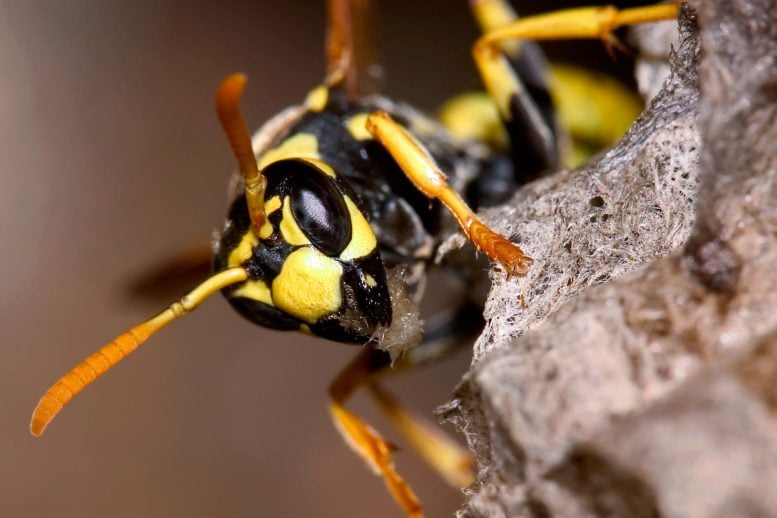 Weather extremes may be contributing to an unusually quiet summer for Britain’s ecologically important social wasps. A summer picnic often feels complete only when a wasp arrives to investigate the food. Common social wasps are familiar warm-weather visitors, whether they are circling outdoor meals or building an unwanted nest in the loft. Summer 2026, however, [...]

A late entrant in the race to unseat Senator Susan Collins, the Democratic Senate hopeful blends a progressive streak with roots in the timber industry.

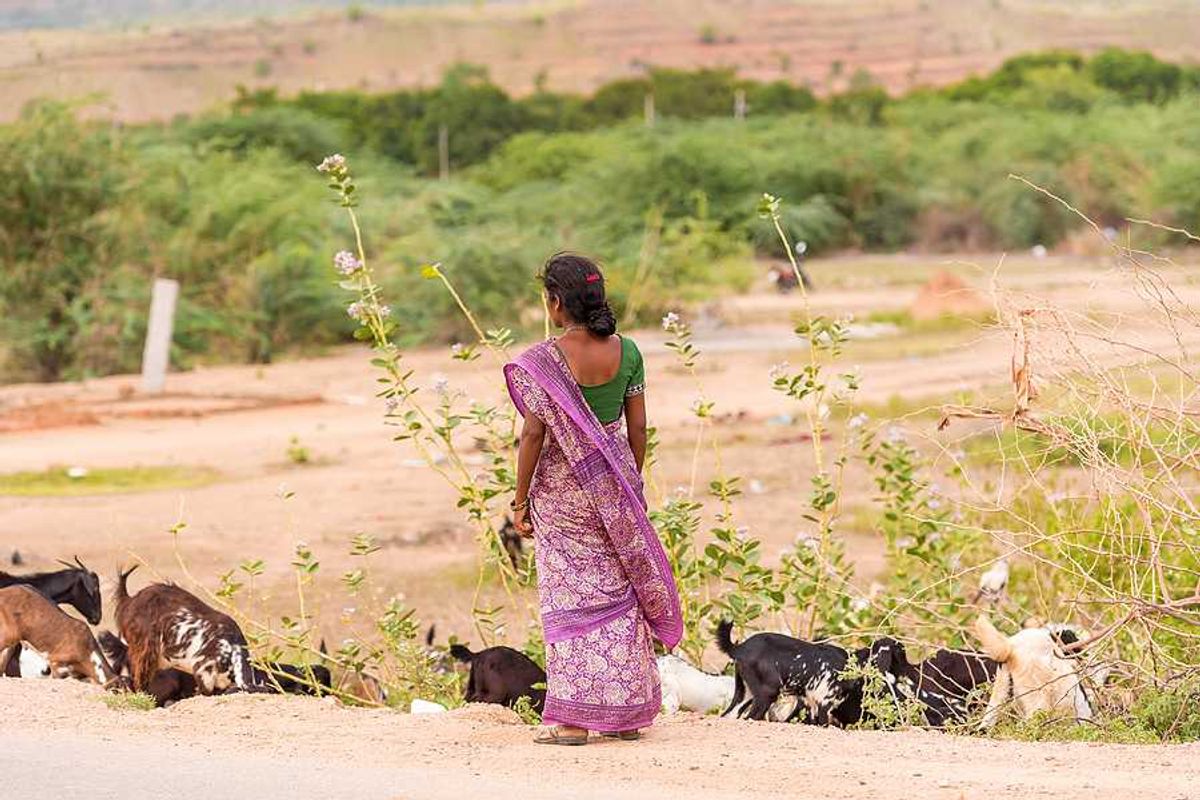
India's Andhra Pradesh state, governed by an ally of Prime Minister Narendra Modi, has denied allegations that the Google project was fast-tracked without weighing risks.

© Fernando Llano/Associated Press
