 Login

New analysis maps mercury threat to 951 Amazon communities in three countries

Mercury is a heavy metal used in illegal gold mining, a violent, highly profitable illicit activity that is currently booming.


Mercury is a heavy metal used in illegal gold mining, a violent, highly profitable illicit activity that is currently booming.


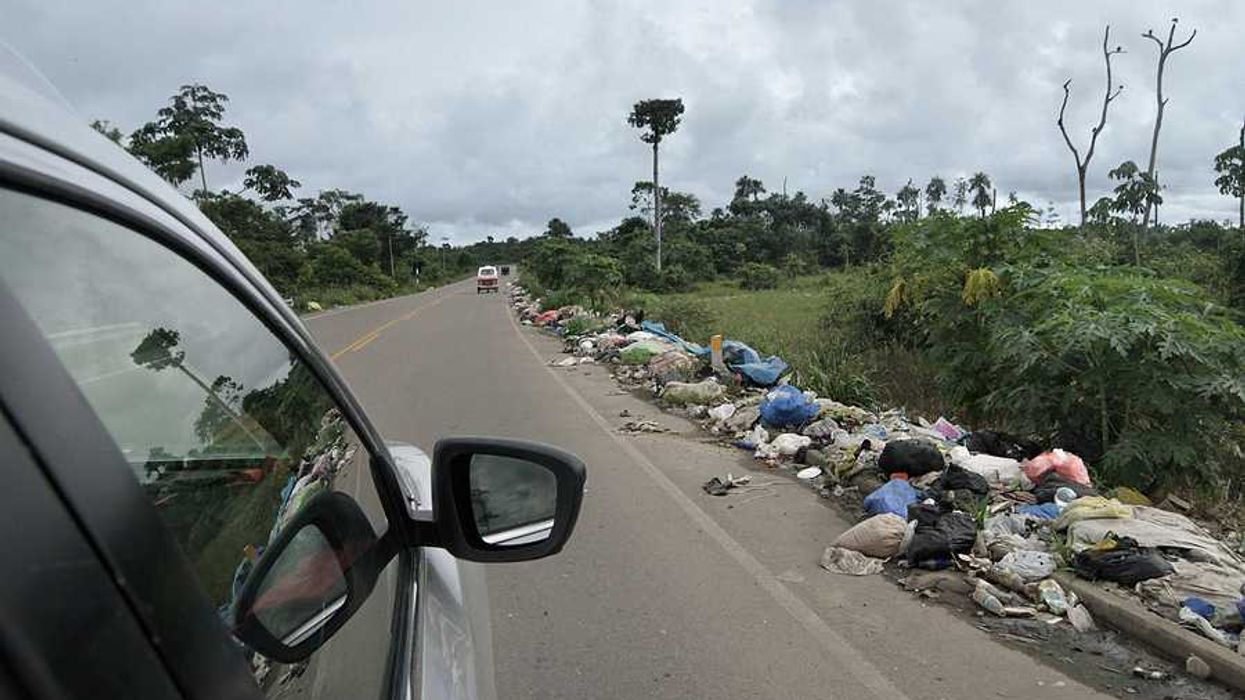
Since China banned the import of plastic waste in 2018, plastic pollution has had a growing impact on the people and ecosystems of Latin America.

Appeals court dismisses lawsuit from Jackson residents claiming that tainted drinking water violated their rights.


Floods, droughts, and extreme heat can disrupt nutrition and healthcare in early life, with consequences that may last for years.


We need the North Carolina General Assembly to step up and protect their constituents as the EPA rolls out its stated plans to eliminate nationwide drinking water standards for PFAS, a known human health risk.


Pesticide manufacturers have voluntarily canceled registrations for products containing paraquat in California — kicking off a statewide phase-out of the controversial herbicide.
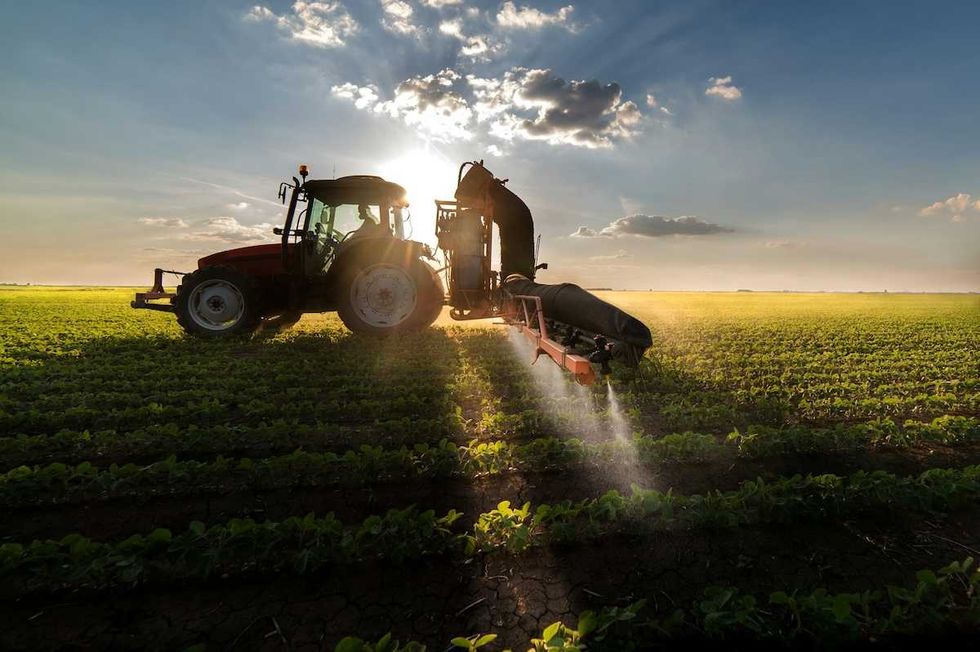

As Trump’s agencies shrink, narrow their role, and reduce enforcement, politically connected Energy Transfer is steering a slow cleanup of fuel it spilled into drinking water near the Delaware River.
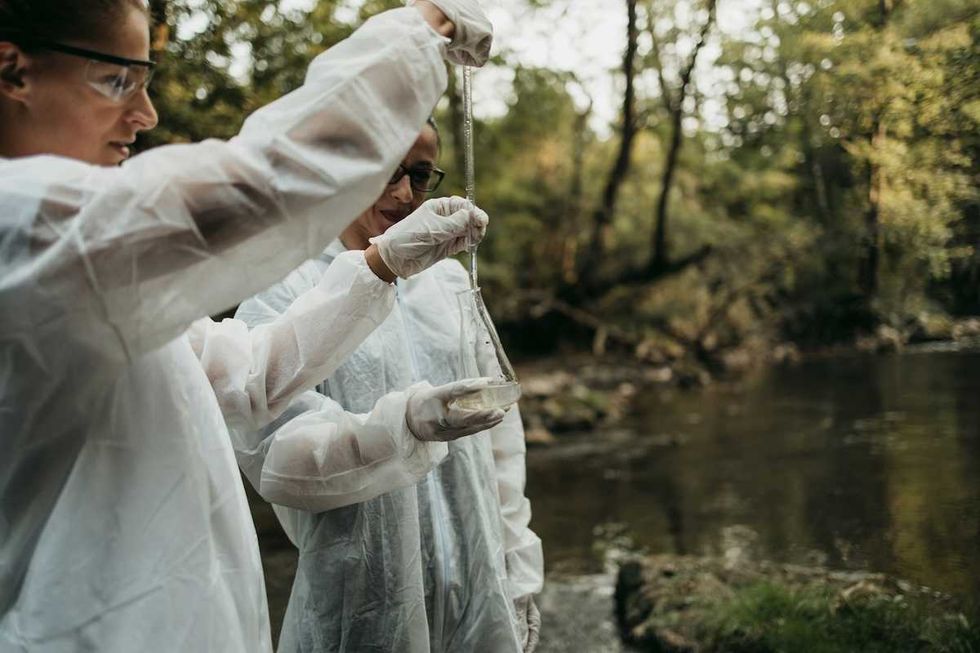

The U.S. Food and Drug Administration (FDA) has proposed a new rule making it mandatory for companies to notify the agency about new chemical ingredients they determined are safe for use in food.


The Environmental Protection Agency (EPA) hasn’t reevaluated Omaha, Nebraska, Superfund cleanup rules in 17 years, despite evidence that low lead exposure harms children and adults.


In a recent study published in The American Journal of Clinical Nutrition, researchers examined whether American dietary guidelines designed to promote optimal nutrition during pregnancy also helped minimize exposure to toxic chemicals.
In short:
Key quote:
“Although updated recommendations can help on the individual level, given the widespread exposure to many known reproductive and developmental toxicants, efforts should ultimately focus on reducing these contaminants throughout the food supply.”
Why this matters:
Exposure to toxic chemicals has been shown to result in pregnancy complications and harm to babies’ neurodevelopment, growth, and cognitive, metabolic and reproductive health, resulting in long-term and potentially severe outcomes. While studies such as this show that lifestyle choices like diet can influence chemical exposure, the increasing use of synthetic chemicals and plastic throughout the modern food system introduces opportunities for contamination from initial processing to preparation for a wide variety of foods. Research has shown that regulatory and policy interventions are more effective, more consistent, and have a more widespread impact than strategies that put the burden on individual consumers to protect themselves.
Related EHN coverage:
More resources:


A $2 billion lawsuit for defense base contamination against the U.S. chemical manufacturer is heard in court for the first time.




A new AP-NORC poll finds that Americans are increasingly noticing the impact of extreme heat on their lives, and much of that shift is happening in the West and Midwest.

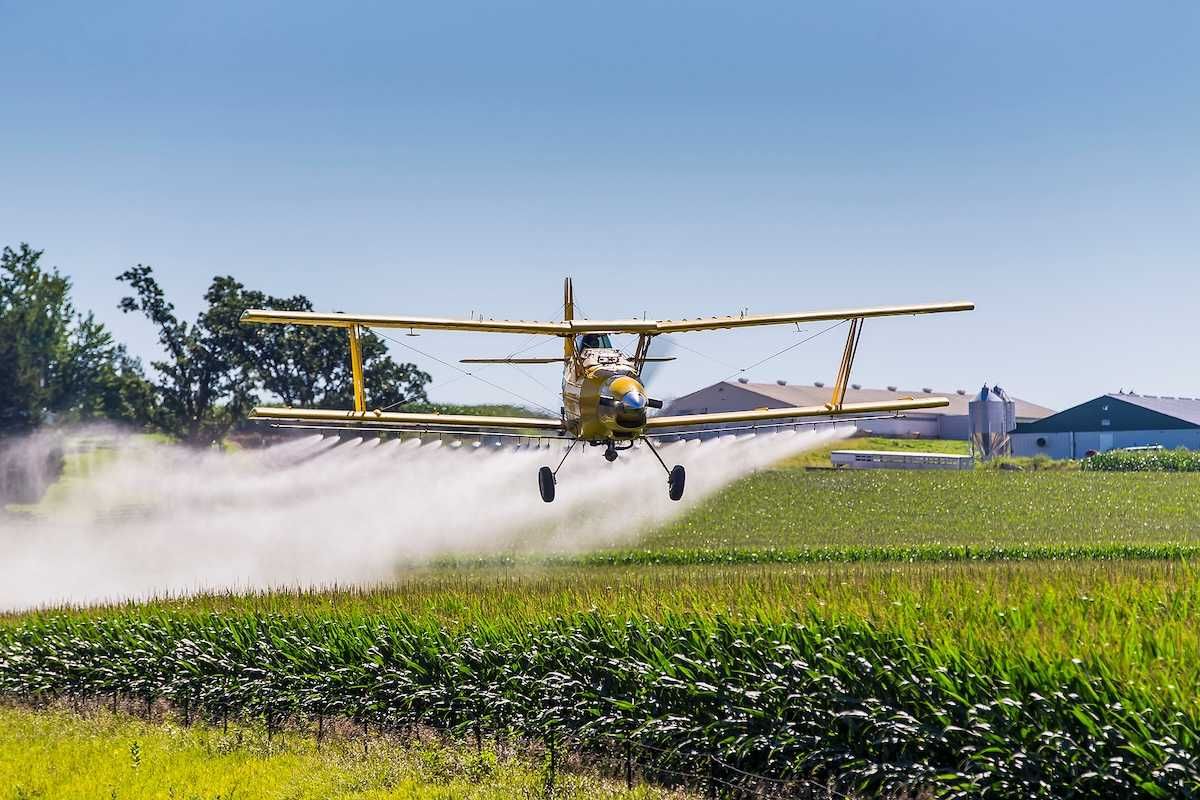
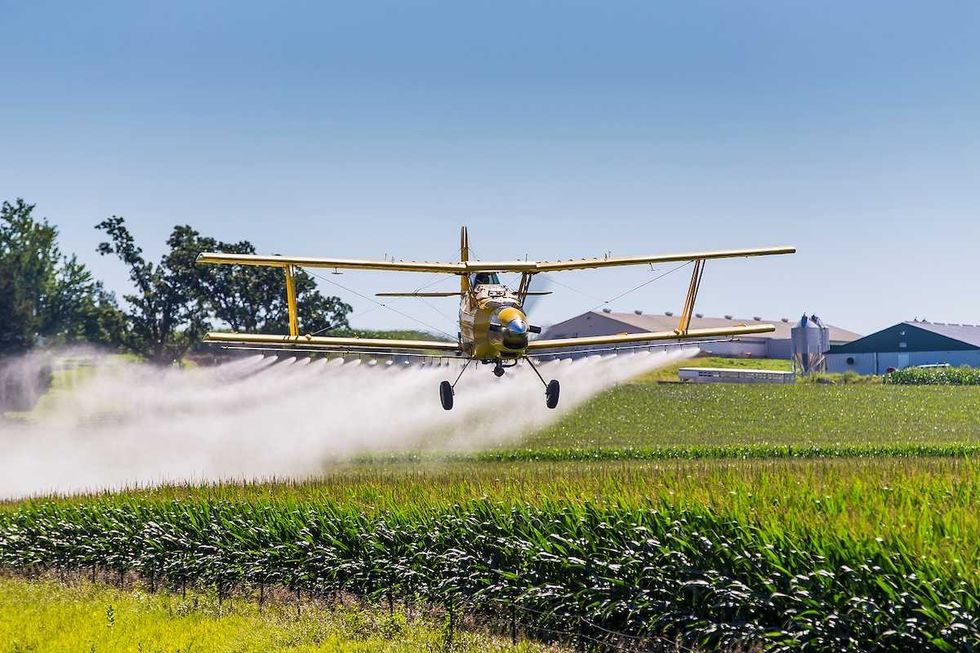
Paraquat is banned in over 70 countries. Some farmers and their families in Hebron, New York believe the pesticide is causing Parkinson’s disease and are demanding that New York ban it.

Recent studies have linked wildfire smoke exposure to negative birth outcomes such as low birth weight and preterm birth.


Synthetic pesticides and nitrogen fertilizers are contributing not only to human health risks but also to climate change, according to pediatrician Lee Evslin.

