❌

Reading view

Denisovans in southwestern China reveal their ancient subsistence strategies

The Denisovans, the enigmatic archaic human relatives first identified from a finger bone and a handful of teeth in a Siberian cave, have long been known almost exclusively through their DNA. Now, a landmark study published in Nature has pulled back the curtain on how these ancient hominins actually lived — what they ate, how they hunted, what tools they made, and the environments they braved — through an extraordinary assemblage of fossils and artefacts from Bianfu Cave in Yunnan Province, southwestern China. The findings paint the most detailed portrait to date of Denisovan biology, behaviour and ecology in eastern Asia, and suggest that these vanished people left a deep genetic and cultural imprint on later populations across Southeast Asia and Oceania.

The research team, led by Qingfeng Ruan, Hua Li and Song Xing and their colleagues, conducted a comprehensive analysis of hominin fossils and the associated archaeological remains recovered from Bianfu Cave. The hominin fossils themselves date to roughly 167,000 to 134,000 years ago, placing them firmly in the Middle Pleistocene. But the cultural sequence preserved in the cave’s sediments is far longer, stretching from approximately 190,000 years ago to about 70,000 years ago. That span — some 120,000 years of continuous or near-continuous occupation — makes Bianfu Cave one of the longest cultural records that can most parsimoniously be attributed to Denisovans anywhere in the world.

The Denisovan identity of the fossils was established through two independent and technically demanding lines of evidence. The first involved analysis of the enamel–dentine junction, the internal boundary between the enamel cap and the underlying dentine of the teeth. This three-dimensional morphological interface acts something like a fingerprint of evolutionary relationships, revealing diagnostic traits of the tooth’s internal architecture that are invisible from the outside but characteristic of particular hominin lineages. The second line of evidence came from palaeoproteomics, the recovery and identification of ancient proteins preserved within fossilized tissues. Because proteins are far more abundant and durable than DNA, they can survive in warm, humid environments like those of southern China, where genetic material degrades rapidly. Sequencing these ancient proteins allowed the researchers to place the Bianfu hominins on the Denisovan branch of the human family tree with confidence.

The fossil collection itself is remarkable. It includes four teeth that substantially expand the known range of dental variation within the Denisovan lineage — a critical contribution, since Denisovans were previously represented by a very small number of dental specimens, making it difficult to gauge how variable their teeth could be. The new fossils also include two cranial fragments and a radius, a forearm bone, providing rare glimpses of Denisovan skull and postcranial anatomy that were previously almost entirely unknown. Together, these remains transform Denisovans from a genome and a scatter of isolated teeth into a population with recognizable skeletal biology.

Beyond the fossils, the archaeological record from Bianfu Cave offers something equally precious: a window into Denisovan daily life. The researchers reconstructed the ancient environment using faunal remains and pollen preserved in the cave deposits. These records indicate that across Marine Isotope Stages 6 through 4 — a period encompassing major glacial–interglacial climatic swings between roughly 190,000 and 57,000 years ago — the landscape around the cave was dominated by coniferous forest or a mosaic of forest and steppe. This was a cool, variable environment that Denisovans exploited successfully across tens of thousands of years, demonstrating a resilience to climatic change that adds to growing evidence of their adaptability, from the high altitudes of the Tibetan Plateau to the subtropical latitudes of mainland Southeast Asia.

The subsistence evidence is particularly striking. Analysis of the animal bones from the cave shows that its inhabitants practised specialized hunting focused on medium- to large-bodied prey. This was not opportunistic scavenging but a sustained, targeted hunting strategy — one that would have required knowledge of animal behaviour, coordinated effort and effective weaponry. Specialized big-game hunting of this kind has often been associated with modern humans and late Neanderthals in western Eurasia, so finding it in a Denisovan context more than 150,000 years ago dramatically narrows the perceived behavioural gap between these archaic lineages and our own species.

Yet the technological strategy documented at Bianfu Cave is, at first glance, surprisingly simple. The stone tool assemblage is characterized by expedient core reduction and tool production — that is, the inhabitants struck flakes from cores as needed, used them, and discarded them, rather than investing in carefully shaped, curated tools that were carried, maintained and resharpened over time. Alongside this, the Denisovans of Bianfu Cave made pervasive use of unmodified bones, employing skeletal elements of their prey directly as tools without altering them beforehand.

Taken together, the researchers interpret this pattern as an adaptive system that prioritized the exploitation of what they call object affordance — the inherent functional possibilities already present in a raw material or object — over intensive tool manufacture. A suitably shaped bone fragment could serve as a hammer, a digging implement or a scraping tool with little or no modification; a sharp flake struck from a convenient core could cut and butcher without further refinement. In the rich, resource-diverse environments of subtropical southwestern China, where raw materials and animal resources were plentiful, such a flexible, low-investment strategy may have been not a sign of simplicity but a highly efficient way of life. It suggests that Denisovans measured success not by the sophistication of their toolkit but by how skilfully they read and exploited the opportunities their landscape provided.

This behavioural portrait gains added significance when set against the wider geography of Denisovan presence. Over the past decade and a half, Denisovans have been documented across a staggering range: from the original genomic discoveries in the Altai Mountains of Siberia, first reported in 2010, to the mandible from the Tibetan Plateau described in 2019, Denisovan DNA recovered from sediments at Baishiya Karst Cave in 2020, a molar from the Annamite Chain of northern Laos announced in 2022, a male Denisovan mandible from Pleistocene Taiwan reported in 2025, and proteomic identification of the 146,000-year-old Harbin cranium, also in 2025. Bianfu Cave now anchors this story firmly in southwestern China, a region long suspected to have been a Denisovan heartland and a critical corridor for hominin movements between mainland Asia and Southeast Asia.

The study’s authors argue that the region’s Denisovans point to a substantial genetic and cultural legacy in later human populations. Modern populations in Southeast Asia and Oceania carry the highest known proportions of Denisovan ancestry anywhere in the world — a legacy of interbreeding that occurred as modern humans moved through and beyond island Southeast Asia. The new evidence from Bianfu Cave suggests that the ways of life practised by Denisovans in this region — their hunting strategies, their flexible technological approaches, their hard-won knowledge of tropical and subtropical environments — may have been part of the inheritance, alongside their genes, that helped later human populations thrive as they spread across the diverse and challenging landscapes of Asia and the Pacific.

For palaeoanthropologists, the significance of the Bianfu Cave discoveries is difficult to overstate. Denisovans have been the least anatomically documented of all known hominin groups — a lineage defined first by DNA and only slowly fleshed out with fragmentary fossils. The new teeth, cranial fragments and radius from Yunnan, combined with an unmatched 120,000-year archaeological sequence, mean that researchers can finally study Denisovans not just as a genome or a set of molecular signatures but as a living, adapting population: hunters of large game, makers and users of expedient tools, and inhabitants of conifer forests that swung between glacial cold and interglacial warmth. As analysis of the Bianfu material continues, it promises to reshape our understanding of how archaic humans lived in eastern Asia and how deeply their story is woven into our own.

Subject of Research: Denisovan fossils and archaeological remains from Bianfu Cave, Yunnan Province, southwestern China, revealing Denisovan biology, technology, subsistence strategies and palaeoecology

Article Title: Denisovans from southwestern China and their subsistence strategies

Article References: Ruan, Q., Li, H., Xing, S., Zhao, K., Liu, J., Zanolli, C., Doyon, L., Delpiano, D., Peresani, M., d’Errico, F., Demeter, F., Hublin, J.-J., Xiao, P., Wang, Y., Jia, Z., Yang, Q., Fu, Q., Sun, Q., Zhao, Y., … Chen, F. (2026). Denisovans from southwestern China and their subsistence strategies. Nature. https://doi.org/10.1038/s41586-026-10997-4

Image Credits: AI Generated

DOI: 10.1038/s41586-026-10997-4

Keywords: Denisovans, Bianfu Cave, Yunnan, palaeoproteomics, enamel–dentine junction, Middle Pleistocene, subsistence strategies, expedient tool use, object affordance, specialized hunting, Marine Isotope Stages, Southeast Asia ancestry

  •  

115-Million-Year-Old Dinosaur Fossil Recovered from Deep Drill Core in China

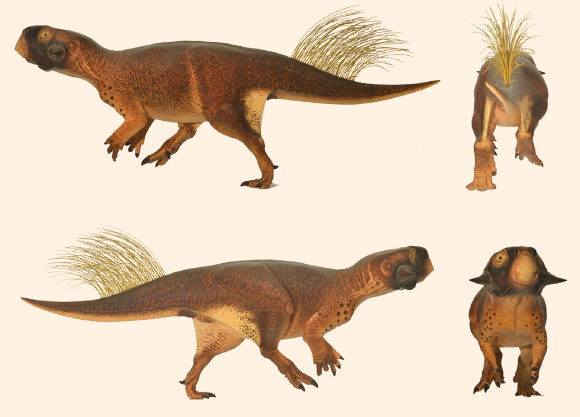
Model of Psittacosaurus sp. based on skin and pigmentation patterns on the specimen from the Senckenberg Museum, Germany. Image credit: Jakob Vinther et al.

Scientists have identified the first dinosaur fossil from a remote western section of the Bayan Gobi Formation in China’s Inner Mongolia, extending the known geographic range of dinosaur fossils in this important Early Cretaceous rock unit.

The post 115-Million-Year-Old Dinosaur Fossil Recovered from Deep Drill Core in China appeared first on Sci.News: Breaking Science News.

  •  

Barclays faces complaint over backing for power plant near world’s largest mangrove forest

Bangladeshi complainants allege Rampal power station’s pollution and climate risks threaten the Sunderbans, a world heritage site

Barclays Bank is facing a formal complaint over its financial links to a coal-fired power station near the Sundarbans, the world’s largest mangrove forest and home to millions of people in Bangladesh and India.

Three complainants from the region have submitted a case to the UK government’s Office for Responsible Business Conduct, alleging that the British bank breached international guidelines by underwriting companies involved in the emission-heavy Maitree super thermal power project, also known as the Rampal power plant.

Continue reading...

© Photograph: NurPhoto/Getty Images

© Photograph: NurPhoto/Getty Images

© Photograph: NurPhoto/Getty Images

  •  

New Evidence Reshapes Understanding of Cereal Domestication’s Earliest Stages

Around 11,000 years ago, communities in southwest Asia began one of the most consequential experiments in human history: growing their own food. Wild cereals, legumes and fruit-bearing plants were gradually brought under human management, setting in motion the transition from mobile hunter-gatherer lifeways to farming societies. For decades, archaeologists have assumed that one of the earliest signs of this transformation was an increase in cereal grain size. A new study, however, suggests that some of the biggest grains found at the dawn of agriculture may not have been genetically altered at all. They may simply have grown in wetter conditions.

The findings, published in the Proceedings of the National Academy of Sciences, challenge a central assumption about how cereal domestication began. Researchers studying charred barley and emmer wheat grains from the Early Neolithic sites of el-Hemmeh and Sharara in the southern Levant found that the plants still possessed fully wild characteristics during the earliest phases of the Pre-Pottery Neolithic. Their ears had brittle rachises, the structures that naturally break apart when mature, allowing seeds to disperse in the wild. There was no evidence of the tough, non-shattering rachis that later became one of the defining features of domesticated cereals.

The absence of non-shattering forms is significant because a tough rachis makes harvesting far more efficient. In wild cereals, the rachis fractures as the plant ripens, scattering seeds before people can collect them. A mutation that keeps the grains attached would have offered major advantages to human harvesters and could then have spread through repeated cultivation and replanting. Researchers have therefore often treated the appearance of non-shattering cereals as a key marker of domestication. Grain size, by contrast, has frequently been interpreted as an earlier signal that people were already selecting plants through cultivation.

At el-Hemmeh and Sharara, however, grain size told a more complicated story. Barley and emmer wheat remained morphologically wild, yet their grains varied dramatically. Some were as small as typical wild cereals, while others fell within the size range commonly associated with domesticated plants. If large grains were the product of genetic selection caused by systematic tillage, the researchers expected to find other evidence of intensive cultivation. Instead, the ecological evidence pointed toward relatively low-disturbance environments.

The team examined the weed species preserved alongside the cereal remains. Weeds are valuable archaeological indicators because different plants thrive under different environmental conditions. Species associated with heavily tilled or frequently disturbed soils were not dominant in the assemblages from these early sites. This weakened the argument that repeated ploughing or intensive soil preparation had already created strong selection for larger seeds. The researchers began looking for another explanation for the striking variation in grain size.

Their answer came from stable carbon isotope analysis. Carbon exists in several naturally occurring forms, or isotopes, and plants incorporate these isotopes in ways that are influenced by their growing conditions. In cereals, the stable carbon isotopic composition of a grain can reflect the balance between carbon uptake and water loss during photosynthesis. When plants experience water stress, changes in gas exchange through their leaves alter the carbon isotope signal recorded in their tissues. By measuring this signal in ancient grains, scientists can reconstruct aspects of the moisture conditions under which the plants grew.

The results showed a strong relationship between grain size and water availability. Barley grains that reached domestic-sized dimensions had carbon isotope values indicating that they developed under wetter conditions. Smaller, wild-sized grains carried signatures consistent with considerably drier growth environments. The difference suggests that environmental moisture, rather than inherited genetic change, was responsible for much of the early increase in cereal grain size. In other words, the same wild plant population could produce grains of very different sizes depending on the conditions it experienced during development.

This phenomenon is known as developmental plasticity: the ability of a single genotype to produce different physical traits in response to the environment. It is widespread in plants and can affect characteristics such as height, leaf area, flowering time and seed production. In the Early Holocene southern Levant, developmental plasticity may have created the visual impression that cereals were already becoming domesticated. People collecting and replanting the largest grains might eventually have generated genetic selection, but the initial size increase itself appears to have been ecological rather than evolutionary.

“Environmental conditions provided a much better explanation for the observed variation in grain size than genetic selection under tillage,” said Dr Jade Whitlam of the University of Oxford, who led the study. The researchers propose that genetic selection for larger grains may have occurred later than previously thought, perhaps after selection for non-shattering rachises had already begun. This reverses the sequence often assumed in models of domestication and places greater emphasis on the complex interaction between climate, plant biology and human harvesting practices.

The study also reframes the origins of agriculture as a gradual process of niche construction rather than a sudden decision to domesticate plants. Early communities altered their relationship with wild vegetation through harvesting, protection, transport and repeated use of particular landscapes. These practices may have changed plant populations long before crops displayed unmistakable domestication traits. By combining archaeobotany, weed ecology and stable isotope evidence, the researchers argue that the first steps toward agriculture were not necessarily driven by deliberate genetic engineering of crops, but by prolonged human management operating within a variable environment. The result is a more nuanced picture of farming’s origins—one in which climate could temporarily make wild cereals look domesticated before their genomes caught up.

Subject of Research: The environmental and biological processes that influenced cereal grain size and plant domestication in the Early Holocene southern Levant.

Article Title: Developmental plasticity under human management shaped cereal evolution prior to domestication in the Early Holocene southern Levant

News Publication Date: 4-Aug-2026

Web References: https://www.eurekalert.org/multimedia/1146086

References: Proceedings of the National Academy of Sciences. DOI: 10.1073/pnas.2535274123

Image Credits: Jerome Poulalier, www.jerome-poulalier-photography.com

Keywords: Archaeology, archaeobotany, cereal domestication, agriculture, Neolithic, Early Holocene, southern Levant, barley, emmer wheat, stable carbon isotopes, developmental plasticity, plant evolution, climate, hunter-gatherers

  •  
  •  

Scientists Find Traces of Two Unknown Archaic Hominins in Human DNA

An archaic hominin. Image credit: Ninara / CC BY 2.0.

New research led by the University of California, Berkeley reveals that beyond Neanderthals and Denisovans, humans interbred with two mysterious ‘ghost’ lineages: one in Africa more than 50,000 years ago, another in Eurasia over 1.7 million years ago.

The post Scientists Find Traces of Two Unknown Archaic Hominins in Human DNA appeared first on Sci.News: Breaking Science News.

  •  

This country went 100% electric vehicles overnight with a drastic approach

Laos did something no other country has tried: it banned the import of new gas and diesel passenger cars outright. As of June 1, nearly every new car cleared for import has to be electric.

It’s the most aggressive EV mandate on the planet right now, and it has almost nothing to do with consumer demand.

  •  

Oldest Known Male Gecko Found Preserved in Kachin Amber

Carinasquama rusmithii. Image credit: Daza et al., doi: 10.3897/sjp.145.188227.

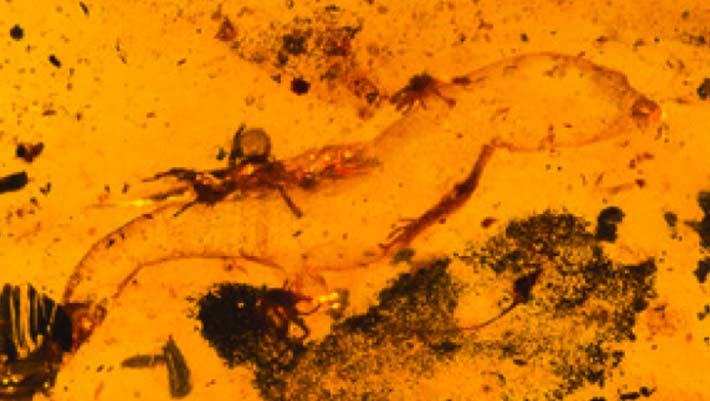
Paleontologists have described a new genus and species of ancient gecko found in two pieces of amber from the 99-million-year-old (mid-Cretaceous) amber deposits in Kachin province, Myanmar.

The post Oldest Known Male Gecko Found Preserved in Kachin Amber appeared first on Sci.News: Breaking Science News.

  •  

Filmada com o iPhone 17 Pro, “Nido de Villanas” é a aposta da Apple no mundo das micronovelas

As novelas verticais já são um fenômeno à parte na América Latina, e a Apple parece estar ciente disso: brincando com o gênero, ela disponibilizou no seu canal do YouTube “Nido de Villanas”, uma micronovela mexicana dividida em 14 partes e filmada com o iPhone 17 Pro.

Cada um dos 14 episódios, com duração estimada de 2 minutos, faz uso dos principais recursos de gravação do iPhone, como o modo Ação (Action mode), o zoom óptico de 8x ou até mesmo o modo de câmera lenta do aparelho.

A Maçã compartilhou um vídeo apresentando a produção:

Com uma trama “repleta de ambição, segredos e traições, na qual quatro mulheres estão dispostas a fazer de tudo para ficar com a fortuna dos Iturribiaga”, “Nido de Villanas” oscila entre emular as novelas mexicanas — referência histórica do gênero — e apresentar as principais funcionalidades de vídeo disponíveis no iPhone 17 Pro.

Esse enquadramento em termos de formato, diga-se de passagem, proliferado especialmente por estúdios asiáticos em plataformas de vídeos curtos (como o TikTok ou o Kwai) movimenta uma indústria que disputa a longeva hegemonia das telenovelas.

Foi o suficiente para que conglomerados conhecidos por sua dominância no segmento, como a TV Globo (no Brasil) e a Televisa (no México), oferecessem suas contrapartidas na transformação pela qual as novelas passam diante da mudança de hábito de consumo na América Latina e em todo o mundo. A opção da Maçã, evidentemente, carrega menos desse peso, mas demarca um possível interesse de presença nesse mercado.

“Nido de Villanas” está disponível no canal da Apple no YouTube, podendo ser visualizada na seção de Shorts da plataforma.

iPhone 17 Pro Max

Cores: prateado, laranja-cósmico ou azul-intenso
Armazenamento: 256GB, 512GB, 1TB ou 2TB
R$ 10.999,00
R$ 12.499,00

iPhone 17 Pro

Cores: prateado, laranja-cósmico ou azul-intenso
Armazenamento: 256GB, 512GB ou 1TB
R$ 9.777,77
R$ 11.499,00

NOTA DE TRANSPARÊNCIA: O MacMagazine recebe uma pequena comissão sobre vendas concluídas por meio de links deste post, mas você, como consumidor, não paga nada mais pelos produtos/serviços usando os nossos links de afiliado.

  •  

New Species of Long-Necked Dinosaur Identified in Thailand

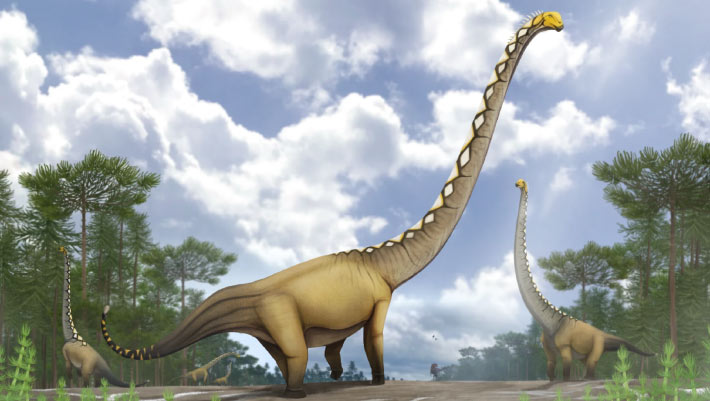
Life reconstruction of a herd of five individuals of Uragasaurus kalasinensis inhabiting a Late Jurassic forest in Thailand, accompanied by a pair of rhamphorhynchoid pterosaurs and a metriacanthosaurid theropod. Image credit: Pakorn Chotchaiyaporn.

Paleontologists working in northeastern Thailand have identified a new species of mamenchisaurid sauropod dinosaur, offering fresh evidence that a group of giant sauropods once thought to be almost exclusively East Asian also roamed mainland Southeast Asia.

The post New Species of Long-Necked Dinosaur Identified in Thailand appeared first on Sci.News: Breaking Science News.

  •  

From Paleogene to Anthropocene: Evolution of Northeast Asian Frogs

In a groundbreaking synthesis that traverses geological epochs and ecological paradigms, recent research offers a comprehensive temporal and evolutionary framework for understanding anuran diversity in northeast Asia. This study, uniquely integrating vast phylogeographic datasets spanning over two decades, illuminates the dynamic interactions between environmental upheavals and evolutionary processes shaping frog lineages from the Paleogene through to the Anthropocene era.

Northeast Asia, a region marked by complex paleogeological histories, fluctuating climatic conditions, and increasing anthropogenic pressures, serves as a natural laboratory to unravel the intricacies of amphibian evolution. Amidst a plethora of fragmented phylogeographic studies, this synthesis stands out by harmonizing divergence timing with macroevolutionary drivers to reveal patterns hitherto obscure, offering an unprecedented panoramic view of regional anuran evolution.

Central to this ambitious undertaking is the collation and analysis of published divergence-time estimates for anuran species recorded from 1998 to the present. By aligning basal, stem, and crown age data points with temporal environmental variables, the researchers mapped a chronological narrative that directly associates lineage diversifications with major ecological and geological transformations, thereby identifying recurrent evolutionary drivers that have recurrently sculpted these amphibian assemblies.

The study delineates four principal evolutionary catalysts responsible for significant phylogenetic turnovers and demographic shifts within anuran populations. These include: the shifting paleogeological frameworks and emerging landscape barriers, oscillating climates and latitudinal gradients, cyclical glaciations paired with historical sea-level variations, and the intensified anthropogenic interventions characterizing recent epochs. Through this lens, each driver is contextualized within the temporal and spatial scales relevant to corresponding lineage divergences.

A particularly notable aspect of the analysis involves the utilization of time-calibrated genomic species trees paired with diversification modeling, an approach that successfully captures the nuanced evolutionary tempos and modes operating across major Northeast Asian frog families. This genomic architecture, juxtaposed with ecological trait datasets—specifically body size, elevational range, and latitudinal distribution—offers robust insights into the adaptive radiations and ecological breadth characterizing these amphibian clades.

Employing advanced Bayesian Analysis of Macroevolutionary Mixtures (BAMM), the research reconstructs trait evolution trajectories, revealing that Ranidae species consistently exhibit higher trait values over evolutionary timeframes. Such elevations in trait magnitude connote broader ecological amplitude and enhanced macroevolutionary expansion when compared to concurrent families such as Bufonidae and Microhylidae, signaling divergent ecological strategies underpinning their evolutionary success.

Beyond macroevolutionary analyses, the synthesis addresses contemporary conservation challenges by detecting genetic signatures indicative of human-mediated disturbances. These findings underscore the profound impact of anthropogenic activities on amphibian genetic diversity and population structure, emphasizing the urgency of integrating conservation genomics with evolutionary studies to safeguard regional biodiversity.

An intriguing discovery pertains to unresolved species boundaries within several anuran complexes, where interplays of multiple evolutionary drivers manifest as cryptic speciation events or ongoing hybridization. This complexity not only challenges traditional taxonomic classifications but also propels forward discussions on species delineation frameworks that incorporate genomic, ecological, and morphological data.

The study’s integrative approach extends to the synthesis of phenotypic, ecological, and macroevolutionary patterns utilizing openly accessible datasets. This comprehensive data amalgamation fosters a holistic understanding of how longitudinal environmental fluctuations have orchestrated lineage diversification and trait evolution, thereby grounding phylogeographic patterns within a broader evolutionary and ecological context.

Climate fluctuations, particularly linked to the pronounced latitudinal gradients in northeast Asia, emerge as pivotal factors influencing adaptive trait distributions and diversification rates. Fluctuating temperature regimes and shifting precipitation patterns have likely exerted selective pressures fostering ecological differentiation and localized adaptations, processes critical to elucidating the biogeographic mosaics observed today.

Sea-level changes accompanying glacial cycles further complicate the evolutionary landscape, intermittently disconnecting and reconnecting populations and facilitating allopatric speciation. These dynamics highlight the historical contingency embedded within contemporary phylogenies and emphasize the evolutionary significance of past climatic oscillations and paleogeographic rearrangements.

The explicit recognition of anthropogenic influences within the evolutionary framework reflects an important paradigm shift, linking human activity not only to immediate biodiversity loss but also to long-term evolutionary trajectories. Genetic imprints of habitat fragmentation, pollution, and translocation events attest to the pervasive reach of anthropogenic factors in shaping amphibian populations, potentially accelerating evolutionary processes or inducing maladaptive consequences.

By establishing a generalized framework that marries divergence timing with trait evolution and environmental drivers, this synthesis propels forward predictive modeling of biodiversity responses. Such frameworks are invaluable in projecting how ongoing environmental change may redefine evolutionary pathways, offering strategic foresight for biodiversity conservation under rapidly transforming global conditions.

Importantly, the researchers advocate for continued synthesis efforts, recommending that future investigations closely integrate genomic data with ecological and paleogeographic information. This interdisciplinary approach promises to unveil deeper evolutionary insights and refine conservation priorities, ensuring that amphibian diversity in northeast Asia remains resilient amid mounting ecological pressures.

The implications of these findings extend beyond amphibian biology, offering a blueprint for understanding how long-term environmental variability influences evolutionary processes across taxa, particularly in regions with complex historical and contemporary ecological interactions.

This synthesis not only enriches our comprehension of northeast Asian anurans but also exemplifies the profound explanatory power of integrating phylogeography, trait evolution, and macroevolutionary analytics. As biodiversity faces unprecedented threats, such integrative research embodies the critical scientific endeavor to decipher the past and guide the future of life’s intricate evolutionary tapestry.


Subject of Research: Phylogeography, trait evolution, and evolutionary drivers of northeast Asian anurans.

Article Title: From Paleogene to Anthropocene: phylogeography, geographic patterns of traits, and chronology of evolutionary drivers in northeast Asian anurans.

Article References:
Othman, S.N., Borzée, A. From Paleogene to Anthropocene: phylogeography, geographic patterns of traits, and chronology of evolutionary drivers in northeast Asian anurans. Heredity (2026). https://doi.org/10.1038/s41437-026-00856-3

Image Credits: AI Generated

DOI: 10.1038/s41437-026-00856-3

Keywords: Anuran phylogeography, evolutionary drivers, paleogeology, climate variability, glaciations, anthropogenic impacts, Bayesian macroevolutionary analysis, trait evolution, northeast Asia biodiversity, amphibian diversification

  •  

Eastern and Southern Asian Gymnosperms Face Extinction

Scientists Warn: Eastern and Southern Asian Gymnosperms Face Imminent Extinction Amid Accelerating Climate Change

The botanical world stands on the edge of a crisis as groundbreaking research exposes the severe vulnerability of gymnosperms inhabiting Eastern and Southern Asia. A study published recently in Communications Earth & Environment projects a grim future for these ancient plant species, contriving to predict their potential extinction driven by rapid, anthropogenic climate shifts. Gymnosperms, a critical group of seed-producing plants including pines, cycads, and ginkgos, have thrived on Earth for millions of years, yet they now face an unprecedented existential threat.

The research team, led by environmental scientists Tang C.Q., Matsui T., and Shitara T., delved deep into the combined effects of rising temperature, shifting precipitation patterns, and increased frequency of extreme weather events on gymnosperm populations. Their models integrate climate projections with species-distribution data, revealing that the traditionally temperate and subtropical niches occupied by these gymnosperms will dramatically shrink by the middle of the 21st century. The researchers underscored that this decline is not uniform; rather, certain species endemic to specific mountainous or coastal ecosystems display alarmingly higher risk profiles.

Gymnosperms perform indispensable ecological functions, including carbon sequestration, habitat provision, and soil stabilization. Their dwindling numbers could initiate cascading environmental consequences in Asia’s biodiverse forests. The botanical group’s deep-rooted historical presence has allowed ecosystems to flourish through millennia; however, current climate trends disrupt the intricate balance of these habitats at a speed too fast for evolutionary adaptation or migration to compensate.

The research methodology involved coupling high-resolution climate modeling with phylogenetic analysis of gymnosperms. By mapping physiological tolerances and reproductive traits against future climate scenarios simulated under various Representative Concentration Pathways (RCPs), the study offers one of the most comprehensive assessments to date. Crucially, it highlights that while some gymnosperm species maintain a degree of resilience due to wider ecological amplitude, many are specialists confined to narrow environmental parameters and thereby disproportionately susceptible.

Tang and colleagues emphasize the intricate relationship between temperature increases and drought incidence in the region, noting that these stressors synergistically impair gymnosperm vitality. Water stress impacts photosynthetic efficiency, disrupts nutrient uptake, and elevates susceptibility to pests and diseases. In marginalized microhabitats or high-altitude refugia, these effects intensify, leading to localized extirpations that can spiral into broader population collapses over time.

The implications extend beyond botanical loss; gymnosperms constitute foundational species in many forest ecosystems, affiliate with mycorrhizal fungi essential for nutrient cycling, and provide resources for myriad animal taxa. The potential disappearance of these plants risks triggering ethological and trophic-level shifts, reducing ecosystem resilience to further climate perturbations. Furthermore, economically important species used for timber, traditional medicine, and cultural practices face sharp declines, posing socioeconomic challenges.

This research also serves as a dire warning against complacency in regional conservation strategies. Protected areas alone may prove insufficient if climatic envelopes shift beyond the reach of current reserves. The scientists advocate for integrated approaches, including assisted migration, ex situ conservation, and the establishment of ecological corridors to facilitate natural dispersal. Prioritizing gymnosperms with limited dispersal ability and narrow ecological niches is urgent to formulate responsive management frameworks.

The study explores the genetic diversity patterns across gymnosperm populations to evaluate adaptive capacity. Low genetic variability combined with rapid environmental changes diminishes resilience, constraining evolutionary potential. Loss of phylogenetic diversity risks undermining ecosystem functions more severely than numerical species losses alone, as more distinct lineages harbor unique functional traits critical for ecosystem stability.

Researchers also discuss phenotype plasticity and reproductive timing alterations in response to shifting climate variables. Disruptions in phenology—such as mismatches in pollination timing or seed maturation cycles—further complicate species survival trajectories. These dynamics, observed empirically in several regional species, underscore the complex interplay of biotic responses to multifaceted climate stressors.

The comprehensive data synthesis provided by Tang et al. highlights key geographic hotspots where gymnosperm extinction risk concentrates. Mountain ranges and isolated forest patches in Eastern China, Vietnam, and parts of the Himalayas emerge as critical areas for intensified conservation actions. In contrast, some upland refuges might preserve pockets of gymnosperm diversity, warranting prioritized protection and monitoring.

The projected losses loom as one of the most significant biodiversity crises in plant history within this region. The consequences for carbon dynamics depend on how these gymnosperm populations, which often function as carbon reservoirs, respond to climate change. The decline of such reservoirs exacerbates atmospheric CO2 accumulation, amplifying global warming in a feedback loop.

This study further calls for robust interdisciplinary collaboration between climatologists, ecologists, foresters, and policymakers to devise adaptive strategies addressing these challenges. Integrating remote sensing, long-term ecological monitoring, and community-based conservation initiatives could bolster efforts to safeguard remaining gymnosperm populations.

In conclusion, this sobering new evidence underscores the urgent need for both mitigating climate change drivers and innovating species-specific conservation measures. By illuminating the precarious status of Eastern and Southern Asian gymnosperms, Tang and colleagues have provided an essential scientific foundation that demands immediate international attention and action. Failing to act risks erasing a vital part of Earth’s botanical heritage, with irreversible ramifications for ecosystems and human societies alike.


Subject of Research: Extinction risk of Eastern and Southern Asian gymnosperms under climate change.

Article Title: Eastern and southern Asian gymnosperms are doomed to extinction under climate change.

Article References:
Tang, C.Q., Matsui, T., Shitara, T. et al. Eastern and southern Asian gymnosperms are doomed to extinction under climate change. Commun Earth Environ (2026). https://doi.org/10.1038/s43247-026-03759-7

Image Credits: AI Generated

  •  

Lifestyle Factors Linked to Prostate Cancer Risk in Indian Men

A groundbreaking hospital-based study conducted in India sheds new light on the complex and often controversial relationship between lifestyle factors and prostate cancer risk. Published in the April 28, 2026 issue of Oncoscience, this investigation provides intriguing evidence that certain modifiable habits, specifically coffee and meat consumption, may significantly reduce the likelihood of developing prostate cancer among men. This revelation emerges despite prostate cancer being the world’s second most prevalent malignancy in men and a critical contributor to cancer-related mortality.

The research was spearheaded by Maya Kulshekar and Anuradha B. Patil at the Department of Biochemistry, Jawaharlal Nehru Medical College, part of the KLE Academy of Higher Education and Research in Karnataka, India. Their work comes at a crucial moment when the incidence of prostate cancer in India is poised to rise markedly, underscoring the urgent need to identify interventions grounded in modifiable risk behaviors.

In this rigorously designed study, 72 men with histopathologically confirmed prostate cancer were compared to 132 control individuals diagnosed with benign prostatic hyperplasia (BPH). The investigators carefully examined a suite of lifestyle factors—ranging from tobacco use and alcohol consumption to dietary patterns including tea, coffee, and meat intake, as well as occupational exposure linked to farming. Thorough multivariate logistic regression analyses allowed the team to adjust for confounding variables, thereby refining the associations between these factors and prostate cancer risk.

The findings revealed a striking inverse association between coffee consumption and prostate cancer risk, translating to an approximate 65% reduction in odds after adjustment for potential confounders. Meat consumption similarly demonstrated a protective effect, associated with a roughly 48% decreased risk. These results challenge some conventional nutritional beliefs and highlight the nuanced role diet may play in modulating prostate oncogenesis.

Contrastingly, the study found no statistically significant correlation between alcohol consumption, tobacco chewing, smoking, tea intake, or farming-related occupational exposure and prostate cancer once confounding factors were accounted for. Initial univariate analyses suggested elevated risk linked to smoking and tobacco chewing; however, these associations dissipated under multivariable scrutiny, suggesting the potential influence of other interacting factors.

The biochemical mechanisms underpinning these associations were thoughtfully explored by the authors. Coffee is a complex beverage rich in bioactive compounds including caffeine, cafestol, kahweol, and a spectrum of antioxidant polyphenols. These molecules have been extensively studied for their anti-inflammatory and antioxidant properties, implicating them in pathways that may suppress malignant transformation or tumor progression. Their capacity to modulate cellular stress responses, DNA repair, and immune regulation positions coffee as a potent functional food in cancer prevention paradigms.

Similarly, meat contains constituents such as trans-vaccenic acid, an unsaturated fatty acid that has been observed in some experimental models to influence immune responses and cellular signaling pathways relevant to oncogenesis. Notwithstanding, the study authors caution that the protective role of meat is complicated by the heterogeneity inherent in types of meat, cooking methods, and quantity consumed—parameters that were not stratified in this investigation. The metabolic and molecular consequences of processed versus unprocessed meats or the generation of carcinogenic compounds during certain cooking processes remain pivotal confounders warranting further rigorous examination.

This research importantly acknowledges the broader scientific context where prior epidemiological studies have reported inconsistent and at times contradictory findings regarding coffee, meat, tobacco, tea, and alcohol in relation to prostate cancer risk. This inconsistency may stem from differences in study design, dietary assessment methods, population genetics, and environmental factors across cohorts. The current study’s contribution lies in focusing on an Indian population, thereby addressing a geographic and ethnic gap in the literature.

The methodological design, while robust, is not without limitations. The single-center hospital-based sample, and relatively modest cohort size, may affect the generalizability of the findings. Additionally, potential recall bias in self-reported lifestyle habits and the absence of quantitative dietary intake measures restrict the granularity of exposure assessment. The authors advocate for larger, multicenter, and longitudinal studies with comprehensive dietary and lifestyle quantification to validate and expand upon these preliminary observations.

This investigation marks an important step toward understanding how modifiable lifestyle factors could temper the risk of prostate cancer. By highlighting coffee and meat intake as potentially protective, the study invites a reevaluation of dietary guidelines and preventive oncology strategies within the Indian context and beyond. The mechanistic insights further fuel the search for bioactive compounds that could be leveraged in therapeutic or nutraceutical formulations.

Ultimately, these findings reinforce the imperative for personalized medicine approaches that integrate lifestyle, genetic, and environmental data to optimize cancer prevention and management. They also echo broader calls within the oncological community to pursue open-access, multidisciplinary research that bridges molecular science with public health imperatives.

While the findings demand cautious interpretation, they open an exciting avenue for leveraging everyday dietary choices as part of a comprehensive prostate cancer risk reduction strategy. As prostate cancer incidence is projected to escalate, especially in rapidly modernizing societies, these insights provide a timely beacon for clinicians, researchers, and policy makers alike.

The study’s implications extend beyond prostate cancer, emphasizing a holistic perspective on how complex interplays of diet, lifestyle, and biological mechanisms coalesce to impact carcinogenesis. It epitomizes the potential for traditional epidemiological research, augmented by advanced statistical modeling, to generate actionable knowledge that may ultimately improve patient outcomes on a population scale.

Researchers and clinicians interested in this expanding field are encouraged to follow ongoing and future work from this team and related cohorts worldwide, as the quest to decipher modifiable risk factors of prostate cancer continues to gain precision and impact.


Subject of Research: People
Article Title: Modifiable risk factors of prostate cancer: Insights from a hospital-based study
News Publication Date: 28-Apr-2026
Web References: https://doi.org/10.18632/oncoscience.657
Image Credits: Copyright © 2026 Kulshekar et al. Creative Commons Attribution License (CC BY 4.0)
Keywords: modifiable risk factors, prostate cancer, awareness, India, molecular mechanism

  •  

New Species of Ancient Bear-Dog Identified in Spain

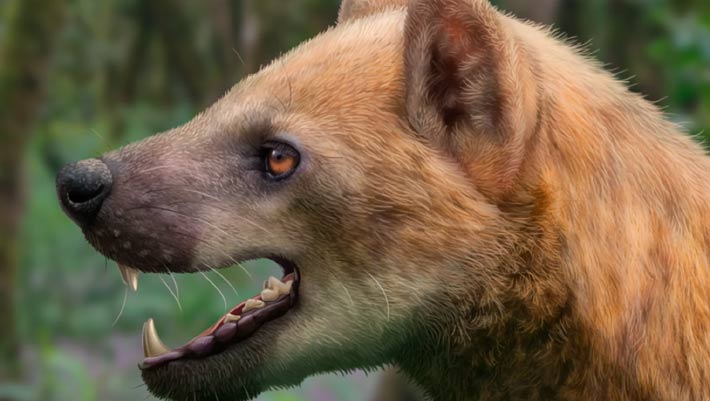
Paludocyon moyasolai. Image credit: Jesús Gamarra.

Paleontologists have identified a previously unknown species of amphicyonid -- the extinct family of carnivorous mammals popularly known as bear-dogs -- from two specimens unearthed at a rich fossil site in the Vallès-Penedès Basin near Barcelona, Spain.

The post New Species of Ancient Bear-Dog Identified in Spain appeared first on Sci.News: Breaking Science News.

  •  

Study: Cave Lions were Distinct Species that Occasionally Bred with Ancestors of Today’s Lions

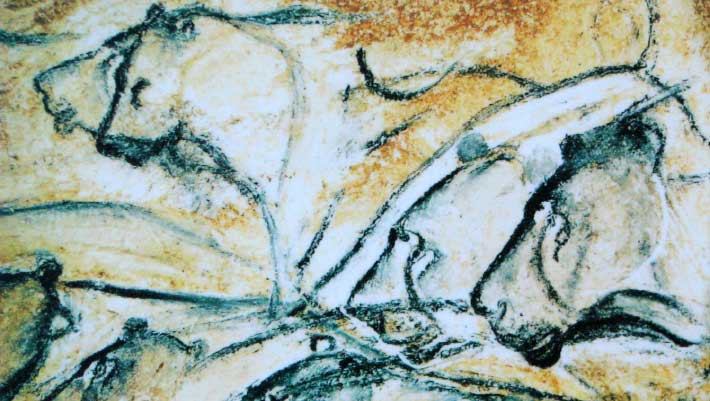
Cave lions painted in the Chauvet Cave, France.

The extinct Eurasian cave lion (Panthera spelaea) and today’s African and Asian lions (Panthera leo) belong to separate evolutionary lineages that diverged roughly 1.7 million years ago -- far earlier than previously thought, according to an analysis of 12 cave lion genomes spanning more than 100,000 years.

The post Study: Cave Lions were Distinct Species that Occasionally Bred with Ancestors of Today’s Lions appeared first on Sci.News: Breaking Science News.

  •  

The Iran War is Forcing Energy-Importing Countries to Turn Inward

The Iran war is pushing countries to prioritize domestic energy in order to protect themselves from volatile oil and natural gas markets.

© Jes Aznar for The New York Times

The president of Solaric, a rooftop-solar installer based near Manila, said people were now seeing the technology as “a way to survive this new age.”
  •  

After Decade-Long Hunt, Scientists Find East Asia’s Tallest Tree

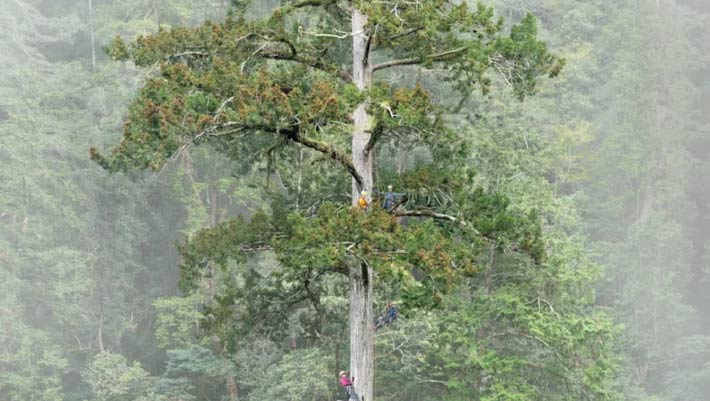
The Heaven Sword tree. Image credit: Chia-Chun Hsu et al., doi: 10.3389/ffgc.2026.1746112.

Deep in the mountains of northern Taiwan, a towering Taiwania cryptomerioides -- a large coniferous tree in the cypress family Cupressaceae whose ancestors date back 100 million years -- has been confirmed as the tallest known tree in East Asia.

The post After Decade-Long Hunt, Scientists Find East Asia’s Tallest Tree appeared first on Sci.News: Breaking Science News.

  •  
❌