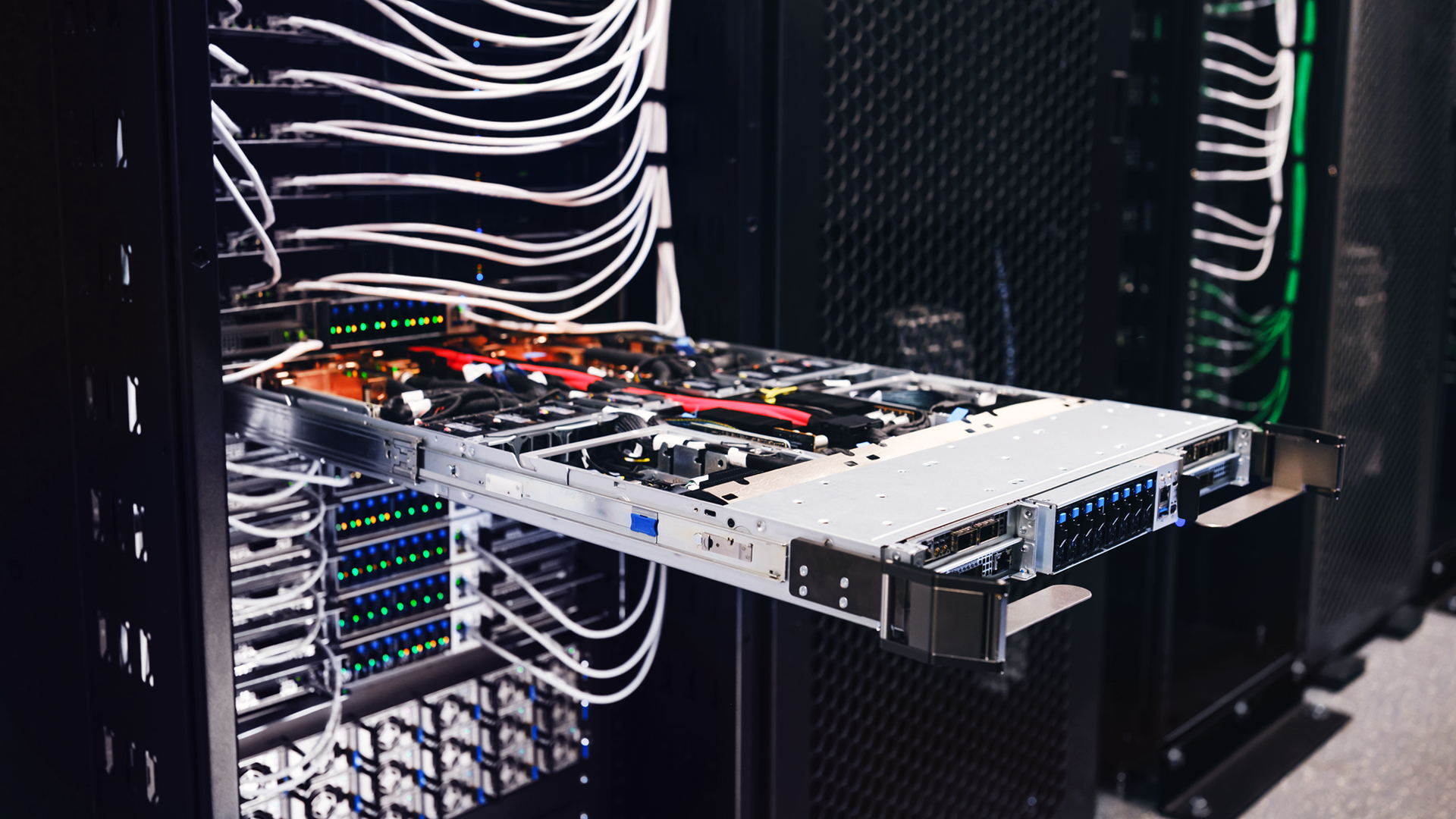
Datacenters face direct hit from China rare earth curbs, as clock runs out on escalated licensing chokeoff
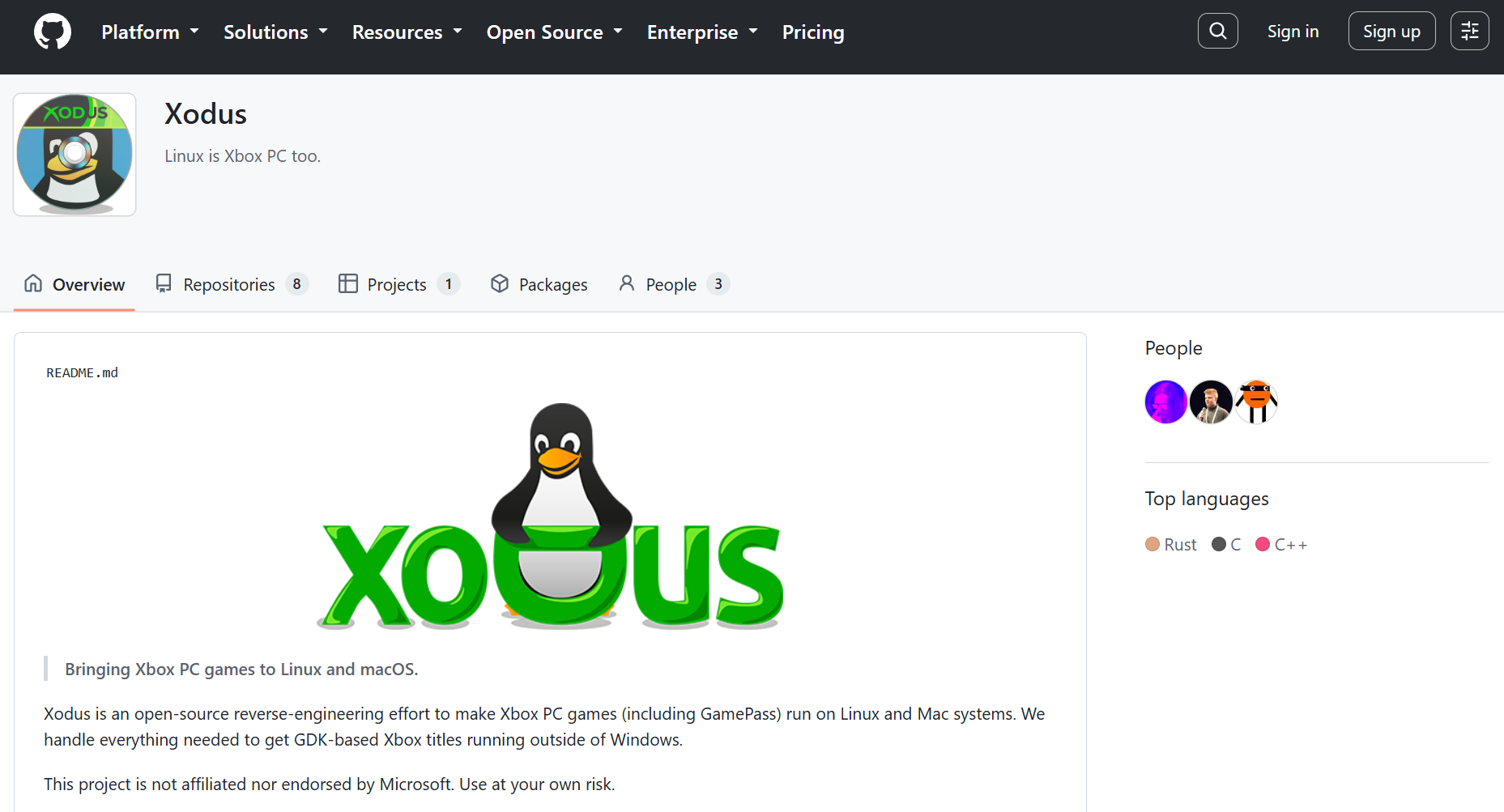
Xbox PC games, distributed through the Xbox app, fail to run on Linux because of Microsoft's proprietary GDK runtime environment. This also breaks Game Pass even though the company supports cloud streaming Game Pass titles. A new open-source project from the developers of Heroic Launcher, called "Xodus," is aiming to fix this by reverse engineering and emulating the necessary components required for Xbox PC games on Linux.

Xodus primarily targets modern, GDK-based Xbox PC titles and their MSIXVC packages; not older, UWP-based releases like Gears of War 4 and early Forza Horizon games. The problem with those isn't the DirectX API or x86 instructions; Proton and DXVK/VKD3D can already translate those. That's also the reason why you can still run Xbox PC games on Linux if you somehow get your hands on the DRM-free executables.
The real issue is the trifecta of Microsoft's proprietary GDK (Game Development Kit), Xbox identify services, and encrypted MSIXVC packages. This framework is responsible for verifying licenses for the games you own through the Xbox app. Without it running in the background, the games will simply crash right as you try to open them, or not launch at all. This is where Xodus comes into play.
The Xodus team says the project can already log into Xbox services, download game packages and obtain game licenses. It includes its own open-source implementation of the xgameruntime.dll and custom forks of both Wine and Proton, along with xal-rs, which is an Xbox authentication library for Rust. Xodus uses proxy libraries to interface with GDK games and intercepts API calls to transmit valid Xbox Live tokens.
Commentfrom r/linux_gaming
For now, efforts are focused on emulating the Xbox Gaming Runtime from the Xbox GDK through Wine, then the project will move on to actually launching and playing Xbox PC titles locally. Considering they've already solved the Xbox/Microsoft authentication, license check, and package decryption hurdles, it shouldn't be long before we see PC Game Pass running natively on Linux.
BedrockonLinux 2.0, another open-source project that brings Minecraft Bedrock to the platform, already relies on similar reverse-engineering tech to handle these components since Microsoft migrated the game to GDK. This allows the game to talk to Xbox Live in real-time through a secure doorway to authenticate tokens despite the game running in a sandboxed environment like SteamOS (Linux).
Microsoft itself brought four original Xbox titles to PC last month and it says more are coming, along with leaked documents suggesting Xbox 360 titles also releasing on PC next year. These games come with a baked-in Xbox 360 emulator. It's not clear if these games use the same GDK stack as native Xbox PC titles, however.
The economist John Maynard Keynes once remarked, “In the long run we are all dead.” From an astronomical standpoint, this is true for the Earth itself. In roughly 5 billion years, the Sun will exhaust the hydrogen at its core and enter the next phase of its life as a Red Giant, where it will swell up large enough to engulf and destroy the Earth.
Currently, the Sun is still in its main-sequence phase, where it fuses hydrogen into helium in its core. Although it remains relatively stable during this phase, it will gradually grow brighter with time. As the Sun shines brighter, the increased heat and radiation will raise Earth’s surface temperature, potentially pushing it past the threshold for life to survive.
One of Earth’s geological processes that helps regulate its surface temperature is the carbon cycle. Over millions of years, carbon moves from the Earth’s interior into the atmosphere as carbon dioxide or CO2, where it functions as a greenhouse gas that traps heat. Plants take in this CO2 through photosynthesis and move carbon through the biosphere.
Meanwhile, rain and rock weathering draw carbon into the oceans and rocks. By pulling CO2 out of the atmosphere, the carbon cycle could mitigate Earth’s warming as the Sun brightens over time. Today, human activities are increasing atmospheric CO2 and warming the planet. However, over billions of years, the carbon cycle could gradually remove enough CO2 from the atmosphere that eventually too little would remain to support photosynthesis.
With these challenges to life on Earth in mind, the researchers Jacob Haqq‐Misra and Eric Wolf investigated how long Earth’s biosphere could last in the distant future. The team used computer models to calculate the balance of energy that Earth would receive and emit over time, accounting for the effects of increasing sunlight and changing atmospheric CO2 concentrations. They followed this up with calculations using the ExoCAM model to determine the temperature and atmospheric conditions of future Earth across different latitudes. They related these conditions to a habitability metric to determine their impact on the biosphere.
To estimate the biosphere’s maximum possible lifespan, the team conducted 29 simulations representing the planet’s conditions over the next 2 billion years. In one set of simulations, the Earth’s carbon cycle contributed little to regulating surface temperature, with the atmosphere’s CO2 concentration fixed at approximately modern levels of 400 parts per million (ppm) and surface temperatures continuing to increase. In another, the carbon cycle worked to keep Earth’s average surface temperature fixed at the modern average of approximately 59℉ (15℃), no matter how much it had to reduce CO2 in the atmosphere.
In the scenario with a fixed CO2 concentration, the team found that in 1.7 billion years, Earth’s surface reached an average of 122°F (50°C), which is too hot for most land plants. After 1.9 billion years, it reached 149°F (65°), becoming too hot for all land plants to survive as temperatures continued to rise.
They also found that in the fixed average surface temperature scenario, atmospheric CO2 dropped below the 150 ppm level that most plants require for photosynthesis within 500 million years. After 1.4 billion years, CO2 levels fell below 10 ppm, leaving only a few land photosynthesizers and aquatic plants alive. After about 1.8 billion years, atmospheric CO2 dropped to 1 ppm, leaving only microbes capable of photosynthesis.
The researchers’ findings generally extend the estimated lifetime of Earth’s future biosphere compared with earlier, simpler models that suggested maximum lifespans of 100 million to 1.5 billion years. However, they clarified that other scientists should verify their results by running tests with other models, especially under extreme conditions of high incoming solar radiation and low atmospheric CO2.
Lastly, Haqq‐Misra and Wolf noted that their model did not account for major evolutionary changes that could help life adapt to future conditions. Over time, plants could evolve to tolerate higher temperatures or lower atmospheric CO2 levels. Future humans or another intelligent species might also engage in large-scale geoengineering projects to prevent the end of life on Earth. If life on Earth proves adaptable enough, the biosphere may endure until a Red Giant fills the daytime sky.
The post The long-term fate of Earth’s biosphere appeared first on Sciworthy.
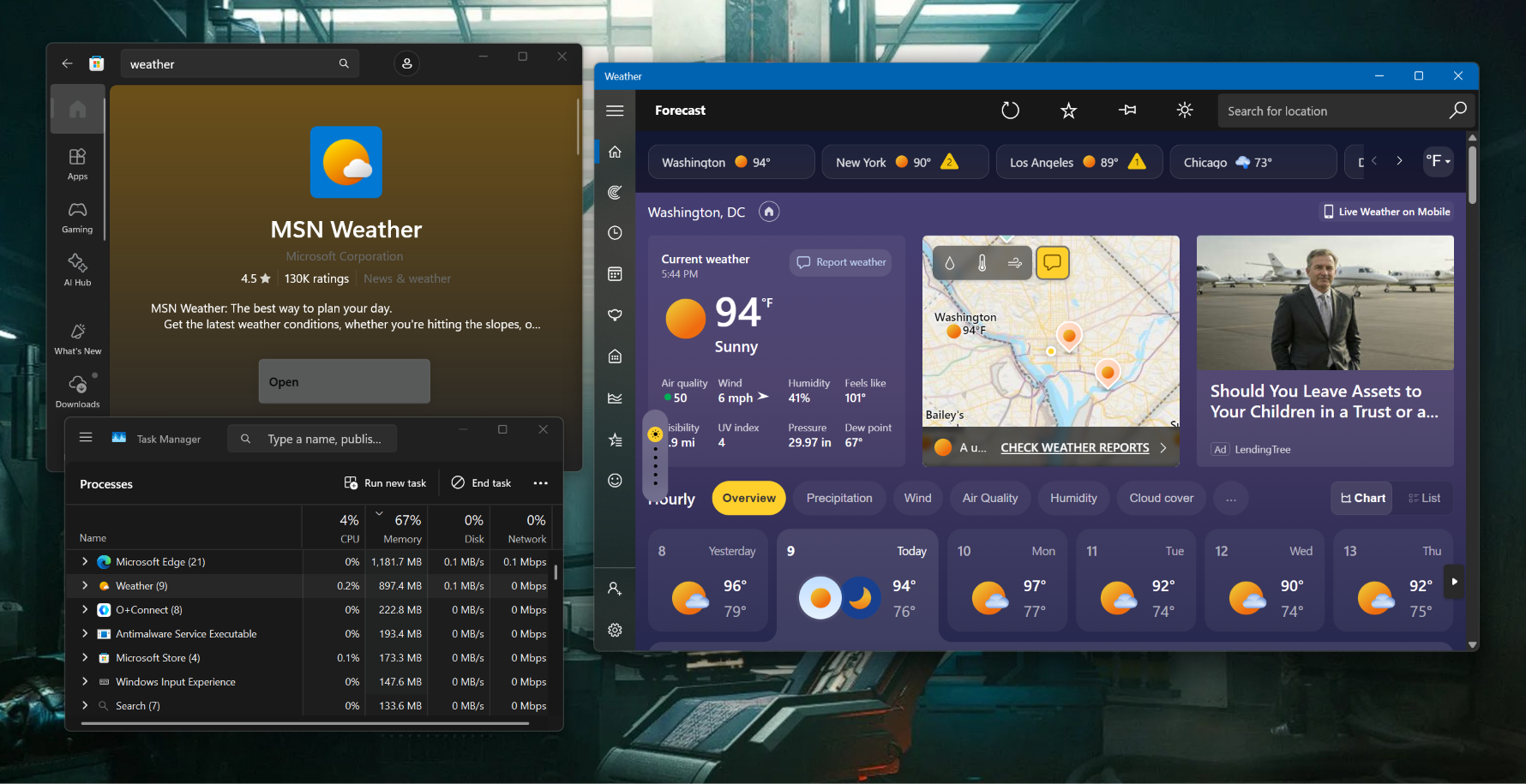
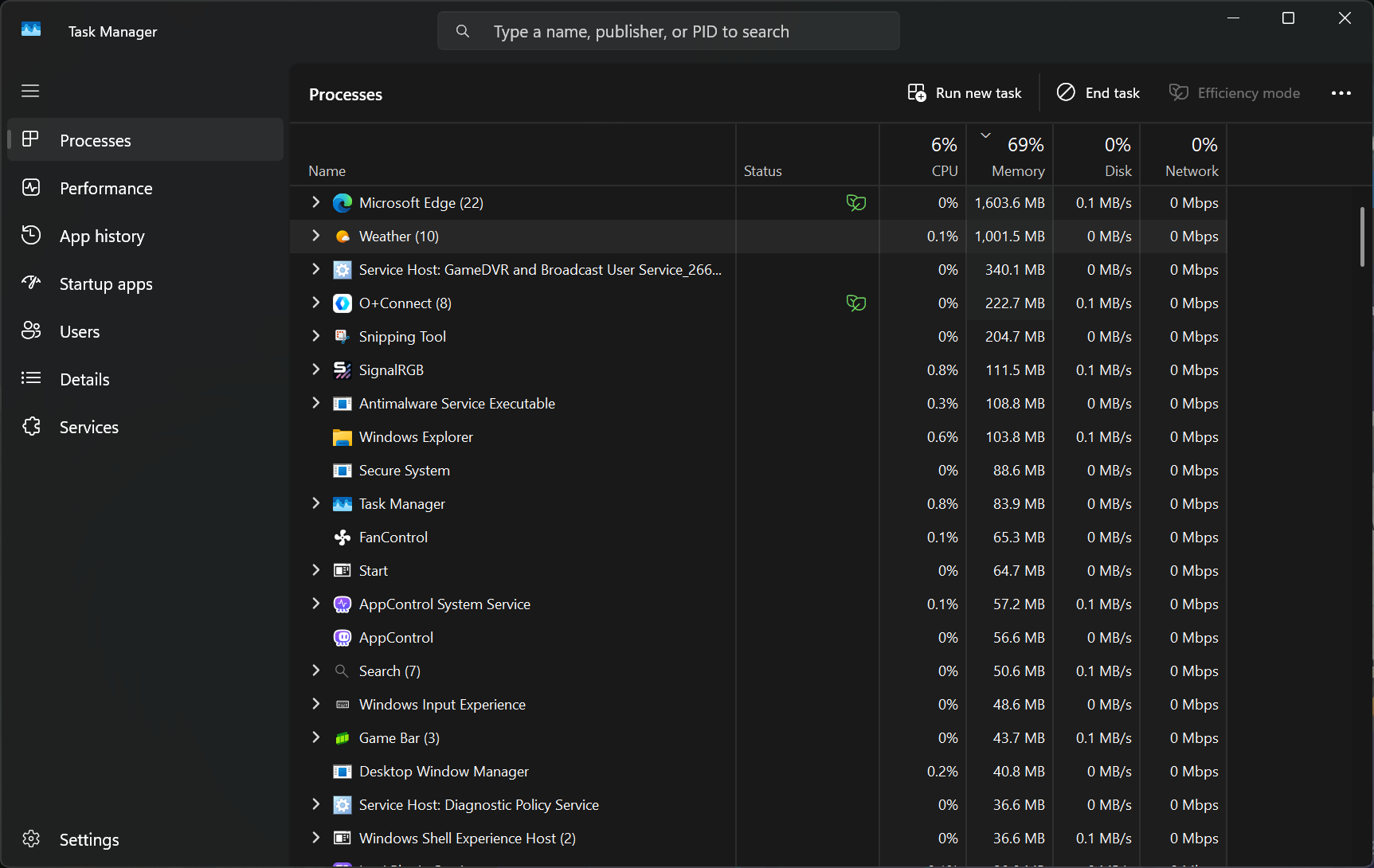
Windows is in a tough spot right now, with years of neglect and stagnation reaching a boiling point with customers. Lack of optimization, bloat, ads, forced AI slop, and persistent tracking have forced Microsoft to admit its missteps and commit to fixing the OS at large. Windows Latest's new testing shows that the built-in weather app is a perfect representation of the state of Windows. The "app" consumes up to 1.2GB of RAM while idling, and it serves up a bunch of ads while you check the temperature.
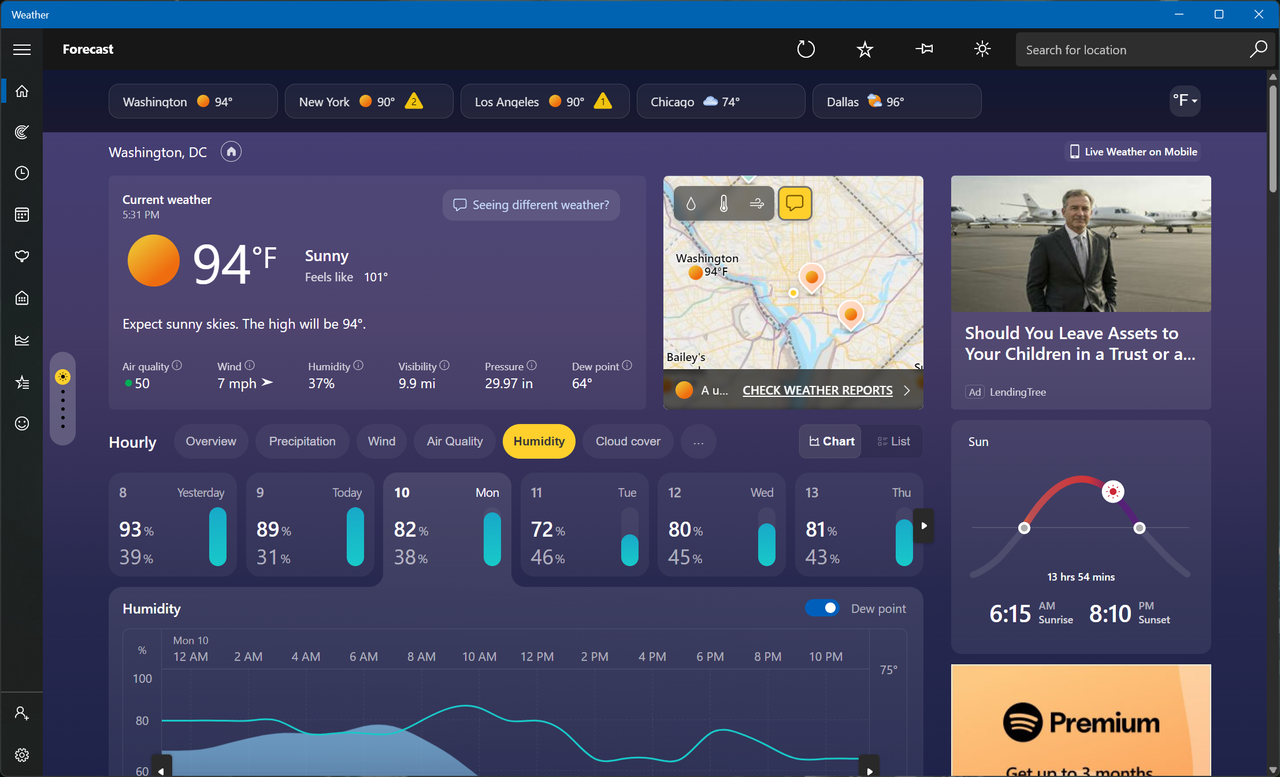
MSN Weather is the default weather app that ships with Windows, which explains why it's filled with promotions throughout, despite being part of a paid OS. To be clear, the app looks very modern and has all the data you could ask for, such as live radar overlays, hourly wind and precipitation breakdowns, air quality index, and moon phases. It's also accurate because the data is sourced from a bunch of different providers across the world, but mostly Foreca.

The author explains that getting accurate forecasts is not a cheap endeavor, so it's not like Microsoft is running a charity. But the comparison falls apart when you look at what the competition is offering. Apple's native weather app on macOS is just as beautiful, detailed, and accurate, yet it's free of ads. It also only consumes about 250MB of memory to show all that data, so 5x less than Windows. This is because MSN Weather is technically not even an app to begin with; it's a web wrapper that's pinging a bunch of browser tabs in real-time.
When the author clicked on the Task Manager entry for MSN Weather, they saw 8 Chromium-based subprocesses, confirming that they're just looking at a website being rendered via WebView 2. For context, native Windows apps are supposed to adhere to the WinUI framework, which the company is slowly adopting over Win32 and UWP. Microsoft is committed to updating all the native apps Windows ships with to Win32, which should significantly improve their optimization, but we don't know if the ads will suddenly disappear as well.

The author saw Adobe Acrobat ads while checking the forecast, and we saw two ads — one for LendingTree and another for Spotify. Apart from that, scrolling around the app and clicking on the different menus and boxes was fast enough. We have to emphasize that the app really is granular and well-built from an aesthetic point of view; Microsoft gets full points for that, or is it MSN? That distinction is another issue that makes the weather app conundrum a bit more confusing.
When Microsoft promised to rebuild all native Windows 11 apps, it didn't explicitly say those would include MSN-branded services too, like MSN Weather and MSN News. Seeing as though they're simply called by their utilitarian names in the OS, there's a strong chance that these memory hoggers will also be eventually upgraded. For now, just stick to your phone, especially if you were among those who immediately Googled how to remove the weather widget from your taskbar that fateful day.
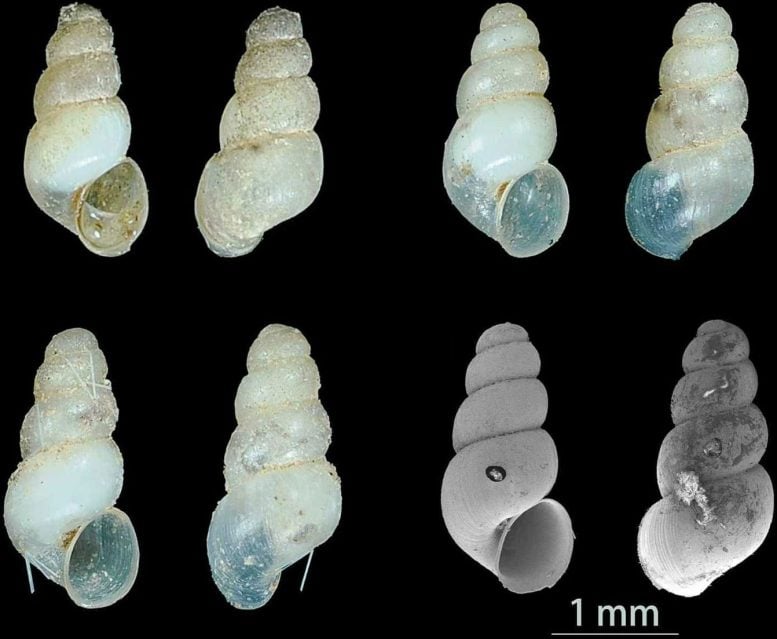
Scientists have discovered China’s first known freshwater cave snail, an eyeless species so rare that only three living adults have been found. Deep inside a mountain cave in southwestern China, scientists found an animal that appears built for a world where sunlight never reaches. The tiny freshwater snail has no eyes, almost no color, and [...] 
As Europe swelters in a heatwave, residents probably don’t want to hear about ways to make their homes even hotter, but that’s what Polish property developer Citylink is talking about, with plans to dump waste heat from a new data center in Wrocław into the municipal district heating network.
Citylink is designing the data center so that heat from servers can be recovered instead of being dissipated via cooling systems — and as the data center grows, any increase in computing power will mean more energy available for recovery.
The collaboration with local power company Kogeneracja will provide “valuable experience in designing and operating modern data centers, with a particular focus on infrastructure dedicated to AI nodes,” said Michał Starybrat, development director at Citylink.
“The dynamic growth of the artificial intelligence and cloud technology markets generates unprecedented demand for computing power, this collaboration demonstrates how modern digital infrastructure can actively contribute to building the energy ecosystem of the future,” he added.
This type of initiative is not new. There have been similar projects in the UK and in New Zealand, but with warnings that data centers are contributing to the warming of the planet, there may well be a lot more organizations looking to deploy that excess heat more fruitfully in the future.
However, announcing it during a heatwave may not be the most politically sensitive approach to take.
This article first appeared on Network World.

Traditional operating systems (OS) were built to manage hardware, files, apps, and users on a device, but Cloudflare says the agentic AI era requires a whole new format.
The company this week announced Cloudflare OS, which connects AI agents, enterprise data and context, internal systems, and workflows together in one secure workspace. It is open source and browser-based, sparing companies the need to build all-new infrastructure.
The OS is launching alongside several other new security, identity, spending, and user insight tools that Cloudflare has built for the AI-based workplace.
“Cloudflare OS isn’t a traditional desktop OS,” said Rita Kozlov, VP of product at Cloudflare. “It reimagines the workplace computing environment for AI.”
Cloudflare OS serves as a secure, AI-equipped workspace that is plugged into internal company systems. Available now through Cloudflare’s open source repository, it is accessible directly in a browser, and runs inside an enterprise’s Cloudflare account.
“It is a browser-based workspace that begins with a conversation,” Kozlov explained. Users can ask an agent to research, create slides, spreadsheets, and documents, build full-stack apps, or automate workflows without the need for a terminal. Those outputs are then shareable, but kept in isolated databases with access controls.
Enterprises will soon be able to access the OS directly through Cloudflare or via a “select group” of partners that will build tailored offerings on Cloudflare’s architecture, the company says. Because it is open source, organizational processes, internal system connections, and context aren’t locked into a vendor product or AI model provider. Customers can use whatever models they choose.
Cloudflare OS is built on Cloudflare Workers, Dynamic Workers, Durable Objects, and Access, the company’s zero trust network access (ZTNA) tool that verifies every user and request. Agents start with zero permissions by default and are only granted access to tools required for a specific task. Organizations configure their own Access policies, models, branding, skills, and integrations, Kozlov explained.
Governed connectors known as gatekeepers give admins control over what AI can see, what it can change, and when the system needs human sign-off. They can also control budgets, set rate limits, and delegate tasks to different models.
“Because agents act on people’s behalf and produce work others can access and modify, they require a new security model,” Kozlov said. Thus, Cloudflare OS tracks the resources an agent requires so the right access controls follow its work when it is shared.
Cloudflare initially built the OS for internal use, and employees “across every team” use it daily. Kozlov estimated that, over the last 30 days, internal users have used it to create more than 4,000 apps, automations, and tools. Over that same period, she claimed, the company’s sales team saved an estimated 10,000 hours by automating previously manual tasks like territory planning and proposal creation.
“We open sourced Cloudflare OS so any organization can build ‘Your Company OS,’” Kozlov said. Open source is critical because “you cannot put your company into software you do not own. Organizations need to be able to inspect the platform, customize it, connect their own systems, and make it their own,” she explained.
Cloudflare deserves credit for packaging Cloudflare OS as an operating system, noted tech analyst Carmi Levy.
“This very much is not Windows, macOS, or Linux, and it isn’t an operating system by its common definition,” he said. “But Cloudflare’s use of this terminology implies familiarity to enterprise IT buyers.”
This makes for an easier discussion as enterprises struggle to understand how to best incorporate AI-related platforms and workflows into infrastructure that wasn’t initially designed for it.
Microsoft has marketed the combination of its Azure, Entra, Fabric, Windows, and Microsoft 365 offerings as an operating system of sorts, but hasn’t pulled all the pieces into a common brand, Levy said. And Google’s Gemini, Workspace, Vertex AI, and Cloud Run are “circling similar territory.”
But, he noted, Cloudflare OS is “more cohesively bundled” and infrastructure-focused, offering a single pane of glass platform for buyers worried about stitching together otherwise disparate AI-aware networking pieces. The company recognizes that AI introduces new architectural realities such as inference and model routing “over and above” traditional OS core competencies.
“While competing offerings generally leave the infrastructure heavy lifting to enterprise decision-makers, Cloudflare is marketing itself as a single-source vendor, which potentially frees IT planners from having to integrate all the AI pieces on their own,” Levy said.
An infrastructure-first, application-agnostic approach means Cloudflare OS can coexist with whatever AI applications already exist in an enterprise, he said. It will “play nice” with OpenAI, Anthropic, Google, Microsoft, Meta, or open source layers, allowing employees to begin working in familiar workflows after sign-in.
“Its open-source architecture also minimizes the potential for vendor lock-in as enterprises gradually figure out how to evolve their stacks to align with new AI-era realities,” Levy said.
As AI agents emerge across the enterprise, tracking their use can be challenging, causing problems from both a security and a spend standpoint. Along with Cloudflare OS, the company has launched a way to address this issue with its new Identity-Aware AI Gateway, now in beta.
Also integrated with Access, the offering gives admins visibility into what users (both human and AI) are requesting from AI models. It allows security teams to set up custom domains in front of their gateways and replace shared API keys by integrating with their identity provider, like Okta or Entra, and ZTNA infrastructure, Cloudflare explained.
Every request is tied to Access-verified identities, and enterprises can filter each user’s logs, analytics, and spend. IT teams can track redundancies, limit usage rates, and apply filters that strip out employee names, passwords, and other sensitive data before requests go to outside model providers.
A companion feature, AI Spend, tracks every user’s behavior over time to create a baseline of normal AI usage. When spending deviates from that pattern, the system alerts the IT team.
A new tab, User Insights, tracks cost and identifies over-spend caused by activities such as low cache-hit rates or oversized context windows. The capability scores sessions and compares them against account history using a 95th percentile session cost over the previous 30 days, Cloudflare product managers Ming Lu, Kenny Johnson, and Ayush Kumar explain in a blog post. Anything above 2x an account’s 95th percentile is a “strong candidate for anomalous behavior.”
For instance, one Cloudflare customer had an employee who left a rogue AI session running, generating a $30K bill. “User Insights helped them identify the problem and shut off access before the problem was further exacerbated,” Kozlov said.
Cloudflare is also building prompt classification functionality that sorts requests into categories such as coding or writing. This can help enterprises understand what AI is being used for.
“Once business traffic is separated from everything else, personal use becomes visible,” the project managers explained. “From the outside, someone running a side hustle on company time and someone quietly moving data out through a model look the same. Telling them apart is central to catching insider risk.”
Identity-Aware AI Gateway and AI Spend address the visibility problem that has dogged so many recent AI deployments where enterprises failed to monitor usage, Levy noted. Projects “crashed and burned” as users unwittingly blew through token allocations.
These platforms provide single-point visibility into what is being used, how it’s being used, and where the potential lies for raising the productivity bar, he said. They overlay with existing models; in doing so, they enhance security with more precise control over resource allocations, and via automated anonymization protocols that prevent inadvertent sharing of sensitive data.
Ultimately, he said, vendors who free IT from having to independently assemble the pieces of their own AI implementations, and who assist them with answers to AI-specific questions, “will gain advantage over vendors that aren’t looking at the bigger picture.
This article originally appeared on CIO.com.

Globally, about 1 billion people live near glaciers and depend on glacial water. As temperatures continue to climb due to global warming, glaciers can become unstable and hazardous to nearby communities. These communities risk exposure to a series of linked processes, like ice collapse, flooding, and landslides, which could have life-threatening consequences. Scientists call these events catastrophic glacier hazard chains, or CGHC. So, a team of scientists in China sought to understand the driving forces behind these dangerous phenomena.
The team focused on a CGHC event that occurred in 2018 at the Sedongpu Glacier, located in the Eastern Himalayas. During this event, the glacier obstructed the flow of 30 million square meters (more than 300 million square feet) of the Yarlung Tsanpo River, one of the main rivers within the region.
To reconstruct the event, the team observed satellite images of the Sedongpu glacier over time, using a process called remote sensing. They used the images to calculate ice volumes, glacier velocities, and glacier movement between 1961 and 2018, to determine the glacier’s long-term physical properties and how they changed over time. They found that from 1968 to 2013, the Sedongpu Glacier shrank, or retreated, by over 6 football fields. It also lost ice and water volume and increased its velocity.
The scientists also measured earthquake waves on the Earth’s surface, or seismicity, to characterize any downslope rock or debris movements caused by the glacial retreat. They measured seismicity across 11 different seismic stations within 580 kilometers (about 350 miles) of the glacier. Then, they used this data to identify 2 distinct phases of the CGHC event on Sedongpu Glacier: the ice-rock avalanche and the debris flow.
When the ice-rock avalanche occurred, the team detected noticeable increases in seismicity, suggesting it lasted over 30 seconds. During those 30 seconds, over 8 million cubic meters (more than 280 million cubic feet) of ice fell onto the main glacier. The team recorded even more increases in seismicity during the debris flow, which lasted nearly 5 minutes. The debris from the avalanche hit the main valley glacier at nearly 300 kilometers (200 miles) per hour.
The researchers combined these data to describe how the 2018 CGHC event unfolded. First, the backward movement and shrinkage of the glacier produced an unstable sheet of ice hanging over a cliff face. The steep slope and large cracks in the ice caused an ice-rock avalanche. Debris from the avalanche then accumulated on the main glacier, causing it to move faster. As the main valley glacier moved downslope, it picked up even more debris from the bottom and sides of the glacial valley. The melting ice also increased the glacier’s velocity, and its movement eventually transitioned into a debris flow, which obstructed the Yarlung Tsangpo River.
In total, the CGHC event in the Sedongpu Glacier travelled over 10 kilometers (6 miles) and moved down in elevation for over 3 kilometers (about 2 miles) at a velocity of about 100 kilometers (about 70 miles) per hour. The glacier accumulated enough debris and ice to fill thousands of Olympic-sized swimming pools. Imagine what this could do to a nearby village!
It’s difficult for scientists to estimate when CGHC events will occur, but this team proposed several factors that could help predict them. These factors included the size of the ice-rock avalanche and the glacier velocity, as well as the occurrence of earthquakes, temperature changes, and the melting of the glacier’s underside. They stated that these factors can combine to create a domino effect that drives the CGHC process. They recommended consistent glacial monitoring as temperatures continue to climb, in the Himalayas and globally.
The team concluded that understanding CGHC events can help scientists mitigate glacial hazards and keep people safe, especially in mountainous areas such as the Eastern Himalayas. They stated that their findings illustrate the dangerous processes behind glacial melting, but further research is needed to accurately assess those processes and ensure nearby communities remain safe.
The post Can melting ice increase glacial hazards? appeared first on Sciworthy.
In the Bolivian Altiplano, fewer Aymara farmers are relying on local weather knowledge to schedule farming tasks, like choosing the best dates to plant crops and predicting a frost or drought. At the same time, there is growing doubt about whether these traditional indicators remain relevant today in the context of rapid social, economic, and climatic changes.
Farmers are struggling because the National Weather Service of Bolivia (SEHNAMI) fails to provide useful weather forecasts due to the geographical complexity of the Andes and a scarcity of weather stations. In addition, many farmers can’t access this information because SEHNAMI lacks local outreach programs to deliver reports directly to them. In a region with a weak technical forecasting system, local knowledge is a vital resource, but its use is declining.
Scientists in the past focused on preserving local weather knowledge or discussing how it might help communities adapt to climate change. However, very few researchers have scientifically validated local weather indicators, since doing so requires many years of historical meteorological data to establish statistical “skill” in local forecasting.
Faced with this gap, researchers in the US and Bolivia recently set out to validate indigenous indicators in 2 Bolivian municipalities: Umala in the Central Altiplano and Ancoraimes in the Northern Altiplano. To do this, they paired each traditional weather sign with a measurable variable, like temperature, that could approximate it. This approach allowed them to directly compare traditional observations with scientific data.
The researchers wanted to determine whether traditional weather knowledge is still accurate and relevant under current conditions, since validating these methods would strengthen local knowledge and benefit the schools and policies that promote it. To test this, the researchers worked with 6 Aymara communities. First, they conducted workshops with local leaders and experts to compile a set of weather-forecast indicators. Then, they surveyed 95 farmers to rank the reliability of these indicators.
Through discussions with these communities, the team identified 13 weather indicators in the Central region and 20 in the Northern region. These indicators included specific plants, animals, and physical factors like constellations or winds that the farmers used to decide when and where to plant crops, and to predict weather conditions for the next season. The researchers focused on 2 key indicators that the farmers ranked as most reliable: the presence or absence of moisture under rocks on the Fiesta de San Juan on June 24th, and the flowering patterns of specific plants, called Thola and Sank’ayu. The farmers used the San Juan indicator to predict whether the upcoming year would be rainy or dry, and the plants to determine the most favorable dates for planting to avoid agricultural risks like frosts.
Finally, the researchers compared forecasts based on these 2 signs with over 30 years of meteorological data from nearby weather stations. In both cases, they used the minimum daily temperature as the measurable way to represent these local signs scientifically. Their results showed that the minimum daily temperature on the Fiesta de San Juan could explain more than half (55.5%) of the changes in rainfall during the growing season. They also confirmed that severe frosts that “burned” Thola and Sank’ayuthe flowers were followed by periods without rain, validating the farmers’ strategy of delayed planting.
The researchers concluded that local weather indicators used by Aymara farmers are most reliable for seasonal planning, especially in predicting the start of the rainy season. They stated that this result helps legitimize traditional knowledge and empower the community. For example, these communities now hold regular meetings to discuss forecasts and share this information with their neighbors via WhatsApp groups.
However, the team acknowledged that local knowledge was limited to short-term forecasting, as it only provided warnings a few hours in advance. Farmers need alerts several days in advance to effectively reduce their vulnerability to events such as frosts or hail. For this reason, the researchers suggested that the next step will be to co-produce forecasts by combining meteorological science with traditional knowledge.
The post Testing local weather knowledge in the Bolivian Altiplano appeared first on Sciworthy.
The first study of its kind shows that ecosystems experience far more cumulative heat than standard measurements reveal. A marine heatwave may have an official beginning and end, but the warm water affecting an ecosystem often does not. Like a pot that continues absorbing heat over time, coastal waters can remain unusually warm for weeks [...] Bentham Science Launches Two New Journals to Accelerate Research in Wireless Communications and Engineering
Bentham Science Publishers has announced the launch of two new peer-reviewed journals designed to capture the rapid transformation of modern technology: Wireless and Communication Letters and Current Engineering Letters and Reviews. Both publications are now open for manuscript submissions, offering researchers an international platform to share emerging discoveries in communication systems, engineering technologies, and interdisciplinary innovation. The launches arrive as advances in artificial intelligence, sixth-generation wireless networks, satellite systems, advanced materials, and sustainable engineering continue to reshape scientific research and industrial development.
Wireless and Communication Letters is focused on the technologies that enable today’s increasingly connected world. The journal will publish original letters, full-length research articles, comprehensive reviews, mini-reviews, and guest-edited thematic issues addressing both theoretical developments and practical applications. Its scope covers the complete communication chain, from antennas and radio-frequency hardware to signal processing, network architecture, cybersecurity, and intelligent software. By emphasizing the efficient dissemination of research, the journal aims to provide a rapid channel for findings that could influence the next generation of wireless infrastructure.
The technical challenges addressed by the journal are central to the future of digital connectivity. Fifth-generation networks have already introduced high-speed mobile broadband, ultra-reliable low-latency communication, and massive machine-type connectivity, but researchers are now investigating 6G systems capable of supporting even greater data rates, extremely precise sensing, and seamless integration with artificial intelligence. These systems may combine terahertz frequencies, reconfigurable intelligent surfaces, distributed antennas, edge computing, and advanced machine-learning algorithms. Such technologies require new approaches to spectrum allocation, energy efficiency, network coordination, and data security.
The journal also welcomes research on the Internet of Things and machine-to-machine communication, areas in which billions of sensors and devices are expected to exchange data with minimal human intervention. In these environments, communication protocols must operate reliably despite limited power, unpredictable radio conditions, and enormous numbers of connected nodes. Research into low-power wide-area networks, intelligent scheduling, network virtualization, and secure device authentication could help support applications ranging from industrial automation and smart cities to remote healthcare and environmental monitoring.
A further component of the journal’s scope involves the physical science of communication. Antenna design, electromagnetic propagation, microwave engineering, optical links, and satellite communication determine how information travels through real environments. Engineers must account for obstacles, atmospheric conditions, interference, polarization, bandwidth limitations, and the movement of users or spacecraft. Developments in compact antennas, beamforming, optical wireless communication, and satellite-terrestrial integration could improve connectivity in rural regions, disaster zones, transportation systems, and future space missions.
Wireless and Communication Letters is led by Editor-in-Chief Dr. Nasimuddin of the Antenna and Optical Department at the Institute for Infocomm Research in Singapore. Supported by an international editorial board, the journal states that it will apply a rigorous and objective peer-review process. This is particularly important in a field where theoretical claims must often be tested through simulations, prototypes, channel measurements, or performance comparisons. Research involving modulation, coding, information theory, cognitive radio, software-defined networking, artificial intelligence, privacy, and communication protocols will be considered within the journal’s broad technological remit.
Alongside the communications title, Bentham Science has introduced Current Engineering Letters and Reviews, an interdisciplinary journal intended to connect research across the full spectrum of engineering sciences. Announced on 3 August 2026, the journal will publish research articles, short communications, comprehensive reviews, mini-reviews, and thematic issues. Its mission is to bring together discoveries that are often separated into specialist fields, reflecting the reality that many modern technologies emerge from collaboration among mechanical, electrical, materials, chemical, biomedical, environmental, and computer engineers.
The new engineering journal will cover aerospace, civil, structural, transportation, manufacturing, energy, robotics, automation, nanotechnology, artificial intelligence, and digital engineering. It will also address sustainable engineering, renewable energy systems, smart materials, advanced manufacturing, and biomedical technologies. These subjects are increasingly connected: an electric vehicle, for example, depends simultaneously on materials science, power electronics, software, communications, manufacturing, and transportation engineering. An interdisciplinary publication can provide a forum for examining such systems as integrated technological platforms rather than isolated components.
The scientific importance of this approach is becoming more visible as engineers confront challenges involving climate change, resource efficiency, resilient infrastructure, and automation. Renewable energy systems require improved storage, power conversion, and grid management; smart materials can respond to changes in temperature, pressure, or electromagnetic fields; and artificial intelligence can optimize industrial processes by identifying patterns in large streams of sensor data. At the same time, engineering research must demonstrate reliability, scalability, safety, and economic feasibility if laboratory innovations are to produce measurable benefits in society and industry.
Both journals invite contributions from researchers, engineers, scientists, academics, and industry professionals worldwide. Bentham Science says that information about open-access policies, article processing charges, waiver eligibility, editorial policies, and complaints and appeals procedures is available through the respective journal websites. With their emphasis on rapid communication, technical rigor, and interdisciplinary exchange, the two publications seek to become new hubs for research at the intersection of connectivity, intelligent systems, sustainable technology, and engineering innovation.
Subject of Research: Wireless communications, communication engineering, interdisciplinary engineering research, emerging technologies, artificial intelligence, sustainable engineering, and advanced technological systems.
Article Title: Bentham Science Launches Two New Journals to Accelerate Research in Wireless Communications and Engineering
News Publication Date: 3 August 2026 (for the announcement of Current Engineering Letters and Reviews; no publication date is provided for Wireless and Communication Letters).
Wireless communications, 5G, 6G, Internet of Things, satellite communications, antenna design, signal processing, artificial intelligence, engineering research, sustainable engineering, robotics, renewable energy, smart materials, advanced manufacturing.
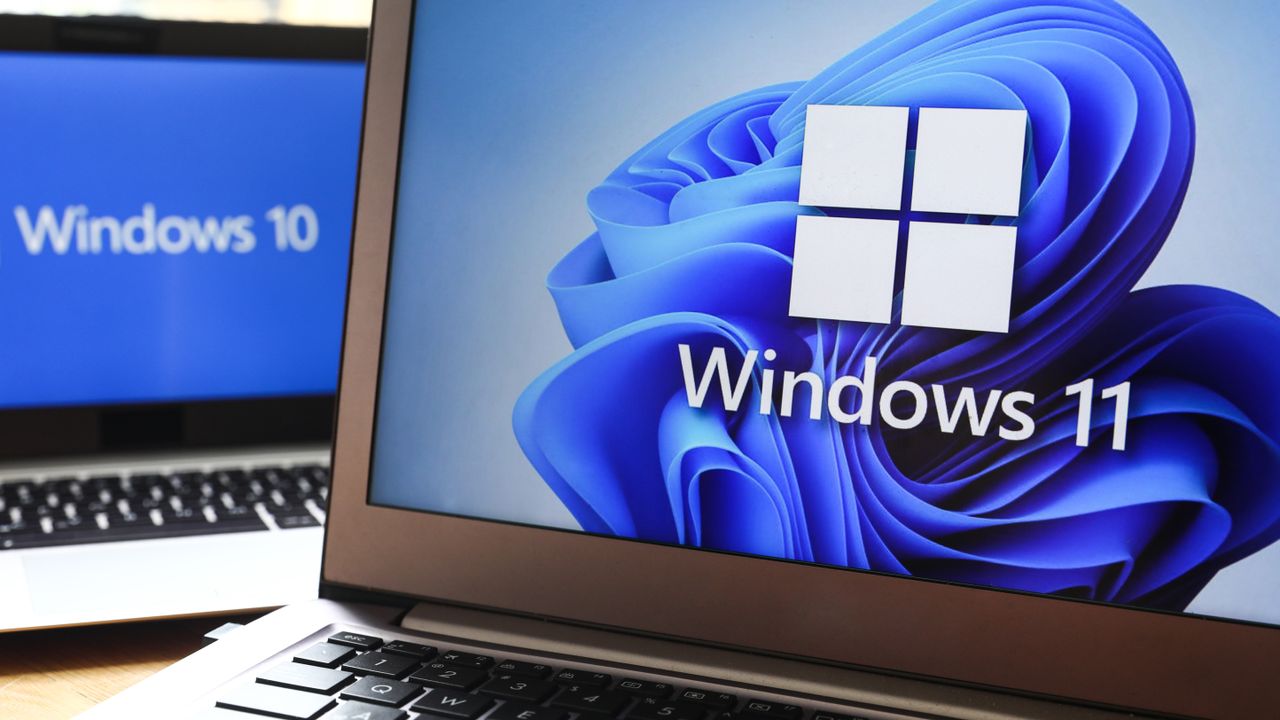
Microsoft said that it’s planning to optimize Windows 11 for systems with 8GB of RAM and above as part of its promise to improve Windows 11 in March 2026. The company said in its latest update that the optimization is part of expanding its focus on operating system upgrades, which include a faster out-of-the-box experience, easier parental controls, and improved voice interactions.

While the official minimum specifications for Windows 11 sit at just 4GB of RAM, most PC builders advise getting at least 16GB if you want to have a smooth experience. In fact, Microsoft has previously recommended 32GB of RAM for Windows 11 for gamers, especially if they want a system that can handle games in the near future. Unfortunately, the RAMpocalypse has forced both users and manufacturers to stick with slower DDR4 memory and lower capacities. Some experts predict that the entry-level PC will disappear by 2028, and we’ve even seen some manufacturers, including Apple, reintroduce 8GB laptops just to hit a specific price point.
The resurgence of 8GB systems will likely deliver a bad experience for users who stick with Windows 11, which is the likely reason why Microsoft is pushing for the optimization of its operating system. If Windows 11 performs poorly on these systems, it could draw users towards macOS or Linux alternatives as they blame the operating system for underperforming on limited hardware. In fact, we’ve already seen this happen before — after Microsoft ended support for Windows 10, MacBooks saw an uptick in sales as users migrated towards macOS instead of going for Windows 11. SteamOS is also encouraging some gamers to ditch Windows, and Valve is working on a general release for the OS, which many say contains less bloat and is a bit snappier than what Microsoft offers.
The RAM shortage crisis, alongside increasing competition, is forcing Microsoft to do better with Windows 11. Hopefully, these optimizations arrive sooner and don’t introduce new bugs, allowing both new and existing users to get more out of their systems.
The Windows blog post also gave an update on what improvements the company has made to Windows 11 so far. This includes a better Windows Search experience, more Taskbar and Start customizations, a more responsive and reliable File Explorer, among others. Many of these changes are still in preview, though, so unless you’re part of the Windows Insider Program, you’ll have to wait a few more weeks to months before you can start enjoying these changes.
The Steam Machine helped grow the popularity of Linux gaming, including installations of Bazzite and other gaming-oriented Linux distributions. Valve seemingly doesn't want to stop its open-source development efforts anytime soon, and is now working on a port of the Mesa Radeon Vulkan driver (RADV) to Windows; It's already running Counter-Strike 2, according to developers at Collabora.
As cross-platform development is rather tricky, Valve opted to get a port of RADV to Windows going by way of sponsoring contractors at Collabora. In its blog post, Collabora explained the several hoops it had to jump through to accomplish this task.
With Windows 10 and WDDM 2.0, Microsoft improved the split between graphics drivers' userspace code (the vast majority of the driver itself) and the kernel-level portion that actually talks to the graphics card. This presented the opportunity to hook RADV to the AMD kernel card driver. That's easier said than done, however, as communication between those parts often carries non-standardized data that RADV needs to understand. And to understand the "conversation," it needs to be recorded and analyzed.
An earlier 2024 effort by Faith Ekstrand yielded a basic-but-valuable utility for logging WDDM 2.0 calls and reverse-engineering them to produce a basic RADV implementation. Out of both debugging necessity and as a development tool, Collabora built and expanded upon Ekstrand's work, improving the logger to the point where it can now fully analyze any Vulkan application that runs with AMD's official driver and dump all the data passing to the kernel.
After a lot of work getting to grips with how the AMD driver interacts with the kernel driver, including but not limited to reverse-engineering obscure data structures, the team made progress, and Windows RADV is now able to run some games, including Counter-Strike 2.
Despite the ongoing effort, Collabora explains that since user- and kernel-space driver are a matched pair, changes to those aren't guaranteed to be backwards-compatible, meaning that even a fully functional RADV could break at any point. For that reason, Collobora is requesting that AMD, Microsoft, or both provide a documented interface to the kernel driver or an intermediary compatibility layer.
AMD graphics driver development on Linux has coalesced around the Mesa Vulkan stack, with both company and community devs contributing to the RADV project. Over in the Windows world, the only option is AMD's proprietary driver, which can cause a lot of headaches when developing cross-platform games and applications.
AMD's Vulkan driver for Windows has developed a reputation for instability. Meanwhile, Linux RADV is generally praised for its stability and performance, sometimes running faster than the AMD Windows driver, especially on older cards. With a rapid development schedule, it also generally sees fixes and speed upticks often.
If at some point using RADV on Windows becomes viable, you'd be getting an arguably more stable, mature driver with active development. Games' graphical issues could become far easier to debug and patch thanks to the open nature of RADV, and studios developing with Linux in mind can target the one platform instead of two with different behaviors. Any developer or company can contribute to the project, too.
Furthermore, this lets Valve improve Windows compatibility layers, and any optimizations can be carried over to both operating systems. All told, this is likely one of the several moving parts to improve Linux — thus the Steam Deck, Steam Machine, and upcoming hardware — as a viable gaming platform. Even a future notion of gamers installing RADV on Windows to get a performance or stability boost isn't too far-fetched.
Additionally, RADV on Windows would also help keep discontinued cards usable, and given pricing right now, that certainly would be a good thing.