Apple leaks and rumor-driven reporting take center stage as the panel examines how constant predictions have diminished the excitement of new iPhone releases. The discussion with Chuck Joiner, David Ginsburg, Eric Bolden, Jim Rea, and Marty Jencius also covers premature Siri-versus-Gemini comparisons, Apple’s legal battles with Epic Games and John Prosser, Bending Spoons’ growing technology portfolio, prediction-market manipulation, Spotify streaming fraud, and musicians’ dissatisfaction with the service.
The launch of a new MacVoices merch store kicks off this session, including product choices, embroidery options, and listener-requested items. Chuck Joiner, David Ginsburg, Eric Bolden, Ben Roethig, Marty Jencius, Jim Rea, Jeff Gamet, and Guy Serle discussion then turn to Apple’s lawsuit involving Jon Prosser, the default judgment being set aside, and what Apple may hope to gain through discovery. The group closes by reacting to Apple Music’s most-streamed artists list and how streaming reflects changing musical demographics.
Researchers in Germany have developed a new gas-sensing technology that could make it much easier and less expensive to detect tiny amounts of gases in the environment, industrial facilities, and energy networks. The breakthrough builds on a scientific phenomenon known as the photoacoustic effect, which was first discovered more than 150 years ago. When certain […]
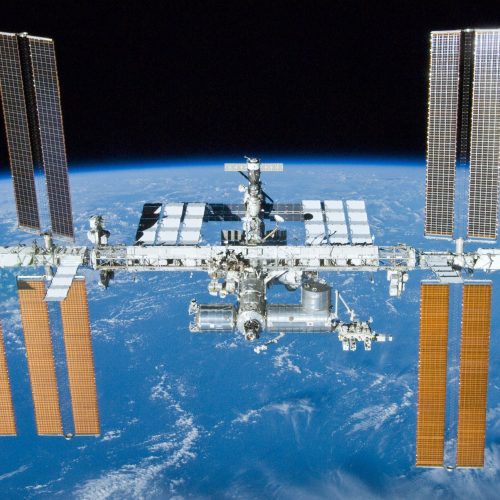
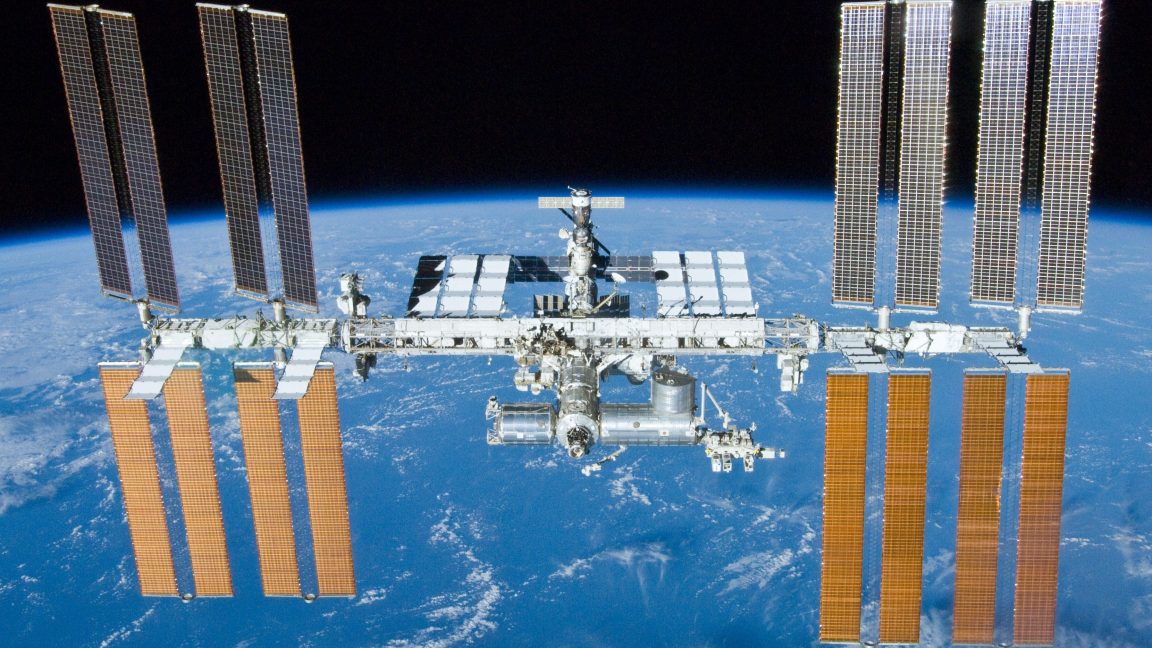
NASA confirmed Thursday that the Russian segment of the International Space Station has begun leaking atmosphere into space again. It's an old problem that NASA recently hoped was resolved.
For more than half a decade, engineers from Roscosmos and NASA have been tracking the leak rate from a small Russian module attached to the space station that leads to a docking port. The source of these leaks, microscopic structural cracks, have been difficult to find and address.
In January, NASA said that after multiple inspections and sealant applications, the pressure inside this segment, known as the PrK module, had reached a "stable configuration." The PrK module is essentially a transfer tunnel attached to the Zvezda Service Module on the Russian segment of the space station.

 Login