❌

Reading view

Miniature microscope lets scientists observe and control brain cells during natural movement

A tiny microscope weighing just five grams could give neuroscientists an unprecedented view of how individual brain cells control behavior while animals move naturally. Researchers at the University of Colorado Anschutz Medical Campus and the University of Colorado Boulder have developed a head-mounted device that can both record neural activity and selectively activate individual neurons during movement. The technology could help scientists investigate how brain circuits generate behavior and how those circuits become disrupted in conditions such as Alzheimer’s disease, Parkinson’s disease and epilepsy.

The device, called Opto2P-FCM, combines two powerful techniques that have traditionally been difficult to use together in a freely moving animal. Two-photon microscopy provides detailed images of living brain tissue at cellular resolution, while optogenetics uses light-sensitive proteins to control selected neurons. By integrating both capabilities into a miniature instrument, the researchers can observe specific cells as they become active and then stimulate chosen neurons to test how they influence the surrounding network.

“These miniature microscopes have been increasingly used to study the neural basis of behavior in freely moving animals,” said Emily Gibson, PhD, associate professor of biomedical engineering at CU Anschutz and the study’s senior author. “This new microscope allows deeper penetration and higher resolution images in the brain. Importantly, it can also excite select neurons using optogenetics.”

For decades, conventional two-photon microscopes have been regarded as the gold standard for imaging neurons in living brains. These systems use infrared laser light to produce high-resolution images deep within tissue, allowing researchers to track calcium signals and other indicators of neural activity. However, conventional microscopes are generally large, stationary instruments. Animals must often remain immobilized beneath the objective, making it difficult to study brain activity during walking, exploration, social interaction or other natural behaviors.

Miniature microscopes have helped overcome that limitation by moving the imaging system onto the animal’s head. Yet reducing the size and weight of the equipment has often required compromises. Some compact systems provide lower-resolution images, while others can record neural activity but cannot stimulate precisely selected cells. The Colorado team designed Opto2P-FCM to address both problems through a dual-path optical architecture that separates imaging from stimulation.

In the imaging pathway, infrared light is directed through the brain to generate two-photon signals from fluorescent markers inside neurons. These markers can report changes in calcium concentration, which occur when neurons fire. The resulting signals are collected to create detailed images of neural activity at the level of individual cells. A separate optical pathway delivers patterned light for optogenetic stimulation, allowing researchers to activate specific neurons without disrupting the imaging beam or overwhelming the detectors.

This separation is technically important because imaging and stimulation place different demands on an optical system. High-resolution imaging requires precise focusing, efficient light collection and minimal optical distortion. Optogenetic activation, by contrast, requires intense, accurately positioned light capable of reaching the light-sensitive proteins expressed by selected neurons. Designing both functions into a device small enough to be carried by an animal required careful control of the alignment, geometry and weight of every optical component.

“This microscope is a game changer,” said Juliet Gopinath, PhD, professor of electrical, computer and energy engineering and physics at CU Boulder and a study co-author. “Being able to demonstrate a state-of-the-art instrument for both read-out and photo-stimulation of neurons is amazing.” The research team included engineers, physicists and neuroscientists who worked together to solve problems involving miniature lenses, mechanical tolerances, optical alignment and three-dimensional fabrication.

The device weighs approximately five grams, but its small size made construction unusually demanding. Mo Zohrabi, PhD, a senior research scientist at CU Boulder and co-first author, said the team initially thought such an instrument might be impossible to build because of the tight tolerances required by the optics and available 3D-printing technology. Gregory Futia, PhD, a senior research associate at CU Anschutz and co-first author, said that every component had to be designed and accounted for with extreme precision. Even slight misalignment could reduce image quality or prevent the stimulation beam from reaching the intended cells.

The researchers believe the platform could transform experiments designed to distinguish correlation from causation in the brain. Recording a neuron’s activity can show that it is associated with a behavior, but it does not prove that the cell helps produce that behavior. With optogenetic stimulation, scientists can activate a selected population and observe whether movement, decision-making or other actions change. At the same time, the microscope can record how neighboring neurons respond, providing a view of how local circuits coordinate activity.

The current Opto2P-FCM system is a prototype, and the researchers are working on future versions that could be smaller, lighter and faster. They also hope to expand the field of view so that more neurons can be monitored at once. Such improvements could make it possible to track larger networks over longer periods while animals engage in increasingly complex behaviors. By combining cellular-resolution observation with targeted manipulation in a freely moving subject, the technology may help reveal how healthy neural circuits operate and how neurological disease changes the communication between them.

Subject of Research: Miniature two-photon microscopy, optogenetics, neural circuits and brain activity during natural movement

Article Title: New Miniature Microscope Allows Scientists to Watch and Control Brain Cells During Natural Movement

News Publication Date: Aug. 11, 2026

Web References: University of Colorado Anschutz Medical Campus; University of Colorado Boulder; Optica study

References: Optica, “New Miniature Microscope Allows Scientists to Watch and Control Brain Cells During Natural Movement,” article publication date: Aug. 7, 2026

Keywords

Miniature microscope, two-photon microscopy, optogenetics, neuroscience, brain imaging, neural circuits, freely moving animals, biomedical engineering, applied physics, neurological disease, brain research


  •  

Noninvasive nanoparticle barcoding demonstrated in nonhuman primates

Lipid nanoparticles (LNPs) have become one of the most important delivery technologies in modern medicine, helping transport messenger RNA into cells for vaccines, protein replacement therapies and experimental treatments. Yet a formulation that performs well in mice can behave very differently in humans. This species gap makes nonhuman primate studies an important step in drug development, but conventional methods for comparing multiple nanoparticles often require euthanasia and extensive tissue collection. A new study reports a way to measure the functional activity of several LNPs in the same animal using only a small blood sample.

Published in Nature Biotechnology, the work introduces a non-invasive nanoparticle barcoding platform called snapCodes. The method is designed to determine which LNP formulation successfully delivers its mRNA cargo and prompts cells to produce the encoded protein. Rather than relying on tissue harvesting, the researchers identify delivery events through DNA barcodes that can be recovered from serum and analyzed by sequencing. The approach could allow scientists to compare many candidate nanoparticles in a single nonhuman primate while reducing both animal use and the logistical burden of downstream analysis.

The central challenge addressed by the study is that nanoparticle delivery is not adequately described by measuring where an LNP travels. An LNP may reach an organ or circulate in the bloodstream without releasing its mRNA in a form that cells can translate. The new system instead records functional mRNA delivery. Each nanoparticle is associated with a distinctive DNA sequence, and the mRNA cargo is engineered to encode a fusion protein containing nanoluciferase and a SNAP-tag. Nanoluciferase is a compact enzyme that produces light in the presence of its substrate, while the SNAP-tag is a protein module capable of forming a covalent bond with specific chemical groups.

For the barcode to become a permanent molecular record of delivery, the researchers modified the DNA tags with benzylguanine. When a cell receives an mRNA molecule encoding the nanoluciferase–SNAP-tag fusion, the resulting protein can react with a benzylguanine-bearing snapCode. This creates a stable DNA–protein complex. The complexes are then exported from cells into the circulation, where they can be isolated from a small serum sample. Sequencing the recovered DNA reveals which barcoded LNPs produced the fusion protein and therefore achieved functional mRNA delivery.

The design turns transient protein expression into a measurable signal that can be collected without sacrificing the animal. This is particularly valuable in studies involving nonhuman primates, where tissue-based nanoparticle profiling can require euthanasia and can limit the number of formulations tested in each subject. A blood-based assay also makes it possible to monitor delivery over time, potentially showing how the activity of a formulation changes after dosing. The study used just 30 microliters of serum, a volume small enough to support repeated sampling and longitudinal measurements.

Before comparing nanoparticle performance, the researchers validated the molecular components of the system, including the activity of the snapCode chemistry and the ability of the fusion protein to participate in the intended covalent reaction. These steps were necessary to establish that the barcode signal reflected genuine expression of the delivered mRNA rather than nonspecific interactions. Once the platform had been characterized, the team used it to evaluate multiple chemically distinct LNPs in living animals.

The investigators intravenously administered six snapCoded LNP formulations to mice and nonhuman primates. Each formulation carried its own molecular identity, allowing all six candidates to be assessed in parallel. Serum collected after administration was analyzed for the DNA–fusion protein complexes, and sequencing was used to quantify the relative delivery activity associated with each barcode. By testing the same barcoded set across species, the researchers could directly examine whether patterns observed in mice were reproduced in nonhuman primates.

Such cross-species comparisons are crucial because LNP composition strongly influences biological behavior. Changes in ionizable lipids, helper lipids, cholesterol, polyethylene glycol-lipid components or particle structure can affect stability, organ distribution, cellular uptake and endosomal escape. These properties may differ substantially between rodents and primates because of differences in blood proteins, immune responses, tissue physiology and cellular trafficking. A method that measures expression from several formulations in the same animal may therefore reveal species-specific delivery patterns more efficiently than traditional one-formulation-per-animal experiments.

The snapCode strategy does not replace every form of nanoparticle analysis. It reports successful expression of a particular engineered mRNA and depends on the recovery and sequencing of the associated molecular complexes. It does not, by itself, provide a complete map of tissue distribution, long-term safety or therapeutic efficacy. Nevertheless, it adds a functional layer to LNP evaluation: scientists can ask not only where particles go, but which particles actually release mRNA that cells translate. In early development, that distinction can help prioritize candidates before more resource-intensive studies begin.

By combining multiplexed dosing with low-volume serum sampling, the researchers aim to make nonhuman primate testing more informative while using fewer animals. The platform could be adapted for screening delivery systems designed for different organs or therapeutic proteins, provided that the encoded reporter and barcode chemistry remain compatible with the intended experiment. As mRNA medicines expand beyond vaccines into gene editing, immunotherapy and protein replacement, tools that connect nanoparticle chemistry to real biological output may become increasingly important. Non-invasive barcoding offers a way to track those differences in living subjects and could help narrow the path from promising LNP design to clinically relevant drug candidate.

Subject of Research: A non-invasive method for comparing functional mRNA delivery by multiple lipid nanoparticles in mice and nonhuman primates using serum-based DNA barcodes.

Article Title: Non-invasive nanoparticle barcoding in nonhuman primates

Article References: Jang, B., Zenhausern, R., Lian, L. et al. Non-invasive nanoparticle barcoding in nonhuman primates. Nat Biotechnol (2026). https://doi.org/10.1038/s41587-026-03262-6

Image Credits: AI Generated

DOI: https://doi.org/10.1038/s41587-026-03262-6

Keywords: lipid nanoparticles, mRNA delivery, nanoparticle barcoding, snapCodes, SNAP-tag, nanoluciferase, nonhuman primates, serum sequencing, drug delivery, RNA therapeutics

  •  

Who are the least-contacted people on Earth?

Although it might be difficult to believe in our hyper-connected lives, there are thousands of people across the planet who remain almost completely disconnected from the rest of the world.

It's estimated that there are at least 196 "uncontacted" Indigenous groups worldwide, living mainly in 10 countries in South America, Asia and the Pacific, including Brazil, Indonesia and India. They live in diverse environments, from islands, to deserts, and the forest-dense borderlands of the Amazon basin. These groups have had varying levels of contact with the outside world; while some have only sporadic encounters with neighboring Indigenous peoples, others more regularly encounter outsiders, sometimes against their will due to the presence of oil, logging, agriculture and mining industries that increasingly encroach on their lands.

But who among them are the most isolated people on Earth?

While this question is difficult to answer, there are some candidates for the "least contacted" groups, experts told Live Science.

There aren't strict definitions of what makes a group "uncontacted." The United Nations even notes that the description of such groups can vary from "free, uncontacted, hidden or invisible peoples, peoples in voluntary isolation, etc." Hal Russell, Asia and Pacific research and advocacy officer with the nongovernmental organization, Survival International, said, "We define 'uncontacted peoples' as Indigenous peoples who generally avoid contact with outsiders and have no permanent relationship with them, even while being aware of the outside world."

"Certainly there is a spectrum between permanent contact, initial contact, sporadic contact and none at all," he told Live Science.

Generally what unites these groups is that they have actively avoided or tried to limit contact with other cultures, even with other uncontacted peoples, to maintain their unique way of life.

"They do not want to be disturbed"

One such candidate is a small group of Indigenous islanders known as the Sentinelese, who live on North Sentinel Island within India's Andaman and Nicobar Islands in the Bay of Bengal. This group is so little known that anthropologists aren't even sure what they call themselves; their name is based on the roughly 23-square-mile (60 square kilometers) island where they live.

According to Survival International, it's believed that the Sentinelese have lived in the Andaman Islands for up to 55,000 years and are direct descendants of the first humans to migrate out of Africa. Today, the Sentinelese follow a hunter-gatherer lifestyle and fish along the coastline, using sleek, hand-carved canoes. Survival International estimates that the group includes between 50 and 150 people, although lack of access to the group makes them near impossible to count, and the government has not attempted to include them in the Indian census. Their official numbers remain unknown.

Sign up for our newsletter

Life's Little Mysteries logo with a question mark in a magnifying glass

(Image credit: Marilyn Perkins / Future)

Sign up for our weekly Life's Little Mysteries newsletter to get the latest mysteries before they appear online.

Aside from the island's remoteness, contact is even more difficult because the islanders reject it. The community has been known to shoot at approaching boats and hovering helicopters.

"When they shoot bows and arrows, they are communicating," Simron Singh, a professor at the University of Waterloo in Ontario whose expertise is in island environments and the peoples of the Andaman and Nicobar islands, told Live Science. "It says they do not want to be disturbed."

Only a handful of outsiders have ever set foot on North Sentinel Island, and Indian law now prohibits travel within a 3-mile-radius (5 km) of the island for the protection of both parties. Islanders are vulnerable to diseases brought by outsiders, and visitors are at risk of attack; the Sentinelese have shot and killed at least three people, including a missionary named John Allen Chau, who traveled to the island illegally in 2018.

A close up of a man wearing a beaded headdress

Herlin Odicio Estrella, an Indigenous leader and president of the Native Federation of Kakataibo Communities, speaks at a press conference in Lima on May 4, 2023. The conference addressed how regional and municipal governments are failing to protect Indigenous communities from coca growers encroaching on their communities. (Image credit: ZUMA Press, Inc. via Alamy)

"They erase their footprints"

Survival International estimates that 95% of "uncontacted" and "isolated" peoples live in the Amazon Basin (though the term "voluntarily isolated peoples" is more commonly used to refer to such groups there, according to Beatriz Huertas, an anthropologist, independent researcher and special adviser on isolated peoples policy with Rainforest Foundation Norway).

Huertas conducts research on these groups and to her one stands out in particular: the Kakataibo, a forest peoples in the Aguaytia basin, part of the Amazon in central Peru. The Kakataibo are very rarely encountered, even by other Indigenous peoples. In fact they "are so determined not to be found that they erase their footprints with Earth," Huertas said, "so there is not much information about them."

"We know that this isolation is a protective strategy they have adopted" precisely because they have had contact with the outside and it has not been a positive experience, Huertas explained.

Survival International highlights other highly-isolated groups in the region, including a nomadic Indigenous group called the Kawahiva. This group has evaded contact so successfully that they are known only through chance encounters and one piece of video evidence, and were only recognized as a distinct group in 1999. It's not uncommon for there to be "little recognition or documentation of an uncontacted group, in fact there are likely many uncontacted groups with no documentation at all," Russell said.

He noted that even in Brazil which has some of the most rigorous documentation policies, one Indigenous group was only documented in 2021, having eluded authorities up until that point. Very little is known about them, including their name.

Another prominent group that is extremely isolated is the Mashco Piro of the remote forests of Peru, who are thought to constitute the largest group of uncontacted peoples in the world, numbering about 750. Some in this group are the descended relatives of people who were enslaved and forced to work on Amazonian rubber farms in the 1800s, but escaped deeper into forests where they have since remained, shunning contact.

Misconceptions about isolated peoples

This history of contact for even the most remote people on Earth shows that the term "uncontacted people" is misleading, Huertas said. In fact, the phrase has fed into unhelpful misconceptions that these groups are "stuck in the Stone Age, as if they were living in a bubble," she said. "In the social sciences, we know that no people remain completely isolated from what is happening in their surroundings and, therefore, no people have remained stuck at any particular stage in history."

Another frequent misunderstanding is that these groups would want to connect if they knew more about the benefits of the outside world, Singh said. He has worked with the Nicobarese peoples of the Nicobar Islands, who haven't completely rejected contact like their Sentinelese neighbors, and has discovered that in their case this is not true. In fact, the Nicobarese are aware of wars and conflict beyond the island, and this has framed their perception that the outside world is "dangerous and uncivilized," Singh said.

In many cases historical experiences can explain why these groups would want to avoid the world beyond. By the mid-1900s, the Great Andamanese of nearby islands had experienced a population decline of up to 99% after bouts of conflict with British settlers and the influx of disease. The Sentinelese themselves had a historical encounter with British colonizers in the 1800s during which time some were kidnapped, infected with disease, and died, which may have shaped their current wariness of the outside world.

Some researchers have argued that these groups should be contacted to better protect them from current and future harms. But groups like Survival International counter that a long history of forced contact shows that this ultimately leads to more harm than good for these peoples, their safety and their survival.

Indigenous peoples have a human right to self-determination as affirmed by the United Nations, and researchers like Huertas and Singh said these groups clearly express that right by seeking contact when they want to associate with others, and retreating when they want to be left alone.

"It's not that they don't have the option [to seek contact] ... It's not rocket science to get on a boat and sail somewhere," Singh said. "It's a choice not to connect."

  •  

Research roundup: 6 cool science stories we almost missed

It’s a regrettable reality that there is never enough time to cover all the interesting scientific stories we come across. So every month, we highlight a handful of the best stories that nearly slipped through the cracks. July’s list includes outfitting cyborg cockroaches with a tiny diving suit for navigating flooded terrain; confirmation that a Medici duke died of malaria, not poisoning; the best evidence to date that Betelgeuse is orbited by a companion star; and evidence that some ancient Egyptian princesses were skilled archers.

Sacrificial Incan boy died of blunt force trauma

Credit: Administrative Archive, Regional Museum of Iquique–CORMUDESI

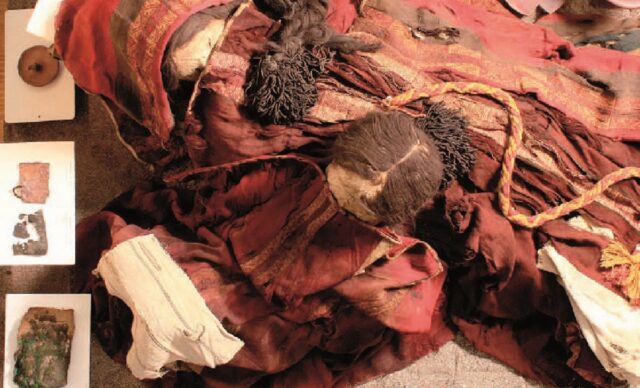
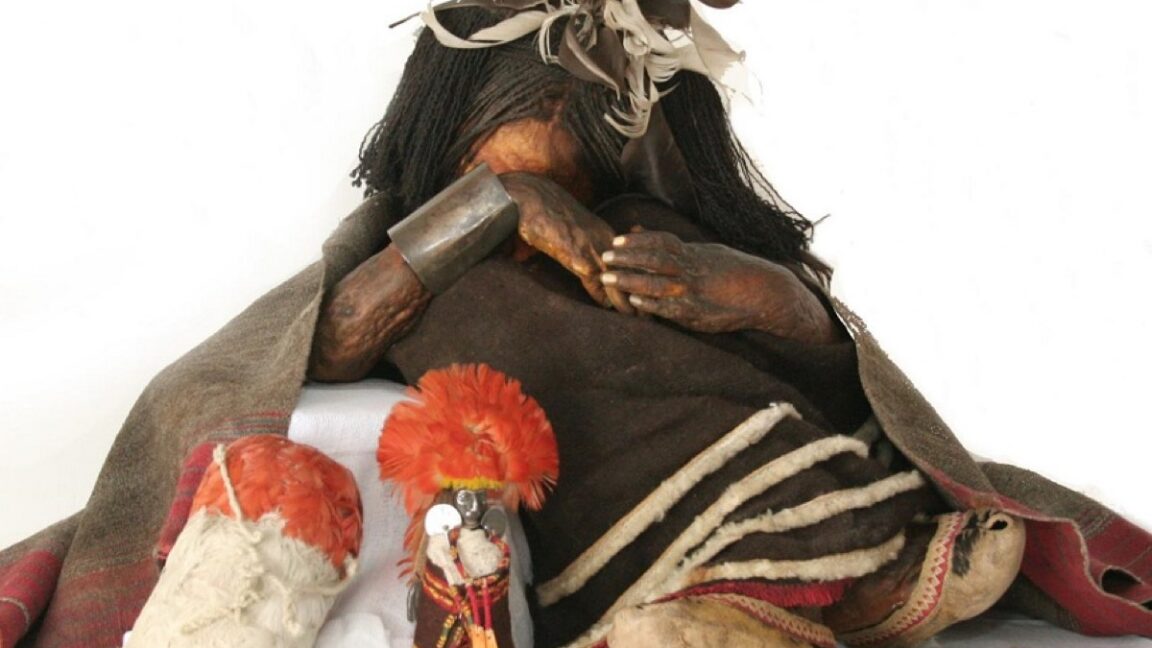
It's known that the Incas practiced a human sacrifice ritual known as Capachoca, in which children were offered to the mountains and believed to become divine themselves, serving as intermediaries with the gods. This often involved pilgrimages to the remote sacrificial sites, with colonial accounts describing strangulation, asphyxiation, and blunt force trauma as the most common methods of sacrifice. Archaeologists have reanalyzed the remains of one such victim and concluded the boy died from blunt force trauma, rather than freezing to death as previously believed. They described their findings in a paper published in the journal Science Advances.

Read full article

Comments

© National Museum of Natural History of Chile

  •  

Deep brain stimulation restores social behavior after early-life pain by rebalancing circuits

A new study suggests that deep brain stimulation may do more than control movement disorders: it could also help repair social behavior disrupted by pain experienced early in life. In research published in Translational Psychiatry, Wan, Du, Yang and colleagues report that stimulating the brain’s anterior cingulate cortex alleviated social deficits associated with early-life pain. The proposed mechanism is a restoration of the balance between excitatory and inhibitory neural signals, a fundamental process that determines how brain circuits respond, adapt and communicate.

Early-life pain has effects that can extend far beyond the moment of injury or medical treatment. During development, the nervous system is rapidly building connections, refining sensory pathways and establishing the networks that support emotion and social behavior. Excessive or poorly regulated pain signals during this period may alter that process. Instead of remaining confined to pain-processing circuits, these changes can influence stress responses, emotional regulation and the ability to interact with other individuals later in life.

The anterior cingulate cortex, or ACC, is particularly important in this story. Located in the frontal region of the brain, it helps integrate emotional information with attention, motivation and decision-making. It is also involved in processing the unpleasantness of pain and in evaluating social experiences. Because the ACC sits at the intersection of pain, emotion and social behavior, disturbances in its activity could provide a neural explanation for why early-life pain is linked to later difficulties with social interaction.

At the cellular level, the brain depends on a delicate equilibrium between excitation and inhibition. Excitatory neurons generally increase the likelihood that neighboring cells will fire, while inhibitory neurons suppress or constrain that activity. This excitatory/inhibitory, or E/I, balance allows neural circuits to remain flexible without becoming either silent or excessively active. If excitation dominates, networks may become unstable and hypersensitive; if inhibition dominates, communication and behavioral responses may be weakened. The study connects social deficits after early-life pain with disruption of this balance in the ACC.

Deep brain stimulation offers a way to influence such malfunctioning circuits directly. The technique uses electrical pulses delivered through precisely positioned electrodes to modify activity in targeted brain regions. Although DBS is best known clinically for treating Parkinson’s disease, essential tremor and several other neurological conditions, researchers are increasingly investigating whether it can reshape circuits involved in mood, motivation and social behavior. The new findings place the ACC among the brain regions that may be responsive to this approach.

According to the study, stimulation of the ACC improved social abnormalities linked to early-life pain while also normalizing indicators of excitatory and inhibitory signaling. This is important because it suggests that the behavioral improvement was not simply a generalized effect of activating the brain. Instead, the intervention may have acted on a specific circuit-level disturbance. By bringing opposing neural forces back toward equilibrium, DBS could make the ACC more capable of processing social information and generating appropriate responses.

The result also highlights a shift in how scientists understand the consequences of pain during development. Pain is often treated as a temporary sensory event, but developing neural systems can interpret repeated or intense pain as an organizing signal. That signal may alter synaptic strength, neuronal excitability and communication between brain regions. Over time, these changes could become embedded in circuits that regulate social engagement. The study’s emphasis on E/I balance suggests that developmental pain may produce lasting behavioral effects through measurable changes in network physiology rather than through an unexplained psychological process.

The findings are likely to attract attention because social deficits are difficult to treat and can appear across many neurological and psychiatric conditions. However, DBS is an invasive therapy involving neurosurgical implantation, and the study does not mean that the treatment is ready for routine use in people affected by early-life pain. Translating a circuit-level discovery into a safe human therapy requires extensive work, including confirmation in independent models, determination of the most effective stimulation parameters and careful assessment of possible side effects. The ACC is involved in many functions, so altering its activity could influence emotion, attention or pain perception in unwanted ways.

Even with those limitations, the research offers a potentially powerful framework for future therapies. If social difficulties can be linked to a specific imbalance between excitation and inhibition, treatments might eventually be designed to correct that imbalance with greater precision. DBS is only one possibility. Noninvasive stimulation, pharmacological treatments that selectively influence inhibitory or excitatory signaling, and therapies combining behavioral training with neuromodulation could also emerge from the same biological insight.

The study’s central message is that the developing brain may retain a capacity for repair, even after early adverse experiences have changed its circuitry. By targeting the ACC and restoring the neural balance that supports its function, deep brain stimulation improved social behavior in the reported research. The work does not erase the complexity of developmental pain, but it identifies a concrete biological pathway connecting early injury, altered brain networks and later social difficulties. That connection could help move the field closer to treatments that address not only pain itself, but also the long-term social consequences it can leave behind.

Subject of Research: Deep brain stimulation, early-life pain, social deficits, and excitatory/inhibitory balance in the anterior cingulate cortex

Article Title: Deep brain stimulation ameliorates social deficits from early-life pain by restoring excitatory/inhibitory balance in the anterior cingulate cortex

Article References: Wan, X., Du, T., Yang, D. et al. Deep brain stimulation ameliorates social deficits from early-life pain by restoring excitatory/inhibitory balance in the anterior cingulate cortex. Transl Psychiatry (2026). https://doi.org/10.1038/s41398-026-04311-z

Image Credits: AI Generated

DOI: https://doi.org/10.1038/s41398-026-04311-z

Keywords: deep brain stimulation, early-life pain, social deficits, anterior cingulate cortex, excitatory/inhibitory balance, neuroscience, brain stimulation, developmental pain, social behavior

  •  

Underwater Cameras Expose the Secret Lives of Whale Sharks

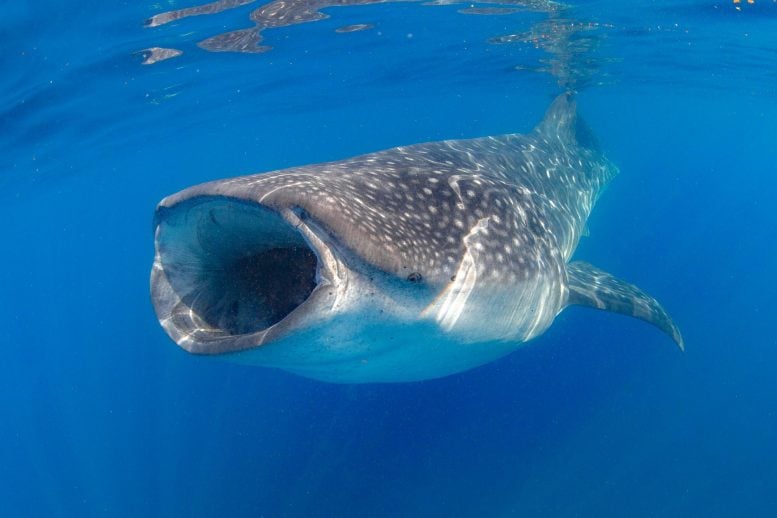
Whale Shark Swimming UnderwaterWhale sharks use a wider range of feeding strategies and depths than surface observations previously revealed. A whale shark can vanish beneath the surface in seconds, leaving researchers with little idea of what the world’s largest fish does once it disappears from view. Whale sharks (Rhincodon typus) are among the ocean’s most recognizable animals, inspiring [...]
  •  

Ancient Footprints in Kenya Hint at Bigger Bodies and Group Behavior among Early Human Relatives

One of 1.43-million-year-old footprints found at the GaJi10 site in the Koobi Fora Formation in northern Kenya; a 15-cm (6-inch) ruler is shown for scale. Image credit: Kay Behrensmeyer.

A set of 1.43-million-year-old fossil footprints preserved along the margin of an ancient lake in northern Kenya is offering paleoanthropologists new evidence about the size, gait and social lives of the beings who made them and reopening questions about which species they belonged to.

The post Ancient Footprints in Kenya Hint at Bigger Bodies and Group Behavior among Early Human Relatives appeared first on Sci.News: Breaking Science News.

  •  

“The Sizes of the Footprints Indicate Human-Like Body Sizes”: Origin of 1.4-Million-Year-Old Fossilized Footprints Stuns Scientists

A new analysis of a set of 1.4-million-year-old fossilized footprints found along the shore of an ancient Kenyan lake revealed that the hominins responsible for leaving them were much larger than previously believed, with some specimens approaching the height and body size of modern humans.

The new analysis also determined that discovering a group of footprints belonging to eight different adult males from distant human ‘cousin’ species Paranthropus boisei walking together suggests a complex societal dynamic where males likely competed for females but also worked together for the group’s benefit.

1.4-Million-Year-Old Fossilized Footprints Reveal Unexpectedly Large Body Size

According to a statement announcing the new fossilized footprint analysis, the team behind the research had previously “pioneered” methods allowing science to accurately identify the footprints as belonging to Paranthropus boisei in 2024.

However, lead author Kevin Hatala, of Chatham University and an associated researcher of the Department of Human Origins at the Max Planck Institute for Evolutionary Anthropology in Leipzig, said the new approach, which analyzes foot anatomy and movement patterns based on the fossilized footprints, revealed much larger individuals than expected.

1.4-million-year-old fossilized footprints
One of the large, 1.4-million-year-old footprints that the team excavated. A 6-inch (~15 cm) ruler is shown for scale. Image Credit: Kay Behrensmeyer.

“The sizes of the footprints indicate human-like body sizes – up to 1.8 meters tall and around 75 kilograms”, Hatala said, noting that scientists studying the rare fossils available for Paranthropus boisei had previously assumed the species was much smaller than the modern human ancestor and contemporary hominin, Homo erectus.

For example, the researchers explain, the “overwhelming majority” of previously identified Paranthropus boisei fossils were skulls with massive jaws and teeth. However, they add, little is known about this ancient hominin’s anatomy from the neck down.

“A Window into Hominin Behavior and Group Dynamics”

Although indirect evidence compared to actual bones, the team notes that fossilized footprints form “very quickly.” This rapid formation helps preserve critical movement and anatomy data that the team notes “can be a useful window into hominin behavior and group dynamics.”

“The fact that eight, mostly adult male, Paranthropus boisei individuals seemingly traveled together as a group, without females or children, hints at a complex social structure in this species”, explained study co-author Neil Roach of Harvard University.

1.4-million-year-old fossilized footprints
Approximately 1.43-million-year-old hominin footprint from Koobi Fora, Kenya. Image Credit: Kevin G. Hatala.

For example, Roach said the ancient footprint makers may have lived in large groups, “where males competed for mates.” However, he notes, the same footprints suggest these competing males “also tolerated each other at times for safety in a dangerous environment.”

“This discovery adds an important behavioral dimension to the fossil record of Paranthropus boisei, a species that lived alongside early members of the genus Homo, yet took a different evolutionary path,” they explain.

Proximity and Environmental Conditions Could Offer More Behavioral Clues

Although the study focused on the 1.4-million-year-old footprints found on the shore of an ancient Kenyan lake, the work joins a growing catalog of ancient hominin footprints left on equally ancient lake shores. To date, the team has documented hundreds of hominin footprints across more than a half-dozen sites in the local region.

When discussing the significance of their findings, the team noted that these 1.4-million-year-old footprints join this larger group in supporting ancient lakes as an “important habitat with critical resources” that our now-extinct relatives relied on for survival. Study co-author Kay Behrensmeyer of the Smithsonian Institution also highlighted the unexpected nature of the discovery of ancient footprint fossils so close to others from a similarly ancient time.

“To me, it is amazing that we have the same kind of lake margin deposits in two areas of East Turkana that are 40 kilometers apart, at about the same age”, the researcher explained.

1.4 million year old footprints fossilized
Kevin Hatala and colleagues discuss the ancient footprints excavated in northern Kenya in 2023. Image Credit: Kay Behrensmeyer.

Study co-author Anna K. Behrensmeyer from the Department of Paleobiology and Human Origins Program, National Museum of Natural History, Smithsonian Institution, said understanding the environment and local conditions when the footprints were left could fill in even more missing pieces about this enigmatic ancient hominin.

“If we can understand what geological conditions allowed these tracks to be preserved, we should know more about why hominins continued to return to the lake shore environment over more than 100,000 years,” Behrensmeyer said.

Building a Photo Album of Our Past

When detailing the significance of the new analysis, study co-author Purity Kiura of the National Museums of Kenya said finding these fossilized prints along the margins of Lake Turkana “reinforces the region’s global importance in understanding human evolution, preserving remarkable evidence of how our ancient relatives lived 1.4 million years ago.”

“It further strengthens Kenya’s position as one of the world’s leading paleoanthropological landscapes and highlights our responsibility to protect this irreplaceable heritage,” Kiura added.

fossilized footprints
Most Paranthropus boisei fossils are skulls. By Matt Celeskey from Albuquerque – Australopithecus boisei, CC BY-SA 2.0, https://commons.wikimedia.org/w/index.php?curid=32845963

From a methodology standpoint, the team noted the benefit of combining new analytical approaches with “exceptional” fossil footprints. They also point out that ancient tracks like the 1.4 million-year-old footprints found in Kenya “can reveal the anatomy and movement of extinct human relatives, while also providing rare insights into their social lives and environments.”

To follow up on their findings, the research team said they plan to return to Kenya later this year and conduct more analysis of the footprints. According to Hatala, this work will help archaeologists and anthropologists fill in missing pieces of hominin history, especially those extinct branches of the evolutionary tree.

“Each site represents a snapshot of our past, and we are quickly building a photo album with several different windows to hominin anatomy, locomotion, behavior, and environments during the Early Pleistocene,” the researcher explained.

The study “Insights into hominin body size, locomotion, and behavior from Early Pleistocene trackways in northern Kenya” was published in the Proceedings of the National Academy of Sciences.

Christopher Plain is a Science Fiction and Fantasy novelist and has spent the last six years as Associate News Editor and Head Science Writer at The Debrief. Follow and connect with him on X, learn about his books at plainfiction.com, or email him at christopher@thedebrief.org

  •  

Fractured and Fed Up, Teams Fully Competitive After Major Breakthrough

A new UC Irvine–led poll released four months before Election Day suggests Orange County remains a rare political battleground, with the governor’s race hovering near statistical dead heat. In a June 9–12 field survey of 809 Orange County adults, likely-voter preferences put Republican Steve Hilton ahead of Democrat Xavier Becerra, 47% to 44%, well within a reported ±4.2 percentage-point margin of error.

The deeper story is turnout mechanics. Becerra performs best among groups that report lower voting certainty—Latino and Asian-American respondents, women, and Independents—while Republicans show higher levels of commitment. Only about half of Independents say they are absolutely certain to vote in November, compared with roughly three-quarters of Republicans and Democrats, raising the possibility that the election hinges more on who shows up than on who is preferred.

Orange County’s issue landscape narrows to a single dominant demand: housing costs. Sixty-one percent of residents name housing among the top problems facing California, and 37% identify it as the single most important issue—nearly double the next closest category. That cross-cutting salience persists despite demographic and partisan differences, making housing the campaign’s defining scalar variable.

The electorate also shows a structural shift. Independents now match Democrats as the county’s largest bloc, leaving Republicans virtually tied. The resulting near-perfect three-way split—34% Democrat, 34% Independent or other, 32% Republican—mirrors the March 2026 results and reinforces Orange County’s classification as a highly competitive electorate.

Generation appears to be the strongest cleavage dimension. Approval for President Donald Trump ranges from 14% among Gen Z to 53% among Baby Boomers, while voting certainty spans from 45% (Gen Z) to 87% (Boomers). Explanations for skipping the June primary cluster around forgetfulness, registration barriers, and skepticism about vote efficacy, especially among younger and Independent residents.

Racial and ethnic patterns complicate conventional realignment narratives. Although Latino and Asian-American groups are becoming more independent rather than simply shifting left or right, their head-to-head lean remains Democratic in candidate matchups. However, the turnout gap—about half of Latino residents and 59% of Asian-Americans reporting absolute voting certainty versus 82% for White respondents—may determine which coalition converts into votes.

Gender divides are consistent across the ballot. Men back Hilton by 14 points, while women support Becerra by 8 points, and approval of Trump and opposition to Governor Gavin Newsom track similarly by gender. Unlike generations, however, the gender gap does not translate into different turnout intentions, with roughly two-thirds of both men and women expressing absolute certainty to vote.

Finally, perceptions of institutional direction show persistent anxiety. Around two-thirds of respondents say the United States is headed in the wrong direction, while California fares only slightly better. Locally, optimism is more stable and surprisingly bipartisan, suggesting that residents may differentiate between county-level functioning and national or state governance.

Subject of Research:
Political science / Public opinion (elections; social surveys)

Article Title:
Orange County’s governor race remains a statistical toss-up as housing dominates public priorities

News Publication Date:
Today (June 9–12 field dates; exact publication date not specified)

Web References:
https://sites.uci.edu/ocpoll/

References:
UC Irvine School of Social Ecology “UCI-OC Poll” (fielded June 9–12 among 809 Orange County adults)

Image Credits:
Not provided

Keywords:
public opinion, elections, housing affordability, voter turnout certainty, political polarization, Independents, generational gap, gender gap, Orange County

  •  

Watch orcas ram a sunfish so hard it explodes

Credit: Kathryn Ayres

There have been numerous accounts in recent years of orcas ramming boats—and sometimes sinking them. Scientists believe this may be a form of culturally learned behavior passed down through generations. Now we have fresh examples: orcas in the Gulf of California were filmed teaming up to ram sunfish with so much force that the carcasses exploded into small fragments. While orcas have been known to use force to remove flesh from prey, this is something different, according to a new paper published in the journal Frontiers in Ethology.

“We think this may help younger orcas feed more easily, or it could also just be for fun," said co-author Kathryn Ayres of Beneath The Waves, a nonprofit organization promoting ocean health. "Orcas are known for playing with their food.”

Orcas engage in cooperative hunting strategies that can involve striking or killing animals—sometimes eating their prey, sometimes not—so the behavior could be described as social interaction, play, or practice as a mode of social learning. Orcas have been observed ramming whale sharks as another orca held the prey steady. Other cooperative strategies include herding mobile rays, blocking an escape path while hunting white sharks, and deliberately producing waves to bump penguins off ice floes.

Read full article

Comments

© Robert Pittman, NOAA/Public domain

  •  

Key Factors Driving Sustainable Stormwater Management Success

A new study in npj Urban Sustainability points to the practical levers that determine whether stormwater systems actually deliver long-term sustainability. As cities expand and rainfall extremes intensify, green and nature-based infrastructure has been promoted to capture runoff, reduce flooding, and protect water quality. But the research warns that success is not automatic: design decisions and operational realities can make or break performance.

The authors, Sun, Randrup, Blecken and colleagues, analyze what they call “decisive factors” governing sustainable stormwater management. Their central message is that the most visible features—such as bioswales, permeable surfaces, or detention basins—only work when supported by the right planning assumptions and measurable hydrological outcomes.

A key technical theme is how stormwater must be matched to system capacity under changing conditions. The study emphasizes that system sizing, soil or media properties, and infiltration or storage behavior strongly influence whether the infrastructure can handle typical storms and rare, high-intensity events. When these factors are misestimated, treatment efficiency can collapse during peak flows.

Equally important are maintenance and lifecycle considerations. Sustainable stormwater is sensitive to clogging, sediment accumulation, vegetation health, and changes in catchment behavior. The research highlights the need for maintenance regimes that reflect likely failure modes, rather than generic schedules that ignore local hydrology and traffic or land-use impacts.

The paper also stresses the value of monitoring and model-informed decision-making. Reliable data on rainfall patterns, runoff routing, and pollutant loads allow managers to validate performance and adjust operations. This feedback loop helps prevent long-term degradation that otherwise remains invisible until issues become costly.

For cities seeking viral, widely transferable “what works” guidance, the authors’ findings offer a shortlist of priorities: realistic capacity planning, robust material characterization, design for multi-storm performance, and maintenance strategies tied to specific mechanisms. Together, these elements translate sustainability goals into systems that function under real weather and real urban change.

The study’s DOI is 10.1038/s42949-026-00448-4.

Subject of Research: Sustainable stormwater management / urban sustainability
Article Title: Decisive factors in sustainable stormwater management
Article References: Sun, Z., Randrup, T.B., Blecken, GT. et al. Decisive factors in sustainable stormwater management. npj Urban Sustain 6, 104 (2026). https://doi.org/10.1038/s42949-026-00448-4
Image Credits: AI Generated
DOI: https://doi.org/10.1038/s42949-026-00448-4

  •  

6 Simple Scent Games That Can Make Your Dog Happier

Adorable Puppy Dog Green LawnA dog’s nose is a gateway to a richer world, and scent-filled walks, games, and food hunts can transform boredom and stress into excitement, focus, and discovery. While we are captivated by a vivid sunset and breathtaking views, dogs have their noses to the ground, reading the odor stories left behind by other dogs and [...]
  •  
❌