❌

Reading view

Dos modelos premium aos mais “económicos”: 12 smartphones com as melhores câmaras que pode comprar em Portugal

Fomos procurar quais os smartphones com as melhores câmaras à venda em Portugal, dividindo-os em duas categorias, sem limite de preço e até 500 euros. Explicamos também quais os critérios que deve ter em contra na hora de escolher.

The post Dos modelos premium aos mais “económicos”: 12 smartphones com as melhores câmaras que pode comprar em Portugal appeared first on Tek Notícias.

  •  

Honor Play 80 Goes on Sale in China: MediaTek Dimensity 6300 Chip, 5,300mAh Battery and 90Hz Display

Igeekphone News: Honor has officially expanded its Play 80 lineup with the launch of the standard Honor Play 80 smartphone, bringing a budget-friendly device powered by MediaTek’s Dimensity 6300 processor. Originally introduced earlier in 2026 with only the Pro model available, the standard version has now arrived on JD.com in China with an affordable starting price of around 1,000 yuan.

According to Igeekphone, the Honor Play 80 is positioned as an entry-level 5G smartphone that focuses on long battery life, lightweight design, and practical everyday performance.

Honor Play 80 Pricing and Availability

The Honor Play 80 is currently available through JD.com in China. The phone comes in two memory configurations:

  • 4GB RAM + 128GB storage: 1,049 yuan (launch price: 1,029 yuan)
  • 6GB RAM + 128GB storage: 1,099 yuan

With its low starting price, the Honor Play 80 targets users looking for an affordable smartphone for daily communication, entertainment, and basic multitasking.
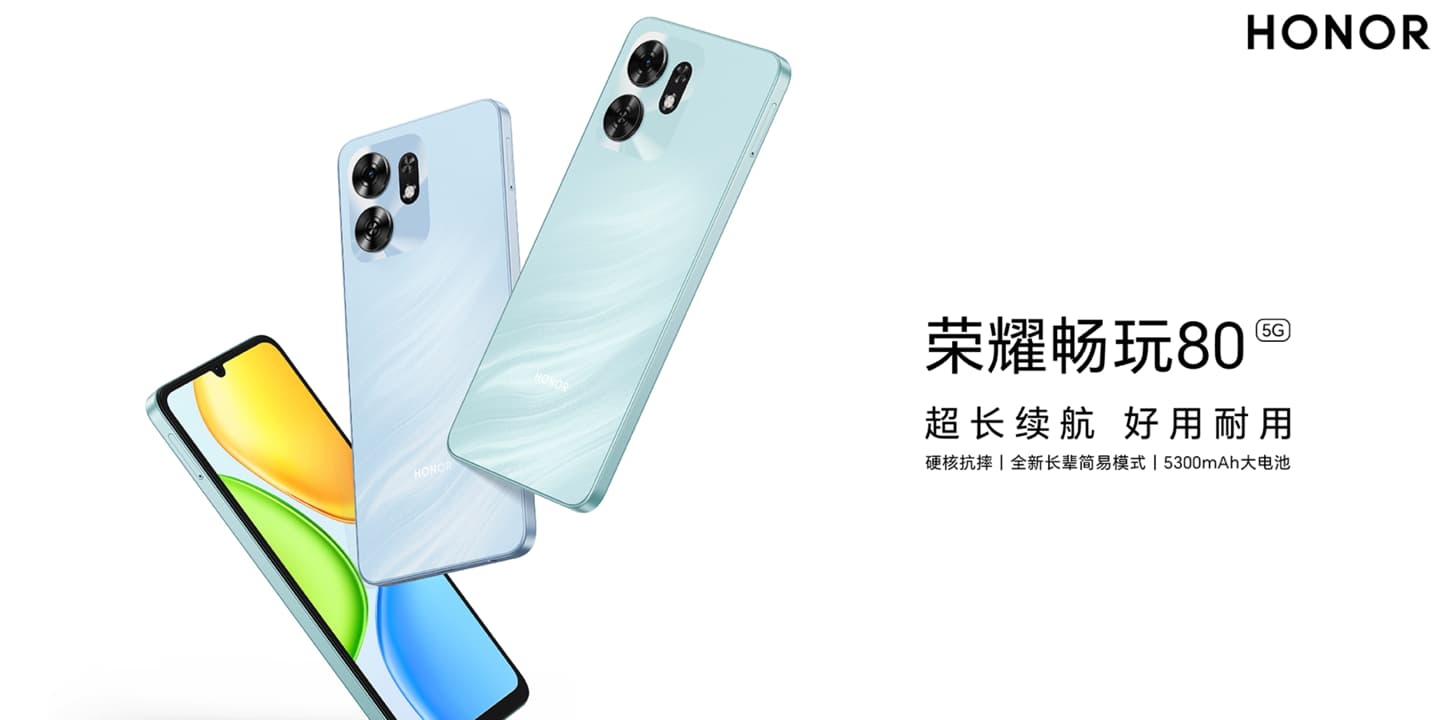
Slim and Lightweight Design

Despite featuring a large battery, the Honor Play 80 maintains a relatively slim and lightweight body.

The smartphone measures:

  • Thickness: 7.89mm
  • Weight: 186g

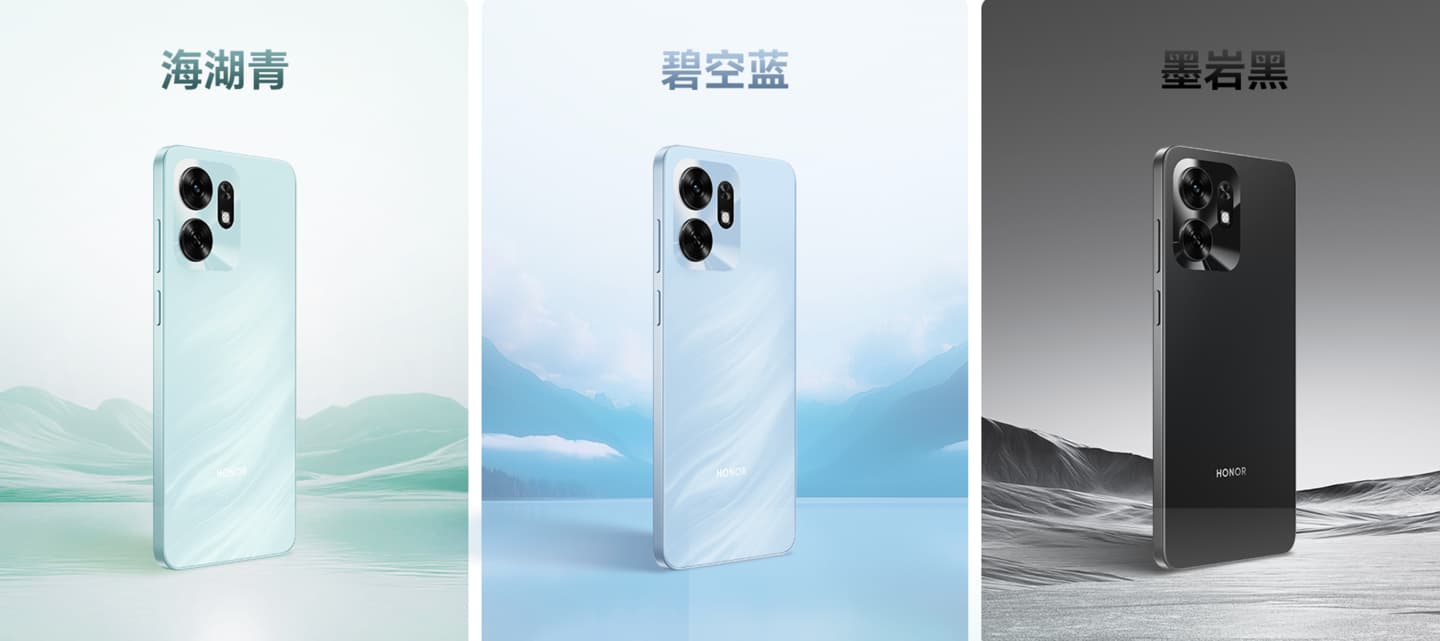
Honor offers the device in three color options:

  • Sky Blue
  • Sea Lake Green
  • Inkstone Black

The lightweight construction makes the phone comfortable for long-term daily use, while the multiple color choices provide a more personalized appearance.

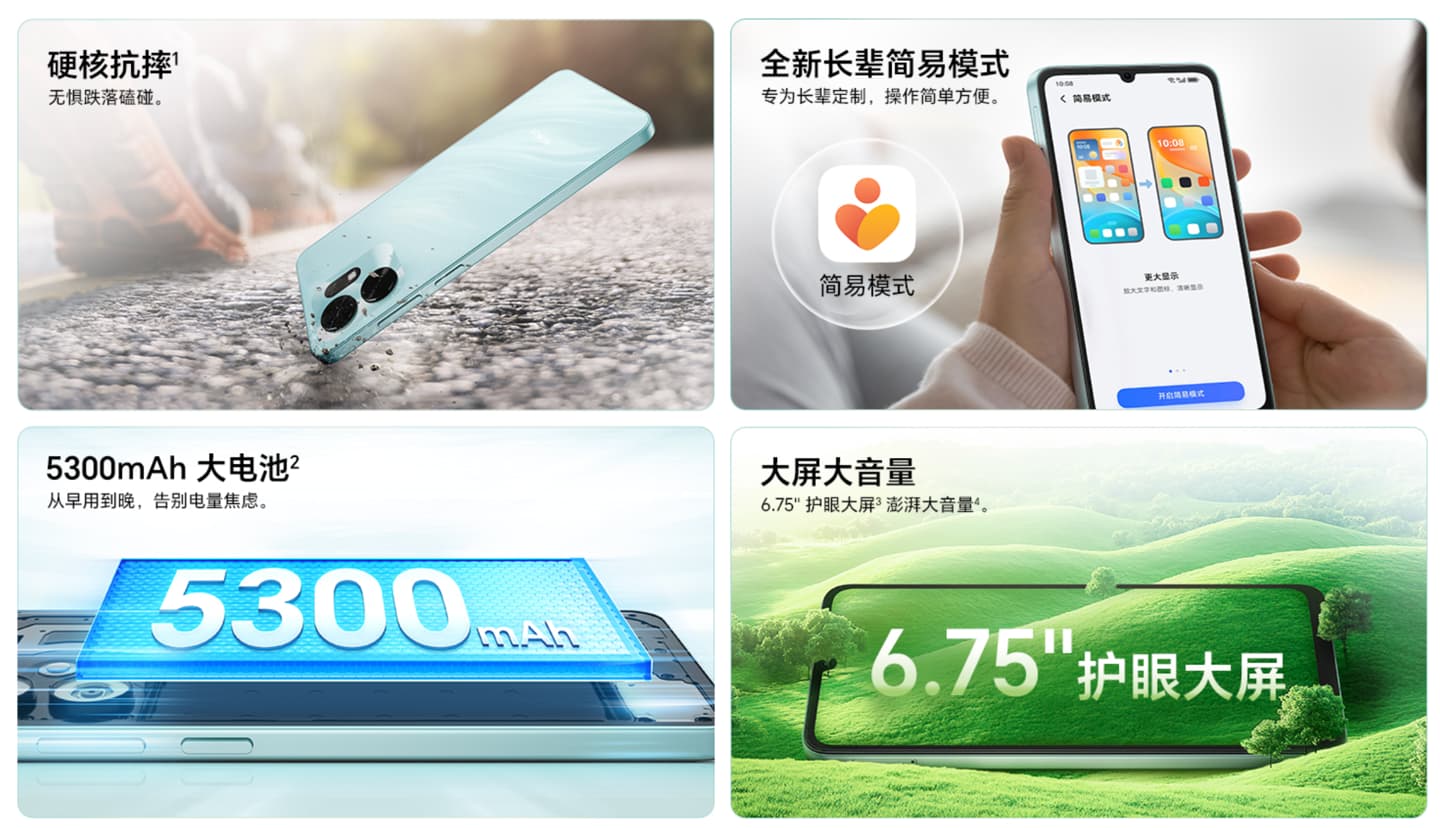
6.75-inch 90Hz LCD Display

The Honor Play 80 features a 6.75-inch LCD display designed for everyday viewing and entertainment.

Display specifications include:

  • Resolution: 1600 × 720 pixels
  • Refresh rate: 90Hz
  • Color gamut: 70% NTSC

The 90Hz refresh rate provides smoother scrolling and improved visual responsiveness compared with traditional 60Hz panels, making the phone feel more fluid during normal usage.

The display is paired with a 5MP front-facing camera housed on the front of the device for selfies and video calls.
MediaTek Dimensity 6300 Processor

At the core of the Honor Play 80 is the MediaTek Dimensity 6300 processor, a 5G chipset designed for affordable smartphones.

The processor delivers:

  • 5G network connectivity
  • Efficient power consumption
  • Smooth daily app performance
  • Improved multitasking capabilities

The phone comes with up to:

  • 6GB RAM
  • 128GB internal storage

For users who need additional space, the device also supports TF card expansion, allowing storage capacity to be increased.

13MP Rear Camera

For photography, the Honor Play 80 features a simple rear camera setup with a:

  • 13MP main camera

The camera system is designed for basic everyday photography, including:

  • Social media photos
  • Document scanning
  • Casual snapshots
  • Family moments

While it does not focus on advanced mobile photography, the camera configuration matches the phone’s affordable positioning.

Large 5,300mAh Battery for Extended Use

Battery life is one of the highlights of the Honor Play 80. The smartphone is equipped with a 5,300mAh battery, offering extended usage for users who prioritize endurance.

The large battery capacity is suitable for:

  • Long video playback sessions
  • Social media browsing
  • Mobile communication
  • Daily productivity tasks

Combined with the power-efficient Dimensity 6300 chipset, the phone is expected to provide reliable battery performance throughout the day.
Additional Features: TF Expansion and 3.5mm Headphone Jack

Unlike many modern smartphones that have removed wired audio support, the Honor Play 80 retains a 3.5mm headphone jack, allowing users to connect traditional wired headphones without adapters.

Other practical features include:

  • TF card storage expansion
  • 5G connectivity
  • Lightweight body design
  • Affordable pricing

These features make the device appealing to users who prefer practicality over premium specifications.

Honor Play 80 Specifications

Feature Details
Display 6.75-inch LCD
Resolution 1600 × 720 pixels
Refresh Rate 90Hz
Processor MediaTek Dimensity 6300
RAM Up to 6GB
Storage 128GB
Rear Camera 13MP
Front Camera 5MP
Battery 5,300mAh
Thickness 7.89mm
Weight 186g
Colors Sky Blue, Sea Lake Green, Inkstone Black
Expansion TF Card Support
Audio 3.5mm Headphone Jack

Honor Play 80: An Affordable 5G Smartphone for Everyday Users

The Honor Play 80 focuses on the essentials that matter most to budget smartphone buyers. With a MediaTek Dimensity 6300 processor, 5,300mAh battery, 90Hz display, lightweight design, and expandable storage, the device provides a balanced package at an accessible price.

Although it does not compete with flagship smartphones in areas such as camera performance or display resolution, the Honor Play 80 offers strong value for users who need a reliable 5G phone for daily tasks.

With its competitive pricing starting near 1,000 yuan, the Honor Play 80 could become an attractive option in the entry-level smartphone market, especially for users prioritizing battery life, affordability, and practical features.

The post Honor Play 80 Goes on Sale in China: MediaTek Dimensity 6300 Chip, 5,300mAh Battery and 90Hz Display appeared first on IGeeKphone China Phone, Tablet PC, VR, RC Drone News, Reviews.

  •  

Fabricante chinesa rejeitou vender RAM a preços menores para a Apple

Parece que a tentativa da Apple de colaborar com a fabricante chinesa de memória CXMT encontrou mais um empecilho no caminho: supostamente, a possível fornecedora demandou os mesmos valores (ou até maiores) pagos pela Maçã à Samsung Electronics e à SK Hynix. A informação veio do site sul-coreano Digital Daily.

O desgaste ocorreu após a Maçã tentar negociar os preços das memórias, tendo seu pedido de redução de preço rejeitado pela CXMT, que manteve preços semelhantes ou até mesmo superiores aos das demais fornecedoras da Apple.

Do lado da chinesa, há alguns motivos para essa postura: a barganha de uma empresa americana com uma série de exigências quanto aos processos de certificação de qualidade contrasta com o conforto do seu domínio do mercado doméstico, já que a fabricante possui contratos de longo prazo sob preços elevados com empresas como a HUAWEI e a Xiaomi.

Os desafios

Mesmo sob forte pressão da Micron e do Senado americano, a negociação com a CXMT (presente na lista de restrições comerciais do Pentágono como uma empresa militar da China, vale lembrar) foi uma alternativa encontrada por Tim Cook para mitigar os efeitos da crise de memória.

De acordo com um executivo da indústria de semicondutores consultado pelo veículo sul-coreano, a postura da CXMT ajudou a estabelecer um piso para os preços praticados com a DRAM 1Dynamic random access memory, ou memória dinâmica de acesso aleatório. convencional, suficiente para que a Samsung e a SK Hynix cobrassem um valor consideravelmente mais alto. Esse conforto mercadológico quanto às fornecedoras ocidentais também diz respeito ao foco de produção para memórias de alto desempenho destinadas a data centers de inteligência artificial (IA), deixando a produção para eletrônicos de consumo em segundo plano — o que naturalmente provoca escassez.

Segundo o analista Tim Culpan, a Apple e seus fornecedores estão correndo contra o relógio para obter chips de memória a tempo do lançamento da próxima geração de iPhones, prevista para ser anunciada no mês que vem. Esse cenário fez com que a Maçã recorresse especialmente à Micron, à Samsung e à SK Hynix. A escassez poderá afetar a disponibilidade do “iPhone 18 Pro” e do “iPhone 18 Pro Max”, embora ainda exista alguma confiança de que a demanda inicial poderá ser suprida.

Resta a dúvida se a Apple seguirá em suas tratativas com a CXMT ou se dará o braço a torcer aos interlocutores estadunidenses dessa história. Em ambos os cenários, infelizmente, parece que a conta irá chegar mais alta ao consumidor final.

via Wccftech, MacRumors

Notas de rodapé

  • 1
    Dynamic random access memory, ou memória dinâmica de acesso aleatório.

  •  

Apple’s iPhone defies gravity: record growth in a shrinking smartphone market amid memory crisis

Apple's iPhone 17 Pro Max
Apple’s iPhone 17 Pro Max

In a challenging quarter for the global smartphone industry, Apple has once again demonstrated why the iPhone remains a powerhouse brand. According to recent data from IDC, while overall smartphone shipments tumbled, Apple’s shipments surged—highlighting the company’s strategic resilience in the face of rising costs and weakening demand.

The Broader Market Struggles

The second quarter of 2026 was tough for the smartphone sector. Globally, shipments fell 6.7% year-over-year to approximately 277.5 million units, marking the second consecutive quarter of decline. In China—the world’s largest smartphone market—shipments dropped 4.3% to 66 million units, extending a streak of five straight quarterly declines.

A key culprit? The ongoing memory crisis. DRAM and NAND flash costs have skyrocketed (up nearly 300% in some cases), squeezing manufacturers who rely heavily on low-end devices. Many Android vendors responded by raising prices or trimming budget models, which discouraged consumers from upgrading. Government subsidies that previously propped up demand also began to fade.

This created a polarized market: low-end segments contracted sharply, while premium players with stronger supply chains and brand power pulled ahead.

Apple’s Standout Performance

Against this backdrop, Apple shone brightly. In China, iPhone shipments grew a remarkable 24.4% year-over-year, boosting Apple’s market share to 18.1% (second place behind Huawei). Globally, reports indicate Apple achieved its strongest-ever Q2 for iPhone shipments, with growth in the range of 3-24% depending on the source, pushing its worldwide share toward record highs around 20%.

Why the success? Several factors converged:

• Price Stability: While competitors hiked prices due to component costs, Apple held steady. This gave hesitant buyers a compelling reason to purchase rather than delay.

• Strong Demand for iPhone 17 Series: Early signaling of potential future price increases encouraged preemptive buying. The latest lineup delivered one of Apple’s strongest refresh cycles.

• Premium Positioning: Apple’s focus on high-end devices insulated it from the low-end crunch. Memory costs represent a smaller portion of its bill of materials, and its locked-in supply chain provided an edge.

• Brand Loyalty and Promotions: In China, targeted discounts and promotions (especially ahead of the 618 shopping festival) amplified momentum, even as the overall market softened.

IDC analysts noted that Huawei and Apple were the only major vendors posting growth in China, thanks to holding prices while others raised theirs. Arthur Guo, Senior Analyst at IDC China, highlighted how this dynamic gave buyers a “reason to go ahead and purchase.”

What This Means for the Industry

The memory crisis is accelerating a two-tier market. Premium brands like Apple and Samsung are expanding share by leveraging scale, supply security, and desirable features. Mid- and low-tier vendors face painful adjustments—shifting toward higher-margin models while struggling to convince price-sensitive buyers to pay more.

For Apple, this isn’t just survival, it’s dominance. With iPhone shipments hitting record Q2 levels amid a downturn, the company is well-positioned for the rest of 2026. Analysts project Apple’s full-year market share could reach a historic 22%.
‎
MacDailyNews Take: Challenges remain, of course. Cost pressures could intensify later in the year, and competition (especially from Huawei in China) is fierce. Yet Apple’s ability to thrive where others falter underscores a timeless truth in tech: premium experiences, strong ecosystems, and smart pricing win loyal customers, even in tough times.

As the smartphone market navigates this memory-induced turbulence, Apple’s iPhone success story offers a masterclass in resilience. For investors, fans, and competitors alike, it’s a reminder that not all phones are created equal.


‎
Please help support MacDailyNews — and enjoy subscriber-only articles, comments, chat, and more — by subscribing to our Substack: macdailynews.substack.com. Thank you!

Support MacDailyNews at no extra cost to you by using this link to shop at Amazon.

[Thanks to MacDailyNews Reader “Fred Mertz” for the heads up.]

The post Apple’s iPhone defies gravity: record growth in a shrinking smartphone market amid memory crisis appeared first on MacDailyNews.

  •  

Huawei Mate XT 2: il brevetto svela design e nuovo meccanismo di piegatura

Dopo aver stupito il mercato con il Mate XT e il successivo Mate XTs, entrambi caratterizzati da una particolare struttura a tre sezioni, nuove informazioni suggeriscono che il prossimo Huawei Mate XT 2 potrebbe andare in un'altra direzione per quanto riguarda il design ed il meccanismo di piegatura.

COSA CAMBIA SU HUAWEI MATE XT 2

Sono state condivise in queste ore alcune immagini associate ad un brevetto che in tanti ricollegano proprio al Mate XT 2 di Huawei. Gli schemi si soffermano parecchio sul sistema di chiusura: al posto del meccanismo a Z visto sui modelli passati, il dispositivo sembrerebbe orientarsi verso una meccanismo di piegatura interna.

Si prospetta anche un'altra novità da sottolineare. Mentre i modelli attuali fanno affidamento esclusivo sul grande pannello flessibile, il nuovo Huawei Mate XT 2 includerebbe uno schermo esterno dedicato. In pratica, il dispositivo potrebbe essere utilizzato anche da chiuso, senza dover necessariamente aprire il display principale ogni volta.


Lo Smartphone piccolo che va bene a tutti? Motorola Edge 50 Neo, compralo al miglior prezzo da Unieuro a 239 euro.

CLICCA QUI PER CONTINUARE A LEGGERE

  •  

Huawei sharpens imaging focus with Pura 90s Series

Huawei unveiled its Pura 90s Series smartphone lineup at a launch event in Kuala Lumpur, Malaysia, placing design and photography upgrades at the centre.

Huawei emphasised the series aims to allow users to move efficiently “from capture to refinement” across long-range, macro and low-light photography. The smartphones are fitted with a 200MP ultra large sensor telephoto camera system, alongside a 50MP main sensor and a 40MP ultra-wide lens.

The telephoto setup supports 4x optical zoom and up to 100x digital zoom. AI-powered composition and image optimisation tools are also built in to speed up editing.

The top-end Pura 90s Pro Max variant features a 6.9-inch LTPO OLED display with 1-120Hz adaptive refresh. The device runs on the Chinese vendor’s proprietary EMUI 16.0 operating system and is available in 12GB RAM configurations paired with 256GB or 512GB storage options.

The series comes equipped with a 6,000mAh battery in non-EU markets and support for up to 100W wired and 80W wireless super charging. Handsets are available in four colour gradients.

Alongside the smartphone launch, Huawei unveiled its MatePad Air tablet featuring an OLED PaperMatte display and a bundle of AI tools aimed at supporting document and content workflows. The vendor also refreshed its wearables portfolio with the FreeClip 2 S earbuds, introducing two new colour options, a redesigned charging case and improved user comfort.

Huawei added its latest launches underscore its ambition to building a “connected and cohesive user experience” aimed at supporting “diverse user needs”.

The vendor first launched its Pura 90 series earlier this year, alongside its wide-screen Pura X Max foldable smartphone.

The post Huawei sharpens imaging focus with Pura 90s Series appeared first on Mobile World Live.

  •  
❌