❌

Reading view

Gears of War: E-Day: Release date, platforms & everything else we know about Marcus Fenix's return

Microsoft and Xbox are currently facing all sorts of troubles (many of their own doing) in the shape of sweeping layoffs, studio cuts, and calls to boycott their products, to name a few. Extremely talented developers (who deserve much better) still put out exciting video games regardless, and with the remake of Halo: Combat Evolved out now, we look to Gears of War: E-Day, the series' first mainline entry since 2019.

While there are plenty of upcoming space games worth keeping tabs on, Gears of War's return feels special for a number of reasons. Although Gears 5 was not a flop – quite the opposite – there was a growing sentiment among the fanbase that Gears of War needed to reevaluate its future by revisiting its past. After a solid remaster of the original game last year, this next chapter is taking us back to where it all started: Emergence Day.

With gameplay systems, mechanics, controls, and visuals fully rebuilt on Unreal Engine 5, The Coalition aims to deliver the ultimate Gears of War experience with E-Day, and at least the atmosphere and tone seem pitch-perfect. But with nostalgia taking so many beloved franchises a few steps back in recent times, we must wonder if there's more to E-Day than reliving the series' glory days? Here's everything you should know about Gears of War: E-Day ahead of its launch.

When is Gears of War: E-Day coming out?
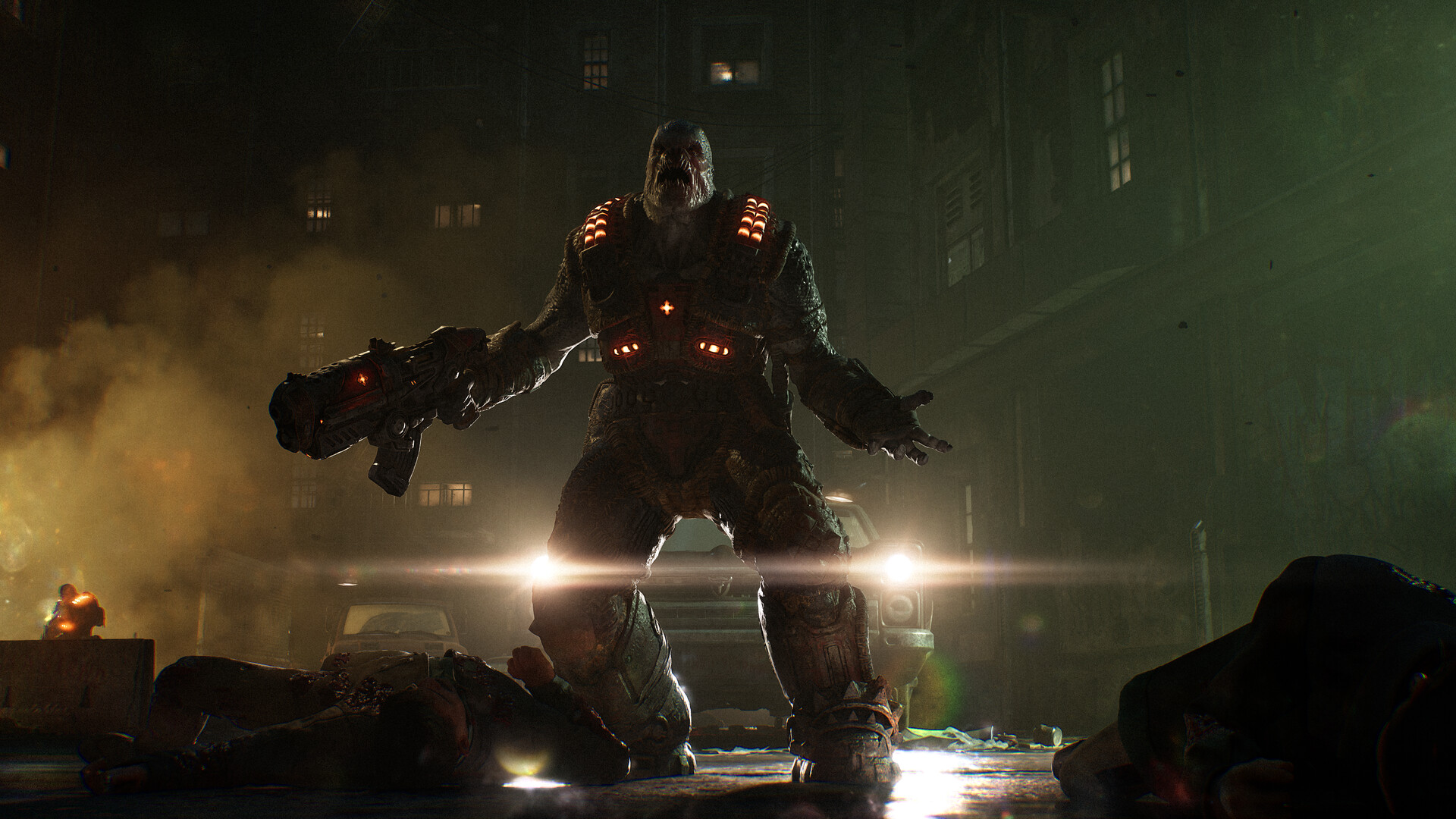
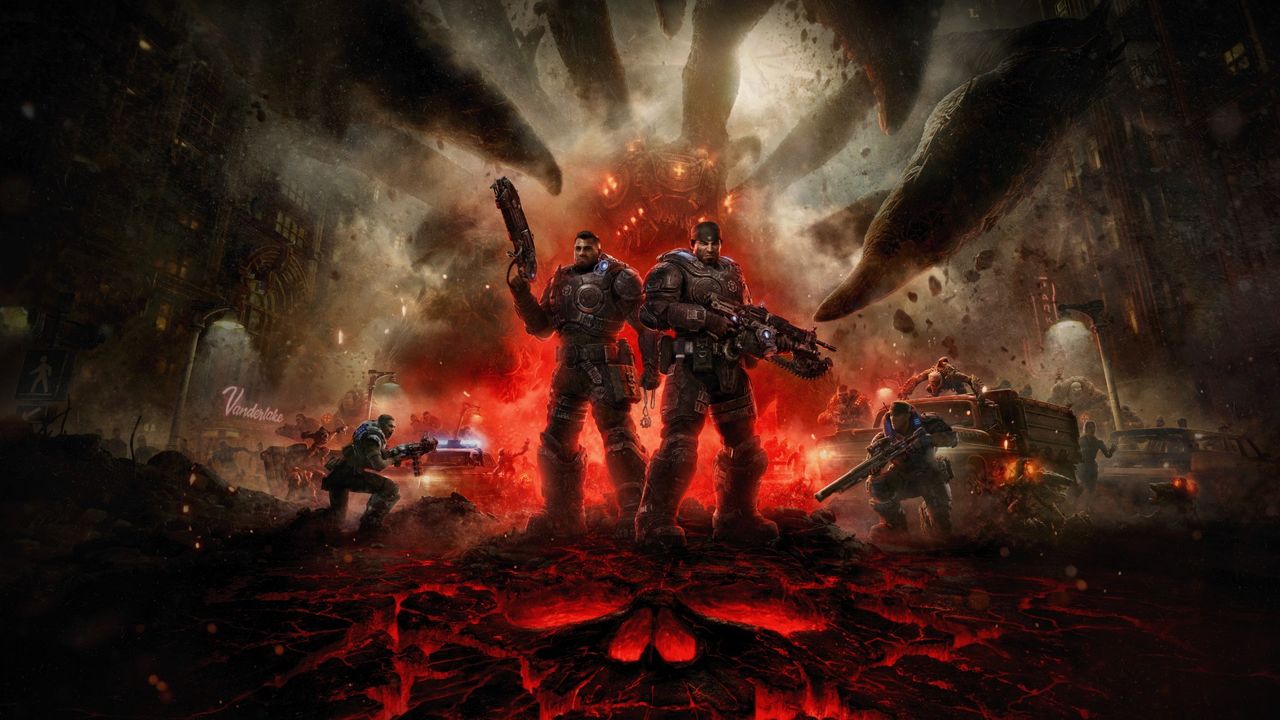
Screenshot from Gears of War: E-Day

(Image credit: Xbox Game Studios)

Gears of War: E-Day launches on October 6, 2026.

After a gameplay-less reveal in summer 2024, The Coalition went silent to continue work on the prequel. It was finally during the Xbox Games Showcase 2026 that we received confirmation Gears of War: E-Day would arrive before the year's end.

Is Gears of War: E-Day coming to PlayStation 5?
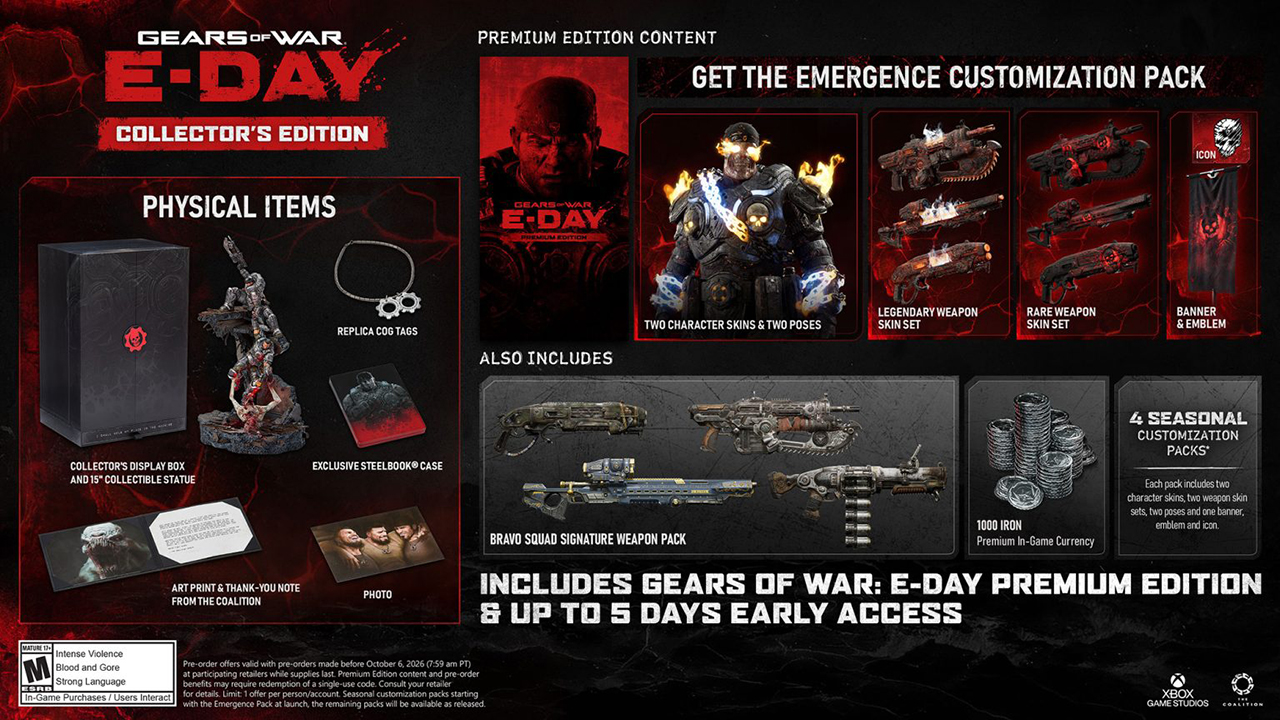
Contents of Gears of War: E-Day Collector's Edition.

(Image credit: Xbox Game Studios)

No, Gears of War: E-Day won't be releasing on PS5 despite last year's remaster of the first game marking the series' debut on Sony consoles.

Though rumors and leaked materials pointed to Gears of War: E-Day launching on Sony's console alongside Xbox, the full reveal in summer 2026 underlined it was an Xbox Series X/S console exclusive. It will, however, also launch on Windows via the Xbox app and Steam. As usual, Game Pass Ultimate subscribers will also get access to it day one.

Three editions will be available at launch, and you can pre-order them already:

  • Standard ($69.99 / £59.99 / €69.99) – Base game.
  • Premium ($99.99 / £89.99 / €99.99) – Base game with up to five days of early access, Bravo Squad Signature Weapon Pack, Emergence Customization Pack, Four Seasonal Customization Packs (released post-launch), and 1,000 iron (the game's premium in-game currency). A separate upgrade for Standard will also be sold.
  • Collector's ($299.99 / variable regional pricing) – Everything in the Premium Edition plus physical items, including a collector's display box, a 15" statue, replica COG tags, an exclusive steelbook case, an art piece, and an art print & thank-you note from the studio.

All editions also benefit from pre-order bonuses that include open beta early access (on August 6), the Exfil weapon set, and Exfil Dom legendary character skin.

Gears of War: E-Day trailers

Xbox and The Coalition are sharing all sorts of short videos in the lead-up to launch, but if you want to only watch the trailers and gameplay demos, we have them right here:

Is Gears of War: E-Day the first game in the timeline?
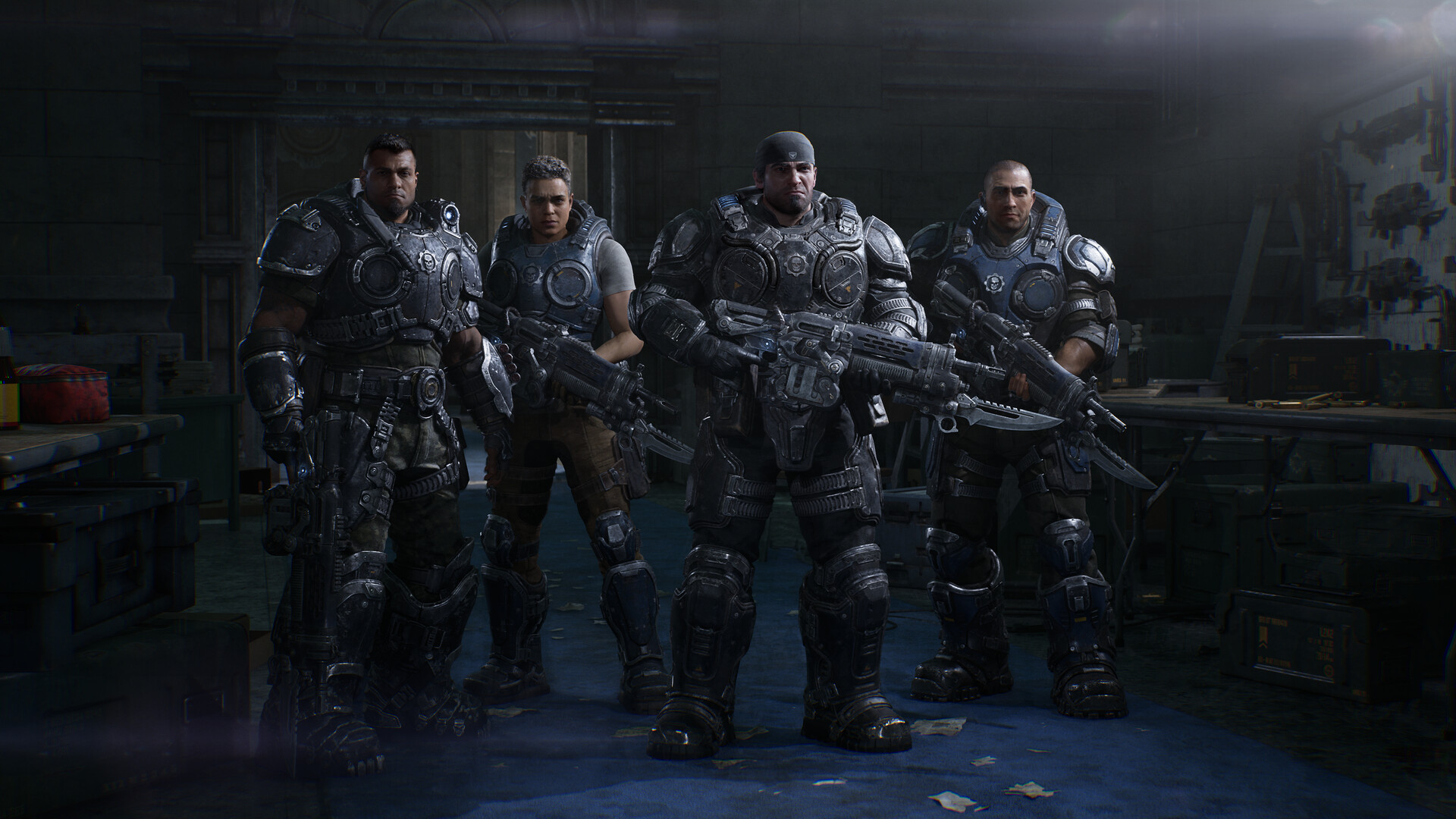
Screenshot from Gears of War: E-Day.

(Image credit: Xbox Game Studios)

Gears of War: E-Day is the first chapter in the Gears timeline. It tells the story of how the humans on the Earth-like planet of Sera came in contact with the bloodthirsty and relentless Locust Horde on what would later be called Emergence Day.

If you're planning to play the Gears of War games in order, this would be the perfect place to start moving forward. Though the original game and Judgment (a spinoff that was released for Xbox 360) gave us information on what happened during E-Day, we never really had a Rogue One-like prequel similar to Halo: Reach. Now, both veterans and newcomers will be able to experience the struggle humanity faced as a new conflict erupted.

Alongside a supporting cast of new and familiar faces, the story follows original trilogy protagonists Marcus Fenix and Dominic 'Dom' Santiago as they battle through the chaos of E-Day and push back against the subterranean invaders. For additional context, the war against the Locust kicks off only a few weeks after the 79-year conflict between human factions known as the Pendulum Wars, which explains why the COG wasn't in the best of conditions when the monsters attacked.

Will Gears of War: E-Day have co-op and competitive multiplayer?
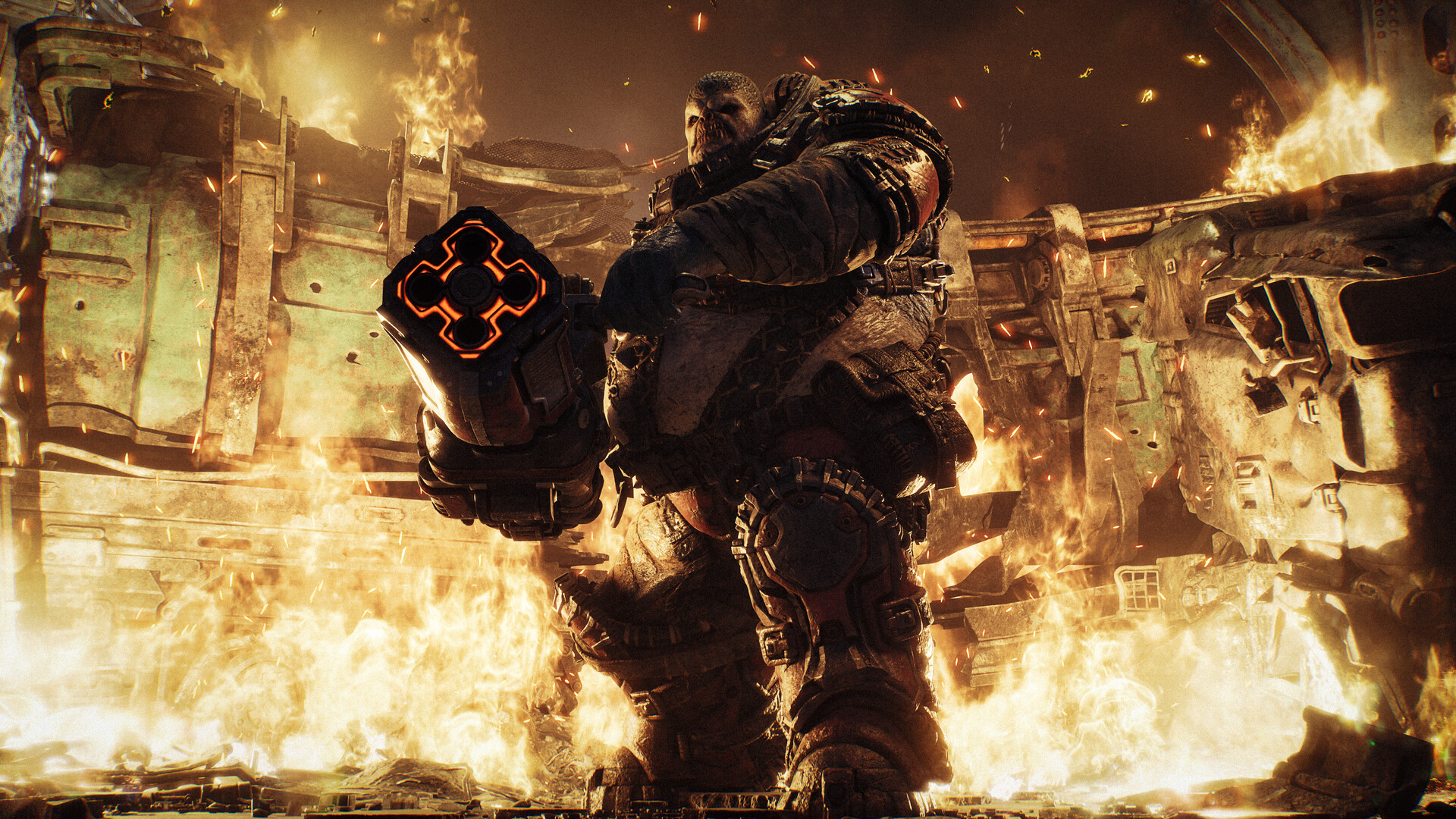
Screenshot from Gears of War: E-Day.

(Image credit: Xbox Game Studios)

Gears of War: E-Day is a third-person, cover-based shooter in the style of the previous games and, as such, both co-op and competitive multiplayer are back alongside the single-player experience.

The main story campaign can be played in single-player, or with up to four players online or two players locally via split screen. It must be noted the PC version of the game won't feature local co-op. These player counts also apply to the series' famous Horde Siege PvE survival mode, which pits players against waves of enemies as they select different classes and loadouts.

Versus PvP multiplayer for online competition also returns with all-new maps and both Social and Ranked matches. While the post-launch support hasn't been fully detailed, it feels likely more maps will be added in the future at no extra cost.

Is there a Gears of War: E-Day demo?
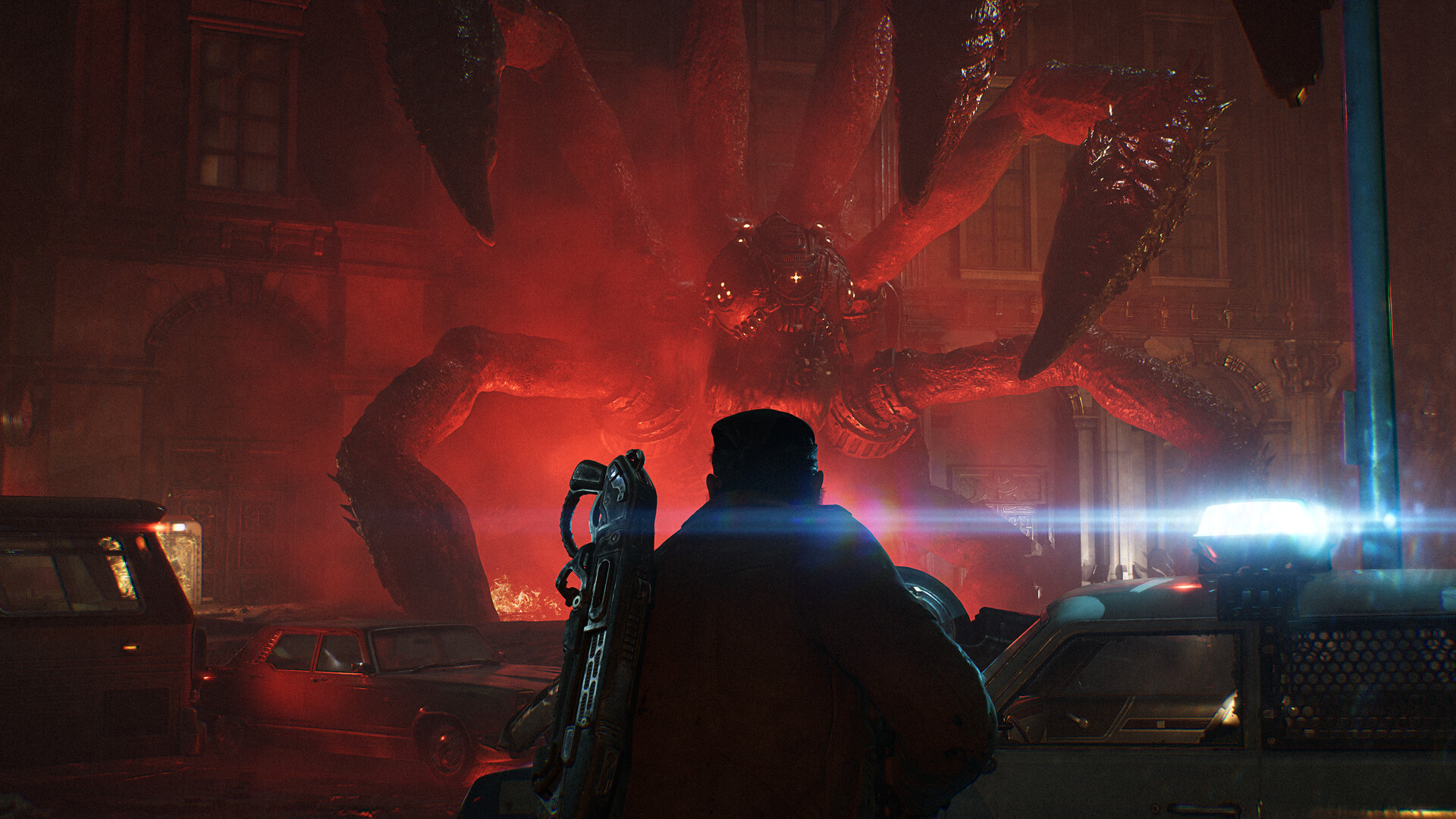
Screenshot from Gears of War: E-Day.

(Image credit: Xbox Game Studios)

There's no Gears of War: E-Day demo announced at the time of writing. However, players can look forward to a multiplayer open beta happening in the coming weeks. More specifically, those who pre-order or have active Game Pass Ultimate subs can access the test early, from August 6 to 10. The second – and fully open – weekend will happen at a later date, probably the following week.
  •  

From Hardspace to Clearspace: How space salvage games compare to real debris removal

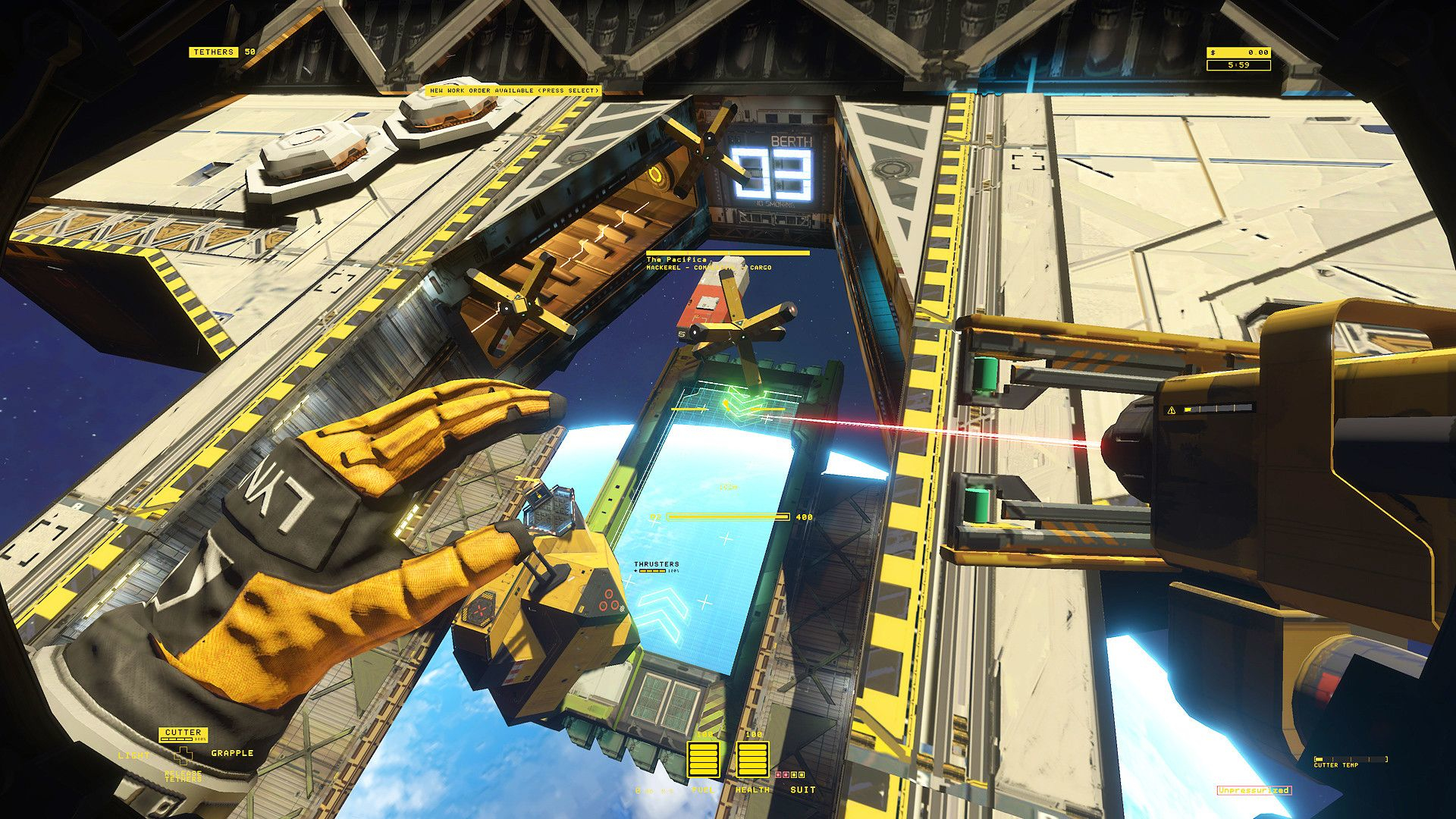
While Hardspace: Shipbreaker does an excellent job of capturing the dystopian perils of unchecked hypercapitalism, the real fun in this space game comes from carving up massive capital ships with space lasers and explosives.

Floating in zero gravity, players slice derelict spacecraft into salvageable chunks, while also contending with unruly physics, pressure, and profit margins. It's a compelling fantasy: orbital blue-collar labor, where yesterday's spacecraft become tomorrow's raw materials.

As satisfying as the simulation is, the real-world challenge of space debris removal is both more constrained and more urgent.

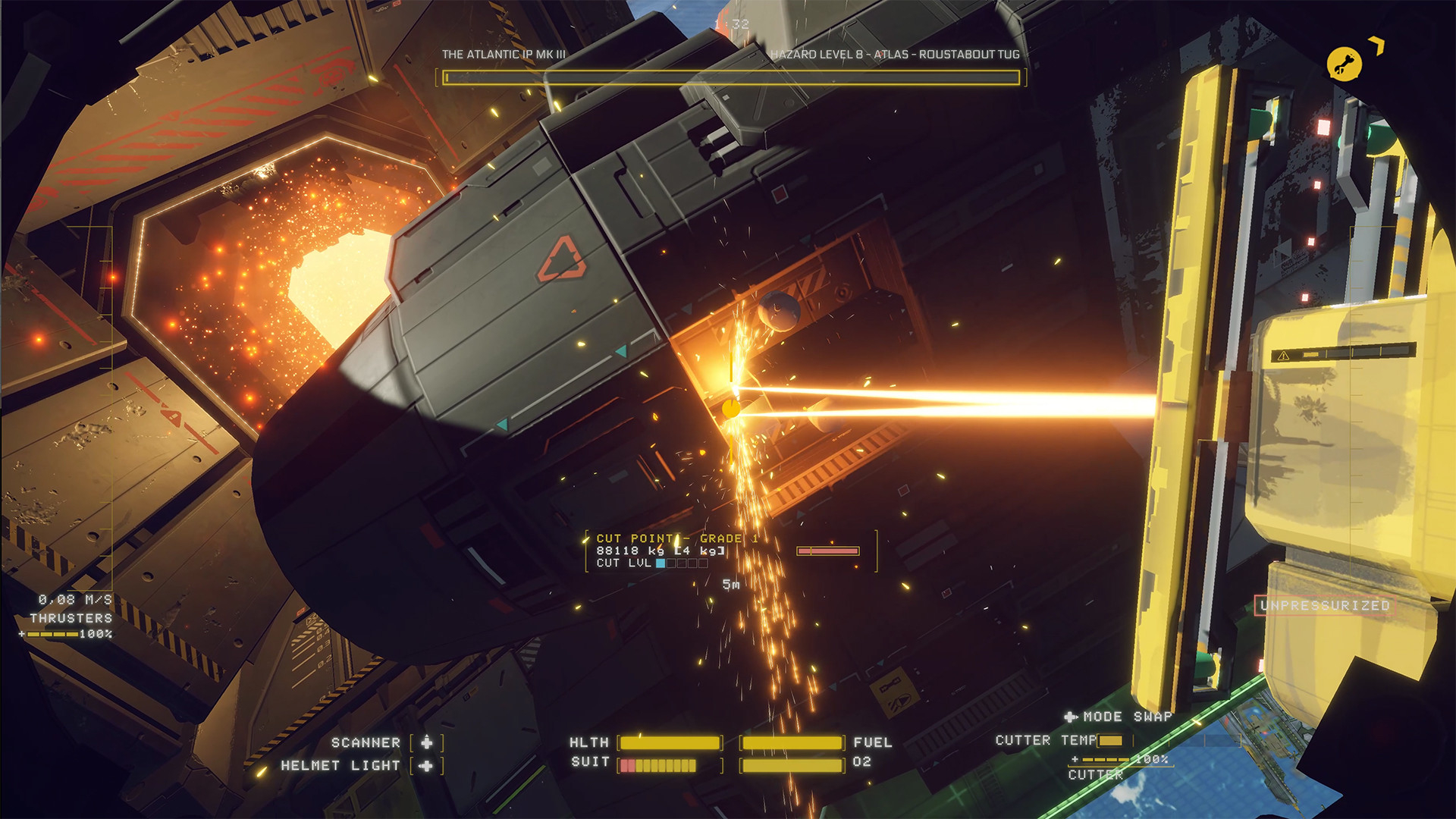
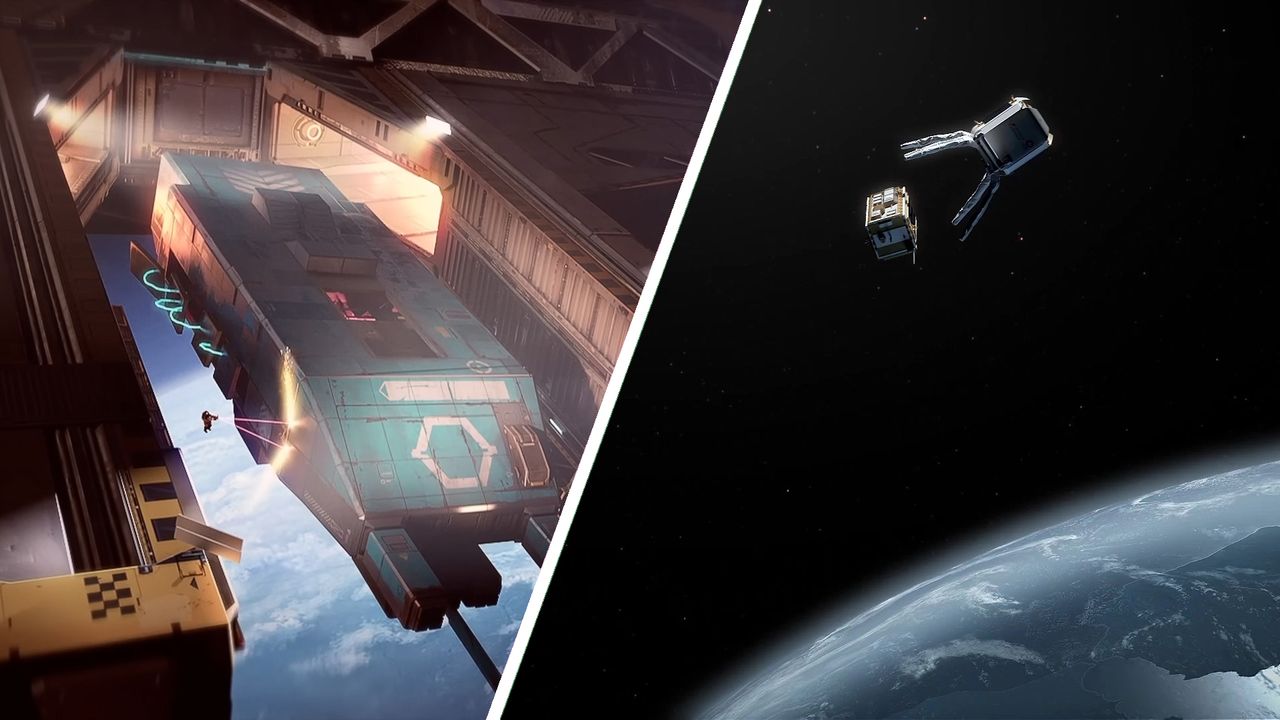
Screenshot from the 2020 space video game

(Image credit: Blackbird Interactive)

Christian Steimle is the Project Manager of the European Space Agency's (ESA) ClearSpace-1 mission, the first ever aimed at removing a piece of debris (in this case, a satellite called PROBA-1) from low-Earth orbit.

We spoke to him to get a sense of how actual space junk removal will happen in the future, and how it stacks up to the representations we see in sci-fi games like Shipbreaker.

The fantasy of orbital demolition

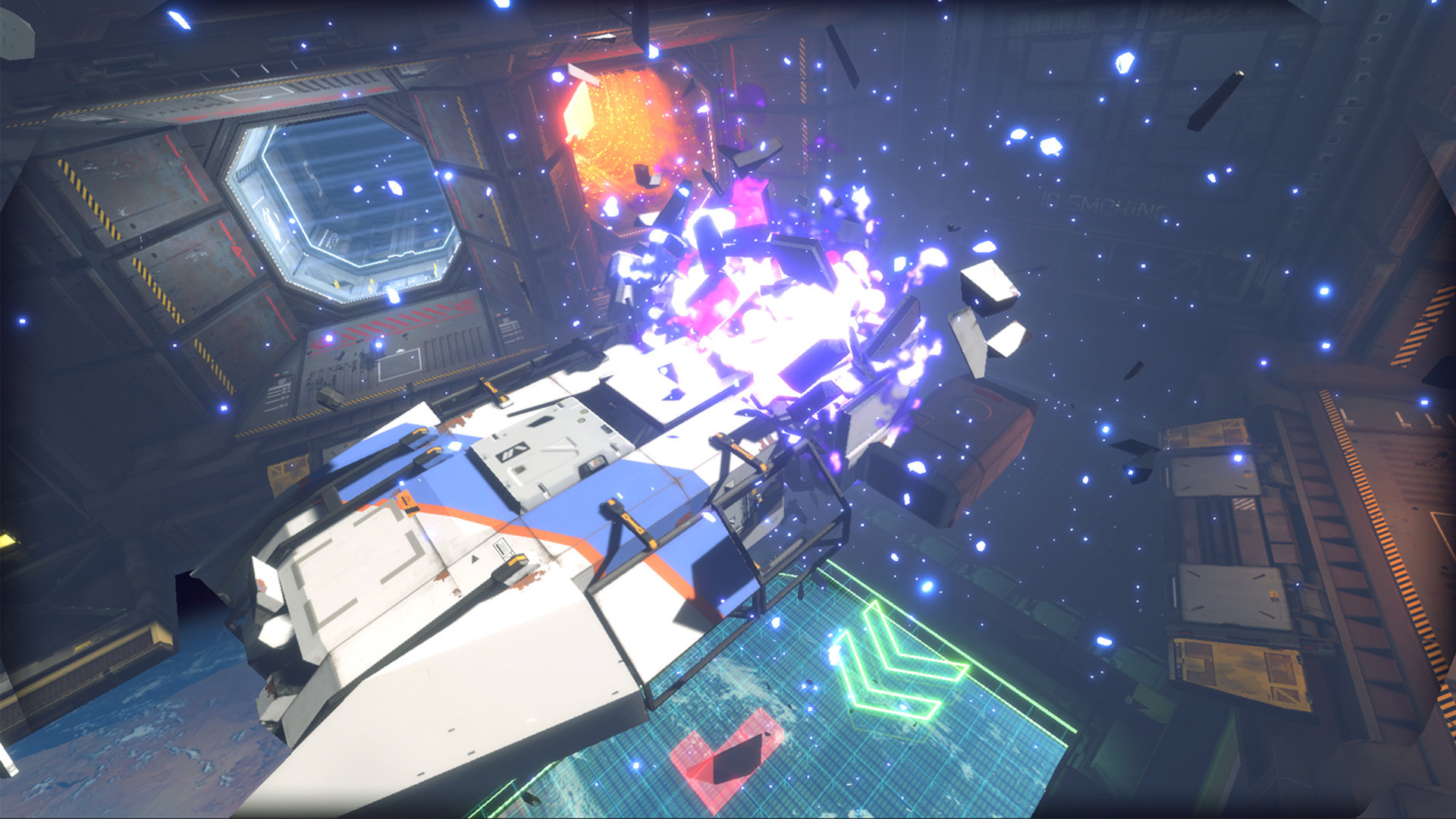
Screenshot from the 2020 space video game

(Image credit: Blackbird Interactive)

Games like Hardspace: Shipbreaker, ΔV: Rings of Saturn, and other space cleanup simulators tend to emphasize three core ideas: that debris can be dismantled piece by piece, that tools can safely cut or break apart structures in orbit, and that salvage is economically driven and scalable.

While they may be necessary assumptions to make for engaging gameplay, they diverge pretty significantly from current realities.

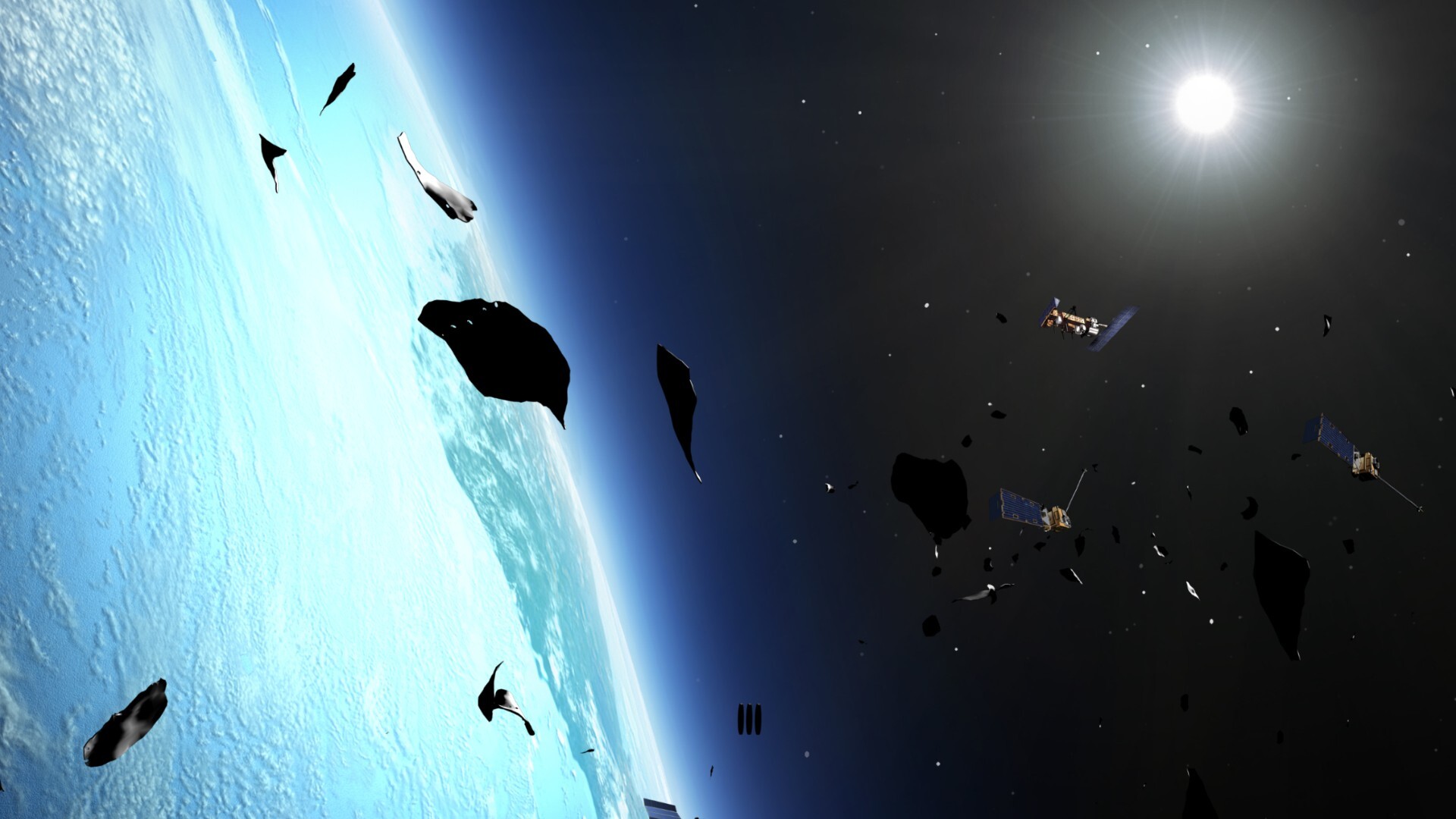
The main issue is fragmentation. Breaking apart a defunct satellite, even under the most carefully controlled and monitored conditions, risks generating thousands of high-velocity fragments. Some of those generated would be too small to feasibly track, yet large enough to destroy operational spacecraft, satellites, or stations. This is the nightmare scenario behind the Kessler syndrome, a cascading chain of collisions that could render entire orbital pathways unusable.

Screenshot from the 2020 space video game

(Image credit: Blackbird Interactive)

As Christian Steimle, Project Manager for the European Space Agency's ClearSpace-1 mission, explains, "The common agreement between all of these missions is that objects to be removed shall not be broken up or damaged… especially to avoid creating smaller debris which is more difficult to track."

That means that the core mechanic of many space salvage games (cutting or exploding things into smaller bits) is precisely what real missions are designed to avoid.

How real debris removal works

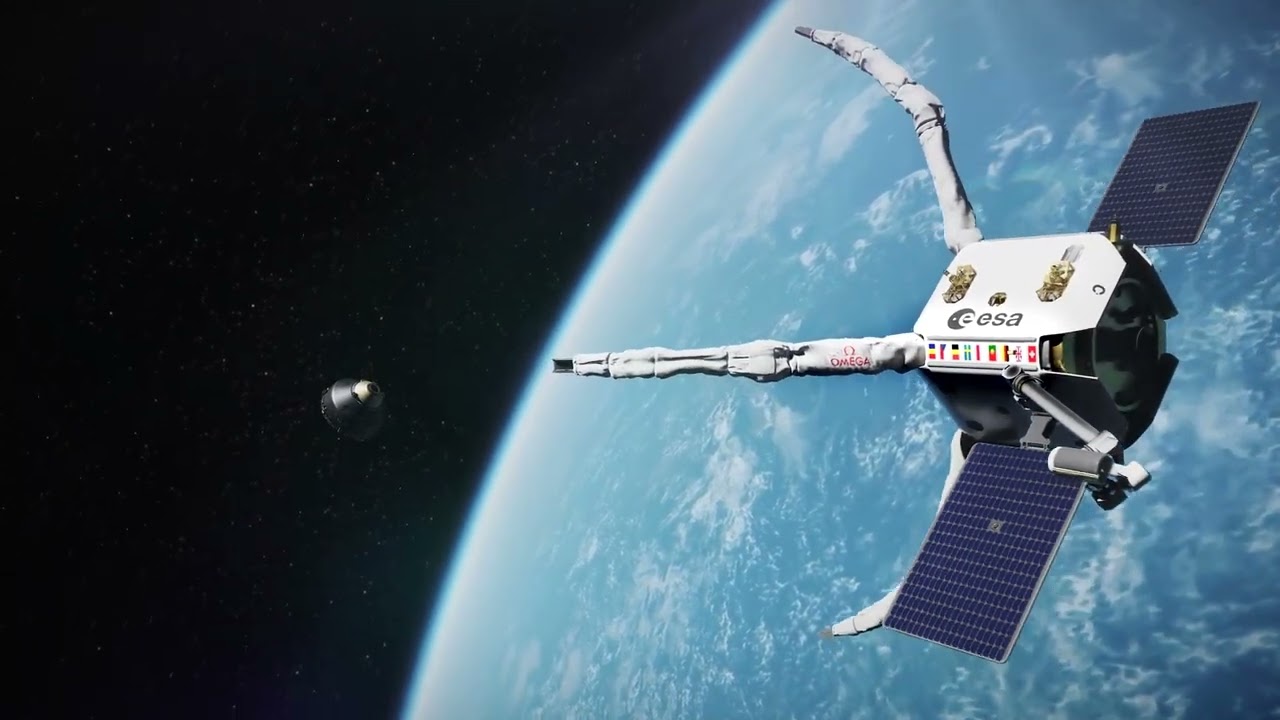
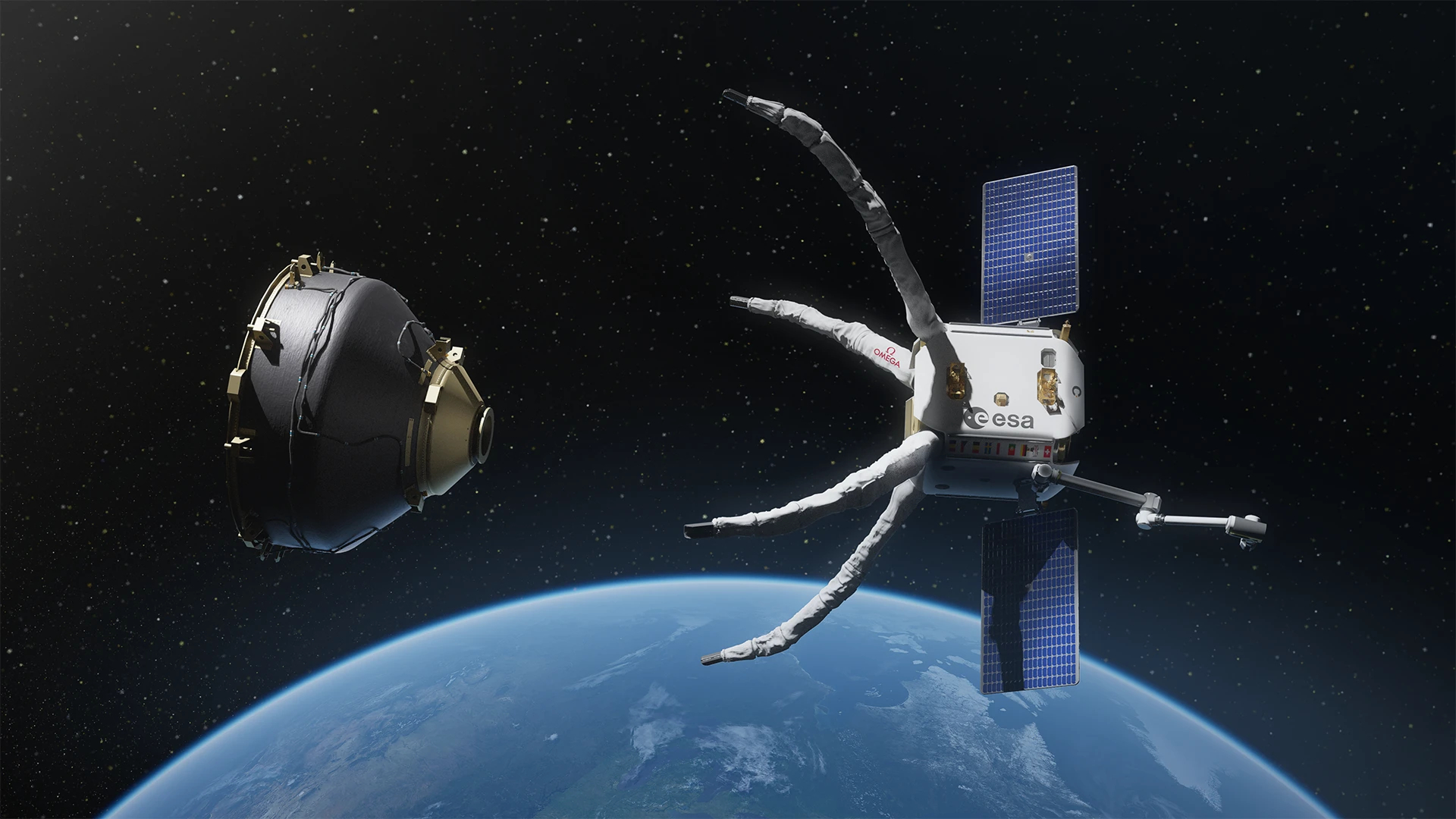
An artist's rendition of the ClearSpace-1 servicer approaching the space debris object during the ClearSpace-1 mission.

(Image credit: Clearspace)

ClearSpace-1 takes a more holistic approach. Instead of dismantling debris, the mission aims to capture PROBA-1 with as little initial damage as possible, then guide it to destruction in Earth's atmosphere.

"ClearSpace-1 will be launched into a position slightly below PROBA-1 by a dedicated launch," Steimle says. "After successful commissioning, the ClearSpace-1 servicer will inspect PROBA-1 in a number of fly-around manoeuvres."

These inspection passes are not just reconnaissance. They validate visual navigation systems and analyze how the target object is tumbling so the capture vehicle can respond appropriately.

The capture itself is a delicate operation. "The ClearSpace-developed capture system will encompass the client satellite, first forming a cage around PROBA-1, then closing the cage carefully to avoid damaging the client," Steimle explains.

Once secured, the combined spacecraft must be stabilized before any orbital change. Only then can the system lower its orbit, ensuring both objects burn up safely during re-entry. "ClearSpace-1 is designed to demise during re-entry, ensuring on-ground safety and disposal at the same time."

The process more closely resembles a surgical extraction of potentially hazardous material than scrapyard demolition.

What games get right

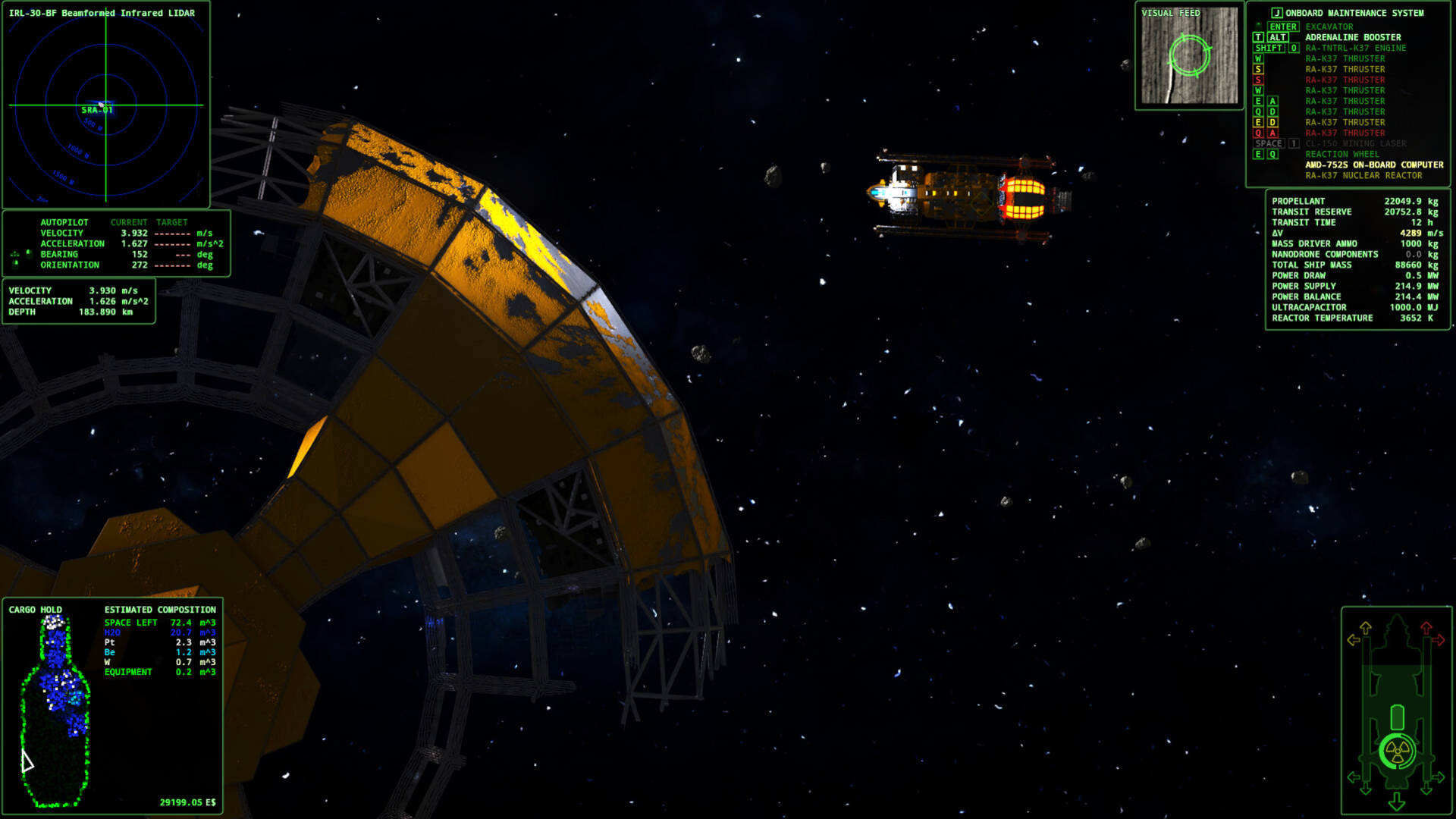
Screenshot from sci-fi debris clear-up and mining game

(Image credit: Kodera Software)

Despite their liberties, space cleanup games do hit the mark in a number of areas. One is the importance of orbital mechanics. Many games emphasize inertia, momentum, and the difficulty of stopping or redirecting large masses. Real active debris removal (ADR) missions face similar constraints, where even small velocity mismatches can lead to mission failure or damage to the capture vehicle or target.

The danger of uncontrolled motion is also well represented. Tumbling objects are among the hardest targets in space operations. Synchronizing with them requires precise, multi-axis propulsion and control systems. As Steimle notes, future vehicles must "synchronise [their] motion with a potentially tumbling space object and apply the proper control to detumble." One of the main challenges in games like Shipbreaker is avoiding being clobbered by moving debris, especially after you've detonated some explosives, or matching the speed of a rotating component long enough to cut it apart.

Third, specialization is key. Your toolkit and how you use it in games like Shipbreaker is key, and real missions rely on highly tailored capture systems. Each target may require a different approach, from robotic arms to nets, harpoons, or enclosure systems like ClearSpace's.

Where the simulations fall short

An artistic impression of the ClearSpace-1 servicer approaching the VESPA payload adapter in the world’s first active debris removal mission, commissioned by the European Space Agency (ESA)

(Image credit: Clearspace)

The biggest gap between games and reality isn't the tech, it's risk tolerance.

In games, mistakes are recoverable. In orbit, a single error can generate long-lived debris fields traveling at roughly 7–8 kilometers per second, turning tiny fragments into deadly kinetic weapons.

Games also tend to assume an eventual salvage economy, where materials are recovered and reused in space. While in-orbit manufacturing and recycling are active areas of research, current debris removal efforts aren't about profit. They're about mitigation.

"The overarching requirement is to preserve the space environment around the Earth for use by future generations," Steimle says. "Removing large objects before first collisions occur is key."

There are also orbital regime differences that games rarely address. In geostationary orbit (GEO), for instance, debris is not deorbited but moved to a higher "graveyard orbit" due to the prohibitive energy cost of re-entry. This kind of orbital zoning has no real analogue in most gameplay systems.

The future of orbital cleanup

A look at orbital debris floating above Earth's atmosphere in space.

Illustration of space junk around Earth. Space junk consist of debris left in orbit from space missions: abandoned or broken satellites, satellite pieces, tools dropped by astronauts, or even space rocks captured into Earth orbit. (Image credit: Mark Garlick/Science Photo Library/Getty Images)

Looking ahead, the field of in-orbit servicing and debris removal is diversifying rapidly. Steimle says agencies and private companies across Europe, the United States and Japan are developing competing capture technologies and mission architectures.

Low-Earth orbit operations will likely favor agile, highly maneuverable vehicles capable of complex rendezvous and stabilization tasks. GEO missions, by contrast, will involve larger, less dynamic spacecraft performing long-duration servicing and relocation.

What remains consistent is the guiding principle: do no harm to the orbital environment. There's little room for the improvisational cutting and explosive decompression you see in most space salvage games. Instead, the future of orbital cleanup will depend on autonomy, precision guidance, and tightly controlled interactions with fragile, often unpredictable objects.

Fiction vs. necessity

Artist's illustration of space junk orbiting Earth.

An artist's illustration of space junk orbiting Earth. (Image credit: NASA)

Perhaps tellingly, most space cleanup games focus on the economy of salvage. You're tasked with generating profit, or feeding it into a progression system to purchase new tools or more efficient methods of destruction. In reality, the immediate challenge is more conservative and more urgent: preventing a runaway cascade of collisions that could close off access to space altogether.

If anything, the contrast highlights just how precarious Earth's orbital environment has become. The fantasy is not that we can break things apart in space; it's that we can continue to use space safely without cleaning up the vast constellations of trash we've already left behind.

  •  

Why space games still struggle with the scale of the universe

Space is incomprehensibly vast. So huge that the human mind struggles to even conceptualize it. The observable universe spans roughly 93 billion light-years. Even our own humble galaxy, the Milky Way — a few tiny stitches of the universal canvas — stretches across 100,000 light-years and contains hundreds of billions of stars.

It's no wonder, then, that space video games struggle so mightily with anything approaching a "realistic" interpretation of those incredible distances, especially in an age where we have yet to invent a technology that can traverse them in a reasonable time.

The Artemis 2 mission's Orion module got up to speeds of around 25,000 mph during its trans lunar injection burn. Ignoring fuel and safety concerns, at those speeds, it would still take us at least 80,000 years to reach our nearest neighbor, Alpha Centauri.

So how do game developers manage to distill some of the awe of the vastness of space while making it feel like a manageable space? How do they shrink space to a navigable size without making it feel small or claustrophobic?

I spoke to astrophysicist Dr. Jeffrey Bennett, founder of Big Kid Science and author of "The Scale of the Universe", to get a sense of the scope of the problem.

The true scale of space

The sun on the left and all the planets in order from left to right.

(Image credit: wasan prunglampoo/Getty Images)

"On a 1 to 10 billion scale — which makes the Sun about the size of a large grapefruit — Earth is smaller than the ball point in a pen and located about 15 meters (49 feet) away from the Sun," explains Bennett. "On that same scale, the Moon — the farthest a human being has ever traveled — lies only about 4 centimeters (1½ inches) away from us. The planets of our solar system are much farther, though you can still walk to the outermost planets in only 10 minutes or so."

Bennett said most science fiction films and games get the scale wrong by making long-distance travel look too easy. Considering the above 1-to-10 billion-scale representation, for instance, and given that reaching the outermost planets in our system — far further than any human being has ever travelled — would take ten minutes, "to reach the nearest stars, you’d have to walk the distance across the United States."

Just simulating a small part of the existing universe would push current hardware to its limits, even with crutches like procedural generation. Developers use various techniques, like level-of-detail scaling, instancing, and streaming, to create the illusion of vastness without melting hardware.

Bennett also talks about how scale works in the case of interstellar objects like asteroids and maneuvering around them.

Films and games, he says, "tend to make it look very difficult to avoid collisions with asteroids, with spacecraft having to dart this way and that to pass through an asteroid region safely. In fact, while there are many millions of asteroids in the asteroid belt of our solar system, the full region is so large that it would take incredibly bad luck to crash into an asteroid by accident. That is why spacecraft studies of asteroids require careful planning to get a spacecraft close enough to any asteroid to get photos and other data."

The reality is that even in its most populated regions, asteroids are typically hundreds of thousands to millions of kilometers apart in our system's asteroid belt. Standing on one of the asteroids, it would be incredibly unlikely that you'd be able to see even one of the largest other asteroids with the naked eye.

How games cope with the enormity of space

Screenshot from the space trading and combat game X4: Foundations, showing a view out of a spaceship's cockpit into an asteroid field.

(Image credit: Egosoft)

"This absolutely IS a design conflict that all space games have to solve," said Bernd Lehahn, Founder and Managing Director of Egosoft, the company that makes the successful X franchise of space simulators (most recently X4: Foundations).

"On the one hand, space must feel very large, or else players will feel cheated. Space and sci-fi have always been about the dream of infinite distances and exploration in a seemingly endless universe. At the same time, most games, the X games included, do not want to force players through unnecessarily long flight times or, god forbid, boredom."

Lehahn says his studio tries to strike a balance between areas that feel more content dense with regions that feel more like an unsettled frontier, to impart a sense of the true emptiness of space.

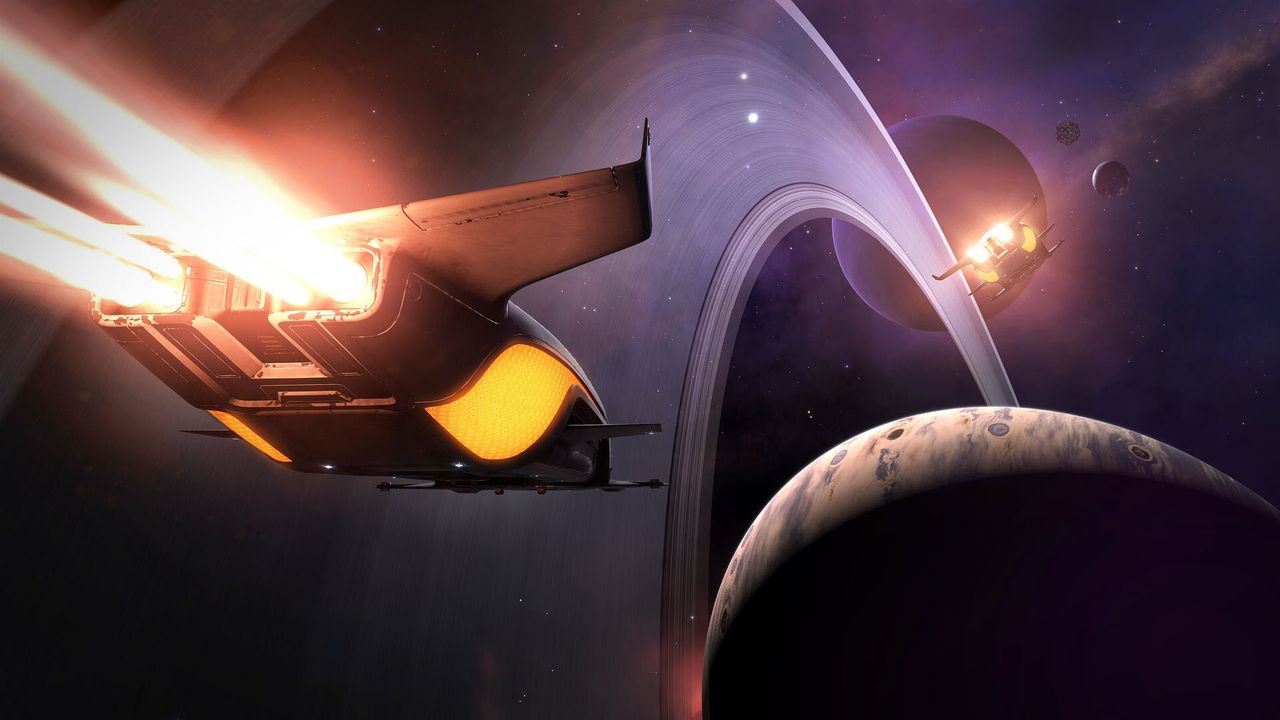
Screenshot from the space trading and combat game X4: Foundations, showing a yellow spaceship flying past a ringed gas giant.

(Image credit: Egosoft)

"There should be room for both extremes: dense, highly populated regions, often with artificial means of transportation that allow the player to find and visit many important places relatively quickly, but also the empty, remote, fringe areas of space, where the experience is much slower, but where exploration happens, and the uncharted map allows for mystery and secrets."

Finding a solution to modeling and traversing the vastness of space has been an issue for Egosoft from the release of the original X game back in 1999, and continues to be something the studio grapples with today. The reality is that most of space is empty, so empty that you don't even have visual cues to indicate you're moving through it. Traveling through it without some kind of cheat or compression would involve unimaginable stretches of black emptiness with nothing happening, but too much compression begins to feel artificial.

"X4: Foundations probably has the most sophisticated solution to this conflict," Lehahn said. For the latest game, the team combines a number of solutions. It starts with scaled tiers of engine technologies with increasingly limited steering. Faster, more powerful engines allow for increasingly speedy, but more straight-line or on-rails travel.

Screenshot from the space trading and combat game X4: Foundations, showing a spaceship flying in front of a black hole.

(Image credit: Egosoft)

The team also uses the conceit of "jump gates" to leap across huge swaths of the universe in a blink, as well as teleportation and time acceleration to similarly compress travel. There are also space highways with slipstream acceleration to hurry things along.

Importantly, the X games also often give players things to do during the downtime of space travel. Giving players minor, uneventful tasks or other distractions can help fill out long stretches of uninterrupted travel. Above all else, Lehahn wants to ensure players are enjoying themselves.

"X4: Foundations is still a game. We want it to feel as realistic as possible—allow players to experience the universe and truly believe the 'sectors' are endless, planets are real size, and you can move in relation to planets and even larger celestial objects. But sometimes, if there is a conflict between fun gameplay and realism, then we may have to compromise on realism a bit."

A different approach

Elite Dangerous_Frontier Developments

(Image credit: Frontier Developments)

Rather than compress space into a manageable slice, the Elite Dangerous team at Frontier Developments takes on a much more ambitious challenge.

"We have a 1:1 scale Milky Way," says Executive Producer Gauthier Verquerre. "Roughly 400 billion star systems."

To create that vast canvas, the team uses a technology called the Stellar Forge, which uses real astronomical catalog data and models phenomena like the collision of stellar systems and the way stars and planets form to procedurally generate systems. The systems are generated once when a system is discovered and regenerated in the same way whenever a player visits them.

Screenshot from the space exploration game Elite Dangerous showing the map of the Milky Way.

(Image credit: Frontier Developments)

One of the most daunting challenges Elite Dangerous faces is that the game doesn't just model the galaxy on a macro scale. It also has to generate planetary surfaces and space station interiors for players to explore.

"Throughout the universe, we have these spectacular stellar phenomena which players are out there discovering every day," said Verquerre. "The flip side of that is that we have players meeting in the same star systems, or on the planetary surface. We have to represent both the huge 1:1 scale of space that we have in the game for interstellar elements like Lagrange clouds or nebulae, and the personal scale of 'I'm on foot in a planetary settlement.'"

Despite releasing way back in 2014, only a tiny fraction of the space the game simulates has been explored by players.

According to Verquerre, "There's still over 99% of the universe out there, waiting to be explored, where any Commander can be the first to add their name to the system and say 'I was the first one to see this'. We also added System Colonisation last year, allowing our players to construct space stations and planetary settlements. That's been really rewarding for us, seeing the rate at which the bubble has expanded."

Screenshot from the space exploration game Elite Dangerous showing a spaceship landing on a barren planet from inside the cockpit.

(Image credit: Frontier Developments)

To empower players to explore that nearly infinite playground, Elite Dangerous (like X4) takes a tiered approach. Three methods of travel provide increasing compression of space/travel time.

"There's Deep Space, where ships move at ‘slow’ speeds (around 300m/s, under Mach 1) to access individual gameplay actions like combat or mining," Verquerre told me, "Supercruise, which is essentially a form of FTL travel within a system useful for scanning systems, and Hyperspace, where players travel between star systems through a tunnel."

The game also recently introduced a fourth tier of movement, dubbed Supercruise Overcharge, which allows players to navigate star systems at a much greater speed. Even with these many systems for speeding up transit, however, traversing such unimaginably vast distances can eat up a huge amount of time, and Frontier has tried to ensure that travel is peppered with events and resource management to keep players engaged.

"It's all about the player," Verquerre explains. "Explorers often want a little solitude, or an unexpected encounter, whilst our traders are considering the risk of what they're carrying. Fuel and heat management tend to be primary considerations; no one wants to be marooned out in deep space! There are also interdictions, where a Commander can be pulled out of a jump and find themselves hunted."

Screenshot from the space exploration game Elite Dangerous showing a spaceship pursuing another in deep space.

(Image credit: Frontier Developments)

"Additionally, those long trips that our players are taking out into deep space mean that small damage adds up, canopy cracks and moments of tension take the beauty of space and translate it almost instantly into abject fear."

The magic and awe of the staggering scope of space is a core part of the Elite Dangerous mystique, and it's not lost on Verquerre.

"I remember a journey I once made to Beagle Point, one of the most remote star systems found in Elite Dangerous, which I’d consider to be one of the most memorable gaming moments in my life. The sense of achievement in reaching a system that you’ve plotted out at the end of a journey is something very tangible, and it always makes me look forward to the next adventure."

A (nearly) infinite challenge

The dwarf spiral galaxy known as NGC 4605, located around 16 million light-years away in the constellation of Ursa Major.

(Image credit: ESA/Hubble & NASA (D. Calzetti (University of Massachusetts) and the LEGUS Team))

Space games don't fail to simulate the scale of the cosmos because developers lack ambition or imagination.

The reality is that the universe operates on scales that challenge not only the capacity of the human behind them, but also that of our machines to reproduce them. Bridging that gap requires not just bigger maps, but smarter design, and a recognition that sometimes, the awe of the infinite matters more than the numbers behind it.

"X4: Foundations" and "Elite Dangerous" are both available to play now on PC. You can also pick up Dr Bennett's book, "The Scale of the Universe", on Amazon.

  •  

'Control Resonant' takes inspiration from 'Devil May Cry', 'Neon Genesis Evangelion', and 'Inception' to craft a trippy sci-fi action game

You certainly can't accuse Remedy Entertainment of playing it safe and sticking to what they know.

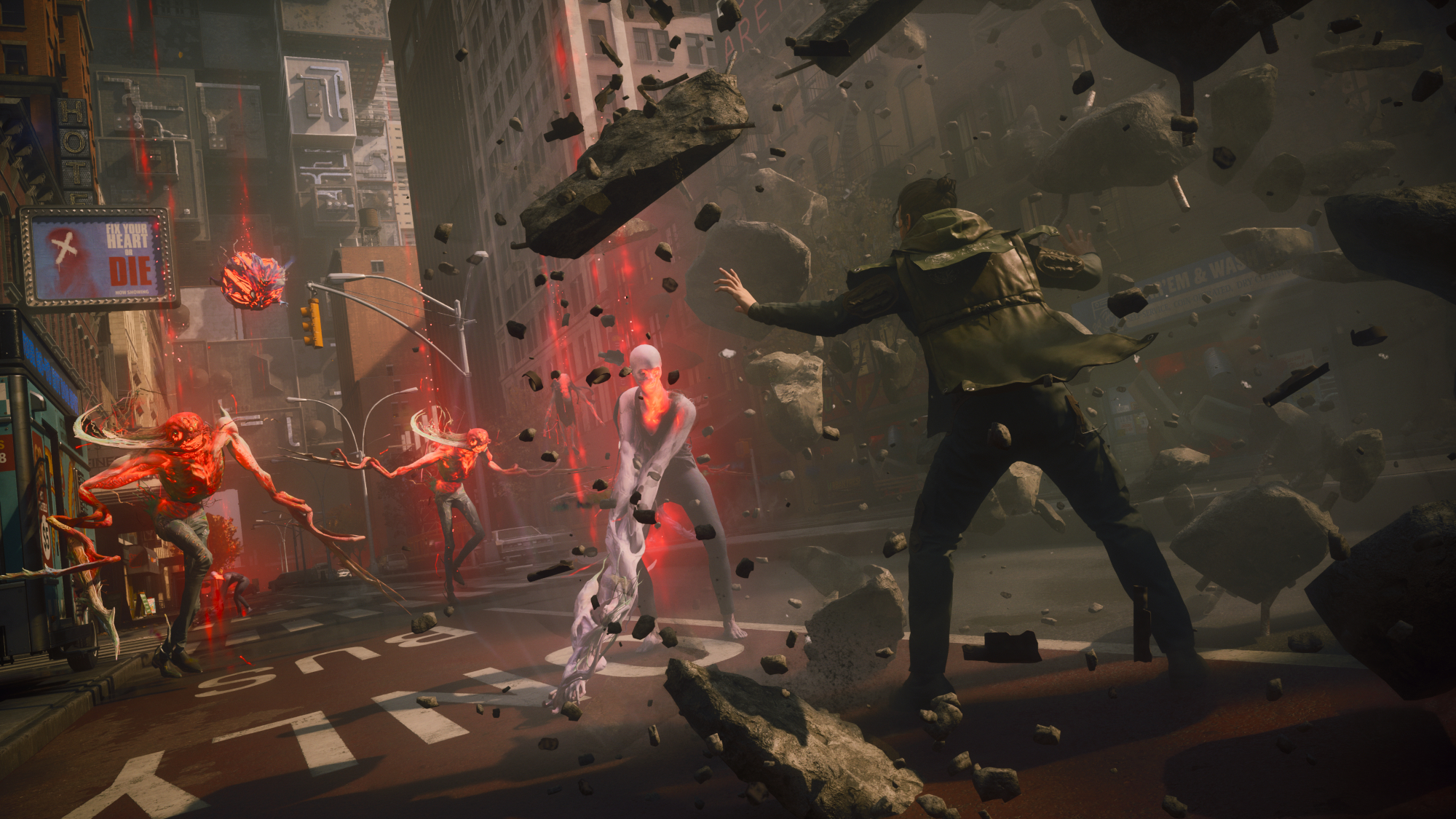
2019's Control was a third-person shooter, last year's multiplayer spin-off, FBC: Firebreak, was a first-person shooter, and now this year's direct follow-up, Control Resonant, is a melee-focused action game. Despite the genre flip, though, it's undeniably Control — a freaky sci-fi horror mash-up that's dripping with atmosphere.

We played 40 minutes of Control Resonant at Summer Games Fest, and spoke with lead level designer Anne-Marie Grönroos about the new enemy designs, architecture, and sci-fi influences. Here's what we learned about one of this year's most anticipated upcoming sci-fi games.

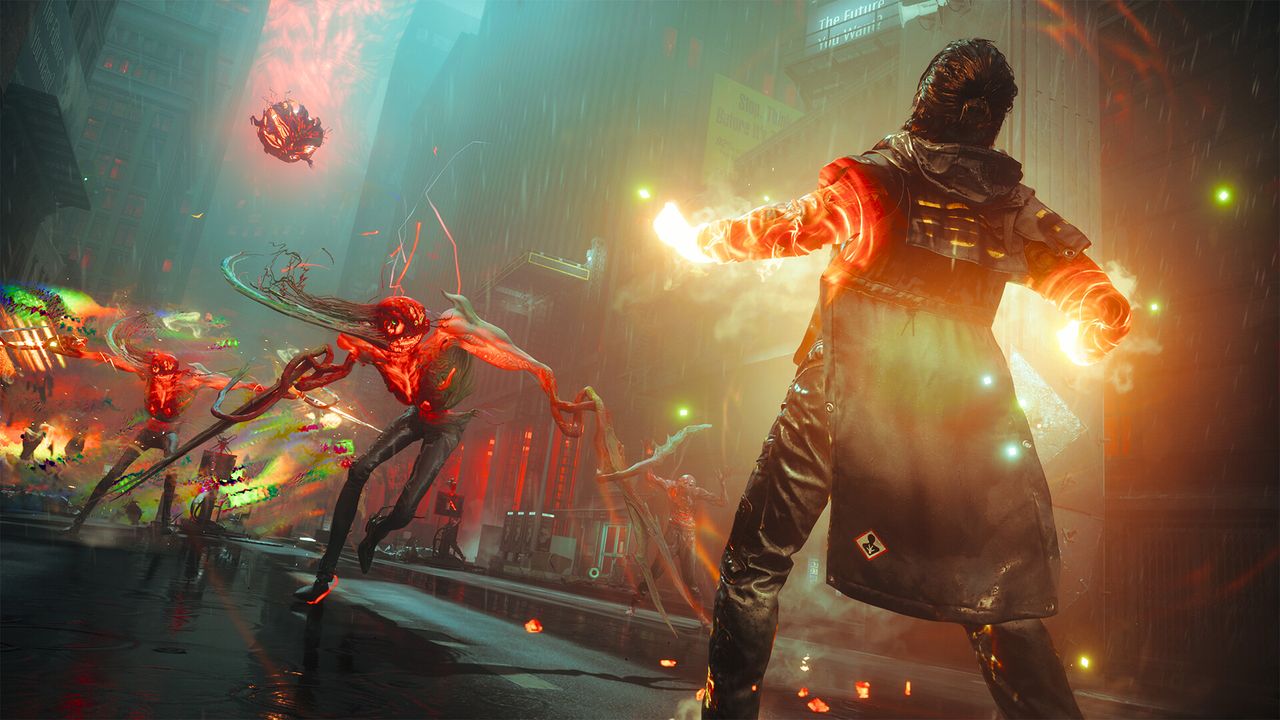
"Control Resonant" has a new protagonist, but we're keeping things in the family as we take the reins of Dylan Faden, troubled brother of "Control" protagonist Jesse. Dylan Faden wakes up inside the Oldest House — a paranormal, space-defying skyscraper in the center of New York that acts as the headquarters for the Federal Bureau of Control (FBC).

Jesse promptly stabs Dylan, who wakes up surrounded by blood, death, and the massacred bodies of his FBC jailers. With no idea what's going on, Dylan flees the FBC to find that the Hiss — otherworldly crimson monsters from another dimension — have overrun Manhattan.

Screenshot from Control: Resonant

(Image credit: Remedy)

To fight these monsters, Dylan wields a unique weapon called the Aberrant (which just so happens to be the bar that Jesse stabbed him with). Much like Jesse's Service Weapon in the original, Aberrant can morph into multiple kinds of weapons, such as dual swords, an axe, and a scythe.

As a third-person action game (or spectacle fighter), Control Resonant feels like a toned-down version of Devil May Cry. It's just a bit slower and a bit more reserved, but it's still exhilarating to pull off combos and beat the snot out of the Hiss.

Combat is usually locked into arenas, locking you into an encounter until you've killed the Hiss. Larger enemies need to be prioritised, as the smaller Hiss will keep respawning until they're destroyed.

Control: Resonant

(Image credit: Remedy)

The Hiss are even more grotesque than I remembered from the first game; an observation that Grönroos was happy to confirm. "The enemies are a lot more mutated than they were in the first game," he notes. “They aren't just dudes shooting guns at you. A lot less human and more monstrous."

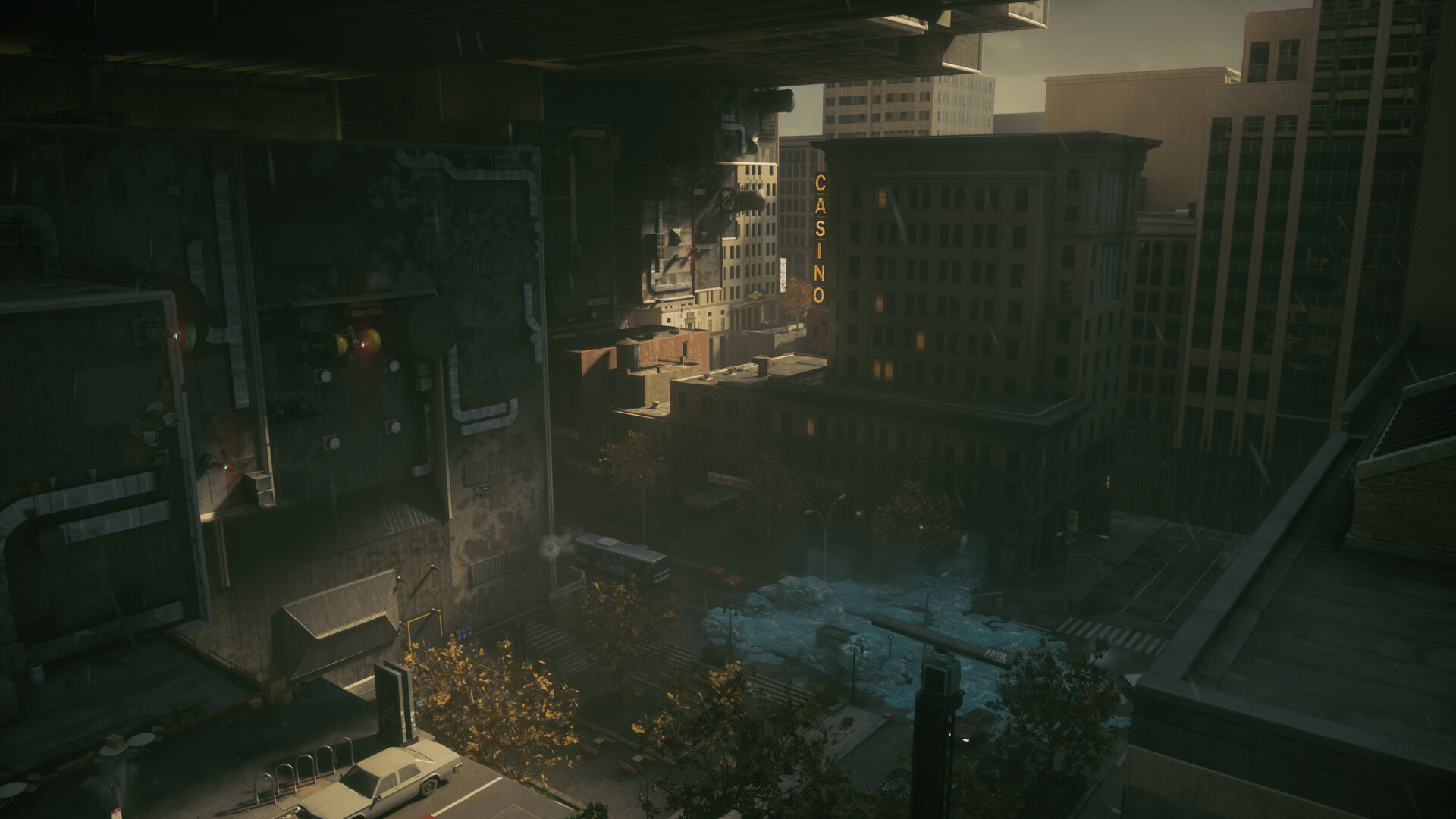
While Jesse was confined to the Oldest House, Dylan now has the freedom to roam Manhattan to find his sister. The first game's aesthetic was defined by the Brutalist architecture of FBC's surreal headquarters, and while you’ll certainly see that style here in place, Resonant pulls from a much wider pool.

"The further away you get from either the Oldest house or the Field Office, the less and less of that you'll see," explains Grönroos. "But when you see Brutalist architecture, that's also a sign that the FBC has a pretty strong presence here."

Screenshot from Control: Resonant

(Image credit: Remedy)

Manhattan has been well explored in video games — from Insomniac's Spider-Man and Tom Clancy's The Division through to "inspired by" titles like GTA IV — but Control Resonant's version of New York is a much more self-contained, streamlined version of the city that never sleeps.

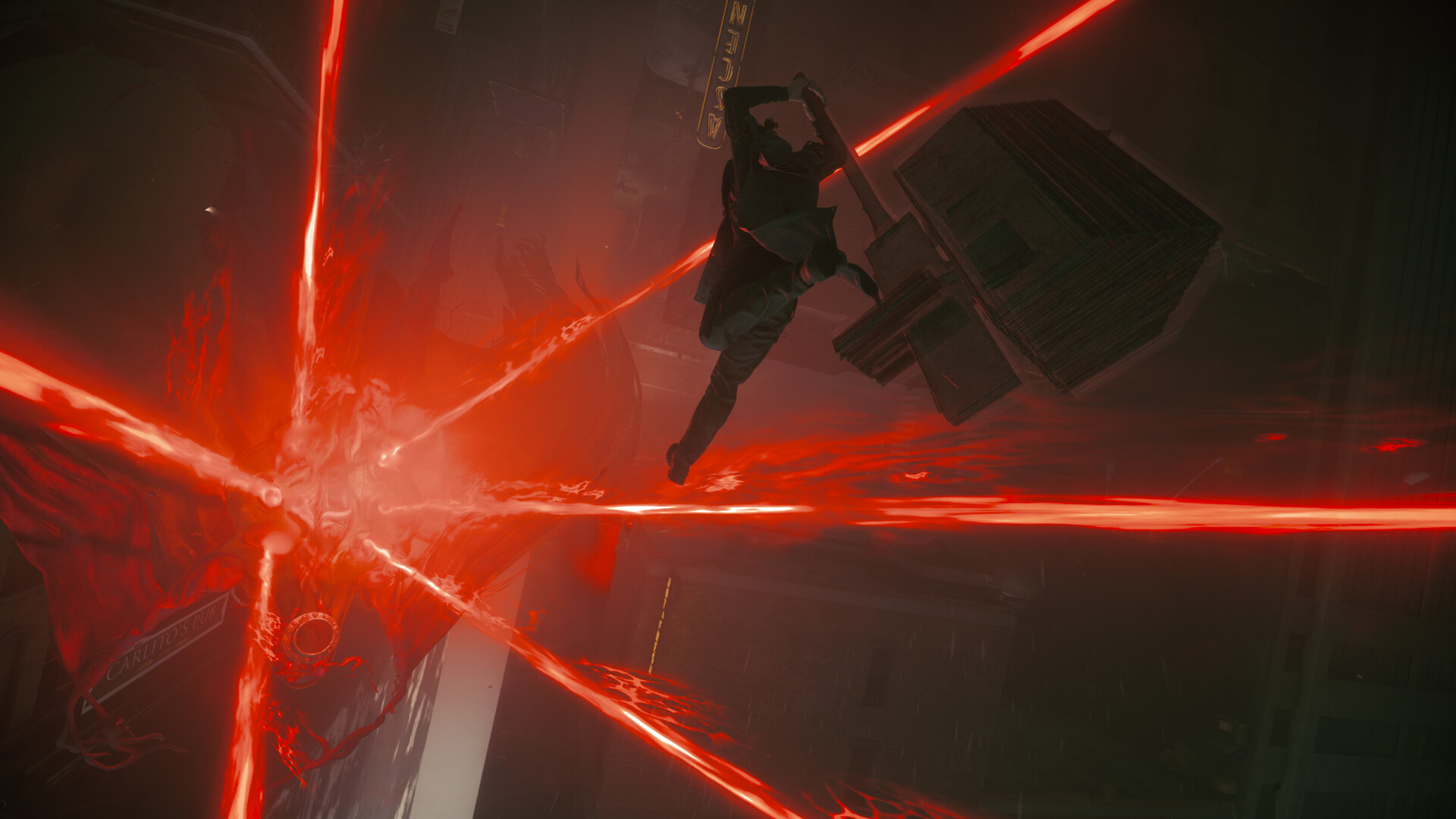
Instead of an open world, we get a more linear platforming experience as Dylan navigates the rooftops like platforms, climbing, dashing, and double-jumping his way through the twisted landscape. This, combined with the psychedelic colors and trippy atmosphere, creates a uniquely surreal vibe that we really dig.

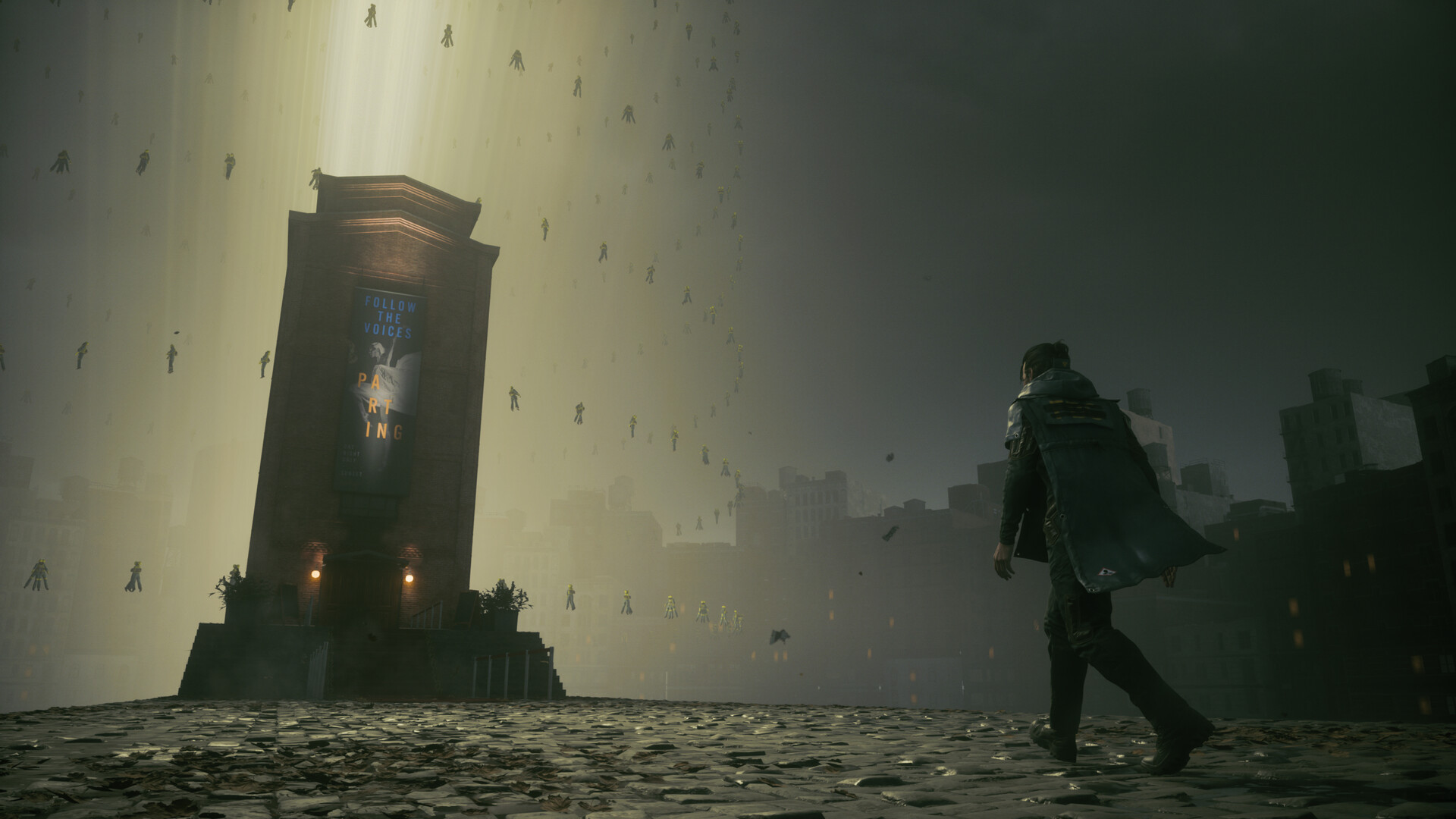
The Control universe is rife with sci-fi influences, with the fictional SCP Foundation sitting at the heart. The FBC investigates Altered World Events, where supernatural forces descend into reality and warp it. These lead directly to the creation of Altered Items, which are just objects infused with paranormal powers. It's all dressed up in a sort of 60s and 70s retrofuturism aesthetic, reflecting the space age and rise of media like Star Wars.

Control: Resonant

(Image credit: Remedy)

Beyond those obvious touchstones, though, there are surprising influences for this latest game. During our interview, Director Mikael Kasurinen mentioned Neon Genesis Evangelion as an influence for Control Resonant, with Grönroos adding that it heavily impacted the geometrical patterning in the game. "We also always have Inception as a reference. When you look at the city environments, this is the most Inception that we can get."

My demo ended with me facing off in a boss fight against a giant floating head with its jaw missing. Throughout the fight, it kept trying to sling rocks at me while keeping its distance, but I was able to keep up with its pace. Eventually, I managed to take it down, and then was taken to The Gap, a mysterious hub area where Dylan could upgrade his abilities.

He has plenty of upgrades to choose from, such as being able to telekinetically throw rocks, use them to form a shield, or conjure up this Aberrant into other weapons like a whip and hammer. I took a quick peek at each of the weapons and skill trees, and it seems like the combo system will definitely get more intricate later on.

Screenshot from Control: Resonant

(Image credit: Remedy)

There's a huge amount of variety in how to mix and match different weapons to dictate the pace and flow of battle. You can start your combo with a flurry of quick attacks from dual swords, and then come crashing down with a slow but mighty hammer at the end.

The action feels so different from the gunplay of the first game, and yet eerily familiar. Control Resonant also takes a page from Kingdom Hearts' playbook with flashy finishers. Dylan has access to a variety of them, our favorite being using the giant hammer to smash the Hiss into pieces.

Grönroos said that the biggest lesson that Remedy learned throughout developing its recent games, from Control, Alan Wake 2, FBC: Firebreak, and now Control, is giving players more freedom and agency. "Before Control, we used to just make these linear games," she explained. "Control was actually our first game where you could even backtrack, and Alan Wake 2 took that a little bit further, and now Control Resonant as well."

Screenshot from Control: Resonant

(Image credit: Remedy)

One of the highlights of the first Control game was the Ashtray Maze, a level where players had to fight against waves of enemies as they ran through a kaleidoscope of constantly shifting rooms and layouts. It was an adrenaline-fueled combat gauntlet that was equally exciting as it was fantastical. Grönroos was one of the minds behind designing it.

Can we expect something similar in Control Resonant? "There are definitely surprises," teases Grönroos. "Of course, I can't say what they are, but I think what made the Ashtray Maze really work was how unexpected it was. So I think there's stuff like in Control Resonant that's like that for sure."

Control Resonant launches on September 24 for PC, PS5, and Xbox Series X|S.

  •  
❌