❌

Reading view

BCM Team Wins Inaugural Burroughs Wellcome Fund Grant for Climate-Health Research

A multidisciplinary team from Baylor College of Medicine, Rice University and the University of Texas School of Public Health has received the inaugural Climate + Health Excellence award from the Burroughs Wellcome Fund. The five-year, $10 million award will support FORECAST, an ambitious program designed to investigate how climate change, extreme weather and environmental disruption influence the emergence and spread of infectious diseases. Led by infectious disease researcher Dr. Anthony Maresso, the project will combine wastewater surveillance, metagenomic sequencing, climate science, epidemiology and public education to create an early-warning system for pathogen activity across Texas.

FORECAST will build on Texas’s expanding wastewater-monitoring infrastructure, including the Texas Wastewater Environmental Biomonitoring Network, or TexWEB. The statewide network samples sewage from 15 Texas cities and analyzes biological material shed by communities. Unlike clinical surveillance, which depends on people seeking medical care and receiving diagnostic tests, wastewater epidemiology captures population-level signals from entire communities. Viral genetic fragments, bacterial DNA and other biological markers can appear in sewage before hospitals and clinics register a rise in patients, providing public health officials with valuable time to investigate and respond.

The program will use metagenomic surveillance, a technique that examines genetic material recovered from environmental samples rather than searching only for a predetermined pathogen. In conventional testing, laboratories typically use targeted molecular assays designed to detect a known virus or bacterium. Metagenomic sequencing can survey a much broader range of organisms, including variants and potentially unfamiliar pathogens. Researchers can then compare these signals with clinical data, geographic information and environmental measurements to determine whether changes in temperature, rainfall, flooding, drought or other conditions are associated with shifts in infectious disease activity.

The scientific goal is not simply to identify pathogens after they appear, but to uncover relationships between microbes and the environmental conditions that help them enter or circulate within human populations. Climate change can influence disease transmission through several pathways. Warmer temperatures may expand the geographic range or seasonal activity of mosquitoes and other vectors. Heavy rainfall and flooding can overwhelm sanitation systems and redistribute contaminants, while drought can alter water use and concentrate biological material. Changes in human behavior, animal movement and ecosystems may create additional opportunities for pathogens to cross species boundaries.

Maresso and his colleagues demonstrated during the COVID-19 pandemic that SARS-CoV-2 signals in wastewater could precede increases in clinically diagnosed infections. Viral RNA released in feces entered sewage systems, where researchers tracked changes in concentration over time. Although wastewater measurements cannot determine which individuals are infected, they can reveal whether pathogen activity is increasing or declining within a catchment area. The approach has since been extended to a wider range of targets, including avian influenza, measles, HIV and viruses associated with cancer. FORECAST aims to develop this surveillance capacity into a predictive climate-health platform.

Rice University climate scientist Dr. Sylvia Dee will help connect pathogen observations with weather and climate data. The team plans to examine whether specific environmental patterns consistently occur before increases in particular infectious agents. Such models could eventually function like a public health weather report, indicating when conditions are becoming more favorable for disease transmission. The researchers emphasize that predictive systems will require careful validation because the presence of pathogen genetic material does not necessarily indicate infectious virus, active transmission or a future outbreak. Interpreting the signal will require laboratory studies, clinical evidence and knowledge of local infrastructure.

The project will also investigate diseases transmitted by vectors such as mosquitoes. Dr. Peter Hotez and colleagues at the National School of Tropical Medicine will focus on vector-borne pathogen transmission and the growing health risks associated with changing climate conditions. Texas is particularly relevant for this work because it contains diverse ecological regions and experiences heat waves, hurricanes, flooding and rapid urban growth. These factors can affect mosquito habitats, human exposure and the movement of pathogens across communities. Integrating wastewater findings with vector surveillance could help reveal connections that would remain hidden if either system were used alone.

Education and public communication will form a central part of FORECAST. The team plans to create a “Middle to Medical” climate-health education track extending from middle school through medical training and professional development. Dr. Nancy Moreno, who developed Baylor’s BioEd online program, will lead educational efforts with Rice University’s Dr. Joseph Campana, director of the university’s Center for Environmental Studies and EcoStudio. The curriculum will explain how pathogens spread, how climate conditions alter disease risk and how scientific evidence can guide decisions by students, clinicians, policymakers and communities.

The award is particularly significant because FORECAST was selected as the sole funded project from 161 applications submitted to the new CHEX program. The initiative is intended to strengthen research, education and public engagement at the intersection of climate change and human health. Dr. Eric Boerwinkle, dean of the UT School of Public Health and a project co-investigator, will contribute access to large clinical datasets that can be used to evaluate wastewater and environmental signals against reported illnesses. The investigators say the work could improve outbreak preparedness while advancing the still-developing field of wastewater science.

By combining environmental sequencing with climate modeling and health education, FORECAST seeks to shift infectious disease surveillance from a largely reactive system toward earlier detection and prevention. Its findings may help officials recognize emerging threats before they produce widespread clinical disease, while also clarifying how environmental changes shape viral evolution, transmission and geographic spread. The researchers describe wastewater as an unusually candid public health resource: it aggregates biological information from a population without requiring individual testing. As climate pressures intensify, they argue, that collective signal could become an essential tool for protecting communities and preparing the next generation of scientists.

Subject of Research:
Climate-driven infectious disease emergence, wastewater epidemiology, metagenomic pathogen surveillance and climate-health education.

Article Title:
Texas Researchers Launch FORECAST Program to Link Climate Change With Emerging Viral Threats

Web References:
Baylor College of Medicine; Rice University; University of Texas School of Public Health; Burroughs Wellcome Fund; Texas Wastewater Environmental Biomonitoring Network (TexWEB).

References:
Information provided in the source news release concerning the FORECAST project, the Climate + Health Excellence award and TexWEB wastewater surveillance activities.

Keywords:
Wastewater epidemiology, viral surveillance, metagenomic sequencing, climate change, infectious diseases, pathogen emergence, public health, Texas, SARS-CoV-2, avian influenza, measles, vector-borne disease, climate health, epidemiology, wastewater science


  •  

Safety fears as scientists make first viruses designed by AI

Researchers say breakthrough offers hope for new medicines but also raises urgent biosecurity questions

Scientists have made the first viruses designed by artificial intelligence in a milestone that raises hopes for new medicines but also concerns over how to ensure the technology remains safe.

The viruses are specific kinds known as bacteriophages, which only infect bacteria and are used around the world to treat patients with persistent infections. In lab tests, a cocktail of the AI-designed viruses killed E coli bugs that were resistant to natural bacteriophages.

Continue reading...

© Photograph: Samyukta Lakshmi/Bloomberg/Getty Images

© Photograph: Samyukta Lakshmi/Bloomberg/Getty Images

© Photograph: Samyukta Lakshmi/Bloomberg/Getty Images

  •  

Scientists Discover the “Achilles’ Heel” of Two of the World’s Deadliest Diarrhea Bacteria

Fleckenstein ETECScientists have uncovered a shared target used by multiple diarrhea-causing bacteria to invade the gut. Despite decades of research, scientists still do not have vaccines against two of the world’s most common causes of severe bacterial diarrhea: enterotoxigenic E. coli (ETEC) and Shigella. Together, these pathogens infect hundreds of millions of people each year and [...]
  •  

New Study Reveals Ebola Virus Persistence in the Central Nervous System, Led by Mount Sinai Microbiologists

Ebola Virus Finds Sanctuary in the Brain: Breaking Ground with Human Cerebral Organoids

In a landmark study published in Nature Microbiology, researchers from the Icahn School of Medicine at Mount Sinai and the Bernhard Nocht Institute for Tropical Medicine (BNITM) have uncovered how the deadly Ebola virus can persist and replicate stealthily within the human central nervous system. By leveraging cutting-edge cerebral organoid models—three-dimensional brain-like structures derived from human pluripotent stem cells—the team has shed light on the viral mechanisms that allow long-term survival, raising critical implications for treatment and prevention strategies of Ebola virus disease (EVD).

It has long been a harrowing clinical observation that survivors of acute Ebola infections sometimes suffer relapses or develop inflammatory syndromes months or even years after recovery. This enduring threat is attributed to the virus’s ability to hide out in “immune-privileged” regions of the body—such as the central nervous system (CNS)—where the immune surveillance is deliberately restrained to protect vulnerable tissue from damaging inflammation. This latest research elucidates the ways Ebola virus exploits this sanctuary and endures prison-like conditions inside cerebral tissue without fully succumbing to immune clearance.

The team engineered cerebral organoids by coaxing human induced pluripotent stem cells (iPSCs) into forming spherical, differentiated structures composed of multiple neural cell types: neurons, astrocytes, and microglia alike. These organoids mimic the cellular environment of the human brain closely enough to serve as a viable model to explore viral persistence with unprecedented resolution and relevance. Unlike traditional animal models, these human-derived organoids enable direct examination of host-virus interactions in a context that recapitulates human neuroanatomy and immunology.

Longitudinal infection experiments revealed that Ebola virus and related filoviruses—including Sudan, Reston, and Marburg viruses—could sustain active replication within these cerebral organoids for up to 120 days. More intriguingly, Ebola virus infected not just neurons but also astrocytes and microglia, the brain’s resident immune cells. The virus exhibited two spreading modalities: direct cell-to-cell contact transmission as well as classical budding from host cells. This productive persistence clearly places the virus in an infectious, replicative state rather than a latent or inactive one.

Despite the robust production of pro-inflammatory cytokines by infected organoids, the innate immune responses orchestrated within this model failed to clear the infection entirely. The study observed an upregulation of immune and inflammatory markers at later stages, mirroring clinical presentations seen in Ebola virus disease survivors who develop delayed meningoencephalitis and other inflammatory sequelae. The data affirm that persistent filovirus infection in immune-privileged tissues contributes to localized inflammation, fostering neurological disease conditions even after primary viremia subsides.

At the molecular level, whole-genome sequencing of viral populations recovered from persistently infected organoids uncovered the presence of defective viral genomes (DVGs) and a spectrum of mutations emerging during chronic replication. DVGs are truncated or mutated forms of viral genomes known to modulate replication dynamics and immune evasion in other viral families. These defective genomes may allow the Ebola virus to dampen replication while maintaining a foothold inside host tissue, facilitating long-term survival without triggering overwhelming immune destruction.

Several mutations identified in the viral sequences corresponded to variants previously reported to attenuate replication in natural infections, while others were novel and uncharacterized. This emerging mutational landscape hints at an ongoing evolutionary arms race as the virus adapts to the CNS environment and immune pressures. Such adaptations could be critical determinants in the capacity of Ebola virus to establish persistent reservoirs and cause relapses.

This cerebral organoid model’s faithful recapitulation of human Ebola virus infection patterns underscores its utility as a powerful platform for mechanistic studies of viral persistence. Unlike animal models, which often fail to mimic intricate human neural immunology adequately, organoids offer a nearer-to-human experimental system. This breakthrough has potential ramifications for testing and optimizing targeted antiviral therapies aimed specifically at reservoirs residing in immune-privileged compartments.

Moreover, cerebral organoids provide an ethically favorable and scalable alternative to animal experiments, fostering more humane and potentially faster progress in infectious disease research. This innovation aligns with global efforts to reduce animal use in biomedical studies and to increase translational fidelity to human conditions.

Looking ahead, the research team emphasizes expanding their investigations to include other lesser-studied filoviruses such as Taï Forest, Bombali, and Bundibugyo viruses. Comprehensive deciphering of host–virus dynamics in such a model may unravel universal persistence mechanisms across filovirus species, informing cross-cutting therapeutic strategies. Crucially, this work also lays groundwork for exploring how viral persistence in the CNS intersects with immune modulation, neuroinflammation, and long-term neurological sequelae in EVD survivors.

Persistent Ebola infection in the brain highlights a formidable challenge for public health, given the potential for virus reactivation or even transmission from immune-privileged sanctuaries. This study delivers a compelling window into that hidden battleground, leveraging state-of-the-art human cellular models to confront a deadly pathogen’s stealth strategies. Unlocking the biology of Ebola’s cerebral persistence may ultimately pave the way for interventions that not only save lives during acute infection but also circumvent post-recovery complications and community outbreaks.

As our understanding deepens, harnessing cerebral organoids as investigative tools promises to revolutionize the study of neurotropic viral infections. The Mount Sinai and BNITM collaboration exemplifies how multidisciplinary, translational research can illuminate the dark corners of viral pathogenesis and guide clinical innovation for diseases once deemed intractable.


Subject of Research: Animals (via human-derived cerebral organoids)

Article Title: Host–virus determinants of Ebola virus persistence in a human cerebral organoid model

News Publication Date: 12-Jun-2026

Web References:
https://www.nature.com/articles/s41564-026-02388-2
http://dx.doi.org/10.1038/s41564-026-02388-2

Keywords: Ebola virus, cerebral organoids, central nervous system, viral persistence, filoviruses, neuroinflammation, antiviral therapy, immune evasion, defective viral genomes, virus-host interaction

  •  

Scientists Have Discovered These Deadly Parasites Are Secretly Swapping DNA

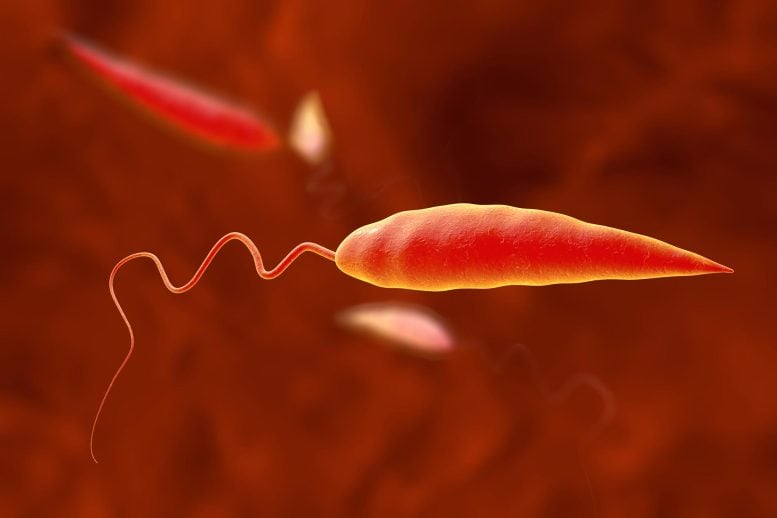
Leishmania Parasite LeishmaniasisLeishmania parasites appear to evolve through widespread genetic exchange, reshaping assumptions about how they adapt and spread. A parasite long thought to spread mostly by cloning itself may be far more genetically dynamic than scientists once believed. A new international study suggests that Leishmania—a group of microscopic parasites responsible for debilitating tropical diseases—regularly swaps genetic [...]
  •  
❌