❌

Reading view

Versão em português do livro “A Apple na China” está chegando ao Brasil

Já está disponível em pré-venda no Brasil o livro “A Apple na China”, tradução oficial de “Apple in China”, obra lançada no ano passado pelo especialista Patrick McGee que retrata as transformações no mercado chinês resultantes dos investimentos da Maçã.

“Como uma parceria criada para aumentar a eficiência e reduzir custos ajudou a transformar a economia global e a indústria de tecnologia?” é o questionamento que move o título, que foi lançado no Brasil pela editora Livros de Valor.

No livro, McGee revela os bastidores da relação entre a Apple e a China, com base em uma pesquisa aprofundada de mercado que incluiu “centenas de entrevistas, documentos confidenciais e relatos inéditos”.

Esse embasamento ajudou o autor a falar com propriedade sobre as concessões, disputas e decisões que possibilitaram a colaboração entre ambas e, principalmente, discorrer sobre as suas consequências econômicas — e até geopolíticas.

Para os interessados, o livro já pode ser adquirido na Amazon — por R$75 ou R$52 em suas versões física e digital, respectivamente. Ele será lançado oficialmente no dia 26 de agosto.

NOTA DE TRANSPARÊNCIA: O MacMagazine recebe uma pequena comissão sobre vendas concluídas por meio de links deste post, mas você, como consumidor, não paga nada mais pelos produtos/serviços usando os nossos links de afiliado.

  •  

Apple poderá lançar modelo de IA próprio, treinado pelo Alibaba, na China

De acordo com uma reportagem da Reuters, a Apple poderá usar uma estratégia híbrida na adoção de recursos de inteligência artificial na China. Em vez de confiar apenas em plataformas de terceiros chinesas, a Maçã pretende também adotar sua tecnologia proprietária no país.

Segundo a agência de notícias, a Maçã estaria treinando seu próprio modelo de IA especificamente para a China — algo que a permitirá ter um maior controle sobre a Apple Intelligence em seu mercado mais competitivo fora dos Estados Unidos (mas sem abrir mão das parcerias).

Esse modelo teria sido desenvolvido em parceria com o Alibaba (e treinado com o apoio da empresa). Caso seja aprovado, ele será o primeiro modelo proprietário de uma empresa estrangeira a ser aprovado no país e permitirá à Apple lidar com as muitas barreiras regulatórias chinesas.

Essa notícia surge após a aprovação do conjunto de IA generativa da Apple pelo órgão chinês responsável pela internet, no mês passado — algo que permitirá que o modelo Qwen, do Alibaba, seja incorporado à Apple Intelligence nos iPhones, iPads, Macs e Vision Pros comercializados no país.

Isso indica que a Apple não pretende substituir por completo as tecnologias de terceiros em seu conjunto de IA no país, mas que poderá usá-las em conjunto com seus modelos proprietários e escolher o mais apropriado para tarefas diferentes a serem realizadas nos seus sistemas.

  •  

China-Linked Hackers Used AI To Run First-Ever 'Autonomous' Cyberattack On Taiwan

Researchers at Israeli cybersecurity firm Dream say suspected China-linked hackers used an open-source AI-agent system to conduct what may be the first observed end-to-end autonomous cyberattack against a government. According to the Financial Times (paywalled), the attack compromised at least 85 accounts and resulted in the theft of more than 2,500 personnel records from Taiwanese systems. Tom's Hardware reports: The campaign reportedly ran for four days at the beginning of July and at times deployed as many as eight autonomous agents in parallel. Dream said the system mapped 21 government systems before compromising user accounts and extracting personnel information. The attackers subsequently expanded their activity to Taiwan's nuclear safety agency, at least seven energy companies, government suppliers, and other government systems. Dream says it found the evidence inside a 160-megabyte (160MB) online archive that surfaced during its broader tracking of cyberthreat actors. The archive reportedly held 1,395 files showing that the tool was built on two open-source AI agent systems -- Hermes and OpenClaw -- both of which can be downloaded freely and are designed to let large language models carry out multi-step tasks on their own. Researchers could not determine which underlying model powered the agents, but the data reportedly showed the model's safeguards had been sidestepped by presenting the intrusion as an authorized penetration test rather than a real attack. Of particular concern is that the toolkit for the hack comprised such easily available systems, neither of which was purpose-built for offense. The operators appear to have assembled a capable autonomous tool out of components any developer can pull down and run. What the researchers describe as the tool's most striking feature was its ability to continuously devise attacks on its own, rather than follow a preprogrammed route. The platform continuously assessed available evidence, ranked possible attack paths, and reprioritized them as circumstances changed. When one technique failed, the tool tasked another agent with searching the internet for information and developing an alternative approach.

Read more of this story at Slashdot.

  •  

On These Motorcycles, the Thrill Is Electric

With gas prices high, people in developing countries are racing to buy battery-powered bikes. The Iran war has made Trump “salesman of the year,” one executive in Pakistan said.

© Asim Hafeez for The New York Times

  •  

On These Motorcycles, the Thrill Is Truly Electric

With gas prices high, people in developing countries are lining up to buy battery-powered bikes. The Iran war has made Trump “salesman of the year,” one executive in Pakistan said.
  •  

Honor Play 80 Goes on Sale in China: MediaTek Dimensity 6300 Chip, 5,300mAh Battery and 90Hz Display

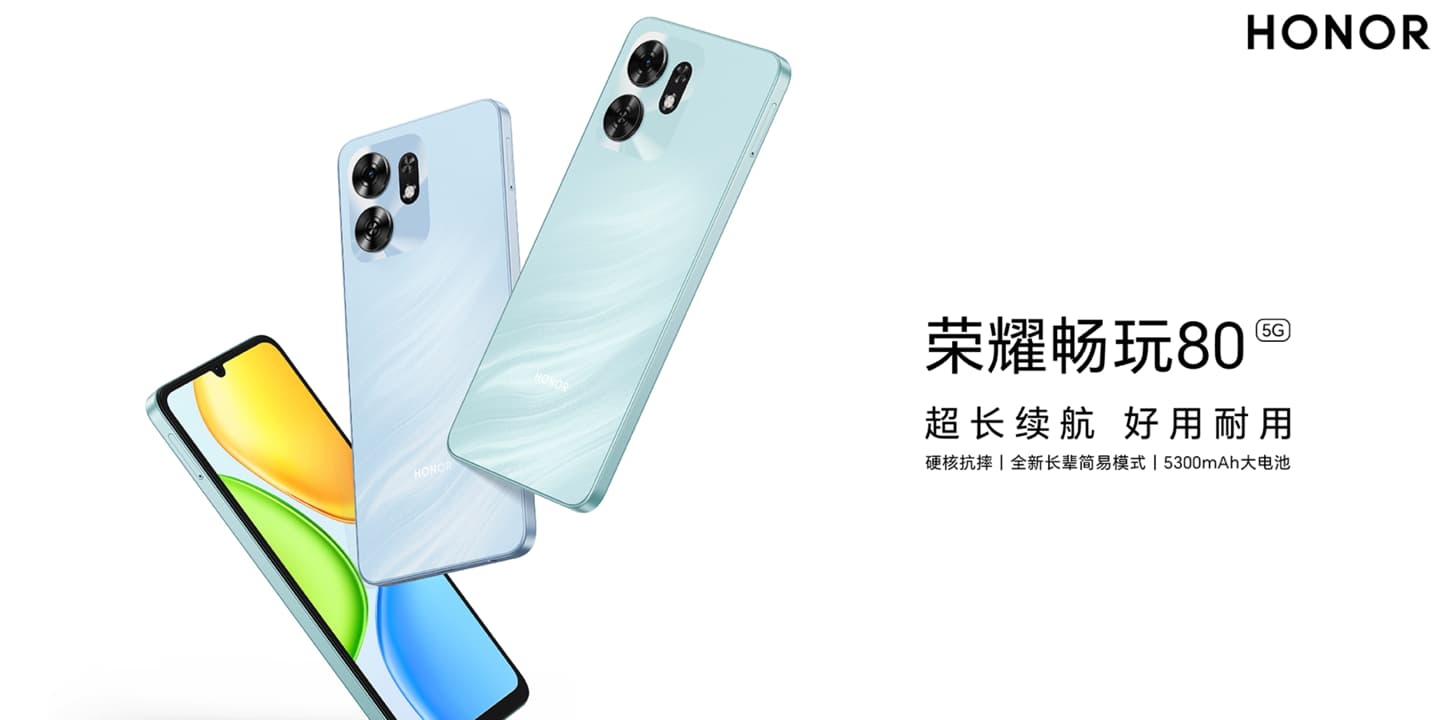
Igeekphone News: Honor has officially expanded its Play 80 lineup with the launch of the standard Honor Play 80 smartphone, bringing a budget-friendly device powered by MediaTek’s Dimensity 6300 processor. Originally introduced earlier in 2026 with only the Pro model available, the standard version has now arrived on JD.com in China with an affordable starting price of around 1,000 yuan.

According to Igeekphone, the Honor Play 80 is positioned as an entry-level 5G smartphone that focuses on long battery life, lightweight design, and practical everyday performance.

Honor Play 80 Pricing and Availability

The Honor Play 80 is currently available through JD.com in China. The phone comes in two memory configurations:

  • 4GB RAM + 128GB storage: 1,049 yuan (launch price: 1,029 yuan)
  • 6GB RAM + 128GB storage: 1,099 yuan

With its low starting price, the Honor Play 80 targets users looking for an affordable smartphone for daily communication, entertainment, and basic multitasking.
Slim and Lightweight Design

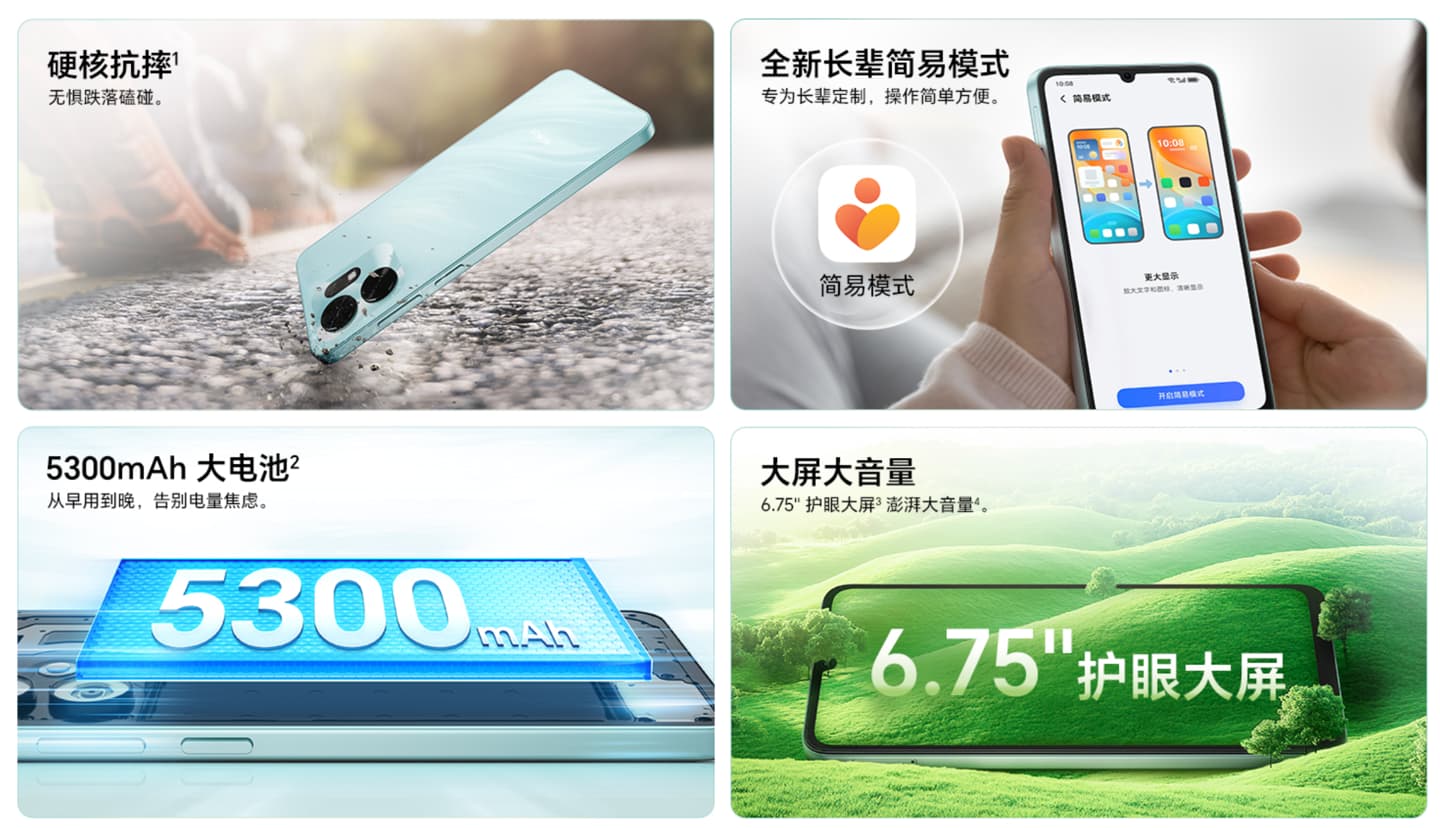
Despite featuring a large battery, the Honor Play 80 maintains a relatively slim and lightweight body.

The smartphone measures:

  • Thickness: 7.89mm
  • Weight: 186g

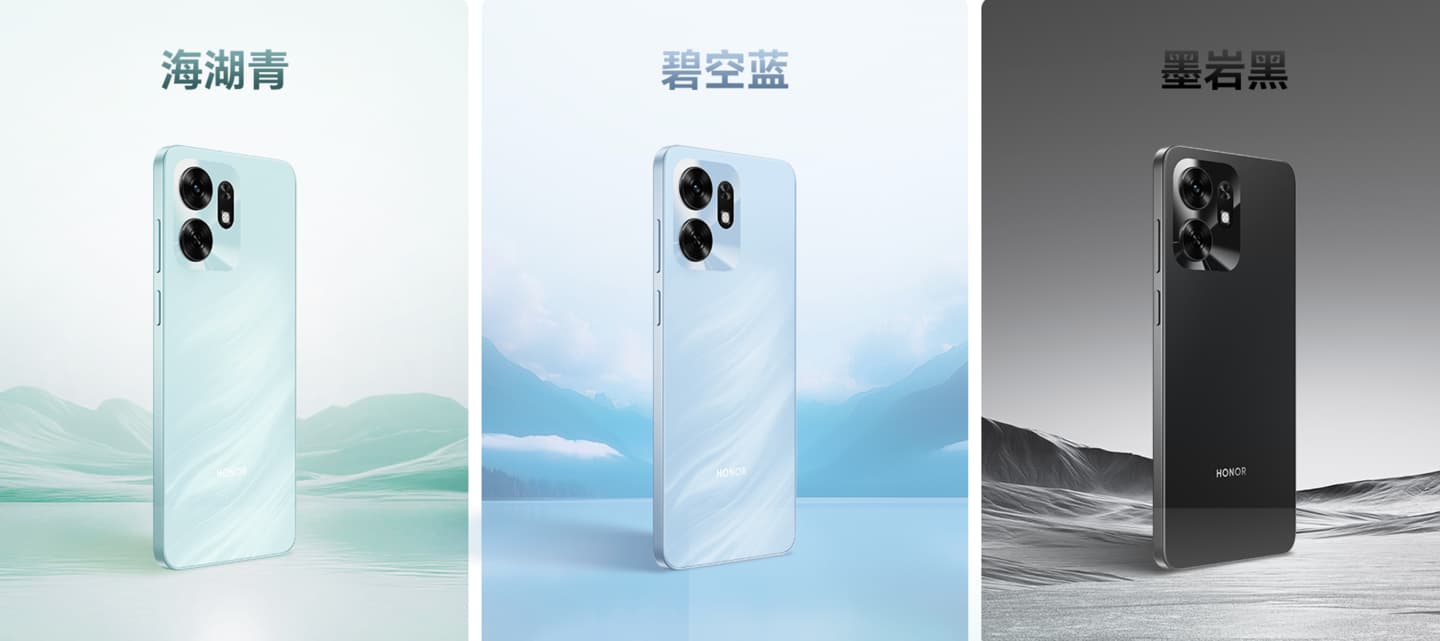
Honor offers the device in three color options:

  • Sky Blue
  • Sea Lake Green
  • Inkstone Black

The lightweight construction makes the phone comfortable for long-term daily use, while the multiple color choices provide a more personalized appearance.

6.75-inch 90Hz LCD Display

The Honor Play 80 features a 6.75-inch LCD display designed for everyday viewing and entertainment.

Display specifications include:

  • Resolution: 1600 × 720 pixels
  • Refresh rate: 90Hz
  • Color gamut: 70% NTSC

The 90Hz refresh rate provides smoother scrolling and improved visual responsiveness compared with traditional 60Hz panels, making the phone feel more fluid during normal usage.

The display is paired with a 5MP front-facing camera housed on the front of the device for selfies and video calls.
MediaTek Dimensity 6300 Processor

At the core of the Honor Play 80 is the MediaTek Dimensity 6300 processor, a 5G chipset designed for affordable smartphones.

The processor delivers:

  • 5G network connectivity
  • Efficient power consumption
  • Smooth daily app performance
  • Improved multitasking capabilities

The phone comes with up to:

  • 6GB RAM
  • 128GB internal storage

For users who need additional space, the device also supports TF card expansion, allowing storage capacity to be increased.

13MP Rear Camera

For photography, the Honor Play 80 features a simple rear camera setup with a:

  • 13MP main camera

The camera system is designed for basic everyday photography, including:

  • Social media photos
  • Document scanning
  • Casual snapshots
  • Family moments

While it does not focus on advanced mobile photography, the camera configuration matches the phone’s affordable positioning.

Large 5,300mAh Battery for Extended Use

Battery life is one of the highlights of the Honor Play 80. The smartphone is equipped with a 5,300mAh battery, offering extended usage for users who prioritize endurance.

The large battery capacity is suitable for:

  • Long video playback sessions
  • Social media browsing
  • Mobile communication
  • Daily productivity tasks

Combined with the power-efficient Dimensity 6300 chipset, the phone is expected to provide reliable battery performance throughout the day.
Additional Features: TF Expansion and 3.5mm Headphone Jack

Unlike many modern smartphones that have removed wired audio support, the Honor Play 80 retains a 3.5mm headphone jack, allowing users to connect traditional wired headphones without adapters.

Other practical features include:

  • TF card storage expansion
  • 5G connectivity
  • Lightweight body design
  • Affordable pricing

These features make the device appealing to users who prefer practicality over premium specifications.

Honor Play 80 Specifications

Feature Details
Display 6.75-inch LCD
Resolution 1600 × 720 pixels
Refresh Rate 90Hz
Processor MediaTek Dimensity 6300
RAM Up to 6GB
Storage 128GB
Rear Camera 13MP
Front Camera 5MP
Battery 5,300mAh
Thickness 7.89mm
Weight 186g
Colors Sky Blue, Sea Lake Green, Inkstone Black
Expansion TF Card Support
Audio 3.5mm Headphone Jack

Honor Play 80: An Affordable 5G Smartphone for Everyday Users

The Honor Play 80 focuses on the essentials that matter most to budget smartphone buyers. With a MediaTek Dimensity 6300 processor, 5,300mAh battery, 90Hz display, lightweight design, and expandable storage, the device provides a balanced package at an accessible price.

Although it does not compete with flagship smartphones in areas such as camera performance or display resolution, the Honor Play 80 offers strong value for users who need a reliable 5G phone for daily tasks.

With its competitive pricing starting near 1,000 yuan, the Honor Play 80 could become an attractive option in the entry-level smartphone market, especially for users prioritizing battery life, affordability, and practical features.

The post Honor Play 80 Goes on Sale in China: MediaTek Dimensity 6300 Chip, 5,300mAh Battery and 90Hz Display appeared first on IGeeKphone China Phone, Tablet PC, VR, RC Drone News, Reviews.

  •  

Apple quickly pulls support document saying Mac users in China could link to Alibaba’s Qwen AI service

Alibaba Qwen AI

Apple has published a (temporary, it turns out) guide showing eligible Mac users in mainland China how to connect Alibaba’s Qwen artificial intelligence service to Siri and the company’s Writing Tools feature.

The update, detailed in a Chinese-language support document, allows users who opt in to leverage Qwen — Alibaba’s family of generative AI models — for more detailed responses through Siri, including analysis of photos and documents. Writing Tools can also draw on the service to generate text or images based on user descriptions.

The feature is available on Macs running macOS 26.6 or later, subject to China-specific conditions. Users must activate the extension and sign in to a Qwen account. According to Apple’s guide, Alibaba is prohibited from using any materials processed through the integration to train or improve its models.

The Mac-focused arrangement comes as Apple seeks to strengthen its position in China’s competitive AI PC market. The company has been losing ground to domestic rivals such as Lenovo and Huawei, which have aggressively promoted locally developed AI capabilities. Mac shipments in mainland China fell 9% year-on-year in the first quarter to about 800,000 units, giving Apple a 9% share of the PC market, according to research firm Omdia. Lenovo held 31% and Huawei 16%.

By integrating Qwen, Apple gains a locally compliant way to deliver advanced document analysis, image handling, and content-creation tools while retaining control of the Mac interface. For Alibaba, the partnership expands Qwen’s reach beyond its own apps and cloud services.

Alibaba has previously stated that Qwen will power Apple Intelligence across iPhone, iPad, Mac, and Vision Pro devices in China. Apple’s now unpublished guide, however, currently covered only Macs. Alibaba this week also released Qwen3.8-Max, a 2.4-trillion-parameter model it describes as its most capable to date, though Apple’s documentation did not specify which Qwen version will be used in the Mac extension.

MacDailyNews Take: Apple briefly published a Chinese-language support guide on its website (around August 8, 2026) explaining how eligible Mac users in mainland China could connect Alibaba’s Qwen AI to Siri and Writing Tools. The document was titled something along the lines of “在Mac上配合Apple智能使用千问” (“Use Qwen with Apple Intelligence on Mac”).

It was removed within about a day (by August 9th). Multiple reports have confirmed the takedown. Apple customer service in China stated that the feature integrating Apple Intelligence with Qwen has not yet been officially launched in mainland China, and they had not received notice of such a release.

In a nutshell, with a support guide clearly ready to go, CCP-sanctioned AI is coming soon to Macs in China.


‎
Please help support MacDailyNews — and enjoy subscriber-only articles, comments, chat, and more — by subscribing to our Substack: macdailynews.substack.com. Thank you!

Support MacDailyNews at no extra cost to you by using this link to shop at Amazon.

The post Apple quickly pulls support document saying Mac users in China could link to Alibaba’s Qwen AI service appeared first on MacDailyNews.

  •  

Apple tests China’s CXMT memory chips for Macs, iPhones, and iPads

CXMT

Apple has been testing memory chips from China’s ChangXin Memory Technologies (CXMT) for use across product lines that include iPhones and MacBooks, according to a Wall Street Journal report citing people familiar with the matter. The move comes as the company grapples with a severe memory-chip shortage intensified by surging demand from the artificial-intelligence boom.

The iPhone maker has held early talks with CXMT about potential supply of components, with the aim of incorporating them into some devices sold in China. Apple is seeking approval from the Trump administration to proceed with any business involving the Chinese chipmaker. Any such deal would be politically sensitive. Some U.S. policymakers worry that collaboration could give CXMT access to American intellectual property.

CXMT ranks as China’s largest chipmaker by market value. The testing reflects broader industry pressure: AI data-center demand has redirected substantial DRAM production capacity toward high-bandwidth memory used in AI accelerators, tightening supplies and driving up prices for the conventional memory chips needed in smartphones, PCs, and other consumer electronics.

Other device makers have already begun limited use of CXMT chips. Laptop producers HP and Acer have started incorporating the Chinese company’s memory into some devices sold outside the United States to ease shortages, the Journal reported.

Apple and CXMT did not immediately respond to requests for comment on the report. The development builds on earlier indications that Apple has been exploring options with Chinese memory suppliers and lobbying U.S. officials for flexibility amid the supply constraints. CXMT has faced scrutiny in Washington, including designation on a Pentagon list of companies with alleged ties to the Chinese military, adding layers of regulatory and political complexity to any potential partnership.

MacDailyNews Take: The situation underscores the tension between immediate commercial needs (securing enough memory to maintain production volumes and manage costs) and longer-term national-security and technology-transfer concerns. It’s a tightrope walk for sure.


‎
Please help support MacDailyNews — and enjoy subscriber-only articles, comments, chat, and more — by subscribing to our Substack: macdailynews.substack.com. Thank you!

Support MacDailyNews at no extra cost to you by using this link to shop at Amazon.

The post Apple tests China’s CXMT memory chips for Macs, iPhones, and iPads appeared first on MacDailyNews.

  •  

Câmaras de drones da Marinha britânica enviavam secretamente dados para a China

As câmaras dos drones de vigilância K3 Scout, usados pelas forças especiais da Marinha britânica, tinham componentes de origem chinesa quem estavam a enviar dados para a China, obrigando o Ministério da Defesa a cortar a ligação à internet dos equipamentos.

The post Câmaras de drones da Marinha britânica enviavam secretamente dados para a China appeared first on Tek Notícias.

  •  

One of China's workhorse rockets just exploded in flight

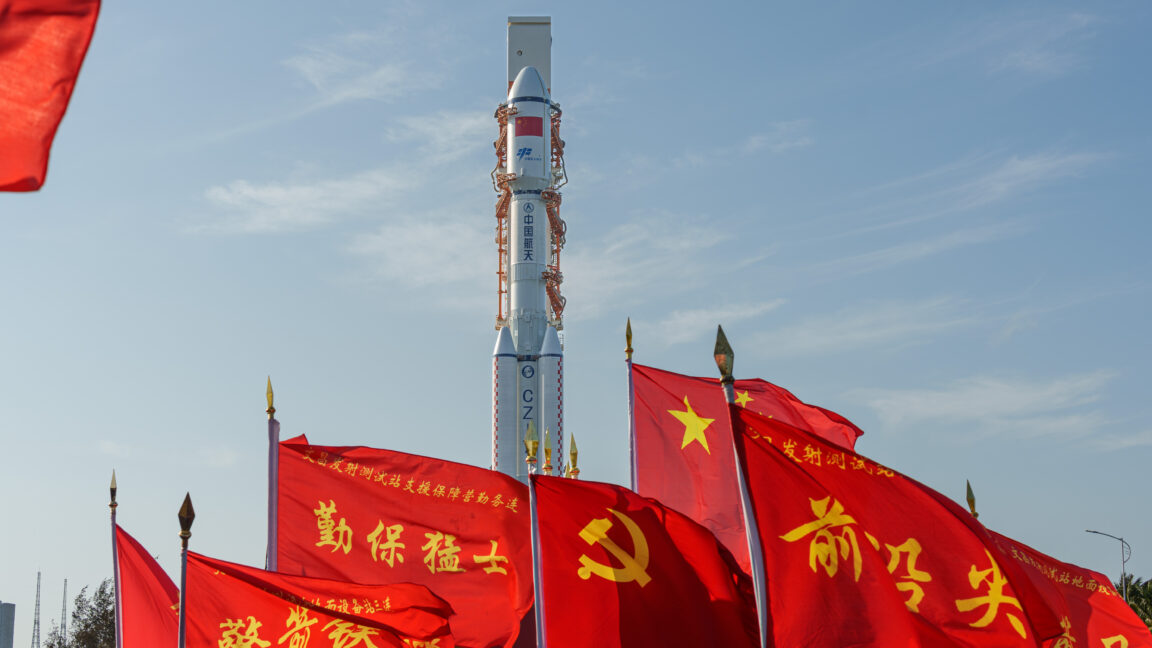
One of China's most used rockets, the Long March 7A, exploded a little more than a minute after lifting off on Monday evening, local time.

The medium-lift rocket's payload was classified, but it was believed to be a military communications satellite. The rocket's liftoff from Wenchang Space Launch Site appeared to be nominal, but publicly captured videos (such as this one) showed that the rocket's first stage exploded about 1 minute and 20 seconds into flight.

The Long March 7A rocket was developed by the China Aerospace Science and Technology Corporation and is operated by the state's space agency. As of Monday night in China, state officials have not commented on the explosion.

Read full article

Comments

© Li Zhenzhou/VCG via Getty Images

  •  

Página oficial dedura integração do Qwen com a Apple Intelligence na China

Conforme visto pela agência Reuters, a Apple publicou uma documentação oficial de suporte ensinando usuários do macOS na China a conectar o Qwen, plataforma de inteligência artificial (IA) proprietária da Alibaba, como uma extensão da Apple Intelligence no país.

Embora ensinasse efetivamente a fazer essa integração (o que indica que não era apenas algo preparatório), a documentação foi retirada do ar pouco tempo depois — o que nos leva a entender que ela foi, no mínimo, lançada em cima da hora ou antes do período previsto pela empresa.

O guia atualizado em chinês da Apple diz que os usuários que optam por participar podem usar o Qwen via Siri para obter respostas mais detalhadas a algumas solicitações, incluindo análise de fotos e documentos. As Ferramentas de Escrita também podem se basear no serviço para criar texto ou imagens a partir de uma descrição.

A possibilidade de usar o Qwen estaria disponível para usuários elegíveis com o macOS Tahoe 26.6 ou posterior. Eles devem se sujeitar a condições específicas para o mercado chinês e fazer login na plataforma — que não pode usar os materiais gerados para treinar seus modelos.

Segundo a Alibaba, que poderá usar a integração com os softwares da Apple para aumentar o alcance do Qwen, a plataforma será incorporada à Apple Intelligence também em iPhones, iPads e Vision Pros — embora ainda não se saiba qual modelo alimentará essa integração.

Por outro lado, a Maçã, que já conseguiu registrar o uso da sua IA junto a órgãos reguladores da China, afirma que a Apple Intelligence com o Qwen ainda não foi lançada na China — embora tudo nos leve a crer que esse lançamento é mais do que iminente.

via AppleInsider

  •  

ByteDance trains massive AI model in bid to rival Anthropic

ByteDance is training an AI model that could approach the size of Anthropic’s most cutting-edge Mythos system, as Chinese companies continue to narrow the gap with the top US labs.

The Chinese tech giant is at an early stage of training a model with as many as 10 trillion parameters—three times larger than Moonshot’s Kimi K3, the biggest Chinese model released to date, according to three people with knowledge of the matter.

The ByteDance model is being pre-trained—a stage that typically takes three to six months—before it is fine-tuned and released if all goes well, one of the people said. The exact model size would only be determined at a later stage.

Read full article

Comments

© Ore Huiying/Bloomberg

  •  

iQOO 15 Ultra mantém a liderança no ranking de smartphones Android mais poderosos de julho

Sem grandes "trocas de cadeiras", o mais recente ranking da AnTuTu, dedicado aos smartphones Android mais poderosos de julho, continua a ser liderado pelo iQOO 15 Ultra, numa lista dominada por modelos equipados com o processador Snapdragon 8 Elite Gen 5.

The post iQOO 15 Ultra mantém a liderança no ranking de smartphones Android mais poderosos de julho appeared first on Tek Notícias.

  •  

China’s Unitree Prices IPO in Bet Investors Are Ready for Humanoid Robots

Unitree Robotics wants to raise about $900 million in an I.P.O. that tests market interest in humanoid robots, a technology that wows but has yet to prove its viability.
  •  
❌