 Login

3 Ex-Georgia Deputies Used Flock Cameras to Stalk People, Sheriff Says
The former Bibb County deputies were arrested this week amid a growing national debate over Flock cameras, which can be found on roads in every state but Alaska.

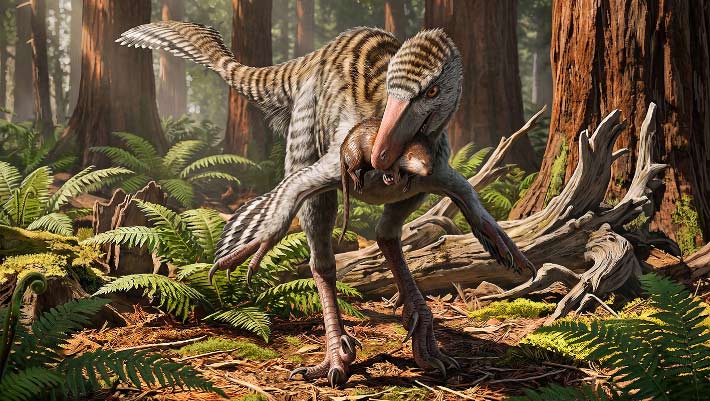
Paleontologists have described a new genus of small, bird-like dinosaur that lived in what is now New Mexico approximately 73 million years ago.
The post New Troodontid Dinosaur Genus Identified from Fossil Bone Found Decades Ago in New Mexico appeared first on Sci.News: Breaking Science News.

© The New York Times
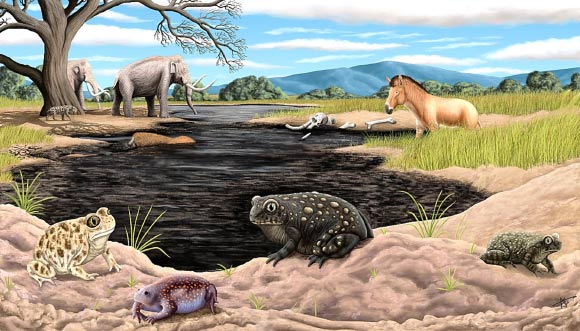
Paleontologists studying the La Brea Tar Pits, one of the world’s richest Ice Age fossil sites, have identified a previously unknown species of spadefoot toad that lived in what is now California during the latest Ice Age.
The post La Brea Tar Pits Yield New Species of Ice Age Toad appeared first on Sci.News: Breaking Science News.
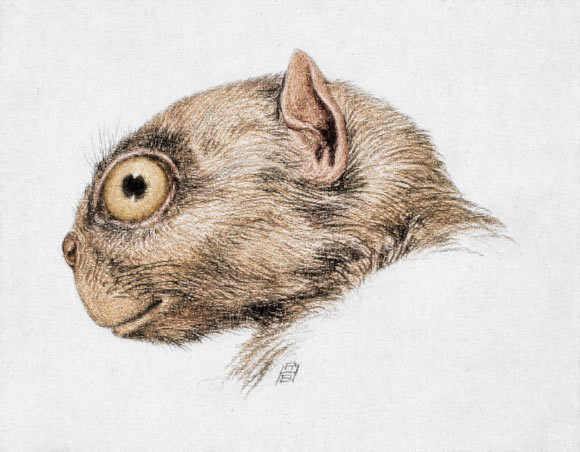
Paleontologists working in southern Wyoming have identified a previously unknown species of omomyid primate, adding a new chapter to the story of one of the best-studied fossil lineages in North America.
The post Tiny New Primate Species Emerges from 50-Million-Year-Old Wyoming Sandstone appeared first on Sci.News: Breaking Science News.

© Patrick Junker for The New York Times

© Poppy Lynch for The New York Times

© The New York Times

© Melanie Moser/CDC, via Associated Press

© Michael Hickey/Getty Images
As smoke from hundreds of burning wildfires spread across Canada and the United States, the first three operational satellites in the Google-backed FireSat program successfully launched into orbit. The satellites will begin providing wildfire detection capable of spotting even small fires in the United States, Australia, and Europe before the end of the year.
The launch of the microsatellites aboard a SpaceX Falcon 9 rocket from Vandenberg Space Force Base in California on July 7, 2026 marks a transition to “initial operational capability” for the FireSat constellation managed by the nonprofit Earth Fire Alliance. After a three-month testing period, the three satellites will begin actively providing data to fire agencies while covering every fire-prone region on Earth at least twice per day.
FireSat represents the first satellite constellation purpose-built for detecting wildfires, including spotting smaller fires that other satellites may miss. The satellites were designed by California-based satellite manufacturer Muon Space and have received over $15 million from Google to support initial deployment. Other notable financial supporters include the Bezos Earth Fund that committed $26 million.

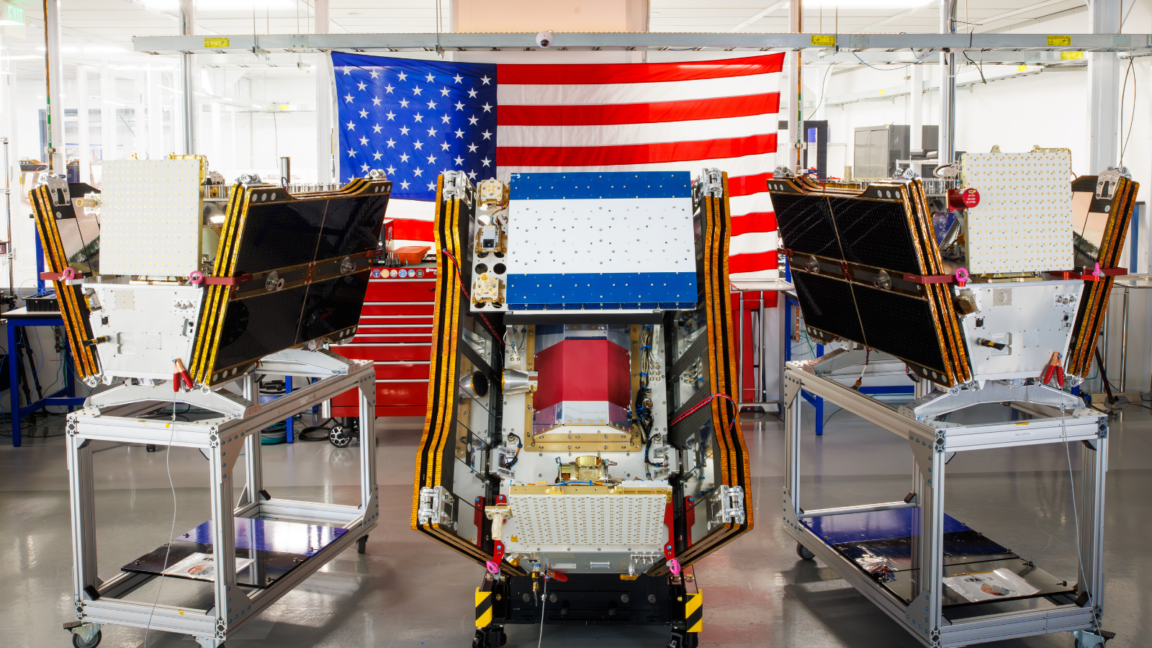
© Muon Space
