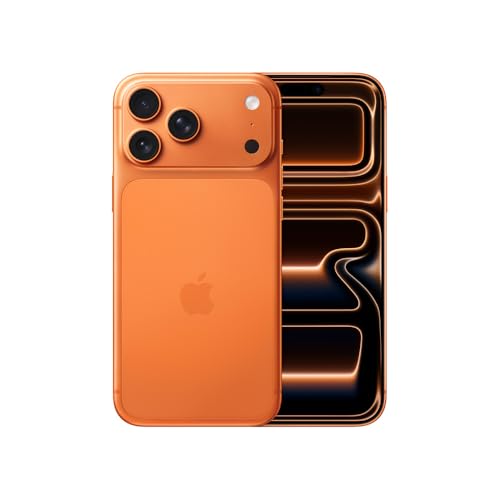
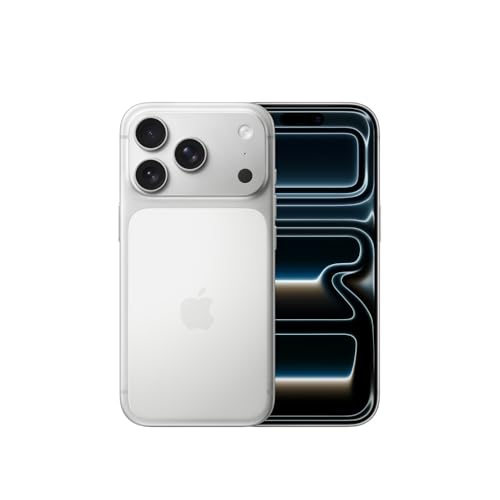
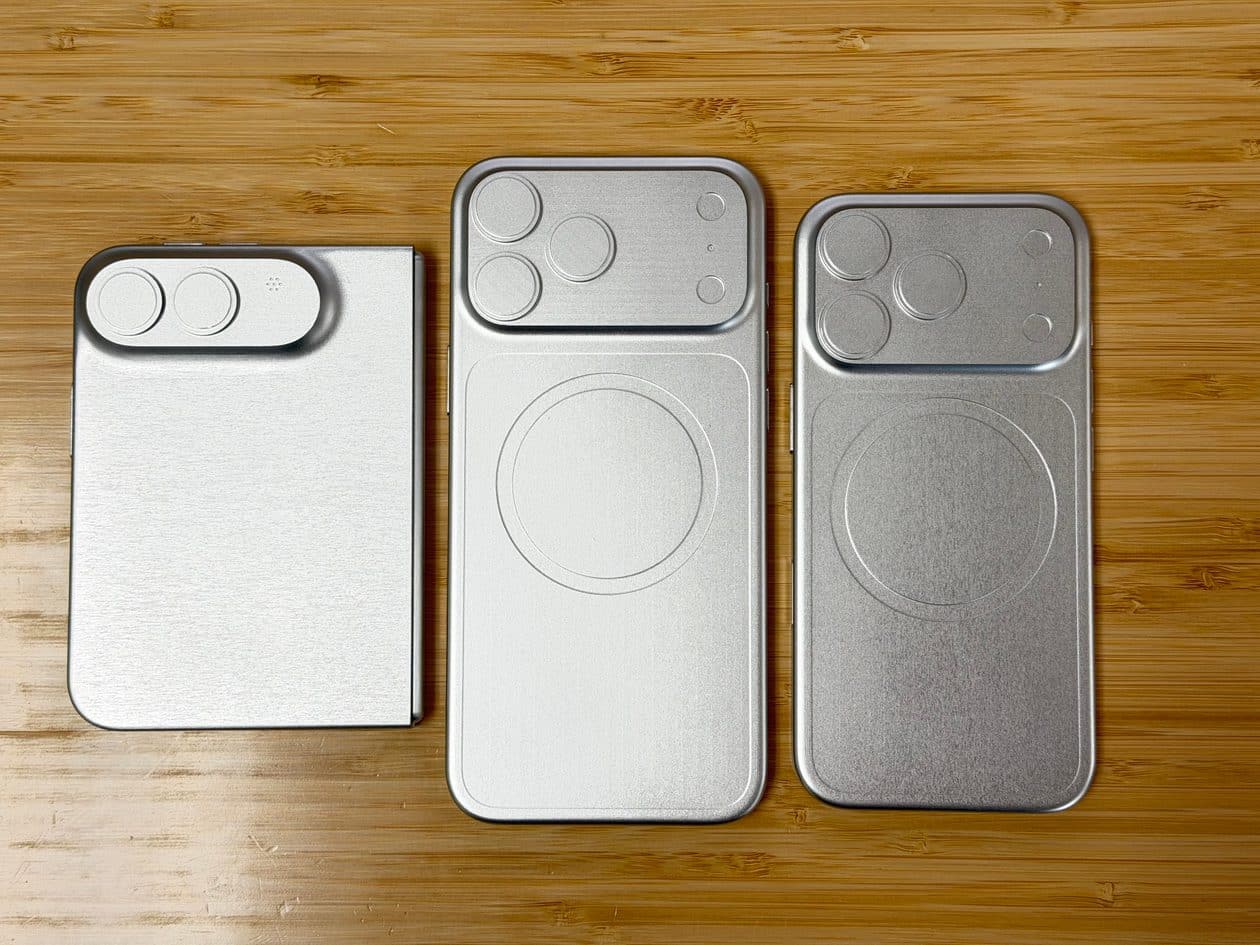
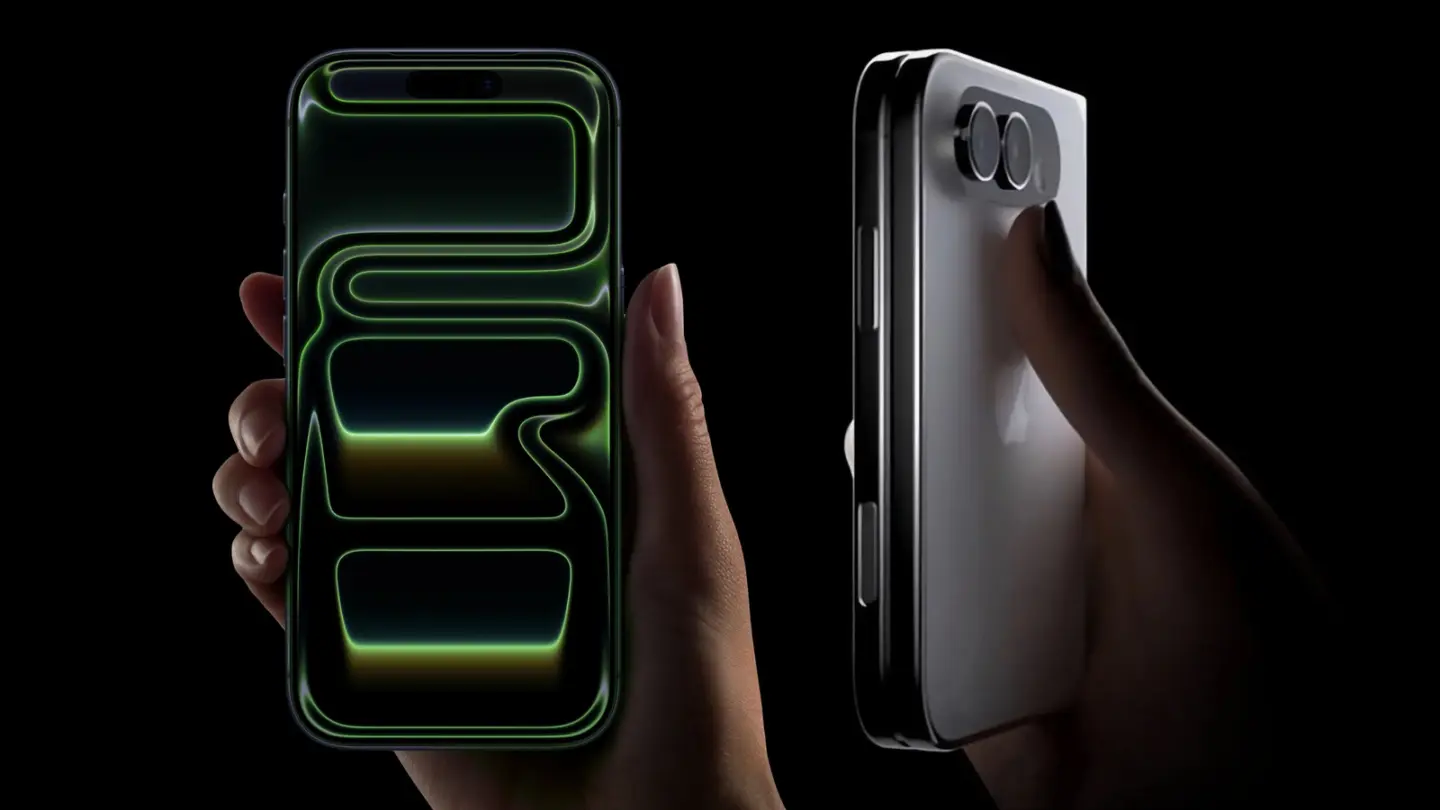
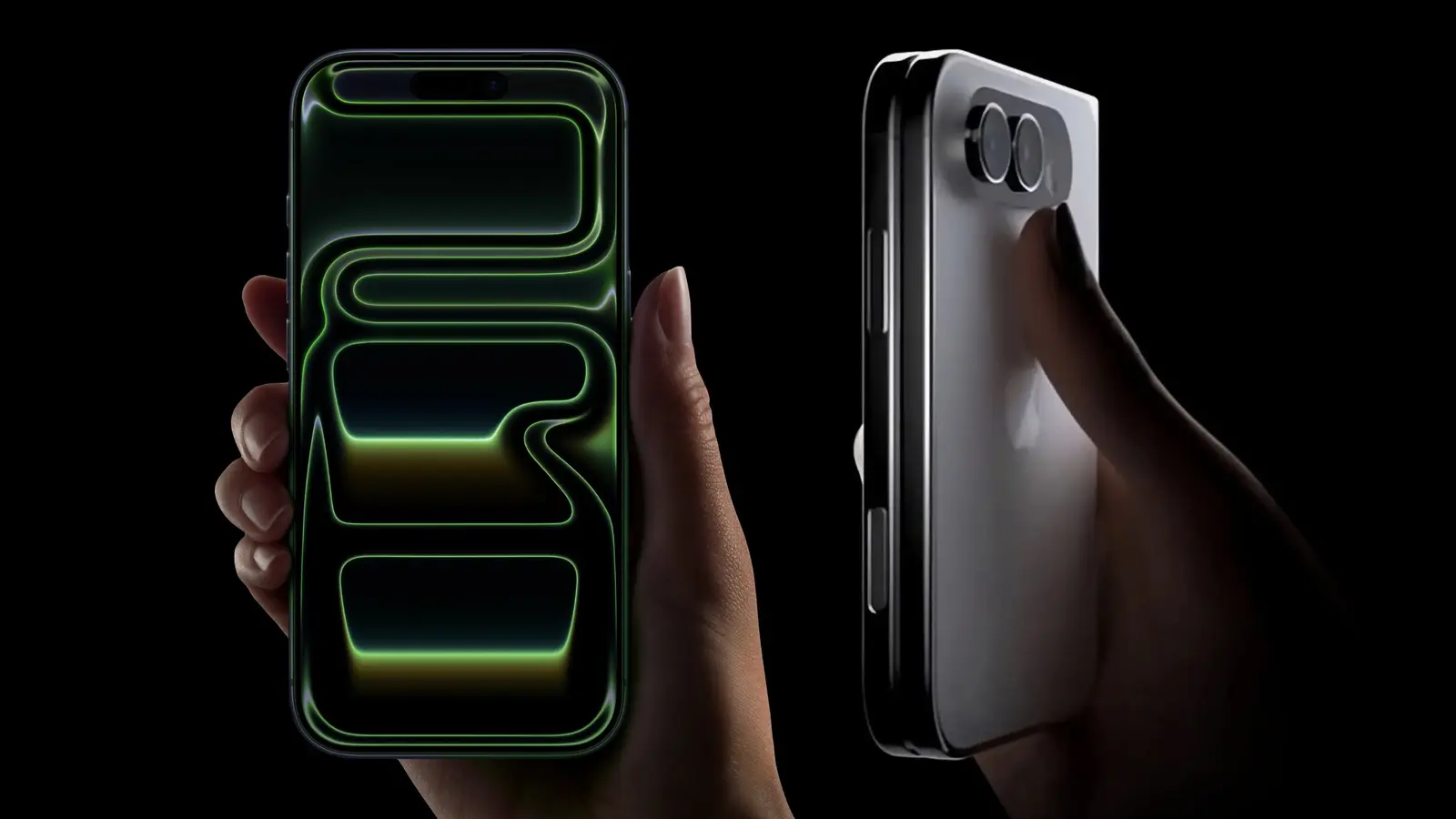
O leaker conhecido como Ice Universe [@UniverseIce] publicou ontem no X imagens do que seriam películas para a tela externa do “iPhone Ultra”, o vindouro primeiro smartphone dobrável da Apple.
Como é possível notar, as imagens trazem duas variações do acessório: uma versão completamente transparente e outra com aquele efeito que limita os ângulos de visualização do display para uma maior privacidade.
This is the screen protector for the iPhone Ultra. You can see, the iPhone Ultra actually has an irregular screen with one side square and the other round. Oh my God, can you even handle that? pic.twitter.com/qpQHZHiqcD
Esta é a película protetora para a tela do “iPhone Ultra”. Como você pode ver, a tela do “iPhone Ultra” tem um formato irregular, com um lado quadrado e o outro redondo. Meu Deus, dá para acreditar?
O detalhe mais importante aqui, no entanto, é o formato das películas, que conta com cantos retos em um lado e arredondados no outro, dando a entender que o foldable da Maçã terá um design assimétrico.
Em uma outra postagem, desta vez com um vídeo da suposta película, no entanto, Ice Universe disse acreditar que isso se trata de um mal-entendido. Para ele, o mais provável é que a tela do “iPhone Ultra” tenha, sim, cantos arredondados em todas as extremidades, já que a película segue o formato do painel de vidro — e ele não precisa ter necessariamente o formato do display em si, já que se trata de componentes diferentes.
I'm sure this is just a misunderstanding – the protective film covers the entire glass panel, not exactly the same as the actual screen display area. The iPhone Ultra screen itself is still a symmetrical rounded rectangle. pic.twitter.com/Iwu52050uw
Tenho certeza de que isso é apenas um mal-entendido: a película protetora cobre todo o painel de vidro, e não exatamente a mesma área da tela. A tela do “iPhone Ultra” continua sendo um retângulo simétrico com cantos arredondados.
O vídeo compartilhado pelo leaker até mostra um mockup do dispositivo com uma tela assimétrica, mas é bem possível que seu criador tenha seguido esse caminho simplesmente por não saber como o smartphone realmente se parecerá.
De qualquer forma, não deverá demorar muito para que essa dúvida seja sanada, uma vez que os rumores são de que a Apple anunciará o “iPhone Ultra” no comecinho de setembro. Ansiosos? 🙂
A Apple disponibilizou ontem a quinta versão beta dos sistemas 27 e, no caso do iOS, além de trazer novidades como novos ícones para apps nativos e mais opções de personalização de voz para a Siri, a última atualização fez menção à linha de iPhones que deverá ser lançada entre o final deste ano e o início do ano que vem, composta pelos modelos “18 Pro”, “18 Pro Max”, “Ultra”, “18”, “18e” e “Air 2”.
As referências foram encontradas pela Macworld em arquivos do sistema relacionados aos drivers de bateria do iPhone, limitando-se à exibição dos codinomes desses aparelhos. Nenhuma outra informação sobre esses dispositivos foi localizada.
A lista dos seis codinomes internos inclui:
V62: “iPhone Air 2”
V63: “iPhone 18 Pro”
V64: “iPhone 18 Pro Max”
V67: “iPhone 18”
V68: “iPhone Ultra”
V69: “iPhone 18e”
Algo semelhante ocorreu com o “iPhone Ultra” na quarta versão beta do novo iOS, cujo código incluía referências a um aparelho com múltiplas baterias — algo inexistente hoje e fortemente especulado no caso do primeiro dobrável da Apple.
Em um feito inédito, o tradicional evento de setembro destinado ao anúncio de novos iPhones — cujos preparativos já começaram — poderá dividir os lançamentos da linha “iPhone 18”, restringindo-se inicialmente aos modelos premium, como o “Ultra”, o “18 Pro” e o “18 Pro Max”, enquanto os demais aparelhos ficarão para o início do ano que vem.
iPhone 17 Pro Max
Cores: prateado, laranja-cósmico ou azul-intenso Armazenamento: 256GB, 512GB, 1TB ou 2TB
NOTA DE TRANSPARÊNCIA: O MacMagazine recebe uma pequena comissão sobre vendas concluídas por meio de links deste post, mas você, como consumidor, não paga nada mais pelos produtos/serviços usando os nossos links de afiliado.
CAD renders revealed in March show Apple’s rumored foldable iPhone design
Apple is intensifying preparations for its annual September product launch event while incoming CEO John Ternus assembles his leadership team and new details emerge about a discarded element of the company’s recently launched device-leasing program called “Apple Upgrade.”
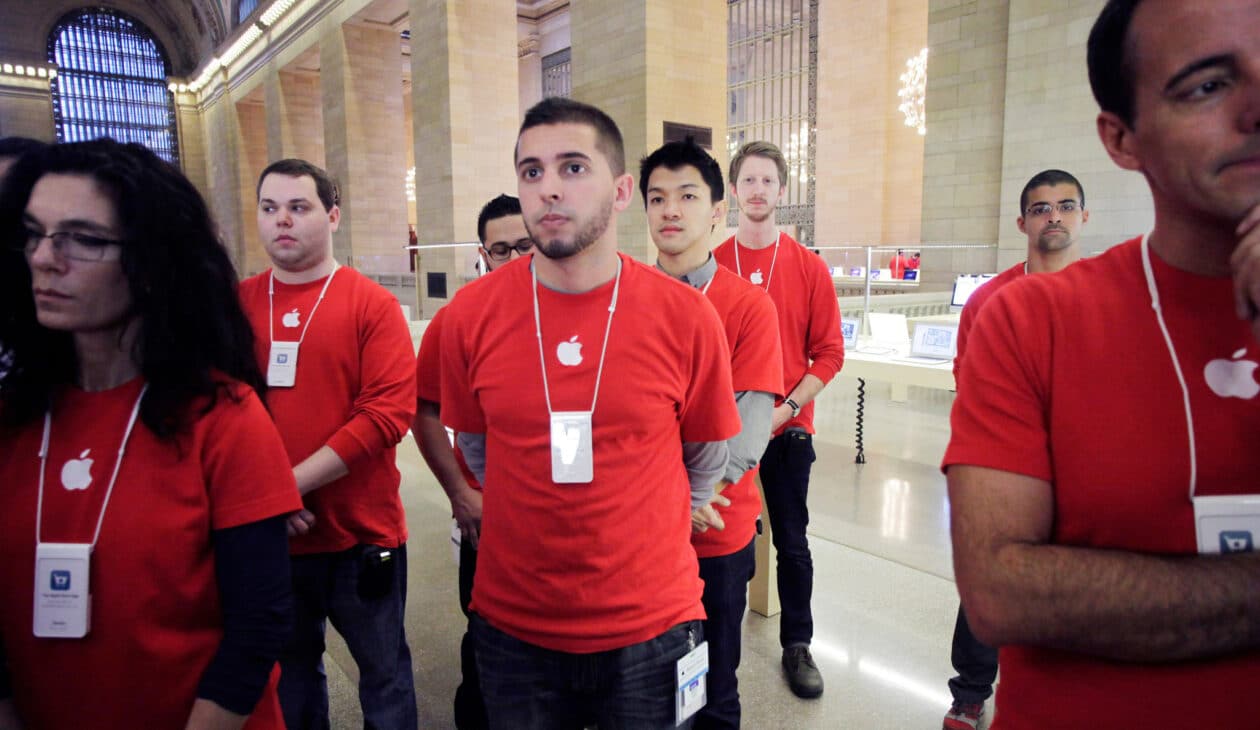
The company is readying for what is described as its biggest event of the year, expected in the first half of September. Retail employees in the U.S. are participating in a lottery for roles supporting the in-person media gathering at Apple Park, including organizing lines, checking in guests, providing directions, greeting attendees, and assisting security. The event is widely anticipated to feature the latest iPhone models, including Pro variants and Apple’s first foldable iPhone, among other hardware.
At the same time, John Ternus is preparing to assume the CEO role on September 1, succeeding Tim Cook, who will become executive chairman. As part of early management moves, Bloomberg News‘ Mark Gurman reports, Ternus has brought back Laura Legros, a former vice president of hardware engineering who retired in 2022. Legros previously worked under Ternus and will return as a vice president reporting directly to him. In the new role, she is expected to work cross-functionally, helping coordinate product delivery, development schedules, and alignment across engineering teams — serving as a bridge between different parts of the organization. The hire marks a rare instance of Apple recalling a retired executive and reflects Ternus beginning to put his stamp on the leadership ranks ahead of the transition.
Separately, fresh details have emerged about a scrapped “white-glove” concept for Apple Upgrade, the leasing program that launched in late July and replaced the prior iPhone Upgrade Program and standard financing options. Apple had considered shipping replacement devices already preloaded with a customer’s data and settings restored from an iCloud backup, so the new hardware would arrive ready to use. The technical challenges were not the primary barrier. Instead, privacy and security concerns — along with the optics of the company accessing and restoring personal backups onto devices in its facilities — led the company to abandon the idea. The launched version of Apple Upgrade does not include any such pre-setup feature.
These developments underscore Apple’s focus on a high-stakes product cycle and organizational shifts as Ternus prepares to lead the company into its next phase.
MacDailyNews Take: We’re glad that Apple Upgrade feature was scrapped! Now, we hope for Ternus’ sake that there are enough people left at Apple who remember how the company ran under Steve Jobs so that the company can quickly get back into that mindset. Churning out iterations of Jobs era products for fifteen years fueled a lot of brain drain and Cook era sclerotic thinking at the company over the last decade and a half. Fingers crossed!
Please help support MacDailyNews — and enjoy subscriber-only articles, comments, chat, and more — by subscribing to our Substack: macdailynews.substack.com. Thank you!
A Caviar publicou algumas páginas com alegados detalhes internos sobre os futuros iPhone 18 Pro, iPhone 18 Pro Max e o dobrável iPhone Ultra, incluindo características técnicas detalhadas e a data de apresentação, que coincidem com uma boa parte dos rumores já conhecidos.
Le Samsung Galaxy S24 Ultra n'a rien perdu de son aura. Écran XXL, capteur photo de 200 Mpx, Galaxy AI et S Pen : un smartphone haut de gamme qui continue de faire tourner les têtes des amateurs de technologie.
O analista Edison Lee, da firma de investimentos Jefferies, jogou hoje um balde de água fria sobre as expectativas de um modelo comemorativo do “iPhone 20”, citando o cancelamento do projeto desse dispositivo.
Conforme repercutido pelo Barron’s, Lee indica que o projeto foi cancelado devido ao “baixo rendimento de produção”. Não é possível afirmar, porém, se o analista acredita que o especulado redesenho foi cancelado ou apenas alguns aspectos dele.
Embora a Jefferies já tenha considerado plausível o lançamento de um iPhone feito inteiramente de vidro, Lee acredita que o desenvolvimento foi interrompido. Segundo o analista, verificações na cadeia de suprimentos sugerem que o projeto foi cancelado devido ao baixo rendimento de produção.
Fato é que, devido a essa previsão, a Jefferies rebaixou a recomendação das ações da Apple [$AAPL] de “manutenção” para um possível “desempenho abaixo da média”. Isso porque o modelo comemorativo deveria contribuir para uma maior participação das variantes Pro e Pro Max nas vendas, que oferecem margens de lucro maiores.
O analista cita, ainda, indícios de que o próspero iPhone dobrável — o “iPhone Ultra” — terá um preço mais elevado do que o esperado, de modo que ele poderá ser a única alavanca para a Apple aumentar seus preços médios de venda e suas margens de lucro.
No entanto, devido aos custos mais elevados de componentes de memória, a empresa prevê que o preço inicial do futuro modelo dobrável será de US$2.100, chegando a US$3.100 para a versão com 2TB de armazenamento.
Ainda em termos de memória, a firma de investimento também aponta para um aumento da memória DRAM 1Dynamic random access memory, ou memória dinâmica de acesso aleatório. exclusivamente no “iPhone 19 Pro Max”, que deverá ter 16GB — o que, segundo a análise, sinaliza um progresso no desenvolvimento da Apple Intelligence. Contudo, caso os preços das memórias continuem subindo até 2027, a empresa afirma que a Apple poderá descartar totalmente essa atualização.
De acordo com Mark Gurman, a Apple já planeja pelo menos três gerações para os seus iPhones dobráveis, estreando a sua resposta ao segmento com o anúncio do “iPhone Ultra”, previsto para ocorrer no mês que vem.
Um diferencial para as próximas gerações dos celulares dobráveis da Apple já colocado em pauta pelo jornalista da Bloomberg na edição mais recente da sua newsletter “Power On” é o aumento no tamanho das telas — tanto a interna quanto a externa, que deverão contar inicialmente com dimensões de 7,8 e 5,5 polegadas, respectivamente, segundo os rumores —, embora não tenha ficado claro se as mudanças ocorrerão na segunda ou na terceira versão do “Ultra”.
Imagem: fpt.
Cotado para ser lançado ainda este ano, o aparelho que marcará a estreia da Apple no mercado dos smartphones dobráveis e deverá contar com o chip “A20 Pro”, o modem “C2”, a volta do Touch ID (que deverá ser posicionado na lateral do aparelho, no botão liga/desliga) e um preço inicial cujas especulações flutuam entre US$2.000 e US$2.500.
Na avaliação de Gurman, o dobrável marcará a primeira mudança de design revolucionária dos iPhones, que passou por pequenas mudanças visuais ao longo dos anos, mas manteve essencialmente o mesmo formato desde 2007.
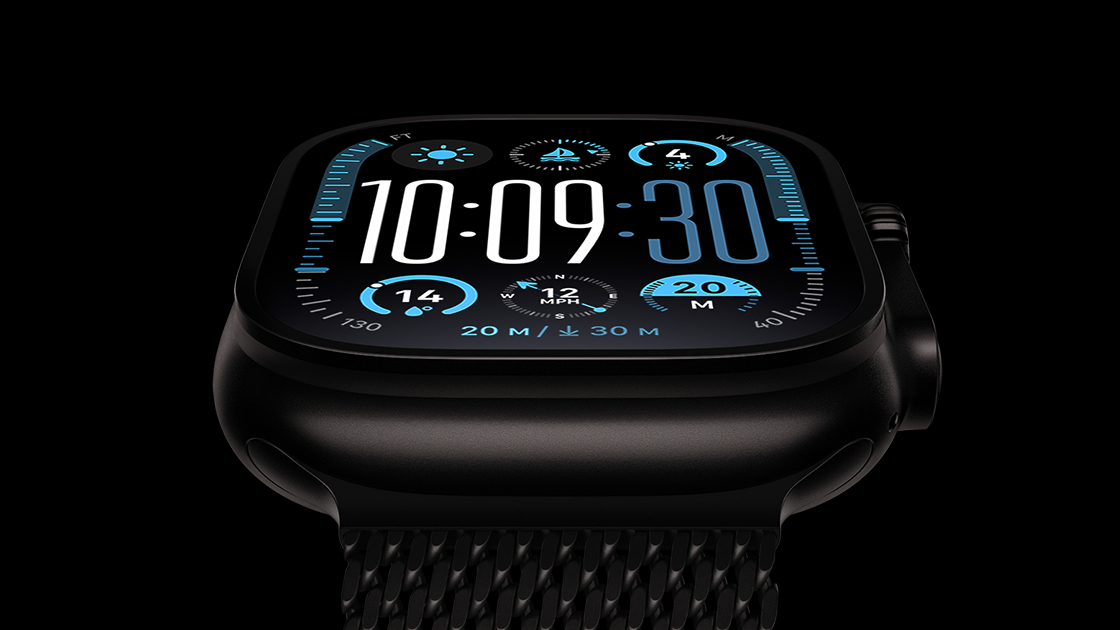
Em sua tradicional newsletter “Power On”, o jornalista Mark Gurman (da Bloomberg) tratou dos planos da Maçã para futuro do Apple Watch. A linha poderá passar por reformulações em seu formato, expandindo a variedade de modelos ofertados — mas essa mudança não estaria no horizonte de curto prazo.
Ainda que o bem-estar seja um pilar basilar do segmento de vestíveis (tanto por parte da Apple quanto na concorrência), a equipe de design industrial da empresa trabalha em novos produtos que funcionem como a resposta da Maçã à expansão da gama de dispositivos vestíveis disponíveis no mercado, sejam os anéis inteligentes ou as pulseiras sem tela.
Gurman salientou, no entanto, que essas mudanças poderão “levar tempo” para chegar ao consumidor final, e que atualizações modestas deverão definir o tom da linha durante pelo menos os próximos dois anos; ele reiterou ainda que a Apple planeja reintroduzir o acabamento em cerâmica — ou agora em setembro, com o “Apple Watch Series 12” e o “Ultra 4”, ou com os modelos que deverão ser apresentados no ano que vem —, além de apresentar melhorias significativas de performance.
Quem lidera a frente de ampliação dos vestíveis da Apple é Eddy Cue, que assumiu o comando do setor de saúde no ano passado. O executivo parece estar atento às iniciativas de empresas como a WHOOP ou a Oura, que redefiniram a relação dos wearables com a integração de recursos de inteligência artificial (IA) — o que, dada a expansão da IA no ecossistema da Maçã, poderá ser um caminho para os diferenciais em termos de software.
Os planos para o futuro, de acordo com o jornalista, envolvem variações de wearables sem telas, que deverão ser ainda mais acessíveis do que o Apple Watch SE, além de variantes que extrapolam a linha Ultra e Hermès. Gurman mencionou que, embora acredite que a hipótese nunca se transformará em um lançamento real, a Apple cogitou ainda a implementação de telas redondas.
Ao fazer um breve passeio pela trajetória do Apple Watch, ele destacou que as suas evoluções, assim como as do iPhone, partiram (e seguem partindo) de mudanças incrementais, sem romper com o formato do relógio apresentado por Tim Cook em 2014. Ao traçar um paralelo com a trajetória dos iPhones, a ampliação dos formatos do Apple Watch lembra a expectativa de que o “iPhone Ultra” redefina o paradigma de formato dos celulares da Maçã.
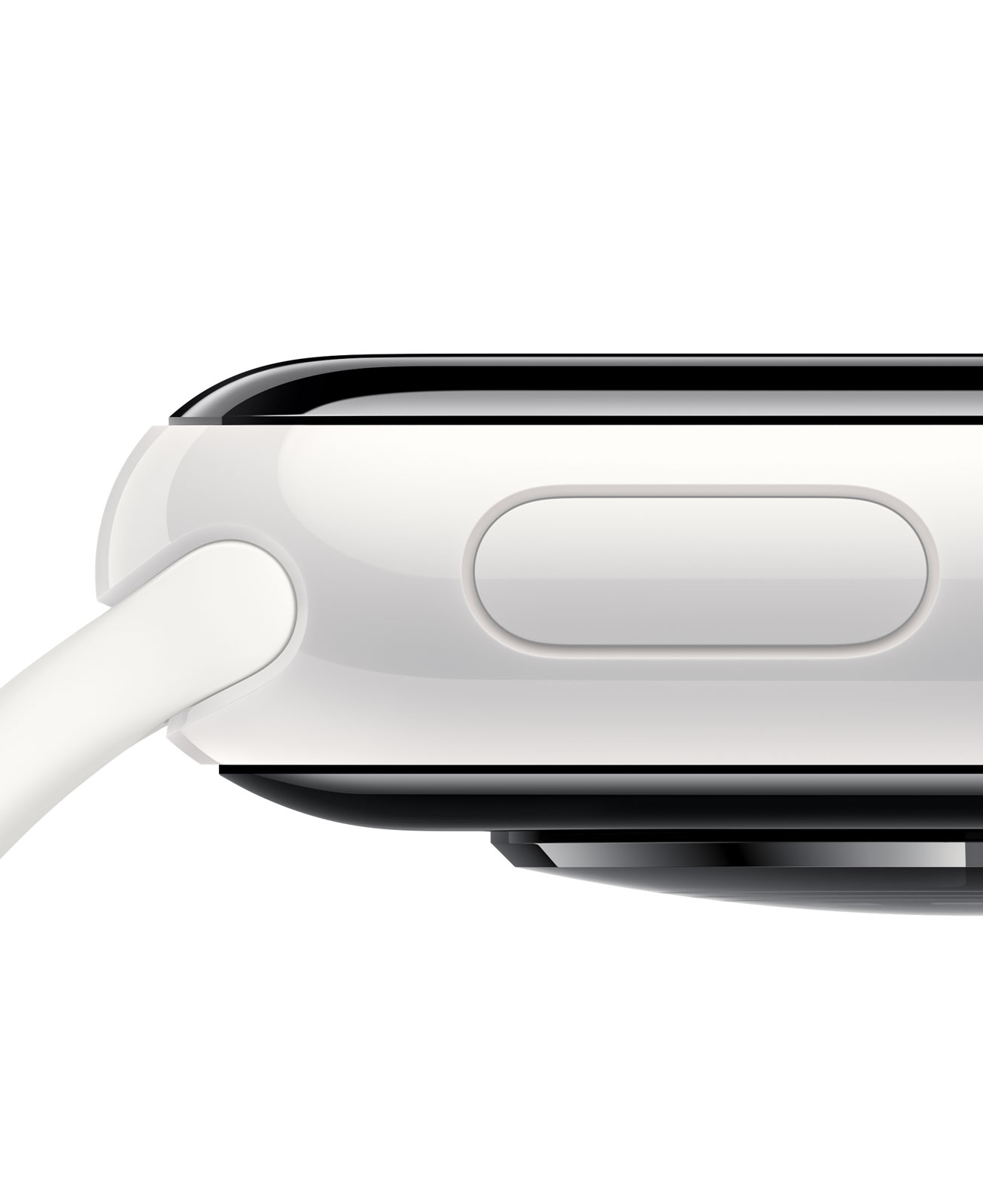
Apple Watch Ultra 3
Cores: natural ou preto Pulseiras: loop Alpina, loop Trail, Oceano ou estilo milanês de titânio
Material: alumínio ou titânio Cores: cinza-espacial, prateado, ouro rosa, preto brilhante, natural, dourado ou ardósia Tamanho: 42mm ou 46mm Conectividade: GPS ou GPS + Cellular Pulseiras: esportiva ou estilo milanês
NOTA DE TRANSPARÊNCIA: O MacMagazine recebe uma pequena comissão sobre vendas concluídas por meio de links deste post, mas você, como consumidor, não paga nada mais pelos produtos/serviços usando os nossos links de afiliado.
No último fim de semana, o leakerSonny Dickson compartilhou no X fotos de protetores de lentes de câmera — acessórios de terceiros — feitos para o “iPhone Ultra” (ou “iPhone Fold”), revelando aparentemente duas das cores planejadas para o dispositivo: prata e azul-escuro.
Vale lembrar que se trata de acessórios de fabricantes terceirizados, criados a partir de informações vazadas da cadeia de suprimentos da Apple, e não de peças oficiais. Ainda assim, Dickson tem histórico consistente de acertos em vazamentos desse tipo.
These iPhone Fold camera protectors give us a look at two of the colors planned for the device: silver and dark blue. pic.twitter.com/KMaMu4JyZE
As imagens reforçam um relato de abril, que já apontava um modelo clássico em prata/branco e uma opção em azul-índigo semelhante ao tom azul profundo do iPhone 17 Pro.
O esquema de cores mais contido do “iPhone Ultra” contrasta com o que se espera da linha “iPhone 18 Pro”, que segundo rumores deverá ganhar um novo tom cereja-escuro e uma opção azul-clara, além do prata — depois que a possibilidade de uma versão preta parece ter sido descartada.
As fotos dos acessórios também deixam claro o desenho da plataforma de câmeras na parte traseira do dobrável, com duas lentes dispostas horizontalmente, um flash em formato de pílula e um scanner LiDAR, características já amplamente especuladas para o modelo.
O “iPhone Ultra” é esperado para ser anunciado ao lado do “iPhone 18 Pro” e do “iPhone 18 Pro Max”, no próximo mês.
Apple is already making plans for its third-generation foldable iPhone, with launch expected as early as 2028, according to Bloomberg's Mark Gurman.
Writing in his latest "Power On" newsletter, Gurman said the first foldable iPhone is about to get what he called the device's first "truly revolutionary design change" this year, and that Apple already has a roadmap extending two generations beyond it. A second-generation model is planned for 2027, Gurman says, with a third version following as early as 2028.
The third-generation foldable will apparently feature slightly larger displays on both the inside and the outside compared to its predecessors, though he did not provide specific screen sizes. The first foldable iPhone is expected to launch with a 7.8-inch inner display and a 5.5-inch cover display, so any increase would build on those dimensions. This is the first report to lay out plans for a third-generation model, extending Apple's foldable roadmap a year beyond where it previously stood.
The first foldable iPhone is expected to arrive this year with an ultra-thin design, Touch ID instead of Face ID, the A20 chip, C2 modem, and the moniker "iPhone Ultra," at a price around or above $2,000. The second-generation foldable, meanwhile, is reported to have already received the go-ahead for development, according to the Weibo leaker known as "Digital Chat Station," who said the "iPhone Ultra 2" project has been formally approved and will likely reuse the first-generation model's display. That model is expected to launch in fall 2027 alongside the 20th-anniversary iPhone.
Apple is re-evaluating the Apple Watch lineup and considering a host of radical new designs, according to Bloomberg's Mark Gurman.
In today's edition of his "Power On" newsletter, Gurman compared plans for the Apple Watch's evolution to the "revolutionary design change" that the foldable iPhone represents. It will be "something that transforms the product for a new era." Apple's industrial design team has reportedly been "exploring a broader rethink of its smartwatches" for some time, with several directions under evaluation.
The company is apparently taking the resurgence of fitness bands without screens and smart rings seriously. As a result, the company is considering new Apple Watch-style devices with no display, as well as new Apple Watches with different types of screen and various new sizes.
Apple has also contemplated giving the Apple Watch a round display, but Gurman cautioned that such a device is unlikely to be released. The company has also considered introducing new premium variants designed to sit above the Ultra and Hermès models, alongside even more affordable options in addition to the Apple Watch SE.
The company has not yet settled on a direction for the product line, but it is said to be "determined to reinvent the lineup in response to growing competition." It also plans to make its wearables more AI-focused, with ambitious long-term plans to revamp the Health app.
Gurman believes that the Apple Watch revamp "could be as significant as the iPhone's transformation from a slab design into a foldable device." Apple purportedly hopes to reinvigorate its Wearables, Home and Accessories segment, which has struggled to generate growth over recent years.
New images of camera protector accessories for the "iPhone Ultra" suggest Apple's first foldable iPhone will launch in silver and dark blue finishes.
Leaker Sonny Dickson yesterday shared images of two third-party camera protectors designed to fit over the iPhone Ultra's camera bump, with one in silver and one in a dark blue finish. Dickson has a track record of accurate accessory and dummy model leaks, including his early look at this year's iPhone 18 Pro colors.
The images back up a May report that cited a Macworld supply chain source describing a classic silver and white model alongside an indigo option similar to the iPhone 17 Pro's Deep Blue finish. A silver finish was separately described as the first "confirmed" color in June, and a report the same week suggested the darker option might not be black. Dickson's accessories now offer the clearest visual confirmation yet of that silver and dark blue offering.
These iPhone Fold camera protectors give us a look at two of the colors planned for the device: silver and dark blue. pic.twitter.com/KMaMu4JyZE
The restrained approach stands in contrast to the iPhone 18 Pro, which is rumored to add a Dark Cherry finish and a Light Blue option alongside Silver this year. A black option for the Pro models was also rumored initially, though a subsequent report suggested Apple decided not to include it this year.
The leaked accessories also clearly show the widely rumored design of the camera plateau on the back of the foldable iPhone, featuring two horizontally arranged lenses alongside a pill-shaped flash and a LiDAR scanner. The foldable iPhone Ultra is expected to be announced alongside the iPhone 18 Pro and iPhone 18 Pro Max next month.
According to various reports from sources such as Bloomberg's Mark Gurman and Macworld's Filipe Espósito, Apple is planning to release up to three new products with "Ultra" branding between late 2026 and early 2027.
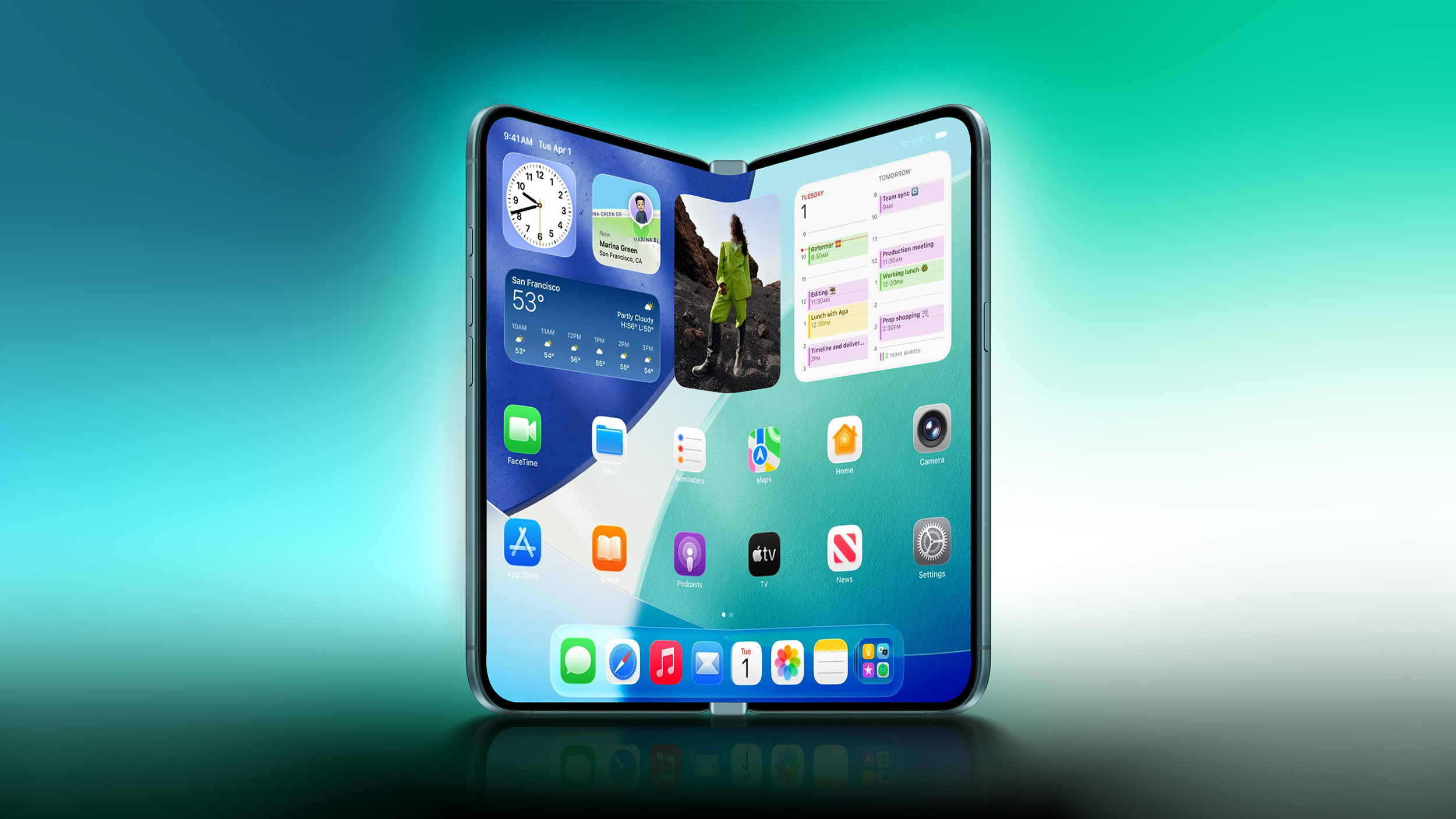
The long-rumored foldable iPhone is expected to be called the "iPhone Ultra." Rumored features include a 7.7-inch inner display, a 5.3-inch outer display, two rear cameras, one front camera, a Touch ID power button instead of Face ID, and more. The device's large inner screen will be ideal for watching videos and multitasking.
Apple is expected to release the "iPhone Ultra" this September, alongside the iPhone 18 Pro and iPhone 18 Pro Max. In the U.S., it has been estimated that the device will have a starting price of anywhere from $1,999 to $2,499.
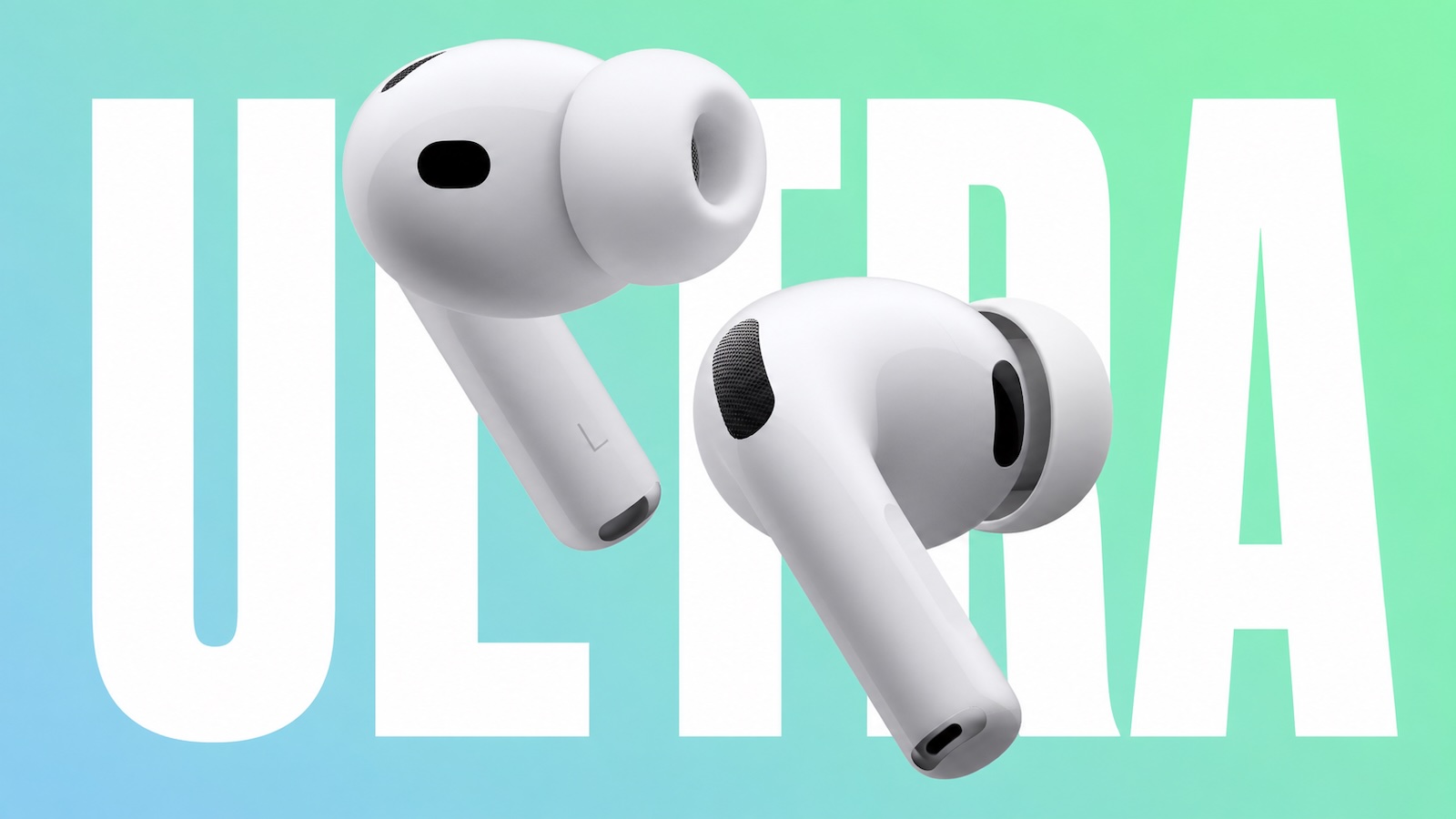
"AirPods Ultra" are reportedly set to be released as early as this year — it would be fitting for them to be unveiled alongside the "iPhone Ultra" this September.
"AirPods Ultra" are essentially rumored to be AirPods Pro with tiny infrared cameras that serve as eyes for Siri. The cameras will help to enhance the Visual Intelligence feature on the iPhone 15 Pro and newer, and a small LED light on the earbuds will indicate when the cameras are active, according to Gurman's reporting.
On iOS 27, Visual Intelligence is accessible through the Camera app via a new "Siri" mode. "AirPods Ultra" would provide a more hands-free experience.
"The idea is to let users ask questions about an item they might be looking at," he said. If someone is looking at ingredients on their kitchen countertop, for example, they could ask Siri for dinner ideas.
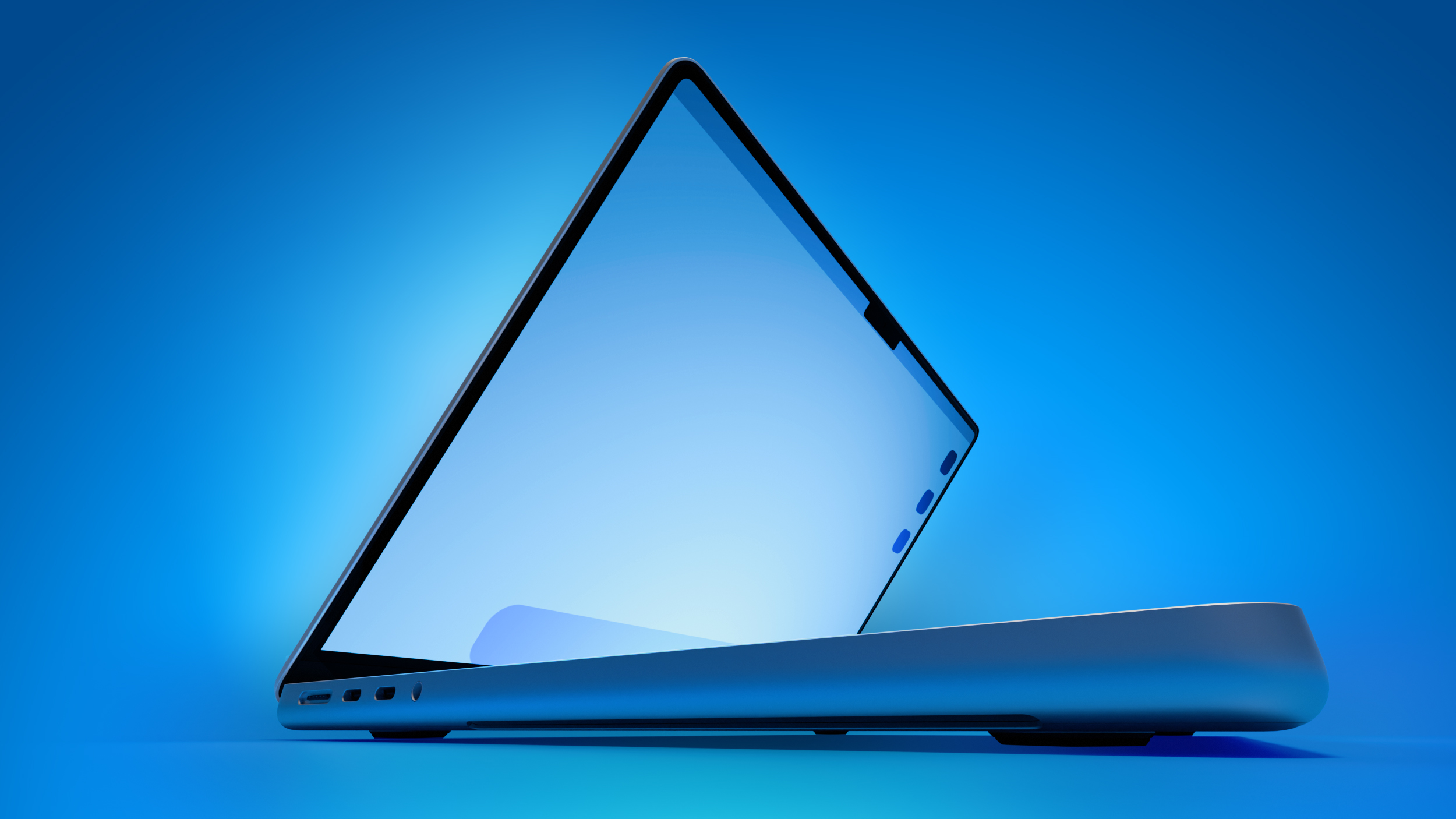
Finally, Apple is reportedly planning a "MacBook Ultra" with an OLED display that doubles as a touch screen. Other rumored features include M5 Pro and M5 Max chips, a Dynamic Island, a thinner design compared to the latest MacBook Pro models, and potentially even an Apple-designed C2 modem for built-in 5G/LTE cellular connectivity.
Apple plans to release this new MacBook by early 2027, according to Gurman.
All in all, Apple is expected to release an iPhone Ultra, AirPods Ultra, and a MacBook Ultra over the course of the next six to seven months or so.
Apple is reportedly preparing a major overhaul of its high-end laptop lineup, potentially under the new “MacBook Ultra” name. This would sit above the existing MacBook Pro as a premium tier, introducing the first OLED display and touchscreen on a Mac, along with a redesigned chassis and Dynamic Island-style camera cutout. All details remain unconfirmed rumors based primarily on reporting from Bloomberg News‘ Mark Gurman, supply-chain analysts, and firms like Omdia, as of early August 2026.
Release Timing
The MacBook Ultra (internal codes K114 for 14-inch and K116 for 16-inch) is on track for a launch window between late 2026 and early 2027. Apple is testing the machines with macOS 27.1, which is scheduled for consumer release at the end of October 2026—aligning with Apple’s typical late-October Mac launches.
Samsung Display is expected to supply the OLED panels, with production ramping in mid-to-late 2026. Analyst Ming-Chi Kuo has pointed to mass production beginning late in the year. However, ongoing global memory chip shortages have caused shipping delays on other Apple products and could push the Ultra into early 2027. A concurrent base MacBook Pro with an M6 chip (existing design) is also rumored for fall 2026.
Design Overhaul
This would mark the first major industrial design change for Apple’s high-end laptops since the 2021 MacBook Pro. Reports describe a total redesign that is thinner and lighter than the current models, aided by the switch away from mini-LED backlighting. Screen sizes are expected to stay in the familiar 14- and 16-inch range, with some sources citing slightly larger 14.3-inch and 16.3-inch panels thanks to thinner bezels.
The controversial notch is expected to be replaced by a smaller pill-shaped or hole-punch camera cutout supporting a Dynamic Island experience (similar to the iPhone), which could display notifications, media controls, battery status, and other contextual info. A reinforced hinge is rumored to minimize screen wobble during touch use. Classic ports (MagSafe, HDMI, SD card slot, Thunderbolt) are expected to remain. The new design may later appear on lower-tier MacBook Pro models.
Display and Touch
The standout upgrades are the first OLED panel on a Mac and the first touchscreen. It is expected to use hybrid tandem OLED technology (oxide TFT + RGB tandem, similar to the iPad Pro), delivering deeper blacks, higher contrast, richer colors, better power efficiency, and improved viewing angles compared with current mini-LED LCDs.
Touch support is positioned as a secondary input method alongside the keyboard and trackpad, not a replacement. macOS is reportedly receiving touch-friendly optimizations (larger targets, adaptive menus) that will also benefit non-touch devices. This reverses long-standing Apple resistance to vertical touchscreens on Macs.
Performance and Other Specs
Contrary to earlier expectations of next-generation silicon, the first MacBook Ultra models are expected to use the existing M5 Pro and M5 Max chips already found in the current MacBook Pro lineup. Apple is reportedly skipping high-end M6 Pro and M6 Max variants to accelerate development of the M7 series (with stronger AI focus); M7 Pro/Max Ultra models are eyed for late 2027 or early 2028.
Built-in cellular connectivity via a next-generation C2 modem has been rumored as a possible option. Battery life could benefit from the more efficient OLED panels and thinner design, though specific figures are unavailable.
Pricing and Positioning
As a new top-tier product with OLED, touch, and a fresh design, the MacBook Ultra is expected to command a premium — potentially 20% or more above current high-end MacBook Pros. Starting prices could begin around or above $2,499 for a 14-inch configuration (higher for 16-inch), making it Apple’s most expensive MacBook to date amid rising memory costs. It is expected to coexist with or sit above the regular MacBook Pro line rather than fully replace it.
MacDailyNews Take: A second-generation MacBook Ultra with M7 Pro and M7 Max chips is already in early testing for a later 2027 timeframe. The “Ultra” branding fits Apple’s expansion of the name across products (alongside Watch Ultra and potential others). These reports could still shift due to supply issues, internal priorities, or testing outcomes. Apple has not officially confirmed any of these details. Expect clearer signals closer to a potential fall event or through further supply-chain updates.
Please help support MacDailyNews — and enjoy subscriber-only articles, comments, chat, and more — by subscribing to our Substack: macdailynews.substack.com. Thank you!
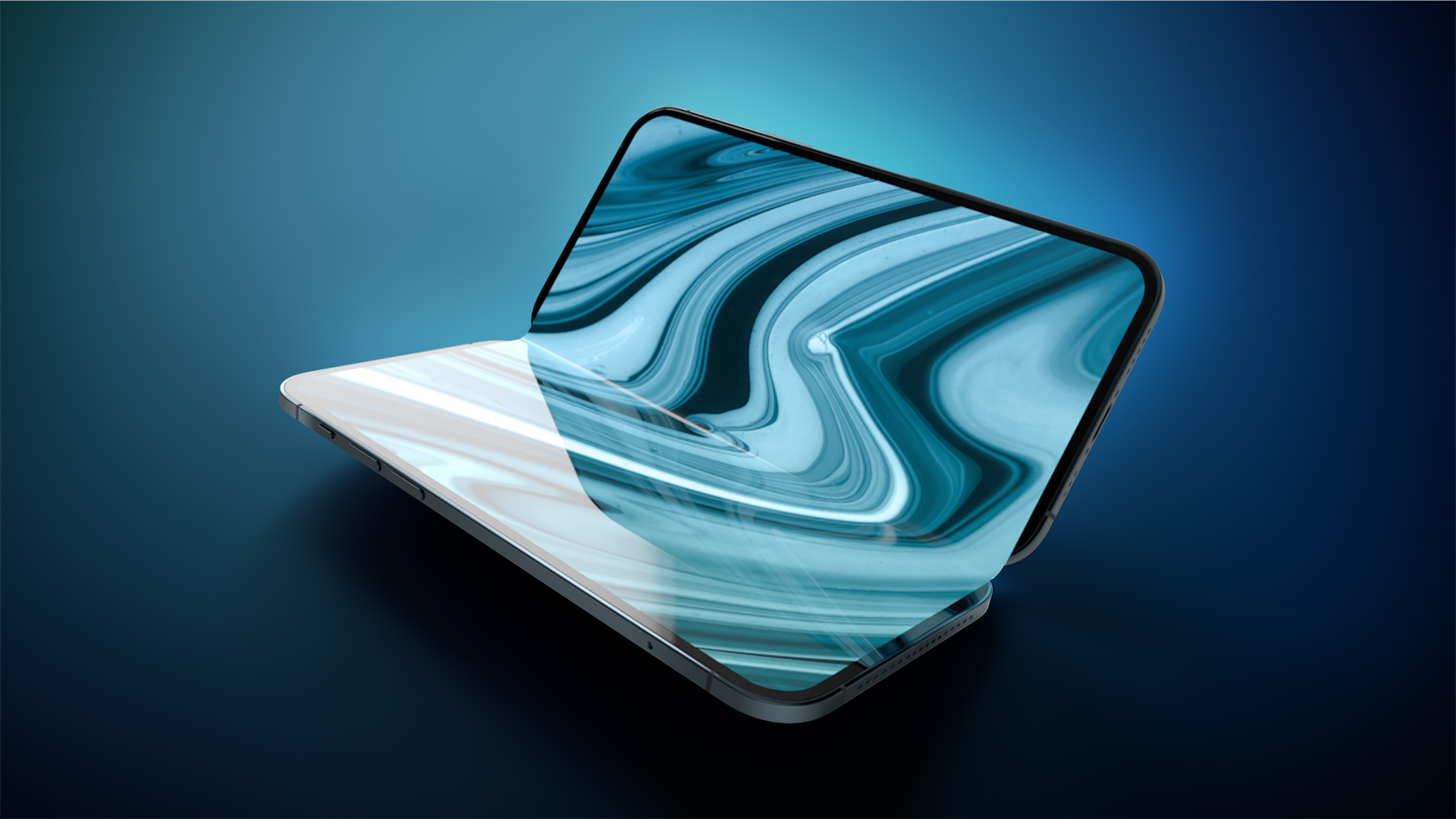
3D render claiming to depict Apple’s first foldable iPhone (image: Jon Prosser)
Apple and its suppliers are scrambling to secure enough DRAM (mobile memory chips) ahead of the expected September 2026 launches of the iPhone 18 series and the foldable iPhone Ultra, according to semiconductor analyst Tim Culpan’s exclusive reporting for Culpium.
With under six weeks to the anticipated debut, assemblers are rushing shipments of DRAM. Apple primarily sources from Micron, with additional supply from SK Hynix and Samsung. Severe shortages due to RAMageddon have left processor wafers sitting idle, awaiting packaging—creating pressure to avoid launch shortages.
The issue stems from Apple’s A20 Pro chips (built on TSMC’s 2nm process), which use Wafer-Level Multi-Chip Module (WMCM) packaging that integrates the processor and DRAM at the wafer level. This means DRAM must be available for packaging; unfinished dies cannot simply be stockpiled and completed later. Reports indicate TSMC is holding roughly $1 billion worth of unpackaged Apple processors delayed by the missing memory.
DRAM has been tight for months, driven in large part by memory makers prioritizing higher-margin chips for AI data centers over consumer devices. This has already affected other Apple products (such as certain Macs) with longer wait times. Apple and its partners (including assemblers like Foxconn) expect to meet initial launch demand, but retail stock could deplete quickly and online preorder wait times may stretch afterward. The foldable iPhone Ultra, with its more complex design and lower planned volumes (historically projected in the low millions for the second half of the year in related analyst notes), is viewed as particularly vulnerable to limited availability.
Culpan’s sources indicate Apple plans roughly 200 million combined units across the iPhone 18, 18 Pro, and Ultra over the product cycle, with the Ultra representing under 10%.
This memory constraint adds to broader industry dynamics of rising memory costs and competing demand from AI infrastructure, which have already influenced pricing discussions and production priorities for Apple hardware.
MacDailyNews Take: Buyers interested in the new Pro models or the Ultra at launch would be advised to pre-order very, very promptly!
Please help support MacDailyNews — and enjoy subscriber-only articles, comments, chat, and more — by subscribing to our Substack: macdailynews.substack.com. Thank you!
Apple has increased its estimated trade-in values for most current iPhone, iPad, Mac, and Apple Watch models in the United States. The adjustments give customers slightly more credit toward a new device, although some older Apple hardware and several Android phones have moved in the opposite direction.
The updated values are maximum estimates rather than guaranteed payments. Apple calculates the final credit after confirming the model and inspecting its condition. A damaged display, enclosure problems, missing functionality, or an inaccurate description can reduce the amount offered.
Most of the increases are modest, but they arrive across several of Apple’s largest product categories at the same time. Recent iPhones receive between $10 and $25 more, every iPad category listed in Apple’s summary gains value, and several popular Macs receive larger increases.
The revisions also reinforce the role of trade-ins within Apple’s retail operation. Credit can reduce the cost of a regular purchase, be delivered through an Apple Gift Card, or lower payments at the beginning of an eligible Apple Upgrade lease.
Image Credit: Apple Inc.
Trade-In Values Rise Across iPhone and iPad
Every iPhone 16 model included in the update receives a higher maximum estimate. The iPhone 16 Pro Max moves from $685 to $695, retaining the highest listed value among the affected iPhones.
The iPhone 16 Pro increases from $550 to $560, while the iPhone 16 Plus moves from $455 to $465. The standard iPhone 16 receives the largest increase within the family, rising by $25 from $435 to $460.
These changes narrow the difference between the standard iPhone 16 and the larger Plus model. The Pro models retain substantially higher estimates, reflecting their higher original prices and stronger position in the used-device market.
An additional $10 or $25 will not transform the cost of an upgrade, but it can offset part of a case, charger, AppleCare plan, or storage upgrade. The difference also becomes more relevant for customers comparing Apple’s direct program with a third-party reseller offering a similar amount.
Apple’s iPad adjustments are more consistent. The maximum estimate for an iPad Pro rises from $670 to $690, an increase of $20. The iPad Air moves from $445 to $460, while the standard iPad rises from $220 to $235.
The iPad mini also gains $15, moving from a maximum of $250 to $265. That means every current iPad category displayed in Apple’s trade-in summary receives a higher estimate.
Apple’s direct trade-in values are generally lower than the prices an owner might obtain through a private sale. The program instead emphasizes convenience: the device can be returned at an Apple Store or sent using Apple’s online process, with the credit connected directly to a new purchase.
A private sale can produce a better return, especially for a recent device in excellent condition. It also requires the owner to set a price, find a buyer, manage payment, and handle the transfer independently. Apple’s program trades some resale value for a simpler exchange.
Mac and Apple Watch Changes Are Less Consistent
Mac trade-in values receive some of the largest increases, but the category also includes notable reductions.
The MacBook Air rises from a maximum of $485 to $520, adding $35. The Mac mini receives the same increase, moving from $340 to $375. The MacBook Pro changes only slightly, increasing from $685 to $690.
Apple leaves the current iMac estimate unchanged at $355. The Mac Studio receives a larger increase from $975 to $1,045, reflecting the higher value retained by recent desktop configurations.
Older professional desktops move in the other direction. The iMac Pro falls from $325 to $315, while the top Mac Pro estimate declines from $2,090 to $2,045.
That $45 reduction at the top of the Mac range means Apple’s maximum Mac trade-in offer decreases even though several mainstream models receive more credit. The changes appear more closely connected to the resale position of individual product families than to a uniform increase across every computer.
Mac estimates can vary considerably because one model name can cover different years, processors, memory configurations, storage capacities, and physical designs. Apple asks for a serial number before producing a more specific estimate for a Mac.
The Apple Watch adjustments are similarly mixed. Apple Watch Ultra 2 rises from $295 to $305, while Apple Watch Series 9 increases from $120 to $130.
Apple Watch Series 10 remains unchanged at a maximum of $150. The original Apple Watch Ultra falls from $215 to $205, losing $10.
Wearable trade-in values can decline quickly because watches receive frequent updates and are exposed to greater physical wear than many computers or tablets. Battery condition, display damage, case wear, and working buttons can influence whether the device receives the estimated credit.
Apple also accepts devices that no longer qualify for monetary value. Those products can be returned for recycling, including older hardware and accessories that would otherwise remain unused.
Image Credit: Apple Inc.
Android Offers Face Several Reductions
Apple accepts selected smartphones from Samsung, Google, and other manufacturers when customers move to an iPhone. The latest revisions are less favorable to several Android devices.
The maximum Android estimate across Apple’s displayed range decreases from $370 to $360. Individual changes vary by model.
The Samsung Galaxy S23 Ultra drops from $230 to $200, a $30 reduction. Google’s Pixel 8 Pro declines from $170 to $165.
Other devices remain unchanged. The standard Galaxy S23 continues to carry an estimated value of up to $125, while the OnePlus 12 remains at up to $200.
Apple’s Android offers are primarily designed to remove friction for people moving to the iPhone. They do not necessarily match the amount available from the manufacturer, a carrier promotion, or a private buyer.
Carrier promotions can advertise considerably higher trade-in credits than Apple, particularly around a new iPhone launch. Those offers commonly require an eligible unlimited plan, a new line, monthly bill credits, or a commitment lasting two or three years.
Apple’s direct credit is easier to understand because it is tied to the assessed value of the device rather than a long carrier agreement. The best choice depends on whether the customer values flexibility, immediate credit, or the largest possible promotional discount.
A Higher Estimate Is Not the Final Offer
Apple’s published figures represent the maximum available for qualifying devices in suitable condition. The online estimate is based on the answers supplied before the product is inspected.
After receiving the device, Apple or its trade-in partner verifies its identity and checks whether it powers on, functions properly, and matches the reported condition. A difference can produce a revised offer.
Customers can accept or reject a lower revised value. Rejecting it cancels the trade-in and returns the device, although the payment arrangement for the accompanying purchase may also be adjusted. If the inspected value is higher than the original estimate, Apple says it automatically increases the credit.
The way the credit is delivered depends on the purchase. When a customer pays in full for a new iPhone, iPad, Mac, or Apple Watch, the confirmed value can be returned to the original payment method up to the price of the new product. Any remaining amount can be issued through an Apple Gift Card.
With an eligible monthly payment arrangement, the estimated credit can be applied directly to the new device’s purchase price. Under Apple Upgrade, a qualifying trade-in owned by the customer can reduce payments across the initial lease term. Another device cannot be traded in each time the customer exercises the lease’s upgrade option.
Values also differ between countries and can change without a product announcement. The revised dollar amounts apply to Apple’s United States program, while local market prices, available models, currencies, and trade-in partners determine estimates elsewhere.
Anyone considering an exchange should obtain a fresh estimate shortly before purchasing. Apple requires the trade-in device to arrive within the specified return period and says an online estimate is generally protected for 14 days after the customer receives the new product.
The iPhone Ultra price could establish an entirely new tier within Apple’s smartphone range. Current estimates place the company’s first foldable iPhone above $2,000, with some industry forecasts suggesting an average selling price near $2,500 and higher-storage configurations approaching $3,000.
Apple has not confirmed the device, its name, or its retail price. The iPhone Ultra branding also remains unofficial, although it has appeared repeatedly in reports concerning Apple’s planned expansion beyond the Pro and Pro Max levels.
The foldable is expected to join the iPhone 18 Pro family during Apple’s fall hardware cycle. Rather than replacing the iPhone Pro Max, it would sit above it as a separate model built around a book-style design and a display that expands to approximately the size of a small tablet.
A price beyond $2,000 would make it the most expensive iPhone Apple has released. The current iPhone 17 Pro Max starts at $1,199 in the United States, leaving a difference of at least $800 between Apple’s established flagship and the lowest estimates for the foldable.
Recent projections have pushed that gap even wider. Reports citing analyst Ming-Chi Kuo have discussed a possible range between $2,300 and $2,500, while an IDC estimate cited in supply-chain coverage placed the average selling price at approximately $2,500. Storage upgrades could take selected configurations closer to $3,000.
iPhone Ultra Price Creates a New Flagship Tier
Apple has spent years arranging the iPhone range around a price ladder. Standard models serve the center of the market, while Air and Pro devices address different preferences involving weight, cameras, materials, performance, and display size.
A foldable iPhone would require another level. Its internal display, hinge, structural materials, battery arrangement, and manufacturing tolerances introduce costs that do not exist in a conventional iPhone.
The rumored hardware points to a device intended to combine phone and tablet functions. Reports describe an outer screen measuring about 5.5 inches and an internal display of approximately 7.8 inches. When closed, the product would operate as a compact iPhone. Opening it would provide enough space for larger applications, side-by-side content, expanded video, and an iPad-style software interface.
Apple is reportedly developing interface changes that would let applications take greater advantage of the internal display instead of simply enlarging an iPhone layout. That software work may become one of the main distinctions between the device and existing foldables, particularly if Apple can connect it closely with iPad multitasking conventions.
The hinge is expected to use liquid metal, an amorphous alloy chosen for strength and resistance to deformation. Apple has also reportedly focused on reducing the visible display crease, one of the most recognizable compromises found on current folding phones.
Those elements help explain a premium price without guaranteeing that customers will accept it. A $2,000-plus phone would compete for spending that could otherwise purchase an iPhone and an iPad, a high-end Mac, or several years of conventional smartphone upgrades.
The device would therefore need to offer more than the novelty of a folding screen. Durability, battery life, camera performance, application behavior, repair costs, and long-term display reliability will influence whether buyers view the iPhone Ultra as a versatile computer or an unusually expensive phone.
Costly Engineering Behind the Fold
Rumors suggest Apple may use Touch ID in the side button instead of Face ID. The change would not necessarily represent a retreat from facial authentication across the rest of the iPhone range. A foldable chassis has limited internal space, and eliminating the TrueDepth camera hardware could help Apple manage thickness around the outer and inner displays.
The reported design includes two rear cameras and front-facing cameras accessible in both folded and unfolded positions. That arrangement may leave the iPhone 18 Pro Max with the more extensive photography system, despite the foldable carrying a much higher price.
Such a decision would position the iPhone Ultra around form factor and productivity rather than making it the automatic leader in every specification. Apple has used similar distinctions elsewhere, allowing one product to command a premium for its design while another retains advantages in cameras, battery endurance, or sustained performance.
Display production is another source of expense. Folding OLED panels require flexible materials, protective layers, specialized hinges, and tighter assembly controls. Apple’s reported pursuit of a nearly crease-free screen may increase component costs and reduce early manufacturing yields.
The company is also entering the category after competitors have spent several generations addressing hinge failures, screen damage, dust protection, and application scaling. Arriving later gives Apple access to a more mature supply chain, but its design standards may create additional production challenges.
Industry estimates suggest Apple’s arrival could help raise the average selling price of book-style foldables throughout 2026. Competitors already sell premium folding phones, yet a model priced near $2,500 would push the category further away from mainstream flagship pricing.
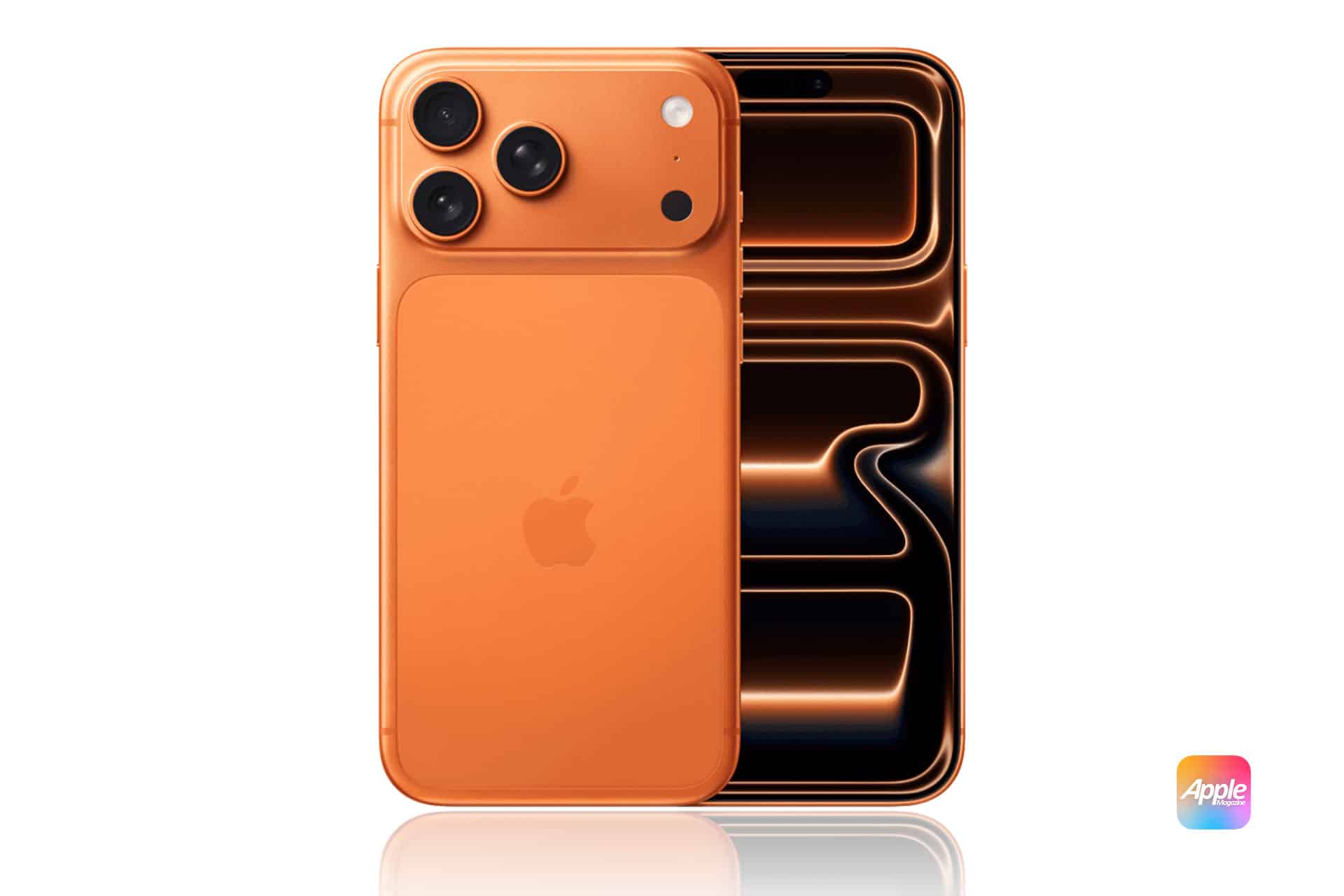
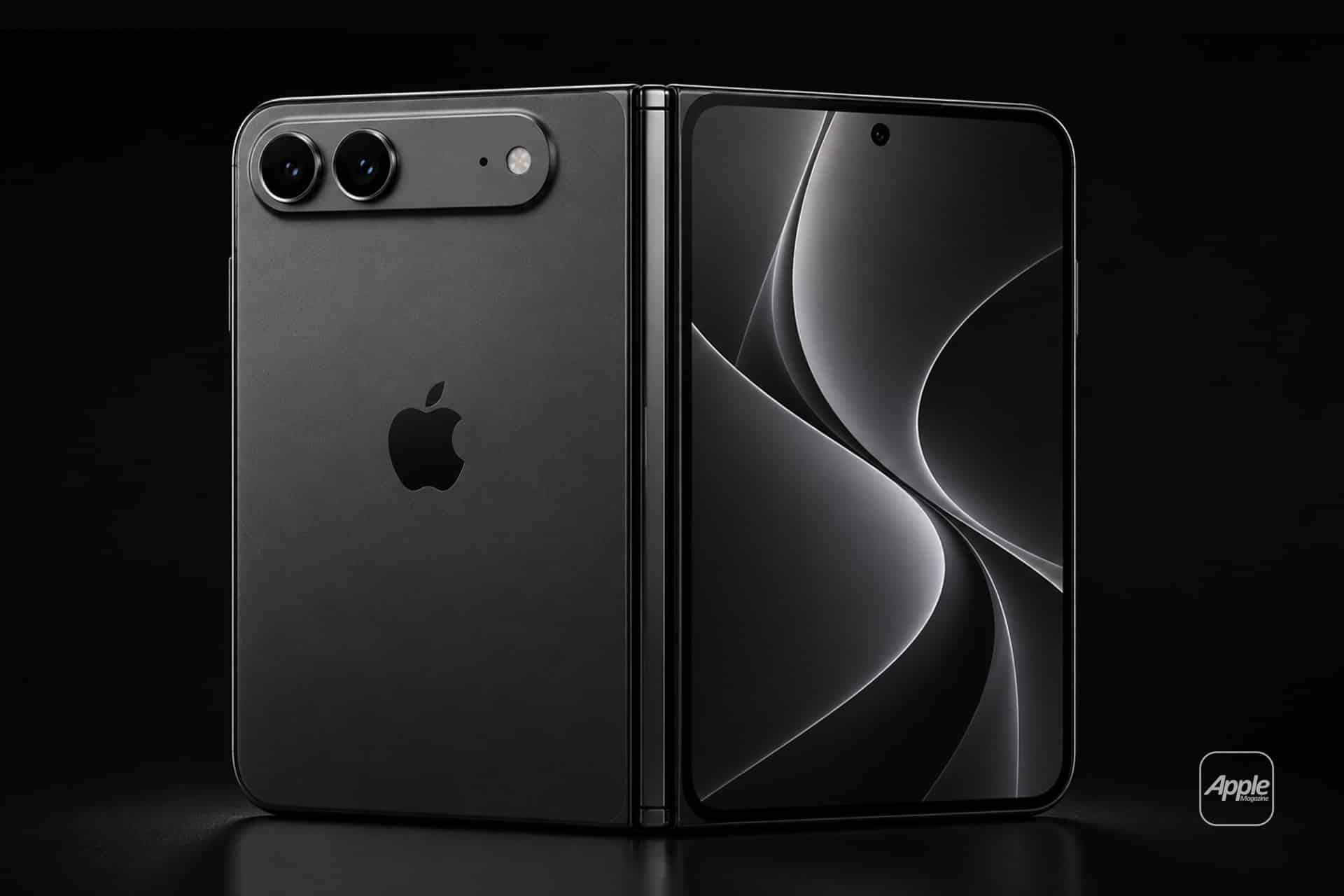
Image Credit: AppleMagazine
Apple Upgrade Softens the Monthly Number
Apple Upgrade could make the iPhone Ultra price appear less intimidating at checkout. The Klarna-backed program lets eligible US customers lease selected Apple devices through fixed monthly payments rather than covering the entire retail price upfront.
Current iPhones can be leased for 12 or 24 months. At the end of the term, customers may return the device, move into another eligible Apple product, or pay the remaining amount required to keep it.
That structure can produce lower monthly payments than traditional financing because the customer is not necessarily paying the entire purchase price during the lease. Part of the product’s value remains in the device at the end of the agreement.
A future iPhone Ultra could fit naturally into this model. Its high retail price and expected resale value would give Apple and Klarna room to separate the cost of using the phone for two years from the cost of owning it permanently.
No monthly figure has been announced for the foldable. Apple cannot price an Apple Upgrade lease until it establishes the phone’s retail cost, residual value, eligible term, and trade-in conditions. A simple calculation that divides $2,000 or $2,500 by 24 months would therefore be misleading.
The monthly charge may be considerably lower than a standard purchase installment, but the customer does not automatically own the iPhone after making the scheduled lease payments. Keeping it requires an additional payment based on the remaining value specified by the agreement.
AppleCare+ is also separate from the current Apple Upgrade lease price. That differs from the former iPhone Upgrade Program, which bundled AppleCare+ coverage into its monthly payments. Protection could be particularly relevant for an expensive first-generation foldable containing a flexible display and complex hinge.
Trade-in credit may reduce the monthly charge, while storage selection would push it higher. Sales tax, cellular service, accessories, and optional protection would remain additional costs. Apple Upgrade changes when and how customers pay, but it does not turn a $2,000-plus product into a lower-priced iPhone.
Limited Supply Could Intensify Early Demand
Apple is reportedly preparing millions of foldable units, but production may be heavily weighted toward the final months of 2026 and 2027. Supply-chain estimates have ranged from 7 million to 10 million devices, with different reports using different production periods and assumptions.
The foldable may be announced alongside the iPhone 18 Pro and iPhone 18 Pro Max but reach customers later. That would resemble the 2017 launch of the iPhone X, which was introduced with the iPhone 8 family in September and released in November.
A delayed retail date would give Apple more time to accumulate inventory while preserving the device’s place in its fall presentation. It could also place the iPhone Ultra into the holiday quarter with considerable demand concentrated around a relatively small supply.
High pricing does not necessarily prevent shortages during the first weeks of an Apple product launch. Early adopters, developers, collectors, and customers waiting specifically for an Apple foldable represent a smaller audience than the conventional iPhone market, but they may still outnumber the units available at release.
Apple Upgrade could add another source of demand by replacing the full retail figure with a monthly lease price inside the Apple Store. That presentation may make the phone accessible to customers who would reject a $2,500 purchase while accepting a recurring payment and returning the device later.
Kuo expects only 500,000 to 1 million foldable iPhones to ship during the third quarter, a supply level that could push some deliveries four to six weeks beyond the opening preorder window.
Imagine slipping in a pair of AirPods that don’t just play your music or take your calls, they help you see the world. Not by recording it, but by understanding it. According to the latest rumors from reliable sources, Apple may be ready to deliver exactly that sooner than many expected.
Reports indicate Apple has been internally testing two versions of camera-equipped AirPods. One carries the codename B798, which has been on the radar for some time. The other, B790, appears newer and is advancing more quickly. References to the B790 model have already shown up in iOS 27 beta code, a strong signal that development is well underway, Bloomberg News‘ Mark Gurman reports.
This timeline points to a possible launch as early as this year. Apple often pairs new AirPods with its September iPhone event. Last year’s AirPods Pro 3 debuted alongside the iPhone 17 on September 9. A similar window this fall, potentially with the iPhone 18, would fit the pattern. And, given how little of 2026 remains, “soon” is a realistic possibility.
Rumors also suggest these advanced models could arrive under a name like AirPods Pro Ultra, positioning them as a premium, AI-focused offering above the standard lineup. Importantly, Apple is expected to continue selling conventional AirPods for those who simply want excellent audio.
What the Cameras Are Actually For
Forget the idea of Google Glass-style recording or constant content capture. The cameras in these AirPods are not designed to take photos or videos. Instead, they would analyze the wearer’s surroundings to power an onboard AI assistant—think an enhanced, more context-aware Siri. This approach aims to create a true wearable AI companion rather than a surveillance or creator tool.
Privacy remains a key consideration. A small LED indicator would light up when the cameras are active, similar to the approach used in smart glasses, giving nearby people a clear visual cue. This design choice reflects broader industry caution: Apple has reportedly considered delaying its own smart glasses amid backlash over privacy issues and misuse of devices like Meta’s Ray-Ban glasses.
Why This Matters
If these rumors hold, camera-equipped AirPods would mark a significant step in Apple’s wearable strategy. They would extend the company’s AI ambitions beyond phones and computers into everyday, always-on, wearable accessories that can interpret the environment in real time. For users, that could mean more natural, hands-free assistance — whether identifying objects, providing contextual help, or enhancing accessibility features — without the bulk or social friction of glasses.
Of course, these remain unconfirmed reports based on internal testing and code references. Apple has not officially announced any such product. Still, the combination of dual prototypes, software breadcrumbs, and an accelerating development path for the newer model makes this one of the more concrete AirPods rumors in recent memory.
As we head toward the traditional September reveal window, the prospect of AirPods that can “see” enough to assist—without turning every wearer into a walking camera—feels both futuristic and characteristically Apple: ambitious, privacy-conscious, and focused on making technology disappear into daily life. Whether they arrive this fall or a bit later, the era of AI-powered earbuds appears to be approaching fast.
MacDailyNews Take: We prefer the name “AirPods AI, but given the friction AI poses in some circle, “AirPods Ultra” may be the better marketing choice. Regardless, we’ll be first in line for these!
Please help support MacDailyNews — and enjoy subscriber-only articles, comments, chat, and more — by subscribing to our Substack: macdailynews.substack.com. Thank you!
De acordo com uma reportagem da Bloomberg, a Apple dará o pontapé inicial nos preparativos para o evento especial de lançamento dos próximos iPhones com um sorteio interno entre funcionários de suas Apple Stores, com o objetivo de selecionar quais deles trabalharão presencialmente lá no Apple Park durante o grande dia.
Como trata-se de um número limitado de vagas (que certamente são bem disputadas), a empresa abriu inscrições para funcionários interessados até o dia 8 de agosto, e notificará os selecionados até o dia 17 do mesmo mês, segundo um memorando ao qual o veículo teve acesso.
Para se inscrever, os candidatos também não podem ter participado da WWDC26 e nem do evento especial de lançamento dos iPhones em setembro do ano passado — o que garante uma maior rotatividade nos funcionários selecionados para esses eventos.
Os funcionários que forem agraciados com o sorteio, segundo o memorando, atuarão em tarefas como organização de filas, check-in dos convidados e recepção aos participantes, bem como fornecerão informações e oferecerão suporte às equipes de segurança envolvidas.
O memorando também diz que o evento ocorrerá na primeira quinzena de setembro. Tradicionalmente, ele ocorre na 2ª terça ou quarta-feira do mês. Como segunda (7/9) será feriado nos Estados Unidos, é provável que o grande evento deste ano aconteça na quarta-feira (9/9).

 Login