The University of Houston has launched UH Health, a cross-disciplinary academic health enterprise intended to reshape how healthcare professionals are educated, how medical research is conducted and how care reaches communities across Texas. The initiative brings together medicine, nursing, pharmacy, optometry, psychology, social work, population health, biomedical research and health systems science under a single interprofessional framework. University leaders say the model is designed to confront a rapidly intensifying combination of population growth, healthcare worker shortages, chronic disease and unequal access to medical services.
Rather than treating healthcare disciplines as separate academic and clinical systems, UH Health is built around team-based care. In this approach, physicians, nurses, pharmacists, optometrists, behavioral health specialists, social workers and public health experts contribute to a shared understanding of each patient’s needs. The model reflects the growing recognition that health outcomes are shaped not only by disease biology, but also by mental health, housing, income, nutrition, transportation and access to preventive services. By training students to work across professional boundaries, the University hopes to prepare graduates for a healthcare system increasingly focused on coordinated and personalized care.
“Healthcare is no longer delivered in isolation, and complex health challenges require coordinated solutions,” said Jonathan McCullers, vice president for health affairs at UH and dean of the Tilman J. Fertitta Family College of Medicine. The university’s academic health strategy is intended to place students in an environment where clinical reasoning, behavioral science, population health and scientific discovery interact. Such integration can help future clinicians identify the underlying drivers of illness, select more appropriate interventions and communicate more effectively with specialists and community organizations.
The launch comes as Texas faces a widening gap between healthcare demand and workforce capacity. Rapid population growth, an aging population and shortages of trained professionals have placed pressure on hospitals and clinics throughout the state. The Texas Hospital Association has reported that 64% of hospitals were operating with fewer beds or reduced services because of staffing shortages. UH Health aims to expand the pipeline of physicians, nurses, pharmacists, optometrists, social workers and other professionals while emphasizing workforce readiness, collaborative practice and the ability to manage complex cases.
UH’s location near the Texas Medical Center gives the initiative access to one of the world’s largest concentrations of hospitals, research institutes and specialized clinical programs. Partnerships with organizations including HCA Healthcare, Memorial Hermann Hospital, Baylor College of Medicine and MD Anderson Cancer Center are expected to provide students and researchers with expanded opportunities for clinical training, translational research and collaboration. Translational research—the process of moving discoveries from laboratories into diagnostics, treatments and public health programs—depends heavily on this type of interaction between universities, hospitals and industry.
The university is also positioning UH Health as a platform for research that reaches beyond traditional medical departments. Scientists in chemistry, physics and biomedical engineering are working alongside health researchers on problems ranging from cancer and infectious disease to substance-use disorders and neurodegeneration. UH researchers have received more than $11 million from the Cancer Prevention and Research Institute of Texas for work involving cancer prevention, diagnosis and treatment. A fentanyl vaccine developed at the university is advancing toward human trials, although its clinical effectiveness and safety will need to be established through carefully controlled studies.
Brain health is another major focus. Texas ranks fourth nationally in the number of Alzheimer’s cases and second in Alzheimer’s-related deaths, according to the Texas Department of State Health Services. More than 100 faculty members across 12 of UH’s 16 colleges are involved in research related to prevention, early detection, caregiving and treatment, supported by $62.5 million in active grants. Their work may involve diverse technologies and methods, including biological markers, computational analysis, behavioral interventions, biomedical engineering and the study of social factors that influence cognitive decline and caregiver health.
To strengthen this research ecosystem, UH is investing $77 million in a new 55,000-square-foot medical research building. The facility is expected to support interdisciplinary laboratories and shared scientific infrastructure, allowing investigators from different fields to exchange data, equipment and expertise more efficiently. In modern biomedical science, discoveries often emerge at the boundaries between disciplines—for example, when engineering approaches are applied to drug delivery, physical sciences are used to study disease mechanisms or data science improves early diagnosis.
UH Health’s community programs are intended to connect these academic and research activities with practical healthcare needs. The UH Health Family Care Center provides primary care and mental health services to the university and surrounding communities, including Third Ward, East End and South Houston. The Household-Centered Care program gives students experience through home visits with community caregivers, while the 3rd Ward Place of Wellness offers screenings, preventive services and health education. The College of Optometry extends access to vision care through community clinics and outreach programs serving children and families.
The enterprise is also expanding beyond Houston through a partnership with DHR Health in the Rio Grande Valley, a rapidly growing region that continues to face significant medical access challenges. University officials say the collaboration could support healthcare education, workforce development and research tailored to local needs. By linking professional training, scientific discovery and community partnerships, UH Health is presenting an academic health model designed for a state where medical demands are growing faster than conventional systems can respond.
Subject of Research: Academic healthcare education, biomedical research, healthcare workforce development and community health access
Article Title: University of Houston Launches UH Health to Integrate Education, Research and Community Care
Web References: https://mediasvc.eurekalert.org/Api/v1/Multimedia/ed42117d-36c9-45cf-b2e3-443e4e08b680/Rendition/low-res/Content/Public
References: Texas Hospital Association; Texas Department of State Health Services; University of Houston
Image Credits: University of Houston and UH Health
Keywords: UH Health, University of Houston, healthcare workforce shortage, academic health, team-based care, biomedical research, cancer research, fentanyl vaccine, Alzheimer’s disease, community healthcare, nursing, optometry, pharmacy, medical education, Texas Medical Center
A multidisciplinary team from Baylor College of Medicine, Rice University and the University of Texas School of Public Health has received the inaugural Climate + Health Excellence award from the Burroughs Wellcome Fund. The five-year, $10 million award will support FORECAST, an ambitious program designed to investigate how climate change, extreme weather and environmental disruption influence the emergence and spread of infectious diseases. Led by infectious disease researcher Dr. Anthony Maresso, the project will combine wastewater surveillance, metagenomic sequencing, climate science, epidemiology and public education to create an early-warning system for pathogen activity across Texas.
FORECAST will build on Texas’s expanding wastewater-monitoring infrastructure, including the Texas Wastewater Environmental Biomonitoring Network, or TexWEB. The statewide network samples sewage from 15 Texas cities and analyzes biological material shed by communities. Unlike clinical surveillance, which depends on people seeking medical care and receiving diagnostic tests, wastewater epidemiology captures population-level signals from entire communities. Viral genetic fragments, bacterial DNA and other biological markers can appear in sewage before hospitals and clinics register a rise in patients, providing public health officials with valuable time to investigate and respond.
The program will use metagenomic surveillance, a technique that examines genetic material recovered from environmental samples rather than searching only for a predetermined pathogen. In conventional testing, laboratories typically use targeted molecular assays designed to detect a known virus or bacterium. Metagenomic sequencing can survey a much broader range of organisms, including variants and potentially unfamiliar pathogens. Researchers can then compare these signals with clinical data, geographic information and environmental measurements to determine whether changes in temperature, rainfall, flooding, drought or other conditions are associated with shifts in infectious disease activity.
The scientific goal is not simply to identify pathogens after they appear, but to uncover relationships between microbes and the environmental conditions that help them enter or circulate within human populations. Climate change can influence disease transmission through several pathways. Warmer temperatures may expand the geographic range or seasonal activity of mosquitoes and other vectors. Heavy rainfall and flooding can overwhelm sanitation systems and redistribute contaminants, while drought can alter water use and concentrate biological material. Changes in human behavior, animal movement and ecosystems may create additional opportunities for pathogens to cross species boundaries.
Maresso and his colleagues demonstrated during the COVID-19 pandemic that SARS-CoV-2 signals in wastewater could precede increases in clinically diagnosed infections. Viral RNA released in feces entered sewage systems, where researchers tracked changes in concentration over time. Although wastewater measurements cannot determine which individuals are infected, they can reveal whether pathogen activity is increasing or declining within a catchment area. The approach has since been extended to a wider range of targets, including avian influenza, measles, HIV and viruses associated with cancer. FORECAST aims to develop this surveillance capacity into a predictive climate-health platform.
Rice University climate scientist Dr. Sylvia Dee will help connect pathogen observations with weather and climate data. The team plans to examine whether specific environmental patterns consistently occur before increases in particular infectious agents. Such models could eventually function like a public health weather report, indicating when conditions are becoming more favorable for disease transmission. The researchers emphasize that predictive systems will require careful validation because the presence of pathogen genetic material does not necessarily indicate infectious virus, active transmission or a future outbreak. Interpreting the signal will require laboratory studies, clinical evidence and knowledge of local infrastructure.
The project will also investigate diseases transmitted by vectors such as mosquitoes. Dr. Peter Hotez and colleagues at the National School of Tropical Medicine will focus on vector-borne pathogen transmission and the growing health risks associated with changing climate conditions. Texas is particularly relevant for this work because it contains diverse ecological regions and experiences heat waves, hurricanes, flooding and rapid urban growth. These factors can affect mosquito habitats, human exposure and the movement of pathogens across communities. Integrating wastewater findings with vector surveillance could help reveal connections that would remain hidden if either system were used alone.
Education and public communication will form a central part of FORECAST. The team plans to create a “Middle to Medical” climate-health education track extending from middle school through medical training and professional development. Dr. Nancy Moreno, who developed Baylor’s BioEd online program, will lead educational efforts with Rice University’s Dr. Joseph Campana, director of the university’s Center for Environmental Studies and EcoStudio. The curriculum will explain how pathogens spread, how climate conditions alter disease risk and how scientific evidence can guide decisions by students, clinicians, policymakers and communities.
The award is particularly significant because FORECAST was selected as the sole funded project from 161 applications submitted to the new CHEX program. The initiative is intended to strengthen research, education and public engagement at the intersection of climate change and human health. Dr. Eric Boerwinkle, dean of the UT School of Public Health and a project co-investigator, will contribute access to large clinical datasets that can be used to evaluate wastewater and environmental signals against reported illnesses. The investigators say the work could improve outbreak preparedness while advancing the still-developing field of wastewater science.
By combining environmental sequencing with climate modeling and health education, FORECAST seeks to shift infectious disease surveillance from a largely reactive system toward earlier detection and prevention. Its findings may help officials recognize emerging threats before they produce widespread clinical disease, while also clarifying how environmental changes shape viral evolution, transmission and geographic spread. The researchers describe wastewater as an unusually candid public health resource: it aggregates biological information from a population without requiring individual testing. As climate pressures intensify, they argue, that collective signal could become an essential tool for protecting communities and preparing the next generation of scientists.
Subject of Research:
Climate-driven infectious disease emergence, wastewater epidemiology, metagenomic pathogen surveillance and climate-health education.
Article Title:
Texas Researchers Launch FORECAST Program to Link Climate Change With Emerging Viral Threats
Web References:
Baylor College of Medicine; Rice University; University of Texas School of Public Health; Burroughs Wellcome Fund; Texas Wastewater Environmental Biomonitoring Network (TexWEB).
References:
Information provided in the source news release concerning the FORECAST project, the Climate + Health Excellence award and TexWEB wastewater surveillance activities.
When penicillin was first introduced to the public, it earned the nickname "the wonder drug" because it cured infections that had once been deadly. It ushered in the golden era of antibiotics, during which the bacteria-killing drugs entered widespread use, driving down rates of severe disease and death from infections.
Unfortunately, the sweeping adoption of these medicines also set the stage for their obsolescence. Once hailed as miracles, antibiotics are now losing their power as bacteria evolve strategies to evade them.
Today, the world is contending with a "silent pandemic" of antibiotic resistance, driven largely by the misuse and overuse of these critical medicines. Curbing resistance, then, means changing how doctors prescribe — and patients use — antibiotics.
I traveled to Japan because a government initiative aimed at correcting antibiotic misuse has helped slash unnecessary prescribing and I wondered if a similar approach could work in the U.S. The program offers "tips" of 800 yen (about $5) to the clinics of pediatricians and ear, nose and throat doctors (ENTs) who withhold antibiotics in cases when they're likely not needed.
My findings suggest that many of the factors that drive antibiotic misuse in outpatient clinics overlap in the U.S. and Japan. But the cultural, governmental and insurance landscape may differ too greatly between the two countries for America to copy-and-paste Japan's approach. Instead, here's what I think could work to close the gaps in antibiotic overprescription in the U.S., based on my conversations with doctors.
Similar pressures, different systems
In both Japan and the U.S., sick visits are mere minutes long, so doctors must determine quickly whether an antibiotic is needed. Few rapid tests exist for bacterial infections, introducing a degree of diagnostic uncertainty. Children's caregivers sometimes request antibiotics when they're not needed, and depending on the doctor, that social tension can be enough to prompt an unnecessary prescription, research has found.
I learned that children's caregivers value doctors who can answer questions and clearly explain their reasoning. They don't necessarily arrive at an appointment expecting a specific "solution," such as an antibiotic prescription — even if they sometimes request one. When faced with parents who request a prescription, doctors can often defuse the tension by explaining why antibiotics aren't necessary, my reporting found.
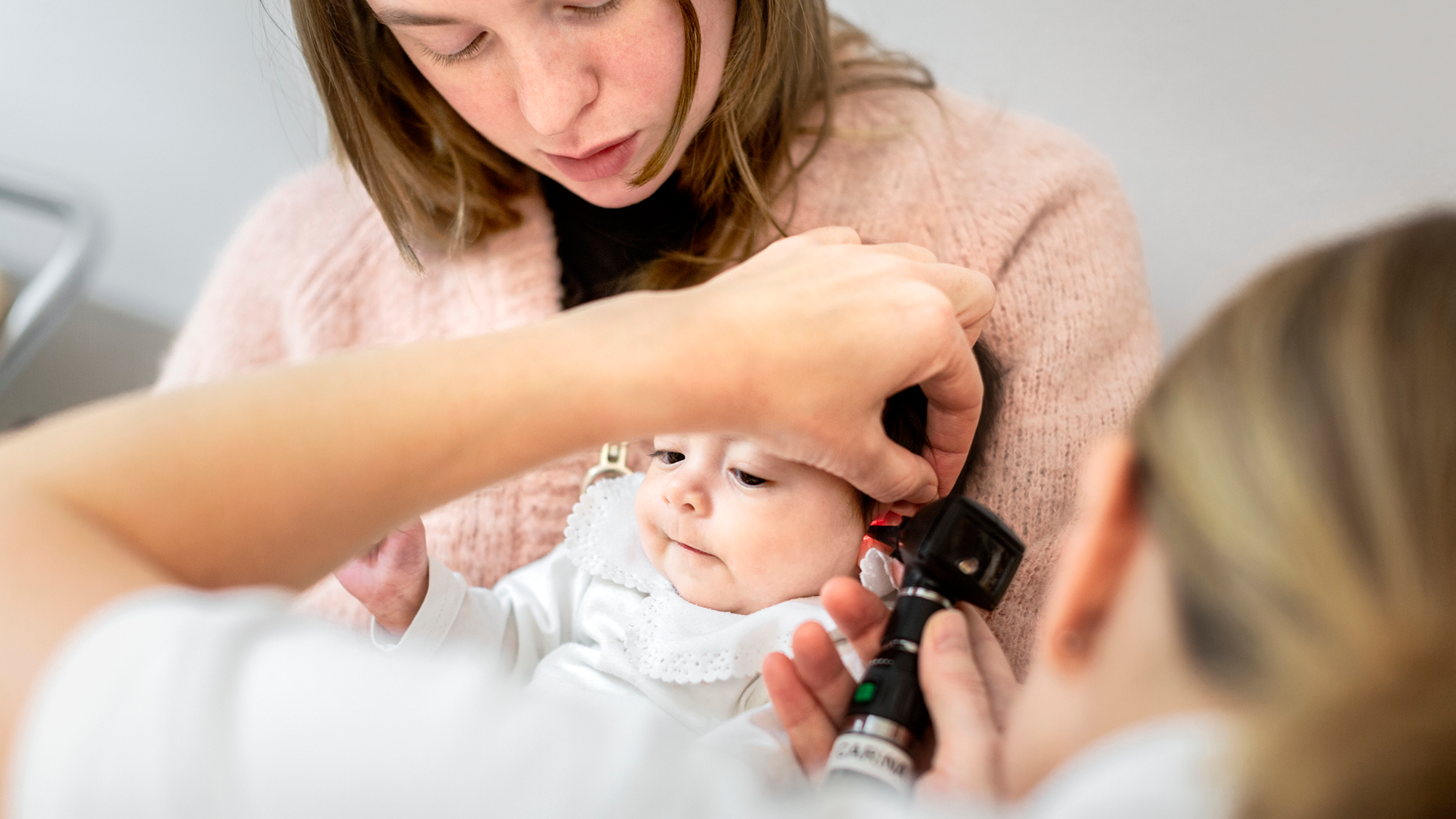
In Japan and the U.S., children's caregivers value doctors who can explain their rationale for opting for one treatment course over another. (Image credit: Jessica Peterson via Getty Images)
On paper, Japan's antibiotic incentive gets at both halves of this pediatrician-parent dynamic. It offers pediatricians and ENTs extra payment to avoid antibiotics for certain types of infections. To claim that cash for their clinics, the doctors must explain their reasoning for withholding antibiotics to the child's caregivers, to help educate them about appropriate antibiotic use.
Although the pressures that lead to overprescription are similar in the U.S., the countries have several big differences.
These layers of complexity are baked into the U.S. healthcare system, whereas in Japan, the federal government can introduce an insurance policy and affect change across the whole system at once. That's how the 800-yen incentive for pediatric clinics was implemented.
Hesitations from U.S. doctors
Japanese doctors readily accepted the notion of "tips" for withholding unneeded antibiotics, in part because those types of small-scale incentives already exist in Japanese healthcare.
Clinics earn incentives by claiming an add-on fee when they seek insurance reimbursement for a given appointment. That reimbursement rate is dictated by Japan's federal government, which sets healthcare pricing, so it's simple to introduce such incentives at scale. Similar add-on fees have been used to encourage doctors to prescribe cheaper "biosimilars" over costlier drugs with the same effects and to adopt better treatment approaches for conditions like hip fractures and painful periods.
In contrast, reimbursement rates in the U.S. are set by a dizzying array of agencies and private companies, all with their own goals.
I do not believe that financial incentives should dictate clinical practice.
Dr. Erik Blutinger, emergency medicine physician for the Mount Sinai Health System
I asked U.S.-based doctors whether a similar incentive could work here. Their responses were mixed.
"I think a program like the Japanese one could work in the U.S.," Dr. Conor Blanco, a pediatric ENT based in New Jersey, told me in an email. He noted that many physicians' pay is determined partially by patient satisfaction scores, so there are existing financial incentives that steer their behavior. If you set up a similar incentive around proper antibiotic use, "maybe it makes a difference, it's tough to say," he said.
Dr. Dmitry Volfson — chief medical officer of CityMD, a large urgent care provider in New York and New Jersey — agreed that it might work. "But [it] may be difficult to implement" given America's multitude of insurance payers, Volfson told me in an email.
Other doctors were less open to the idea.
"On first pass, it feels very unethical to me," said Dr. Morgan Leafe, a pediatrician who worked in both inpatient and outpatient settings for 11 years. Children's caregivers might be upset to hear that clinics get paid more when they don't prescribe an antibiotic, given that some are already under the impression that U.S. doctors are overly motivated by money, she told me in a direct message.
Doctors already widely criticize insurers for denying what physicians deem necessary care. Dr. Jennifer Shu, a pediatrician with Children's Medical Group in the Atlanta metro area, worries that insurers might set up the incentive in a way that restricts doctors' prescribing patterns too aggressively or doesn't align with current scientific evidence.
"I do not believe that financial incentives should dictate clinical practice," said Dr. Erik Blutinger, an emergency medicine physician for the Mount Sinai Health System in New York who also works in its urgent care centers. "It should boil down to the patient's health and ultimate well-being over finances."
Dr. Ilan Shapiro, a community pediatrician at AltaMed Health Services in Southern California, said he could see an incentive driving down unnecessary antibiotic prescriptions, but he added that it could also overcorrect, encouraging doctors to hold back antibiotics that are actually needed.
"I'm not a believer in the carrot or the stick," Shapiro told me.
Professional groups and regulatory bodies like the Centers for Disease Control and Prevention issue protocols to help guide doctors' antibiotic prescriptions. Several U.S. clinicians told me that they'd be wary of insurers setting incentives that might conflict with those established protocols. (Image credit: Johner Images via Getty Images)
How incentives work in the U.S.
Notably, many U.S. doctors are already financially incentivized to improve antibiotic prescribing — but those incentives apply at a high level, rather than case by case.
For example, many American health insurance plans use a tool called the Healthcare Effectiveness Data and Information Set (HEDIS) to assess patients' quality of care at the medical centers they visit. The tool is used by many commercial insurers, as well as by private groups that manage Medicare and Medicaid plans.
Some insurers incentivize providers to achieve higher HEDIS scores by offering higher reimbursement in exchange, "but this is not universal," Volfson explained. There are HEDIS metrics that track how often antibiotics are used for ailments that are frequently viral, like upper respiratory infections, sore throat and bronchitis, he added.
These incentives fall under "value-based care," which aims to reward behaviors that tend to improve patient outcomes and lower healthcare costs. That's opposed to the more dominant "fee-for-service" model, which compensates practices for individual services provided.
Science Spotlight takes a deeper look at emerging science and gives you, our readers, the perspective you need on these advances. Our stories highlight trends in different fields, how new research is changing old ideas, and how the picture of the world we live in is being transformed thanks to science.
Medicare has its own value-based care approach that includes metrics to track antibiotic use, including for upper respiratory infections. These metrics get factored into one composite score that can boost reimbursement (if the score is high) or lower it (if the score is low) for eligible clinicians and practices covered by the program.
Medical practices' participation in value-based care is growing, but fee-for-service remains dominant. Some doctors are skeptical of the alternate approach, Leafe noted, because they feel it puts them on the hook for outcomes that are not completely within a healthcare team's control. But Shapiro, whose healthcare system uses value-based care, sees it as a way to encourage doctors to consider the long-term trajectory of a patient's health rather than only the acute ailment at hand.
"You have to have some sort of guardrail"
U.S. doctors were often put off by the idea of clinical decisions being steered by a potential bump in payment. "Patient-related outcomes are more important than financial incentives when it comes to shaping my clinical decision-making," Blutinger said.
Shapiro embraces value-based care but expressed doubts about the Japanese approach to incentives. My interviews suggested that incentives awarded for individual actions — such as offering $5 to not prescribe antibiotics for a given child's cold — might not be accepted as easily in the U.S. as they are in Japan.
As Shu expressed, that may partially come down to a lack of trust in insurance companies. There may also be a lack of trust in other doctors and practices; multiple doctors I spoke with expressed worries about underprescription.
"What if people become disincentivized to give antibiotics at all, even when they need them?" asked Dr. Shruti Gohil, an infectious-disease specialist with UCI Health who has designed antibiotic stewardship interventions for hospitals. "You have to have some sort of guardrail on that."
Gohil noted that, in Japan's case, the government incentive aims to promote a "culture of safety, whereas with an insurance company, it's just about finance." In other words, she worries that U.S. insurance companies mainly care about their bottom line, not public health. An insurer incentivizing doctors to provide less care struck her as "unsettling."
In contrast, the pediatricians I spoke with in Japan expressed concerns about other doctors overusing antibiotics, not underusing the drugs, and they argued that some doctors still don't take antibiotic resistance seriously. Their salaries are also lower than those of other medical specialties, and the doctors explicitly stated that they appreciate that the antibiotic add-on boosts their practices' profits.
Alternative approaches?
U.S. doctors may not accept a clone of Japan's incentive program, and given America's complex mix of insurance providers and systems, a similar incentive could be difficult to implement uniformly and at scale. But based on my research, I think that incentives that fit more comfortably within our existing infrastructure could still move the needle.
Doctors are already incentivized to record certain metrics, such as body mass index (BMI) and ongoing weight-management plans, in their notes, Shu said. For example, Medicare and HEDIS bake this documentation into quality measures that affect reimbursement, as well as other calculations that help dictate insurance payments.
Borrowing from Japan's approach, I propose that clinicians and health systems could be paid more when they document that they've explained key facts about appropriate antibiotic use to patients' caregivers. These facts might include that childhood illnesses are often viral and that symptoms like fever or green mucus don't necessarily mean bacteria are to blame. They could note that unnecessary antibiotics can cause side effects like diarrhea and make the medicines less effective over time. These talking points could be added to the electronic medical record, where clinicians could easily access them.
This parent-education requirement could incorporate follow-up plans for further learning. That might include providing parents with physical materials, like pamphlets, or links to vetted websites like the American Academy of Pediatrics' HealthyChildren.org.
In the electronic medical record, in-built tools and prompts can help guide clinicians' antibiotic prescriptions. They could potentially help steer patient education around antibiotic use, too. (Image credit: Morsa Images via Getty Images)
Gohil's practice regularly uses those types of patient-directed materials. "Nothing beats the conversation," she said, "but they [the materials] give you talking points and then allow the patient to reference something."
Particularly effective trials combine parent education with efforts aimed at healthcare providers: in-office materials and presentations about antibiotics, guidelines within the electronic medical record that point doctors toward best practices, data on antibiotic resistance rates in the community, or "audit and feedback," where clinicians get report cards comparing their prescription rates with those of others in their practice.
This approach would not specifically incentivize nonprescribing over prescribing, but it would prompt clinicians to educate patients and caregivers about appropriate antibiotic use while providing them a simple script to follow. U.S. adults report placing more trust in health information from their own healthcare providers than from government entities, suggesting that these messages are more likely to stick when doctors deliver them.
Targeting caregivers
Incentives might also help by rewarding children's caregivers for educating themselves about antibiotics. That approach might be less ethically dubious than directly incentivizing doctors' prescribing habits, and the infrastructure for such incentives already exists, my reporting suggests.
Major U.S. health insurers — includingprivate and publicinsurance — now offer their members cash, gift cards or reward points when they engage in certain "health promoting" behaviors. Even life insurers are getting in on the idea. Participants earn rewards by completing an annual well visit, getting a routine cancer screening, logging a certain number of steps per day, or completing courses on healthy eating or nicotine cessation.
The hope is that, by rewarding such healthy habits, insurers can reduce their members' medical costs. Evidence suggests that these programs can motivate people to change their behavior and improve related health measures, especially in the short term. Their long-term and systemic impacts are understudied, although some research — about quitting smoking, for example — demonstrate long-term behavioral changes.
This same infrastructure could be used to enhance patients' understanding of antibiotics, and thus relieve some of the pressure on doctors to explain why the drugs may not be necessary. Children's caregivers could earn rewards for engaging with short, interactive courses or informational pages about the basics of antibiotics — what the drugs treat, what they don't, what "watchful waiting" is, and why antibiotic resistance is a problem. Short quizzes and surveys could check parents' understanding and prompt further rewards from the insurer.
These resources could explain that many common childhood infections are viral and resolve on their own or, similar to an app about childhood illness created in Japan, lay out the recommended care for acute viral infections and describe the signs that a bug might actually be bacterial. The creator of the app, Dr. Masahiko Sakamoto of Saku Central Hospital, has found that the platform changes how parents understand childhood illness and interact with the health system.
Presumably, with that kind of continuing education of patients, they would perhaps seek antibiotics less and less and understand when they're necessary.
Dr. Shruti Gohil, infectious-disease specialist with UCI Health
Such information is already available to parents via trusted sources like the American Academy of Pediatrics; the difference in this scenario is that caregivers would be paid to use it. Gohil thinks that incentivizing this type of patient education would be a "boon," especially when combined with strategies aimed at improving providers' antibiotic use, such as audit and feedback.
"Presumably, with that kind of continuing education of patients, they would perhaps seek antibiotics less and less and understand when they're necessary," she said. "I think that [idea] is so compelling."
This approach could benefit insurers by averting unnecessary doctors' visits and prescription costs, and on a larger scale, potentially help lower the risk of resistant infections.
Beyond pediatrics
Japan's incentive program focuses on pediatricians and ENTs, because the government recognized a pattern of overprescription in those groups. In the U.S., pediatrics clinics aren't the main source of overprescription — but urgent care centers may be a significant one.
Compared with other outpatient medical settings, like doctor's offices, urgent care centers are more likely to write unnecessary antibiotic prescriptions, severalstudiessuggest. One study of millions of urgent care visits found that prescriptions were written for 15% of bronchitis cases, for which antibiotics are nearly never needed.
Unlike primary care pediatricians, who see children's caregivers many times and have the opportunity to build trust, urgent care providers may see them only once. In a 2026 study of pediatric urgent care providers across the country, many reported feeling pressured to satisfy parental requests for antibiotics, and over 50% admitted to altering their care plans in response to such requests.
That said, 66% of those participants said parents are open to education about antibiotics, even when the provider's care plan didn't align with the caregiver's initial expectations. That suggests that prioritizing — and perhaps incentivizing — parent education in urgent care settings could help prevent unnecessary prescriptions.
"It does become challenging when you have a queue of patients waiting to be seen," Blutinger noted. Nonetheless, his practice aims to prioritize such education. He's found that parents are receptive to explanations about antibiotics, especially if he carefully listens to and addresses their concerns. "I've never found it helpful to make it a one-way, information-sharing conversation. It has to be two-way," he said.
The 2026 study included physicians, physician assistants (PAs) and nurse practitioners (NPs), with the latter two groups making up about half of the participants. (In Japan, only doctors can prescribe antibiotics, and there are no equivalent roles to NPs and PAs.)
In the U.S. setting, physician assistants and nurse practitioners may be logical targets for strategies to optimize antibiotic use. (Image credit: Maskot via Getty Images)
Urgent care centers are often staffed largely by PAs and NPs, with one doctor on-site along with various medical assistants. That might be relevant to their antibiotic prescribing.
That's because some studies suggest that PAs and NPs are more likely to prescribe antibioticsthan physicians are. In one study of acute respiratory tract infections, the providers were 30% more likely than doctors to write an antibiotic prescription for the same ailments, and that difference was more pronounced for visits with pediatric patients. In another study of outpatient providers, PAs and NPs had the highest likelihood of inappropriate prescriptions and pediatricians had the lowest.
The reasons for this difference aren't fully understood, although the study authors pointed out that efforts to improve antibiotic use have been aimed mostly at doctors. NP and PA education and training also tends to vary more widely than doctors' training, suggesting potential knowledge gaps.
These trends point to an opportunity to tailor interventions to NPs, PAs and urgent care providers. These might be easiest to implement in urgent care facilities affiliated with larger hospital systems, representing about 35% of U.S. urgent cares. These systems set the metrics that factor into bonuses that doctors, NPs and PAs frequently earn on top of their base salaries.
One metric that's already used widely is clinical documentation, which could be required to note when rationale for denying antibiotics was provided to patients. A large Utah urgent care network recently took a similar approach and gave their clinicians a goal to decrease antibiotic use for respiratory illnesses. They made a certain threshold of antibiotic use in a year a quality metric that clinicians could earn extra compensation for hitting.
That financial incentive didn't stand alone, though. It coincided with new educational materials for clinicians and patients about antibiotics, new guidance on antibiotics in the medical record, and the introduction of peer-to-peer comparisons of prescribing rates. Together, these strategies drove a substantial decrease in overall antibiotic use for respiratory ailments. Clinicians initially prescribed antibiotics for 48% of respiratory conditions; that fell to 33% within one year and to 26% the next.
It takes time for new antibiotic-use guidelines to filter down to individual providers, particularly when there's an existing culture of overprescription. Japan's experiment demonstrated that targeted incentives can reduce antibiotic misuse — at least in Japan. The exact same approach may not be acceptable or feasible in the U.S. But we can still take inspiration from the idea and explore it as one tool among many to fight this silent pandemic.
"Antimicrobial resistance is one of the world's most urgent public health threats," Dr. Sarah Kabbani, director of the Centers for Disease Control and Prevention's Office of Antibiotic Stewardship, told me in an email. "Because outpatient prescribing is so common, even small improvements can have a large impact on patient safety and population health."
This article is for informational purposes only and is not meant to offer medical advice.
A new study is drawing attention to a hidden problem in mental-health research: scientists may be using the same words to describe first episode psychosis (FEP) while measuring entirely different things. In an analysis published in Schizophrenia, researchers Seiber, Sridhar, Hasenstab and colleagues examine how U.S. insurance claims data are used to estimate the incidence of FEP—the number of new cases appearing in a population over a defined period—and argue that greater standardization is urgently needed.
First episode psychosis refers to the point at which a person experiences psychotic symptoms for the first time in their life. These symptoms can include hallucinations, delusions, disorganized thinking or major changes in behavior and functioning. FEP is not a single diagnosis. It can occur in schizophrenia-spectrum disorders, bipolar disorder, severe depression and several medical or substance-related conditions. Because early treatment is linked to better long-term outcomes, knowing how often FEP occurs is essential for planning specialized clinics, staffing early-intervention programs and directing public-health resources.
The researchers focus on U.S. claims data, enormous digital records generated when patients receive medical care and providers submit bills to insurers. These databases can include diagnostic codes, procedure codes, prescription information, dates of service and details about emergency, inpatient and outpatient treatment. Unlike traditional epidemiological surveys, claims datasets can cover millions of people and make it possible to study patterns across large geographic areas. Their scale, however, does not automatically make their estimates precise.
The central challenge is that a billing code is not the same as a clinical assessment. A code for psychosis may indicate a confirmed diagnosis, a suspected condition, a historical problem or a provisional label assigned during an emergency evaluation. Claims data also rarely contain the complete clinical narrative needed to determine whether symptoms truly represent a person’s first psychotic episode. A patient may have received care in another health system, paid out of pocket, changed insurers or carried an earlier diagnosis that is invisible in the database being studied.
Even the definition of “incidence” can vary. Some researchers count a first-ever psychosis-related diagnosis, while others count a first hospitalization, a first emergency-department visit or the first appearance of a relevant code after a period without documented care. These approaches can produce different numbers from the same underlying population. A study requiring a long “clean period”—a span of time with no previous psychosis-related claims—may reduce the likelihood of counting established cases as new, but it can also exclude people whose earlier treatment occurred outside the available records.
Age, sex, insurance type and geography can further influence the apparent rate of FEP. Young adults may be more likely to encounter emergency services, while people in rural areas may face limited access to psychiatrists and specialized programs. Differences in insurance coverage can determine which services generate observable claims. If researchers compare estimates without accounting for these factors, they may mistake variations in detection or access for genuine differences in disease occurrence.
The study’s call for standardization points toward a more consistent technical framework. Researchers need to specify which diagnostic codes qualify as psychosis, whether substance-induced and medically caused episodes are included, how long a person must remain free of prior claims to be considered a new case, and which healthcare settings are examined. They also need to define the population denominator—the number of people considered at risk—and explain how individuals with incomplete enrollment or interrupted insurance coverage are handled.
Validation is another crucial step. Claims-based algorithms should be compared with detailed chart reviews, clinical registries or structured assessments to determine how accurately they identify genuine FEP. Two statistical measures are especially important: sensitivity, or the ability to capture true cases, and positive predictive value, or the proportion of algorithm-identified cases that are confirmed after review. An algorithm with high sensitivity may find more possible cases but also produce more false positives; one with high specificity may miss people who received vague or inconsistent coding.
Standardized methods could make FEP estimates more comparable across states, insurers and research teams. That would help scientists detect real trends rather than methodological noise and could reveal whether early psychosis services are reaching the populations most in need. More reliable estimates could also strengthen efforts to investigate racial, socioeconomic and regional disparities, provided that claims data are interpreted carefully and not treated as a complete substitute for clinical information.
The message from the research is not that U.S. claims databases are unusable. On the contrary, their breadth makes them one of the most powerful tools available for studying mental-health care at scale. But their value depends on transparent definitions, validated case-finding methods and clear reporting standards. As health systems increasingly rely on administrative data and automated analytics, agreeing on what counts as a new case of psychosis may be the difference between a map that reveals a public-health crisis and one that merely reflects the quirks of the billing system.
Subject of Research: Estimating first episode psychosis incidence rates using U.S. claims data
Article Title: Estimating first episode psychosis (FEP) incidence rates using U.S. claims data: a need for standardization
Article References: Seiber, E.E., Sridhar, S., Hasenstab, K.A. et al. “Estimating first episode psychosis (FEP) incidence rates using U.S. claims data: a need for standardization.” Schizophrenia (2026). https://doi.org/10.1038/s41537-026-00793-4
Image Credits: AI Generated
DOI: 10.1038/s41537-026-00793-4
Keywords: First episode psychosis, FEP, incidence rates, U.S. claims data, schizophrenia, mental health, epidemiology, healthcare data, standardization
The U.S. Food and Drug Administration (FDA) has proposed a new rule making it mandatory for companies to notify the agency about new chemical ingredients they determined are safe for use in food.
The Environmental Protection Agency (EPA) hasn’t reevaluated Omaha, Nebraska, Superfund cleanup rules in 17 years, despite evidence that low lead exposure harms children and adults.
People are racing out to buy them worldwide as gasoline prices stay high. The Iran war has made Trump “salesman of the year,” said one executive in Lahore.
People with type 2 diabetes are much more likely to develop heart disease than those without diabetes. High blood sugar can damage blood vessels over time, increasing the risk of heart attacks, strokes, and heart failure. Even when blood sugar is controlled, many patients remain at high risk of serious heart problems, so researchers continue […]
Recent findings provide one of the most detailed pictures to date of the genetic architecture of schizophrenia, opening up new avenues for research into the disorder.
Recent findings provide one of the most detailed pictures to date of the genetic architecture of schizophrenia, opening up new avenues for research into the disorder.
The global expansion of chicken farming has created conditions that allow Campylobacter to spread, mix and adapt more readily. Commercial poultry farms now hold billions of chickens, creating a vast habitat where bacteria can move, mix and adapt. An analysis from the Ineos Oxford Institute for Antimicrobial Research at the University of Oxford found that [...]

 Login






 It's not just about stress relief.
















 Oh no.



 “We didn’t expect to see this."