 Login

TechCrunch Mobility: Zoox prepares for launch and Uber’s AV empire
Welcome back to TechCrunch Mobility, your hub for the future of transportation and now, more than ever, the role AI is playing in it.


Four weeks ago, San Francisco 49ers coach Kyle Shanahan was involved in an accident near downtown Palo Alto. At the time Shanahan said only that the accident was his fault. But during a recent press conference he shared more details about the incident, including the fact that he had his Tesla's Autopilot engaged at the time. Shanahan was not passing the buck, however, saying it was his fault regardless of whether or not Autopilot was engaged.
"I've had Autopilot for nine years, so I'm pretty comfortable with it and, you know, who knows what happened when I turned around? Whether it malfunctioned or whether I knocked it off? That's somethi …
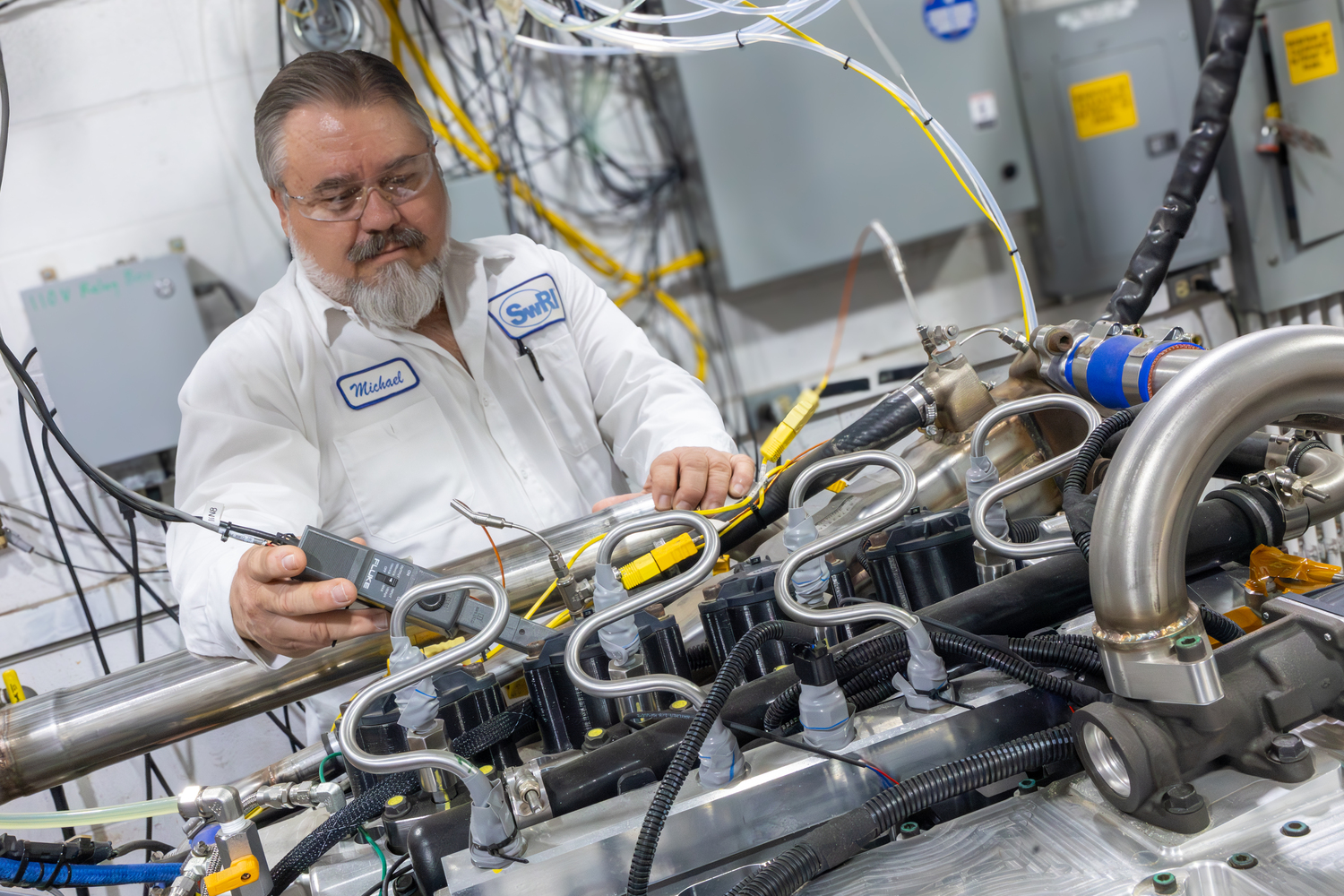
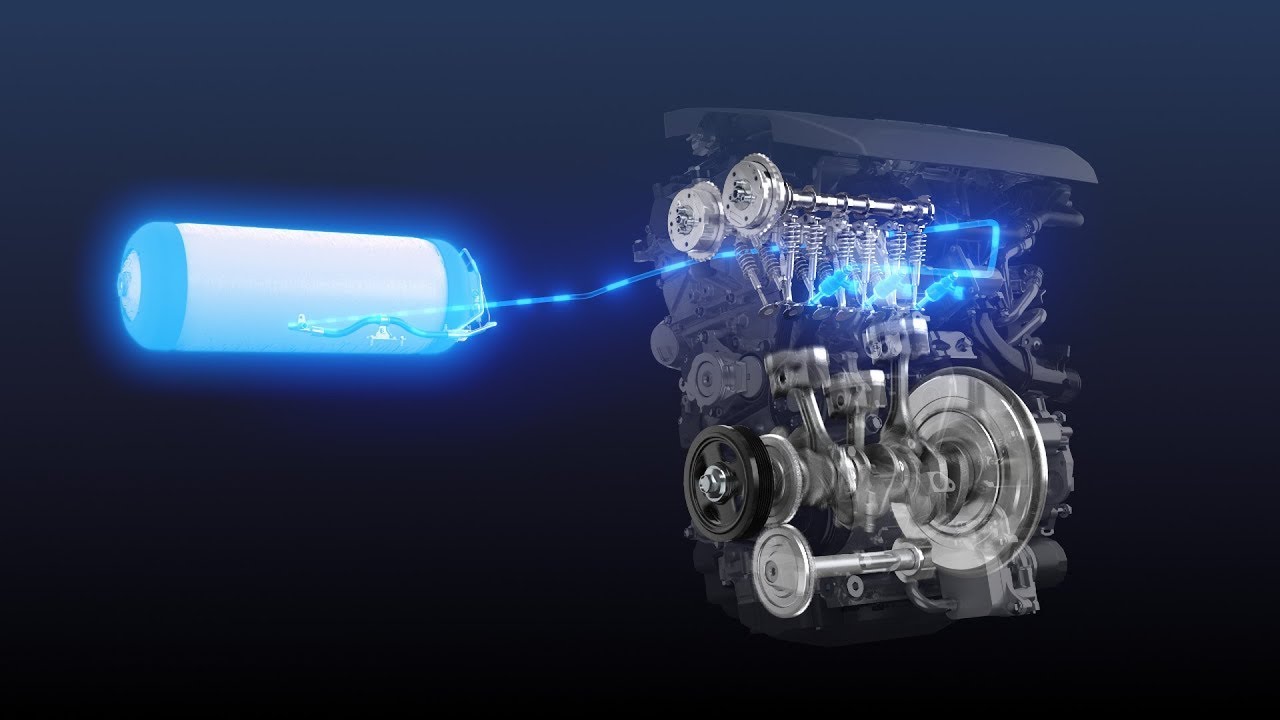
Researchers from the Southwest Research Institute (SwRI) have successfully developed an optimized spark-ignited hydrogen engine suitable for medium-duty commercial vehicles. As a form of internal combustion engine (ICE), the new engine behaves much more like a diesel engine than earlier hydrogen engines.
In other words, it is not a new kind of fuel-cell engine, but rather burns hydrogen inside cylinders using spark ignition. Just like a petrol engine, the new ICE produces mechanical propulsion using pistons.
“In addition to decades of developing medium- and heavy-duty engines, SwRI has some of the most extensive experience in the world developing and testing H2-ICEs for internal research, clients and industry demonstrations,” said Dr. Qilong Lu, a program manager in SwRI’s Powertrain Systems Engineering Department and one of the leads on this project.
“The engine was designed, constructed and rigorously tested at SwRI to ensure efficiency and performance,” Dr. Lu added.
“We began at the single-cylinder level, focusing on optimizing combustion and injection strategies,” Lu said. “From there, our team ramped up efforts to develop the full multi-cylinder engine, addressing key challenges such as pre-ignition, combustion stability and overall systems integration,” Lu added.
The attraction is that hydrogen contains no carbon, so burning it produces water rather than carbon dioxide. It also allows manufacturers to retain much of the familiar internal-combustion ecosystem: engines, transmissions, manufacturing equipment, servicing knowledge and supply chains.
The team also managed to deliver the new hydrogen ICE’s diesel-like torque using a turbocharger that forces more air into the engine. This allows it to burn more hydrogen and produce the strong low-speed torque needed to move loaded trucks.
The new engine also has improved airflow thanks to an innovative intake-port geometry allowing hydrogen to burn much faster than petrol and requiring different air movement inside the cylinder.
The engine also features larger intake valves and hydrogen-specific injectors to enable optimum fuel-to-air mixing within the cylinders. It also uses special software and calibrations to precisely manage injection, ignition, boost pressure and the air–fuel mixture.
Another wrinkle they had to overcome is safety. Hot engine surfaces or residual gases can ignite hydrogen before the spark fires, producing knocking, power loss or potentially engine damage.
In terms of emissions, the engine produces what the team describes as “near-zero tailpipe CO₂.” While this is true in terms of the engine itself, the way in which the fuel hydrogen is produced matters here.
If produced from natural gas, rather than renewable electricity, CO₂ could remain high, all things considered. Also, hydrogen combustion can still produce nitrogen oxides, or NOx, because combustion heats nitrogen and oxygen from the air to very high temperatures.
It therefore isn’t literally a zero-emission engine and may require careful combustion control and exhaust after-treatment.
“The project brought together many areas and experts at the Institute to complete,” said Chris Bitsis, assistant director of SwRI’s Powertrain Systems Engineering Department, who oversees combustion research programs. “SwRI’s hydrogen combustion engine program is working every day to advance this technology and showcase its potential as a near-zero carbon emissions industry solution,” he added.
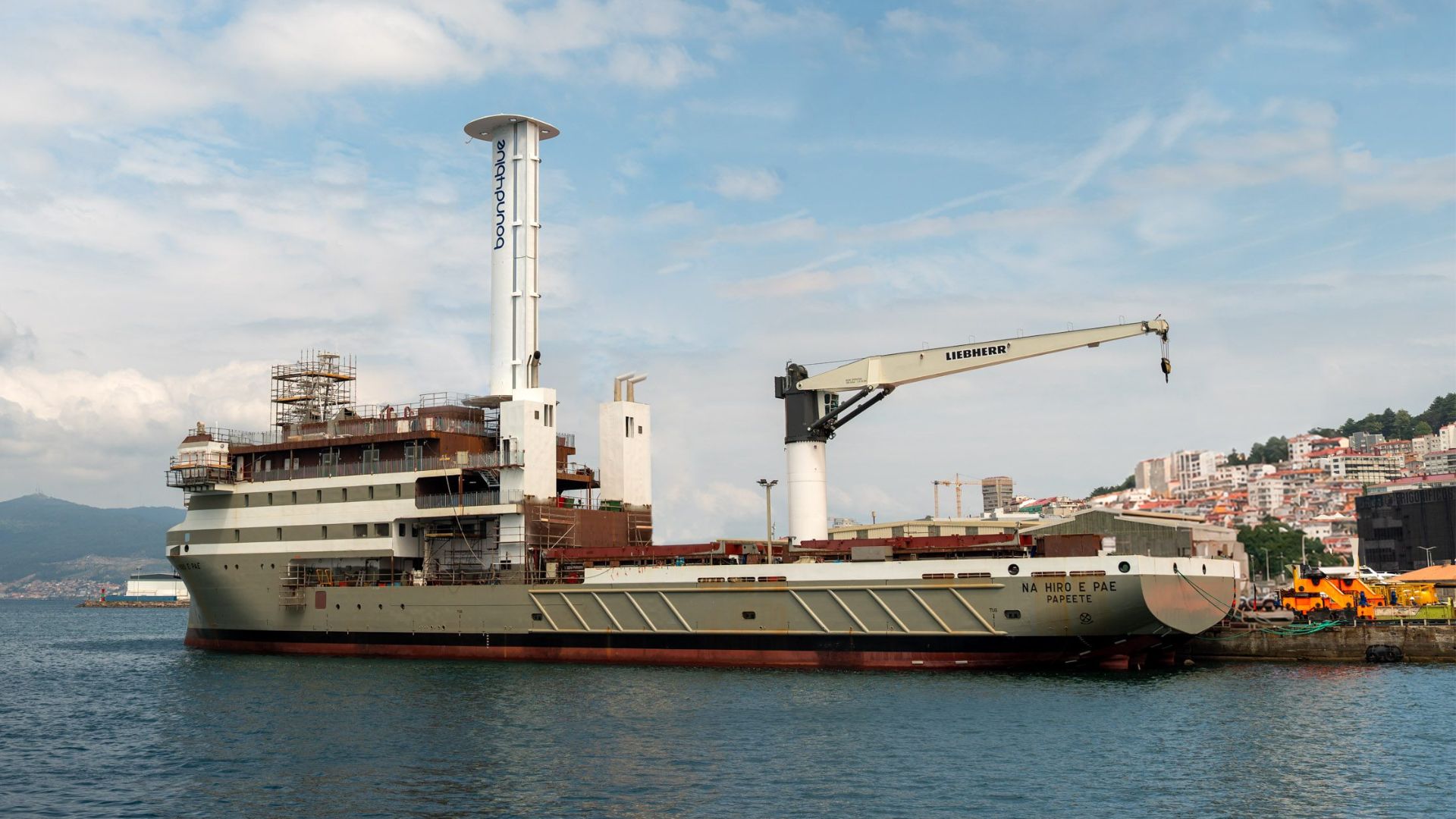
Wind propulsion company bound4blue has completed the installation of a 22-metre (72-foot) tall suction sail on the 292-foot (89-metre) cargo ship Na Hiro E Pae. This makes it the “first multipurpose vessel” worldwide to adopt a wind propulsion system. The unit was fitted at the Astilleros Armon Vigo yard in Spain for Greek shipping firm Société de Navigation des Australes SNA Tuha’a Pae.
“We hope Na Hiro E Pae leads the way for other ambitious shipping companies keen to unlock sustainable advantages,” said José Miguel Bermúdez.
Capable of carrying 200 passengers and 1,500 tonnes of supplies between Tahiti and the Austral Islands, the ship is expected to cut its energy consumption by 10 percent using the autonomous system alongside existing service from the Tuhaa Pae IV, which has operated on the route since 2012.
The installed technology, known as the eSail, yields sevenfold the thrust generated by an equally sized conventional rigid sail. This high efficiency allows a relatively small unit to deliver significant fuel savings without interfering with the fast loading and unloading operations required on multipurpose ships.
“bound4blue’s mechanically simple suction sail, producing up to seven times the propulsive force of a standard rigid sail of the same size, slots into a ‘green technology mix’ that includes engines capable of running on biofuel or e-fuel, electric POD propulsion, efficient waste management, and autonomy in fresh water supply,” highlighted the company in a press release.
The system functions by pulling airflow across a wide aerodynamic contour to assist the main engines. An autonomous vertical sail uses suction technology to draw air over this shape, creating propulsive thrust that decreases the mechanical burden on the vessel’s primary engines.
By pulling the air over its surface, the system prevents airflow separation that normally limits conventional sails. This aerodynamic effect allows the unit to generate far higher propulsive force relative to its physical surface area, directly lowering fuel usage and engine emissions.
“Multipurpose vessels have traditionally been seen as a challenging segment for wind power, due to the required flexibility of operations and related integration demands,” added Bermúdez.
The compact nature of the eSail provides high force efficiency, allowing the vessel to maintain open deck space for cargo handling while utilizing wind energy.
The Na Hiro E Pae combines the suction sail with several other onboard green technologies. The ship features engines configured to burn biofuel or e-fuel as soon as local regional markets can supply them.
It also incorporates electric POD propulsion, efficient waste management systems, and autonomous fresh water supply capabilities to support its passenger and freight services.
“Sustainability was a key objective throughout the design process, and the eSAIL forms an important part of a wider package of technologies that will help us reduce energy consumption and environmental impact, while maintaining the reliable transport services our communities depend upon,” concluded Boris PIEL technical Director, SNA Tuha’a Pae Shipping Company.



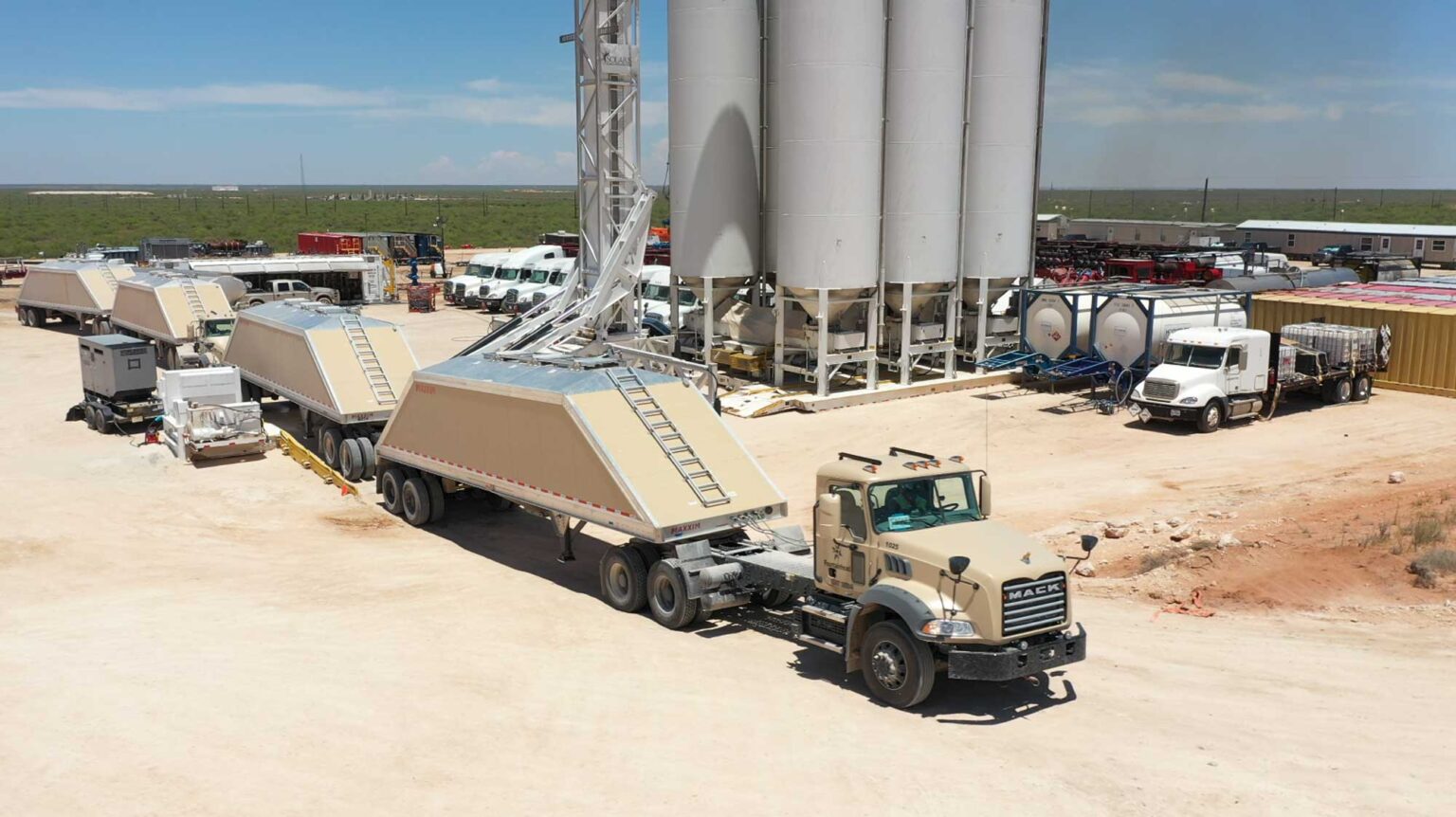
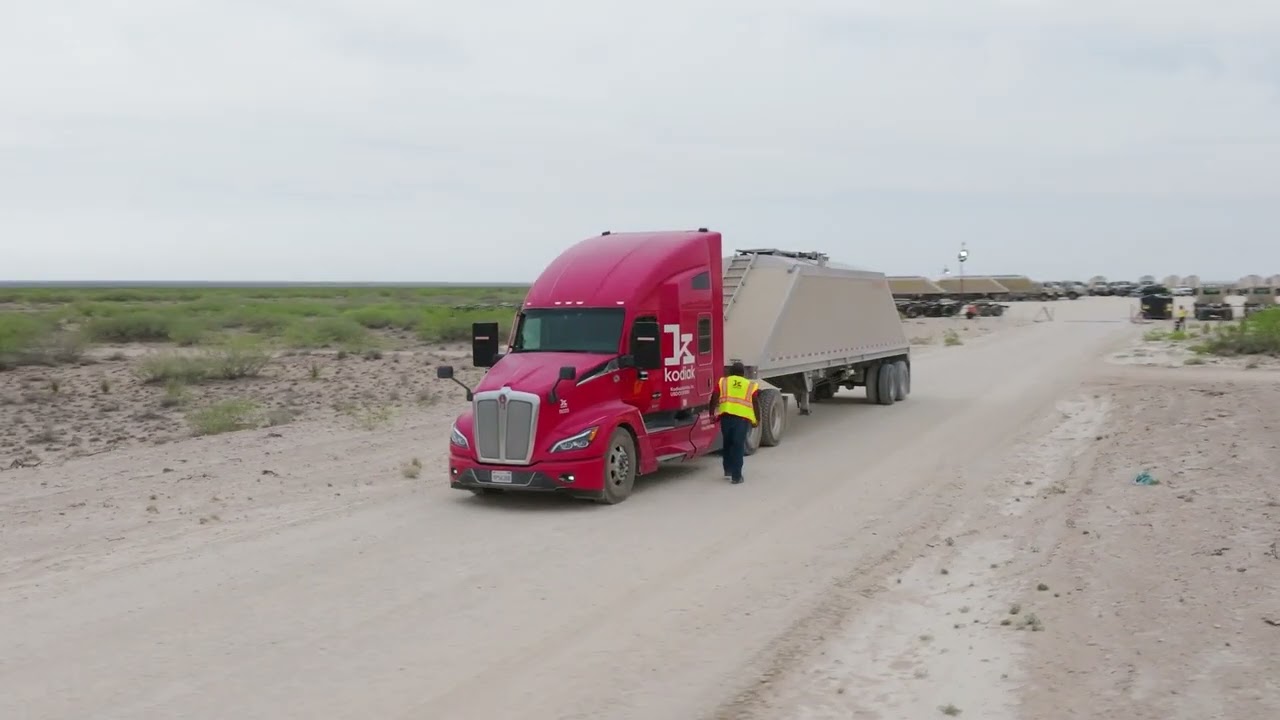
Atlas Energy Solutions Inc. (Atlas) has announced that it intends to expand its autonomous truck operations in the US Permian Basin from 28 to 100 by mid-2027. The company will work with Kodiak AI, Inc. (Kodiak) to make this ambition a reality using its physical artificial intelligence (AI)-powered autonomous driving technology.
What that means in practice is retrofitting or upfitting trucks with a package of sensors, controls, cameras, and other hardware to enable them to be operated autonomously using an AI “driver.”
According to Atlas, the new trucks will be used to expand operations at its second load-out point along its 42-mile (68 km) “Dune Express” sand conveyor system. This system will help Atlas become more responsive to customer needs for the transport and supply of proppant in the region.
Proppant, in case you are unaware, is a special grade of sand used by oil and gas companies during hydraulic fracturing. The sand is pumped underground to keep the cavities created by fracturing open, allowing oil and gas to flow freely.
As you can appreciate, that requires enormous quantities of the stuff. What’s more, transporting it from mines or storage sites to drilling locations involves thousands of repetitive truck journeys, often on remote, dusty and relatively predictable routes.
The load-out points refer to strategic locations along the so-called “Dune Express” where this sand is loaded onto trucks. At present, Atlas explains, autonomous trucks have been used from one load-out point at a time.
The addition of another (one in Texas and one in New Mexico) will enable them to cover a wider area and improve customer order fulfillment. According to Atlas, since incorporating driverless trucks into its operations, they have carried approximately 7,000 loads totaling around 450,000 tons of sand over 23,500 “driverless hours.”
As for the trucks in question, they are entirely driverless but with an important distinction. To date, these trucks have tended to operate on controlled oilfield logistics networks, or private roads, not public highways or lanes.
That is considerably easier from an AI-training perspective than allowing autonomous trucks to travel freely through ordinary cities or mixed public traffic. The next major step is therefore operating on public roads, which Atlas and Kodiak say they expect to begin by early 2027, subject to regulatory and operational approval.
That would greatly expand where the trucks can deliver. “This partnership with Kodiak is a critical part of the Atlas strategy to transform oilfield sand logistics through innovation,” said John Turner, CEO and President of Atlas Energy Solutions, in a press release.
“Our mission is to seek critical energy infrastructure with inefficiencies, then engineer solutions that improve efficiency, reduce risk and enhance our customers’ operational success,” he added.
“Together, Atlas and Kodiak have deployed the world’s largest fleet of driverless big-rig trucks,” said Don Burnette, Founder and CEO, Kodiak.
“We’ve demonstrated that autonomous trucking is delivering meaningful results today. Our expanding partnership, which now covers two unique locations, is creating a blueprint for how autonomy can transform logistics by improving efficiency, increasing productivity, and delivering lasting value for customers at commercial scale,” he added.


Read more of this story at Slashdot.

The Department of Transportation is proposing to exempt commercial space launch licensing from many environmental regulations, a move praised by industry but criticized by environmental groups.
The post Proposed rule would exempt commercial launch licensing from environmental regulations appeared first on SpaceNews.

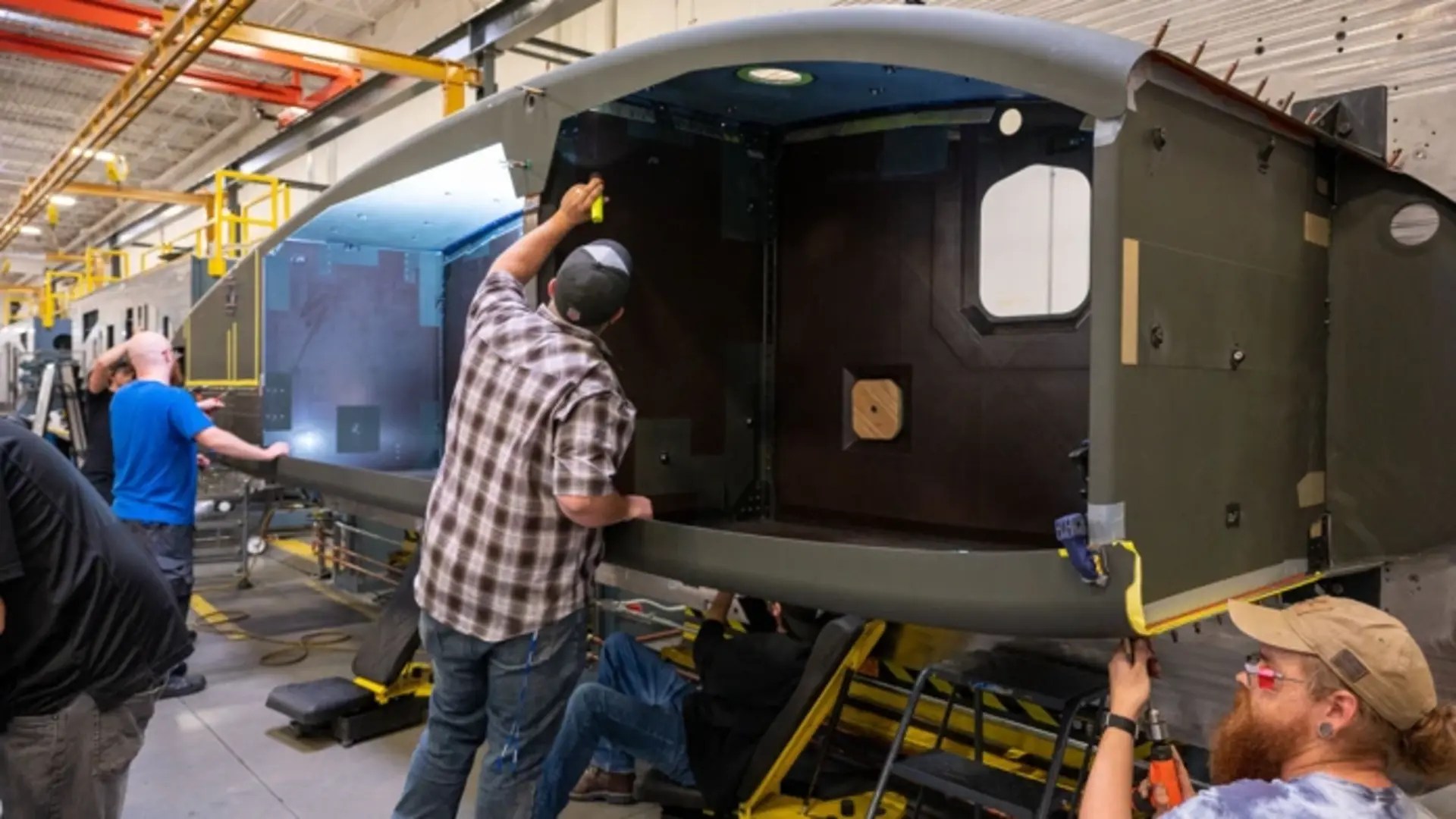
Albany Engineered Composites and A&P Technology are combining advanced braiding and resin transfer molding technologies to accelerate the development of scalable composite solutions for future aerospace and defense applications.
Albany Engineered Composites (AEC), a segment of Albany International Corp., and A&P Technology, a global leader in precision braided composite reinforcement technologies, announced a strategic collaboration to explore and develop advanced braided composite manufacturing solutions for current and next-generation aerospace and defense applications.
The collaboration will capitalize on A&P Technology’s expertise in braided composite architectures and Albany Engineered Composites’ advanced Resin Transfer Molding (RTM) manufacturing capabilities. The companies said the partnership is focused on accelerating the industrialization of lightweight, highly integrated composite structures designed to support future commercial and defense aircraft production requirements.
“Future aerospace platforms demand manufacturing technologies capable of simultaneously improving performance, reducing recurring cost and scaling to production rates the industry has not previously achieved,” said Chris Stone, president of Albany Engineered Composites in a press release.
“By combining A&P Technology’s deep expertise in advanced braiding with Albany’s industry-leading RTM capabilities, we are creating a force multiplier for our customers, accelerating the transition from innovative textile architectures to repeatable, production-ready composite solutions.”
The companies will work together on research, technology development, manufacturing process maturation, and commercialization opportunities focused on purpose-designed braided composite structures. These efforts will target current and next-generation aeroengine platforms, commercial aircraft, Advanced Air Mobility (AAM) blades and structures, Collaborative Combat Aircraft (CCA), and solid rocket motor nozzles.
Albany Engineered Composites is a rapidly growing division of Albany International Corp. that designs and manufactures advanced composite components for aerospace and defense industries. Headquartered alongside its parent company in Rochester, New Hampshire, AEC operates advanced research, development and manufacturing facilities across the globe, including major composite production sites in Salt Lake City, Utah; Boerne, Texas; and Commercy, France.
As aerospace manufacturers seek larger, more integrated composite structures, the companies said that combining braided composite preforms with automated RTM processing provides a pathway to scalable manufacturing by reducing assembly complexity and supporting higher production rates.
“It’s a privilege to collaborate with Albany given their broad and deep design and manufacturing skill and know-how built on decades of success making parts for the most demanding applications,” said Andy Head, president of A&P Technology.
“Together, we can offer composite solutions not only at an enabling rate but also with enabling cost and performance benefits. We look forward to meeting customer challenges together.”
Brent Stevenson, vice president of emerging markets and technology at Albany Engineered Composites, said that customers are seeking integrated solutions that combine multiple manufacturing processes.
“Our customers are looking beyond individual manufacturing processes; they’re looking for integrated solutions,” said Stevenson.
“Braiding and RTM are naturally complementary technologies. Together, they enable highly engineered composite architectures supporting complex geometries, efficient manufacturing and production scalability for both current and next-generation aerospace and defense platforms.”
Through the collaboration, Albany Engineered Composites and A&P Technology aim to advance composite manufacturing solutions that combine precision braided reinforcement technologies with advanced RTM processing. The companies’ work will focus on production-ready composite structures for a range of aerospace and defense applications, including commercial aircraft, military platforms and emerging aviation technologies.
The partnership brings together two specialized manufacturing approaches as the companies pursue opportunities in research, development, process advancement and commercialization of advanced composite solutions, the press release concludes.

