❌

Reading view

YouTube converter : pourquoi faut-il se méfier des convertisseurs en ligne ?

Un youtube converter en ligne promet de transformer n'importe quelle vidéo en fichier audio ou vidéo téléchargeable en quelques secondes, mais cette simplicité apparente cache des risques réels qu'il faut connaître avant de coller la moindre URL. Derrière une interface épurée, la majorité de ces...

  •  

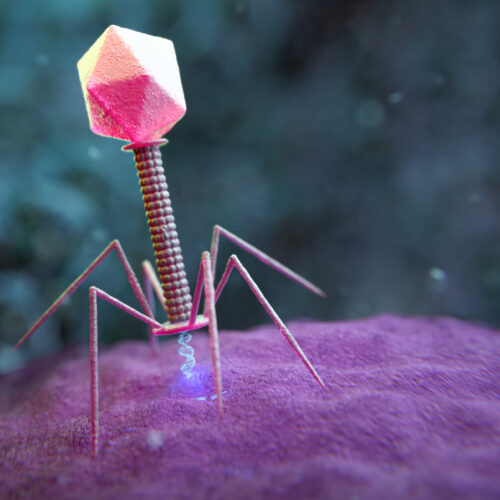
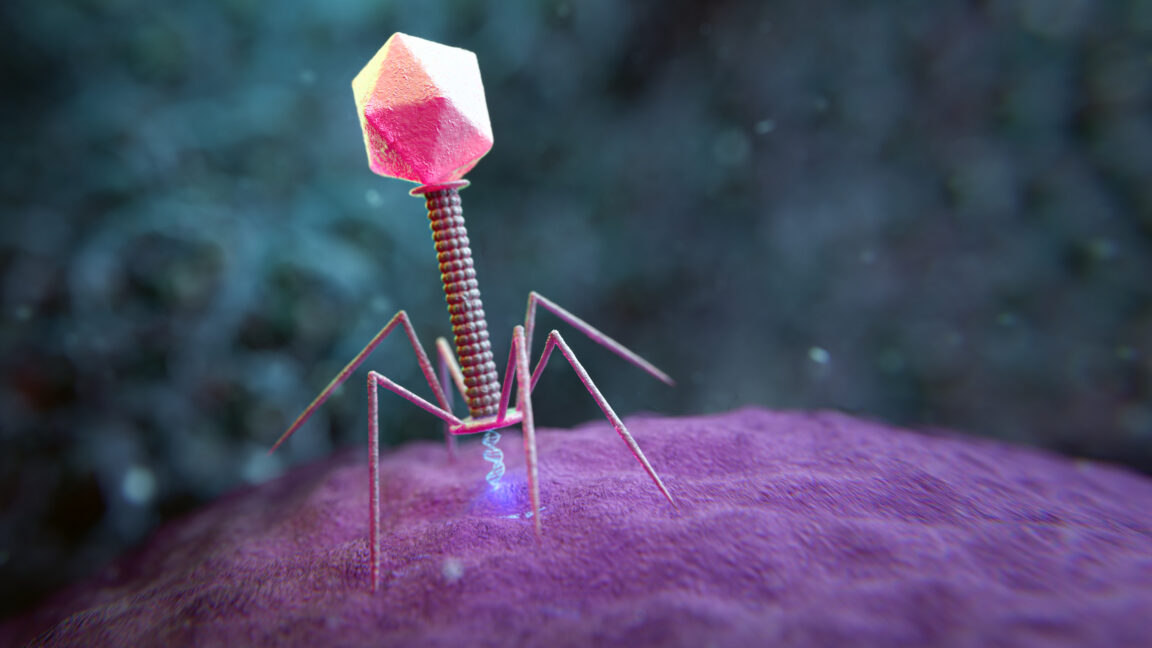
Large genome models used to design new viruses

A lot of the AI work in biology has been focused on designing proteins. That's partly because proteins do most of the business of life, catalyzing the interesting chemistry and structuring cells. So, figuring out how to make a new protein can mean directly tinkering with biochemistry, providing new and potentially useful functions.

Since the genetic code provides a layer of abstraction between DNA and proteins, it wasn't obvious what a model trained on DNA could do. Yet people went ahead and made a large genome model, and it turned out to be able to output DNA sequences that could encode functional proteins in bacteria and mimic the gene structures found in complex cells. Now, those same models have been used to output the genomes of viruses that infect bacteria.

This isn't science fiction—all the viruses the models created are closely related to an existing virus. But they do have some distinct features that would be challenging to evolve. And the researchers who did the work, based at Stanford University, suggest we may want to start thinking now about preparing for the potential that someone could develop a related AI that can design a virus that targets vertebrates.

Read full article

Comments

© THOM LEACH / SCIENCE PHOTO LIBRARY

  •  

Rougeole : ce qui se passe en ce moment aux États-Unis est particulièrement inquiétant

La rougeole connaît une flambée sans précédent aux États-Unis, avec un nombre de cas jamais atteint depuis plus de trente ans. Derrière cette résurgence se cache un recul de la vaccination qui inquiète les experts, alors que le virus circule désormais dans la quasi-totalité du pays. Une...

  •  

Novo malware usa CAPTCHA falso para roubar senhas no macOS

Pesquisadores da Group-IB apontaram a existência de um novo malware para macOS chamado ClickLock Stealer, que usa uma falsa verificação da Cloudflare para enganar os usuários, roubando dados sensíveis.

Mirando usuários na Itália, nos Estados Unidos, na Jordânia e no Reino Unido, os criminosos iniciam o ataque simulando uma verificação de CAPTCHA da Cloudflare e, na sequência, convencem a vítima a copiar e colar um comando no Terminal do Mac.

Após a execução, o malware é instalado enquanto exibe uma falsa tela de progresso. Se o usuário optar por tentar interromper a instalação ou não seguir de alguma forma com o processo, ele fecha todos os aplicativos visíveis, deixando apenas uma janela para inserir a senha do macOS. O ciclo de insistência do software pode passar dos 3 dias (algo em torno de 83 horas, segundo o estudo).

Depois de instalado, o malware começa a coletar senhas de navegadores, extensões de carteiras de criptomoedas, arquivos de carteiras digitais, dados de gerenciadores de senhas e outras informações comprometedoras.

Segundo os especialistas, o ClickLock Stealer começou a ser distribuído em maio passado, passando despercebido por todos os mecanismos de pesquisa até recentemente. Ele foi identificado em 33 países, em sua maioria europeus, sem veiculação a algum grupo de crime cibernético, distribuído muito possivelmente por uma campanha de engenharia social do tipo ClickFix.

O estudo recomenda aos usuários que nunca colem comandos de websites no Terminal, independentemente de como a página se parece ou do que ela alega fazer, e a nunca entregar a sua senha a espaços extraoficiais (como comandos) — caso você perceba que a execução de outros aplicativos está sendo encerrada. Se você desconfiar que a sua máquina foi infectada com o malware, revogue as sessões dos seus navegadores e altere todas as credenciais potencialmente comprometidas.

via Macworld

  •  

A Deadly Ebola-Like Virus Is Spreading. Are We Ready?

Ebola Virus Artist's ConceptBU virologist Nancy Sullivan says the Bundibugyo outbreak in the Democratic Republic of the Congo underscores the need for broader outbreak preparedness. The death of a nurse marked the moment health officials recognized that something dangerous was spreading. The illness was Bundibugyo virus, a rare but potentially deadly infection now driving a growing outbreak in [...]
  •  

Dengue, chikungunya, Zika : voici ce qui se passe dans un moustique avant qu’il puisse vous infecter

Une piqûre et tout bascule. À l’échelle microscopique, une véritable opération d’infiltration est déjà en cours : des virus — mais pas que… — exploitent le moustique pour nous atteindre. Pour ce troisième épisode de notre série de l’été consacrée aux secrets des moustiques, Futura vous embarque...

  •  

Avast - Japan Expo 2026 : vérifier applis, liens et téléchargements avant qu’ils n’entrent sur Android

À l’occasion de Japan Expo 2026, où les visiteurs naviguent entre applications mobiles, QR codes, contenus exclusifs et téléchargements rapides, la question de la sécurité numérique devient plus concrète que jamais. Sur Android, les usages s’intensifient au rythme des recherches de programmes,...

  •  

Cancer colorectal : des virus cachés dans nos bactéries pourraient changer la donne

Depuis des années, les scientifiques soupçonnent certaines bactéries intestinales de favoriser le cancer colorectal. Mais une nouvelle étude révèle qu’elles pourraient elles-mêmes être manipulées par un acteur jusqu’ici passé sous les radars : un virus caché dans leur ADN. Une découverte qui...

  •  

Norton – Asteroid Day : protéger les recherches scientifiques entre vidéos, PDF et ressources éducatives

À l’occasion de l’Asteroid Day, les recherches autour de l’espace, des astéroïdes et des enjeux scientifiques attirent un public toujours plus large. Entre vidéos pédagogiques, articles spécialisés, PDF techniques et plateformes éducatives, la navigation devient dense et parfois exposée à des...

  •  
  •  

ICML 2026 : Bitdefender protège les postes des développeurs IA face aux packages suspects

À l’occasion d’ICML 2026, la sécurité des environnements de développement revient au centre des préoccupations. Les chercheurs et ingénieurs en intelligence artificielle manipulent chaque jour des bibliothèques, des jeux de données et des scripts parfois issus de sources externes. Dans ce flux...

  •  

Ce virus Android se déguise en antivirus pour vider vos comptes bancaires

Un nouveau cheval de Troie bancaire, baptisé Rokarolla, se propage sur Android en se faisant passer pour Google Play Protect, l'antivirus du système. Une fois installé, il prend le contrôle du téléphone pour viser les identifiants de 217 applications bancaires et de cryptomonnaies.

  •  

UC Irvine Scientist Awarded Nearly $4 Million NIH Grant to Develop Therapeutic Vaccine Targeting Genital Herpes

University of California, Irvine Innovates Therapeutic Vaccine Strategy to Combat Recurrent Genital Herpes

In a groundbreaking development that could transform the management of genital herpes, UC Irvine immunologist Lbachir BenMohamed has secured nearly $4 million in funding from the National Institutes of Health to advance a novel therapeutic vaccine approach. This ambitious five-year project aims to tackle recurrent genital herpes caused by herpes simplex virus type 2 (HSV-2), a persistent viral infection that affects over 60 million Americans and more than half a billion individuals globally. Despite extensive research efforts historically, no approved therapeutic vaccine exists to date, leaving millions vulnerable to recurrent outbreaks and transmission.

BenMohamed’s research focuses on a next-generation vaccine strategy termed “Prime/Pull/Keep,” designed to establish a robust, localized immune defense precisely at the mucosal sites where HSV-2 resides and reactivates. Conventional vaccines predominantly elicit circulating antibodies, which are insufficient to control HSV-2’s latent reservoirs in the nerve ganglia and mucosal tissues. This innovative approach instead targets tissue-resident memory T cells (TRM), a specialized subset of immune cells critically positioned at the barrier sites to provide immediate defense against viral reactivation.

The Prime/Pull/Keep methodology encompasses a three-step immunization process: initial priming of protective T cells via vaccination, mobilization of these cells to the infected tissue through chemokine signals (pull), and sustained retention and functional maintenance at the site of infection (keep). Together, these steps ensure a sustained population of antiviral T cells, capable of rapid detection and elimination of reactivated virus, potentially curbing recurrent disease manifestations and viral shedding.

Previous investigations by BenMohamed’s team have demonstrated promising results with mRNA-based therapeutic vaccines in preclinical models. These candidates were effective in reducing clinical signs of recurrent genital herpes and enhancing the recruitment of protective T cells within genital mucosal tissues. Additionally, exploring immune-signaling molecules such as chemokines has validated the feasibility of attracting and retaining TRM populations, thereby improving local immune surveillance and long-term antiviral immunity.

The current NIH-funded project intends to rigorously evaluate the safety profile and immunogenic potential of various Prime/Pull/Keep vaccine candidates in preclinical animal models, examining how augmenting the quantity, quality, and durability of TRM cells correlates with protection from HSV-2 reactivation. This represents a critical translational step toward bridging laboratory research and clinical trials, responding to NIH’s strategic priority to develop novel therapeutic interventions for genital herpes.

BenMohamed articulates the significance of this research succinctly: “People living with recurrent genital herpes have long awaited effective therapeutic vaccines. Our innovative immune-based approach not only amplifies protective T cells but directs and maintains them where the virus hides. This could revolutionize prevention strategies for millions affected worldwide.” The team’s vision is to develop a vaccine capable of reducing recurrent outbreaks and viral transmission, substantially improving quality of life for patients.

HSV-2 represents a formidable pathogen due to its ability to establish lifelong latent infection in sensory neurons, periodically reactivating to cause painful genital lesions and facilitating onward transmission. Existing antiviral therapies focus on suppressing viral replication but do not eliminate reservoirs or prevent recurrence. The targeted boosting of tissue-resident immune memory represents a paradigm shift in immunotherapy, promising durable tissue-specific immunity where it is needed most.

The Prime/Pull/Keep vaccination strategy could also circumvent issues faced by traditional systemic vaccines, which often fail to generate sufficient mucosal immunity or induce long-lasting memory T cell populations within genital tissues. By tailoring antigen delivery and immune modulation, this approach aims to enhance the local microenvironment and foster a self-renewing population of sentinel T cells poised to respond immediately to viral reactivation.

As the project advances through preclinical stages, rigorous assessment of immune correlates of protection will inform optimization of vaccine formulations, dosing schedules, and adjuvant combinations. Understanding the mechanisms underpinning TRM cell maintenance and functionality remains an active area of investigation critical to maximizing therapeutic efficacy and durability.

The successful identification of an optimal Prime/Pull/Keep candidate would pave the way for human clinical trials, marking a historic milestone in the fight against genital herpes. Such a vaccine holds the promise not only to alleviate recurrent symptoms but also to significantly curtail viral shedding, thereby decreasing transmission rates and public health burden.

Beyond genital herpes, the conceptual framework underlying Prime/Pull/Keep may inspire novel immunotherapeutic strategies for other persistent viral infections and chronic diseases where localized immune memory is pivotal. Collaborative efforts among immunologists, virologists, and clinical scientists will be essential to translate these findings into effective interventions.

With UC Irvine’s robust infrastructure, cutting-edge facilities, and interdisciplinary expertise, BenMohamed’s laboratory is well-positioned to spearhead this transformative endeavor. The $3.93 million NIH R01 grant underscores the scientific community’s confidence in this pioneering approach and its potential to redefine therapeutic vaccine development for chronic viral infections.

In conclusion, the UC Irvine-led Prime/Pull/Keep vaccine project represents a beacon of hope for millions plagued by recurrent genital herpes, offering a sophisticated and strategic means to harness the immune system’s power at the precise sites of viral latency and reactivation. As research progresses, the scientific world eagerly anticipates the realization of a durable, tissue-targeted therapeutic vaccine capable of changing the landscape of HSV-2 management and prevention.

Subject of Research: Development of a novel therapeutic vaccine to prevent recurrent genital herpes by targeting tissue-resident memory T cells

Article Title: UC Irvine Advances Prime/Pull/Keep Therapeutic Vaccine Strategy to Combat Recurrent Genital Herpes

News Publication Date: June 16, 2026

Web References:
– University of California, Irvine: www.uci.edu
– UC Irvine News: news.uci.edu
– NIH Media Resources: https://news.uci.edu/media-resources/

Keywords: herpes simplex virus type 2, HSV-2, genital herpes, therapeutic vaccine, tissue-resident memory T cells, Prime/Pull/Keep, immunotherapy, mRNA vaccine, viral latency, NIH funding, recurrent infections, mucosal immunity

  •  

Asteroid Day : Norton encadre les recherches d’astronomie entre sites éducatifs, vidéos et téléchargements

À l’occasion de l’Asteroid Day, de nombreux passionnés se tournent vers des vidéos, cartes du ciel, applications d’observation ou ressources pédagogiques pour approfondir leurs connaissances. Cette curiosité conduit souvent à multiplier les recherches, les téléchargements et les visites de sites...

  •  
❌