❌

Reading view

Cancer Cells Exploit a Hidden Immune “Off Switch”

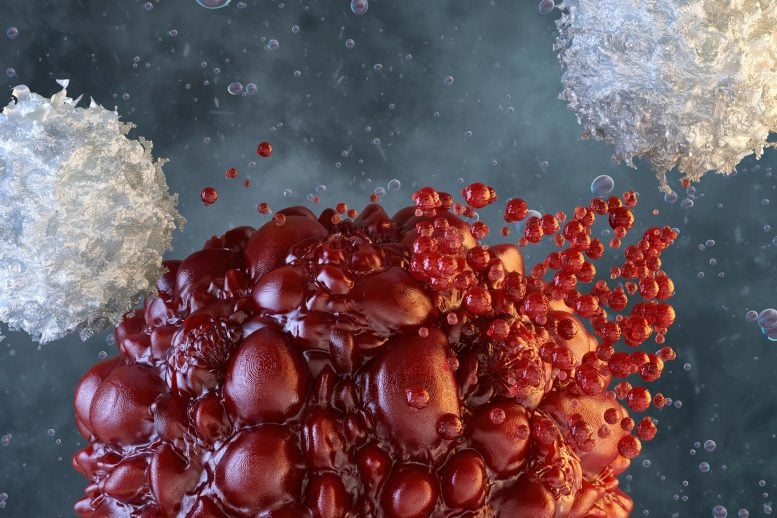
Cancer Cell Targeted NK Natural Killer Immune CellsA protein called TRAILshort may act as a central immune brake that limits T-cell responses and CAR-T therapy. Cancer cells can weaken the immune system by producing a protein that prevents its most important defenders from attacking. Mayo Clinic researchers have identified how this protein works, revealing a possible target for treatments designed to improve [...]
  •  

How Neuroblastoma Balances Replication Stress and Genome Stability Across Chromosome 17q

Neuroblastoma, a cancer of the developing nervous system, has long challenged researchers because its behavior can vary dramatically from one patient to another. Some tumors respond well to treatment, while others grow aggressively, spread rapidly, and return despite intensive therapy. A new study published in the British Journal of Cancer examines one of the most important genetic features associated with this disease: changes affecting the long arm of chromosome 17, known as 17q. The research presents chromosome 17q as more than a passive marker of cancer progression, describing it as a functional region where the demands of rapid DNA replication collide with the cell’s need to preserve genomic stability.

Chromosome 17q is frequently altered in neuroblastoma, particularly through the gain of additional genetic material. In cancer biology, such gains can increase the dosage of genes that support tumor growth, survival, or resistance to treatment. Yet the consequences are not necessarily uniform across the entire chromosome. A duplicated region may contain genes with opposing effects: some may help malignant cells divide, while others may create vulnerabilities by placing excessive pressure on the machinery responsible for copying DNA. The study by Hilgert, Depestel, Van Roy and colleagues investigates this functional complexity rather than treating 17q gain as a single, indivisible event.

DNA replication is the process by which a cell copies its genome before dividing. This operation must proceed rapidly but with remarkable accuracy. When replication forks—the molecular structures that move along DNA during copying—slow down, stall, or collapse, cells experience replication stress. Replication stress can arise when cancer cells divide too quickly, when DNA contains difficult-to-copy sequences, or when the supply of nucleotides and other replication components becomes insufficient. If unresolved, stalled replication forks can generate DNA breaks and rearrangements, helping tumors evolve while also threatening the survival of the cells that carry them.

The new work focuses on how genetic elements within 17q influence this balance. A region that promotes proliferation may simultaneously intensify replication stress, creating a biological paradox. Tumor cells benefit from increased growth signals, but they must also develop mechanisms to tolerate the resulting damage. This dependence can become a weakness: cancer cells operating close to the limits of replication may rely heavily on DNA repair pathways and checkpoint systems that normal cells use less intensively. Disrupting those support systems could selectively harm tumor cells, an idea that has become central to the development of targeted cancer treatments.

The researchers describe a “functional landscape” for chromosome 17q, suggesting that the region should be understood through the combined activity of its genes and regulatory elements. Genes do not act in isolation. Their effects depend on gene dosage, cellular context, interactions with other genomic regions, and the stage of tumor development. In neuroblastoma, these relationships may determine whether a 17q alteration produces a viable, treatment-resistant cancer cell or instead creates so much replication difficulty that the cell becomes vulnerable to damage and death. Mapping these relationships offers a more precise view of why the same broad chromosomal change can have different consequences in individual tumors.

This perspective is especially important because neuroblastoma often develops from immature cells of the peripheral nervous system. During early development, these cells naturally undergo tightly regulated programs of growth, migration, and differentiation. Cancer can emerge when those programs are disrupted, allowing cells to continue dividing instead of maturing into specialized nerve-related cells. Additional chromosomal alterations may then reinforce the malignant state. By connecting 17q abnormalities with replication stress and genome maintenance, the study places a major neuroblastoma feature within the wider biology of developmental cancer.

Genomic stability refers to the ability of a cell to copy and preserve its DNA without accumulating excessive mutations or structural changes. Cancer cells frequently compromise this stability, producing an unstable genome that can accelerate adaptation. However, instability has limits. Too little DNA damage may not generate enough diversity for a tumor to evolve, while too much can trigger cell death or permanent growth arrest. The study’s central concept is that 17q alterations may push neuroblastoma cells toward this dangerous threshold, forcing them to balance accelerated growth against the risk of catastrophic replication failure.

The findings could influence how researchers think about treatment strategy. If specific 17q-associated activities make tumor cells dependent on replication-stress responses, therapies aimed at DNA damage checkpoints or repair enzymes might be especially effective in selected neuroblastomas. Such approaches could potentially be combined with existing treatments, including chemotherapy, which already damages DNA but can also harm healthy tissues. The challenge will be identifying which tumors truly depend on particular repair mechanisms and determining how to target those dependencies without increasing toxicity. A functional map of 17q could help move treatment decisions beyond the simple presence or absence of a chromosomal gain.

The study also highlights why cancer genomes should not be interpreted solely through large-scale structural changes. A chromosomal gain may be clinically useful as a prognostic signal, but its biological meaning depends on the genes and pathways it affects. By examining how chromosome 17q contributes to replication stress and genome protection, the researchers provide a framework for understanding why this region is repeatedly selected during neuroblastoma evolution. Their work points toward a future in which genetic alterations are assessed not only as labels of risk, but as clues to the specific pressures that keep cancer cells alive—and the vulnerabilities that may ultimately bring them down.

Subject of Research: Functional effects of chromosome 17q alterations, replication stress, and genomic stability in neuroblastoma

Article Title: A functional landscape for chromosome 17q in neuroblastoma: balancing replication stress and genomic stability

Article References: Hilgert, E., Depestel, L., Van Roy, N. et al. “A functional landscape for chromosome 17q in neuroblastoma.” British Journal of Cancer (2026). https://doi.org/10.1038/s41416-026-03569-w

Image Credits: AI Generated

DOI: 10.1038/s41416-026-03569-w

Keywords: Neuroblastoma, chromosome 17q, replication stress, genomic stability, DNA replication, DNA repair, cancer genetics, tumor evolution, developmental cancer

  •  

Cigar, Cigarillo, and Pipe Smoking: Lung Cancer Risk and Screening Eligibility

A new study published in the British Journal of Cancer is challenging the way lung-cancer risk is discussed among people who do not smoke conventional cigarettes. Researchers led by S. Vaja, J.L. Dickson and C. Horst examined the effects of cigar, cigarillo and pipe smoking, focusing on two questions with immediate public-health consequences: how these products influence the likelihood of developing lung cancer and whether their users are being identified as eligible for screening.

Lung-cancer prevention strategies have traditionally been built around cigarette consumption, especially the number of cigarette packs smoked per year. This measure, known as pack-years, combines smoking intensity and duration. One pack-year generally represents smoking 20 cigarettes a day for one year. Because cigars, cigarillos and pipes are used differently from cigarettes, their tobacco exposure is harder to convert into the same standardized measurement. That difference can leave regular users outside the systems designed to identify people at high risk.

The study addresses a persistent misconception: that alternative combustible tobacco products are inherently safer because they are not smoked in the same way as cigarettes. Cigar and pipe users may inhale less deeply or less frequently, but the smoke still contains carcinogenic compounds produced by burning tobacco. These include polycyclic aromatic hydrocarbons, tobacco-specific nitrosamines, volatile organic compounds and fine particulate matter. The precise dose entering the lungs can vary substantially, yet repeated exposure can still damage airway cells and contribute to mutations associated with cancer development.

Cigarillos occupy a particularly complicated position because they range from small, cigarette-like products to larger cigars that may be smoked over a longer period. Their nicotine content and smoke volume can also differ widely. Some users inhale cigarillo smoke deeply, while others do not. Pipes introduce another set of variables, including the duration of a smoking session, the amount of tobacco burned and the frequency with which the pipe is used. These differences make simple comparisons difficult, but they do not eliminate the biological hazards of combustion.

According to the research, the central concern is not only whether cigar, cigarillo and pipe smoking increases lung-cancer risk, but also whether current screening rules recognize that risk. Lung-cancer screening commonly relies on age and a history of cigarette smoking measured in pack-years. People who have smoked other combustible tobacco products may therefore be classified as having insufficient exposure, even when their cumulative tobacco use has been substantial. If risk is underestimated at the eligibility stage, some people could miss the opportunity to detect a tumour before symptoms appear.

Screening works by identifying disease at an earlier and more treatable stage, often using low-dose computed tomography, or LDCT. Unlike a conventional CT scan, LDCT uses a lower radiation dose to create detailed images of the lungs. Its effectiveness depends on selecting people whose probability of developing lung cancer is high enough to justify the benefits and potential harms of testing. Those harms include false-positive findings, unnecessary follow-up procedures, anxiety and cumulative radiation exposure. The challenge is to expand access without encouraging indiscriminate scanning.

The researchers’ analysis highlights why tobacco history needs to be recorded in greater detail. A questionnaire that asks only whether someone smokes cigarettes can overlook the frequency, duration and type of cigar, cigarillo or pipe use. It may also fail to capture former users whose exposure occurred years earlier. More comprehensive risk models could incorporate the number of products used, smoking intensity, years since quitting, inhalation patterns and additional factors such as age, occupational exposure, air pollution and family history.

The findings also carry a message for people who use these products socially or intermittently. Risk is not determined solely by whether smoking occurs every day. The biological impact depends on cumulative exposure, the composition of the product and how smoke is inhaled. Occasional use may carry less risk than heavy, long-term use, but “less” does not mean “none.” Combustible tobacco remains fundamentally different from non-combustible nicotine products because burning creates the toxic mixture responsible for much of the damage to the respiratory system.

The study does not suggest that every cigar or pipe smoker should automatically undergo a CT scan. Instead, it points to a gap between real-world tobacco exposure and the simplified categories used in many screening policies. The authors’ work could encourage clinicians and policymakers to assess alternative tobacco use more systematically and to investigate whether existing eligibility thresholds should be adapted. Any change would require careful validation, because screening recommendations must balance earlier diagnosis against the risks of testing people who are unlikely to benefit.

The broader lesson is that lung-cancer risk cannot be reduced to a single cigarette-based number. As smoking patterns evolve and tobacco products diversify, prevention programmes must keep pace with the ways people actually consume tobacco. The study by Vaja and colleagues adds evidence that cigar, cigarillo and pipe smoking deserve a more visible place in lung-health research and clinical risk assessment. For now, the clearest preventive message remains unchanged: avoiding all combustible tobacco products offers the strongest protection, while anyone with a history of substantial use should discuss their individual risk with a healthcare professional.

Subject of Research: The effects of cigar, cigarillo and pipe smoking on lung-cancer risk and eligibility for lung-cancer screening.

Article Title: The effect of cigar, cigarillo and pipe smoking on lung cancer risk and screening eligibility.

Article References: Vaja, S., Dickson, J.L., Horst, C. et al. “The effect of cigar, cigarillo and pipe smoking on lung cancer risk and screening eligibility.” British Journal of Cancer (2026). https://doi.org/10.1038/s41416-026-03578-9

Image Credits: AI Generated

DOI: 10.1038/s41416-026-03578-9

Keywords: lung cancer, cigar smoking, cigarillo smoking, pipe smoking, tobacco exposure, cancer screening, low-dose CT, smoking-related cancer, public health, epidemiology

  •  

Calreticulin-targeted L-asparaginase–flagellin conjugate boosts Salmonella’s antitumor effectiveness

Cancer researchers have reported a new strategy that combines bacterial tumor targeting, nutrient deprivation and immune stimulation in a single therapeutic design. The approach uses an engineered conjugate built from L-asparaginase and flagellin, linked to a system that directs the treatment toward calreticulin-bearing cancer cells. In experiments involving Salmonella-mediated tumor therapy, the conjugate enhanced antitumor activity compared with bacterial treatment alone, according to a study published in Cell Death Discovery.

The work addresses a long-standing challenge in cancer therapy: how to make powerful treatments concentrate inside tumors while limiting damage to healthy tissues. Attenuated strains of Salmonella have attracted interest because they can preferentially accumulate in the abnormal environment of solid tumors. Tumors often contain regions with poor oxygen levels, disorganized blood vessels and local immune suppression, conditions that can support bacterial growth. Once inside these sites, therapeutic Salmonella can act as a biological delivery platform and stimulate immune responses against malignant cells.

The researchers focused on calreticulin, a protein normally found inside the endoplasmic reticulum, where it helps regulate calcium storage and protein folding. Under cellular stress, including stress caused by chemotherapy, radiation or other anticancer treatments, calreticulin can move to the outer surface of a cancer cell. There, it functions as an “eat-me” signal, alerting immune cells that the damaged cell should be engulfed. Because surface-exposed calreticulin is associated with immunogenic forms of cell death, it provides a potential molecular address for directing therapeutic agents toward stressed tumor cells.

The experimental construct combines this targeting concept with L-asparaginase, an enzyme already used in clinical oncology, especially in the treatment of acute lymphoblastic leukemia. L-asparaginase breaks down circulating L-asparagine into aspartic acid and ammonia. Some cancer cells, particularly those with limited capacity to synthesize their own asparagine, depend heavily on the amino acid supplied through the bloodstream. Depleting extracellular asparagine can therefore interrupt protein production, trigger metabolic stress and promote cancer-cell death. The enzyme’s effectiveness, however, can be limited by immune reactions, pharmacological instability and toxicity, making targeted delivery an important goal.

The second component, flagellin, is the structural protein that forms the filament of bacterial flagella. It is also a potent molecular signal for the innate immune system. Immune cells recognize flagellin primarily through Toll-like receptor 5, while intracellular sensing pathways can activate inflammasome components such as NLRC4. These signals can promote the release of inflammatory mediators, stimulate antigen-presenting cells and help convert an immunologically “cold” tumor into one more visible to the immune system. By incorporating flagellin into the therapeutic design, the researchers sought to make the treatment not only directly toxic to tumor cells but also capable of amplifying antitumor immunity.

The study’s central finding was that the calreticulin-targeting L-asparaginase–flagellin conjugate strengthened the antitumor effects of Salmonella-based therapy. Rather than relying on a single mechanism, the treatment brings together several forms of pressure on the tumor. Salmonella can concentrate within the tumor microenvironment, the targeting component can help associate the conjugate with calreticulin-exposing cancer cells, L-asparaginase can deprive vulnerable cells of an essential nutrient, and flagellin can activate immune surveillance. The resulting combination is designed to produce a chain reaction in which metabolic stress and immune stimulation reinforce one another.

This type of combination may be particularly valuable because tumors frequently adapt when exposed to one therapeutic pressure. A cancer cell that survives nutrient deprivation may still be eliminated if immune recognition is intensified. Likewise, an immune response that is too weak to control a tumor may become more effective when bacterial localization and enzyme-mediated damage increase the number of abnormal antigens and danger signals released by dying cells. The researchers’ findings suggest that coordinating these mechanisms can improve the performance of bacteria-assisted cancer treatment in experimental settings.

The approach also reflects a broader shift in cancer research toward programmable biological medicines. Instead of treating bacteria only as infectious threats, scientists are redesigning them as localized delivery vehicles capable of carrying enzymes, immune activators or molecular probes. The advantage is spatial: a therapeutic payload can be produced or concentrated near the tumor rather than distributed uniformly throughout the body. The challenge is equally significant. Any clinical version would need precise control over bacterial attenuation, immune activation, enzyme exposure and potential inflammation, while also demonstrating reliable performance across genetically diverse tumors.

Calreticulin targeting may provide a useful way to address some of that complexity because the protein’s appearance on the cell surface is linked to cellular stress and treatment response. However, the extent and duration of calreticulin exposure can vary between tumor types and individual patients. Future studies will need to determine which cancers are most suitable for this strategy, how calreticulin levels predict treatment response and whether the conjugate can be combined safely with established immunotherapies such as immune-checkpoint inhibitors. Researchers will also need to assess pharmacology, manufacturing consistency and the possibility of immune reactions against the bacterial or enzymatic components.

The findings position the engineered conjugate as a promising experimental platform rather than an immediately available therapy. By merging tumor-homing bacteria with a calreticulin-directed enzyme and an innate immune stimulant, the study illustrates how cancer treatments can be designed to attack malignant cells on multiple biological fronts. If the results are confirmed in further preclinical testing and eventually in carefully controlled clinical trials, this strategy could help turn Salmonella from a passive carrier into an active, multifunctional partner in cancer immunotherapy.

Subject of Research: Calreticulin-targeted L-asparaginase–flagellin conjugate used with Salmonella-mediated cancer therapy.

Article Title: Calreticulin-targeting L-asparaginase-flagellin conjugate enhances Salmonella-mediated antitumor efficacy.

Article References: Nguyen, DH., Afzal, A.R., Nguyen, P.TM. et al. Calreticulin-targeting L-asparaginase-flagellin conjugate enhances Salmonella-mediated antitumor efficacy. Cell Death Discov. (2026). https://doi.org/10.1038/s41420-026-03300-x

Image Credits: AI Generated

DOI: https://doi.org/10.1038/s41420-026-03300-x

Keywords: cancer immunotherapy, Salmonella, calreticulin, L-asparaginase, flagellin, tumor targeting, bacterial therapy, antitumor efficacy, immunogenic cell death

  •  

Study Explores PDLIM2 as Prognostic Biomarker and Treatment Target in Lung Adenocarcinoma

Lung adenocarcinoma is one of the most common forms of lung cancer and remains a major cause of cancer-related death worldwide. Although advances in imaging, molecular testing and targeted treatment have transformed care for some patients, the disease can behave very differently from one person to another. A new study published in the British Journal of Cancer is examining whether a protein called PDLIM2 could help explain that difference—and potentially become both a prognostic biomarker and a target for future therapies.

The research, led by Ashouri, Sun, Krause and colleagues, focuses on the biological and clinical significance of PDLIM2 in lung adenocarcinoma. A prognostic biomarker is a measurable feature that helps indicate how a disease may progress, including the likelihood of recurrence, treatment resistance or reduced survival. A therapeutic target, by contrast, is a molecule or pathway that can be manipulated with a drug or other intervention. The possibility that one protein could serve both roles makes PDLIM2 particularly interesting to cancer researchers.

PDLIM2 belongs to a family of proteins containing LIM domains, compact structural modules that help organize interactions between proteins. These proteins can act as molecular adaptors, bringing signaling components into the same cellular neighborhoods and influencing how cells respond to external stimuli. PDLIM2 has also been linked to the regulation of transcription factors, including nuclear factor kappa B, or NF-κB, a signaling regulator involved in inflammation, immune responses, cell survival and cancer biology. Because these processes are frequently altered in tumors, changes in PDLIM2 activity could have consequences extending far beyond a single cellular pathway.

Lung adenocarcinoma develops through the accumulation of genetic, epigenetic and environmental changes that allow abnormal cells to grow, invade surrounding tissue and spread to distant organs. Tumor cells also interact continuously with immune cells, connective tissue and blood vessels in their surrounding microenvironment. A protein such as PDLIM2 could influence cancer progression directly inside tumor cells or indirectly by altering inflammatory communication between the tumor and its surroundings. Understanding which of these possibilities is most important is essential before the protein can be considered a reliable clinical marker.

The investigators’ work explores whether PDLIM2 levels or activity are associated with meaningful features of lung adenocarcinoma. Such analyses typically compare molecular patterns in tumor and normal tissue, relate gene or protein expression to clinical outcomes, and examine whether a biomarker adds information beyond established factors such as tumor stage, histological characteristics and patient treatment. If PDLIM2 consistently tracks with disease behavior, it could eventually help doctors identify patients whose tumors require closer monitoring or more intensive treatment.

However, a biomarker is not automatically useful simply because it is statistically associated with cancer. For a molecule to become clinically valuable, researchers must establish how accurately and reproducibly it predicts outcomes, whether the result applies across different patient groups, and whether testing can be performed using practical samples and standardized methods. The distinction between correlation and causation is equally important. A high or low level of PDLIM2 may reflect an underlying cancer process without being responsible for it. The study’s therapeutic implications therefore depend on experimental evidence showing whether changing PDLIM2 can alter tumor-cell behavior.

The therapeutic-target question is especially challenging in lung adenocarcinoma, a disease that often contains several cancer-driving alterations at once. Targeted drugs against molecules such as EGFR, ALK, ROS1 and KRAS have produced significant benefits for selected patients, but resistance commonly emerges. Tumors can bypass blocked pathways, acquire new mutations or recruit protective signals from their microenvironment. If PDLIM2 participates in a separate or complementary network, targeting it could theoretically provide another way to disrupt tumor survival or progression. That possibility remains a research hypothesis requiring validation rather than an established treatment strategy.

Laboratory studies will be crucial for determining how PDLIM2 functions in different cellular contexts. Researchers may need to silence or increase the protein in lung adenocarcinoma models, monitor effects on proliferation, migration, invasion and cell death, and test whether PDLIM2 changes the response to existing therapies. Studies using animal models and patient-derived tumor systems could further reveal whether manipulating the protein affects tumor growth in a complex biological environment. At the same time, clinical datasets will be needed to establish whether PDLIM2 has independent prognostic value and whether it can support treatment decisions.

The appeal of the new research lies in its attempt to connect molecular biology with patient outcomes. Modern oncology increasingly depends on biomarkers that do more than describe a tumor; the most useful markers help predict what will happen and guide what should be done next. PDLIM2 could become part of that effort if future studies confirm its role across diverse populations and demonstrate that it can be measured reliably. For now, the work adds to a growing investigation into the signaling architecture of lung adenocarcinoma, where proteins once considered secondary components may hold clues to why some tumors remain controllable while others become aggressive and treatment-resistant.

Subject of Research: PDLIM2 as a prognostic biomarker and potential therapeutic target in lung adenocarcinoma.

Article Title: Exploring PDLIM2 as a prognostic biomarker and therapeutic target in lung adenocarcinoma.

Article References: Ashouri, K., Sun, F., Krause, H. et al. Exploring PDLIM2 as a prognostic biomarker and therapeutic target in lung adenocarcinoma. Br J Cancer (2026). https://doi.org/10.1038/s41416-026-03570-3

Image Credits: AI Generated

DOI: 10.1038/s41416-026-03570-3

Keywords: PDLIM2, lung adenocarcinoma, lung cancer, prognostic biomarker, therapeutic target, cancer signaling, precision oncology, NF-κB, molecular oncology

  •  

Scientists Discover a Hidden Way T Cells Attack Leukemia

Leukemia Cancer Blood Malignant CellsT cells may use a previously unknown CD64-dependent pathway to attack acute myeloid leukemia. T cells are generally thought to identify cancer through a well-established molecular recognition system. Yet when researchers removed a key part of that system from acute myeloid leukemia (AML) cells, the immune cells continued killing them. The unexpected result led scientists [...]
  •  

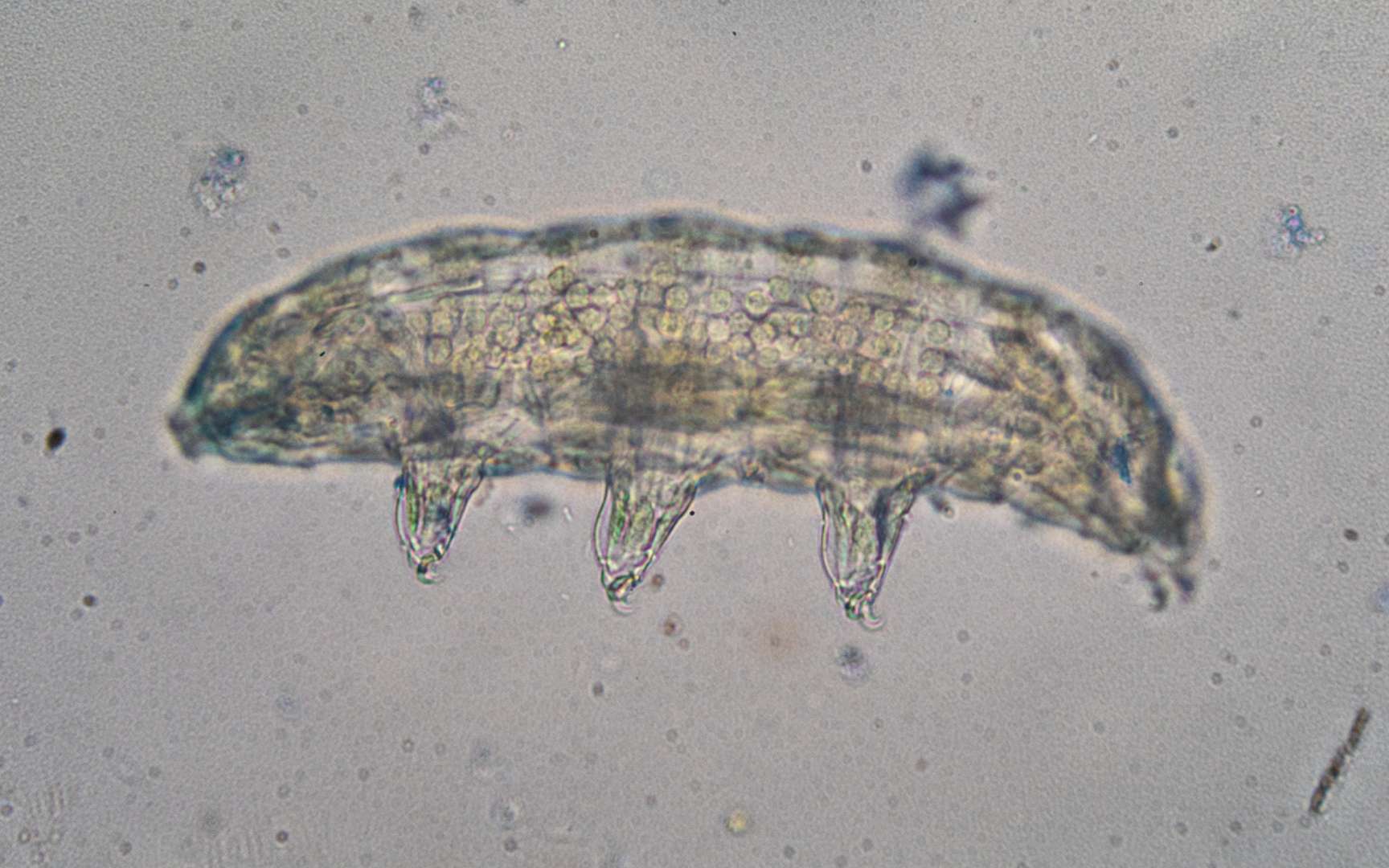
Une seule protéine de tardigrade suffirait à réduire les dommages des radiations sur les cellules humaines : voici comment

Un demi-millimètre de long, et une résistance aux radiations mille fois supérieure à la nôtre. Le tardigrade doit une partie de ce pouvoir à une seule protéine, capable de s'enrouler autour de l'ADN comme un bouclier. Greffée dans des cellules humaines, elle divise presque par deux les dégâts...

  •  

KAIST develops treatment targeting cancer cachexia, a debilitating wasting syndrome

Cancer-associated cachexia, the wasting syndrome that erodes muscle, fat and physical resilience in many people with advanced cancer, has long resisted treatment. Now, researchers at the Korea Advanced Institute of Science and Technology (KAIST) report a preclinical strategy that targets the disorder from an unexpected location: the brainstem. In tumor-bearing mice, an RNA-based therapy designed to silence a neural receptor preserved body weight, muscle mass, fat stores and physical function, while dramatically improving survival even after cachexia had already developed.

The study was conducted by a joint team led by Minho Shong and Jinkuk Kim of KAIST’s Graduate School of Medical Science and Engineering, in collaboration with the KAIST faculty startup THOR Therapeutics. Their approach focuses on the biological circuit formed by growth differentiation factor 15, or GDF15, and its receptor, GFRAL. GDF15 is a signaling protein released in elevated amounts during several disease states, including cancer. When it reaches the hindbrain and binds to GFRAL, it activates neural pathways associated with nausea, appetite suppression and profound metabolic changes.

Cachexia is more complex than ordinary weight loss. Patients can continue losing muscle and body fat even when food intake is adequate, because cancer and the host response to cancer disrupt the systems that regulate energy use, inflammation and tissue maintenance. The resulting decline can weaken immunity, reduce mobility and make chemotherapy more difficult to tolerate. Although the syndrome affects an estimated 50 to 80 percent of people with cancer, available treatments have generally focused on stimulating appetite or providing nutritional support. Such measures may increase food intake temporarily, but they do not necessarily halt the breakdown of muscle or correct the underlying metabolic disturbance.

The KAIST researchers reasoned that the GDF15–GFRAL pathway could act as a central command system for this wasting response. GDF15 produced in the body circulates to the brainstem, where GFRAL is concentrated in a specialized region known as the area postrema and its surrounding neural circuitry. Once activated, this receptor can influence brain networks that control feeding behavior and autonomic metabolism. Rather than attempting to neutralize GDF15 throughout the body, the team chose to disable the receptor itself in the brainstem, preventing the signal from being received.

To accomplish this, the researchers developed antisense oligonucleotides, or ASOs, directed against Gfral messenger RNA. ASOs are short, chemically modified strands of nucleic acid engineered to bind a specific RNA sequence. When an ASO binds its target messenger RNA, cellular enzymes can promote its degradation or interfere with its processing, reducing production of the corresponding protein. In this case, the treatment lowered the supply of GFRAL receptors in the brainstem. The strategy therefore acts at the RNA stage, before the receptor is assembled and displayed on the surface of neural cells.

The experiments were performed in mice carrying tumors and showing established signs of cancer cachexia. This timing is important because many experimental interventions appear effective only when administered before severe wasting begins. According to the researchers, GFRAL silencing after cachexia had progressed substantially reduced the loss of muscle and fat. Treated animals also showed restoration of metabolic functions that had deteriorated during tumor growth, suggesting that the intervention did more than increase appetite. It helped interrupt the physiological program driving the breakdown of energy reserves.

The most striking result involved survival. At approximately day 50, the endpoint used in the study, about 90 percent of the mice receiving the GFRAL-targeting ASO remained alive, compared with roughly 20 percent of untreated tumor-bearing animals. The treated mice retained greater body weight and muscle mass and performed better in measures of muscle function. These findings indicate that cachexia itself can be a major determinant of outcome in cancer-bearing organisms and that blocking its central signaling pathway may provide benefits beyond nutritional improvement.

The work does not yet establish whether the same treatment will be safe or effective in people. GFRAL signaling is involved in the body’s response to circulating stress signals, and manipulating a receptor in the brainstem requires careful assessment of neurological, cardiovascular, gastrointestinal and metabolic effects. Human cancers also vary widely in their production of GDF15, tumor location and inflammatory biology. Nevertheless, the results offer a mechanistically precise alternative to therapies that merely encourage patients to eat. By targeting the receptor rather than broadly suppressing the signaling protein, the ASO approach may eventually be combined with chemotherapy, immunotherapy or other cancer treatments.

The findings, published in Cell Reports Medicine, represent an early step toward translating a brain-directed RNA therapy for cachexia. The researchers plan further preclinical studies, along with development of manufacturing and quality-control systems, with the stated goal of beginning clinical development in cancer patients by 2030. If the biology can be reproduced safely in humans, silencing GFRAL could become an adjunct treatment intended to preserve physical function, extend treatment tolerance and improve survival. For now, however, the evidence remains limited to tumor-bearing mice, and the central challenge will be determining whether a signal that can be switched off experimentally can be controlled with equal precision in patients.

Subject of Research:
An antisense oligonucleotide therapy targeting brainstem GFRAL to treat cancer-associated cachexia in tumor-bearing mice.

Article Title:
Therapeutic Gfral silencing via antisense oligonucleotides ameliorates cancer-associated cachexia and extends survival in tumor-bearing mice

Web References:
https://doi.org/10.1016/j.xcrm.2026.102939

References:
Cell Reports Medicine, published 27 July 2026. DOI: 10.1016/j.xcrm.2026.102939

Image Credits:
KAIST

Keywords:
Cancer cachexia, GFRAL, GDF15, antisense oligonucleotides, RNA therapy, brainstem, muscle wasting, cancer metabolism, preclinical research, KAIST

  •  

Ancient Immune Protein Could Hold the Key to Better Cancer Immunotherapy

Invading Cancer Cells IllustrationA protein known for circulating in the blood to fight infection plays a very different role when produced by cells inside tumors. A protein that emerged long before animals developed circulatory systems may influence whether cancer immunotherapy succeeds. Researchers at Nagoya University in Japan found that complement C3 helps keep immunosuppressive cells out of tumors, [...]
  •  

An Unexpected Transmissible Cancer Is Appearing in North American Waterways—Where Did It Come From?

An unexpected transmissible cancer has been detected in North American waterways, prompting new concerns about how the disease developed.

Beginning with discoveries in Lake Memphremagog, a glacial lake spanning both Quebec and Vermont, researchers have found strange black cancerous lesions on fish in the waterways of New England and Canada, revealing an environmental mystery.

University of Vermont researchers announced the startling cancer discovery in a recent paper published in Nature, describing how the cells act similarly to a parasite, transmitting between hosts.

This discovery marks the first time a freshwater species has been identified as afflicted with a transmissible cancer, whose long-term population effects are a major concern.

Fish Cancer

Many questions swirl around this discovery, which go far beyond the specific locations and even species affected—such as how cancer operates and how this transmissible form could have originated.

The first indications that something was amiss came from anglers and biologists who both noticed more brown bullhead catfish with raised black patches coming out of Lake Memphremagog. From their first identifications in 2012 to 2014, the prevalence of the disease increased to one in three of these fish.

These particular catfish are often used as a barometer for environmental health, leading the University of Vermont team to consider a pollution-related pathogen after they had ruled out a viral one. Yet under close examination, they discerned the lesions were something even less expected: a type of skin cancer called melanoma, typically caused by sunlight, and therefore, exceedingly rare in bottom-dwelling fish.

Genetic Research

The melanoma finding set the team on a research course looking to identify whether a genetic mutation had left this catfish population particularly susceptible to skin cancer. What they found was surprising: these cancer cells were more closely related to one another than to their host fish’s healthy cells, suggesting transmission.

These transmissible cancers are extremely unusual, with only three types having been discovered previously. None have been found in freshwater or fish species before this; they have been relegated to Tasmanian devils, dogs, and mollusks.

So far, researchers have only identified the malady in larger, spawning-age fish, leading the team to suspect that transmission occurs during spawning behavior. These events do appear to be a likely candidate, as the fish cluster tightly together in shallow water, providing ample opportunity for physical contact among many fish. Furthermore, due to their lack of scales and bottom-dwelling nature, they are more susceptible to the sediment, which could harbor free-floating cancer cells.

In other species, these transmissible cancers may or may not have devastating population-scale effects. Currently, how the Lake Memphremagog catfish population will fare is unknown, although some fish appear to survive years after the infection is first noted.

The University of Vermont team says that the cancer cannot affect humans, and the lake’s drinking water is safe, but they would caution against eating the cancerous fish.

The Root of Cancer

While the Coventry Landfill is in close proximity to the lake, the cancer is spread evenly along the 32-mile-long lake, instead of concentrating near the landfill. Additionally, water tests show that contamination levels are no higher than those of similar North American waterbodies such as Lake Champlain.

Instead, more concerning than a single source of pollution, the team says they have now discovered this cancer in fish located in other ponds and lakes in this region, none of which were close to pollution sources and had pristine water quality.

The one correlation identified so far is that the cancer cells have high arsenic levels, an element naturally found in the region’s soil in high concentrations. Along with this possible link to a natural cause, the researchers are beginning to suspect that the cancer has existed for quite some time, but has simply gone unrecognized. A potential line of evidence for this hypothesis comes from the journals of Henry David Thoreau, who noted a catfish with a similar condition back in the summer of 1852. He even noted that he had come across the fish disease previously, and again wrote of it in 1858.

“By studying how cancers survive and spread outside their original host, we can learn a great deal about what keeps cancers contained—and what happens when those boundaries break down,” co-author Julie Dragon concluded. “These fish provide an opportunity to look at the evolution of cancer.”

The paper, “Brown Bullhead Catfish Melanoma Represents a Novel Transmissible Cancer,” appeared in Nature on July 22, 2026.

Ryan Whalen covers science and technology for The Debrief. He holds an MA in History and a Master of Library and Information Science with a certificate in Data Science. He can be contacted at ryan@thedebrief.org, and follow him on Twitter @mdntwvlf.

  •  

Video: "An astonishing change" — farm pollution on the ballot in Iowa


The New Lede managing editor Brian Bienkowski spoke with Keith Schneider, a senior editor and chief correspondent at Circle of Blue, about how severe water contamination from crop and livestock production and rising high rates of cancer have become key election year issues in Iowa.

  •  

Survival Outcomes Linked to Timing of Immune Checkpoint Inhibitor Dosing

A new analysis from a large, single-centre cohort suggests that when immune checkpoint inhibitors are given can meaningfully shape outcomes for patients with advanced cancer. The study, reported in British Journal of Cancer, examines overall survival in relation to the timing of therapy administration, moving beyond the usual question of whether immunotherapy works to asking how its scheduling may alter the odds.

Immune checkpoint inhibitors—antibodies designed to release brakes on anti-tumour T cells—have transformed treatment across multiple malignancies. Yet real-world clinical pathways are complex. Patients may begin therapy at different stages, after varying lengths of prior treatment, or under different clinical conditions that can affect both immune readiness and tumour biology.

In the cohort analysis, investigators assessed survival endpoints while stratifying by the timing of checkpoint inhibitor administration. The approach integrates observational timing variables with survival outcomes, allowing researchers to estimate whether early versus later use corresponds to measurable differences in longevity. While such designs cannot fully eliminate confounding factors—such as baseline disease severity or prior treatment intensity—the large sample and single-centre context help reduce heterogeneity.

The results indicate that overall survival is not uniform across timing categories. In practice, this means that clinical decisions about sequencing immunotherapy—relative to other systemic treatments and the patient’s progression trajectory—may influence how long patients live after starting checkpoint blockade.

Biologically, timing may affect the balance between tumour immune visibility and immune suppression. Administering therapy when tumour antigen presentation and T-cell infiltration are more favourable could support stronger initial responses. Conversely, later administration might occur after immune escape mechanisms have already hardened, potentially narrowing the window for immunological control.

Clinically, the findings encourage oncologists to treat sequencing as an active variable rather than a passive scheduling detail. Optimizing when immunotherapy enters the treatment course could improve benefit for future patients, particularly in settings where multiple lines of therapy compete.

The authors emphasize that further work, ideally incorporating prospective designs and richer biomarker data, is needed to confirm whether timing itself is the causal driver. Still, the study provides timely evidence that “when” checkpoint inhibitors are administered can matter alongside “whether.”

Overall, the viral science news takeaway is clear: immune checkpoint therapy timing may be a hidden lever in advanced cancer care, and refining it could help translate immunotherapy’s potential into more consistent survival gains.

Subject of Research: Timing of immune checkpoint inhibitor administration and overall survival in advanced cancer.

Article Title: Overall survival according to timing of immune checkpoint inhibitors administration in patients with advanced cancer: results from a large single-centre cohort analysis.

Article References: Bosetti, T., Kennedy, O.J., Califano, R. et al. Overall survival according to timing of immune checkpoint inhibitors administration in patients with advanced cancer: results from a large single-centre cohort analysis. Br J Cancer (2026). https://doi.org/10.1038/s41416-026-03494-y

DOI: https://doi.org/10.1038/s41416-026-03494-y

Image Credits: AI Generated

  •  
❌