More than 500 meters beneath the Earth’s surface, a dark and ancient world teems with fungal life on a scale scientists had never imagined. A research team led by the University of Michigan has, for the first time, quantified the abundance of fungi in a deep subsurface site, reaching depths of up to 500 meters, […]
Macrobiological features have been cited as irreducibly complex, including animal joints and the trap mechanisms of carnivorous plants, even the cell itself.
The first study of its kind shows that ecosystems experience far more cumulative heat than standard measurements reveal. A marine heatwave may have an official beginning and end, but the warm water affecting an ecosystem often does not. Like a pot that continues absorbing heat over time, coastal waters can remain unusually warm for weeks [...]
Scientists have uncovered new evidence that modern humans inherited DNA from two previously unknown ancient human relatives, revealing another surprising chapter in our evolutionary history. The discovery was made using a new genetic analysis method that can identify traces of long-extinct human groups even when no ancient DNA from them has ever been found. The […]
As parasites become increasingly resistant to existing drugs, researchers at the University of California, Riverside, are working to develop a new generation of treatments for two serious infectious diseases: malaria and babesiosis.
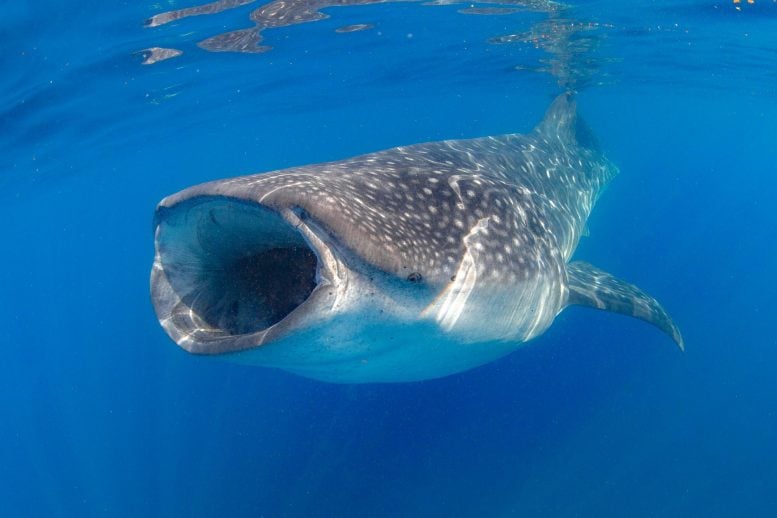
Whale sharks use a wider range of feeding strategies and depths than surface observations previously revealed. A whale shark can vanish beneath the surface in seconds, leaving researchers with little idea of what the world’s largest fish does once it disappears from view. Whale sharks (Rhincodon typus) are among the ocean’s most recognizable animals, inspiring [...]
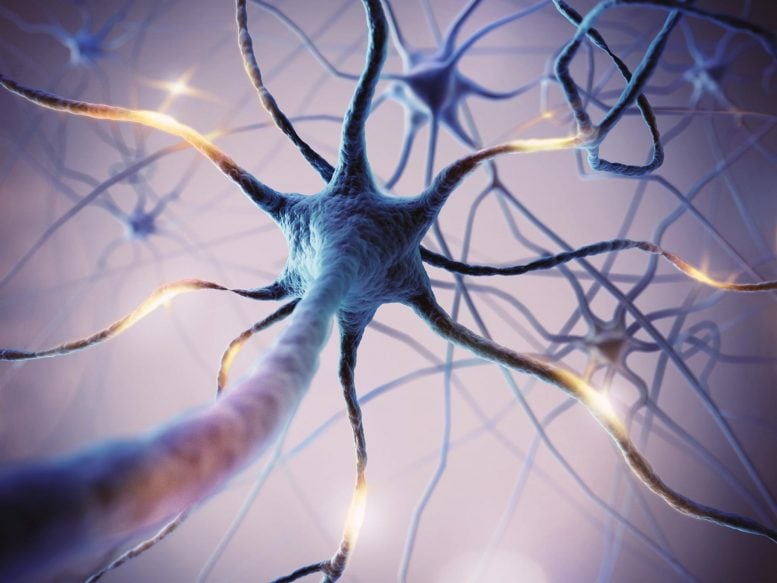
A single neuron may help the brain recognize what it sees, track what the body is doing, and guide a decision, all at the same time. Most neurons may be far more versatile than scientists once thought. In a major study published in Nature, researchers analyzed more than 14,000 individual neurons across 43 regions of [...]
The dreaming brain surges with energy, yet its neurons may consume it faster than they can replenish it. A new mouse study from Tohoku University has uncovered a surprising energy imbalance during rapid eye movement (REM) sleep. As the brain entered this dream-rich stage, blood volume increased across the cortex, and astrocytes accumulated more metabolic [...]
Malaria parasites proliferate in an unusual way. Rather than dividing into two daughter cells like human cells, they first amplify their genetic material tenfold, hundredfold or even thousandfold before simultaneously producing a corresponding number of daughter parasites. Until now, the mechanisms controlling these processes were only partly understood.
When you’re a scientist relying on government funding to conduct your research, and that government suddenly yoinks all your money in the name of “efficiency,” you have to get creative to keep the lights on.
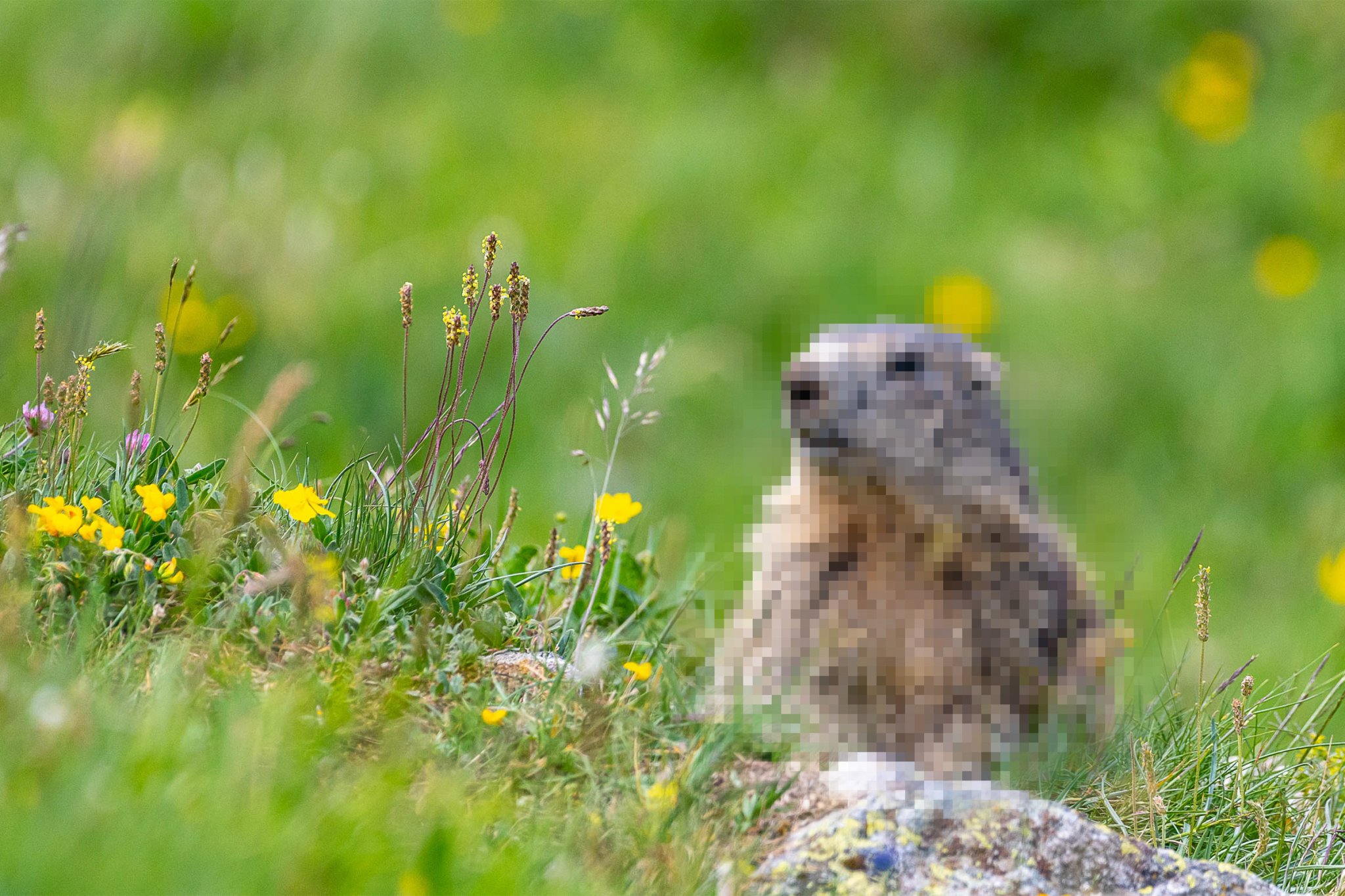
Such has been the experience of Daniel Blumstein, a biologist at the University of California, Los Angeles, renowned for his work on studying the ground-dwelling rodents known as marmots. After the Trump administration cancelled billions of dollars in federal research grants last year, he and his colleagues decided to start creating content dedicated to the charming mammals — on OnlyFans.
As SFGate reports, their account, called “OnlyMarms,” promises near-daily “unfiltered yellow-bellied marmot content from the Rockies.” Subscribing is free, but users can leave tips on the cute photos and videos they post, which goes towards funding the research.
It’s a win for everyone: shy gooners have a convenient explanation for all the OnlyFans transactions in their bank accounts, and the scientists get to keep doing the work they’re doing. Thank you, marmots, for being so adorable.
“Sometimes I’m just posting the videos I think will get the most ‘aws,'” Emily Renkey, a student in Blumstein’s lab who started the account, told SFGate. “But my favorite is when I find footage of a particular behavior and I can use that to educate people.”
The Trump administration’s cost-cutting regime has crippled scientific research in the US. In efforts led by Elon Musk’s now defunct Department of Government Efficiency, it cancelled more than 1,700 grants worth some $1.4 billion at the National Science Foundation in 2025. In 2026, the NSF has so far awarded just a fraction of the $9 billion grant money it has typically distributed in recent years, and the White House has proposed slashing its budget by nearly half for the 2027 fiscal year.
Many of the grant cancellations were clearly politically motivated, targeting research into climate change — and even research that simply contains the word “climate” — something Trump has called a “hoax.” Even more flagrantly, the administration recently admitted in court documents that it canceled research grants in certain states “based solely” on whether they supported Trump in the 2024 election.
Why marmot research ended up in the administration’s crosshairs is anyone’s guess, but it’s invaluable work. Blumstein and his colleagues have spent years closely tracking the charming rodents, forming what is one of the longest-running studies of free-living mammals in the world, according to SFGate.
These long-term projects ask “some of the most important questions in our time,” Blumstein said, providing our best window into studying evolution in real-time. But their value may not be immediately obvious to the people in charge of crunching the numbers. Historically, this hasn’t been a problem for Blumstein, as his program had received funding from the NSF for over a decade. But now, under the new regime, he’s applied to renew the grant three times, before the agency told him to stop applying at all.
“After the third time, our program officer told my colleague… that they will never fund us because they think we have too much data,” Blumstein told SFGate. “I don’t even know how to parse that sentence. It’s nuts.”
Blumstein’s marmot program, as it stands, is running on fumes. OnlyMarms has only brought in a few hundred dollars, and the lab is looking for more traditional sources of funding, too.
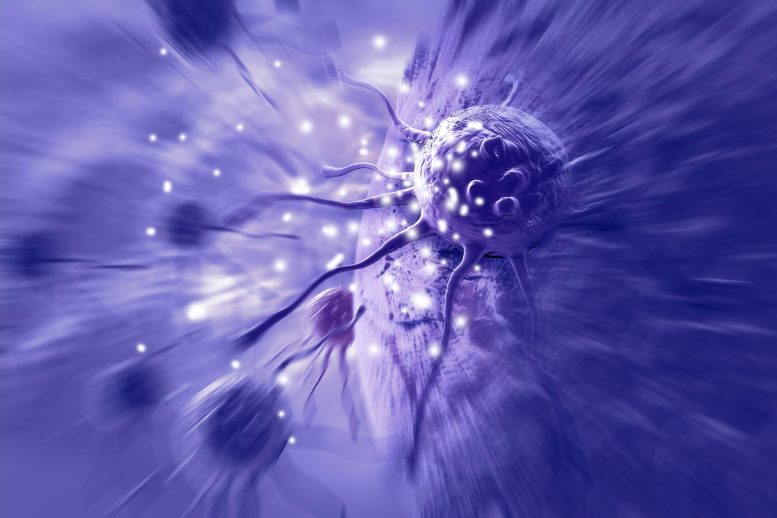
A protein known for circulating in the blood to fight infection plays a very different role when produced by cells inside tumors. A protein that emerged long before animals developed circulatory systems may influence whether cancer immunotherapy succeeds. Researchers at Nagoya University in Japan found that complement C3 helps keep immunosuppressive cells out of tumors, [...]
Xenophagocytosis is a natural immune process that limits interspecies organ generation by eliminating living donor cells, researchers at the Institute of Science Tokyo, Japan, report. By uncovering how embryonic macrophages eliminate living donor cells, the researchers developed strategies to block this response. Using this strategy, they significantly improved donor cell survival and the generation of rat pancreas in mice, bringing us one step closer to producing transplantable human organs in animals.
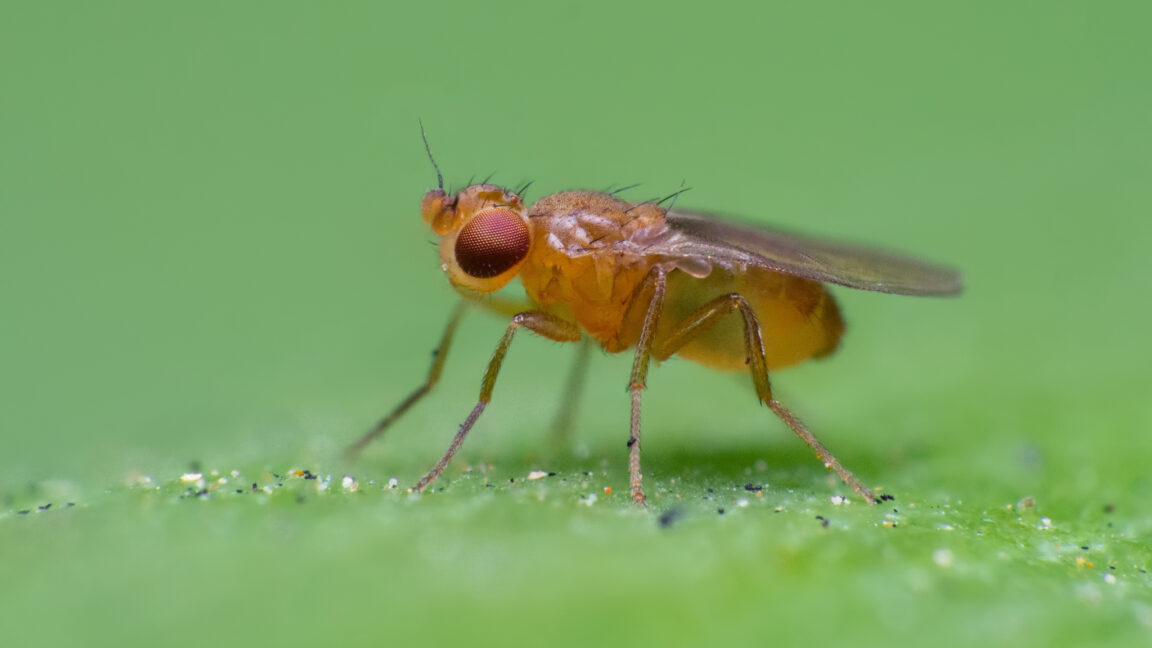
A fruit fly hunting a piece of rotting fruit or a mate navigates by smell, following plumes of odor. Out in the wild, turbulent air swirls these plumes into a chaotic, broken landscape—dense chemical filaments laced through long stretches of clean air. A fly trying to find the source gets the smell in stutters, from constantly shifting directions, with no guarantee that a next whiff is coming at all.
Scientist had little idea of how fruit flies manage this chaotic signal with a brain the size of a pinhead. For a long time, biologists stood by the “surge and cast” model, which posited that insects solved this with hardwired reflexes. The idea was that, when a fly registers the plume with olfactory neurons in its antennae, it simply flies upwind until it’s gone and then flies side to side attempting to catch it again. But now a team led by Vanessa Ruta, a neuroscientist at the Rockefeller University, has shown that fruit flies do something far more advanced.
A treadmill for flies
The trouble with the traditional surge and cast model is that it struggles to explain how an insect tracks a meandering plume across long distances. Chemical cues floating in the air in the natural environment are often sparse and unreliable. But those same features make the mechanism behind olfactory navigation notoriously difficult to test. "Odors are invisible," Ruta says, "and often they're carried along by turbulent airflow." We’ve got no way of knowing what the animal is smelling from one moment to the next.
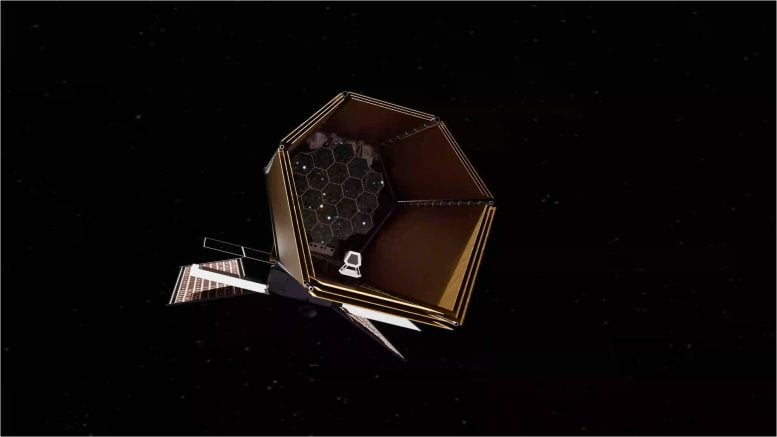
A £3 million investment could help secure a leading UK role in NASA’s future search for life on nearby planets. An Earth-like planet orbiting a nearby star would appear as little more than a dim point beside a light source 10 billion times brighter. British astronomers are preparing technology that could help NASA separate that [...]
We know Mars has water ice in its polar regions, but astronauts (and their solar-powered equipment!) would much rather experience life closer to Mars' equator. As NASA looks toward landing humans on the red planet, the Planetary Science Institute (PSI) is mapping where water should and shouldn't be found and using statistics to quantify its certainty. Two new papers, led by PSI's Hanna Sizemore and Samuel Courville, highlight new global maps of subsurface water ice and identify the missions and tools needed to increase the certainty of the maps.
Every time a cell divides, it must accurately copy and distribute its DNA between two new cells. However, in some cases, chromosomes do not fully separate, leaving behind thin strands of DNA known as DNA bridges that connect the two newly formed cells.

 Login