❌

Reading view

AirPods Pro 3, AirPods 4, and AirPods Max 2 Discounted in Latest Amazon Deals

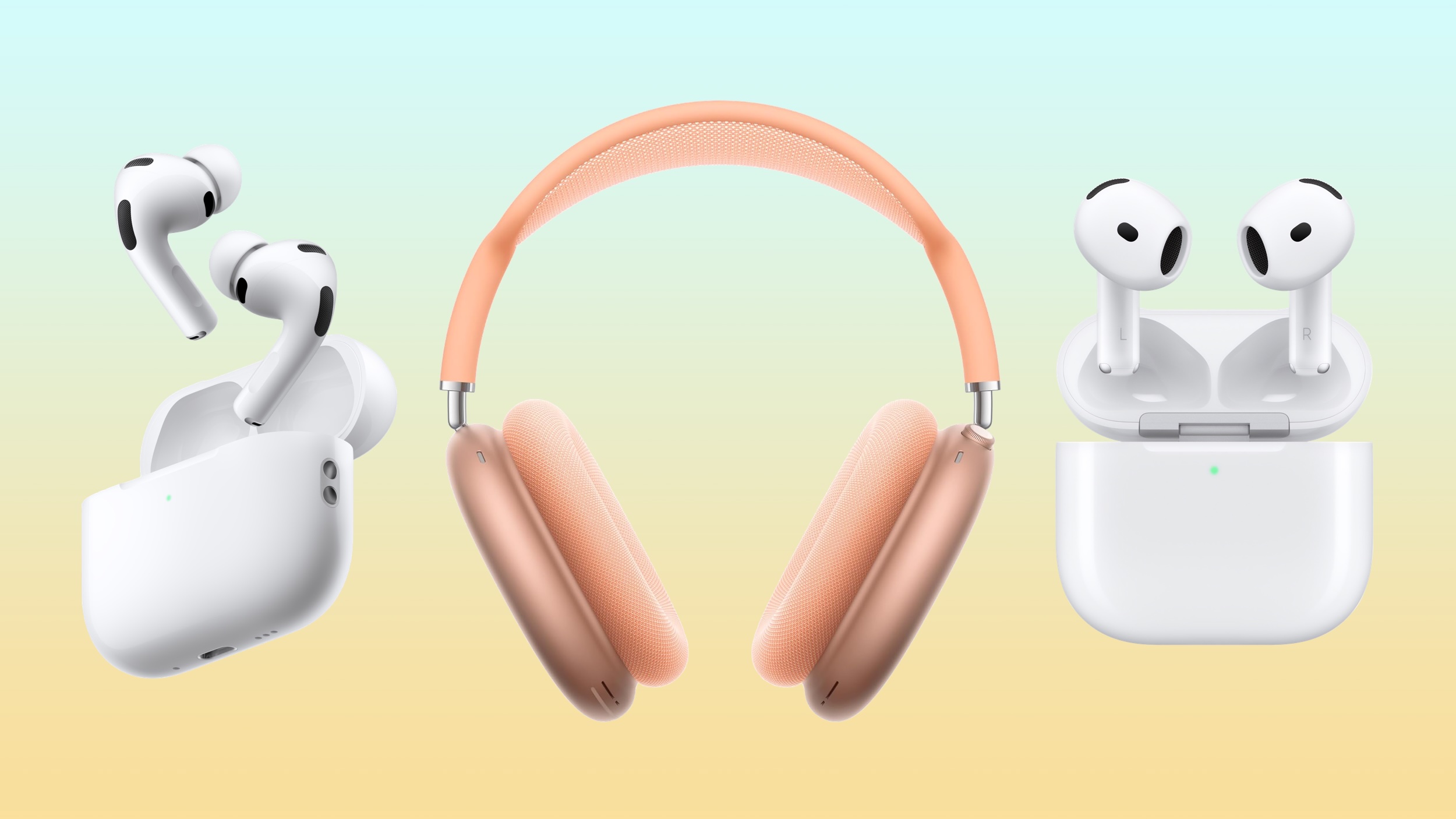
Amazon today has the AirPods Pro 3 available for $199.99, down from $249.00. This is the best price we've seen on the AirPods Pro 3 since Prime Day in June, coming in around $20 higher when compared to that all-time low price, and it's accompanied by a solid deal on the AirPods 4 and AirPods Max 2.

Note: MacRumors is an affiliate partner with some of these vendors. When you click a link and make a purchase, we may receive a small payment, which helps us keep the site running.

This model of the AirPods Pro launched in September 2025 and has 2x better Active Noise Cancellation than the previous generation, better audio quality, a revised fit that's meant to improve comfort and stability, Live Translation for in-person conversations, and heart rate sensing for workouts.


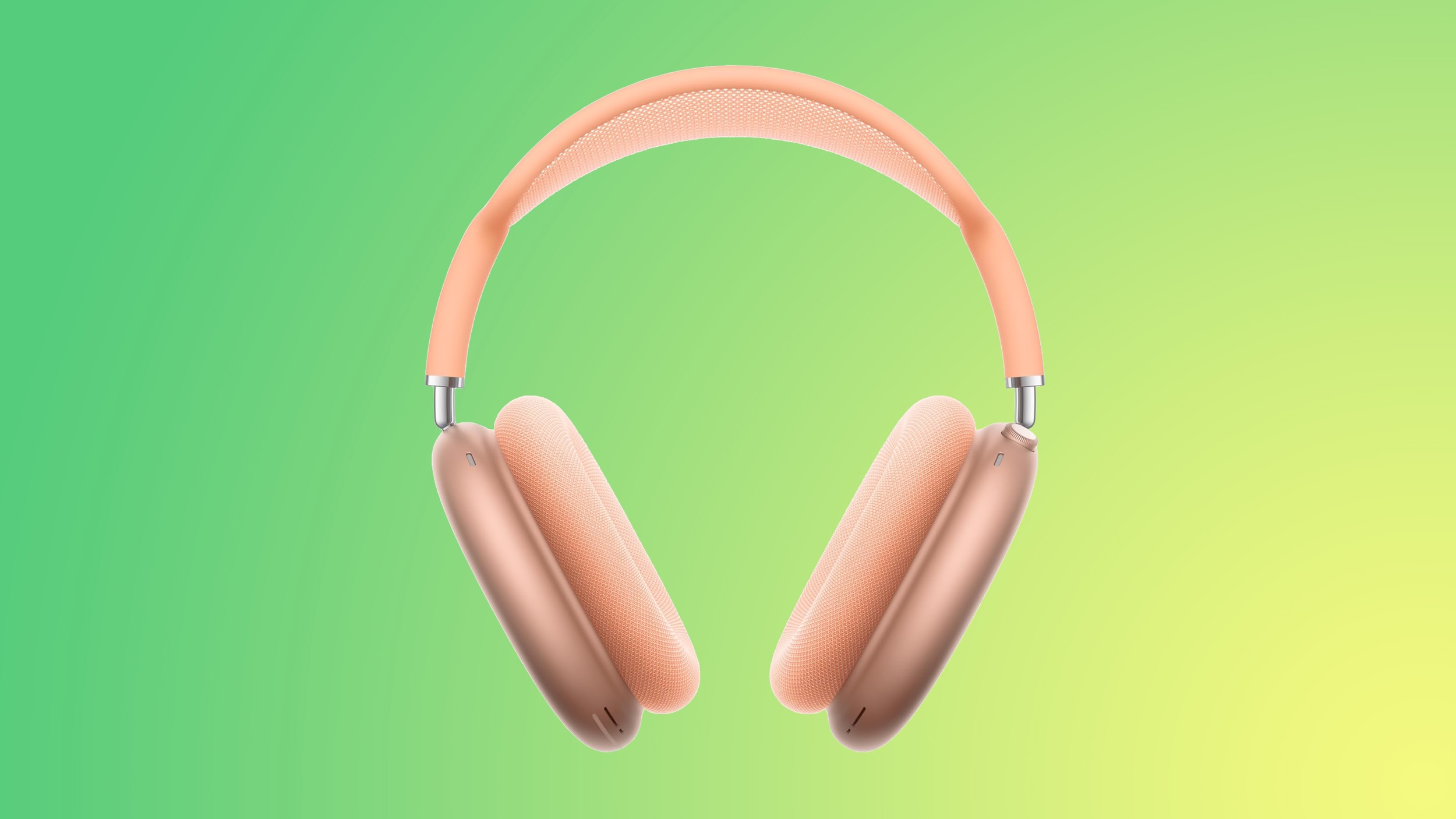
The AirPods Max 2 is available for $449.00 in all colors this week, down from $549.00. This one is a solid second-best price, and Amazon provides an estimated delivery date of August 7 for free shipping, with faster delivery options for Prime members.


You can also get the AirPods 4 for $99.00, down from $129.00. This is a second-best price on the AirPods 4, which is the base model without Active Noise Cancellation.


Additionally, you can get the AirPods 4 with ANC on sale for $144.99 right now on Amazon, down from $179.00. Similar to the base model, we haven't tracked a record low price on the AirPods 4 with ANC in months, making today's deal a solid second-best option for anyone shopping for AirPods this summer.


Head to our full Deals Roundup to get caught up with all of the latest deals and discounts that we've been tracking over the past week.


Deals Newsletter


Interested in hearing more about the best deals you can find in 2026? Sign up for our Deals Newsletter and we'll keep you updated so you don't miss the biggest deals of the season!


Related Roundup: Apple Deals

This article, "AirPods Pro 3, AirPods 4, and AirPods Max 2 Discounted in Latest Amazon Deals" first appeared on MacRumors.com

Discuss this article in our forums

  •  

Scientists Find Traces of Two Unknown Archaic Hominins in Human DNA

An archaic hominin. Image credit: Ninara / CC BY 2.0.

New research led by the University of California, Berkeley reveals that beyond Neanderthals and Denisovans, humans interbred with two mysterious ‘ghost’ lineages: one in Africa more than 50,000 years ago, another in Eurasia over 1.7 million years ago.

The post Scientists Find Traces of Two Unknown Archaic Hominins in Human DNA appeared first on Sci.News: Breaking Science News.

  •  

6 Things We Already Know About the 2028 iPhone

Rumors about Apple's 2028 iPhone are already starting to circulate, offering an early look at how the company plans to evolve the iPhone's design, display, and cameras.


The 2028 device will follow the 20th anniversary iPhone, which is set to introduce a display that curves down around all four edges for a near borderless effect. Reports suggest the first version of that design will launch with some visible compromises, and that the 2028 model is where Apple intends to resolve them. As with all rumors this far out, the details remain subject to change.

Because the 2028 iPhone is expected to refine the anniversary design rather than replace it, it should carry over much of what defines the 2027 model. That includes the curved all-glass body with a display that wraps around all four edges, a crater-shaped light diffusion layer that keeps brightness uniform across the curved screen, and a potential shift to solid-state haptic buttons integrated into the frame.

Apple's goal of moving the Face ID system and front camera beneath the display for a front free of cutouts remains, and the 2028 model may stand a better chance of achieving an uninterrupted display if the technology is not ready in time for 2027. Here are the six key rumors about the 2028 iPhone:


  • Refined curved-glass display: The 2028 iPhone is expected to use a more advanced version of the four-edge curved display debuting on the 2027 model. Where the anniversary iPhone is said to use a magnesium-silver alloy in its cathode layer, which can introduce image distortion and brightness loss in the curved areas, the 2028 model is reported to switch to more transparent indium zinc oxide cathodes. According to Korea's ETNews, the change should deliver less distortion, more even brightness, and fewer heat issues at the curved edges.

  • Hole-Punch Dynamic Island: DSCC's Ross Young has said under-display ‌Face ID‌ is unlikely to be ready in time for 2027, meaning the 20th anniversary model may retain a Dynamic Island similar to the one on the iPhone 18 Pro. That would leave the 2028 iPhone as the more likely candidate to take the next step toward a cutout-free front, whether through an even smaller hole-punch or a move to place the ‌Face ID‌ system and front camera under the display.

  • Narrower bezels: The move to indium zinc oxide cathodes is also expected to let Apple narrow the bezel further than on the 2027 anniversary model, bringing the design closer to a true all-screen front. It is one of several improvements ETNews attributes to the more transparent cathode material.

  • Tandem OLED: Apple is reported to be weighing tandem OLED technology for the iPhone as early as 2028, having already adopted it on the M4 iPad Pro. The structure stacks two organic light-emitting layers for improved brightness, a longer lifespan, and better power efficiency than the single-layer panels used in current iPhones. LG Display is said to be promoting a "simplified tandem" approach that stacks two layers for the blue sub-pixel only, though the final decision rests with Apple.

  • 'A22 Pro' chip: The high-end 2028 models are expected to move from the 2-nanometer process used in 2027 to a 1.4-nanometer "A22 Pro" chip. Bloomberg's Mark Gurman reported that the chip will be built on TSMC's A14 node, which is said to offer up to 15% better performance than a 2nm chip, or the same performance with 30% lower power draw. TSMC is expected to make the majority of the chips, though Apple is also apparently considering Intel for some of them.

  • 200-megapixel telephoto camera: Apple is reported to have tested a 200-megapixel periscope telephoto sensor in prototypes, but the technology is unlikely to reach the iPhone before 2028, according to the leaker known as "Digital Chat Station." Morgan Stanley similarly reported that Apple is working to bring a 200-megapixel camera to the iPhone as soon as 2028. The higher resolution would capture greater detail and allow photos to be cropped further or reproduced at larger sizes without a loss of quality.


With the 2028 iPhone still around 26 months away, none of this is settled, and the further out a rumor sits, the more room there is for Apple's plans to change before the device reaches production. Still, rumors about the device are more relevant than they might first appear.

Anyone buying an iPhone 18 Pro this September on a common two-year upgrade cycle will be due their next iPhone in 2028, meaning this is the model many of this year's buyers will actually upgrade to. The picture forming now is an early look at what that upgrade could hold, and part of a longer redesign arc that begins with the 2027 anniversary model before reaching its more polished form the following year.
This article, "6 Things We Already Know About the 2028 iPhone" first appeared on MacRumors.com

Discuss this article in our forums

  •  

Top Stories: 'Apple Upgrade' Launches, iOS 26.6 Released, and More

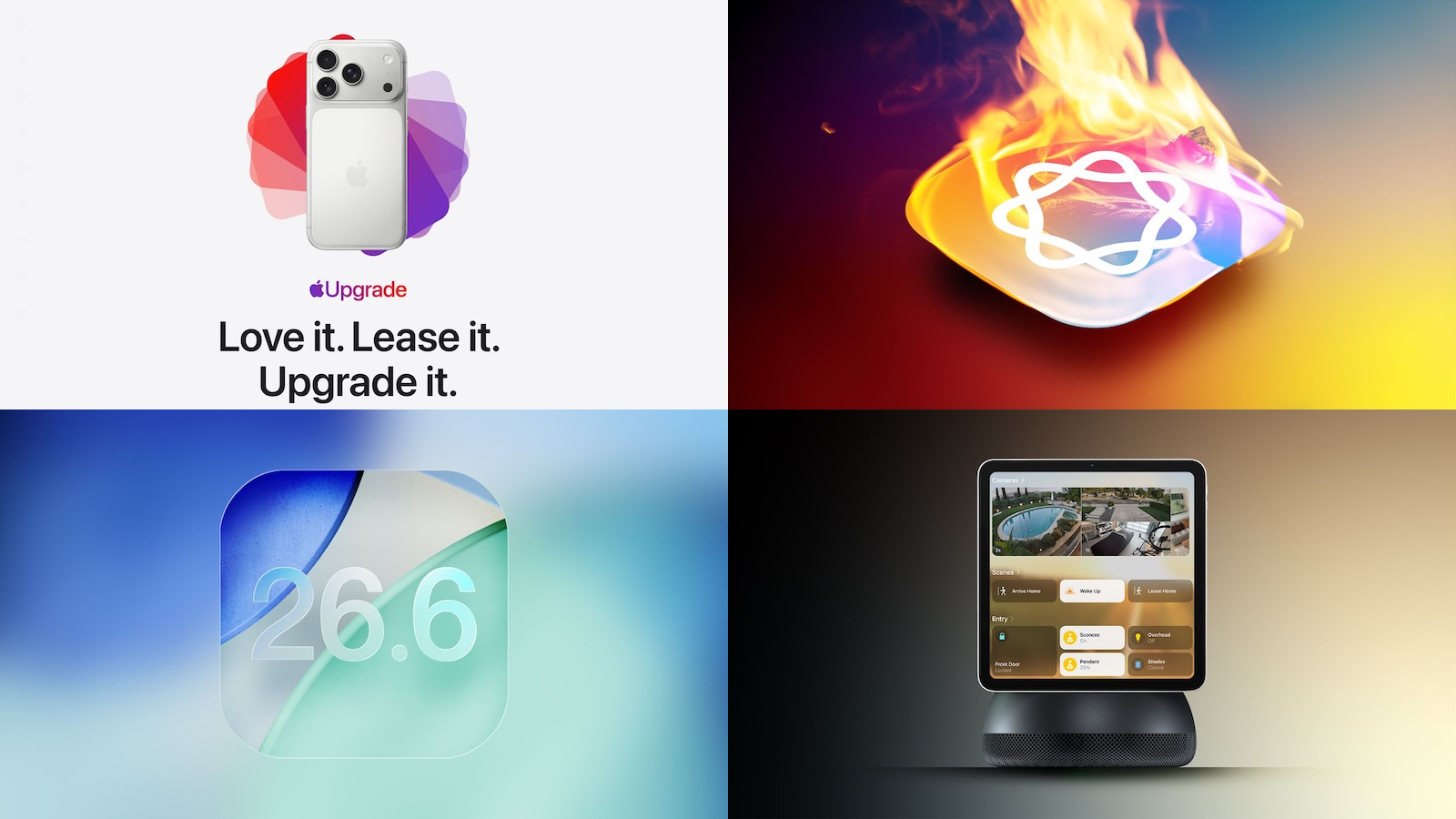
We're a little more than a month away from the September iPhone debut season, but there's still lots to talk about in the Apple universe, led this week by the launch of the new Apple Upgrade program in the United States.


This week also saw the release of iOS 26.6 and other updates, fresh rumors about Apple's upcoming home hub and new Apple TV and HomePod mini models, and a MacRumors interview with Ed Zitron to discuss the state of the AI industry and where Apple may end up if it turns out there's an AI bubble which bursts at some point, so read on below for all of the details on these stories and more!

Top Stories


Apple Upgrade: Apple Retires iPhone Upgrade Program for Klarna-Backed Leases


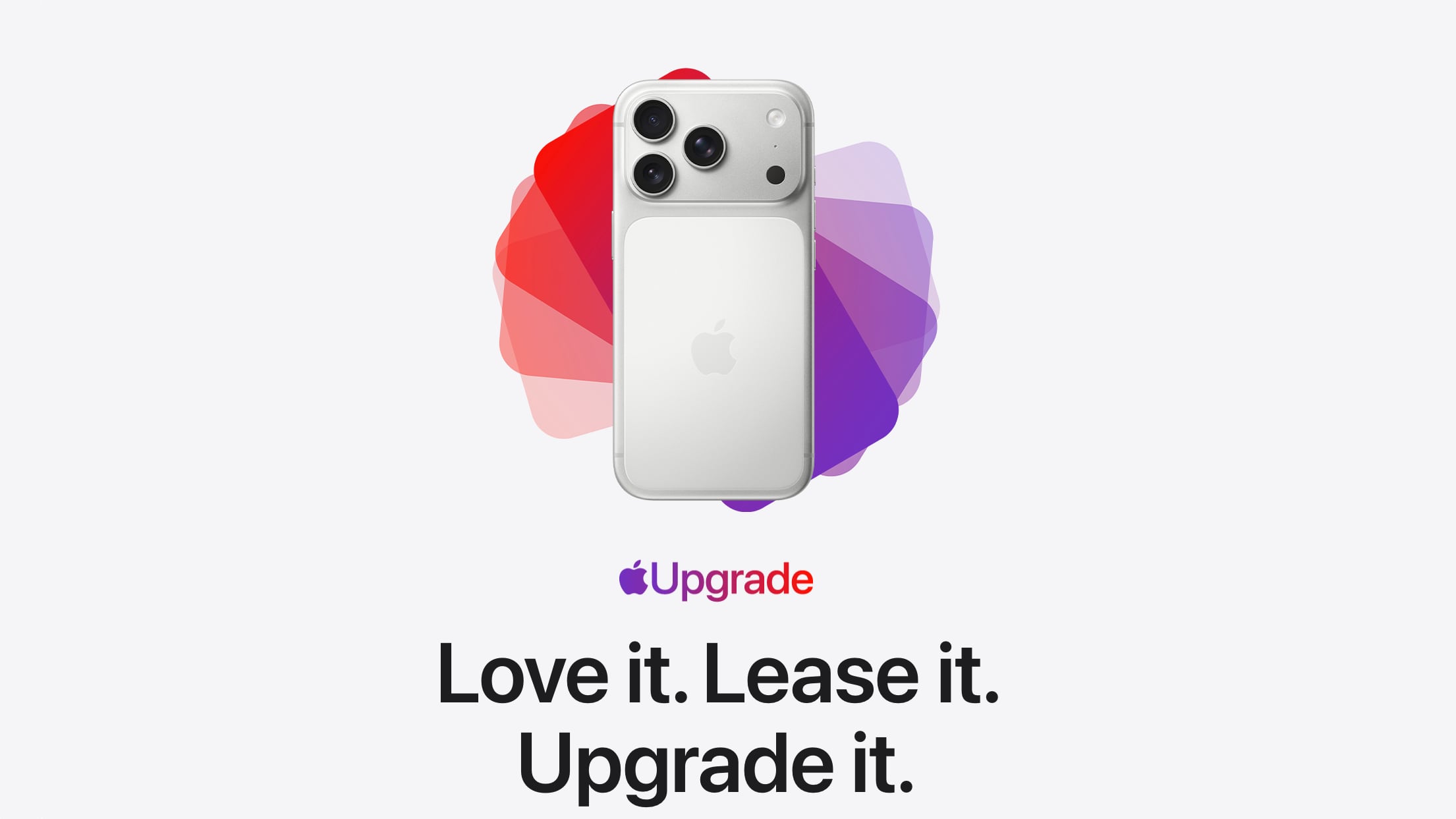
As rumored, Apple this week launched Apple Upgrade, a new U.S. leasing program for iPhone, iPad, Mac, and Apple Watch. Apple partnered with Klarna for Apple Upgrade, and it replaces the current iPhone Upgrade Program and iPhone Payments.


Apple Upgrade lets you lease a variety of Apple devices, with iPhone and Apple Watch available in 12-month and 24-month term options and iPad and Mac offered in 24-month and 36-month term options. At the conclusion of the lease period, you can simply return the device, start a new lease, or convert the lease to an outright purchase by making a final payment covering the difference between the total lease payments made and the original retail price.

Be sure to check out our list of 20 things to know about the program before you take the plunge, and see our comparison example to help you decide whether Apple Upgrade is worth it to you.

Apple Will 'Watch Everything Burn' When AI Bubble Bursts - Ed Zitron


Memory prices have doubled, Macs and iPads have gone up, and iPhones are expected to follow. Ed Zitron – who writes the Where's Your Ed At newsletter, hosts the Better Offline podcast, and has been described by Politico as the AI boom's most "acerbic gadfly" – has spent years arguing the buildout driving those costs will never pay for itself.


We asked him what happens to Apple if he's right.

Apple Releases iOS 26.6 and iPadOS 26.6 With iOS 27 Optimizations


Apple this week released iOS 26.6 and related updates to the public, marking what should be one of the final updates before iOS 27 sees its official launch in September.


The updates patch hundreds of security flaws across Apple's operating systems, and Apple says they also prepare the Spotlight search index for the upcoming cycle of OS 27 releases.

All-New Apple Home Hub Reportedly Launching as Soon as October


Apple plans to release an all-new smart home hub at some point between October and early next year, according to Bloomberg's Mark Gurman.

Apple Home Hub (Concept)

Siri AI is expected to be a core feature of the hub, which is designed to be placed in rooms throughout your house, such as a kitchen, living room, or bedroom. The report said the device will be available in tabletop and wall-mounted versions, with Apple apparently believing that many customers will buy more than one.

Apple has also had updated Apple TV and HomePod mini models ready to go for quite some time, but they too have been waiting for Siri AI to be ready and thus should be launching in the fall once Siri AI is available to everyone.

iOS 27: All the New iCloud Features


Over the course of the iOS 27 beta testing cycle, we've been highlighting various changes and additions across apps and services, and this week we took a look at changes to iCloud and the Phone and FaceTime apps.


iCloud includes a number of improvements to syncing and sharing features, as well as new premium benefits for iCloud+ subscribers, while the Phone app gets a Call Context feature to show you relevant information from across your apps while you're on a phone call and FaceTime gets a number of improvements including a Dual Capture feature to let you stream video from both front and rear cameras simultaneously.

Apple Planning to Unveil Privacy-Focused Smart Glasses at WWDC 2027


Apple currently plans to unveil its first smart glasses at WWDC 2027 next June, and privacy will be a focus, according to Bloomberg's Mark Gurman.


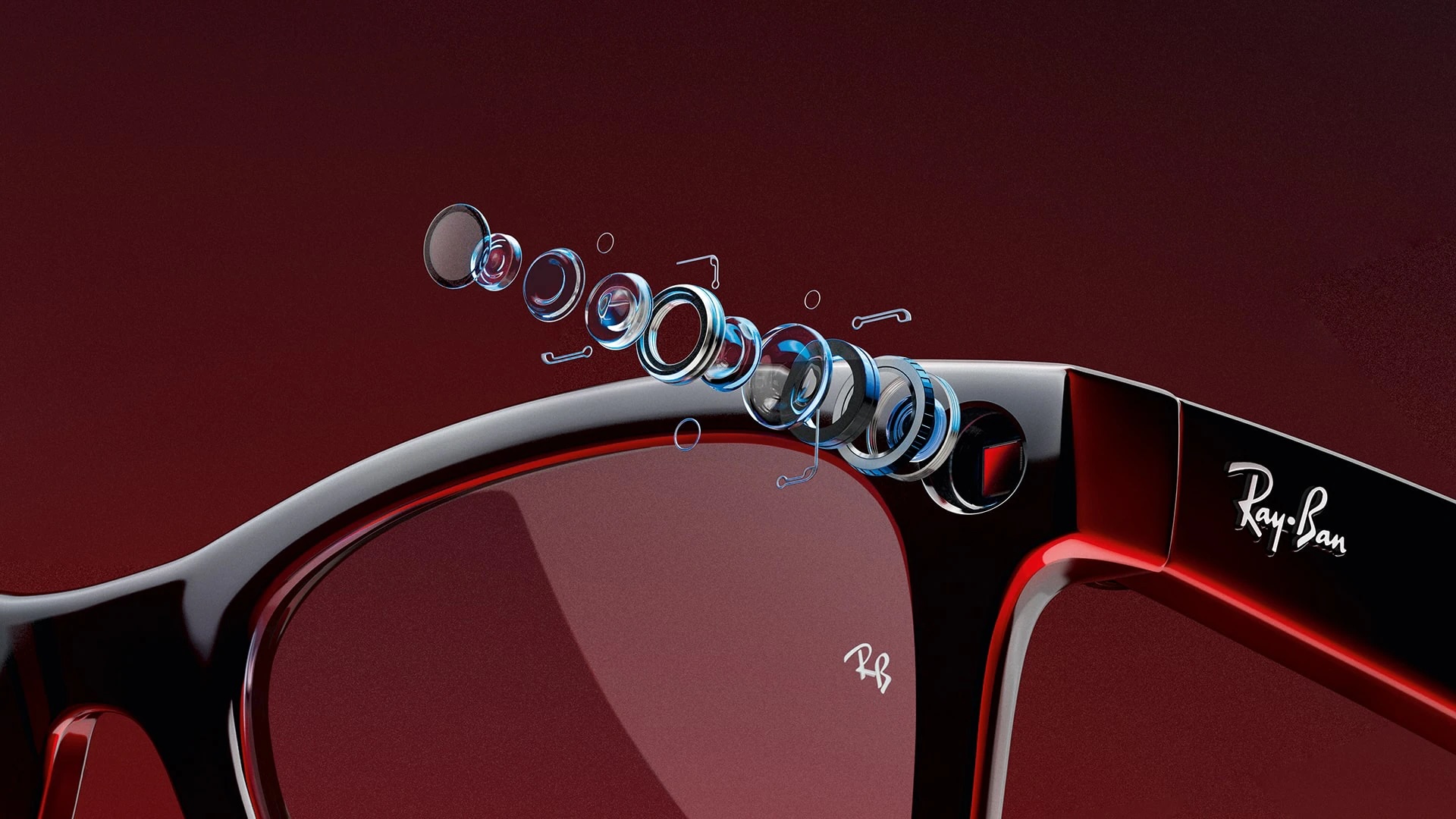
For the glasses, Apple is prototyping "a slew of new hardware and software-related privacy features" that are not available on current products, he said. He did not mention any specific features, but he noted that Apple's marketing will likely emphasize the privacy measures of its glasses compared to rival products like the Meta Ray-Bans.

MacRumors Newsletter


Each week, we publish an email newsletter like this highlighting the top Apple stories, making it a great way to get a bite-sized recap of the week hitting all of the major topics we've covered and tying together related stories for a big-picture view.

So if you want to have top stories like the above recap delivered to your email inbox each week, subscribe to our newsletter!
This article, "Top Stories: 'Apple Upgrade' Launches, iOS 26.6 Released, and More" first appeared on MacRumors.com

Discuss this article in our forums

  •  

How Apple Changed Under Tim Cook: 15 Years in Numbers

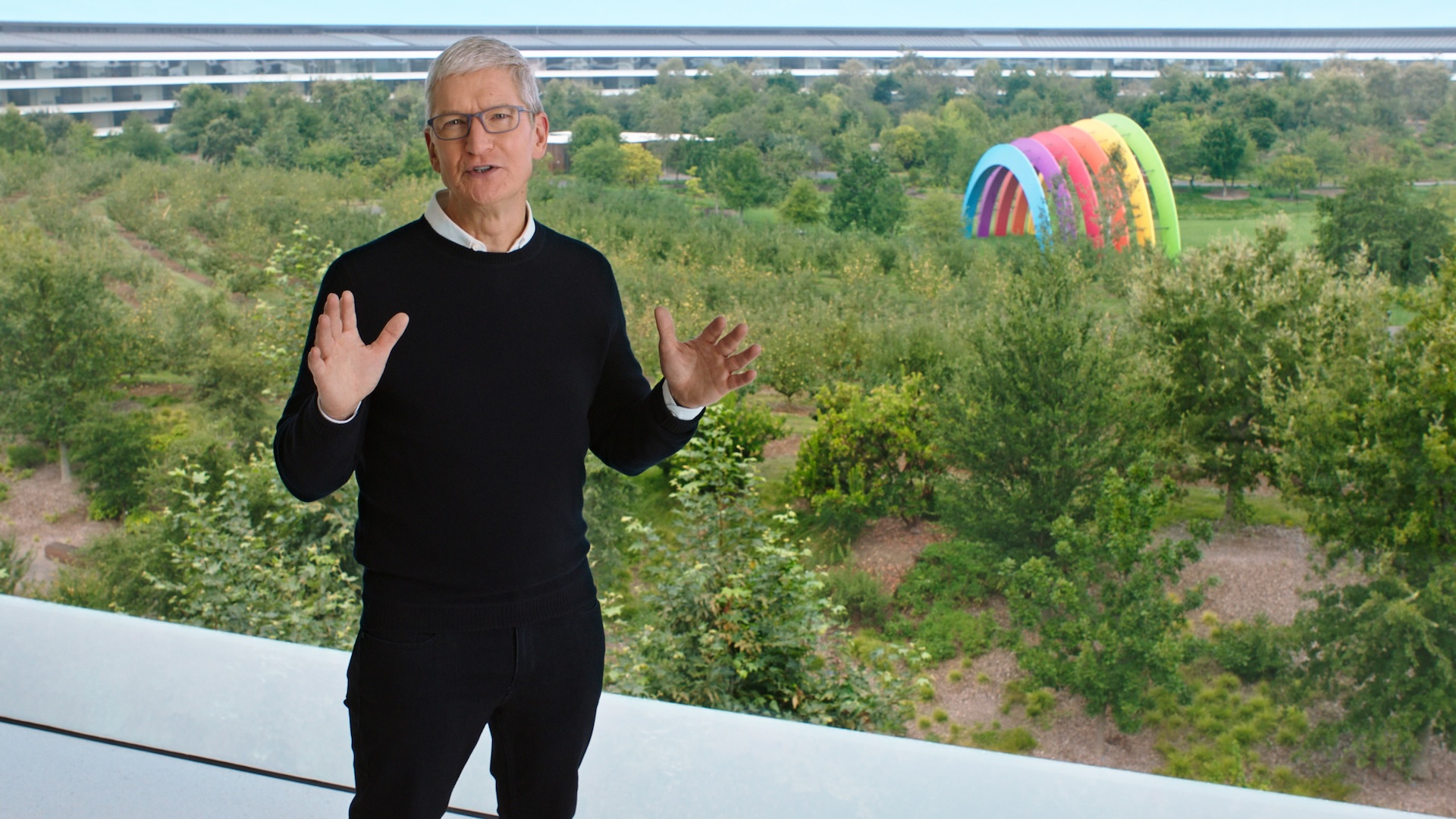
Apple CEO Tim Cook participated in his final Apple earnings call yesterday, with incoming CEO John Ternus set to take over on September 1. With Cook's tenure coming to an end, we thought we'd take a look at how Apple has changed over the last 15 years.


Cook took over as CEO on August 24, 2011, after Steve Jobs resigned.

Apple's Revenue


During yesterday's earnings call, Bank of America analyst Wamsi Mohan shared an interesting observation about Apple's quarterly earnings. When Cook took over as CEO, Apple's revenue for all of 2011 was $108 billion.

Apple reported $109.4 billion for Q3 2026, earning its 2011 revenue in a single quarter. We don't have the numbers for fiscal 2026 yet, but in fiscal 2025, revenue was $416 billion.

iPhone revenue in 2011 was $47 billion, and just this quarter, it was $54.3 billion.

Valuation


Apple stock is down today after Cook said he expects supply constraints and memory shortages to affect revenue in the current quarter, but last week, Apple briefly hit a market cap above $5 trillion. Apple's market cap is now around the $4.5 trillion mark, and it once again trails Nvidia for world's most valuable publicly traded company.

Apple was the first company to reach a $1 trillion valuation in August 2018, the first to reach $2 trillion in August 2020, and the first to reach $3 trillion in January 2022. It was the third company to hit a $4 trillion valuation in October 2025, and then the second to reach $5 trillion.

A day after Cook took over in August 2011, Apple's stock price was $13.35 (split-adjusted). Today, it opened at $304.81, a roughly 23x increase. There was a 7-for–1 split in 2014 and 4-for–1 split in 2020 during Cook's tenure.

Installed Base


Apple said it has over 2.5 billion active devices. Apple didn't share installed base numbers until 2016, when it hit a billion active devices.

Services


Apple's services category revenue has seen the most growth. It was $9.4 billion in all of 2011, but in Q3 2026, it was $30.7 billion. In fiscal 2025, services brought in $109 billion.

Apple said during the earnings call that it now has 1.5 billion subscriptions. A huge number of services launched under Cook, including:

Back in 2011, Apple's services were limited to AppleCare, iTunes, and the ‌App Store‌.

Product Launches


Under Cook, Apple launched everything from the AirPods to the Apple Watch.

Capital Returns


Cook initiated quarterly dividends in 2012, and also executed an ongoing share repurchase program. Since then, Apple has returned more than $1 trillion to shareholders.

Transition to John Ternus


Cook said yesterday that the transition to Ternus is "going seamlessly." Ternus will become CEO on September 1, ahead of when Apple announces new iPhone models. Cook will remain at Apple as executive chairman, where he will engage with policymakers and help Apple navigate regulatory pressure.

In April, Cook said he planned to remain at Apple for years to come. "I am healthy. My energy is high, and I plan to be in this role for a long time," said Cook. He said he will support current hardware engineering chief John Ternus in any way necessary when Ternus takes over as CEO, and he plans to continue to offer knowledge and experience whenever it's needed. "Apple will be my top priority," he said. "It's who I am at my core, and I can't imagine it any other way."

Cook on Ternus


Cook yesterday said Ternus is the best choice to take over Apple.
The transition is going seamlessly, and I am beyond excited for John to step into his new role and lead Apple into its next era. He is truly one of a kind and there is no better person to take the helm of the company.

As I've said, I couldn't be more confident in his leadership, in our executive team, and in the extraordinary people at Apple who are determined to enrich the lives of our users all over the world. We have a bright future ahead, and I truly have never been more optimistic.

Ternus has been at Apple since 2001, when he joined the product design team. He became vice president of hardware engineering in 2013 and focused on the AirPods, Mac, and iPad. In 2020, he also took on the iPhone, and he became senior vice president of hardware engineering in 2021.
This article, "How Apple Changed Under Tim Cook: 15 Years in Numbers" first appeared on MacRumors.com

Discuss this article in our forums

  •  

The MacRumors Show: Revisiting iOS 27 Ahead of iPhone 18 Pro

After over a month of testing iOS 27, on this week's episode of The MacRumors Show we circle back to the beta and talk through our experiences with Siri AI, Liquid Glass refinements, and more.


‌iOS 27‌ is expected to launch this fall, bringing sweeping performance work across the system. Apple has cited more than 80 speed and efficiency improvements, with app launches up to 30 percent faster and AirDrop transfers up to 80 percent faster than on iOS 26. Animations, keyboard responsiveness, Home Screen page swapping, and App Library loading have all been sped up, and Apple says the improvements extend even to older iPhones like the iPhone 11.

The centerpiece of ‌iOS 27‌ is Siri AI, a substantially overhauled version of the assistant positioned as a rival to chatbots like Claude and ChatGPT. ‌Siri‌ AI can hold back-and-forth conversations, draw on personal context from Mail, Messages, Photos, and Files, and see what's on screen to answer follow-up questions. A new standalone Siri app houses ongoing conversations, while a "Search or Ask" interface, accessed via the Dynamic Island, has effectively replaced Spotlight as the default way to search the device and launch apps.

Liquid Glass, the translucent design language introduced in ‌iOS 26‌, has also been reworked. ‌iOS 27‌ adds a system-wide transparency slider in place of the binary "Clear" and "Tinted" toggle from iOS 26.1, letting users dial the effect anywhere between fully opaque and completely clear. Apple also improved how the material diffuses busy content behind it, addressing readability complaints that dogged the original rollout, and refreshed first-party app icons with additional Liquid Glass layering.

Elsewhere, Apple has leaned into contextual, on-device intelligence. For example, Call Context, a new Phone app feature, automatically surfaces relevant information, such as a flight confirmation number or order code pulled from Mail, when a user calls a business they've recently corresponded with. Apple says the feature works entirely on-device and looks only at who is being called, not at call audio, and it also appears on the Apple Watch during a call.

Calendar and Reminders now support natural language entry, letting users type something like "meeting at 2pm with Eric on July 14" and have the app suggest the date, time, and attendees automatically. Apple says ‌Siri‌ can handle more complex natural-language scheduling requests directly, including edits to recurring events.

The ‌Photos‌ app gains three generative editing tools grouped under an Apple Intelligence Tools section: an upgraded Clean Up, a new Extend tool, and Spatial Reframing. Clean Up now offers Fast, High Quality, and Auto modes for object removal and can reconstruct more complex backgrounds than before. Extend uses generative AI to fill in new content when a photo's borders are expanded, and is capped at a maximum of 25% per side. Spatial Reframing, which draws on the same spatial data used for Portrait mode, lets users shift a photo's apparent camera angle after it was taken.

The Shortcuts app has been rebuilt around a "Describe a Shortcut" interface, where ‌Apple Intelligence‌ assembles an entire automation from a plain-language description rather than requiring users to build workflows action by action manually. Safari picks up a similar natural-language approach with a new Create an Extension option for building custom browser extensions on the fly, automatic AI-driven tab organization by topic, and a "Notify Me" tool that monitors a webpage and alerts users when it changes, which is useful, Apple says, for tracking ticket sales or restocked products.

Image Playground has also been overhauled for ‌iOS 27‌, adding support for photorealistic image generation, edits to existing images via text descriptions, and additional aspect ratio options for wallpapers and Contact Posters.

‌iOS 27‌ is available now to developers and public beta testers, and Apple plans to release the software officially in September. The MacRumors Show has its own YouTube channel, so make sure you're subscribed to keep up with new episodes and clips.


You can also listen to ‌The MacRumors Show‌ on Apple Podcasts, Spotify, Overcast, or other podcast apps. You can also copy our RSS feed directly into your player.


If you haven't already listened to the previous episode of The MacRumors Show, catch up to hear our discussion about OpenAI's move into hardware and the trade secret lawsuit Apple filed against the company earlier this month.

Subscribe to ‌The MacRumors Show‌ for new episodes every week, where we discuss some of the topical news breaking here on MacRumors, often joined by interesting guests such as Kayci Lacob, Kevin Nether, John Gruber, Mark Gurman, Jon Prosser, Luke Miani, Matthew Cassinelli, Brian Tong, Quinn Nelson, Jared Nelson, Eli Hodapp, Mike Bell, Sara Dietschy, iJustine, Jon Rettinger, Andru Edwards, Arnold Kim, Ben Sullins, Marcus Kane, Christopher Lawley, Frank McShan, David Lewis, Tyler Stalman, Sam Kohl, Federico Viticci, Thomas Frank, Jonathan Morrison, Ross Young, Ian Zelbo, and Rene Ritchie.

‌The MacRumors Show‌ is on X @MacRumorsShow, so be sure to give us a follow to keep up with the podcast. You can also email us at podcast@macrumors.com or head over to The MacRumors Show forum thread. Remember to rate and review the podcast, and let us know what subjects and guests you would like to see in the future.
Related Roundups: iOS 27, iPadOS 27, iPhone 18 Pro

This article, "The MacRumors Show: Revisiting iOS 27 Ahead of iPhone 18 Pro" first appeared on MacRumors.com

Discuss this article in our forums

  •  

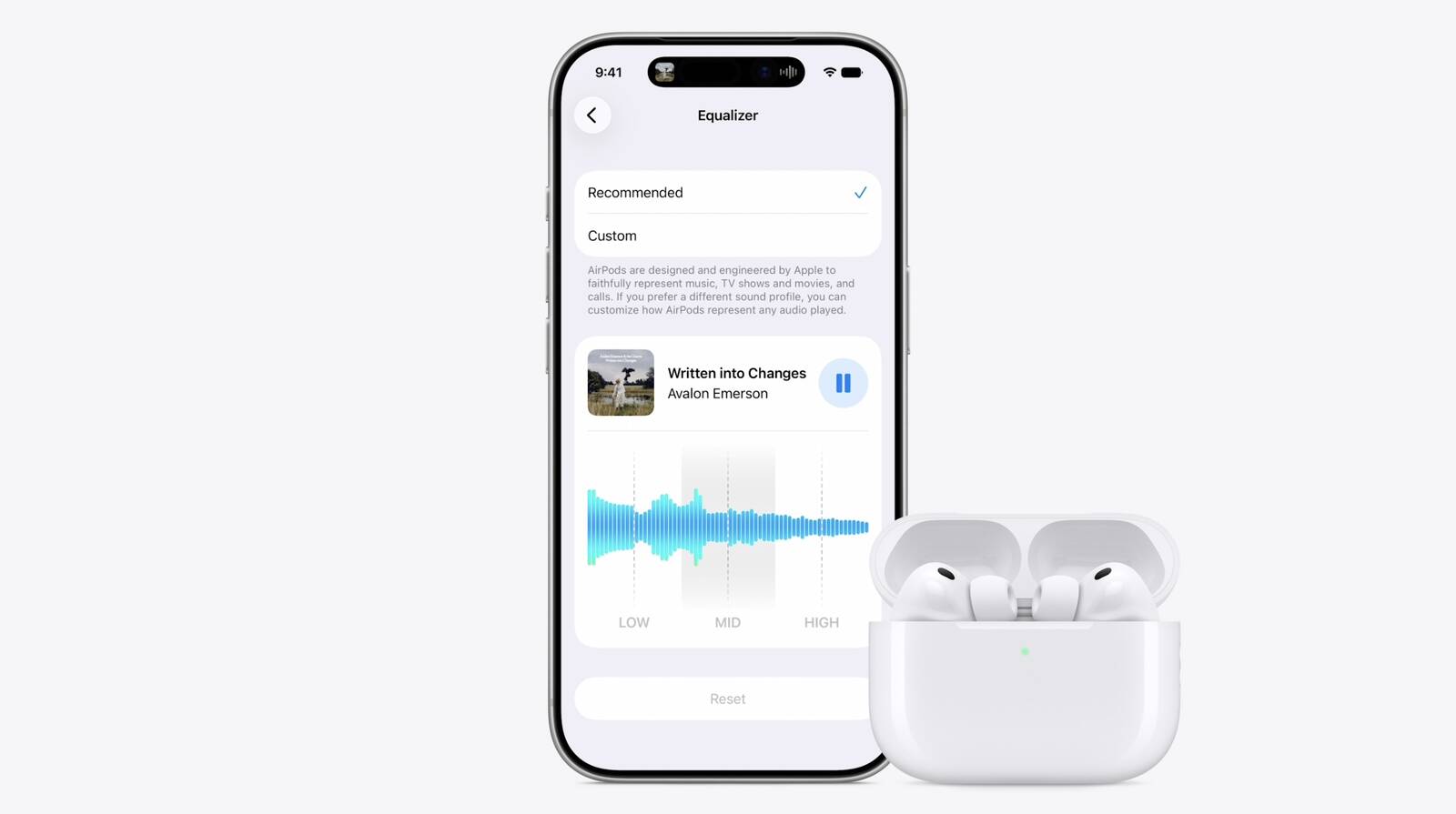
Set a Custom EQ for Your AirPods in iOS 27

Sony, Bose, and Sennheiser owners have been able to adjust the audio frequency spectrum of their headphones for years, whereas AirPods owners have had to make do with Apple's default tuning. That's no longer the case in iOS 27, which adds a three-band equalizer to the AirPods settings screen.


It's worth noting that iOS has had an EQ setting for years – it's buried in Settings ➝ Apps ➝ Music, but it applies only to Apple Music playback, and works on any pair of headphones. In iOS 27, the new EQ is specifically tied to your AirPods, so it applies to everything you listen to. Your custom EQ profile also carries over to iPad and Mac when you pair your AirPods with them.

What You Need


Custom EQ requires Apple's H2 chip, so it supports AirPods Pro 2, AirPods Pro 3, AirPods 4, and AirPods Max 2. Earlier models, including the original AirPods Max, aren't compatible with the feature.

You'll also need current AirPods beta firmware. If the Equalizer option described below doesn't appear, pair your AirPods with your iPhone, tap your AirPods in Settings, then tap AirPods Beta Updates and toggle on the beta updates option. Afterwards, put your AirPods in the case, connect the case to power, and leave it near your unlocked iPhone to let the latest beta firmware install quietly in the background. It shouldn't take more than half an hour.

How to Adjust Your AirPods EQ


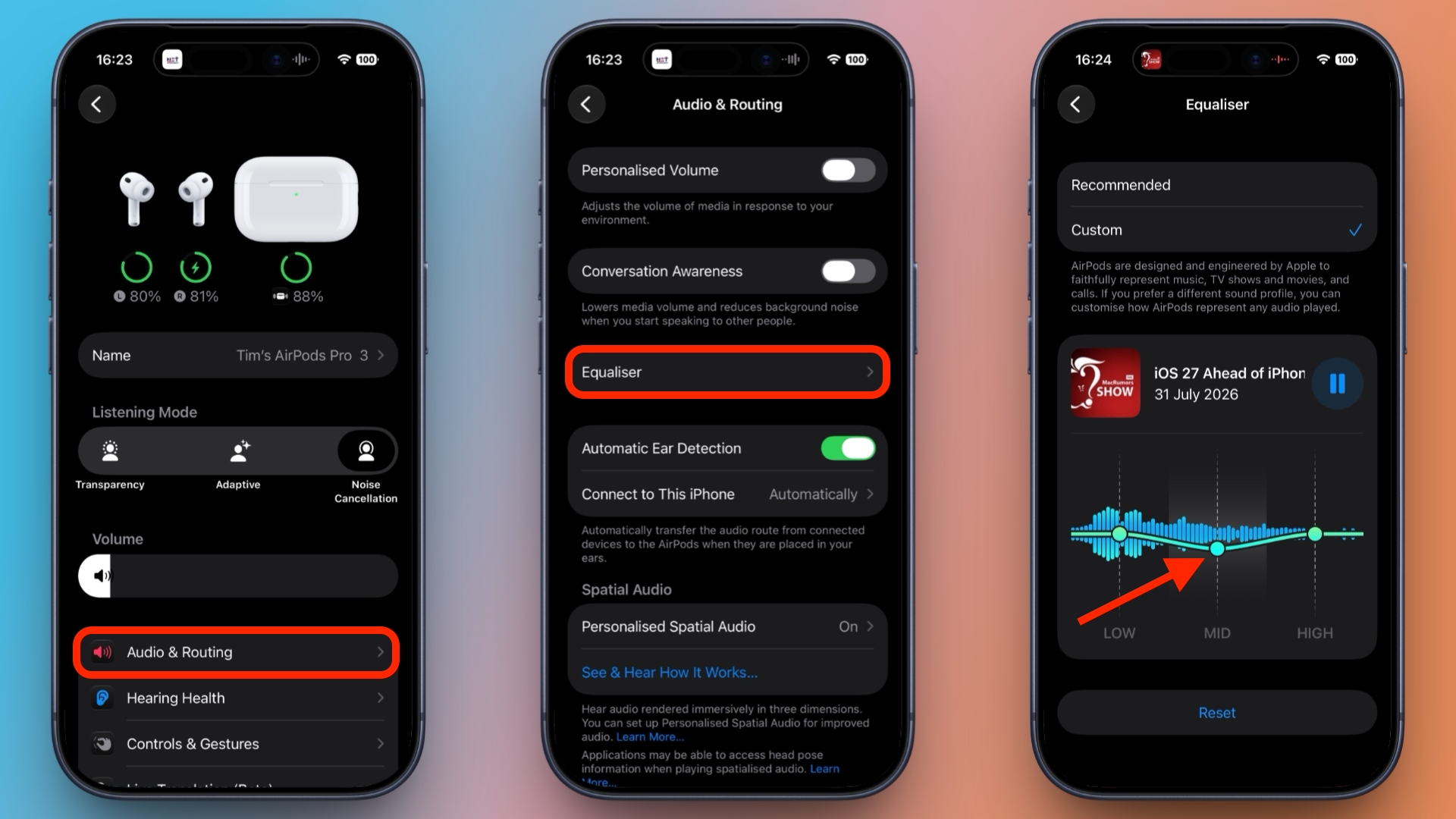
  1. With your AirPods connected, open Settings on your iPhone.

  2. Tap your AirPods at the top of the screen.

  3. Tap Audio & Routing.

  4. Tap Equalizer.

  5. Tap Custom, then drag the low, mid, and high points up or down.

settings
You should see a media playback control above the EQ showing the last thing you listened to, allowing you to hear how your adjustments sound in real time. Lows cover bass weight, mids carry vocals and most instruments, and highs handle treble detail and sibilance.

To undo your changes, simply tap Reset, or choose Recommended at the top to restore Apple's default profile. You'll find all the same options in iPadOS 27, as well as in macOS 27 Golden Gate (in System Settings).

iOS 27 and Apple's other upcoming software updates remain in public beta for now, with a general release expected sometime this September.
Related Roundups: AirPods 4, iOS 27, iPadOS 27
Buyer's Guide: AirPods (Caution)
Related Forum: AirPods

This article, "Set a Custom EQ for Your AirPods in iOS 27" first appeared on MacRumors.com

Discuss this article in our forums

  •  

Best Back to School Apple Bargains: MacBook Pro, AirPods, Apple Watch, and AirTag 2

Back to school deals kicked off this week, with Best Buy's annual sitewide event including some great discounts on Apple products like AirPods Max 2 and MacBook Pro. Below you'll also find a record low price on the AirTag 2 and big savings on Apple Watch Series 11.

Note: MacRumors is an affiliate partner with some of these vendors. When you click a link and make a purchase, we may receive a small payment, which helps us keep the site running.

Best Buy's Back to School Sale


  • What's the deal? Save sitewide on back to school accessories

  • Where can I get it? Best Buy

  • Where can I find the original deal? Right here


Best Buy this week is hosting a pair of sales kicking off Back to School season, as well as its annual Black Friday in July event, with notable markdowns on Apple devices, TVs, headphones, monitors, and much more. In terms of Apple devices, you can find solid deals on AirPods Max 2, iPhone Air, Beats accessories, and MacBook Pro.


MacBook Pro


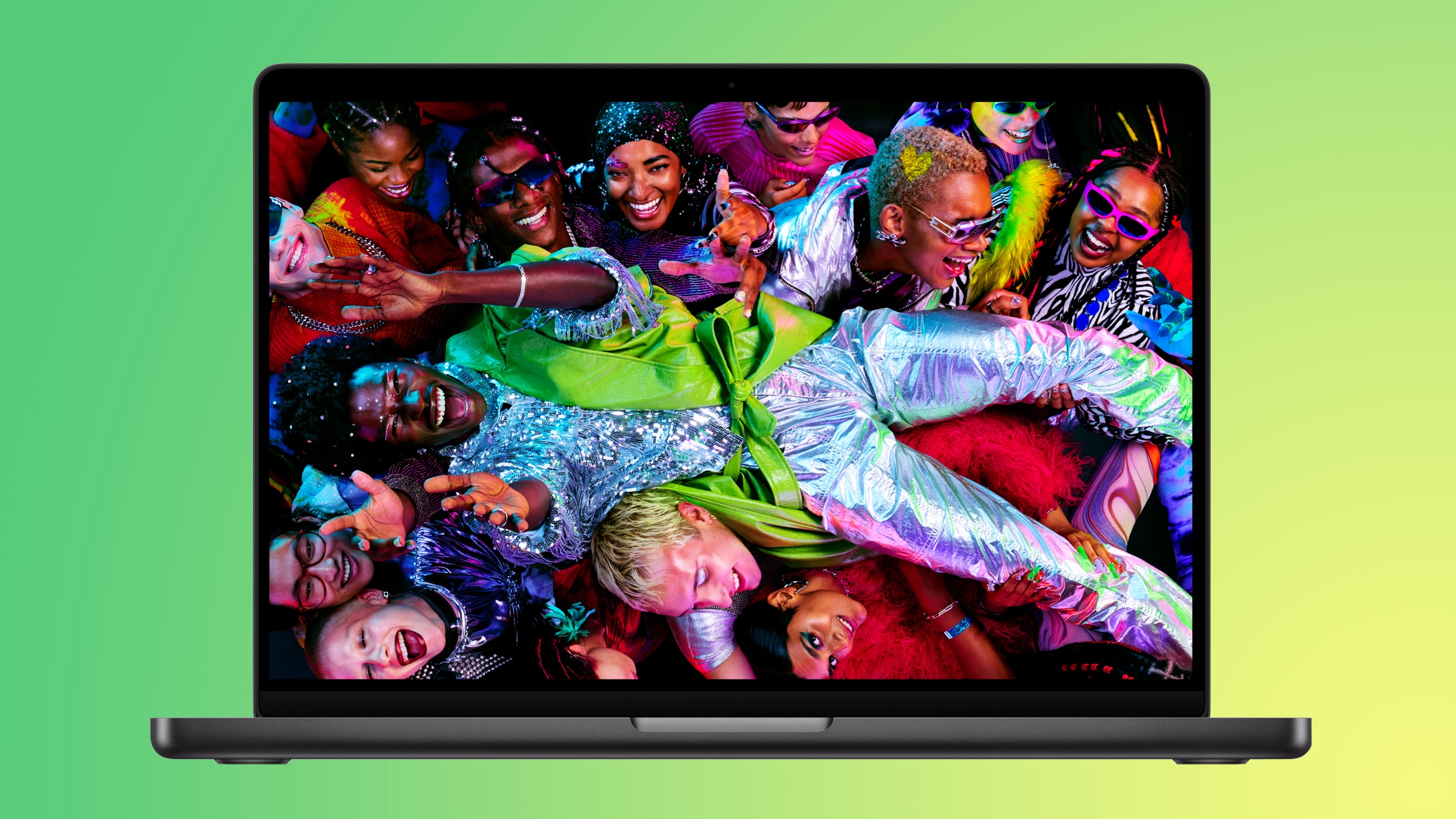
  • What's the deal? Take up to $500 off MacBook Pro

  • Where can I get it? Amazon

  • Where can I find the original deal? Right here


Amazon's prices on the 2026 MacBook Pro have now joined in on Apple's recent price hikes, meaning we're no longer tracking pre-hike markdowns on these devices. However, there are still notable sales to be found if you're shopping for a MacBook Pro this month, with up to $500 off new prices available right now on Amazon.

AirTag


  • What's the deal? Take $10 off AirTag 2

  • Where can I get it? Amazon

  • Where can I find the original deal? Right here


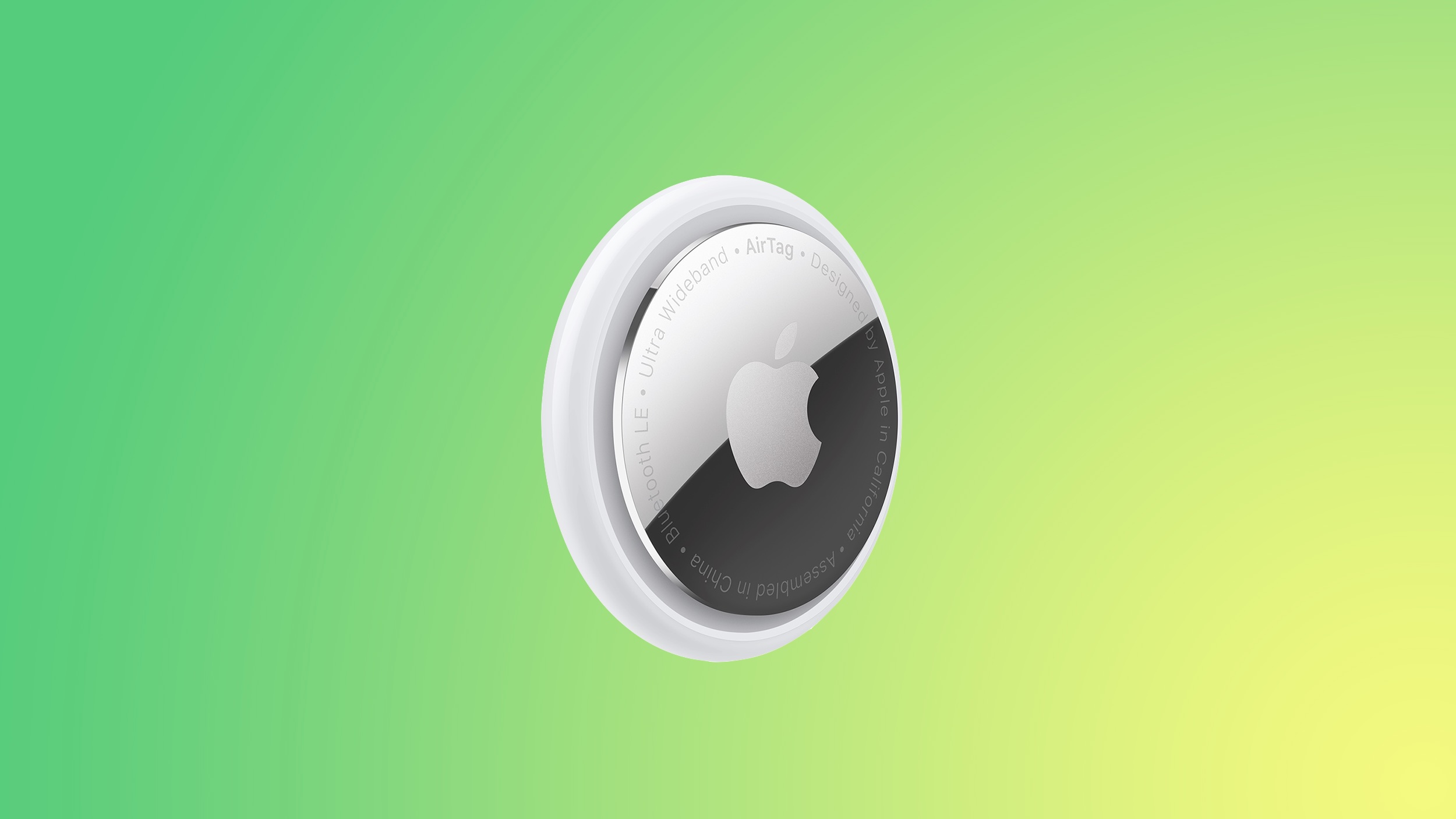
Apple's AirTag 2 is available for the all-time low price of $89.00 this week, down from $99.00. This sale is on the 4-Pack of the AirTag 2, and it's a match of the record low price first seen during Prime Day.

Apple Watch Series 11


  • What's the deal? Take $99 off Apple Watch Series 11

  • Where can I get it? Amazon

  • Where can I find the original deal? Right here


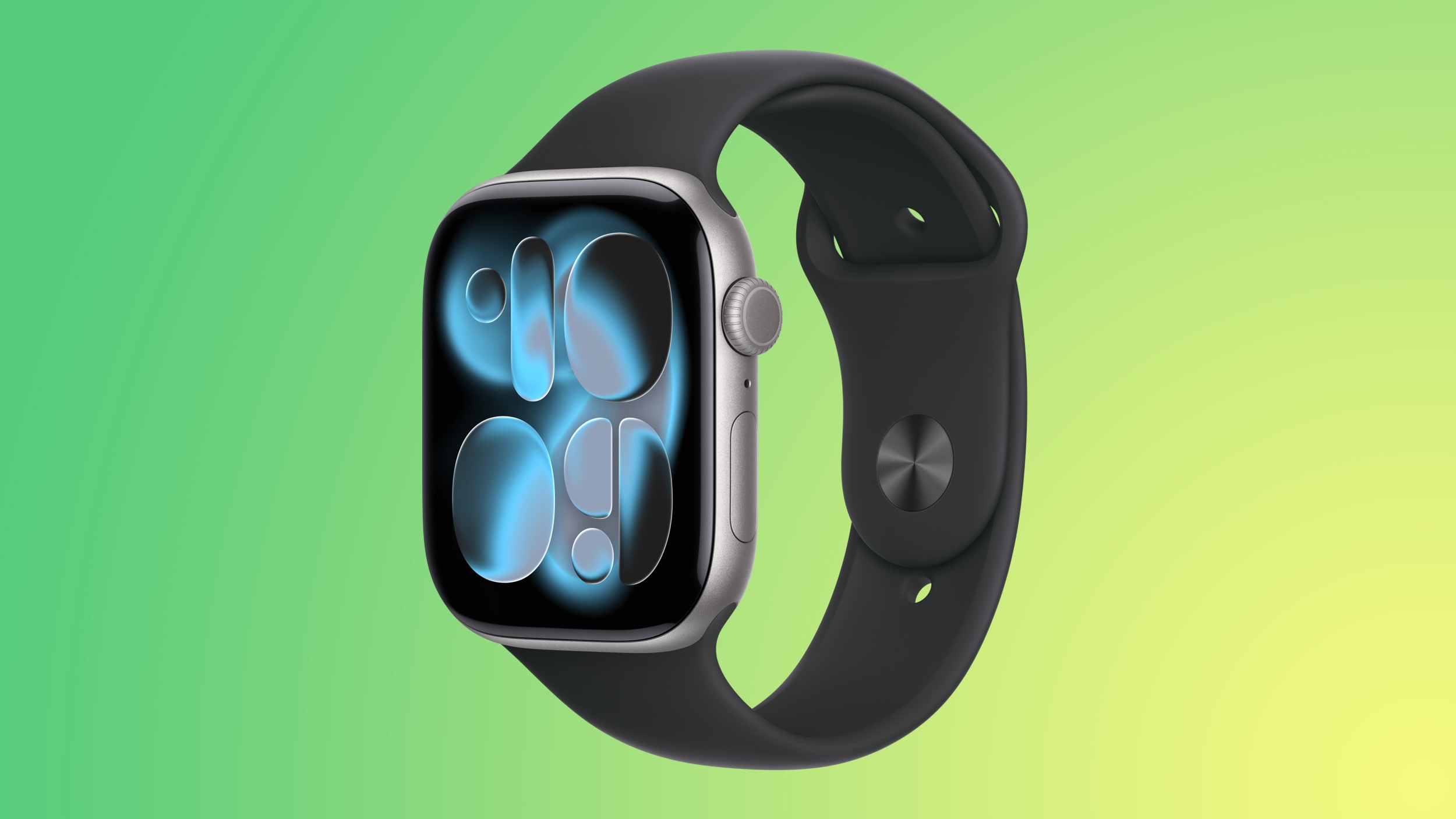
Amazon this week has low prices on the Apple Watch Series 11, with $99 discounts across numerous models of the smartwatch. This sale includes a handful of 42mm and 46mm GPS aluminum models, but cellular devices are a bit more rare this time around.

If you're on the hunt for more discounts, be sure to visit our Apple Deals roundup where we recap the best Apple-related bargains of the past week.


Deals Newsletter


Interested in hearing more about the best deals you can find in 2026? Sign up for our Deals Newsletter and we'll keep you updated so you don't miss the biggest deals of the season!


Related Roundup: Apple Deals

This article, "Best Back to School Apple Bargains: MacBook Pro, AirPods, Apple Watch, and AirTag 2" first appeared on MacRumors.com

Discuss this article in our forums

  •  

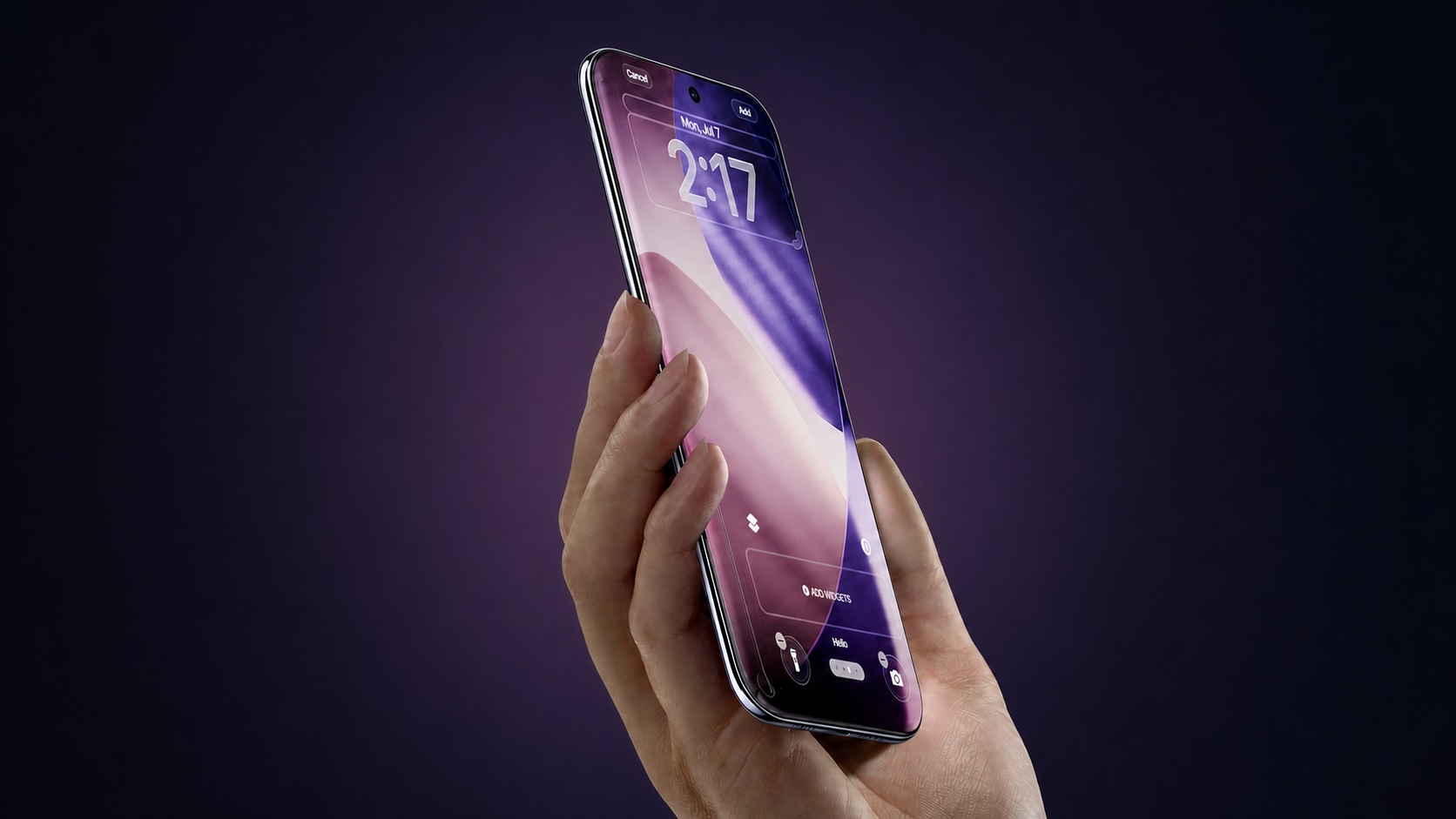
A Little-Known Android Brand Beat Apple to a Bezel-Free Phone 

Smartphone displays have lost a lot of their thick borders over the last few years. But Tecno has just revealed a concept device that takes things a step further by getting rid of those black borders completely. This achievement means Tecno beat Apple to the punch, showing off a screen with a true zero-millimeter border […]

The post A Little-Known Android Brand Beat Apple to a Bezel-Free Phone  appeared first on The Mac Observer.

  •  

Exclusive: Motorola Razr 70 Swarovski Edition Leaks in New Images

The Motorola Razr 70 Swarovski Edition has appeared in exclusive leaked images obtained by The Mac Observer, revealing a black crystal-covered design and matching premium accessories ahead of an official announcement. Motorola Razr 70 design revealed The leaked images show the foldable phone with a textured black rear panel arranged in a quilted pattern. Small […]

The post Exclusive: Motorola Razr 70 Swarovski Edition Leaks in New Images appeared first on The Mac Observer.

  •  

JP Morgan Lowers Apple Target To $340 Amid Supply Headwinds

Despite delivering record-breaking financial results for its third quarter of 2026, Apple is facing fresh concerns from Wall Street over its ability to meet hardware demand. Following the massive Q3 2026 earnings report, JP Morgan adjusted its expectations for the technology giant. The investment bank officially lowered its price target for Apple stock from $345 […]

The post JP Morgan Lowers Apple Target To $340 Amid Supply Headwinds appeared first on The Mac Observer.

  •  

Apple Might Charge For Heavy Siri AI Usage

Apple is looking closely at how much its upcoming artificial intelligence tools will cost to run. During his final earnings call before stepping down, CEO Tim Cook addressed investor concerns about the massive expenses tied to the new Siri AI features. While the basic digital assistant will be available to everyone at no charge, it […]

The post Apple Might Charge For Heavy Siri AI Usage appeared first on The Mac Observer.

  •  

MacBook Ultra's New Design Won't Stay Exclusive for Long

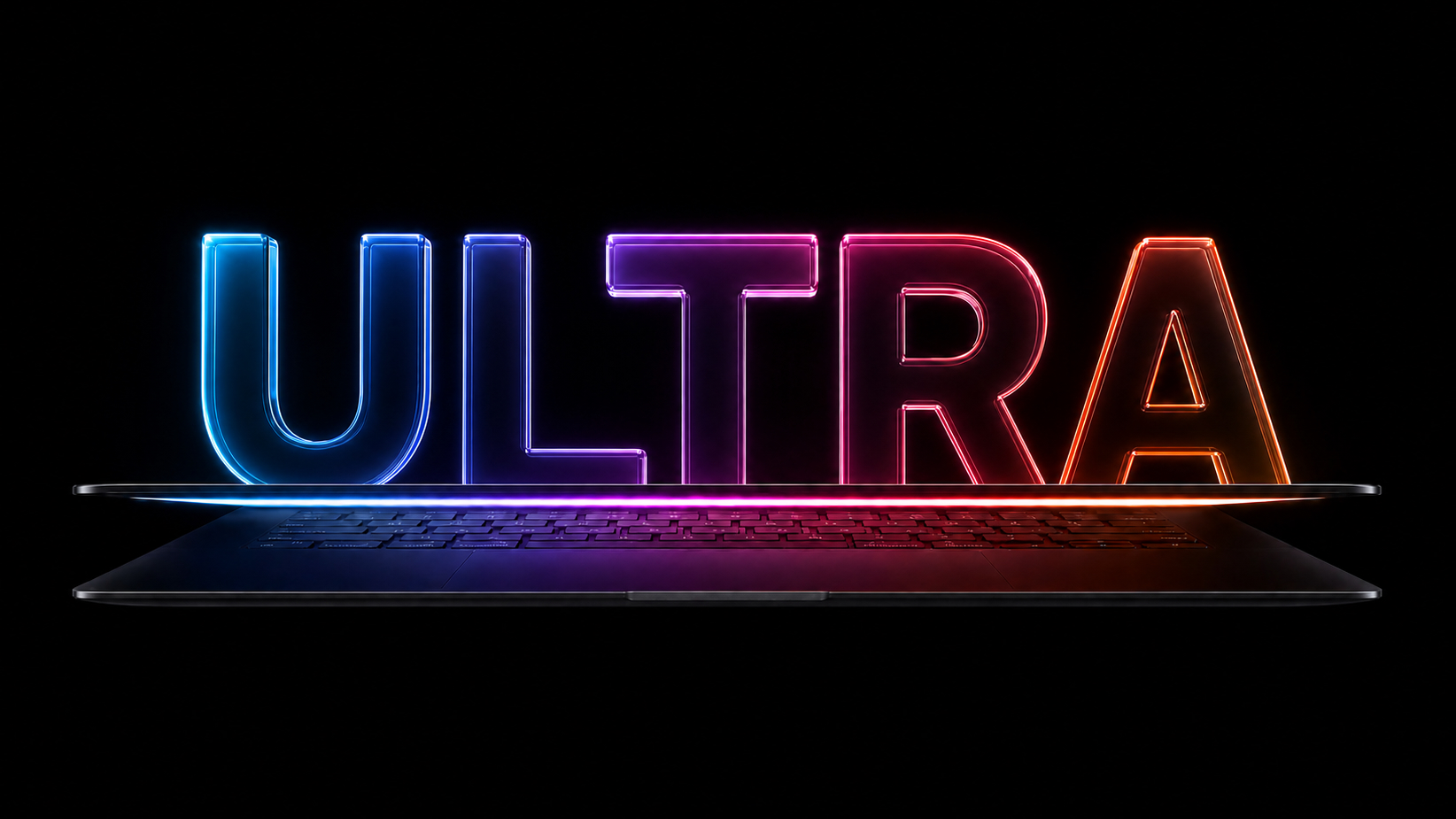
The touchscreen and the OLED panel have dominated discussion about Apple's next high-end laptop, but the redesign wrapped around them may prove to be an equally consequential change, largely because it is not expected to stay unique to the machine for long.


Bloomberg's Mark Gurman last week laid out Apple's plan to refresh every Mac it sells over the next two years. In the report, he mentioned that the entry-level 14-inch MacBook Pro due in 2027, reportedly code-named K104, is said to resemble the design of the high-end K114 and K116 machines while using a standard M7 chip. The design debuting on the rumored "MacBook Ultra" would therefore reach a considerably cheaper Mac within roughly a year of launch, a pattern first reported at the start of July.

Apple last redesigned the MacBook Pro in 2021 alongside the introduction of the M1 Pro and M1 Max chips, and that overhaul ran in the opposite direction to this one. The machine grew thicker and heavier, and Apple restored the HDMI port, the SD card slot, and MagSafe charging that it had stripped out in the preceding generation. Five years on, the company is apparently trying to reverse the thickness.

The chassis is expected to be noticeably thinner and lighter. Swapping a mini-LED backlight for a hybrid OLED stack removes an entire physical layer from the lid, since ‌OLED‌ pixels emit their own light. There has so far been no indication that Apple intends to sacrifice ports to find the rest of the millimeters, which is just as well given how poorly that went last time.

The front of the machine is where the change should be most obvious. The notch is expected to disappear in favor of a much smaller hole-punch camera, a change first indicated on a roadmap from research firm Omdia and since corroborated by Bloomberg. The cutout is said to be pill-shaped, paving the way for an interactive Dynamic Island that expands contextually in the way it does on the iPhone.

Whether the screens themselves will grow is less settled. Omdia claimed that Samsung Display will supply 14.3-inch and 16.3-inch panels, marginally larger than the 14.2-inch and 16.2-inch displays on current models, which would imply slimmer bezels wrapped around a slightly bigger screen. A February report from Bloomberg, however, indicated that screen sizes were not expected to change, but that rumor may not have accounted for a slight reduction in bezels.

Apple is said to be fitting a reinforced hinge so the display does not wobble when tapped, but it is not clear if this will result in any external visual changes. Gurman described the approach to touch as "touch-friendly, not touch-first."

What will become of the high-end ‌MacBook Pro‌ is still a loose thread. Gurman's roadmap lists a high-end 14-inch and 16-inch "MacBook" without the Pro suffix, and no separate high-end ‌MacBook Pro‌ sits alongside it, though that phrasing is hard to lean on when the exact branding itself is unresolved. The new MacBook "Ultra" could replace the current M5 Pro and M5 Max models outright at a higher price point or arrive above them as a genuinely new tier while they stay on sale.

If the high-end ‌MacBook Pro‌ gains Apple's next-generation M7 Pro and M7 Max chips in late 2027, considering that the entry-level M7 model will gain the MacBook Ultra's design in the first half of that year, it seems inevitable that the high-end machines will follow, meaning that all five of Apple's most powerful laptops will share the same overall design.
This article, "MacBook Ultra's New Design Won't Stay Exclusive for Long" first appeared on MacRumors.com

Discuss this article in our forums

  •  

Apple Q3 2026 Earnings Results: Revenue Hits $109.4 Billion (Up 16%), EPS Jumps 29%

Apple reported record fiscal third-quarter results for 2026, with revenue reaching $109.4 billion during the three months ended June 27. Revenue increased 16% from $94 billion in the same quarter last year, supported by strong iPhone, Mac, and Services sales. The June quarter also produced record earnings per share and operating cash flow. Apple reported […]

The post Apple Q3 2026 Earnings Results: Revenue Hits $109.4 Billion (Up 16%), EPS Jumps 29% appeared first on The Mac Observer.

  •  

Apple Reports 3Q 2026 Results: $29.8B Profit on $109.4B Revenue

Apple today announced financial results for its third fiscal quarter of 2026, which corresponds to the second calendar quarter of the year.
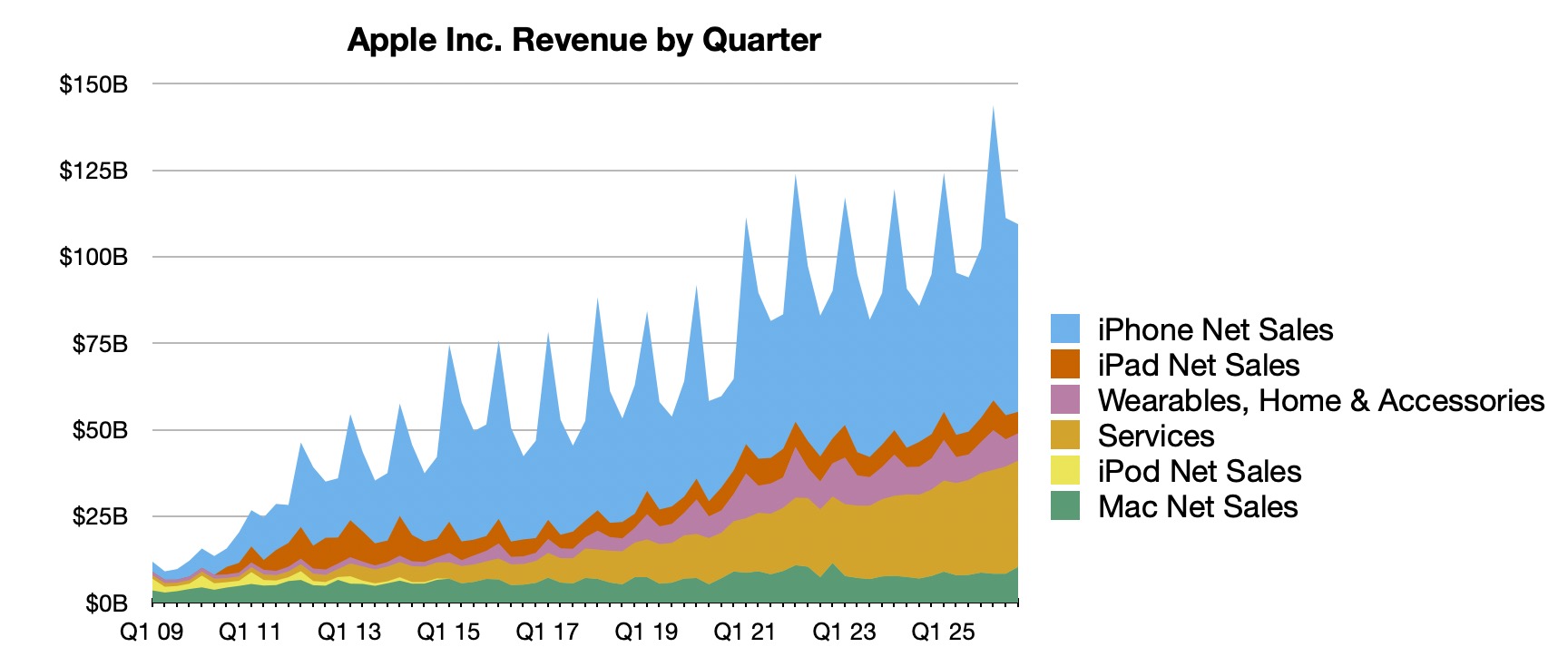

For the quarter, Apple posted revenue of $109.4 billion and net quarterly profit of $29.8 billion, or $2.02 per diluted share, compared to revenue of $94.0 billion and net quarterly profit of $23.4 billion, or $1.57 per diluted share, in the year-ago quarter.

Apple set new June quarter records for total revenue and earnings per share, as well as for iPhone, Mac, and Services revenue.

Gross margin for the quarter was 50.1 percent, compared to 46.5 percent in the year-ago quarter. Apple also declared a quarterly dividend payment of $0.27 per share, payable on August 13 to shareholders of record as of August 10.
"Today, Apple is proud to report our strongest June quarter ever, with double-digit revenue growth across iPhone, Mac and Services, and in every geographic segment," said Tim Cook, Apple's CEO. "At WWDC26, we were thrilled to introduce the all-new Siri AI, alongside all of Apple's latest software innovations and important new child safety features."


Apple will provide live streaming of its fiscal Q3 2026 financial results conference call at 2:00 p.m. Pacific, and MacRumors will update this story with coverage of the conference call highlights.

Conference call recap ahead...


1:38 pm: "We are very pleased with our record business performance during the quarter, which set new June quarter records for both EPS and operating cash flow," said Kevan Parekh, Apple's CFO. "Our installed base of active devices also reached a new all-time high across all major product categories and geographic segments."

1:39 pm: After declining around 1.4% in regular trading today, Apple's share price is currently down another 2.5% in after-hours trading following the earnings release.

1:42 pm: Mac revenue was up 28.7% year-over-year, while iPhone revenue was up 21.7%, Services revenue was up 12.1%, and Wearables, Home and Accessories revenue was up 6.5%. The only product segment that saw a year-over-year decline was iPad, which was down 5.9%.

1:45 pm: Looking at Apple's geographic segments, Europe and Greater China each saw a 22.4% increase in revenue, Japan was up 13.4%, and the Americas had an 11.1% increase. The Rest of Asia Pacific outside of Greater China and Japan had a 15.6% increase.

1:55 pm: Apple's stock price is now down nearly 4.5% in after hours trading, just minutes before Tim Cook's final quarterly earnings call as CEO.

2:01 pm: The call is now beginning with the standard warnings about forward-looking statements from Suhasini Chandramouli, Apple Investor Relations chief. On the call is CEO ‌Tim Cook‌, CFO Kevan Parekh, and, for the first time, incoming CEO John Ternus.

2:02 pm: "Good afternoon everyone, and thanks for joining the call. Today, Apple is pleased to report $109.4 billion in revenue, up 16% from a year ago and a June quarter record."

2:03 pm: The company had supply constraints and foreign exchange headwinds, but still reached the record.

2:03 pm: "We achieved June quarter records in every geographic segment... We achieved June quarter records in both developed and emerging markets."

2:04 pm: Tim is going over the announcements from WWDC, including and especially Siri AI. "The reviews from early users have been phenomenal."

2:04 pm: "We are feeling incredibly enthusiastic about the impact it's going to have."

2:06 pm: Starting with iPhone, revenue was $54.3 billion, up 22% from last year. It was a June quarter record across every geographic segment and a record for upgraders. IDC says the company gained share globally during the quarter. "This is the most popular iPhone lineup we've ever had."

2:07 pm: Mac delivered its best June quarter yet, with $10.4 billion in revenue, up 29% from last year despite significant supply constraints. Driven by MacBook Pro and MacBook Neo. IDC says the company gained share globally and set a June quarter revenue record in developed markets and an all-time record in emerging markets, with particular strength in Greater China.

2:07 pm: "The Mac lineup delivers outstanding power-efficient performance, massive memory bandwidth, and next-level AI capabilities."

2:08 pm: ‌MacBook Neo‌ has been especially popular, with its distinctive design and excellent value resonating with customers around the world.

2:09 pm: ‌iPad‌ revenue was $6.2 billion for the June quarter. The addition of M4 to iPad Air "has made it even more capable, delivering a significant performance boost."

2:09 pm: Revenue for Wearables, Home and Accessories was $7.9 billion, up 6% from a year ago, growing in every geographic segment.

2:10 pm: "We continue raising the bar across our AirPods lineup... with Live Translation powered by Apple Intelligence, people are crossing language barriers and connecting like never before."

2:11 pm: "We began laying the groundwork for users to have the best possible experience with AI when we introduced a neural engine in 2017... Ever since then, we've innovated and invested deliberately in silicon systems and scalable unified memory architecture designed with AI at their core."

2:12 pm: "Apple has created the world's best hardware to experience AI, whether using ‌Apple Intelligence‌, including ‌Siri‌ AI, or third-party offerings."

2:12 pm: Services revenue was $30.7 billion, up 12% from a year ago, "despite significant foreign exchange headwinds."

2:13 pm: Ted Lasso returns to Apple TV next week for its fourth season, and the company just won a Tony Award, and has 89 Emmy Award nominations.

2:14 pm: "We're halfway through an unforgettable year of F1, and ‌Apple TV‌ subscribers have been tuning in all season."

2:14 pm: In Retail, Apple Upgrade was just launched for customers in the US.

2:15 pm: "In honor of Global Accessability Awareness Day, we unveiled new features to help users get more out of the products they use every day."

2:16 pm: "We're doing our part to invest in innovation close to home. Last year we made a $600 billion commitment to the US over four years, and now we've planned to reinvest the tariff refunds we've received into the US." There's a new agreement with Broadcom to design and produce custom silicon components and cutting-edge wireless connectivity technologies. The agreement is expected to exceed $30 billion in US spending.

2:17 pm: Apple is going to make the Mac mini at the Advanced Manufacturing Center in Houston, and will train employees and suppliers in how to build products.

2:17 pm: "We will remain guided by our north star: building products and services to enable people to do magical things."

2:18 pm: "I couldn't be more excited to watch our phenomenal story of innovation continue to unfold, and I've never been more confident that the best is yet to come."

2:18 pm: Kevan is on now to go into more detail on financials. Revenue of $109.4 billion was up 16% year over year. Product revenue was $78.7 billion, up 18% year over year. Install base reached a new all time high of over 2.5 billion. Services revenue was $30.7 billion, up 12% year over year.

2:19 pm: Company gross margin was 50.1%, up 80bp sequentially, including a benefit of tariff refunds, with an impact of 2%. If you remove this impact, we would have been at the middle of the guidance range. Product margin was 40.1%, up 140 basis points. Tariff refunds had an impact of 2.5%.

2:20 pm: OpEx was $19.1 billion, up 23%, driven by investments in R&D. Net Income was $29.8 billion. $34.4 billion in operating cash flow, setting new June quarter records even when excluding tariff refunds.

2:20 pm: iPhone was $54.3 billion, up 22%. iPhone active install base grew to an all-time high and set a June quarter record for upgraders. iPhone was the top selling model in the US, urban China, the UK, France, Australia and Japan.

2:21 pm: Mac revenue was $10.4 billion, driven by the strength of ‌MacBook Neo‌ and ‌MacBook Pro‌. Grew in both developed and emerging markets. Customer reception of ‌MacBook Neo‌ "has been incredible." Mac had its best quarter ever for customers new to the Mac and for upgraders.

2:22 pm: ‌iPad‌ revenue was at $6.2 billion, down 6% year over year against a difficult compare. More than half of customers who purchased an ‌iPad‌ were new to the product.

2:22 pm: Wearables, Home and Accessories revenue was $7.9 billion, up 6% year over year. More than half of customers purchasing an Apple Watch were new to the product.

2:23 pm: Services revenue was $30.7 billion, up 12%, despite "significant sequential FX headwinds."

2:23 pm: "We are optimistic about the long-term future of our Services business... we have an incredibly strong foundation for growth opportunities."

2:24 pm: Morgan Stanley has deployed more than 20,000 iPhone 17 devices, as part of a shift from employee-owned to corporate-owned devices for liability and security.

2:25 pm: Pinellas County Schools in Florida is transitioning 25,000 students from Windows devices to ‌MacBook Neo‌.

2:25 pm: "About half of the ‌MacBook Neo‌ purchases by US education institutions replaced Windows and Chromebook devices."

2:26 pm: Ended the quarter with $147 billion in cash and $84 billion in debt. Returned $33 billion to shareholders, including $4 billion in dividends and $25.8 billion in share repurchases.

2:27 pm: Forward projections assume no changes to global tariff rates and that the global macroeconomic outlook does not get worse. "We also expect our September quarter total company revenue to be impacted by two main factors. First, we expect foreign exchange to be a sequential headwind of about two and a half percentage points to the year-over-year total company growth rate from the June quarter over the September quarter."

2:28 pm: Expect total company revenue to grow 9-11% next quarter, and expect iPhone revenue to be impacted by foreign exchange headwinds and supply constraints. iPhone reported growth rate is expected to be mid-teens year over year. Gross margin should be between 47% and 48%, with approximately 1% benefit related to tariff refunds. OpEx between $19.1 and $19.4 billion.

2:28 pm: Cash dividend of $0.27/share, payable on August 13.

2:29 pm: Tim is taking back over. "I just wanted to take a moment to say 'thank you' to all of you. From our shareholders, particularly our long-term shareholders, who have put their trust in us for so many years, to the analysts who have followed our company so closely."

2:29 pm: "I am beyond excited for John to step into his new role and lead Apple into its next era. He is truly one of the kind, and there is no better person to take the helm of the company."

2:29 pm: "I couldn't be more confident in his leadership, in our executive team, and in the extraordinary people at Apple that are determined to enrich the lives of our users all over the world. We have a bright future ahead, and I truly have never been more optimistic. So thank you all."

2:30 pm: Now we're moving to the Q&A with analysts.

2:32 pm: Q: Tim, best of luck, it's been a pleasure working with you over the years. On the 9-11% growth, that's a deceleration. How much of this is supply constraints vs FX?

A: We expect revenue to grow by 9-11% year over year, impacted by FX to be a sequential headwind of 2.5% to year over year total company growth rate. On supply constraints, we expect that to impact significantly, affecting iPhone, Mac and ‌iPad‌. Combine those two factors, we get pretty close to the June overall company growth rate.

We did experience supply constraints primarily on the Mac and to a lesser extent to iPhone and ‌iPad‌, driven by very high levels of demand and less flexibility in the supply chain than normal. The constraints are primarily driven by availability of the advanced nodes that our SOCs are produced on. Looking forward, we continue to expect high levels of demand, but with less flexibility on supply chain, and impact on the supply chain to increase significantly. To affect iPhone, Mac and ‌iPad‌, we're seeing some very significantly constraints currently with limited flexibility in the supply chain to remedy it.

2:35 pm: Q: Apple has historically done a great job to deliver capability and utilty to customers without really making them pay disproportionately more. There are reports that suggest that you're seeking greater sourcing flexibility for memory. Can you just talk about is this building options really about ensuring that you have supply and it's a way to mitigate memory inflation, or is it more preserving a value proposition?

A: We paid more in March for memory than December quarter, and we paid more in the June quarter than March. We expect this to continue to get worse in September. We had some benefit from carry-in inventory, but we believe this will see decreasing benefit from this over time beyond the September quarter. Second, we are expecting lower costs on certain non-memory components that are in our BOM, and if you look beyond September we see the market pricing for memory continuing to increase which could drive an increasing impact on our business. In terms of sources of supply, primarily the DRAM market has three suppliers. If there were more suppliers, that would be good and it would help us on the supply side and perhaps the pricing side, though the pricing side is unclear. It could help on the supply side. We're evaluating all options.

2:37 pm: Q: On the Apple Upgrade program, do you see it shortening the replacement cycle for iPhone, and having an impact on Mac and iPhone and having an impact because those two haven't had benefits of subsidies?

A: If you look at the program, it makes it easier for customers to get their hands on our latest products with a leasing plan that's right for them. The residual values on Apple products tend to be much higher than residuals on the competition. It's a way to get into a product on an affordable basis, particularly for customers who want to upgrade on some kind of schedule. It is offered in our retail stores, not across all channels, so we'll see what the customer uptake is. The early feedback on it is quite positive, also it's only available in the US right now.

2:39 pm: Q: On ‌Apple Intelligence‌ and iOS 27, can you talk about learnings from the public beta, will the new ‌Siri‌ AI be a demand driver for the iPhone this holiday, how does Apple intelligence usage in the open beta drive your thinking on compute costs and your ability to recover costs through iCloud Plus?

A: We are off the charts excited about ‌Siri‌ AI. We released the developer beta immediately after the keynote. Developer feedback, reviewers and so forth have been overwhelmingly positive. Released as a public beta and the continued feedback is really great. I think it's a big idea to have AI based on your personal context and that's integrated across the operating system. It's early going and I don't want to say we have a complete plan for that, we do believe there will be people who want to use it a lot and so we will have some kind of upgrade possibilities on ‌iCloud‌+ where people can buy up the stack, and we'll see how the pickup for that is. We could not be more excited about where the product is.

2:43 pm: Q: Wanted to ask about supply constraints, what we're struggling with after hours, how much do these supply constraints impact you in December and we did a pretty good job taking that number into the higher single digits, is there any guidance that you can give us there?

A: Let me talk about the constraints a little more, the primary issue is advanced nodes that we run our SOCs on. That's the primary supply constraint now. The root cause of it is not a regular supply issue. It's a demand forecast issue to be candid. Where iPhone and the Mac are both doing remarkably better than we thought they would do, and we had high expectations and it wasn't that our expectations were low. From iPhone's growth being 22% and Mac at 29%, these are extraordinary numbers and the supply chain has less flexibility than normal. We've been pulling supply ahead and at some point there's a limit to that. Now we have a quarter where we'll be scrambling on the supply side eventually.

Combined with foreign exchange impact, that's really what's built into the 9-11 percent growth rate. Beyond December we're not providing any color beyond the September quarter.

2:45 pm: A: This isn't a partner or supplier issue, it's a great issue in some ways, it's an incredibly strong iPhone and Mac product cycle that has yielded demand beyond expectations. In Arizona, we source more than 100 million components this year, so it is part of our $600 billion commitment to the US and we could not be more pleased with how that fab has ramped and is producing for us.

2:46 pm: Q: It is your intention to pursue some agreements to ensure access to supply at pre-agreed prices, when you approach product pricing, are you trying to protect margins or gross profit dollars? What's your thoughts on pricing?

A: We reluctantly raised prices and because we're in a 100-year flood on the memory pricing with exponential increases in memory prices. That was the rationale for it. In terms of our philosophy on dollars or percentages, we look at units revenue and margin and then come to a business judgement as to how to handle that. It's not a mathematical formula that gets us to a specific result or looking at one dimension of that. We look at all three dimensions, thinking about it over the long term instead of a 90-day clock.

2:49 pm: Q: 12% services growth was slightly below guidance, maybe FX played a role, can you help us understand the function factors underlying the deceleration, if that App Store, some third-party data sources, is that a function of AI reprioritizing time away from the ‌App Store‌? Just looking at the moving pieces on Services.

A: Let's walk from our 16% to second quarter to 12% in the June quarter, FX was the main driver in the year over year growth rates. Last year we had the theatrical release of F1, we also had some factors that impacted the App Stores, some headwinds in mobile gaming and some change to the business model in certain countries, and in the US a ruling on the link out for transactions. ‌App Store‌ set a June quarter revenue record. Several positive trends, strong double digit growth in a number of sectors. Revenue records in every category. ‌Apple TV‌ viewership set an all time high in the quarter. Apple Pay saw a record number of users in both developed and emerging markets. Services continue to attract more customers, passing more than 1.5 billion paid subscriptions.

2:50 pm: A: When we step back and look at how we landed, I would say that we roughly met our expectations but saw some more softness on mobile gaming and the ‌App Store‌. In September, FX will continue to be a headwind, impacting Services more than the whole company. FX will drive a 5% headwind from March to September quarter. We are going to see another 2.5% sequential headwind from June to September.

2:52 pm: Q: As you look at demand, how do you assess whether you're seeing pull-forward of demand from consumer or enterprise or education, and if you're factoring that into your views as we look forward.

A: You're talking about iPhone I presume, we've been running at this 24% growth rate for a while, it's not obvious that what you're asking is true. We've now had to increase prices on ‌iPad‌ and Mac, the price elasticity there it's too early to come to a conclusion of what happens there. It takes a little while for the channels to adjust since there's channel inventory, and takes a while for the consumer to respond so we'll understand that more in the weeks ahead.

2:53 pm: Q: Longer term, thematically, AI proliferates towards the edge, do you see AI opening additional opportunities and do you see other addressable markets evolving from AI over time?

A: These are enormous opportunities for Apple moving forward in AI. I'm so excited for ‌Siri‌ AI, where it is and where it's going. I'm excited about the feedback that we're getting there.

2:55 pm: Q: On ‌Siri‌ AI, do you expect that ‌Siri‌ AI will change the capital intensity despite you having the ability to do so much on the device, you have some requests that go into the back end in first and third-party cloud, is it right to think that the capital intensity will change in the future?

A: We use a hybrid model, so we use some third-party cloud and our own data centers, so there will be a mix but generally speaking, as you know, we have been growing OpEx and spending more on AI in general. Quite a bit more. There are other locations on the P&L besides OpEx that have AI expenditures, we'll see what ‌Siri‌ AI does from the cost side of it, but there's also the ability when people use it a lot for people to move up on an ‌iCloud‌ band as well. The balance of that is a bit uncertain at the moment.

2:56 pm: Q: To John, can you give us a high-level take on the competitive landscape, OpenAI hardware or SpaceX launching a phone that can bypass carriers?

A, from John Ternus: There's so much opportunity for us in this space, and we're very focused on our plans and very excited about it.

2:59 pm: Q: How do you launch ‌Apple Intelligence‌ and ‌Siri‌ AI in the rest of the world?

A: If you look at the EU, we're working closely with the commission. We want to launch everything, everywhere all of the time. We haven't been able to do that in the EU. We're trying to get to offer it there, we are allowed to offer it on the Mac there, it's not covered on the same regulations as the iPhone and ‌iPad‌. We hope to reach some sort of solution.

If you look at China, last week we received approval to ship the original features of ‌Apple Intelligence‌, things like cleanup and so-forth. We're working now through the rollout of those and there will be more work required down the road for ‌Siri‌ AI, but we're at the front end of that.

3:01 pm: Q: Not to beat this FX thing to death, but if we look at the gross margin, you delivered 48% in the quarter without tariffs, now guiding to 46.5%, how much of that is FX vs commodity costs etc?

A: On gross margin, we look at the change from 49.3 for March to 48.1 adjusted for June, that 120 basis point change, most of that is the memory cost impact. As Tim outlined earlier, we saw some partial offsets from carryin inventory and some favorable mix, we see the same dynamics as you go from 48.1 in June to the 46.5 midpoint of our range without any tariff refund impact. That 160 bp change, more than that is explained by memory offset by lower costs and favorable mix. FX was a pretty minimal impact versus memory, so the sequential change is really driven by memory.

3:01 pm: The call is now complete. Almost every analyst congratulated Tim on his tenure and wished him well for the future.
This article, "Apple Reports 3Q 2026 Results: $29.8B Profit on $109.4B Revenue" first appeared on MacRumors.com

Discuss this article in our forums

  •  

New Species of Triassic Dinosaur Discovered on Shores of Zimbabwe’s Lake Kariba

Life reconstruction of Musango matusadonaensis. Image credit: Mark Witton.

An international team of paleontologists has identified a new species of early sauropodomorph dinosaur in Zimbabwe, adding to growing evidence that southern Africa hosted a richer diversity of dinosaurs during the Late Triassic epoch than previously recognized.

The post New Species of Triassic Dinosaur Discovered on Shores of Zimbabwe’s Lake Kariba appeared first on Sci.News: Breaking Science News.

  •  
❌