❌

Reading view

FTSE 100 on track for best month since first US attacks on Iran five months ago – as it happened

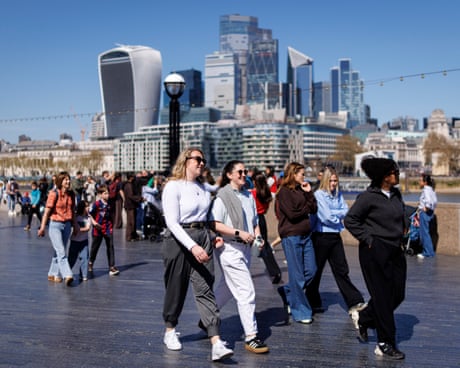
Live, rolling coverage as London’s biggest companies defy Middle East disruption and UK petrol prices rise to around £1.60 per litre, the highest since Donald Trump ordered renewed strikes

The story piquing the interest of the financial press this morning is that of Leopold Aschenbrenner, the AI Wunderkind (he’s German-born) who has been forced to sell off his fund in a fire sale after the AI boom ran out of steam.

The 24-year-old had persuaded a lot of people to give him a lot of money for a hedge fund, after previously working for OpenAI and the FTX Future Fund, a charitable arm of the fraudulent crypto empire of Sam Bankman-Fried, who is now in prison. Aschenbrenner ploughed that money into debt-fuelled bets on artificial intelligence companies, earning huge returns until he found out that stocks can also fall.

The trader dubbed the “Nostradamus of AI” would have been hard-pressed to foresee how quickly his high-flying hedge fund would run into trouble.

The firm’s rapid downward spiral is a familiar tale, as Silicon Valley and Wall Street once again threw their weight behind a bright-eyed but untested investor who promised this time would be different. “Everybody always wants to find the next golden child,” said one longtime hedge fund executive. “It just keeps happening.”

In less than 24 hours — which included a conversation between Griffin and Aschenbrenner — Griffin’s Citadel hedge fund reached out to Situational Awareness and snapped up the investments at a discount, according to a person familiar with the matter who asked not to be identified citing private information.

It was a startling reversal for Aschenbrenner, a former researcher at OpenAI who – before starting his hedge fund roughly two years ago — had no previous investment experience. His fledging firm has watched its assets plunge from $45bn at the start of July to about $10bn.

Continue reading...

© Photograph: Tolga Akmen/EPA
© Photograph: Tolga Akmen/EPA

© Photograph: Tolga Akmen/EPA

  •  

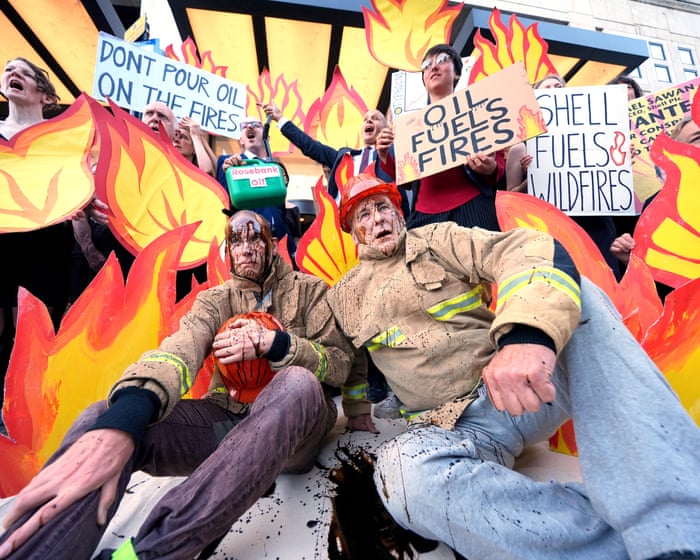
Shell’s profits more than double after jump in oil and gas prices

Environmentalists renew calls for windfall tax to support households after Q2 earnings rise to almost $10bn

Shell has posted its second highest quarterly earnings on record as the energy market surge caused by the Middle East crisis helped to double its net profit to almost $10bn in the three months to June.

Europe’s biggest oil and gas company reported a quarterly profit of $9.8bn (£7.4bn), more than double the figure for the second quarter last year and the highest since its record-high earnings in the months after Russia’s invasion of Ukraine.

Continue reading...

© Photograph: Yui Mok/PA

© Photograph: Yui Mok/PA

© Photograph: Yui Mok/PA

  •  

Take Centrica’s gas storage warning seriously – Britain still needs secure supplies | Nils Pratley

One task awaiting new energy secretary Miatta Fahnbulleh is devising a plan to avoid a crisis by the end of the decade

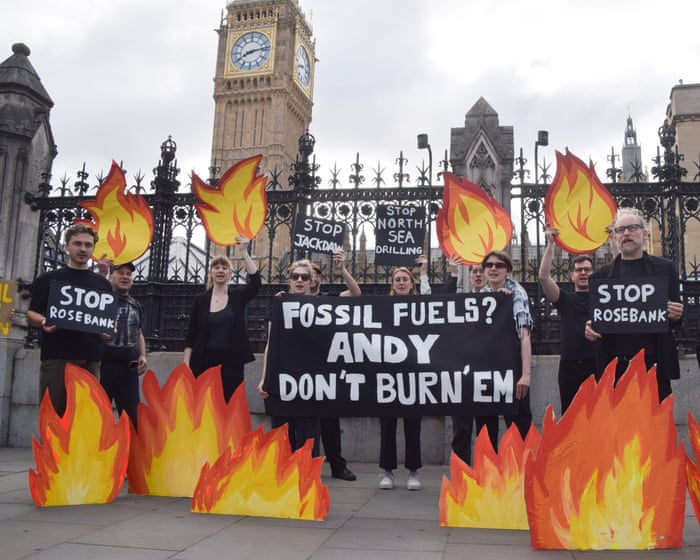
Welcome to the energy secretary job, Miatta Fahnbulleh. You have a politically tricky decision to make on whether to approve production at the Jackdaw gasfield and the Rosebank oilfield. But here’s another one that can’t wait much longer: what is the broader plan to ensure Britain avoids a gas supply crisis in 2030?

By way of reminder, one of the more alarming reports published by the energy department under Ed Miliband was the one that warned of “an emerging risk” to gas supplies at the turn of the decade if an important piece of kit – an import terminal, say, or the critical 725-mile Langeled pipeline from Norway – were to be out of the action during a severe cold snap.

Continue reading...

© Photograph: PA Images/Alamy

© Photograph: PA Images/Alamy

© Photograph: PA Images/Alamy

  •  

US launches 10th round of strikes as Iran says it is in ‘full-scale war’

Diplomats say de-escalation talks continue as Trump vows retaliation over US soldier deaths

The US military said it has launched its 10th consecutive round of strikes on Iran to force the reopening of the strait of Hormuz.

Earlier on Monday, Iran’s president said the country is in a “full-scale war” after the US expanded its aerial campaign and Tehran struck Washington’s Gulf allies, even as diplomats said talks to de-escalate were continuing.

Continue reading...

© Photograph: US Central Command (CENTCOM)/AFP/Getty Images

© Photograph: US Central Command (CENTCOM)/AFP/Getty Images

© Photograph: US Central Command (CENTCOM)/AFP/Getty Images

  •  

Jackdaw gasfield would create only 27 direct full-time jobs, documents show

Campaigners say field will bring minimal benefit for UK economy, as industry lobbies Burnham for go-ahead

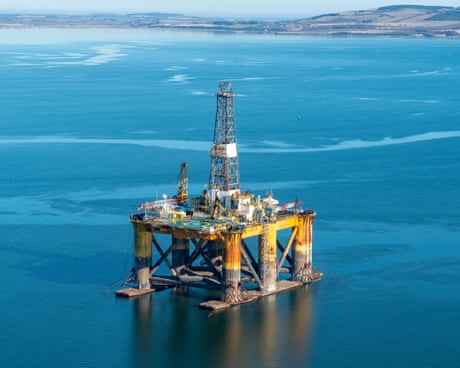
More people can fit on to the top deck of a standard London bus than will be directly employed on the new Jackdaw gasfield in the North Sea, industry documents show.

Only 27 direct full-time jobs would be created by Jackdaw, one of the biggest gasfields remaining in the North Sea, according to an environmental impact assessment filed publicly by its owner, Adura, a joint venture between Shell and Norway’s Equinor.

Continue reading...

© Photograph: Vuk Valcic/ZUMA Press Wire/Shutterstock

© Photograph: Vuk Valcic/ZUMA Press Wire/Shutterstock

© Photograph: Vuk Valcic/ZUMA Press Wire/Shutterstock

  •  

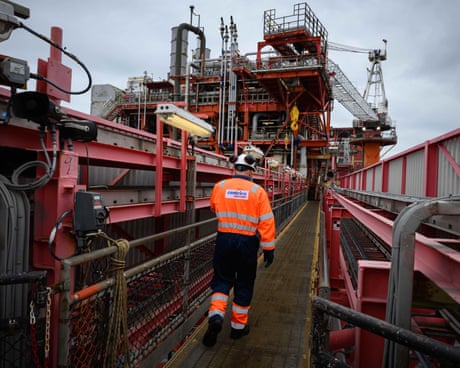
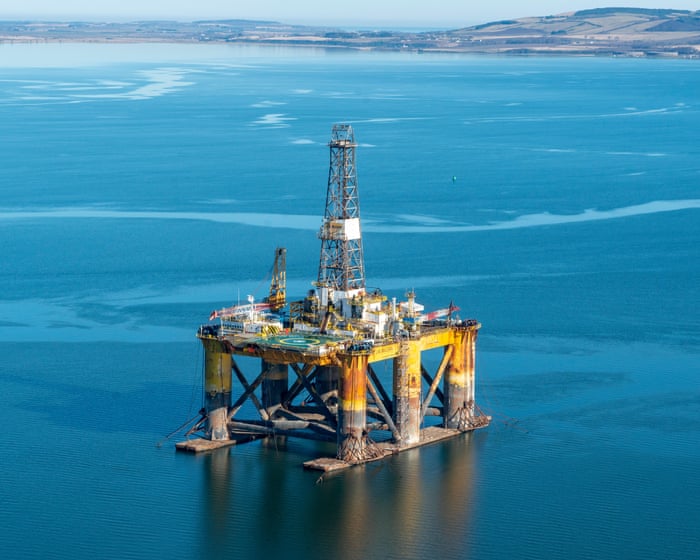
North Sea oil industry urges Burnham to approve new drilling in UK waters

Lobby appeals to prospective PM’s reindustrialisation agenda as it pushes for Rosebank and Jackdaw approval

The UK’s North Sea oil industry has made a last-ditch attempt to curry favour with the Labour government by appealing to Andy Burnham’s reindustrialisation agenda just days before he is expected to become Britain’s next prime minister.

Industry lobbyists have written to more than 400 Labour MPs to call on the government’s new leaders to allow more oil and gas drilling in UK waters to support homegrown energy and show “a commitment to UK manufacturing, industrial capability and the skilled workforce that has powered the nation for generations”.

Continue reading...

© Photograph: Rick Wood Photography/Alamy

© Photograph: Rick Wood Photography/Alamy

© Photograph: Rick Wood Photography/Alamy

  •  

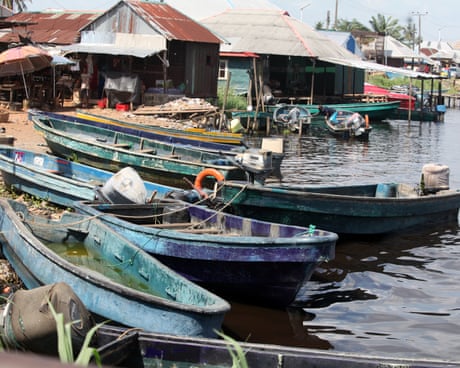
Smoke, soot and toxic fumes: Nigerian families living in shadow of burning oil well six years after blowout

Villagers in Awoye in the Niger Delta say the ongoing pollution is causing sickness and environmental destruction, while pleas for help go unanswered

Perched on a narrow hospital cot across from her son, Bodunwa Orugbemi can hear the distant Atlantic Ocean and smell the stench of crude oil on the air drifting in from the shore. For days, her 21-year-old son has been lying in this hospital in the Niger Delta, swallowing small spoonfuls of food without being able to speak.

Seventy‑year‑old Orugbemi says Ijadopin started coughing one evening in May, inside their small wooden home in Awoye on Nigeria’s Atlantic coastline. After a few days his cough intensified, then he developed a skin irritation, followed by difficulty breathing.

Continue reading...

© Photograph: NurPhoto/Getty Images

© Photograph: NurPhoto/Getty Images

© Photograph: NurPhoto/Getty Images

  •  

Competitiveness, Cost and Climate: Five Themes From the BNEF Summit Amsterdam

The US energy landscape is changing quickly. Demand for artificial intelligence is driving up power demand while electric vehicle (EV) adoption slows down and enters a more complex phase. Together, these trends are reshaping how utilities, policymakers, financiers and automakers respond to emerging challenges in the energy sector.
  •  

Gas Prices May Remain High Despite US-Iran Deal

The preliminary agreement may not have an immediate effect on prices at the pump. Damaged infrastructure and risky transport could keep costs up.

© Jenny Kane/Associated Press

Gas prices have soared since the start of the war with Iran.
  •  

Data Centers and the Future of Energy Storage

The AI boom is ushering in a new era for energy storage. As data center buildout accelerates, batteries are evolving from short-duration backup tools into larger, more flexible systems that can help bring facilities online faster and manage complex power needs. In the US in particular, a growing pipeline of projects is emerging, with batteries increasingly paired with on-site generation or used to smooth demand and unlock faster connections to the grid. So how are data centers changing the energy storage market, and what role could these systems play in the power grid of the future? On today’s show, Tom Rowlands-Rees is joined by, Caitilín McManus, a technology and innovation associate at BloombergNEF, to discuss her recently released note “Data Centers’ Energy Storage Ramp Up: Project List Grows.”
  •  

Have Oil Prices Already Peaked? Three Things to Know

An oil price rally has been evasive even though the Strait of Hormuz is largely closed and inventories are falling sharply. The oil market is dealing with a temporary supply disruption on top of a structurally bearish backdrop. BloombergNEF’s oil price modeling reflects the possibility that Brent futures have already peaked just above $104 per barrel, or are close to peaking, when measured on a monthly average basis. Once the shock effect starts to fade, attention is likely to shift back to slowing demand growth and rising supply.
  •  

‘Happiness is not just about GDP’: ambitious plan or utopia?

Some will question its credibility – but the alternative future to the one imagined in the Global Justice Report is far more bleak

In our increasingly dystopian world, who wouldn’t want to at least be open to a utopian antidote? The Global Justice Report, published on Thursday, outlines how to build a prosperous, equitable world within safe planetary boundaries. It’s a push from the modern eco-socialist left in a global battle for ideas that will shape the future.

Based on past social achievements and future energy transformation, it indicates that the overwhelming majority of people on the planet could, by the end of the century, work less and earn more – while keeping temperatures down and avoiding much of the current destruction of nature. It is an ambitious, comprehensive and upbeat plan, and a stronger argument around which to build a political campaign than abstract goals of net zero or decarbonisation.

Continue reading...

© Photograph: Emmanuel Croset/AFP/Getty Images

© Photograph: Emmanuel Croset/AFP/Getty Images

© Photograph: Emmanuel Croset/AFP/Getty Images

  •  

Data Centers and the Future of Energy Storage

The AI boom is ushering in a new era for energy storage. As data center buildout accelerates, batteries are evolving from short-duration backup tools into larger, more flexible systems that can help bring facilities online faster and manage complex power needs. In the US in particular, a growing pipeline of projects is emerging, with batteries increasingly paired with on-site generation or used to smooth demand and unlock faster connections to the grid. So how are data centers changing the energy storage market, and what role could these systems play in the power grid of the future? On today’s show, Tom Rowlands-Rees is joined by, Caitilín McManus, a technology and innovation associate at BloombergNEF, to discuss her recently released note “Data Centers’ Energy Storage Ramp Up: Project List Grows.”
  •  

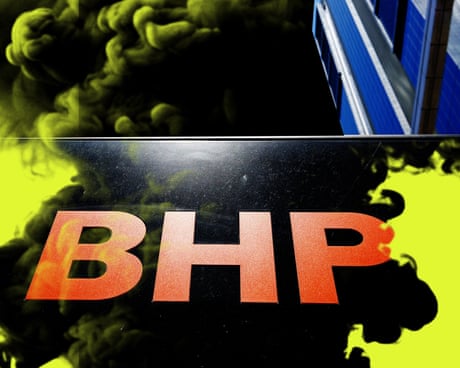
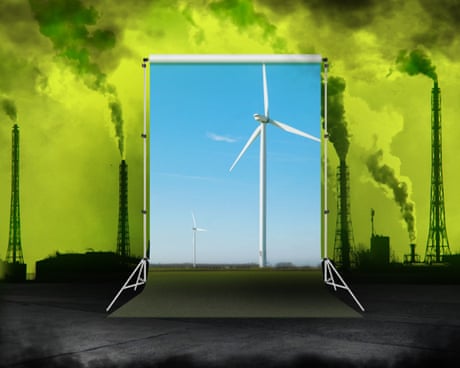
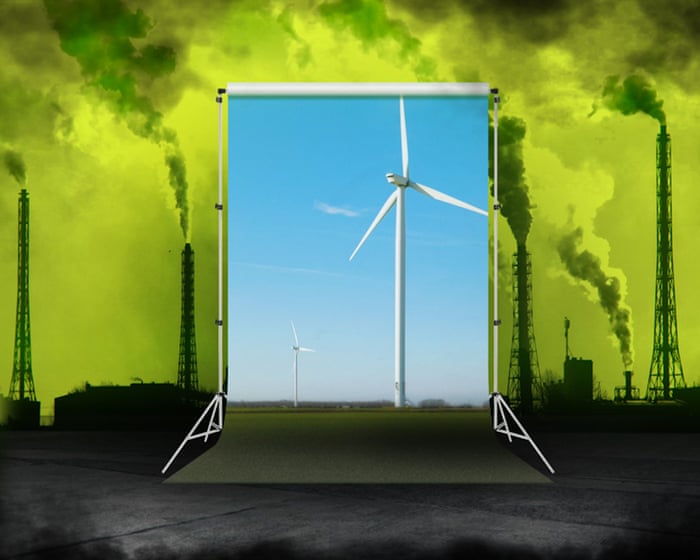
The BHP files: World’s biggest miner BHP backtracks on climate action with key projects put on ice, leaked documents reveal

Exclusive: Cache of internal documents leaked to the Guardian and the ABC’s Four Corners show multinational has war-gamed ways to massively delay decarbonisation

The world’s biggest miner has halted or delayed projects to cut vast amounts of emissions and has quietly war-gamed options to push major climate investments in its Western Australian iron ore operations into the next two decades, internal documents show.

An exclusive investigation based on documents leaked to the Guardian and the ABC’s Four Corners can reveal that BHP, one of Australia’s biggest historic emitters, has dumped plans for a facility that could have significantly reduced emissions and has put on ice renewable projects designed to power its iron ore operations in the vast, resource-rich Pilbara region.

Continue reading...

© Illustration: Guardian Design

© Illustration: Guardian Design

© Illustration: Guardian Design

  •  

Revealed: the internal BHP memo that slammed the brakes on world’s biggest miner’s climate push

Exclusive: BHP once dubbed climate change an ‘existential’ threat. But leaked documents show it has backtracked on decarbonisation at a vast network of mines

In the middle of 2019, London was sweltering through a heatwave.

Temperature records tumbled. Frail, ill and elderly people died in their hundreds.

Continue reading...

© Composite: Guardian

© Composite: Guardian

© Composite: Guardian

  •  

AI Data Centers, Energy and Finance: Dispatch from the BNEF Summit New York 2026

The US energy landscape is changing quickly. Demand for artificial intelligence is driving up power demand while electric vehicle (EV) adoption slows down and enters a more complex phase. Together, these trends are reshaping how utilities, policymakers, financiers and automakers respond to emerging challenges in the energy sector.
  •  

BNEF Talk: Copper’s World of Wires, Wheels and Worries

Copper is the unsung hero of the energy transition—powering everything from electric vehicles and data centers to tomorrow’s grids. But as global ambitions for electrification accelerate, copper is caught in the crossfire of structural supply shortfalls, decades of underinvestment, tariffs, and shifting industrial policies.
  •  
❌