❌

Reading view

I’ve driven the new Cupra Raval and it’s proof that the hot hatch can live on in the EV era

Anyone with a keen interest in the European car market will know that Cupra parted ways with its sister company Seat way back in 2018 to become the high-performance, funky standalone brand to attract the attention of a more youthful buyer.

The gamble paid off, as Cupra now outsells Seat in most regions, thanks to its heady line-up of handsomely styled SUVs and sporty hatchbacks, all with a fine selection of electrified powertrains.

This latest edition to the family, the relatively diminutive Raval, is the first of its kind to sit on parent company VW’s MEB+ platform, which will also underpin the upcoming and equally spicy ID Polo (including the GTI), the ID Cross and Skoda’s more crossover focused Epiq.
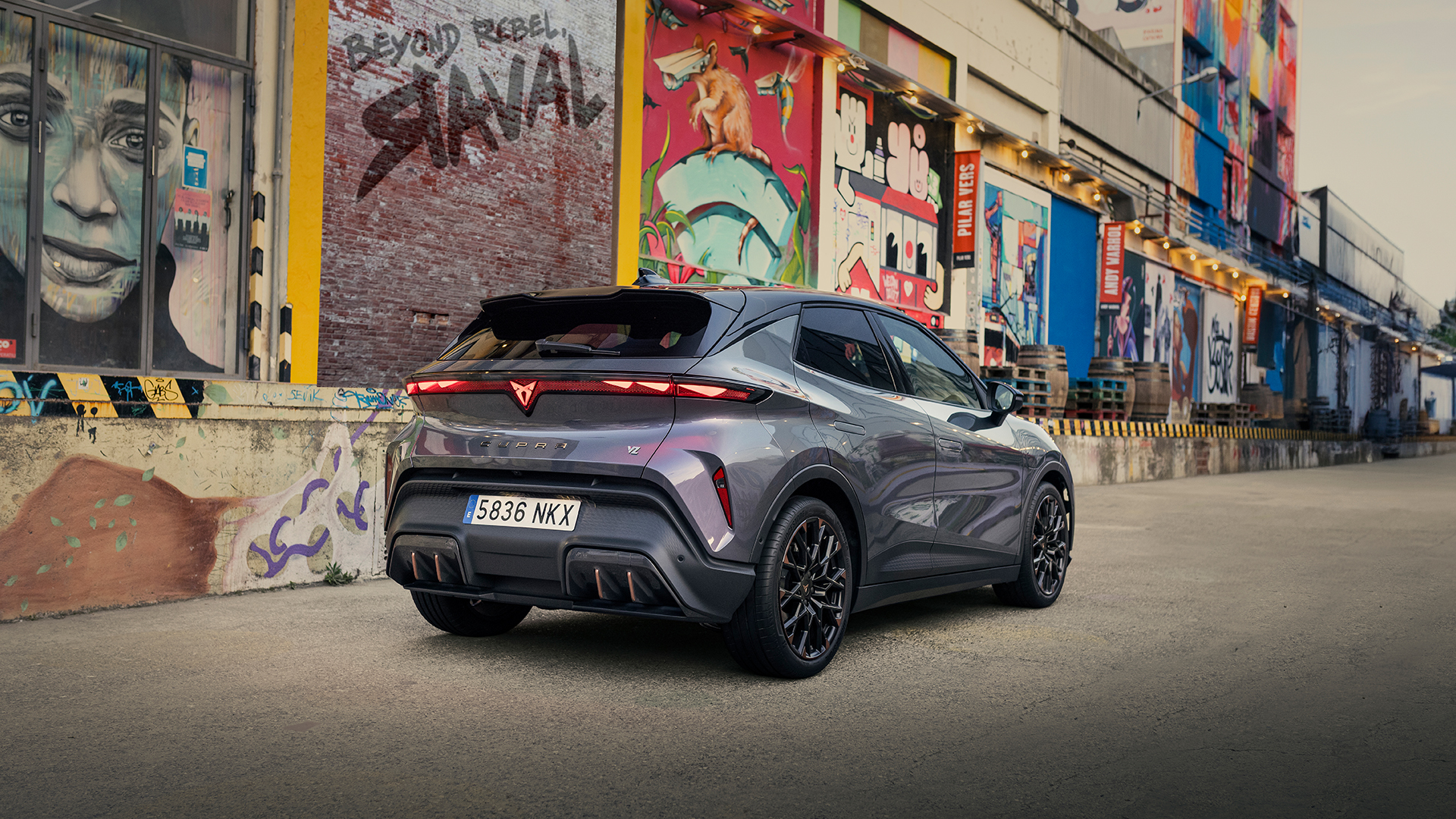
Cupra Raval

(Image credit: Cupra)

But Cupra being Cupra has seen fit to endow the Raval with almost comically sporty proportions, a fabulously appointed interior and the sort of electric powertrain that is designed to have true driving fans won over.

Having driven the top spec VZ models out on the beautifully flowing roads of northeastern Spain, it’s clear that there is still room for the compact, agile hot hatch in the often soulless world of modern EVs.

Seriously styled

Cupra Raval

(Image credit: Cupra)

You only have to take a look at one of the many recent Cupra events to realize that the company approaches new product launches a little differently.

These shindigs are typically held in warehouses and other industrial settings, often involve world-class DJs and incorporate faces from fashion, sports and culture.

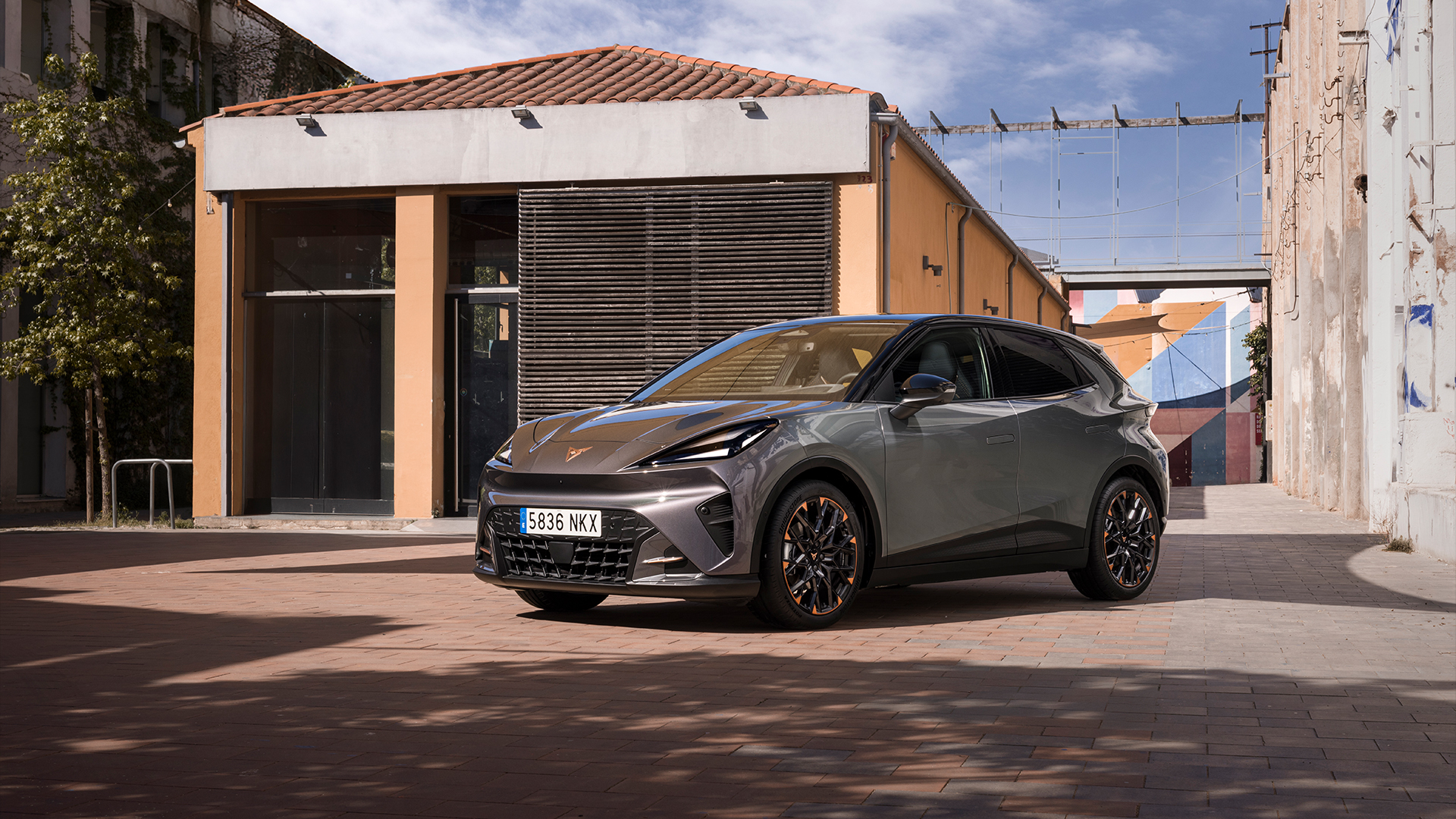
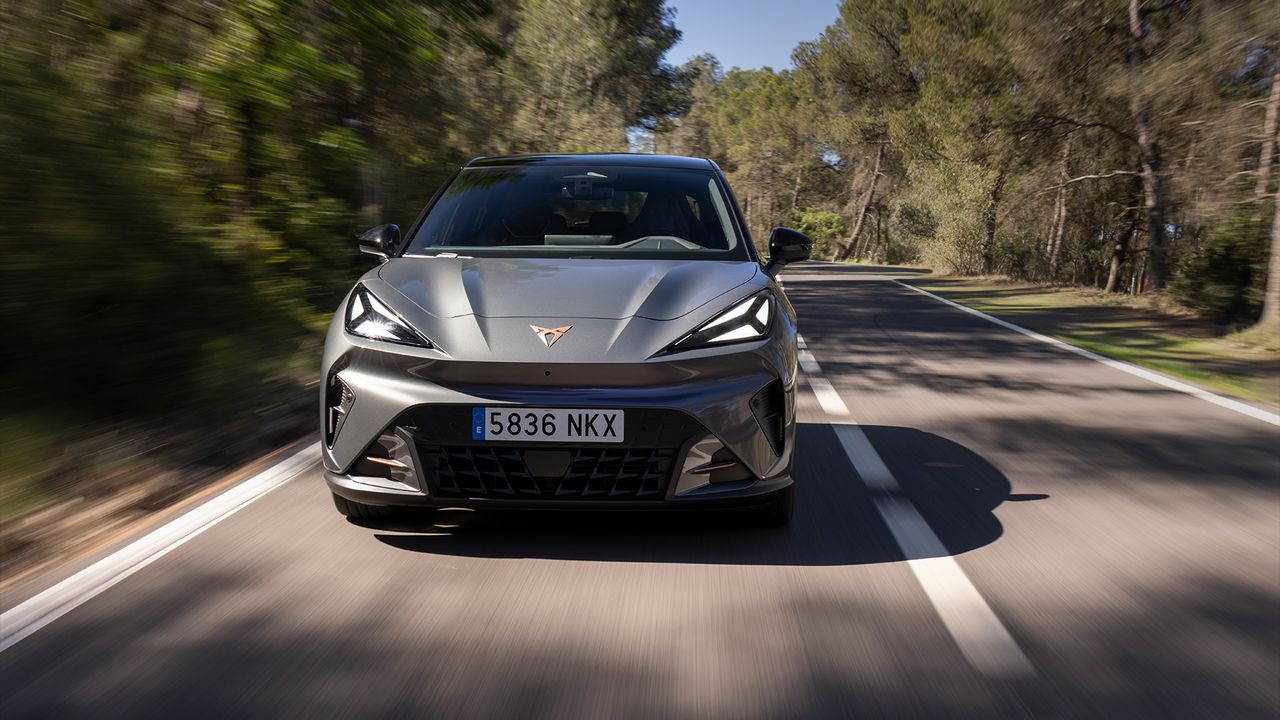
The overemphasized creases on the bonnet, super aggressive front lamps and chunky rear diffuser on this VZ model signal its racy intentions.

The Raval is all of this stuff distilled into a diminutive hatchback, with copper accents and contrast flourishes on the outside, myriad on-trend materials throughout the cockpit and the latest technology taking care of infotainment duties.

On the outside, the Raval rides low to the ground (well, as low as any modern EV can) and wears its squat proportions with pride.

The over-emphasized creases on the bonnet, super aggressive front lamps and chunky rear diffuser on this VZ model signal its racy intentions.

It also rides on 19-inch ‘Rebel’ rims and crams vegan leather bucket seats into the cockpit, as well as a 12.9-inch Android Automotive central display and a separate 10.25-inch digital cockpit that takes care of speed and whatnot.
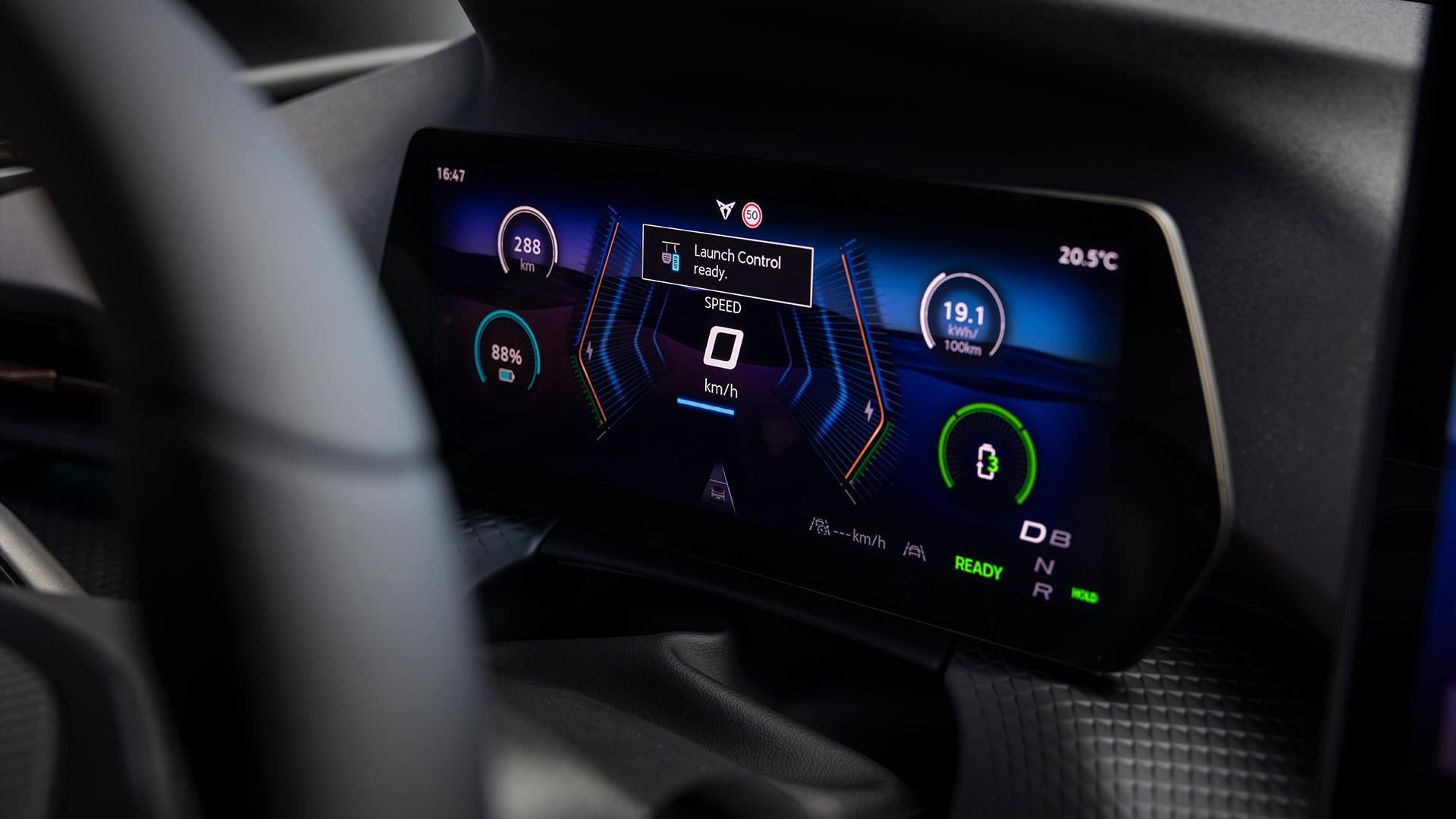
Cupra Raval

(Image credit: Cupra)

Considering the Raval VZ starts at £34,9995 in the UK (that’s around $47,000 / AU$65,000), it feels like a generous dose of premium car for the money.

But for those happy with the smaller wheels and smaller battery pack (more on that later), the range actually starts from £23,785 (around $32,000 / AU$45,000) for the 115hp, 37kWh models.

Nice and spicy
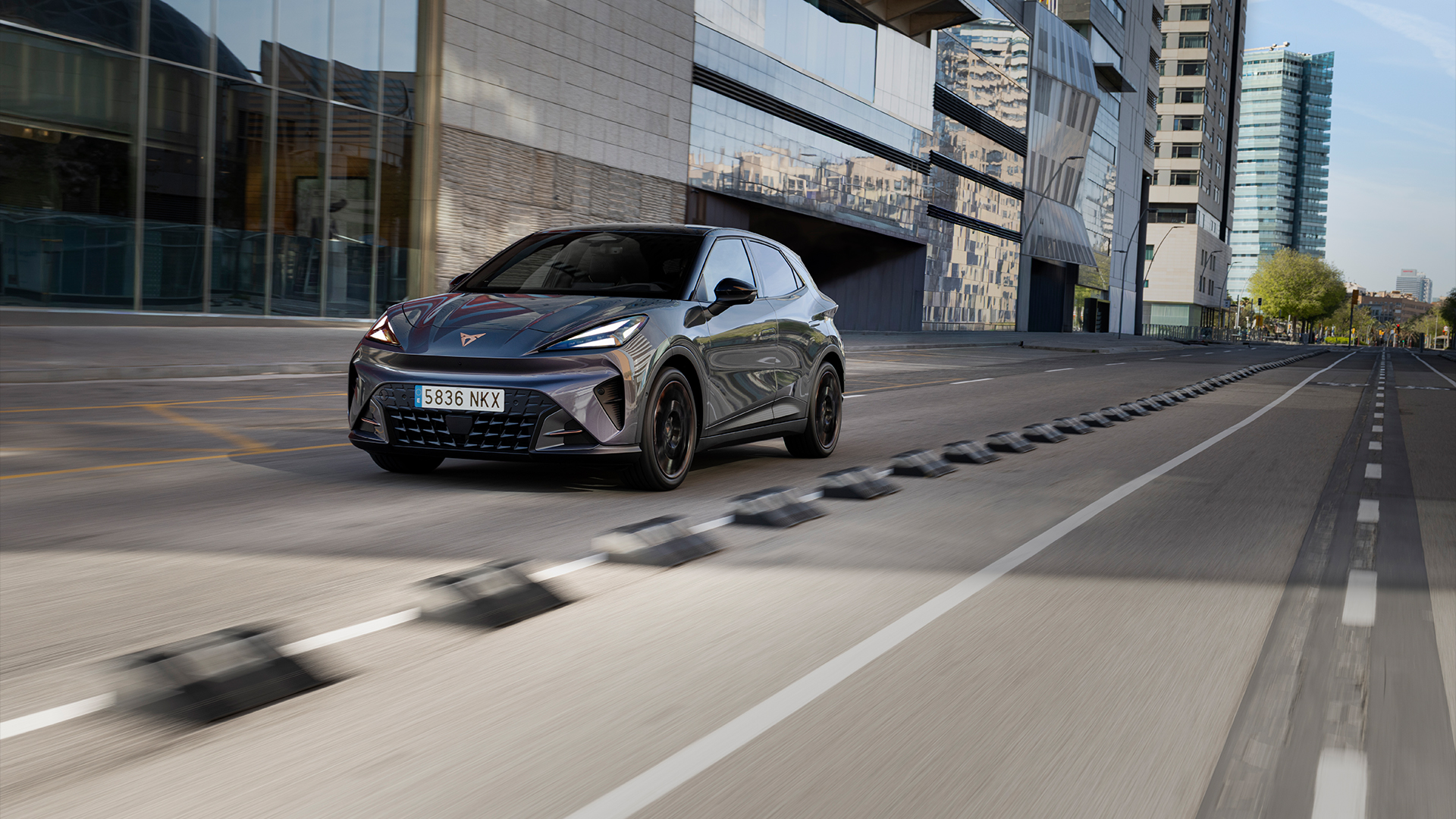
Cupra Raval

(Image credit: Cupra)

Clearly, the VZ version driven here is a little ‘spicier’ when it comes its performance credentials, as it features the larger 52kWh battery pack and a powertrain that delivers 222bhp and 214lb ft to the front wheels in proper hot hatch fashion.

Prod the accelerator and the little Raval wants to move, whisking drivers and passengers from rest to 62mph in a respectable 6.8 seconds.

It even has a quasi launch control mode that sends little shudders and vibrations through the seat to make the process of accelerating feel more exciting.

Prod the accelerator and the little Raval wants to move, whisking drivers and passengers from rest to 62mph in a respectable 6.8 seconds.

Granted, it feels a little gimmicky but Cupra has done an excellent job of making the Raval feel as sprightly as its exterior lines would suggest.

Flick it into Cupra mode via a dedicated button on the steering wheel and, alongside a growling synthesized soundtrack, you’re treated to massive levels of grip.

This results in the ability to round corners with all the thrills of a go-kart, while the dynamic chassis control fitted to this VZ model keeps things flat and firm when the mood takes. Thankfully, it is adjustable through 15 stages, so you can easily get a set up that suits.

But when settling back down into Eco of Comfort modes, the Cupra does its best impression of a sensible, grown-up VW Group product, proving almost perfectly quiet and comfortable when cruising along the highway. The ride quality really is excellent.

Fuel for thought
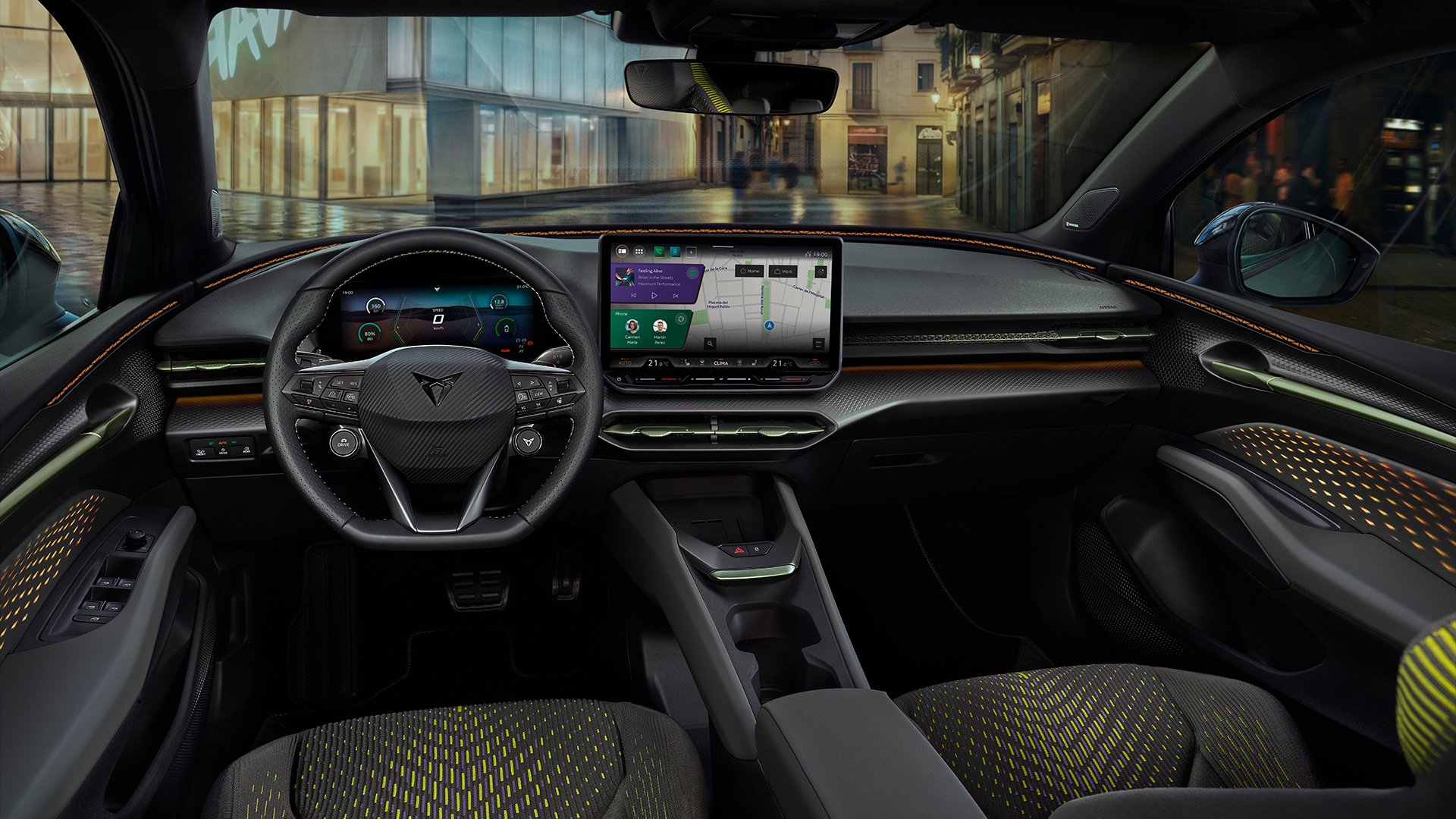
Cupra Raval

(Image credit: Cupra)

Having driven almost too many EVs to remember, I have got into the habit of always checking battery efficiency after an event like this.

It’s a great indication of real-world driving, often taking in faster, flowing sections of road (where the regen will help top-up batteries), slower city driving and battery-sapping highway miles.

The Cupra Raval revealed that we averaged around 4.5 miles per kWh after a day of driving, which means we could have happily racked up over 200-miles from a single charge of the relatively small 52kWh NMC battery packs.

Cupra’s official WLTP rating has this pegged at 239-miles, which feels honest and achievable if driving sensibly… which I wasn’t during this particular test.
Cupra Raval

(Image credit: Cupra)

Raval’s recharging game is strong too, with a 10-80% session taking just 24-minutes from a 105kW DC public charger. It’s slightly longer than close rivals, such as the recent Renault 5 and Kia EV2, but neither of those cars can really be described as feisty.

But perhaps the most striking thing to note from the small, sporty hatchback is that there’s a decent amount of room inside. Two adults can very comfortably sit up front and there’s just enough room in the back for a few friends.

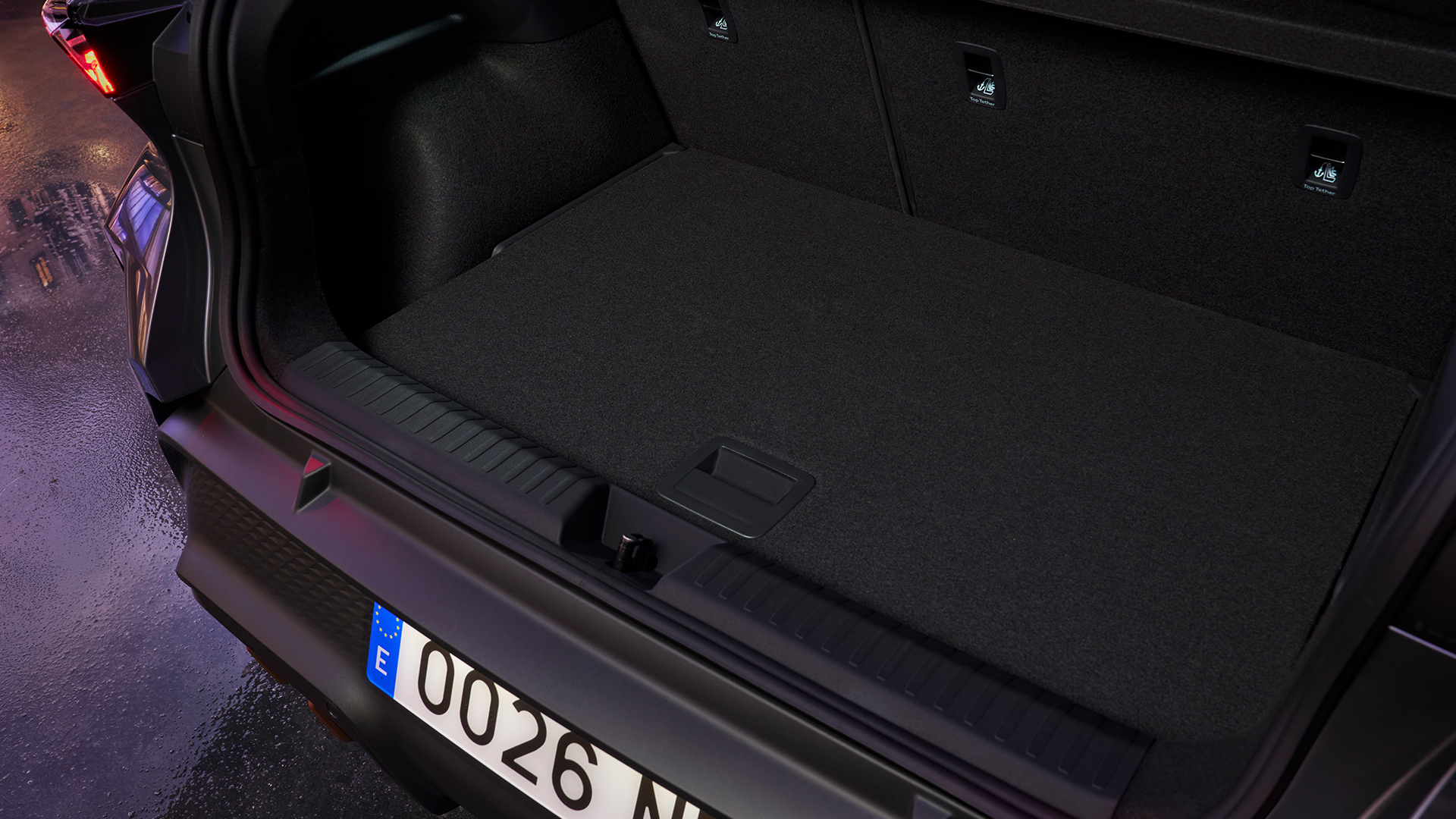
Admittedly, leg room in the rear isn’t exactly generous, but it’s very good in this segment, while the rear trunk is positively cavernous. Mounting the motor at the front results in an impressive amount of space to store bulkier items.
Cupra Raval

(Image credit: Cupra)

There’s even a clever folding floor that can be set at various levels, making it easier to throw in shopping when space isn’t required or free up a deeper hole for those weekend trips away.

The Cupra Raval offers a beguiling mix of sensible, grown up elements — such as the responsive Android Automotive-based infotainment system, practical interior space and premium-feeling fabrics — and laces it with a hefty dose of fun.

Granted, this isn’t the all-out hot hatch that we might be used to from the ICE era, but it gets very close.

Plus, with VW set to unleash an ID Polo GTI later this year with eerily similar performance figures, it makes you wonder if it’s worth holding out for that revered badge when the Raval VZ is this good.
  •  

EV tech is trickling down to hybrid and combustion vehicles, and I’m here for it

It’s pretty clear that EVs and software defined vehicles (SDVs) go hand-in-hand these days, and while Tesla paved the way with the Model 3 back in 2017, Rivian, Lucid, and Chinese manufacturers quickly followed. The legacy car manufacturers are taking a while longer to get on board, but are finally catching up. Companies like Hyundai Motor Group, General Motors, BMW, and Mercedes-Benz are starting to launch full SDVs.

SDVs for the win

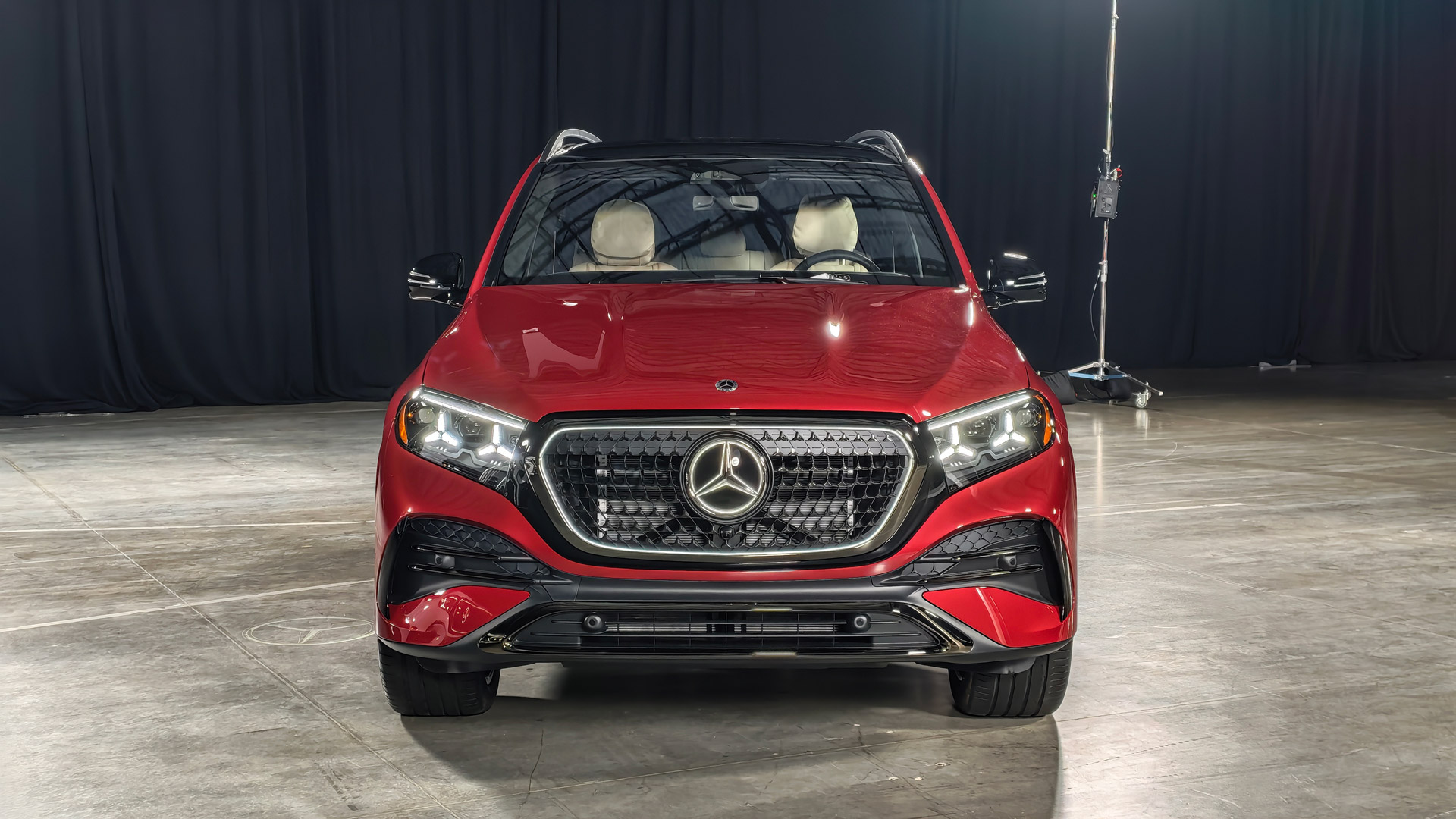
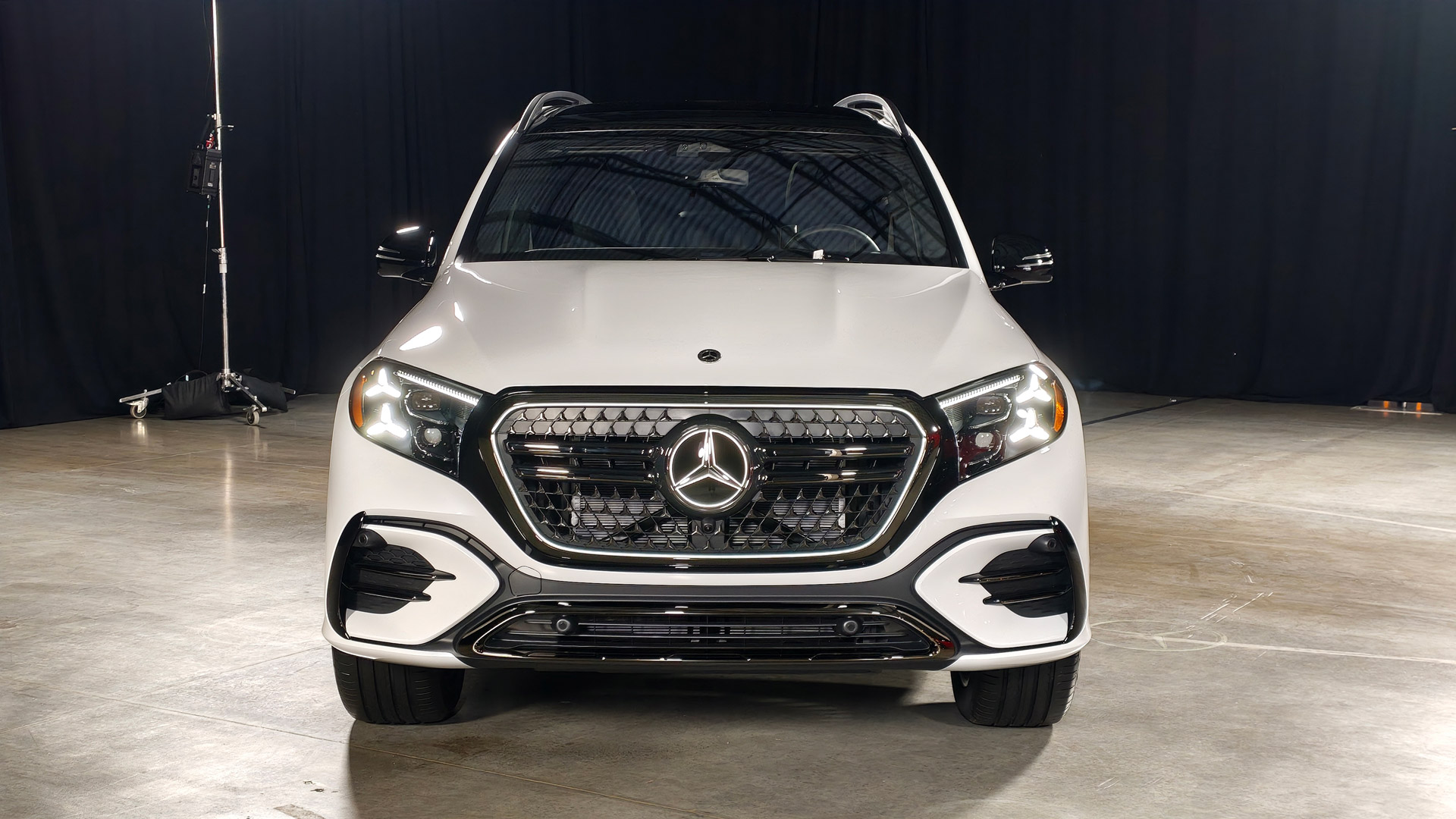
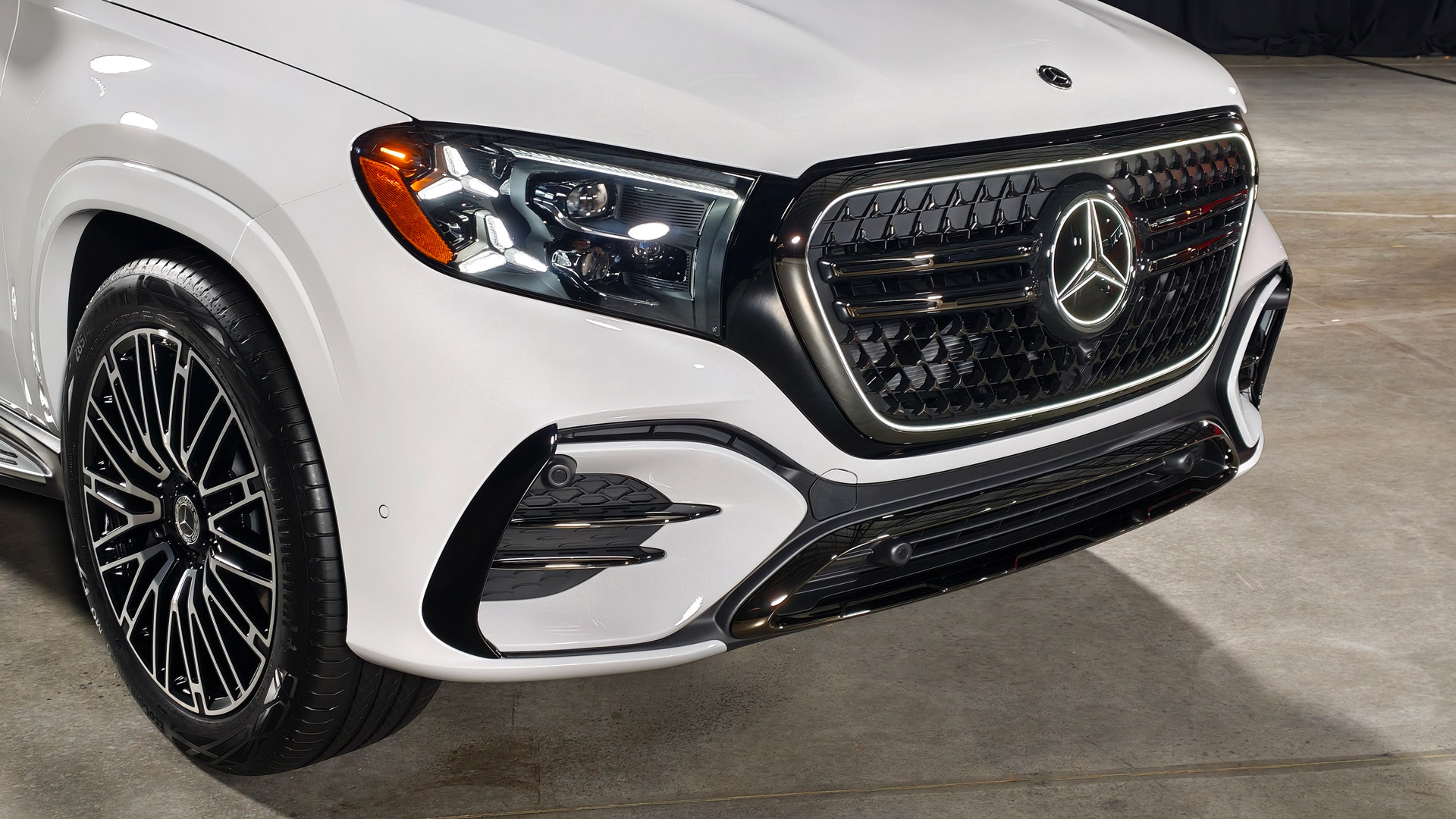
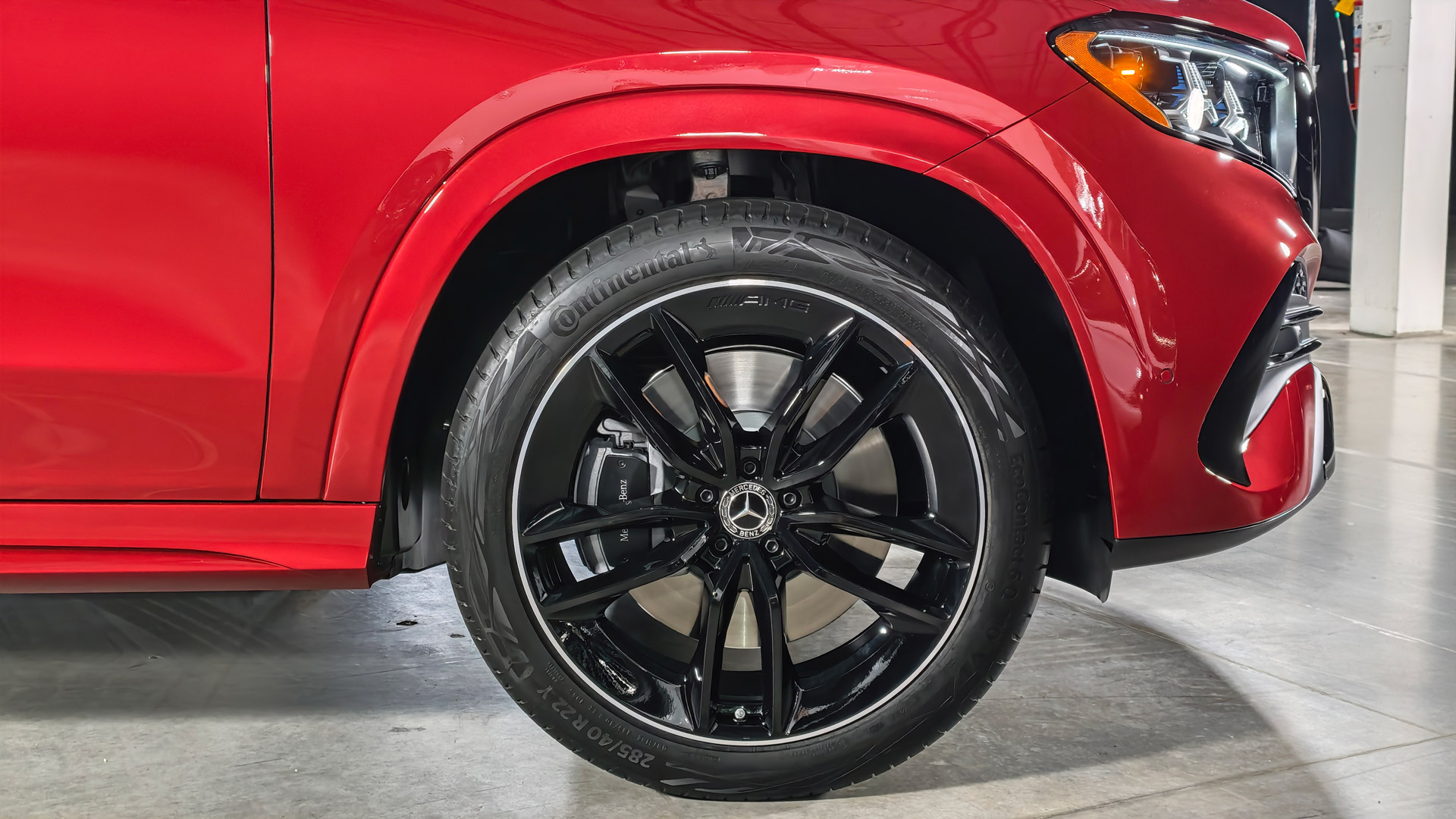
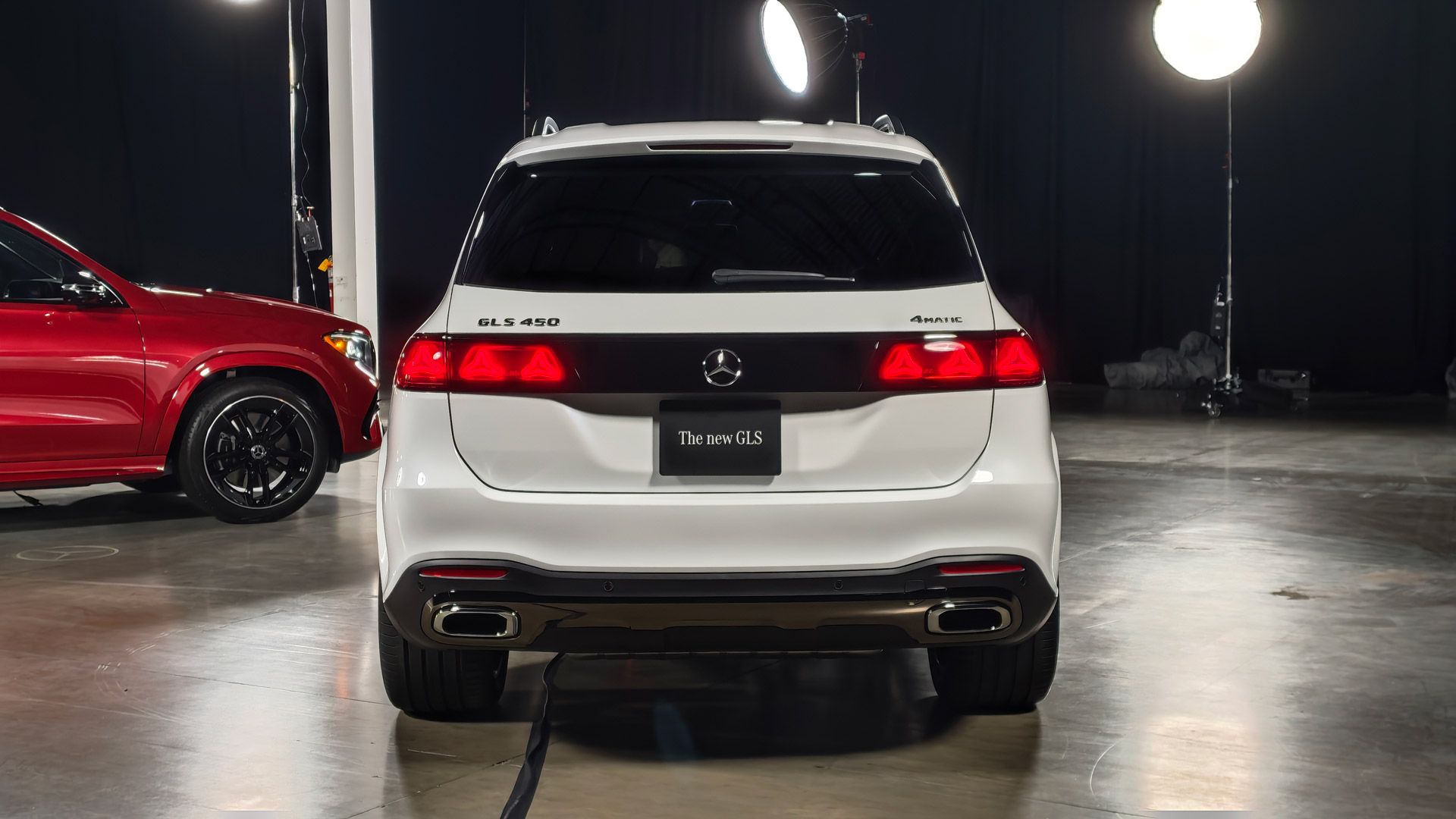
Mercedes GLE and GLS 450

(Image credit: Myriam Joire)

SDVs are cars with functions and features that are primarily enabled through software and can improve over time via over-the-air (OTA) software updates. I’m not just talking about updating navigation or infotainment, here. Thanks to their zonal architecture, full SDVs use a holistic approach to software updates where every hardware module can be updated OTA, which enables diagnostics and even recalls without a dealer visit.

The cynical view is that SDVs allow greedy car manufacturers to extract revenue from customers via needless subscriptions, but that's short-term thinking. When done right, there are many benefits to SDVs. Companies like Rivian and Tesla issue free monthly OTA updates to fix bugs and add new features to their EVs, to the delight of their customers, while only charging an optional subscription for higher data connectivity and ADAS tiers.

SDVs go beyond EVs

Mercedes GLE and GLS 450
Myriam Joire
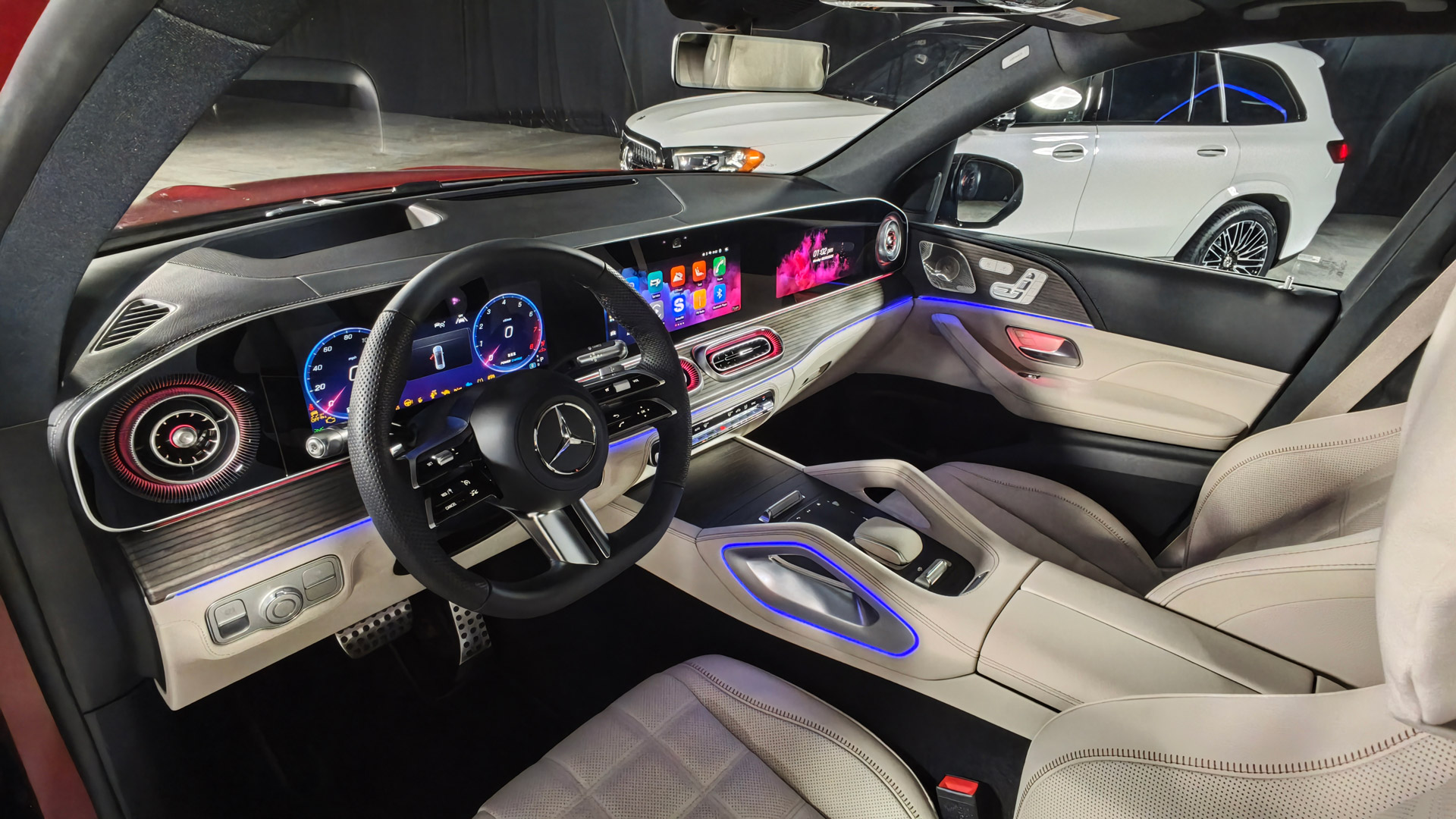
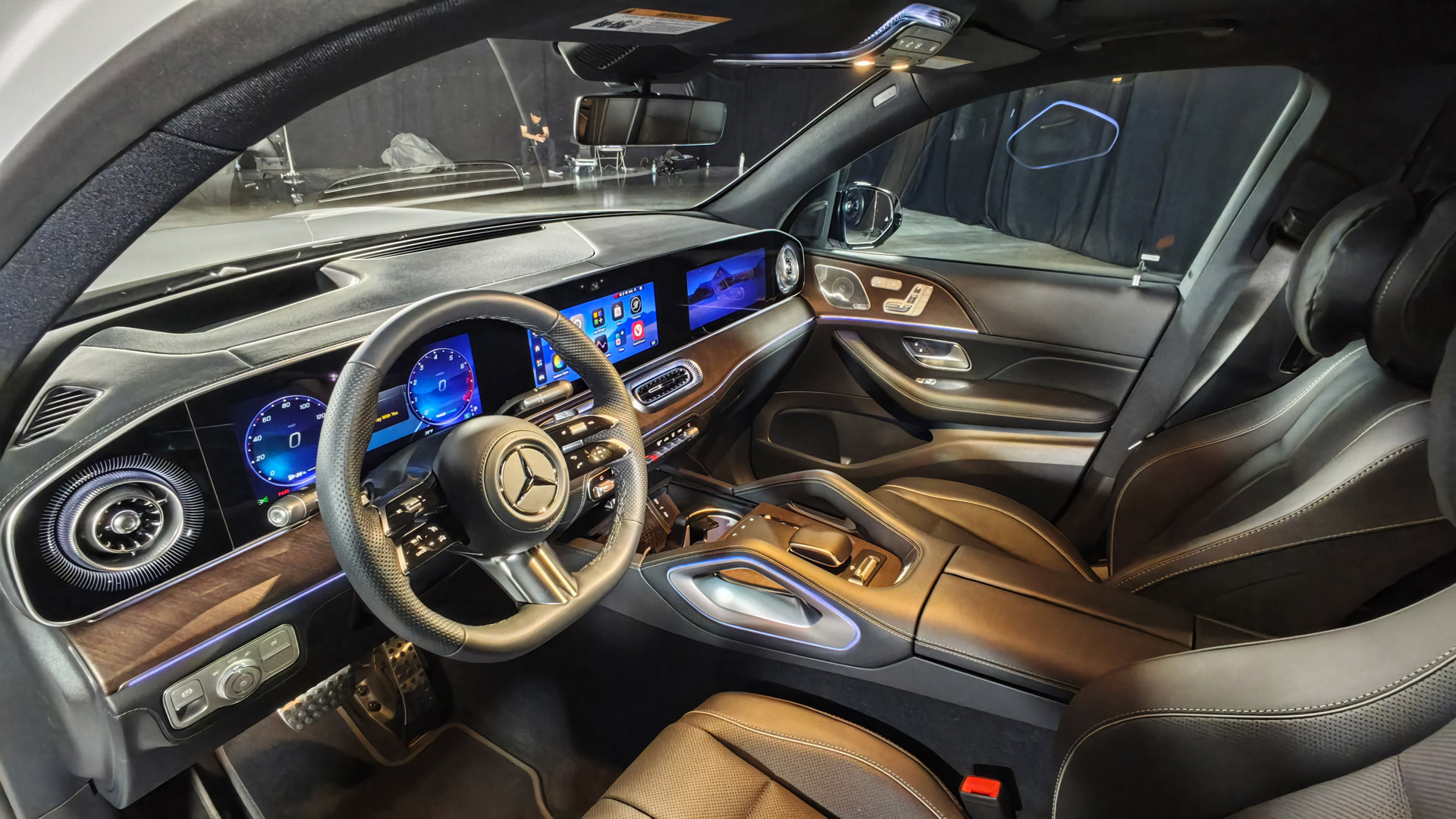
Mercedes GLE and GLS 450
Myriam Joire

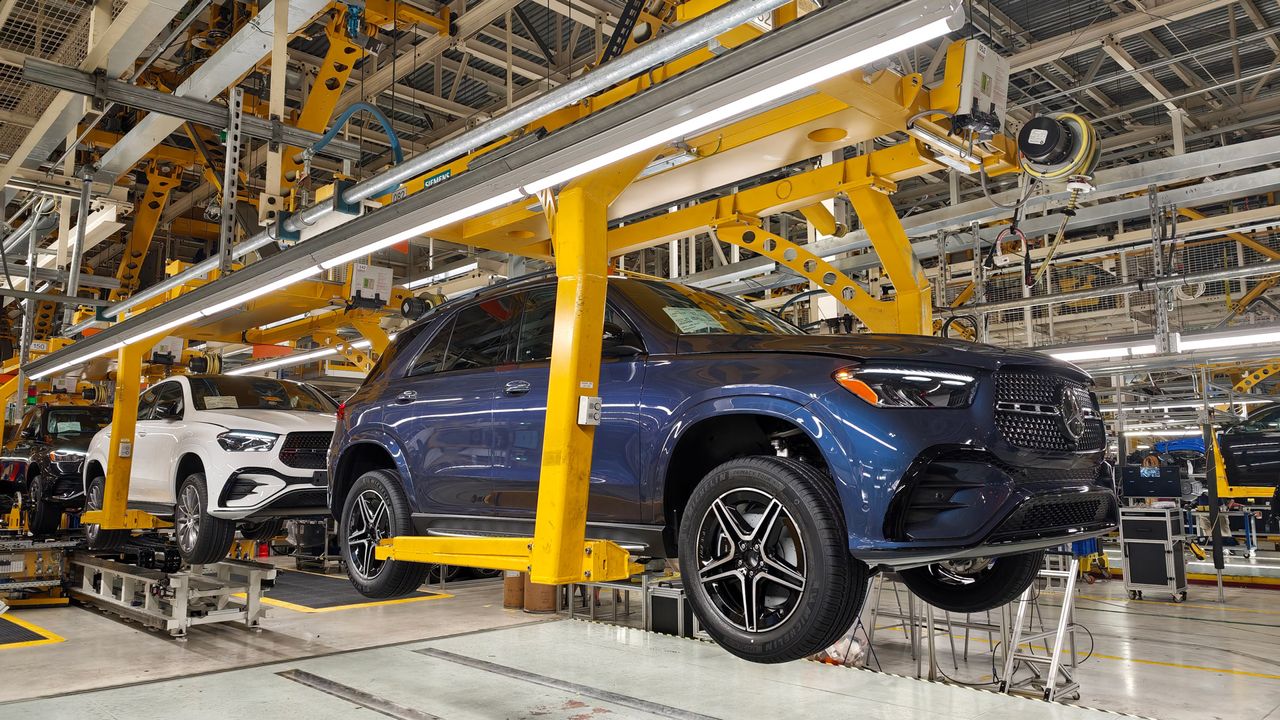
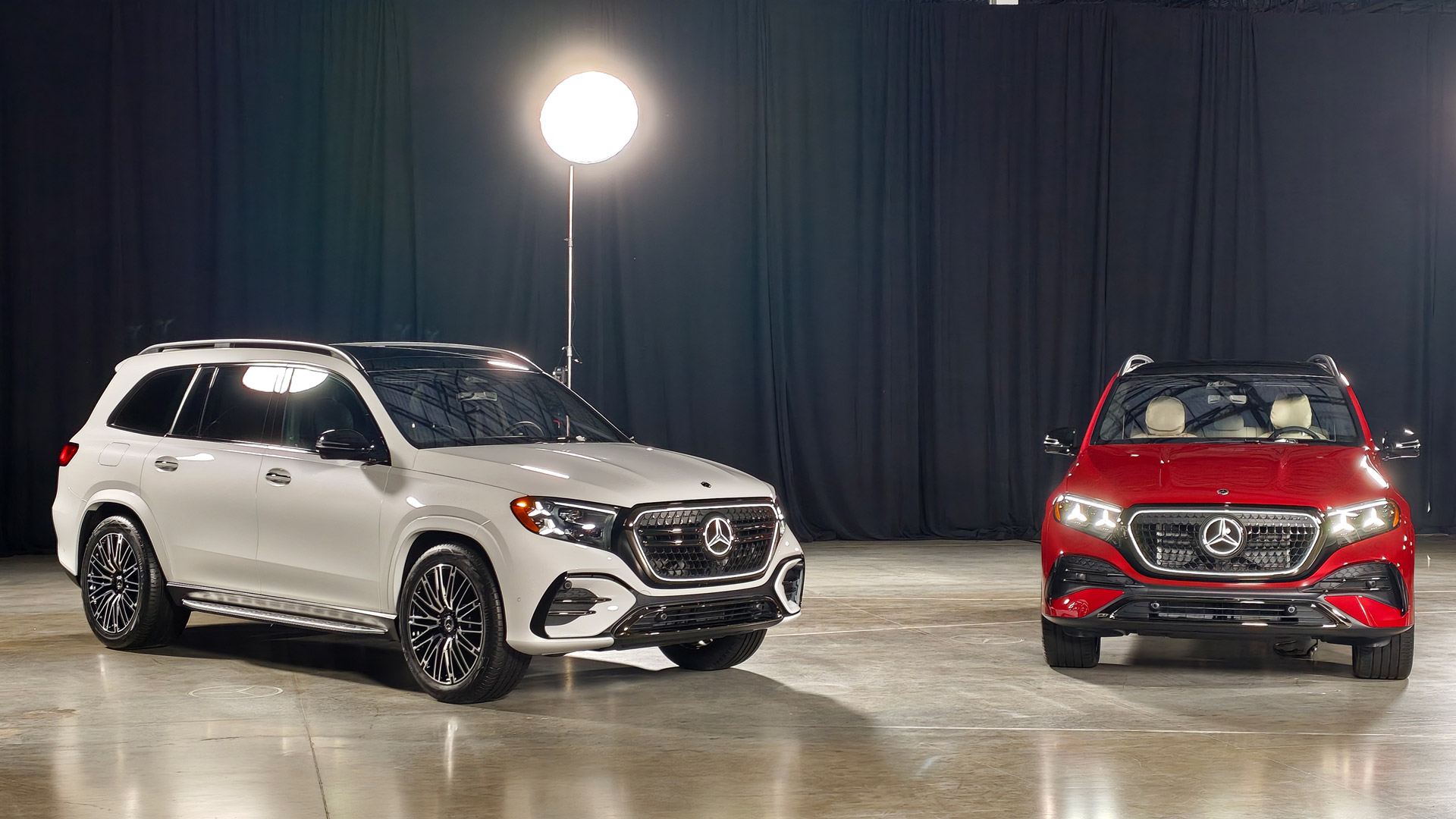
What happens when you extend SDVs beyond EVs to hybrid and combustion vehicles? A few weeks back, I visited Mercedes’ factory near Tuscaloosa, AL, where the company manufactures most of its global SUVs, to get a first look at the refreshed GLE and GLS SUVs. Beyond more powerful engines and the usual mid-cycle cosmetic upgrades inside and out, these SUVs are Mercedes’ first hybrid and combustion SDVs. Well, almost.

Unlike their predecessors, the 2027 GLE and GLS run the company’s MB.OS across all four domains — infotainment, automated driving, body & comfort, and driving & charging — just like Mercedes’ first full SDVs, the all-electric CLA and GLC. Previously, MB.OS was only implemented for navigation and infotainment, like in the current E-Class sedan and wagon. As such, those cars weren’t SDVs. But there’s a catch.

Mercedes notes, however, that “while all of these vehicles leverage MB.OS principles and a domain-oriented software architecture, the underlying hardware, communication systems, software capabilities, and OTA deployment approaches vary by vehicle platform.” As such, the refreshed GLE and GLS, while only partial SDVs, are closer to full SDVs than any other hybrid or combustion car before them.

The 2027 GLE and GLS feature Mercedes’ pillar-to-pillar Superscreen as standard, which consists of three 12.3-inch displays (driver, center, and passenger) behind a single glass surface, and includes a selfie camera for video calls (when stopped) and for selfies, naturally. Video calls require apps like Zoom, which you can download from Mercedes’ own app store. A 3D instrument display and head-up display are available as an option.

Mercedes GLE and GLS 450
Myriam Joire
Mercedes GLE and GLS 450
Myriam Joire

Like the all-electric CLA and GLC, the refreshed GLE and GLS feature a generative AI-powered voice assistant which uses OpenAI’s ChatGPT4o, Microsoft Bing Search, and Google Cloud’s Automotive AI Agent (for navigation) — depending on context. The MBUX Virtual Assistant can handle a whole range of natural language requests, from adjusting the climate and music to navigation and even general knowledge queries.

Mercedes’ MB.Drive Assist Pro, the company’s NVIDIA-powered point-to-point level 2+ advanced driver assistance system (ADAS), which launched on the all-electric CLA and GLC, is coming to the 2027 GLE and GLS, first in China, then in the US later this year. This ADAS is similar to Tesla’s ill-named full self-driving (FSD), but in addition to using ten cameras, it also uses five radar sensors and twelve ultrasonic sensors.

In all, the refreshed GLE and GLS show that drivetrain variations aside, it’s possible for all-electric, hybrid, and combustion vehicles to reach parity as SDVs when it comes to infotainment, navigation, comfort, and ADAS. Let’s hope that Mercedes fully embraces this exciting new technology and follows in Rivian and Tesla’s footsteps by releasing free monthly OTA updates to fix bugs and add new features to these new SDVs.

SDVs for all

Mercedes GLE and GLS 450
Myriam Joire
Mercedes GLE and GLS 450
Myriam Joire
Mercedes GLE and GLS 450
Myriam Joire

What’s even more important is that SDVs are starting to extend beyond EVs and luxury cars. Manufacturers like Hyundai Motor Group are launching more affordable hybrid and combustion vehicles that are SDVs. The zonal architecture used by SDVs makes cars inherently less expensive to manufacture since it requires fewer hardware modules and much simpler wiring harnesses (less copper means less cost and less weight).

The South Korean Grandeur sedan and Europe-bound IONIQ 3 SUV are Hyundai’s first proper SDVs. Both cars run the company’s new Android Automotive-based Pleos Connect navigation and infotainment platform, and include Hyundai’s App Market and large language model (LLM)-powered Gleo AI voice assistant. Pleos Connect, the App Market, and Gleo AI will also be coming to Hyundai Motor Group’s future Kia and Genesis cars.

...while I believe that the future is all-electric, hybrid and combustion vehicles will be sticking around a little while longer

Right now, most of the affordable full SDVs being developed outside of China are EVs. Ford is working on its Universal Electric Vehicle (UEV) SDV platform which will initially underpin an all-electric small truck priced around $30,000. Volkswagen’s upcoming ID.1 city car, destined for Europe and priced below €20,000, is the company’s first SDV. Its zonal architecture and software stack are a direct result of VW’s partnership with Rivian.

Hopefully, these new EV-first platforms can also be adapted to manufacture more affordable hybrid and combustion SDVs. Because while I believe that the future is all-electric, hybrid and combustion vehicles will be sticking around a little while longer, at least here in the US. And considering the cost and feature benefits of SDVs, it would be a shame if manufacturers didn’t deploy this technology across all their upcoming vehicles.

My takeaway

Between 2018 and 2024, I owned two Tesla Model 3s, so I was able to enjoy the benefits of SDVs firsthand. There’s something utterly wonderful about finding an OTA software update waiting in your car every month, ready to deliver new functionality for free. Rivian aside, I have missed this on every other EV I’ve driven since, and because of this positive experience, I will forever associate SDVs with EVs.

But as Mercedes has shown with the refreshed GLE and GLS SUVs, the benefits of SDVs also extend to hybrid and combustion vehicles. SDVs allow the company to provide a consistent and modern user experience across its entire lineup, regardless of drivetrain. Not to mention, SDVs reduce costs and complexity for all manufacturers. As such, I’m looking forward to SDVs becoming the norm for more cars going forward.

  •  
❌