❌

Reading view

iPhone 17 Pro sobrevive a queda de avião no Canadá

De todos os possíveis testes de resistência em que o iPhone 17 Pro já se saiu bem, esse foi muito possivelmente um dos mais inusitados: o aparelho foi recuperado sem danos aparentes após cair de um pequeno avião a aproximadamente 1,1km de altitude (cerca de 3,6 mil pés).

O feito foi da artista canadense Heather Cline, que reside na província de Saskatchewan e costuma fazer voos em um avião monomotor junto com seu marido para capturar fotos e vídeos que servem de referência para suas pinturas aéreas.

Durante um desses voos, 30 minutos após realizar a decolagem, uma corrente de ar derrubou o seu iPhone do suporte, enquanto a pequena aeronave voava a mais de 100km/h.

À CBC, Cline declarou que havia adquirido o aparelho no mês anterior:

Foi um grande investimento. […] Eu literalmente não acreditei de início, que eu tinha feito aquilo, e então ele só me olhou e disse: “Eu te disse para não deixar o telefone cair.” […] Eu estava simplesmente arrasada. Pensava, “Será que existe seguro para quem deixa o seu celular cair de um avião?”, tipo, o que você escreveria no pedido de indenização? “Eu sou uma idiota?”

Embora o casal considerasse o aparelho perdido, eles perceberam que ele ainda era localizável pelo app Buscar (Find My), e então decidiram procurá-lo, encontrando-o em meio a uma plantação de canola com a tela virada para cima, sem danos aparentes!
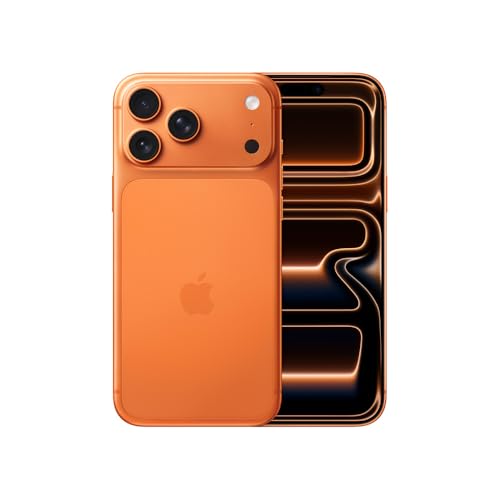
iPhone 17 Pro Max

Cores: prateado, laranja-cósmico ou azul-intenso
Armazenamento: 256GB, 512GB, 1TB ou 2TB
R$ 10.859,00
R$ 12.499,00

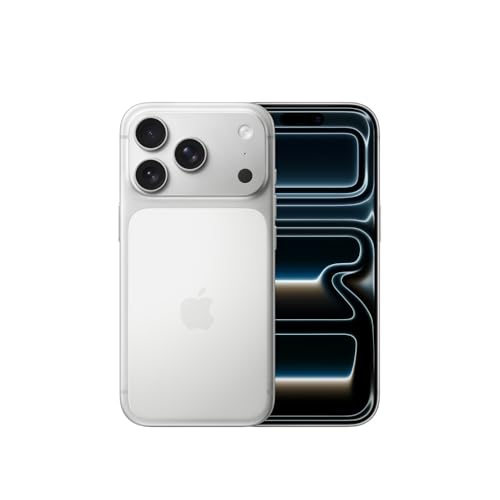
iPhone 17 Pro

Cores: prateado, laranja-cósmico ou azul-intenso
Armazenamento: 256GB, 512GB ou 1TB
R$ 9.699,00
R$ 11.499,00

NOTA DE TRANSPARÊNCIA: O MacMagazine recebe uma pequena comissão sobre vendas concluídas por meio de links deste post, mas você, como consumidor, não paga nada mais pelos produtos/serviços usando os nossos links de afiliado.

via MobileSyrup

  •  

Vodafone gets UK JV buyout over the line

Vodafone Group completed the purchase of CK Hutchison’s 49% stake in UK joint venture VodafoneThree, less than 14 months after the formation of the operator from their respective mobile operations in the country.

In a brief statement on the completion of the £4.3 billion deal, Vodafone asserted having full ownership would allow it to “move at an even faster pace and capture the significant benefits” of its £11 billion network investment plan and “targeted synergies”.

Within the latter it aims to save £700 million across annual costs and capital expenditure by its FY30 (which runs to end-March 2030).

Vodafone CEO Margherita Della Valle added she expects the upgraded infrastructure to “deliver better connectivity for our customers up and down the country, help drive the UK’s digital economy, and deliver long-term value for our shareholders.”

The deal to buyout CK Hutchison was announced in May 2026.

Announcing completion of the sale, CK Hutchison deputy chair Canning Fok said the company was “proud of the role it has played in the history of [the] UK telecommunications industry”, pointing to the pioneering launch of 3G in the market under its 3 brand in 2003 and creation of the JV with Vodafone in 2025.

“This transaction realises our investment in VodafoneThree and returns value to the Group and our shareholders, while further strengthening our balance sheet and creating additional opportunities for the future,” Fok added.

The post Vodafone gets UK JV buyout over the line appeared first on Mobile World Live.

  •  

Ukrainian operators launch 5G pilot in Kyiv

Ukraine operators Kyivstar, Lifecell and Vodafone switched on their latest open 5G pilot network in capital city Kyiv, the fourth location in the country and their largest 5G testbed to date.

The move follows earlier 5G pilots this year in the cities of Lviv and Kharkiv and the town of Borodyanka.

Borodyanka in particular suffered severe devastation during the Russian occupation in early 2022.

The country’s Ministry of Digital Transformation stated almost 1.5 million Ukrainians have already tested the country’s 5G networks, with peak download speeds of more than 1 Gb/s and averages of 600-700 Mb/s.

5G is operating in two frequency bands: 3500MHz (for high data transmission speeds) and 700MHz (to ensure wider coverage).

More than 300 base stations are supporting the pilot network in Kyiv. It is based on Non-Standalone 5G technology (a 5G RAN using a 4G core network).

The southern city of Odesa is expected to be the next testbed.

It is not clear when commercial 5G services will be activated in Ukraine by the country’s operators but a statement from the Ministry said “Our task now is to qualitatively test 5G technology in order to scale it across the country after the end of martial law.”

According to GSMA Intelligence, 4G accounts for 78 per cent of mobile connections in Ukraine, offering peak download speeds of 1Gb/s.

The post Ukrainian operators launch 5G pilot in Kyiv appeared first on Mobile World Live.

  •  

WhatsApp agora permite iniciar conversas só com o nome de usuário

Após três meses em fase de testes, o recurso de nome de usuário do WhatsApp finalmente parece estar funcionando entre os usuários que já haviam reservado seu username, ampliando a disponibilidade da funcionalidade.

Aos que efetuaram a reserva, o WhatsApp começou a exibir um banner no topo da lista de conversas, informando que ele já está ativo e explicando que agora ele pode ser compartilhado com outras pessoas. Caso você queira verificar o nome de usuário de algum dos seus contatos, basta abrir a conversa com ele para conferi-lo.

Exibição de notificação sobre nome de usuário no WhatsApp
Imagem: WABetaInfo

De acordo com o WABetaInfo, o recurso está sendo liberado de forma gradual para quem já reservou um nome de usuário. Se esse for o seu caso, basta tocar no botão de adicionar (na aba Conversas) para abrir a lista de contatos, e em seguida, digitar o nome de usuário na barra de pesquisa.

Vale lembrar que isso não afetará a visualização dos números de telefone nos contatos com os quais você já iniciou uma conversa anteriormente. Nos moldes de rivais como o Telegram, os nomes de usuário apenas introduzem uma nova opção de acionar um determinado contato, alterando a primeira interação dos usuários, já que o número de telefone deixa de ser a única forma de iniciar uma conversa.

O WhatsApp está liberando o recurso completo de nomes de usuário para “uma fração muito limitada da sua base instalada no iOS e Android”, incluindo tanto versões betas quanto estáveis do aplicativo.

  •  

Vodafone targets DNA disparities

Vodafone Group continued to press European authorities for a fairer regulatory deal, this time arguing the forthcoming Digital Networks Act (DNA) could enshrine outdated rules which favour OTTs over traditional service providers.

The operator highlighted a host of requirements operators must meet which OTTs and digital platforms do not.

It highlighted emergency service connectivity as an example of the imbalance, explaining people expect the function to be available no matter the app they use.

Vodafone stated traditional operators are also held to higher account in terms of maintaining open and resilient internet access, despite an increased reliance on “cloud providers, content delivery networks and large platforms that sit outside equivalent oversight”.

It asserted growth in the amount of fraudulent activity which “originates or is amplified upstream, across digital platforms and online services”, noting this is not subject to the same requirements placed on operators to prevent it.

Vodafone noted telecom service providers “invest heavily” in “network-level controls” and “cooperation with authorities”.

Customer verification is another bone of contention, with “overlapping” systems which “often duplicate” checks conducted by digital platforms and payment service providers. Operators also face various quality of service, security and “dispute handling” regulations for their customers.

“This asymmetry is often dismissed as a sector complaint, but the impact is most clearly felt by consumers,” Vodafone argued.

Proposed fixes
Vodafone called for the DNA to include “an explicit functional-equivalent principle” to enable regulators to apply rules equally in areas where broadly the same service is being provided.

It argued there is a lack of reality in the DNA proposals, stating the “distinction” between communications services using a telephone number and those which do not “no longer maps neatly onto user experiences or market dynamics”.

Vodafone believes fraud and internet access rules must equally cover cloud platforms, content delivery systems and messaging services.

It argued levelling the playing field would promote innovation and give consumers greater confidence in digital services.

The post Vodafone targets DNA disparities appeared first on Mobile World Live.

  •  

Roaming em 2026: O guia completo para quem vai viajar este Verão

Com as novas ofertas de roaming da NOS e da Vodafone, bem como a proliferação dos eSIM digitais, nunca houve tantas opções para manter o telemóvel a funcionar no estrangeiro. Mas escolher a solução certa depende do destino, e as diferenças podem ser tremendas.

The post Roaming em 2026: O guia completo para quem vai viajar este Verão appeared first on Tek Notícias.

  •  

Vodafone, Airbus harden emergency devices

Vodafone Group and Airbus rolled out the carpet for a ruggedised device maker in a three-way collaboration which is offering European emergency services and critical industries a dedicated communications bundle.

RugGear devices are being added to a package involving Vodafone’s connectivity and an Airbus collaboration platform in a move the operator believes will simplify its pitch to emergency service and business customers.

Vodafone Business CEO Marika Auramo said the trio are delivering “a complete mission-critical communications” package.

Olivier Koczan, head of public safety and security with Airbus Defence and Space, declared the arrangement as “the ultimate toolset” for critical industries.

The package uses Vodafone’s Mission Critical Communications service, a cloud- and on-site Airbus platform, and RugGear’s range of toughened devices.

Vodafone noted the devices address the dangers of potential damage to units in the field and stated the broader deal deepens a relationship with Airbus originally struck in 2025.

The operator’s network is configured to prioritise communications from emergency personnel. Vodafone launched the service in Germany and is now widening availability to other European markets.

It stated Airbus’ Agnet secure critical communications platform can connect a large number of users to control rooms.

RugGear’s devices offer military-grade specifications, high intensity torches, scanners, GPS tracking and PTT capabilities.

The post Vodafone, Airbus harden emergency devices appeared first on Mobile World Live.

  •  

Vodafone explores Greek FTTH JV

Vodafone Greece commenced early-stage talks about going Dutch on a fibre-to-the-home (FTTH) venture with utility PPC Group, a combination with the potential to pass almost 2.5 million homes.

The head of terms discussion over the 50:50 joint venture also involves the companies’ respective wholesale fibre operations. Vodafone explained any combined business would provide open access to ISPs.

PPC stated the FTTH network of the subsidiary in line for the combination currently passes 1.9 million households and Vodafone’s 550,000.

Alexandros Paterakis, vice chair of the PPC FiberGrid unit and deputy CEO for digital services at the group, said any tie-up would create a “leading digital network infrastructure in Greece”, along with advancing various of the company’s strategic goals.

For Vodafone, any agreement would “substantially accelerate the development of our fibre network” CEO Achilleas Kanaris said.

He added Greece is strategically important to Vodafone Group as a whole and explained the unit is focused on expanding its footprint, shifting from “copper to fibre” and contributing to “national digital coverage objectives”.

The companies emphasised no binding commitments had been made and they are yet to embark on due diligence processes, though indicated intentions to do so with a view to signing binding agreements.

The post Vodafone explores Greek FTTH JV appeared first on Mobile World Live.

  •  

Geely, Vodafone expand car connectivity drive

Vodafone Business and carmaker Geely’s European R&D division extended an existing partnership to cover adoption of a range of connectivity platforms intended to support vehicle monitoring and driver experience improvements.

The deal with Geely Technology Europe comprises Vodafone’s Internet in the Car, Mobile Private Networks and Cloud Connect products.

Vodafone noted capabilities supported by the systems include diagnostics, over the air software updates and secure data transfer between vehicles and cloud systems.

The operator is also providing connectivity across the Geely division’s operations in Germany and Sweden and for its sales teams across Europe.

Vodafone highlighted by 2030 98% of new passenger vehicles sold are expected to be connected, adding together with Geely it was “ready to help drive this expansion”.

Geely Technology Europe CEO Giovanni Lanfranchi said: “We’ve moved beyond simple transport solutions. Today, vehicles can be continuously improved through software, with data and connectivity enabling a more responsive and personalised user experience over time.”

Vodafone Business product and international business director Fanan Henriques added: “As the adoption rate of electric vehicles continues to grow, the opportunities to enhance their safety, efficiency and the user experience through digital connectivity are significant.”

“We’re supporting Geely’s growth in vehicle sales across Europe and its operations with a secure, multi-service digital infrastructure.”

The post Geely, Vodafone expand car connectivity drive appeared first on Mobile World Live.

  •  
❌