Google's DMCA case against scraper SerpApi collapsed because SearchGuard protects ad revenue, not copyright. The same reasoning weakens every site's anti-bot defense against AI crawlers.
Ray Williams, supervisor of test support operations at NASA’s Stennis Space Center near Bay St. Louis, Mississippi, poses for a photograph on July 16, 2026. Williams is among the first engineers and technicians sworn in as new NASA civil servants at Stennis as part of the administrator’s directive to strengthen technical core competencies within the civil service workforce.
NASA/Danny Nowlin
Ray Williams’ progression at NASA’s Stennis Space Center near Bay St. Louis, Mississippi, has uniquely prepared him for his new role.
As part of NASA’s plan to restore core competencies by converting contractors to civil service, the New Orleans native and Grambling State University graduate now works as a supervisor for test operations support at the agency’s E-Complex.
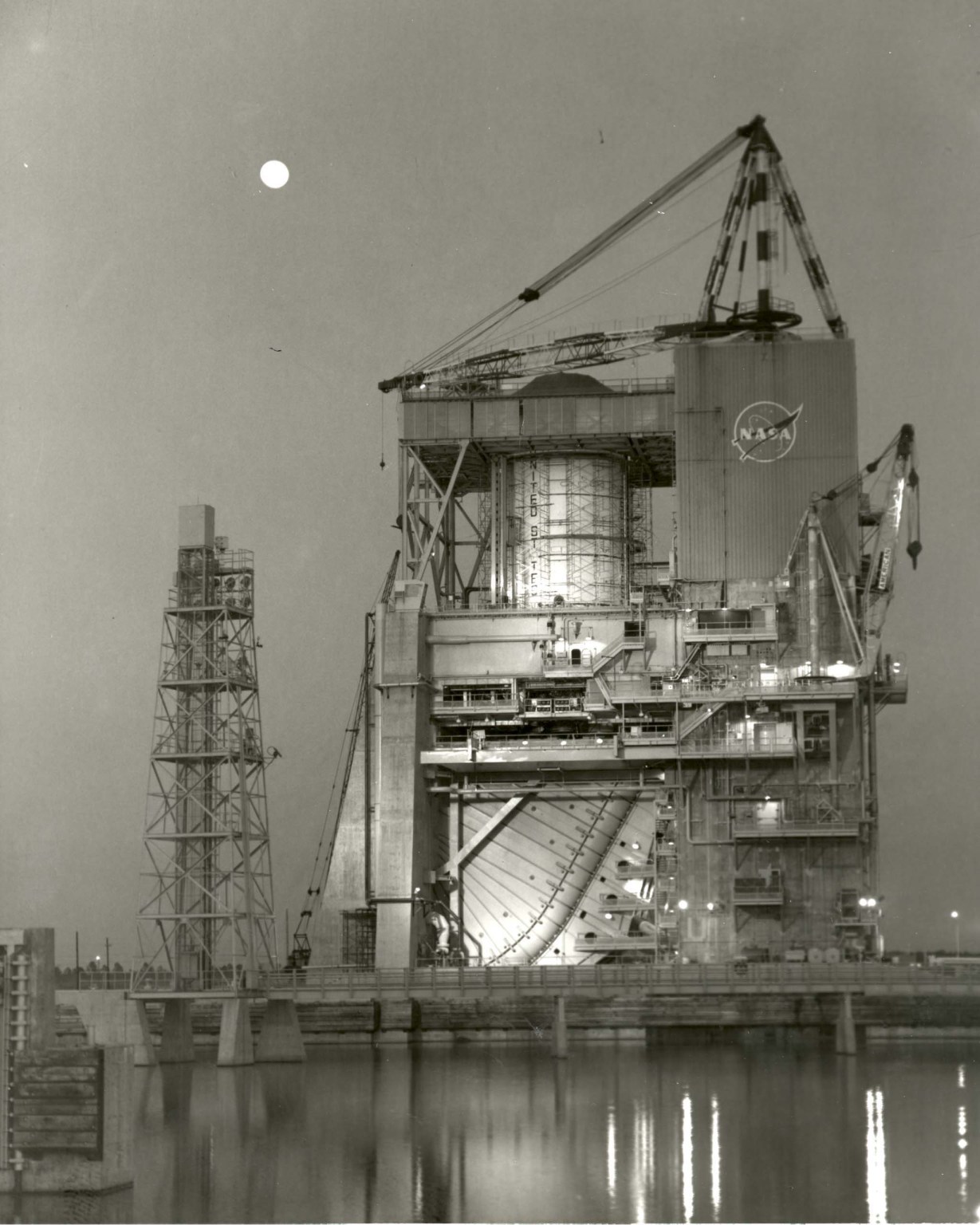
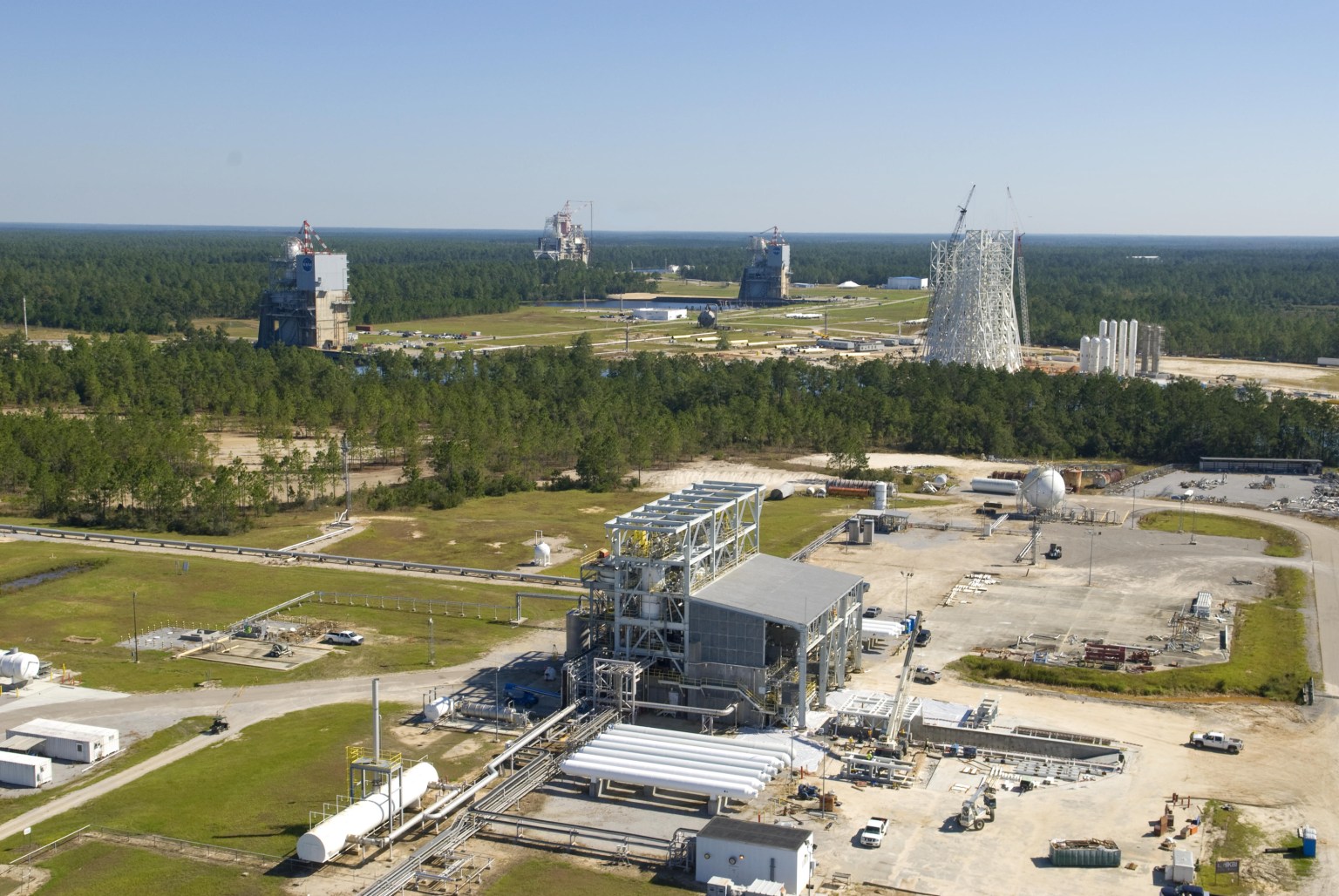
This propulsion testing facility provides mission-critical engineering capabilities to NASA. Through the use of high- and low-pressure propellant systems, engineers are able to focus on development testing of propulsion system components before integration into complete engine systems. Thanks to the versatility of its infrastructure and test team, the complex is uniquely equipped to support projects for the growing commercial aerospace industry and is capable of supporting a wide range of component, engine, and stage test activities.
“Ultimately, my goal is to continue to grow within my own abilities as an engineer and as a supervisor, and to help grow those that I have the opportunity to lead,” said Williams. “I want to align myself with the agency’s goals as a whole to continue to utilize our unique skillset to grow, build, evolve, and innovate.”
Williams began his career at the E-Complex in 1998 as an electrical technician contractor during the facility’s design and build phase. He quickly became familiar with the facility layout, the various systems under development, and the requirements involved in designing, building, and integrating those systems. He later advanced to the role of instrumentation and electrical engineer, gaining extensive institutional knowledge while developing expertise in the principles and importance of data validation.
In total, he brings 28 years of experience to NASA, along with an intimate understanding of the daily challenges his team of technicians faces.
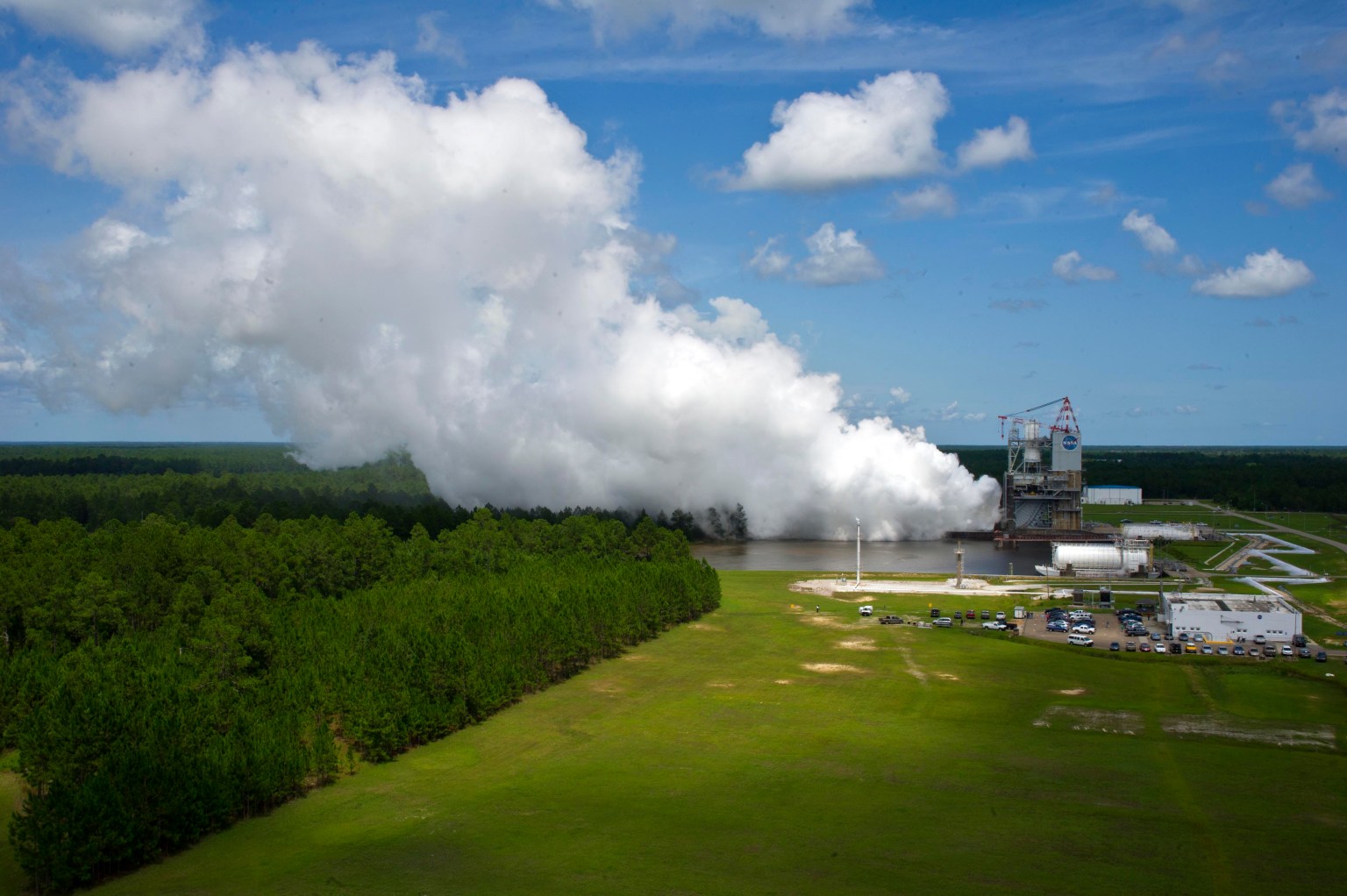
Williams’ primary work location is the E-1 test stand, which is able to handle extremely high pressures and massive flow rates of super cold cryogenics.
Unlike the A and B test complexes at NASA Stennis, where a fully built engine or stage can be installed, fueled, and fired, the E-Complex is highly adaptable.
When commercial partners need to validate large, complex components, they provide specific requirements. The team then customizes the test facility to replicate the exact extreme conditions the hardware is expected to encounter during operation. NASA collects and analyzes data from these precisely controlled test conditions to validate design predictions and determine whether design modifications are needed throughout the development process, from subscale testing through full-scale testing.
Whether validating valve timings, ensuring facility instrumentation is properly calibrated, supporting ultra-high pressure pumping and cryogenic transferring operations, or troubleshooting electrical and mechanical support systems, Williams and his team must execute each task with precision. By retaining Williams’ facility specific expertise in-house as a civil servant, NASA reduces long term operational risk.
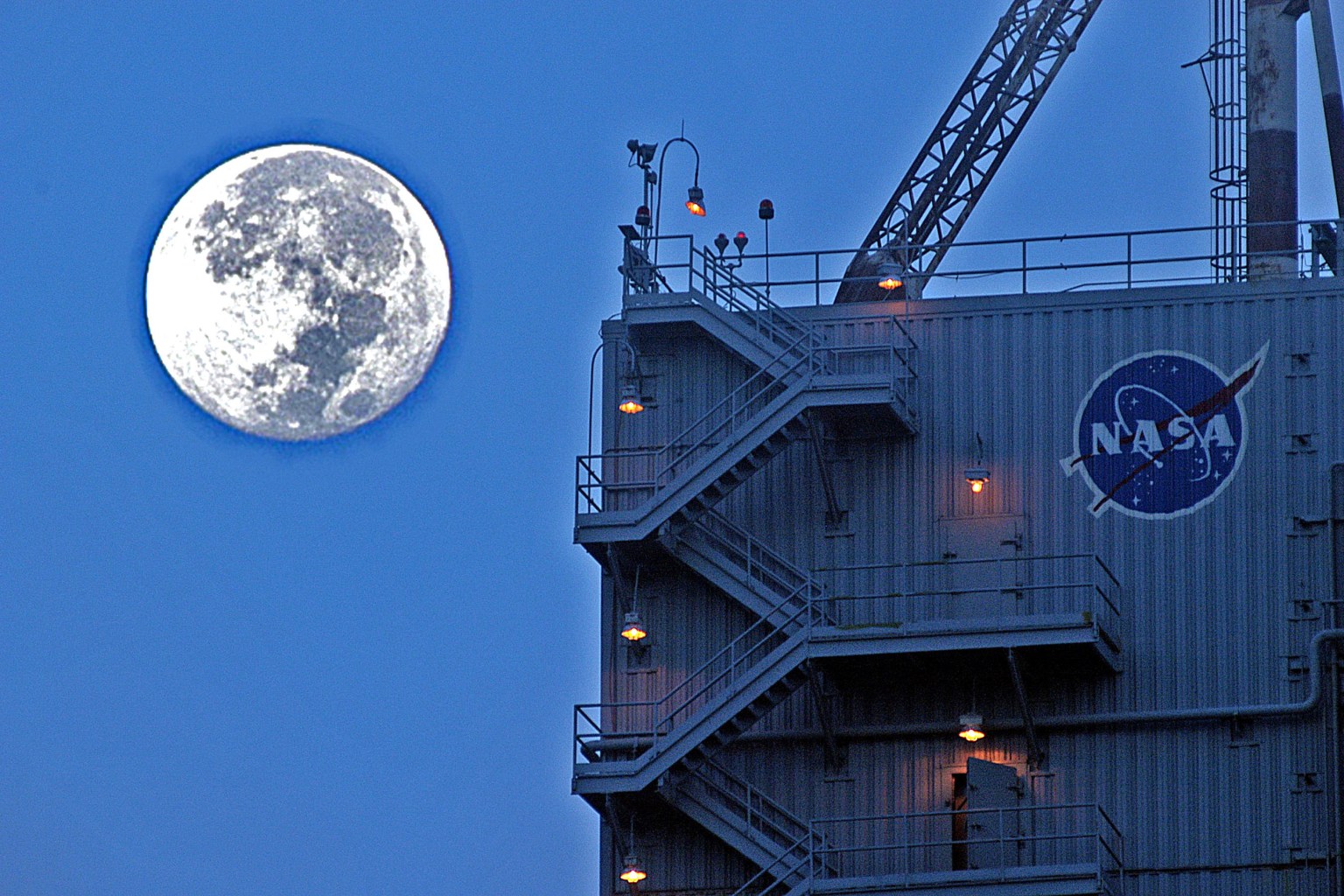
Williams describes the opportunity to perform this mission critical work in public service as a dream come true, a dream that began decades ago during an elementary school field trip to NASA Stennis. Today, he finds himself working at NASA just as the agency returns to the Moon to stay through Artemis missions and builds a Moon Base, humanity’s first lunar outpost.
“Having the opportunity to play a role at NASA means a lot,” said Williams. “To this day, I am still a kid at heart looking out at the sky and the galaxy. Being a part of the mission and doing things I know we are capable of doing is an amazing, but also humbling, opportunity.”
Claude Mythos Preview discovered new attacks in testing against weakened cryptographic algorithms, which protect online financial transactions, private communications and more.
For over 20 years, Live Science has been committed to bringing you the latest breakthroughs and incredible discoveries with clarity, authority and good humor (when appropriate, of course). In that time, we've evolved through a modernized website design, a transition to more deeply reported stories, and the addition of engaging videos produced by a dedicated team.
Over the years, we have relied on advertising to support our team of journalists. However, the fast-changing economic landscape has pushed us to continue evolving so we can deliver quality science journalism. That is why I am proud to say we have launched Live Science Pro,a new space on Live Science that allows you to directly support our award-winning team of science journalists so we can continue writing best-in-class stories.
Right now, the world needs credible, rigorous science more than ever. Our mission is to responsibly communicate that science with the highest degree of accuracy, informing the scientific community and sparking the fascination of those who can't wait to learn about our world and the universe beyond. By joining Live Science Pro, your subscription supports this goal and allows us to produce high-quality journalism that is written and fact-checked by our experienced writers and editors, without ever seeing an advertisement on our articles. This means you get all the science, and none of the distractions.
While you can still read the latest science news for free, written to the same high standards as our Pro content, as a part of your paid membership, a Live Science Pro subscription gives you access to our Science Spotlight features, which take an in-depth look at the paradigm shifts and breakthroughs that will transform science in the coming years. Your subscription puts must-reads at your fingertips, including our insightful analyses, which give you crucial context for the biggest science headlines; and interviews and exclusive book excerpts, which provide a more personal look at the people driving progress. You also get access to our opinion pieces, which reveal how experts are thinking about the biggest issues in their fields.
Plus, you'll receive our exclusive, members-only weekly newsletter, which provides a curated look at the stories our writers and editors are most excited about and their take on what matters most in their areas of expertise.
To mark the launch of Live Science Pro, we're offering an introductory price of $3 for the first three months, or for an even better value, you can sign up for an annual subscription for just $30 for the first year. You can find more details on how to subscribe here: livescience.com/subscription
Right now, there are more voices and options than ever. We know you demand credibility and accuracy from your science reporting, and we thank you, again, for placing your trust in ours.
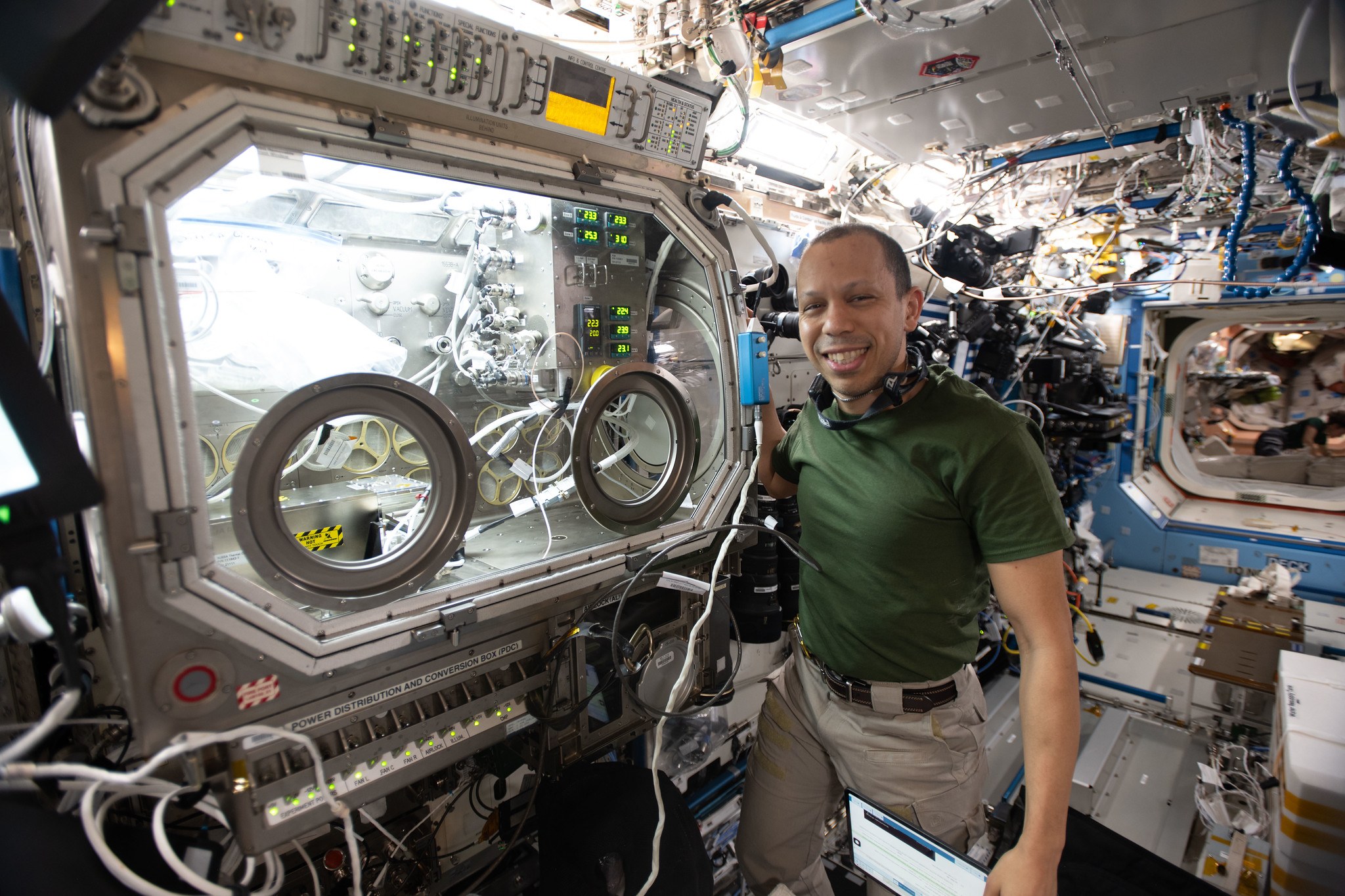
NASA astronaut and Expedition 74 flight engineer Chris Williams shows off the Destiny laboratory module’s Microgravity Science Glovebox aboard the International Space Station. Williams was supporting semiconductor crystal research to help advance the commercial space economy and promote Earth-based industries.
NASA/Chris Williams
NASA astronaut Chris Williams will recap his recent eight-month mission aboard the International Space Station during a news conference at 2:45 p.m. EDT Tuesday, Aug. 4, from the agency’s Johnson Space Center in Houston.
NASA will stream this event live through a variety of platforms. Learn where to watch online:
United States-based media interested in attending in person must contact the NASA Johnson newsroom no later than 5 p.m., Friday, July 31, at jsccommu@mail.nasa.gov.
Media wishing to participate by phone must contact the Johnson newsroom no later than two hours before the start of the event. To ask a question by phone, media must dial into the news conference no later than 15 minutes prior to the start of the call. NASA’s media accreditation policy is available online.
Williams returned to Earth on July 26, after logging 241 days as an Expedition 73/74 flight engineer during his first spaceflight. He returned along with Roscosmos cosmonauts Sergey Kud-Sverchkov and Sergei Mikaev, completing 3,856 orbits of the Earth over the course of their more than 102-million-mile journey. They also saw the arrival of six visiting spacecraft and the departure of eight.
During his mission, Williams supported a wide range of scientific investigations and technology demonstrations. He helped advance research for new cancer treatments and improved in-space manufacturing of materials used in high-performance computers and electronics. Williams also completed two spacewalks to prep for space station power system upgrades and to replace a faulty joint on the Canadarm2 robotic arm. The crew’s work aboard the space station helps improve life on Earth and prepare for future human missions to the Moon and Mars.
To learn more about International Space Station research, operations, and its crews, visit:
An annual convention in the California desert offered a safe space for believers to discuss extraterrestrial encounters, crop circles and other paranormal phenomena.
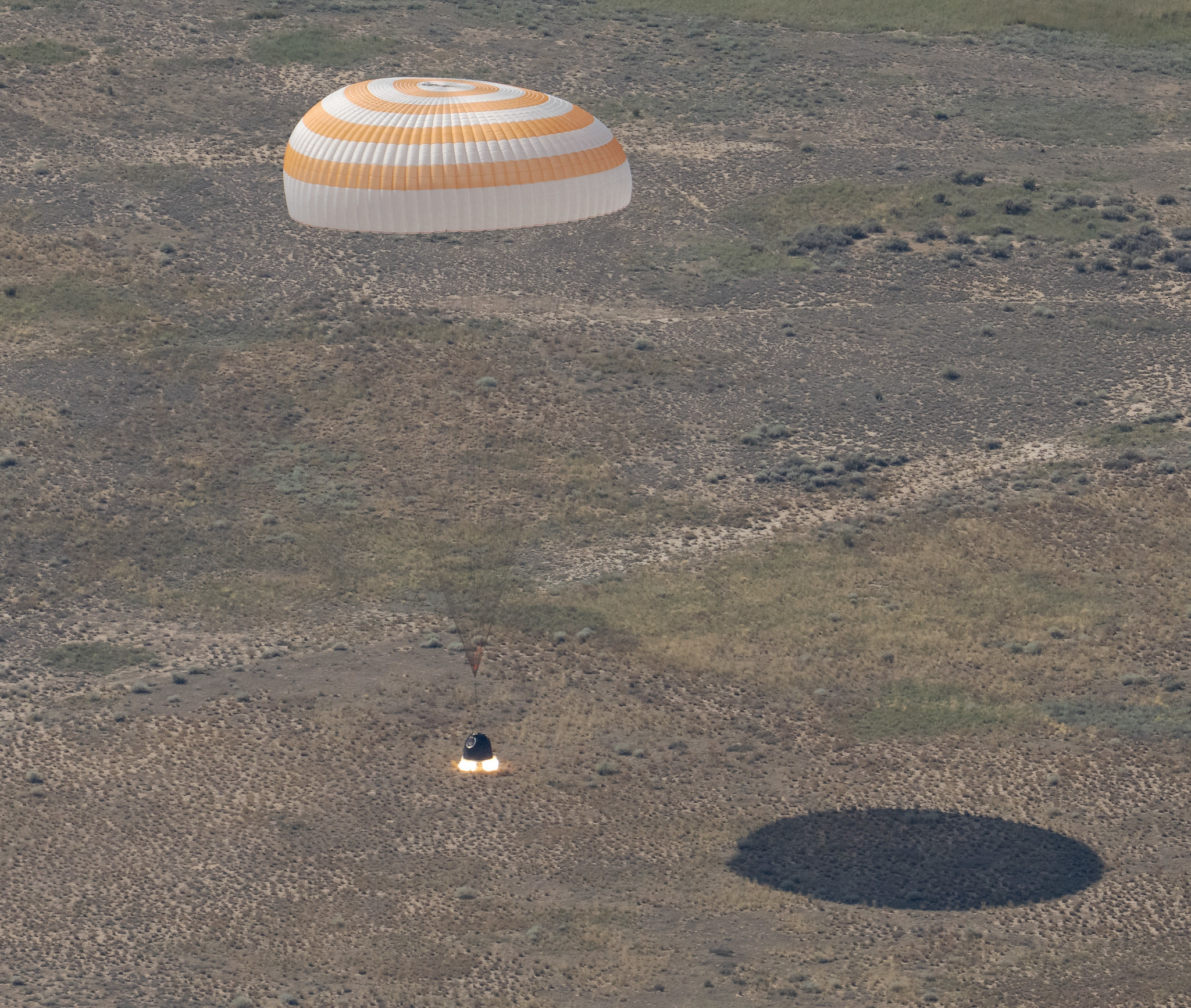
The Soyuz MS-28 spacecraft is seen as it lands in a remote area near the town of Zhezkazgan, Kazakhstan with Expedition 74 NASA astronaut Chris Williams, and Roscosmos cosmonauts Sergey Kud-Sverchkov, and Sergei Mikaev aboard, Sunday, July 26, 2026.
NASA/Bill Ingalls
Concluding an eight-month science mission aboard the International Space Station, NASA astronaut Chris Williams returned to Earth on Sunday alongside Roscosmos cosmonauts Sergey Kud-Sverchkov and Sergei Mikaev.
The crew made its safe, parachute-assisted landing at 5:27 a.m. CDT (3:27 p.m., Kazakhstan time), southeast of Dzhezkazgan, after departing the space station at 2:03 a.m., aboard the Soyuz MS-28 spacecraft.
The crew was in space for 241 days, orbiting the Earth 3,856 times and traveling more than 102 million miles. They launched to the International Space Station on Nov. 27, 2025. The mission was the first for Williams and Mikaev and the second for Kud-Sverchkov.
While aboard the orbiting laboratory, Williams supported a wide range of scientific investigations and technology demonstrations. He helped advance research for new cancer treatments and improved in-space manufacturing of materials used in high-performance computers and electronics. Williams also completed two spacewalks to prep for space station power system upgrades and to replace a faulty joint on the Canadarm2 robotic arm. The crew’s work aboard the space station helps improve life on Earth and prepare for future human missions to the Moon and Mars.
Following post-landing medical checks, the crew members will fly by helicopter to Karaganda, Kazakhstan, where recovery teams are based. Williams then will board a NASA aircraft bound for the agency’s Johnson Space Center in Houston.
For more than 25 years, people have lived and worked continuously aboard the International Space Station, advancing scientific knowledge and making research breakthroughs not possible on Earth. The space station helps NASA understand and overcome the challenges of human spaceflight, expand commercial opportunities in low Earth orbit, and build on the foundation for long-duration missions to the Moon, as part of the Artemis program, and to Mars.
To learn more about International Space Station research, operations, and its crews, visit:
Every decade or so, the technology industry collectively forgets a fundamental law of physics: you cannot push an ocean of data through a garden hose, no matter how efficiently you compress it. We are currently watching this exact scenario play out with Generative AI and our global cellular networks. I have been warning about the limitations of cloud-dependent architectures for years, arguing that the “dumb terminal” approach to mobile computing is fundamentally flawed when dealing with persistent, high-bandwidth data streams.
Now, the data is officially backing up the theory. Recent network diagnostics highlight a looming crisis that IT decision-makers can no longer ignore. The immediate ramifications for telecommunications, edge hardware, and component supply chains are profound, and they are about to rapidly accelerate the obsolescence of current-generation enterprise mobility strategies.
The Hidden Cost of Cloud AI on 5G Infrastructure
When 5G was rolled out, it was marketed as the ultimate connectivity panacea – a pipeline so wide that latency and bandwidth constraints would effectively vanish. However, 5G networks were primarily optimized for asymmetric traffic: heavy downlinks for streaming high-definition video and relatively light uplinks for requests and text.
Generative AI fundamentally breaks this model. Today’s enterprise AI workloads demand continuous, massive bidirectional data flows. Employees are uploading massive proprietary datasets for Retrieval-Augmented Generation (RAG), querying massive language models, and streaming continuous real-time video and audio for AI-driven analytics. According to recent diagnostic testing, these highly persistent AI workloads strain 5G infrastructure in ways carriers never modeled for. The Ookla data clearly illustrates that cell towers in dense enterprise zones are experiencing severe spectral congestion, driving up latency and degrading the experience for all users on the node.
This isn’t just a carrier problem; it is an enterprise productivity crisis. When a cloud-dependent AI application encounters network latency, the resulting “hallucinations” or processing delays destroy the user experience. The cloud simply cannot be the sole brain for real-time enterprise AI.
Vindication for Qualcomm and the Push for Edge AI
If you look closely at what Qualcomm, Apple, and a handful of other smartphone technology leaders have been doing over the past three years, it looks remarkably prescient today. Rather than relying entirely on the cloud, Qualcomm has aggressively pivoted toward integrating high-performance Neural Processing Units (NPUs) directly into their Snapdragon mobile platforms and PC processors.
This strategy is no longer just a “nice-to-have” feature; it is an absolute necessity. By processing AI workloads locally on the device—often referred to as Edge AI—smartphones and enterprise laptops bypass the 5G bottleneck entirely. Qualcomm’s approach offloads inference tasks, such as live translation, local document summarization, and ambient noise cancellation, keeping that massive data footprint off the carrier network.
This hybrid AI model, where the heavy training happens in the data center but the localized, privacy-sensitive inference happens on the user’s device, is the only sustainable path forward. It justifies the massive R&D budgets these silicon vendors have poured into edge computing capabilities. Companies heavily invested in thin-client architectures that rely exclusively on cloud processing are going to find their deployments struggling against network physics, while edge-heavy deployments will experience a massive competitive advantage in speed, reliability, and security.
The Memory Wall Threatening Edge AI Innovations
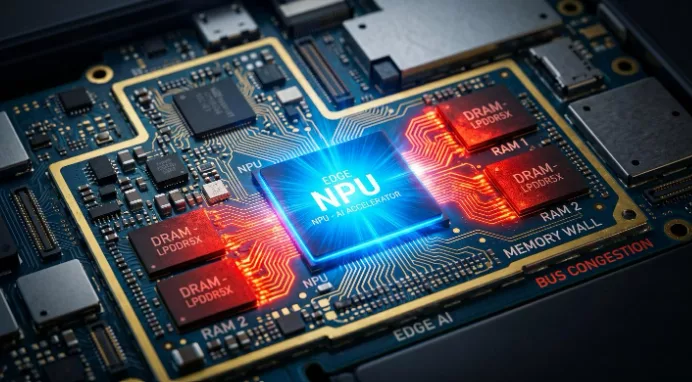
However, pushing AI to the edge introduces a critical, potentially catastrophic supply chain chokepoint: memory. Running Large Language Models (LLMs) or sophisticated multimodal AI locally requires massive amounts of high-speed random-access memory.
Here is the problem: the global semiconductor industry is currently heavily constrained. Foundries are aggressively retooling their DRAM production lines to manufacture High Bandwidth Memory (HBM) to feed the insatiable demand for Nvidia’s data center GPUs. Because HBM yields are lower and the production process is more complex, this shift is actively cannibalizing the production of LPDDR (Low-Power Double Data Rate) memory used in smartphones, laptops, and edge devices.
This memory shortage is going to adversely impact efforts to provide more AI capability at the edge. We are already seeing price hikes in the spot market for standard memory modules. For enterprise IT buyers, this means the cost of next-generation, AI-capable endpoint devices is going to surge. Furthermore, battery constraints on mobile devices limit how much active memory can be powered simultaneously. Silicon engineers are currently battling a “memory wall,” where the computational power of the NPU far outpaces the bandwidth and capacity of the device’s onboard RAM. Without immediate breakthroughs in memory architecture, the promise of localized edge AI will hit a hard physical ceiling.
Transforming Edge Hardware and Wide Area Networks
Because mobile devices will be constrained by this memory wall, we are going to see a radical transformation in intermediary Edge Hardware and Wide Area Networks (WAN). If the smartphone can’t process the entire workload, and the cloud is too far away (and the 5G pipe too congested), the compute must move to the network edge.
We are going to see a massive proliferation of Multi-access Edge Computing (MEC) nodes installed directly in enterprise branch offices, factory floors, and at the base of cell towers. These localized AI servers will act as intelligent proxies. Hardware vendors like Dell, HPE, and Lenovo are already positioning high-density, ruggedized micro-servers designed specifically to ingest and process local AI workloads before they ever touch the broader cellular network.
Simultaneously, SD-WAN (Software-Defined Wide Area Network) architectures are undergoing a fundamental rewrite. Traditional SD-WAN routed traffic based on IP addresses and simple port protocols. The new generation of AI-native WAN networks will dynamically inspect data flows, actively dropping non-essential AI telemetry, compressing inference results, and prioritizing real-time AI API calls over standard web traffic. The network itself must become self-aware and predictive to survive the incoming data tsunami.
The Shape of Post-2030 Devices
Looking beyond the current decade, the fallout from this network strain and edge hardware evolution will dictate the design of post-2030 devices. The traditional smartphone, as a rectangular slab of glass that you poke with your finger, will likely be entirely deprecated by 2030.
Future devices will likely take the form of distributed wearables – AR glasses, intelligent earpieces, and biometric sensors—that act as fragmented input/output interfaces. These peripherals will rely on an entirely new computing paradigm called “dynamic workload partitioning.” Depending on the real-time health of the local 6G network, the battery life of the device, and the user’s proximity to a localized edge node, the device will instantly and seamlessly decide where to process a generative AI request.
We will also see the commercialization of neuromorphic computing in endpoint hardware. Because traditional Von Neumann architectures (separating CPU and Memory) are causing the current bottlenecks, post-2030 silicon will mimic the human brain, processing and storing data in the same microscopic location to drastically reduce power consumption and eliminate the memory bandwidth wall. By 2030, devices won’t just run AI; their underlying hardware architecture will be fundamentally redefined by it.
Contrary and Accelerating Trends
While the strain on 5G is driving compute to the edge, there are fascinating cross-currents in the industry that demand attention.
One highly accelerating trend is the push toward Small Language Models (SLMs). While the media obsesses over trillion-parameter models like GPT-4, developers are rapidly realizing that a highly optimized 7-billion parameter model (like Meta’s Llama 3 8B or Microsoft’s Phi-3) can easily run locally on a Qualcomm Snapdragon chip with exceptional accuracy for specific tasks. This trend directly mitigates the 5G strain, as developers abandon massive general-purpose cloud models in favor of hyper-specialized, local SLMs. It is a trend born out of necessity to bypass the exact network congestion Ookla has identified.
Conversely, a contrary trend exists within the hyperscaler ecosystem (AWS, Google Cloud, Microsoft Azure). Despite the network physics working against them, they are aggressively pushing “AI-as-a-Service” thin clients, essentially trying to brute-force the cloud AI model. They are investing heavily in custom silicon to drive down data center inference costs, hoping that specialized compression algorithms and future 6G rollouts will save their centralized business models. This creates a massive strategic war in the enterprise space: the Hyperscalers fighting to keep data in the cloud, versus silicon vendors like Qualcomm and Intel fighting to keep it on the endpoint.
In my view, the laws of physics heavily favor the edge. You cannot virtualize away the speed of light or the limits of radio frequency spectrum.
Wrapping Up
The telecom industry is waking up to a harsh reality: Generative AI is fundamentally hostile to current 5G network architectures. The recent Ookla data proving that enterprise AI workloads are heavily taxing cellular infrastructure is the canary in the coal mine. This crisis provides total validation for the localized AI strategies championed by Qualcomm and edge hardware vendors, proving that local processing is the only way to ensure reliable enterprise AI performance.
However, the transition to the edge is fraught with its own hardware hurdles, most notably a severe global memory shortage driven by competing data center demands. Solving this will require an entire overhaul of how we build wide-area networks, the deployment of intelligent micro-servers at the edge, and eventually, the abandonment of traditional mobile architectures in favor of neuromorphic, dynamically partitioned devices post-2030. The AI revolution isn’t just changing software; it is actively ripping apart and rebuilding the entire global hardware and telecommunications stack. Those who fail to adapt their IT strategies to this new edge-heavy reality will find themselves stranded on the wrong side of the network bottleneck.
I have spent decades analyzing the architectural shifts that define personal computing, watching the industry pivot from mainframes to client-server, and then from local desktops to the cloud. We are currently navigating another massive transition that will fundamentally redefine how we interact with machines. As the industry races to integrate artificial intelligence directly into the operating system and local hardware, the attack surface for enterprise organizations is expanding at an alarming rate. The gap between raw generative processing capability and enforced software security is where the real danger lies, and it is a gap that traditional security vendors are struggling to bridge.
Today, the modern workstation – increasingly a powerful, portable notebook that effectively serves as a mobile desktop replacement – holds the keys to an enterprise’s most sensitive, confidential information. Yet, most organizations are still applying legacy, reactive security paradigms to an entirely new class of computational behavior. As artificial intelligence moves from the cloud to the endpoint, the rules of the game have completely changed.
The Unique Vulnerability of Agentic AI Workflows
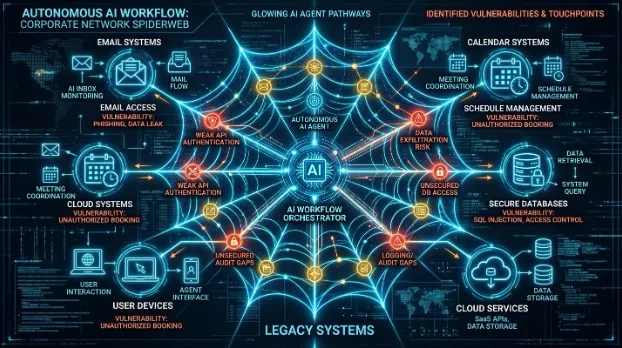
The conversation around artificial intelligence has rapidly shifted from simple, passive generative text chatbots to what the industry now calls agentic AI. Unlike passive tools that sit idle until you type a prompt, agentic AI workflows operate autonomously in the background. They can parse your calendar, read your incoming emails, draft contextual responses, scrape web data, and execute commands across multiple local and cloud applications to achieve a stated goal.
A prime example of this reality is OpenClaw, a free and open-source autonomous artificial intelligence agent that can execute complex tasks via large language models (LLMs), using messaging platforms as its main user interface. While OpenClaw represents an incredible leap in personal productivity, allowing users to build a “second brain” that acts on their behalf 24/7 by routing tasks through a local background daemon, it also represents an unprecedented security vulnerability for IT administrators. These agents require vast, unrestrained access to system resources, local data, and user credentials to function effectively.
If an agentic AI framework like OpenClaw is subjected to a prompt injection attack, or if it falls under malicious influences through poisoned data sets, the consequences for the enterprise are disastrous. A compromised agent doesn’t just crash or throw an error code; it actively works against the user, potentially exfiltrating highly sensitive corporate data, overriding network permissions, and creating a massive privacy protection failure. Because these agents are designed to operate seamlessly in the background and mimic legitimate user actions, traditional signature-based antivirus software often completely misses the unauthorized activity. The legacy security software assumes the agent is simply executing its normal, authorized routine.
This lack of visibility into AI presence and behavior is the critical failure point for most modern endpoint defenses. You cannot secure what you cannot see, and you cannot stop an attack if your security software cannot distinguish between a legitimate agentic workflow and a malicious, data-stealing exploit.
HP’s Sandbox and Container Mastery
This is where HP has a distinct, structural advantage over nearly every other PC original equipment manufacturer (OEM) on the market. HP has long maintained a best-in-class enforced security offering for endpoints, largely because their engineering teams recognized early on that relying purely on reactive software detection was a losing battle against sophisticated adversaries. Instead, HP has leaned heavily into proactive isolation technology.
Their advanced HP Wolf Security architecture is built on a very strong, mature sandbox and container background. Through their Sure Click technology, HP has perfected the art of hardware-enforced micro-virtual machines (micro-VMs). Traditionally, when a user opens an untrusted file, clicks a sketchy link, or downloads a potentially dangerous email attachment, HP automatically isolates that specific activity within a disposable micro-VM powered by Intel and AMD virtualization extensions. If malware is present, it executes, but it is entirely contained within that sealed digital environment. When the task is closed, the micro-VM is destroyed, and the malware simply vanishes without ever touching the host operating system.
Applying mature, existing virtualization foundations to the novel AI security problem is rapidly becoming a strategic imperative across the industry. Leading cybersecurity architectures are now leveraging hardware-enforced isolation technology to create essential guardrails for agentic AI workflows. What the modern enterprise security stack must deliver is comprehensive AI governance. First, these next-generation systems provide vital visibility by discovering when and where an autonomous AI is operating on the local machine. Second, they utilize secure AI containment, automatically placing robust agentic frameworks inside isolated micro-VM solutions rather than relying on legacy software detection.
By running the AI agent inside a tightly controlled micro-VM container, enterprise security providers ensure that even if the AI is compromised by a malicious payload or an unauthorized external command, the agent remains completely contained. The malicious influence cannot cross the virtualized boundary into the host operating system, nor can it access confidential data outside of its strictly defined policy controls. Furthermore, the industry is increasingly engineering these architectures with simple, standardized deployment methodologies, meaning IT administrators can seamlessly roll out these complex AI policy controls without requiring bespoke, customized configurations for every individual device in the corporate fleet.
While threat intelligence experts honestly note that the broader industry does not yet have extensive examples of containing hyper-advanced AI malware “in the wild”—largely because these specific agentic threat vectors are still actively emerging—security researchers have conclusively demonstrated in the lab that this containerized technology is entirely viable. The micro-VM approach works just as effectively against an errant, malfunctioning AI agent as it does against a traditional ransomware executable. Ultimately, this hardware-backed isolation enables the prompt execution of local analytics and agentic AI tasks without sacrificing absolute privacy protection against confidential data leakage.
Anchoring Trust With A Silicon-to-Cloud Approach
However, software containers, no matter how intelligently designed, are only as strong as the physical hardware they run on. A truly secure endpoint requires a silicon-agnostic but deeply integrated hardware root of trust. HP’s unique silicon-to-cloud solution allows them to stand out in a profoundly competitive and increasingly commoditized hardware field.
You cannot just secure the operating system; you must secure the firmware and the physical communication pathways on the motherboard itself. HP has historically led this charge with their self-healing BIOS technology, Sure Start, but their recent introduction of HP TPM Guard perfectly exemplifies their unmatched hardware differentiation against physical access attacks.
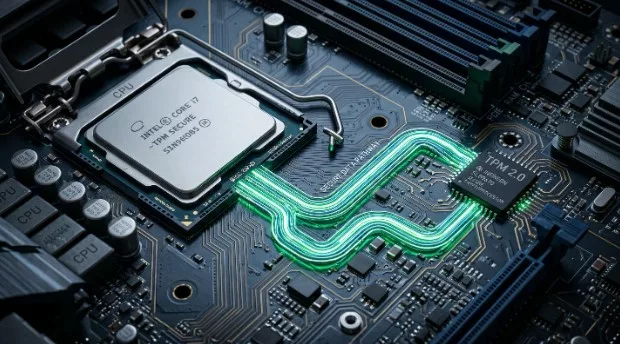
The Trusted Platform Module (TPM) is the cryptographic vault of the modern PC, heavily utilized by enterprise encryption tools like Microsoft BitLocker to protect data at rest. However, sophisticated attackers with physical access to a machine can use probing tools to intercept the encryption keys as they travel across the unencrypted bus between the TPM and the CPU. HP TPM Guard solves this critical vulnerability by physically and cryptographically encrypting this specific link, utilizing an authenticated tunnel that stops physical bus-intercept and sniffing attacks dead in their tracks. It physically binds the TPM securely to the device, rendering the chip completely inoperable if it is removed or tampered with by a bad actor.
This level of paranoia and precision at the hardware level fundamentally reinforces the micro-VMs operating at the software level. It creates a cohesive, highly enforced security ecosystem where the physical hardware, the firmware, the operating system, and the cutting-edge AI applications are all continuously monitored, verified, and protected from the factory floor to the employee’s desk.
Turning Security Dominance Into Sales Volume
When you evaluate corporate history and the mechanics of massive industry turnarounds—much like observing the strategic shifts at IBM in the 1990s or Apple in the early 2000s—you realize that having the superior product is only half the battle. The other half is ensuring that the broader market fundamentally understands the existential necessity of your technological solution.
Currently, HP’s security stack is a significant, highly respected part of every sales engagement. IT buyers and enterprise customers who use this technology frequently respond that HP is the only company that seems to fully grasp and actively mitigate these rapidly growing security risks. The problem, from a purely commercial standpoint, is that this realization often happens after the customer has engaged deeply with HP’s technical engineering teams, rather than being the primary, urgent driver that brings the customer to the purchasing table in the first place.
To drastically leverage these clear endpoint security advantages and significantly increase enterprise sales volume, HP needs to pivot its broader market messaging.
First, HP must stop selling “security features” and start selling “AI Insurance.” The enterprise market is universally terrified of AI data leakage, intellectual property theft, and rogue agentic workflows. HP needs to aggressively position their micro-VM containment not just as a neat, value-added security feature, but as the only responsible way to deploy artificial intelligence in a corporate environment. If a Chief Information Officer is going to allow highly autonomous tools like OpenClaw on their network, HP needs to make it abundantly clear that an HP endpoint is the only hardware platform where that deployment can be executed safely and legally. The core marketing message should be stark and uncompromising: deploying autonomous, agentic AI without HP’s hardware-enforced containment is nothing short of corporate negligence.
Second, HP needs to lean even harder into their partner ecosystem. HP uniquely educates and enables their global partners to successfully help deploy secure solutions, but this enablement needs to be weaponized specifically for the impending AI era. Channel partners shouldn’t just be quoting prices for fleet laptop refreshes; they should be actively conducting “AI Readiness and Risk Assessments” powered by HP Wolf Security frameworks. By empowering their channel partners to tangibly demonstrate the terrifying ease of prompt injection and data exfiltration in uncontained environments, the hardware sale naturally becomes a secondary consequence of a primary, unignorable security imperative.
Finally, HP should elevate the visibility of foundational technologies like TPM Guard to the C-suite and the boardroom. Board members intimately understand physical theft, regulatory compliance, and corporate espionage. By clearly explaining that a standard competitor’s laptop can be cracked with a physical probing tool to extract BitLocker keys, while an HP machine physically encrypts the internal pathways to protect the data, HP moves the conversation away from the IT department’s budget constraints and directly into the Board’s risk management portfolio. When security mitigates board-level risk, premium hardware pricing becomes irrelevant, and volume sales naturally follow.
Wrapping Up
The rapid influx of agentic AI is transforming the traditional personal computer from a simple, passive tool into an active, autonomous digital employee. But with this incredible autonomy comes an unprecedented risk to data privacy, intellectual property, and overall system integrity. Traditional software-based security is fundamentally ill-equipped to manage or police autonomous agents that are deliberately designed to mimic human behavior and access deep systemic resources.
HP’s foresight in developing deep, hardware-enforced isolation technology has positioned them perfectly for this exact inflection point in computing history. By intelligently utilizing mature micro-VM containers to physically wall off agentic AI workflows, and aggressively backing that up with impenetrable, silicon-to-cloud hardware defenses like TPM Guard, HP has built the safest, most resilient endpoint on the market. If HP can successfully translate this sheer engineering triumph into an aggressive, channel-driven narrative centered squarely about AI risk management, they won’t just secure their corporate users’ data—they will secure a dominant, unassailable share of the enterprise hardware market for the next decade.
Xiamen, China – The 2026 Fujian Global Innovation and Entrepreneurship Competition has been recently launched in Fujian, China. The organizing committee will provide more favorable policies, a broader platform, and better services to help talents from around the world settle and develop in Fujian.
The competition was first held in 2025, attracting 683 projects from 39 countries and regions. Among them, 72 projects have made to the finals, and 24 projects won the first, second, and third prizes.
Applications for the 2026 competition are now open to the talents worldwide. The main applicant of each project is required: to have earned a master’s degree (or above) overseas (or outside the Chinese mainland) or to have more than two years of innovation and entrepreneurship experience overseas (or outside the Chinese mainland); and to be currently employed overseas (or outside the Chinese mainland) or to have established businesses/been employed on the Chinese mainland after January 1, 2021. Participating projects must possess completely independent intellectual property rights, demonstrate the technological level that is internationally advanced or leading in China, and exhibit a clear business model and promising market prospects.
The 2026 competition will be organized into three tracks: Electronic Information, Biotechnology, and Advanced Manufacturing. The Electronic Information track includes artificial intelligence, integrated circuits, and information technology; the Biotechnology track covers innovative drugs and therapies, high-end medical devices, and cutting-edge biotechnology; the Advanced Manufacturing track spans new energy, new materials, and equipment manufacturing. The competition provides talents in the relevant industries with excellent opportunities to quickly connect with industrial application scenarios, venture capital funds, and research platforms.
This year, the number of final awards has been increased. There are 6 First Prizes, 9 Second Prizes, and 15 Third Prizes Excellence Award will be given to projects ranked 11th to 20th in each track. First Prize winners may also receive project funding of up to RMB 2 million. Additionally, a referral reward of up to RMB 20,000 is available to individuals or organizations that have recommended prize-winning projects.
The finals will be held in Xiamen, Fujian Province, during the 2026 China International Fair for Investment and Trade (CIFIT). The organizing committee will provide accommodation and meals for up to two members per finalist team and reimburse travel expenses for up to two members (up to RMB 20,000 per person, depending on the places of departure).
Online application is now accessible on the official website: https://www.fujiantalent.com. The deadline of application is 24:00 Beijing time on June 30, 2026.
For inquiries, please contact the organizing committee office.
The organizing committee confirms that no fees will be charged to participants. Applicants must guarantee the authenticity of the project information provided and the clarity of intellectual property rights, and will bear all legal consequences resulting from inaccurate information or disputes. The organizing committee reserves the right to further supplement the competition rules and to provide the final interpretation.
We warmly welcome the talents from around the world!
I used to build about two custom desktop systems every quarter to keep my finger on the pulse of hardware modularity and performance scaling (I don’t do that anymore because memory costs have made this practice too expensive). Sitting in my Bend office, reviewing component invoices and watching the fluctuating prices of DDR5, gives me a very localized, micro-perspective on a massive, macro-level industry crisis. Managing the cost-to-performance ratio of high-speed memory is a constant headache for the enthusiast, but what is a mere annoyance for a desktop builder has escalated into a full-blown financial catastrophe for enterprise data centers scaling up artificial intelligence.
The industry has spent the last few years obsessing over raw compute – chasing after the highest teraflops and the most advanced neural processing units. But processing power is only half the equation. You can have the fastest processor in the world, but if it is constantly sitting idle waiting for data to be retrieved from storage, you are burning capital for zero return. This brings us to the most critical, yet historically overlooked, challenge of the current generative AI era, a challenge that Advanced Micro Devices (AMD) is now addressing head-on with a fascinating strategic acquisition.
The Expanding Memory Bottleneck
To understand why this move matters, we first need to define the current memory bottleneck, often referred to in engineering circles as the “memory wall.” For decades, the performance of CPUs and GPUs has scaled at a much faster rate than the bandwidth and capacity of the memory supporting them. Large Language Models (LLMs), deep learning analytics, and virtualization workloads require vast amounts of high-speed memory, specifically Dynamic Random-Access Memory (DRAM) and High Bandwidth Memory (HBM), to hold the parameters and datasets actively being processed.
When an AI accelerator exhausts its available high-speed memory, the system is forced to swap data back and forth from much slower non-volatile storage, like NAND flash drives. This data swap introduces massive latency, completely stalling the processors. Currently, the solution to this bottleneck has been blunt-force economics: just buy more DRAM. However, this approach has hit a wall of its own. Memory now accounts for roughly 30% of total hyperscaler data center expenditure, marking a staggering fourfold increase in just a few short years. Relying purely on hardware scaling to solve the memory bottleneck is no longer economically viable for anyone outside of a sovereign wealth fund.
The Persistent Nature of the Memory Crisis
Is the memory bottleneck expected to get worse? The short answer is yes, and significantly so. The AI boom has triggered an insatiable appetite for data ingestion, and the hardware supply chain simply cannot keep pace. We are currently seeing a massive constraint on the supply side. Semiconductor foundries are incredibly complex, multi-billion-dollar facilities that take years to build and calibrate. You cannot simply flip a switch and double global DRAM output.
According to recent industry analytics, the AI infrastructure rush is driving a strategic reallocation of memory production toward high-margin, enterprise-grade components. As a result, standard DRAM supply growth is projected to remain well below historical norms, hovering around 16% year-over-year. This creates immense pricing pressure across the entire market. How long will this last? Top executives across the silicon landscape, including the leadership at NVIDIA, have publicly acknowledged that memory shortages and related supply constraints are expected to continue for several years. We are looking at a prolonged, multi-year reality where high-speed memory remains a scarce, premium commodity that dictates the upper limits of AI scalability.
Enter MEXT and Predictive Memory Tiering
Faced with a bottleneck that silicon manufacturing cannot quickly resolve, AMD has intelligently pivoted to a software-driven solution. On June 15, 2026, AMD announced its acquisition of MEXT, a California-based startup specializing in AI-driven memory optimization. Rather than trying to out-build the DRAM shortage, AMD acquired the capability to bypass it conceptually.
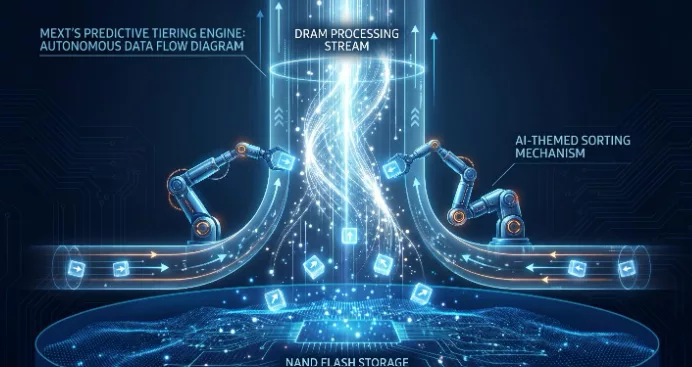
MEXT’s core technology is an AI-powered predictive memory tiering engine designed to make highly affordable NAND flash storage behave more like expensive DRAM. Traditional storage tiering is reactive; a system asks for data, realizes it isn’t in DRAM, and then goes to fetch it from flash, incurring a latency penalty. MEXT completely flips this paradigm.
By utilizing advanced machine learning algorithms, MEXT’s software analyzes a system’s memory access patterns in real time. Because enterprise workloads—like AI inference, large-scale data analytics, and server virtualization—tend to follow highly structured and repetitive data access loops, the software can effectively learn the rhythm of the workload. It then anticipates which data pages the operating system will need next and proactively moves them from the slower flash storage into the high-speed DRAM before the request is even made.
It functions much like the predictive algorithms Skynet might use in a Terminator scenario to anticipate human resistance tactics—analyzing behavioral patterns to execute a preemptive action before the adversary even moves. By successfully predicting data demands, MEXT hides the inherent latency of flash storage. The result is an infrastructure illusion: the operating system believes it has access to a massive pool of high-speed DRAM, when in reality, it is seamlessly leveraging far cheaper NAND storage.
Integration Timeline and Implementation
Of course, acquiring a technology and successfully deploying it at an enterprise scale are two entirely different endeavors. How long will it take for MEXT’s predictive engine to become fully integrated into AMD’s data center solutions?
While financial terms and exact product roadmaps are closely guarded, enterprise infrastructure moves at a deliberate pace to ensure stability. MEXT’s software must be deeply woven into AMD’s existing architecture, particularly the ROCm open software platform that developers use to optimize AI workloads on AMD Instinct GPUs and EPYC CPUs. This is not a simple driver update; it is a fundamental reworking of how the processor interacts with the memory hierarchy.
We can realistically expect to see early-stage integration rolling out to AMD’s top-tier hyperscaler partners within the next 6 to 9 months, allowing for aggressive real-world stress testing. Broad commercial availability—where standard enterprise customers can purchase AMD servers equipped with this predictive memory tiering out of the box—will likely take 12 to 18 months. AMD needs to ensure that the AI overhead required to run MEXT’s predictive algorithms does not cannibalize the processing power intended for the customer’s actual AI workloads. Once optimized, this integration will fundamentally reduce infrastructure costs and improve resource utilization across their entire enterprise portfolio.
Market Impact on AI Availability, Pricing, and Performance
The successful integration of MEXT’s technology will have profound ripple effects across the entire technology sector, fundamentally altering the economics of artificial intelligence.
First, the impact on the memory bottleneck itself will be transformative. While MEXT cannot replace the need for ultra-fast HBM in the most latency-sensitive AI training environments, it serves as a massive relief valve for AI inference, retrieval-augmented generation (RAG), and general-purpose analytics. By expanding the usable memory capacity without requiring proportional hardware expansion, AMD provides a practical way for enterprises to delay incredibly expensive hardware upgrades.
This leads directly to AI availability and pricing. Right now, building a localized AI data center is prohibitively expensive for mid-sized enterprises, largely due to memory costs. If AMD can deliver a server platform that offers DRAM-like performance using a storage array composed heavily of cheaper NAND flash, the Total Cost of Ownership (TCO) for AI infrastructure will plummet. This democratization of hardware means that advanced AI capabilities will no longer be strictly sequestered within the massive public clouds operated by Google, Microsoft, and Amazon. More organizations will be able to afford local, sovereign AI deployments, accelerating innovation across healthcare, finance, and manufacturing.
Finally, regarding performance, we are witnessing a critical shift in the AI arms race. We have officially moved beyond the “silicon wars” and entered the “infrastructure optimization war.” Raw processor speed is taking a back seat to holistic system efficiency. AMD is signaling that the future of computing performance won’t just be dictated by who can etch the smallest transistors on a wafer, but by who has the smartest software orchestrating the flow of data between those transistors.
Wrapping Up
The memory bottleneck is arguably the most significant physical constraint limiting the proliferation of artificial intelligence today. With DRAM prices skyrocketing and supply struggling to keep up with explosive demand, the industry requires innovative detours around the hardware limitations it has encountered.
AMD’s acquisition of MEXT is a brilliant strategic maneuver that acknowledges a hard truth: you cannot simply buy your way out of the current memory shortage. By leveraging AI-powered predictive software to make cost-effective flash storage perform like premium DRAM, AMD is positioning itself to offer highly efficient, lower-cost AI infrastructure. While it will take 12 to 18 months to see this fully realized in commercial data centers, the integration of MEXT’s technology promises to shatter the memory wall, ultimately democratizing AI access and redefining performance metrics for the entire enterprise computing industry.

 Login