As expectativas para a nova geração de dobráveis da família Galaxy Z são elevadas e Bernardo Cunha, responsável pela estratégia e marketing de produto da Samsung Portugal diz que quem entra no universo dobrável raramente volta atrás e acredita que o novo formato do Z Fold8 vai ter grande adesão em Portugal.
Dénicher un smartphone doté d'une autonomie redoutable, d'un écran OLED lumineux et d'une conception renforcée est difficile sans y mettre le prix. C'est pourtant ce qu'il est possible de trouver en se rendant sur AliExpress. Sur le site marchand, le polyvalent HONOR Magic8 Lite s'affiche sous...
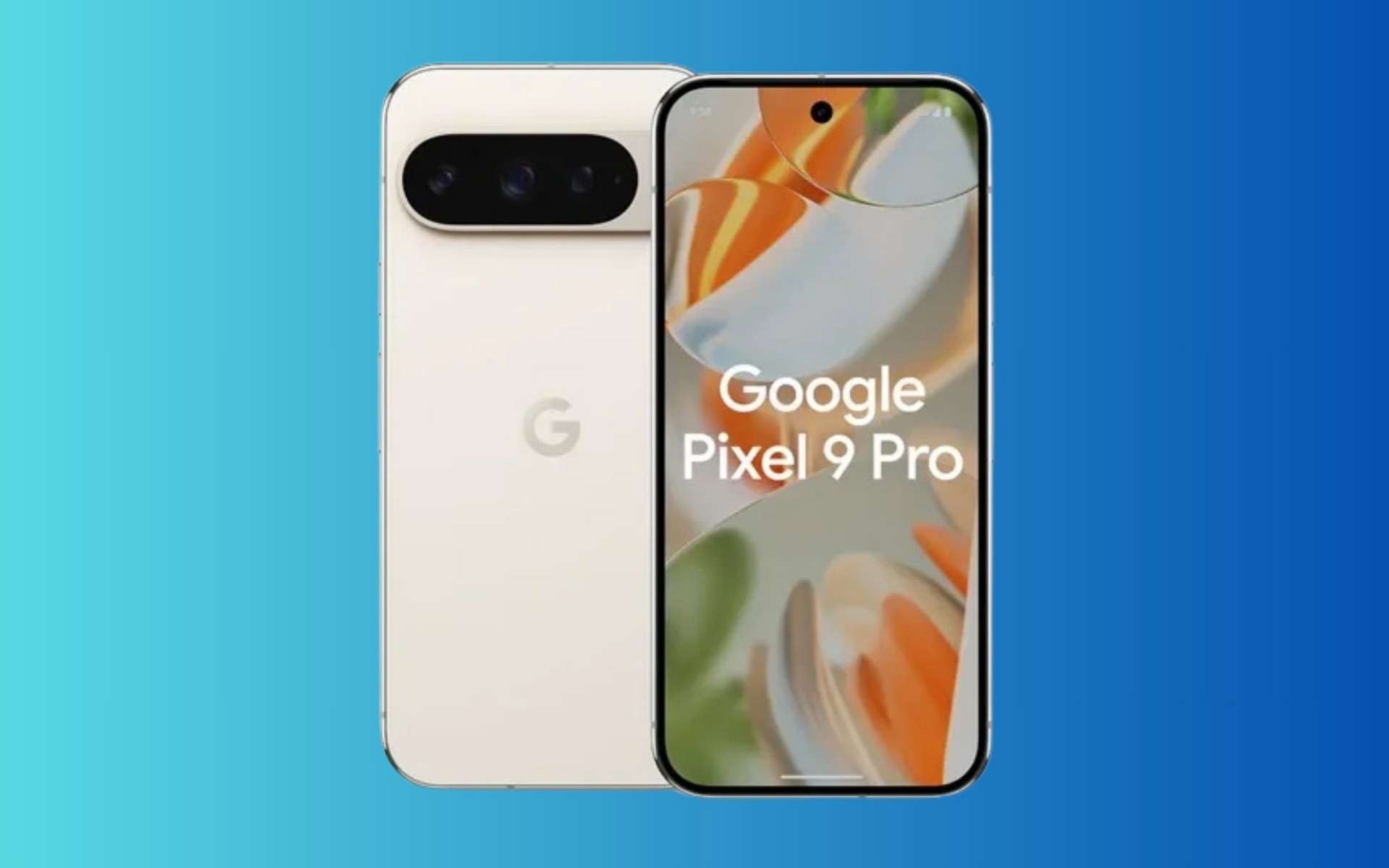
Voir un Google Pixel 9 Pro perdre 50 % de son prix n'arrive pas tous les jours. En promo chez Rakuten, ce smartphone haut de gamme combine un excellent appareil photo, l'intelligence artificielle de Google et un écran OLED 120 Hz dans une offre aussi spectaculaire que rarement observée.
A norte-americana Light apresentou o Light Flip, um telemóvel em formato de concha, inspirado nos antigos flip phones, sem aplicações de distração, ecrã tátil ou redes sociais. Já pode ser reservado por 299 dólares.
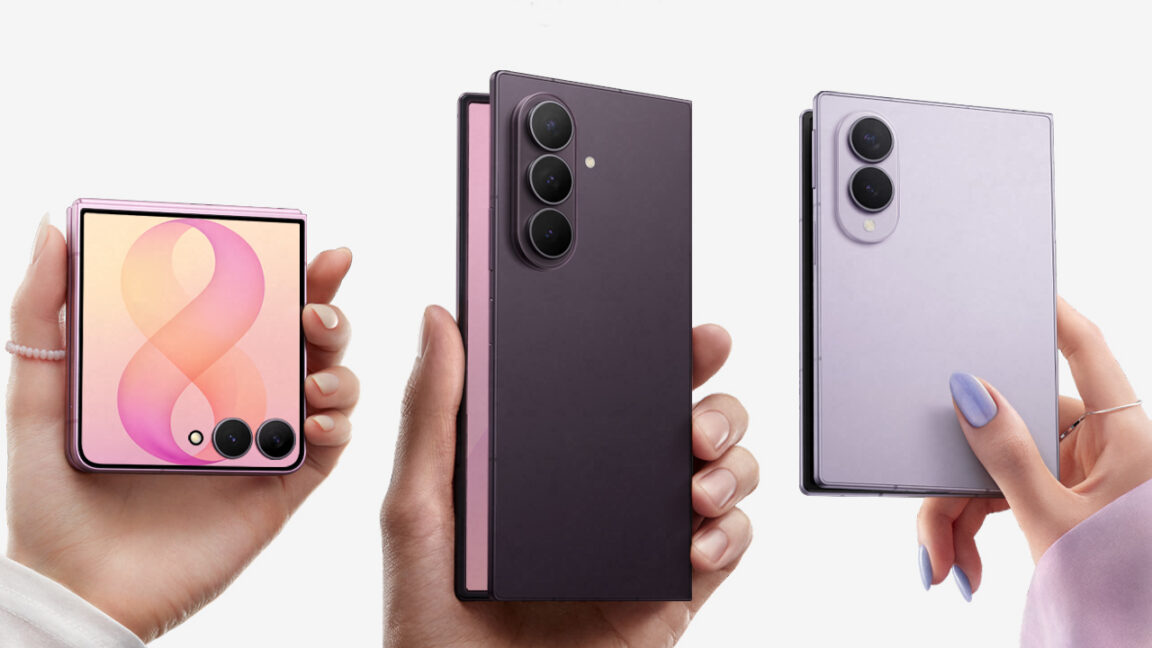
The rumors haven't left much to the imagination, but Samsung has unfurled its 2026 foldable lineup today. There are three models for the first time in Samsung's eight-gen foldable family, including the top-of-the-line Z Fold 8 Ultra. That phone is the successor to last year's Galaxy Z Fold 7, but the Z Fold 8 is new—the company's first wide-body foldable designed for media over multitasking. And then there's a new, thinner flip phone, plus a pair of smartwatches.
You can preorder Samsung's new hardware today, but the component shortage has made these already spendy product lines more expensive this year. Even the Z Flip 8 is now well over a grand, and the Ultra costs almost twice as much.
Specs at a glance: Galaxy Z8 series
Galaxy Z Flip 8 ($1,200)
Galaxy Z Fold 8 ($1,900)
Galaxy Z Fold 8 Ultra ($2,100)
SoC
Snapdragon 8 Elite Gen 5 for Galaxy
Snapdragon 8 Elite Gen 5 for Galaxy
Snapdragon 8 Elite Gen 5 for Galaxy
Memory
12GB
12GB, 16GB
12GB, 16GB
Storage
256GB, 512GB
256GB, 512GB, 1TB
256GB, 512GB, 1TB
Display
Main: 6.9" Dynamic AMOLED 2X (1080 x 2520) 400ppi, 120Hz; Cover: 4.1" AMOLED (948 x 1048) 342 ppi, 60/120Hz
Main: 7.6" Dynamic AMOLED 2X (1848 x 2448) 403ppi, 120Hz; Cover: 5.5" Dynamic AMOLED 2X (1248 x 1972) 428ppi, 120Hz
4,300 mAh, up to 55% charge in ~30 min with 25W Adapter, 15W Wireless Charging
4,800 mAh, up to 67% charge in ~30 min with 45W Adapter, 20W Wireless Charging
5,000 mAh, up to 63% charge in ~30 min with 45W Adapter, 20W Wireless Charging
Connectivity
5G, LTE, Wi-Fi 7, Bluetooth v5.4, SIM+eSIM
5G, LTE, Wi-Fi 7, Bluetooth v6.0, SIM+eSIM
5G, LTE, Wi-Fi 7, Bluetooth v6.0, SIM+eSIM
Measurements
Unfolded: 166.9 × 75.4 × 6.1 mm
Folded: 85.7 × 75.4 × 13.1 mm, 180g
Unfolded: 123.9 × 161.4 × 4.5 mm
Folded: 123.9 × 81.9 × 9.7 mm, 201g
Unfolded: 158.4 × 143.2 × 4.1 mm
Folded: 158.4 × 72.8 × 8.9 mm, 215g
Colors
Pink, Graphite, Cream, Mint (online)
Lavender, Graphite, Cream, Pistachio (online)
Violet Shadow, Graphite, Cream, Green Shadow (online)
The Z Fold 8 Ultra has the same basic form factor as the last few Samsung tablet-style foldables. A 6.5-inch OLED on the outside is about the same ratio as a standard smartphone screen. Open it up, and you get an 8-inch display that's roughly twice as wide. That makes the main display close to square.
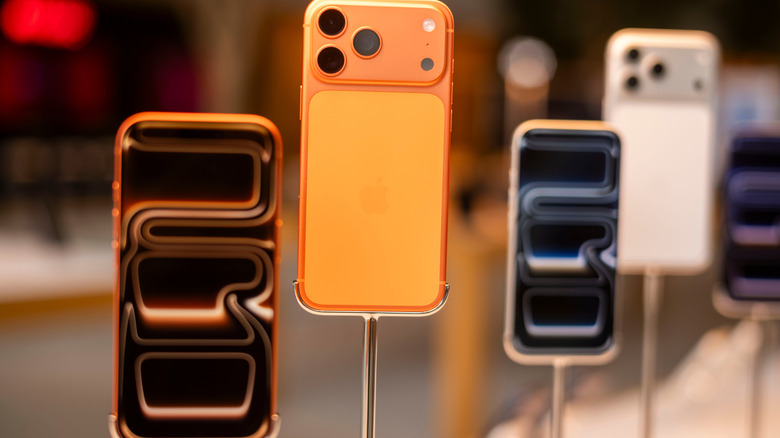
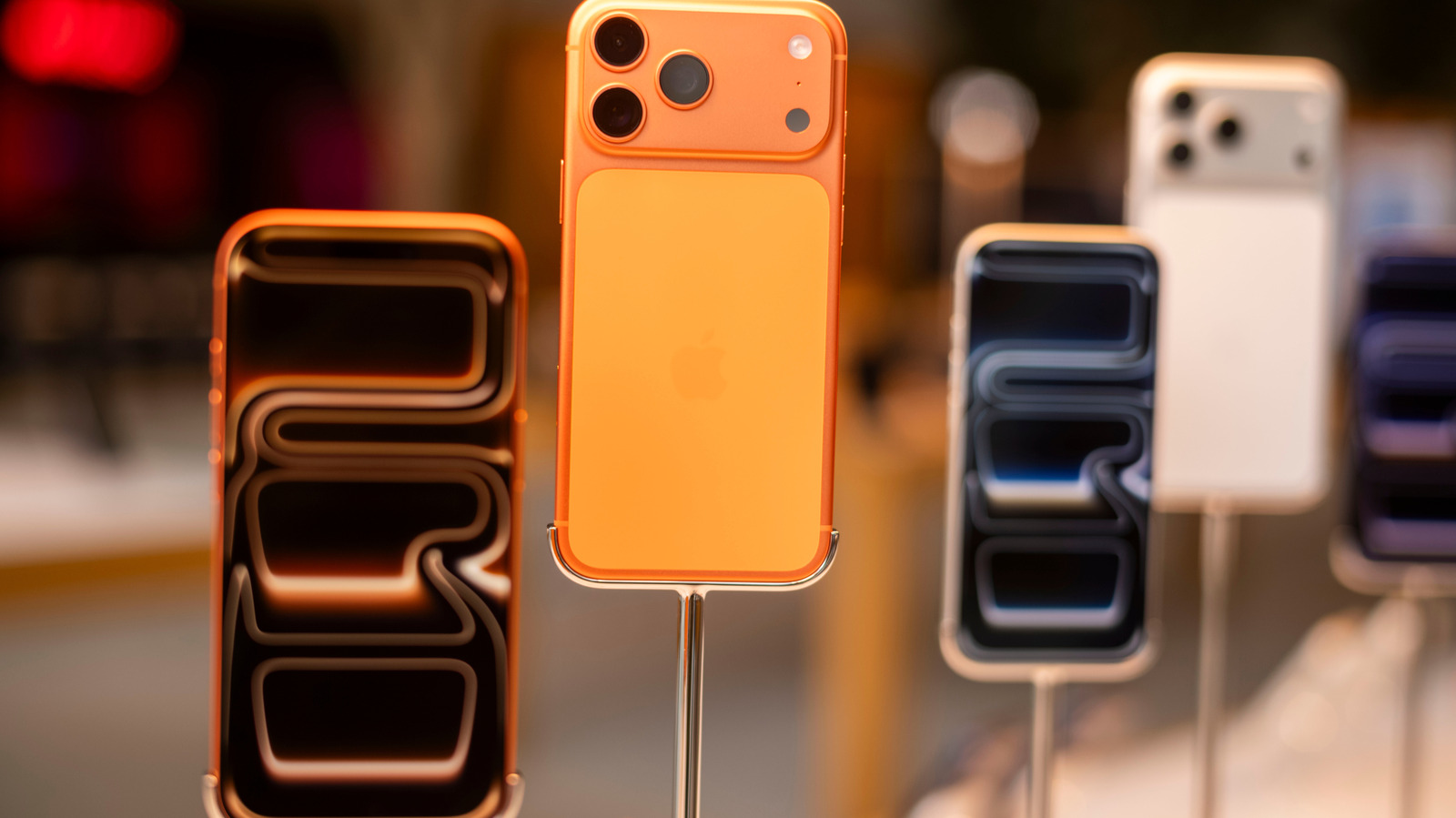
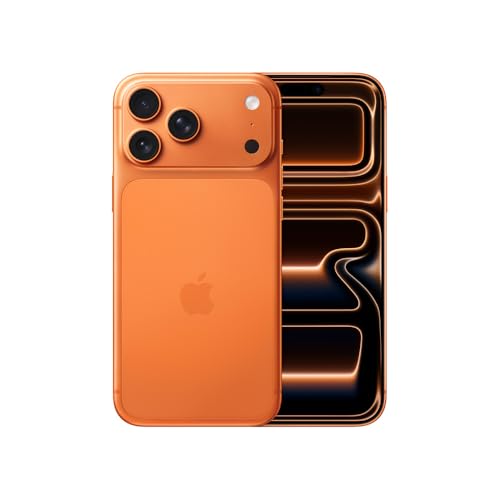
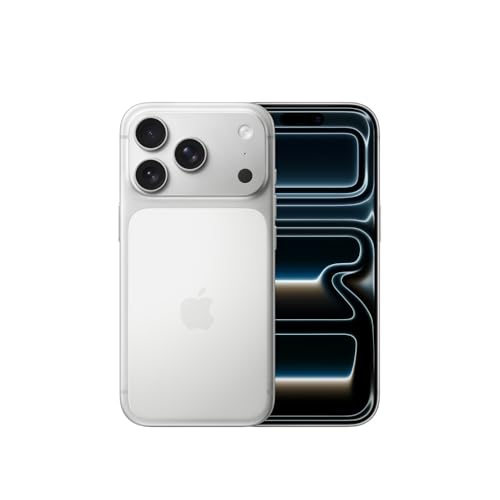
Available in four beautiful colors, the polished titanium on Apple’s original iPhone Air has an elegant mirrored finish.
Apple is doubling down on its ultra-thin iPhone experiment. According to The Information, the upcoming iPhone Air 2 will feature a vapor chamber cooling system — a significant upgrade that first appeared in the iPhone 17 Pro series. The report also confirms that Apple is proceeding with the second-generation model despite softer-than-expected sales of the original iPhone Air.
The first-generation iPhone Air, released as part of Apple’s 2026 lineup, stood out for its remarkably slim profile — one of the thinnest iPhones ever made. However, it came with notable trade-offs: a single rear camera and relatively modest battery capacity (around 3,149mAh).
Key Upgrades Rumored for iPhone Air 2
Multiple credible sources, including The Information and Bloomberg News, point to several meaningful improvements:
• Dual rear cameras: The biggest change is the addition of a second camera. The iPhone Air 2 is expected to feature a 48MP main wide lens paired with a new ultrawide lens. This brings the camera setup in line with Apple’s base iPhone models and directly addresses one of the most common criticisms of the first-generation Air.
• Vapor chamber cooling system: The Information specifically reports that the Air 2 will incorporate a vapor chamber for better heat dissipation. This technology allows the phone to sustain higher performance levels for longer periods without thermal throttling — a welcome addition in such a thin chassis.
• Larger battery: Leaks suggest the battery will grow to approximately 3,500mAh or more (an increase of roughly 11% or greater). Combined with the efficiency gains from the next-generation chip, this should deliver noticeably better endurance than the original Air.
• A20 Pro chip on 2nm process: The device is expected to be powered by Apple’s A20 Pro chipset, fabricated on a 2nm process node. This should bring meaningful gains in both performance and power efficiency. Some reports also mention advanced integration techniques (such as Wafer-Level Multi-Chip Module) for further optimizations.
Design and Display
The iPhone Air 2 is expected to retain the signature ultra-thin form factor of its predecessor, with possible minor refinements. No major redesign is anticipated. It will likely feature a similar 6.55-inch LTPO OLED display with 120Hz ProMotion refresh rate.
Release Timeline and Positioning
Current expectations point to a spring 2027 launch for the iPhone Air 2, alongside the base iPhone 18 and iPhone 18e models. This would be a departure from Apple’s traditional September iPhone event timing for the “Air” line.
Some reports also suggest Apple may lower the price of the Air 2 compared to the first generation in an effort to boost adoption.
MacDailyNews Take: The iPhone Air line is Apple at its most audacious — a premium “thin-and-light” flagship that dares to prioritize sleek portability and elegant design above all else, even if it means sacrificing some camera versatility and outright battery capacity in the process. The first-generation model successfully proved the concept and wowed those who value form factor above all, but it also laid bare the inevitable trade-offs that come with pushing the envelope that far.
The iPhone Air 2 looks to be Apple’s smart evolution: giving customers the most-requested upgrades — a second rear camera, improved thermals via vapor chamber cooling, and a meaningfully larger battery, all while retaining the ultra-thin identity that defines the Air. It’s classic Apple: listen to real-world feedback, iterate intelligently, and refuse to bloat the design just to check arbitrary spec boxes.
Will these enhancements be enough to push the Air into the mainstream hit column? Time will tell, but the signals are clear: Apple isn’t walking away from its thin-phone vision. Instead, the company is committed to refining it, learning from the first generation, and delivering a more complete package in 2027.
As always the case with pre-launch rumors and supply chain whispers, final specs can shift before the iPhone Air 2 hits store shelves next spring. We’ll be watching closely as development continues. Apple’s willingness to iterate boldly on ambitious new product categories is exactly why the company continues to lead in smartphones, the product it invented and revealed way back in 2007.
Please help support MacDailyNews — and enjoy subscriber-only articles, comments, chat, and more — by subscribing to our Substack: macdailynews.substack.com. Thank you!
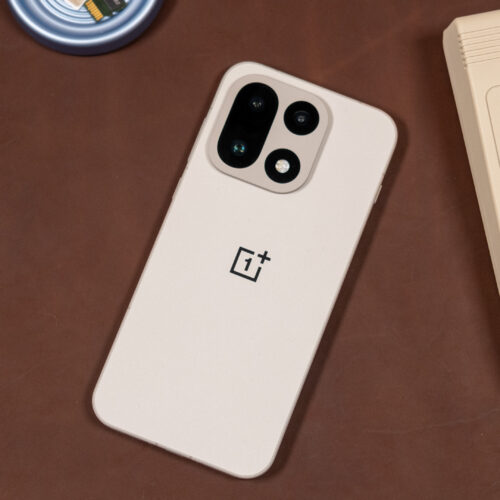
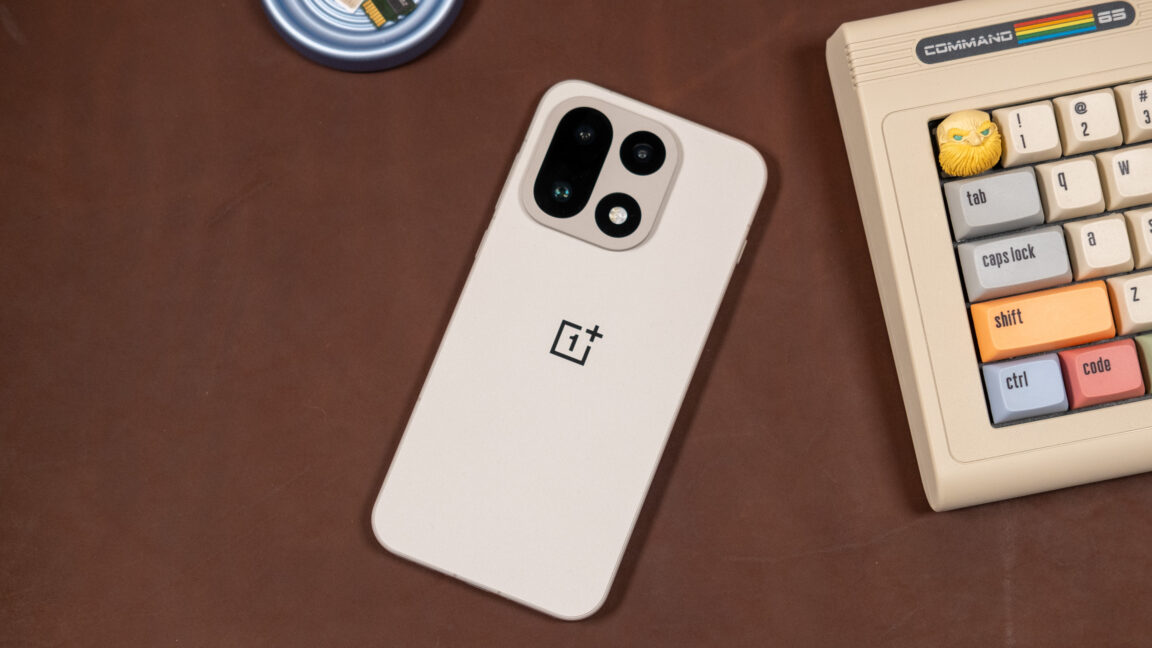
OnePlus arrived on the scene in 2014 with brash marketing and a compelling pitch: What if your phone was cheaper and faster? More than a decade later, the market is much different, and so is OnePlus. Confirming months of rumors and speculation, OnePlus has confirmed it's ending phone releases in North America and Europe.
This development has been expected for a while. After a brief period of expansion in the US through deals with T-Mobile and Verizon, OnePlus began visibly shifting its focus to India after the pandemic. OnePlus has also increasingly come under the control of its parent company, Oppo, aligning its device releases and software experience with the larger brand. Still, OnePlus has continued to launch flagship devices in the US and Europe, with the OnePlus 15 going on sale in late 2025. That will be the last OnePlus phone many people see, though.
OnePlus denied rumors of a shutdown earlier this year, but its language was vague and never promised future phone releases. The new statement is also worded gingerly, but the outcome is clear. "As part of the proactive global strategy adjustment, OnePlus has decided to conclude new product rollouts in Europe and North America," the official post reads.
In a challenging quarter for the global smartphone industry, Apple has once again demonstrated why the iPhone remains a powerhouse brand. According to recent data from IDC, while overall smartphone shipments tumbled, Apple’s shipments surged—highlighting the company’s strategic resilience in the face of rising costs and weakening demand.
The Broader Market Struggles
The second quarter of 2026 was tough for the smartphone sector. Globally, shipments fell 6.7% year-over-year to approximately 277.5 million units, marking the second consecutive quarter of decline. In China—the world’s largest smartphone market—shipments dropped 4.3% to 66 million units, extending a streak of five straight quarterly declines.
A key culprit? The ongoing memory crisis. DRAM and NAND flash costs have skyrocketed (up nearly 300% in some cases), squeezing manufacturers who rely heavily on low-end devices. Many Android vendors responded by raising prices or trimming budget models, which discouraged consumers from upgrading. Government subsidies that previously propped up demand also began to fade.
This created a polarized market: low-end segments contracted sharply, while premium players with stronger supply chains and brand power pulled ahead.
Apple’s Standout Performance
Against this backdrop, Apple shone brightly. In China, iPhone shipments grew a remarkable 24.4% year-over-year, boosting Apple’s market share to 18.1% (second place behind Huawei). Globally, reports indicate Apple achieved its strongest-ever Q2 for iPhone shipments, with growth in the range of 3-24% depending on the source, pushing its worldwide share toward record highs around 20%.
Why the success? Several factors converged:
• Price Stability: While competitors hiked prices due to component costs, Apple held steady. This gave hesitant buyers a compelling reason to purchase rather than delay.
• Strong Demand for iPhone 17 Series: Early signaling of potential future price increases encouraged preemptive buying. The latest lineup delivered one of Apple’s strongest refresh cycles.
• Premium Positioning: Apple’s focus on high-end devices insulated it from the low-end crunch. Memory costs represent a smaller portion of its bill of materials, and its locked-in supply chain provided an edge.
• Brand Loyalty and Promotions: In China, targeted discounts and promotions (especially ahead of the 618 shopping festival) amplified momentum, even as the overall market softened.
IDC analysts noted that Huawei and Apple were the only major vendors posting growth in China, thanks to holding prices while others raised theirs. Arthur Guo, Senior Analyst at IDC China, highlighted how this dynamic gave buyers a “reason to go ahead and purchase.”
What This Means for the Industry
The memory crisis is accelerating a two-tier market. Premium brands like Apple and Samsung are expanding share by leveraging scale, supply security, and desirable features. Mid- and low-tier vendors face painful adjustments—shifting toward higher-margin models while struggling to convince price-sensitive buyers to pay more.
For Apple, this isn’t just survival, it’s dominance. With iPhone shipments hitting record Q2 levels amid a downturn, the company is well-positioned for the rest of 2026. Analysts project Apple’s full-year market share could reach a historic 22%.
MacDailyNews Take: Challenges remain, of course. Cost pressures could intensify later in the year, and competition (especially from Huawei in China) is fierce. Yet Apple’s ability to thrive where others falter underscores a timeless truth in tech: premium experiences, strong ecosystems, and smart pricing win loyal customers, even in tough times.
As the smartphone market navigates this memory-induced turbulence, Apple’s iPhone success story offers a masterclass in resilience. For investors, fans, and competitors alike, it’s a reminder that not all phones are created equal.
Please help support MacDailyNews — and enjoy subscriber-only articles, comments, chat, and more — by subscribing to our Substack: macdailynews.substack.com. Thank you!
Dos usuários que adquiriram um novo modelo da Apple, 12% eram donos de um smartphone com Android no momento da compra, enquanto 1% possuía um telefone convencional e 87% (a famosa taxa de lealdade) já tinham um iPhone.
No mesmo trimestre do ano passado, 14% dos donos de novos iPhones saíram do Android, 2% dos aparelhos convencionais e 84% já eram usuários da Maçã — o que significa que a taxa de migração do Android para o iPhone caiu em relação ao ano anterior.
A CIRP destaca que, nos últimos anos, a taxa de mudança do Android para o iPhone tem oscilado entre 11% e 15%. Ela já foi bem maior no passado, quando a Apple passou a suportar outras operadoras de telefonia americanas para além da AT&T.
iPhone 17 Pro Max
Cores: prateado, laranja-cósmico ou azul-intenso Armazenamento: 256GB, 512GB, 1TB ou 2TB
NOTA DE TRANSPARÊNCIA: O MacMagazine recebe uma pequena comissão sobre vendas concluídas por meio de links deste post, mas você, como consumidor, não paga nada mais pelos produtos/serviços usando os nossos links de afiliado.
Cristiano Ronaldo e Lionel Messi são a inspiração para a mais recente coleção da Caviar. A marca criou versões de luxo do iPhone 17 Pro e daquele que deverá ser o próximo smartphone dobrável da Samsung, produzidas numa edição limitada com preços que começam nos 11.410 dólares.
Depois de meses de rumores e de uma negação que durou pouco, a OnePlus confirmou hoje o abandono dos mercados ocidentais como parte de uma reestruturação profunda da empresa-mãe, a OPPO. O inventário existente continuará à venda até esgotar.
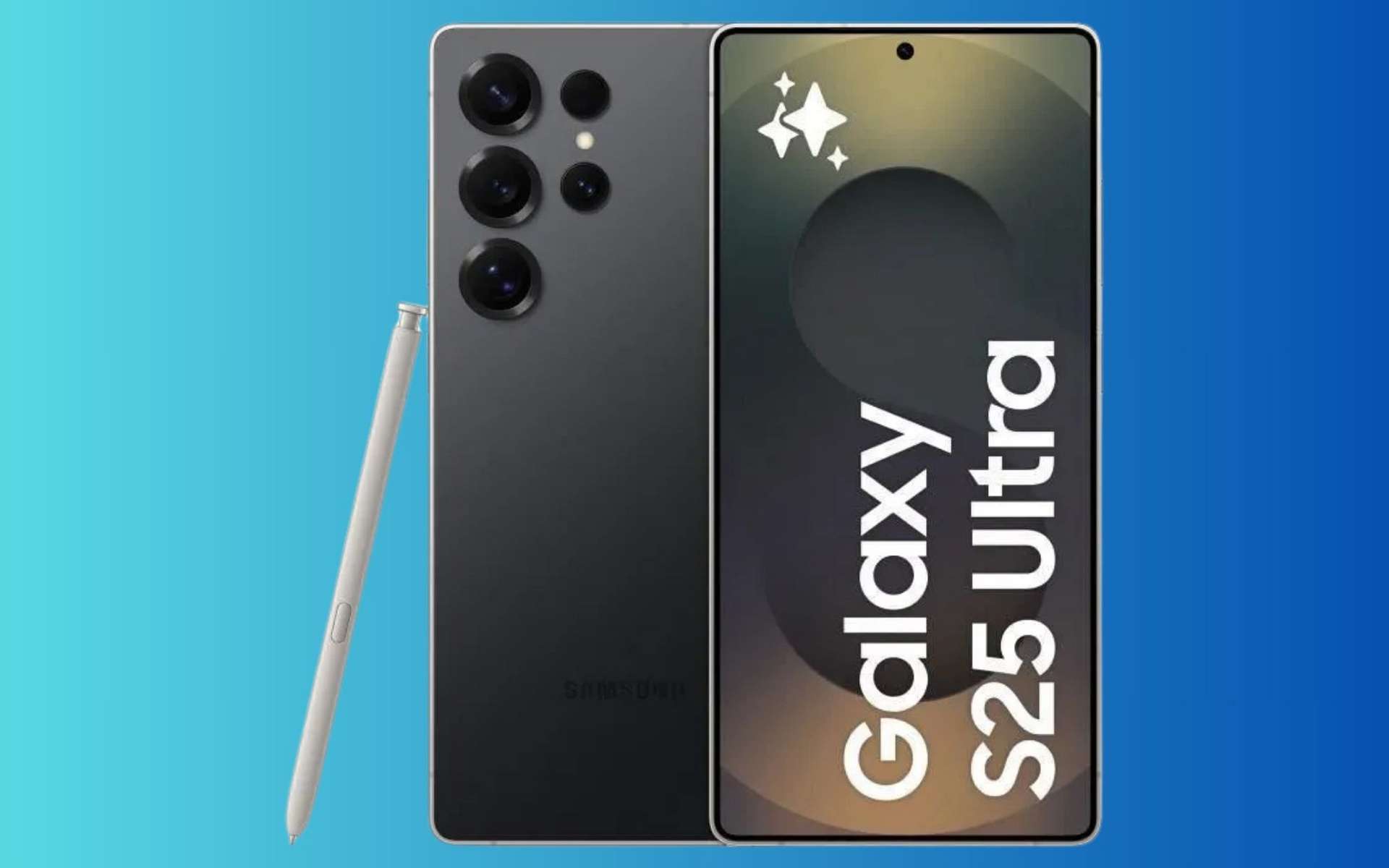
Envie de passer à un smartphone haut de gamme sans payer le prix fort ? C'est le moment d'en profiter. Le Samsung Galaxy S25 Ultra AI, l'un des modèles les plus populaires de la marque, bénéficie actuellement d'une remise spectaculaire qui fait tomber son prix à seulement 684 € au lieu de 1...
 Login