Saudi Arabia has diverted huge amounts of oil to the Red Sea since the Iran war began, but now the Iranian-backed Houthi militants say that they intend to block that route.
The Trump administration is undoing fuel-saving efforts even as war in Iran, data centers and heat waves are pushing up gasoline and electricity costs.
A dishwasher at a General Electric plant in Louisville, Ky. The Energy Department has moved to repeal 17 standards for dishwashers, washing machines, kitchen appliances and more.
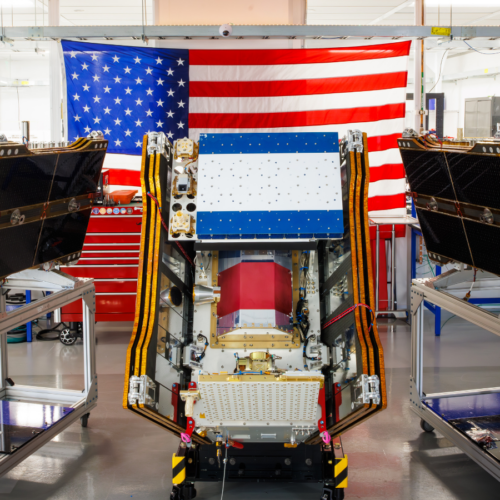
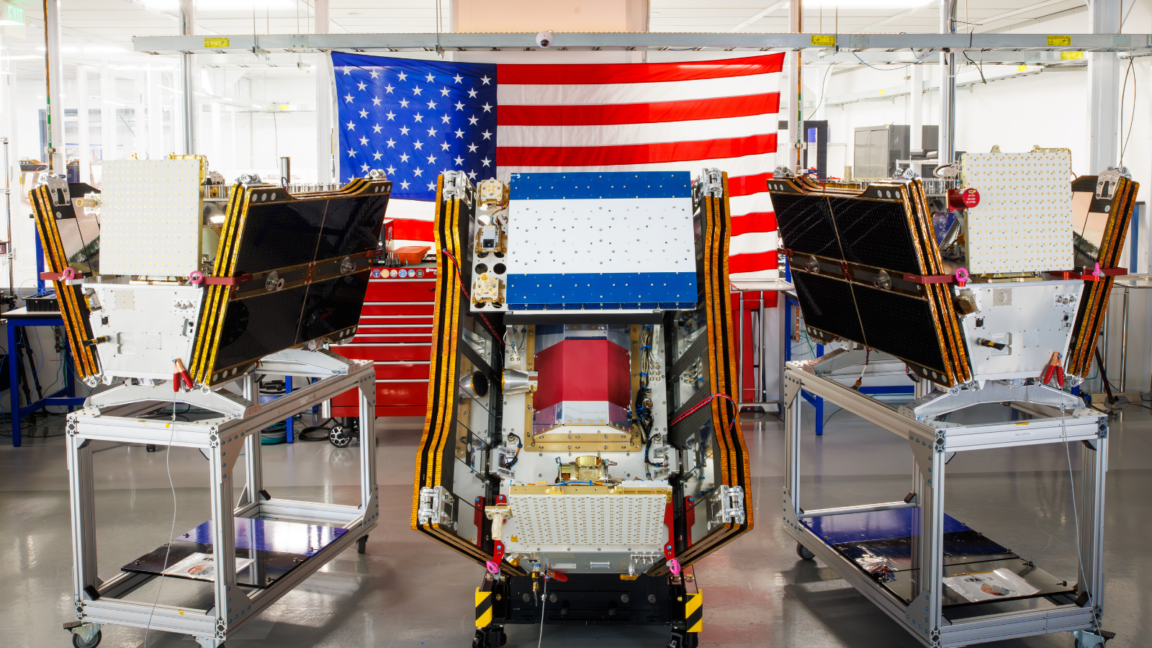
As smoke from hundreds of burning wildfires spread across Canada and the United States, the first three operational satellites in the Google-backed FireSat program successfully launched into orbit. The satellites will begin providing wildfire detection capable of spotting even small fires in the United States, Australia, and Europe before the end of the year.
The launch of the microsatellites aboard a SpaceX Falcon 9 rocket from Vandenberg Space Force Base in California on July 7, 2026 marks a transition to “initial operational capability” for the FireSat constellation managed by the nonprofit Earth Fire Alliance. After a three-month testing period, the three satellites will begin actively providing data to fire agencies while covering every fire-prone region on Earth at least twice per day.
FireSat represents the first satellite constellation purpose-built for detecting wildfires, including spotting smaller fires that other satellites may miss. The satellites were designed by California-based satellite manufacturer Muon Space and have received over $15 million from Google to support initial deployment. Other notable financial supporters include the Bezos Earth Fund that committed $26 million.
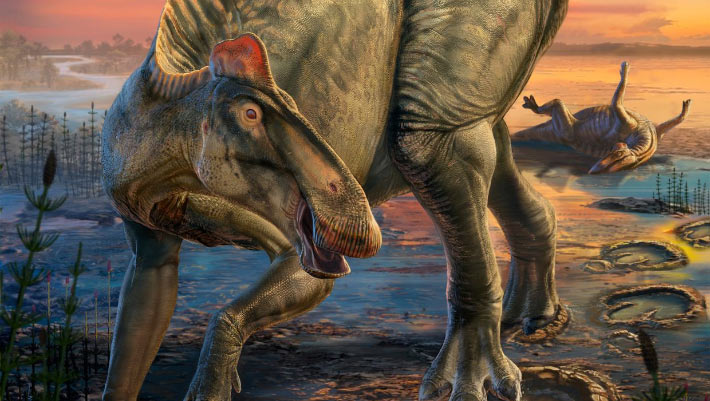
Thousands of fossilized bones from a Cretaceous-period bonebed in Wyoming, the United States, offer rare physical evidence that Tyrannosaurus rex fed on the carcasses of a duck-billed dinosaur species called Edmontosaurus annectens.
Did you know that the space shuttle once launched the Statue of Liberty into space?
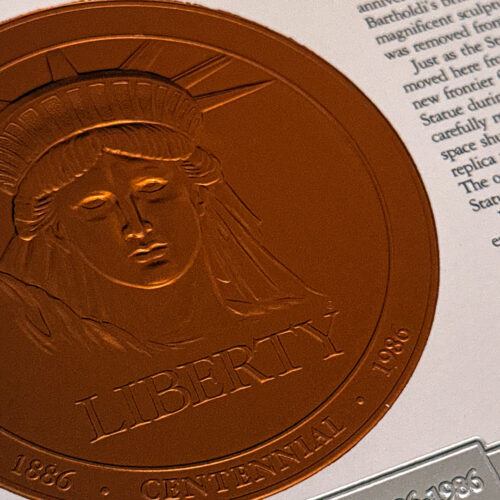
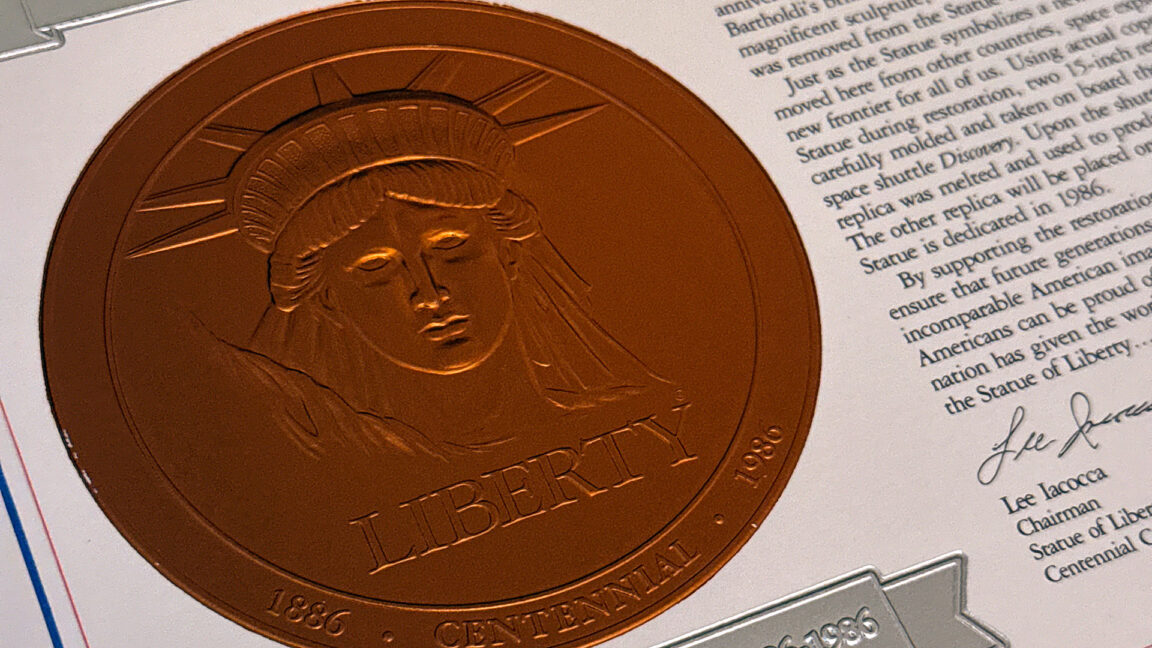
In fact, there were two "Lady Liberties" on board Discovery when it lifted off on its fourth flight in April 1985. To be fair, each statue was only 15 inches tall (38.1 centimeters), but they were also each made of copper that was removed from the full-size statue during its then-still-ongoing restoration.
After the weeklong STS-51D mission was over, one of the space-flown statues was placed on display, and the other was melted down to create copper seals, which were then sold to the public by the Statue of Liberty Ellis Island Centennial Commission.
Tesla, Sunrun and Renew Home plan to tap solar panels, batteries, thermostats and other devices installed in millions of homes to meet the energy demands of artificial intelligence.
Installation of a Sunrun solar panel on a roof in California. Sunrun is working with Tesla and Renew Home to use home energy devices to help data centers get online faster.
Tesla, Sunrun and Renew Home plan to tap solar panels, batteries, thermostats and other devices installed in millions of homes to meet the energy demands of artificial intelligence.
The National Oceanic and Atmospheric Administration headquarters in Silver Spring, Md. The new site is an effort to preserve NOAA work previously available at climate.gov.
The federal government wants to help utilities buy large components for up to 10 large nuclear reactors. It’s unclear which, if any, companies might participate.
The Vogtle nuclear power plant in Georgia is the only one with AP1000 reactors in the U.S. They generate enough electricity to power 1 million homes, but they took 15 years to build and cost $35 billion, double the initial estimates.
The federal government wants to help utilities buy large components for up to 10 large nuclear reactors. It’s unclear which, if any, companies might participate.
"This is not Winston Churchill, that I can tell you," Trump said of Starmer as he hammered the exiting PM over immigration, "windmills" and not being there when he needed him in Iran.
Smaller U.S. oil producers are starting to drill more wells, but big companies like Exxon Mobil and Chevron have said they are not changing their plans as a result of the war with Iran.

 Login