❌

Reading view

MacBook Neo Defies the Global PC Slump

MacBook Neo helped Apple move against the global PC market in the second quarter of 2026, delivering double-digit Mac shipment growth while most leading computer manufacturers sold fewer units than a year earlier.

Preliminary data from IDC estimates that Apple shipped 6.7 million Macs during the quarter, up 10.1% from 6.1 million in Q2 2025. Its worldwide market share rose from 8.5% to 9.9%, placing the company within a fraction of the 10% threshold.

The rest of the industry moved in the opposite direction. Global shipments fell 4.9% year over year to 68.2 million units, ending nine consecutive quarters of growth. A separate Omdia estimate placed the decline at 3.6% and Apple growth at 15.9%, but both research groups identified the same pattern: the Mac gained ground while established Windows PC vendors contracted or remained flat.

IDC directly connected the Apple increase with the arrival of its lowest-priced notebook. MacBook Neo began shipping in March, giving the model its first complete quarter of retail availability between April and June.

MacBook Neo Drives Mac Shipment Growth

MacBook Neo entered the market as an alternative for buyers previously priced out of the Mac lineup.

The 13-inch notebook launched at $599 with an A18 Pro chip, 8GB of unified memory, a Liquid Retina display and up to 16 hours of video playback. It also brought macOS, Apple Intelligence and integration with the iPhone ecosystem into a price range commonly occupied by mainstream Windows laptops and Chromebooks.

That positioning attracted students, families and first-time Mac customers who did not need the performance or display technology of a MacBook Air or MacBook Pro. The four-color aluminum design also gave the entry model a more recognizable identity than the older Mac notebooks that frequently remained on sale through discounts.

IDC had already identified the computer as an unusual source of strength when it revised its notebook forecast earlier in 2026. Demand exceeded initial expectations in several markets, and reported inventory shortages appeared shortly after the March launch.

The effect became much more visible in Q2. MacBook Neo was available for the entire three-month period, allowing Apple to increase production, expand retail distribution and serve customers who could not obtain the computer during its first weeks.

The entry model also widened the Mac lineup without replacing the MacBook Air. Buyers seeking more memory, faster ports, longer wireless web use or additional external-display support could continue moving toward the M5-powered Air, while the less expensive machine handled education, office work, web browsing and communication.

That separation allowed Apple to reach lower price points without reducing the value of its premium notebooks.

A laptop screen displays multiple colorful open windows, including a chemistry diagram, a drawing of an artichoke with a chemical structure, a chat with an AI image generator, and a grapefruit photo, with various app icons along the bottom.
Image Credit: Apple Inc.

Lenovo, HP and Dell Lose Shipments

Apple remained the fourth-largest traditional PC vendor, but its performance contrasted sharply with the companies above it.

Lenovo retained first place with 16.6 million units and 24.4% market share. Its shipments declined 2.1% from the previous year.

HP experienced the steepest drop among the top five, falling 9% to 13 million units. Dell shipped 9.3 million computers, representing a 5% decline. Asus remained nearly flat at 5 million units, up only 0.2%.

Manufacturers outside the five largest brands collectively suffered a 10.5% contraction, indicating that weaker demand and component inflation placed even more pressure on smaller companies.

The figures measure shipments into distribution channels or directly to end users, not confirmed retail purchases by individual consumers. A manufacturer can therefore record shipment growth while some inventory remains unsold in stores or warehouses.

MacBook Neo demand appears to have been strong enough to support Apple production increases rather than simply filling channels. The company reportedly doubled its annual production target after the initial response, although later quarters will reveal how much of Q2 reflected lasting demand rather than launch-period enthusiasm.

Apple also benefits from operating at a scale that provides leverage with memory, storage and semiconductor suppliers. Smaller PC brands face greater difficulty securing components at competitive prices when shortages intensify.

Memory Costs Reverse the PC Recovery

The Q2 contraction arrived after manufacturers and commercial customers accelerated purchases during late 2025 and early 2026.

Buyers expected memory and storage prices to rise, encouraging some businesses to replace computers earlier than planned. Vendors also increased inventories while components remained available.

That activity supported nine quarters of market growth but borrowed demand from later periods. Once the early purchases were completed, the industry faced a more difficult combination of expensive components, cautious consumers and elevated retail prices.

The memory shortage is closely connected to the AI infrastructure boom. Chipmakers are dedicating more production capacity to high-bandwidth memory used by data center accelerators, limiting the supply of conventional DRAM needed for personal computers.

IDC expects little relief before the end of 2027 or early 2028. The research company forecasts an 11.3% decline in worldwide PC shipments across 2026, with the fourth quarter potentially falling 20% from the previous year.

Computer revenue may not decline at the same pace. Manufacturers have raised prices faster than shipments have fallen, allowing them to collect more money from fewer units.

That strategy creates another problem. Retailers and distributors can become trapped with expensive inventory if customers refuse the new prices, forcing promotions or production reductions later.

MacBook Neo initially softened that pressure by giving Apple a new product near the bottom of the notebook market. Its original $599 price made the Mac competitive with midrange Windows machines at the moment many rivals were becoming more expensive.
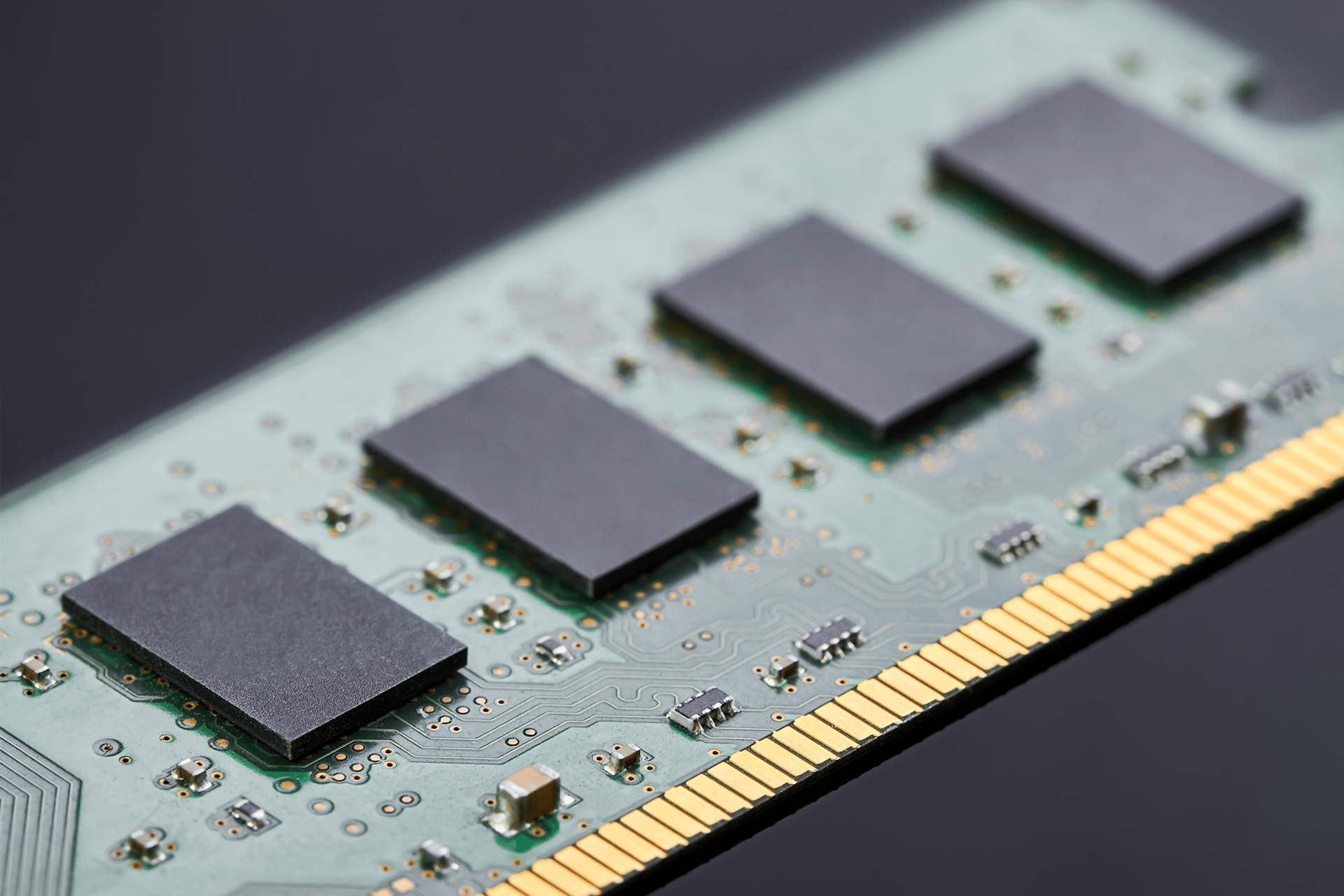
A close-up view of a computer RAM module, highlighting four black memory chips on a green circuit board with gold connector pinsβ€”an example of hardware impacted by the recent RAM price surge.
Image Credit: Freepik

The Price Increase Creates the Next Test

The strongest Q2 MacBook Neo shipments were recorded while most customers could still buy the computer at its introductory price.

Apple raised the U.S. starting price to $699 in late June as memory and storage costs affected the Mac and iPad lineups. The education price remained at $599, preserving the original offer for eligible students and educators.

A $100 increase changes the comparison with discounted Windows notebooks and places the entry model closer to older MacBook Air configurations available through third-party retailers.

Apple must now determine whether the appeal came primarily from the low launch price or from the combination of macOS, battery life, design and iPhone integration.

The company remains better positioned than many rivals to absorb supply disruption, negotiate long-term component agreements and promote several notebooks at different prices. MacBook Neo also uses an iPhone-class A18 Pro processor rather than an M-series chip, providing another way to manage silicon costs and production capacity.

IDC expects the full PC market to deteriorate during the second half of 2026. Apple will enter that period with almost 10% worldwide share, but the September quarter will be the first to measure MacBook Neo demand almost entirely at the higher $699 retail price.

The post MacBook Neo Defies the Global PC Slump appeared first on AppleMagazine.

  •  

DI Second-Quarter Operating Profit Seen Hitting Record, Up 170% From Year Earlier

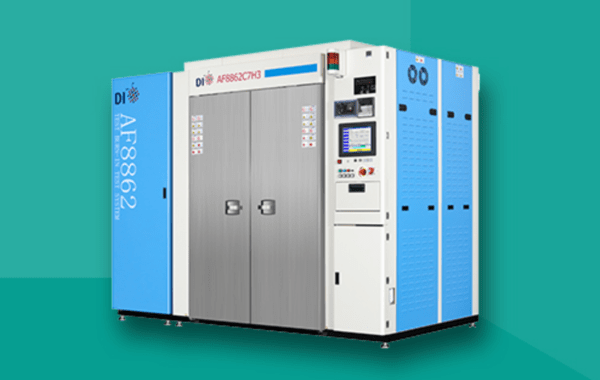
DI's memory burn-in tester. (Photo: DI)

Semiconductor test equipment maker DI is expected to post record quarterly results in the second quarter.

Hana Securities estimated on July 24 that DI will report second-quarter revenue of 160.6 billion won and operating profit of 33.1 billion won. That would represent increases of 34.7% and 169.8%, respectively, from a year earlier, marking the company's highest quarterly figures on record. Combined with first-quarter operating profit of about 18.9 billion won, first-half operating profit is projected to reach 52.0 billion won, surpassing the company's full-year operating profit for last year within six months.

Behind the strong performance are wafer testers for sixth-generation high-bandwidth memory (HBM4) made by DI's subsidiary Digital Frontier (DF). Earlier this year, DF won orders worth 196 billion won from SK hynix for the equipment.

Those deliveries were concentrated in the second quarter. As a result, DF's second-quarter revenue is expected to increase 76.8% from the previous quarter to 96.2 billion won. HBM4 testers also carry higher margins, with the subsidiary's operating margin estimated to have risen to 30% from 26% in the first quarter.

DI's standalone second-quarter revenue is also expected to exceed 60 billion won, supported by higher shipments of package testers. Package testers are used in the step following wafer testing. They inspect semiconductor packages β€” chips that have been diced from wafers, wrapped in protective material and assembled into finished form. DI has a product lineup capable of testing DRAM, NAND flash and non-memory semiconductors, with Samsung Electronics as its key customer.

The second-half outlook is also positive. Discussions are underway on additional HBM4 tester supply, which is expected to extend related revenue through the end of this year. Commodity DRAM prices have also risen sharply, accelerating customers' capital spending. DF is continuing to ship its own DRAM package testers, and supply of NAND wafer testers began in the third quarter.

Because memory manufacturers had concentrated their existing capital spending on HBM, investment in commodity products is expected to expand over an extended period.

Hana Securities forecast DI's consolidated third-quarter revenue at more than 180 billion won. It estimated full-year revenue of 573 billion won and operating profit of 101.3 billion won.

Customer investment is expected to continue next year. SK hynix will open the cleanroom at P&T7, a semiconductor back-end packaging and test plant in Cheongju. The plant will produce HBM using a 2.5D packaging process. In NAND, Samsung Electronics plans an expansion of its P5 fab at the Pyeongtaek Campus, while SK hynix has also planned an investment in its new M17 fab in Cheongju.

  •  

OCI Holdings Posts 108 Billion Won Operating Profit in Second Quarter

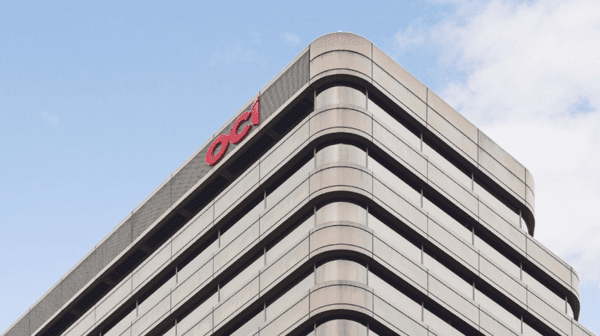
(Photo: OCI Holdings)

OCI Holdings posted its third consecutive quarter of operating profit, as its Malaysian solar-grade polysilicon subsidiary and Vietnamese wafer subsidiary sold out their currently available production through long-term supply agreements (LTAs).

The company reported second-quarter revenue of 1.0231 trillion won and operating profit of 108 billion won on July 23. Revenue rose 31.8% from a year earlier, while the company returned to an operating profit. The latest results mark its third straight quarter of operating profitability since the fourth quarter of 2025.

OCI TerraSus, OCI Holdings' Malaysia-based polysilicon manufacturing subsidiary, recently signed a long-term agreement with a new US customer for solar-grade polysilicon, fully committing its annual production capacity of 35,000 metric tons. To meet growing solar demand driven by the expansion of AI infrastructure in the US, the company plans to add another 35,000 tons of annual capacity, bringing total production capacity to 70,000 tons by 2029.

Its Vietnam-based wafer subsidiary, NEOSILICON Technologies, has also secured contracts covering its planned 11.5-gigawatt (GW) production capacity through 2029. The company currently operates a 2.7GW production line and has begun supplying products. Shipments to a new US customer are scheduled to begin next year.

OCI Holdings said it has established a non-China (Non-PFE) solar supply chain through its Malaysian polysilicon and Vietnamese wafer operations to respond to changes in US trade policy. The company expects deliveries under newly signed contracts to accelerate once uncertainty surrounding Section 232 of the US Trade Expansion Act is resolved.

The company is also expanding its US solar power generation business. OCI Energy recently generated returns by selling the 500-megawatt (MW) La Salle project. It is also negotiating a power purchase agreement (PPA) with a major US technology company for another project targeted to begin construction by the end of this year. OCI Energy is currently developing 29 projects centered in Texas with a combined capacity of 6.5GW, including 3.4GW of solar generation and 3.1GW of energy storage systems (ESS).

"The expansion of AI data centers is driving higher electricity demand in the US, further strengthening growth momentum in the solar market," said Lee Woo-hyun, chairman of OCI Holdings. "We will expand investment across the solar value chain based on our differentiated Non-PFE competitiveness while proactively responding to changes in the global supply chain."

  •  

TEMC CNS Resumes SK hynix Semiconductor Materials Shipments After Fire Recovery

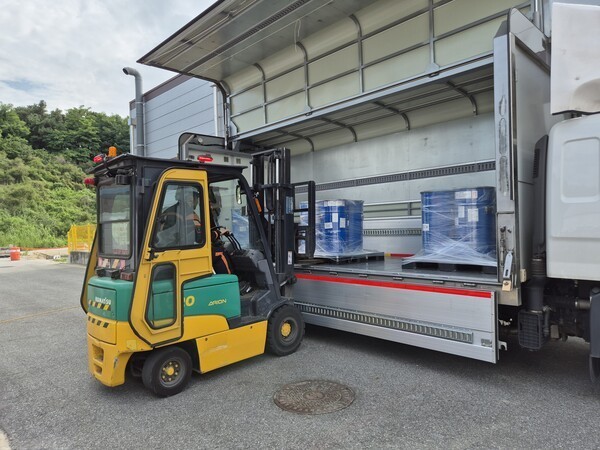
A forklift loads TiClβ‚„ onto a delivery truck at TEMC CNS's Boeun Plant 2 in North Chungcheong Province on July 23. (Photo: THE ELEC)

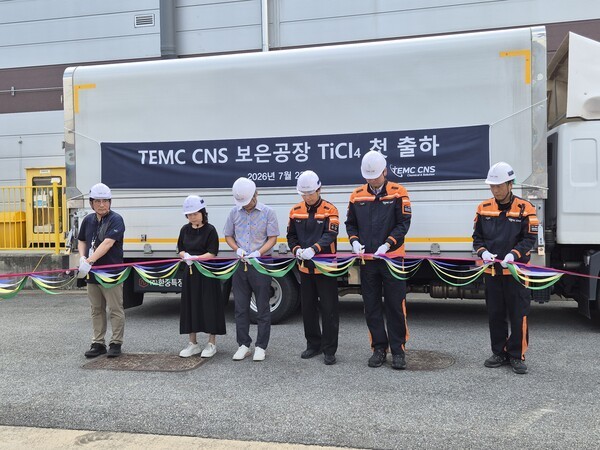
TEMC CNS has resumed shipments of titanium tetrachloride (TiClβ‚„), a semiconductor precursor used in thin-film deposition, to SK hynix, about 10 months after a fire halted production at its Anseong plant. The company has officially declared a return to normal operations with the first commercial shipment from its new production base in Boeun, North Chungcheong Province.

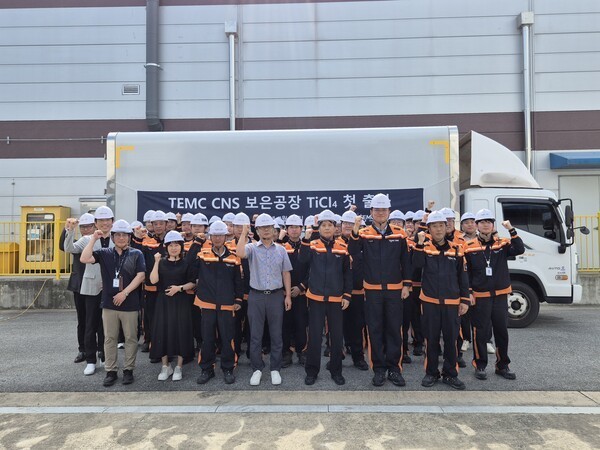
TEMC CNS held a ceremony on July 23 to mark the first commercial shipment of TiClβ‚„ from its Boeun Plant 2. About 40 employees, including CEO Lee Dong-jun, Ko Sung-jong, head of Manufacturing Technology, and Koo Ja-kwon, director of Manufacturing Technology, attended the event, which featured a ribbon-cutting ceremony and the departure of the first delivery truck. The products shipped that day will be supplied to SK hynix's D램 production lines.

"Following the fire at our Anseong plant in September 2025, we have established a new production system and resumed supplying products to our customer," Lee said. "This marks a meaningful new beginning for the company's growth, built on our new manufacturing foundation."

Ko said, "When the fire occurred in 2025, the future looked uncertain, but every employee came together to make this resumption possible. It is a meaningful moment that demonstrates the company's resilience in overcoming adversity."

TEMC CNS executives and employees, including CEO Lee Dong-jun, Manufacturing Technology Head Ko Sung-jong and Manufacturing Technology Director Koo Ja-kwon. (Photo: THE ELEC)

TEMC CNS completed installation of TiClβ‚„ production equipment and obtained regulatory approvals for Boeun Plant 2 in December 2025. It began trial operations in January and spent approximately six months completing customer qualification and production line validation. Sample shipments began in June, while the first commercial shipment on July 23 marked the start of full-scale production.

The company plans to restore TiClβ‚„ shipments to pre-fire levels by the end of this year. Before the fire, TEMC CNS supplied approximately 10 billion won worth of TiClβ‚„ annually to SK hynix. Demand for TiClβ‚„ and other semiconductor precursors is expected to increase as SK hynix ramps up new D램 production lines, including M15X in Cheongju and the first fab at its Yongin semiconductor cluster. Additional demand exceeding previous supply volumes is expected beginning next year.

TEMC CNS has also restored production of hexachlorodisilane (HCDS), another precursor whose production was halted by the same fire, after relocating the production line to Boeun Plant 2. Shipments to overseas customers, including those in China, began in May, while major customers are currently conducting final production line qualification. The company expects to complete the evaluation process and resume mass production of HCDS later this year.

TEMC CNS executives participate in a ribbon-cutting ceremony to commemorate the first commercial shipment of TiClβ‚„. (Photo: THE ELEC)

The resumption of production came about two months earlier than initially expected after the company accelerated consolidation of manufacturing operations at its Boeun facility. Prior to the fire, TEMC CNS had planned to relocate precursor production from Anseong to Boeun Plant 2 by the second half of 2027 to improve manufacturing efficiency and prepare for customers' new production lines. Boeun Plant 2 had previously manufactured products including bis(diethylamino)silane (BDEAS) and disilane (Siβ‚‚H₆).

Following the fire, the company converted its long-term investment plan into an accelerated production recovery project by establishing new TiClβ‚„ and HCDS production lines at Boeun. It also relocated its headquarters from Anseong to Boeun in March, completing consolidation of its manufacturing base. The damaged Anseong Plant 1 is now being considered for future new business operations.

The relocation has nearly doubled the company's TiClβ‚„ production capacity compared with its previous facility. The new production line incorporates smart factory technologies, automating purification and filling processes while introducing real-time production data management to improve manufacturing efficiency and product consistency. The proximity of parent company TEMC's manufacturing facilities is also expected to generate logistics synergies.

A fire on September 6, 2025, destroyed the TiClβ‚„ and HCDS production facilities at TEMC CNS's Anseong Plant 1 in Gyeonggi Province. Because the finished goods warehouse was not damaged, the company continued supplying customers through November 2025 using approximately two months of inventory. During the subsequent supply interruption, Merck and Soulbrain, which were already approved suppliers to the same customers, filled the supply gap.

TiClβ‚„ is a precursor used to form titanium nitride (TiN) thin films during semiconductor deposition processes. A precursor is a chemical material used before a reaction takes place. TiN is used in D램 capacitor electrodes and as a protective barrier for metal interconnects, reducing leakage current and preventing copper diffusion into surrounding dielectric layers to improve semiconductor reliability.

HCDS is a precursor used to deposit silicon nitride (SiN) and silicon oxide (SiO) films. These materials are widely used as insulating and protective layers in D램 and NAND flash devices.

  •  

Samsung Electro-Mechanics Signs 300 Billion Won MLCC Supply Deal for AI Servers

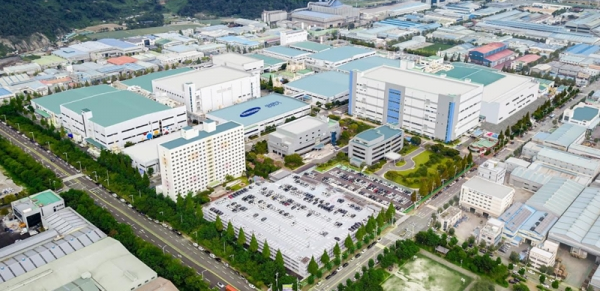
Samsung Electro-Mechanics plant in Busan. (Photo = THE ELEC)

Samsung Electro-Mechanics has signed a multilayer ceramic capacitor (MLCC) supply agreement worth approximately 300 billion won with a major global company for artificial intelligence (AI) servers. To date, the company has secured cumulative long-term agreements (LTAs) worth about 2.3 trillion won in this segment.

Samsung Electro-Mechanics announced on July 23, 2026, that it signed a supply contract valued at approximately 295.1 billion won with a major global client. The contract value accounts for 2.6% of the company’s consolidated revenue from last year. The contract period runs for one year, from Jan. 1, 2027, to Dec. 31, 2027. The client's identity was not disclosed due to confidentiality terms.

Under the agreement, Samsung Electro-Mechanics will supply high-performance MLCCs for AI servers and data center systems. The company stated that the deal reflects market recognition of its MLCC design capabilities, high reliability under extreme temperature and voltage conditions, and robust production quality management.

Samsung Electro-Mechanics has been steadily expanding LTAs with global clients, focusing on components for AI servers. In May, the company signed an LTA worth about 1.5 trillion won for silicon capacitors (Si-Cap). In June, it secured another AI server MLCC supply contract worth approximately 450 billion won with a global cloud service provider (CSP).

Industry analysts note that securing consecutive, large-scale long-term MLCC supply contracts is unusual, as MLCCs are increasingly viewed as strategic components determining the stability and performance of AI infrastructure.

Samsung Electro-Mechanics currently holds more than 40% of the global AI server MLCC market, sharing the lead with Japan's Murata Manufacturing. The company is actively discussing mid- to long-term supply plans with multiple global customers to secure stable demand and accelerate its portfolio shift toward high-value-added products.

AI server MLCCs are high-value components requiring up to ten times the volume of general servers, with as many as 600,000 units installed per server rack. They must deliver ultra-small form factors, high capacity, and operational stability in high-temperature and high-voltage environments, presenting high technical entry barriers.

"Based on customer trust, we will lead the AI component market by developing next-generation advanced products and building a stable supply system," said Chang Duck-hyun, CEO of Samsung Electro-Mechanics.

  •  

UniTest Wins KRW 22.4 Billion HBM4 Equipment Contract With SK Hynix

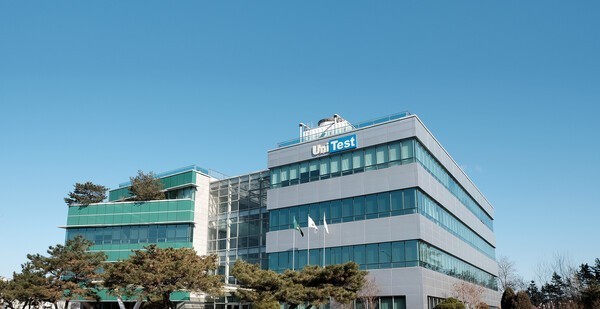
UniTest headquarters building. (Photo: UniTest)

UniTest will supply semiconductor inspection equipment for sixth-generation High-Bandwidth Memory (HBM4) to SK Hynix under a contract worth approximately 22.4 billion won.

UniTest disclosed on July 23 that it signed a semiconductor inspection equipment supply agreement with SK Hynix. The contract value is 22.38 billion won, equivalent to 20.31% of UniTest's consolidated annual revenue of 110.195 billion won last year.

The supplied equipment is an HBM4 wafer tester. The system is a burn-in test machine that verifies the performance and defects of individual chips on wafers with completed circuits under high-temperature and high-voltage conditions.

The equipment completed quality verification for SK Hynix's mass production lines in the first quarter of this year. UniTest previously signed a 29.5 billion won equipment supply contract in May. Including the latest agreement, the total contract value exceeds 51.8 billion won.

UniTest will supply the equipment to SK Hynix's Cheongju P&T6 packaging and testing production facility by the contract deadline of October 8 and complete installation, setup and trial operation.

UniTest's HBM4 tester requires approximately three months to manufacture. However, the latest contract was secured in advance through prior discussions with SK Hynix regarding supply volume.

There are no deposits or advance payments under the agreement. UniTest will receive 90% of the contract value after delivering the equipment into the semiconductor fab, with the remaining 10% paid after setup is completed. The company manufactures the equipment internally without outsourcing production.

UniTest reported consolidated revenue of 22.4 billion won and an operating loss of 2.5 billion won in the first quarter of this year. Its gross profit margin was 29.91%.

  •  

​Applied Materials Korea, ChildFund Korea Launch AI and Semiconductor Education Program

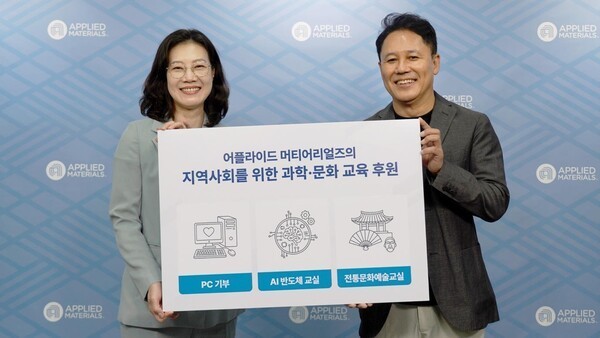
Yeo In-mi, Head of ChildFund Korea's Gyeonggi Region 1 Headquarters, and Park Kwang-sun, Country President of Applied Materials Korea. (Photo: Applied Materials Korea)

Applied Materials Korea has signed a memorandum of understanding (MOU) with ChildFund Korea to support science and cultural arts education for children in local communities, the company said on July 23.

​Under the agreement, Applied Materials Korea will sponsor the "AI & Semiconductor Classroom with Applied" and the "Traditional Culture and Arts Classroom with Applied" programs. The company will also donate PCs to local children's centers. The initiative aims to expand future generations' access to technology and help bridge the digital divide.

​The AI & Semiconductor Classroom is a revamped version of the "Science Classroom with Applied" program, which the company has supported for the past six years. Reflecting the growing emphasis on AI education, the updated curriculum will provide hands-on interdisciplinary learning that connects AI and semiconductors. Participants will gain practical experience with AI vision sensors, AI robot kits, and Applied Materials' semiconductor science, technology, engineering, and mathematics (STEM) kits.

​Through the integrated curriculum, students will be able to intuitively understand the fundamental principles of how individual components, data, system design, and user requirements work together to operate large-scale systems. The program is also designed to strengthen engineering thinking and creativity.

​The education program has also been expanded beyond local children's centers to include elementary schools. Beginning this year, approximately 330 studentsβ€”including fourth- to sixth-grade elementary school students in Hwaseong and Pyeongtaek, as well as children attending local children's centers in Seongnamβ€”will participate.

​Applied Materials Korea has supported the Traditional Culture and Arts Classroom since 2024, marking its third year this year. The 2026 program will serve about 500 children at 40 local children's centers across Seongnam, Icheon, Hwaseong, and Pyeongtaek in Gyeonggi Province.

​Participants will make traditional Korean masks and learn Talchum, the traditional Korean mask dance recognized by UNESCO as an Intangible Cultural Heritage of Humanity. The program is intended to foster creativity, emotional development, and communication skills.

​The company will also donate 90 laptops and 12 speakers to 67 local children's centers across the four regions to enhance educational effectiveness and help create sustainable learning environments. The laptops were previously used by Applied Materials Korea employees for work and will be refurbished before being provided to children and local community organizations.

​"Supporting future generations means helping children understand their own culture while inspiring them to imagine the future," said Park Kwang-sun, Country President of Applied Materials Korea. "By supporting both advanced technology education and cultural experiences, we hope to foster the creativity, confidence, and critical thinking skills of children who will lead future innovation."

  •  

POSCO Group Opens Advanced Manufacturing Incubation Center in Pohang

The RIST Advanced Manufacturing Incubation Center in Pohang. (Photo: POSCO Group)

POSCO Group has opened an advanced manufacturing incubation center in Pohang, creating a new hub to support technology validation and commercialization for regional manufacturing startups.

The company announced on July 22 that it has opened the RIST Advanced Manufacturing Incubation Center at the Research Institute of Industrial Science & Technology (RIST). The facility was established jointly by POSCO Group, the Ministry of SMEs and Startups, North Gyeongsang Province and the City of Pohang.

The two-story facility has a total floor area of 4,074 square meters and can accommodate up to 10 companies.

The center is designed to support startups developing advanced materials and energy and environmental technologies. It is equipped with demonstration infrastructure, including cooling water, compressed air and industrial gases such as hydrogen, nitrogen and oxygen. RIST will provide testing and analysis services, reliability evaluation and process engineering support.

POSCO Group said it will leverage its venture investment, manufacturing and research capabilities to support resident companies throughout the commercialization process, including startup discovery, R&D, production scale-up, commercialization and market development. The Ministry of SMEs and Startups and North Gyeongsang Province will oversee operation of the center.

Four startups have already moved into the facility: Enforus, which develops high-temperature steam electrolysis technology for hydrogen production; Solarize, a manufacturer of photovoltaic inverters; Verycore Materials, which develops environmentally friendly coating materials; and EAFOS, which develops solvent extractants for battery manufacturing.

  •  

LS Cable & System Wins Power Infrastructure Supply for Hyundai Motor's Battery Campus

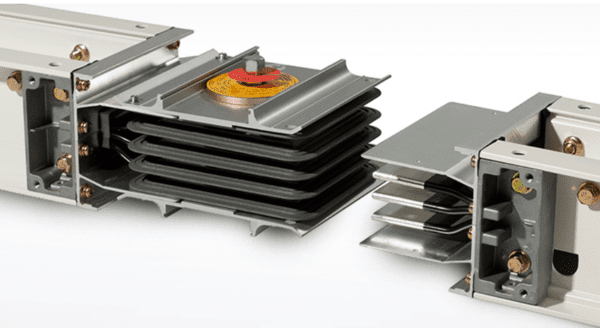
LS Cable & System's busduct product. (Photo: LS Cable & System)

Busduct installation at MAAC expands company's presence beyond AI data centers into EV battery manufacturing

LS Cable & System has supplied busduct power distribution systems to Hyundai Motor's battery manufacturing campus under construction in Anseong, expanding its power infrastructure business from AI data centers into the electric vehicle battery sector.

According to industry sources on July 22, LS Cable & System is responsible for the electrical infrastructure work at the Future Mobility Battery Anseong Campus (MAAC), which Hyundai Motor is building in the Fifth General Industrial Complex in Anseong, Gyeonggi Province. MAAC is Hyundai Motor's 1.2 trillion won battery research and pilot production facility. LS Cable & System has supplied power infrastructure, including busduct systems, to the site. Construction began in early 2025 and the project is understood to be more than 80% complete. The supply contract is estimated to be worth several hundred billion won.

This marks the first time that LS Cable & System's busduct supply for a Hyundai Motor battery facility has become publicly known. The company declined to comment on specific customers or supplied products. LS Cable & System already supplies enameled wire for traction motors used in Hyundai Motor and Kia electric vehicles, including the IONIQ 5 and EV6, making the latest project an expansion of its partnership in electric vehicle components.

Busduct is a high-capacity power distribution system consisting of copper or aluminum conductors enclosed within a prefabricated metal housing. Compared with conventional cable-based electrical installations, busduct systems are better suited for transmitting large electrical currents while reducing power losses and simplifying installation. Their use has expanded across power-intensive facilities such as semiconductor fabs, display plants, battery factories and AI data centers, although initial installation costs are generally higher than conventional cabling.

LS Cable & System and Taihan Cable & Solution are the leading domestic manufacturers of busduct systems. LS Cable & System developed South Korea's first busduct in 1984 and currently holds more than 50% of the domestic market. Its products have been installed at major industrial facilities, including Samsung Electronics' Pyeongtaek Campus and LG Display's Paju manufacturing complex.

The company manufactures a full lineup of busduct products ranging from low- to high-voltage systems and from small- to large-capacity configurations. Its products feature cold-resistant designs capable of operating at temperatures as low as minus 55 degrees Celsius as well as seismic resistance, allowing deployment in factories, high-rise buildings, wind power plants and ships.

Globally, LS Cable & System competes with companies including Schneider Electric, ABB, Eaton, Siemens and Mitsubishi Electric. The company has been expanding overseas orders by emphasizing shorter manufacturing and delivery times. While overseas competitors typically require more than a yearβ€”and sometimes as long as two yearsβ€”from design through installation and commissioning, LS Cable & System says it can complete deliveries in approximately four to five months.

The company's fast delivery has proven particularly advantageous in the rapidly growing AI data center market, where minimizing construction schedules is critical. This year, LS Cable & System and its subsidiary Gaon Cable secured a series of busduct orders from global technology companies, including Amazon, Meta and Tesla. Their cumulative order backlog has exceeded 5 trillion won, including long-term supply agreements (LTAs). LS Cable & System expects revenue from its busduct business to more than double next year to approximately 2 trillion won.

Industry sources also said LS ELECTRIC is participating in the MAAC project. The company has previously supplied power equipment for Hyundai Motor's dedicated electric vehicle plant in Ulsan, Gwangju Global Motors (GGM), Hyundai Motor's Indonesia factory, Kia's Kazakhstan plant and Hyundai Mobis' motor and battery pack assembly lines. With Hyundai Motor planning to invest more than 9 trillion won in a future industrial cluster centered on AI, robotics and hydrogen energy in Saemangeum, industry observers expect additional opportunities for both LS ELECTRIC and LS Cable & System to supply power infrastructure.

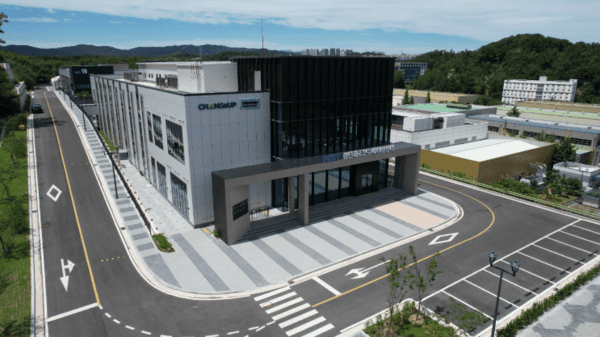
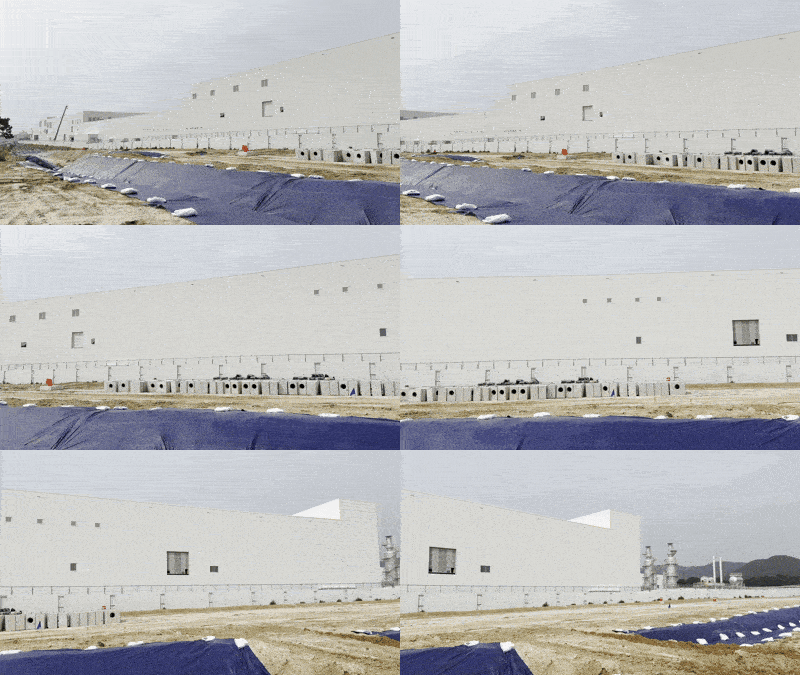
Hyundai Motor's Future Mobility Battery Anseong Campus (MAAC) construction site photographed on July 17. Most of the building construction has been completed, with work continuing on external infrastructure. (Photo: THE ELEC)

MAAC is being constructed by Hyundai Engineering, with building work now in its final stages and completion targeted within the year. Hyundai Motor has traditionally conducted advanced battery research covering materials, cells and design at its Namyang and Uiwang research centers. MAAC will expand those capabilities to include battery cell development suitable for commercial vehicles and validation for mass production. The campus will incorporate the full battery manufacturing process, including electrode production, cell assembly and formation, using equipment supplied primarily by South Korean battery equipment manufacturers.

  •  

Daeduck Electronics Pursues Multiple LTAs With Global Tech Giants

Daeduck Electronics' headquarters and FC-BGA manufacturing facility. (Photo: Daeduck Electronics)

Daeduck Electronics is negotiating long-term supply agreements (LTAs) with multiple global technology companies as customer demand for additional semiconductor substrate capacity continues to rise. The company expects the agreements to be finalized by the end of the year.

Daeduck Electronics said on July 22 that it is in discussions with several global technology companies on LTAs covering flip chip ball grid array (FC-BGA), flip chip chip scale package (FC-CSP) and memory substrates.

"We are in negotiations to conclude LTAs, and discussions are largely in the final stages," a Daeduck Electronics official said. "Customers are requesting both long-term supply agreements and capacity expansion backed by advance payments. We are reviewing the production volumes we can support based on our manufacturing capacity and investment plans." The company added that it is discussing multiple product categories simultaneously with some customers but is being selective because demand exceeds its available production capacity.

An LTA is a multi-year agreement under which customers commit to purchasing specified volumes over several years. The contracts typically establish purchase quantities and supply terms in advance through memorandums of understanding or definitive agreements. Such arrangements allow customers to secure stable supplies while enabling substrate manufacturers to expand production with greater demand visibility.

The use of customer advance payments to finance facility investments is also becoming more common. Under this model, customers provide a portion of future purchase payments upfront to help suppliers accelerate capacity expansion. Substrate manufacturers invest the funds in new production lines and gradually offset the advance payments through product shipments, reducing the financial burden associated with large-scale capital expenditures.

Daeduck Electronics is pursuing a major capacity expansion using both customer advance payments and its own financial resources. On July 20, the company announced a 497 billion won investment in manufacturing facilities. It also agreed to acquire Newflex's Ansan plant for 52.8 billion won to secure additional production space for future expansion. Including a previously announced 213 billion won investment in a new FC-CSP plant in May and the revival of a previously postponed 90 billion won to 100 billion won FC-BGA investment announced in 2022, Daeduck Electronics' total investment plan exceeds 850 billion won. The company expects to complete the investments by the end of 2027.

The newly announced 497 billion won investment will be directed toward high-value semiconductor substrate production, including FC-BGA, FC-CSP and memory substrates, excluding conventional multilayer boards (MLBs). At its B2 Center in Ansan, Daeduck Electronics will install additional FC-BGA production equipment. The facility currently houses four FC-BGA production buildings, and the company plans to utilize approximately 70% of the available space in one newly constructed building while continuing maintenance of existing production lines. At its B1 Center in Siheung, Daeduck Electronics is adding a third FC-CSP production building to its existing two-building complex. Part of the new investment will be allocated to equipment installation at the facility. The new FC-BGA production line is scheduled to begin operations in the second quarter of 2027, followed by the FC-CSP line in the third quarter.

The company's product portfolio has also shifted toward higher-value AI-related applications. Since the fourth quarter of 2025, FC-BGA products have expanded beyond automotive applications to include AI server controllers, networking equipment and optical modules. FC-CSP products are also becoming increasingly focused on controllers and automotive applications rather than smartphones. Its multilayer boards are primarily supplied for satellite communications and aerospace applications.

The trend toward customer-backed investment through LTAs is spreading beyond large corporations to mid-sized substrate manufacturers. Samsung Electro-Mechanics is expanding FC-BGA production at its Sejong facility and investing 1.8 trillion won in Vietnam at the request of North American technology customers. LG Innotek is also in discussions with multiple customers regarding FC-BGA capacity expansion at its Gumi and Vietnam facilities.

"As AI demand continues to drive shortages in semiconductor substrates, capacity expansion based on long-term supply agreements is becoming increasingly common," an industry official said. "In the past, substrate makers expanded capacity based on their own demand forecasts. Now, customers are initiating the investment requests. This represents a significant shift for an industry that has traditionally operated on a build-to-order basis."

  •  

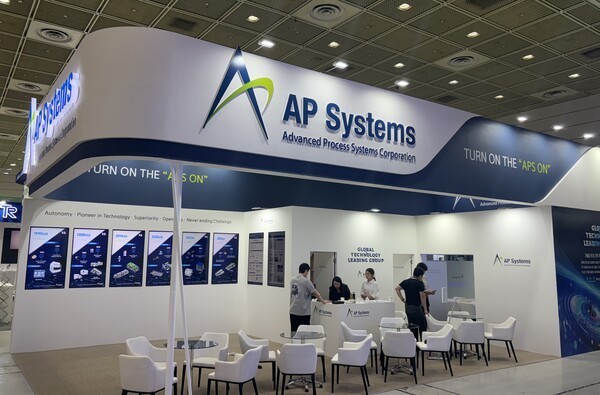
AP Systems Unveils Gen 8.6 IT OLED Manufacturing Equipment at K-Display 2026

AP Systems' exhibition booth at K-Display 2026. (Photo: AP Systems)

AP Systems unveiled laser processing equipment designed for Gen 8.6 IT organic light-emitting diode (OLED) production, highlighting systems aimed at improving productivity and maintenance efficiency for large-area substrates.

The company said on July 22 that it is showcasing its Gen 8.6 Excimer Laser Annealing (ELA) system and Solid Laser Annealing (SLA) platform at K-Display 2026, which opened at COEX in Seoul.

ELA equipment uses laser technology to crystallize the semiconductor layer on display substrates. The Gen 8.6 ELA system on display has been designed to process large-area glass substrates and increase throughput, improving both panel production speed and manufacturing efficiency.

The SLA platform is a thermal processing system that utilizes solid-state lasers. AP Systems said the platform was developed to reduce maintenance requirements while improving equipment uptime. Gen 8.6 OLED production lines are primarily intended to manufacture larger display panels for tablets and notebook PCs rather than smartphones. AP Systems plans to expand shipments of related equipment as global panel makers accelerate investments in Gen 8.6 OLED production.

"We plan to support large-area IT OLED production for global panel manufacturers through our Gen 8.6 equipment," an AP Systems representative said.

  •  

Toray Advanced Materials Korea, Hansol Homedeco Develop High-Flexibility PET Interior Film

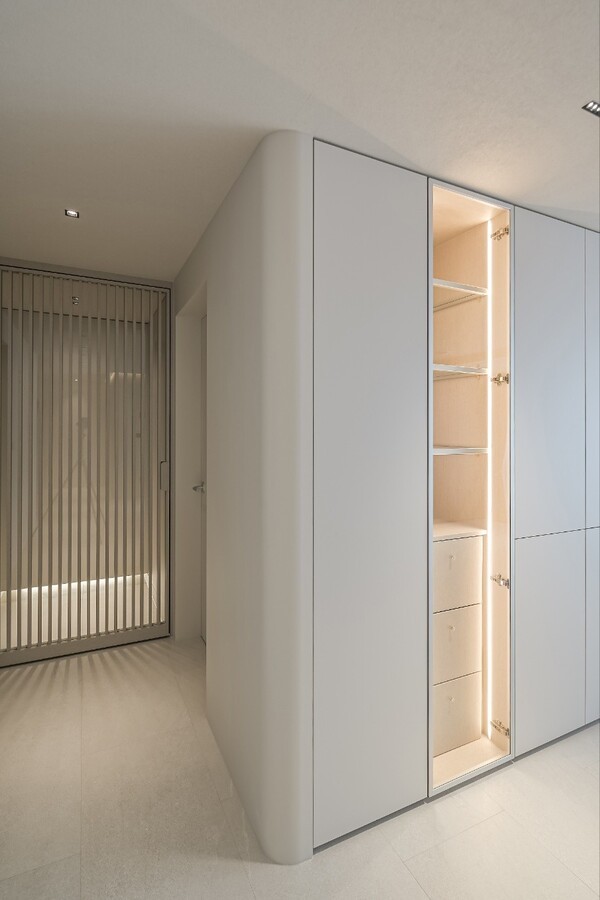
Interior design featuring Toray Advanced Materials Korea's high-performance PET interior film. (Photo: Toray Advanced Materials Korea)

Toray Advanced Materials Korea has jointly developed a high-performance polyethylene terephthalate (PET) interior film with Hansol Homedeco, expanding the use of PET materials in interior finishing applications.

The company announced on July 21 that it completed the development of the high-flexibility PET interior film after nearly two years of joint research with Hansol Homedeco.

PET films are widely used as decorative surface finishes for furniture doors because of their processability and appearance. However, the material's relatively high stiffness has limited its application on curved surfaces and sharp corners, where conventional films tend to lift or peel away.

Toray Advanced Materials Korea said it overcame those limitations by combining its film processing and manufacturing technologies with elastic materials, producing a PET film with approximately twice the flexibility of conventional polyvinyl chloride (PVC) films.

The enhanced flexibility allows the film to adhere more reliably to curved surfaces and edges while maintaining a high-quality finish.

The newly developed material will be incorporated into Hansol Story Film, Hansol Homedeco's interior film product lineup.

"We will continue developing high-performance interior materials while expanding our product portfolio, including flame-retardant PET films," a Toray Advanced Materials Korea official said.

  •  

GI Tech Wins First Order for Solar Panel Recycling Equipment

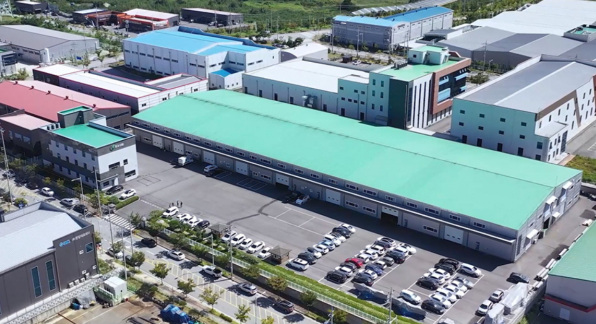
GI Tech headquarters in Asan, South Chungcheong Province. (Photo: GI Tech)

GI Tech has secured its first order for automated equipment that separates glass from end-of-life solar panels, marking its expansion into photovoltaic recycling equipment following its battery and display equipment businesses.

The company announced on July 21 that it had won a contract to manufacture a double-glass module separation system used to recycle bifacial glass solar panels.

The order represents the first outcome of a memorandum of understanding signed in April 2026 between GI Tech and Wongwang S&T to jointly advance solar panel recycling equipment and pursue global commercialization.

The system removes the front glass from bifacial solar panels before automatically separating the glass from the photovoltaic cell sheet.

Bifacial glass modules encapsulate solar cells between two glass panels. During recycling, minimizing damage to the embedded solar cells and metallic materials while removing the glass is a key technical challenge.

GI Tech said it designed the separation process to preserve the value of recoverable metals such as silver and copper contained within discarded solar panels. The company is applying precision control technologies developed through its battery and display equipment businesses to recycling equipment.

Solar panels typically require replacement after 20 to 30 years of operation. South Korea currently operates an extended producer responsibility (EPR) system under which solar module manufacturers and importers are responsible for collecting and recycling end-of-life panels.

As aging photovoltaic installations increase, demand is expected to grow for automated equipment capable of dismantling discarded solar panels and separating recyclable materials.

"We will continue expanding our recycling equipment business by applying our precision control technologies to end-of-life solar panel recycling processes," a GI Tech official said.

  •  

Duksan Nepcores Wins Preliminary Approval for Kosdaq Listing

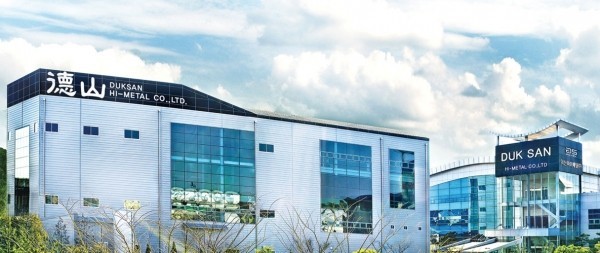
Duksan Hi-Metal headquarters.

Duksan Nepcores, a subsidiary of Duksan Hi-Metal, has received preliminary approval for a Kosdaq listing, becoming the first company to qualify for an exception under the Korea Exchange's tightened policy restricting parent-subsidiary dual listings.

The company announced on July 21 that the Korea Exchange (KRX) had approved its preliminary listing review, about eight months after it submitted its application on Nov. 11, 2025. Duksan Nepcores will now proceed with its initial public offering and listing process.

The company said it plans to use the proceeds from the IPO to expand production facilities and research and development, strengthen satellite navigation infrastructure and broaden its portfolio of dual-use products serving both civilian and defense markets.

Earlier, Duksan Nepcores received A/A ratings in Korea's technology evaluation process for a technology-special listing, demonstrating its technological capabilities and growth potential. The listing will also support the Duksan Group's efforts to diversify beyond semiconductor materials and components into the defense and aerospace sectors.

The listing review was delayed after the Korea Exchange strengthened its policy last year to generally prohibit separate listings of subsidiaries. In response, Duksan Nepcores introduced measures to obtain the consent of minority shareholders at its parent company and adopted shareholder return initiatives. The exchange has made the protection of parent company minority shareholders a key consideration in reviewing subsidiary listings.

To address those concerns, Duksan Hi-Metal amended its articles of incorporation to require shareholder approval before listing a subsidiary. The company also introduced shareholder return measures, including in-kind dividends for minority shareholders and a higher dividend payout ratio.

At an extraordinary shareholders' meeting in May, the proposal to pursue Duksan Nepcores' listing was approved with 92.7% support based on shares voted and 72.8% support based on total outstanding shares.

Duksan Hi-Metal emphasized that Duksan Nepcores operates independently, with separate business operations, customers, supply chains, manufacturing facilities and R&D organizations. Transactions between the two companies account for only 0.03% of the subsidiary's revenue, indicating virtually no operational dependence, the company said.

Founded in 2012, Duksan Nepcores provides end-to-end solutions covering the design, development, manufacturing and testing of navigation and anti-jamming technologies. The company serves the defense, aerospace and navigation infrastructure sectors and works with customers including Hanwha Aerospace, LIG Nex1, and Hyundai Rotem.

"This approval provides an opportunity to demonstrate more transparently the competitiveness of our navigation and anti-jamming technologies and our growth potential to the market," said Hwang Tae-ho, chief executive officer of Duksan Nepcores. "We will continue to do our best throughout the remaining listing process."

  •  

Global Semiconductor Equipment Market to Top $229 Billion by 2028, Driven by AI

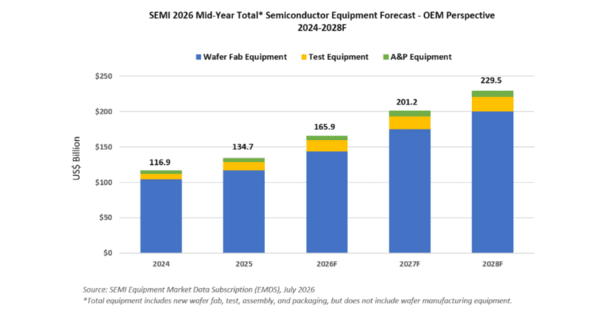
Global semiconductor equipment market forecast. (Source: SEMI)

The global semiconductor equipment market is expected to continue its rapid expansion on the back of artificial intelligence-driven demand, with annual sales projected to exceed $229 billion in 2028, according to SEMI.

The global semiconductor industry association said on July 21 that worldwide semiconductor equipment sales are expected to reach $165.9 billion in 2026, up 23.2% from a year earlier. The market is forecast to maintain a similar growth trajectory over the following two years, reaching a record $229.5 billion in 2028. If realized, the industry will post five consecutive years of growth beginning in 2024.

"AI has rapidly accelerated demand for more powerful and efficient semiconductors," said Ajit Manocha, president and chief executive officer of SEMI. "As chipmakers increase investment in advanced logic devices, next-generation memory, testing and packaging for the AI era, spending on semiconductor equipment is expected to remain on a strong growth trajectory."

The wafer fab equipment (WFE) market is projected to reach $143.9 billion this year, an increase of 23.1% from 2025. The WFE segment includes wafer processing equipment, mask and reticle equipment, and fab facilities equipment. Growth is being driven by investment in next-generation semiconductor technologies, including HBM-related DRAM and 3D memory.

SEMI expects the WFE market to expand another 21.8% in 2027 and 14.1% in 2028, reaching approximately $200 billion.

Within the WFE segment, foundry and logic equipment spending is forecast to rise 18.9% this year to $78 billion. The market is expected to grow another 18.1% in 2027 and 13.6% in 2028, reaching $104.7 billion. Capacity expansion for AI accelerators and high-performance computing (HPC) chips is expected to remain the primary growth driver, while the transition to volume production of 2-nanometer gate-all-around (GAA) process technology is likely to sustain equipment investment.

DRAM equipment spending is projected to increase 39% this year to $38.8 billion, followed by growth of 27.4% in 2027 and 15% in 2028, reaching $56.9 billion. NAND equipment spending is expected to rise 30.7% this year to $13.9 billion, before increasing 31.1% in 2027 and 14.5% in 2028 to $20.8 billion.

The back-end equipment market, which includes test, assembly and packaging equipment, is also expected to post strong growth. The segment is forecast to expand 31% this year to $15.3 billion and nearly double to $29.4 billion by 2028, including $20.8 billion in test equipment and $8.6 billion in assembly and packaging equipment.

SEMI said continued semiconductor miniaturization, rising device complexity, wider adoption of advanced packaging technologies and increasingly stringent reliability requirements will support long-term growth in the back-end equipment market.

By region, China is expected to remain the world's largest semiconductor equipment market through 2028, although its growth is forecast to moderate this year. Taiwan is expected to continue investing heavily in advanced process equipment for AI and HPC chips, while South Korea is projected to increase investment in advanced memory technologies, including HBM.

  •  

AI Data Center Boom Revives HDD Market as Japanese Suppliers Ramp Up Capacity

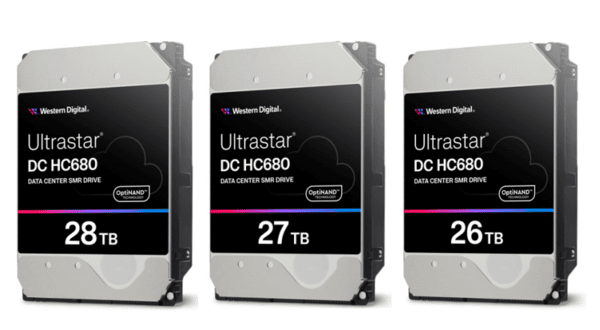
Western Digital hard disk drive. (Photo: Western Digital)

The rapid expansion of artificial intelligence data center investment, combined with surging semiconductor prices, is breathing new life into the hard disk drive (HDD) industry, prompting Japanese component manufacturers to launch major capacity expansion projects as demand shifts toward ultra-high-capacity enterprise storage.

According to industry sources, Japanese suppliers including TDK, JX Advanced Metals, Resonac, Nitto Denko, and HOYA are expanding production of key HDD components. Once the dominant storage medium for data centers, HDDs had gradually lost ground to solid-state drives (SSDs) as NAND flash prices fell and performance improved. The explosive growth of AI infrastructure, however, is reversing that trend.

Market research firm TrendForce forecasts that nearline HDD shipments for data centers will grow at a compound annual growth rate (CAGR) of 23% between 2025 and 2030. Nearline HDDs are enterprise-class drives designed to store large volumes of data that are accessed less frequently in data centers.

Race toward 100TB HDDs gains momentum

HDDs store data by magnetically recording information onto spinning disks known as platters. Although slower than SSDs, they offer significantly higher storage capacity and lower cost per terabyte, making them well suited for hyperscale AI data centers.

The emerging architecture for AI infrastructure typically relies on SSDs for high-speed data processing while using HDDs for large-scale storage and backup.

The global HDD market is dominated by three companies: Western Digital, Seagate Technology, and Toshiba. Western Digital and Seagate each hold more than 40% of the market, while Toshiba accounts for roughly 17%. All three are now competing to commercialize enterprise HDDs exceeding 40TB, with long-term roadmaps targeting 100TB products.

Western Digital is currently qualifying its 40TB-class HDDs with customers and plans to begin mass production in the second half of this year. The company is also conducting customer qualification with two hyperscale cloud providers for heat-assisted magnetic recording (HAMR) drives and has unveiled a roadmap to scale HDD capacity to 100TB by 2029.

Seagate is already shipping HAMR-based HDDs with capacities of up to 44TB to cloud service providers. The company aims to increase storage density from roughly 4TB per platter today to 10TB per platter, ultimately enabling 100TB HDDs. To strengthen production of HAMR recording media, Seagate acquired sputtering equipment manufacturer Intevac in 2025.

Toshiba is advancing its microwave-assisted magnetic recording (MAMR) technology and recently introduced 30TB to 34TB HDDs using the industry's first 12-platter architecture, exceeding the previous limit of ten platters. The company plans to launch 40TB-class drives in 2027, expand to 55TB and beyond, and eventually adopt HAMR technology.

Japanese component suppliers expand production

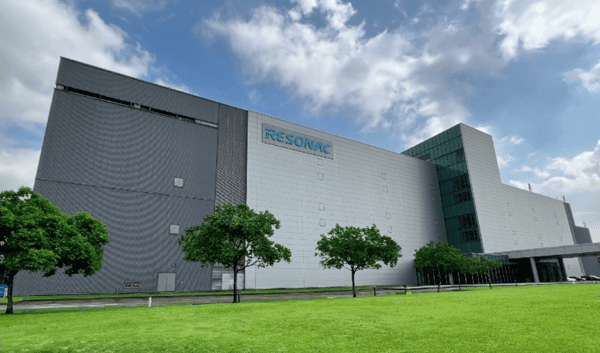
Resonac HD Singapore's new manufacturing facility. (Photo: Resonac)

Rising demand for ultra-high-capacity HDDs is driving investment throughout the supply chain, including magnetic heads, recording media, glass substrates, sputtering targets and flexible printed circuits.

In May 2026, TDK announced plans to expand production of HDD heads and suspensions in response to growing demand for nearline HDDs used in AI data centers. The company is also investing in research and development as well as manufacturing capacity for next-generation HAMR heads.

The HDD head performs data read and write operations on the platter, while the suspension supports the head and precisely maintains its position just nanometers above the disk surface.

TDK is placing particular emphasis on expanding production of Tri-SA (Triple Stage Actuator) suspensions for ultra-high-capacity HDDs. By adding an extra actuator stage, the technology enables more precise head positioning, improving recording density and reliability. The company expects HDD head production to increase by about 50% this year, while suspension output is projected to rise by 22%.

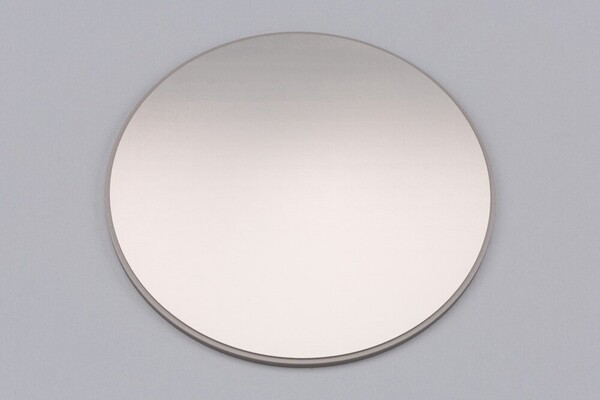
Resonac announced in May 2026 that it would expand production of magnetic recording media, or platters, which are among the most critical HDD components. The company is the world's largest supplier of recording media to the three leading HDD manufacturers.

Recording media consists of aluminum or glass substrates coated with magnetic thin films and serves as the foundation for higher recording densities in next-generation HAMR and MAMR technologies.

Resonac is strengthening its Singapore subsidiary, Resonac HD Singapore (RHDS), as its primary production hub. Annual production capacity will increase from 160 million to 210 million disks, representing approximately 31% growth. The company will install additional manufacturing equipment in unused factory space while relocating idle equipment from its closed Taiwan facility. The expanded capacity is scheduled to begin operations in 2027.

HOYA announced in April 2026 that it would invest approximately 50 billion yen (approximately 450 billion won) to build a new HDD glass substrate plant in Vietnam. The company is the world's dominant supplier of glass substrates for HDDs.

Glass substrates offer superior flatness and rigidity compared with aluminum, making them increasingly important for ultra-high-capacity HDDs. As storage capacities continue to rise, adoption of glass substrates is expected to increase.

HOYA currently operates two HDD glass substrate plants in Vietnam and one in Laos. The new facility, targeted to begin operations in 2028, will increase its manufacturing footprint to four plants, with capacity expansion phased in according to market demand.

JX Advanced Metals has also announced plans to expand production of sputtering targets, a key material used to deposit magnetic thin films during HDD recording media manufacturing. Demand is expected to rise as HAMR technology increases recording density. New production lines at the company's Isohara plant in Japan will begin operating progressively in the second half of this year.

Sputtering target for magnetic devices. (Photo: JX Advanced Metals)

Meanwhile, Nitto Denko is expanding its business in flexible printed circuits for HDD suspensions. The company supplies CISFLEX, a thin-film metal substrate that integrates the suspension with electrical circuitry. CISFLEX transmits read and write signals to the magnetic head while supporting it at a flying height of approximately 10 nanometers above the platter surface.

Nitto Denko plans to invest 43 billion yen (approximately 390 billion won) in CISFLEX and other high-precision circuit technologies by 2028.

Although SSDs have rapidly displaced HDDs in PCs and notebooks, industry observers expect HDD demand to continue growing in data centers, where massive volumes of information must be stored economically over long periods. As adoption of ultra-high-capacity drives accelerates, demand for advanced HDD components is expected to expand alongside it.

  •  

Kostek Systems Appoints Bae Geon-woo as CEO

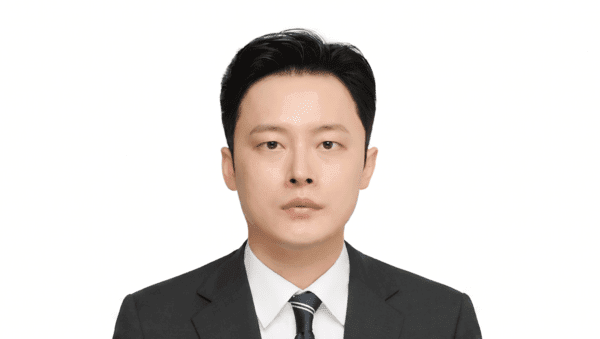
Bae Geon-woo, newly appointed CEO of Kostek Systems. (Photo: Kostek Systems)

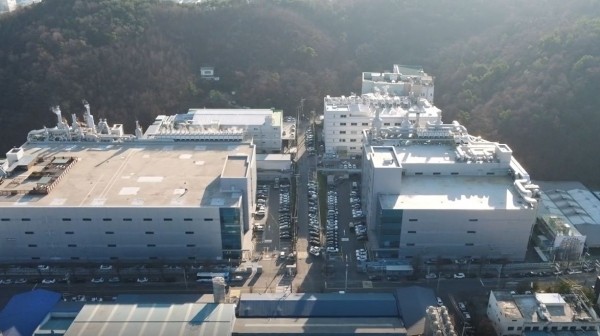
Kostek Systems has appointed Bae Geon-woo as its new chief executive officer, as the semiconductor equipment maker looks to accelerate growth by expanding shipments of high-bandwidth memory (HBM) process equipment to its key customer, Samsung Electronics.

The company held an extraordinary shareholders' meeting at its headquarters in Pyeongtaek on July 20, where Bae, the company's largest shareholder, was appointed as an inside director. At a subsequent board meeting, he was elected chief executive officer.

Kim Yong-seop, vice president of Kostek Systems, said Bae joined the company's product development team two years ago and has been involved across the business, including product development, sales, procurement, materials, manufacturing, human resources, administration and accounting.

"He has developed a deep understanding of the company and is an essential leader for its future management and growth," Kim said.

Bae is the eldest son of former CEO Bae Jun-ho. Born in 1991, he graduated from the University of Washington in 2018 and earned a master's degree in Interaction Science from Sungkyunkwan University in 2021. He joined Kostek Systems' product development team in 2024.

He owns a 46.59% stake in the company, consisting of 45.37% inherited from his father and an existing 1.22% personal holding.

Bae will lead the company alongside department heads who also serve as registered directors. He identified collective intelligence and rapid decision-making as the company's core management strategies.

"We will build an open organizational culture where employees can freely propose ideas regardless of rank or position," Bae said. "Given the importance of this period, we will also improve the speed of decision-making."

To support that strategy, the company plans to strengthen communication and collaboration across departments and implement organizational restructuring when necessary.

Kostek Systems logo displayed in the lobby of the company's headquarters in Pyeongtaek. (Photo: THE ELEC)

Kostek Systems expects to generate stable revenue this year from new equipment, including its Peel-off System and De-taper equipment. The company expects sales to increase several-fold over current levels as shipments of the equipment to Samsung Electronics ramp up.

The Peel-off System removes temporary bonding film (TBF) used during the temporary bonding/debonding (TBDB) process for HBM manufacturing. TBDB temporarily bonds a device wafer to a carrier wafer before through-silicon via (TSV) formation and etching, and includes the subsequent debonding process in which the carrier wafer is removed.

The De-taper system removes temporary protective tape used to protect chip bumps during fan-out panel-level packaging (FO-PLP) and 2.3D packaging processes.

Over the longer term, the company also plans to localize additional high-value semiconductor equipment, including Temporary Bonders (TBs). Rather than competing directly with established large equipment suppliers, Kostek Systems aims to focus on differentiated technologies and underserved "blue ocean" markets where localization opportunities remain.

"Our goal is to establish a differentiated position in the semiconductor equipment market through proprietary technology," Bae said. "Our core products and key customers are clearly defined, and our employees are fully aligned, giving us confidence in the company's rapid growth."

Founded in 2000, Kostek Systems develops semiconductor and display manufacturing equipment. The company reported revenue of approximately 19.2 billion won and an operating loss of about 740 million won in 2025.

  •  

Daeduck Electronics to Invest 497 Billion Won in Semiconductor Substrates

Daeduck Electronics headquarters and its flip-chip ball grid array (FC-BGA) manufacturing plant.

Daeduck Electronics will invest an additional 497 billion won to expand production facilities and supporting infrastructure, just two months after announcing a 213 billion won investment in May. The latest commitment brings the company's cumulative investment in semiconductor substrate production since 2020 to approximately 1.3 trillion won.

The company disclosed on July 20 that it will invest 497 billion won in manufacturing facilities and related infrastructure for semiconductor products. The investment will run through December 31, 2027, and is equivalent to 55.39% of shareholders' equity. Daeduck Electronics said the investment is intended to expand production capacity and supporting facilities in response to growing demand in the semiconductor market. Funding will come from internal cash and external borrowings.

Including the latest investment, Daeduck Electronics will have committed about 1.3 trillion won to its semiconductor substrate business since 2020. Between 2020 and 2022, the company invested approximately 270 billion won to establish production capacity for flip-chip ball grid array (FC-BGA) substrates. It subsequently approved another 270 billion won investment in FC-BGA production in 2022, with that expansion project currently scheduled for completion in 2027.

In 2025, the company invested approximately 50 billion won to expand production capacity for multilayer boards (MLBs) at its Ansan facility. In May this year, it announced a 213 billion won investment to build a new flip-chip chip-scale package (FC-CSP) manufacturing plant at its B1 Center in Siheung, Gyeonggi Province. That project is also scheduled for completion by the end of 2027.

Industry sources said Daeduck Electronics is accelerating long-term capacity expansion as demand for high-value semiconductor substrates continues to rise, driven by increasing investment in AI servers and data centers. FC-BGA substrates are used in high-performance packages for AI accelerators, central processing units (CPUs) and graphics processing units (GPUs). FC-CSP substrates are primarily used in mobile application processors (APs), communications chips and power semiconductors. MLBs are key components for AI servers and networking equipment.

Daeduck Electronics reported 346.3 billion won in consolidated revenue and 51.3 billion won in operating profit for the first quarter, with revenue increasing 60.8% from a year earlier. According to FnGuide, market consensus forecasts second-quarter consolidated revenue of 370 billion won and operating profit of 58.7 billion won. The company is expected to sustain its growth on the back of higher sales of AI server substrates and an improved product mix.

  •  
❌