 Login

One fallen power line exposed a growing AI data center problem. Here’s how to fix it.
A close call in Northern Virginia revealed just how poorly data centers respond to grid disruptions. Here's how to fix the problem.

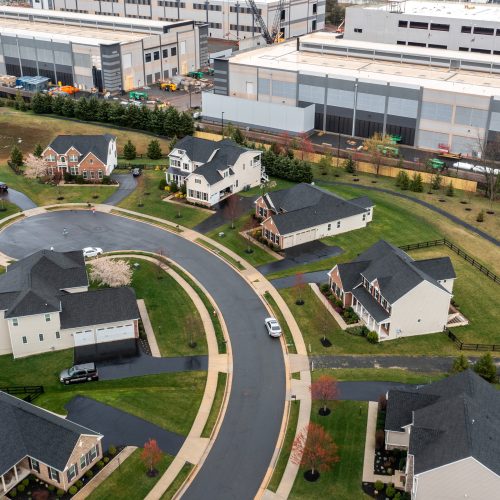
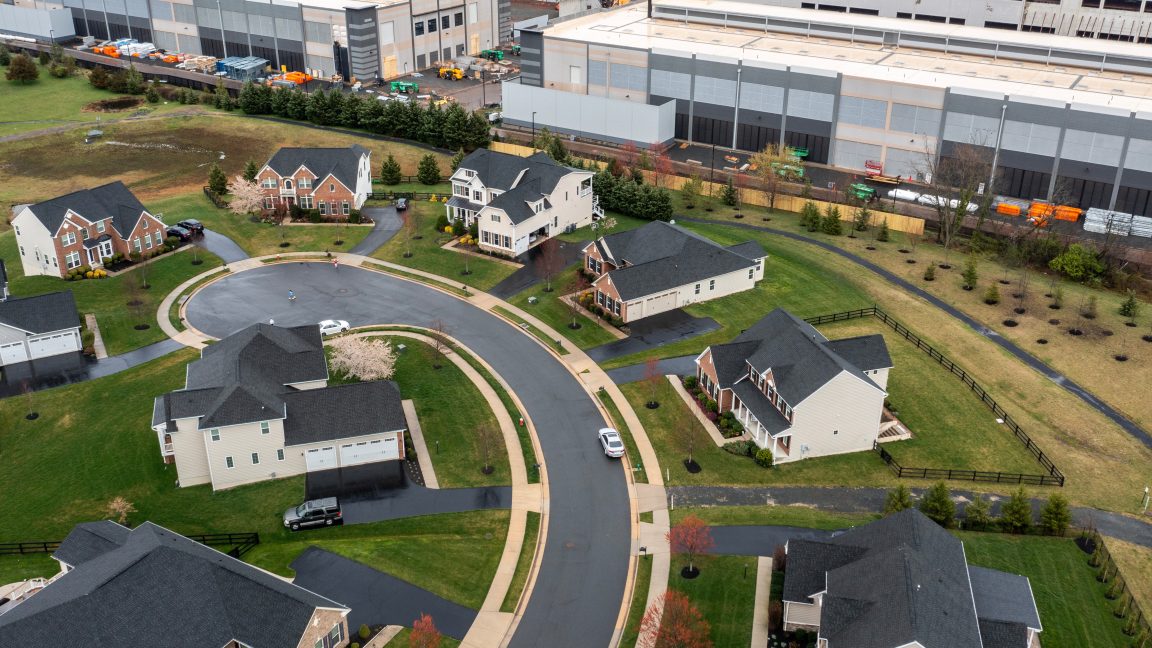
The Trump administration is quietly considering a rule change that could make it easier for polluters to build facilities—including certain gas plants and diesel generators that power data centers—with little to no notice to the public.
On Wednesday, the Environmental Protection Agency held a public hearing on a proposed rule change that would hand the power to states to decide how the public participates in the permitting process for certain new sources of air pollution. The proposed rollback comes as data centers face greater pushbackacross the US, with many communities using the permitting process to try to slow down development. Any changes could have major consequences for how ordinary people are given notice about new or expanded polluting facilities coming into their neighborhoods.
“As someone actively working in communities with data centers, I know this to be fundamentally true: People want to have a say,” Vanessa Lynch, a Pennsylvania organizer with Moms Clean Air Force, said at the EPA hearing.
© Getty Images
Energy companies are raising money at IPO at their fastest pace this century, taking advantage of investors’ hunt for new ways to bet on the boom in power-intensive AI data centers.
Initial public offerings for energy firms raised $12.6 billion in the first half of this year, according to data firm Dealogic. That marks the highest half-year level since the peak of the dotcom bubble in late 1999 and the highest first-half figure on record. It is well above 2025’s full-year total of $4.3 billion.
The surge in fundraising comes as access to the vast amounts of energy needed to run data centers emerges as a bottleneck in a multi-trillion-dollar AI investment boom.


© Michael Nagle/Bloomberg
SpaceX has pinned the bulk of its future value on orbital data centers. Not rockets. Not spacecraft.
Instead, it envisions launching and maintaining a constellation of 1 million satellites capable of generating 120 GW to power tens of millions—and potentially up to 100 million—frontier-class GPUs for data center services.
The company's founder, Elon Musk, revealed plans for this massive constellation months ago, but until recently, the scope of the individual satellites was largely unknown. That changed in June, when Musk and Ian Dahl, director of satellite engineering for SpaceX, spoke in a promotional video about the company's plans to develop the first iteration of an orbital data center, called an AI1 satellite. The video finally provided the company's numbers about the satellite's size and power capabilities.


© Aurich Lawson | Getty Images
SpaceX has pinned the bulk of its future value on orbital data centers. Not rockets. Not spacecraft.
Instead, it envisions launching and maintaining a constellation of 1 million satellites capable of generating 120 GW to power tens of millions—and potentially up to 100 million—frontier-class GPUs for data center services.
The company's founder, Elon Musk, revealed plans for this massive constellation months ago, but until recently, the scope of the individual satellites was largely unknown. That changed in June, when Musk and Ian Dahl, director of satellite engineering for SpaceX, spoke in a promotional video about the company's plans to develop the first iteration of an orbital data center, called an AI1 satellite. The video finally provided the company's numbers about the satellite's size and power capabilities.
© Aurich Lawson | Getty Images

© Leah Millis/Reuters

© Leah Millis/Reuters

America’s electric grid is entering a period of unprecedented strain. Utilities across the country are scrambling to keep up as power-hungry AI data centers expand at a staggering pace, often […]
The post How space weather could bust the AI boom appeared first on SpaceNews.

© Collin Chappelle for The New York Times

SAN FRANCISCO – Sophia Space announced the selection June 22 of an Apex bus for its first orbital computing node. Pasadena, California-based Sophia plans to demonstrate its Thermal Integrated LEO […]
The post Sophia selects Apex bus for on-orbit computing demonstration appeared first on SpaceNews.
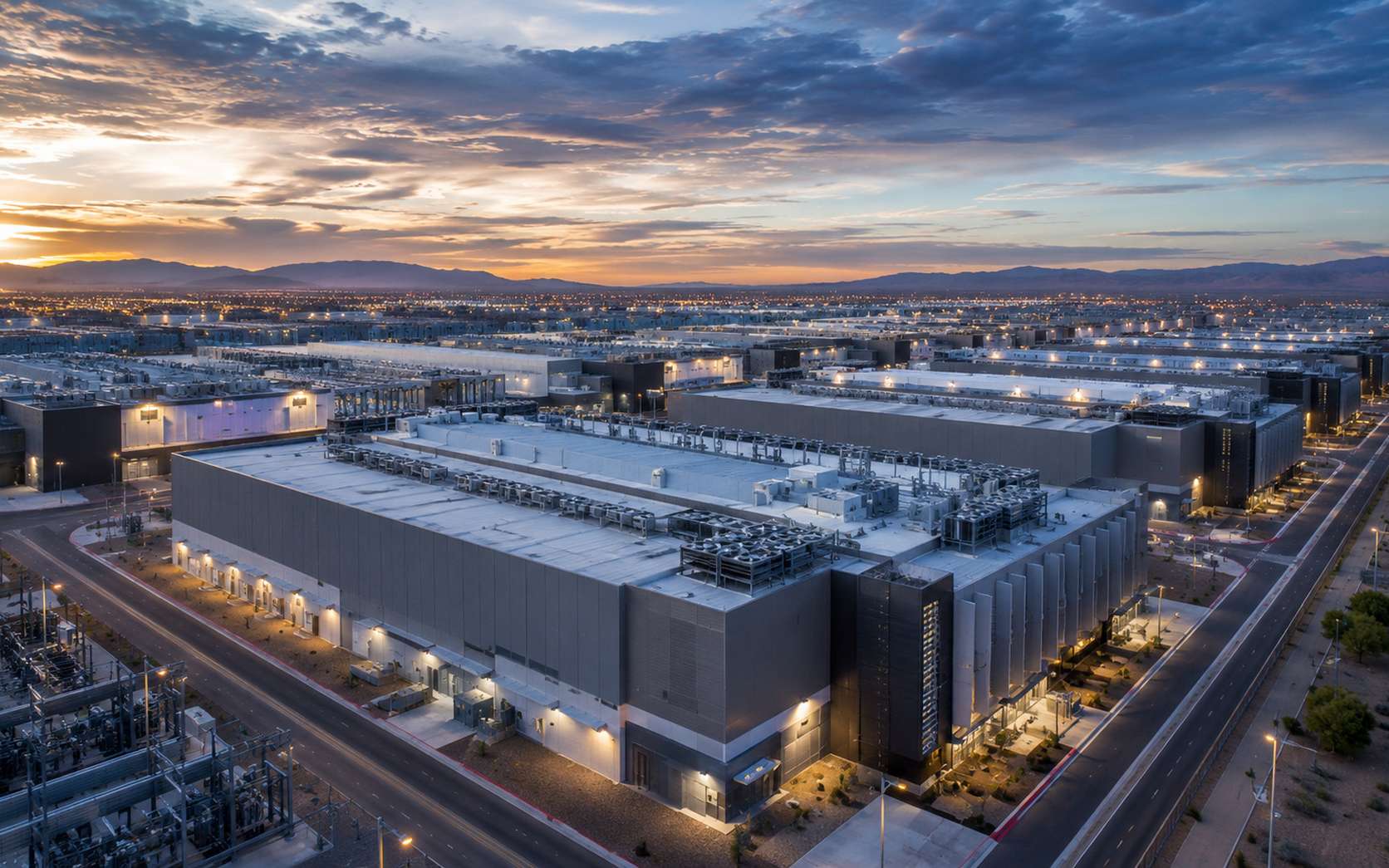
Uma experiência mostra que os smartphones velhos e usados podem tornar-se uma solução barata e sustentável para tarefas de computação, sendo capazes de rivalizar com centros de dados.
The post Investigadores transformam smartphones velhos em centros de dados que podem ser usados em escolas appeared first on Tek Notícias.
