 Login

‘OnlyMarms’: Marmots Are on OnlyFans to Raise Money for Research
A team of scientists uploaded videos of the squirrel-like rodents in the wild on the adult-content site OnlyFans to raise money amid government budget cuts.

In the final weeks before Romania’s presidential vote in November 2024, TikTok accounts that had previously spent years posting about manicures or fashion suddenly started promoting a little-known politician named Calin Georgescu.
His posts, espousing hard-line views on immigration and anti-Semitic tropes, were viewed 120 million times before the vote. Georgescu, who had previously been polling in the single digits, stunned observers by winning the election’s first round with 23 percent of the vote.
In the Netherlands, Adriana Iamnitchi was watching closely. As chair of computational social sciences at Maastricht University, she leads the research into disinformation campaigns. She wanted to know how pro-Georgescu content was being monetized on TikTok through hidden influencer marketing and livestreamed political content.


© Getty Images | Photographer is my life

© Allison Robbert/Associated Press
Ofcom concerned TikTok’s age verification is ineffective, leaving some exposed to posts on suicide, self-harm and pornography
TikTok is under formal investigation over concerns it has failed to protect children from harmful content, the UK’s online regulator, Ofcom, has announced.
The social media platform’s approach to checking the ages of users has sparked “particular concerns” at the watchdog, almost a year after measures to protect children from the worst of online content came into effect under the Online Safety Act.
Continue reading...
© Photograph: True Images/Alamy
© Photograph: True Images/Alamy
© Photograph: True Images/Alamy
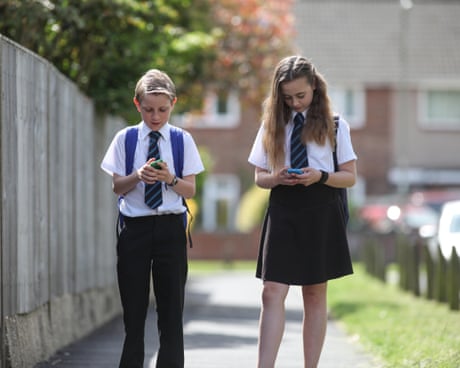
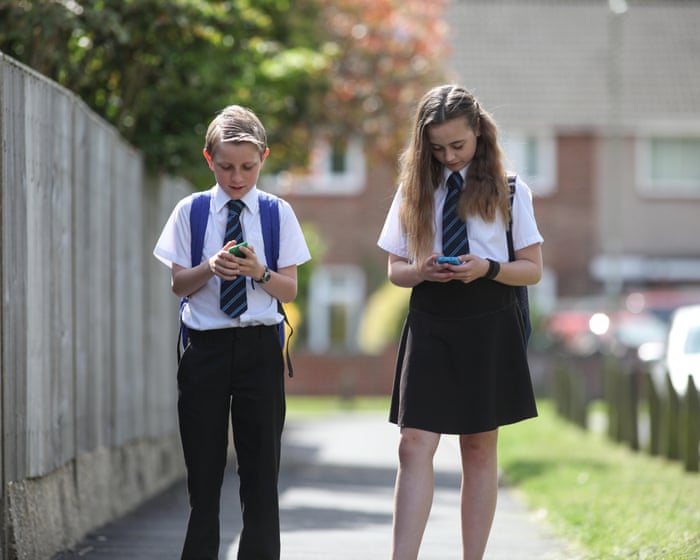
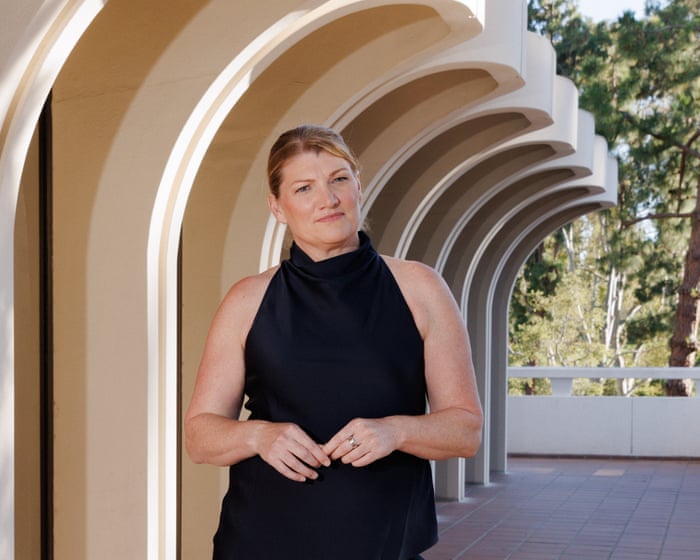
Psychologist Candice Odgers has studied adolescent mental health for 25 years. She fears the current debate around smartphones obscures some of the biggest issues facing teenagers – from the impact of Covid to the health of their adult caregivers
The quickest way to make being online safer for children and teens would be to kick all adult men off the internet, the Canadian psychologist Candice Odgers believes. Men are the biggest perpetrators of sextortion and most likely to spread misinformation, she says.
Odgers is not recommending this as a policy for governments to adopt: “That would be crazy, right? It would be unfair.” But she is on a drive to puncture the prevailing narrative that the best way to address online harms is a social media ban for teenagers.
Continue reading...
© Photograph: Jessica Pons/The Guardian

© Photograph: Jessica Pons/The Guardian
© Photograph: Jessica Pons/The Guardian
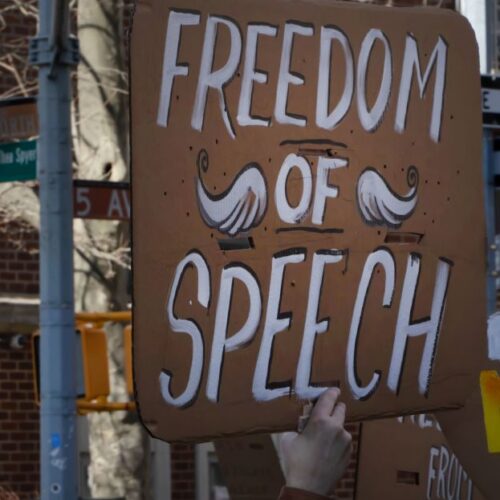
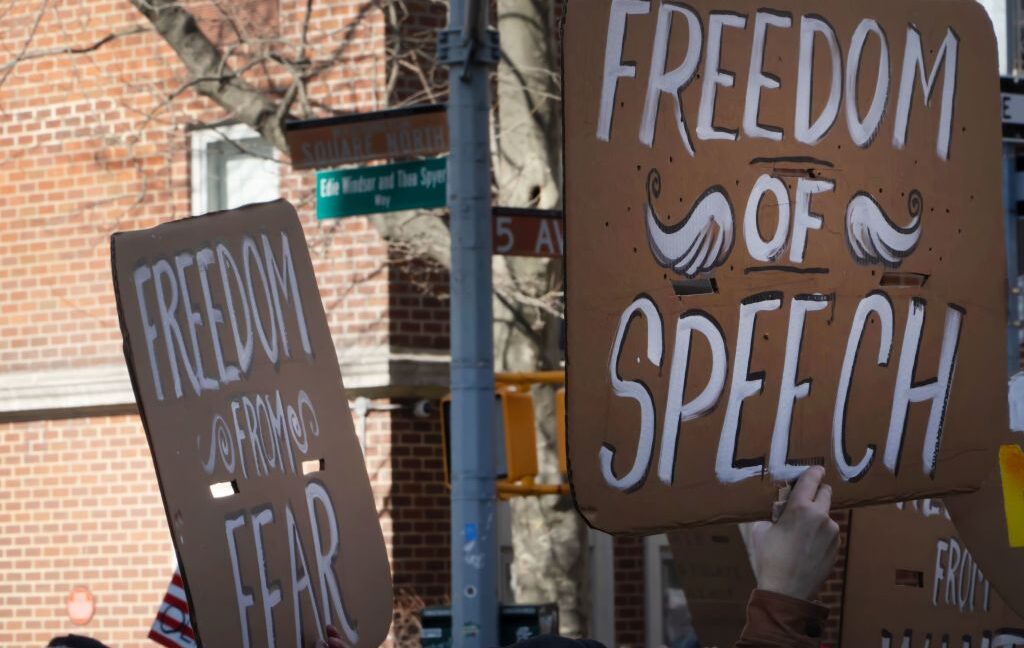
This week, the Coalition for Independent Technology Research (CITR) won a key battle in its fight to reverse a visa-restriction policy that the Trump administration had used to attempt to revoke green cards and deport non-US citizens who work on misinformation, disinformation, fact-checking, content moderation, compliance, and trust and safety.
In an opinion published Tuesday, US District Judge James Boasberg granted a preliminary injunction blocking the State Department from enforcing the policy until the CITR’s lawsuit is resolved.
On its face, the policy does not require visa denials or deportations. Instead, it authorizes immigration investigations into individuals suspected of helping foreign adversaries attempt to manipulate public opinion by suppressing US speech.
© UCG / Contributor | Universal Images Group
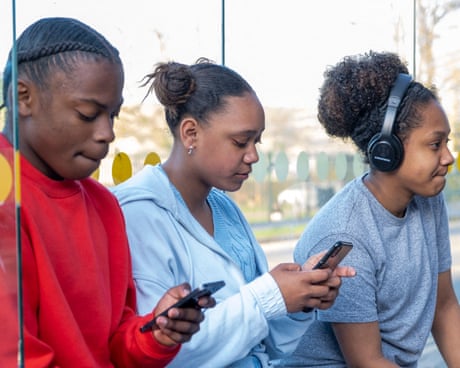
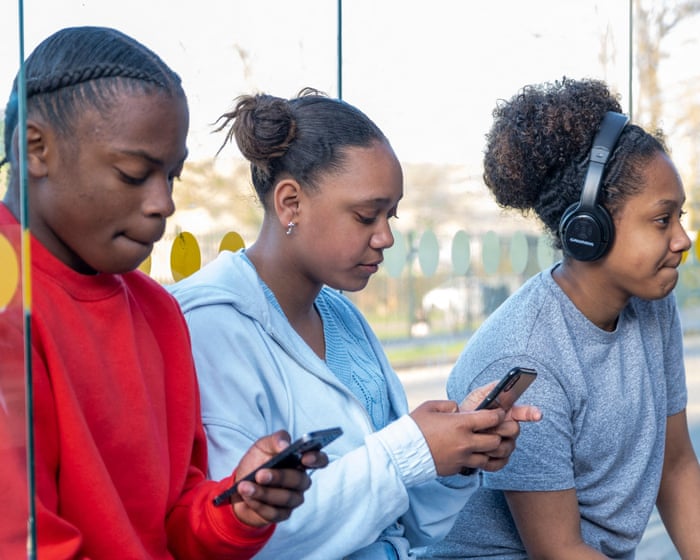
All the young people the Guardian spoke to disagreed with aspects of the government’s proposed block
Sixteen- and 17-year-olds in Britain are to be encouraged to observe a midnight to 6am social media curfew but will be able to opt out by changing their account settings.
From next spring, they will be urged to refrain from using certain apps, with the block being switched on by default. But the curfew will not be mandatory and can be overridden.
Continue reading...
© Photograph: Cultura/Alamy
© Photograph: Cultura/Alamy
© Photograph: Cultura/Alamy
PM lays out plan for datacentre development and rejects prospect tech companies will be given free use of Australian data
Get our breaking news email, free app or daily news podcast
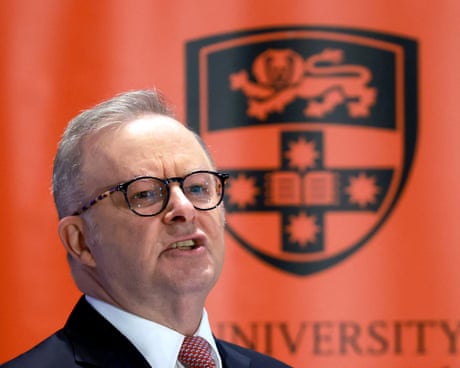
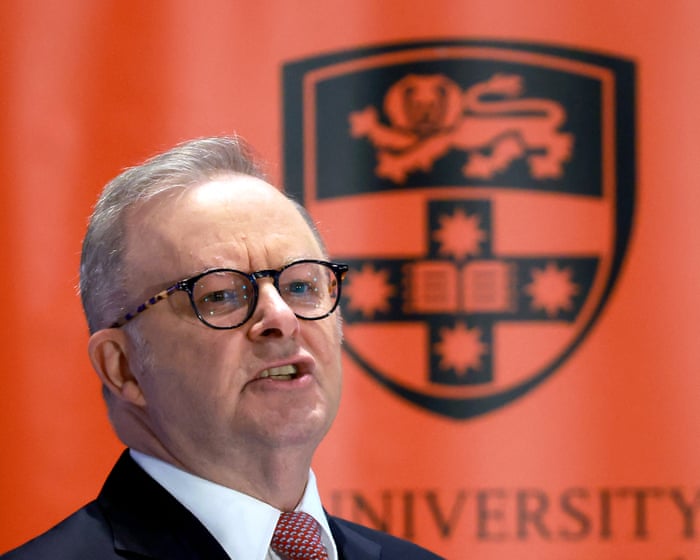
Anthony Albanese has promised “the strongest possible protection” for Australian creatives against misuse of their work by artificial intelligence models, warning it would be “theft” if writers, artists and musicians didn’t have control of their work or receive payment for its use.
Amid growing community concern about large energy-intensive datacentres, the federal government will also set strict new rules for the facilities, including where they can be built, that they shouldn’t compete for land with housing, their power and water use, and that they don’t increase electricity prices for consumers.
Continue reading...
© Photograph: David Gray/AFP/Getty Images
© Photograph: David Gray/AFP/Getty Images
© Photograph: David Gray/AFP/Getty Images
TikTok's For You Page (FYP) is the default home screen for users of the video-sharing platform. It's a personalized, algorithmically driven content feed, but the approach differs from other social media in that TikTok's algorithm relies heavily on implicit signals—such as how long users watch particular videos—as well as explicit signals such as likes or follows. And generally, that algorithm does remarkably well at predicting which videos will interest particular users.
But some users have voiced concerns that TikTok's almighty algorithm doesn't seem to incorporate negative feedback very well. Even when they don't watch a suggested video or click the "not interested" feature, they keep seeing those videos on their FYP. Northeastern University computer scientists put those suspicions to the test. According to their recent paper, the engagement signals do have an effect, but only temporarily. Then the algorithm gradually relapses unless a user consistently gives the same feedback over and over again.
The research group specializes in "algorithm audits," co-author Piotr Sapiezynski told Ars, to better understand online platforms: "how they work, how they fail, when they fail, how they harm individuals and societies." In this case, he and his co-authors wanted to take a closer look at user agency after hearing multiple anecdotal reports from TikTok users that their negative feedback—responding to prompts by indicating they aren't interested or want to see less of a certain kind of video—doesn't seem to remove those posts from their FYP. "On the other hand, it's unclear why the platforms would offer it, if it doesn't work," said Sapiezynski.
© Getty Images | Bloomberg
TikTok's For You Page (FYP) is the default home screen for users of the video-sharing platform. It's a personalized, algorithmically driven content feed, but the approach differs from other social media in that TikTok's algorithm relies heavily on implicit signals—such as how long users watch particular videos—as well as explicit signals such as likes or follows. And generally, that algorithm does remarkably well at predicting which videos will interest particular users.
But some users have voiced concerns that TikTok's almighty algorithm doesn't seem to incorporate negative feedback very well. Even when they don't watch a suggested video or click the "not interested" feature, they keep seeing those videos on their FYP. Northeastern University computer scientists put those suspicions to the test. According to their recent paper, the engagement signals do have an effect, but only temporarily. Then the algorithm gradually relapses unless a user consistently gives the same feedback over and over again.
The research group specializes in "algorithm audits," co-author Piotr Sapiezynski told Ars, to better understand online platforms: "how they work, how they fail, when they fail, how they harm individuals and societies." In this case, he and his co-authors wanted to take a closer look at user agency after hearing multiple anecdotal reports from TikTok users that their negative feedback—responding to prompts by indicating they aren't interested or want to see less of a certain kind of video—doesn't seem to remove those posts from their FYP. "On the other hand, it's unclear why the platforms would offer it, if it doesn't work," said Sapiezynski.
© Getty Images | Bloomberg
As imaging tools become more sophisticated, online predators are using images of children to make extreme pornography
The two photos started out as typical teenage selfies: looking into the mirror, fully clothed. But once online predators had got hold of those pictures and ran them through an AI imaging tool, they had become the basis for extreme pornography videos.
These examples come from the Report Remove service, which allows children who have had explicit pictures of themselves distributed without their consent to flag the image confidentially and have it blocked or taken down from social media. Due to breakthroughs in AI, and the wide availability of AI models and nudification apps, some under-18s are becoming victims without even being in contact with criminals.
Continue reading...
© Photograph: Getty/Cavan Images RF
© Photograph: Getty/Cavan Images RF

© Photograph: Getty/Cavan Images RF
Reddit will start requiring people to be logged into Reddit to use old.reddit.com.
The new requirement will take effect “over the next month,” a Reddit employee going by the username boat-botany announced on the social media platform today. The person claimed that the change is part of an ongoing effort to “tighten how automated systems access Reddit.”
The Reddit employee wrote:
© Getty
New findings published in PLOS Digital Health highlight the challenges public health experts face in combating misleading health information on social media, particularly amid ongoing debates over whether sunscreen is truly beneficial.
To investigate how sunscreen is portrayed online, researchers at the University of Alberta analyzed 971 of the most-viewed TikTok videos associated with five popular sunscreen-related hashtags: #sunscreen, #sunscreenviral, #spf, #sunscreenreview, and #sunprotection.
The researchers examined how sunscreen was represented in the videos and measured audience engagement through views, likes, shares, and comments.
“Sunscreen misinformation may attract disproportionate attention,” says Alessandro Marcon of the University of Alberta, Canada, and colleagues in a statement.
The findings showed that most of the TikTok videos analyzed promoted sunscreen use, accounting for 86.8% of the content. Only 6% contained health-related criticism, including claims that sunscreen is harmful (1.5%) or that it interferes with the benefits of sun exposure, such as vitamin D production (1.2%). Despite representing only a small fraction of the content, these videos attracted disproportionately high levels of engagement, receiving more likes, shares, and comments on average than pro-sunscreen videos.
“Sunscreen misinformation on TikTok constitutes an area of concern not for the total sum of overarching influence in terms of content production but rather in how strongly some sunscreen misinformation ideas resonated among particular audiences,” adds Marcon.
The researchers suggest that the elevated engagement may be driven by the controversial and attention-grabbing nature of the content, which can help videos spread more widely on social media platforms.
They also found that even videos promoting sunscreen often omitted key public health messaging. Most focused on beauty and skincare benefits rather than health outcomes, with only 6% specifically mentioning sunscreen’s role in reducing skin cancer risk.
“Our analysis showed TikTok is not necessarily flooded with sunscreen misinformation, but TikToks that dangerously claim that sunscreen is harmful or unnecessary receive comparatively high levels of audience engagement. TikTok content creators commonly promoted sunscreen as part of skincare regimens where sunscreen benefits were more commonly related to beauty rather than health,” said Marcon.
“It was surprising to see so many TikToks promoting sunscreen use without specifically mentioning the important role it plays in cancer prevention. Only 6% of the TikToks analyzed explicitly mentioned the benefits of reducing the risk of skin cancer.”
The study suggests that misinformation can spread widely not because it is more common, but because it is often more controversial and attention-grabbing. It also highlights a broader communication gap, as many creators emphasize sunscreen’s cosmetic benefits while overlooking its well-established role in preventing skin cancer.
Chrissy Newton is a PR professional and the founder of VOCAB Communications. She currently appears on The Discovery Channel and Max and hosts the Rebelliously Curious podcast, which can be found on YouTube and on all audio podcast streaming platforms. Follow her on X: @ChrissyNewton, Instagram: @BeingChrissyNewton, and chrissynewton.com. To contact Chrissy with a story, please email chrissy @ thedebrief.org.
