❌

Reading view

‘Risking blackouts’? How Great Britain’s grid operator was dragged into a political row

Neso denies allegations aired by Tory MP that staff took part in cover-up over decision-making in heatwave

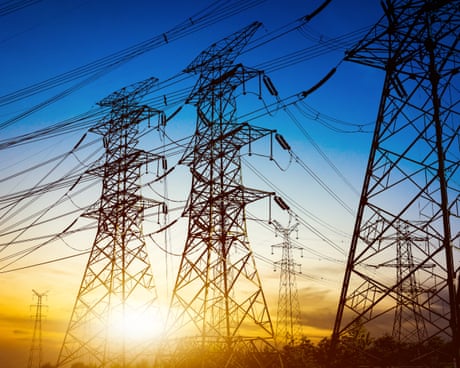
In a control room in Wokingham, Berkshire, staff work around the clock, minute by minute, to align Great Britain’s fluctuating power supplies with its ever-changing demand.

However, as households struggle to adapt to soaring summer temperatures, staff at the government-owned National Energy System Operator (Neso), tasked with keeping the lights on, have faced the kind of challenge usually reserved for the country’s coldest winter nights in recent weeks.

Continue reading...

© Photograph: Evening_T/Getty Images/iStockphoto
© Photograph: Evening_T/Getty Images/iStockphoto

© Photograph: Evening_T/Getty Images/iStockphoto

  •  

Britons urged to take ‘small steps’ to prepare for potential national crises

Government to launch campaign to help people cope with events such as weather emergencies or cyber-attacks

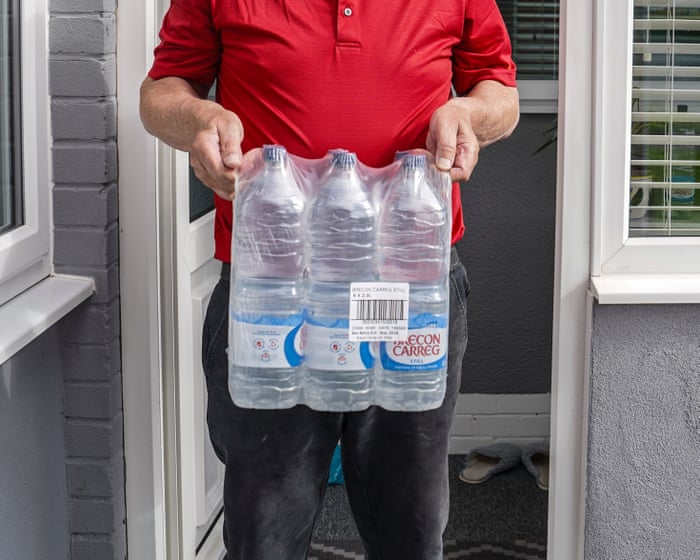
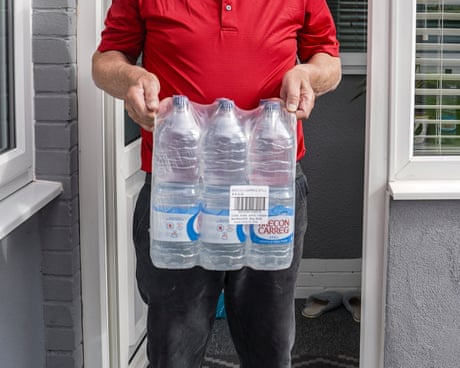
The British public should begin taking “small but important steps” to secure and protect water, power supplies and basic phone signal in case of further severe weather emergencies, national crises or cyber-attacks, Downing Street has said.

Darren Jones, the chief secretary to the prime minister, told MPs “the risks we face from climate change cannot be underestimated”, and warned of the “significant and prolonged disruption to essential services” extreme weather events could cause.

Continue reading...

© Photograph: Hugh Hastings/Getty Images

© Photograph: Hugh Hastings/Getty Images

© Photograph: Hugh Hastings/Getty Images

  •  

Fuel on the fire: why oil companies are profiting as the world gets dangerously hot

The scientific consensus is that burning fossil fuels drives the climate crisis, yet the world’s biggest oil companies are planning to increase production

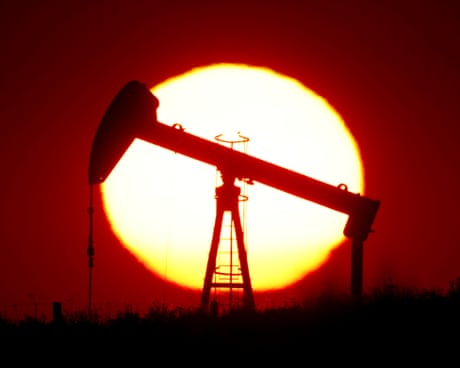
As the world swelters in ever more dangerous heat, why are oil companies being allowed to turn up the gas instead of paying for the consequences of their greed?

That ought to be the question on everyone’s minds amid baking heat domes over much of the northern hemisphere, temperature records being smashed day after day, children dying in locked cars, hospitals filling with heatstroke victims and emergency services tackling wildfires.

Continue reading...

© Photograph: Christian Hartmann/Reuters

© Photograph: Christian Hartmann/Reuters

© Photograph: Christian Hartmann/Reuters

  •  

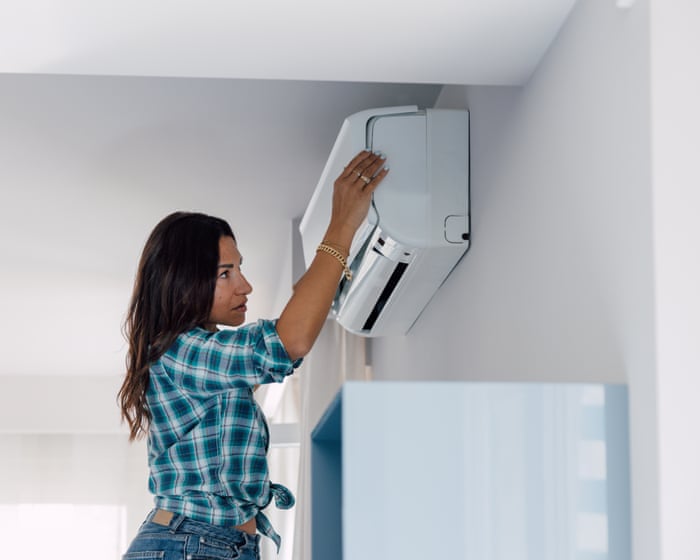
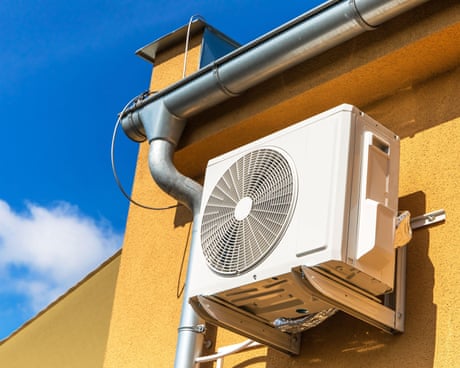
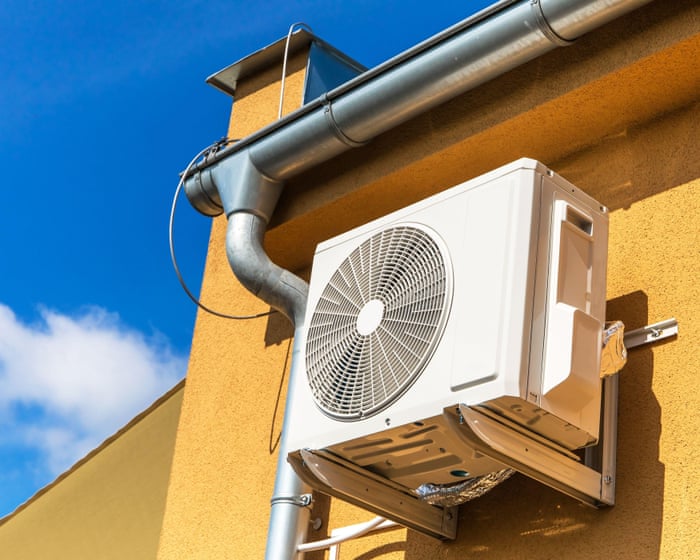
Should I get air conditioning in the UK – and can it be green?

As summers become hotter, air conditioner sales are booming. If you’re looking to invest, here’s what to consider

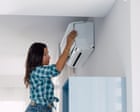
When a heatwave struck the UK this week, Jon Connorton, a software developer, began monitoring temperatures inside his east Hampshire terrace house. With some rooms reaching close to 40C, it was time to deploy the air conditioner. “We just wheel it out in emergencies,” he said. “We were having trouble sleeping.”

Connorton and his wife have a portable air conditioner. These plug-in devices cool interior air by removing heat from it and blowing that heat outside, typically via a large hose slung from a window or door.

Continue reading...

© Photograph: LeoPatrizi/Getty Images

© Photograph: LeoPatrizi/Getty Images

© Photograph: LeoPatrizi/Getty Images

  •  

UK needs to urgently install air conditioning in schools and care homes, climate campaigners say

Government should fit solar panels to power air con units where vulnerable people live, say green advocates

As the country baked in record May temperatures, climate campaigners have said the UK government needs to urgently start installing air conditioning units in schools, care homes and places where vulnerable people live.

In 2022, when temperatures spiked above 40C (104F), about 3,000 people in Britain died of causes associated with heat. Studies show air conditioning can cut heat related deaths by 75%.

Continue reading...

© Photograph: mar-fre/Alamy

© Photograph: mar-fre/Alamy

© Photograph: mar-fre/Alamy

  •  
❌