CEO Chris O’Shea defends Centrica’s plans as it reports rise in retail profits following focus on bigger margins
The owner of British Gas has claimed that most households would rather speak with an AI chatbot than deal with the company’s staff as it prepares to cut 1,300 jobs from its call centres and back office.
Centrica, the supplier’s FTSE 100 owner, plans to cut 800 jobs as the company carries out a “targeted deployment of AI tools”, on top of the 500 cuts it confirmed last month.
Law change means renters and flat owners may be able to cut bills as energy costs soar amid Iran war
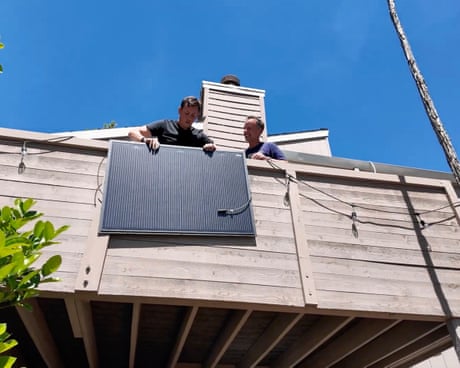
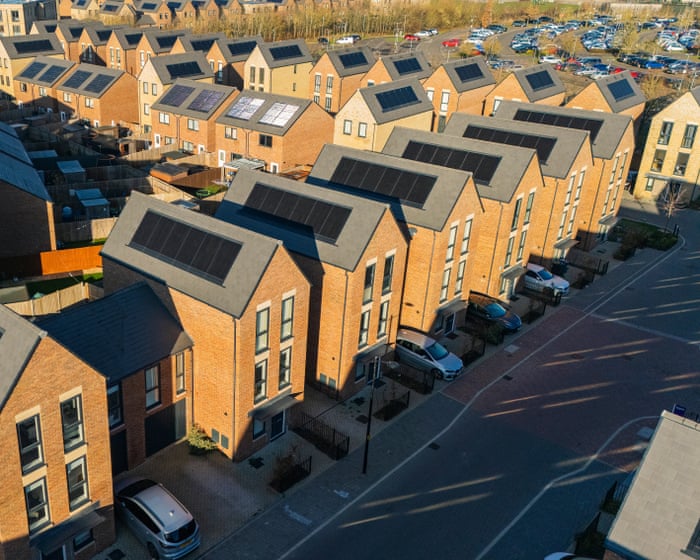
British households will be able to buy plug-in solar panels later this summer after the government changed the law so the UK’s biggest retailers could bring them to market for the first time.
People across the country will be able to join the millions across Europe generating their own electricity using “balcony solar panels” from 27 August, according to legislation passed last week.
New Economics Foundation and Finance Innovation Lab suggest loan scheme backed by Bank of England could benefit up to 8m homes
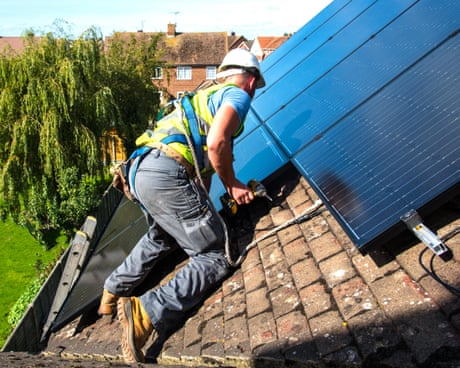
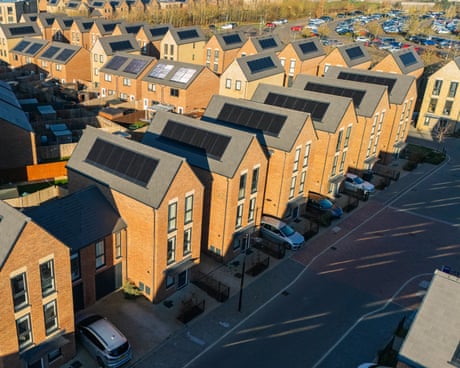
Millions of UK households could save hundreds of pounds a year on their energy bills if the government were to approve low-cost loans for solar panel installation, research has found.
For months I’ve been trying to receive my FIT payment, which should be more than £1,000
I moved into my new house 14 months ago, and soon afterwards applied to ScottishPower, with whom the solar panels are registered for a feed-in tariff (Fit), for transfer of ownership of the panels and the tariff.
After many emails back and forth, I got a response saying they had all the information required.
Bosses of some of Britain’s biggest retailers are discussing plans with the government to start selling plug-in solar panels as part of a drive to encourage more UK homes to generate their own electricity.
Executives from brands including Currys, B&Q and Amazon met Martin McCluskey, the minister for energy consumers, on Tuesday to discuss guidelines for selling “balcony solar panels” to the British public.
Cllr Lucy Shaw says councils could take up many policies to help, including more support for rooftop solar installations
Your editorial is right that the government could be doing more to help with the cost of living (The Guardian view on Britain’s coming energy shock: mini-measures won’t suffice, 22 May). That extends to local government, too. Renewable energy projects, from the industrial scale right down to rooftops, can be scuppered locally even if there is national support. The wealthiest borough in the entire country, Kensington and Chelsea, has the nation’s lowest rooftop solar installation rate, at just 0.6% of households according to the MCS installer database. This is despite touting groundbreaking policies to make it easier to build solar in conservation areas.
There are so many local policies that would help. Coordinating solar installations by street could lead to material cost savings, as would simpler permitting rules, and installations on council-owned rooftops. When 80% of cars in the borough are parked on the street, cost-effective public charging is essential to ensure that drivers can make the switch, like offering discounted charging when grid power is cheapest. Partnering with housing associations, charities, and energy suppliers to help people access energy efficiency services and government capital grants, or negotiate payment plans for their bills could go a long way to making people feel more secure.
Regulator could do us all a favour with clear multi-year forecasts and breakdowns of electricity pricing
It is easy to predict where the energy regulator will set the next quarterly price cap on Wednesday. It’s just a matter of tracking wholesale prices in Ofgem’s relevant backward-looking “observation period”. Energy consultant Cornwall Insight thinks the typical household bill be £1,850, an increase of £209 from the previous quarter. It will be surprising if it is out by more than a few quid.
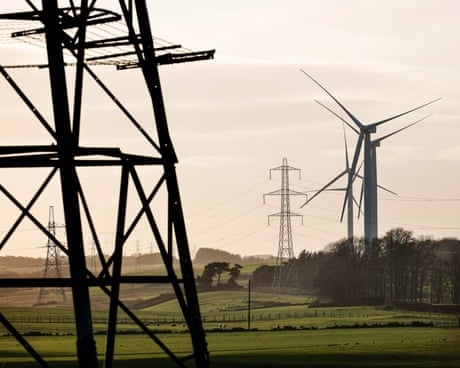
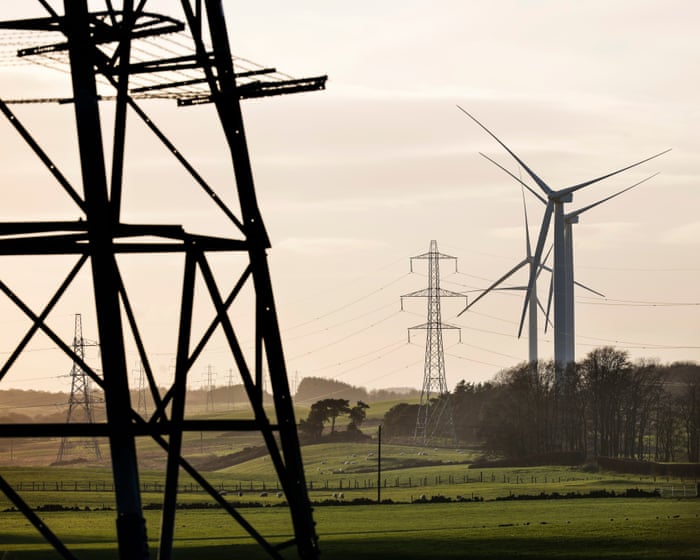
One can also make a fair guess at the regulator’s messaging. It will talk about the unavoidable impact from the surge in energy prices that followed the closure of the strait of Hormuz. It may also say the increase would be even greater than 13% without the additional wind and solar generation on the system these days. Fair enough. Gas sets the wholesale price of electricity only 60% of the time now, down from 90% not long ago.

 Login