❌

Reading view

Spät auf der Party, aber bei KI macht Apple alles richtig

Hat sich Apple in den vergangenen Jahren zu sehr auf KI konzentriert – oder nicht genug? Das hängt davon ab, wen man fragt. Einerseits ist das Thema ein Modetrend, allgegenwärtig und hat etwas leicht Apokalyptisches an sich, und ich werde regelrecht deprimiert, wenn ich mir bei Apple-Veranstaltungen die KI-Schlagworte anhören muss. Andererseits: Kann das Unternehmen es sich leisten, den Anschluss zu verpassen? Ja, ich weiß: Das Essen ist furchtbar, und die Portionen sind so klein.

Es stellt sich jedoch heraus, dass Apple in dieser Angelegenheit möglicherweise genau richtig gehandelt hat. Im Nachhinein betrachtet erscheint die merkwürdige Mischung aus enthusiastischen Lippenbekenntnissen und abwartender Zurückhaltung des Unternehmens als perfekt dosiert. Apple beteiligt sich an der KI-Debatte, bleibt dabei jedoch weitaus zurückhaltender als seine schneller agierenden, risikofreudigeren Konkurrenten. Das Unternehmen genießt die Vorteile, ohne die Konsequenzen tragen zu müssen.

Beginnen wir mit den Vorteilen: Nach Jahren unterdurchschnittlicher Leistung und Verzögerungen hat sich die neue, KI-gestützte Version von Siri als wirklich nützlicher Chatbot etabliert. Sie kann zwar noch nicht alles, was ChatGPT bietet, ist aber bei schnellen Fragen zuverlässig, kennt sich mit den iPhone-Daten wie kein anderer Chatbot aus und ist für eine Vielzahl von Aktionen ausgelegt. Sie ist datenschutzkonform, schnell und – ganz in Apple-Manier – gibt es noch Luft nach oben.

Für die überwiegende Mehrheit der iPhone-Besitzer hat sich das Warten auf Siri AI gelohnt. Die Sprachassistenz erfüllt alle erforderlichen Aufgaben und dürfte die negativen Stimmen zum Schweigen bringen, die lautstark über ihren Platz im KI-Ökosystem diskutieren. Der eigentliche Clou ist jedoch, dass Apple das erreicht hat, ohne sich den Schwierigkeiten auszusetzen, mit denen KI-orientiertere Konkurrenten derzeit zu kämpfen haben.

Nehmen wir OpenAI, den Entwickler von ChatGPT und wohl den größten Namen in diesem Bereich. Apple hat das Unternehmen kürzlich wegen Diebstahls von Geschäftsgeheimnissen verklagt, doch das war kaum ein Einzelfall. Allein im Jahr 2023 wurde das Unternehmen dreimal (eins, zwei, drei) wegen Urheberrechtsverletzung von insgesamt 21 Autoren und der „New York Times“ verklagt, während eine vierte Klage im selben Jahr, die 16 anonyme Kläger vertrat, „eine Reihe von Schäden, von Urheberrechtsverletzungen bis zu Abhörmaßnahmen“ geltend machte.

In den Jahren darauf folgten zahlreiche weitere Klagen. Diese betrafen (unter anderem) Stalking, Mord, Selbstmord und zwei separate Amokläufe (eins, zwei). Rechtliche Auseinandersetzungen werden auf absehbare Zeit wahrscheinlich anhalten, ebenso wie das große Interesse der Aufsichtsbehörden.

Was die öffentliche Wahrnehmung angeht, ist OpenAI, gelinde gesagt, umstritten. Das Unternehmen hat zwar einige leidenschaftliche Befürworter, wird jedoch in den Augen vieler mit geschmacklosen Videos und Bildern, Dürre, Arbeitslosigkeit und einer leichtfertigen Haltung gegenüber dem geistigen Eigentum anderer in Verbindung gebracht. Selbst Elon Musk, der selbst kein Unbekannter in Sachen weltweiter Unbeliebtheit ist, bezeichnet den CEO des Unternehmens als „Scam Altman“. Um fair zu sein: Dieser Herr tut sich damit keinen Gefallen.
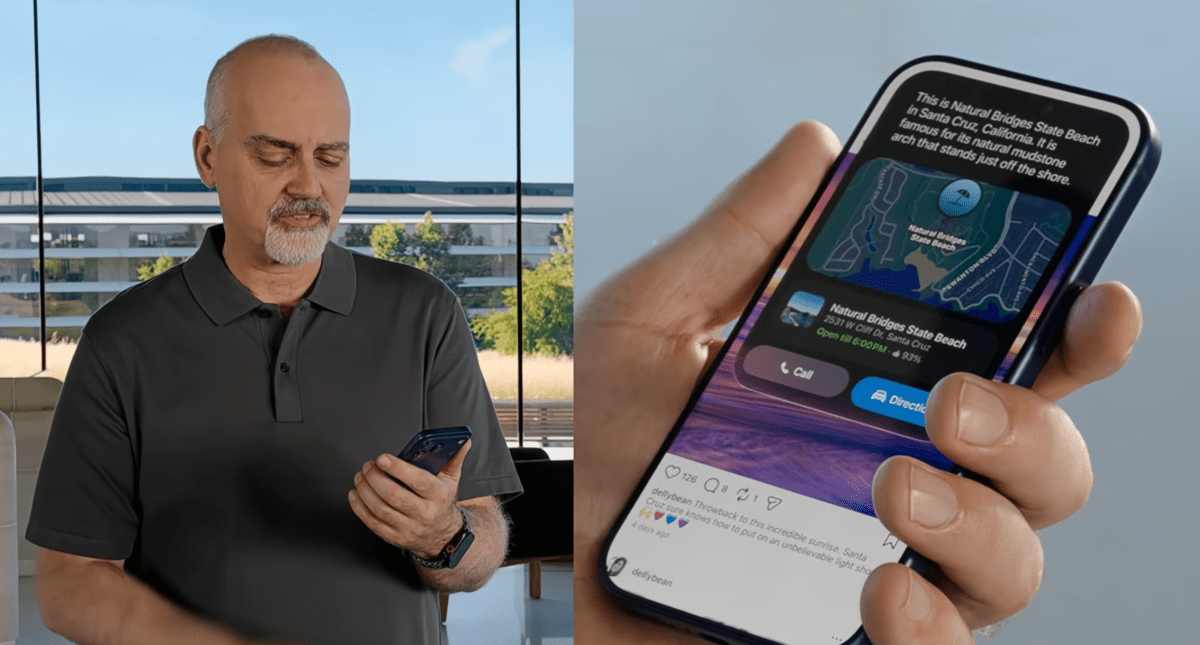
Apple WWDC 2026 Siri AI Demo
Siri AI ist nicht der beste Chatbot auf dem Markt, aber er ist gut genug.

Apple

Es mag so aussehen, als würde ich OpenAI hart angehen, doch das ist wirklich nur ein Beispiel für die Gegenreaktion. Jedes Mal, wenn sich ein Unternehmen der KI widmet, riskiert es finanzielle Einbußen und Reputationsschäden. Wie Google mit seinen ethnisch vielfältigen Nazis, Samsung mit seinen verwirrenden Datenschutzbestimmungen und Microsoft mit seinen schädlichen Antworten. Wenn er nicht gerade seinen Besitzer auf urkomische Weise auf die Schippe nimmt, bringt Elon Musks Grok-Chatbot ihn in rechtliche Schwierigkeiten, weil er Deepfake-Pornografie erstellt und den Holocaust leugnet.

Im Gegensatz dazu ist Apple unglaublich glimpflich davongekommen: Die Kritik an seiner KI-Strategie drehte sich hauptsächlich darum, dass das Unternehmen nur langsam in die Gänge kommt. Der schlimmste Skandal war wahrscheinlich, dass die KI-Benachrichtigungen unter iOS manchmal verwirrend waren. Und doch ist es nun so weit: Ein funktionierender KI-Chatbot steht nur noch wenige Monate vor seinem Debüt auf Milliarden von Geräten. Und das ohne die erheblichen Investitionen in die KI-Infrastruktur, die es Konkurrenten erschweren, vom Gas zu gehen. Warum eigene, unpopuläre Rechenzentren errichten, wenn man die von Google nutzen kann?

Erfolg hängt nicht nur davon ab, was man gewinnt, sondern auch davon, was es einen kostet. Und unter diesen Gesichtspunkten sieht es so aus, als würde Apple im Bereich der KI die Oberhand gewinnen.

  •  

Nicht jede Preiserhöhung von Apple ist ein Drama

Jetzt hat Apple schon wieder die Preise erhöht, hört das denn niemals auf? Nachdem Macs, iPads und etwas Zubehör Ende Juni teils exorbitant teurer geworden sind, dreht Cupertino jetzt auch bei den Services an der Preisschraube. So kostet das Einzelabo von Apple Music nun 11,99 Euro im Monat, das Familienabo 19,99 Euro. Auch Studierende bleiben davon nicht ausgenommen und werden mit 6,99 Euro pro Monat, äh, kräftig ausgenommen. 

Aber halt, das ist kein Grund zur Aufregung. Apple begründet den Preisanstieg mit gestiegenen Lizenzkosten, das Gegenteil ist nicht zu beweisen. Die Erhöhung fällt moderat aus, ein Euro für Einzelnutzer, das sind keine zehn Prozent – die 18 Prozent Plus für das Familienabo fallen da eher ins Gewicht. Sind mehr als drei Personen Teil der Familie, muss man aber immer noch weniger Aufpreis bezahlen, als wenn man Apple Music einzeln abonniert hätte. Und Apple TV bleibt weiter beim gleichen Preis von 9,99 Euro monatlich.

Die enormen Preissteigerungen für Hardware hätten eher Kritik verdient, wir haben das aber eingeordnet. Apple blieb wenig übrig, die global absurd angestiegenen Preise für Speicher konnte das Unternehmen nicht mehr länger kompensieren, ohne seiner Gewinnmarge und damit dem Unternehmenswert zu schaden. Zudem zeigten einige Preisschilder der informierten Kundschaft, dass man von diesem konkreten Gerät mal besser die Finger lässt, wenn man es nicht unbedingt sofort benötigt.

Wenigstens scheint Apple auf die teils berechtigte und manchmal überzogene Kritik an den Preiserhöhungen zu reagieren. Bestätigt ist noch nichts, doch sieht es stark danach aus, dass man schon bald Macs bei Apple leasen kann – hoffentlich auch in Deutschland. Insbesondere bei hochwertigen Geräten wie dem Macbook Pro M5 Max scheint mir das sinnvoll zu sein. Wer hat schon immer 6000 Euro oder mehr flüssig, wenn ein neues Arbeitsgerät ansteht? 

Dieses wird sich mit der Zeit amortisieren, durch effizientere Prozesse, aber eben erst nach einiger Zeit. Leasen statt kaufen ist auch bei Firmenwagen die bessere Idee, seit Jahrzehnten profitieren auch private Kraftfahrer davon. So wird das wohl auch bei Apple, denn Geschäftskunden können bereits ihre Arbeitsgeräte leasen, bald könnte das auch für Privatkunden möglich sein.

Die Nutzerschaft kann nach Ablauf des Leasingvertrag entscheiden, ob das iPhone oder der Mac mit einer Schlusszahlung vom bloßen Besitz in das Eigentum übergeht oder ob es ein neueres Modell mit einem verlängerten respektive erneuerten Vertrag sein darf.

Für das iPhone gibt es ein ähnliches Programm in Deutschland schon, ich habe bisher davon Abstand genommen. Ich benötige privat nicht jedes Jahr ein neues iPhone, nur beruflich. Aber die von Apple gestellten Testgeräte nutzen wir in der Redaktion gemeinsam und geben sie nach einem Jahr wieder zurück, wenn wir die neue Generation dauerhaft prüfen.

Apples Leasing-Programm sollte zur richtigen Zeit kommen, falls die Spekulationen aus dieser Woche wirklich zutreffen. Wie schätze ich die Erhöhung der Apple-Music-Preise ein, neben der vergleichsweise geringen finanziellen Mehrbelastung? Schwierig. 

Die Nöte der meisten Musiker lindert der eine Euro mehr nicht. Wer nicht Abermillionen oder gar Milliarden von Streams bei Apple Music und konkurrierenden Diensten sammelt, nimmt mit seiner Musik nur sehr wenig bis praktisch gar nichts ein. Höhere Lizenzgebühren sind dann fast egal, wenn in der Monatsabrechnung von Apple Music 21,99 Euro statt 19,99 Euro ausgewiesen sind. 

Für die großen und bekannten Acts macht das natürlich einen Unterschied. Wie Apple in dieser Woche vermeldete, sah man bei Apple Music signifikant überhöhte Nachfrage nach den Titeln von Shakira, BTS oder Robbie Williams die bei der Schlussfeier der Fußball-WM zu hören waren. Dazu ist eine Geldmaschine wie die FIFA bekanntlich da: die Reichen noch reicher zu machen. 

Ich habe weder die Schlussfeier noch die ausufernde Halbzeit-Show mir angesehen, nicht einmal die zweite Halbzeit oder gar die Verlängerung, aber am Montagmorgen einen in Belgien 1971 komponierten und produzierten Schlager im Ohr gehabt: „Y Viva España“. Gibt es auch auf Apple Music, in Dutzenden Versionen, für weiterhin nur 11,99 Euro im Monat jederzeit zu hören. Von wegen teuer!

Das hat Sie diese Woche am meisten interessiert

iOS 26.6 bereitet Ihr iPhone schon auf iOS 27 vor
Wer im Herbst auf iOS 27 umsteigen will, soll möglichst iOS 26.6 nicht auslassen. Denn das kommende Punktupdate bereitet die Grundlage für wichtige Funktionen vor.

Spät auf der Party, aber bei KI macht Apple alles richtig
Tim Cooks KI-Strategie scheint sich zu bewähren: Eine neue Siri-Version ist in Vorbereitung, während andere Unternehmen mit rechtlichen Schwierigkeiten und öffentlicher Kritik zu kämpfen.

Lassen Sie das iPhone Ultra links liegen – es kommt etwas Besseres
Das iPhone Air dürfte – so seltsam es auch klingen mag – für anspruchsvolle Kunden zu einem absoluten Muss werden.

Mac-Gaming bekommt endlich das Upgrade, das es verdient
Das „Game Porting Toolkit 4 Beta“ ist das deutlichste Zeichen dafür, dass Gaming für Apple zunehmend an Bedeutung gewinnt.

Apple plante einen letzten Intel-Mac – nach fünf Jahren Apple Silicon
Den Mac Pro hat Apple im März 2026 offiziell eingestellt. Das hatte sich abgezeichnet: Der Rechner bekam zuletzt im Jahr 2023 einen M2 Ultra eingebaut. Apple hatte jedoch noch etwas in petto, was nie das Licht der Welt erblickte.

Das war zudem erwähnenswert:

Apple erklärt, wie man verschlüsselte HFS+-Laufwerke auf APFS migriert

KI-Agent soll in den Apple Store kommen

Claude Code iOS Simulator erstellt Apps von allein

Warum man sich auf die vierte Staffel von Ted Lasso freuen kann

Apple schließt Besucherzentrum im Apple Park temporär für Renovierungen

Wie man einen Airtag diskret an der Kamera versteckt

iPhone 18 Pro geht in Massenproduktion

Apple scheitert in Berufung im Prozess gegen Masimo

TSMC erhöht Preise für Chips – iPhone dürfte betroffen sein

HBO Max und Paramount+ fusionieren vielleicht doch nicht

Apple hält Jony Ive aus Klagen gegen Open AI heraus


Macwelt Special 8/26

Macwelt Plus

Jeden Monat neu: die digitale Ausgabe der Macwelt mit den wichtigsten und interessantesten Fakten aus der Welt des angebissenen Apfels.

Sichern Sie sich noch heute Ihr kostenloses Probe-Abo für einen Monat!

Mehr aus dem Kernhaus:


leaked iPhone 18 Pro color renders

iPhone-Gerüchte treffen auf die Realität – bald haben wir das Vergnügen zweimal im Jahr

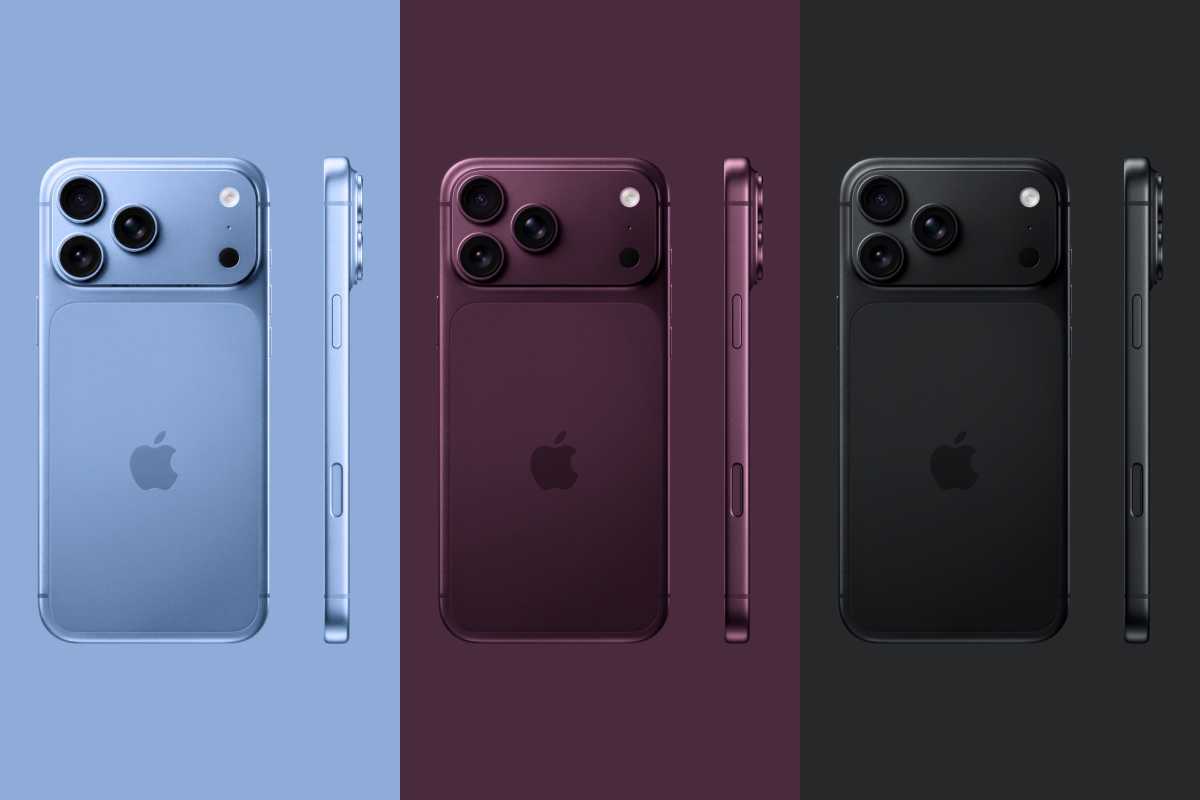
Die Sommerferien stehen an und wie in jedem Jahr überschlagen sich die Gerüchte zu neuen iPhones. Bald haben wir das Vergnügen zweimal im Jahr.


iphone 17 pro max orange 1

Das iPhone, das die Zeiten überdauert

Das iPhone, das am 4. Juli in einer Zeitkapsel landete, wird in 250 Jahren womöglich eine interessante Geschichte erzählen. Der Akku ist dann natürlich leer.


Apple smart home devices

Apples Smarthome-Katastrophe: Hilfe ist unterwegs, aber nicht so schnell

Kaum eine Apple-Software ist so frustrierend wie das Homekit. Die Hauptverantwortung dafür trägt Siri, die bald besser werden soll. Fragt sich nur, wann.

Apple Aktie im Sturzflug

Wie Apple seine Kunden an höhere Preise gewöhnt

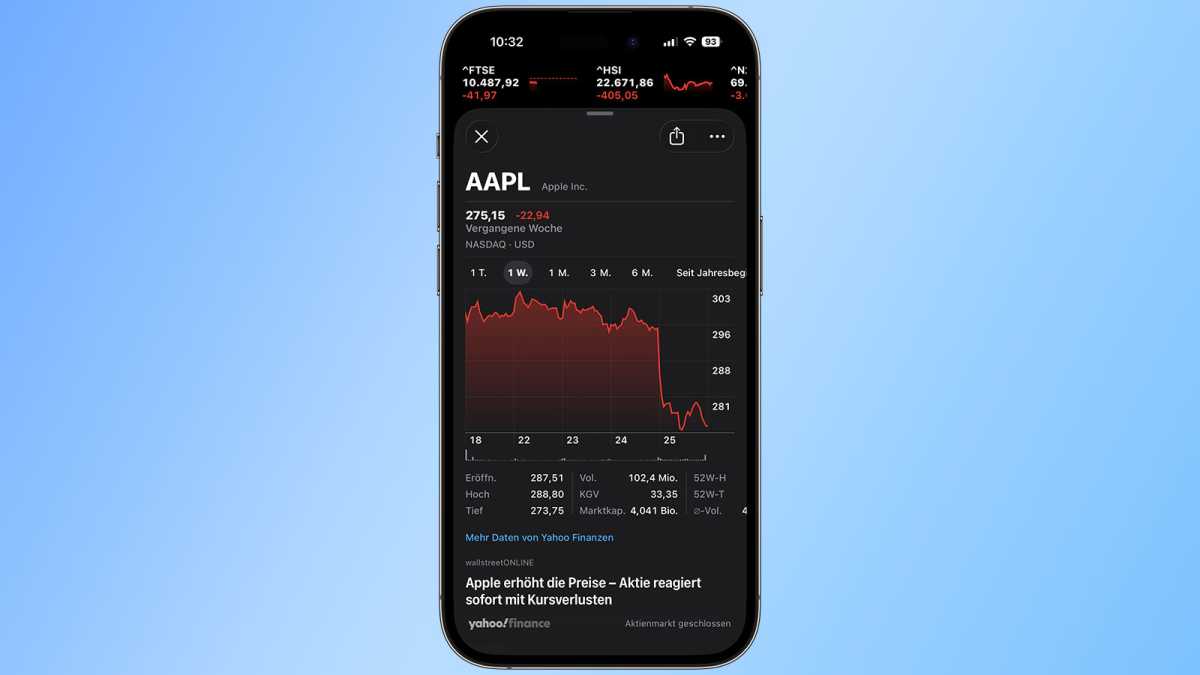
Da waren wir die Woche über schön am Schnäppchenjagen – und plötzlich war der Fall klar, dass jetzt der beste Zeitpunkt für den Kauf ist. Mancher hatte zu lange überlegt.


person holding an iPhone Fold concept with the screen opened

iPhone 18 Pro und iPhone 20: Apples Zukunft ist leichter zu tippen als die WM

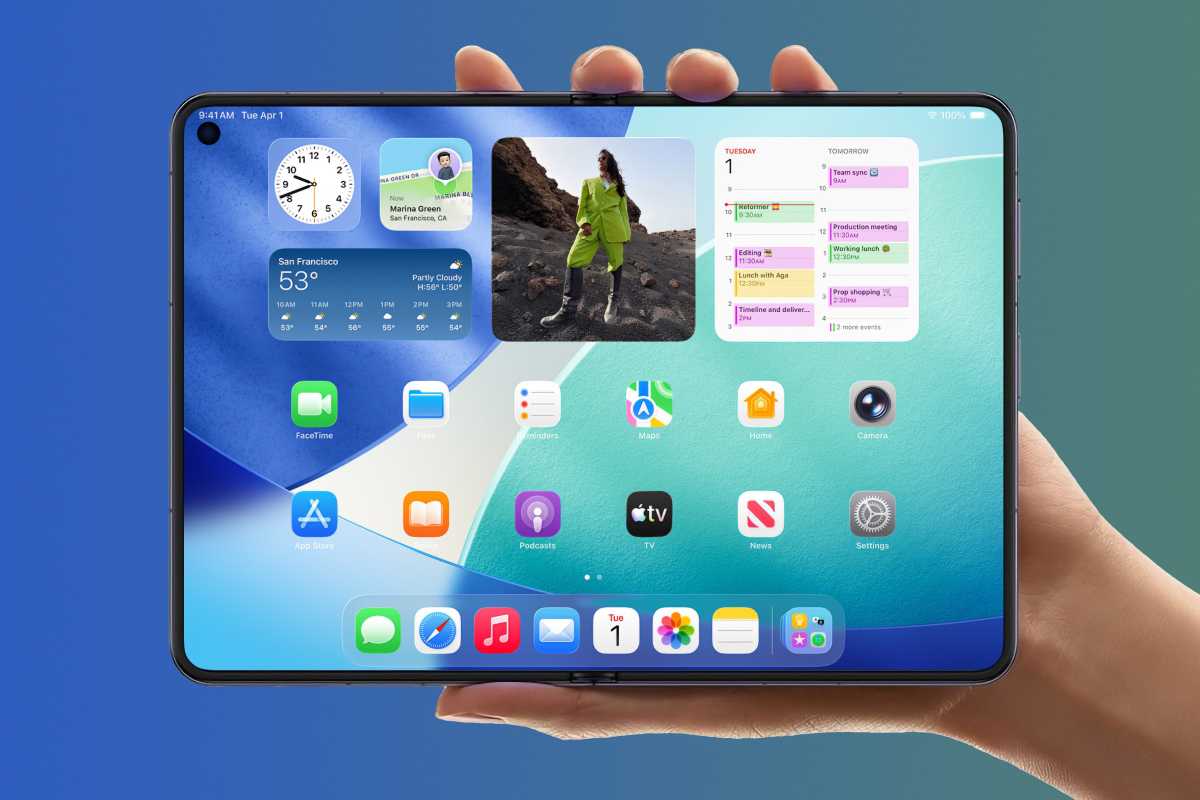
Apples Geräte vorherzusagen macht wie das Fußball-Tipp-Spiel erst dann richtig Spaß, wenn sich Apple nicht an die Regeln hält, alle Tische umwirft und statt eines iPhone 19 ein innovatives iPhone XX herausbringt.


  •  

Ford steers away from Google, picks Apple Maps for new electric cars

Macworld

If you don’t follow the automotive industry very closely, you might not be aware that Ford is embarking (again) on a big new electric vehicle program.

The Universal Electric Vehicle Platform is meant to be a highly streamlined and optimized way for Ford to create a variety of vehicles that deliver a great experience using fewer parts and manufacturing steps, with more components shared between vehicles. Essentially, applying the concepts that makes China’s EV designs so much more affordable to make.

The first vehicle on this new platform is due in 2027 and should be an affordable mid-sized electric truck with a starting price “around $30,000,” with other vehicles to follow quickly after.

Apple just announced that the in-car software component of this new platform will use Apple Maps for navigation. Specifically, it will use the MapKit for Automotive SDK, which means Ford will build its own experience using Apple’s map data, not that it will simply copy the interface experience you get using Apple Maps with CarPlay, for example.

Currently, most vehicles’ built-in navigation systems use map data from the likes of TomTom, OpenStreetMap, or Google, including Ford’s current Digital Experience, which uses “integrated Google apps and services like Google Assistant, Google Maps and more on Google Play.” Often, car makers will use more than one provider—one for broad navigation and traffic data or address locations and information, and others for finer street-level navigation or parking lots.

The press release says that Ford will rely on Apple Maps data for navigation, real-time traffic and incident information, and location data including search with place cards. Ford will also use road-level information from Apple Maps as part of the development of its next-generation BlueCruise hands-free highway driving capability. CarPlay will continue to be available on upcoming Ford vehicles as well.

  •  

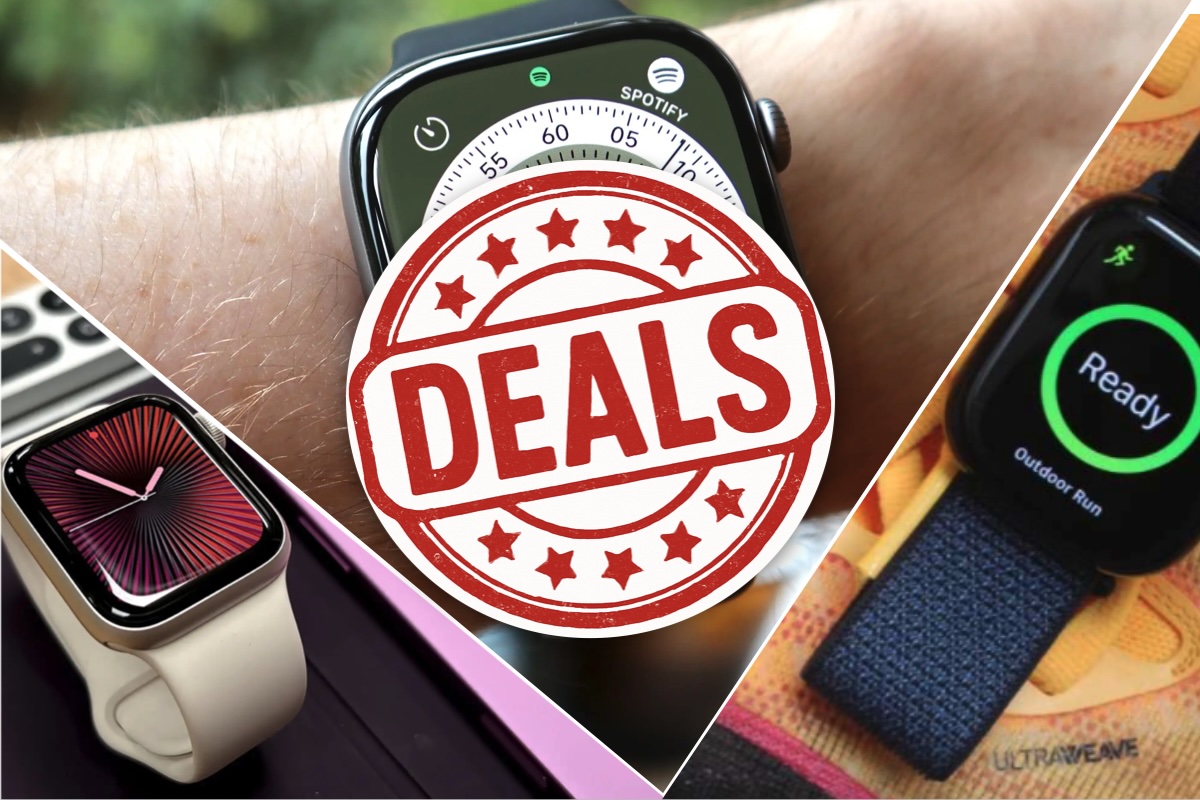
Top Apple Watch discounts & deals – Big savings on all models

Macworld

Best Apple Watch deals: Updated July, 2026

These recommendations are based on the best prices for Apple Watches we are seeing right now at top resellers in the U.S. and U.K.

Today’s best Apple Watch deals: U.S.

Today’s best Apple Watch deals: U.K.

Prices checked 23 July, 2026

The Apple Watch is the best smartwatch you can buy, but it’s not cheap. Luckily, you don’t have to pay full price for an Apple Watch. Resellers frequently offer fantastic deals on all models, and in this article we are tracking deals for the new Apple Watch 11, SE 3 and Ultra 3 which were introduced in September 2025, as well as the older Apple Watch 10, SE 2 and Ultra 2. We are expecting Apple to introduce the Apple Watch Series 12 in September, and the Apple Watch Ultra could also get an update. Read Should I buy an Apple Watch now or wait? for more advice about the best times to buy.

Best Apple Watch deals July 2026

U.S. deals

Apple WatchDealMSRPLowest
Apple Watch Series 11, 42mm, GPS$299 Get the deal at Amazon $100 off$399$279
Apple Watch Series 11, 46mm, GPS$329 Get the deal at Amazon $100 off$429$309
Apple Watch Ultra 3 $779 Get the deal at Amazon $30 off$799$649
Apple Watch SE 3, 40mm, GPS$219 Get the deal at Amazon $30 off$249$199
Apple Watch SE 3, 44mm, GPS$249 Get the deal at Amazon $30 off$279$229

U.K. deals

Apple WatchDealRRPLowest
Apple Watch Series 11, 42mm, GPS£299 Get the deal at Amazon £70 off £369£287
Apple Watch Series 11, 46mm, GPS£319 Get the deal at Amazon £80 off £399£317
Apple Watch Ultra 3 £729 Get the deal at Amazon £20 off£749£649
Apple Watch SE 3, 40mm, GPS£219 at Amazon£219£197
Apple Watch SE 3, 44mm, GPS£219 Get the deal at Amazon £30 off£249£189.05

How we find the best Apple Watch deals

Best Apple Watch Deals

Screenshot

Foundry

To find the best Apple Watch deals we continuously monitor the market to spot the most worthwhile bargains, but, ultimately, our recommendations are based on our own in-experience with the full range of Apple Watches, which we have reviewed and use daily. Our editors’ selections are guided by a simple principle: we won’t recommend buying something that we wouldn’t buy ourselves. We focus on products at prices we believe are fair, ensuring our recommendations steer you toward genuine savings.

Price is just one factor we consider. A significant part of our methodology is evaluating the overall value of a deal, especially when comparing different generations of the Apple Watch. When Apple launches new models, such as the Series 11, SE 3, and Ultra 3, we see resellers clear out stock of previous-generation models at lower prices. We highlight these opportunities, as older models like the Series 10 or Ultra 2 can become excellent alternatives to the latest releases.

It isn’t always the case that an older Watch is a good option though: we’ve previously advised readers to avoid what seemed like an all-time-low price on an older Apple Watch SE 2 because the newer Apple Watch SE 3, available for just $40 more, offered a vastly superior feature set, including an always-on display, a faster chip, and better battery life.

We also recommend checking the Apple Refurbished Store as a source for year-round discounts. Products from this store are revamped by Apple and include a one-year warranty, often providing substantial savings on recent models like the Apple Watch Series 10 or Ultra 2.

Is now a good time to buy a new Apple Watch?

Apple Watch SE 3 (40mm) and Apple Watch Series 11 (46mm)

David Price / Foundry

The latest Apple Watch models – the Series 11, SE 3, and Ultra 3 – launched in September 2025, so the Series 12 and Ultra 4 are widely expected in September 2026. Unless you specifically want the Apple Watch SE 3, which isn’t expected to be updated this year, we recommend waiting.

Another reason to buy now is that Apple could increase prices when the new models launch, as it has done with other products in 2026.

If you can wait beyond the September launch, the best time to buy is during major sales events such as Amazon Prime Day (October) and Black Friday, when both new and previous-generation Apple Watches are often discounted. The worst time to buy is late summer, just before Apple’s annual September event, when you’re most likely to pay full price for a model that’s about to be replaced.

For more advice, read our guide to the best time to buy an Apple Watch. You can also find the latest discounts in our roundup of the best Apple deals right now on all Apple products, including MacBook Air deals, MacBook Pro, iMac, Mac mini, iPhone and iPad.

Which Apple Watch to buy

Apple Watch SE 3 review: Workout

David Price / Foundry

When choosing which Apple Watch to buy you should consider various factors. If you need advanced health sensors, like ECG and blood oxygen monitoring, then you need to choose the Series 11 and Ultra 3 (or the Series 10 and Ultra 2) because the SE doesn’t offer those options. But if you are on a budget the Apple Watch SE 3 offers importtant features like Fall Detection and heart rate monitoring, and comes at an affordable price. The best battery life is offered by the Apple Watch Ultra 3, but the SEries 11 offers a solid 24 hours, and even the 18 hour SE 3 will be sufficient for most people, plus charging can be done in less than an hour.

Apple Watch Series 11: This model features a 24-hour battery life, 5G connectivity on cellular models, and a more scratch-resistant display. While it shares the same S10 chip and many health features with the Series 10, its improved battery is a key advantage. Deals have been spotted offering up to $100 off, bringing the price down to as low as $279/£287

Apple Watch SE 3: This Apple Watch is the best value option for most people. The SE 3 received a major upgrade, including an always-on display, a faster chip, temperature sensing, fast charging, and 5G on cellular models. It offers most of the essential features of the Series 11 at a much lower price, starting at $249. It has been on sale for as low as $199/£197.

Apple Watch Ultra 3: Designed for adventurers and sports enthusiasts, the Ultra 3 boasts a 42-hour battery life, a larger and brighter screen, satellite connectivity for emergencies, and a rugged design. It’s the most expensive model, price drops of up to $150, to $649/£649.

Apple Watch Series 10: You may be able to find clearance deals on last-generation models. The Series 10 is very similar to the 11, with the main difference being its 18-hour battery life. It has been seen for as low as $279, a $150 discount.

Apple Watch Ultra 2: This is also a great option, with deals dropping its price by as much as $200.

Apple Watch SE 2: If you find one on sale, we advise to avoid the Apple Watch SE 2 unless the price is exceptionally low (around $100), as the SE 3 is a far superior and more future-proof device.

Buying an older Apple Watch can be a great way to save money, but in 2026 it’s important to choose carefully. The biggest consideration is software support. Apple will drop support for several older models when watchOS 27 launches, meaning they no longer receive the latest features and may eventually miss out on security updates.

If you want an older Apple Watch that will continue to receive the latest version of watchOS, look for a model with at least an S9 chip.

Avoid buying these models and anything older, unless you’re getting them at a very low price and don’t mind running older software:

  • Apple Watch Series 6 (2020)
  • Apple Watch Series 7 (2021)
  • Apple Watch Series 8 (2022)
  • Apple Watch SE (2nd generation, 2022)
  • Apple Watch Ultra (1st generation, 2022)

If you’re still not sure which Apple Watch is right for your needs, take a look at our Best Apple Watch buying guide.

Best refurbished Apple Watch deals

One of the best places to look for Apple Watch deals all year round is the Apple Refurbished Store. There, you’ll find huge Apple Watch discounts, sometimes even on the latest models. These Apple Watches have been returned to Apple for various reasons, and then completely revamped for resale. One of the major benefits of buying a refurbished Watch from Apple is that it will come with a one-year warranty so Apple may fix or replace it for free should anything happen to it in that first year.

Apple’s U.S. Refurbished Store has Apple Watch Series 11, 10 and 9, SE 3, SE 2, Ultra 2 and Ultra 3.

Apple’s U.K. Refurbished Store has Apple Watch Series 11, 10 and 9, SE 2, SE 3 and Ultra 3.

For more information on this topic, read Should I buy a refurbished Apple Watch?

Best Apple Watch deals right now

Below you will find price comparison tables that show the best prices right now for each Apple Watch model from various stockists. You will also find deals on Apple Watch models that Apple has now discontinued, as long as stockists still have them available.

Best Apple Watch Series 11 deals

The Apple Watch 11 (2025 model) starts at $399/£369 (there was a price drop in the U.K.) for the aluminum 41mm version and $429/£399 for the 44mm model. It’s an extra $100/£100 for cellular. It costs the same as the Series 9 did.

Apple Watch Series 11, 42mm, from $399/£369

Retailer
Price
Price comparison from over 24,000 stores worldwide
Product
Price
Price comparison from Backmarket

Apple Watch Series 11, 46mm, from $429/£399

Retailer
Price
Price comparison from over 24,000 stores worldwide
Product
Price
Price comparison from Backmarket

Best Apple Watch Ultra 3 deals

The Apple Watch Ultra 3 (2025 model) starts at $799/£749. It comes with cellular. The original Ultra previously sold for $799/£849, so the U.K. then was reduced to $799 in 2025, and is now even cheaper at $749.

Apple Watch Ultra 3, from $799/£749

Retailer
Price
Price comparison from over 24,000 stores worldwide
Product
Price
Price comparison from Backmarket

Apple Watch SE 3, 40mm, from $249/£219

Retailer
Price
Price comparison from over 24,000 stores worldwide
Product
Price
Price comparison from Backmarket

Apple Watch SE 3, 44mm, from $279/£249

Retailer
Price
Price comparison from over 24,000 stores worldwide
Product
Price
Price comparison from Backmarket

Clearance Apple Watch discounts and deals – discontinued models

Apple Watch Series 10, 42mm, was $399/£399

Retailer
Price
Price comparison from over 24,000 stores worldwide
Product
Price
Price comparison from Backmarket

Apple Watch Series 10, 46mm, was $429/£429

Retailer
Price
Price comparison from over 24,000 stores worldwide
Product
Price
Price comparison from Backmarket

Apple Watch Ultra 2, was $799/£799

Retailer
Price
Price comparison from over 24,000 stores worldwide
Product
Price
Price comparison from Backmarket

Where to buy an Apple Watch

If you’re simply looking to pick up an Apple Watch regardless of price, there are plenty of stores that sell not only the latest Apple Watch Series, but older variants of the Apple Watch that aren’t available from Apple any more—some at significant savings, too.

Apple Watch buyers in the U.S. can check out the following stores:

If you’re based in the U.K., you can pick up an Apple Watch from the following retailers:

Where to buy an Apple Watch with Cellular

You’ve also got the option of picking up an Apple Watch with a cellular contract, allowing it to function as a standalone device that doesn’t need to be tethered to your phone to make calls and send texts. Amazon and other retailers sell the Apple Watch with cellular and you can usually find discounts on most models, though not as deep as the GPS versions. Here are the sales we’re tracking this month:

All of the major U.S. carriers sell the Apple Watch and offer trade-in deals:

Carriers in the UK that stock the Apple Watch include:

See our roundup of the best Apple Watch bands, as well as our roundup of the best stands and charging docks. Read: Which plug do I need for my Apple Watch? If this is your first time buying and using an Apple Watch, we’ve also got helpful tips on how to use the Apple Watch.

  •  

Apple ändert Preise auch für Apple Care+

Apple Care+ ist eine Dienstleistung von Apple, die die gesetzliche Garantiefrist erweitert: Gegen eine geringe Selbstbeteiligung repariert der Hersteller eine kaputte Apple Watch ein iPhone oder andere Apple-Geräte. Sie können die Police auf einmal kaufen und die ganze Summe bezahlen oder wahlweise einmal pro Jahr (bei Macs) oder einmal pro Monat (bei allen anderen mobilen Geräten) einen Betrag wie bei einem Abo zahlen.

applecare juli 2026
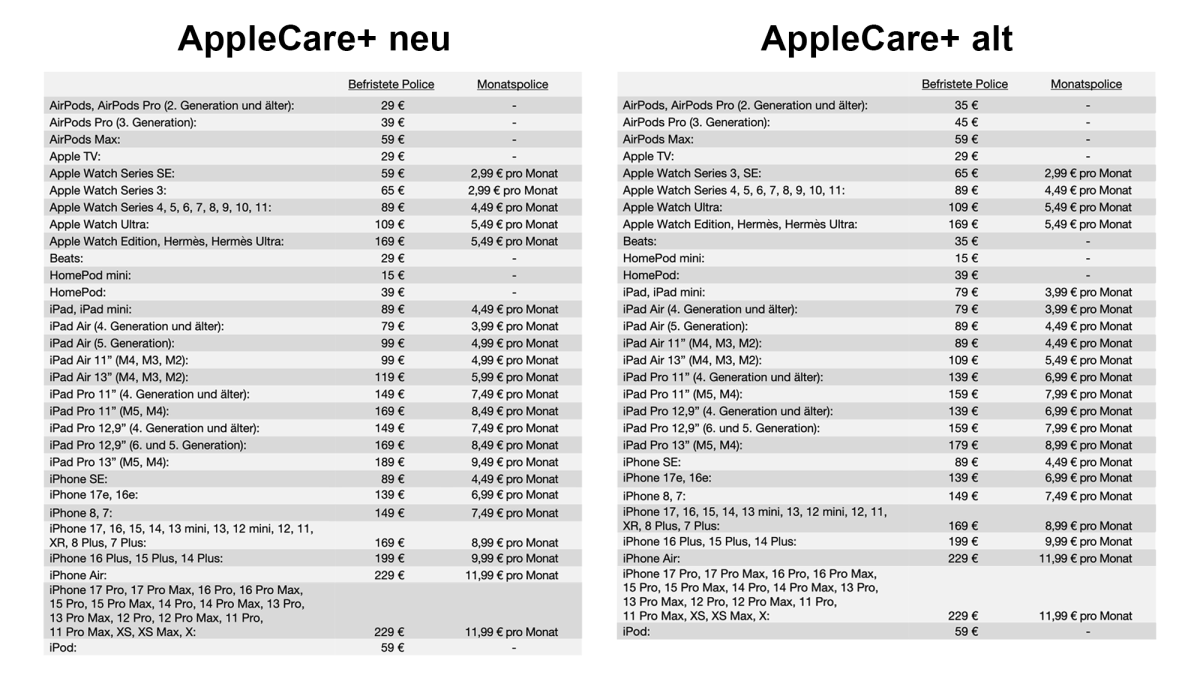
Die neuen Preise von AppleCare+ für mobile Geräte ab Juli 2026 links, die alten rechts.

Apple

Am 15. Juli 2026 hat Apple die Preise für befristete und monatliche bzw. jährliche Policen für einige seiner Produkte geändert. Die Preise haben sich nicht quer durch die Bank erhöht. Die Police für Apples Kopfhörer mit Ausnahme der Airpods Max ist günstiger geworden. Die Airpods 4, die Airpods Pro 2 und Beats-Kopfhörer können Sie nun für 29 Euro statt 35 Euro über Apple Care+ versichern. Die Police für die Airpods Pro 3 kostet nun 39 statt 45 Euro.

Sehr erfreulich ist es, dass Apple die Police für die Apple Watch SE etwas reduziert hat: Die Geräte waren ursprünglich in derselben Kategorie wie die Apple Watch Series 3 eingeordnet, für die die Police 65 Euro beträgt. Seit dem 15. Juli 2026 können Sie für die Apple Watch SE eine Police für 59 Euro abschließen. Möchten Sie monatlich zahlen, bleibt der Betrag bei 2,99 Euro.

Dagegen hat Apple die Preise für Apple Care+ bei fast allen iPad-Modellen um 10 Euro beim Zweijahresvertrag und um 50 Cent bei der monatlichen Police erhöht. Kostete Apple Care+ für das iPad Mini noch vor einer Woche 79 Euro, müssen Sie inzwischen 89 Euro dafür zahlen. Nur das iPad Air der vierten Generation und älter ist von dieser Steigerung verschont geblieben. Beim iPhone hingegen hat sich nichts geändert.

Die neuen Preise für Apple Care+ finden Sie im Detail hier (pdf), die alten hier (pdf).

applecare mac preis juli2026
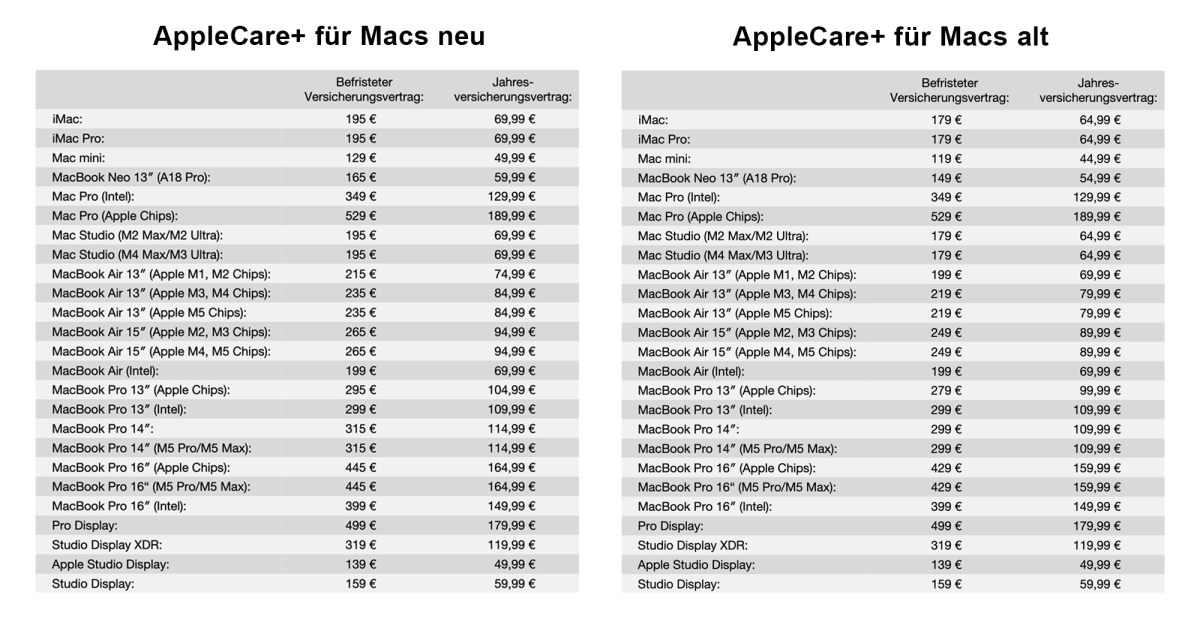
Die neuen Preise von AppleCare+ für Macs ab Juli 2026 links, die alten rechts.

Apple

Auch bei den Macs hat Apple die Preise für Apple Care+ erhöht. Die Erhöhungen betragen universell 16 Euro beim befristeten Vertrag und 5 Euro beim Jahresvertrag. Lediglich die ganz alten Intel-Macs und die Apple-Displays waren von der Preiserhöhung ausgenommen. Der Selbstbeteiligungsbetrag hat sich nicht geändert. Die neuen Preise finden Sie hier (pdf), die alten hier (pdf).

  •  

Apple erhöht Preise für Apple Music auch in Deutschland

Übers Wochenende hat Apple die Preise für seinen Abo-Dienst Apple Music in weiteren Ländern angehoben, unter anderem in Deutschland. Das Einzelabo pro Monat steigt von 10,99 Euro auf 11,99 Euro. Das Familienabo für sechs Personen steigt auf 19,99 Euro von bisher 16,99 Euro. Auch das Studierendenabo wird etwas teurer: 6,99 Euro statt 5,99 Euro.

Den Preis für das Jahresabo für Einzelpersonen hat Apple ebenfalls angehoben: von 109 Euro auf 119 Euro pro Jahr. Allerdings ist selbst nach der Preiserhöhung ein Jahresabo ein hervorragendes Angebot. Geteilt durch zwölf Monate zahlt man auch nach der Preiserhöhung effektiv rund 9,99 Euro pro Monat für ein Apple-Music-Abonnement. Der Zugang zum klassischen Katalog über Apple Music Classical ist in der aktuellen Preiserhöhung inbegriffen.

Die Preiserhöhungen im Euroraum sind vergleichbar mit den Änderungen in den USA vor wenigen Tagen. Auch dort hat Apple die Preise für ein Individualabo von 10,99 auf 11,99 US-Dollar erhöht. Gegenüber der Presse rechtfertigt Apple diese Preissteigerungen mit gestiegenen Lizenzkosten. An dieser Stelle wäre interessant zu beobachten, ob Apple in der nahen Zukunft auch die Preise für seinen Streaming-Dienst Apple TV anhebt. Die Lizenzkosten dürften hier kaum eine Rolle spielen, denn die Inhalte auf Apple TV sind allesamt von Apple eingekauft, die Nutzungslizenzen liegen direkt in Cupertino.

Angesichts dieser Preissteigerungen wird Apple One immer attraktiver: Aktuell kostet das Paket für eine Einzelperson 19,95 Euro pro Monat und beinhaltet das Abo für iCloud+, allerdings nur für 50 GB, Apple Music, Apple TV und Apple Arcade. Allein für Apple Music, Apple TV und iCloud+ müsste man separat 22,97 Euro pro Monat ausgeben, wenn man sie einzeln abonniert: 11,99 Euro für Apple Music, 9,99 Euro für Apple TV und 0,99 Euro für iCloud+.

  •  

If you subscribe to Apple Music, you’re going to pay more next month

Macworld

Just a few weeks after raising prices on Macs, iPads, and other devices, Apple has hiked prices on yet another of its products: Apple Music. In a quiet change to its website, Apple has adjusted the pricing for all Apple Music plans as well as Apple One.

Apple first increased Apple Music prices in October 2022, when it went from $9.99 to $10.99 per month. This update raises the price by another buck, to $11.99 a month. Here’s how the new pricing looks across all tiers:

  • Individual: $11.99/£11.99 (was $10.99/£10.99)
  • Family: $19.99 (was $16.99/£16.99)
  • Student: $6.99 (was $5.99/£5.99)
  • Apple One Individual: $19.95/£18.95 (no change)
  • Apple One Family: $27.95/£24.95 (was $25.95/no change in U.K.)
  • Apple One Premier: $39.95/£36.95 (was $37.95/no change in U.K.)

Apple Music still costs less than Spotify, which raised the price of its Premium subscription by $1 to $12.99 per month earlier this year. Last August, Apple raised the price of its Apple TV streaming service to $12.99 a month, a $3 increase. At the time, Apple didn’t adjust Apple One pricing.

In a statement to the press, Apple blamed the price hikes on “rising licensing costs.” Apple’s Services division, which also includes in-app purchases and subscriptions through the App Store, has been a consistent source of growth. Last quarter, the company posted revenue of nearly $31 billion

  •  

All of a sudden, Apple is winning AI

Macworld

Has Apple focused too much on AI over the past few years, or not enough? It depends on who you ask. On the one hand, the topic is faddish, inescapable, and faintly apocalyptic, and I get thoroughly depressed listening to AI buzzwords at Apple events. But on the other, can the company afford to be left behind? Yeah, I know: the food’s terrible, and such small portions.

It turns out, however, that Apple may have played this one exactly right. With the benefit of hindsight, the company’s curious mixture of enthusiastic lip service and wait-and-see standoffishness appears perfectly judged. Apple is part of the AI conversation, while remaining far less committed than its quicker-acting, more reckless rivals. It’s enjoying the benefits, without having to suffer the consequences.

Let’s start with the benefits. Following years of substandard performance and delays, the new AI-powered version of Siri has emerged as a genuinely useful chatbot. It can’t do everything ChatGPT offers quite yet, but it’s reliable for quick questions, is clued into the iPhone data like no other chatbot, and is set up for a wide range of actions. It’s private, fast, and, in typical Apple fashion, there’s still plenty of room for improvement.

For the vast majority of iPhone owners, Siri AI was worth the wait. It does everything it needs to, and it should calm the negative voices clamoring about its place in the AI ecosystem. The real trick, however, is that Apple has achieved this without exposing itself to the trials and tribulations currently afflicting more AI-forward rivals.

Take OpenAI, maker of ChatGPT and perhaps the biggest name in this field. Apple recently sued it for theft of trade secrets, but this was hardly unprecedented. In 2023 alone, the company was sued three times (one, two, three) for copyright infringement by a total of 21 authors and The New York Times, while a fourth suit that year representing 16 anonymous plaintiffs alleged “an array of harms from copyright violations to wiretapping.”

In subsequent years many more lawsuits followed. These related to (among other things) stalking, murder, suicide, and two separate mass shootings (one, two). Legal challenges will likely continue for the foreseeable future, as will the keen interest of regulatory bodies.

In terms of public perception, OpenAI is divisive, to say the least. It has some intense supporters, but the company is associated in many eyes with slop videos and images, drought, unemployment, and a cavalier approach to other people’s intellectual property. Even Elon Musk, no stranger to global unpopularity, calls the CEO of the company “Scam Altman.” That gentleman doesn’t do himself any favors, to be fair.

Apple WWDC 2026 Siri AI Demo
Siri AI isn’t the best chatbot on the market, but it’s good enough.

Apple

It might seem like I’m giving OpenAI a hard time, but it’s really only one example of the backlash. Each time a company commits itself to AI, it risks financial and reputational damage. Such as Google and its racially diverse Nazis, Samsung and its confusing data consent terms, and Microsoft and its harmful responses. When not dunking hilariously on its owner, Elon Musk’s Grok chatbot is getting him in legal hot water by creating deepfake pornography and denying the Holocaust.

By contrast, Apple has got off incredibly lightly. Criticism of its AI efforts has mostly revolved around the company being slow to market. The worst scandal has probably been iOS AI notifications sometimes getting confused. But here it is, with a working AI chatbot just a couple of months away from debuting on billions of devices.. And without the substantial investments in AI infrastructure, which make it harder for rivals to step back. Why build your own unpopular data centers when you can use Google’s?

Success isn’t just about what you gain, but what it costs you. And on those terms, Apple appears to be winning AI.

  •  

Apple’s Back to School promo doesn’t add up

Macworld

At long last, Apple finally announced its Back to School promotion, and at first glance, it seems similar to previous years. You can get a gift card valued at up to $150 for buying a new MacBook Pro, or $100 for buying a MacBook Air, iPad Pro, or iPad Air. But when you dive into the details, you’ll see just how limiting this limited-time offer really is.

First off, it’s shorter than ever. While previous sales have lasted more than three months, this year’s offer ends on August 27, just six weeks from now. So not only did it start about a month later than usual, it’s ending more than a month sooner than recent years:

  • 2026: July 16 to August 27
  • 2025: June 17 to September 30
  • 2024: June 20 to September 30
  • 2023: June 5 to October 2
  • 2022: June 24 to September 26

So students will need to make their decisions on what to buy sooner than ever, many of them before the school year begins. And they’ll also have fewer products to choose from. As expected, the MacBook Neo isn’t part of the promotion, but you also won’t find any desktop Macs. In previous years, Apple has offered iMacs and Mac minis alongside MacBooks, but not this year.

And then there’s the offer itself. After offering buyers a choice of accessories valued at up to $199, including AirPods, an Apple Pencil Pro, or a Magic Keyboard, Apple has returned to giving away gift cards this year: $150 with the purchase of a MacBook Pro, and $100 when you buy a MacBook Air, iPad Air, or iPad Pro. Not only is that less than in 2024, when buyers got $150 when purchasing a MacBook Air, but it also doesn’t take any of the recent price hikes into consideration.

That $100 gift card you’re getting on the iPad Air doesn’t even bring it down to the price it used to be before Apple raised prices by $150. MacBook Pros still cost $150 more than they did just last month, and if you’re planning to use that gift card on a HomePod or Apple TV, well, you might as well just throw your money in the trash.

Unfortunately, this promotion is still among the best “deals” you’re going to find on a MacBook or iPad. Prices on Amazon and other stores have all been adjusted to match Apple’s new prices, and we’ve yet to see much in the way of major Apple discounts yet (although we do recommend looking at the Apple Certified Refurbished Store where prices are more favorable). But remember you’re need to act fast—the clock runs out on the Back to School deal a lot earlier this year.

  •  

Apple Maps ads won’t include plumbers, crypto, or bail bondsmen

Macworld

We’ve known for some time that adverts are coming to Apple Maps. The leaker-analyst Mark Gurman claimed as long ago as February 2025 that Apple was exploring the idea, and it became official when the company announced its new Apple Business platform in March of this year. Now the project is becoming a reality, with the publication of rules which advertisers will need to follow.

In the updated document, advertisers are told to steer clear of the usual forbidden topics: drugs, profanity, discrimination, crime, politics, sex, guns, violence, and anything that competes with Apple hardware. But there are new prohibitions in the section devoted to Apple Maps.

Most notably, no adverts will be accepted for home services. This includes “plumbing, electrical, locksmith, HVAC, pest control, roofing, or general contracting services.” The document doesn’t explain why such services cannot be advertised in Apple Maps, but it may be related to liability if a user is physically injured or financially harmed by substandard work. Confusingly, however, Google Maps absolutely does accept ads in those categories; a quick search for “roofing” gave me two sponsored results for roofing companies before I got to the organic results.

The section also states that Apple Maps will not carry adverts for cryptocurrency ATMs and bail bond services. And while ads for medical services may be accepted, the company reserves the right to evaluate these on a case-by-case basis.

It isn’t yet clear when exactly the ads will start to appear in Apple Maps. They aren’t currently showing for anyone in the Macworld team, and are still labelled as “Coming soon” on Apple’s website. Apple has said only that they will launch this summer, beginning in the U.S. and Canada.

  •  
❌