It’s been almost 12 years since Apple unveiled its smartwatch to the world, and if you compare that first model to the newest Series 11, you’ll see that a lot has changed. Apple Watch has become slimmer, larger, and packed with more sensors. Even so, Apple continues to update its Watch every year with incremental improvements.
Now, when a new Apple Watch arrives, the reaction is more like, “Is anything new?” In fact, the latest models don’t differ much from one another, and some people are wondering when the next big change to the Apple Watch will come.
The thing is, it might be a long time before we see another radical change coming to the Apple Watch. That doesn’t mean Apple has stopped innovating, but rather that the Apple Watch has matured enough to establish itself as the leading smartwatch maker and one of the top wristwatch makers in the world. And while its Android competitors might think they’re keeping pace, they’re actually very far behind.
A mature platform
When the original Apple Watch launched in 2015, the entire category felt experimental. Apple’s early vision for the product wasn’t even entirely clear. The company talked about communication, fashion, fitness, productivity, apps, and luxury all at the same time during its introductory keynote.
Over time, the usage patterns of Apple Watch buyers revealed what people really wanted. Most users didn’t care about the luxury factor, nor did they want to replace their smartphones entirely. They simply wanted something to do basic things like check notifications and other quick updates without pulling out their phone.
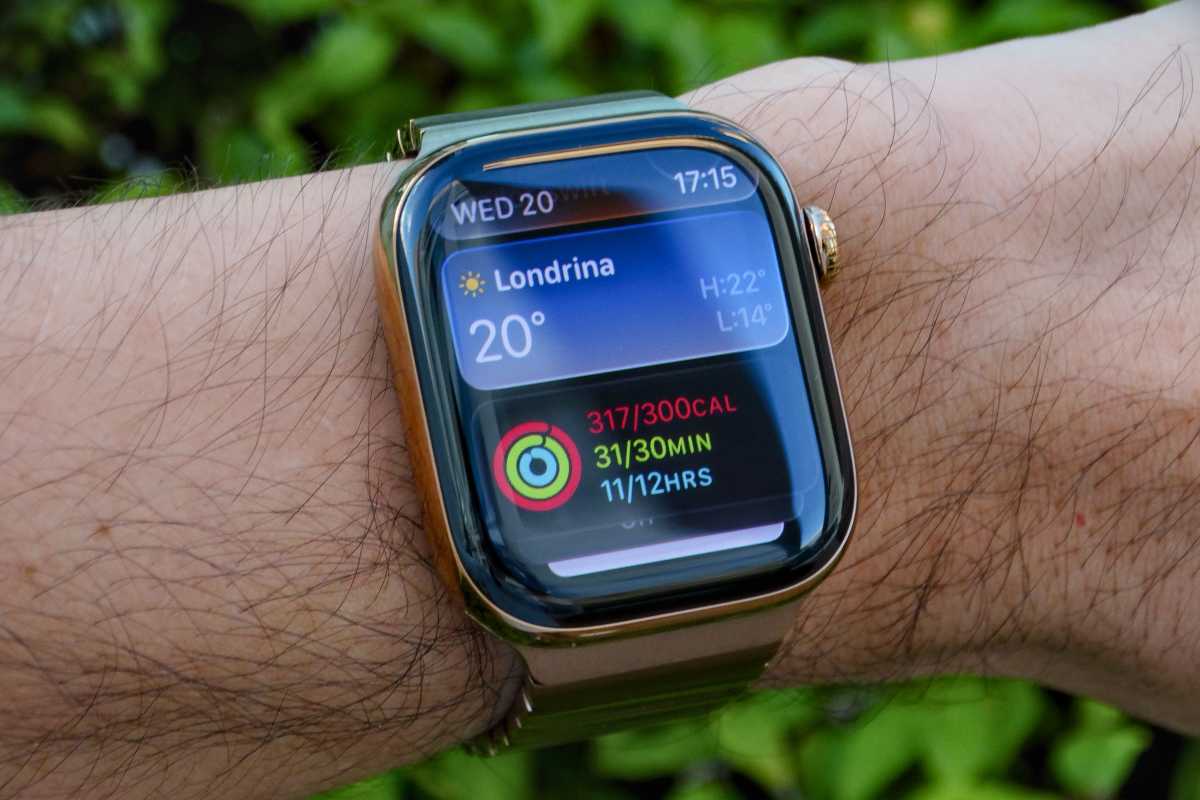
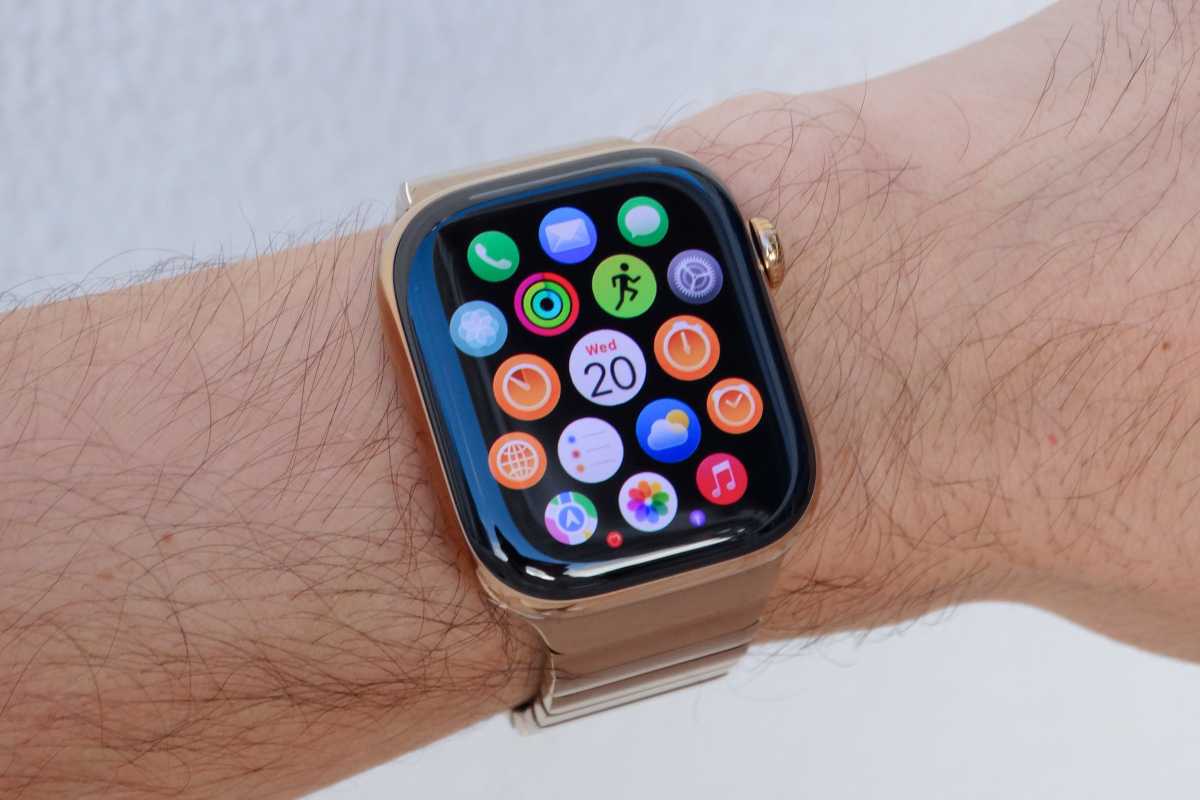
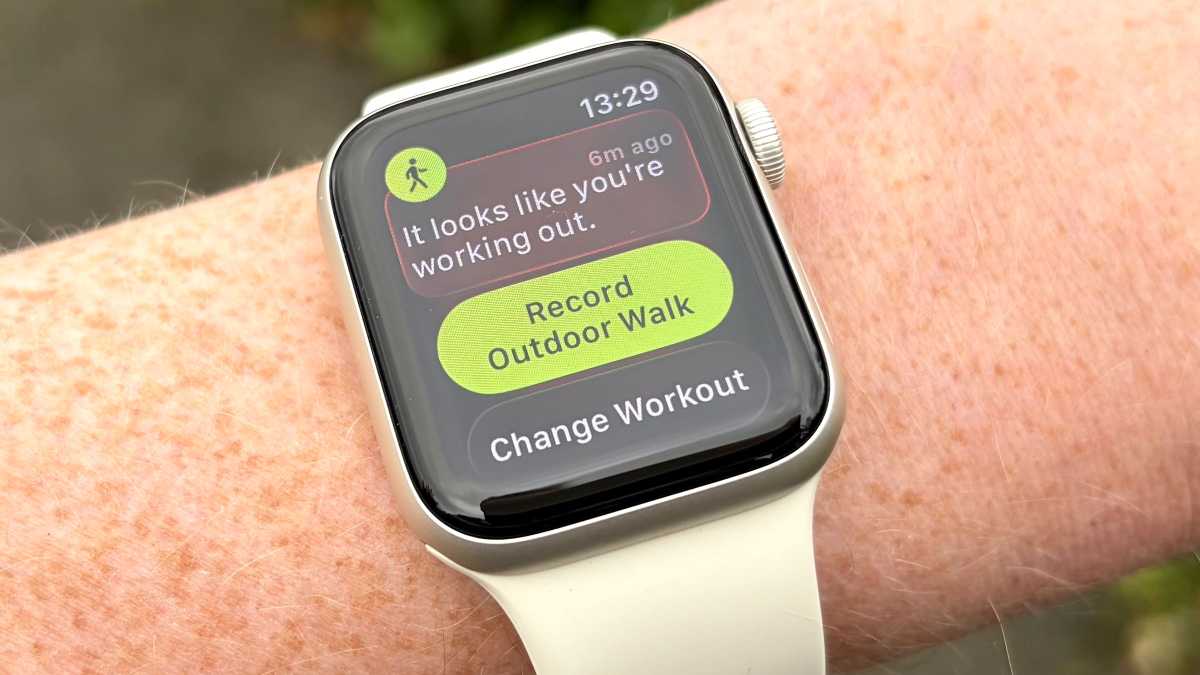
The Apple Watch has a familiar, easy-to-use interface that’s been crafted over a decade of evolution.
Foundry
Apple also discovered that users were most interested in health and fitness features. By the time the Apple Watch Series 2 was released, Apple already had a clearer vision of what the future of the Apple Watch should look like.
The Apple Watch can now take ECGs (Series 4), track blood oxygen levels (Series 6), measure wrist temperature (Series 8), and much more. The interface has also been continuously updated to make it more practical and convenient, showing useful information at a glance. At the same time, the design now looks more modern, yet still quite familiar.
But the excitement between generations is largely gone. For instance, the Apple Watch Series 11 introduced 5G connectivity, slightly better battery life, and improved durability. These are nice-to-have improvements, but they certainly don’t sound exciting to many people.
When people complain that Apple Watch updates have become boring, they’re not entirely wrong. The differences between recent generations are smaller than they used to be. But that’s also true for many mature product categories.
Smartphones no longer evolve as dramatically as they did 10 years ago. The same applies to laptops. Once companies figure out the ideal balance between hardware and software, improvements become more focused on refinement rather than reinvention. The Apple Watch seems to have reached that point.
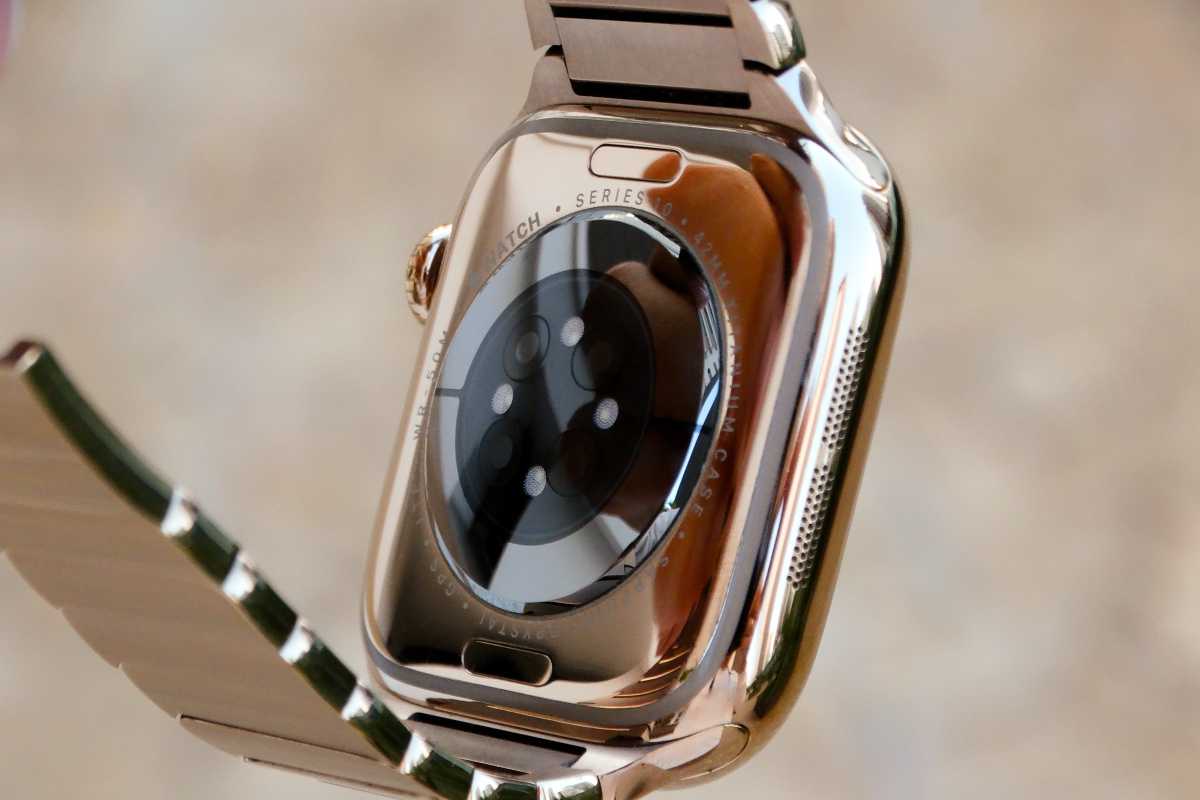
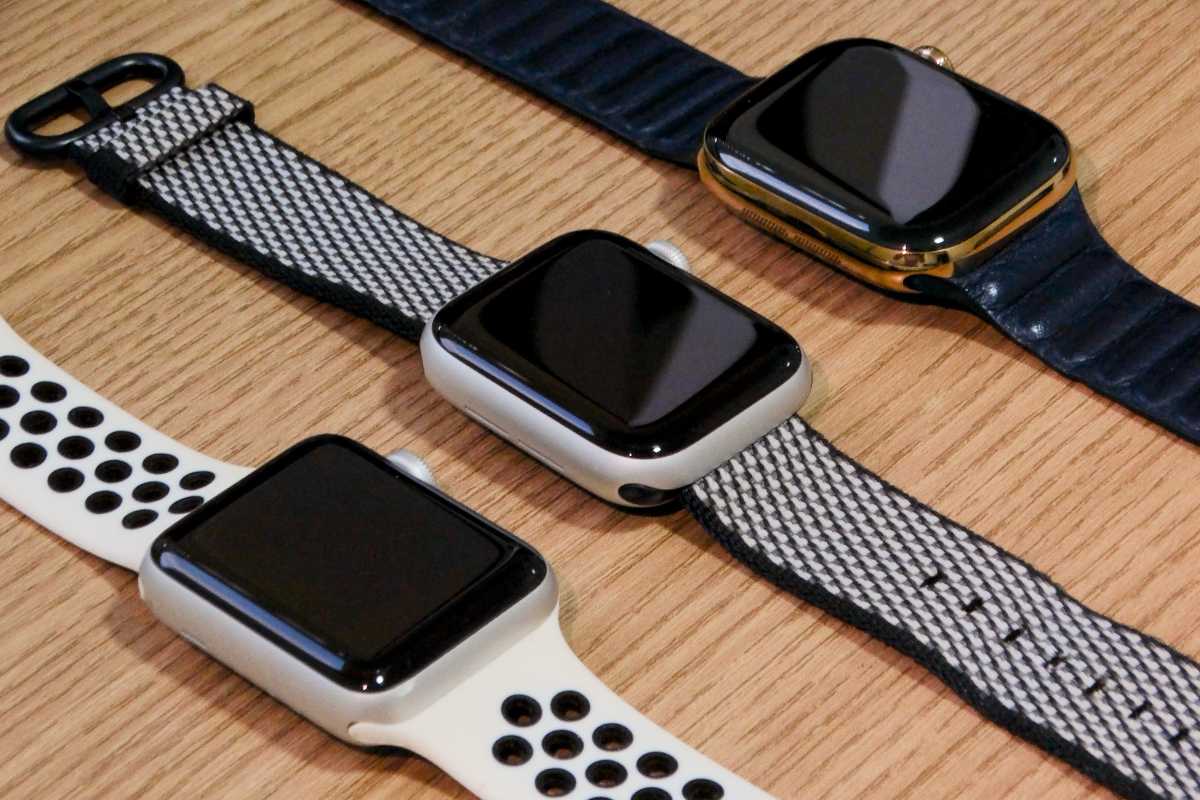
The Apple Watch design has evolved, but there are few notable changes between generations.
Foundry
For instance, the transition from the original Apple Watch to the Series 4 felt huge. Apple introduced a significantly larger display, a more modern design, and an ECG sensor. The evolution from Series 4 to Series 11, however, feels much smaller. And honestly, that’s fine.
The Apple Watch already does most things people expect from a smartwatch extremely well. Notifications are reliable, fitness tracking works great, health features have become incredibly advanced, and the integration with the iPhone remains unmatched.
Competition lagging behind
Looking at the smartwatch landscape, it’s clear that other smartwatches have also improved significantly. For Android users, there are great options such as Google’s Pixel Watch. Garmin remains unbeatable when it comes to battery life and advanced fitness metrics. And just this week, Samsung unveiled the Galaxy Watch 9 and Galaxy Watch Ultra 2 with AI fitness coaching and more accurate health tracking.
Even so, none of these products can beat the full Apple Watch experience on its own. The Apple Watch still feels like the default smartwatch for most people, especially for iPhone users. In fact, it’s hard to think of another wearable that integrates so seamlessly and simply with any other ecosystem.
This is due, in large part, to the advantages of Apple’s Continuity features. Users love features like unlocking their Mac with their Apple Watch, syncing health data across devices, or quickly pinging their iPhone with just a tap, not to mention the integration with Apple Fitness+. Competitors still struggle to fully replicate that experience.
None of Apple Watch’s competitors can compete with the smarts and simplcity of watchOS.
Foundry
That’s why the Apple Watch feels so mature today. It’s no longer trying to prove itself with experimental ideas or flashy concepts. It has already figured out what most people expect from a smartwatch, and now it simply does those things better than anyone else.
Plus, Apple just announced watchOS 27, which brings Apple Intelligence and the new Siri AI to the Apple Watch for the first time. Gemini support was one of the main advantages of buying a Pixel or Galaxy watch, and even though the new Siri will require a nearby iPhone, it takes away one of the few reasons to consider an Android watch.
Some companies are taking a very different approach, such as Samsung with the Galaxy Ring, Google with the screenless Fitbit Air, and Garmin’s new CIRQA Smart Band. Still, these products don’t have the same appeal as the Apple Watch. They just feel incomplete compared to a fully integrated communication device.
Room for improvement
At this point, Apple doesn’t need another major Apple Watch redesign. It doesn’t need a camera on your wrist or some other flashy feature that only looks impressive in advertisements.
What the Apple Watch really needs now is to continue gaining quality-of-life improvements. Specifically, better battery life.
The Apple Watch battery has improved over the years, with fast charging support arriving in 2021 and last year’s models getting a significant battery life boost to 24 hours. But after almost 12 years, it’s still a device that requires daily charging, forcing users to find charging windows during the day. And while most Apple Watch owners adapted to this routine, it’s still the biggest compromise of the product.
The Apple Watch is iconic in a way no other smartwatch is.
Foundry
Users are no longer asking Apple to reinvent what the smartwatch is supposed to do. Most users already seem satisfied with the overall experience. What they want now are improvements that make the device more practical.
These changes may not sound all that exciting, but they would improve the Apple Watch experience far more than a dramatic redesign or a radical hardware overhaul. This just highlights how mature the Apple Watch has become.
Apple doesn’t need to reinvent the Apple Watch because it already figured out what most people want from a smartwatch. At this point, the future of the Apple Watch isn’t about a dramatic change, but rather about refining what already works very well.
Smartwatches können Trainingseinheiten, Schlaf und wichtige Gesundheitswerte erfassen. Im Zusammenspiel mit einem iPhone können Sie außerdem Nachrichten, Anrufe, Musik und Mitteilungen direkt am Handgelenk verwalten.
Die Apple Watch Series 11 mit GPS, 46-Millimeter-Aluminiumgehäuse in Space Grau und schwarzem Sportarmband in Größe M/L kostet bei Amazon aktuell nur 379 Euro. Gegenüber der UVP von 479 Euro sparen Sie 100 Euro beziehungsweise 21 Prozent.
Dabei handelt es sich um den bisherigen Tiefstpreis, der zuletzt Ende April beziehungsweise Anfang Mai erreicht wurde. Dazwischen stieg der Preis wieder auf etwa 430 bis 450 Euro. Das Angebot trägt die Kennzeichnung “Amazons Tipp”, wurde im vergangenen Monat mehr als 2.000 Mal gekauft und erreicht bei 1.780 Bewertungen durchschnittlich 4,7 von 5 Sternen. Die Series 11 ist zudem Bestseller Nummer 1 bei Amazon (in der 42-Millimeter-Version).
Was die Apple Watch Series 11 zu bieten hat
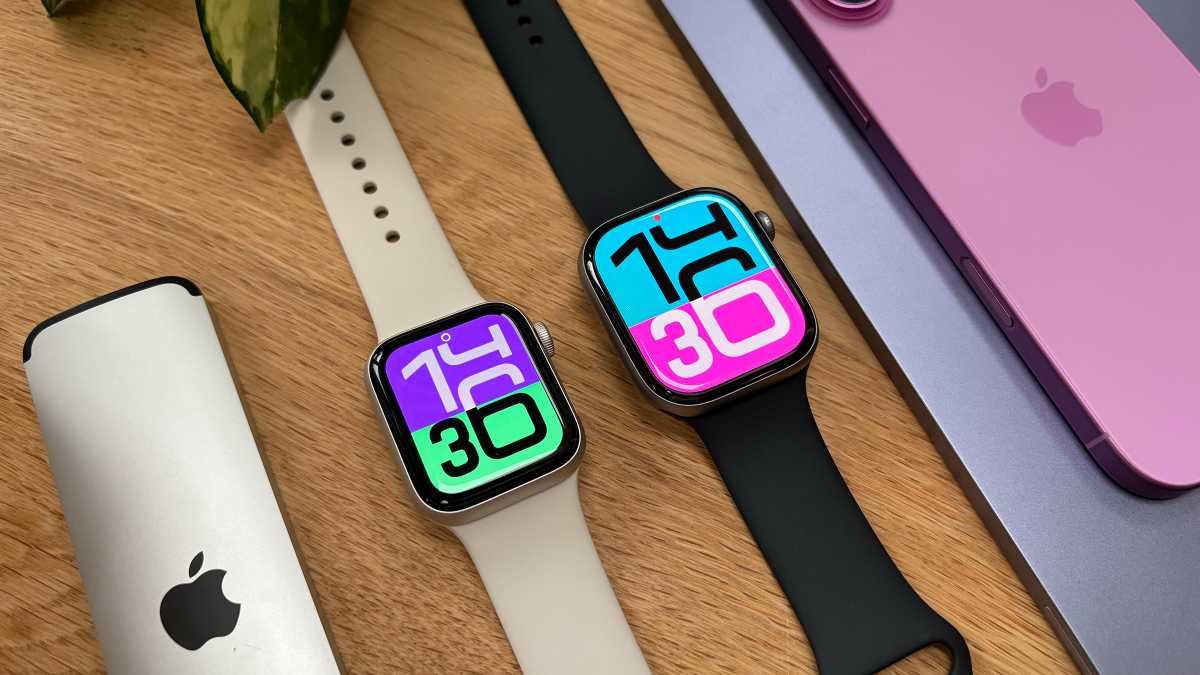
Die smarte Uhr besitzt ein 46 Millimeter großes, 9,7 Millimeter dünnes Aluminiumgehäuse und wiegt als GPS-Version 37,8 Gramm. Das Always-On-Retina-Display erreicht bis zu 2.000 Nits und kann in dunkler Umgebung auf 1 Nit herunterregeln. Das Ion-X-Frontglas soll doppelt so kratzfest sein wie bei der Series 10.
Im Inneren arbeitet der S10-Chip mit 64 GB Speicher. Zur Bedienung stehen die Digital Crown, eine Seitentaste sowie Doppeltipp- und Drehgesten bereit. Hinzu kommen Mikrofon, Lautsprecher, Siri, Apple Pay, Bluetooth 5.3 sowie WLAN im 2,4- und 5-GHz-Bereich.
Ein Schwerpunkt liegt auf den Gesundheitsfunktionen. Die Series 11 bietet unter anderem EKG, Blutsauerstoffmessung, Herzfrequenz- und Zyklus-Tracking sowie Hinweise auf Schlafapnoe, unregelmäßigen Herzrhythmus und möglichen Bluthochdruck. Der Schlafindex fasst die Schlafqualität zusammen, während die Vitalzeichen-App wichtige nachts erfasste Daten übersichtlich darstellt.
Für Sport und Fitness stehen zahlreiche Trainingsarten, Herzfrequenz-Zonen, Trainingsbelastung und eine Pacer-Funktion zur Verfügung. GPS, Kompass, Höhenmesser, Tiefenmesser und Wassertemperatursensor ergänzen die Ausstattung. Käufer erhalten außerdem drei Monate Apple Fitness+ kostenlos.
Die Akkulaufzeit beträgt laut Apple bis zu 24 Stunden bei normaler Nutzung und bis zu 38 Stunden im Stromsparmodus. Nach etwa 45 Minuten soll der Akku zu 80 Prozent geladen sein. 15 Minuten Ladezeit reichen für bis zu 8 Stunden Nutzung, 5 Minuten für bis zu 8 Stunden Schlaftracking.
Die Smartwatch ist bis 50 Meter wassergeschützt und nach IP6X staubgeschützt. Zu den Sicherheitsfunktionen gehören Notruf SOS, internationale Notrufe, Sturz- und Unfallerkennung sowie die Wegbegleitung. Bei einem erkannten schweren Unfall kann die Uhr automatisch Hilfe rufen und Notfallkontakte informieren.
Da es sich um die GPS-Version handelt, benötigt die Apple Watch unterwegs ein gekoppeltes iPhone. Die in den allgemeinen technischen Daten genannten 5G- und LTE-Funktionen gelten nur für die separat erhältliche Cellular-Version.
Warum sich das Angebot lohnt
Nutzer loben in den Rezensionen vor allem die Verarbeitung, das schlanke Design, das Display und die Funktionalität. Auch das Preis-Leistungs-Verhältnis und die Messfunktionen werden häufig positiv bewertet. Gemischte Meinungen gibt es allerdings zur Akkulaufzeit und zur Genauigkeit einzelner Messwerte.
In unserem Test überzeugen uns tatsächlich die längere Akkulaufzeit, die Bluthochdruckschätzung, das kratzfestere Display und die neuen Gesten. Gleichzeitig sind die Unterschiede zur Series 9 und Series 10 gering, da viele Funktionen auch dort per Software-Update verfügbar sind.
Für Besitzer einer Series 10 lohnt sich der Wechsel daher kaum. Interessanter ist die Series 11 für Neueinsteiger und Nutzer einer Series 8 oder eines noch älteren Modells. Zum aktuellen Tiefstpreis von 379 Euro ist sie innerhalb des Apple-Watch-Angebots eine gute Wahl.
Finally went to the Apple Store and bought my Series 11 watch. Unfortunately my phone is too old for it and I had to buy an iPhone 17 also. I sure hope I can become comfortable with using it. Plan on taking some tutorials also. Took an hour on the phone with ATT to get it paired. Frankly it was an exhausting day. But at least if I fall off the ladder someone will know about it.
The Premier League 2026/27 season is fast approaching, with champions Arsenal kicking off the new campaign against newly-promoted Coventry at the Emirates Stadium on Friday, August 21.
These clubs provide just two of the many fascinating storylines to follow between now and the final day on Sunday, May 30 next year. After finally ending their 22-year wait to win the title, can the Gunners establish themselves as one of the great Premier League sides and go back-to-back? Meanwhile, will Frank Lampard's experience help Coventry hit the ground running in their first top-flight campaign in 25 years, having bounced back from the brink of oblivion during that time?
Elsewhere, three of the 'Big Six' have made intriguing managerial appointments since the end of last season. Enzo Maresca has the daunting task of following Pep Guardiola at Manchester City, while the Italian's former club, Chelsea, have hired ex-Liverpool star Xabi Alonso. Talking of the Reds, they have appointed former Bournemouth boss Andoni Iraola to replace Arne Slot.
It will also be interesting to see if Michael Carrick can continue his revival of Manchester United and whether Tottenham can kick on under Roberto De Zerbi after very nearly suffering a humiliating relegation last term. Meanwhile, a further five clubs have new managers, including Gary O'Neil at Ipswich, who came up alongside Coventry and surprise Championship play-off winners Hull.
The best part? You can watch it all live in the UK, US and Australia, including ways to stream for free. Abroad? We'll show you how to watch the Premier League 2026/27 season from anywhere with a good VPN – our favourite NordVPN comes with up to 75% off.
Can I watch the Premier League 2026/27 for free?
CazéTV will be showing a select amount of Premier League games for free on their YouTube channel as part of a sub-licensing agreement with ESPN.
La Liga matches are also shown on the channel.
How to watch Premier League 2026/27
The Premier League 2026/27 season will be streamed live in many countries around the world, with multiple options in the UK, US and Australia.
UK
Sky Sports is the home of the Premier League in the UK, with at least 215 matches broadcast exclusively live across the season. Sky Sports packages cost £35 per month for new customers, or £22 per month if you already have a new 24-month Sky TV contract.
A further 52 games will be live on TNT Sports and its streaming partner HBO Max. A subscription costs £30.99 per month on a rolling monthly contract, or £27.99 per month for a minimum 12-month term.
US
NBC Universal has the rights to show live Premier League games in the US, sharing coverage of all 380 matches across flagship channel NBC, its streaming service Peacock and cable TV channel USA Network.
Peacock shows roughly half of the Premier League matches every week, with plans starting from $10.99 a month, or $109.99 a year. There is no dedicated streaming platform for USA Network, but it is available on cord-cutters like YouTube TV, Hulu+Live TV,Sling(select markets),FuboorDirecTV, many of which carry free trials. You can also get NBC and NBCSN on these cord-cutters.
Australia
In Australia, Stan Sport has the rights to show every single Premier League game across the 2026/27 season. Subscriptions start at AU$32, which includes the base plan ($12) with the sport add-on ($20).
Abroad? You can use a NordVPN (try 100% risk-free) to watch all the action free of charge as if you were right at home.
Use a VPN to watch any Premier League 2026/27 stream
Why is a VPN a good option to watch Premier League 2026/27?
The Premier League is the most popular domestic football competition in the world, with countries across the globe showing the action live. Unfortunately, you may find that your usual streaming options are geoblocked if you're away.
That’s where a VPN comes in handy – not only does it let you access your home streaming services from anywhere, but it also protects you from potential online threats. We recommend NordVPN – it does everything and will unblock any free streaming service for you to watch the action.
We test and review VPN services in the context of legal recreational uses. For example:1. Accessing a service from another country (subject to the terms and conditions of that service).2. Protecting your online security and strengthening your online privacy when abroad.We do not support or condone the illegal or malicious use of VPN services. Consuming pirated content that is paid-for is neither endorsed nor approved by Future Publishing.
Buying Apple’s newest smartwatch just got easier to justify. The Apple Watch Series 11 is on sale for $299 right now, which is $100 under its MSRP. That’s a solid 25 percent discount for a device you’ll wear every day, helping you keep your activity levels up and keeping you connected to the world. It’s just $20 more than the lowest price we’ve ever seen during Prime Day.
The Apple Watch Series 11 is the perfect purchase for someone who wants to keep a closer eye on their health without much effort. It tracks your heart, helps you learn more about your sleeping habits, and pushes you to stay active with tools like Workout Buddy, Pacer, and Heart Rate Zones. You can also take an ECG anytime and get alerts for high or low heart rate and irregular rhythms, while the Vitals app shows you overnight metrics at a glance, and you’ll even find out if you have sleep apnea. It’s a natural fit for iPhone owners who are busy with work, family, workouts, and everything else.
Safety features are also pretty great here. The Series 11 can detect a hard fall or severe car crash and automatically connect you with emergency services while alerting your contacts. It’s also ready for watchOS 27 in the fall, which brings the all-new Siri AI and other enhancements.
The watch is thin and lightweight, so it’s comfortable to wear around the clock, including during sleep. A single charge will give you enough juice to use the watch for up to 24 hours, and a quick 15-minute charge buys you about 8 hours of use. Of course, you can also text, take calls, stream music, and use Siri right from your wrist.
You should be well aware that this is the GPS model you’re paying $299 for, so you’ll need your iPhone to stay connected. If you want the 5G model, it’s going to cost you $350 ($150 off). Additionally, you can get the larger 46mm model for $329 ($100 off)
At $299, the Apple Watch Series 11 is easy to recommend. Grab it while the deal lasts.
Auf meinen Wanderungen ist eine hybride Powerbank fürs iPhone und für die Apple Watch Pflicht: Nach ein paar Stunden Stampfen im unwegsamen Gelände sind Mensch und Smartwatch am Ende der Kräfte. Grund dafür ist, dass insbesondere bei Outdoor-Training die Apple Watch sowohl die Herzfrequenz fast kontinuierlich misst, als auch die GPS-Abfragen im Hintergrund ständig laufen.
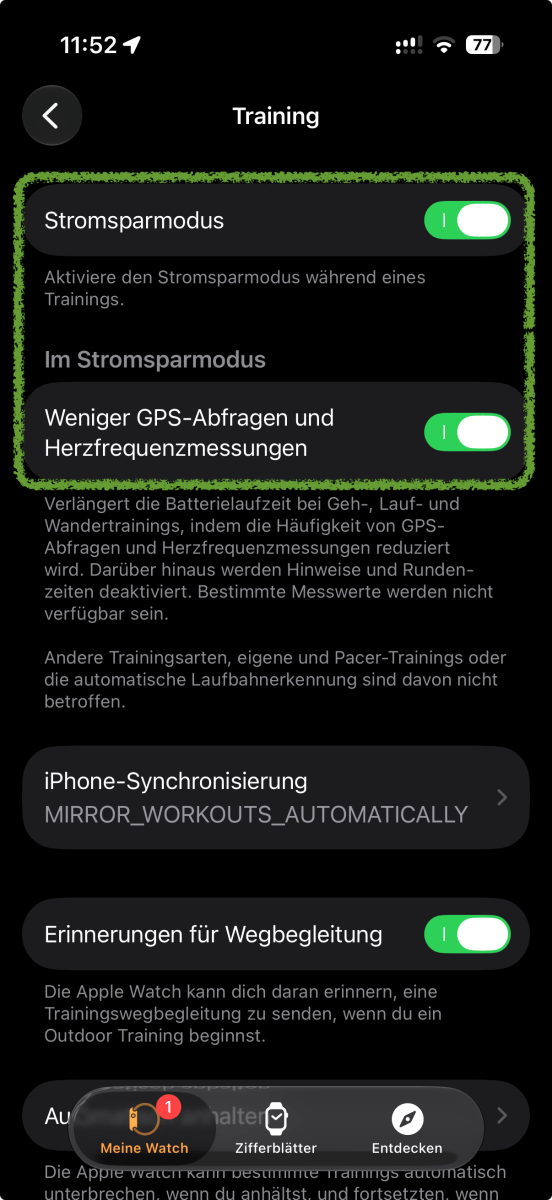
Ein paar Stunden in diesem Betrieb auf Hochtouren kosten viel Energie. Doch es gibt eine Einstellung, die bei solchen Trainings die Batterie der Apple Watch etwas schonen kann. Diese versteckt sich nicht in den allgemeinen Batterieeinstellungen der Watch, sondern bei der App “Trainings”.
Öffnen Sie die Einstellungen-App direkt auf der Apple Watch oder die Watch-App auf dem iPhone.
Scrollen Sie zum Bereich “Apps” und weiter zum “Training” (auf dem iPhone) oder zur Einstellung “Training” auf der Watch.
Aktivieren Sie den obersten Regler “Stromsparmodus” und gleich unten den nächsten Regler “Weniger GPS-Abfragen und Herzfrequenzmessungen”.
Stromsparmodus bei Training auf der Apple Watch
Halyna Kubiv
Die beiden Einstellungen wirken nur kombiniert und werden nur aktiviert, wenn ein Training startet. Der Stromsparmodus bewirkt, dass Always-on abgeschaltet wird. Dazu werden einige Hintergrundfunktionen verlangsamt oder abgeschaltet. Zum einen werden Gesten nicht erkannt, zum anderen werden WLAN- und Mobilfunkverbindungen abgeschaltet, wenn das iPhone nicht in der Nähe ist.
Die neueren Apple Watches ab Series 8, Apple Watch SE 2 und alle Ultras können noch die Auswertung der Herzfrequenzen und die GPS-Abfragen reduzieren. Hintergrund dabei: Die Uhr misst bei Training Herzfrequenz alle fünf Sekunden und das kostet Akku. Auch die GPS-Abfragen für den aktuellen Standort und für die allgemeine Route misst eine aktuelle Apple Watch jede Sekunde.
Die Einstellung für die Outdoor-Trainings reduziert diese Messungen, spart aber gleichzeitig kostbare Energie. Gleichzeitig werden auch ein paar Komfortfunktionen fehlen: Das Gerät kann Sie nicht mehr an die angefangenen Trainings erinnern, Rundenzeiten und Segmente werden nicht aufgezeichnet, auch die Auswertung wie “Aktueller Pace” wird fehlen.
There doesn’t appear to be any other path for appeal or recourse, as the judge rejected both requests for either a new judgement or trial.
[…]
In the end, Masimo didn’t succeed in getting the Apple Watch banned or fundamentally redesigned. It won an empty victory with the funds it will be paid, and the patents affecting the lawsuit will expire in 2028 and 2029 anyway.
Although the ruling confirms the financial penalty, it does not affect current Apple Watch users. The smartwatch’s blood oxygen monitoring feature remains available after Apple introduced a software update in January 2024 that allowed sales to continue despite earlier legal challenges.
The Apple Watch is the best smartwatch you can buy, but it’s not cheap. Luckily, you don’t have to pay full price for an Apple Watch. Resellers frequently offer fantastic deals on all models, and in this article we are tracking deals for the new Apple Watch 11, SE 3 and Ultra 3 which were introduced in September 2025, as well as the older Apple Watch 10, SE 2 and Ultra 2. We are expecting Apple to introduce the Apple Watch Series 12 in September, and the Apple Watch Ultra could also get an update. Read Should I buy an Apple Watch now or wait? for more advice about the best times to buy.
To find the best Apple Watch deals we continuously monitor the market to spot the most worthwhile bargains, but, ultimately, our recommendations are based on our own in-experience with the full range of Apple Watches, which we have reviewed and use daily. Our editors’ selections are guided by a simple principle: we won’t recommend buying something that we wouldn’t buy ourselves. We focus on products at prices we believe are fair, ensuring our recommendations steer you toward genuine savings.
Price is just one factor we consider. A significant part of our methodology is evaluating the overall value of a deal, especially when comparing different generations of the Apple Watch. When Apple launches new models, such as the Series 11, SE 3, and Ultra 3, we see resellers clear out stock of previous-generation models at lower prices. We highlight these opportunities, as older models like the Series 10 or Ultra 2 can become excellent alternatives to the latest releases.
It isn’t always the case that an older Watch is a good option though: we’ve previously advised readers to avoid what seemed like an all-time-low price on an older Apple Watch SE 2 because the newer Apple Watch SE 3, available for just $40 more, offered a vastly superior feature set, including an always-on display, a faster chip, and better battery life.
We also recommend checking the Apple Refurbished Store as a source for year-round discounts. Products from this store are revamped by Apple and include a one-year warranty, often providing substantial savings on recent models like the Apple Watch Series 10 or Ultra 2.
Is now a good time to buy a new Apple Watch?
David Price / Foundry
The latest Apple Watch models – the Series 11, SE 3, and Ultra 3 – launched in September 2025, so the Series 12 and Ultra 4 are widely expected in September 2026. Unless you specifically want the Apple Watch SE 3, which isn’t expected to be updated this year, we recommend waiting.
Another reason to buy now is that Apple could increase prices when the new models launch, as it has done with other products in 2026.
If you can wait beyond the September launch, the best time to buy is during major sales events such as Amazon Prime Day (October) and Black Friday, when both new and previous-generation Apple Watches are often discounted. The worst time to buy is late summer, just before Apple’s annual September event, when you’re most likely to pay full price for a model that’s about to be replaced.
When choosing which Apple Watch to buy you should consider various factors. If you need advanced health sensors, like ECG and blood oxygen monitoring, then you need to choose the Series 11 and Ultra 3 (or the Series 10 and Ultra 2) because the SE doesn’t offer those options. But if you are on a budget the Apple Watch SE 3 offers importtant features like Fall Detection and heart rate monitoring, and comes at an affordable price. The best battery life is offered by the Apple Watch Ultra 3, but the SEries 11 offers a solid 24 hours, and even the 18 hour SE 3 will be sufficient for most people, plus charging can be done in less than an hour.
Apple Watch Series 11: This model features a 24-hour battery life, 5G connectivity on cellular models, and a more scratch-resistant display. While it shares the same S10 chip and many health features with the Series 10, its improved battery is a key advantage. Deals have been spotted offering up to $100 off, bringing the price down to as low as $279/£287
Apple Watch SE 3: This Apple Watch is the best value option for most people. The SE 3 received a major upgrade, including an always-on display, a faster chip, temperature sensing, fast charging, and 5G on cellular models. It offers most of the essential features of the Series 11 at a much lower price, starting at $249. It has been on sale for as low as $199/£197.
Apple Watch Ultra 3: Designed for adventurers and sports enthusiasts, the Ultra 3 boasts a 42-hour battery life, a larger and brighter screen, satellite connectivity for emergencies, and a rugged design. It’s the most expensive model, price drops of up to $150, to $649/£649.
Apple Watch Series 10: You may be able to find clearance deals on last-generation models. The Series 10 is very similar to the 11, with the main difference being its 18-hour battery life. It has been seen for as low as $279, a $150 discount.
Apple Watch Ultra 2: This is also a great option, with deals dropping its price by as much as $200.
Apple Watch SE 2: If you find one on sale, we advise to avoid the Apple Watch SE 2 unless the price is exceptionally low (around $100), as the SE 3 is a far superior and more future-proof device.
Buying an older Apple Watch can be a great way to save money, but in 2026 it’s important to choose carefully. The biggest consideration is software support. Apple will drop support for several older models when watchOS 27 launches, meaning they no longer receive the latest features and may eventually miss out on security updates.
If you want an older Apple Watch that will continue to receive the latest version of watchOS, look for a model with at least an S9 chip.
Avoid buying these models and anything older, unless you’re getting them at a very low price and don’t mind running older software:
Apple Watch Series 6 (2020)
Apple Watch Series 7 (2021)
Apple Watch Series 8 (2022)
Apple Watch SE (2nd generation, 2022)
Apple Watch Ultra (1st generation, 2022)
If you’re still not sure which Apple Watch is right for your needs, take a look at our Best Apple Watch buying guide.
Best refurbished Apple Watch deals
One of the best places to look for Apple Watch deals all year round is the Apple Refurbished Store. There, you’ll find huge Apple Watch discounts, sometimes even on the latest models. These Apple Watches have been returned to Apple for various reasons, and then completely revamped for resale. One of the major benefits of buying a refurbished Watch from Apple is that it will come with a one-year warranty so Apple may fix or replace it for free should anything happen to it in that first year.
Below you will find price comparison tables that show the best prices right now for each Apple Watch model from various stockists. You will also find deals on Apple Watch models that Apple has now discontinued, as long as stockists still have them available.
Best Apple Watch Series 11 deals
The Apple Watch 11 (2025 model) starts at $399/£369 (there was a price drop in the U.K.) for the aluminum 41mm version and $429/£399 for the 44mm model. It’s an extra $100/£100 for cellular. It costs the same as the Series 9 did.
Price comparison from over 24,000 stores worldwide
Product
Price
Price comparison from Backmarket
Best Apple Watch Ultra 3 deals
The Apple Watch Ultra 3 (2025 model) starts at $799/£749. It comes with cellular. The original Ultra previously sold for $799/£849, so the U.K. then was reduced to $799 in 2025, and is now even cheaper at $749.
Price comparison from over 24,000 stores worldwide
Product
Price
Price comparison from Backmarket
Where to buy an Apple Watch
If you’re simply looking to pick up an Apple Watch regardless of price, there are plenty of stores that sell not only the latest Apple Watch Series, but older variants of the Apple Watch that aren’t available from Apple any more—some at significant savings, too.
Apple Watch buyers in the U.S. can check out the following stores:
You’ve also got the option of picking up an Apple Watch with a cellular contract, allowing it to function as a standalone device that doesn’t need to be tethered to your phone to make calls and send texts. Amazon and other retailers sell the Apple Watch with cellular and you can usually find discounts on most models, though not as deep as the GPS versions. Here are the sales we’re tracking this month:
All of the major U.S. carriers sell the Apple Watch and offer trade-in deals:
In a significant legal setback, Apple has failed in its bid to overturn a $634 million jury verdict awarded to medical technology firm Masimo in a high-stakes patent infringement case centered on blood oxygen monitoring technology in Apple Watches.
A federal judge in California rejected Apple’s request to set aside the massive award, upholding the jury’s decision that the tech giant infringed on Masimo’s patents related to pulse oximetry features. The technology in question powers the blood oxygen (SpO2) sensing capabilities found in several generations of Apple Watch models.
Key Details of the Ruling
The court also determined that Apple misappropriated two out of 14 Masimo trade secrets. However, the judge stopped short of issuing a permanent injunction against Apple and barred Masimo from pursuing additional monetary damages on the trade secret claims.
Masimo, which has since become part of Danaher Corporation, had originally sought up to $3.1 billion in damages tied to the trade secret allegations. The company has already filed an appeal challenging the limitations on that portion of the case. Apple, for its part, has maintained that its engineers independently developed the health-monitoring features in question.
Background on the Dispute
The lawsuit dates back several years and highlights ongoing tensions between consumer electronics giants and specialized medical device companies. Masimo accused Apple of stealing proprietary technology originally developed for clinical-grade pulse oximeters and incorporating it into the Apple Watch, one of Apple’s most important wearable products.
The case gained extra attention after Apple faced regulatory scrutiny and sales restrictions on certain Apple Watch models in the U.S. due to a separate patent dispute (with another party). The Masimo verdict adds further pressure on Apple’s wearable division, which has become a key growth driver for the company.
Implications for Apple
This decision keeps significant legal and financial pressure on Apple as it continues to defend the core health features of its smartwatches. Investors will be closely watching:
• The ongoing appeal process
• Potential impacts on Apple Watch sales or required licensing deals
• Any broader effects on future product features
While $634 million represents a notable hit, it is manageable for Apple given its enormous cash reserves and overall market capitalization. However, repeated legal challenges in the wearables space could increase costs and slow innovation timelines.
Apple shares were little changed in after-hours trading following the news, reflecting the market’s view that the verdict, while unfavorable, was largely anticipated and already priced in to some extent.
MacDailyNews Take: Apple will appeal to a higher court as the battle over blood oxygen monitoring rights remains unresolved.
Please help support MacDailyNews — and enjoy subscriber-only articles, comments, chat, and more — by subscribing to our Substack: macdailynews.substack.com. Thank you!
Ready for a glimpse into our future as Apple users? Public betas for macOS 27 Golden Gate, iOS 27, iPadOS 27, and other major Apple operating systems are now available—but beware of bugs and be sure to back up your devices first.
Apple has finally completed its silicon transition: macOS 27 drops all Intel-based Macs, and iPadOS 27 and watchOS 27 each leave five models by the wayside, whereas the iPhone compatibility list remains unchanged.
Após um relato da própria Apple envolvendo um salvamento de um acidente graças ao Watch, veio à tona mais um caso em que o relógio ajudou a detectar uma doença antes que algo de mais grave pudesse acontecer.
O relato da vez vem de Mohammad Islam, morador de Ohio (nos Estados Unidos). Ele afirmou à imprensa local que tudo começou num dia qualquer, quando ele sentiu dores, problemas estomacais, falta de ar e dificuldade para caminhar.
Sozinho, ele quase morreu enquanto levava o lixo para fora.
Assim que me virei, simplesmente desmaiei. Perdi a consciência e não lembro de mais nada depois disso.
Islam, que conseguiu se apoiar em uma cadeira e se sentar, logo ouviu barulhos de sirenes. Eram socorristas, que haviam sido chamados automaticamente pelo Apple Watch assim que o relógio detectou a queda resultante do desmaio.
Durante atendimento médico, ele foi diagnosticado com coágulos sanguíneos nos pulmões, condição também conhecida como embolia pulmonar. Ele poderia não ter sobrevivido caso o socorro não tivesse chegado a tempo.
O homem ainda não sabe ao certo o que causou a complicação médica, mas agradece às filhas por terem lhe dado de presente o Apple Watch que ajudou a salvar sua vida.
Apple Watch Ultra 3
Cores: natural ou preto Pulseiras: loop Alpina, loop Trail, Oceano ou estilo milanês de titânio
Material: alumínio ou titânio Cores: cinza-espacial, prateado, ouro rosa, preto brilhante, natural, dourado ou ardósia Tamanho: 42mm ou 46mm Conectividade: GPS ou GPS + Cellular Pulseiras: esportiva ou estilo milanês
NOTA DE TRANSPARÊNCIA: O MacMagazine recebe uma pequena comissão sobre vendas concluídas por meio de links deste post, mas você, como consumidor, não paga nada mais pelos produtos/serviços usando os nossos links de afiliado.
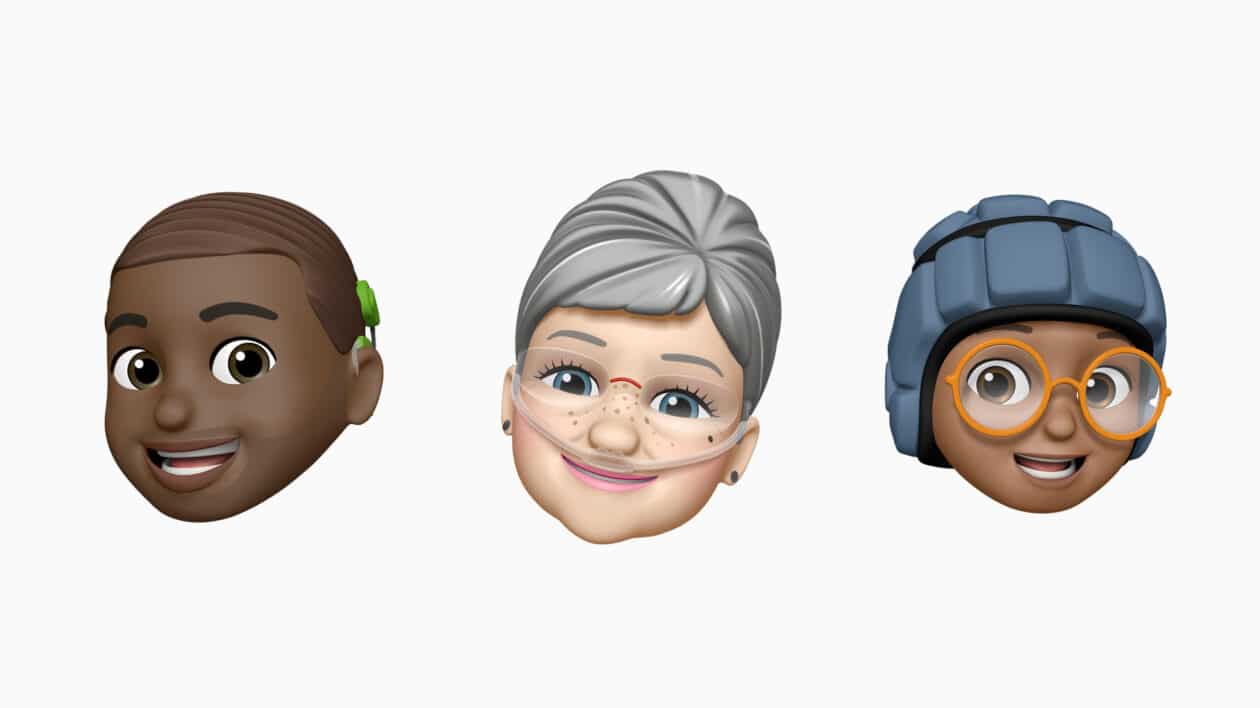
Há alguns anos, a Apple oferece a possibilidade de criar Memojis, uma representação visual do seu rosto que pode ser enviada por mensagem, no FaceTime ou até mesmo como um mostrador do Apple Watch.
Caso você tenha criado um e queira adicionar ou remover algum item ou alguma característica facial, você pode editar os Memojis posteriormente nos seus dispositivos da Maçã. Veja como é simples! 😉
The European Commission yesterday adopted new exemptions to its Batteries Regulation that free the Apple Watch and AirPods from having to offer user-removable and replaceable batteries.
[…]
The reasoning largely mirrors why devices like electric toothbrushes were already exempt: Opening a compact, sealed enclosure and failing to reseal it properly could let water in and create a safety risk. Products can also qualify for exemption if their construction makes battery removal inherently dangerous, or if there is no realistic way to build in user access given current manufacturing methods.
[…]
The iPhone was already exempt from the removability rule under the original regulation, thanks to its battery cycle life and water resistance rating.
This is one of those exceedingly rare cases where EU legislation has produced an unambiguously good outcome: from February 2027, Logitech’s European wireless devices will ship with hard-pack, user-replaceable batteries, and Logitech will sell certified replacements.
Os novos dobráveis chegam meses antes de a Apple alegadamente adentrar nesse segmento do mercado com o famigerado “iPhone Ultra” — logo, as apostas da gigante sul-coreana baterão de frente com o futuro dispositivo da Maçã.
Sem mais delongas, vamos conferir os detalhes de cada anúncio abaixo!
Galaxy Z Fold8
Divulgação/Samsung
Agora que os dobráveis da Samsung possuem três variantes, o Z Fold tradicional passou por um reposicionamento, tornando-se talvez a adição mais diferente dentre toda a linha de novos produtos anunciados.
Seu grande destaque é a reformulação no design, adotando um formato que se convencionou chamar de “passaporte”, com uma proporção maior do que aquilo que foi estabelecido nas últimas gerações do dobrável principal da Samsung. Isso resultou em uma tela externa de 5,5 polegadas e aspect ratio de 10:16, além de uma principal de 7,6″ e proporção de 4:3 — especificações bem semelhantes ao que se especula sobre o “iPhone Ultra” —, ambas com taxas de atualização de até 120Hz.
A sul-coreana destacou ainda o peso do modelo, sendo o celular dobrável mais leve já lançado por ela até agora (201 gramas, para ser exato).
Uma das principais diferenças do modelo em relação ao Z Fold8 Ultra está nas câmeras: o modelo padrão conta apenas com duas lentes traseiras (um sensor principal e uma lente ultra-angular, ambos com 50 megapixels), além dos 200mAh de diferença na bateria (4.800mAh no caso do Z Fold8 e 5.000mAh no caso do Z Fold8 Ultra). A linha também marca a estreia das baterias de silício-carbono nos celulares da fabricante.
Quanto ao restante das suas especificações técnicas, destaca-se pela implementação da tecnologia Flex Titanium — baseada em alumínio — para a resistência da tela, a presença do chip Snapdragon 8 Elite Gen 5, opções a partir de 12GB de memória e 256GB de armazenamento (até 1TB), resistência IP48 contra água e poeira, além de suporte ao carregamento de 45W com fio e 15W sem fio. Assim como os demais aparelhos, ele chega com o Android 17 e a One UI 9.
Nos Estados Unidos, ele chega a partir de US$1.900 (US$200 a menos que o Z Fold8 Ultra e US$100 a menos que o Z Fold7) nas cores preta, branca, lavanda e verde pistache (esta última exclusiva para compra no site oficial da Samsung).
Galaxy Z Fold8 Ultra
Divulgação/Samsung
Para os entusiastas do tradicional formato dos dobráveis da Samsung, a melhor opção é o modelo Ultra. Ele conta com as mesmas 8″ na tela principal e 6,5″ na tela externa do Z Fold7, com aspect ratios de 3:2 e 21:9, respectivamente.
Outra diferença notável em relação ao modelo menor é a presença da lente teleobjetiva de 10MP, aos moldes da presente no Z Fold7.
Como citado anteriormente, o aparelho conta com uma bateria de 5.000mAh de silício-carbono, além de compartilhar o Snapdragon 8 Elite Gen 5, as mesmas opções de memória/armazenamento, a resistência IP48 e o suporte aos 45W de carregamento com fio e 15W sem fio do Z Fold8.
Um de seus maiores destaques (nesse caso, negativo) é o preço: US$2.100 — um aumento em comparação ao modelo equivalente da geração passada (vale lembrar, o Z Fold7 chegou por US$2.000 lá fora). Ele está disponível nas cores preta, branca, roxo escuro e verde escuro (esta última exclusiva para compra no site oficial da Samsung).
Galaxy Z Flip8
Divulgação/Samsung
Modelo mais básico da nova linha, o Z Flip8 se destaca pela redução na espessura (13,1mm dobrado contra os 13,7mm do antecessor) e no peso (188g contra 180g do Z Flip7), possibilitando o que a Samsung chama de “uma experiência cotidiana sem vinco”.
Ele conta com uma tela interna de 6,9″, enquanto a externa tem 4,1″, com proporções de 22:9 e 1:1, respectivamente, e suporte a taxas de atualização de 120Hz em ambas. O aparelho chega com um conjunto duplo de câmeras, sendo a lente principal de 50MP, um sensor ultra-angular de 12MP e câmera frontal de 10MP.
Ele chega com o processador Exynos 2600, resistência IP48, 12GB de memória e opções de armazenamento de 256GB e 512GB. Em termos de bateria e recarga, o componente de silício-carbono possui uma capacidade de 4.300mAh, carregamento de até 25W por fio e 15W sem fio.
O Z Flip8 custa US$1.200 (um aumento de US$100 em relação ao Z Flip7) e está disponível nas cores azul, preta, vermelha coral e menta (esta última exclusiva para compra no site oficial da Samsung).
Galaxy Watch9 e Ultra2
Ambos os modelos ganharam suporte ao recurso “levante para falar”, que aciona de imediato o Gemini do Google sem a necessidade de toque ou botão. Os dois relógios contam com o Wear OS 7 e a One UI 9 Watch, compatíveis com smartphones que possuam Android 13 ou superior.
Divulgação/Samsung
Com especificações e design um tanto semelhantes ao seu antecessor, as grandes novidades do Galaxy Watch9 incluem a ampliação de bateria (o modelo de 40mm ganhou um aumento de quase 20%, com 390mAh, enquanto a versão de 44mm possui 445hmAh), a pulseira com design Air Pocket (até 25% mais leve que a presente no Watch8) e a estreia do processador Snapdragon Wear Elite.
Ele continua com as opções de 2GB de memória e 32GB de armazenamento e está disponível em caixas de 40mm e 44mm, nas cores preto e creme, custando a partir de US$380 (um aumento de US$30 em relação ao Watch8).
Já o Galaxy Watch Ultra2 adota uma reformulação na identidade visual que o aproxima do restante da linha, sendo até 12% mais fino que o seu antecessor, mantendo a bateria de 800mAh. A tela também ganhou melhorias, contando com 5.000 nits de brilho máximo.
Para experiências aquáticas, o Ultra2 atende o padrão EN13319 para mergulho e possui certificação IP69K. Além disso, o app Marz deverá receber suporte à metrificação de velocidades e orientações de descompressão.
Disponível nas cores titânio preto e titânio prata, o modelo está disponível a partir de US$700, um aumento de US$50 em relação à primeira geração.
Inteligência artificial
Durante o evento, a Samsung reforçou sua ciência e presença quanto às IAs agênticas, expandindo a experiência para além das telas dos smartphones e passando a oferecer assistência contínua de IA em tempo real nos dispositivos do seu ecossistema; o foco da Samsung é a entrega da experiência hands-free (ou seja, mãos livres). Ela afirmou ainda que essa integração contará com mecanismos de proteção e segurança, embora não tenha adentrado em detalhes técnicos de como fará isso.
A empresa também mencionou a integração de dados biométricos coletados pelos Galaxy Watch ao fluxo de trabalho médico, focada na prevenção de riscos de saúde com o auxílio da inteligência artificial (IA), permitindo a sugestão de refeições e treinos adaptados com base em interpretações de biossinais.
Preço e disponibilidade
Os novos smartphones chegarão ao Brasil no dia 6 de agosto, mas ainda não tiveram seus preços divulgados; ainda assim, a Samsung já antecipou que a aquisição de algum dos dispositivos durante a pré-venda garantirá até seis meses de Google AI Pro sem custos adicionais.
NOTA DE TRANSPARÊNCIA: O MacMagazine recebe uma pequena comissão sobre vendas concluídas por meio de links deste post, mas você, como consumidor, não paga nada mais pelos produtos/serviços usando os nossos links de afiliado.
Assim como os iPhones e iPads, os Apple Watches também possuem um ajuste que pode minimizar os efeitos de destaque e de luz intermitente nas interações com os elementos presentes na tela.
Batizado de Redução dos efeitos de brilho, o recurso veio para minimizar os efeitos do Liquid Glass, já que muita gente não curtiu os elementos introduzidos com as versões 26 dos sistemas operacionais da Maçã.
Material: alumínio ou titânio Cores: cinza-espacial, prateado, ouro rosa, preto brilhante, natural, dourado ou ardósia Tamanho: 42mm ou 46mm Conectividade: GPS ou GPS + Cellular Pulseiras: esportiva ou estilo milanês
NOTA DE TRANSPARÊNCIA: O MacMagazine recebe uma pequena comissão sobre vendas concluídas por meio de links deste post, mas você, como consumidor, não paga nada mais pelos produtos/serviços usando os nossos links de afiliado.

 Login