❌

Reading view

Chinese startup introduces next-gen optical links to connect thousands of high performing chips

As AI models continue to grow in size and complexity, chipmakers are shifting their focus from individual processor performance to the ability to efficiently connect thousands of accelerators into a single computing system. 

These highly interconnected server architectures have become a key competitive area for AI infrastructure companies, which are racing to deliver the computing scale needed for models with trillions of parameters and the growing adoption of AI agents.

According to Ding Yunfan, vice president of AI framework architecture at Biren, improvements in the performance of a single graphics processing unit (GPU) are no longer enough to meet these demands. Instead, the industry’s biggest challenge is turning vast GPU clusters into unified, seamless computing platforms capable of operating as a single system.

Architecture designed to break GPU cluster limits

Biren believes the future of large-scale AI computing depends on replacing conventional electrical interconnects with optical technology. According to Ding, traditional copper-based connections are approaching their physical limits, effectively capping today’s server architectures at around 128 GPUs, the South China Morning Post reports.

To overcome that bottleneck, the company has developed a distributed, decoupled supernode architecture built around near-packaged optics (NPO), which positions optical fibres closer to the chips to increase bandwidth and improve data transmission. Biren said the approach could enable clusters with up to 1,024 AI accelerator cards, significantly expanding the scale of computing systems needed to support increasingly demanding AI workloads.

Ding said optical interconnects are becoming essential for overcoming the scalability limits of conventional server architectures. Shanghai-based Biren is among a growing number of Chinese companies tackling these infrastructure challenges. Rivals including MetaX, Enflame and Alibaba are also developing supernode architectures to compete with Nvidia’s NVL72 and next-generation NVL144 AI platforms.

Biren’s Shanghai-based rival MetaX has introduced its Xijing S600 AI supernode, featuring a single rack that connects 64 GPUs. The company said its design reduces signal loss by removing external cabling between compute nodes, switch nodes and interconnect systems, improving efficiency for large-scale AI workloads.

Looking beyond electrical links to build larger AI supernodes

Biren is also working on new approaches to expand the scale of its AI computing systems. The company’s orthogonal hardware architecture, co-developed with telecommunications giant ZTE, uses traditional electrical connections, while Biren is simultaneously testing a prototype near-packaged optics (NPO) interconnect system. 

The chipmaker said the optical approach could eventually support supernodes with more than 512 accelerator cards, helping address the growing demand for larger and more efficient AI infrastructure.

Despite growing interest in optical networking for AI infrastructure, Ding said the semiconductor industry is still in the early stages of developing and testing optical interconnect technologies. He noted that widespread adoption will require further advances before these systems can be deployed at scale.

Furthermore, Ding emphasized that the technology still requires real-world validation before it can be widely adopted. He projected that NPO optical systems could reach mass commercial deployment around 2028, as the industry continues refining the technology and addressing remaining engineering challenges.


💾

Chinese chip startup Biren has introduced a new optical supernode architecture designed to connect thousands of AI chips in a single cluster.
  •  

US Air Force crews drop 36 practice bombs to validate F-15EX strike capability

The US Air Force’s 142nd Wing has completed its first live bomb-dropping exercise with the F-15EX Eagle II, marking a key milestone in expanding the aircraft’s operational capabilities. In early May, pilots, maintainers, and munitions specialists traveled to Mountain Home Air Force Base in Idaho to carry out the training mission.

During the exercise, crews loaded 500-pound BDU-50 and 2,000-pound BDU-56 practice bombs onto the aircraft before releasing them over the Mountain Home bombing range. Although these training munitions closely resemble live bombs, they are filled with concrete instead of explosives, allowing crews to safely practice real-world weapons employment.

While the F-15EX has previously undergone weapons testing with the 85th Test and Evaluation Squadron at Eglin Air Force Base in Florida, this marks the first time an operational F-15EX unit has successfully loaded and dropped bombs as part of its mission readiness training.

F-15EX’s new combat role required months of pilot training

The F-15EX Eagle II is designed to do far more than its predecessor. Although it closely resembles the aging F-15C, the newer aircraft is built as a multirole fighter, capable of carrying out both air-to-air and air-to-ground missions. Unlocking that expanded capability, however, required months of preparation and specialized training across the 142nd Wing.

A key part of that effort was led by Maj. Jesse Loya, one of only three pilots in the wing with prior experience in air-to-ground operations. Together, the three completed a nine-month training program focused on the tactics and technical aspects of delivering precision-guided munitions. They then developed a training curriculum to teach the rest of the wing’s pilots the fundamentals of air-to-ground operations, laying the foundation for the unit’s first operational bomb-dropping mission.

According to Loya, the training at Mountain Home Air Force Base served as a stepping stone toward preparing pilots to safely employ air-to-ground weapons. The program focused on building the skills needed to handle ordnance while following a much shorter timeline than the traditional nine-month qualification course. 

He said the ability to complete the training so quickly reflected the experience and capabilities the pilots had developed throughout their careers, allowing the wing to accelerate the F-15EX’s transition into a multirole combat aircraft.

Weapons loaders play key role in prepping F-15EX

Preparing the F-15EX Eagle II for its first bomb-dropping mission required extensive training from weapons crews as well as pilots. Tech. Sgt. Tyler Phelps, one of the 142nd Wing’s experienced weapons loaders, traveled to Nellis Air Force Base in Nevada earlier this year to train with F-15E aircraft and earn certification to load bombs.

After returning to Oregon, Phelps and other certified Airmen trained the rest of the weapons team ahead of the Mountain Home mission. Seeing the bombs loaded onto the F-15EX marked the culmination of months of preparation and a major milestone for the 142nd Wing.

The training mission involved 10 sorties, during which crews dropped a total of 24 BDU-50 and 12 BDU-56 practice bombs. The operation was completed without any safety incidents, and all missions received satisfactory evaluations, marking a major step forward in the wing’s transition to the multirole capabilities of the F-15EX.

The next phase in the F-15EX’s air-to-ground certification process will involve loading and dropping live munitions. The crew is scheduled to conduct that mission at Nellis Air Force Base at the end of August, bringing the wing one step closer to full air-to-ground operational capability.

💾

The Oregon Air National Guard's 142nd Wing has completed its first live bomb drop with the F-15EX Eagle II.
  •  

Electric aircraft advance as Vertical Aerospace plans first public eVTOL flight demonstration

British aerospace company Vertical Aerospace is set to conduct the first public electric vertical take-off and landing (eVTOL) demonstration flights at the upcoming Farnborough International Airshow. 

The event represents another milestone in the company’s journey toward certification and the eventual launch of commercial electric aircraft services.

The demonstrations come at a key stage in the company’s development, Vertical Aerospace noted. In recent months, the company has unveiled its Valo aircraft, completed successful piloted transition flights, strengthened its financial position, expanded its global technology partnerships, progressed its hybrid-electric defense strategy, and continued advancing its certification program.

Valo eVTOL moves closer to commercial operations

Following successful demonstrations of the aircraft’s core capabilities, Vertical Aerospace is now shifting its focus toward the next stage of development, with efforts centered on certification, industrialization and preparing for commercial operations.

Alongside public piloted flight demonstrations of its full-scale prototype, the company will also showcase its full-scale commercial Valo aircraft model, offering visitors a closer look at the technology behind its next-generation electric aircraft.

According to Stuart Simpson, CEO of Vertical Aerospace, the company arrives at Farnborough with the key building blocks for its next phase already in place. He said Vertical has transformed over the past year by launching its Valo aircraft, achieving piloted transition flights, strengthening its financial position and expanding its industrial ecosystem, while continuing to prove the technology.

“Every milestone we deliver reduces risk, strengthens our competitive position and brings us closer to building one of the world’s leading electric aerospace companies,” Simpson noted. A major highlight of Vertical Aerospace’s presence at the Farnborough International Airshow will be its planned flight demonstrations, which are set to mark the first public eVTOL aircraft demonstrations at the event.

Company targets key certification and production milestones after expanding flight tests

The company intends to conduct demonstration flights throughout the show, subject to approved flight conditions. The planned flights follow the UK Civil Aviation Authority’s recent expansion of Vertical’s Permit to Fly, allowing the company to carry out public demonstrations beyond its Flight Test Centre at Cotswold Airport for the first time.

Following the expanded flight approval, Vertical’s test pilots have successfully operated the aircraft across multiple locations, including RAF Brize Norton, RAF Benson, Blackbushe Airport and Farnborough Airport. These flights have expanded the company’s test program, providing valuable experience across different operating environments.

The company is also targeting several important program milestones that will support the development, production, and commercial rollout of its aircraft. These include completing the Critical Design Review (CDR) by the end of 2026, which will establish the certifiable design baseline for the aircraft and enable the production and testing of certification-conforming models. 

Furthermore, the UK firm plans to bring its early production aircraft assembly facility online in Q3 2026 and expand the Vertical Energy Centre in Q4 2026 as part of its industrialization efforts. In addition, Vertical expects to select a long-term turbogenerator supplier during 2026, ahead of beginning hybrid-electric flight testing in the first half of 2027.

💾

UK-based Vertical Aerospace will conduct public demonstration flights of its Valo eVTOL aircraft at the Farnborough International Airshow.
  •  

Scientists develop high-speed ion transport membranes for clean energy applications 

A new study published in Nanotechnology journal Nature Publishing Group’s Nature Nanotechnology has found that microscopic boron nitride nanotubes can transport lithium ions at speeds far greater than previously expected. 

These tiny tube-shaped channels were shown to selectively move lithium ions while blocking many other ions, effectively creating a high-speed pathway for lithium transport. The findings suggest that boron nitride nanotubes could serve as a promising platform for next-generation separation technologies. 

Potential applications include clean energy production, including blue energy systems that generate power from the mixing of saltwater and freshwater, as well as more efficient lithium extraction for battery manufacturing.

New ion transport mechanism surpasses theoretical expectations 

According to Sangil Kim, the newly identified transport mechanism enables lithium ions to move through nanotubes at exceptionally high speeds. Kim, an associate professor of chemical engineering at University of Illinois Chicago and co-author of the study, noted that the observed ion transport rates significantly exceeded both theoretical predictions and results reported in existing experimental systems, highlighting the unusual efficiency of the nanotube-based approach.

Efficient ion transport plays a critical role in a wide range of industrial applications. When salts dissolve in water, they split into positively and negatively charged ions that travel through nanochannels at varying speeds. Managing and controlling this ion movement across membranes is essential for advancing technologies such as batteries, desalination systems, critical mineral extraction, and renewable energy generation.

Still, balancing fast ion movement with high selectivity remains a major scientific and engineering challenge. In this study, the researchers developed membranes containing millions of tiny boron nitride nanotubes, which have charged surfaces and unusual transport properties. When placed between solutions with different salt concentrations, the membranes allowed ions to pass through much more quickly than expected. 

Lithium ions stood out in particular, moving about 31 times faster than predicted. The results also showed strong selectivity, with lithium ions traveling through the channels significantly faster than other types of ions.

Electric eel-inspired system turns ion flow into usable energy 

To demonstrate the potential of the system, Kim and his team showed that the small membranes could generate enough energy from salt solutions to power simple electronic devices. Kim noted that they were able to operate a watch and a calculator using this approach. 

The concept of producing electricity from ion movement is not new, and as Kim explained, electric eels use a similar principle in nature, generating electrical bursts by controlling ion flow across specialized cells known as electrocytes.

Electrocytes rely on ion channels to convert chemical gradients into electrical energy, a natural process that has long inspired efforts to replicate similar mechanisms in engineered systems, including the membranes developed in this study.

Going forward, Kim and his team aim to explore additional applications for the technology, with a particular focus on the nanotubes’ ability to separate lithium. He noted that the findings could potentially be used for lithium recovery from waste batteries, with the team also planning to investigate the underlying physics in more detail to better understand what drives the unusually fast ion transport observed in the system.

💾

Researchers at the University of Illinois Chicago have developed a new class of nanotube membranes that enable exceptionally fast lithium-ion transport.
  •  

US startup to restore legacy California nuclear facility for critical power systems 

The activity is being carried out under a lease agreement with NorthStar that gives Zeno Power access to specialized nuclear-grade infrastructure, enabling initial deliveries to government customers as early as 2027, followed by a planned ramp-up in production capacity and targeting the ability to scale nuclear battery production from 2028 onward.

The work is based at the Vallecitos complex, a 1,600-acre site established in 1957 that once hosted the US’ first privately owned nuclear power plant and held Power Reactor License No. 1 issued by the Atomic Energy Commission. The site historically supported reactor research, fuel testing, and isotope production. 

In March 2025, former operators finalized an agreement with NorthStar to carry out decommissioning and restoration of the wider facility. That remediation work will continue across the site in parallel with Zeno’s manufacturing operations within a designated hot cell area.

Decontaminated hot cells brought online

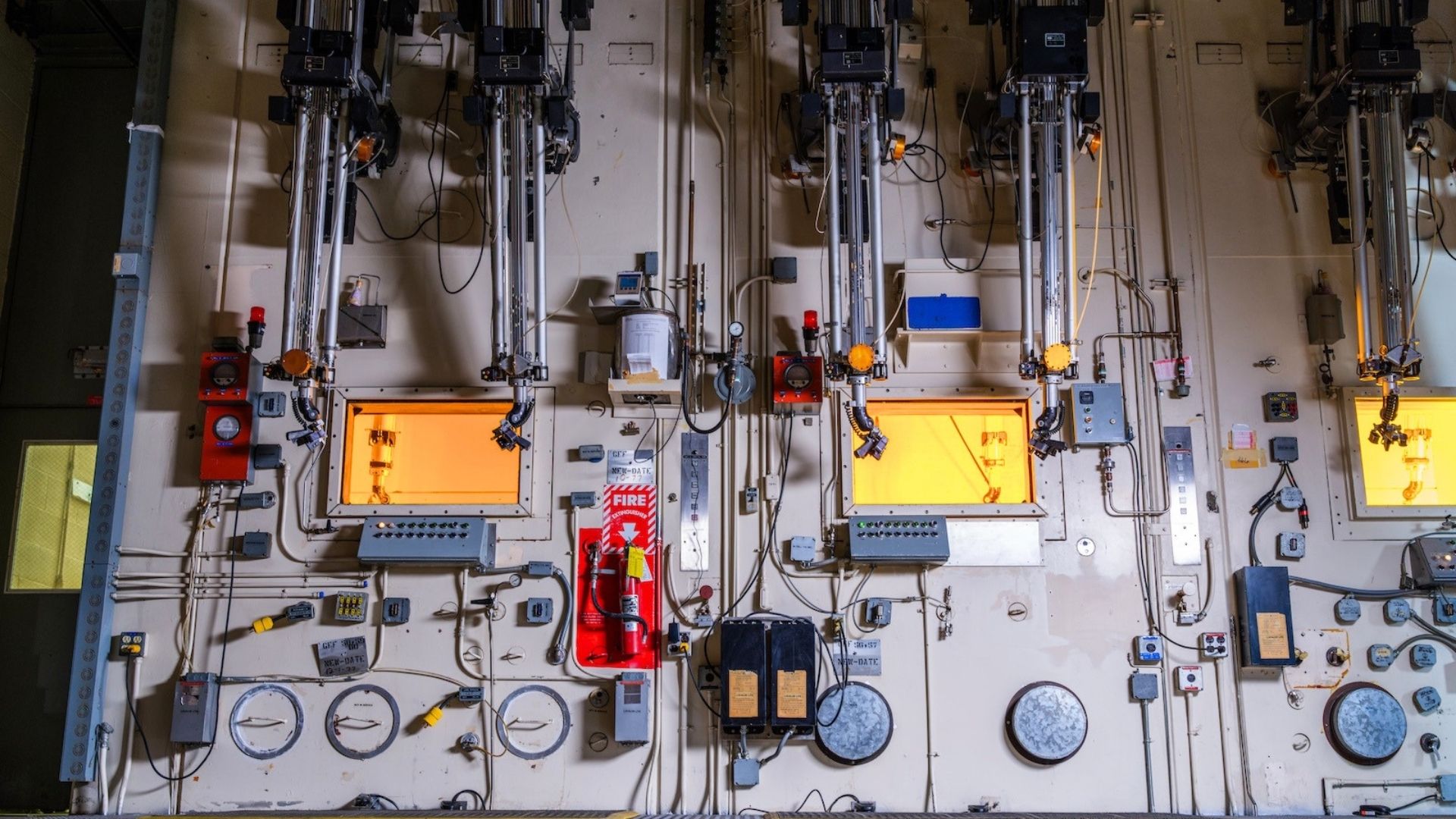
‍Hot cell infrastructure. Zeno Power

According to Zeno Power co-founder and CEO Tyler Bernstein, the Vallecitos site represents a foundational location in the history of US commercial nuclear energy, and the company intends to build on that legacy through its work on nuclear batteries for critical national missions.

The US firm has recently taken possession of initial decontaminated hot cells at the facility, which are heavily shielded rooms designed for the safe handling of radioactive materials. Non-radiological operations have already begun on site, while the start of radiological activities is expected later this year, pending regulatory approval.

The Vallecitos Nuclear Center holds existing decommissioning licenses from the US Nuclear Regulatory Commission and California regulators, along with rare hot cell infrastructure in the US. Hot cells are heavily shielded rooms that allow nuclear materials to be handled remotely using mechanical arms and lead-glass viewing systems, enabling safe assembly work involving radioactive components.

Zeno Power’s restoration of the facilities takes place within this licensed framework and existing infrastructure, while the company’s activities are also expected to support retention and development of nuclear-skilled labor as the site transitions through decommissioning and limited industrial reuse.

Company adds third location in California, citing regional talent base

The expansion is expected to draw on engineering, nuclear, and operations expertise across Berkeley, Livermore, and Silicon Valley. The new facility will be Zeno Power’s third location, complementing existing offices and laboratories in Seattle, Washington, and Washington, D.C.

Alameda County Supervisor David Haubert described the project as a significant development for the region, citing high-skilled job creation, the retention of specialized nuclear expertise at Vallecitos, and increased economic activity. He said the investment positions Alameda County as a hub for advanced manufacturing supporting defense, space, and commercial applications.

Katie Marcel, CEO of Innovation Tri-Valley Leadership Group, noted that the organization welcomes Zeno Power to the region as it develops its nuclear battery production capabilities. The planned manufacturing activity at Vallecitos is positioned within broader US efforts to strengthen domestic radiological and nuclear infrastructure amid rising demand for nuclear energy applications. 

The initiative is also described by the company as aligning with a White House’s executive order which outlines steps toward expanding the US nuclear sector. The company further notes that by using an existing licensed facility for production, the project contributes to ongoing efforts to reestablish parts of the domestic nuclear industrial base for long-term energy and mission-critical applications.

  •  

World’s first smart squid-fishing robot that mimics humans begins sea trials in China

A new robotic system developed in China is being positioned as the world’s first intelligent squid-fishing robot, designed to replicate the precise hand movements used by human fishers to lure squid from deep waters toward the surface. 

By mimicking these subtle motions, the machine aims to improve both catch efficiency and consistency in challenging offshore conditions.

The robot is currently undergoing sea trials aboard the Song Hang scientific research vessel. The ship is scheduled to carry out an extended survey mission in the northwestern Pacific Ocean through September, giving researchers an opportunity to evaluate the robot’s performance in real-world marine environments.

Robot brings human-like precision to offshore fishing

Unlike conventional automated systems used on squid-fishing vessels worldwide, the new robot is designed to respond dynamically to squid behavior, adjusting its movements based on how the animals bite. This adaptive capability allows it to deliver a level of precision closer to that of experienced human fishers, potentially improving both efficiency and catch rates, the South China Morning Post reported.

The robot is being tested aboard the Song Hang research vessel, which departed on June 8 from Changxing Island near Shanghai. According to Chinese media, the vessel has embarked on a 90-day scientific expedition to study fishery resources in the high seas of the northwestern Pacific.

Developed by Shanghai Ocean University in collaboration with China Fisheries Zhoushan Ocean Fishery Co, the squid-fishing robot was deployed aboard the research vessel as part of its ongoing sea trials.

As the world’s largest seafood producer, China maintains an extensive distant-water fishing fleet made up of thousands of vessels, including squid boats operating across major fishing grounds worldwide, particularly near the South American coast. 

However, concerns have repeatedly been raised about parts of China’s distant-water fishing fleet, with critics citing allegations of illegal fishing, poor working conditions for crew members, environmental harm to marine ecosystems, and, in some cases, suspected espionage-related activities.

Targeting inefficiencies in squid jigging

Industrial squid fishing typically relies on a method known as jigging. At night, vessels deploy powerful lights that can even be seen from space to attract squid, which are drawn in along with their prey. Once the squid gather near the surface, lines fitted with bait are lowered into the water and rapidly jerked up and down to imitate small prey such as shrimp, triggering strikes before the catch is reeled aboard.

According to Chen Xinjun, a professor at Shanghai Ocean University and leader of the intelligent fishing project, traditional squid fishing depends heavily on crew judgment to detect bites, which can lead to inefficiencies and lost time during operations.

While many industrial squid vessels already rely on automated systems to handle repetitive tasks such as jerking fishing lines and hauling in catch, these machines typically operate on pre-set programs configured by humans according to local sea conditions.

Chen further explained that the new intelligent squid-fishing system goes a step further by using sensors and adaptive control. It responds in real time to squid behavior, including biting and escape movements, with the goal of reducing ineffective operations and lowering dependence on human decision-making during fishing.

💾

China has begun sea trials of what researchers describe as the world’s first smart squid-fishing robot.
  •  

New battery-free artificial photosynthesis system delivers steadier solar fuel output 

A team of researchers at the Osaka Metropolitan University has developed a more practical approach to artificial photosynthesis by creating a device that can regulate itself without relying on a battery-powered control system. By removing the need for this additional component, the design reduces both the cost and complexity of producing solar fuels.

Like the natural process used by plants, artificial photosynthesis harnesses sunlight to convert water and carbon dioxide into energy-rich compounds. In this system, the end product is formic acid, a chemical that can be stored and later used as a clean fuel or industrial feedstock.

The key element is the electrolyzer, which converts the electricity generated by solar cells into chemical energy, making it possible to capture and store solar power in the form of formic acid for future use.

Breakthrough reduces reliance on complex electronics

Maintaining efficient solar fuel production becomes challenging when sunlight intensity changes throughout the day. To address this, many artificial photosynthesis systems rely on a technique known as Maximum Power Point Tracking (MPPT), which continuously adjusts voltage and current to ensure solar cells operate at their highest possible efficiency. 

However, conventional MPPT setups usually require batteries or extra electronic control hardware to smooth out fluctuations in energy flow. These additional components add both cost and engineering complexity, making large-scale deployment of artificial photosynthesis systems more difficult.

To deal with this challenge, a research team at Osaka Metropolitan University developed a simpler artificial photosynthesis system by building the control function directly into the electrolyzer. Led by Associate Professor Yasuo Matsubara and Professor Yutaka Amao, and working with Iida Group Holdings Co., Ltd, the researchers integrated a special solid electrolyte into the device.

Instead of depending on batteries and additional electronic controls to keep the solar cells running efficiently, the new electrolyzer can adjust itself automatically. It uses the properties of the solid electrolyte to regulate its electrical behavior, allowing it to perform the Maximum Power Point Tracking (MPPT) function without extra hardware.

Heat-responsive electrolyzer keeps solar fuel production running efficiently 

According to Professor Amao, the system automatically responds to changes in sunlight without the need for external controls. As solar intensity rises, the electrolyzer warms up, which lowers its electrical resistance and allows electricity to flow more easily. This built-in response enables the device to adjust its own electrical behavior and maintain efficient operation.

Amao added that the built-in self-regulating mechanism helps maintain more consistent fuel production throughout the day while reducing the need for batteries and other expensive external hardware. By automatically adjusting to changing conditions, the system also simplifies the overall design.

To demonstrate the concept, the researchers tested a prototype equipped with the new technology under real outdoor sunlight. The device was able to continuously convert water and carbon dioxide into formic acid, maintaining stable performance even as sunlight intensity changed.

The researchers further noted that the technology has already demonstrated its practical potential in a real-world setting. According to the team, the system generated enough formic acid to power a miniature diorama displayed at the pavilion, illustrating how an efficient artificial photosynthesis system could one day produce and store clean energy for use in household applications.

💾

A new self-regulating electrolyzer design could help artificial photosynthesis systems produce solar fuels more consistently, even as sunlight intensity changes throughout the day.
  •  

Scientists find agricultural waste as new source for crucial nylon building block

Nylon is one of the world’s most widely used synthetic materials, but producing it still relies heavily on fossil fuels and energy-intensive industrial processes. Researchers now believe there could be a cleaner alternative. 

In a new study published in Nature, scientists describe a technique that converts lignin – a tough, woody component of plants that is often discarded or burned – into adipic acid, one of nylon’s key chemical building blocks. The approach combines refinery-inspired chemical processing with specially engineered microbes that carry out highly selective reactions. 

According to the researchers, the hybrid system delivers a significantly higher yield of adipic acid than previous lignin-based methods, potentially paving the way for a more sustainable and lower-carbon route to nylon production.

New value in a long-ignored industrial byproduct

Often treated as little more than industrial waste, lignin is the natural polymer that gives plants their strength and rigidity. It is one of the most abundant organic materials on the planet and is believed to be the largest underused component of biomass. Every year, millions of tons of lignin are generated as a byproduct of the paper and biofuel industries, with most of it simply burned as a low-value source of energy.

Yet lignin contains a wealth of carbon-rich aromatic structures that could be converted into valuable industrial chemicals. The challenge has been finding an efficient and cost-effective way to break it down into simple, high-value compounds at commercial scale. Researchers have long struggled because lignin-rich byproducts are typically complex, inconsistent mixtures that are difficult to process and refine.

Although lignin has long been seen as a promising renewable source of aromatic chemicals, its complex and highly variable structure has limited its industrial use. The researchers note that lignin often degrades during extraction, while most current processing methods produce complicated mixtures of chemical compounds rather than simple, high-value molecules suitable for large-scale manufacturing.

These limitations mean that current lignin conversion techniques usually achieve yields of only around 20% for any single product, making them commercially unattractive. They also tend to generate complex mixtures of phenolic compounds that are difficult to separate and refine. A more efficient way to convert lignin into adipic acid or other nylon precursors could help reduce both biomass waste and the carbon footprint associated with petroleum-based plastics.

Hybrid chemical and biological process could transform nylon manufacturing

The new approach could help transform low-value plant waste into a key ingredient for nylon production by combining established chemical processing with engineered bacteria. The process begins with poplar wood chips, from which lignin is extracted and broken down into an oil rich in aromatic compounds. 

This oil is then treated in a reactor that removes unwanted oxygen-containing groups, followed by another chemical step that converts it into water-soluble aromatic acids. Finally, engineered microbes complete the process by turning these intermediates into adipic acid.

The researchers then introduced an engineered bacterium, Pseudomonas putida, which converts most of the aromatic carboxylic acids in the mixture into muconolactone. This intermediate can then be chemically transformed into adipic acid, a key component in nylon production.

In experiments, the process achieved an adipic acid yield of about 26 wt% (grams of product per gram of lignin). However, the team estimates that with further optimization, yields could potentially reach up to 57 wt%. They also demonstrated that the method works across different wood sources, including poplar, pine, and birch, suggesting it could be applied broadly to various types of lignin feedstocks.

💾

A discarded plant material that was long treated as waste could become a sustainable source for one of nylon's essential ingredients.
  •  

German firm unveils 4-ton CA-1EA unmanned electronic warfare aircraft, IOC in 2031 

The German defense technology company Helsing has presented an electronic attack variant of the CA-1 autonomous unmanned aircraft at the International Aerospace Exhibition in Berlin. The platform named CA-1EA builds on the company`s existing CA-1 Europa architecture. 

CA-1 Europa is 4 ton class, single engine unmanned combat aircraft employing a low observable design. It has a length of 11 meters and a wingspan of 10 meters. Its autonomy is centered around the Helsing’s Centaur AI pilot stack and advanced mission systems.

The original combat variant, which the company is already producing, will now carry the designation CA-1KA (Kinetic Attack), distinguishing it from the new electronic warfare model. According to the company, the electronic attack variant is intended to provide non-kinetic effects on the battlefield by disrupting and degrading enemy sensors and reconnaissance networks. 

Helsing argues that modern air forces increasingly need a combination of kinetic and electronic attack capabilities to penetrate advanced air defence systems and counter sophisticated surveillance assets, making autonomous electronic warfare platforms a key component of future military operations.

New CA-1EA creates safer corridors through enemy air defences

Modern military operations depend heavily on suppressing enemy radar and surveillance networks before strike aircraft enter contested airspace. Helsing says the CA-1 EA is designed to fill that role by using airborne electronic warfare capabilities to disrupt and jam hostile ground-based radar systems. By interfering with an adversary’s ability to detect and track targets, the autonomous aircraft can help create safer flight paths for other assets operating behind it.

The company notes that the CA-1EA is designed to work alongside autonomous systems such as the CA-1 Europa as well as conventional crewed fighters, including the Eurofighter, extending electronic protection across mixed air fleets.

Both the CA-1KA and the CA-1EA electronic warfare variant are built on a common architecture, using the same airframe, propulsion system, autonomy software stack, and ground control infrastructure. The distinction between the two platforms is primarily defined by their payload configurations, which determine whether the aircraft is optimised for kinetic or electronic effects on the battlefield.

By standardising the core design across both variants, the German company aims to reduce production and lifecycle costs while streamlining manufacturing processes. The shared system architecture also simplifies logistics and maintenance requirements, while making it easier for operators to transition between mission types and train across both configurations within a unified operational framework.

Flexible CA-1 platform aims to meet diverse air force requirements 

As the company further explains, this modular approach enables the CA-1 platform to evolve further, giving it the flexibility to be adapted to the operational needs of European air forces. By maintaining a scalable and shared architecture, the system can be configured for different mission profiles without requiring a complete redesign. 

This design philosophy is intended to support rapid capability expansion while aligning with the varied requirements of modern European defense users.

“Modern air forces cannot do without electronic warfare. Helsing has been working to develop this capability for years. The CA-1EA is the result: an unmanned system that operates alongside the CA-1KA at tactical range, but can also be deployed flexibly as a standalone platform for electronic warfare,” said Stephanie Lingemann, vice president for air domain at Helsing.

The CA-1 platform is still under development, with the first flight of the CA-1 Europa attack variant planned for early 2027. It is being developed and produced in southern Germany by Helsing’s subsidiary Grob Aircraft, positioning the system as a fully European solution for German and allied air forces. The first operational capability is expected in 2029 for the CA-1KA variant, followed by 2031 for the CA-1EA electronic warfare version.

  •  

China’s BYD unveils new AI system that can spot living beings underneath parked vehicles

At the heart of the patented technology is a baseline imaging approach that creates a visual reference of the vehicle’s underside. When the car is switched off and in a stable state, the system captures and stores an image of the underbody, establishing a snapshot of what the area should normally look like.

Later, when the vehicle is preparing to move or performing a safety check, new real-time images are taken and compared with the stored reference. Rather than processing the entire underbody scene every time, the software focuses only on areas where it detects a change from the baseline image. 

These altered sections are isolated as target images and sent for more detailed analysis, allowing the system to reduce computing demands while quickly identifying anything unusual beneath the vehicle.

AI safety technology could help prevent underbody accidents

Rather than repeatedly processing every component beneath the car, the patented system is designed to ignore elements that remain unchanged from one scan to the next. Fixed structures such as the battery pack housing, suspension components, aerodynamic covers, and other underbody hardware are treated as part of the reference environment, allowing the software to concentrate on anything that appears or moves after the baseline image has been recorded.

Once a new or altered area has been identified, the technology performs a more detailed examination of that specific section. It extracts visual features from the target image, analyses them using its detection algorithms, and determines whether the object is a living organism. The system can then assess the detected subject’s condition or status before deciding whether further action or a safety warning is required, CarNewsChina reported.

Unlike in-cabin monitoring technologies, identifying living organisms beneath a vehicle presents a far more complex computer-vision challenge. The space underneath a parked car is highly unpredictable, with constantly changing environmental conditions that can interfere with accurate detection.

Shifting shadows, uneven lighting, road debris, accumulated dirt, and different ground textures all create visual noise that makes reliable recognition difficult. Conventional motion-detection systems can also generate false positives, often failing to distinguish between ordinary environmental changes and the presence or movement of a person or animal beneath the vehicle.

Two-stage detection system could make parked cars safer

Instead of depending exclusively on object-recognition software, BYD’s patented technology first builds a unique visual reference of the area beneath each parked vehicle. By comparing new images against this stored baseline, the system can quickly identify anything that has changed in the underbody environment before carrying out a more advanced analysis.

Only after these differences have been isolated does the software apply its recognition algorithms to determine whether the detected object is a person, an animal, or another living organism. This layered, two-step process is designed to improve the accuracy of the detection system while cutting down on false alarms triggered by fixed structures or other non-threatening objects that remain stationary beneath the vehicle.

The patent also aligns with BYD’s broader push into advanced vehicle safety systems. The company recently unveiled another invention designed to detect forgotten occupants inside a car using radar-based sensing and signal analysis.

Together, the two technologies monitor opposite sides of the vehicle – one focusing on the cabin and the other on the space underneath. The approach suggests BYD is building a wider sensing ecosystem that combines computer vision, radar, and intelligent monitoring to improve overall vehicle awareness.

💾

BYD has filed a patent for an underbody vision system capable of detecting living organisms beneath parked vehicles.
  •  

Chinese scientists identify critical vulnerability in NASA’s single-engine lunar landing system

The design philosophy behind the American lunar architecture depends heavily on a single high-performance main engine responsible for critical mission phases. During descent, that engine governs the entire journey from lunar orbit down to the Moon’s surface. 

On ascent, the same single-point system becomes the only means of returning astronauts to lunar orbit. The lack of redundancy means that a malfunction would eliminate any backup option, a concern highlighted in a peer-reviewed study published in Chinese Space Science and Technology in March, which argues the system “contains some glaring weaknesses.”

By contrast, China’s proposed lunar lander adopts a multi-engine approach. Developed by a Shanghai-based national laboratory team, it uses four variable-thrust engines producing over 30 kilonewtons collectively. Even if one engine fails entirely, the remaining three would still deliver thrust comparable to the main engine of NASA’s Orion spacecraft.

Lunar ascent safety debate centers on redundancy versus mass constraints

Beyond the primary propulsion system, the design includes an additional safeguard layer intended to improve mission resilience. If the main engines were to become inoperative, six smaller orbit-control thrusters can still be activated on the lunar surface, providing an alternative pathway for a rapid ascent. This redundancy raises a broader engineering question: if multiple engines offer greater safety than a single one, why are they not universally adopted, the South China Morning Post writes.

The constraint is mass, as additional engines typically increase overall vehicle weight, reducing efficiency and payload capacity. The Chinese engineering team addressed this trade-off through a structural optimization known as a common bulkhead tank, which integrates fuel storage more efficiently and reduces excess mass while still enabling a multi-engine configuration.

China introduced a new tank design in a crewed deep-space vehicle that uses a pressure-fed system, where fuel and oxidiser are separated by a shared wall, often called a “common bottom.” In earlier lunar lander designs, the two propellants were stored in completely separate tanks, which added extra structural weight and took up more space inside the vehicle.

By combining them into a single structure with a shared barrier, the system reduces unnecessary duplication in the tank framework. According to the researchers, this change cuts weight at the “hundred-kilogram level,” making the overall design more efficient without sacrificing capacity or performance.

Hot-fire tests validate new lightweight tank architecture for space missions

The reduction in mass created by this design enables the use of four engines instead of a single main unit, increasing redundancy without exceeding launch constraints. Built from composite materials, the tank achieves more than a 20 per cent weight reduction compared to traditional metal alternatives. 

Beyond storing propellant, the structure also serves a dual purpose as a load-bearing component of the spacecraft, effectively becoming part of the vehicle’s frame and improving overall mass efficiency. The approach is backed by experimental validation, with the paper drawing on results from full-system hot-fire tests. These tests provide real-world performance data under operating conditions, confirming the feasibility of the integrated structural and propulsion design.

Test results indicate that the four variable-thrust engines can be closely coordinated, keeping thrust variation within less than 100 Newtons. This level of precision is crucial for preventing unstable motion that could cause the lander to tumble during critical flight phases. The experiments also suggest that pressure challenges within the common bulkhead tank can be effectively managed.

Replicating this kind of system would be difficult for any other space programme. It requires highly precise autonomous control of pressure inside a shared-tank structure operating with very narrow safety margins. In addition, it demands tightly synchronised performance across multiple throttling engines, a task that becomes significantly more complex as each additional engine is introduced.

💾

A Chinese research team has raised concerns about the structural resilience of NASA’s Artemis lunar landing system.
  •  

Anthropic blocks international users as US labels top models a national security risk

AI giant Anthropic has been forced to suspend access to its most advanced artificial intelligence models for users outside the US after the Trump administration imposed sweeping new export restrictions on the technology. The decision effectively blocks foreign governments, businesses, researchers, and individuals, as well as foreign nationals residing in the US, from using the company’s latest AI systems.

According to a US administration official, Commerce Secretary Howard Lutnick informed Anthropic CEO Dario Amodei in a letter sent on Friday that the company’s newly released Fable 5 and Mythos 5 models are now classified under export control rules.

To comply with the directive, Anthropic has moved to disable access for all affected users, reflecting Washington’s growing view that cutting-edge AI capabilities should be treated as strategically sensitive technologies.

Broad export restrictions leave no room for exceptions

Anthropic said it chose to disable access to its two newest AI models entirely because the new US restrictions apply to a wide range of users, making selective enforcement impractical. The rules cover foreign governments, companies, and individuals, and even extend to some foreign-born Anthropic employees working in the country, the Wall Street Journal reported.

“The net effect of this order is that we must abruptly disable Fable 5 and Mythos 5 for all our customers to ensure compliance. Access to all other Claude models is not affected,” the company said in a statement on X, noting that they were “working to restore access as soon as possible”. 

WSJ also notes that the decision marks one of the clearest signs yet that Washington is willing to intervene directly in the global AI race, treating advanced models as strategic technologies rather than ordinary commercial products. 

For companies such as Anthropic and its rivals, which are competing aggressively to release ever more capable systems ahead of highly anticipated public listings, regulatory hurdles and forced slowdowns can carry enormous financial consequences. Any disruption to product rollouts or access to international markets risks delaying growth plans and could ultimately cost the industry billions of dollars in lost revenue and valuation.

Mythos access freeze raises concerns for critical infrastructure security 

The suspension of access to Mythos could have immediate consequences far beyond the AI sector, as governments and private organizations have increasingly relied on the model to detect and fix software vulnerabilities. A prolonged shutdown could disrupt ongoing cybersecurity operations and delay critical defensive work across a range of industries, WSJ adds.

Sectors such as finance, energy, and critical infrastructure have already integrated the technology into their security workflows. The development comes only days after Anthropic introduced Fable, a next-generation model built on the same advanced architecture as Mythos, making it available to the public with additional safeguards designed to limit potentially dangerous capabilities.

Tensions between Anthropic and the Trump administration have been building for months over the rules governing how the Pentagon can deploy the company’s AI systems. At the center of the dispute are the safety guardrails and operational limits attached to Anthropic’s models. 

According to Washington DC-based AI columnist Ron Schmelzer, the biggest takeaway from the latest restrictions is that governments are increasingly treating advanced AI as a strategic technology, on par with nuclear capabilities or high-grade encryption.

“While the US was focusing on preventing foreign users from accessing Anthropic’s most powerful models, Anthropic’s reaction of making it unavailable to everyone shows that there’s a tension here between the AI mega companies efforts to rapidly increase their market share and profitability and governments efforts to make sure that AI is used for their benefit. In this push and pull, who will win, multi-billion dollar companies (or even trillion-dollar) or powerful governments?” he tells Interesting Engineering (IE).

The latest decision to impose new restrictions could further intensify that standoff, raising the stakes in an increasingly contentious debate over the military use of advanced AI.

💾

Anthropic has suspended access to its most advanced AI models for international users after the Trump administration designated them as potential national security risks.
  •  

China’s Xiaomi unveils robotic arm that enables remote, hands-free home EV charging

The Chinese tech giant, Xiaomi, has offered a closer look at its vision for the future of home EV charging, unveiling a robotic arm system that can automatically connect a vehicle to a charger without any driver intervention. The company says the technology is scheduled for commercial release in the fourth quarter of 2026.

The automated charging arm is intended to work alongside smart parking functions, creating an integrated experience in which a vehicle parks itself and begins charging autonomously. According to Xiaomi, the goal is to remove the friction from everyday EV ownership by combining automation and AI into a single home charging solution.

The company also stressed that the demonstration video released with the announcement was recorded in a real-world environment rather than a controlled concept showcase. Xiaomi said the functions featured in the footage are already production-ready, suggesting that the technology is nearing commercial deployment.

Drivers can park, walk away, and let the robot do the charging

As part of the unveiling, Xiaomi outlined a range of everyday use cases designed to make home EV charging almost entirely hands-free. The company says the system is built around convenience, allowing drivers to interact with the charger as little as possible, CarNewsChina writes. 

One of the key features is what Xiaomi describes as automatic charging. After the vehicle is parked, the robotic arm detects its position, connects the charging cable, and begins charging without requiring any manual input. Drivers can simply leave the vehicle and let the system handle the rest.

The charging process is also designed to end automatically. Once the battery reaches full capacity or a user-defined charging limit, the robotic arm disconnects the charging connector on its own, helping to streamline the entire experience. 

In addition, Xiaomi says owners will be able to start a charging session remotely through a smartphone app. As long as the vehicle is parked within the robotic arm’s operating range, users can trigger the process without having to return to the car or physically handle the charging cable.

Battle for autonomous EV charging is gaining momentum

Competition in the field of autonomous EV charging is accelerating as Chinese automakers and technology companies look to redefine the home charging experience. Xiaomi is not alone in exploring robotic solutions, with several major industry players investing in similar technologies.

Among them is Li Auto, which has also been developing its own automated charging system. During the launch of the Li Auto i8 all-electric SUV last year, CEO Li Xiang revealed that the company was actively testing an automatic charging robot, highlighting a growing belief within the industry that future EV ecosystems will combine intelligent parking, autonomous driving features, and fully automated charging into a single seamless experience.

Another example of the industry’s shift toward autonomous charging emerged last August, when the Harmony Intelligent Mobility Alliance demonstrated a robotic charging system integrated with the all-electric Aito M8. The setup allows drivers to activate an “off-vehicle parking” mode, enabling the car to maneuvre itself into a designated charging bay. 

Once in position, a smartphone app commands a robotic arm to open the charging port and automatically connect the charging cable. According to HIMA, the entire process is designed to be completed in just a few minutes, roughly the time it takes to enjoy a cup of coffee.

💾

Xiaomi has unveiled a home charging robotic arm designed to automatically connect and charge electric vehicles.
  •  

Machine-learning system detects 1,750 microquakes outlining subduction zone off Alaska

A newly trained machine-learning system has, for the first time, picked out thousands of previously unrecognized small earthquakes, exposing the sharply defined boundary of the Yakutat microplate as it descends beneath the North American plate.

The Yakutat oceanic plateau is effectively trapped in a complex tectonic collision zone, where it is being squeezed between major plate systems as subduction continues beneath North America. This tightly packed “tectonic traffic jam” shapes the broader geodynamic environment of south-central Alaska. 

The precise geometry and interaction of these plates strongly influence how stress builds and is released across the region, directly affecting its earthquake frequency and volcanic activity. By resolving this fine-scale seismicity, researchers gain a clearer picture of how deformation is distributed along one of North America’s most active and structurally complex subduction systems.

Reshaping the understanding of the Yakutat plate edge

A detailed new analysis published in The Seismic Record by Meghan Miller of Australian National University and her colleagues has sharply refined the mapped extent and boundary of the Yakutat plate in southern Alaska.

To build this high-resolution picture, the team combined data from both permanent seismic stations and a temporary network deployed between 2018 and 2021. Using a machine-learning workflow, they generated an expanded earthquake catalog that significantly increased the number of detected events in the region.

The results revealed a previously unrecognized linear cluster of roughly 1,750 small earthquakes stretching about 155 miles from northwest to southeast. This continuous seismic band outlines the plate boundary with far greater clarity than earlier conventional studies had been able to achieve.

By analyzing ambient seismic noise to image deeper structures, the researchers determined that the earthquake line delineates the edge of the Yakutat microplate as it subducts at a shallow angle directly beneath the North American plate, notably without a separating mantle wedge typically seen in many subduction zones. This revised geometry places the Yakutat microplate directly beneath the apex of curvature of the Alaska Range and aligns it with the Denali Fault system, a major continental-scale fault network in south-central Alaska.

New Alaska plate map aligns with deep tremor signals and major fault zone

The researchers suggest that stress generated by the collision between the Yakutat microplate and the North American plate could be transmitted through the overriding crust all the way to the Denali Fault, potentially contributing to the 2002 magnitude 7.9 Denali earthquake.

They also note that the newly identified boundary aligns closely with earlier research based on tectonic tremor signals, which had already implied the Yakutat plate extends farther east than previously mapped. According to Miller, the newly revealed linear structure matches the end point of that tremor activity, describing it as a feature that had not been observed before but fits precisely with independent seismic evidence.

Thus, the mix of earthquakes and tremor likely reflects differences in rock composition along the plate. West of the sharp boundary, tremor suggests ductile rocks that slip slowly and release stress without earthquakes. At the earthquake-defined edge, the rock appears more brittle, allowing stress to build and rupture in small quakes.

Looking ahead, the researchers plan to extend their analysis further back in time, or before 2018, to identify additional earthquakes along the Yakutat boundary and to better resolve the structure of the highly compressed tectonic zone closer to Alaska’s southern coast. They also emphasized that the machine-learning approach was key to revealing the previously unseen edge of the Yakutat plate.

💾

A machine-learning analysis has identified around 1,750 previously undetected earthquakes along a 155-mile boundary in southern Alaska.
  •  

China eyes to accelerate aircraft carrier upgrades as Japan expands strike capabilities

Japan’s expanding military capabilities are prompting calls from Chinese military experts for faster upgrades to the country’s aircraft carrier groups and enhanced combat readiness. The concern comes as Tokyo strengthens its defence posture through the deployment of long-range anti-ship missiles and military assets on islands near Taiwan, developments that Beijing views as increasingly significant to regional security. 

Analysts also pointed to a recent simulation that underscored the risks posed by Japan’s growing strike capabilities. Amid heightened tensions in December, following remarks by Japan’s prime minister on Taiwan, the PLA Navy’s Liaoning carrier strike group took an uncommon route through waters east of Japan. 

Tokyo responded by scrambling 12 F-2 fighter jets carrying a combined 64 ASM-2 anti-ship missiles, a move that Chinese analysts cited as evidence of Japan’s ability to rapidly concentrate anti-ship firepower against high-value naval targets. 

Analysts call for stronger carrier defenses against saturation attacks

The scale and complexity of Japan’s training activities have drawn particular attention from Chinese military observers. Fu Qianshao, a military expert and former PLA Navy officer, argued that exercises involving large numbers of fighter aircraft and anti-ship missiles demonstrate the potential threat posed to aircraft carrier strike groups. 

As quoted by the South China Morning Post, Fu noted that saturation attacks designed to overwhelm defences remain a significant challenge for any navy, underscoring the need for China to continue improving the survivability, air defence capabilities and operational effectiveness of its carrier formations.

Japan is also fielding upgraded Type-12 anti-ship missiles with a much longer range as part of its broader defense expansion. Positioned near the East China Sea, the missiles could allow Japan to cover a far larger area than before, increasing pressure on Chinese naval operations in the region. 

According to military commentator Song Zhongping, the deployment could create additional challenges for China’s aircraft carrier groups during a conflict. He argued that coordinated attacks involving large numbers of missiles and fighter aircraft, particularly when combined with stealth platforms, could place significant strain on a carrier strike group’s defensive systems.

Growing threat from Japan’s air-launched missile plans

Attention is increasingly turning to Japan’s future missile programs, particularly the prospect of an air-launched variant of the Type 12 anti-ship missile. Chinese military observers argue that such a weapon could provide greater range, speed and targeting flexibility than Japan’s current anti-ship missile inventory, further strengthening Tokyo’s ability to strike maritime targets. 

Similar concerns appeared in a February article published by Aerospace Knowledge, a magazine affiliated with the Chinese Society of Aeronautics and Astronautics. The publication described Japanese air power as a credible challenge to Chinese carrier strike groups, while also arguing that China’s integrated naval and air strike capabilities could exert significant pressure on Japan’s light aircraft carriers in a potential conflict.

Furthermore, Chinese military observers believe Japan’s future long-range anti-ship strike capability will rely heavily on F-2 fighter jets armed with air-launched Type 12 missiles, enabling attacks against naval targets from distances beyond 310 miles. Analysts argue that this evolving threat environment reinforces the need for the PLA Navy to continue improving both its equipment and operational training.

Attention has also focused on Japan’s F-35A fleet, which can carry a combination of air-to-air and anti-ship weapons. Armed with stealthy Joint Strike Missiles (JSMs), the aircraft could potentially approach Chinese naval formations with a reduced risk of detection and engage targets from significant stand-off ranges, presenting an additional challenge for carrier strike group defenses.

💾

Chinese analysts are urging Beijing to accelerate aircraft carrier fleet upgrades and improve combat readiness.
  •  

Flying car industry turns to solid-state batteries for commercial takeoff

As the flying car industry moves from prototype development toward commercial deployment, attention is increasingly shifting to the technologies needed to support safe and scalable operations. 

Su Qingpeng, founder and CEO of GAC Govy, a low-altitude mobility company incubated by GAC, recently described solid-state batteries as the “essential path” for the future of flying cars, highlighting their potential to deliver the energy density and safety required for aerial mobility.

At the same time, investor expectations are evolving. Rather than focusing primarily on technical specifications and performance claims, capital markets are placing greater emphasis on practical indicators of commercial success, including vehicle deliveries, profitability, production readiness, and the timeline for obtaining airworthiness certification.

Flying cars follow a path similar to early EVs

Su compared the current stage of the flying car industry to the position electric vehicles occupied roughly a decade ago, when the market was still transitioning from early adoption to large-scale growth. He argued that aviation mobility could advance even more rapidly than the EV sector once adoption reaches a critical threshold. 

According to his outlook, the industry is expected to establish a sustainable commercial ecosystem by 2030, supported by technological progress, regulatory approvals, and the gradual rollout of low-altitude transportation services, CarNewsChina reported.

After entering the market with its first production model, GAC Govy has been advancing toward regulatory approval and commercial deployment. Its flagship aircraft, the Govy AirCab, opened for pre-orders in 2025 and officially entered production in May 2026. 

The Chinese company aims to complete airworthiness testing and secure Type Certification (TC) by the end of 2026, while Production Certification (PC) is targeted for the first half of 2027, paving the way for larger-scale manufacturing and commercial operations.

Safer, longer-range flying cars depend on solid-state batteries 

In the long run, battery technology is emerging as one of the most important factors shaping the future of aerial mobility. Su noted that solid-state batteries will play a central role in enabling the next generation of flying cars by delivering both the energy density required for longer flight ranges and the safety standards needed for commercial operations. 

Furthermore, the business case for solid-state batteries is markedly different in aviation than in the automotive sector. Whereas carmakers are pursuing the technology largely to lower costs and improve competitiveness in high-volume markets, flying car manufacturers can absorb significantly higher battery costs due to the economics of aircraft production. Su noted that conventional aircraft are far more expensive to build than automobiles, giving eVTOL developers greater flexibility to adopt advanced battery technologies. 

As a result, solid-state batteries can already be deployed in limited production runs for aerial vehicles. Over time, broader adoption across the automotive industry is expected to drive down battery costs, making flying cars more economical to operate and opening the door to wider commercial use.

However, Su also warned that flying car production is likely to scale more slowly than traditional automobiles. Extensive design iterations, airworthiness certification, and manufacturing validation requirements make the path to mass production longer and more complex, resulting in a gradual ramp-up in deliveries.

💾

Solid-state batteries could become essential for delivering the safety, performance, and energy density needed for large-scale deployment of flying cars.
  •  

China fields new missiles with distinctive aerodynamic design, four tail fins near Taiwan

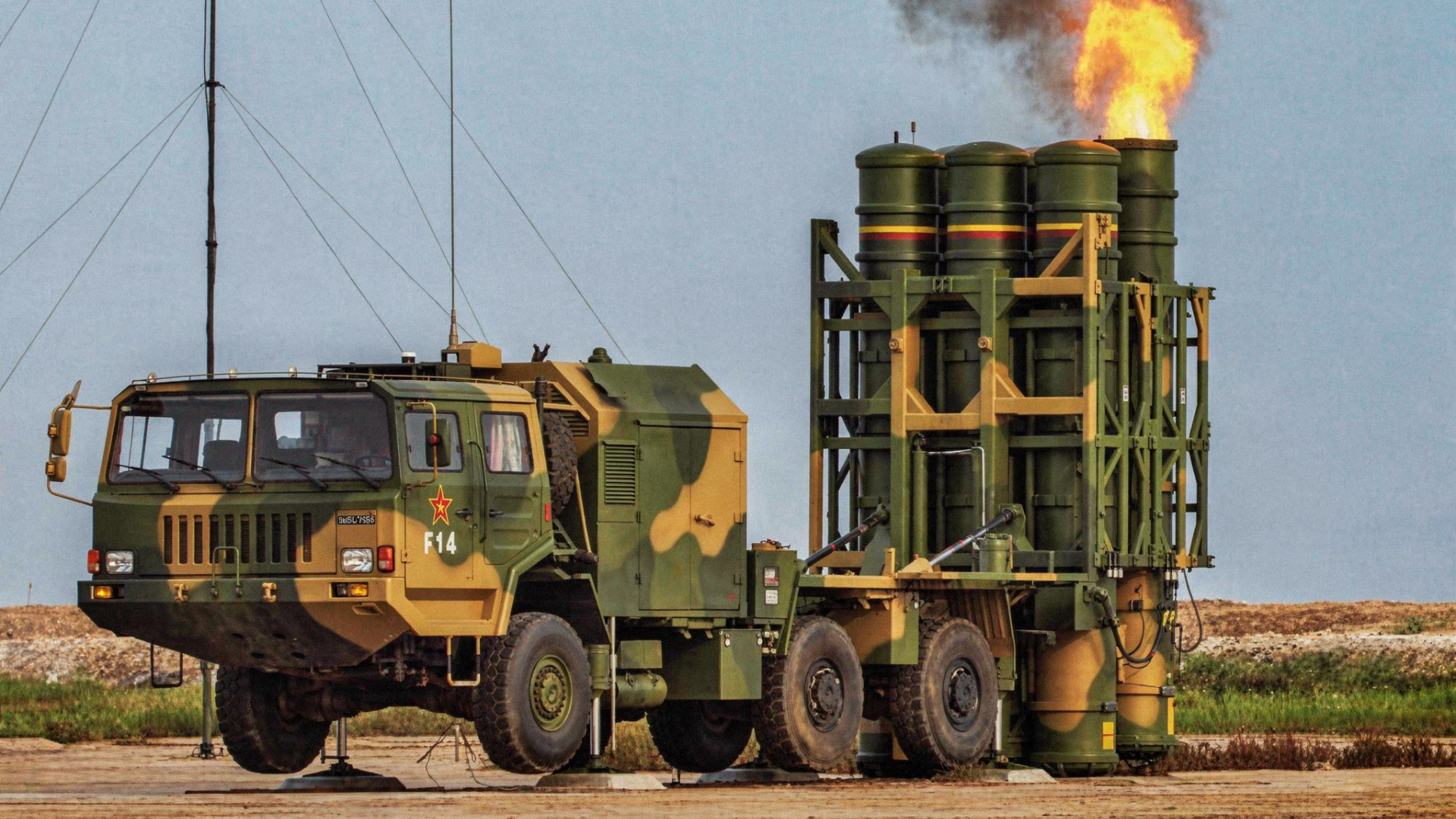
Chinese state media has revealed what it described as the first operational live-fire evaluation of the PLA’s new HQ-16F air defense missile. Footage broadcast by CCTV showed troops from the 73rd Group Army, part of the Eastern Theater Command responsible for operations around Taiwan, conducting the exercise in the Gobi Desert after traveling more than 1,200 miles from their home base in Fujian Province to train with the newly issued system.

During the test, a missile was launched from a mobile platform and successfully intercepted an aerial target at roughly 31 miles, according to CCTV. The live-fire exercise was presented as a validation of the system’s operational readiness under field conditions.

Footage also showed the missile’s streamlined, wingless design, which relies on four rear-mounted fins for flight control. This configuration reduces drag while enabling rapid maneuvering and course corrections to engage moving targets at medium range.

New missile is latest variant in China’s Hong Qi-16 air defense family

Although state media avoided identifying the missile by name, footage from the exercise appeared to reveal its designation. A close-up shot showed a nameplate marked “HQ-16F”, while the missile’s external configuration closely resembles the HQ-16FE, the newest export-focused member of China’s Hong Qi (“Red Flag”) 16 air defense family that debuted publicly at the 2022 Zhuhai Airshow, the South China Morning Post writes.

The missile features a streamlined, wingless design that relies on rear control fins for maneuvering. This configuration reduces aerodynamic drag and overall weight, helping improve flight efficiency and potentially increasing engagement range compared with earlier designs.

The HQ-16 family forms a key part of China’s medium-range air defense network and is available in both land-based and naval configurations. Footage from the recent test showed the missile being launched from fully vertical cells, indicating compatibility with shipborne vertical launch systems and suggesting potential cross-platform deployment.

While Beijing has not released official performance data for the HQ-16F, Chinese domestic variants have historically offered greater capabilities than export models. The export-oriented HQ-16FE is designed to engage a wide range of threats, including aircraft, tactical ballistic missiles, and supersonic cruise missiles. 

HQ-16F can engage targets from 2.2 to 100 miles away

According to publicly available specifications, it can intercept conventional aircraft at ranges of up to about 100 miles, a fourfold increase over the original HQ-16, while retaining the ability to engage targets as close as roughly 2.2 miles away. The system can reportedly target threats flying as low as 50 feet above the ground and at altitudes reaching approximately 17 miles.

In terms of reach, the HQ-16FE is often compared to the US Patriot PAC-2, while its sensor suite and missile-defense functions are considered closer to those of the more advanced Patriot PAC-3. The two systems, however, employ different interception methods. The PAC-3 uses a hit-to-kill approach, destroying incoming threats through direct kinetic impact rather than a conventional explosive warhead.

The new HQ-16F missiles add another layer to the PLA’s already extensive air defense network, which covers threats from low altitudes to near space. Their deployment is particularly significant because they are being fielded by the PLA’s 73rd Group Army, based in Xiamen across the Taiwan Strait from Taiwan and considered a key frontline force in any cross-strait contingency.

The move comes as analysts debate how Beijing might seek to pressure Taiwan. Foreign policy commentator Eyck Freymann has argued that China’s most likely path could be a prolonged blockade rather than a direct invasion. In that context, the deployment highlights Beijing’s continued efforts to strengthen the military capabilities of units positioned closest to Taiwan.

💾

China has equipped frontline forces facing Taiwan possibly with the HQ-16F, a new air defense missile believed to offer capabilities comparable to the US Patriot PAC-2 and PAC-3 systems.
  •  

China’s CATL moves sodium-ion batteries from pilot projects to commercial deployment

China’s CATL has outlined a concrete roadmap for the commercial rollout of sodium-ion battery technology, announcing that customer deliveries of its first sodium-ion energy storage systems will begin in September. 

The company also expects sodium-ion battery shipments to reach the gigawatt-hour scale in 2026, marking a significant step toward wider adoption of the technology. The timeline was revealed by CATL’s energy storage solutions CTO, Lin Jiubiao, during a sodium-ion battery industry event in China. 

The announcement builds on the company’s earlier statements that sodium-ion batteries are moving into large-scale production and deployment across a range of applications, including energy storage and electric mobility.

Sodium-ion batteries emerge as a viable alternative to lithium

Long viewed as a promising alternative to lithium-based technologies, sodium-ion batteries are now approaching their first large-scale commercial deployments. While research into sodium-ion chemistry dates back to the 1970s – around the same time as lithium-ion batteries, the technology remained largely in the background for decades, CarNewsChina reported.

Early sodium-based cells struggled to match lithium batteries in key areas such as energy density, cycle life, and overall performance, slowing their path to market. Recent advances in materials and manufacturing, however, have significantly improved their competitiveness, paving the way for broader adoption in energy storage and other applications.

After several years of development, CATL has steadily expanded its ambitions in the sodium-ion battery market, as the company first introduced its inaugural sodium-ion battery in 2021, marking its entry into the sector. 

Four years later, in April 2025, CATL unveiled its second-generation Naxtra sodium-ion battery and outlined plans to deploy the technology across a wide range of applications, including passenger and commercial vehicles, battery-swapping networks, and stationary energy storage systems.

Lower production costs pave the way for sodium-ion expansion

Declining raw material and supply-chain costs are helping pave the way for the wider commercial adoption of sodium-ion batteries. As production scales and manufacturing processes mature, the economics of sodium-ion technology are becoming increasingly attractive, improving its competitiveness against established battery chemistries and supporting broader deployment across energy storage and mobility applications.

Industry suppliers say sodium-ion battery materials are beginning to benefit from the same economies of scale that helped drive the success of lithium iron phosphate (LFP) batteries.

As production capacity expands, manufacturing volumes are increasing and costs are steadily falling, improving the commercial outlook for the technology. At the same time, hard-carbon anodes, one of the key components used in sodium-ion batteries, have moved into industrial-scale production, marking another important milestone in the development of a mature supply chain.

One of the main advantages of sodium-ion technology is its use of widely available and inexpensive sodium resources, which reduces reliance on often constrained lithium supply chains. The chemistry has therefore emerged as a promising option for large-scale energy storage, where cost, resource availability, and operational reliability are critical factors.

💾

CATL says it will begin customer deliveries of its first sodium-ion energy storage systems in September.
  •  

New Chinese axial flux motor reaches 18,000 rpm milestone, can be used in EVs and robots

A collaboration between Chinese company Pangoo Power and the Ningbo Institute of Materials Technology and Engineering has resulted in a new axial flux motor platform built around a permanent-magnet material developed specifically for this motor architecture. 

According to the developers, the material improves magnetic energy performance, high-temperature stability, and mechanical strength while remaining suitable for large-scale manufacturing. The technology is drawing increasing interest because axial flux motors are fundamentally different from conventional radial-flux designs. Instead of directing magnetic flux outward from the center, axial flux motors channel it parallel to the shaft. 

This disc-shaped configuration reduces the motor’s overall length and enables torque to be generated closer to the outer edge, helping deliver higher torque and power density while lowering weight – which are key advantages for electric vehicles, humanoid robots, and emerging electric aircraft.

Modern materials revive a centuries-old motor design

Although axial flux motors are often viewed as a cutting-edge technology, the concept traces its origins to some of the earliest electric motor experiments conducted by Michael Faraday in the 19th century. For decades, however, the design remained largely impractical due to limitations in magnetic materials, manufacturing precision, and power control systems. 

Recent advances in permanent magnets, power electronics, and high-precision production techniques have changed that equation, enabling engineers to revisit the architecture and unlock performance levels that were previously difficult to achieve in commercial applications, CarNewsChina writes.

According to Chinese researchers, axial flux motor designs can cut both weight and axial length by roughly 50% compared with conventional motors that deliver comparable output. This reduction in size and mass makes the architecture especially attractive for electric vehicle applications, where drivetrain compactness is a critical design constraint. 

By shrinking the motor footprint, manufacturers can free up valuable chassis space, improve overall packaging efficiency, and potentially enhance vehicle performance and range through better system integration.

Breakthrough material enhances high-load motor operation

Recent engineering work on the new magnet material focuses on overcoming several persistent barriers to wider axial flux motor adoption, with researchers fine-tuning magnetic formulations, engineered more controlled microstructures, and increased resistance to high temperatures in order to limit demagnetisation during sustained high-speed and high-load operation. 

These improvements are critical for maintaining stable performance under demanding conditions, where thermal stress and magnetic degradation have historically constrained efficiency and long-term reliability. The finished production-oriented motor is reported to deliver a power density of 25.73 kW/kg while operating at speeds above 18,000 rpm. Researchers note this combination of high rotational speed and high power output could support demanding electric vehicle use cases, including sustained highway cruising and frequent hard acceleration.

These results come as Chinese automakers continue to rapidly advance electric motor technology across multiple design paths. Xiaomi Auto recently revealed that its Xiaomi YU7 GT will use the upgraded HyperEngine V8S EVO powertrain, an evolution of its earlier V8S system. The motor is capable of reaching up to 28,000 rpm and incorporates a self-developed silicon carbide (SiC) power module that increases output by 5.9%. Xiaomi also highlighted the use of 0.15 mm ultra-thin silicon steel laminations and a reported peak efficiency of 98.38%.

Recent developments in China’s electric drivetrain sector also highlight a broader push toward higher-output and more diversified motor architectures. BYD has introduced a 240 kW traction motor that is increasingly making its way into lower-priced electric vehicle segments, reflecting a trend toward more powerful drivetrains at accessible price points.

💾

A research team in China says it has developed a high-performance axial flux motor capable of exceeding 18,000 rpm and achieving a power density of 25.73 kW/kg. 
  •  
❌